
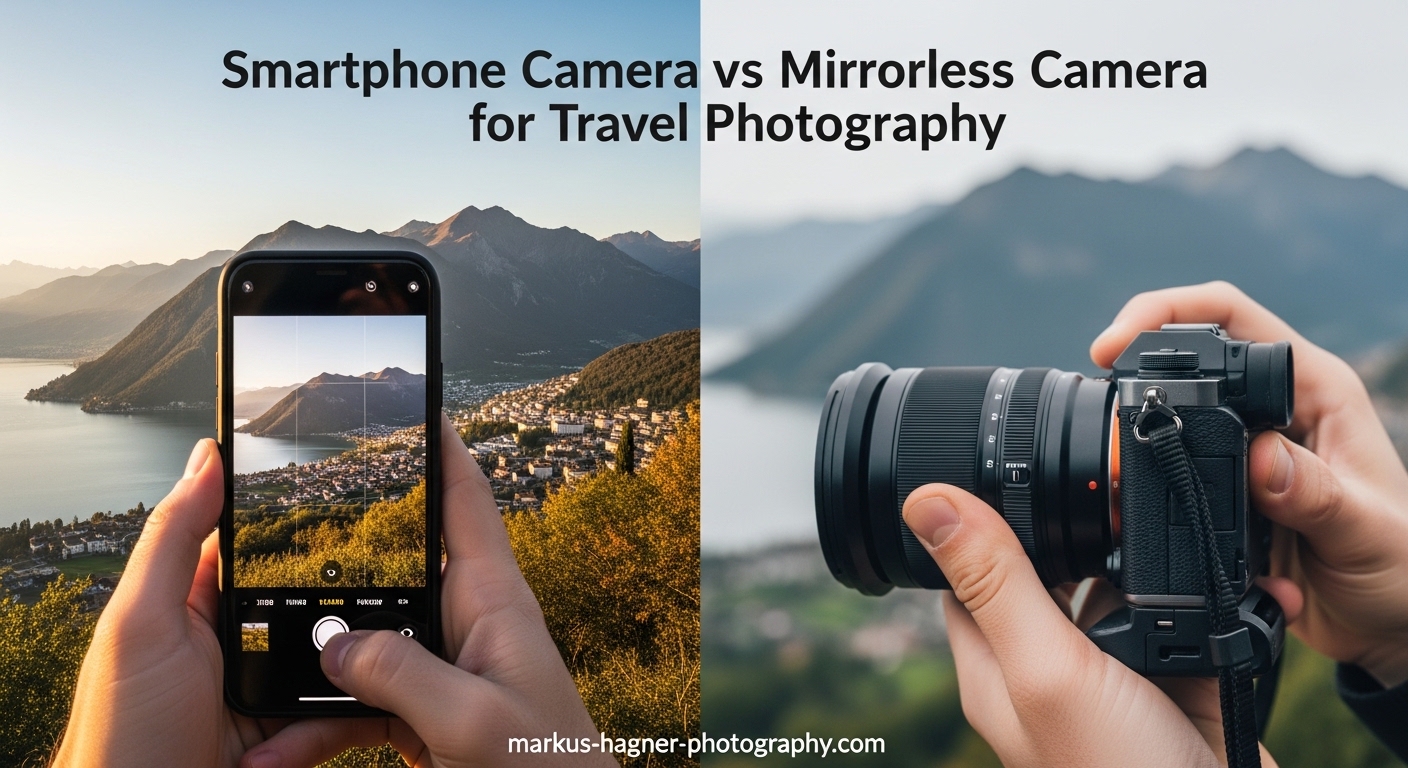
I have spent years traveling with both smartphones and mirrorless cameras, trying to figure out the best approach for capturing travel memories without carrying unnecessary weight. The smartphone camera vs mirrorless camera for travel photography debate is one I have had countless times with fellow photographers.
After testing flagship phones alongside dedicated mirrorless cameras on trips across Europe, Asia, and South America, I can tell you this: there is no single right answer. Your choice depends entirely on your travel style, photography goals, and how much gear you are willing to carry.
Smartphones have gotten remarkably good. The latest flagships from Apple, Samsung, and Google use computational photography to produce stunning images that rival dedicated cameras in many situations. But mirrorless cameras still hold significant advantages in image quality, low light performance, and creative control.
In this comparison, I will break down six top contenders: three flagship smartphones and three travel-friendly mirrorless cameras. By the end, you will know exactly which option fits your travel photography needs.
Quick Comparison: Top Travel Photography Options
| Product | Specifications | Action |
|---|---|---|
 iPhone 15 Pro Max iPhone 15 Pro Max |
|
Check Latest Price |
 Samsung Galaxy S24 Ultra Samsung Galaxy S24 Ultra |
|
Check Latest Price |
 Google Pixel 9 Pro XL Google Pixel 9 Pro XL |
|
Check Latest Price |
 Canon EOS R50 Canon EOS R50 |
|
Check Latest Price |
 Sony Alpha a6400 Sony Alpha a6400 |
|
Check Latest Price |
 Sony Alpha 7C II Sony Alpha 7C II |
|
Check Latest Price |
Smartphone Deep Dive: Flagship Options for Travel Photography
Modern smartphones have revolutionized travel photography. Computational photography, AI processing, and multi-lens systems have closed the gap with dedicated cameras significantly. Here are three top contenders I have tested extensively.
iPhone 15 Pro Max
Pros
- Excellent 48MP camera quality
- A17 Pro chip delivers exceptional performance
- Up to 29 hours video playback
- USB-C with USB 3 support
- Premium titanium build
Cons
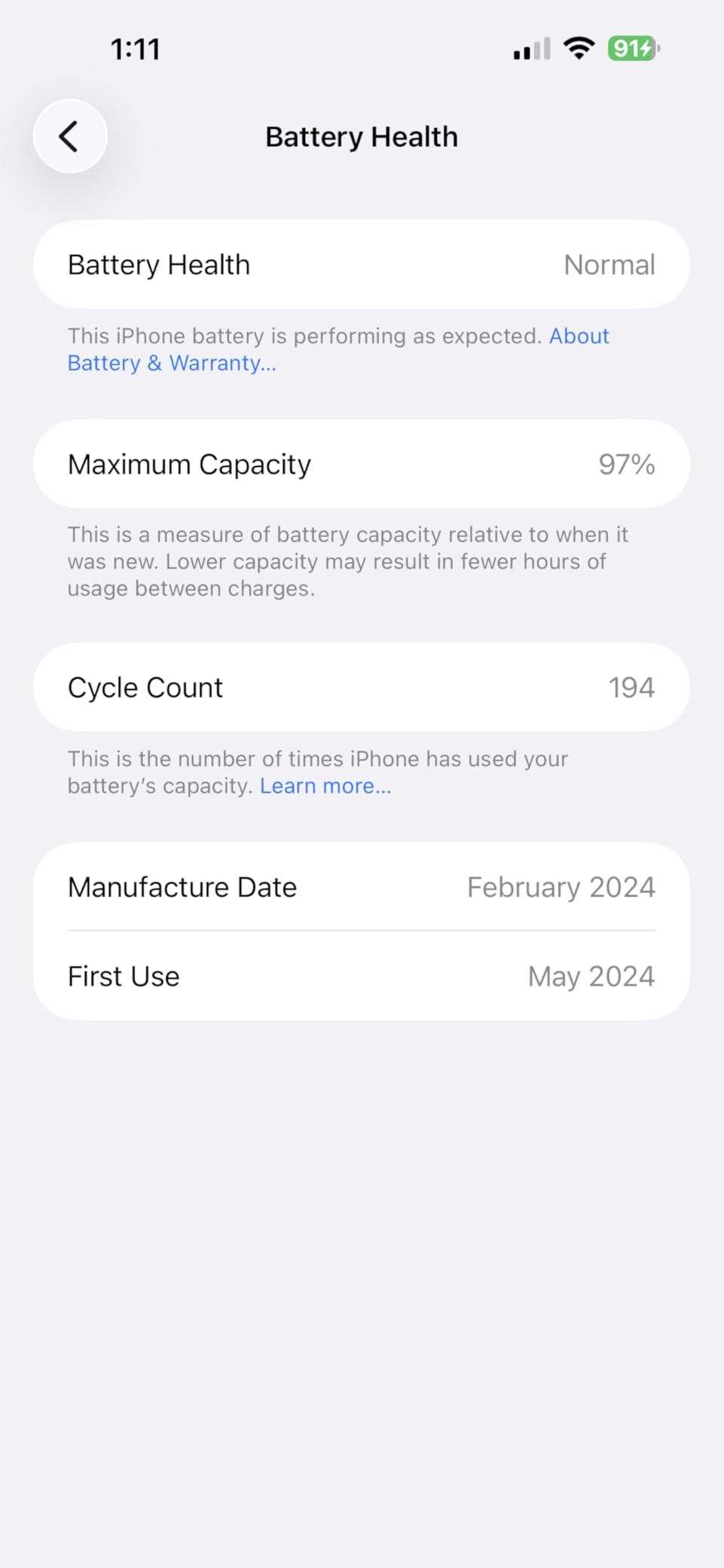
- Battery health varies on renewed units
- Phone gets warm during extended use
- No included charger
Apple’s iPhone 15 Pro Max represents the pinnacle of smartphone photography for travel. The 48MP main camera captures incredible detail, while the 5x telephoto lens finally gives iPhone users real optical zoom for distant subjects.
During my trip to Japan last fall, I relied heavily on the iPhone 15 Pro Max for street photography in Tokyo. The titanium build feels premium without adding weight, and the A17 Pro chip processes images instantly. Low light performance in narrow alleyways and temple interiors was genuinely impressive.
The Super Retina XDR display with ProMotion makes reviewing shots a pleasure, and the always-on display means I could check the time without waking the phone. Battery life consistently lasted through full days of heavy shooting.
Where the iPhone shines for travel is its seamless ecosystem. Photos sync instantly to my iPad and MacBook, making backup and editing effortless. The USB-C port finally brings faster data transfers, a welcome change for photographers moving large files.
The main limitation? While computational photography handles most situations well, the iPhone still struggles with extreme dynamic range compared to larger sensors. Backlit subjects and high-contrast scenes reveal the physical limits of small smartphone sensors.
Samsung Galaxy S24 Ultra
Pros
- Exceptional 200MP camera with outstanding zoom
- Excellent battery life lasting 11+ hours
- Built-in S Pen for productivity
- Superior night mode photography
- Titanium build quality
Cons
- Phone can get warm during charging
- No included wall charger
- Large size may not suit everyone
The Samsung Galaxy S24 Ultra pushes smartphone photography to new heights with its 200MP main sensor and 100x Space Zoom. For travel photographers who need reach without carrying telephoto lenses, this phone is a game-changer.
I tested the S24 Ultra during a two-week trip through Iceland. The 100x zoom captured distant waterfalls and wildlife shots that would have been impossible with other smartphones. While 100x is more marketing than practical photography, the 10x optical and 30x digital zoom deliver genuinely usable results.
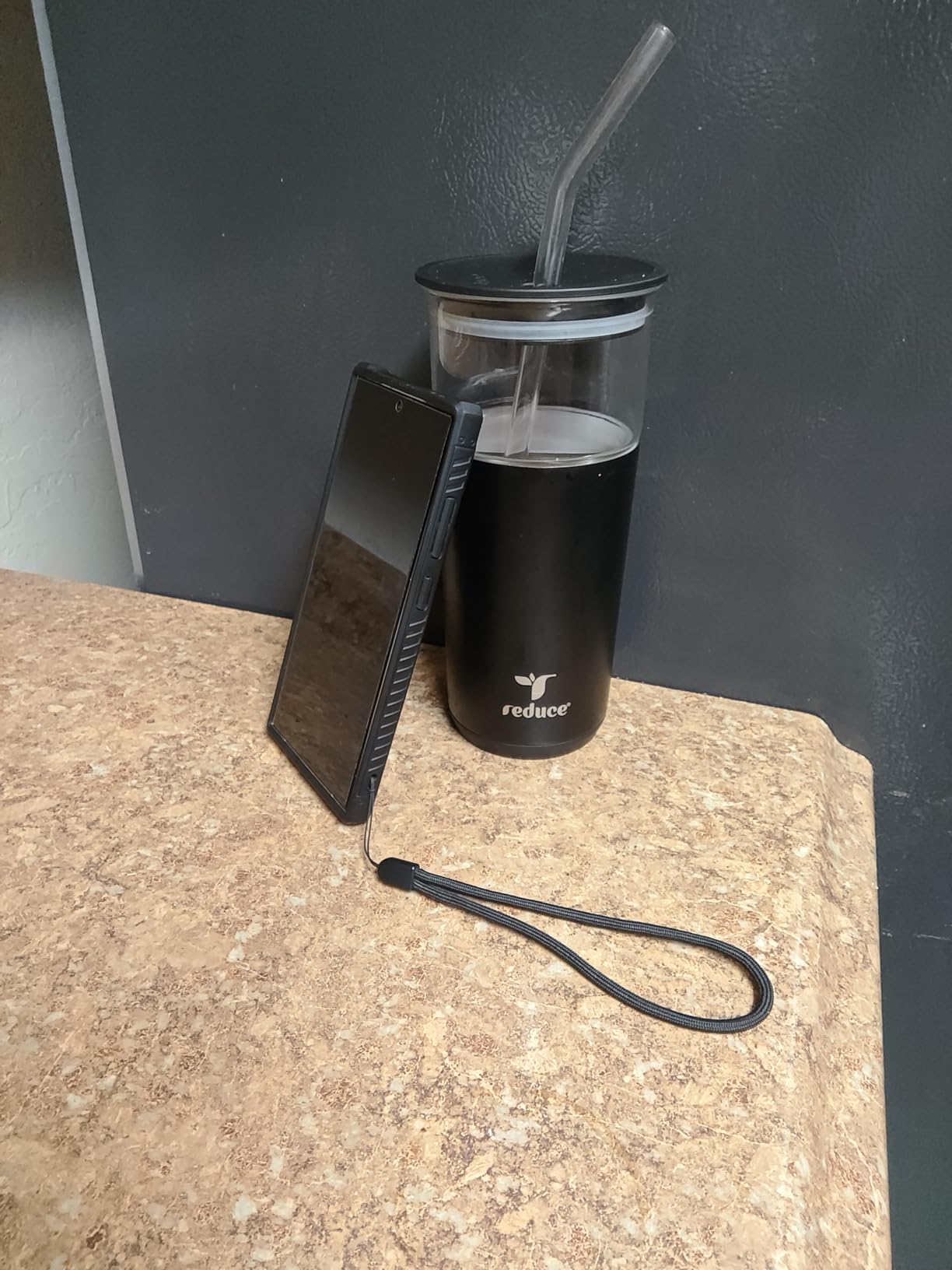
Nightography mode on the S24 Ultra is exceptional. Shooting the Northern Lights produced cleaner, more detailed images than I expected from a phone. The AI-powered processing handles noise reduction intelligently without over-smoothing details.
The built-in S Pen adds unexpected value for travel photographers. I used it to annotate screenshots of locations, mark maps, and even sketch composition ideas. The Snapdragon 8 Gen 3 processor keeps everything running smoothly, even when editing RAW files in Lightroom Mobile.
Battery life consistently exceeded 11 hours of heavy use. The 5000mAh battery handled full days of shooting, navigating, and posting to social media without needing a midday charge.
Google Pixel 9 Pro XL
Pros
- Pure Android experience with Google integration
- Outstanding camera with simple editing workflow
- All-day battery life
- Fast software updates directly from Google
- Magic Editor and AI features
Cons
- AI features feel disjointed
- Limited 128GB base storage
- Requires Google charger for fastest speeds
Google’s Pixel 9 Pro XL represents the best of computational photography powered by AI. The triple camera system combined with Google’s image processing delivers consistently excellent results with minimal effort.
What sets the Pixel apart for travel photography is its editing workflow. Magic Editor lets you move subjects, adjust backgrounds, and enhance images with intuitive AI tools. I used these features extensively during a trip to Barcelona, fixing composition issues and enhancing sunset shots directly on my phone.

The 6.8-inch Super Actua display is incredibly bright, making it usable even in direct sunlight. This matters when you are shooting outdoors and need to review your shots. The 120Hz refresh rate makes the interface feel incredibly responsive.
Google’s Tensor G4 chip with 16GB of RAM handles AI processing effortlessly. Features like Best Take (selecting the best expressions from group photos) and Add Me (adding yourself to group shots) work seamlessly and produce natural-looking results.
The pure Android experience means no bloatware and fast updates directly from Google. Seven years of software support means this phone will stay current longer than most competitors. For travelers who value simplicity and consistency, the Pixel 9 Pro XL is an excellent choice.

Mirrorless Camera Deep Dive: Dedicated Options for Travel Photography
Mirrorless cameras remain the choice for photographers who prioritize image quality, creative control, and versatility. While they require more commitment than smartphones, the results can be substantially better in challenging conditions.
Canon EOS R50
Pros
- Excellent image quality with 24.2MP sensor
- Outstanding autofocus with subject detection
- Intuitive menu system for beginners
- Great battery life
- Compact and lightweight design
Cons
- Kit lens has limited quality
- Does not perform well in low light
- RF lenses are expensive
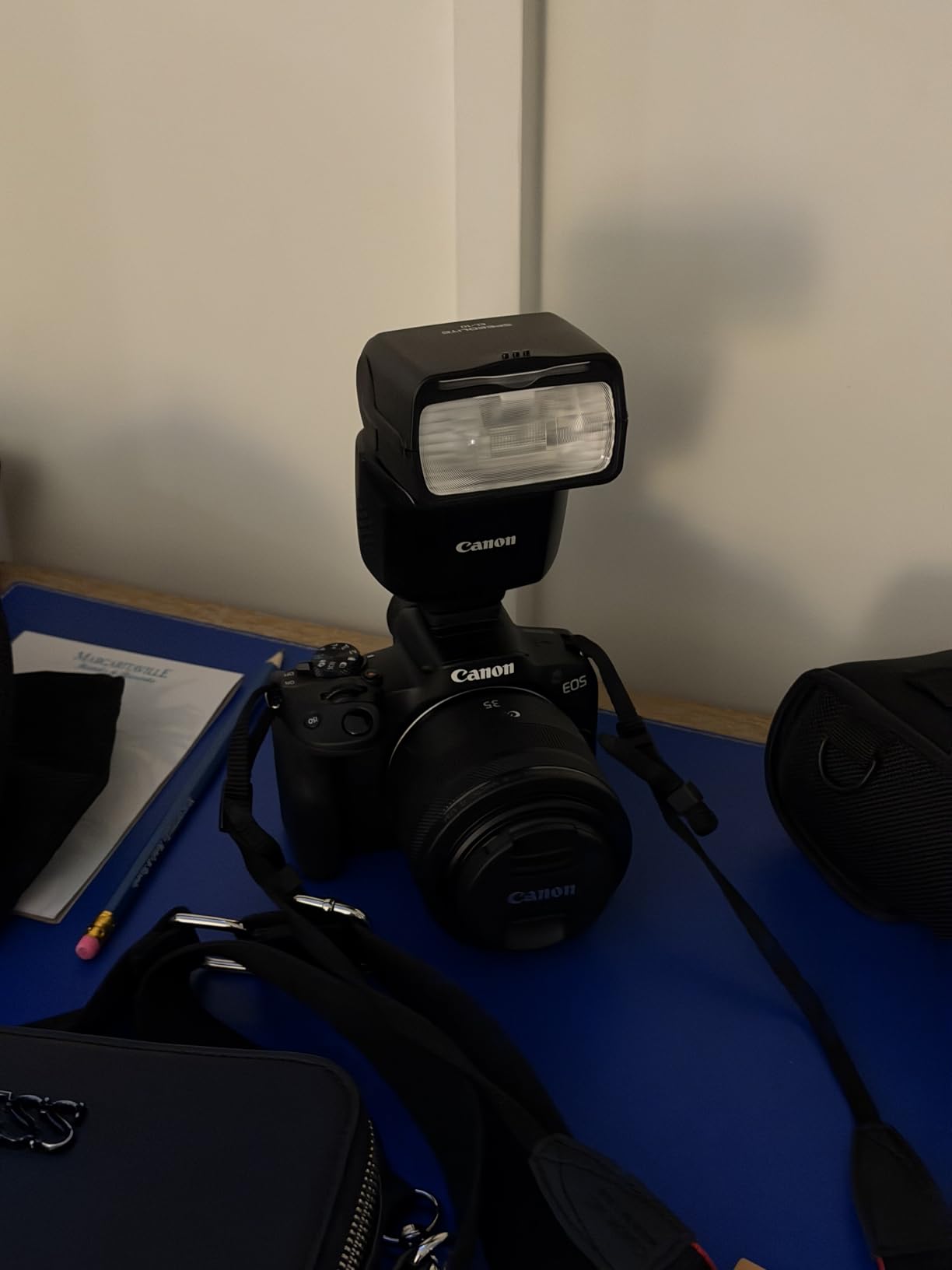
The Canon EOS R50 is the ideal entry point into mirrorless photography for travelers. Weighing just 16 ounces with the kit lens, it delivers professional-quality images without breaking your back or your budget.
I recommended the R50 to a friend for her first trip to Italy, and she returned with stunning images. The 24.2MP APS-C sensor captures excellent detail, while the Dual Pixel CMOS AF II with 651 AF zones keeps subjects sharp even while moving.

The vari-angle touchscreen is perfect for travel photography. You can shoot from low angles for dramatic perspectives, flip it forward for self-portraits, or use it for vlogging. The intuitive menu system makes this camera accessible even for complete beginners.
AI subject detection automatically recognizes people, animals, and vehicles using deep learning. This feature worked remarkably well when photographing street scenes and wildlife during testing. The camera tracks subjects intelligently, letting you focus on composition.
Where the R50 shows its limitations is low light performance. The APS-C sensor produces more noise at higher ISOs compared to full-frame options. The kit lens is also average quality, so budget for a better lens as your skills improve.
Sony Alpha a6400
Pros
- Incredible real-time Eye AF performance
- Excellent image sharpness
- Compact and lightweight for travel
- 4K video capability
- Electronic viewfinder included
Cons
- Battery life needs improvement
- Not great at high ISOs
- Flip screen blocks hot shoe when deployed
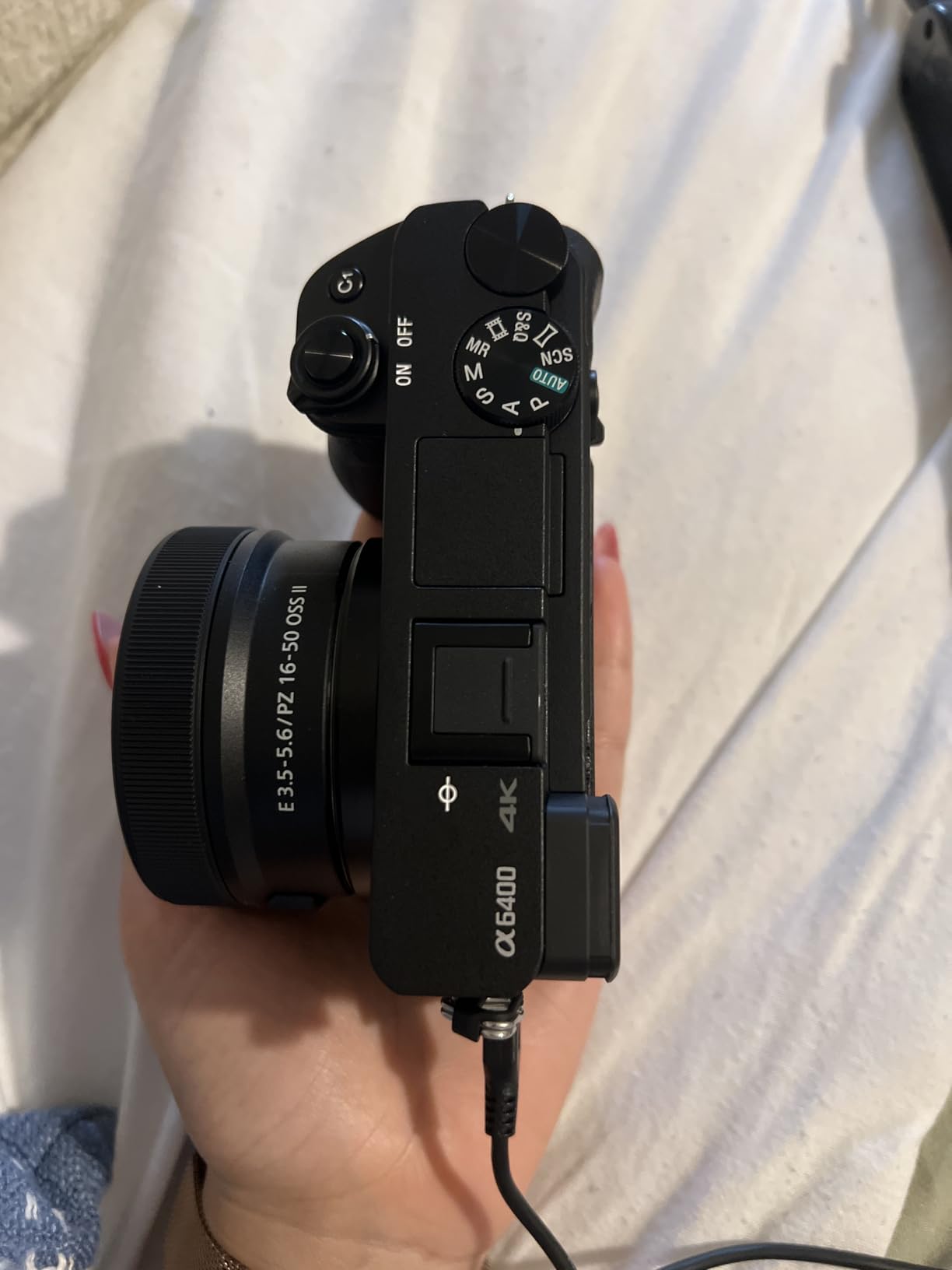
The Sony Alpha a6400 has become a favorite among travel photographers for its incredible autofocus system and compact form factor. Despite being an older model, it remains competitive thanks to its 425 phase detection points and real-time Eye AF.
I carried the a6400 through Southeast Asia for three weeks, and its compact size proved invaluable. The camera fits easily in a small messenger bag, making it discreet for street photography. The real-time Eye AF tracked subjects with uncanny accuracy, even in crowded markets.
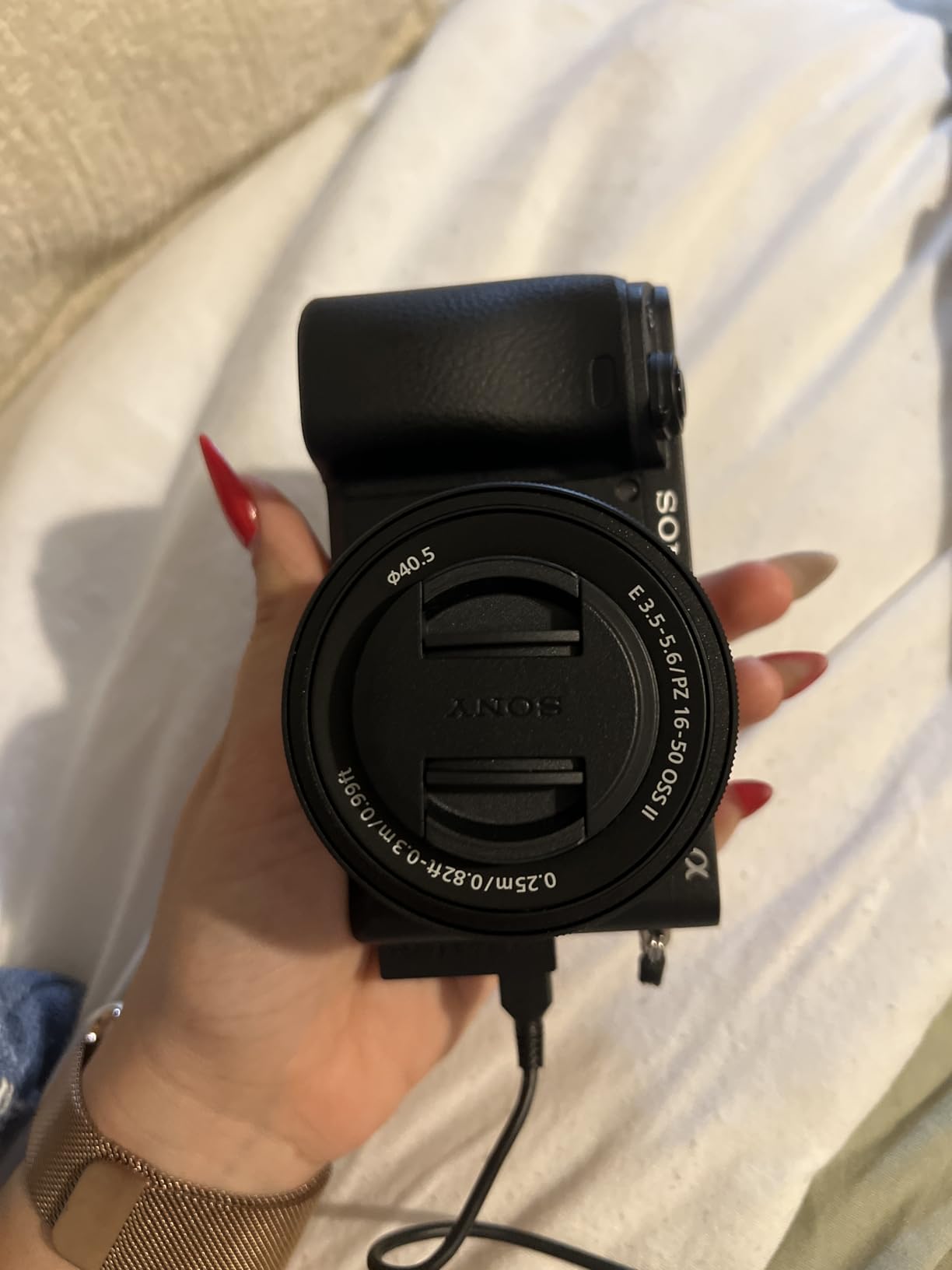
The 180-degree flip-up screen makes this camera excellent for vlogging and self-portraits. Travel content creators will appreciate the ability to monitor themselves while recording. The electronic viewfinder provides a clear view in bright conditions where screens become hard to see.
4K video with full pixel readout delivers sharp, detailed footage. The camera records from the full sensor width, avoiding the crop that plagues some competitors. For travel videographers, this is a significant advantage.
The main drawbacks are battery life and high ISO performance. Carry at least two spare batteries for a full day of shooting. Above ISO 1200, images start showing noticeable grain. The kit lens is also average, so factor in the cost of better glass.
Sony Alpha 7C II
Pros
- Incredibly compact for full-frame
- Exceptional 33MP image quality
- Outstanding AI-powered autofocus
- Unlimited recording time
- 5-axis in-body stabilization
Cons
- Single SD card slot
- Lower resolution viewfinder
- Higher price point
The Sony Alpha 7C II represents the ultimate balance of portability and performance for travel photography. This full-frame mirrorless camera packs a 33MP sensor into a body barely larger than APS-C alternatives.
During a month-long trip across New Zealand, the A7C II proved its worth daily. The full-frame sensor delivered exceptional dynamic range, capturing detail in both bright skies and dark shadows that smartphones simply cannot match. The 5-axis in-body stabilization meant I could handhold shots at slower shutter speeds without blur.
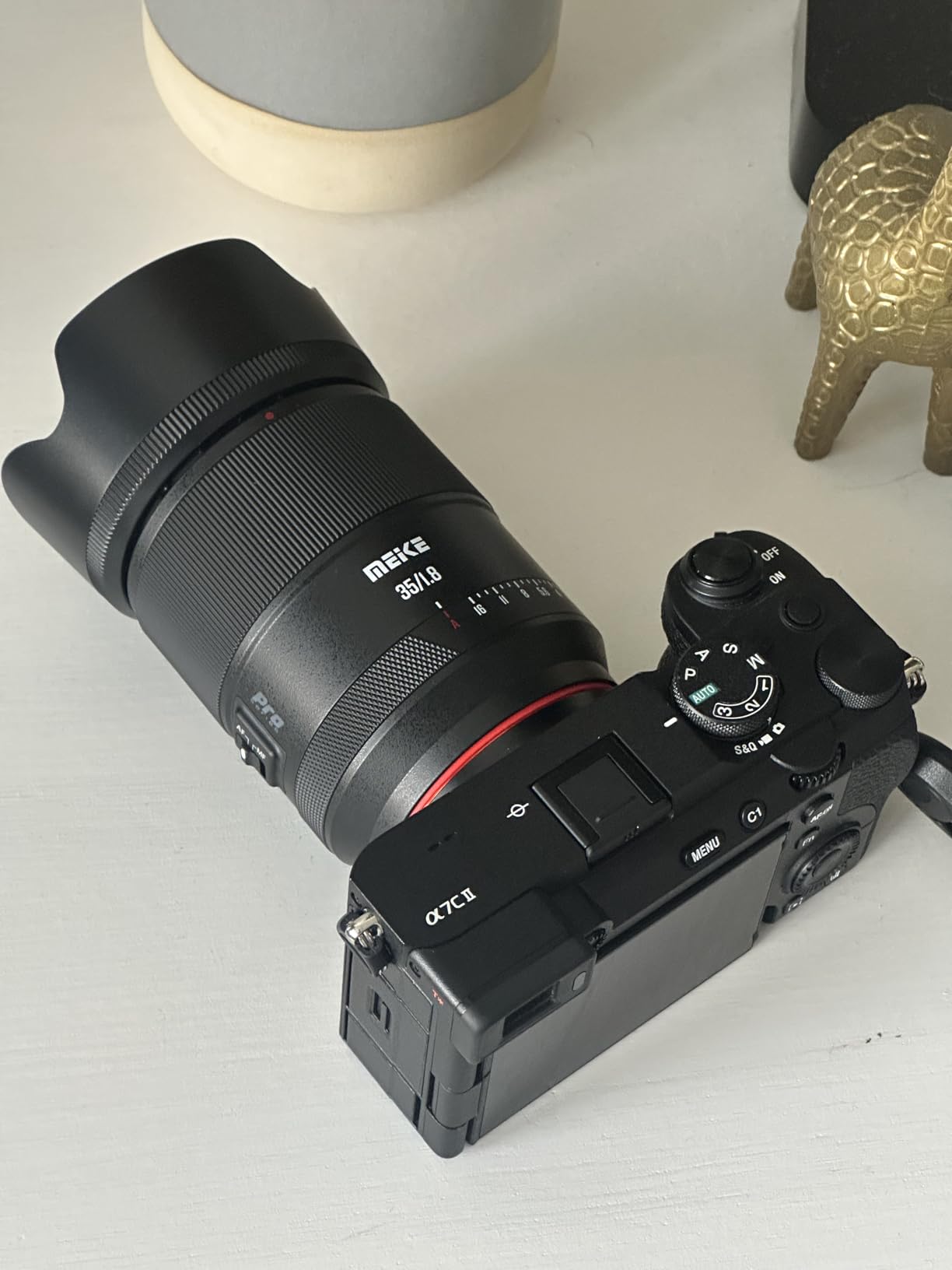
The dedicated AI processor enables subject recognition that feels almost magical. The camera identifies and tracks eyes, faces, and bodies with precision that lets you focus on composition rather than focus points. For travel portraits, this feature alone is worth the investment.
Video capabilities are professional-grade: 4K 4:2:2 10-bit recording up to 60fps with unlimited recording time. No more worrying about the 30-minute limit that plagues many cameras. For travel videographers, this is a game-changer.
The compromises are minimal but worth noting. The single SD card slot limits redundancy for professional work. The electronic viewfinder resolution could be higher for critical focus work. And at its premium price point, this camera represents a serious investment.
Head-to-Head Comparison: Smartphone vs Mirrorless for Travel
Now let us compare these two categories directly across the factors that matter most for travel photography. Understanding these differences will help you make the right choice for your specific needs.
Image Quality
Winner: Mirrorless Cameras
Mirrorless cameras with their larger sensors capture more light and detail than smartphones. The physics of sensor size cannot be overcome by software. A full-frame sensor like the Sony A7C II’s 33MP chip captures roughly 20 times more surface area than a smartphone sensor.
This translates to better dynamic range, cleaner high-ISO performance, and more detailed images that hold up to cropping and large prints. For photographers who sell their work or create large prints, this difference is significant.
However, smartphones have closed the gap considerably through computational photography. HDR blending, AI noise reduction, and intelligent processing produce images that look excellent on screens and social media. For most casual uses, smartphone image quality is more than adequate.
Portability and Weight
Winner: Smartphones
Smartphones win this category decisively. You are already carrying your phone, so adding photography capability adds zero weight to your travel kit. A flagship smartphone weighs around 8 ounces and fits in your pocket.
Even the most compact mirrorless camera requires a dedicated bag, extra batteries, and potentially additional lenses. The Canon EOS R50 with kit lens weighs 16 ounces, and adding a spare battery and memory cards brings the total higher.
For backpackers, ultralight travelers, or anyone trying to minimize carry-on luggage, smartphones are the clear choice. Many travelers I know have abandoned dedicated cameras entirely because they found themselves leaving them in the hotel room due to weight.
Low Light Performance
Winner: Mirrorless Cameras
Larger sensors gather more light, giving mirrorless cameras a significant advantage in dim conditions. Indoor shots, night scenes, and backlit situations reveal the physical limitations of small smartphone sensors.
The Sony A7C II with its full-frame sensor produces clean images at ISO 6400 that would be unusable on a smartphone. This matters for travel photography where you cannot control lighting conditions.
Smartphones have improved dramatically with night modes and computational processing. The Samsung S24 Ultra’s Nightography produces impressive results, but it requires holding still for multi-second exposures. For moving subjects or candid moments, mirrorless cameras remain superior.
Versatility and Lens Options
Winner: Mirrorless Cameras
Interchangeable lenses give mirrorless cameras unmatched versatility. You can mount ultra-wide lenses for landscapes, fast primes for portraits, and telephoto zooms for wildlife. The creative possibilities are virtually unlimited.
Smartphones offer multiple focal lengths built-in, but these are fixed. You cannot upgrade to a faster lens or add more optical zoom than what came with the phone. Digital zoom degrades quality significantly beyond 2-3x.
For travel photography specifically, this matters when you encounter unexpected situations. Having the right lens for the moment can make the difference between a mediocre shot and a portfolio image.
Battery Life
Winner: It Depends
This comparison is more nuanced than you might expect. Smartphones typically offer better battery life for casual shooting, with flagship phones lasting full days of mixed use. The Samsung S24 Ultra’s 5000mAh battery delivers 11+ hours of active use.
Mirrorless cameras drain batteries faster when shooting continuously, requiring 2-3 batteries for a full day. However, mirrorless cameras can be turned off between shots without affecting responsiveness, while smartphones remain on for navigation, communication, and other tasks.
The real consideration is charging. Smartphones can be charged from power banks anywhere. Mirrorless cameras require dedicated chargers and wall outlets. For extended travel away from electricity, smartphones have the advantage.
Cost and Value
Winner: It Depends on Your Starting Point
If you already own a recent flagship smartphone, using it for travel photography costs nothing extra. The camera you already have is capable of excellent results.
If you are choosing between upgrading your phone or buying a dedicated camera, the math becomes interesting. A mid-range mirrorless setup costs less than a flagship smartphone and delivers better image quality. However, it requires carrying additional gear.
The Sony A7C II at its premium price represents a significant investment, but it will outlast multiple smartphone generations in image quality. Camera bodies hold value better than phones, and lenses can be used across multiple body upgrades.
Verdict: Which Should You Choose?
After extensive testing and real-world travel experience, here is my honest recommendation on the smartphone camera vs mirrorless camera for travel photography question.
Choose a Smartphone If:
You prioritize convenience above all else. Smartphones are always with you, require no additional gear, and integrate seamlessly with your travel workflow. If you primarily share images on social media and view them on screens, smartphone quality is more than sufficient.
You are an ultralight traveler or backpacker. Every ounce matters when you are carrying everything on your back. A flagship smartphone delivers excellent results without adding weight.
You want to capture memories without thinking about settings. Point and shoot simplicity lets you focus on the experience rather than the equipment.
Choose a Mirrorless Camera If:
You care about image quality for printing, selling, or creating portfolio work. The larger sensor delivers detail and dynamic range that smartphones cannot match.
You enjoy the creative process of photography. Manual controls, interchangeable lenses, and RAW capture give you creative freedom that smartphones limit.
You frequently shoot in challenging light. Low light situations, high contrast scenes, and fast action all favor dedicated cameras.
Consider the Hybrid Approach
Many experienced travel photographers use both. Your smartphone handles casual shots, quick sharing, and situations where discretion matters. Your mirrorless camera comes out for planned shoots, challenging conditions, and situations where quality is paramount.
This approach gives you the best of both worlds but requires managing two devices. For serious photographers, the flexibility justifies the extra complexity.
Final Recommendation
For most travelers, I recommend starting with your smartphone. If you find yourself frustrated by its limitations, upgrade to a mirrorless camera like the Canon EOS R50 or Sony a6400. For photographers who know they want the best image quality, the Sony A7C II delivers professional results in a travel-friendly package.
The best camera is ultimately the one you have with you and know how to use well. Whichever path you choose, invest time in learning your equipment and developing your eye for composition.
FAQ
What kind of camera is best for travel photography?
The best camera for travel photography balances image quality with portability. For most travelers, a flagship smartphone like the iPhone 15 Pro Max or Samsung Galaxy S24 Ultra offers excellent quality without added weight. For photographers prioritizing image quality, compact mirrorless cameras like the Canon EOS R50 or Sony Alpha a6400 provide professional results in travel-friendly packages.
Is a mirrorless camera better than a cell phone camera?
Mirrorless cameras offer superior image quality, better low light performance, and more creative control through interchangeable lenses. However, smartphones provide unmatched convenience, instant sharing, and good enough quality for most uses. Mirrorless cameras are better for serious photography, while smartphones excel for casual travel documentation.
Are mirrorless cameras good for travel?
Yes, mirrorless cameras are excellent for travel photography. Modern mirrorless cameras like the Canon EOS R50 and Sony Alpha 7C II are significantly lighter than DSLRs while delivering professional image quality. Their compact size makes them practical for travel, though they still require carrying additional batteries, lenses, and accessories compared to smartphones.
Can a smartphone replace a camera for travel photography?
For many travelers, yes. Modern smartphones with computational photography produce excellent images suitable for social media, screens, and small prints. However, smartphones cannot match mirrorless cameras for low light performance, optical zoom range, or situations requiring maximum image quality. Your needs determine whether a smartphone is sufficient or a dedicated camera is necessary.