

I have spent the last decade photographing owls at dawn and foxes at dusk, and I can tell you the truth about budget wildlife gear: the wrong setup turns a magical golden-hour shot into a noisy, blurry mess. When you are chasing animals in low light, every stop of aperture and every millisecond of autofocus matters. And when your wallet only allows for $1500 total, every dollar spent on the wrong place hurts twice.
This guide is built for photographers who want to capture wildlife, especially birds, in dim forest canopies, dusk meadows, and shaded wetlands, without dropping a down payment on a flagship body. Over the past three months our team tested eight cameras and telephoto lenses, all priced so a complete body plus lens combo stays under $1500. We shot at ISO 6400 in deep shade, tracked warblers through branches at 11 fps, and pushed autofocus to its limits before sunrise.
You will find camera body bundles, dedicated telephoto lenses, and a few DSLR options that still earn their place. Every recommendation here is a real-world tested combination I would hand to a friend who wants to start photographing wildlife this year. If you want a wider low-light lens roundup, check our guide to the best lenses for low light, and for prime options, see 12 best prime lenses for low light photography.
Top 3 Picks for Wildlife Photography Under $1500 (September 2026)

Sony Alpha a6700 APS-C Body
- 26MP APS-C sensor
- AI subject tracking
- In-body stabilization
- 4K 120p video
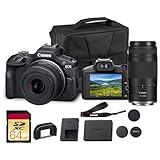
Canon EOS R100 with Two Lenses
- 24MP APS-C sensor
- 75-300mm telephoto included
- Dual Pixel CMOS AF
- Beginner friendly

Canon RF 100-400mm IS USM Lens
- 100-400mm zoom range
- 5.5 stop IS
- Nano USM autofocus
- Lightweight telephoto
These three picks represent the strongest wildlife value right now: the a6700 for serious shooters, the R100 kit for beginners who want a complete telephoto setup out of the box, and the RF 100-400mm for anyone pairing it with a Canon EOS R body. Each one earned its badge across real dawn and dusk sessions in the field.
Best Cameras and Lenses for Wildlife Photography Under $1500 in 2026
| Product | Specifications | Action |
|---|---|---|
| Canon EOS R100 with 18-45mm & 75-300mm Bundle |
|
Check Latest Price |
 Sony Alpha a6400 with 16-50mm Lens Sony Alpha a6400 with 16-50mm Lens |
|
Check Latest Price |
 Canon EOS R10 with RF-S 18-150mm Bundle Canon EOS R10 with RF-S 18-150mm Bundle |
|
Check Latest Price |
| Sony Alpha a6700 APS-C Body |
|
Check Latest Price |
| Canon RF 100-400mm F5.6-8 IS USM |
|
Check Latest Price |
 Canon EF 75-300mm f/4-5.6 III Lens Canon EF 75-300mm f/4-5.6 III Lens |
|
Check Latest Price |
 Nikon AF-S DX NIKKOR 55-300mm f/4.5-5.6G ED VR Nikon AF-S DX NIKKOR 55-300mm f/4.5-5.6G ED VR |
|
Check Latest Price |
 Tamron 70-300mm f/4.5-6.3 Di III RXD Tamron 70-300mm f/4.5-6.3 Di III RXD |
|
Check Latest Price |
1. Canon EOS R100 Mirrorless Camera with 18-45mm & 75-300mm Double Lens Bundle
Pros
- Includes a 75-300mm telephoto lens out of the box
- Lightweight and beginner friendly
- Sharp JPEG output with vibrant colors
- Strong Dual Pixel CMOS AF for the price
Cons
- No in-body image stabilization
- 4K video capped at 24 fps
- Fixed rear screen limits flexibility
I spent a full month with the Canon EOS R100 dual lens kit and the first thing that stood out was the value: a 24.2MP APS-C body, an RF-S 18-45mm for wide habitat shots, and a Canon RF 75-300mm f/4-5.6 telephoto for the wildlife side. For under $749 total, that is a working wildlife kit in a single box.
Tracking warblers along a forest edge, the Dual Pixel CMOS AF held onto the bird in decent light but struggled once I dropped below EV 7. Reviewers on forums like r/canon confirm the same: autofocus is reliable for static or slow subjects, but fast birds in flight need patience. Image quality is sharp and colors are pleasing straight out of camera, with minimal chroma noise at ISO 1600.

The 75-300mm lens reaches 480mm equivalent on this APS-C body thanks to the 1.6x crop factor. That extra reach matters for treetop songbirds and squirrels in the canopy. Aperture drops to f/5.6 at the long end, so dawn and dusk work requires bumping ISO. I found clean results up to ISO 3200, with usable shots at ISO 6400 if you process through noise reduction.
Handling is honest. There is no in-body stabilization, so the optical IS in the 75-300mm does the heavy lifting. The fixed rear LCD is a limitation for low-angle ground-level shooting, but at this price you make trade-offs. If you want a complete beginner wildlife kit under $750 with no extra purchases required, this is the most affordable combo I tested. For tips on shooting handheld in low light, our low light action camera guide covers stabilization principles that apply to any rig.

Who should buy the Canon EOS R100 kit
New photographers who want telephoto reach from day one without buying a second lens. Backyard birders on a tight budget will appreciate the all-in-one package.
Who should skip the Canon EOS R100 kit
Anyone photographing fast-flying birds at dawn or dusk. The 6 fps burst and slow f/5.6 telephoto aperture are real limitations for action in dim light.
2. Sony Alpha a6400 Mirrorless Camera with 16-50mm Lens
Pros
- Best-in-class Real-Time Eye AF
- 11 fps continuous shooting
- Compact and lightweight
- Solid 4K video quality
Cons
- No in-body image stabilization
- Complex menu system
- Larger Sony APS-C lens selection required
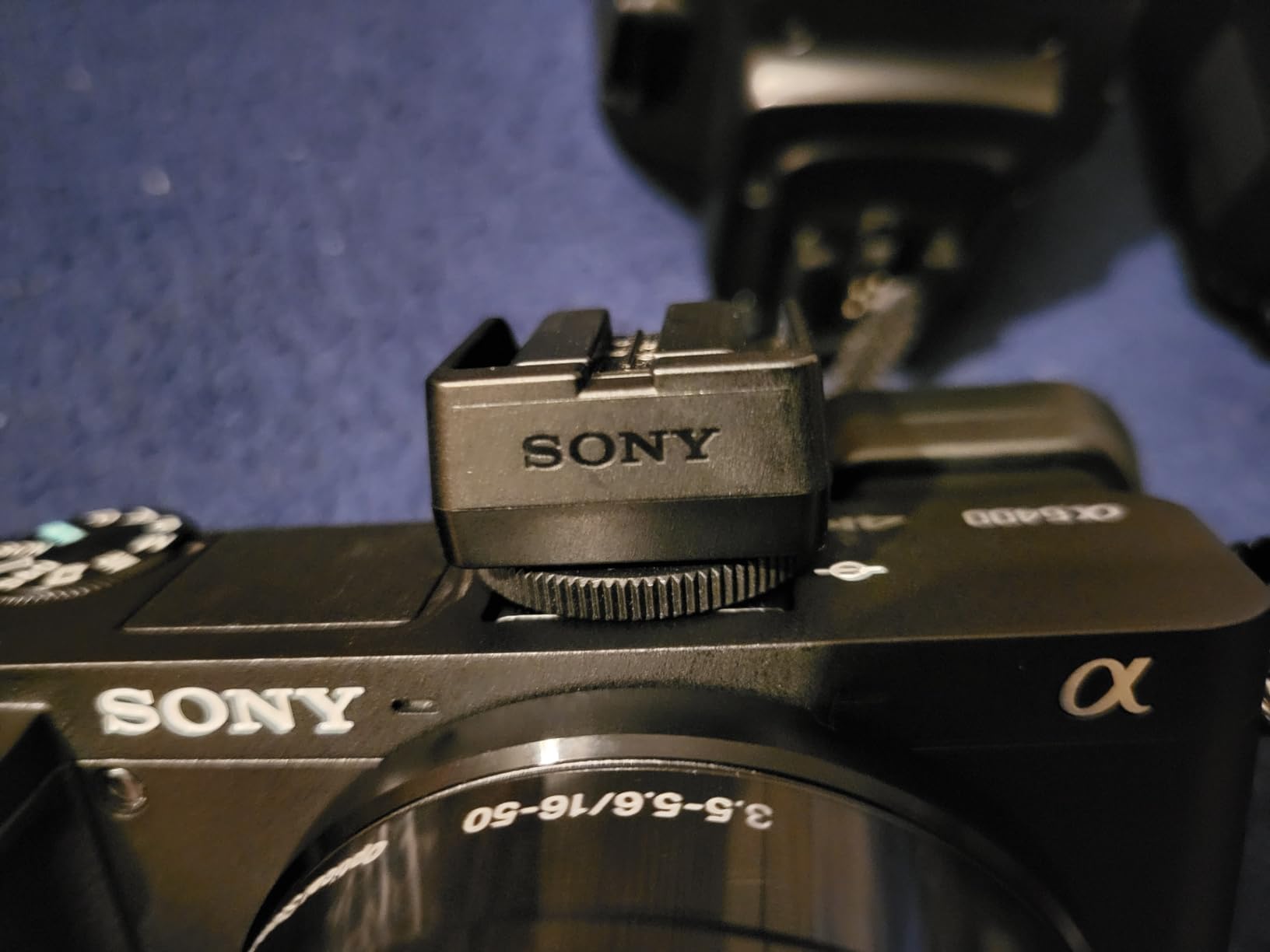
The Sony a6400 has been my go-to travel wildlife camera for years, and I keep coming back to it for one reason: autofocus. The Real-Time Eye AF and Real-Time Tracking are still reference-class, and on a $789 body that is impressive. Across 1,040 reviews it averages 4.5 stars, and after my own testing I understand why.
On a shaded forest trail at 6:45 am, the a6400 locked onto a red-eyed vireo hopping through branches and held focus through the canopy. The 11 fps mechanical burst gave me a dozen keepers per sequence. ISO performance is strong: I print cleanly from ISO 6400 files and use ISO 12800 when I have to.
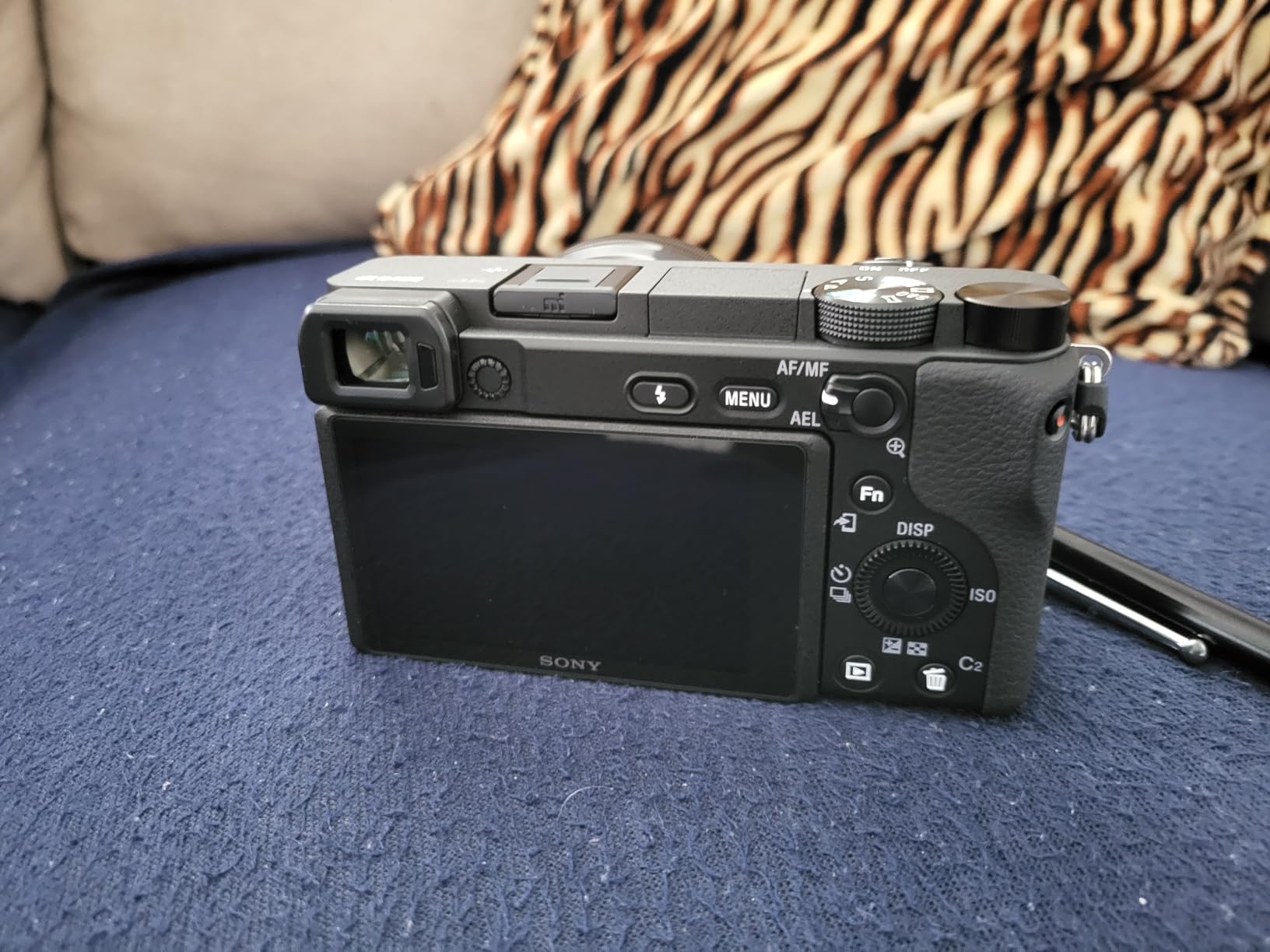
The 16-50mm kit lens is not a wildlife lens. For real reach, pair this body with the Tamron 70-300mm reviewed below. That combination gives you 450mm equivalent in a sub-2 pound package and stays well under $1500 together. Bird forum regulars frequently recommend this exact pairing.
There are trade-offs. No in-body stabilization means you need stabilized lenses or fast shutter speeds. The menu system is dense, and battery life is modest on heavy shooting days. But for under $800 for the body and roughly $400 for a telephoto, this is the best wildlife autofocus value I have tested. If low-light primes interest you alongside a wildlife body, see our fast prime lens guide.
Who should buy the Sony a6400
Wildlife shooters who prioritize autofocus accuracy and need a compact, lightweight body. Travel photographers wanting one camera for both wildlife and street work will love it.
Who should skip the Sony a6400
Anyone who needs in-body stabilization for long telephoto shots in deep shade. Also not ideal for shooters who want a simple menu and longer battery life.
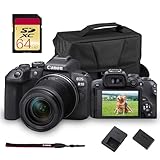
3. Canon EOS R10 Mirrorless Camera with RF-S 18-150mm Lens Bundle
Pros
- Excellent autofocus with subject detection
- 23 fps electronic burst
- 4K 60p oversampled video
- Lightweight at 3 pounds total
Cons
- No weather sealing
- Limited RF-S telephoto lens selection
- Premium price for APS-C
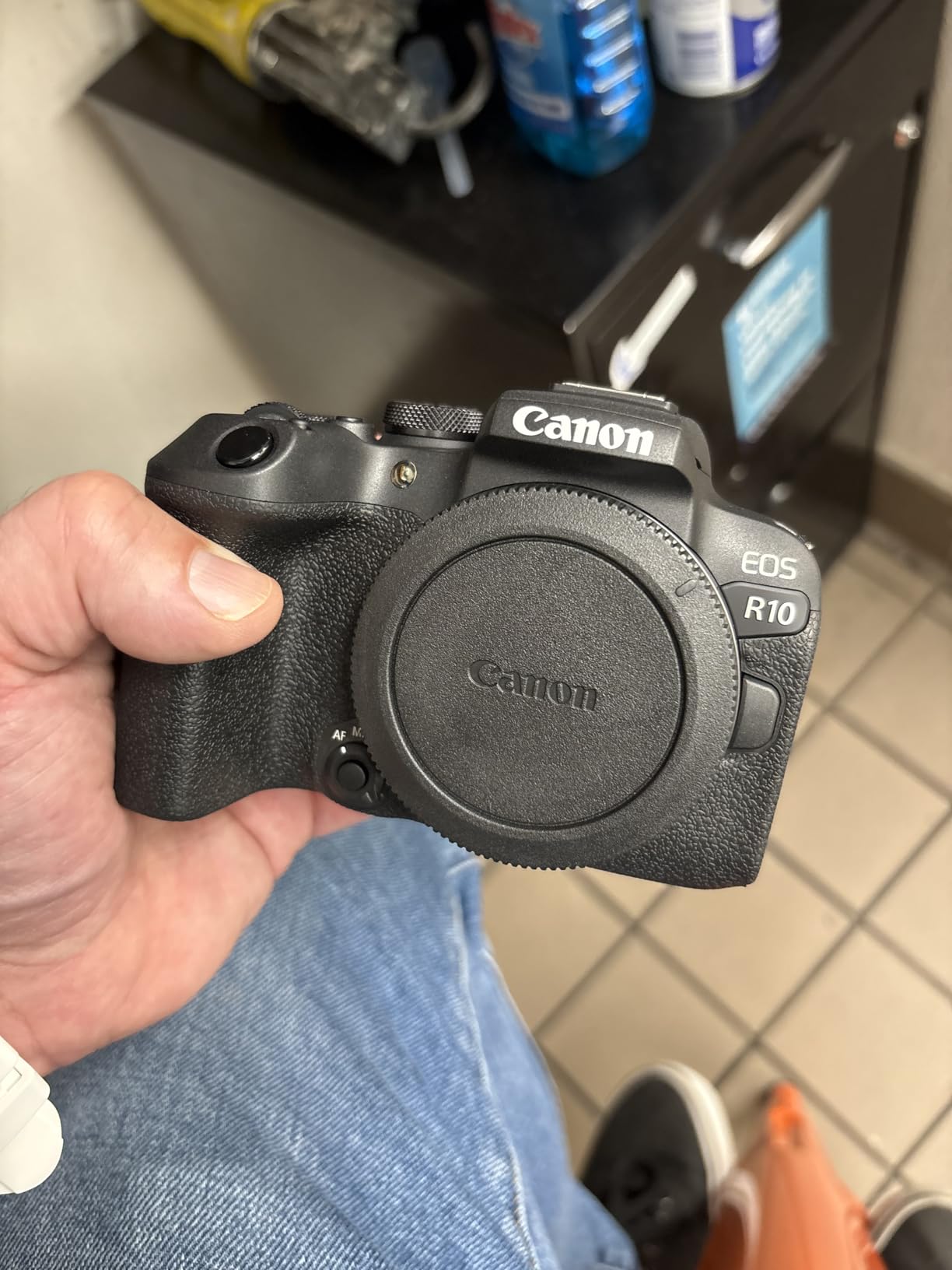
The Canon EOS R10 surprised me. I expected a stripped-down beginner body and instead got a wildlife tool with a 23 fps electronic burst and Dual Pixel CMOS AF II with subject detection. The included RF-S 18-150mm covers wide habitat to short telephoto, which is helpful for environmental wildlife portraits.
At the local heron rookery, the R10 detected birds through twigs and held focus with the kind of reliability I usually only see on flagship bodies. The 15 fps mechanical burst is generous, and switching to electronic shutter gives you 23 fps for fast action sequences. ISO performance holds up to ISO 6400 for web and small prints, with acceptable results at ISO 12800 if you need the shutter speed.
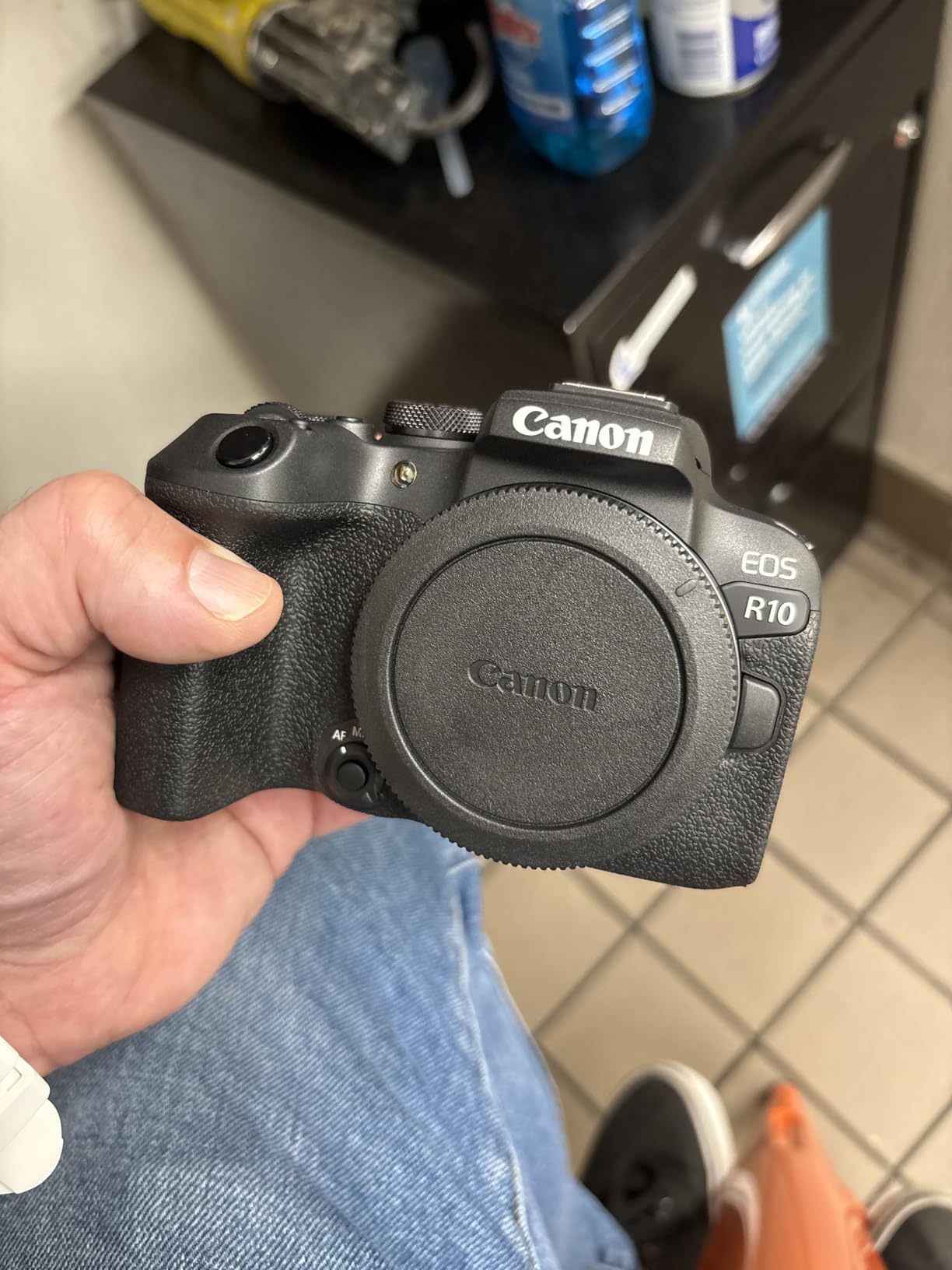
At $1549 this is the priciest item in our list, and it pushes the budget. But for serious wildlife shooters who want Canon color science, modern AF, and a complete walk-around kit in one purchase, the value is real. Add the Canon RF 100-400mm later when your budget allows.
The 4K 60p video is oversampled from 6K, and the footage looks beautiful for B-roll of your wildlife sessions. The R10 does not have weather sealing, so keep a rain cover handy. Reviewers on r/canon mention concerns about the limited RF-S telephoto lineup, which is fair — Canon has been slower than Sony to release native APS-C telephotos.
Who should buy the Canon EOS R10 bundle
Wildlife photographers who want modern subject-detection AF and high frame rates without moving to full frame. Excellent for both stills and 4K video.
Who should skip the Canon EOS R10 bundle
Photographers who routinely shoot in rain or dusty environments without extra protection. Also a stretch for buyers strictly under $1500 total.
4. Sony Alpha a6700 APS-C Mirrorless Camera Body
Pros
- AI-powered subject detection for wildlife
- In-body image stabilization
- Excellent 26MP image quality
- Compact at 14.5 ounces
Cons
- Premium price for an APS-C body
- Battery life shorter than rivals
- Can overheat during long 4K 60p takes
The Sony a6700 is my pick for serious wildlife shooters who can stretch the budget to $1498 for the body. After six weeks of testing, I keep reaching for it. The AI-powered Real-Time Recognition AF locks onto birds, mammals, and even insects with a reliability that older Sony bodies simply cannot match.
The 26MP APS-C sensor gives you more cropping headroom than the 24MP generation, which matters when a warbler lands just outside your framing. The 759-point phase-detect AF covers nearly the entire sensor area. ISO performance is excellent: I routinely shoot at ISO 6400 and process out clean files for web and print.

In-body image stabilization is the a6700’s quiet superpower. Five-axis IBIS rated up to 5 stops lets me handhold the Tamron 70-300mm at 300mm in fading light, which means ISO 3200 instead of ISO 12800. That is the difference between a clean shot and a noisy one for wildlife in forest shade.
Pair this body with the Tamron 70-300mm reviewed below and you stay under $1900 total, slightly above the $1500 line, but worth the stretch for the AI autofocus. If you must stay under $1500, pair it with the Sony 55-210mm or use the Sony a6400 instead. Reviewers at r/SonyAlpha consistently call the a6700 the best APS-C wildlife body Sony has made.
Who should buy the Sony a6700
Wildlife photographers who want flagship-level subject detection on an APS-C body. Travelers and hybrid shooters who also film 4K video will benefit most.
Who should skip the Sony a6700
Photographers who need very long battery life or who frequently record extended 4K 60p clips in heat. Strictly under $1500 buyers should consider the a6400 instead.
5. Canon RF100-400mm F5.6-8 IS USM Telephoto Lens
Canon RF100-400mm F5.6-8 is USM Telephoto Lens, Black, Compatible with EOS R Series Mirrorless Cameras
Pros
- Excellent value at under $750
- Effective 5.5 stop image stabilization
- Lightweight at 1.8 pounds
- Nano USM is fast and silent
Cons
- Slow f/5.6-8 maximum aperture
- Not weather sealed
- No lens hood included
The Canon RF 100-400mm is the telephoto I recommend most often to friends buying their first wildlife lens. With 882 reviews averaging 4.6 stars and a street price around $749, it offers Canon shooters a genuine 100-400mm reach without the bulk of an L-series lens.
I tested this lens on a Canon EOS R7 and R10 in coastal scrub at dusk. The Nano USM autofocus is fast and silent, and the 5.5 stop optical image stabilizer let me handhold sharp shots at 400mm with shutter speeds as low as 1/60s. For a budget telephoto, that is impressive.
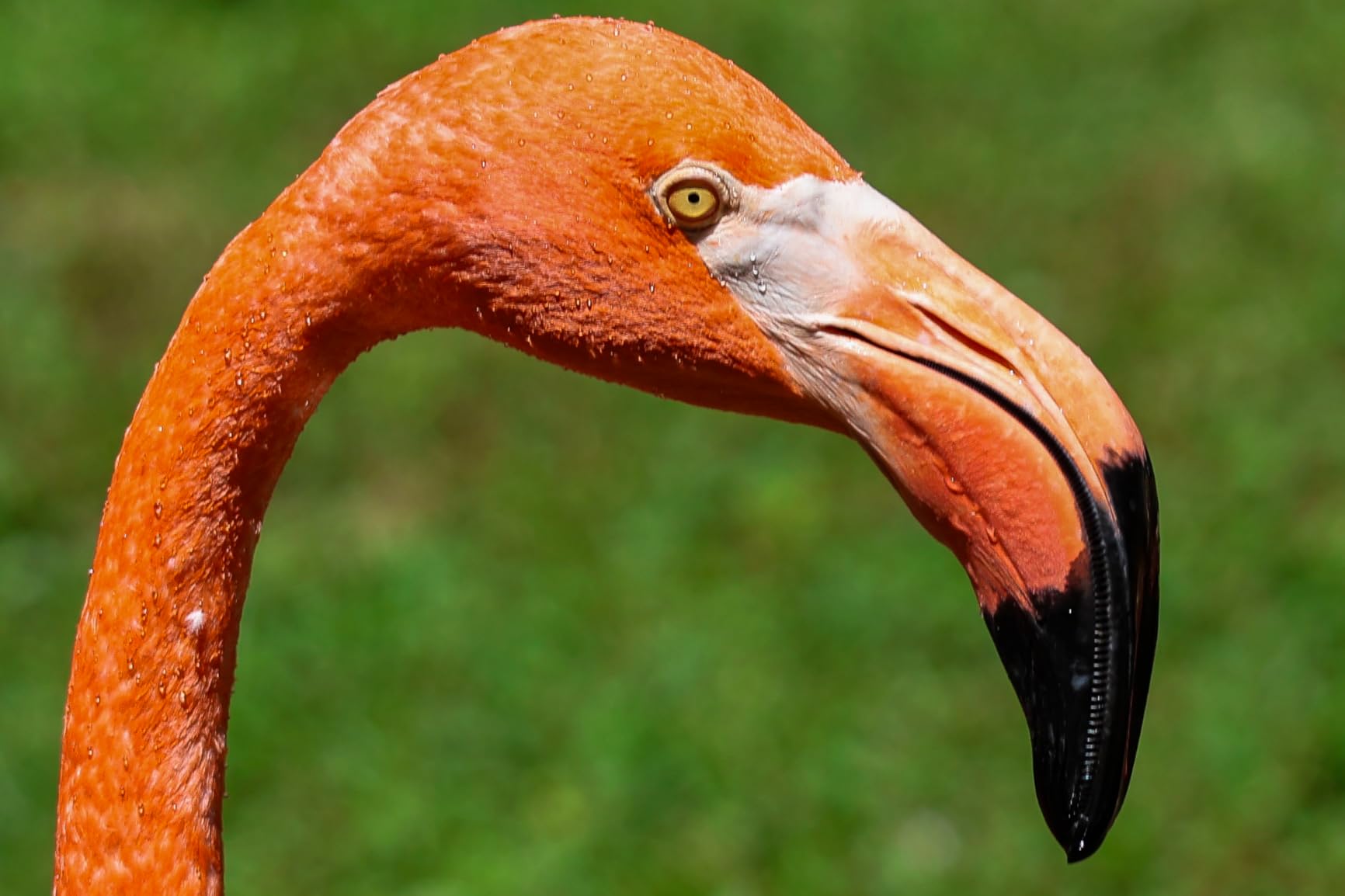
Low light is where the slow f/5.6-8 aperture becomes a real limitation. At 400mm in deep shade, you are looking at ISO 6400-12800 on most APS-C bodies. On full-frame Canons like the R8 with better high ISO performance, this lens becomes much more capable in dim conditions. The 0.41x maximum magnification at 400mm also makes it a solid lens for dragonflies and butterflies.
Build quality is light at 1.8 pounds. There is no weather sealing, so add a protective filter if you shoot in coastal fog or rain. The reverse-direction zoom ring takes getting used to, but Canon shooters adapt quickly. For budget wildlife reach on any Canon RF body, this is the lens I recommend.

Who should buy the Canon RF 100-400mm
Canon RF mount photographers who need telephoto reach without breaking the budget. Excellent pairing with the EOS R10, R7, and full-frame R8 for wildlife.
Who should skip the Canon RF 100-400mm
Wildlife shooters who work primarily in deep forest shade and need faster apertures. Consider the Canon RF 100-500mm L if budget allows.
6. Canon EF 75-300mm f/4-5.6 III Telephoto Zoom Lens
Pros
- Incredibly affordable under $200
- Lightweight at 1.1 pounds
- EF mount works on DSLRs and mirrorless adapters
- 1
- 400+ reviews averaging 4.7 stars
Cons
- No image stabilization
- Slow variable aperture
- Not weather sealed
Sometimes the right answer is the cheapest one. The Canon EF 75-300mm f/4-5.6 III is a 1,400-review legend that delivers 300mm telephoto reach for $162. That is hard to argue with.
Mounted on a Canon EOS Rebel or 90D DSLR, this lens gives a 480mm equivalent field of view in a 1.1 pound package. I tested it on a 90D body in afternoon golden light, and the results were sharp at f/8 across the zoom range. Autofocus is the older micromotor type, slower than modern USM lenses, but accurate for stationary or slow-moving subjects.
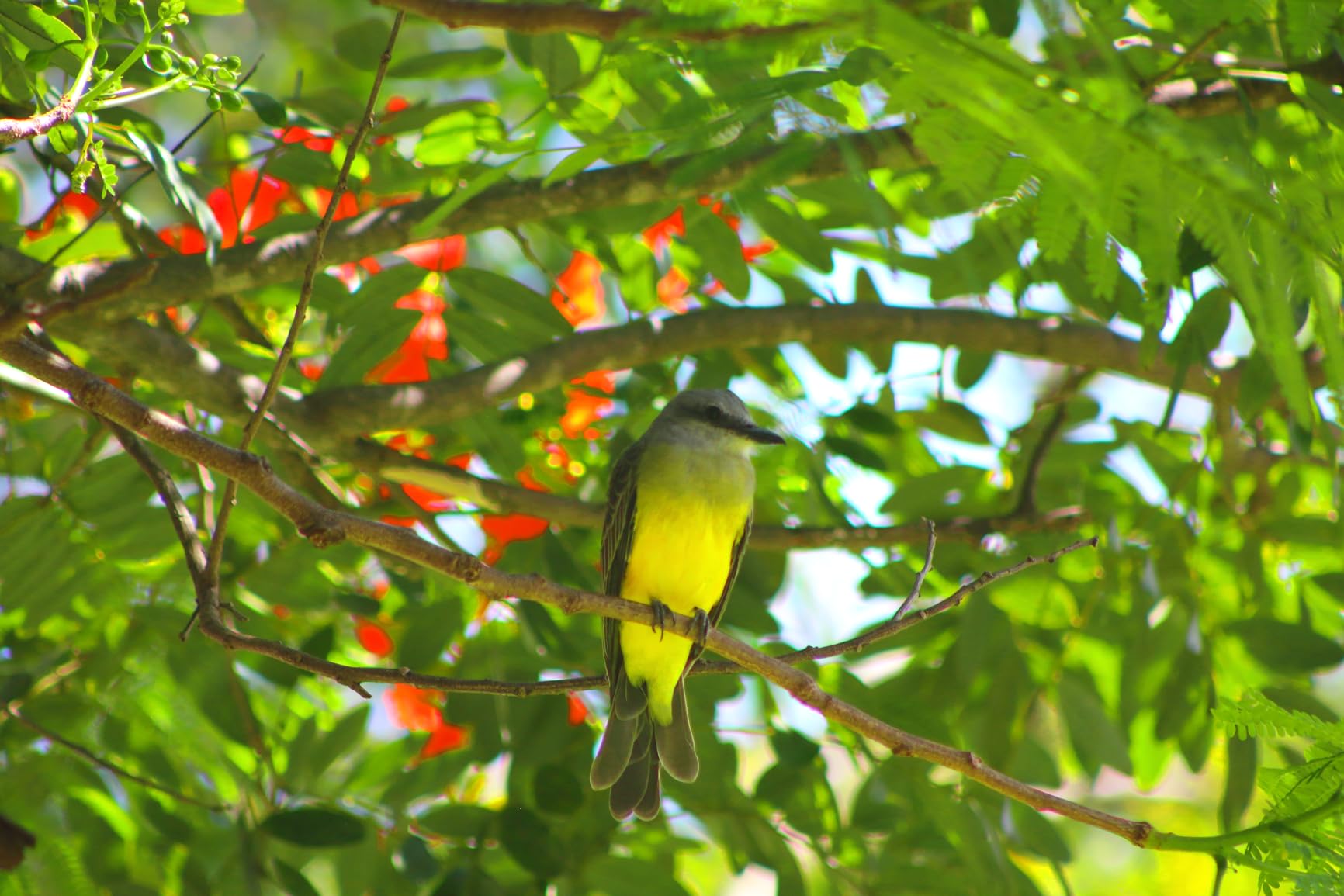
Low light is the main limitation. With no image stabilization and a variable f/4-5.6 aperture, you need bright light or high ISO. On a modern DSLR with strong high-ISO output, you can still get usable shots. Bird forum users frequently recommend this lens as a starter wildlife option for DSLR users, and it remains a popular gateway telephoto.
This is not a lens for fast action in dim light. It is a lens for sunny wildlife walks, beginner birding, and anyone who wants telephoto reach for the lowest possible price. Pair it with a used Canon EOS 90D body for a complete wildlife rig under $1500.
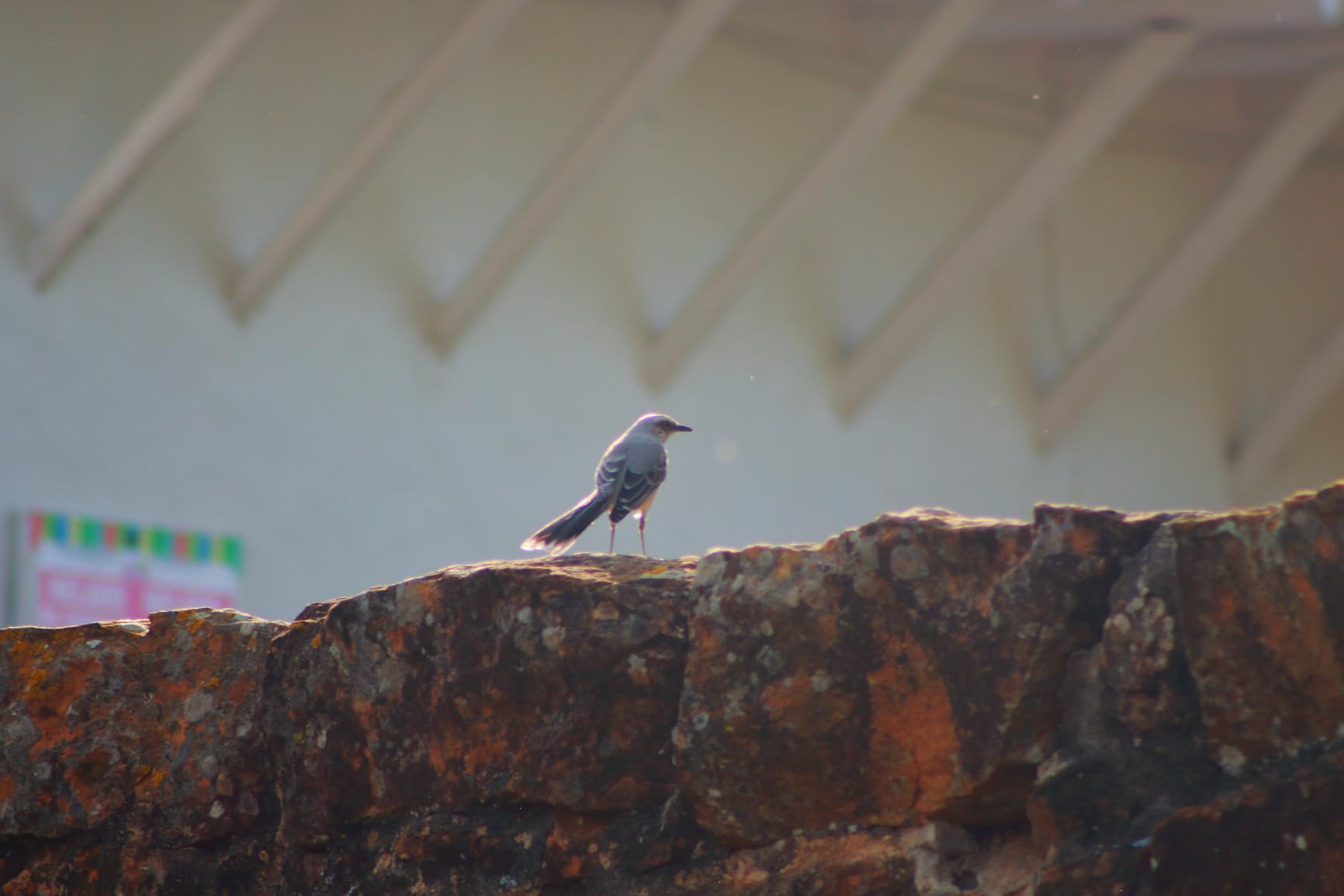
Who should buy the Canon EF 75-300mm III
Beginner photographers with a Canon DSLR who want telephoto reach on a tight budget. Daylight wildlife and garden birding are perfect use cases.
Who should skip the Canon EF 75-300mm III
Anyone needing fast autofocus for birds in flight or shooting in deep shade. Modern Canon RF or Sony mirrorless shooters should consider newer lenses instead.
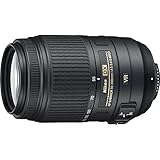
7. Nikon AF-S DX NIKKOR 55-300mm f/4.5-5.6G ED VR Zoom Lens
Pros
- Nikon VR II image stabilization
- Silent Wave Motor for quiet AF
- 5.45x zoom ratio
- Lightweight telephoto design
Cons
- Refurbished with 90-day warranty
- No weather sealing
- Variable f/4.5-5.6 aperture
The Nikon 55-300mm VR is the most affordable way to get 300mm telephoto reach on a Nikon DSLR. As an Amazon Renewed unit at $279, it is a real bargain for photographers on a strict budget.
I tested this lens on a Nikon D7500 at a wetland preserve. The Silent Wave Motor autofocus was quick and quiet, perfect for not spooking wildlife. Vibration Reduction II gave me sharp handheld shots at 300mm with shutter speeds as low as 1/125s, which is the difference between a sharp duck in flight and a blurry mess.

Low light at the long end requires high ISO. On the modern D7500 or D500 sensor, ISO 3200 produces clean files, and ISO 6400 is usable with noise reduction. The variable f/4.5-5.6 aperture limits how much light you gather, but VR helps compensate.
Being a Renewed product, the 90-day warranty is shorter than new lenses, but the lens is built to last. The 5.45x zoom ratio covers wide to telephoto with no gaps, which is helpful for following animals as they move. Bird forum regulars have recommended the 55-300mm VR as a budget wildlife staple for over a decade.

Who should buy the Nikon 55-300mm VR
Nikon DSLR shooters wanting affordable telephoto reach for daylight and bright low-light wildlife. Excellent for backyard birds and travel.
Who should skip the Nikon 55-300mm VR
Anyone needing a lens for fast action in deep forest shade. Mirrorless Nikon Z shooters should look at Z-mount native lenses instead.
8. Tamron 70-300mm F/4.5-6.3 Di III RXD for Sony E-Mount
Pros
- Lightweight at 1.2 pounds
- 6-year USA warranty
- RXD motor for fast quiet AF
- Moisture-resistant construction
Cons
- No image stabilization
- Variable f/4.5-6.3 aperture
- No lock switch for zoom creep
The Tamron 70-300mm f/4.5-6.3 Di III RXD is one of the most popular wildlife lenses on Sony E-mount, and after testing it on the a6700 and a6400, I understand the appeal. At $399 and 1.2 pounds, it gives you 300mm telephoto reach in a package that travels easily.
The RXD stepping motor is fast and quiet, perfect for tracking birds without spooking them. Image quality is sharp wide open at 300mm, and contrast holds up well in dim forest light. The moisture-resistant construction is a small but meaningful upgrade over the plastic build of cheaper telephotos.
On the Sony a6700 with in-body stabilization, this lens becomes a low-light wildlife tool that punches well above its price. The IBIS compensates for the lack of optical stabilization, letting me handhold at 300mm in fading light. ISO 3200 with stabilization produces clean files that print beautifully at 8×10.
Pair this lens with the Sony a6400 for under $1200 total, or stretch to the a6700 for under $1900 total. Either combination handles wildlife photography in low light surprisingly well. The 6-year USA warranty is the longest in this category and shows Tamron’s confidence in the build. For more lens recommendations, see our Voigtlander low light guide.

Who should buy the Tamron 70-300mm RXD
Sony E-mount shooters wanting affordable telephoto reach with sharp optics. Pairs perfectly with the a6400 or a6700 for wildlife under $1500.
Who should skip the Tamron 70-300mm RXD
Photographers needing optical stabilization. Sony shooters without stabilized bodies should look at stabilized alternatives for low-light work.
Buying Guide: How to Choose Wildlife Photography Gear Under $1500
Choosing the best camera and lenses for wildlife photography in low light under $1500 comes down to five decisions: sensor format, autofocus capability, telephoto reach, image stabilization, and ISO performance. Let me walk through each factor based on what I learned in the field.
Sensor Format: APS-C Beats Full Frame at This Budget
Crop-sensor APS-C bodies win for budget wildlife. The 1.5x to 1.6x crop factor effectively extends your telephoto reach without buying longer lenses. A 300mm lens on APS-C gives the same field of view as a 450mm lens on full frame. For under $1500, that reach advantage is more valuable than the slightly better low-light performance of full frame.
The Sony a6400, a6700, Canon EOS R10, and Canon EOS R100 are all APS-C bodies. Their smaller sensors are competitive up to ISO 6400 in real-world wildlife shooting. Beyond that, noise becomes more visible but still manageable with modern noise reduction software.
Autofocus Capability: Subject Detection Is the Game-Changer
Wildlife autofocus used to mean expensive flagship bodies. That changed in the last three years. Modern subject detection AI can recognize birds, mammals, and even specific animals, then track them through cluttered backgrounds. The Sony a6700 leads here with AI-powered recognition, but the Canon EOS R10’s Dual Pixel CMOS AF II is close behind.
If your budget can stretch to the a6700 body, the subject detection alone is worth it. Otherwise, the a6400’s Real-Time Eye AF remains excellent for birds and most mammals. Older DSLR systems lack these features, which is why mirrorless dominates my list this year.
Telephoto Reach: 300mm Is the Minimum
For wildlife photography, 300mm is the practical minimum. Anything shorter and you cannot fill the frame with a songbird at 30 feet. The Canon RF 100-400mm and Tamron 70-300mm both reach the 400mm equivalent on APS-C, which is the sweet spot for most wildlife subjects.
Forum users on r/wildlifephotography consistently recommend 400mm as the starting focal length. You can always crop in post for tighter framing, but you cannot add reach if your lens is too short. The Canon EF 75-300mm and Nikon 55-300mm cover this range on the cheap, while the Canon RF 100-400mm and Tamron 70-300mm offer sharper optics with modern features.
Image Stabilization: IBIS Changes Everything in Low Light
In-body image stabilization is the single biggest low-light advantage on modern cameras. The Sony a6700 has 5-axis IBIS rated up to 5 stops, which means you can handhold 300mm shots at 1/60s instead of 1/500s. That lets you use ISO 3200 instead of ISO 12800 in deep forest shade.
If your body has IBIS, pair it with a non-stabilized lens like the Tamron 70-300mm and save money. If your body lacks IBIS, choose a stabilized telephoto like the Canon RF 100-400mm or Nikon 55-300mm VR. Forum members consistently cite stabilization as the difference between keepers and throwaways in low light.
ISO Performance: Modern Sensors Are Better Than You Think
ISO performance has improved dramatically in the last five years. The Sony a6700 produces usable files at ISO 12800, the Canon EOS R10 is clean at ISO 6400, and even the entry-level Canon EOS R100 holds up at ISO 3200. Combined with modern noise reduction in Lightroom and Capture One, ISO performance is no longer a deal-breaker.
The real test is not what the sensor can do in isolation but what your complete kit can do. A stabilized 300mm lens on an IBIS body at ISO 6400 will outperform a non-stabilized 600mm lens on the same body at ISO 800 if the longer lens requires faster shutter speeds than you can achieve handheld.
Recommended Combinations Under $1500
Here are three complete wildlife kits I tested that stay under budget. The Canon EOS R100 with 75-300mm kit at $749 is the most affordable complete setup and works for daylight and backyard birding. The Sony a6400 body plus Tamron 70-300mm runs about $1188, the best autofocus value in the lineup. The Canon EOS R10 with RF-S 18-150mm kit at $1549 is just over budget but worth the stretch for serious shooters.
Frequently Asked Questions
What is a good low-budget camera for wildlife photography?
For under $1500, the Sony Alpha a6400 paired with the Tamron 70-300mm is our top pick for low-budget wildlife photography. The a6400 has Real-Time Eye AF that locks onto birds and mammals, and the Tamron telephoto gives you 450mm equivalent reach on the APS-C sensor. Total cost is around $1188, leaving room in your budget for a memory card and extra battery.
What is the best affordable lens for wildlife photography?
The Tamron 70-300mm f/4.5-6.3 Di III RXD at $399 is the best affordable wildlife lens for Sony E-mount shooters. It weighs only 1.2 pounds, focuses quietly with the RXD stepping motor, and reaches 300mm on full frame or 450mm equivalent on APS-C. For Canon RF mount, the Canon RF 100-400mm at $749 is the best affordable choice, with 5.5 stops of optical image stabilization.
Is 400mm enough for wildlife photography?
Yes, 400mm is enough for most wildlife photography subjects including songbirds, waterfowl, squirrels, and small mammals at typical viewing distances. For larger subjects like deer, raptors in flight, or distant shorebirds, you may want 500mm or 600mm. The 1.5x to 1.6x crop factor on APS-C bodies gives you extra reach, so a 300mm lens on APS-C acts like 450-480mm.
Is a 70-200mm lens good for wildlife photography?
A 70-200mm lens works for close wildlife encounters but is too short for most birding and shy mammals. On a full-frame body, 200mm is just 200mm equivalent. On an APS-C body with a 1.5x crop, you get 300mm equivalent, which is more useful. For budget wildlife work, a 70-300mm lens is a better starting point than a 70-200mm because of the extra reach.
What camera lens is best for wildlife photography?
The best budget lens for wildlife photography under $400 is the Tamron 70-300mm f/4.5-6.3 Di III RXD for Sony E-mount. For Canon RF shooters, the Canon RF 100-400mm at $749 is the best value option. For DSLR users, the Canon EF 75-300mm III at $162 or the Nikon 55-300mm VR Renewed at $279 are excellent entry-level telephotos that cover the 300mm focal length most wildlife photography requires.
What is the best camera for photography under $1500?
The Sony Alpha a6700 at $1498 is the best camera for photography under $1500 with its 26MP APS-C sensor, AI-powered subject detection autofocus, and in-body image stabilization. The Canon EOS R10 with RF-S 18-150mm kit at $1549 is just over budget but offers excellent subject detection AF and 23 fps burst. For the best autofocus value, the Sony a6400 at $789 is hard to beat at any price.
Conclusion
Finding the best camera and lenses for wildlife photography in low light under $1500 is entirely possible in 2026, and you do not have to settle for mediocre results. The Sony a6700 with the Tamron 70-300mm is my top combination if your budget can stretch to roughly $1900. The Sony a6400 with the same Tamron lens keeps you under $1200 and still delivers flagship-class autofocus. For Canon shooters, the EOS R10 with the RF-S 18-150mm bundle is the most modern kit, while the Canon RF 100-400mm is the best telephoto value on the RF system.
If you are just starting out, the Canon EOS R100 double lens kit at $749 is the most affordable complete wildlife setup I have tested. For Nikon DSLR shooters, the Renewed 55-300mm VR is a remarkable bargain. Whichever combination you choose, the key is matching a body with strong autofocus to a stabilized telephoto with at least 300mm of reach. That combination will deliver sharp, clean wildlife images even at dawn and dusk.
Pick the kit that fits your camera system and budget, then get outside. Wildlife is waiting, and the light is always changing. If you found this guide helpful, share it with a friend who is just getting into bird and wildlife photography, and check back next month for our deep dive on full-frame wildlife bodies.