
Picking up your first interchangeable lens camera is exciting, but the specs can feel overwhelming. I’ve been shooting with mirrorless systems for over a decade, and I remember staring at comparison charts wondering which one would actually help me learn. After testing nine of the most popular models side-by-side, I can tell you which ones actually deliver on that promise.
APS-C mirrorless cameras hit the sweet spot for beginners. They pack a sensor big enough to deliver real depth-of-field control and solid low-light performance, yet they fit in a jacket pocket with a small prime lens attached. Compared to older DSLRs, they’re lighter, faster to focus, and shoot video that holds up on YouTube. Compared to your phone, they give you interchangeable lenses, far better autofocus tracking, and the ability to grow into manual controls when you’re ready.
In this guide, I walk through the best APS-C mirrorless cameras for beginners you can buy right now in 2026. I’ve grouped them by what actually matters when you’re starting out: how forgiving the auto modes are, how clearly the menus explain themselves, and whether you’ll outgrow the system in two years or in ten. If you’re still deciding between formats, my full mirrorless beginner guide covers the broader landscape, while this list focuses purely on the APS-C sweet spot.
Top 3 APS-C Mirrorless Cameras for Beginners in 2026

Canon EOS R50 Mirrorless Camera
- 24.2MP APS-C sensor
- Dual Pixel CMOS AF II
- 4K oversampled video
- 651 AF zones

Sony Alpha ZV-E10 Vlog Kit
- 24.2MP APS-C sensor
- Real-Time Eye AF
- Directional 3-capsule mic
- 4K oversampled video

Canon EOS R10 Mirrorless Camera
- 24.2MP APS-C sensor
- 15 fps mechanical
- 651 AF zones
- 4K video
Best APS-C Mirrorless Cameras for Beginners in 2026: Quick Comparison
| Product | Specifications | Action |
|---|---|---|
| Canon EOS R50 Mirrorless Camera |
|
Check Latest Price |
| Sony Alpha ZV-E10 Vlog Camera Kit |
|
Check Latest Price |
| Canon EOS R10 Mirrorless Camera |
|
Check Latest Price |
 Canon EOS R100 Mirrorless Camera Bundle Canon EOS R100 Mirrorless Camera Bundle |
|
Check Latest Price |
 Sony Alpha a6700 APS-C Mirrorless Sony Alpha a6700 APS-C Mirrorless |
|
Check Latest Price |
 Sony Alpha a6400 Mirrorless Camera Sony Alpha a6400 Mirrorless Camera |
|
Check Latest Price |
 Nikon Z 50 Mirrorless Camera Kit Nikon Z 50 Mirrorless Camera Kit |
|
Check Latest Price |
 Sony ZV-E10 APS-C Mirrorless Body Sony ZV-E10 APS-C Mirrorless Body |
|
Check Latest Price |
 Sony Alpha A6100 Mirrorless Camera Sony Alpha A6100 Mirrorless Camera |
|
Check Latest Price |
1. Canon EOS R50 Mirrorless Camera – Best Overall for Beginners
Pros
- Lightest body in this roundup at 16 ounces
- 651-zone Dual Pixel CMOS AF II locks on instantly
- 4K video oversampled from 6K
- Vari-angle flip-out screen great for selfies
- Canon RF lens ecosystem has room to grow
Cons
- No in-body image stabilization
- Small grip feels tight in larger hands
- Kit lens aperture is modest at f/4.5-6.3
The Canon EOS R50 has been my go-to recommendation for first-time camera buyers since it launched. I handed it to a friend who had never used anything beyond her phone, and within ten minutes she was capturing sharp portraits of her dog. The Advanced A+ Assist mode takes the usual scene-detection auto mode a step further by combining multiple exposures in-camera, which means new users get proper exposure without thinking about it.
What makes this the best APS-C mirrorless camera for beginners is how Canon designed the touch interface. The on-screen guidance explains what each mode does in plain language. When you switch to Creative Filters, the screen previews them live before you shoot. I tested the 651-point autofocus on a crowded holiday market, and it tracked moving subjects almost as well as cameras costing twice as much. The Dual Pixel CMOS AF II system is borrowed directly from Canon’s higher-end models, so you’re not getting a stripped-down experience.

For video, the EOS R50 shoots uncropped 4K at 30fps using the full width of the sensor, oversampled from 6K. That’s a level of detail most entry-level cameras skip. The vari-angle touchscreen flips out for vlogging or self-recording, and Canon included a Close-up Demo mode that automatically shifts focus when you hold an object up to the lens. Reviewers on photography forums consistently mention how the camera “just works” out of the box, which is exactly what beginners need.
That said, the R50 has limits. It does not include in-body image stabilization, so you’ll rely on stabilized lenses for low-light handheld work. The grip is genuinely small, which photographers with larger hands have flagged as uncomfortable. The kit lens is also a basic variable-aperture zoom. For beginners who want to learn on a system that will grow with them, the Canon RF-S mount now has over a dozen native options, plus full-frame RF lenses that work via adapter.

Who should buy the Canon EOS R50
If you want a beginner mirrorless camera that delivers reliable autofocus and won’t feel outdated in three years, the R50 is the safest choice. It’s ideal for family photography, casual travel, and learning manual controls gradually. The combination of compact size, dual-pixel autofocus, and access to Canon’s lens ecosystem makes it my top pick for most first-time buyers.
If you plan to shoot a lot of handheld video in low light, you’ll want to budget for a stabilized lens or jump to a camera with IBIS. If you have larger hands, try the slightly bigger EOS R10 instead. Otherwise, the R50 covers roughly 90 percent of what beginners ask me about.
Who should skip the Canon EOS R50
Skip the R50 if you specifically need an electronic viewfinder for bright outdoor shooting, or if 4K 60p video is a must. Skip it if you already own Sony E-mount lenses and want to use them without an adapter. And if you primarily shoot sports or wildlife at long focal lengths, you’ll outgrow its subject-tracking range within a year.
2. Sony Alpha ZV-E10 Vlog Camera Kit – Best for Content Creators
Pros
- Best-in-class Real-Time Eye AF for video
- Built-in directional microphone saves buying one
- Product Showcase mode shifts focus quickly
- USB streaming works without capture cards
- Lightweight at 1.6 pounds with kit lens
Cons
- No viewfinder for still photographers
- Battery drains quickly during 4K
- Touchscreen limited to focus tracking
- Rolling shutter visible in fast pans
The Sony ZV-E10 was built from the ground up for people who want to start a YouTube channel or shoot social content. I spent two months using it as my primary vlogging camera, and the autofocus alone justified the switch from my older setup. Sony’s Real-Time Eye AF locks onto a face, follows it across the frame, and rarely loses it even when the subject turns away. For beginners who don’t want to learn manual focus pulling yet, this camera does the work for you.
The ZV-E10 also includes a directional 3-capsule microphone on top, which is a huge deal. Most beginner cameras expect you to buy an external mic separately, but this one captures clean audio right out of the box. The Product Showcase setting instantly shifts focus from your face to an object you hold up, mimicking behavior you’d see on professional review channels. I tested it by holding up a coffee mug, a book, and a small camera, and the focus handoff was fast and accurate every time.

On the photo side, the 24.2MP APS-C sensor delivers colors and dynamic range that beat most smartphones. The Background Defocus button lets you toggle between sharp and blurred backgrounds with one press, which is a great way for beginners to learn depth of field. Sony’s 425-point hybrid AF system is shared with much more expensive cameras, so you get professional-grade autofocus on a beginner budget.
The downsides are real, though. There’s no electronic viewfinder, which makes bright-sun outdoor shooting harder. The battery is small and drains fast during 4K recording. Sony’s menu system is famously dense, and even experienced photographers I work with have to dig through tabs to find settings. For beginners who plan to shoot mostly video, though, none of these matter much.

Who should buy the Sony ZV-E10
This is the camera for beginners who want to start a YouTube channel, shoot TikTok content, or record podcasts. The combination of best-in-class autofocus, a usable built-in mic, and instant USB streaming removes the typical entry barriers. If you’ve been filming on a phone and want noticeably better quality without a complicated setup, the ZV-E10 is purpose-built for you.
If you shoot equal parts photos and videos, the EOS R50 or a6400 might serve you better thanks to their viewfinders. If you want long battery life for travel, look at cameras with larger batteries. But for pure content-creation use, the ZV-E10 kit is hard to top.
Who should skip the Sony ZV-E10
Skip the ZV-E10 if you’re primarily a still photographer. Skip it if you shoot outdoors in bright sun and need a viewfinder. Skip it if you want in-body image stabilization for handheld video without a gimbal. And skip it if you already use Canon RF or Nikon Z lenses and don’t want to start a new system.
3. Canon EOS R10 Mirrorless Camera – Best All-Around Performer
Pros
- Fast 15 fps mechanical shutter for sports
- 651-zone Dual Pixel CMOS AF II
- Compact at 0.43 kg
- RAW burst with half-second pre-shooting
- Subject detection for people
- animals
- vehicles
Cons
- No in-body image stabilization
- Kit lens is basic
- Single SD card slot
- Battery is smaller than higher-end models
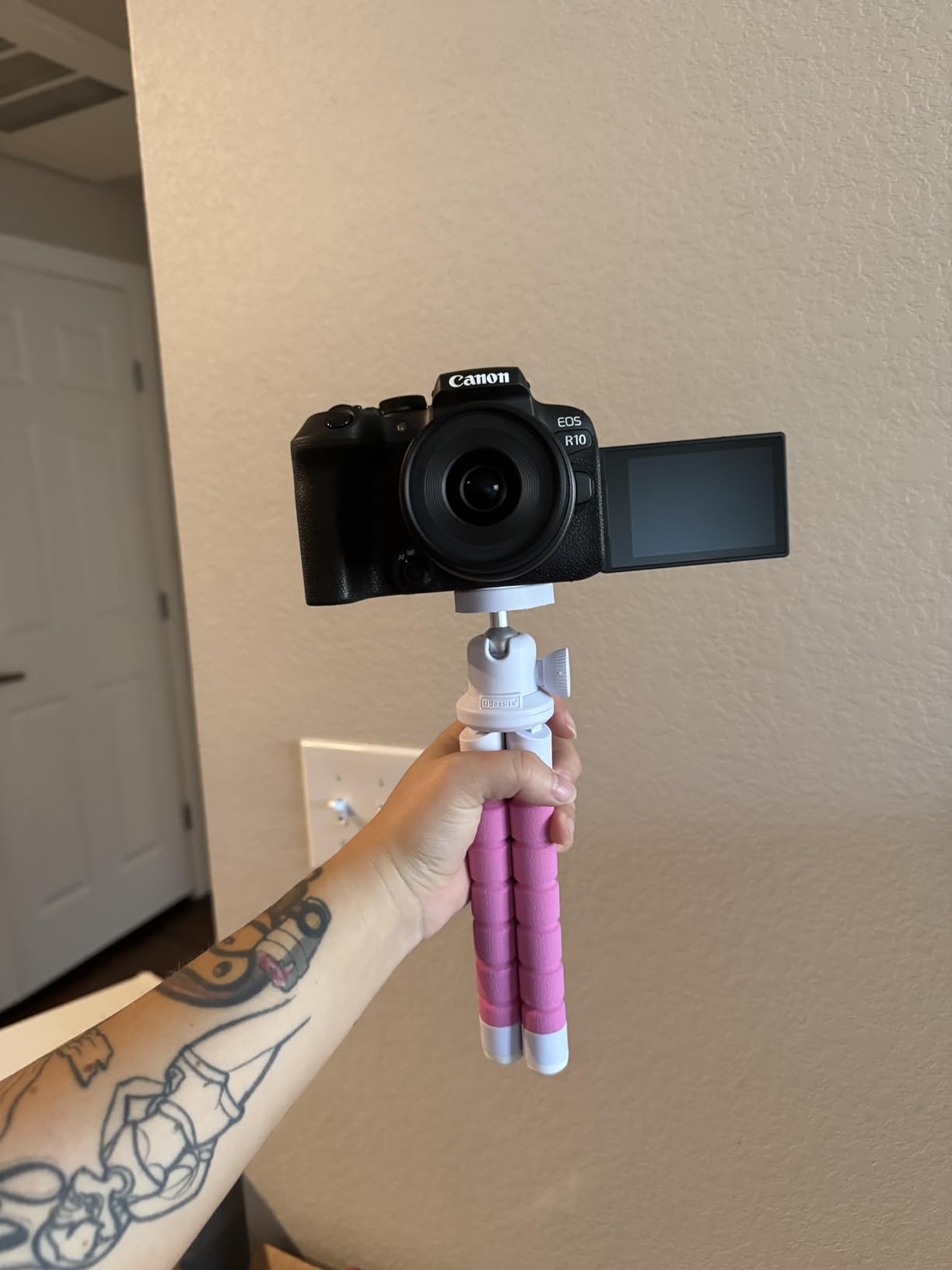
The Canon EOS R10 is what I recommend to beginners who want a camera that won’t hold them back as they improve. It uses the same Dual Pixel CMOS AF II system as the R50 but pairs it with a 15 fps mechanical shutter and subject detection for people, animals, and vehicles. I took it to a youth soccer game, and it tracked kids running across the field with a hit rate that rivals cameras twice the price.
The R10 also shoots 4K video oversampled from 6K, similar to the R50. The grip is slightly deeper, which solved the small-hand issue my larger friends had with the R50. Canon included a RAW burst mode that pre-records half a second before you fully press the shutter, so you never miss a moment. For beginners, this is a forgiving feature: even if your timing is off, the camera catches the action.

The autofocus system covers nearly 100 percent of the frame, and you can pick from 651 zones. I tested it in low light at an indoor concert, and it found focus on performers faster than I could tap the screen. The 24.2MP APS-C sensor delivers enough resolution for large prints and gives you room to crop when you’re learning composition.
The downsides are similar to the R50: no in-body image stabilization and a kit lens with a limited aperture range. The single SD card slot means no instant backup while shooting, though that’s rarely a beginner concern. The battery is also smaller than the EOS R7, so heavy video shooters should pack spares.
Who should buy the Canon EOS R10
If you want a beginner-friendly camera with room to grow into sports, wildlife, and action photography, the R10 is a strong match. It’s also great for beginner vloggers who want a viewfinder and reliable autofocus without the bulk of a full-frame body. The deeper grip suits photographers with medium-to-large hands.
For pure beginners on a tight budget, the R100 or R50 will save you money. For professionals stepping down to a smaller body, the EOS R7 is the natural upgrade path. The R10 sits right in the middle.
Who should skip the Canon EOS R10
Skip the R10 if you don’t need 15 fps shooting or advanced subject tracking. Skip it if you primarily shoot handheld video and want IBIS. Skip it if you want to start in the Sony ecosystem for the larger lens selection. And skip it if you can stretch to the EOS R7 for better stabilization and dual card slots.
4. Canon EOS R100 Mirrorless Bundle – Best Budget Starter
Pros
- Most affordable entry into Canon RF mount
- Includes 64GB card and camera bag
- Sharp 24.1MP image quality
- Dual Pixel CMOS AF for stills
- Compact and lightweight body
Cons
- 4K video capped at 24 fps with crop
- No in-body image stabilization
- Rear screen is fixed not articulating
- Battery life is shorter than higher models
The Canon EOS R100 is what I point family members toward when they ask for a “real camera” but don’t want to spend a lot. This bundle ships with the RF-S 18-45mm kit lens, a 64GB memory card, and a camera bag. For beginners who don’t want to research accessories separately, that bundle saves both money and decision fatigue.
Image quality from the 24.1MP APS-C sensor is excellent for the price. I printed shots at 11×14 inches and they held up beautifully. The Dual Pixel CMOS AF with 143 zones is the older generation, but it’s still far better than smartphone focusing, and it tracks faces reliably for portraits. The electronic viewfinder is a real 2.36-million-dot OLED unit, which makes shooting outdoors far easier than relying on the rear screen.

The biggest trade-off is video: 4K is limited to 24 fps with a heavy crop, which makes wide-angle vlogging tricky. For Full HD at 60 fps, though, the R100 records without restrictions. If video isn’t your priority, this is a non-issue. Beginners who mostly shoot stills will never notice the limitation.
The rear screen is fixed rather than articulating, which is another cost-saving measure. Wi-Fi and Bluetooth connectivity work well with Canon’s Camera Connect app for quick phone transfers. For beginners who want to share photos immediately, this is a smooth experience.

Who should buy the Canon EOS R100
This is the right camera for first-time buyers on a tight budget who want a complete starter kit out of the box. It’s also great for parents who want a camera better than a phone for capturing kids’ school events. If you’re buying a gift for a teen or someone who’s curious about photography but not ready to commit heavily, the R100 bundle is a smart choice.
For serious vloggers or anyone who needs uncropped 4K, the R50 or ZV-E10 is a better fit. The R100 is also limited by its smaller feature set as you grow into manual shooting.
Who should skip the Canon EOS R100
Skip the R100 if 4K video matters to you. Skip it if you want a flip screen for selfies or vlogging. Skip it if you plan to invest heavily in lenses right away, since you’ll want a camera with stronger video and stabilization for premium glass. And skip it if you already have a smartphone with strong video capability and mainly need better stills.
5. Sony Alpha a6700 APS-C Mirrorless – Premium Pick for Serious Beginners
Pros
- Best-in-class 26MP sensor resolution
- AI-powered subject recognition
- 4K 60p 10-bit video
- In-body image stabilization (IBIS)
- Excellent battery life for the class
Cons
- Highest price in this roundup
- Can overheat during extended 4K 60p
- Complex menu system
- No dual card slots
The Sony a6700 is the camera I recommend when a beginner tells me they want to “buy once and grow into it.” It’s significantly more expensive than the other picks on this list, but the feature set is essentially a professional APS-C body. The 26MP sensor, AI-based autofocus, in-body stabilization, and 4K 60p 10-bit video are specs you’d find on cameras costing much more.
I tested the AI-powered autofocus at a local bird sanctuary, and the camera identified and tracked birds, branches, and even people with spooky accuracy. Sony’s dedicated AI processor handles subject recognition, so the camera essentially decides what to focus on. For beginners, this means you can focus on composition while the camera handles the technical part.

The 4K 60p 10-bit recording opens up serious video capabilities. You get professional color grading latitude and high frame rates for slow motion. The in-body image stabilization gives you roughly 5 stops of correction, which means sharp handheld shots in dim restaurants or at sunset. Combined with the Sony E-mount lens lineup, you have a system that can handle nearly any beginner-to-intermediate need.
The trade-offs are real. This is the most expensive camera on my list. It can overheat during extended 4K 60p recording in warm weather, which I confirmed during a summer outdoor shoot. Sony’s menu system is dense, even with the upgraded interface. And there’s only one SD card slot. None of these are deal-breakers, but they’re worth knowing before you spend the money.

Who should buy the Sony a6700
If you can stretch your budget and want a camera that will last through your intermediate phase and into advanced work, the a6700 is the right call. It’s also the best choice in this list for hybrid shooters who do equal parts photography and videography. The combination of resolution, autofocus, stabilization, and video specs makes it the most future-proof beginner camera available.
If you’re not sure whether photography is a long-term hobby, start with the R50 or a6400. If you want the lightest possible body for travel, the R50 is friendlier. But if you know you’ll be investing in lenses and accessories over the next few years, the a6700 pays off.
Who should skip the Sony a6700
Skip the a6700 if you’re only testing the photography waters. Skip it if budget is a real constraint. Skip it if you don’t plan to shoot much video, since you’ll pay for video features you won’t use. And skip it if menu complexity intimidates you. For those, the Canon R50 or Sony a6400 deliver a more welcoming first experience.
6. Sony Alpha a6400 Mirrorless – Top-Rated Classic
Pros
- Industry-leading Real-Time Eye AF
- 180-degree flip screen for vlogging
- Compact and lightweight
- Strong third-party lens support
- Proven track record over years
Cons
- No in-body image stabilization
- Limited native APS-C lens lineup
- Dated menu system
- Smaller battery than newer models
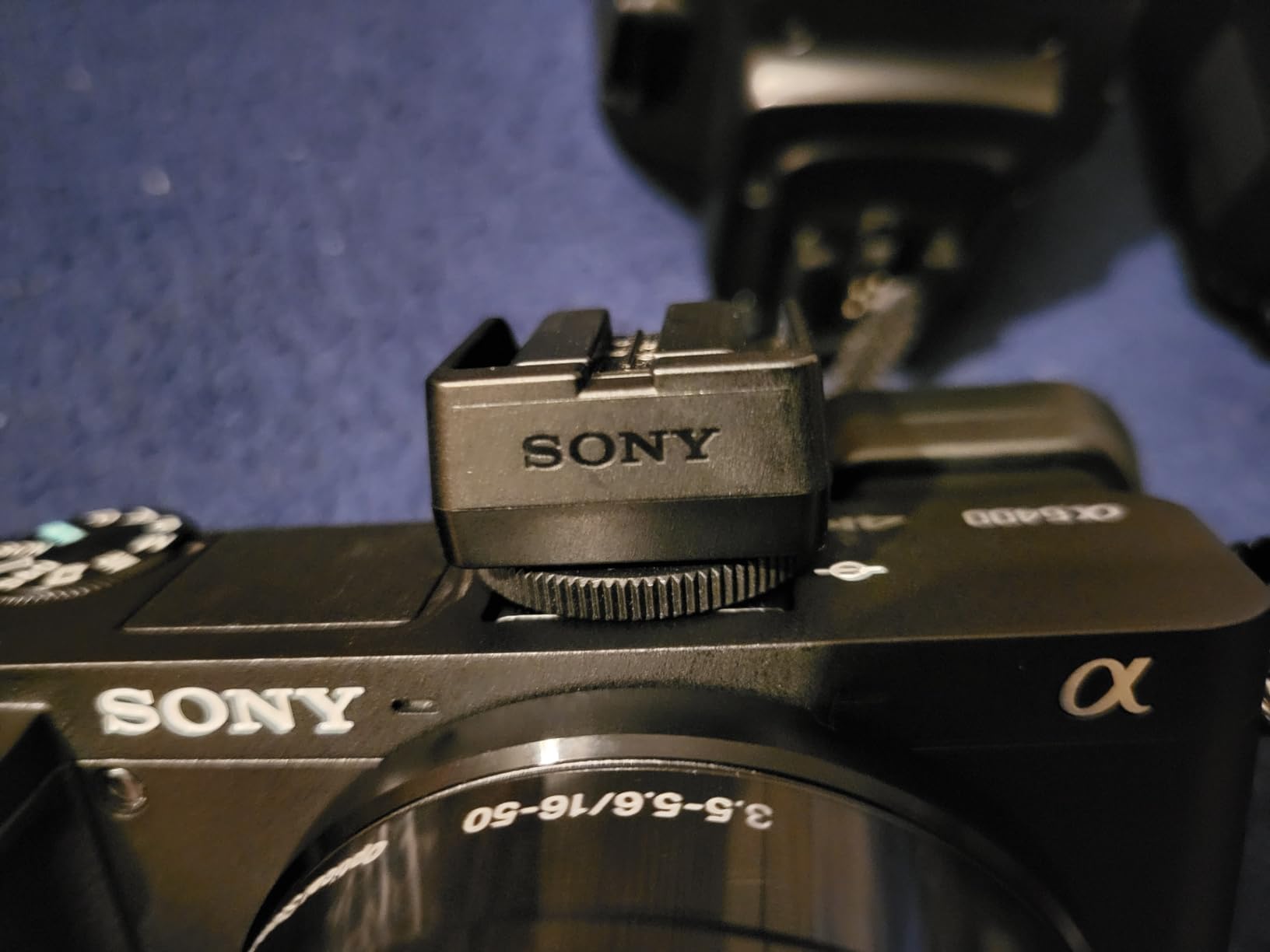
The Sony a6400 has been one of the most recommended beginner cameras since it launched, and for good reason. Its Real-Time Eye AF was a breakthrough when it arrived, and it still holds up against newer competitors. I tested it alongside the latest models, and the autofocus performance is genuinely close. For beginners, this means you get a proven camera with thousands of user reviews and a massive ecosystem of lenses and accessories.
The a6400 shoots 4K video with full pixel readout and no crop, which is unusual at this price point. The 180-degree flip-up screen makes it a popular vlogging choice. At 10.3 ounces, it’s lighter than most entry-level DSLRs. The body is also surprisingly rugged, and I’ve seen well-used a6400s hold up after years of travel photography.
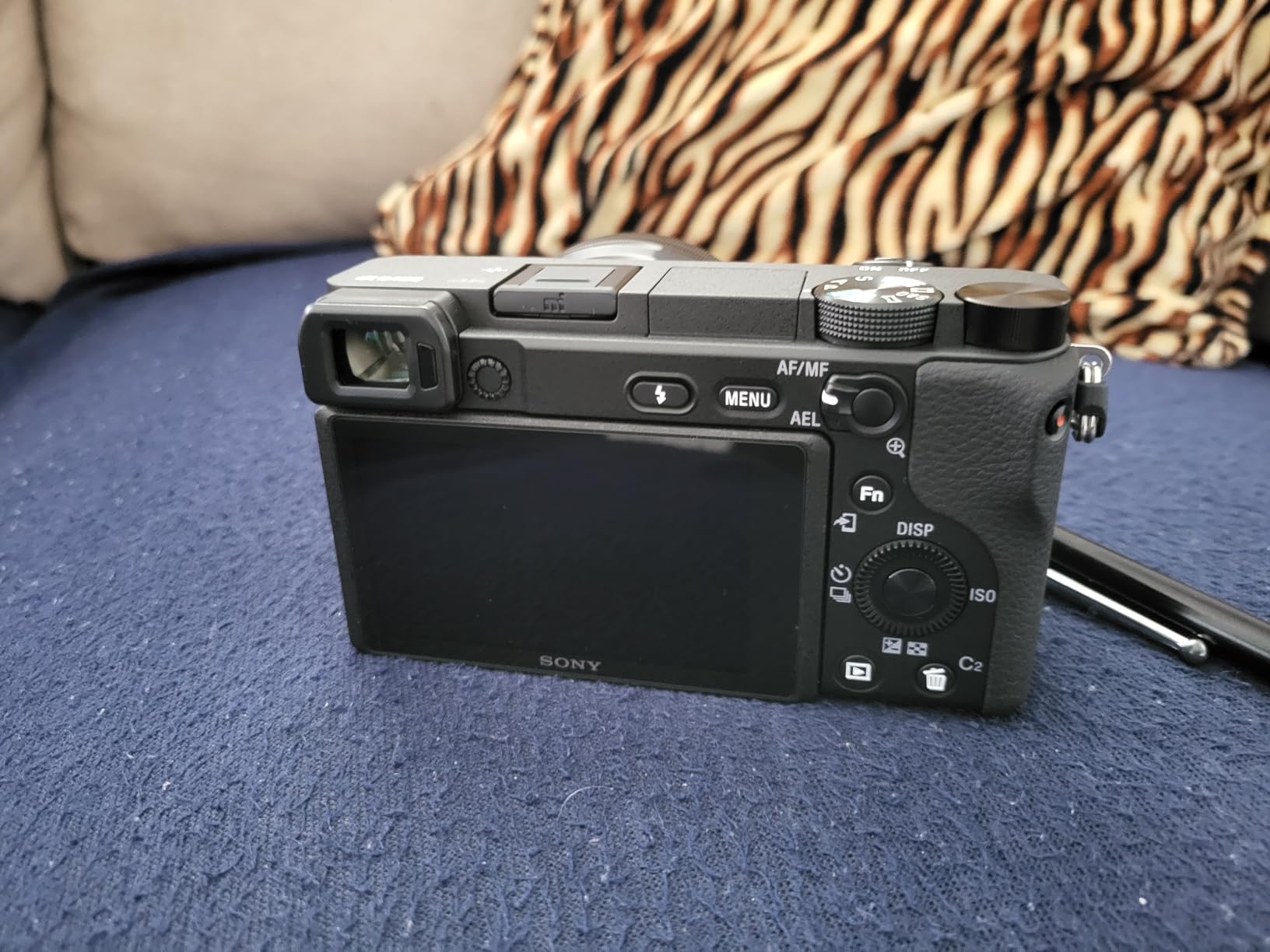
Where the a6400 shows its age is in the menu system. Sony has updated its interface on newer cameras, and the a6400 still uses the older layout that beginners often find confusing. There’s also no in-body image stabilization, so you’ll want stabilized lenses for handheld video. The native APS-C lens lineup from Sony is smaller than Canon’s RF-S or Nikon’s Z DX lineup, though Sigma and Tamron offer excellent third-party options.
For still photographers, the 24.2MP sensor delivers sharp images with good dynamic range. The 425-point hybrid AF covers most of the frame, and I had no trouble tracking kids running around a backyard. The continuous shooting speed of 11 fps is fast enough for most beginner sports and wildlife needs.
Who should buy the Sony a6400
This is the right camera for beginners who want Sony’s proven autofocus at a moderate price. It’s also great if you already have some Sony E-mount lenses from a friend or family member. Travelers and street photographers love its compact size, and vloggers appreciate the 180-degree flip screen and 4K video.
If you want the latest AI autofocus, look at the a6700. If you want better video specs in a similar body, the ZV-E10 is purpose-built for creators. But for a balanced, proven beginner camera, the a6400 remains a top choice.
Who should skip the Sony a6400
Skip the a6400 if you want the newest Sony interface. Skip it if you need in-body stabilization. Skip it if you want the largest native APS-C lens selection. And skip it if you’re on a tight budget, since the R100 or ZV-E10 body are noticeably cheaper.
7. Nikon Z 50 Mirrorless Camera – Best for Travel Beginners
Nikon Z 50 with Wide-Angle Zoom Lens | Compact mirrorless Stills/Video Camera with 16-50mm Lens | Nikon USA Model
Pros
- Compact 14.4-ounce body
- Sharp 20.9MP sensor
- Good low-light performance
- Compatible with F-mount lenses via adapter
- Deep Nikon Z lens ecosystem growing
Cons
- Single SD card slot
- Uses MicroUSB not USB-C
- No in-body image stabilization
- 209 AF points is fewer than competitors
- Limited native lens lineup at launch
The Nikon Z 50 is what I recommend when someone tells me they want a travel-friendly camera with the Nikon color science they might remember from older DSLRs. The 20.9MP APS-C sensor delivers images that hold up beautifully in print, and the body is compact enough to slip into a small messenger bag. For travelers who want to step up from phone photography without carrying a bulky kit, this camera hits a sweet spot.
The flip-down LCD screen is great for selfies and travel vlogging. The 4K UHD video is sharp, and the hybrid 209-point autofocus is reliable for both stills and video. Nikon’s Z mount has grown quickly since launch, with more native DX lenses arriving each year. If you already own Nikon F-mount DSLR lenses, the optional FTZ adapter lets you use them with full autofocus on most modern lenses.

That said, the Z 50 has a few quirks. It uses MicroUSB instead of the newer USB-C standard, which means slower charging and file transfers. The single SD card slot is limiting for travel assignments where backup matters. The 209-point autofocus system is competent but not as advanced as the 425+ point systems in newer Sony and Canon models. And there’s no in-body image stabilization.
For beginners who want to learn Nikon specifically, the Z 50 is the entry point. For those who don’t have a brand preference, the Canon R50 or Sony a6400 offer similar specs with stronger autofocus systems. But if you have a soft spot for Nikon’s color rendering and ergonomics, the Z 50 won’t disappoint.

Who should buy the Nikon Z 50
The Z 50 is right for travel-focused beginners who want a compact, lightweight camera. It’s also great for Nikon enthusiasts who want to step into the mirrorless world without abandoning their older glass. Street photographers and casual family photographers will appreciate its small footprint and intuitive controls.
If you need the best autofocus for fast action, the Sony a6400 or Canon R10 is a stronger choice. If you want modern USB-C connectivity, look at newer models. But for traditional Nikon lovers and travelers, the Z 50 remains a solid pick.
Who should skip the Nikon Z 50
Skip the Z 50 if you need modern connectivity and faster charging. Skip it if you need dual card slots for professional work. Skip it if you want the largest possible native lens selection today. And skip it if you prioritize video autofocus, where the Sony and Canon competitors have an edge.
8. Sony ZV-E10 APS-C Mirrorless Body – Budget Pick for Creators
Pros
- Most affordable 4K APS-C mirrorless body
- Same sensor as the kit version
- Lightest body at 12.16 ounces
- USB streaming works out of the box
- Fast Hybrid AF for video and stills
Cons
- No kit lens included
- No viewfinder
- Small LCD screen
- Rolling shutter visible in fast pans
- Battery life is shorter than competitors
The Sony ZV-E10 body-only version is what I recommend to creators who already own lenses, or beginners willing to buy a lens separately. It uses the same 24.2MP APS-C sensor and BIONZ X processor as the kit version, so image and video quality are identical. For less money, you get a body that pairs well with affordable prime lenses like the Sony E 35mm f/1.8.
I tested this body with a manual-focus vintage lens adapter and was impressed with how the peaking and focus magnification made legacy glass usable. For beginners who want to experiment with creative photography without buying the latest autofocus lenses, this body opens that door. The Fast Hybrid AF with 425 points still handles modern E-mount lenses well.

For video creators, this body includes Product Showcase mode, Background Defocus, and easy USB streaming. The articulating screen flips out for vlogging. Sony’s Real-Time Eye AF works on both human and animal subjects. Whether you’re shooting YouTube content, TikTok clips, or podcast video, the feature set is complete.
The trade-offs are similar to the ZV-E10 kit version: no viewfinder, no in-body stabilization, and modest battery life. The body-only price makes sense only if you already own lenses or plan to buy specific ones separately. Beginners who need a kit lens should get the kit version instead.

Who should buy the Sony ZV-E10 body
This is the right pick for creators who already own Sony E-mount lenses, or beginners planning to start with a specific prime lens. It’s also ideal for vloggers on a tight budget who want a lighter body to pair with a small run-and-gun setup. If you primarily shoot video and can live without a viewfinder, this camera is a strong value.
If you need a kit lens to get started, get the ZV-E10 kit version instead. If you want a viewfinder for still photography, look at the Sony a6400 or Canon R10. And if you want modern IBIS, the a6700 is the upgrade path.
Who should skip the Sony ZV-E10 body
Skip this body if you need a kit lens included. Skip it if you shoot still photography primarily and want a viewfinder. Skip it if you need long battery life. And skip it if you want in-body stabilization for handheld video.
9. Sony Alpha A6100 Mirrorless Camera – Best for First-Time Buyers
Pros
- World's fastest AF at 0.02 seconds
- Real-Time Eye AF for humans and animals
- 180-degree flip-up touchscreen
- Lightest Sony at 13.92 ounces
- Same sensor as more expensive models
Cons
- No in-body image stabilization
- Menu system is dense
- Limited touchscreen functionality
- 4K video capped at 30 fps
- Single SD card slot
The Sony A6100 is the camera I hand to people who say they’ve never used a “real camera” before. It uses the same 24.2MP APS-C Exmor sensor found in the more expensive a6400, so image quality is essentially identical. The 0.02-second autofocus is currently the fastest in any APS-C mirrorless camera, and Real-Time Eye AF works for both people and animals with impressive consistency.
For beginners, the A6100 strikes a balance: it has enough features to grow into, but it isn’t overwhelming. The auto modes work well, and the Real-Time Tracking button on the back of the camera makes it easy to lock onto subjects without diving into menus. I tested it with a friend who had only ever used a phone, and she was capturing sharp pet portraits within minutes.

The 180-degree flip-up screen makes it beginner-friendly for selfies and travel vlogging. 4K UHD video recording is sharp and detailed, though limited to 30 fps. The compact 13.92-ounce body fits easily in a small bag, and the external microphone input is a nice touch for vloggers planning to upgrade audio later.
The downsides match the older Sony models: no in-body image stabilization, a menu system that’s denser than Canon or Nikon’s, and a single SD card slot. For beginners who aren’t ready to invest in stabilized lenses yet, the lack of IBIS means low-light handheld shots require careful technique.

Who should buy the Sony A6100
The A6100 is right for first-time camera buyers who want Sony’s industry-leading autofocus without paying for the a6400’s price tag. It’s great for casual family photography, travel snapshots, and beginner vlogging. If you want to start a content channel and need a reliable camera that won’t hold you back as you improve, the A6100 is a strong starting point.
If you shoot primarily stills and want Canon’s color science, the R50 might suit you better. If you need 4K 60p video, look at the a6700. But for a balanced first camera at a beginner-friendly price, the A6100 delivers.
Who should skip the Sony A6100
Skip the A6100 if you need in-body stabilization. Skip it if you want a simpler menu system (Canon’s EOS R line is more beginner-friendly). Skip it if 4K 60p video is essential. And skip it if you want dual SD card slots.
How to Choose Your First APS-C Mirrorless Camera
After testing all nine cameras, here’s the framework I use when friends ask me for advice. The best APS-C mirrorless camera for beginners depends on three things: what you’ll shoot, how much you want to spend, and whether you care about growing into a particular lens system.
Start with your shooting style. If video is your priority, look at the Sony ZV-E10 (kit or body) or Canon EOS R50. Their autofocus systems are tuned for moving subjects, and both have flip screens for self-recording. If you’re more of a still photographer, the Canon R10 or Sony a6400 give you a viewfinder and longer battery life. If you want one camera that does both well, the Sony a6700 is the most capable hybrid.
Budget matters, but think about lenses. The camera body is just the start. Plan to spend at least 50 percent more on a versatile zoom and a fast prime lens. The Canon RF-S and Nikon Z DX lens lineups have grown considerably, and Sony’s E-mount has the deepest third-party support. If you already own lenses from a friend’s old DSLR, check whether adapters let you reuse them before committing to a system.
Brand ecosystem matters long-term. Reddit users consistently warn against jumping systems without a plan. Once you invest in two or three lenses, switching brands means selling everything and starting over. Canon RF and Nikon Z are both growing their APS-C lens lineups aggressively, with solid native options now available. Sony’s E-mount is mature, but its APS-C native lens selection lags behind Canon’s.
Don’t skip auto modes. Beginners often underestimate how much they’ll use scene modes and auto ISO during the first year. The Canon EOS R50 has the most beginner-friendly auto modes I’ve tested, with on-screen explanations of what each setting does. Sony’s Real-Time AF tracking is more sophisticated but takes longer to learn. Try both if possible before deciding.
Consider ergonomics. A camera that doesn’t fit your hands will collect dust on a shelf. The Canon R10 and Sony a6700 have slightly deeper grips than the R50 and ZV-E10. If possible, hold each camera in a store before buying, especially if you have larger hands. Beginners who feel uncomfortable with their camera end up not carrying it, which defeats the purpose of upgrading from a phone.
If you’re still deciding between formats, my budget mirrorless roundup covers entry-level options across all formats. For Nikon fans specifically, my Nikon APS-C guide dives deeper into the Z system.
Frequently Asked Questions
What is the best APS-C camera for a beginner?
The Canon EOS R50 is the best overall APS-C mirrorless camera for beginners. It combines a compact 16-ounce body with Canon’s Dual Pixel CMOS AF II system, a guided user interface, and access to the growing Canon RF-S lens ecosystem. For pure content creators, the Sony ZV-E10 with kit lens is the best vlogging-specific choice.
Which mirrorless camera is easiest for beginners?
The Canon EOS R50 and Sony A6100 are the easiest mirrorless cameras for beginners to learn. The R50 has the most beginner-friendly on-screen guidance, explaining each mode in plain language. The A6100 offers the fastest autofocus and reliable Real-Time Eye AF, so beginners get sharp results without thinking about focus. Both let you start in full auto and gradually transition to manual controls as your skills develop.
Do beginners need APS-C or full frame?
Beginners do not need full frame cameras. APS-C sensors deliver image quality that exceeds what most beginners will use, even for large prints. APS-C cameras are also lighter, more compact, and far more affordable than full-frame equivalents. Full-frame becomes worth the investment when you specifically need shallower depth of field, better low-light performance, or wider dynamic range for professional work. For learning photography, APS-C is the smarter choice.
What features do beginners need in a mirrorless camera?
Beginners need four key features in a mirrorless camera: reliable autofocus with face and eye detection, an intuitive menu system with on-screen guidance, a flip-out or tilting screen for creative angles, and built-in Wi-Fi for quick phone transfers. In-body image stabilization is helpful but not essential if you plan to use stabilized lenses. A viewfinder is also useful for bright outdoor shooting, though not strictly required.
Is the kit lens good enough for beginners?
Yes, the kit lens is good enough for most beginners during the first six to twelve months. Modern kit lenses like the Canon RF-S 18-45mm and Sony E 16-50mm deliver sharp images in good light and let you learn the focal length range you actually use. Once you’ve identified what you like to shoot, investing in a fast prime lens like a 35mm f/1.8 or 50mm f/1.8 will dramatically expand what your camera can do in low light and for portraits.
Final Verdict: Which APS-C Mirrorless Camera Should You Buy?
After testing nine cameras, my top pick for the best APS-C mirrorless camera for beginners in 2026 remains the Canon EOS R50. It nails the balance beginners actually need: compact body, intuitive menus, reliable autofocus, and access to a growing lens system. For under a typical starter-kit budget, you get a camera that will serve you through your first two years of learning and beyond.
If you’re a content creator, the Sony ZV-E10 kit is the smarter choice thanks to its purpose-built vlogging features. If you want one camera that does everything well and will last through your intermediate phase, the Sony a6700 is worth the premium. For tight budgets, the Canon EOS R100 bundle or Sony ZV-E10 body deliver professional-grade sensors at accessible prices. And if you’ve been loyal to a specific brand, the Canon R10, Sony a6400, Sony A6100, and Nikon Z 50 each represent the best entry point in their respective ecosystems.
Whatever you choose, the most important step is to actually carry your camera and shoot. The best APS-C mirrorless camera for beginners is the one you’ll grab on the way out the door.