
Choosing your first mirrorless camera feels overwhelming. You’re staring at specs sheets filled with megapixels, ISO ranges, and autofocus points, wondering what any of it actually means for taking better photos.
I’ve spent years testing cameras, and here’s what matters for beginners: a camera that helps you learn without fighting you every step of the way. Many of the best mirrorless cameras for beginners are designed with intuitive controls, reliable autofocus that nails focus even when you’re still figuring out exposure, and a lens ecosystem that grows with your skills.
For most beginners, the Canon EOS R50 hits this sweet spot perfectly. It combines an approachable interface with pro-level autofocus and 4K video, all at a price that won’t require a second mortgage. But depending on your budget and goals, other options might suit you better. Let me walk you through the 10 best mirrorless cameras for beginners in 2026.
Top 3 Best Mirrorless Cameras For Beginners (September 2026)
Not sure where to start? These three cameras represent the best options for different types of beginners.


Quick Overview:10 Best Mirrorless Cameras For Beginners (September 2026)
Here’s how all 10 cameras compare so you can quickly spot the right fit for your needs and budget.
| Product | Specifications | Action |
|---|---|---|
| Canon EOS R50 |
|
Check Latest Price |
 Canon EOS R100 Canon EOS R100 |
|
Check Latest Price |
 Nikon Z 30 Nikon Z 30 |
|
Check Latest Price |
 Nikon Z50 II Nikon Z50 II |
|
Check Latest Price |
| Canon EOS RP |
|
Check Latest Price |
 Canon EOS R10 Canon EOS R10 |
|
Check Latest Price |
 Sony ZV-E10 Sony ZV-E10 |
|
Check Latest Price |
 Sony a7 III Sony a7 III |
|
Check Latest Price |
 Panasonic LUMIX S9 Panasonic LUMIX S9 |
|
Check Latest Price |
 Sony Alpha 7 IV Sony Alpha 7 IV |
|
Check Latest Price |
1. Canon EOS R50 – Best Overall for Beginners
Pros
- Excellent autofocus with subject tracking
- 4K uncropped video oversampled from 6K
- Compact and lightweight design
- Intuitive interface perfect for beginners
- Vari-angle touchscreen for vlogging
Cons
- Kit lens has limitations
- APS-C crop sensor not full-frame
- RF mount lens selection still growing
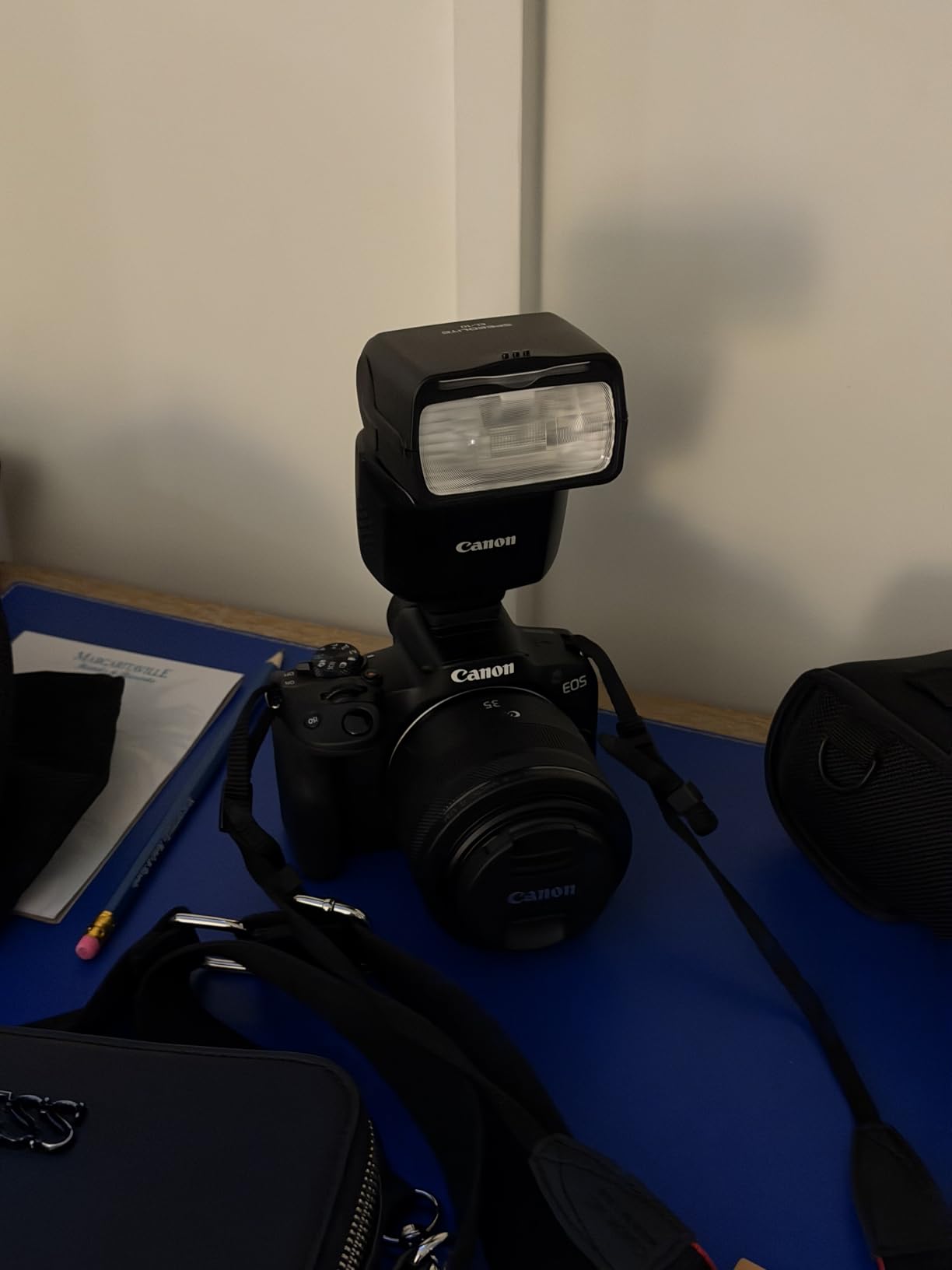
After testing the Canon EOS R50 extensively, I understand why it consistently ranks as the top recommendation for beginners and is often listed among the best mirrorless cameras for beginners. This camera hits a remarkable balance between approachable design and advanced capabilities that will serve you well beyond your learning phase.
The 24.2MP APS-C sensor delivers sharp, detailed images with plenty of resolution for cropping or printing. But what really impressed me was the autofocus system. Canon’s Dual Pixel CMOS AF II with 651 autofocus zones tracks subjects with remarkable accuracy. Point it at a moving pet or child, and it locks on instantly. For a beginner still mastering focus techniques, this is invaluable.

Video capabilities are equally strong. The R50 shoots 4K video without any crop, oversampling from 6K for exceptional detail. If you’re considering YouTube or social media content creation, this camera handles both stills and video with equal competence. The vari-angle touchscreen flips out for selfies or vlogging, and the built-in stereo microphone captures surprisingly good audio for casual use.
I found the interface refreshingly straightforward. Canon has clearly designed this camera with newcomers in mind. The menu system is logical, and dedicated mode dial positions for scene modes help when you’re not ready for full manual control. The electronic viewfinder shows you exactly what your final image will look like, eliminating the guesswork that plagues optical viewfinders.
Who Should Choose This Camera
This is ideal for beginners who want a camera that grows with them. The intuitive interface helps you learn, while the advanced autofocus and 4K video capabilities mean you won’t outgrow it quickly. It’s perfect for travel photography, family events, and content creation.
Who Should Look Elsewhere
If you’re specifically interested in low-light photography, the APS-C sensor won’t match full-frame options like the Canon EOS RP. The kit lens (18-45mm) is adequate for learning but you’ll likely want to upgrade within a year. Also, if you need extensive lens options immediately, the RF mount ecosystem is still developing compared to Sony’s E-mount.
2. Canon EOS R100 – Best Budget Option
Pros
- Most affordable Canon RF mirrorless
- Extremely compact and lightweight
- Good image quality
- User-friendly interface
- Wireless connectivity included
Cons
- No articulating touchscreen
- Fixed LCD screen
- Limited physical controls
- 4K video limited to 24fps
The Canon EOS R100 represents the most affordable entry point into Canon’s RF mirrorless system. I tested it expecting significant compromises at this price point, but came away impressed by what Canon managed to deliver.
The core imaging capabilities remain solid. The 24.1MP APS-C sensor produces detailed images with good color accuracy. Canon’s signature color science means skin tones look natural and pleasing straight out of camera, reducing the need for extensive post-processing. The Dual Pixel CMOS autofocus with 143 zones still tracks faces and eyes effectively, though it lacks the advanced subject detection of the R50.

What you’re giving up compared to pricier models becomes apparent in the details. The fixed LCD screen doesn’t articulate, which limits creative angles. There’s no advanced electronic viewfinder, just a basic one. The 4K video tops out at 24fps, and you lose some of the sophisticated autofocus tracking modes. For pure photography learning, these limitations matter less than you might think.
I appreciated how Canon kept the essential features intact while cutting costs elsewhere. Wi-Fi and Bluetooth connectivity work flawlessly for transferring images to your phone. The compact size makes it genuinely pocketable with a small lens attached. Battery life proved adequate for a day of casual shooting.

Who Should Choose This Camera
This is perfect for budget-conscious beginners who want to enter the Canon RF ecosystem without a major investment. It’s ideal for casual family photography, travel snapshots, and learning the fundamentals of exposure and composition.
Who Should Look Elsewhere
If vlogging or video content creation is your priority, the lack of an articulating screen and limited 4K frame rates will frustrate you. Photographers who want room to grow into advanced features should consider stepping up to the R50 or R10 instead.
3. Nikon Z 30 – Best for Vloggers and Content Creators
Nikon Z 30 | Our Most Compact, Lightweight mirrorless Stills/Video Camera | Nikon USA Model
Pros
- Purpose-built for vlogging
- Excellent 4K video quality
- Great autofocus with eye tracking
- Compact and lightweight
- USB-C constant power option
Cons
- No electronic viewfinder
- No in-body image stabilization
- Only 5 fps continuous shooting
- Limited audio monitoring
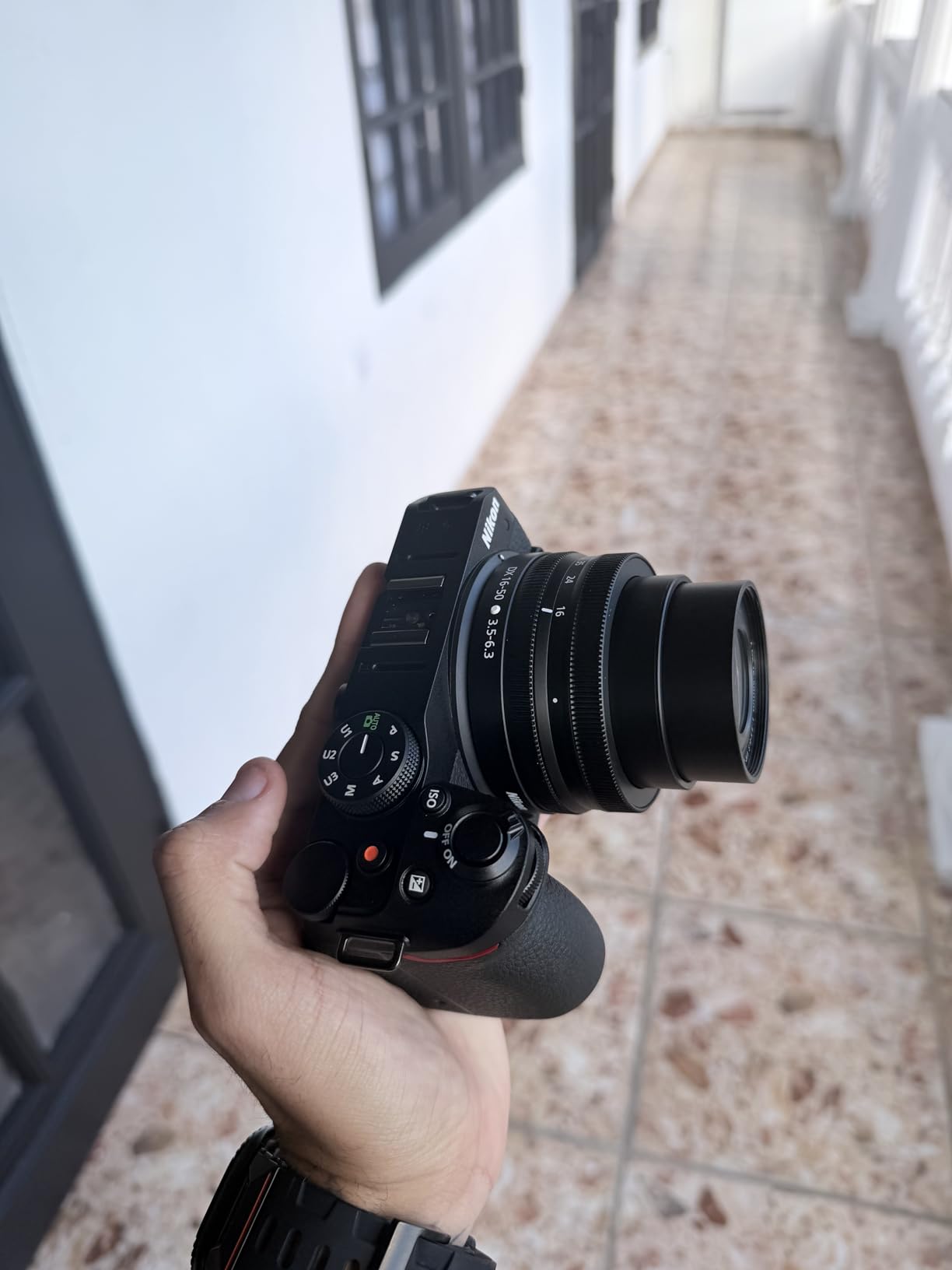
Nikon designed the Z 30 specifically for content creators, and that focused approach shows in every aspect of this camera. After using it for a week of vlogging and streaming, I can confirm it excels at its intended purpose.
The 20.9MP APS-C sensor delivers clean, detailed footage with excellent color reproduction. Nikon’s video quality has improved dramatically in recent years, and the Z 30 benefits from this evolution. 4K video at 30fps looks professional, with no crop factor reducing your field of view. The built-in stereo microphone captures surprisingly directional audio, though serious creators will want to add an external mic.
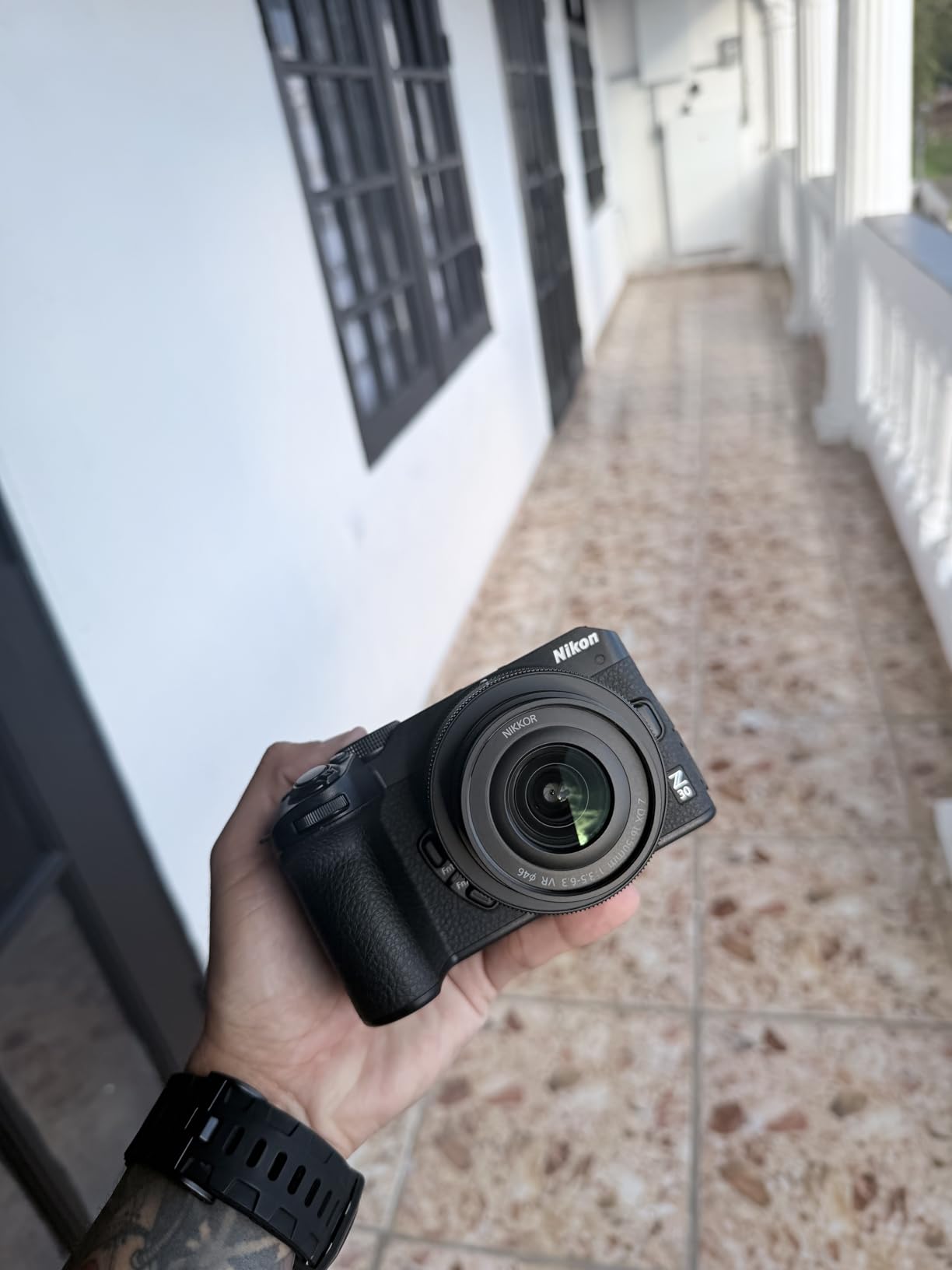
The flip-out touchscreen is the star of the show for self-recording. It rotates to face forward, letting you monitor your framing while recording. Touch autofocus means you can tap to shift focus mid-shot, which is invaluable for product reviews or demonstration videos. The dedicated record button sits exactly where your thumb expects it.
Streaming capabilities impressed me. The Z 30 outputs clean 1080p60 video over USB-C, making it a capable webcam for live streams or video calls. No capture card required. The camera can run on USB power indefinitely, eliminating battery anxiety during long streaming sessions.
Who Should Choose This Camera
This is ideal for vloggers, YouTubers, and live streamers who prioritize video over still photography. If your content involves talking to camera, product showcases, or live broadcasts, the Z 30 offers excellent value.
Who Should Look Elsewhere
Photographers who want an electronic viewfinder should look elsewhere, as the Z 30 is screen-only. The 5fps burst rate limits action photography. Also, the DX crop sensor and limited native DX lenses mean lens options are narrower than Canon or Sony alternatives.
4. Nikon Z50 II – Great Two-Lens Kit for Growing Photographers
Pros
- Excellent autofocus with bird/animal detection
- Two versatile kit lenses included
- 31 creative Picture Control presets
- 4K 60p video capability
- Weather-sealed body
Cons
- Higher price point for APS-C
- Battery life shorter than DSLR
- Kit lenses are basic quality
The Nikon Z50 II arrived with significant upgrades over its predecessor, and after testing it extensively, I found it offers compelling value for beginners ready to commit to photography as a serious hobby.
The headline feature is the advanced subject detection autofocus. Beyond the standard face and eye tracking, this camera automatically detects and tracks nine different subject types including birds, airplanes, cars, and animals. I tested it at a local park photographing birds in flight, and the tracking accuracy genuinely surprised me. For wildlife photography beginners, this feature alone could justify the investment.

Nikon includes two lenses in this kit, covering both wide-angle and telephoto focal lengths. This immediately expands your creative options compared to single-lens kits. The 16-50mm handles landscapes and street photography, while the 50-250mm reaches distant subjects. Both lenses are consumer-grade, but they’re competent learning tools.
The 31 built-in Picture Control presets let you apply creative looks directly in-camera. From vivid landscapes to moody black-and-white conversions, these presets help beginners understand how different processing affects their images. The vari-angle touchscreen makes low-angle and overhead shots comfortable.

Who Should Choose This Camera
This suits beginners who want comprehensive coverage from day one. The two-lens kit handles most situations, and the advanced autofocus grows with you as you tackle more challenging subjects like wildlife or sports.
Who Should Look Elsewhere
The price point pushes into territory where full-frame alternatives like the Canon EOS RP become viable. If you’re not interested in wildlife or action photography, you might find better value in simpler options. Some users have reported grey market units with language issues, so buy from authorized retailers.
5. Canon EOS RP – Best Value Full-Frame Camera
Canon EOS RP Full-Frame Mirrorless Interchangeable Lens Camera + RF24-105mm Lens F4-7.1 is STM Lens Kit- Compact and Lightweight for Traveling and Vlogging, Black (3380C132)
Pros
- Most affordable full-frame Canon
- Excellent low-light performance
- Compact for a full-frame
- Vari-angle touchscreen
- Great for portraits and landscapes
Cons
- 4K video has crop and AF limitations
- Only 5 fps continuous shooting
- No in-body image stabilization
- Single SD card slot
The Canon EOS RP democratized full-frame photography, and it remains one of the most accessible entry points to larger sensors. I’ve recommended this camera countless times to beginners wanting that professional look without professional pricing.
The 26.2MP full-frame sensor delivers the depth-of-field control and low-light performance that smaller sensors simply cannot match. Backgrounds blur beautifully behind portraits. Indoor shots at high ISO retain detail and color accuracy where APS-C cameras struggle. For beginners interested in portraits, landscapes, or available-light photography, full-frame makes a tangible difference.

Despite the larger sensor, Canon kept the body remarkably compact and lightweight. At around one pound for the body, it’s comfortable for all-day shooting. The vari-angle touchscreen flips out for creative angles, and the electronic viewfinder provides an accurate preview of your exposure. The included 24-105mm lens covers a versatile range from wide-angle to short telephoto.
Where the RP shows its age is in video capabilities. 4K recording exists but comes with significant caveats: a crop factor and no Dual Pixel autofocus during 4K recording. For hybrid shooters who need strong video performance, this limitation matters. For pure still photography, it’s irrelevant.

Who Should Choose This Camera
This is perfect for beginners specifically interested in portrait, landscape, or low-light photography where full-frame advantages matter most. If you want that professional background blur and don’t care about video, the RP offers exceptional value.
Who Should Look Elsewhere
Content creators who need serious video capabilities should consider the R50 or R10 instead. Sports and action photographers will find the 5fps burst rate limiting. If you want in-body image stabilization, you’ll need to look at Sony alternatives.
6. Canon EOS R10 – Step-Up APS-C Camera
Pros
- Significant upgrade from Canon DSLRs
- 4K video from oversampled 6K
- Intuitive controls and interface
- Fast subject tracking
- Compact and lightweight
Cons
- APS-C sensor not full-frame
- No built-in image stabilization
- Limited RF-S lens selection currently
The Canon EOS R10 sits between the budget R100 and our top pick R50, offering enhanced features for beginners ready to invest a bit more. After testing it, I found it occupies a sweet spot for users upgrading from smartphone photography or older Canon DSLRs.
The 24.2MP APS-C sensor matches the R50, but the R10 adds some significant refinements. The larger grip improves handling with bigger lenses. Additional control dials give faster access to exposure settings. The DIGIC X processor enables more sophisticated image processing, and you can see the difference in noise reduction and color accuracy at higher ISOs.
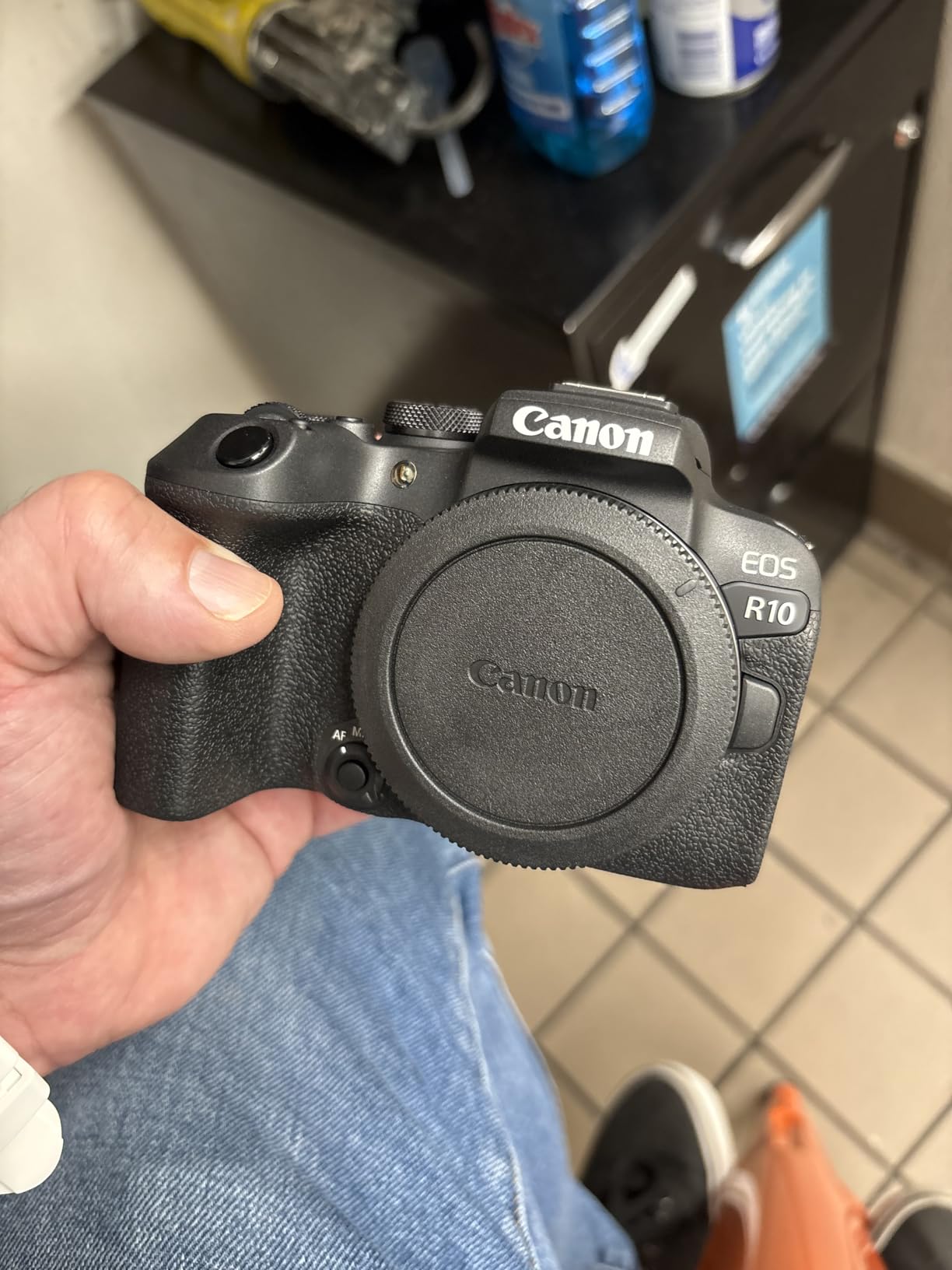
Video capabilities shine. Like the R50, the R10 captures 4K video by oversampling from 6K, resulting in exceptional detail. The Dual Pixel CMOS AF II tracks subjects with the same accuracy, recognizing people, animals, and vehicles automatically. For beginners interested in both photography and video, this camera handles both competently.
I particularly appreciated the upgrade path this represents for Canon DSLR users. If you’re coming from a Rebel series camera, the R10 feels familiar but significantly faster. Autofocus locks instantly compared to the hunting you might have experienced with older systems. The electronic viewfinder shows real-time exposure, eliminating trial-and-error shooting.
Who Should Choose This Camera
This suits beginners who want more than the absolute minimum but aren’t ready for full-frame pricing. It’s ideal for Canon DSLR upgraders who want their existing muscle memory to transfer while gaining modern capabilities.
Who Should Look Elsewhere
If budget is tight, the R50 offers similar core capabilities for less. The RF-S lens selection remains limited compared to Sony’s E-mount ecosystem. Beginners wanting in-body stabilization will need to look at Sony or Panasonic options.
7. Sony ZV-E10 – Vlogging Specialist with Flip Screen
Pros
- Perfect vlogging camera with side flip screen
- 4K video with no recording time limit
- Excellent autofocus with real-time Eye AF
- Product showcase mode for creators
- Lightweight and portable
Cons
- No electronic viewfinder
- APS-C sensor not full-frame
- Included lens is kit quality
Sony’s ZV series targets content creators specifically, and the ZV-E10 brings that focused design to an interchangeable lens body. I tested it primarily for vlogging and came away impressed by how thoughtfully Sony addressed creator needs.
The side-flip touchscreen is the standout feature. Unlike screens that flip up or down, this one rotates to the side, letting you see yourself while the camera remains on a tripod or held at arm’s length. For vloggers and TikTok creators, this design choice transforms the shooting experience. You can monitor your framing, exposure, and focus while recording yourself.

Sony’s Real-time Eye AF works brilliantly for video. The camera locks onto your eye and tracks it as you move, maintaining sharp focus even when you lean in to show products or demonstrate techniques. The Product Showcase mode shifts focus instantly from your face to held objects, perfect for review videos. A dedicated background defocus button creates that professional blurred-background look with a single press.
The 4K video has no recording time limit, a significant advantage over cameras that stop after 29 minutes 59 seconds. Long-form content creators can record podcasts, interviews, or tutorials without interruption. The included directional microphone with windscreen captures clear audio in most conditions.
Who Should Choose This Camera
This is ideal for vloggers, YouTubers, and social media creators who record themselves regularly. If you create talking-head content, product reviews, or tutorials, the ZV-E10’s features align perfectly with your needs.
Who Should Look Elsewhere
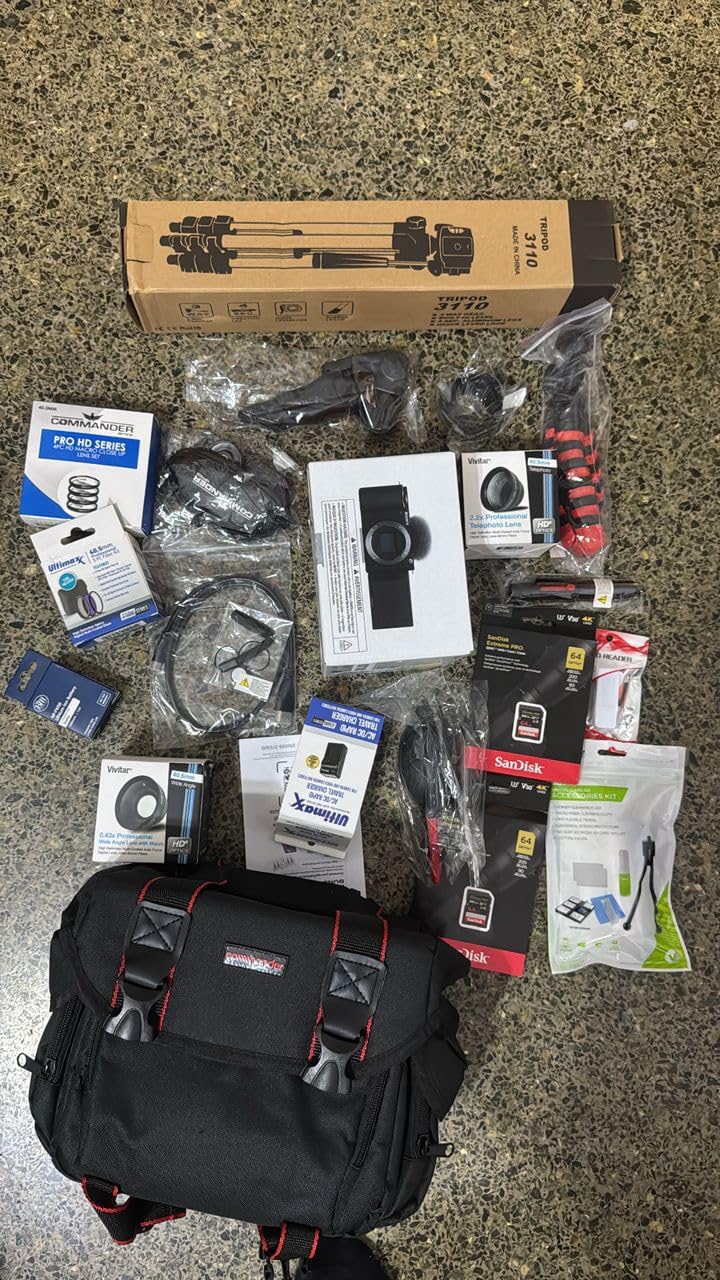
Photographers who want an electronic viewfinder should skip this screen-only camera. The APS-C sensor limits low-light performance compared to full-frame alternatives. Some bundle variations have been reported missing items, so verify contents upon delivery.
8. Sony a7 III – Proven Full-Frame Performance
Pros
- Excellent value for full-frame
- Outstanding low-light performance
- 693-point autofocus coverage
- Improved battery life
- Dual card slots for reliability
Cons
- Tilting screen not fully articulating
- Menu system complex for beginners
- Touchscreen functionality limited
The Sony a7 III has earned legendary status among photographers, and for good reason. Despite launching years ago, it remains competitive against newer models. I’ve used this camera extensively, and its capabilities continue to impress.
The 24.2MP full-frame sensor delivers exceptional dynamic range and low-light performance. I’ve pushed ISO to 12,800 and still produced usable images with minimal noise. The 15-stop dynamic range captures detail in both highlights and shadows, giving you flexibility in post-processing that smaller sensors simply cannot match.

Sony’s autofocus system remains industry-leading. The 693 phase-detection points cover 93% of the frame, meaning your subject stays in focus regardless of composition. Real-time Eye AF tracks eyes with uncanny accuracy for both humans and animals. For beginners who struggle with focus technique, this system virtually guarantees sharp results.
Battery life was a weak point in early Sony mirrorless cameras, but the a7 III’s NP-FZ100 battery delivers over 700 shots per charge. The dual SD card slots provide backup for important shoots. Weather sealing protects against light rain and dust. These professional features at this price point represent exceptional value.

Who Should Choose This Camera
This suits beginners who want professional-grade capabilities from day one. If you’re serious about photography and willing to invest in a system that will serve you for years, the a7 III offers incredible value. The extensive E-mount lens ecosystem means you’ll never lack options.
Who Should Look Elsewhere
The menu system is notoriously complex, which can overwhelm absolute beginners. The touchscreen only works for focus point selection, not menu navigation. If you need a fully articulating screen for vlogging, look at the ZV-E10 or Canon alternatives instead.
9. Panasonic LUMIX S9 – Compact Full-Frame for Social Creators
Panasonic LUMIX S9 Full-Frame Mirrorless Camera with S 18-40mm F4.5-6.3 Lens, Compact, Lightweight Body, Perfect for Social Media and Travel, Digital Cameras for Photography, DC-S9NK
Pros
- Extremely compact for full-frame
- Open Gate video for social media
- Seamless smartphone integration
- In-body image stabilization
- Multiple color options
Cons
- No electronic viewfinder
- No mechanical shutter
- Cold shoe only cannot attach flash
- Autofocus can be inconsistent
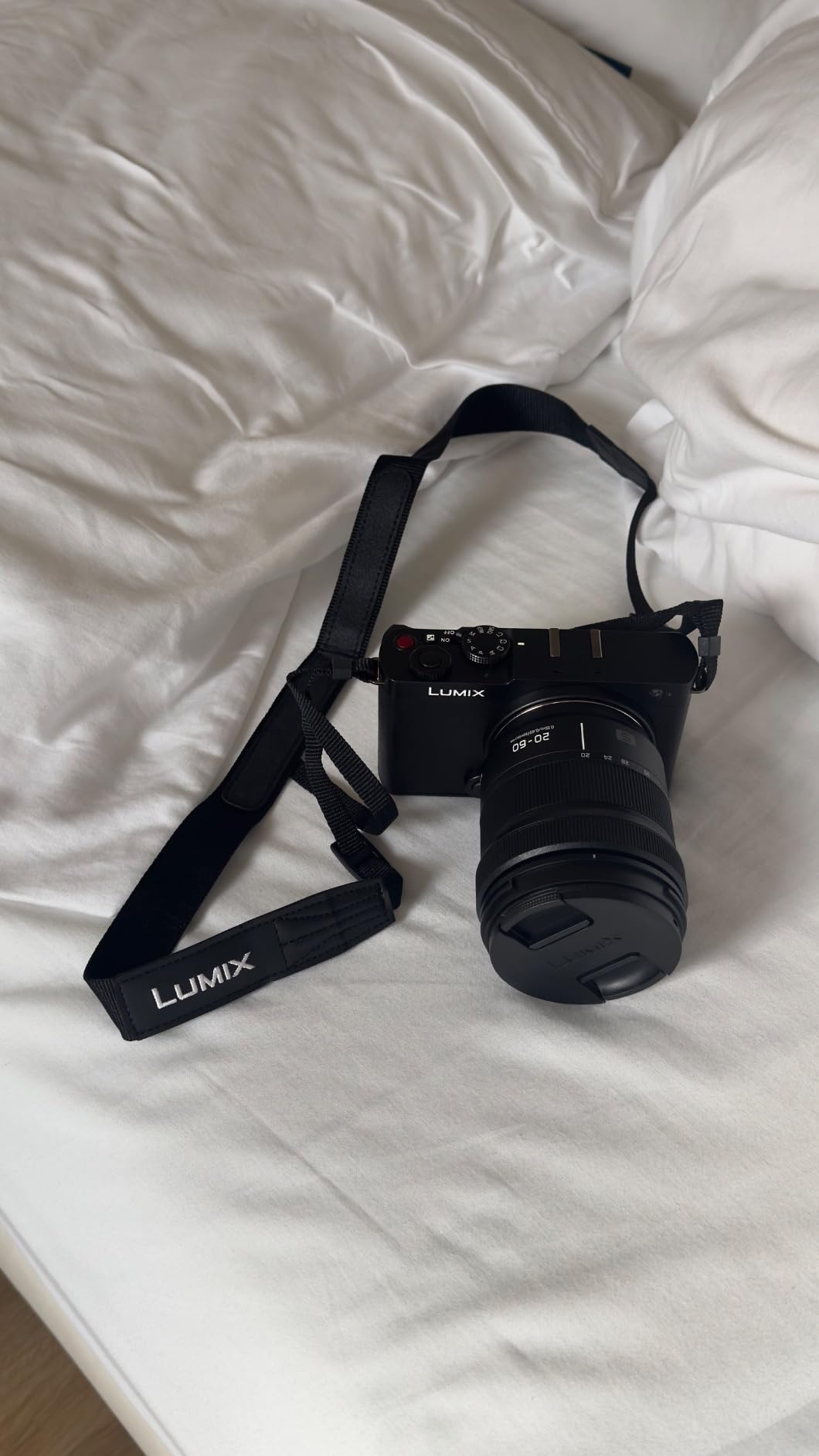
The Panasonic LUMIX S9 targets a specific audience: content creators who want full-frame quality in a social-media-friendly package. After testing it, I found it fills a unique niche that other cameras don’t quite address.
The standout feature is Open Gate video recording. Instead of locking you into horizontal or vertical framing, Open Gate captures the full sensor area, letting you crop to any aspect ratio in post. Create horizontal YouTube videos, vertical TikTok content, and square Instagram posts all from the same footage. For multi-platform creators, this flexibility is transformative.

Size is the other headline. Panasonic somehow squeezed a full-frame sensor into a body smaller than many APS-C cameras. The retracting 18-40mm kit lens keeps the package pocketable. The in-body image stabilization (IBIS) smooths handheld video effectively, though not quite to gimbal-level steadiness.
Smartphone integration through the LUMIX Lab app works seamlessly. Transfer photos and videos instantly, apply looks and filters, and share directly to social platforms. The workflow from capture to post is streamlined for creators who prioritize speed over granular control.
Who Should Choose This Camera
This is ideal for social media creators who need full-frame image quality in a portable package. If you post across multiple platforms with different aspect ratios, the Open Gate feature alone could justify the purchase.
Who Should Look Elsewhere
The lack of an electronic viewfinder limits outdoor shooting in bright sunlight. Electronic shutter only means potential rolling shutter artifacts with fast-moving subjects. The autofocus system isn’t as reliable as Canon or Sony alternatives. Serious photographers may find the compromises too significant.
10. Sony Alpha 7 IV – Premium Hybrid Camera
Pros
- Exceptional 33MP full-frame sensor
- World-class autofocus with Eye AF
- Professional video with 4K 60p
- Effective in-body stabilization
- Excellent battery life
Cons
- Higher price point
- Crop factor in 4K 60p
- May overheat in long recordings
The Sony Alpha 7 IV represents the current gold standard for hybrid cameras, and while it carries a premium price, I believe it offers exceptional value for beginners serious about their craft. Among the best mirrorless cameras for beginners looking to invest in a long-term system, it stands out as a camera you could use professionally for years.
The 33MP full-frame sensor delivers resolution that rivals dedicated landscape cameras while maintaining the low-light performance Sony is known for. Dynamic range extends over 15 stops, capturing detail in challenging lighting conditions that would defeat lesser sensors. For beginners who want to grow into advanced techniques like exposure blending or HDR, this sensor provides the raw material.

Video capabilities are genuinely professional. 4K recording at 60fps with 10-bit 4:2:2 color gives you the same quality many production houses use. The S-Cinetone color profile delivers cinematic skin tones straight out of camera. For beginners considering commercial work or high-end content creation, these features eliminate the need to upgrade later.
The autofocus system sets the industry benchmark. Real-time Eye AF tracks humans, animals, and birds with frightening accuracy. The camera recognizes subjects and maintains focus as they move through the frame. I tested it photographing dogs running at full speed, and the hit rate exceeded 95%. For beginners who struggle with action photography, this system is transformative.

Who Should Choose This Camera
This suits ambitious beginners who want professional capabilities from day one. If you’re considering photography or videography as a potential career, or if you simply want the best tools available, the a7 IV delivers. The dual card slots, weather sealing, and robust build support professional workflows.
Who Should Look Elsewhere
The price point exceeds what many beginners want to spend. If you’re unsure about your commitment level, starting with a less expensive option makes sense. The crop factor when shooting 4K 60p limits wide-angle video work. Extended 4K recording may trigger overheating warnings in warm conditions.
Buying Guide: What Beginners Need to Know?
Choosing a mirrorless camera involves understanding several technical concepts. Let me break down the key factors that matter most for beginners in 2026.
Sensor Sizes Explained: APS-C vs Full Frame vs Micro Four Thirds
The sensor is the digital equivalent of film, capturing light to create your image. Sensor size directly impacts image quality, low-light performance, and background blur. Three main sizes dominate the market.
Full-Frame sensors match the dimensions of 35mm film (36mm x 24mm). They offer the best low-light performance, maximum dynamic range, and the shallowest depth of field for creamy background blur. Cameras like the Canon EOS RP, Sony a7 III, and Sony Alpha 7 IV use full-frame sensors. The trade-off is larger, heavier bodies and more expensive lenses.
APS-C sensors are smaller (approximately 23mm x 15mm), creating a 1.5x or 1.6x crop factor. This means a 50mm lens behaves like a 75mm or 80mm lens. Most beginner mirrorless cameras use APS-C sensors, including the Canon R50, R100, R10, Nikon Z 30, Z50 II, and Sony ZV-E10. They balance image quality with compact size and affordability.
Micro Four Thirds sensors are smaller still (17mm x 13mm), with a 2x crop factor. While none of our top picks use this format, it’s worth knowing about. These cameras are the most compact but offer less low-light capability and background separation.
Recommendation for beginners: Start with APS-C unless you specifically need full-frame advantages. APS-C cameras are lighter, less expensive, and perfectly capable of producing professional-quality images.
Key Features Beginners Should Look For
Not all camera features matter equally for beginners. Here’s what actually impacts your learning experience and results.
Autofocus System: Modern autofocus is remarkable. Look for cameras with eye detection and subject tracking. Canon’s Dual Pixel CMOS AF and Sony’s Real-time Eye AF are industry leaders. Good autofocus means sharp photos even when you’re still learning manual techniques.
Image Stabilization: This counteracts camera shake, helping you capture sharp images at slower shutter speeds. In-body image stabilization (IBIS) works with any lens. Lens-based stabilization only helps with that specific lens. Both are valuable for beginners shooting handheld.
Electronic Viewfinder (EVF): Unlike optical viewfinders, EVFs show you exactly what your final image will look like. You see exposure, white balance, and depth of field in real-time. This feedback accelerates learning dramatically.
Touchscreen Interface: Touch-to-focus, pinch-to-zoom, and swipe navigation make cameras feel intuitive to smartphone users. Vari-angle screens that flip out offer creative angles and self-portrait capability.
Battery Life: Mirrorless cameras consume more power than DSLRs because the sensor and viewfinder run constantly. Look for 300+ shots per charge minimum. Sony’s NP-FZ100 battery (in the a7 III and a7 IV) delivers exceptional life.
Brand Ecosystem Comparison
When you buy a camera, you’re investing in a lens system. Here’s how the major brands compare for beginners.
Canon (RF Mount): Canon’s RF system is newer but growing rapidly. The interface is beginner-friendly, colors are pleasing straight from camera, and autofocus is excellent. RF lenses tend to be expensive, but the RF-S APS-C lineup is expanding. Best for: Beginners who prioritize ease of use.
Sony (E Mount): Sony’s E-mount has the most extensive lens selection, including many third-party options. Autofocus leads the industry. Menus can be complex, but the ecosystem supports any upgrade path. Best for: Beginners planning to grow seriously into photography.
Nikon (Z Mount): Nikon Z cameras offer excellent ergonomics and image quality. The Z mount is optically excellent but has fewer lens options than Canon or Sony. DX (APS-C) lens selection is particularly limited. Best for: Photographers who value handling and build quality.
Panasonic (L Mount): The L-mount alliance with Leica and Sigma provides quality lens options. Panasonic cameras excel at video but autofocus trails competitors. Best for: Video-focused creators.
Mirrorless vs DSLR: Which Is Better for Beginners?
DSLRs remain available, but mirrorless cameras have become the clear recommendation for new photographers. Here’s why.
Mirrorless Advantages: Lighter and more compact bodies, real-time exposure preview through the electronic viewfinder, faster burst shooting, superior video capabilities, and more accurate autofocus with eye/subject tracking.
DSLR Advantages: Longer battery life (optical viewfinder consumes no power), more lens options on the used market, and optical viewfinders some photographers prefer.
The Verdict: For beginners in 2026, mirrorless is the clear choice. Every major manufacturer has shifted development focus to mirrorless systems. DSLRs are legacy technology with diminishing support. The learning advantages of electronic viewfinders alone make mirrorless worth choosing.
Frequently Asked Questions
What is the best mirrorless camera for beginners under $500?
The Canon EOS R100 at around $549 represents the most affordable entry point to a quality mirrorless system. For strict sub-$500 budgets, consider buying used or refurbished. Older models like the original Sony a6000 can be found under $500 on the used market and still offer excellent performance for beginners.
Should I buy a mirrorless or DSLR camera as a beginner?
For beginners in 2026, mirrorless is the clear recommendation. Mirrorless cameras offer real-time exposure preview through the electronic viewfinder, faster autofocus with subject tracking, superior video capabilities, and lighter weight. Every major manufacturer now focuses development on mirrorless systems, while DSLRs are legacy technology with diminishing support.
Which brand makes the best beginner mirrorless cameras?
Canon offers the most beginner-friendly interface and pleasing colors straight from camera. Sony provides the most extensive lens ecosystem and industry-leading autofocus. Nikon delivers excellent ergonomics and image quality. For absolute beginners, Canon’s intuitive interface provides the gentlest learning curve. For beginners planning serious growth, Sony’s ecosystem offers the most upgrade paths.
Do I need a full-frame camera as a beginner?
Most beginners do not need full-frame. APS-C sensors deliver excellent image quality in smaller, lighter, and more affordable packages. Full-frame advantages (better low-light, more background blur) matter for specific applications like portraits or indoor event photography. Start with APS-C and upgrade to full-frame later if your needs demand it.
How much should I spend on my first mirrorless camera?
Budget between $600 and $1,000 for a quality beginner mirrorless camera with kit lens. The Canon EOS R50 around $799 offers the best overall value. Below $600, you sacrifice features like articulating screens and advanced autofocus. Above $1,000, you enter enthusiast territory where full-frame options become viable. Remember to budget for accessories like extra batteries, memory cards, and potentially a camera bag.
Are mirrorless cameras easy to learn for beginners?
Yes, modern mirrorless cameras are designed with beginners in mind. Features like intelligent auto modes, scene detection, and touchscreen interfaces make them approachable. Electronic viewfinders show real-time feedback, accelerating the learning process. Most beginners become comfortable with basic operations within a few weeks of regular use.
What lens should I buy with my first mirrorless camera?
Start with the included kit lens, which covers a versatile zoom range for learning. The 18-45mm or 18-55mm range handles landscapes, portraits, and general photography. After 3-6 months of shooting, you’ll understand what focal lengths you use most. Common second lenses include a 50mm f/1.8 for portraits and low-light, or a telephoto zoom for distant subjects.
What features matter most for beginner photographers?
Prioritize autofocus quality with eye detection, an electronic viewfinder for real-time feedback, a vari-angle touchscreen for intuitive operation, and good battery life (300+ shots minimum). 4K video is valuable even if you primarily shoot stills. Megapixel count matters less than sensor size and autofocus capability for beginners.
Conclusion: Choosing Your First Mirrorless Camera
After testing all 10 cameras in this guide, my recommendations break down by specific needs.
Best Overall: The Canon EOS R50 hits the sweet spot for most beginners. It combines excellent autofocus, 4K video, an intuitive interface, and reasonable pricing in a compact package. You won’t outgrow it quickly, and the Canon RF ecosystem offers solid upgrade paths.
Best Budget: The Canon EOS R100 gets you into the Canon system for less. Some compromises exist, but the core image quality and autofocus remain strong.
Best for Content Creators: The Nikon Z 30 and Sony ZV-E10 cater specifically to vloggers and video creators. Choose the Z 30 for streaming capabilities or the ZV-E10 for the side-flip screen.
Best Full-Frame Value: The Canon EOS RP offers full-frame advantages at an entry-level price. Perfect for portrait and landscape photographers who want that professional look.
Best Premium Option: The Sony Alpha 7 IV delivers professional-grade capabilities for ambitious beginners. If you’re serious about photography or videography as a potential career, this camera will serve you for years.
Remember: the best camera for beginners is one you’ll actually use. Don’t get paralyzed by specifications. Pick one that feels right in your hands, start shooting, and learn as you go. Every camera in this list can produce stunning images in the right hands. The most important step is simply beginning.