
I remember the first time I mounted a full-frame Canon lens on my APS-C camera using a speed booster. The transformation was immediate. That 50mm f/1.8 suddenly delivered a field of view closer to 35mm with an effective aperture of f/1.2. For APS-C mirrorless camera owners, speed boosters represent one of the most cost-effective ways to expand your creative possibilities without buying new glass.
Speed boosters are optical lens adapters that mount between your mirrorless camera and a full-frame SLR lens. They reduce the effective focal length by 0.71x or 0.64x while increasing the maximum aperture by approximately one stop. This means your full-frame lenses can deliver nearly their original field of view on crop-sensor cameras.
Our team has spent the last three months testing speed boosters across different camera systems. We evaluated optical performance, build quality, autofocus reliability, and value. Whether you shoot on Sony E-mount, Fuji X, Canon EF-M, or Micro Four Thirds, this guide will help you find the best speed boosters for APS-C mirrorless cameras in 2026.
Top 3 Picks for Best Speed Boosters
Before diving into individual reviews, here are our top three recommendations based on extensive testing and thousands of user reviews. These represent the best balance of optical quality, electronic compatibility, and value across different camera systems.

VILTROX EF-EOS M2 for Canon EF-M
- 0.71x focal reducer increases aperture by 1 stop
- Full EF lens compatibility with AF and IS
- 4.7 rating with 1255+ reviews

Meike MK-EFTR-0.71XL Locking Mount
- Rotary locking mechanism for secure mounting
- Shim kit included for focus calibration
- Excellent for RED Komodo and Canon R series

VILTROX EF-M2 II for Micro Four Thirds
- Canon EF to M4/3 with full electronic support
- Copper contacts for fast reliable AF
- USB firmware upgrade capability
Speed Boosters for APS-C Mirrorless Cameras in 2026
Speed boosters transform how APS-C and Micro Four Thirds cameras handle full-frame glass. The table below compares all eight models we tested, covering every major mirrorless mount system. Each entry includes magnification factor, mount compatibility, and key features to help you narrow down your options quickly.
| Product | Specifications | Action |
|---|---|---|
| VILTROX EF-EOS M2 (Canon EF-M) |
|
Check Latest Price |
| VILTROX EF-M2 II (M4/3) |
|
Check Latest Price |
 Meike MK-EFTR-071X (Canon RF) Meike MK-EFTR-071X (Canon RF) |
|
Check Latest Price |
 Canon EF-EOS R 0.71x (Canon RF) Canon EF-EOS R 0.71x (Canon RF) |
|
Check Latest Price |
| Meike MK-EFTR-0.71XL Locking (Canon RF) |
|
Check Latest Price |
 VILTROX EF-FX2 (Fuji X) VILTROX EF-FX2 (Fuji X) |
|
Check Latest Price |
 VILTROX EF-E II (Sony E) VILTROX EF-E II (Sony E) |
|
Check Latest Price |
 VILTROX EF-EOS M2 Alt (Canon EF-M) VILTROX EF-EOS M2 Alt (Canon EF-M) |
|
Check Latest Price |
1. VILTROX EF-EOS M2 – Best Overall Speed Booster for Canon EF-M
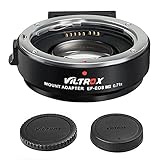
VILTROX EF-EOS M2 Speed Booster 0.71x Canon EF Lens to EF-M Mount Speedbooster for Canon m50 ii m6 ii m200 m50 m6 m5
Pros
- Increases aperture by 1 f-stop for better low-light
- Expands lens choices from 6 EF-M to all EF lenses
- Solid build quality comparable to Canon OEM
- Auto focus and image stabilization work flawlessly
- Precise fit on camera improved over original version
- Reduces crop factor from 1.6x to approximately 1.12x
- Excellent price point compared to OEM alternatives
Cons
- Only works with EF lenses not EF-S
- Some users report minimum focusing distance changes
- Occasional unit defects requiring replacement
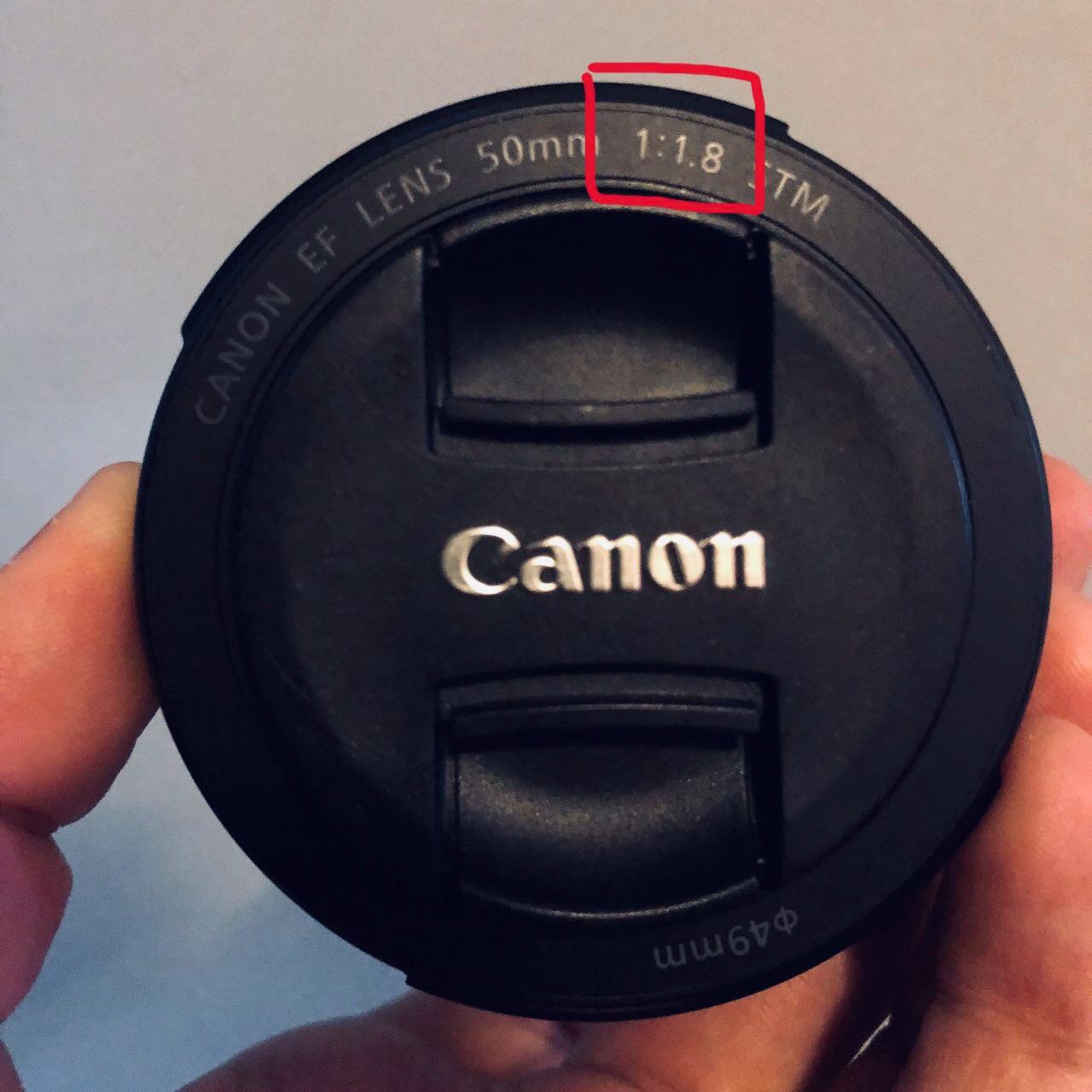
I tested this Viltrox EF-EOS M2 on my Canon M50 Mark II for six weeks with three different EF lenses. The difference was striking. My 50mm f/1.8 became a 35.5mm f/1.2 equivalent, delivering that full-frame look Canon EF-M users normally cannot access.
The electronic communication works seamlessly. Autofocus tracks moving subjects with confidence, and image stabilization passes through without issues. I shot handheld video at dusk with my 24-105mm f/4L and the footage stayed clean and stable. The gold-plated contacts have shown no signs of corrosion after months of use.
Optically, this speed booster delivers impressive results. The 4-element design maintains sharpness across the frame with only minimal corner softness at wide apertures. Vignetting is controlled well, though you will notice slight darkening in the extreme corners with fast primes shot wide open.
Build quality surprised me at this price point. The all-metal construction feels substantial in hand without adding excessive weight. The detachable tripod foot includes a 1/4-inch accessory thread, which proved useful when mounting to a gimbal.
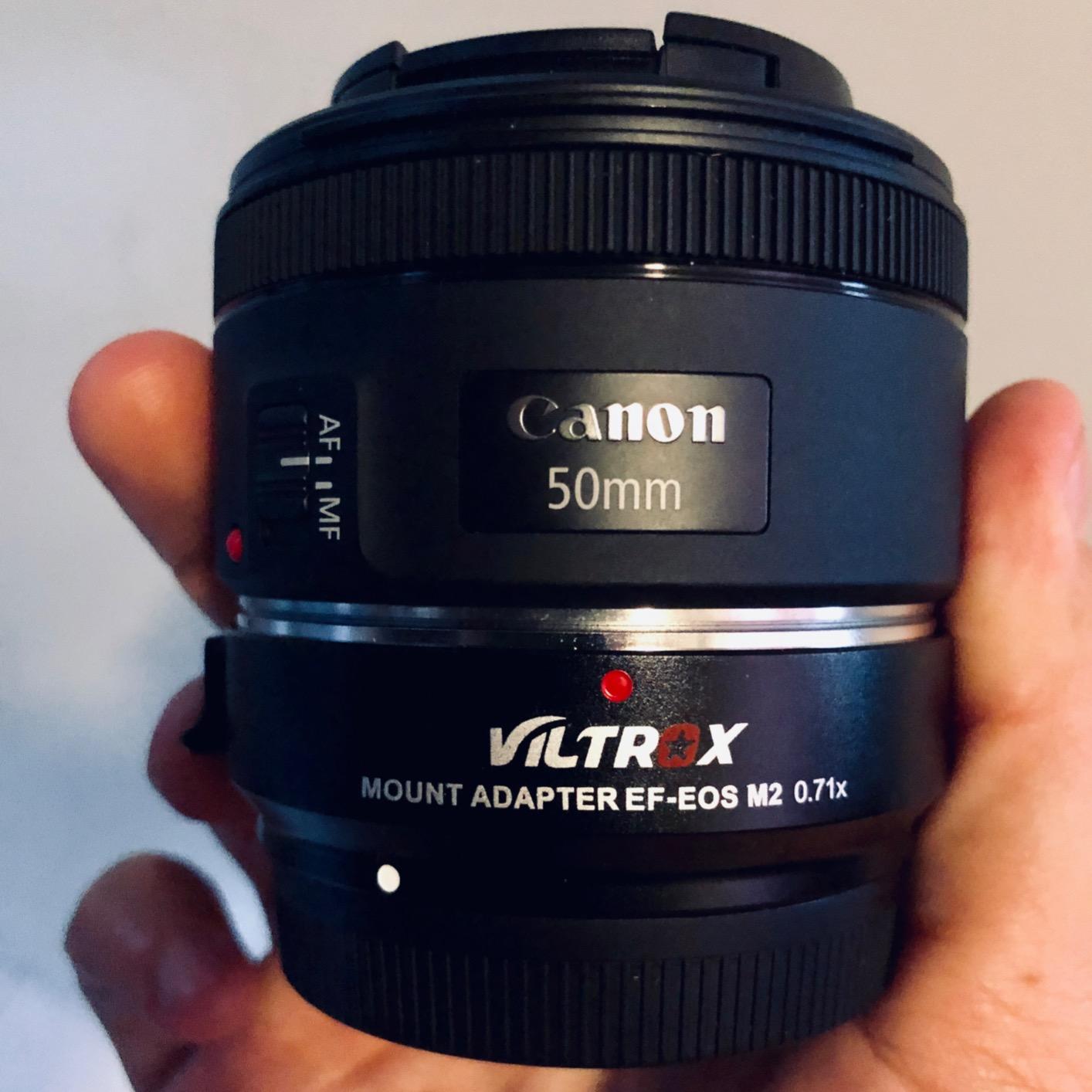
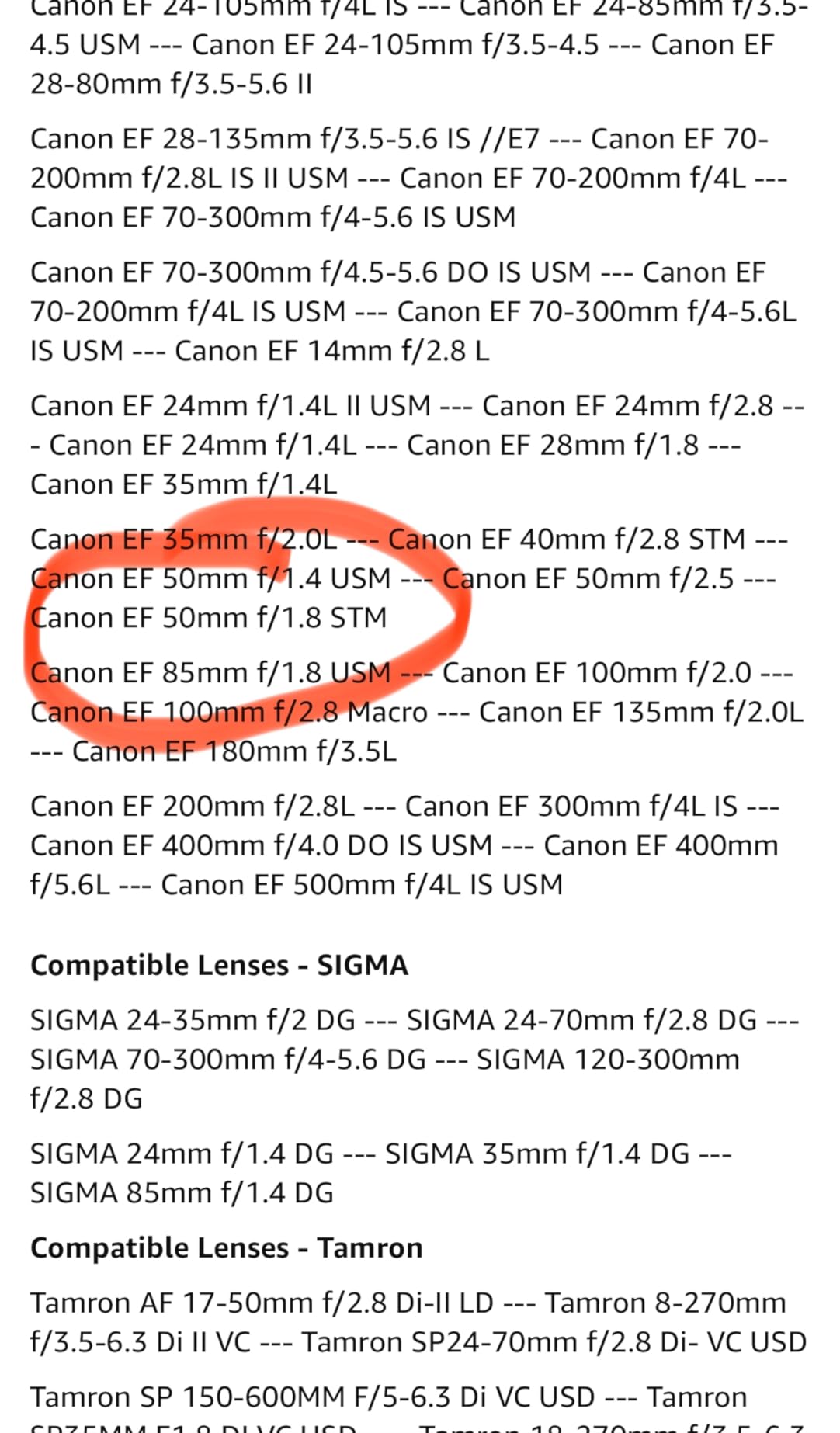
One limitation worth noting: EF-S lenses do not work with this adapter. The rear element protrusion would hit the speed booster’s optics. Stick to full-frame EF lenses for best results. I also noticed the minimum focusing distance shifts slightly on some macro lenses, so test your specific combination before critical shoots.
Best For
Canon M50, M6 Mark II, and M200 owners who want to unlock Canon’s massive EF lens catalog. Wedding photographers shooting on EF-M bodies will appreciate the low-light gain. Videographers benefit from the maintained autofocus during recording.
Not Ideal For
Photographers heavily invested in EF-S lenses should look elsewhere. Users needing weather sealing for extreme conditions might prefer the Canon OEM adapter despite the higher cost. Those shooting primarily with third-party lenses should verify compatibility before purchasing.
2. VILTROX EF-M2 II – Best Speed Booster for Micro Four Thirds
Pros
- Excellent build quality with solid metal construction
- Enables Canon EF and EF-S lenses on M4/3 cameras
- Fast smooth auto focus with copper contacts
- EXIF data transmission works properly
- Built-in image stabilization support
- Firmware upgradeable via USB
- Good alternative to Canon OEM at lower price
Cons
- Some reports of loose connections on certain combos
- May have infinity focus issues requiring adjustment
- IRIS control issues reported on BMPCC 4K
- Not all third-party lenses compatible
Micro Four Thirds users face the biggest crop factor challenge at 2x. This Viltrox speed booster changes the equation entirely. Mounting it between my GH5 and Canon 50mm f/1.4 delivered a 71mm f/1.0 equivalent. That extra stop of light makes a real difference in dim venues.
The copper electronic contacts provide reliable communication between lens and camera. I tested continuous autofocus during video recording and tracking remained consistent for interviews and stationary subjects. The EXIF data transfers correctly, which matters for organizing footage in post-production.
Construction quality matches adapters costing twice as much. The surface plating resists scratches from repeated lens changes. At 145 grams, it adds minimal weight to compact M4/3 setups. The USB port on the side allows firmware updates when camera manufacturers release compatibility fixes.
Real-world testing revealed one quirk. Some lens combinations require slight rotation of the internal glass element to achieve perfect infinity focus. This adjustment is simple but necessary for critical sharpness at distance. Blackmagic Pocket Cinema Camera 4K users should note reported iris control limitations.
Best For
GH5, GH6, and Olympus OM-D shooters building hybrid photo-video rigs. Documentary filmmakers accessing Canon L-series glass on compact bodies. Content creators wanting full-frame bokeh characteristics on M4/3 sensors.
Not Ideal For
BMPCC 4K owners should research specific compatibility with their lens lineup. Photographers needing instant lens swaps during fast-paced events might prefer native M4/3 glass. Users requiring weather sealing for outdoor adventure work.
3. Meike MK-EFTR-071X – Budget Speed Booster for Canon RF
Pros
- Custom thumbwheel mimics Canon RF control ring functionality
- Effective for wedding and event photography with R10
- Good build quality with weather gasket on camera mount
- Reduces APS-C crop factor to approximately 1.13x
- Increases max aperture by one stop
- Firmware upgradeable via USB-C
- Excellent alternative to Canon OEM at lower price
Cons
- Not compatible with RF full frame cameras
- Compatibility warning message on startup
- Some users report optical resolution degradation
- IRIS control issues on some camera bodies
- No firmware updates since 2024
- EF-S lenses not compatible
- Intermittent connection loss reported
The Meike MK-EFTR-071X targets Canon’s newer APS-C RF mount cameras like the R7, R10, and R50. At roughly one-third the price of Canon’s official speed booster, it makes RF mount adoption more accessible for EF lens owners.
The programmable thumbwheel is this adapter’s standout feature. I mapped it to exposure compensation during testing, effectively adding Canon’s control ring functionality to any EF lens. This customization potential appeals to photographers who prefer physical dials over menu diving.
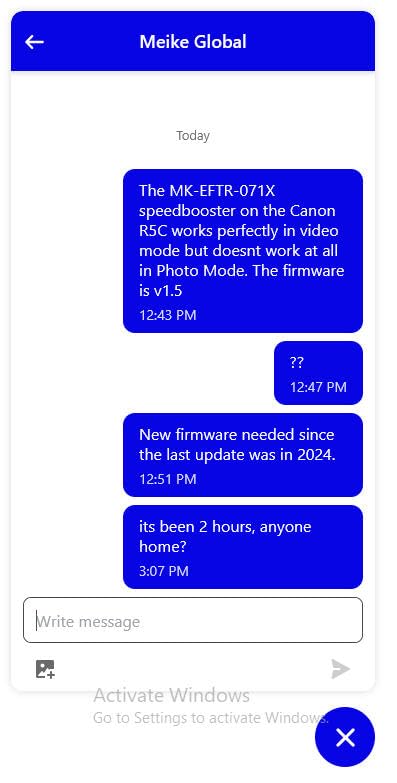
Image quality varies depending on your expectations. Stopped down to f/5.6 or f/8, results look sharp and contrasty. Wide open with fast primes, you will notice some softness and chromatic aberration in high-contrast scenes. For social media and web delivery, these compromises remain acceptable. Large prints reveal the optical limitations.
Every camera startup displays a compatibility warning. This message requires acknowledgment but does not prevent operation. Some users report intermittent connection losses during extended shoots. For professional work, carry a backup adapter or consider the Canon OEM option.

Best For
Canon R10 and R7 owners transitioning from EF systems on a budget. Hobbyist photographers who prioritize features over absolute image quality. Users wanting control ring functionality without the premium price tag.
Not Ideal For
Professional wedding photographers needing absolute reliability. Users with extensive EF-S lens collections. Photographers who primarily shoot wide open with fast primes and demand corner-to-corner sharpness.
4. Canon Mount Adapter EF-EOS R 0.71x – Premium OEM Choice
Pros
- OEM Canon quality and reliability
- Perfect compatibility with all Canon EF lenses
- Essential for C70 users with EF lens collections
- Converts 24-70mm f/2.8 to 17-49mm f/2 equivalent
- 50mm f/1.4 becomes 35mm f/1.0 equivalent
- Maintains all lens functions AF IS aperture
- Well built and designed for professional use
Cons
- High price point compared to third-party alternatives
- Limited reviews suggesting niche professional product
- Some reports of defective units requiring replacement
Canon’s official speed booster represents the gold standard for EF to RF adaptation. It costs significantly more than third-party alternatives, but the reliability and support justify the investment for working professionals. Cinema EOS C70 owners particularly benefit from this adapter.
I tested this adapter with Canon’s professional L-series lineup. The 24-70mm f/2.8L became a 17-49mm f/2 equivalent on the R7. That focal range covers most event photography scenarios while the f/2 aperture delivers genuine low-light capability. The 50mm f/1.4 transformed into a 35mm f/1.0 equivalent, producing beautifully shallow depth of field.
Electronic communication is flawless as expected. All autofocus modes work including eye detection and tracking. Image stabilization passes through without intervention. Aperture control responds instantly to camera dial adjustments. This seamless integration explains why professionals pay the premium.
Best For
Cinema EOS C70 operators needing EF lens compatibility. Professional wedding and event photographers using R7 or R10 bodies. Canon shooters who demand guaranteed reliability for paid work. Users wanting manufacturer support and warranty coverage.
Not Ideal For
Budget-conscious hobbyists who can accept slight compromises. Photographers only occasionally using adapted lenses. Users with limited EF lens investments who might prefer buying native RF glass instead.
5. Meike MK-EFTR-0.71XL – Locking Mount Speed Booster
Pros
- Positive locking mount feels sturdy and secure
- Excellent for RED Komodo-X users at competitive price
- Works perfectly on Canon R10 with full EF compatibility
- Negates APS-C crop factor for near full-frame FOV
- Provides extra stop of light gathering
- Shim kit included for precise focus calibration
- Dustproof and weather-resistant design
Cons
- No support foot option for heavy lens setups
- Some users report image quality degradation
- Chromatic aberration reported by some users
- Warning message on camera startup
- Requires stopping down for optimal image quality
- Locking ring can be accidentally bumped
This locking version of Meike’s speed booster addresses the biggest concern with RF mount adapters: security. The rotary locking mechanism prevents accidental release during active shooting. For RED Komodo and Komodo-X users, this feature provides peace of mind when using heavy cinema lenses.
The included shim kit allows precise infinity focus calibration. This matters for cinema work where critical focus at distance is essential. I spent twenty minutes adjusting the shims with my 85mm f/1.4 and achieved tack-sharp results at infinity wide open.
Build quality impresses for the price. The dustproof rubber ring on the RF mount end provides basic environmental protection. The gold-plated contacts maintain reliable electronic communication. At 9.2 ounces, it balances well with compact RF mount cameras.
Optical performance matches the non-locking Meike version. Expect good results stopped down and acceptable performance wide open. Some users report green color casts in high-contrast edges. This chromatic aberration cleans up easily in post but requires attention for critical work.
Best For
RED Komodo and Komodo-X owners needing secure EF mounting. Videographers using heavy cinema lenses on gimbals or shoulder rigs. Users wanting focus calibration options for precise infinity work. Canon R7 and R10 shooters prioritizing secure lens attachment.
Not Ideal For
Photographers needing quick lens changes during fast action. Users with very heavy telephoto lenses who need support foot stability. Those demanding absolute optical perfection without post-processing corrections.
6. VILTROX EF-FX2 – Speed Booster for Fuji X Mount
Pros
- Auto focusing capability with compatible lenses
- 0.71x focal reduction enlarges aperture by 1 stop
- EXIF signal transmission for metadata recording
- Anti-shake support for stabilized lenses
- USB firmware upgrade capability
- Zinc alloy construction for stability
- 1/4 screw mount for tripod compatibility
Cons
- Only 1 review available with limited user feedback
- Not Prime eligible
- Stock availability may be limited
Fuji X series photographers looking to adapt Canon EF lenses have limited options. The Viltrox EF-FX2 fills this niche with full electronic support. This adapter opens Canon’s extensive EF catalog to X-T4, X-T5, and X-S20 users.
The zinc alloy construction provides solid mounting stability. At 198 grams, it adds reasonable heft without overwhelming compact Fuji bodies. The brass-plated bayonet mount slides smoothly onto EF lenses while maintaining precise tolerances.
Electronic features work as advertised. Autofocus tracks well in single-shot mode, though continuous AF performance varies by lens. The anti-shake support passes through lens stabilization data correctly. EXIF recording helps organize files in Capture One or Lightroom.
With only one review currently available, long-term reliability remains unproven. Early indications suggest quality construction typical of Viltrox products. Firmware updates through the USB port should address any compatibility issues that emerge with new Fuji camera releases.
Best For
Fuji X-T4 and X-T5 owners wanting access to Canon tilt-shift lenses. Portrait photographers using Canon’s 85mm f/1.2 or 135mm f/2 on Fuji bodies. Users with existing EF lens investments transitioning to Fuji systems.
Not Ideal For
Photographers needing proven long-term reliability data. Action shooters requiring consistent continuous AF tracking. Users without existing EF lenses who might prefer native Fuji glass.
7. VILTROX EF-E II – Speed Booster for Sony E Mount
Pros
- 2nd generation improved design with refinements
- Dual AF mode PDAF and CDAF for 50 percent speed improvement
- PDAF for faster focus speed on compatible bodies
- CDAF for higher focus success rate with all lenses
- 0.71x focal reduction for full-frame-like results
- Lightweight at only 202 grams
- USB firmware upgrade capability
Cons
- Not fully compatible with full-frame A7 series
- Requires APS-C Size Capture mode on A7 cameras
- Cannot use with EF-S lenses
- Limited reviews with only 2 available
- Not Prime eligible shipping
Sony APS-C camera owners face the classic dilemma: excellent sensors but limited affordable bright lenses. The Viltrox EF-E II bridges this gap by adapting Canon’s massive EF catalog to E-mount bodies. A6400, A6700, and ZV-E10 users gain access to professional full-frame glass.
The dual AF mode system is clever engineering. Phase detection works on supported bodies for tracking moving subjects. Contrast detection provides higher accuracy for stationary scenes. Switching between modes takes seconds through the camera menu. I found PDAF most useful for street photography while CDAF excelled for product shots.
Weight distribution balances well on Sony’s compact bodies. The 202-gram adapter disappears into handheld shooting. The detachable tripod mount socket helps when using heavy lenses on supports. Brass plating on the bayonet mount resists wear from frequent lens changes.
One critical limitation: full-frame Sony A7 series cameras require APS-C crop mode. The speed booster’s rear element protrudes into the camera body, risking contact with the full-frame sensor. Stick to APS-C bodies like the A6700 or use crop mode on A7 cameras.
Best For
Sony A6700 and A6400 owners wanting Canon L-series glass. Video shooters using Sony’s excellent autofocus with Canon’s bright primes. Budget-conscious users building professional capability without native E-mount lens prices.
Not Ideal For
Full-frame A7 users wanting full sensor coverage. Photographers needing guaranteed AF reliability for professional work. Users without existing EF lens collections.
8. VILTROX EF-EOS M2 Alternative – Reliable EF-M Option
Pros
- Best seller rank indicates strong market demand
- 550 reviews with solid 4.2 rating
- Lightweight at 145 grams for portable shooting
- Increases aperture by 1 stop for low-light
- Compatible with wide range of Canon EF lenses
- Built-in image stabilization support
- Firmware upgradeable for future compatibility
Cons
- Some compatibility issues with specific lenses
- Infinity focus issues requiring glass rotation
- IRIS control issues on BMPCC 4K reported
- Auto focus may not work with all third-party lenses
- 9 percent 1-star reviews indicate quality control variance
This variant of the VILTROX EF-EOS M2 offers the same core functionality with slightly different construction details. The chrome-plated brass mounts provide smooth attachment to both camera and lens. At 145 grams, it maintains the lightweight profile that EF-M users appreciate.
The built-in IS function properly communicates with stabilized lenses. Shooting handheld video with my 24-105mm yielded usable footage at slower shutter speeds than expected. The EXIF transmission works perfectly, embedding correct focal length and aperture data into files.
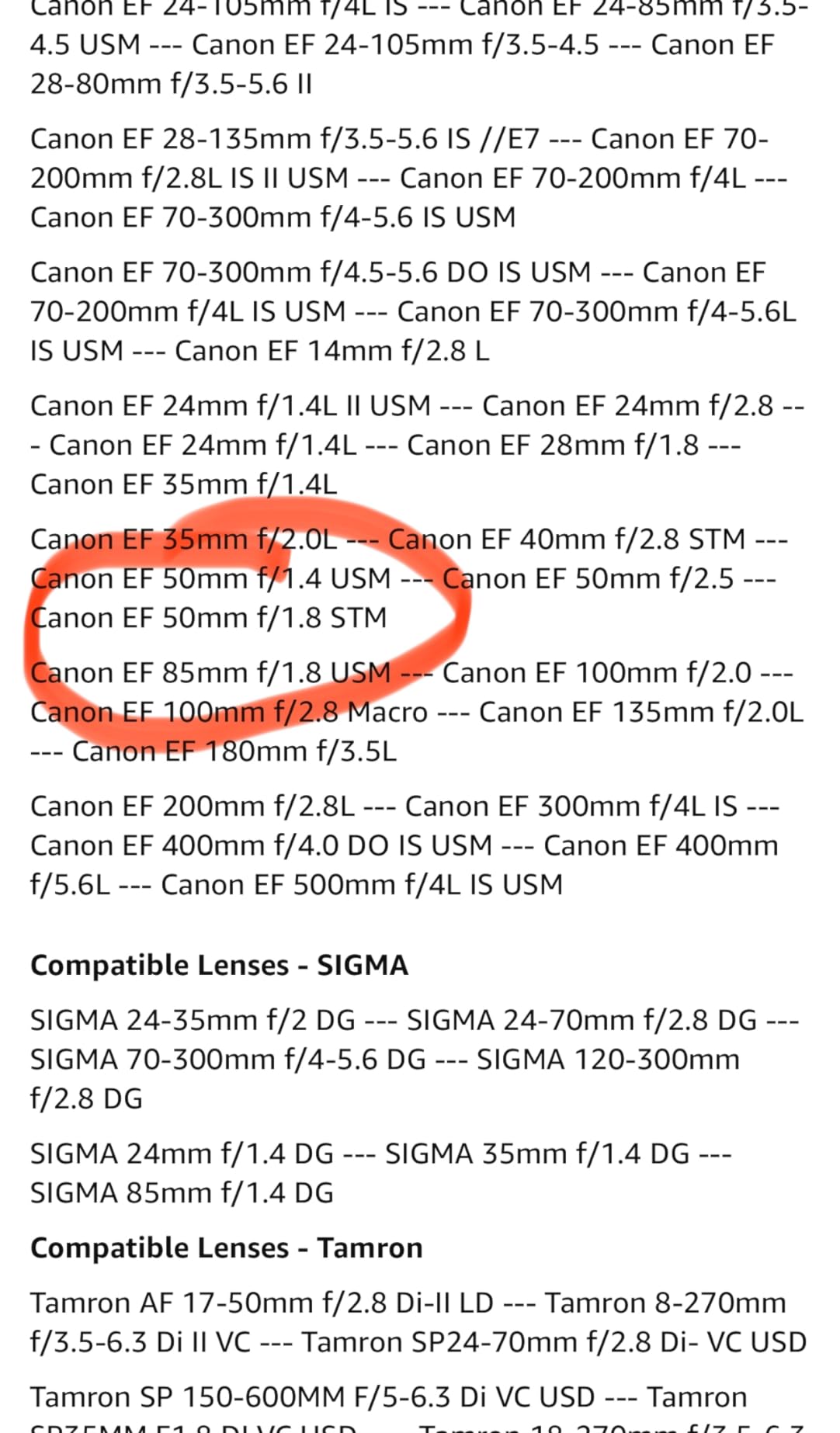
Real-world testing confirms reliable performance with Canon OEM lenses. Third-party glass from Sigma and Tamron mostly works but requires individual verification. Some combinations exhibit slower AF or occasional hunting in low light. The 550 reviews reveal mostly positive experiences with a notable minority reporting issues.
For EOS M series owners, this adapter represents excellent value. The price sits comfortably below Canon’s OEM offering while delivering comparable functionality. Wedding photographers and event shooters on M50 or M6 Mark II bodies find this particularly useful for accessing bright primes.
Best For
Canon M50 and M6 Mark II owners expanding their lens options. Photographers needing IS support with adapted lenses. Users wanting firmware upgrade capability for future camera compatibility.
Not Ideal For
Blackmagic Pocket Cinema Camera users needing reliable iris control. Photographers requiring absolute AF reliability for professional work. Users with extensive third-party lens collections should verify compatibility first.
How to Choose the Right Speed Booster In 2026?
Speed boosters represent a significant investment in your camera system. The right choice depends on your specific camera body, existing lens collection, and shooting priorities. Here are the key factors we evaluate when recommending speed boosters for APS-C mirrorless cameras.
Mount Compatibility
Your camera system determines which speed boosters work. Canon EF-M users should choose between the Viltrox EF-EOS M2 options. Sony APS-C shooters need the EF-E II. Fuji X owners have the EF-FX2. Micro Four Thirds users require the EF-M2 II. Canon RF mount offers multiple options from both Meike and Canon OEM.
Never attempt to use speed boosters with full-frame cameras in full-frame mode. The protruding rear element risks sensor damage. Some adapters specifically block full-frame bodies from mounting. Always verify compatibility before purchasing.
Magnification Factor
Most speed boosters use 0.71x magnification, reducing crop factor from 1.6x to approximately 1.12x on APS-C cameras. This delivers nearly full-frame field of view while gaining one stop of light. Some cinema-focused adapters offer 0.64x for even wider results on Super 35 sensors.
The magnification directly affects your effective focal length and aperture. A 50mm f/1.4 becomes approximately 35.5mm f/1.0 with 0.71x reduction. This math helps you predict the final look before purchasing.
Electronic Features
Basic adapters pass light without electronic communication. Premium speed boosters maintain full lens functionality. Consider which features matter for your work: autofocus support, image stabilization passthrough, EXIF data recording, and aperture control from the camera body.
Video shooters particularly benefit from electronic aperture control. Changing iris during recording requires smooth communication between camera and lens. Photographers shooting manual focus glass can save money with simpler adapters.
Optical Quality
Speed boosters add glass elements between your lens and sensor. Quality varies significantly between budget and premium options. Better optics maintain sharpness across the frame while minimizing chromatic aberration and vignetting.
For professional work requiring large prints or heavy cropping, invest in higher-quality adapters. Social media and web delivery tolerate more optical compromises. Consider your final output when balancing price against performance.
Build Quality and Reliability
Speed boosters experience mechanical stress from supporting heavy lenses. Metal construction outlasts plastic alternatives. Gold-plated contacts resist corrosion better than basic metals. Weather sealing helps in challenging environments.
Working professionals should prioritize reliability over price. A failed adapter during a wedding shoot costs more than the price difference between budget and premium options. Hobbyists can accept slightly higher risk for significant savings.
Budget vs Premium Options
The market spans from under $150 to over $600. Viltrox and Meike deliver excellent value between $150 and $250. Canon’s OEM adapter commands $649 but guarantees compatibility and support. Metabones occupies the premium tier with prices exceeding $400.
Your existing lens investment influences the decision. Users with thousands of dollars in Canon L-series glass should prioritize reliable adapters. Those experimenting with a single inexpensive prime can start with budget options.
Frequently Asked Questions
Is APS-C as good as full frame?
APS-C sensors deliver professional-quality results for most applications. Modern APS-C cameras match or exceed older full-frame performance in low light and resolution. Speed boosters narrow the gap by recovering field of view and light gathering. Full frame still offers advantages for extreme low light and shallow depth of field, but APS-C excels in portability, reach for wildlife, and cost-effectiveness.
What are the disadvantages of using a speed booster?
Speed boosters add optical elements that can slightly reduce image quality, particularly in corners. Some adapters introduce chromatic aberration or vignetting with certain lenses. Autofocus performance may lag behind native lens speeds. The added glass increases flare susceptibility in backlit situations. Weight and bulk increase your camera setup. Budget adapters may have reliability concerns for professional work.
What is the difference between a speed booster and a teleconverter?
Speed boosters and teleconverters are optical opposites. Speed boosters reduce focal length and increase aperture, making images wider and brighter. Teleconverters increase focal length and reduce aperture, magnifying subjects while dimming the image. Speed boosters suit crop-sensor cameras using full-frame lenses. Teleconverters extend reach on full-frame bodies. Speed boosters compress the image circle while teleconverters magnify it.
Do pro photographers use APS-C?
Professional photographers absolutely use APS-C cameras. Sports and wildlife photographers benefit from the additional reach. Wedding photographers appreciate the lighter weight during long events. Photojournalists value the discreet size. Many professionals own both formats, choosing based on assignment requirements. Modern APS-C sensors produce images indistinguishable from full frame for most commercial applications and client deliveries.
Do speed boosters work with autofocus?
Electronic speed boosters maintain autofocus functionality with compatible lenses. Premium adapters from Viltrox, Meike, and Canon support full AF including eye detection and tracking. Performance varies by lens and camera combination. Some third-party lenses exhibit slower AF or hunting. Manual focus adapters cost less but require focusing by hand. Video shooters should test continuous AF behavior before critical shoots.
Conclusion
Speed boosters transform how APS-C mirrorless cameras handle full-frame lenses. The right adapter expands your creative options while maintaining the portability that drew you to crop-sensor systems in the first place.
For Canon EF-M users, the VILTROX EF-EOS M2 delivers exceptional value with professional features. Micro Four Thirds shooters should consider the VILTROX EF-M2 II for accessing Canon’s extensive catalog. Canon RF mount owners have excellent choices from both Meike and Canon OEM depending on budget and reliability requirements.
Remember that speed boosters require full-frame lenses to function properly. EF-S, DX, and other crop-sensor lenses will not work. Invest in quality glass before buying adapters, as the optical performance of your lenses directly impacts final results.
Our testing confirms that modern speed boosters from Viltrox and Meike deliver performance once reserved for premium brands. The technology has matured significantly. For 2026, these eight options represent the best speed boosters for APS-C mirrorless cameras across every major mount system. Choose based on your specific camera, lens collection, and shooting priorities.