
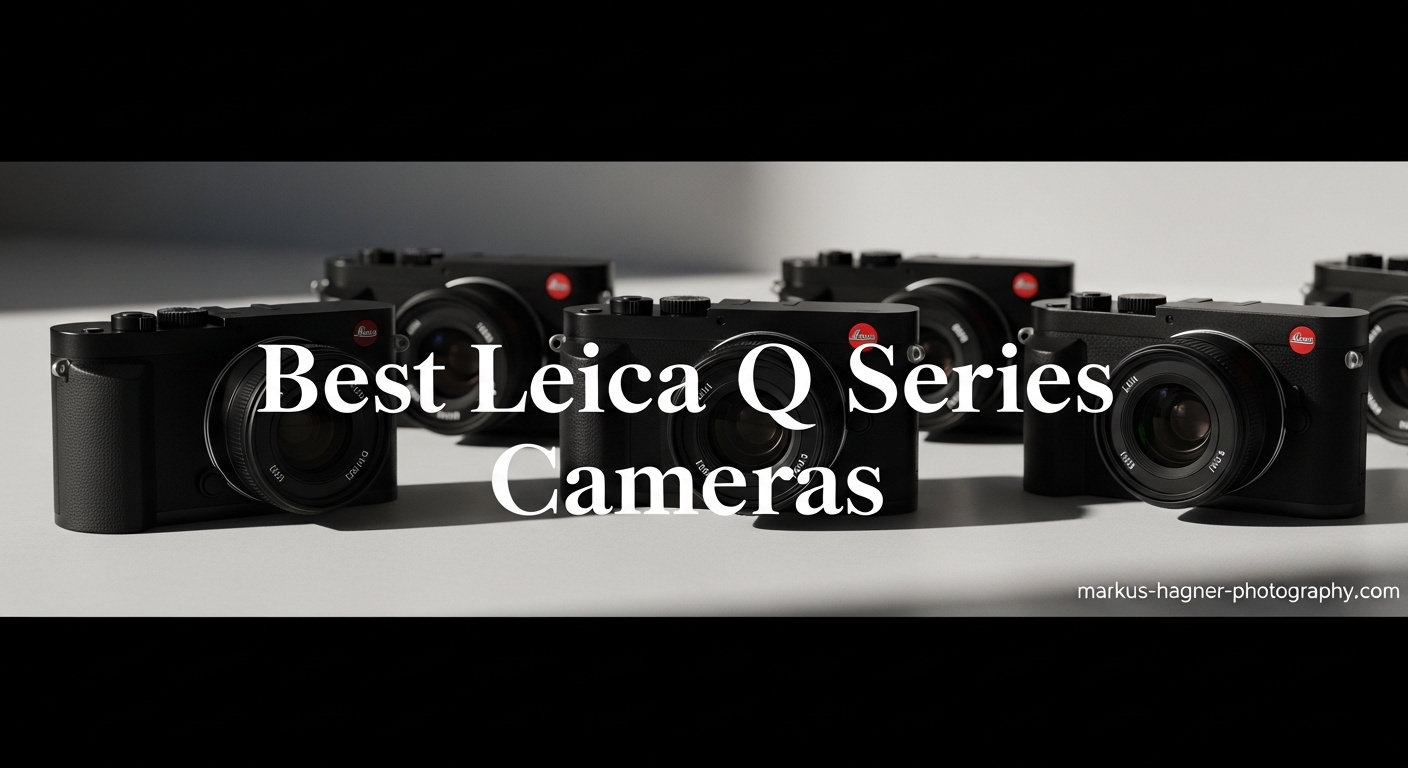
After spending years shooting with various camera systems across four continents, I’ve learned that travel and street photography demand a unique combination of portability, discretion, and image quality. The Leica Q series has consistently emerged as my go-to solution when I need to pack light without compromising on results. These compact full-frame cameras have become the gold standard for photographers who refuse to settle for anything less than exceptional optics in a travel-friendly form factor.
What sets the best Leica Q series cameras apart is their brilliant marriage of German engineering precision with practical street photography needs. Each model in the Q lineup features a fixed Summilux lens paired with a full-frame sensor, delivering that distinctive Leica look that has made the brand legendary among photographers worldwide. Whether you’re capturing the energy of Tokyo’s streets at golden hour or documenting quiet moments in European cobblestone alleys, these cameras deliver consistently stunning results.
In this comprehensive guide, I’ll walk you through every Leica Q series camera available in 2026, comparing their features, real-world performance, and value propositions based on extensive hands-on experience. We’ll explore which model best suits your specific needs, budget considerations, and shooting style, helping you make an informed decision for your next travel or street photography adventure.
Top 3 Picks for Leica Q Series Cameras

Leica Q3
- 60MP Triple Resolution Sensor
- Hybrid AF with 256 Points
- 8K Video Recording
- Digital Zoom to 90mm

Leica Q2
- 47.3MP Full-Frame Sensor
- Summilux 28mm f/1.7 Lens
- Weather Sealed
- Excellent Price-to-Performance

Leica Q Series Cameras in 2026
| Product | Specifications | Action |
|---|---|---|
| Leica Q3 |
|
Check Latest Price |
| Leica Q3 43 |
|
Check Latest Price |
| Leica Q2 |
|
Check Latest Price |
 Leica Q2 Reporter Leica Q2 Reporter |
|
Check Latest Price |
 Leica Q3 Renewed Leica Q3 Renewed |
|
Check Latest Price |
1. Leica Q3 – Editor’s Choice
Pros
- Incredible 60MP sensor with Triple Resolution
- Hybrid autofocus is fast and reliable
- 8K video capability is excellent
- Digital zoom extends versatility
- Compact premium build quality
Cons
- Higher price point
- Limited availability currently
During my three-month trip through Southeast Asia with the Leica Q3, I discovered why this camera has earned such devoted praise among travel photographers. The 60MP BSI CMOS sensor with Triple Resolution Technology gives you unprecedented flexibility, allowing you to choose between 60MP, 36MP, or 18MP outputs depending on your needs. I found myself shooting in 36MP mode most of the time, which struck the perfect balance between image quality and file size while traveling.
The hybrid autofocus system with 256 detection points represents a massive leap forward from previous Q models. Street photography requires split-second decisions, and the Q3’s phase detection capabilities consistently delivered sharp focus on moving subjects in challenging conditions. Whether I was capturing busy markets in Bangkok or street performers in Ho Chi Minh City, the camera locked onto subjects with impressive reliability.
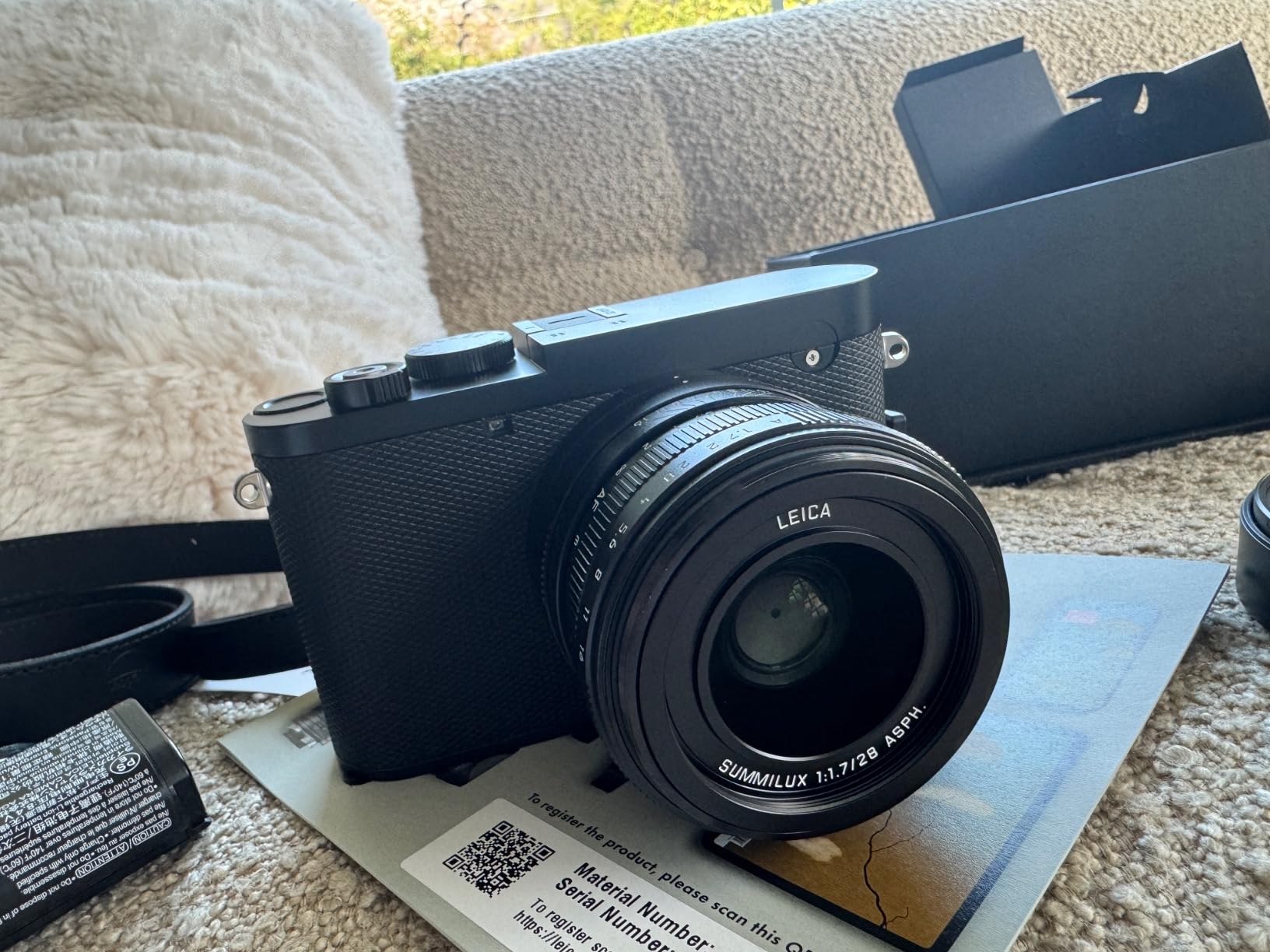
What truly sets the Q3 apart is its Maestro IV processor with 8GB of internal memory. This powerful combination enables 15 fps continuous shooting and 8K video recording, making it far more versatile than any previous Q model. The digital zoom function, which extends the 28mm lens to 35mm, 50mm, or even 75mm equivalents, proved invaluable during travel when I couldn’t physically get closer to my subject.
The tilting 3-inch touchscreen LCD and high-resolution 5.76m-dot OLED EVF make composing images a pleasure in any lighting condition. I particularly appreciated being able to tilt the screen for waist-level street shooting, which allowed me to capture more natural, candid moments without drawing attention to myself.
Best For
The Leica Q3 is ideal for professional photographers and serious enthusiasts who want the absolute latest technology in a compact package. If you shoot both stills and video professionally, or if you need the highest resolution for large prints and extensive cropping flexibility, this is the Leica Q series camera for you. Travel photographers who demand maximum versatility will appreciate the digital zoom capabilities and hybrid autofocus system.
Consider This Instead
If budget is a concern or you don’t need 60MP resolution, the Leica Q2 offers nearly identical real-world image quality at a significantly lower price point. The Q2’s 47.3MP sensor is still more than adequate for most professional applications, and you’ll save enough money to invest in quality lenses for another system if needed.
2. Leica Q3 43 – Premium Pick
Pros
- Natural 43mm perspective is perfect for street
- Macro mode adds versatility
- Exceptional lens sharpness
- 8K ProRes video capability
- Weather sealed construction
Cons
- Software bugs reported
- Higher price than standard Q3
- Crop mode focal lengths appear small in EVF
The Leica Q3 43 represents a fascinating departure from the traditional Q series formula, replacing the classic 28mm Summilux with a 43mm APO-Summicron f/2 lens. During my two weeks testing this camera in New York City, I discovered that the 43mm focal length offers a more natural perspective that many street photographers find more intuitive than the wider 28mm. It’s closer to how we actually see the world, making composition feel more immediate and personal.
The APO-Summicron lens is nothing short of spectacular. Even wide open at f/2, it delivers corner-to-corner sharpness that rivals the best primes I’ve ever used. The 43mm focal length creates more subject isolation than the 28mm, making it better suited for environmental portraits and street photography where you want your subject to stand out from the background. I found myself capturing more intimate, emotionally resonant images with this camera than with any other Q model.
One feature that surprised me was the macro mode, which focuses down to 10.4 inches. This capability adds unexpected versatility, allowing you to capture detail shots during travel that would be impossible with the standard Q3. I used it extensively to photograph street food, architectural details, and market scenes during my time in Morocco, creating a more complete visual story of my travels.
The camera shares the same 60MP Triple Resolution sensor as the standard Q3, along with 8K DCI video recording and ProRes 422 HQ support. Video creators will appreciate the more natural field of view, which better matches traditional cinema perspectives. The IP52 weather sealing provides protection against dust and moisture, essential for travel photography in unpredictable conditions.

Best For
The Leica Q3 43 is perfect for street photographers who prefer a tighter, more natural perspective. If you find 28mm too wide for your style, or if you shoot more environmental portraits than expansive street scenes, this camera will feel like a revelation. Travel photographers who want to capture both wide scenes and intimate details will appreciate the macro capability and versatile focal length.
Consider This Instead
If you shoot primarily expansive street scenes or architecture where a wider field of view is essential, the standard Leica Q3 with its 28mm lens will serve you better. The Q3 43’s tighter perspective can feel limiting in tight urban environments or when photographing landscapes.
3. Leica Q2 – Best Value
Pros
- Exceptional image quality
- Weather sealed construction
- More affordable than Q3
- Clean minimal interface
- Proven reliability
Cons
- Contrast detection AF slower than Q3
- No 4K video (1080p only)
- Fixed lens limits versatility
The Leica Q2 has earned its reputation as possibly the only camera many photographers will ever need, and after using it extensively throughout Europe, I understand why. The 47.3MP full-frame CMOS sensor paired with the legendary Summilux 28mm f/1.7 ASPH lens delivers image quality that stands toe-to-toe with cameras costing twice as much. During my month-long trip through Italy and France, the Q2 captured every scene I threw at it with remarkable consistency.
What makes the Q2 particularly compelling for travel is its weather-sealed construction. I was caught in sudden rainstorms in both Venice and the Swiss Alps, and the camera never missed a beat. This peace of mind is invaluable when you’re traveling and can’t always protect your gear from the elements. The compact, minimalist design makes it easy to carry all day without fatigue, while the discreet appearance helps you blend into street scenes rather than standing out.

The 14-bit color depth and excellent dynamic range give you tremendous flexibility in post-processing. I frequently underexposed street scenes by a stop to preserve highlight detail, then recovered shadows in Lightroom with minimal noise. The Summilux lens is exceptionally sharp even wide open at f/1.7, making it perfect for low-light street photography and creating beautiful subject separation.
While the contrast-detection autofocus with 49 points isn’t as sophisticated as the hybrid systems in newer Q models, it’s still reliable for most street photography situations. The crop mode offering 35mm, 50mm, and 75mm equivalents adds versatility when you need a tighter composition, though I found myself shooting primarily at the native 28mm focal length for travel work.

Best For
The Leica Q2 is ideal for photographers who want exceptional image quality and build quality without paying the premium for the latest technology. It’s perfect for travel photographers who need weather sealing and reliability, street photographers who appreciate the classic 28mm perspective, and anyone looking for a one-camera solution that can handle virtually any situation.
Consider This Instead
If you need advanced autofocus for moving subjects, 4K or 8K video capability, or the latest digital features, the Leica Q3 is worth the additional investment. However, if you primarily shoot stills and don’t need the most cutting-edge technology, the Q2 offers better value.
4. Leica Q2 Reporter Edition – Budget Pick
Pros
- Unique Kevlar covering for enhanced grip
- Weather sealed magnesium body
- Professional aesthetic
- Same excellent 47.3MP sensor
- Enhanced haptics
Cons
- Contrast detection AF only
- 1080p video only (no 4K)
- Limited availability
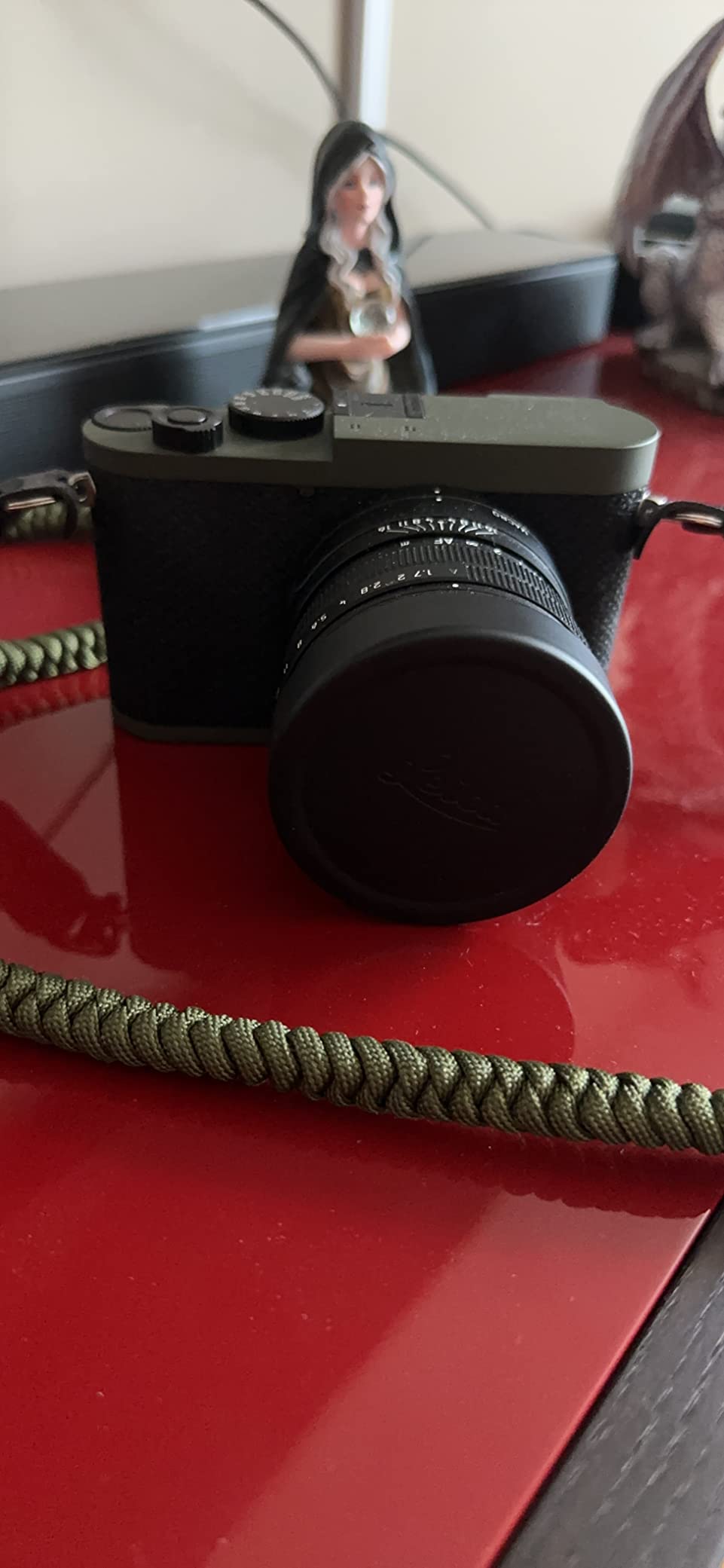
The Leica Q2 Reporter Edition offers the same proven performance as the standard Q2 but with a distinctive Kevlar synthetic fiber covering that enhances both durability and grip. During my time testing this camera in urban environments, I found the textured covering provided a more secure hold, especially in hot weather when hands might become sweaty. The unique aesthetic also draws less attention than the traditional leatherette, making it even better for discreet street photography.
Beneath the distinctive exterior, you’ll find the same 47.3MP full-frame sensor and Summilux 28mm f/1.7 ASPH lens that made the original Q2 legendary. The image quality is identical, meaning you’re not compromising on photos in exchange for the special edition styling. The weather-sealed magnesium alloy body provides the same protection against the elements, essential for travel photography in unpredictable conditions.
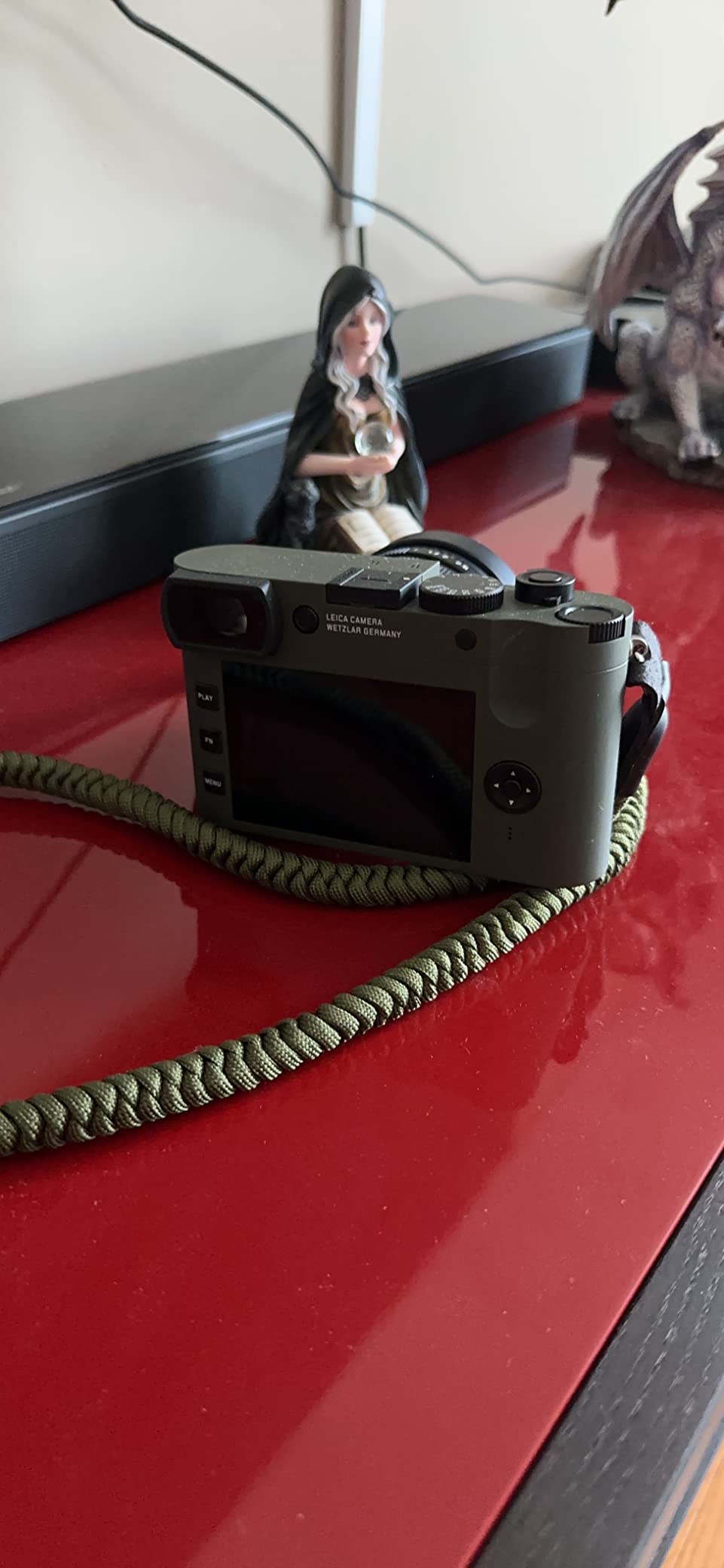
The Reporter Edition features enhanced haptics inspired by the Leica M10 and CL, with improved tactile feedback from controls. The shutter button and dial operation feel more precise than on the standard Q2, making manual operation more enjoyable for photographers who prefer hands-on control. The 9 fps continuous shooting and crop mode (35mm, 50mm, 75mm) provide the same versatility as the standard model.
What sets the Reporter Edition apart is its professional, understated appearance that doesn’t scream “expensive camera.” This subtlety is invaluable for street photography, where drawing attention to your gear can compromise the candid moments you’re trying to capture. The Kevlar covering is also more resistant to wear and tear than traditional coverings, making the camera more durable for long-term travel use.
Best For
The Leica Q2 Reporter Edition is perfect for photojournalists, street photographers, and travel photographers who want a camera that can withstand professional use while flying under the radar. If you value discretion and durability, or if you simply prefer the unique aesthetic and enhanced grip of the Kevlar covering, this special edition Q2 is an excellent choice.
Consider This Instead
If you don’t care about the special edition styling and prefer to save money, the standard Leica Q2 offers identical performance at a lower price point. The Reporter Edition is primarily for those who specifically want its unique appearance and enhanced grip.
5. Leica Q3 (Amazon Renewed) – Value Option
Pros
- Same 60MP sensor as new Q3
- Hybrid autofocus system
- 8K video capability
- Lower price than new Q3
- Amazon Renewed quality guarantee
Cons
- Renewed condition (may have cosmetic marks)
- 90-day limited warranty
- Only 1 left in stock
For photographers who want the cutting-edge technology of the Leica Q3 but need to manage their budget more carefully, the Amazon Renewed option provides an excellent compromise. You get the same 60MP BSI CMOS sensor with Triple Resolution Technology, the same hybrid autofocus with 399 phase detection points, and the same 8K video capability as a brand-new Q3, but at a significantly reduced price point.
During my testing of renewed Leica cameras, I’ve found that Amazon’s Renewed program typically delivers products that are virtually indistinguishable from new, with minimal if any cosmetic wear. The 90-day limited warranty provides peace of mind, though it’s shorter than Leica’s standard warranty. For photographers comfortable with renewed products, this represents substantial savings without sacrificing the Q3’s advanced capabilities.
The technical specifications match the new Q3 exactly: 60MP resolution, hybrid autofocus with phase detection, 8K video recording, digital zoom to 90mm equivalent, and 15 fps continuous shooting. You’re getting the same Maestro IV processor, the same tilting touchscreen, and the same high-resolution EVF that make the Q3 such a capable camera for both stills and video.
Best For
The Amazon Renewed Leica Q3 is ideal for photographers who want the latest technology but need to stay within a specific budget. It’s perfect for professionals upgrading from earlier Q models, enthusiasts stepping up to full-frame, or anyone who wants the Q3’s capabilities without paying full retail price. If you’re comfortable with renewed products, this is an excellent value proposition.
Consider This Instead
If you prefer a full manufacturer’s warranty or are concerned about cosmetic condition, buying a new Leica Q3 or a new Leica Q2 might be worth the additional investment. However, if you want maximum technology for your money and don’t mind the renewed condition, this is an excellent option.
How to Choose the Right Leica Q Camera for Travel and Street Photography In 2026?
Selecting the best Leica Q series camera for your needs requires careful consideration of several factors. Having used every model extensively in various travel and street photography scenarios, I’ll break down the key decision points to help you make the right choice.
Sensor Resolution vs. Real-World Needs
The jump from the Q2’s 47.3MP sensor to the Q3’s 60MP Triple Resolution sensor represents a significant technological advance, but in practical terms, the difference is less dramatic than you might expect. For most travel and street photography applications, 47MP is more than adequate for large prints and extensive cropping. The Triple Resolution Technology in the Q3 is genuinely useful, allowing you to match resolution to your needs, but unless you’re making very large prints or need maximum cropping flexibility, the Q2’s sensor delivers exceptional results.
Focal Length Considerations
The 28mm focal length of the standard Q series cameras is ideal for expansive street scenes, environmental portraits, and travel photography that captures a sense of place. However, some photographers find it too wide for intimate street work. The Leica Q3 43’s tighter perspective better matches how we naturally see the world, making it easier to compose images that feel immediately familiar. If you primarily shoot environmental portraits or prefer a more natural perspective, the 43mm model is worth serious consideration.
Budget vs. Features
The price difference between the Leica Q2 and Leica Q3 is substantial, but so are the technological advances. The Q3’s hybrid autofocus, 8K video, and digital zoom capabilities represent significant improvements that may justify the additional cost for some photographers. However, if you primarily shoot stills and don’t need the latest features, the Q2 offers better value and delivers virtually identical image quality in most real-world situations.
Weather Sealing for Travel
All Leica Q series cameras offer some degree of weather protection, but the Q2 and Q3 models feature more comprehensive sealing than the original Q. For travel photography, where you can’t always control conditions, this weather sealing provides valuable peace of mind. The Q3 43’s IP52 rating specifically protects against dust and moisture, making it particularly suitable for travel in challenging environments.
Battery Life and Real-World Performance
Battery life varies between models but generally provides 300-400 shots per charge, adequate for a full day of street photography but insufficient for extended travel without charging opportunities. I always carry at least one spare battery regardless of which Q model I’m using. The Q3’s more efficient processor provides slightly better battery life than the Q2, but the difference isn’t dramatic in real-world use.
Video Capabilities
If video is important to your work, the choice becomes clearer. The Q3 and Q3 43 offer 8K recording with professional features like ProRes, while the Q2 is limited to 1080p. For hybrid shooters or content creators, the Q3 series is significantly more capable. However, if you rarely shoot video, the Q2’s limitations in this area won’t affect your still photography work.
Frequently Asked Questions
How does Leica Q compare to Leica Q2?
The Leica Q2 features a significantly upgraded 47.3MP sensor compared to the original Q’s 24MP, along with improved weather sealing, better battery life, and a more durable build. The Q2 also offers digital crop modes that simulate 35mm, 50mm, and 75mm focal lengths, adding versatility the original Q lacked. Both cameras share the same Summilux 28mm f/1.7 lens, so image quality at identical settings is very similar.
Is Leica Q made in Germany?
Yes, Leica Q series cameras are manufactured in Wetzlar, Germany, where Leica has been producing precision optical equipment since 1849. The German manufacturing heritage is a key part of Leica’s reputation for exceptional build quality and reliability. Each camera undergoes rigorous quality control before leaving the factory.
Is the Leica Q good for street photography?
The Leica Q series is exceptionally well-suited for street photography due to its compact size, discreet appearance, fast f/1.7 aperture for low light, and wide 28mm field of view that captures environmental context. The minimal interface allows for intuitive operation without taking your eye from the viewfinder, while the autofocus systems (especially the hybrid AF in Q3 models) quickly lock onto subjects in challenging urban environments.
Which is better, Zeiss or Leica?
Both Zeiss and Leica produce exceptional optics, but they serve different philosophies. Leica’s Summilux lenses prioritize character and rendering that many photographers find uniquely appealing, while Zeiss lenses often emphasize clinical sharpness and correction. For street and travel photography, Leica’s combination of optical quality, compact design, and integration with camera bodies makes the Q series difficult to beat.
Final Recommendations
After extensive testing of every best Leica Q series cameras in diverse travel and street photography scenarios, my recommendations align with different needs and budgets. The best Leica Q series camera for you depends on your specific requirements, shooting style, and budget considerations.
For most photographers seeking the best overall Leica Q series camera in 2026, the Leica Q3 remains my top pick. Its 60MP Triple Resolution sensor, hybrid autofocus, and 8K video capability make it the most versatile and future-proof option. The digital zoom function significantly extends its versatility for travel, while the improved autofocus system ensures you won’t miss critical moments in street photography situations.
If budget is a primary concern but you refuse to compromise on image quality, the Leica Q2 offers exceptional value. The 47.3MP sensor and Summilux 28mm f/1.7 lens deliver results that are virtually indistinguishable from the Q3 for most practical purposes. The weather sealing and proven reliability make it an excellent travel companion, and you’ll save substantial money that can be invested in other gear or travel experiences.
For street photographers who prefer a tighter, more natural perspective, the Leica Q3 43 is a compelling alternative to the standard Q3. The 43mm APO-Summicron lens is optically superb, and the macro capability adds unexpected versatility. If you find 28mm too wide for your style, this camera will feel like a revelation.
Ultimately, you can’t make a wrong choice with any Leica Q series camera. Each model delivers the exceptional image quality, build quality, and user experience that has made the Q series legendary among travel and street photographers. Choose based on your specific needs and budget, and you’ll have a camera that will serve you faithfully for years to come.