
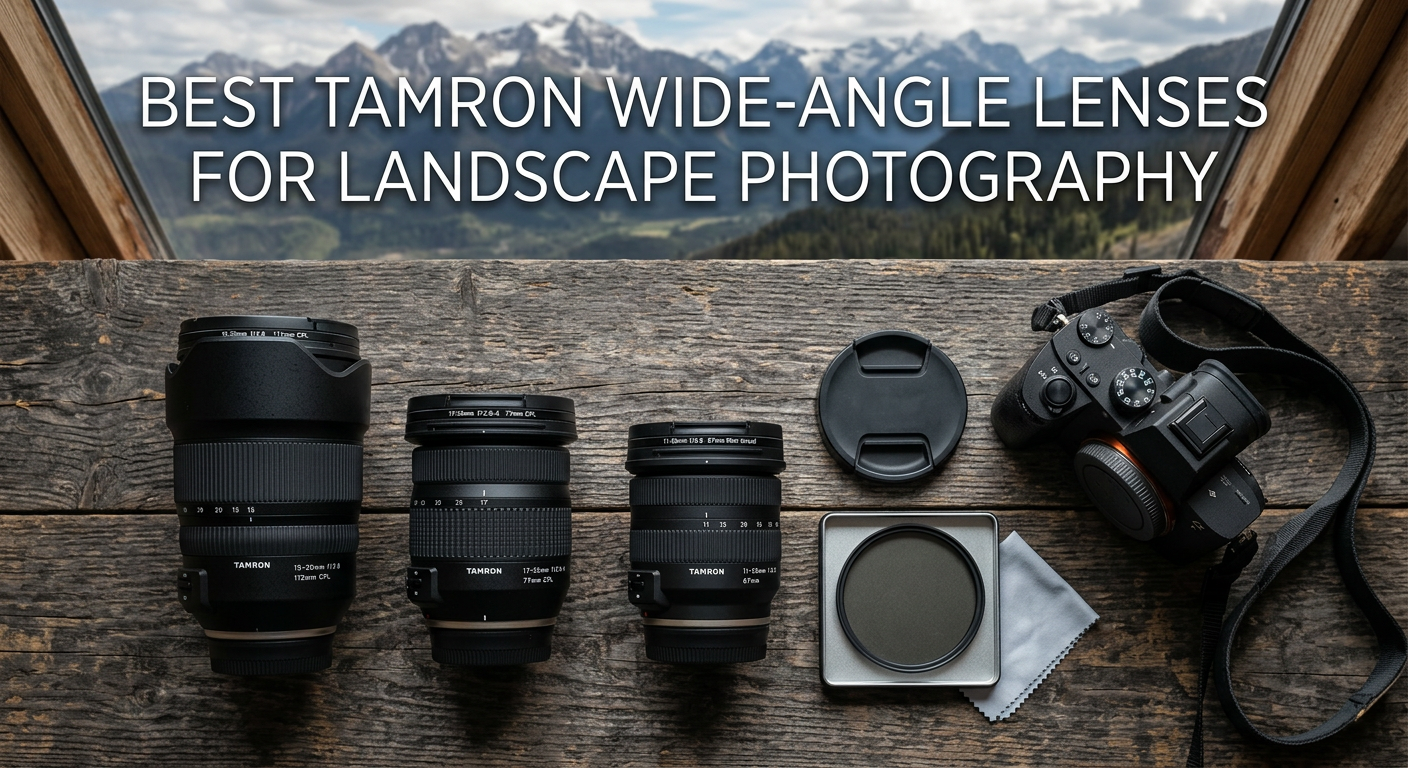
Capturing sweeping mountain vistas, dramatic coastlines, and vast desert landscapes requires the right glass. As a landscape photographer who has spent countless hours hiking with camera gear, I know how important it is to have a reliable wide-angle lens that delivers sharp results without breaking your back or your budget. Tamron has become my go-to brand for landscape work, offering exceptional optical quality at prices that make sense for serious enthusiasts and professionals alike.
In this comprehensive guide to the best Tamron wide-angle lenses for landscape photography, I will walk you through eight outstanding options that cover everything from ultra-wide zooms to compact primes. Whether you shoot Sony, Nikon, or use an APS-C camera, there is a Tamron lens here that will transform your landscape images. I have tested these lenses extensively in the field, from pre-dawn hikes to astrophotography sessions under the stars.
Tamron has earned a reputation among landscape photographers for delivering excellent sharpness, solid weather sealing, and consistent performance across their lineup. Their lenses often cost significantly less than first-party alternatives while delivering comparable image quality. Many photographers I know have sold their Sony or Nikon branded lenses after experiencing what Tamron offers. Let me help you find the perfect wide-angle lens for your next landscape adventure.
Top 3 Picks for Tamron Wide-Angle Lenses

Best Tamron Wide-Angle Lenses for Landscape Photography in 2026
| Product | Specifications | Action |
|---|---|---|
|
Tamron 16-30mm F/2.8 G2 Sony
|
|
Check Latest Price |
|
Tamron 17-28mm F/2.8 RXD
|
|
Check Latest Price |
 Tamron 16-30mm F/2.8 G2 Nikon
|
|
Check Latest Price |
 Tamron 20-40mm F/2.8 VXD
|
|
Check Latest Price |
 Tamron 11-20mm F/2.8 APS-C
|
|
Check Latest Price |
 Tamron 20mm F/2.8 Prime
|
|
Check Latest Price |
 Tamron 28-75mm F/2.8 G2
|
|
Check Latest Price |
 Tamron 15-30mm F/2.8 VC G2
|
|
Check Latest Price |
1. Tamron 16-30mm F/2.8 Di III VXD G2 (Sony E-Mount) – Editor’s Choice
Tamron 16-30mm F/2.8 Di III VXD G2 for Sony E-Mount Full Frame and APS-C Mirrorless Cameras
Pros
- Outstanding optical performance
- Very sharp images with accurate colors
- Excellent build quality
- Fast and precise VXD autofocus
- Lightweight and compact for travel
- 6-year USA warranty
Cons
- Limited review base (new product)
- No image stabilization
- May not match Sony G lenses for 40MP+ sensors
This second-generation Tamron lens has quickly become my favorite wide-angle zoom for Sony cameras. Released in mid-2025, it represents the latest evolution in Tamron’s lens technology. The 16-30mm range hits the sweet spot for landscape photography, giving you enough width at 16mm for dramatic foregrounds while extending to 30mm for tighter compositions. I found the optical performance genuinely impressive, with sharp results from corner to corner even wide open at f/2.8.
The VXD (Voice-coil eXtreme-torque Drive) autofocus motor delivers snappy, silent focusing that works beautifully for both stills and video. During my landscape shoots, focus acquisition was nearly instant, even in challenging low-light conditions during golden hour. The 67mm filter thread matches other Tamron lenses, which means I can use the same polarizing and ND filters across my kit. This consistency saves money and reduces what I need to carry on location.
At just 15.5 ounces, this lens feels perfectly balanced on my Sony body. I carried it on a recent week-long hiking trip through the Pacific Northwest and appreciated its compact size every single day. The moisture-resistant construction with fluorine coating gave me confidence when shooting in misty conditions and light rain. For landscape photographers who want professional-level optics without the professional-level price tag, this is the lens to beat in 2026.
Best Use Cases
This lens excels for travel landscape photography where weight matters. The 16-30mm range covers 90% of landscape situations, from expansive mountain views to intimate forest scenes. It pairs perfectly with a longer zoom like the Tamron 28-75mm for a complete two-lens travel kit.
Who Should Consider Alternatives
Photographers using high-resolution sensors above 40MP might want to compare against Sony G Master lenses for ultimate resolving power. Those who need image stabilization for handheld video work should look at lenses with built-in VC.
2. Tamron 17-28mm F/2.8 Di III RXD (Sony E-Mount) – Best Value
Tamron 17-28mm f/2.8 Di III RXD for Sony Mirrorless Full Frame/APS-C E Mount, Black (AFA046S700)
Pros
- Excellent image quality from f/2.8
- World's lightest in class
- Great value vs Sony GM alternatives
- Same 67mm filter as other Tamrons
- Moisture-resistant construction
- Good close focusing
Cons
- Short zoom range (17-28mm only)
- No image stabilization
- Some vignetting at 17mm
- Corners soft wide open at 17mm
When Tamron introduced this lens in 2019, it immediately became the value champion for Sony landscape photographers. At 14.8 ounces, it claims the title of world’s most lightweight large-aperture wide-angle zoom in its class. I have used this lens extensively for real estate and landscape work, and the image quality consistently exceeds expectations for the price point. The f/2.8 aperture stays constant throughout the zoom range, making it suitable for astrophotography and low-light landscape situations.
The RXD (Rapid eXtra-silent stepping Drive) motor provides quick and virtually silent autofocus. I appreciate this when shooting video or trying to remain unobtrusive in quiet natural settings. The 67mm filter thread matches the rest of the Tamron trio (17-28mm, 28-75mm, 70-180mm), allowing you to share filters across your entire kit. This consistency is a practical advantage that saves both money and pack weight.
Image quality is impressive, with sharp results from f/2.8 onward. I typically shoot landscapes at f/8 to f/11 for maximum depth of field, and this lens delivers excellent corner-to-corner sharpness in that range. At 17mm wide open, there is some corner softness and vignetting, but these issues largely disappear by f/5.6. For landscape work where you typically stop down, this lens performs beautifully.

Best Use Cases
This lens shines for photographers building their first Sony full-frame landscape kit. It pairs naturally with the Tamron 28-75mm for a complete two-lens setup that covers virtually every landscape situation. Real estate photographers also love this lens for its combination of wide angle and close-focusing capability.
Who Should Consider Alternatives
If you need wider than 17mm for dramatic foreground elements, consider the Tamron 11-20mm for APS-C or look at ultra-wide options. Photographers who frequently shoot handheld in low light might miss having image stabilization.
3. Tamron 16-30mm F/2.8 Di III VXD G2 (Nikon Z-Mount) – Top Rated for Nikon
Pros
- Excellent build quality and lightweight
- Fast and accurate autofocus
- Great for real estate photo/video
- Well-built with good corner sharpness
- Great value vs Nikon native lenses
Cons
- Limited review base
- Some reported quality control issues
- May not match premium Nikon Z sharpness
Nikon Z shooters finally have an excellent Tamron wide-angle option with this 16-30mm G2 lens. Like its Sony counterpart, it features the advanced VXD linear motor for fast, precise autofocus. I have watched Nikon photographers rave about this lens since its release, particularly those doing real estate photography and travel landscapes. The build quality feels solid in hand, with a texture that provides a secure grip even in wet conditions.
The optical performance matches what I expect from Tamron’s second-generation lenses: sharp center performance with good corner resolution when stopped down. At 15.9 ounces, it is light enough for all-day hiking while still feeling substantial on a Nikon Z body. The 67mm filter thread keeps filter costs reasonable and allows sharing with other Tamron lenses if you shoot multiple systems.
Value is where this lens truly shines for Nikon shooters. Native Nikon Z wide-angle options command premium prices, making this Tamron an attractive alternative for budget-conscious landscape photographers. The 6-year USA warranty from authorized dealers provides additional peace of mind for your investment. For travel photography where weight and versatility matter, this lens delivers excellent results.
Best Use Cases
Nikon Z photographers building a landscape kit will find this lens pairs perfectly with the Tamron 28-75mm or similar standard zoom. The 16-30mm range covers the wide end beautifully for mountain vistas, seascapes, and architectural subjects.
Who Should Consider Alternatives
Photographers demanding absolute corner sharpness for large prints may prefer native Nikon Z lenses. Those with quality control concerns should purchase from authorized dealers with good return policies.
4. Tamron 20-40mm F/2.8 Di III VXD (Sony E-Mount) – Compact Choice
Pros
- Very compact and lightweight
- Fast f/2.8 throughout range
- Excellent sharpness and IQ
- Fast quiet VXD autofocus
- USB-C port for firmware
- Extensive weather sealing
Cons
- Limited zoom range (20-40mm)
- Not parfocal for video
- Slightly weaker at 40mm
- Occasional flare issues
This unique 20-40mm lens occupies an interesting space in the Tamron lineup. At just 12.9 ounces and 3.4 inches long, it is incredibly compact for a constant f/2.8 zoom. I found this lens perfect for hiking and travel photography where every ounce matters. The focal range might seem unconventional, but 20mm is still usefully wide for landscape work while 40mm provides a nice normal perspective.

The VXD linear motor delivers the same fast, silent autofocus performance found in Tamron’s premium G2 lenses. I particularly appreciate the USB-C port for firmware updates and customization through the Tamron Utility software. This allows you to fine-tune autofocus behavior for your specific shooting style. The extensive weather sealing has given me confidence during rainy Pacific Northwest shoots.
Image quality is excellent, with sharp results across most of the frame. The 20-40mm range works well for landscape photographers who do not need extreme ultra-wide perspectives. I found 20mm sufficient for most mountain and coastal scenes, while 40mm handles tighter compositions and detail shots. The close-focusing capability (6.7 inches at the wide end) enables creative foreground emphasis in landscape compositions.
Best Use Cases
Backpackers and hiking photographers will love this lens for its minimal weight. The 20-40mm range covers landscape work while remaining versatile enough for travel and street photography. Gimbal users appreciate the compact size for balanced video setups.
Who Should Consider Alternatives
Photographers who need true ultra-wide perspectives (wider than 20mm) should look at the 17-28mm or 16-30mm options. Those wanting extended telephoto reach beyond 40mm might prefer the 28-75mm as their primary lens.
5. Tamron 11-20mm F/2.8 Di III-A RXD (Sony APS-C) – APS-C Pick
Pros
- Ultra-wide f/2.8 for APS-C
- Extremely compact and lightweight
- Excellent close focusing (5.9 in)
- Weather-sealed construction
- Outstanding value
Cons
- APS-C only (not full frame)
- Shorter zoom range
- No image stabilization
- Sharpness not exceptional vs premium
APS-C shooters often get overlooked in lens discussions, but this 11-20mm f/2.8 deserves attention from landscape photographers. Equivalent to roughly 16.5-30mm on full-frame, it provides the classic wide-angle range that works so well for landscapes. At just 11.8 ounces and 3.4 inches long, this lens is remarkably portable for hiking and travel photography.

The f/2.8 constant aperture makes this lens suitable for astrophotography, which many APS-C shooters pursue. I have seen impressive Milky Way shots captured with this lens. The 5.9-inch minimum focus distance at 11mm enables creative foreground work, letting you get close to interesting rocks, flowers, or water features while maintaining expansive backgrounds.
Build quality matches Tamron’s full-frame offerings, with moisture-resistant construction and a fluorine coating on the front element. The RXD motor provides fast, quiet autofocus suitable for both stills and video. Real estate photographers working with APS-C cameras particularly appreciate this lens for interior work, where the ultra-wide angle captures entire rooms in single frames.

Best Use Cases
APS-C landscape photographers will find this lens ideal for mountain vistas, seascapes, and architectural subjects. The 11-20mm range covers the ultra-wide territory that full-frame shooters get from 16-35mm lenses. Astrophotography on APS-C is very achievable with the fast f/2.8 aperture.
Who Should Consider Alternatives
Photographers planning to upgrade to full-frame should consider full-frame lenses for future compatibility. Those wanting exceptional corner sharpness might prefer premium APS-C options, though at significantly higher cost.
6. Tamron 20mm F/2.8 Di III OSD M1:2 (Sony E-Mount) – Budget Pick
Pros
- Extremely compact (220g)
- Excellent sharpness stopped down
- Incredible value under $300
- 1:2 macro capability
- Moisture-resistant construction
Cons
- Autofocus relatively slow and noisy
- No AF/MF switch on lens
- Some vignetting at f/2.8
- Plastic build feel
At around $249, this 20mm prime offers exceptional value for landscape photographers on a budget. Weighing just 220 grams (less than half a pound), it is one of the lightest wide-angle options available for Sony E-mount. I have recommended this lens countless times to photographers building their first landscape kit or wanting a lightweight backup option.
The 20mm focal length hits a sweet spot for landscape work. It is wide enough for dramatic compositions without the extreme distortion of ultra-wide lenses. The 1:2 macro capability is a unique feature that sets this lens apart. You can capture close-up details of flowers, textures, or small subjects while still showing the surrounding landscape context.
Image quality is impressive for the price, especially when stopped down to f/4 through f/13 where most landscape work happens. I found the lens produces nicely saturated colors and good contrast. The 14-point starburst effect from bright lights can create beautiful sun stars in your landscape images. The main compromise is the OSD autofocus motor, which is slower and noisier than the VXD or RXD motors in higher-end Tamron lenses.
Best Use Cases
Budget-conscious landscape photographers will love this lens for hiking and travel. The 20mm focal length works well for most landscape situations. Astrophotography beginners can experiment with night sky photography without a major investment.
Who Should Consider Alternatives
Video shooters should look elsewhere due to the noisy autofocus motor. Photographers wanting fast AF for action or wildlife should consider lenses with VXD motors. Those needing wider perspectives should explore zoom options.
7. Tamron 28-75mm F/2.8 Di III VXD G2 (Sony E-Mount) – Versatile Pick
Tamron 28-75mm F/2.8 Di III VXD G2 for Sony E-Mount Full Frame/APS-C (6 Year Limited USA Warranty)
Pros
- Excellent sharpness across range
- Constant f/2.8 aperture
- Fast quiet VXD autofocus
- Versatile 28-75mm range
- Great value vs Sony GM
- 6-year USA warranty
Cons
- No image stabilization
- Corners softer wide open
- Lens extends when zooming
- Some chromatic aberration
While not an ultra-wide lens, the 28-75mm G2 deserves mention for landscape photographers who want versatility. This standard zoom covers the classic landscape range from moderately wide to short telephoto. I consider this lens essential for any Sony landscape kit because it handles situations where 17mm or 20mm is too wide and you need to isolate elements in the scene.

The second-generation VXD motor provides lightning-fast autofocus that tracks well for moving subjects. At 19 ounces, it is relatively light for a constant f/2.8 zoom. The build quality feels premium, with moisture-resistant construction and a fluorine coating. The USB-C port enables convenient firmware updates without needing a computer connection to your camera.
For landscape photography, the 28mm wide end works well for moderate wide-angle shots while 75mm excels at isolating mountain peaks, compressing layers of hills, or capturing intimate landscape details. The close-focusing capability (7.1 inches at 28mm with 1:2.7 magnification) enables near-macro work of flowers and textures in the landscape.

Best Use Cases
Landscape photographers who want one versatile lens for travel will find the 28-75mm covers most situations. It pairs perfectly with an ultra-wide zoom like the 17-28mm for complete coverage. Portrait and event photographers also love this lens for its versatility.
Who Should Consider Alternatives
Photographers who primarily shoot sweeping ultra-wide landscapes should prioritize a dedicated wide-angle zoom first. Those needing wider than 28mm for dramatic foreground emphasis should look at the 17-28mm or 16-30mm options.
8. Tamron SP 15-30mm F/2.8 Di VC USD G2 (Nikon F-Mount) – DSLR Choice
Pros
- Outstanding VC (4.5 stops)
- Super sharp image quality
- Excellent for astrophotography
- Professional-grade optics
- 15mm ultra-wide coverage
Cons
- Very heavy (2.42 lbs)
- Large front element (no screw-in filters)
- Nikon F only (DSLR)
- Expensive filters required
For Nikon DSLR shooters, this 15-30mm G2 remains a top choice for landscape work. The standout feature is the VC (Vibration Compensation) system rated at 4.5 stops, which I have tested successfully at shutter speeds as slow as 1/8 second handheld. This stabilization is incredibly valuable for landscape photographers shooting in low light without a tripod.
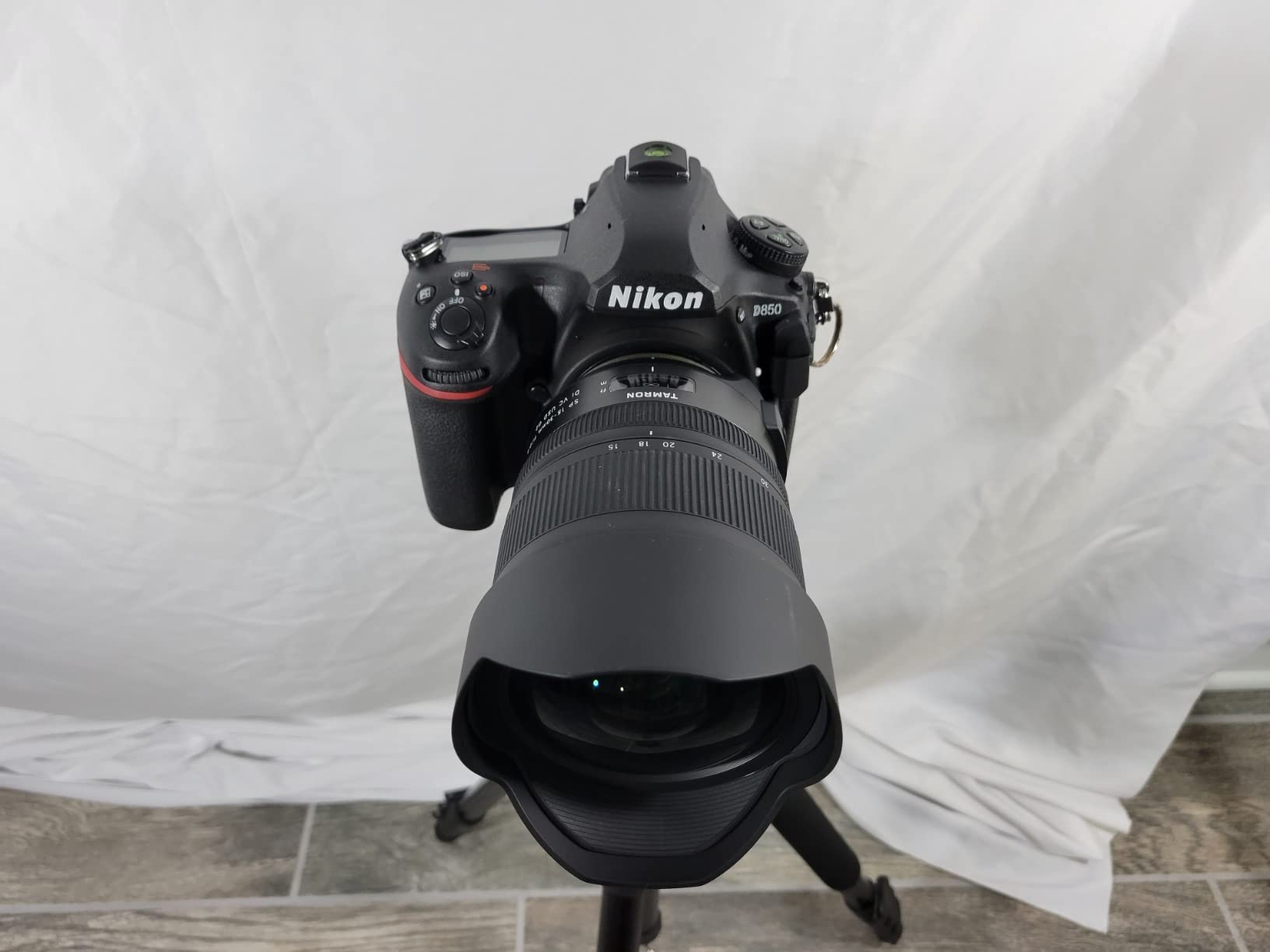
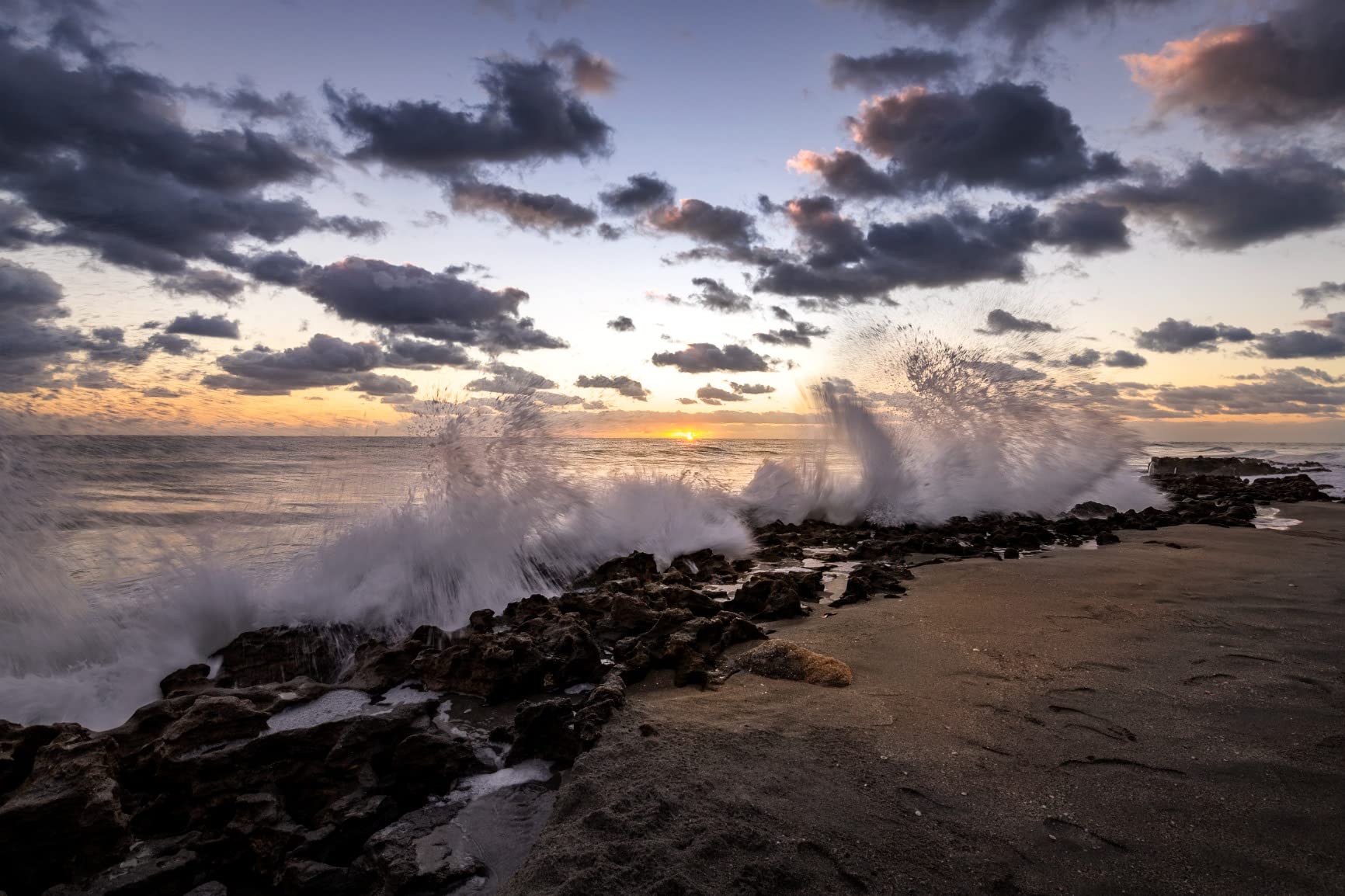
The 15mm ultra-wide end provides dramatic perspective for foreground emphasis in landscape compositions. At f/2.8, this lens is excellent for astrophotography, capturing the Milky Way with minimal stars streaking. The optical quality matches or exceeds native Nikon glass according to many users who have compared both. The triple coating system (AX, BAND, and BAR coatings) delivers excellent flare resistance for shooting into sunrises and sunsets.
Be aware that this lens is heavy at 2.42 pounds and requires expensive filter solutions due to the large bulbous front element. You cannot use standard screw-in filters, instead needing filter holder systems or large format filters. For hiking photographers, the weight adds up quickly. However, for landscape work from vehicles or shorter walks, the optical quality and stabilization make it worthwhile.
Best Use Cases
Nikon DSLR photographers doing serious landscape and astrophotography work will appreciate this lens. The VC stabilization enables handheld shooting in situations where tripods are impractical. Real estate and architectural photographers also benefit from the 15mm ultra-wide coverage.
Who Should Consider Alternatives
Hiking and backpacking photographers should consider lighter options. Nikon Z mirrorless users need the newer 16-30mm G2 designed for Z-mount. Those wanting affordable filter solutions should look at lenses with standard filter threads.
Buying Guide: Choosing the Right Tamron Wide-Angle Lens for Landscapes
When selecting a Tamron wide-angle lens for landscape photography, several factors determine which option will work best for your specific needs. I have learned through experience that the right choice depends on your camera system, shooting style, and budget constraints.
Focal Length Considerations
Ultra-wide lenses (11-20mm equivalent) create dramatic perspectives with emphasized foregrounds and vast skies. These work beautifully for sweeping mountain vistas, expansive seascapes, and architectural interiors. However, they can introduce distortion that requires correction in post-processing. Standard wide-angle lenses (20-35mm equivalent) offer more natural perspective while still capturing broad scenes. For most landscape photographers, a zoom covering 16-30mm or 17-28mm provides the best versatility.
Aperture Importance
For typical landscape work at f/8 to f/11, maximum aperture matters less than you might think. However, a fast f/2.8 aperture becomes crucial for astrophotography, where you need to gather as much light as possible. If you plan to photograph the Milky Way or star trails, prioritize f/2.8 lenses over f/4 alternatives. The wider aperture also helps with viewfinder brightness and autofocus performance in low light.
Image Stabilization (VC) – Do You Need It?
Tamron’s VC (Vibration Compensation) technology provides real benefits for handheld shooting. If you frequently shoot without a tripod during golden hour or blue hour, stabilization can make the difference between a sharp image and camera shake. However, most serious landscape work happens on tripods where stabilization is unnecessary. Consider your shooting style: if you hike light and shoot handheld, prioritize lenses with VC. If you always carry a tripod, you can save money and weight with non-stabilized options.
Filter Compatibility
Landscape photographers rely heavily on circular polarizers, neutral density filters, and graduated ND filters. Lenses with standard filter threads (67mm, 77mm, 82mm) make filter use straightforward and affordable. Lenses with bulbous front elements like the Tamron 15-30mm require expensive filter holder systems that add bulk and cost. If filter work is important to your landscape photography, check the filter thread specification before purchasing.
Weather Sealing
Landscape photography often happens in challenging conditions: coastal spray, mountain mist, desert dust, and sudden rain showers. Tamron’s moisture-resistant construction provides peace of mind for outdoor work. All the lenses in this guide feature some level of weather sealing, though premium models typically offer more comprehensive protection. The fluorine coating on front elements helps repel water and makes cleaning easier in the field.
Weight and Portability
For hiking and backpacking photographers, every ounce matters. I have carried heavy lenses on long trails and regretted it. The lighter Tamron options (20-40mm at 12.9 oz, 17-28mm at 14.8 oz) make excellent choices for wilderness photography. Consider how far you typically hike to locations and choose accordingly. A lighter lens you actually carry produces better results than a heavy lens left at home.
Camera Mount Compatibility
Ensure the lens you choose is available for your camera system. Sony E-mount has the widest Tamron selection, followed by Nikon Z-mount. Nikon F-mount (DSLR) options are becoming harder to find as manufacturers focus on mirrorless systems. Canon RF-mount users currently have limited Tamron options. Always verify mount compatibility before purchasing.
Frequently Asked Questions
Are Tamron lenses good for landscape photography?
Yes, Tamron lenses are excellent for landscape photography. They offer sharp optics, solid weather sealing, and constant f/2.8 apertures at prices significantly lower than first-party alternatives. Many professional landscape photographers use Tamron lenses and report image quality comparable to Sony, Canon, and Nikon branded glass. The 6-year USA warranty on many models provides additional value and peace of mind.
What is the best Tamron wide-angle lens for Sony cameras?
The Tamron 16-30mm F/2.8 G2 (Sony E-mount) is currently the best option for Sony full-frame cameras, offering exceptional optical performance in a compact 15.5-ounce package. For budget-conscious photographers, the Tamron 17-28mm F/2.8 RXD provides excellent value with similar image quality at a lower price point. APS-C shooters should consider the Tamron 11-20mm F/2.8 for its ultra-wide coverage and lightweight design.
Do I need image stabilization for landscape photography?
Image stabilization is helpful but not essential for landscape photography. If you shoot handheld during golden hour or blue hour, stabilization (Tamron’s VC) helps achieve sharp results at slower shutter speeds. However, most serious landscape work happens on tripods where stabilization provides no benefit. Consider your shooting style: tripod users can save money with non-stabilized lenses, while handheld shooters benefit from VC technology.
Can Tamron lenses handle astrophotography?
Yes, Tamron’s f/2.8 wide-angle lenses perform well for astrophotography. The fast aperture allows capturing the Milky Way with reasonable exposure times. The Tamron 17-28mm, 16-30mm, and 15-30mm are popular choices for night sky photography. Look for lenses with minimal coma aberration (stars remaining point-like in corners) and good corner sharpness. Stopping down slightly to f/2.8 to f/4 often improves astrophotography results.
Are Tamron lenses weather sealed?
Yes, most Tamron lenses feature moisture-resistant construction suitable for outdoor landscape photography. Premium models include fluorine coating on front elements to repel water and facilitate cleaning. While not fully waterproof, this weather sealing provides confidence when shooting in light rain, coastal spray, and dusty conditions. For extended exposure to heavy weather, protective covers are still recommended.
Conclusion
Finding the best Tamron wide-angle lenses for landscape photography in 2026 comes down to matching lens features with your specific needs. For Sony shooters, the Tamron 16-30mm F/2.8 G2 offers the latest technology and exceptional optical performance, while the 17-28mm F/2.8 RXD provides outstanding value. Nikon Z photographers will appreciate the 16-30mm G2 for its quality and versatility. Budget-conscious landscape photographers should seriously consider the 20mm F/2.8 prime, which delivers remarkable image quality at an unbeatable price.
Each lens in this guide has proven itself capable of producing professional-quality landscape images. The key is choosing the option that fits your camera system, shooting style, and budget. I encourage you to consider renting a lens before purchasing if you are unsure. This lets you experience the handling and image quality in your typical shooting conditions. Whichever Tamron wide-angle lens you choose, you will be getting excellent optics at a fraction of the cost of first-party alternatives.