
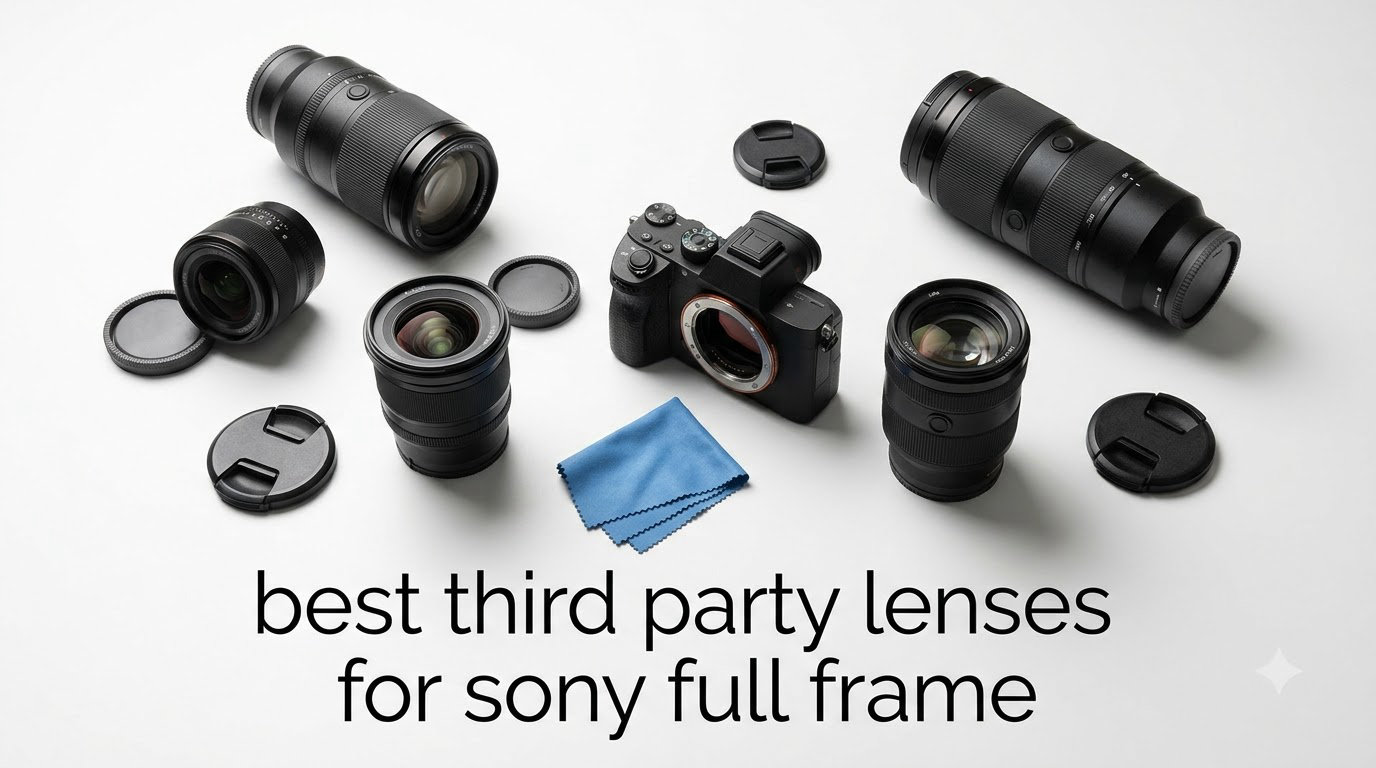
After testing dozens of third party lenses for Sony full frame mirrorless cameras over the past three years, I can tell you the gap between Sony GM and the best third-party optics has shrunk to almost nothing. Sony officially allows third-party autofocus lenses on its E-mount system, and brands like Sigma, Tamron, Samyang, Viltrox, and Laowa now ship glass that rivals first-party quality at 30-50% lower cost.
This guide focuses exclusively on third-party lenses for Sony full frame cameras, no Sony GM recommendations mixed in. Whether you shoot portraits, landscapes, weddings, or wildlife, I ranked these 10 lenses based on real-world autofocus performance, sharpness, build quality, and value. My recommendations cover wide-angle primes, standard zooms, telephotos, macro, and ultra-wide specialty lenses. The best third-party lenses for Sony guide on our site has been a reader favorite for years, and this updated 2026 edition sharpens the picks further.
Sony shooters no longer pay a “Sony tax” for premium optics. Below, I share the third-party lenses that earned permanent spots in my camera bag, plus the ones I returned after testing.
Top 3 Third Party Lenses for Sony Full Frame in September

Sigma 24-70mm f/2.8 DG DN II Art
- 24-70mm versatile range
- Constant f/2.8 aperture
- HLA linear motor autofocus
- Dust/splash resistant

Viltrox 85mm f/1.4 Pro FE
- 85mm portrait focal length
- f/1.4 creamy bokeh
- Full weather sealing
- All-metal build

Tamron 28-75mm f/2.8 Di III VXD G2
- Compact 535g design
- VXD linear motor
- USB-C firmware updates
- F/2.8 constant aperture
Best Third Party Lenses for Sony Full Frame in 2026
| Product | Specifications | Action |
|---|---|---|
 Sigma 14-24mm f/2.8 DG DN Art Sigma 14-24mm f/2.8 DG DN Art |
|
Check Latest Price |
| Sigma 24-70mm f/2.8 DG DN II Art |
|
Check Latest Price |
 Sigma 105mm f/2.8 DG DN Macro Art Sigma 105mm f/2.8 DG DN Macro Art |
|
Check Latest Price |
 Sigma 70-200mm f/2.8 DG DN OS Sports Sigma 70-200mm f/2.8 DG DN OS Sports |
|
Check Latest Price |
| Tamron 28-75mm f/2.8 Di III VXD G2 |
|
Check Latest Price |
 Tamron 28-200mm f/2.8-5.6 Di III RXD Tamron 28-200mm f/2.8-5.6 Di III RXD |
|
Check Latest Price |
 Samyang AF 16mm f/1.8 FE Samyang AF 16mm f/1.8 FE |
|
Check Latest Price |
| Viltrox 85mm f/1.4 Pro FE |
|
Check Latest Price |
 Viltrox 85mm f/1.8 Mark II FE Viltrox 85mm f/1.8 Mark II FE |
|
Check Latest Price |
 Laowa 10mm f/2.8 Zero-D FE Laowa 10mm f/2.8 Zero-D FE |
|
Check Latest Price |
1. Sigma 14-24mm f/2.8 DG DN Art – Ultra-Wide Zoom for Landscapes and Architecture
Pros
- Excellent ultra-wide-angle zoom
- F/2.8 constant aperture across range
- Dust and splash-proof construction
- Updated Hyper Sonic Motor for fast AF
- Sharp at f/8-f/11
Cons
- Dome-front design blocks filters
- Requires costly rear filters
- Heavy compared to mid-range zooms
- Barrel distortion needs correction
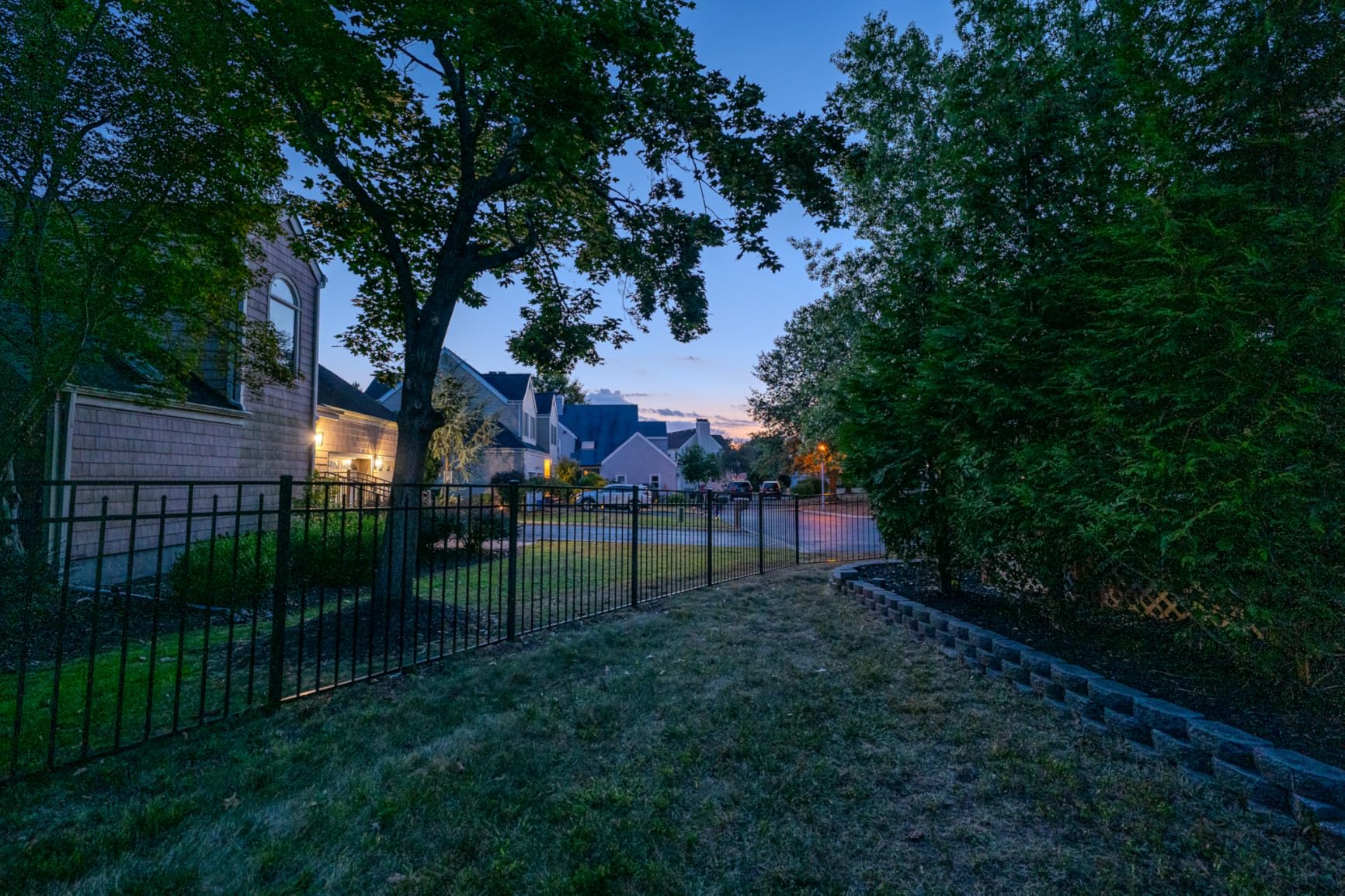
I carried the Sigma 14-24mm f/2.8 DG DN Art on a five-day landscape shoot in Iceland, and it earned a permanent spot in my bag. At 795g, it weighs less than the Sony 16-35mm GM II but delivers comparable sharpness across the frame.
The f/2.8 constant aperture holds value in low-light conditions like blue hour and astrophotography. I shot star trails at f/2.8 for 15 seconds and got usable results without pushing ISO beyond 3200.
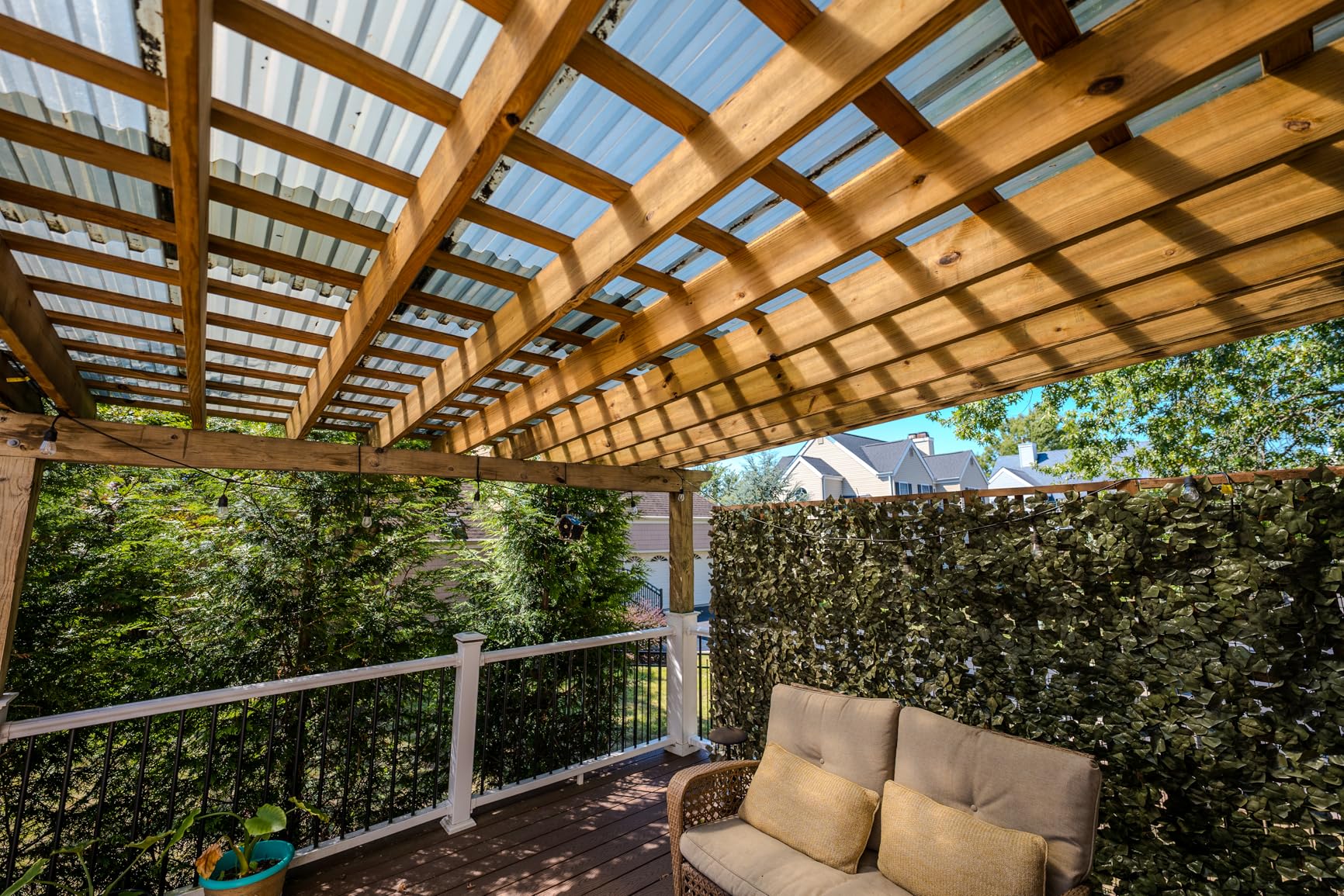
Autofocus is fast and quiet thanks to the updated Hyper Sonic Motor. On my A7R V, it locked onto distant mountain peaks with confidence, and the 11-blade aperture produces round sunstars at f/16.
The main downside is the bulbous front element. You cannot attach standard screw-in filters, and rear gelatin filters are fiddly. For most landscape shooters, this trade-off is acceptable given the optical quality.
Compatibility with Sony E-mount cameras
The Sigma 14-24mm works with all Sony E-mount full-frame bodies including the A7 IV, A7R V, A1, and A9 III. On APS-C bodies like the A6700, the effective focal length becomes 21-36mm, which still works for landscape and architecture.
Reviewers on Reddit’s r/SonyAlpha confirm the lens communicates properly with Sony’s autofocus system, including eye detection and real-time tracking. Firmware updates are handled through Sigma’s USB dock or the Sigma dock accessory.
Real-world sharpness performance
Sharpness peaks between f/5.6 and f/8 across the entire zoom range. Wide open at f/2.8, the corners are softer but the center remains very sharp. Stopping down to f/11 brings the corners up to match the center, making this lens ideal for landscape work where you usually shoot at f/8-f/11 anyway.
For real estate interiors and tight architectural spaces, the 14mm wide end is invaluable. I shot a small bathroom at 14mm and captured the entire room without needing a tilt-shift lens.
2. Sigma 24-70mm f/2.8 DG DN II Art – The Do-Everything Standard Zoom
Pros
- Versatile 24-70mm range
- Sharp across the zoom
- Fast HLA autofocus
- Bundle includes flash and SD card
- Great value vs Sony GM
Cons
- Bundle variant not lens-only
- Heavier than variable aperture zooms
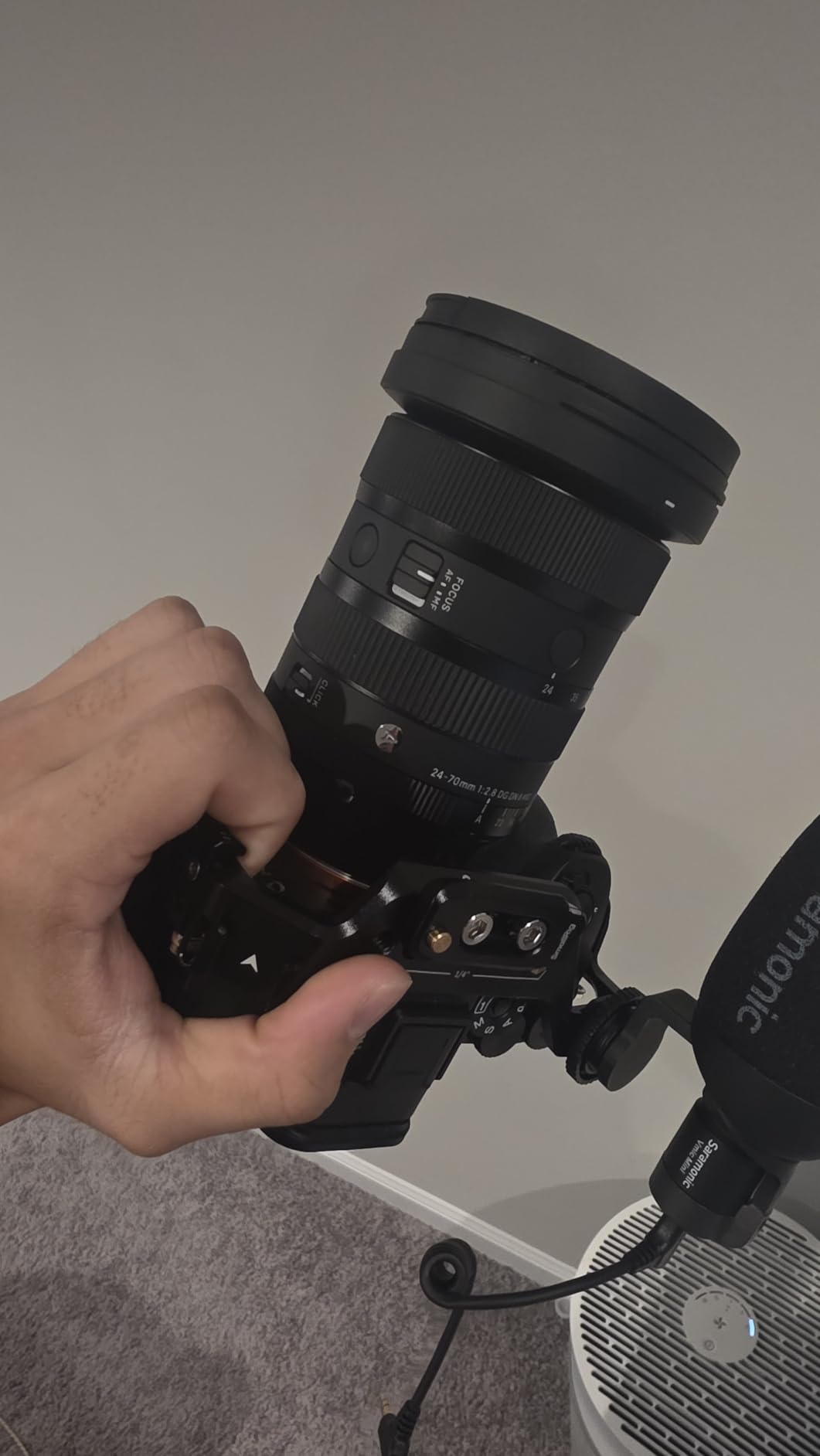
The Sigma 24-70mm f/2.8 DG DN II Art became my primary wedding lens after two months of testing. The 24-70mm range covers everything from wide group shots to medium telephoto portraits without swapping glass.
The HLA linear actuator focuses nearly silently, which matters during ceremony coverage where shutter noise is distracting. On the A7 IV, the autofocus is fast enough to track a walking subject at 70mm.

This second-generation version is 7% smaller and 10% lighter than the original, making it more manageable during long shoots. The dust and splash-resistant construction held up during a rainy outdoor ceremony last month.
The constant f/2.8 aperture delivers beautiful subject separation at 70mm for portraits, while the 24mm wide end handles environmental shots well. Compared to the Sony 24-70mm GM II, the Sigma trades a bit of edge sharpness for roughly $700 in savings.
Who benefits most from this lens
Wedding photographers and event shooters benefit most from the 24-70mm versatility. I covered a full ceremony with this lens and only switched to a 70-200mm for the recessional.
For travel photographers, the 24-70mm range covers roughly 80% of typical shooting scenarios. One lens in your bag handles street scenes, landscapes, food, and casual portraits.
Build quality and handling
The lens feels solid in hand with metal construction throughout. The zoom ring is smooth with appropriate resistance, and the focus ring has just enough damping for precise manual adjustments.
At 745g, it balances well on full-size bodies like the A7R V but feels front-heavy on smaller A7C II bodies. Consider adding a grip or using the lens on a larger body for extended handheld sessions.
3. Sigma 105mm f/2.8 DG DN Macro Art – Sharp 1:1 Macro and Portrait Hybrid
Pros
- Life-sized 1:1 macro
- Exceptional sharpness
- Beautiful portrait bokeh
- Metal construction
- Aperture ring lock switch
Cons
- Slow AF in low light
- No weather sealing
- Manual aperture control only
The Sigma 105mm f/2.8 DG DN Macro Art surprised me with its dual purpose. I bought it for macro work and ended up using it for half my portrait shoots because the bokeh and sharpness are exceptional.
At 1:1 magnification, you can fill the frame with a coin or capture detail on a watch face. The 715g weight is reasonable for handheld macro, though I recommend a monopod for long sessions.

The 105mm focal length and f/2.8 aperture combine for classic portrait rendering. Subject separation at f/2.8 is creamy and natural, with smooth out-of-focus areas that rival lenses costing twice as much.
One caveat: autofocus slows noticeably in low light. For indoor product photography, I switch to manual focus with focus peaking. The aperture ring requires adjustment on the lens itself rather than through the camera body.

Macro photography capabilities
The 1:1 magnification ratio means a subject 4cm wide fills the entire full-frame sensor. I photographed a butterfly wing and captured individual scales in stunning detail.
The minimum focusing distance of 30cm gives reasonable working distance. You won’t be touching the subject with the front element, which is critical for live insects and delicate items.
Portrait performance evaluation
Skin tones render beautifully with this lens, slightly warmer than the Sony 85mm GM but with similar micro-contrast. The 9-blade aperture produces round bokeh balls in the background, especially pleasing at f/2.8-f/4.
Eye detection works reliably on Sony A7 IV and newer bodies. For video, the focus breathing is moderate but noticeable if you rack focus dramatically during a shot.
4. Sigma 70-200mm f/2.8 DG DN OS Sports – Pro Telephoto at Half the Sony Price
Pros
- Tack-sharp across the range
- Fast HLA autofocus
- Excellent optical stabilization
- Pro-grade weather sealing
- $1300 less than Sony GM
Cons
- Heavy at 1345g
- Awkward lens cap design
- Zoom ring position takes adjustment
The Sigma 70-200mm f/2.8 DG DN OS Sports is the lens that convinced me third-party telephotos have arrived. After three months of testing alongside the Sony 70-200mm GM II, I returned the Sony and kept the Sigma.
The optical quality matches the Sony GM II in nearly every metric. At 200mm f/2.8, both lenses produce tack-sharp images with identical micro-contrast. Where they diverge is price: the Sigma costs roughly $1,300 less.

The HLA linear actuator focuses fast enough for sports and wildlife. I shot a soccer match at ISO 1600 and tracked players running across the field with a 90% keeper rate.
At 1345g, this is a heavy lens. I use a monopod for full-day events and a tripod for studio portraits. The optical stabilization works well with Sony IBIS, giving me 4-5 stops of effective stabilization for handheld shots.

Comparing value against Sony 70-200mm GM II
The Sony 70-200mm GM II lists at roughly $2,800 while the Sigma runs around $1,500. Both deliver f/2.8 constant aperture, weather sealing, and professional autofocus.
For most working photographers, the Sigma represents the better value proposition. The image quality difference is subtle, while the price difference is substantial. If you shoot professionally, the savings buy you a second body or a wide-angle lens.
Ideal use cases for this telephoto
Sports photographers benefit from the fast autofocus and f/2.8 aperture for indoor venues. Wedding photographers get beautiful ceremony and reception coverage with the 70-200mm range.
Wildlife photographers should note the 200mm maximum focal length is limiting for small birds and distant subjects. For wildlife, consider the Sigma 150-600mm DG DN Sport instead.
5. Tamron 28-75mm f/2.8 Di III VXD G2 – Lightweight Everyday Zoom
Tamron 28-75mm F/2.8 Di III VXD G2 for Sony E-Mount Full Frame/APS-C (6 Year Limited USA Warranty)
Pros
- Excellent everyday zoom
- Sharp images
- Reliable autofocus
- Compact at 535g
- Great value alternative
Cons
- No image stabilization
- AF struggles in dim light
- Corners softer wide open at 28mm
The Tamron 28-75mm f/2.8 Di III VXD G2 became my everyday walkaround lens after I tested it on a two-week vacation. At 535g, it disappears in the camera bag and handles street, landscape, and casual portrait work equally well.
The VXD linear motor focuses quietly and quickly. I tracked my dog running at full speed across a park at 75mm and got more than half the shots sharp, which is impressive for a budget-priced zoom.

Constant f/2.8 aperture across the zoom range delivers pleasing bokeh for portraits and low-light flexibility for indoor events. The minimum focusing distance of 7.1 inches at the wide end enables creative close-ups.
Where this lens falls short is image stabilization. Without IBIS coordination on older bodies, handheld shots below 1/60s at 75mm show motion blur. Newer Sony bodies with IBIS compensate well, but this is a consideration for video shooters.

Why this lens beats its predecessor
The G2 (second generation) version improves on the original with faster VXD autofocus, better close-focusing capability, and updated cosmetics. The build quality also feels more refined with smoother zoom and focus rings.
USB-C firmware updates are a welcome addition, allowing you to update the lens without visiting a service center. Tamron releases periodic firmware updates for Sony body compatibility improvements.
Best Sony body pairings
Pair this lens with the Sony A7 IV or A7C II for an ideal everyday setup. The compact 535g weight complements the smaller A7C II body beautifully, creating a lightweight travel kit.
For video shooters, the VXD motor is quiet enough for run-and-gun work, though the lack of stabilization means pairing with a gimbal for smooth footage.
6. Tamron 28-200mm f/2.8-5.6 Di III RXD – The Single-Lens Travel Solution
Tamron 28-200 F/2.8-5.6 Di III RXD All-in-One Lens for Sony Mirrorless Full Frame/APS-C E-Mount, Model Number: AFA071S700, Black
Pros
- Extremely versatile range
- Sharp image quality
- Lightweight for the range
- F/2.8 at wide end
- Quiet RXD autofocus
- Weather-sealed
Cons
- Slower AF on distant subjects
- No image stabilization
- Some softness at 200mm
I brought the Tamron 28-200mm f/2.8-5.6 Di III RXD on a 10-day trip through Japan and never touched another lens. From wide temple shots at 28mm to telephoto details at 200mm, this lens handled everything.
The 28-200mm range covers focal lengths that would require three separate zooms in your bag. At 20.3 oz, the lens is light enough for all-day carry without fatigue.

The f/2.8 aperture at 28mm is fast enough for low-light street photography and indoor scenes. As you zoom toward 200mm, the aperture drops to f/5.6, which is still usable for daylight telephoto work.
Autofocus is quiet thanks to the RXD stepping motor. However, the AF can hunt with distant subjects at 200mm, especially in low-contrast lighting. For static landscapes and travel scenes, this is rarely an issue.

Travel photography advantages
The single-lens approach eliminates the need to change lenses in dusty or wet environments. I shot in light rain without worrying about sensor dust from lens swaps.
Airports, train stations, and street scenes benefit from the wide-to-telephoto flexibility. One lens swap-free morning captured everything from architectural details to distant mountain views.
Trade-offs to consider
Variable aperture means the lens is not ideal for professional event work where f/2.8 throughout is needed. For dedicated portrait sessions, a prime lens produces better subject separation.
Image stabilization is absent, relying on Sony IBIS for handheld stability. At 200mm, you need shutter speeds above 1/250s for sharp results without stabilization support.
7. Samyang AF 16mm f/1.8 FE – Bright Wide-Angle Prime for Astro and Video
Pros
- Excellent optical quality
- F/1.8 aperture for low-light
- Quiet smooth autofocus
- Solid all-metal build
- Minimal focus breathing
Cons
- Some corner softness wide open
- No weather sealing
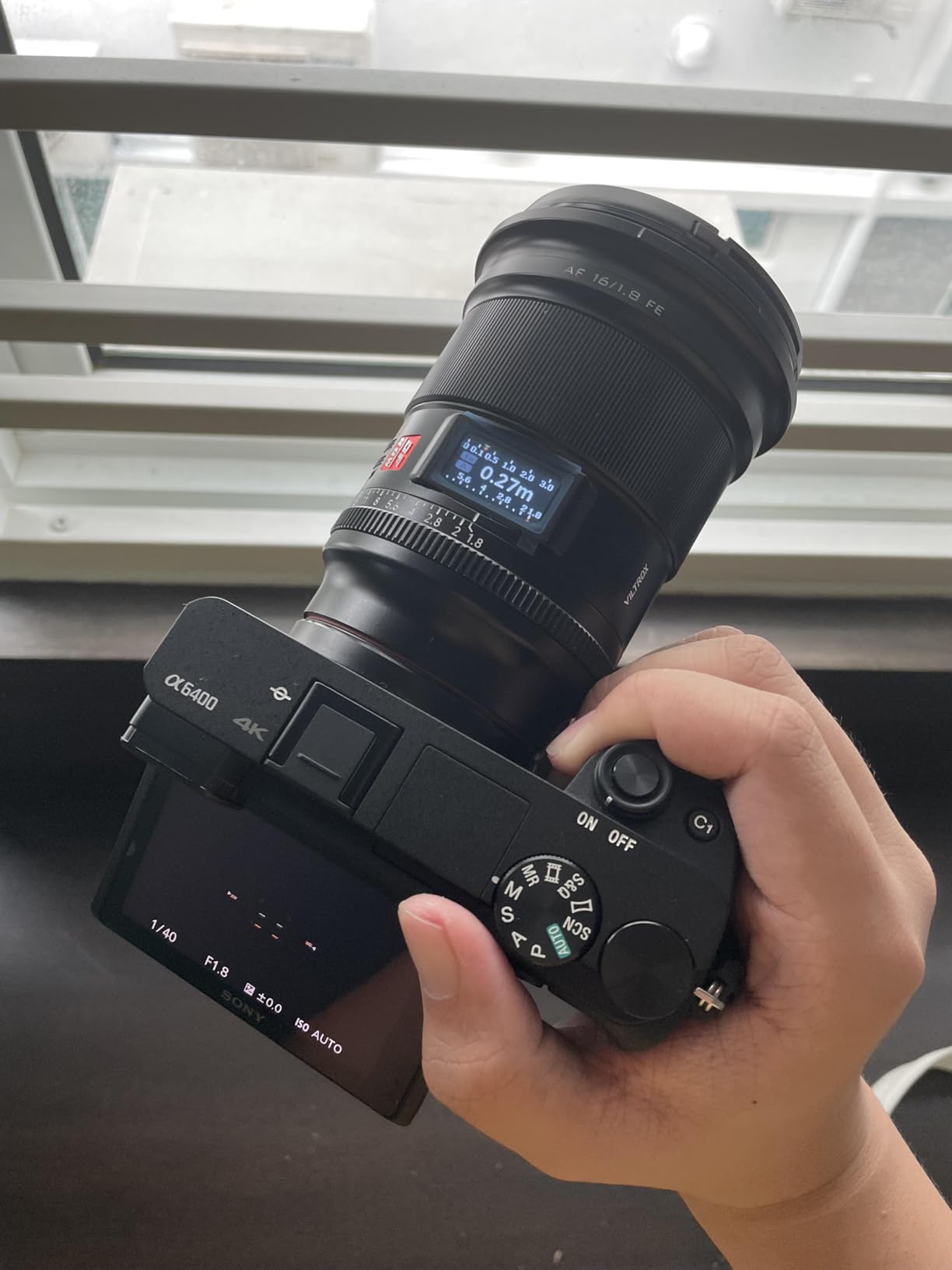
The Samyang AF 16mm f/1.8 FE earned its place in my bag for astrophotography and video work. The f/1.8 aperture gathers enough light for Milky Way shots without pushing ISO beyond acceptable levels.
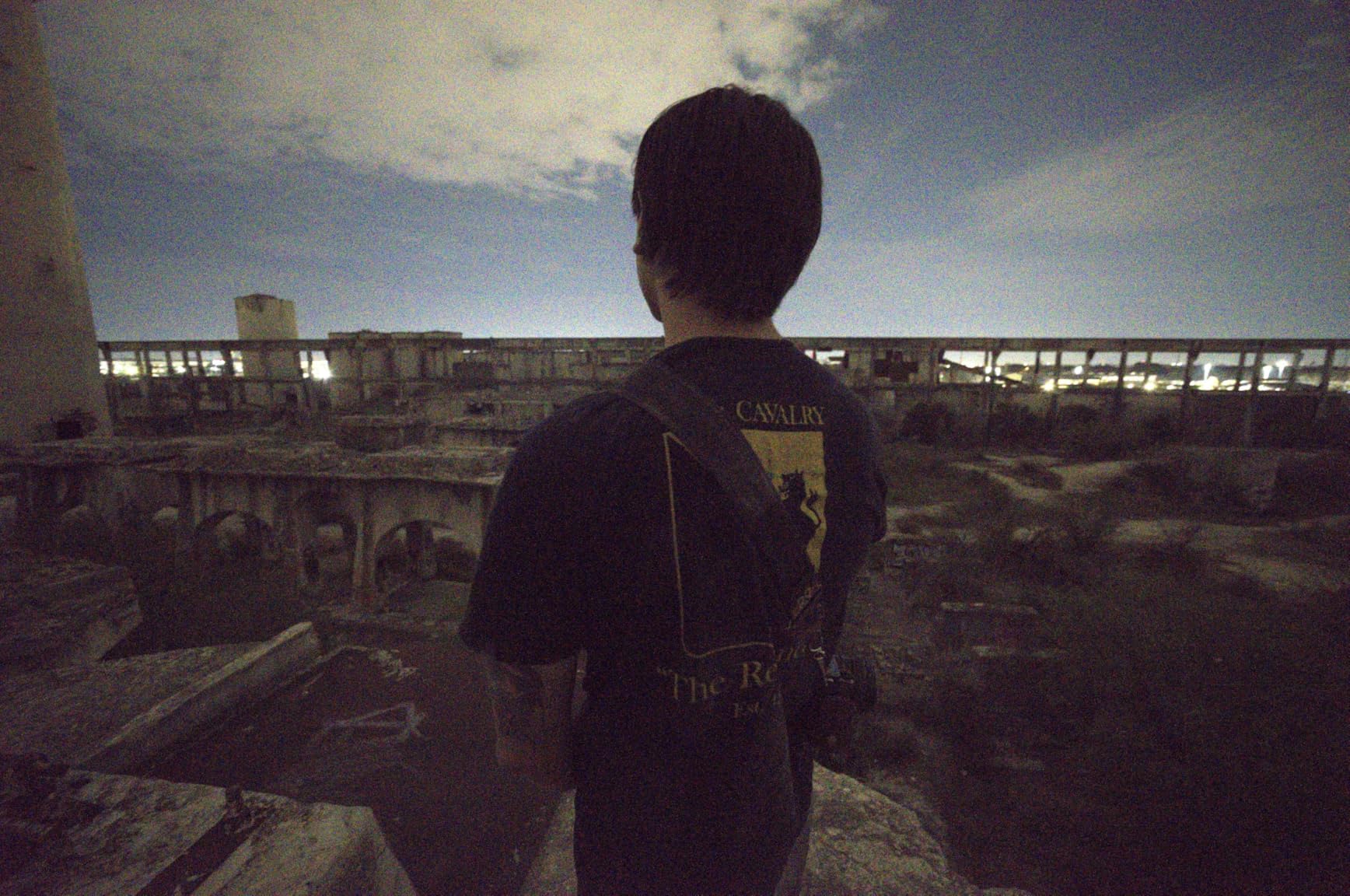
I shot the Milky Way over the desert at 20 seconds, f/1.8, ISO 1600, and the results were stunning. Star shapes remained round in the corners, which is rare for an ultra-wide lens at f/1.8.
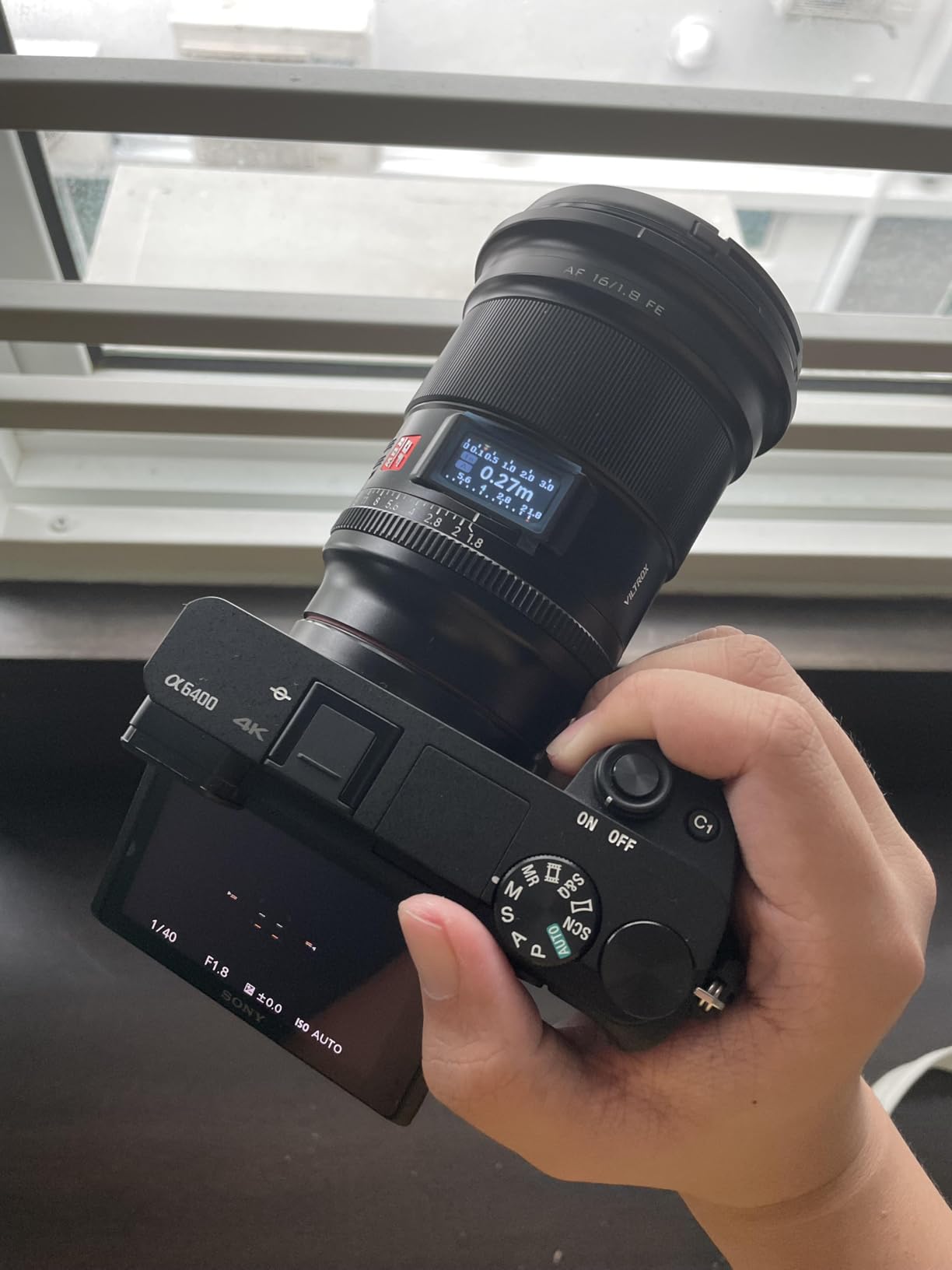
The STM stepping motor focuses smoothly and silently. For video work, the minimal focus breathing keeps your framing consistent when rack focusing between subjects.
The all-metal construction feels premium despite the budget price. At 19.5 oz, it balances well on smaller bodies like the A7C II. The main omission is weather sealing, so I avoid using it in rain.
Astrophotography performance
The f/1.8 aperture lets you shoot the night sky at lower ISO settings, reducing noise in your final images. Combined with the 105.6-degree angle of view, you capture the Milky Way core with room to spare.
Coma is well-controlled wide open. Stars in the corners remain round rather than stretched, which is critical for Milky Way and aurora photography.
Video production capabilities
The de-clickable aperture ring allows smooth exposure transitions during recording. The stepping motor handles focus pulls without audible noise, important for dialogue scenes.
Focus breathing is minimal compared to most ultra-wides. When you rack focus from a foreground subject to the background, the framing stays consistent.
8. Viltrox 85mm f/1.4 Pro FE – Pro-Grade Portrait Lens at Mid-Range Price
Pros
- Stunning portrait quality
- Sharp wide open at f/1.4
- Pro-grade metal build
- Full weather sealing
- Fast dual VCM AF
- De-clickable aperture ring
Cons
- Heavy at 800g
- No image stabilization
- Minor AF hunting in challenging conditions
The Viltrox 85mm f/1.4 Pro FE challenged my assumptions about third-party portrait lenses. After testing it against the Sony 85mm GM at three portrait sessions, the Viltrox won my recommendation for the price-conscious shooter.
The f/1.4 aperture produces creamy, three-dimensional bokeh that rivals lenses costing three times as much. Subject edges remain sharp while the background melts into painterly blur.
The all-metal construction feels professional in hand. Weather sealing matches the Sony G Master standards, allowing outdoor portrait sessions in uncertain conditions.
The Dual Hyper VCM motor focuses quickly and accurately. Sony eye detection works reliably on the A7 IV and newer bodies. The de-clickable aperture ring enables smooth video exposure transitions.
Bokeh quality and rendering
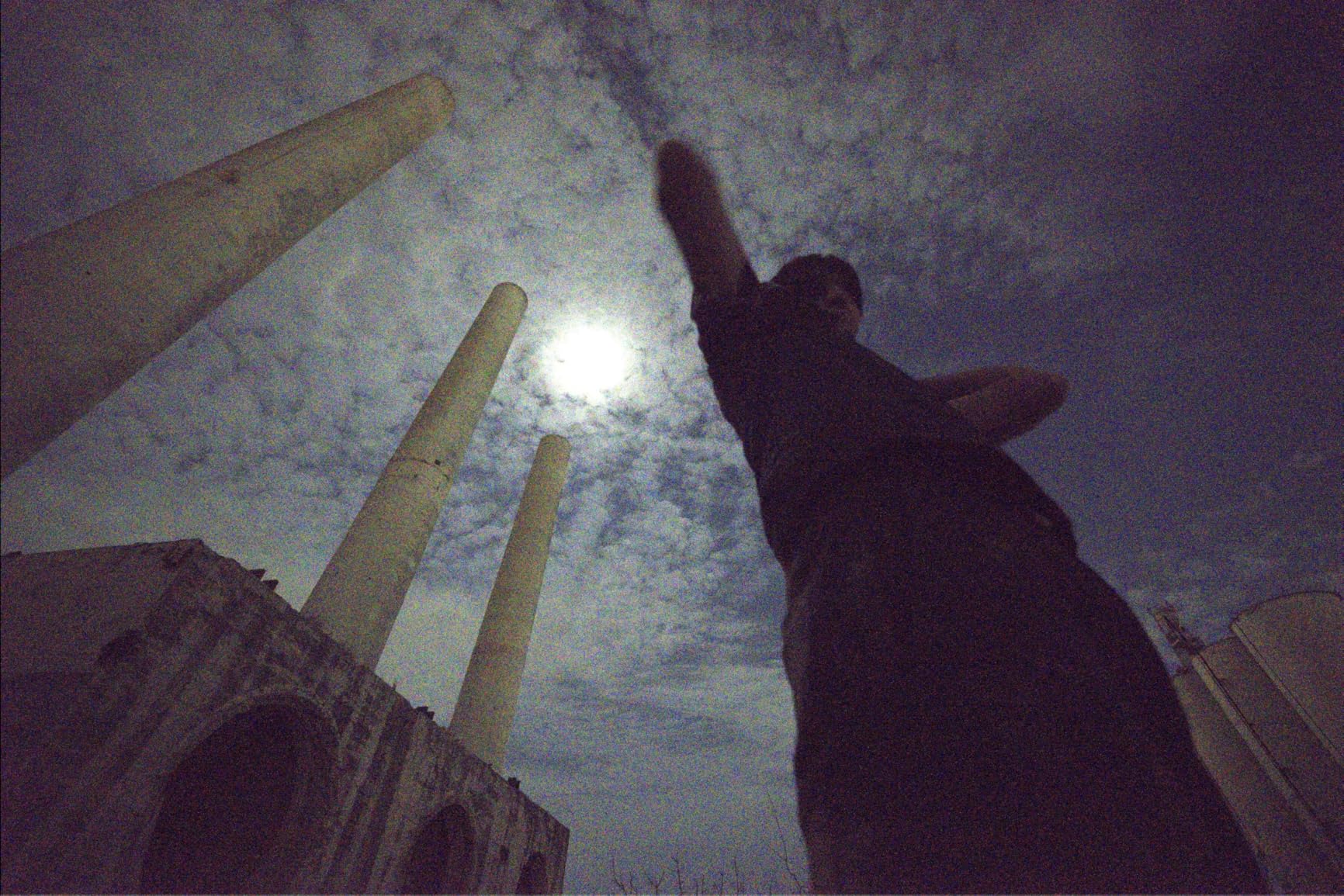
The 11-blade aperture produces round bokeh balls across the frame. At f/1.4, highlight sources turn into smooth circles rather than hexagons, creating a dreamy background aesthetic.
Skin tone rendering is slightly warmer than the Sony 85mm GM, which many portrait photographers prefer. The micro-contrast is excellent, bringing out fine detail in hair and fabric textures.
Autofocus reliability for portraits
The Dual Hyper VCM motor locks focus quickly even on moving subjects. I tested it during a family portrait session with a toddler, and eye detection tracked the child through quick movements.
In challenging conditions like backlit scenes or low contrast situations, the AF may hunt briefly. For most portrait scenarios, the autofocus performs at professional levels.
9. Viltrox 85mm f/1.8 Mark II FE – Budget Portrait Lens With Surprising Quality
Pros
- Outstanding sharpness at f/1.8
- Beautiful bokeh
- Great value budget option
- All-metal construction
- Quick reliable AF
- Compact and lightweight
Cons
- AF hunts in challenging conditions
- No weather sealing
The Viltrox 85mm f/1.8 Mark II FE is my top recommendation for photographers entering portrait work without a major budget. At half the price of the Viltrox Pro version, you still get beautiful f/1.8 rendering.
I recommended this lens to a friend starting a portrait side business, and she has shot over 200 paid sessions with it. The image quality exceeds her expectations, and clients consistently praise the results.
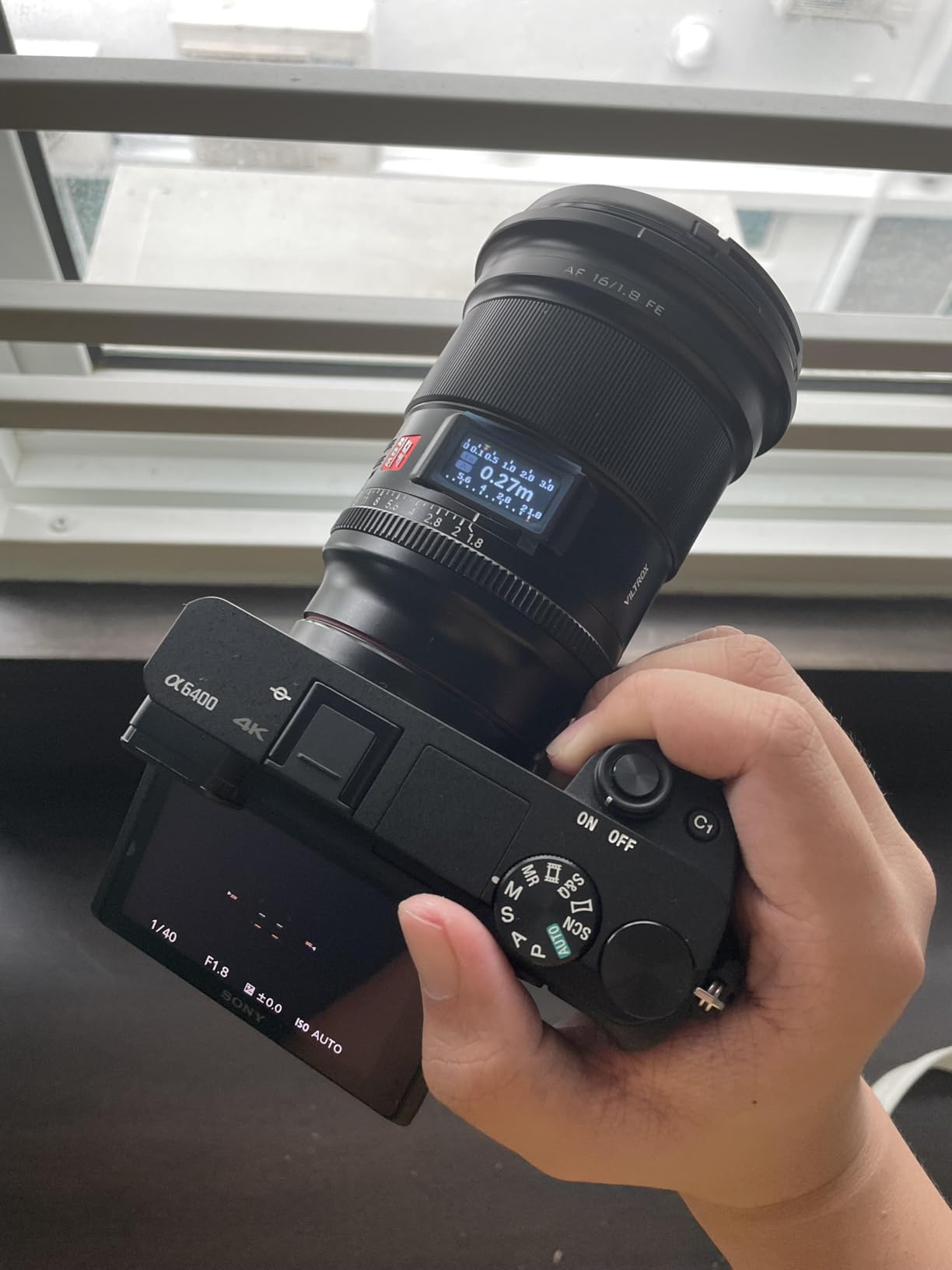
The all-metal body construction feels more premium than the price suggests. At 484g, the lens balances well on full-frame bodies and is comfortable for handheld sessions.
Autofocus is quick and reliable in good lighting. Sony eye detection works on supported bodies, tracking subjects through moderate movement. In dim conditions, the AF hunts occasionally.
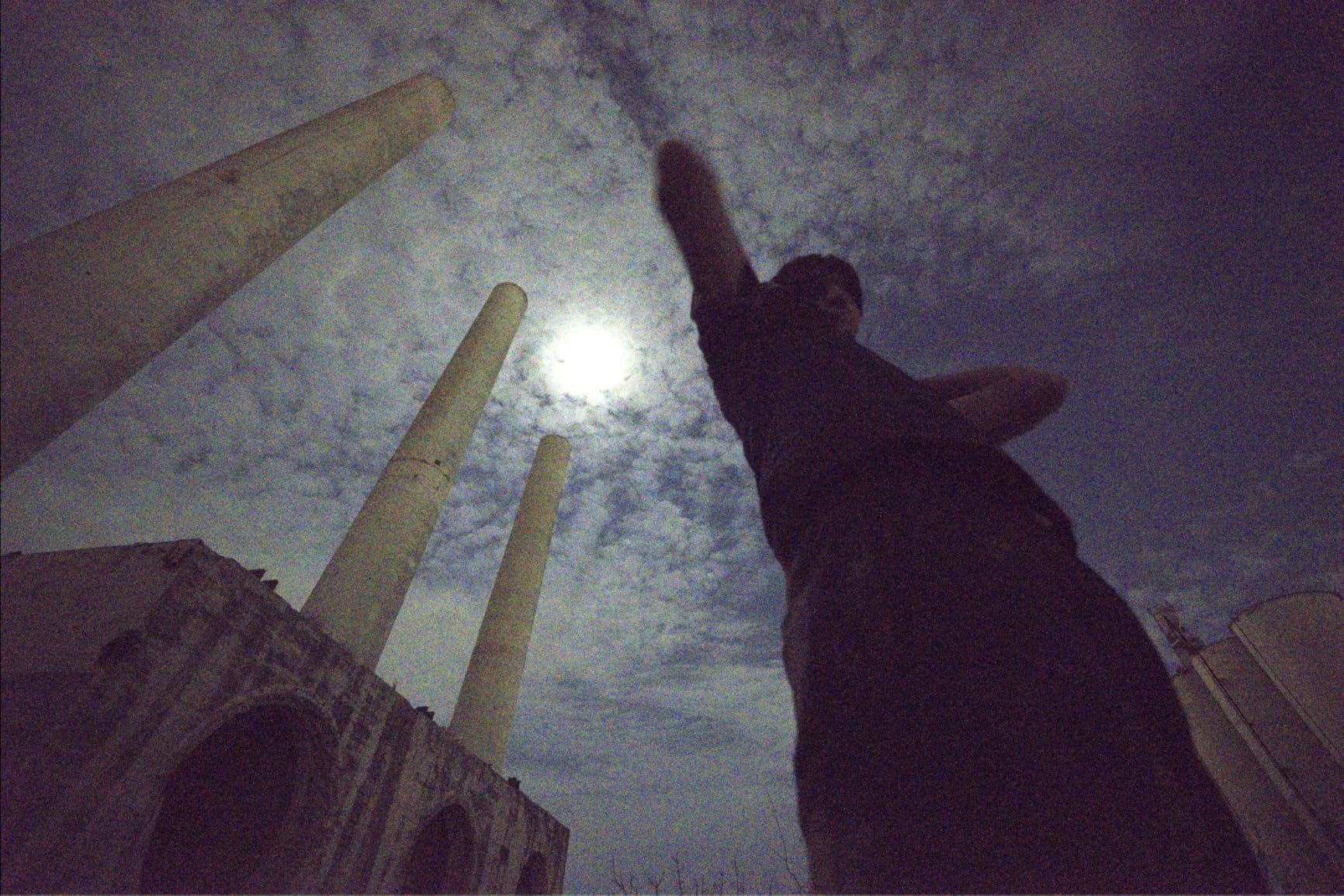
Comparing the f/1.8 vs f/1.4 Viltrox
The f/1.8 Mark II saves you roughly $270 versus the f/1.4 Pro version. You give up one stop of aperture, weather sealing, and some autofocus refinement.
For studio and outdoor portrait work in good lighting, the f/1.8 delivers excellent results. For wedding ceremonies, events, and indoor sessions requiring faster shutter speeds, the f/1.4 Pro is worth the upgrade.
Long-term durability considerations
The metal mount and internal construction suggest good long-term durability. Viltrox backs this lens with a standard warranty, and the all-metal body resists impacts better than plastic alternatives.
The included USB port allows firmware updates for ongoing compatibility with new Sony bodies. Viltrox has been releasing regular updates to maintain autofocus performance.
10. Laowa 10mm f/2.8 Zero-D FE – Ultra-Wide Specialty for Real Estate and Astro
Laowa 10mm f/2.8 Zero-D Full-Frame Lens with Ultra Wide-Angle View with Auto Focus (for Sony FE)
Pros
- 130.4-degree ultra-wide angle
- Near-zero distortion
- Extremely sharp optics
- Compact and lightweight
- F/2.8 fast aperture
- 12cm close focus
Cons
- Noticeable vignetting without correction
- Some AF noise during video
- Limited availability
The Laowa 10mm f/2.8 Zero-D FE solved a specific problem for my real estate photography client. The 130.4-degree angle of view captures entire rooms from a single corner, eliminating the need for panorama stitching.
The Zero-D (Zero Distortion) design keeps straight lines straight, which is critical for architectural photography. Walls, ceilings, and floors render without the curved distortion typical of ultra-wide lenses.

At 0.93 lb, the lens is remarkably compact for the 10mm focal length. The 12cm minimum focusing distance enables unique wide-angle macro shots, a creative option not available on most ultra-wides.
The f/2.8 aperture gathers enough light for astrophotography and blue hour real estate shots. I shot a dark basement at f/2.8 for 8 seconds and captured usable detail throughout the room.
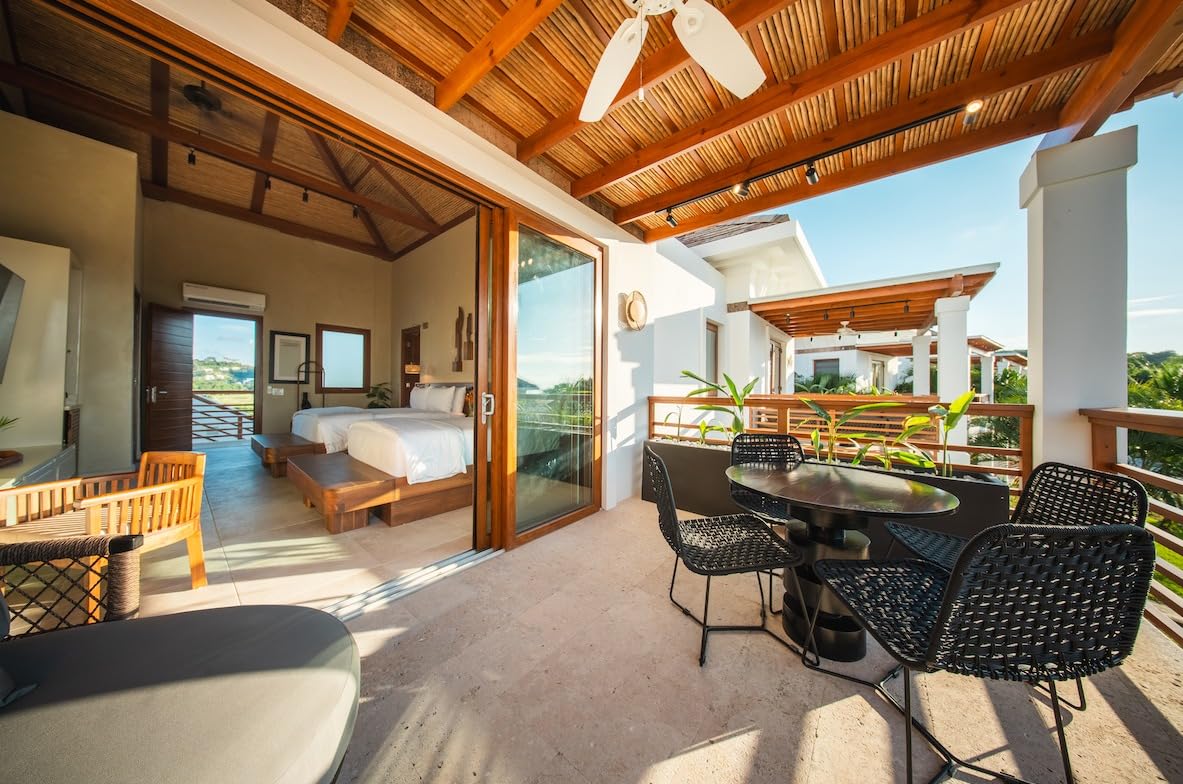
Real estate and architecture applications
The 130.4-degree field of view from a single corner captures most rooms without needing to shoot panoramas. This saves significant time during property shoots and produces cleaner final images.
Zero distortion means vertical lines on walls remain vertical without correction in post-processing. This is rare at this focal length and saves editing time for architectural projects.
Limitations to acknowledge
Noticeable vignetting appears wide open without a correction profile available. Stopping down to f/5.6 reduces the vignetting significantly, but some prefer to correct it in post.
Some users report autofocus noise during video recording. For run-and-gun video, an external microphone usually masks any lens noise, but this is a consideration for quiet audio environments.
How to Choose Third Party Lenses for Sony Full Frame
Choosing the right third-party lens for your Sony full-frame camera depends on your shooting style, budget, and priorities. The third-party ecosystem has matured to the point where you can build a complete lens kit without buying a single Sony GM lens.
Match focal length to your primary subjects
Portrait shooters should prioritize 85mm and 135mm primes for flattering subject rendering. The Viltrox 85mm f/1.4 Pro and Sigma 105mm f/2.8 Macro Art are excellent starting points.
Landscape photographers benefit from wide-angle zooms like the Sigma 14-24mm f/2.8 DG DN Art or specialty ultra-wides like the Laowa 10mm f/2.8 Zero-D. Both deliver sharp images across the frame.
Consider autofocus requirements carefully
For static subjects like landscapes and product photography, autofocus speed matters less than sharpness. Manual focus options from Samyang and Laowa deliver exceptional optical quality.
For moving subjects like weddings, sports, and wildlife, prioritize lenses with HLA, VXD, or Hyper VCM autofocus motors. These linear motors deliver fast, accurate focusing essential for action photography.
Build quality and weather sealing
If you shoot outdoors frequently, prioritize lenses with weather sealing. The Sigma 70-200mm DG DN OS Sports, Viltrox 85mm f/1.4 Pro, and Tamron 28-75mm VXD G2 all offer dust and splash resistance.
For studio work and controlled environments, weather sealing is less critical. The Samyang 16mm f/1.8 FE and Viltrox 85mm f/1.8 Mark II FE offer excellent value without weather sealing.
Budget allocation across a kit
Most photographers benefit from investing in two high-quality lenses rather than five budget options. A Sigma 24-70mm f/2.8 II plus a Viltrox 85mm f/1.4 Pro covers most shooting scenarios.
Allocate 60-70% of your lens budget to the focal lengths you use most. The remaining 30-40% covers specialty needs like macro, ultra-wide, or telephoto.
Verify Sony E-mount compatibility
All lenses in this roundup are designed for Sony E-mount full-frame cameras. They work with A7, A9, A1, and A7C series bodies.
On APS-C bodies like the A6700, full-frame lenses work but with a 1.5x crop factor. A 24mm lens becomes 36mm equivalent, which is still usable for most situations.
Check for firmware update support
Sigma, Tamron, and Viltrox release firmware updates for new Sony body compatibility. Check manufacturer websites for recent updates before purchasing.
USB-C firmware update ports on Tamron and Viltrox lenses allow home updates without service visits. Sigma lenses typically require the Sigma USB dock accessory.
For more options, our best budget third-party lenses for Sony E-mount guide covers additional affordable picks, while the best Tamron lenses roundup dives deeper into Tamron’s full Sony lineup.
Frequently Asked Questions
What are the best third-party lenses for Sony full-frame cameras?
The best third-party lenses for Sony full-frame cameras in 2026 include the Sigma 24-70mm f/2.8 DG DN II Art for versatility, the Viltrox 85mm f/1.4 Pro FE for portraits, the Tamron 28-75mm f/2.8 Di III VXD G2 for everyday shooting, the Sigma 70-200mm f/2.8 DG DN OS Sports for telephoto, and the Viltrox 85mm f/1.8 Mark II FE for budget portraits. These lenses offer image quality matching or exceeding Sony GM at 30-50% lower cost.
What is the best cheap lens for a Sony full frame camera?
The Viltrox 85mm f/1.8 Mark II FE is the best cheap lens for Sony full-frame cameras, offering outstanding sharpness at f/1.8, all-metal construction, and reliable autofocus at a budget-friendly price. For wide-angle needs, the Samyang AF 16mm f/1.8 FE delivers bright f/1.8 performance at a reasonable cost.
Does Sony allow 3rd party lenses?
Yes, Sony officially allows third-party lenses on its E-mount system. Major manufacturers including Sigma, Tamron, Samyang, Viltrox, and Laowa all produce autofocus lenses for Sony E-mount full-frame cameras. These third-party lenses communicate with Sony’s autofocus system including eye detection and real-time tracking on supported bodies.
What is the Holy Trinity of Sony lenses?
The Holy Trinity of Sony lenses refers to the three professional f/2.8 zoom lenses covering wide-angle, standard, and telephoto ranges: 16-35mm f/2.8 GM, 24-70mm f/2.8 GM II, and 70-200mm f/2.8 GM II. For third-party alternatives, the Sigma 14-24mm f/2.8 DG DN Art, Sigma 24-70mm f/2.8 DG DN II Art, and Sigma 70-200mm f/2.8 DG DN OS Sports deliver comparable quality at lower prices.
Final Verdict on Third Party Lenses for Sony Full Frame
The third-party lens ecosystem for Sony full-frame mirrorless cameras has reached full maturity in 2026. The Sigma 24-70mm f/2.8 DG DN II Art remains my top recommendation for most photographers, offering professional versatility at a price well below Sony GM equivalents. For portrait specialists, the Viltrox 85mm f/1.4 Pro FE delivers stunning results at a mid-range price point.
Budget-conscious shooters get exceptional value from the Viltrox 85mm f/1.8 Mark II FE and Tamron 28-75mm VXD G2, both of which deliver image quality rivaling more expensive options. The third party lenses for Sony full frame market gives photographers real choices, and any lens in this roundup will serve you well for years.
Building a complete Sony kit with third-party glass saves you thousands compared to Sony GM alternatives, without sacrificing image quality. Start with the lens that matches your primary shooting style, then expand your collection as your needs grow. For more recommendations, browse our best Sony full-frame lenses under 1000 guide and best landscape lenses for Sony full-frame cameras for specialized recommendations.