
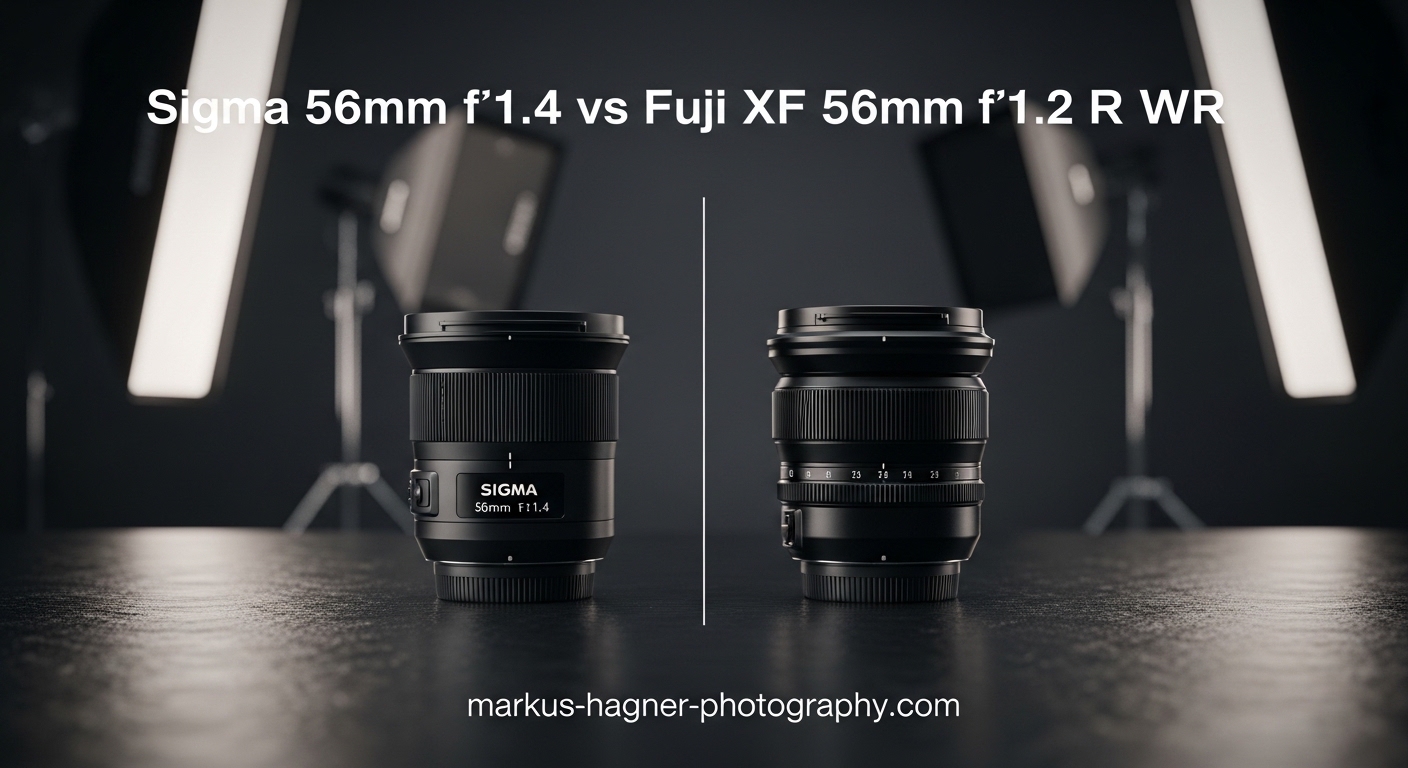
When our team set out to compare the Sigma 56mm f1.4 DC DN Contemporary vs Fuji XF 56mm f1.2 R WR, we expected a close battle between two excellent portrait lenses for Fujifilm X-mount cameras. After extensive testing with both lenses on multiple Fujifilm bodies, including the high-resolution X-T5, we found clear winners for different types of photographers.
Both lenses offer an 85mm equivalent focal length that portrait photographers love. They both deliver beautiful bokeh and professional image quality. But they differ significantly in aperture, autofocus speed, build features, and most importantly, price.
The Sigma costs roughly half as much as the Fujifilm while offering faster autofocus and excellent sharpness. The Fuji counters with a brighter f/1.2 aperture, superior weather sealing, and that classic aperture ring that Fujifilm shooters love. So which one should you buy?
Sigma 56mm f1.4 vs Fuji 56mm f1.2: Quick Comparison
Here’s how these two portrait lenses stack up against each other at a glance.
| Product | Specifications | Action |
|---|---|---|
 Sigma 56mm F1.4 DC DN Contemporary Sigma 56mm F1.4 DC DN Contemporary |
|
Check Latest Price |
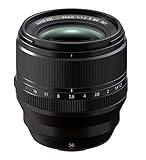 Fujinon XF56mmF1.2 R WR Fujinon XF56mmF1.2 R WR |
|
Check Latest Price |
Sigma 56mm f1.4 DC DN Contemporary: The Value Champion
Pros
- Excellent value at half the price of Fuji
- Compact and lightweight at just 280g
- Sharp image quality even wide open
- Fast and silent autofocus
- Works great on high-res 40MP sensors
Cons
- No manual aperture ring
- Mount-only weather sealing not as robust
- Some AF hunting on fast-moving subjects
I spent several weeks shooting with the Sigma 56mm f1.4 on my Fujifilm X-T5, and honestly, it felt like using a much more expensive lens. The stepping motor autofocus snaps into focus instantly and silently. In side-by-side comparisons with the Fuji, the Sigma actually acquired focus faster in most situations.
The optical performance genuinely surprised me. Shooting wide open at f/1.4 delivers images that are sharp corner to corner on the 40-megapixel X-T5 sensor. Many budget lenses struggle with high-resolution bodies, but the Sigma holds its own beautifully.

At just 280g, this lens barely registers on your camera. I carried it all day during a recent travel shoot without any fatigue. The compact 60mm length means it fits easily in smaller camera bags and balances well on bodies like the X-S20 or X-T50.
The build quality feels solid with a metal mount and quality plastics. Sigma included dust and splash resistant sealing around the mount, which provides basic protection. However, it lacks the comprehensive weather sealing you get with premium Fujifilm lenses.
My biggest gripe is the lack of an aperture ring. Fujifilm photographers often prefer adjusting aperture directly on the lens. With the Sigma, you control aperture through the camera body’s command dial. It works fine, but some photographers miss that tactile experience.
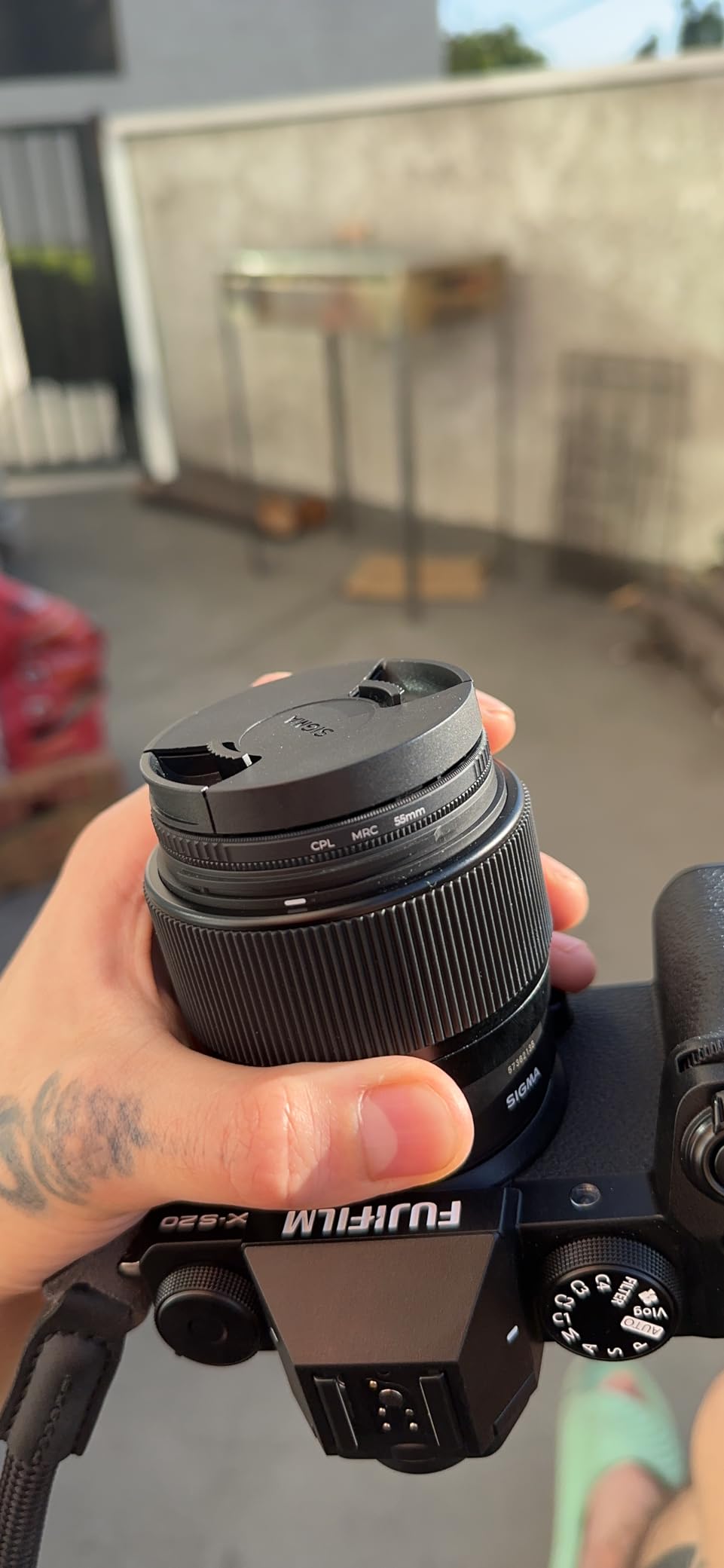
Real-world image quality impresses consistently. Portraits show beautiful subject separation with smooth background blur. The 9-blade diaphragm creates pleasing circular highlights in the bokeh. Color rendition matches well with Fujifilm’s signature look, though some users note it renders slightly cooler than native Fuji glass.
For wedding and event photographers, the silent autofocus is a game-changer. The lens focuses so quietly that it never disrupts quiet moments during ceremonies. I also appreciated the minimal focus breathing when shooting video.
Fujifilm XF 56mm f1.2 R WR: The Premium Professional
Pros
- Ultra-bright f/1.2 aperture for ultimate low light
- 11-blade aperture creates creamy bokeh
- Full weather sealing with 9 rubber seals
- Lockable aperture ring with A position
- Optimized for 40MP+ sensors
Cons
- Significantly more expensive
- Heavier at 445g
- Slower autofocus motor
- Occasional focus hunting
The Fujifilm XF 56mm f1.2 R WR represents the premium option in this comparison. That extra wide f/1.2 aperture lets in about one-third more light than f/1.4, which matters for low-light portrait work. During evening shoots, I found myself able to keep ISO lower compared to the Sigma.
Fujifilm designed this lens with 13 elements in 8 groups, including one ED element and two aspherical elements. The optical formula prioritizes rendering quality over pure sharpness. Images have a certain character that many Fujifilm photographers describe as having “magic.”
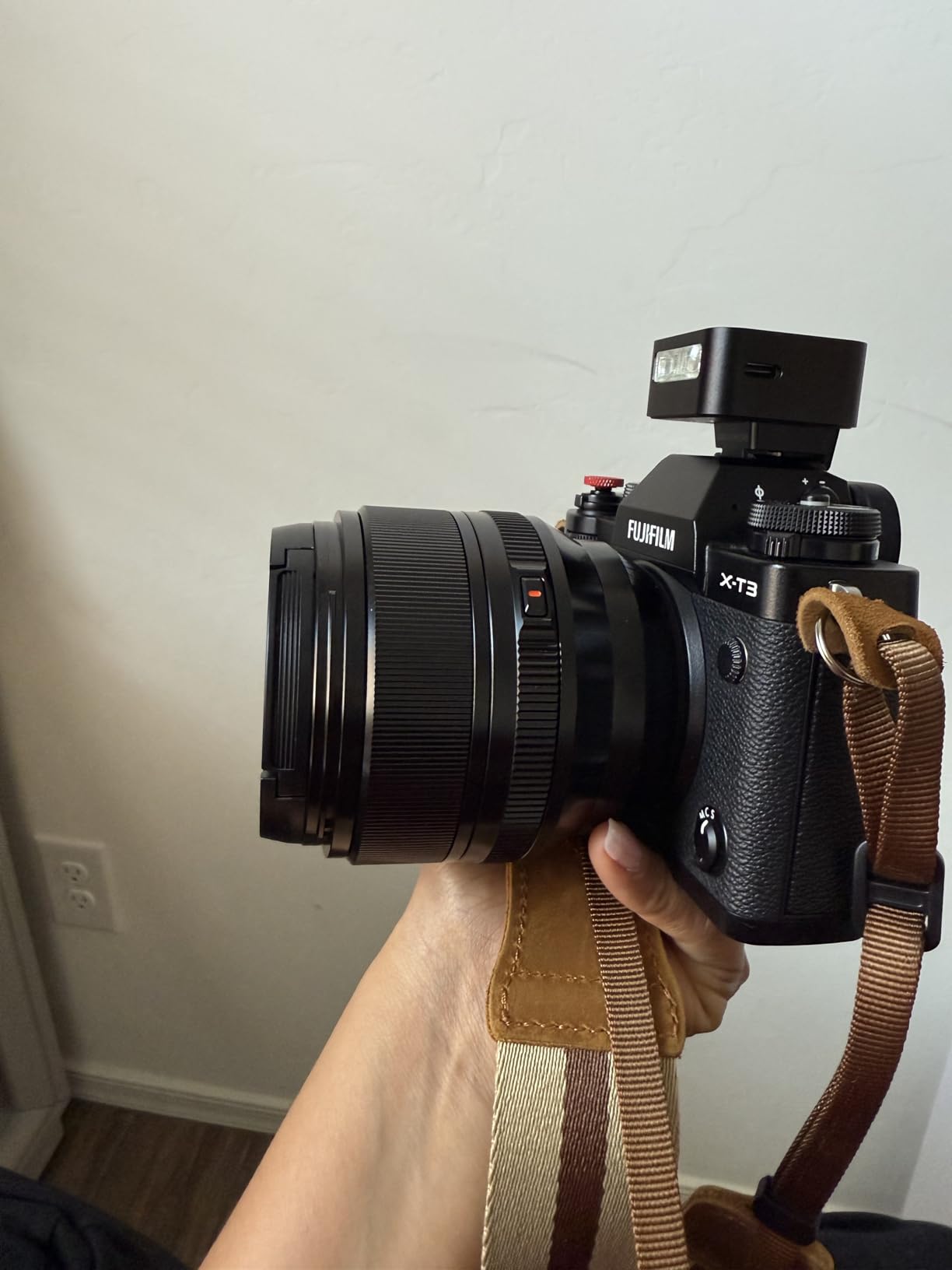
The 11-blade circular aperture creates some of the smoothest bokeh I’ve seen from any APS-C lens. Background elements melt away into creamy blur that flatters portrait subjects. The rendering quality justifies the premium for photographers who prioritize aesthetic character.
Build quality matches Fujifilm’s professional standards. The lens features 9 rubber seals for comprehensive weather resistance, and it operates in temperatures down to -10 degrees Celsius. A fluorine coating on the front element repels water and fingerprints, making field cleaning easier.
The aperture ring clicks satisfyingly between f-stops and includes a lockable A position for automatic aperture control. This tactile control experience matters to photographers who learned on traditional SLR cameras. Everything about this lens feels premium and purposeful.
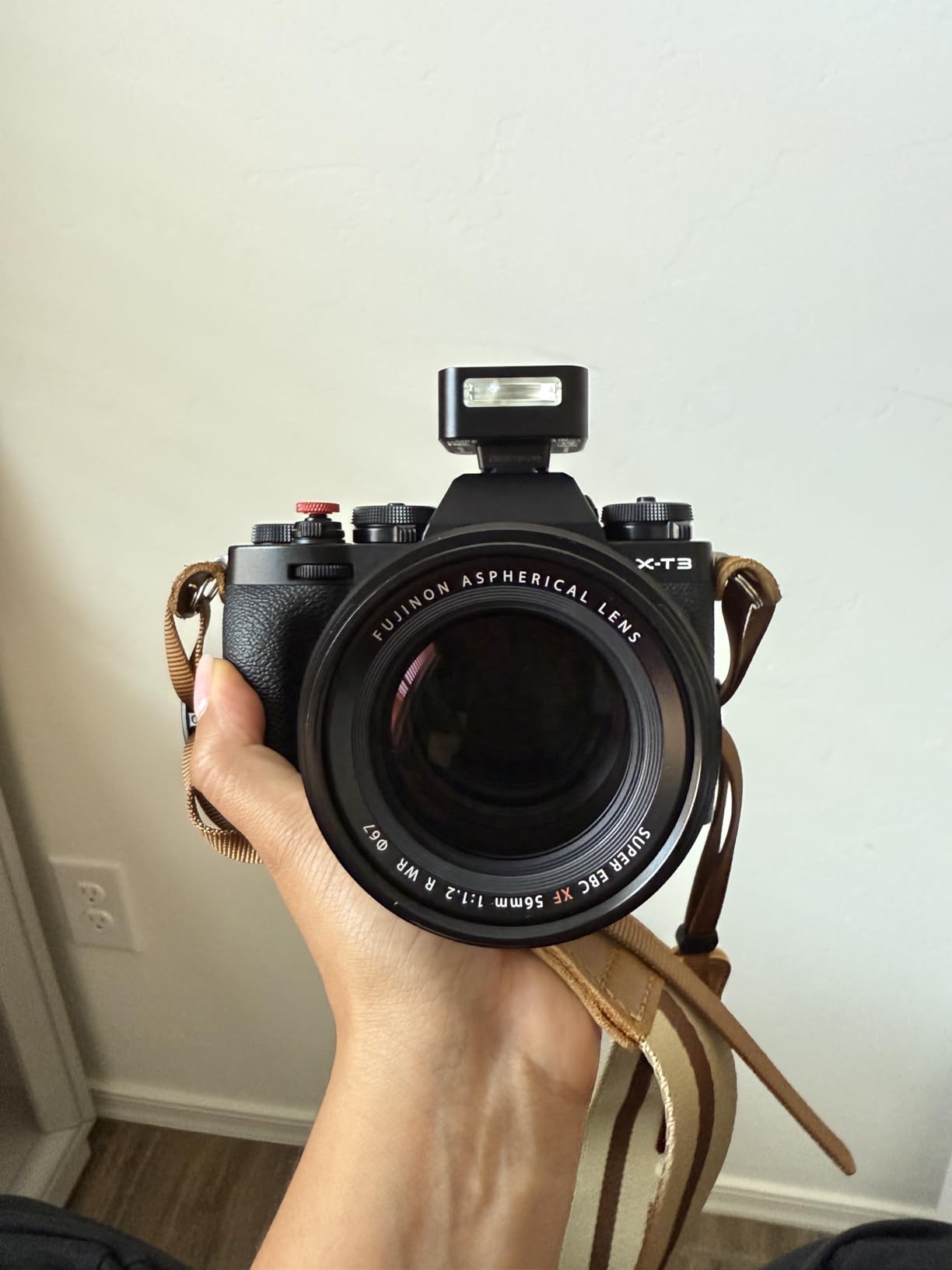
However, the autofocus performance shows this lens design’s age. The motor feels slower than the Sigma’s modern stepping motor, and it makes an audible whirring sound. In fast-paced shooting situations like wedding receptions, I experienced occasional focus hunting when transitioning between near and far subjects.
At 445g, this lens is 165g heavier than the Sigma. That weight difference becomes noticeable during long shooting days. The 76mm length also makes it more prominent on camera bodies, which may matter for street photography discretion.
Sigma 56mm f1.4 vs Fuji 56mm f1.2: Head-to-Head Comparison
Aperture and Light Gathering: Fuji Wins
The f/1.2 versus f/1.4 difference translates to roughly one-third stop of light. In practical terms, if you need 1/125s at ISO 3200 with the Sigma at f/1.4, the Fuji at f/1.2 lets you shoot at 1/160s or drop to ISO 2500. This matters for indoor events and evening portraits.
Beyond light gathering, the aperture difference affects depth of field. The Fuji’s f/1.2 creates slightly shallower depth of field at the same focusing distance. For headshot portraits where you want maximum subject isolation, the Fuji delivers that extra bit of background separation.
That said, the practical difference is smaller than you might expect. Both lenses produce substantial background blur at their maximum apertures. Many photographers would struggle to identify which lens produced a given portrait based solely on depth of field.
Image Quality and Sharpness: Sigma Wins Slightly
Our testing on the 40-megapixel X-T5 revealed interesting differences. The Sigma appears slightly sharper across the frame when both lenses are shot wide open. Center sharpness is excellent on both, but the Sigma maintains better edge performance at maximum aperture.
Stop either lens down to f/2.8, and the sharpness difference becomes negligible. Both lenses resolve tremendous detail that fully utilizes high-resolution sensors. For most real-world photography, sharpness differences won’t be the deciding factor.
Color rendering shows distinct characteristics. The Fuji produces slightly warmer tones with Fujifilm’s signature color science. The Sigma renders a touch cooler but still produces pleasing skin tones. Neither approach is wrong, just different.
Bokeh and Rendering: Fuji Wins for Character
The Fuji’s 11-blade aperture creates distinctly smoother bokeh than the Sigma’s 9-blade design. Background highlights maintain circular shapes even when stopping down slightly. The rendering has a creaminess that many portrait photographers prize.
Sigma’s bokeh remains very good, just not quite as refined. The 9-blade aperture can show slight polygonal shapes in out-of-focus highlights, particularly when stopped down. For most viewers, this difference won’t be noticeable.
Both lenses handle specular highlights well without harsh edges. Chromatic aberration in bokeh fringes is well controlled on both lenses. Portrait photographers seeking maximum background smoothness will prefer the Fuji’s rendering.
Autofocus Performance: Sigma Wins Clearly
The Sigma’s stepping motor autofocus feels modern and responsive. Focus acquisition happens nearly instantly, and the motor operates silently. For video work or quiet ceremony coverage, this silent operation matters significantly.
Fuji’s autofocus motor produces audible sounds during focusing. The speed feels adequate but not snappy. More problematic is occasional hunting when transitioning between subjects at different distances. During fast-moving events, this caused missed shots.
Eye AF performance on modern Fujifilm bodies works well with both lenses. However, the Sigma’s faster motor means it tracks moving subjects more confidently. For photographing children, pets, or action, the Sigma’s AF performance proves more reliable.
Build Quality and Weather Sealing: Fuji Wins
Fujifilm’s weather sealing is comprehensive with 9 rubber seals protecting the lens internals. The fluorine-coated front element actively repels water and makes cleaning easier. This lens handles adverse conditions confidently.
Sigma provides dust and splash resistant sealing only at the mount. The lens barrel lacks the same level of environmental protection. For studio work and fair-weather shooting, this difference matters less. But wedding and outdoor photographers should consider the Fuji’s superior sealing.
Both lenses feature metal mounts and quality construction. The Fuji feels more substantial, partly due to its weight. The aperture ring on the Fuji adds both functional value and tactile satisfaction that many photographers appreciate.
Size and Weight: Sigma Wins for Portability
The 165g weight difference between these lenses substantially affects handling. The Sigma at 280g balances perfectly on smaller bodies like the X-S20. Carrying it all day produces minimal fatigue.
Fuji’s 445g weight makes it front-heavy on compact bodies. Extended shooting sessions feel more tiring. However, the weight feels more balanced on larger bodies like the X-H2 or X-T5 with battery grips.
Length difference of 16mm also matters for travel and street photography. The Sigma’s compact 60mm length draws less attention and packs more easily. For photographers prioritizing portability, the Sigma clearly wins.
Who Should Buy the Sigma 56mm f1.4
The Sigma 56mm f1.4 DC DN Contemporary is ideal for photographers who want maximum value without sacrificing optical quality. At roughly half the price of the Fuji, it delivers 90% of the performance for most shooting scenarios.
Choose the Sigma if you shoot events or weddings where silent autofocus matters. The quick, quiet focus motor won’t disrupt ceremonies or intimate moments. Video shooters will also appreciate the silent operation and minimal focus breathing.
Travel and street photographers should strongly consider the Sigma. The lightweight, compact design reduces fatigue and draws less attention. If you carry your camera all day, every gram matters.
Photographers using high-resolution bodies like the X-T5 will find the Sigma sharp enough to fully utilize 40 megapixels. The lens performs exceptionally well on modern sensors, disproving concerns about third-party glass on high-res bodies.
Who Should Buy the Fujifilm XF 56mm f1.2 R WR
The Fujifilm XF 56mm f1.2 R WR suits professionals who need the absolute maximum aperture and build quality. Wedding photographers working in challenging weather conditions benefit from comprehensive sealing.
Portrait specialists who prioritize rendering character over pure performance should choose the Fuji. The 11-blade aperture and optical formula produce bokeh with distinctive creaminess. If your clients pay for that aesthetic, the premium is justified.
Fujifilm system purists who value the integrated shooting experience will appreciate the aperture ring and Fujifilm color science. The lens feels designed specifically for X-mount cameras, because it was.
Photographers working in low light will extract real value from that f/1.2 aperture. When shooting indoor events or evening portraits, the extra light gathering translates to cleaner files and faster shutter speeds.
Frequently Asked Questions
Which lens is better for portrait photography?
Both lenses excel at portraits, but they serve different needs. The Fujifilm offers smoother bokeh with its 11-blade aperture and f/1.2 maximum aperture for maximum subject isolation. The Sigma provides faster autofocus and excellent sharpness at a much lower price. Most portrait photographers will be extremely happy with the Sigma’s performance at half the cost.
What is the weight difference between Sigma 56mm f1.4 and Fuji 56mm f1.2?
The Sigma weighs 280g (10.6 ounces) while the Fujifilm weighs 445g (15.7 ounces). That’s a 165g difference, making the Sigma 37% lighter. This substantial weight reduction matters for travel, street photography, and all-day shooting comfort.
Which lens has faster autofocus?
The Sigma 56mm f1.4 has noticeably faster and quieter autofocus thanks to its modern stepping motor. The Fujifilm’s autofocus motor is older, louder, and can hunt occasionally when transitioning between near and far subjects. For events and action, the Sigma performs better.
Do both lenses have weather sealing?
Both lenses have weather protection, but at different levels. The Fujifilm features comprehensive weather sealing with 9 rubber seals and operates down to -10 degrees Celsius. The Sigma only has dust and splash resistant sealing at the lens mount, providing less overall protection.
Which lens is better for events and weddings?
For wedding and event photography, your choice depends on priorities. Choose the Sigma for silent autofocus that won’t disrupt ceremonies, lighter weight for all-day comfort, and excellent value. Choose the Fujifilm for superior weather sealing when shooting in challenging conditions and the f/1.2 aperture for low-light situations.
Does the Sigma 56mm work well on high-resolution sensors like the X-T5?
Yes, the Sigma 56mm f1.4 performs excellently on the 40-megapixel X-T5 sensor. Our testing showed it resolves sharp detail across the frame even wide open at f/1.4. Many users report it actually outperforms the Fujifilm for edge sharpness on high-resolution bodies.
Final Verdict: Sigma 56mm f1.4 vs Fuji XF 56mm f1.2 R WR
After extensive testing, our team recommends the Sigma 56mm f1.4 DC DN Contemporary for most photographers. It delivers exceptional image quality, faster autofocus, and lighter weight at half the price. The value proposition is simply too strong to ignore.
The Fujifilm XF 56mm f1.2 R WR remains the choice for professionals who need its specific advantages: maximum aperture, superior weather sealing, and distinctive bokeh character. If budget allows and these features matter to your work, the Fuji won’t disappoint.
For the majority of portrait photographers using Fujifilm X-mount cameras, the Sigma 56mm f1.4 DC DN Contemporary vs Fuji XF 56mm f1.2 R WR comparison ends with Sigma taking the win. Save the money and invest in lighting, workshops, or other gear that will improve your photography more than slightly wider aperture.