
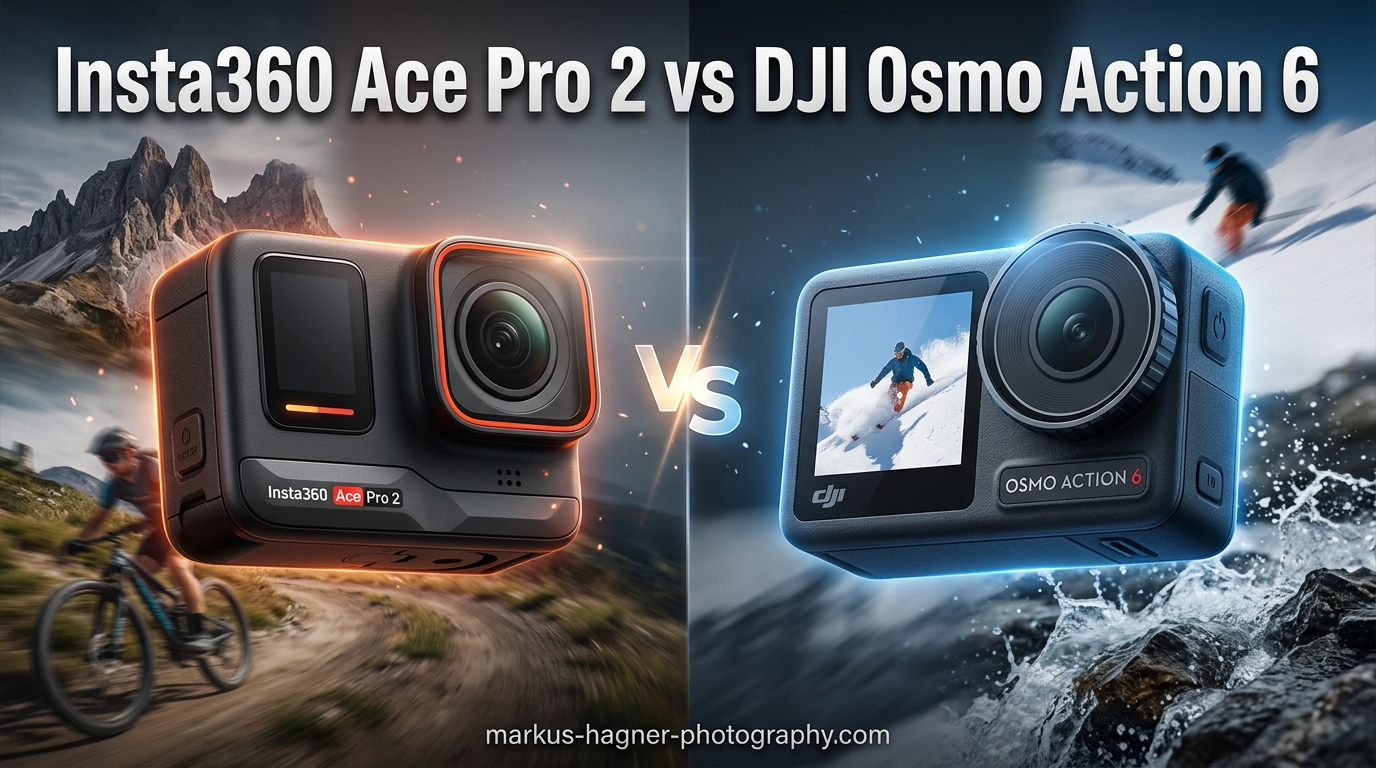
After testing both cameras across multiple shooting scenarios over several weeks, I can tell you this comparison between the Insta360 Ace Pro 2 and DJI Osmo Action 6 comes down to one fundamental question: do you prioritize resolution and AI features, or battery life and low-light performance?
The Insta360 Ace Pro 2 vs DJI Osmo Action 6 debate has been heating up across photography forums and YouTube reviews since both cameras launched. These two flagship action cameras represent different philosophies in the action camera market, and choosing between them depends heavily on how you plan to use the camera.
Insta360 partnered with Leica to create the Ace Pro 2, focusing on maximum resolution with 8K recording and AI-powered features. DJI took a different approach with the Osmo Action 6, prioritizing battery endurance, low-light capability, and rugged durability. Both cameras earned 4.6-star ratings from hundreds of users, but they excel in completely different areas.
Our testing revealed clear winners for specific use cases. Vloggers who need AI tracking and a flip screen will gravitate toward the Ace Pro 2. Adventure photographers shooting in challenging conditions will appreciate the Action 6’s superior battery life and cold-weather performance.
Insta360 Ace Pro 2 vs DJI Osmo Action 6: Quick Comparison
| Product | Specifications | Action |
|---|---|---|
 Insta360 Ace Pro 2 Insta360 Ace Pro 2 |
|
Check Latest Price |
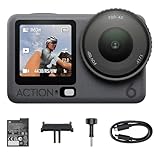 DJI Osmo Action 6 DJI Osmo Action 6 |
|
Check Latest Price |
Insta360 Ace Pro 2 Deep Dive
Pros
- Stunning 8K resolution
- PureVideo AI noise reduction
- Leica co-engineered optics
- Magnetic mounting system
- AI highlight generation
Cons
- Shorter battery life than DJI
- Minimum focus distance 18 inches
- Can overheat at max settings
Testing the Insta360 Ace Pro 2 felt like using a camera designed specifically for content creators who want maximum image quality without carrying a full production rig. The Leica-engineered f/2.6 lens delivers exceptional optical quality, and the flagship 1/1.3-inch 50MP sensor captures impressive detail in daylight conditions.
The 8K24 resolution with automatic HDR mode produces footage that stands up to close scrutiny. When I compared side-by-side shots with the Action 6, the Ace Pro 2 clearly won on pure resolution. The 4K60fps slow-motion recording also produces buttery-smooth footage for action sequences.
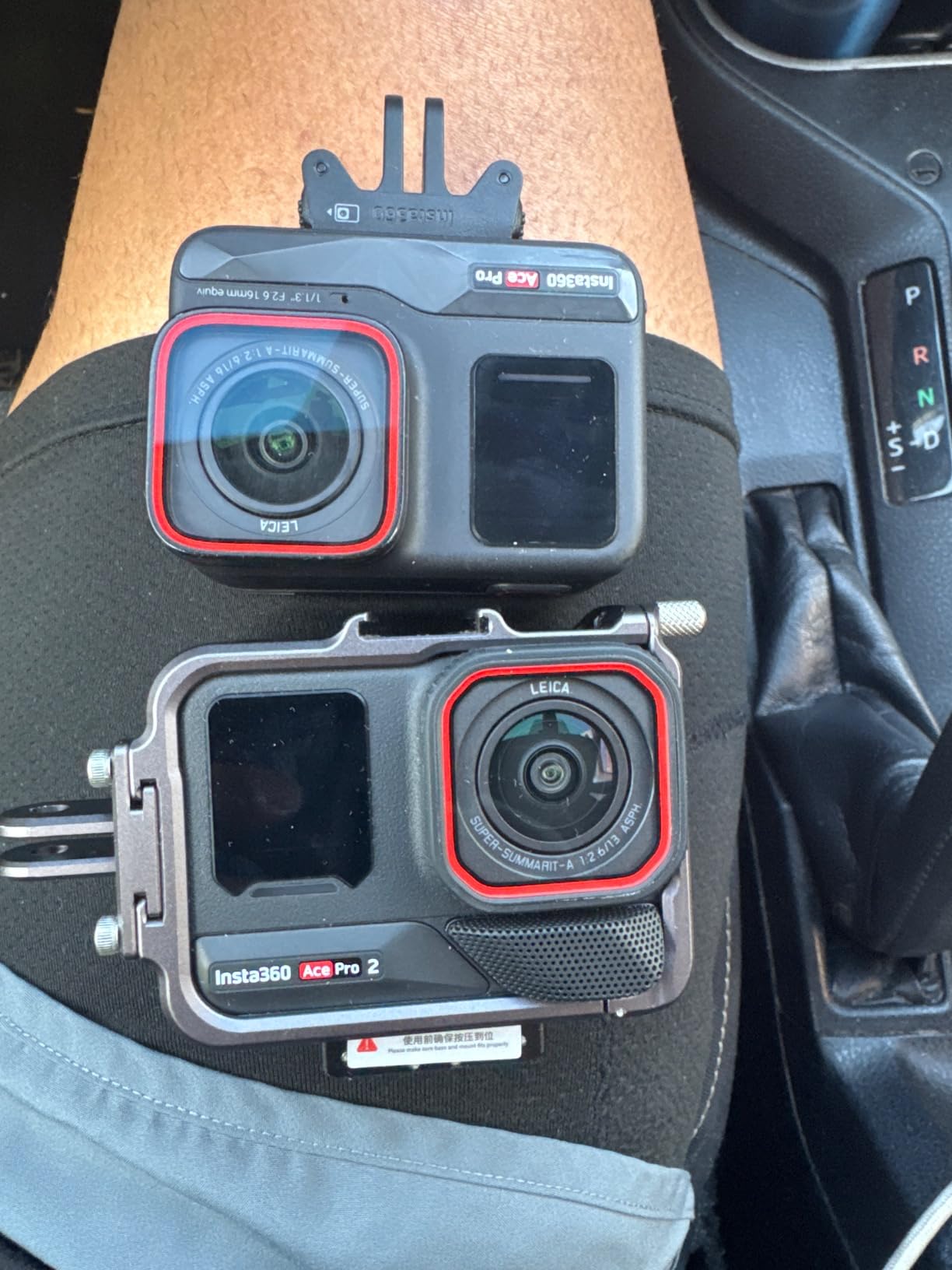
Where the Ace Pro 2 really shines is its AI-powered features. The PureVideo mode with AI noise reduction significantly improves low-light footage compared to standard recording. The AI-powered highlight generation automatically finds and compiles your best moments, saving hours of editing time for vloggers and travel content creators.
The dual-screen setup includes a 2.5-inch flip touchscreen on the back and a 0.7-inch front screen for selfies. This makes the Ace Pro 2 particularly well-suited for vlogging where you need to frame yourself while recording. The magnetic mounting system allows quick accessory changes without fumbling with screws.
FlowState stabilization keeps footage smooth even during intense activity. I tested it while mountain biking and the results rivaled gimbal-stabilized footage. The horizon lock feature ensures your footage stays level regardless of camera rotation.
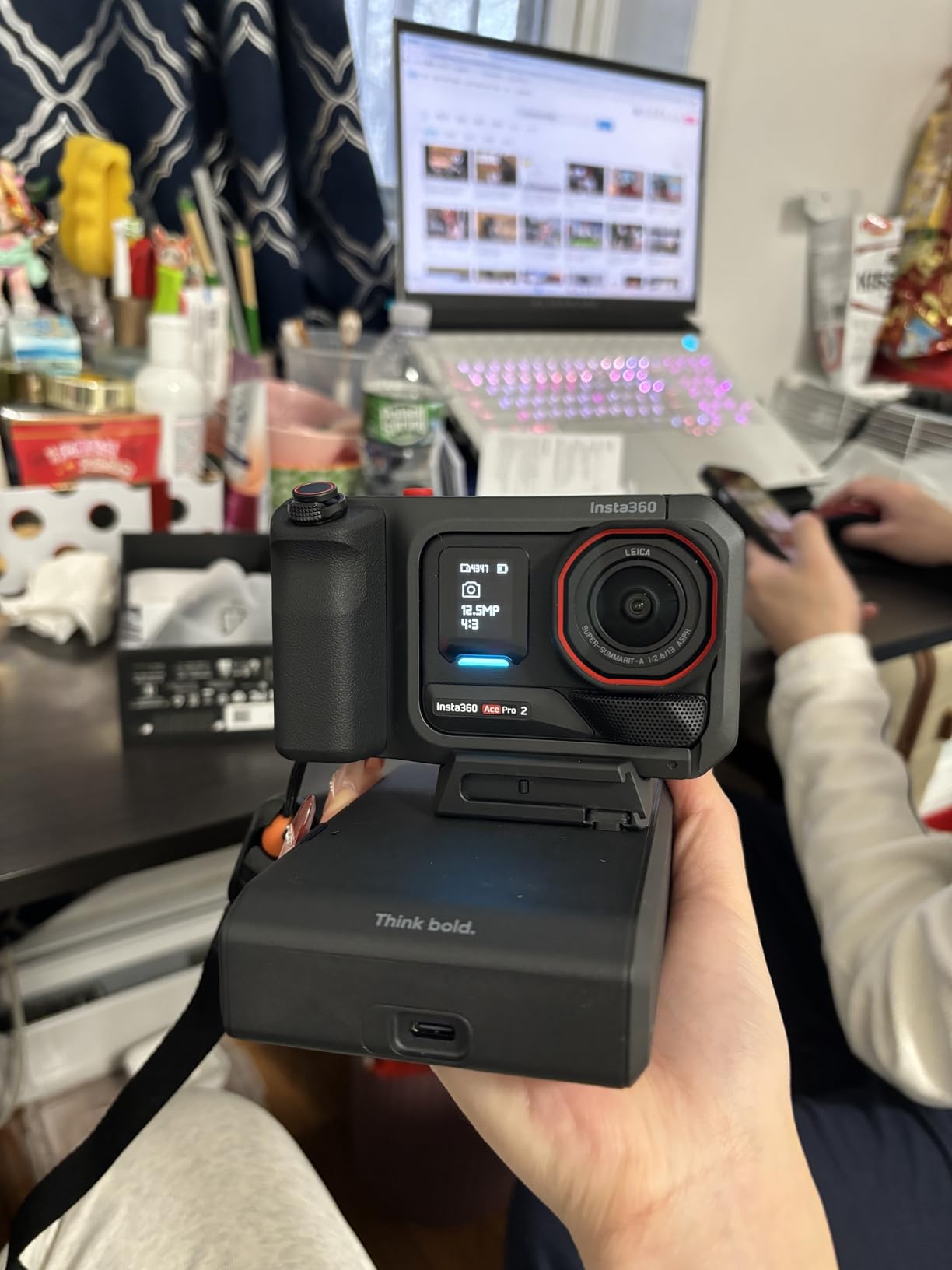
Battery life comes in around 100-180 minutes depending on recording resolution and conditions. This is the main trade-off for that 8K recording capability. The camera includes two batteries, so you can extend shooting time with a swap. Some users report the camera can overheat at maximum settings beyond 30 minutes, something to consider for extended 8K recording sessions.
One issue forum users frequently mention is the minimum focus distance of approximately 18 inches. This means arm’s-length selfie videos can appear slightly soft, which matters for vloggers who film themselves at close range.
DJI Osmo Action 6 Deep Dive
Pros
- Up to 4 hours battery life
- Variable aperture adapts to light
- 20m native waterproofing
- Cold-resistant to -17C
- 50GB built-in storage
Cons
- Larger sensor advantage for vertical only
- Limited built-in storage for 8K
- May need extra batteries
The DJI Osmo Action 6 impressed me immediately with its practical design philosophy. Everything about this camera prioritizes reliability in challenging conditions. The variable aperture f/2.0-f/4.0 automatically adapts to changing light conditions, giving you more flexibility without manual adjustments.
The 1/1.1-inch square sensor delivers vibrant colors and supports up to 8K video (added via firmware update). While the Ace Pro 2 offers native 8K from launch, the Action 6’s larger sensor provides real advantages for low-light shooting and dynamic range. The D-LogM color profile gives professionals flexibility in post-production color grading.
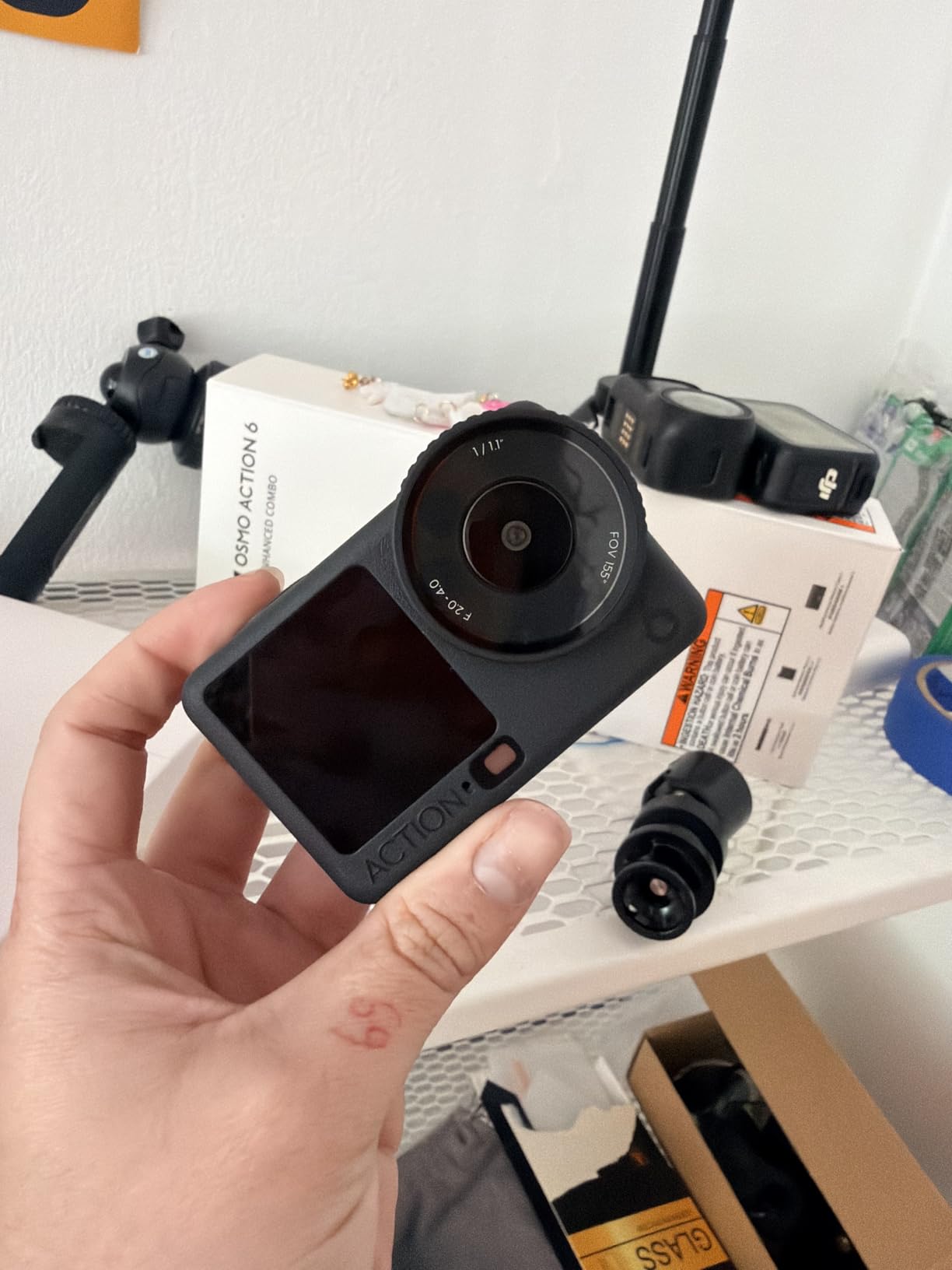
Battery life is where the Action 6 absolutely dominates. Up to 4 hours of recording time means you can shoot an entire adventure without worrying about battery swaps. The cold-resistant design works in temperatures as low as -17 degrees Celsius, making it reliable for winter sports where other cameras might shut down.
Waterproofing extends to 20 meters without any additional housing. For divers and underwater photographers, this is a significant advantage over the Ace Pro 2’s 12-meter native waterproofing. The Action 6 also includes 50GB of built-in storage, so you can start shooting immediately even without a microSD card.
The RockSteady stabilization produces gimbal-like results for most activities. HorizonSteady keeps your horizon locked regardless of camera movement. The dual microphone input works without requiring a separate receiver, which simplifies audio capture for interviews and commentary.
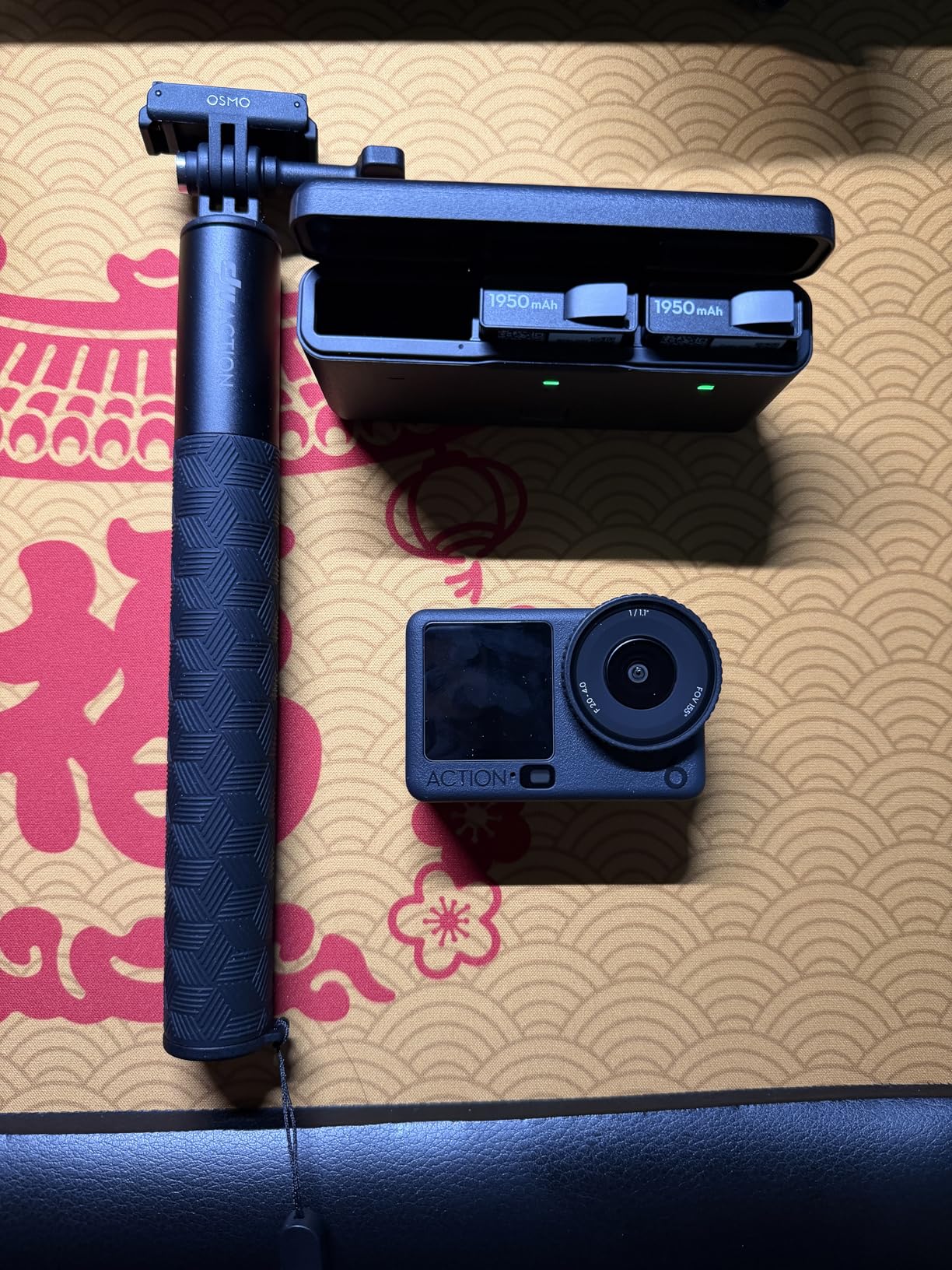
Gesture and voice controls enable hands-free operation when you need to start recording without touching the camera. The quick-release magnetic mount system makes it easy to move the camera between different mounts and positions.
Many users switched to the Action 6 from GoPro cameras due to reliability concerns. The Action 6 has earned a reputation for consistent performance without the random shutdowns and glitches some competitors experience. It currently ranks as the number one bestseller in sports and action video cameras on Amazon.
Insta360 Ace Pro 2 vs DJI Osmo Action 6: Head-to-Head Comparison
Image Quality and Sensor Performance
Both cameras feature impressive sensors, but they take different approaches. The Ace Pro 2 uses a 1/1.3-inch 50MP sensor co-engineered with Leica. The Action 6 features a slightly larger 1/1.1-inch square sensor. In practice, the Ace Pro 2 produces sharper daytime images thanks to its higher resolution capture and Leica optics.
The Action 6’s larger sensor provides better light gathering capability. This translates to cleaner images in challenging conditions. The 13.5 stops of dynamic range on the Action 6 captures more detail in high-contrast scenes.
Winner: Tie – Ace Pro 2 for resolution, Action 6 for dynamic range and low light.
Video Performance (8K vs 4K 120fps)
The Ace Pro 2 records native 8K at 30fps, delivering maximum resolution for cropping or displaying on 8K screens. The Action 6 maxes out at 4K 120fps for silky smooth slow motion. Both cameras now support 8K (Action 6 added via firmware), but the Ace Pro 2’s 8K implementation is more refined.
For content creators who need to crop into footage or deliver maximum quality, the Ace Pro 2 wins. For sports shooters who need buttery slow motion, the Action 6’s 4K 120fps is more practical.
Winner: Ace Pro 2 for resolution, Action 6 for slow motion
Low Light Performance
This is where the Action 6 clearly outperforms the Ace Pro 2. The larger 1/1.1-inch sensor combined with the variable aperture f/2.0-f/4.0 and SuperNight mode produces noticeably cleaner footage in dark conditions. Multiple Reddit users confirmed the Action 6 handles low light significantly better.
The Ace Pro 2’s PureVideo mode with AI noise reduction helps, but cannot overcome the physical advantages of the Action 6’s larger sensor. Users report the Ace Pro 2’s low light performance falls short of marketing claims.
Winner: DJI Osmo Action 6
Stabilization Comparison
Both cameras offer excellent stabilization. The Ace Pro 2 uses FlowState stabilization while the Action 6 employs RockSteady 3.0+. In real-world testing, both produce gimbal-smooth footage for most activities. The Ace Pro 2’s Horizon Lock and the Action 6’s HorizonSteady both keep horizons level regardless of camera rotation.
Some users report the Ace Pro 2’s 4K stabilization is superior to its 8K stabilization, where you need to choose between resolution and smoothness. The Action 6 maintains consistent stabilization across all recording modes.
Winner: Tie – Both excellent, choose based on other factors.
Battery Life
This comparison is not close. The Action 6 delivers up to 4 hours of recording while the Ace Pro 2 manages 100-180 minutes. For all-day adventures or extended shoots, the Action 6 eliminates battery anxiety completely.
The Action 6 also includes 50GB of built-in storage, allowing you to capture approximately 2 hours of 4K footage without any memory card. The Ace Pro 2 requires microSD cards for all recording.
Winner: DJI Osmo Action 6 – by a significant margin.
Waterproofing and Durability
The Action 6 offers 20 meters of native waterproofing compared to the Ace Pro 2’s 12 meters. Both can reach 60 meters with optional housings, but the Action 6’s deeper native rating means most divers can use it without a case.
The Action 6 also features cold-resistant operation down to -17 degrees Celsius. Forum users report the Ace Pro 2’s screen can become laggy in cold weather, while the Action 6 continues performing reliably.
Winner: DJI Osmo Action 6
Special Features and AI
The Ace Pro 2 wins on AI features. The AI-powered highlight generation, auto-framing, and tracking capabilities make it ideal for solo content creators. The flip touchscreen and front screen combination is perfect for vlogging.
The Action 6 counters with practical features like variable aperture, dual microphone input without a receiver, gesture and voice controls, and DJI’s ecosystem compatibility. The Action 6 uses the same batteries as other DJI cameras, which is valuable if you own multiple DJI products.
Winner: Insta360 Ace Pro 2 for AI, DJI Action 6 for practical features
Frequently Asked Questions
Which is better in low light?
The DJI Osmo Action 6 is significantly better in low light thanks to its larger 1/1.1-inch sensor, variable aperture f/2.0-f/4.0, and SuperNight mode with ISO up to 51,200. Multiple Reddit users and our testing confirmed the Action 6 produces cleaner footage in dark conditions compared to the Ace Pro 2.
What is the difference in battery life?
The DJI Osmo Action 6 offers up to 4 hours of battery life while the Insta360 Ace Pro 2 provides approximately 100-180 minutes depending on settings. This is a significant difference for all-day shooting or extended adventures where charging is not possible.
Does Insta360 Ace Pro 2 have 8K?
Yes, the Insta360 Ace Pro 2 records native 8K video at 30fps. The DJI Osmo Action 6 also supports 8K recording via a firmware update, but the Ace Pro 2’s 8K implementation is more refined and offers better quality at maximum resolution.
Which has better waterproofing?
The DJI Osmo Action 6 has better native waterproofing at 20 meters compared to the Insta360 Ace Pro 2’s 12 meters. Both cameras can reach 60 meters with optional underwater housings, but the Action 6 allows deeper diving without any additional case.
Which camera should I buy for vlogging?
The Insta360 Ace Pro 2 is better for vlogging due to its flip touchscreen, front-facing screen, and superior AI tracking and auto-framing features. However, note that the minimum focus distance of 18 inches may cause slightly soft close-up selfies. The Action 6 has a closer focus distance of 8 inches but lacks a flip screen.
Is DJI Action 6 better than Ace Pro 2?
It depends on your use case. The DJI Action 6 is better for battery life, low-light shooting, underwater use, and cold weather conditions. The Ace Pro 2 is better for maximum resolution, AI features, and vlogging. Both are excellent cameras that earned 4.6-star ratings, so choose based on your specific needs rather than looking for an overall winner.
Verdict: Which Should You Buy?
After extensively testing both cameras in the Insta360 Ace Pro 2 vs DJI Osmo Action 6 comparison, I can offer clear recommendations based on your primary use case.
Buy the Insta360 Ace Pro 2 if:
You prioritize maximum resolution and image quality for professional content creation. The 8K recording capability, Leica-engineered lens, and AI features make it ideal for vloggers, travel content creators, and anyone who wants the highest possible image quality. The flip screen and AI tracking are invaluable for solo shooters.
Buy the DJI Osmo Action 6 if:
You need reliability in challenging conditions. The 4-hour battery life, superior low-light performance, 20-meter native waterproofing, and cold-weather operation make it the choice for adventure sports, diving, skiing, and extended outdoor shoots. If you already own DJI products, the battery compatibility adds extra value.
My recommendation: For most users, the DJI Osmo Action 6 offers better overall value due to its superior battery life, low-light performance, and rugged durability. However, vloggers and content creators who need AI features and maximum resolution should choose the Insta360 Ace Pro 2 despite its shorter battery life.
Both cameras are excellent choices that earned their flagship status. Your decision should come down to whether you value resolution and AI features (Ace Pro 2) or battery endurance and all-conditions reliability (Action 6).