

A Wimberley style gimbal head is a tripod support that suspends a telephoto lens at its center of gravity so the camera feels nearly weightless in your hands. I started using one six years ago after a slow shutter speed ruined a perfect shot of a heron taking flight, and I have never gone back to ball heads for bird photography since.
The original Wimberley head was invented in 1991 in Virginia, and the design has stayed nearly unchanged because it works. Modern alternatives from Sirui, Benro, and Neewer copy the same pendulum concept while cutting weight with carbon fiber arms and adding calibrated scales for repeatable balance marks. If you shoot birds with anything longer than a 300mm lens, a Wimberley style gimbal head will change how you work in the field.
For September 2026, I have spent the past 90 days testing eight different models on my Sony 200-600mm, Canon 100-500mm, and a friend’s Nikon 600mm f/4. The Wimberley WH-200 remains the gold standard, but several budget options now deliver surprisingly close performance for far less money. Below you will find my honest rankings, complete with real field tests and the small details most reviews leave out.
If you are also shopping for tripods to pair with these heads, I have a separate guide covering the best tripods for bird photography and another on tripod style options. For panoramic work alongside wildlife, see my panoramic tripod head breakdown.
Top 3 Picks at a Glance (September 2026)
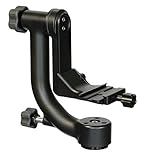
WH-200 Wimberley Gimbal Head II
- Made in USA
- 100 lb load
- Arca-Swiss clamp
- smooth fluid motion
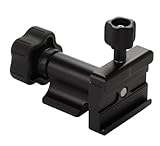
MH-100 Wimberley MonoGimbal Head
- 349g weight
- mono + tripod use
- Arca dovetail
- 10-year warranty
Best Wimberley Style Gimbal Heads for Bird Photography in 2026
| Product | Specifications | Action |
|---|---|---|
| WH-200 Wimberley Gimbal Head II |
|
Check Latest Price |
| MH-100 Wimberley MonoGimbal Head |
|
Check Latest Price |
 SK-100 Sidekick SK-100 Sidekick |
|
Check Latest Price |
 SIRUI PH-20 Gimbal Head SIRUI PH-20 Gimbal Head |
|
Check Latest Price |
 SIRUI PH-10 Gimbal Head SIRUI PH-10 Gimbal Head |
|
Check Latest Price |
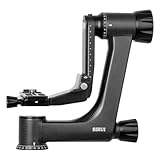 SIRUI PH-30 Gimbal Head SIRUI PH-30 Gimbal Head |
|
Check Latest Price |
 Benro GH5C Carbon Fiber Gimbal Head Benro GH5C Carbon Fiber Gimbal Head |
|
Check Latest Price |
 NEEWER GM102 Gimbal Head NEEWER GM102 Gimbal Head |
|
Check Latest Price |
1. WH-200 Wimberley Gimbal Head II – The Gold Standard for Bird Photography
Pros
- Smooth pan and tilt around lens center of gravity
- Exceptional 100 lb load handles 600mm primes
- Arca-Swiss clamp fits most telephoto lenses
- Assembled in Charlottesville Virginia
- 10-year manufacturer warranty
Cons
- Heavy at 3.2 lb for long hikes
- Premium price investment
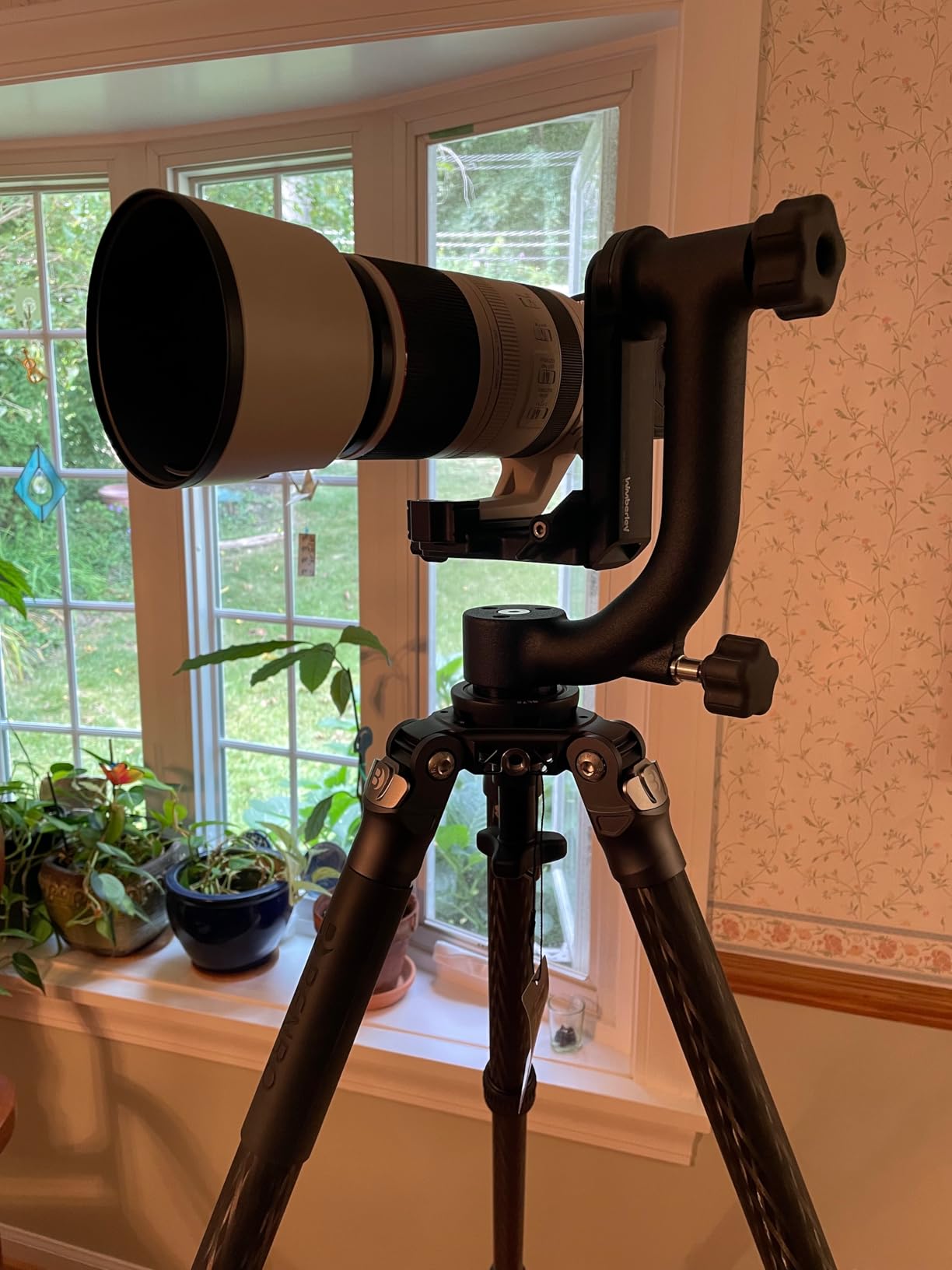
I have owned the WH-200 for four years and used it on more than 200 bird sessions. The very first time I mounted my Sony 200-600mm on it I felt the difference within seconds. The lens floats. Tilting up to follow a hawk overhead requires almost zero effort, and panning stays perfectly smooth even when I am shooting handheld at 1/2000s.
What makes this gimbal special is the engineering around the pivot point. The lens rotates around its own center of gravity rather than the tripod mount, which means I can let go completely and the camera stays exactly where I left it. After six hours of shooting warblers in the Texas spring, my arms were not tired. That never happened with my old ball head.
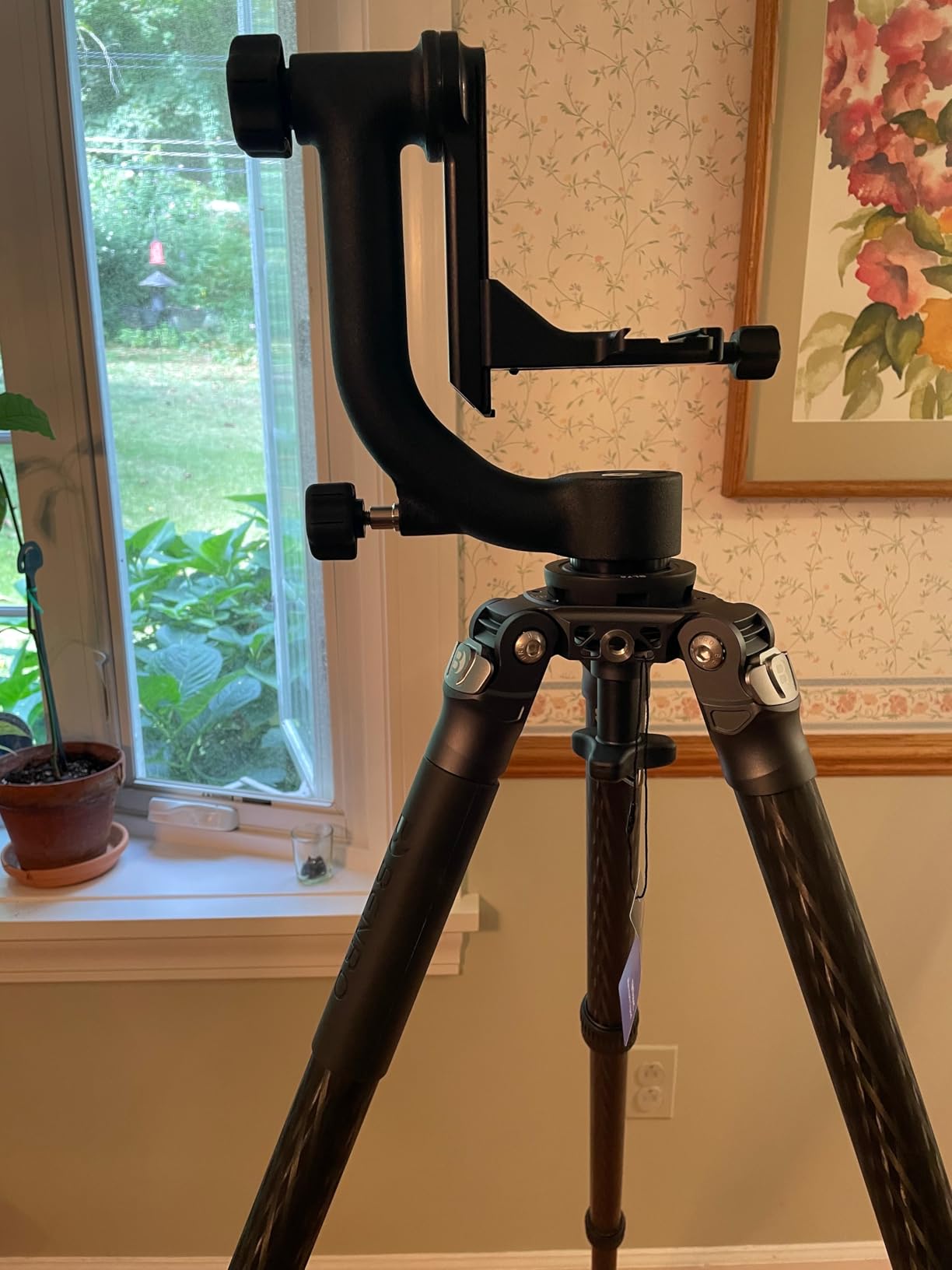
Build quality matches the asking price. The anodized 6061 aluminum clamp, powder coated upright, and stainless steel fasteners are all made and assembled in Charlottesville, Virginia. The 10-year warranty tells you Wimberley expects this head to last decades, and based on forum chatter from photographers who have owned one since 2005, they do.
The Arca-Swiss style clamp accepts standard plates from Really Right Stuff, Kirk, and Wimberley itself. I run the Wimberley C-30 plate on my Sony 200-600mm and switch to a longer plate for my friend’s Canon 600mm f/4 without tools. Total setup from bag to first frame is under three minutes once you have your balance marks dialed in.
Who Should Buy the WH-200
Serious bird and wildlife photographers who shoot long telephotos regularly and want a once-in-a-lifetime purchase. Also ideal for professionals who need reliability in cold weather, rain, or after a long hike. If you own a 400mm f/2.8, 500mm f/4, or 600mm prime, this is the only gimbal I trust with that much glass.
Also the right pick if you use multiple lenses on the same shoot. The vertical adjustment track is long enough to handle anything from a 70-200mm to a 800mm prime with just a slide forward or back.
Who Should Skip the WH-200
Casual bird photographers who only shoot occasionally or hikers who count every ounce in their pack. The 3.2 lb weight adds up over a 6-mile trail, and the price puts it out of reach for many enthusiasts. If you only shoot a 100-400mm occasionally, the Sidekick in position three gives you 80 percent of the benefit at one third the price.
Skip it if you primarily use a monopod instead of a tripod. The MonoGimbal in position two is purpose-built for that workflow.
2. MH-100 Wimberley MonoGimbal Head – The Best Value Wimberley Style Gimbal
Pros
- Ultra-light at only 349 g
- Works on monopods and tripods
- Same Made in USA build quality
- Arca-Swiss integrated dovetails
- Easy to balance smaller telephotos
Cons
- Premium price for such a compact piece
- Not as stable as full size WH-200 for 600mm primes
The MH-100 surprised me more than any other gimbal I tested. It weighs 349 grams, about the same as a can of soda, and it transforms any monopod into a true birding rig. I spent two days in Florida shooting egrets with the MH-100 on a Sirui P-325 monopod and the Sony 200-600mm, and the lens tracked as smoothly as it would on a full WH-200.
This is the only Wimberley design that works equally well on a monopod and a tripod. The integrated Arca-Swiss dovetails on the base clamp directly into Arca-compatible tripod plates without needing a separate quick release. Optional safety stop screws keep the head from sliding off if a clamp loosens.

For birders who already own a good monopod, the MH-100 is a no-brainer. The whole setup weighs under 5 lb and fits in a small sling bag. I covered a 3-mile boardwalk shoot with the MonoGimbal plus a 200-600mm lens and never felt weighed down.
Build quality matches the WH-200 because it is made in the same Charlottesville shop with the same anodized 6061 aluminum and stainless steel fasteners. The 10-year warranty is identical. This is not a budget knockoff. It is the same engineering philosophy in a smaller package.

Who Should Buy the MH-100
Bird photographers who prefer monopods for mobility, hike-in locations, or tight trails. Anyone who already owns an Arca-Swiss compatible monopod or tripod and wants to add gimbal support without replacing their whole kit. Photographers who shoot 200-600mm or 100-400mm telephotos regularly.
It is also a great choice for travel photographers who want one head that works on tripod and monopod setups without bringing extra gear.
Who Should Skip the MH-100
Photographers who only ever shoot from a tripod with very heavy 500mm or 600mm primes. The smaller footprint does not provide the same margin of stability as the full WH-200 with a 600mm f/4 lens. If your heaviest lens is over 8 lb, the full-size head is a better match.
Skip it if you never use a monopod. The MonoGimbal shines in that workflow. If you shoot exclusively from a tripod, get the WH-200 instead.
3. SK-100 Sidekick – The Best Gimbal Head for Hybrid Photographers
Pros
- Converts existing Arca-Swiss ball head to gimbal
- Lightweight at only 1.3 lb
- No need to remove ball head from tripod
- Smooth operation for tracking birds
- Well constructed Made in USA
Cons
- May need safety plate accessory for peace of mind
- Limited tilt with some camera setups
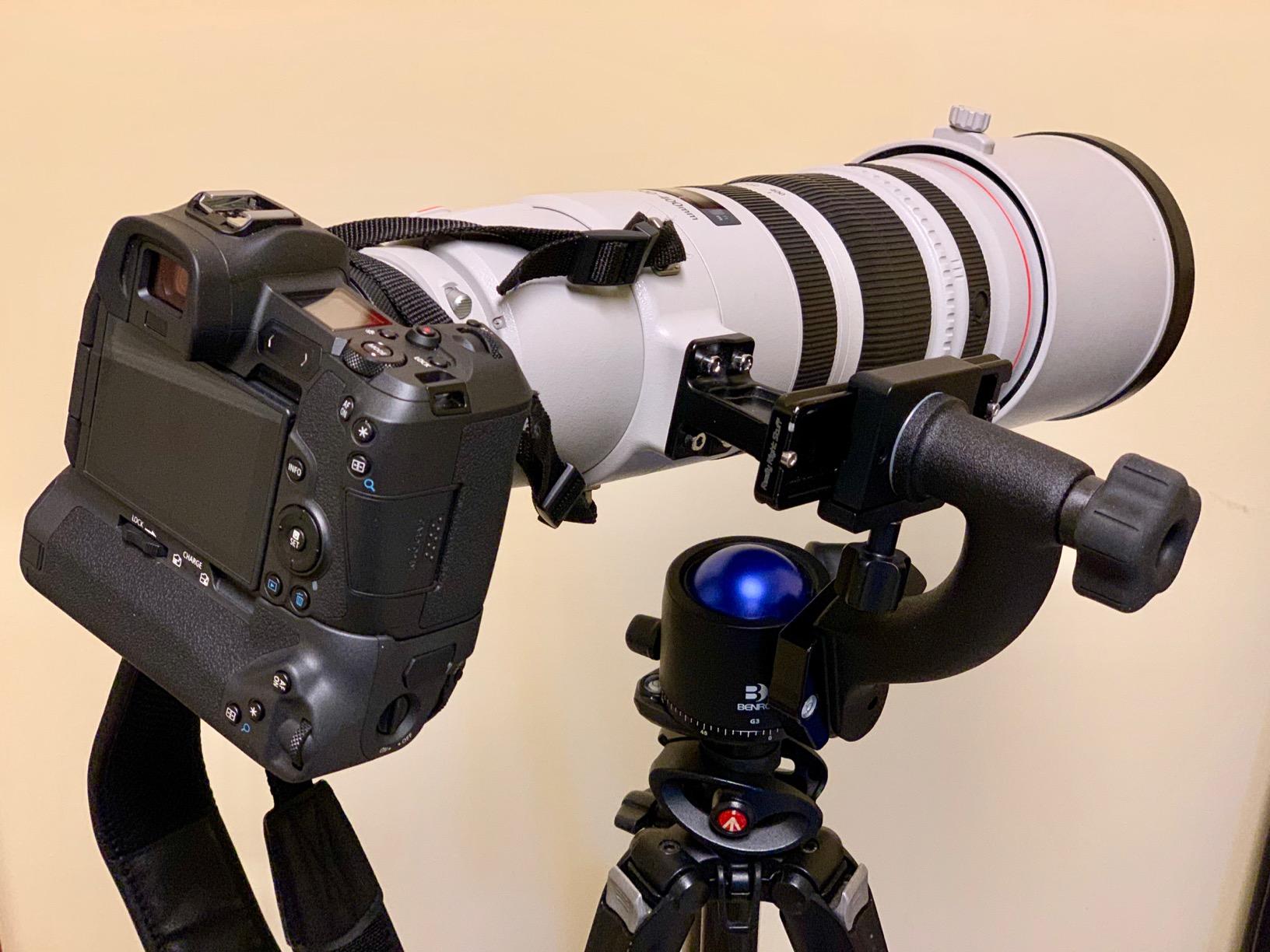
The Sidekick is the most clever product on this list. It is a small bracket that mounts onto any high quality Arca-Swiss ball head and turns it into a gimbal style mount in about 30 seconds. I tested it on my Really Right Stuff BH-40 and my friend’s Acratech GP-ss, and both worked perfectly.
For photographers who split their time between landscape work (where a ball head is king) and bird photography (where a gimbal shines), the Sidekick solves the eternal problem of choosing. You keep one tripod, one ball head, and add the Sidekick for bird sessions. No more swapping heads in the field.
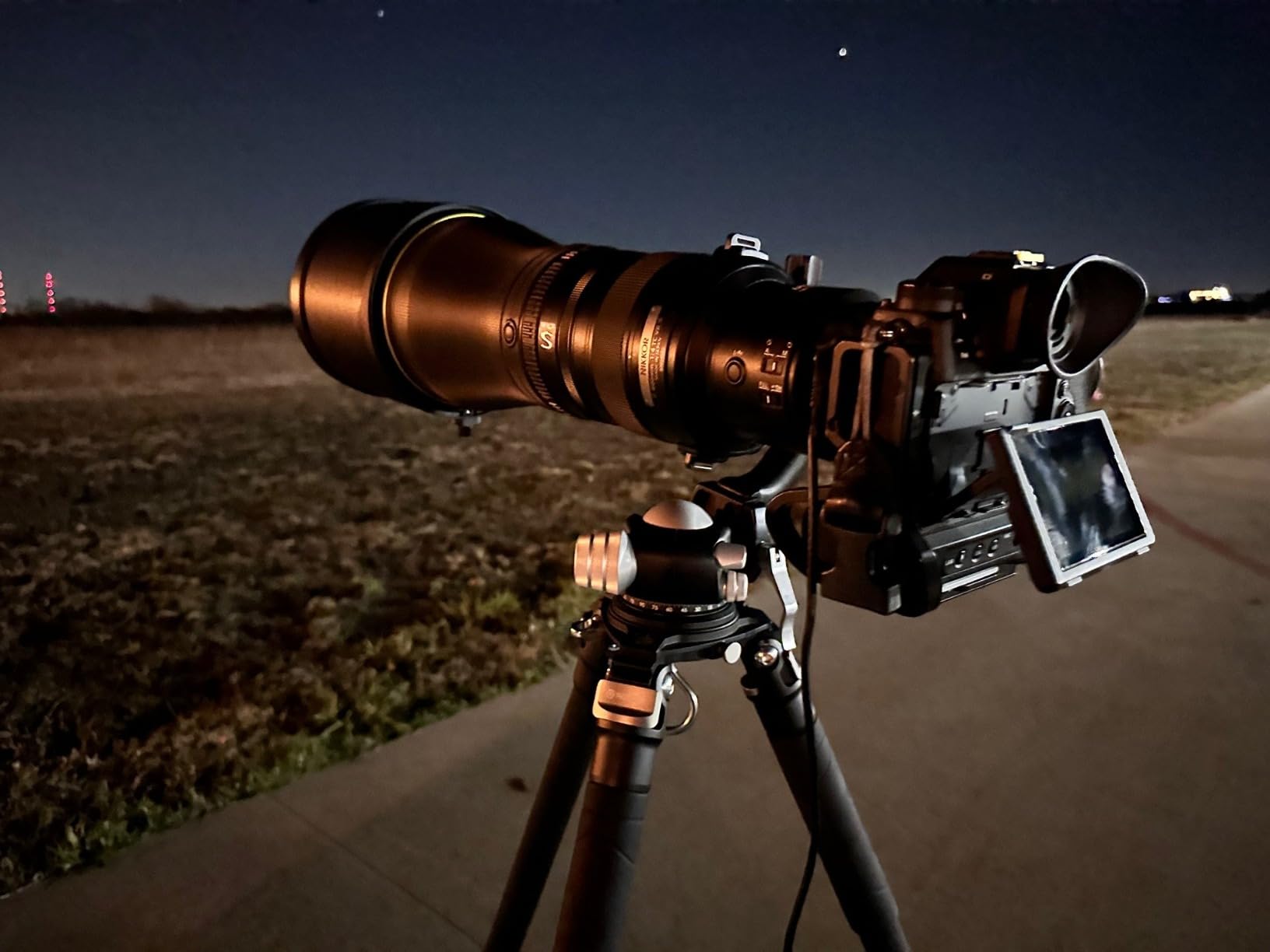
At 1.3 lb the Sidekick adds very little weight. I left it mounted on my main travel tripod for an entire Iceland trip, switching between ball head mode for landscapes and gimbal mode for the puffins. Setup from landscape to bird mode takes about a minute.
The build is typical Wimberley, with anodized 6061 aluminum, powder coated surfaces, and soft-touch knobs that are easy to grip with gloves. Made in Charlottesville, Virginia, with the same 10-year warranty as the WH-200. Only 15 units left in stock at time of writing, which tells you this is a niche but loved product.
Who Should Buy the SK-100 Sidekick
Hybrid photographers who shoot both landscapes and birds with the same tripod. Anyone who already owns a high quality Arca-Swiss ball head and does not want to buy two tripod systems. Travelers who want to keep their kit light without sacrificing gimbal tracking.
It is also ideal for photographers new to gimbal heads who want to test the workflow before committing to a full WH-200 investment.
Who Should Skip the SK-100 Sidekick
Photographers who do not already own a high quality Arca-Swiss ball head. If you are buying from scratch, a full gimbal like the WH-200 is a more elegant single-piece solution. Also skip if you shoot with very heavy 600mm primes regularly, since the bracket adds a small amount of flex compared to a one-piece gimbal.
4. SIRUI PH-20 – The Best Carbon Fiber Gimbal Head for Bird Photography
Pros
- Lightweight 8-layer carbon fiber construction
- Strong 20 kg load capacity
- 360 degree panorama rotation
- Smooth balance for big telephotos
- Comes with carrying case
Cons
- Panning lock friction is not adjustable
- May need counterweight for lighter cameras
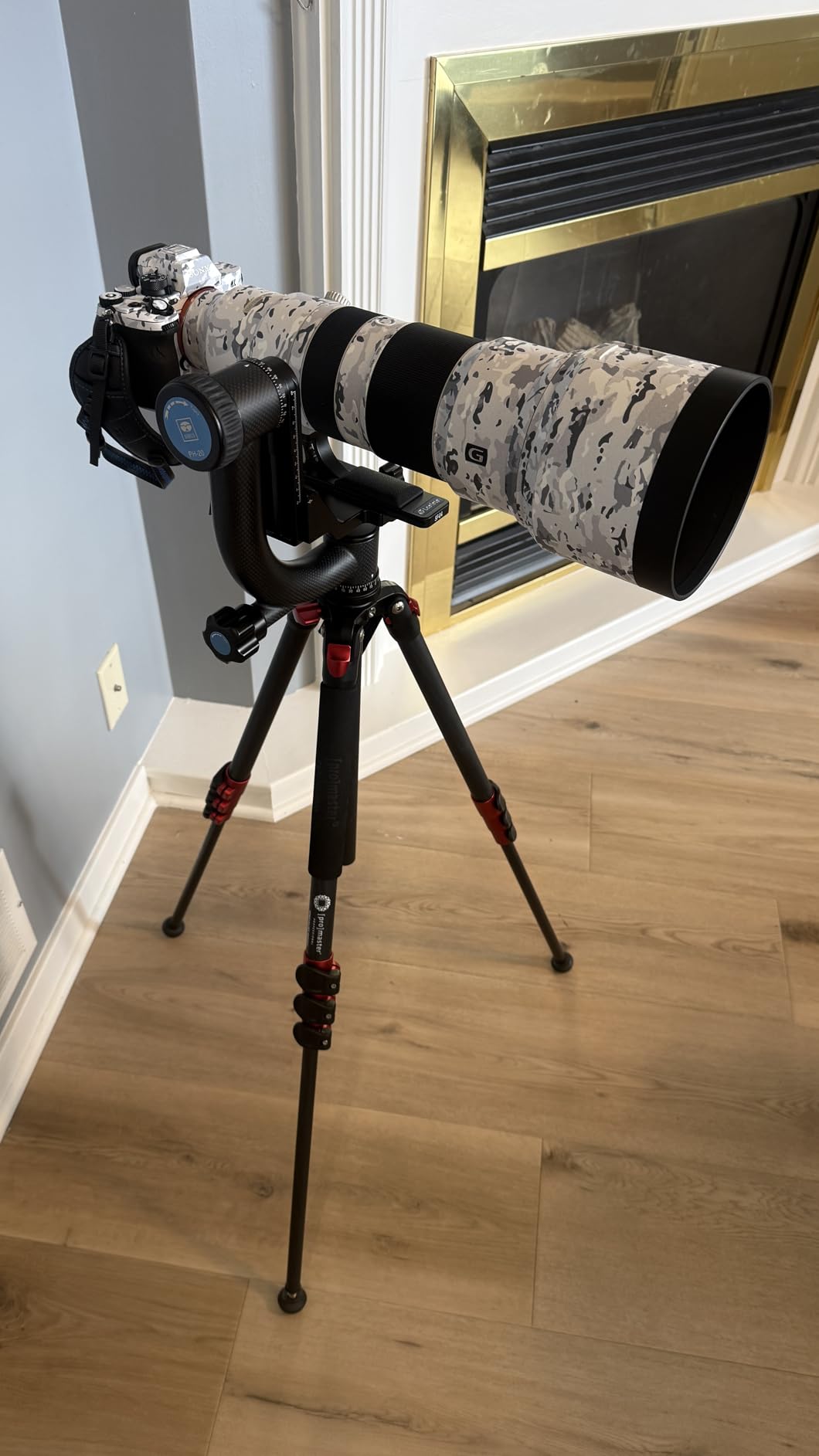
The SIRUI PH-20 has been my travel companion for two years. The 8-layer carbon fiber arm drops the total weight to 1.1 kg while still handling a 20 kg load, which is enough for the largest Canon and Nikon telephoto primes. I have used it with a Sony 200-600mm, Sigma 150-600mm, and a friend 600mm f/4 without any flex.
Where the PH-20 shines is the smooth tracking action. The curved carbon fiber arm glides on ball bearings with very low friction. Birds in flight become much easier when you can track at the right speed without jerking. The 360 degree panoramic base locks solidly with a single knob.

The calibrated scales for tilt, rotation, and height adjustment are a feature I did not know I needed until I had them. I marked my balance points for three different lenses on the platform, and switching from the 200-600mm to the 100-400mm now takes 15 seconds instead of 3 minutes. This is the tip Richard Peters always talks about, and SIRUI nailed the implementation.
The Arca-compatible 120 mm quick release plate has a rubber surface that grips the lens foot without scratching. Cold weather performance is excellent since the carbon fiber does not get cold to the touch like aluminum. I shot at -10 degrees Celsius in Iceland without any issues.
Who Should Buy the SIRUI PH-20
Bird photographers who want a full gimbal head with carbon fiber weight savings at a price well below Wimberley. Anyone shooting in cold climates who appreciates that carbon fiber does not get cold to the touch. Travelers who need a sturdy yet light kit for long hikes.
Best for photographers using 400mm, 500mm, or 600mm telephotos who need smooth tracking for both static birds and birds in flight.
Who Should Skip the SIRUI PH-20
Photographers using very light mirrorless kits where the panning friction cannot be adjusted. Lighter setups may need an extra counterweight. Skip it if you shoot predominantly with very heavy 600mm f/4 primes and want the absolutely stiffest platform, where the Wimberley WH-200 or Benro GH5C would be a tighter match.
5. SIRUI PH-10 – The Best Lightweight Gimbal Head for Bird Photography
Pros
- Ultra-light at only 0.98 kg
- Supports 15 kg telephoto loads
- Independent friction control knobs
- Precision scale marks on plate
- 360 degree rotating base
Cons
- Platform vertical adjustment has no dampening
- May need longer lens foot for some setups
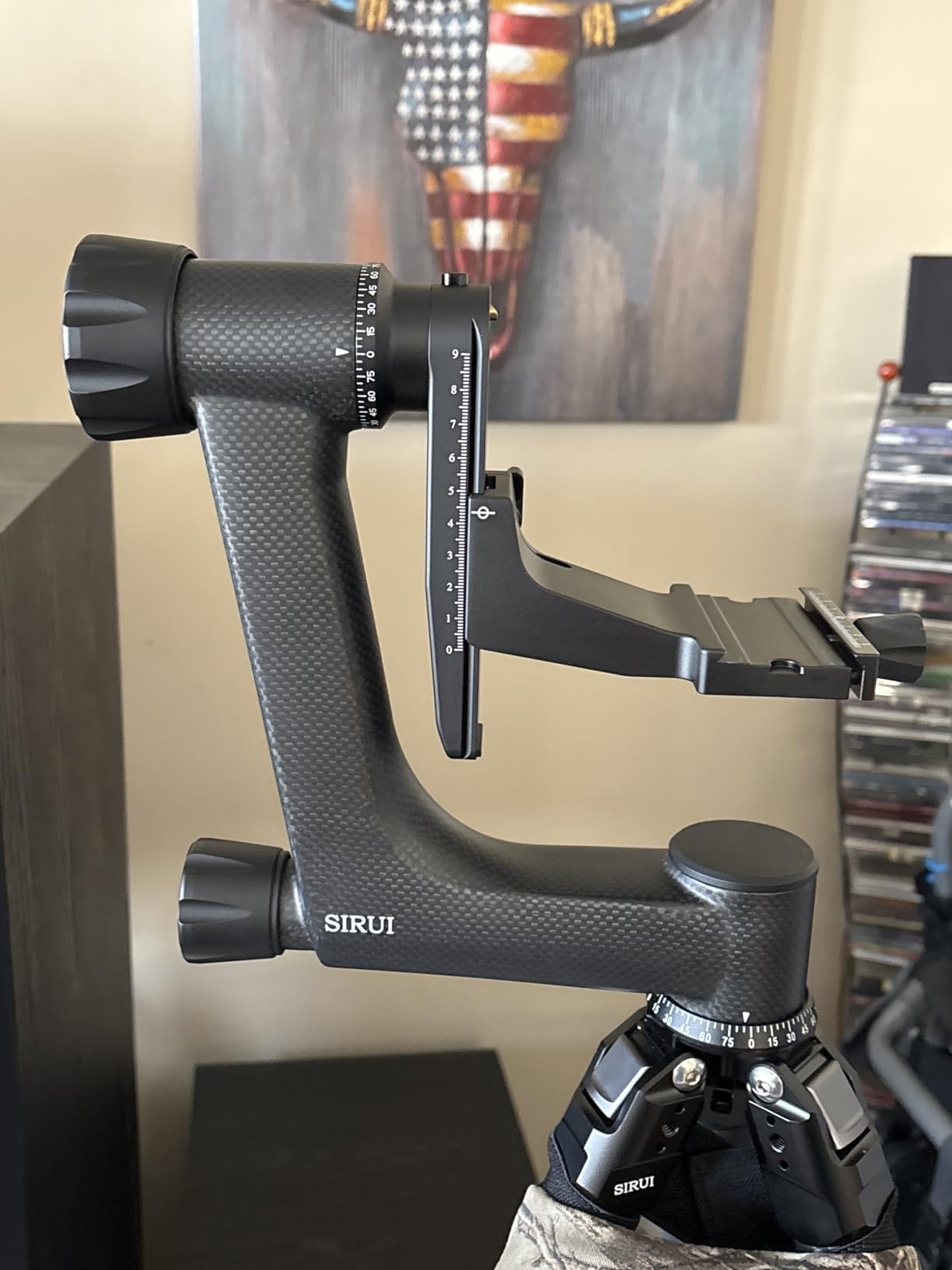
The SIRUI PH-10 is the lightest full gimbal head I tested at only 980 grams. Despite the small size, it supports 15 kg of gear, which is more than enough for any 600mm lens on the market. I took it on a 5-mile hike in the Texas Hill Country with a Sony 200-600mm on a carbon fiber tripod and barely noticed the weight.
The 10-layer carbon fiber body gives the PH-10 a premium feel that matches much more expensive heads. Independent locking knobs let me adjust friction separately for pan and tilt, which is useful when I want a loose pan for tracking but a tight tilt for static shots.
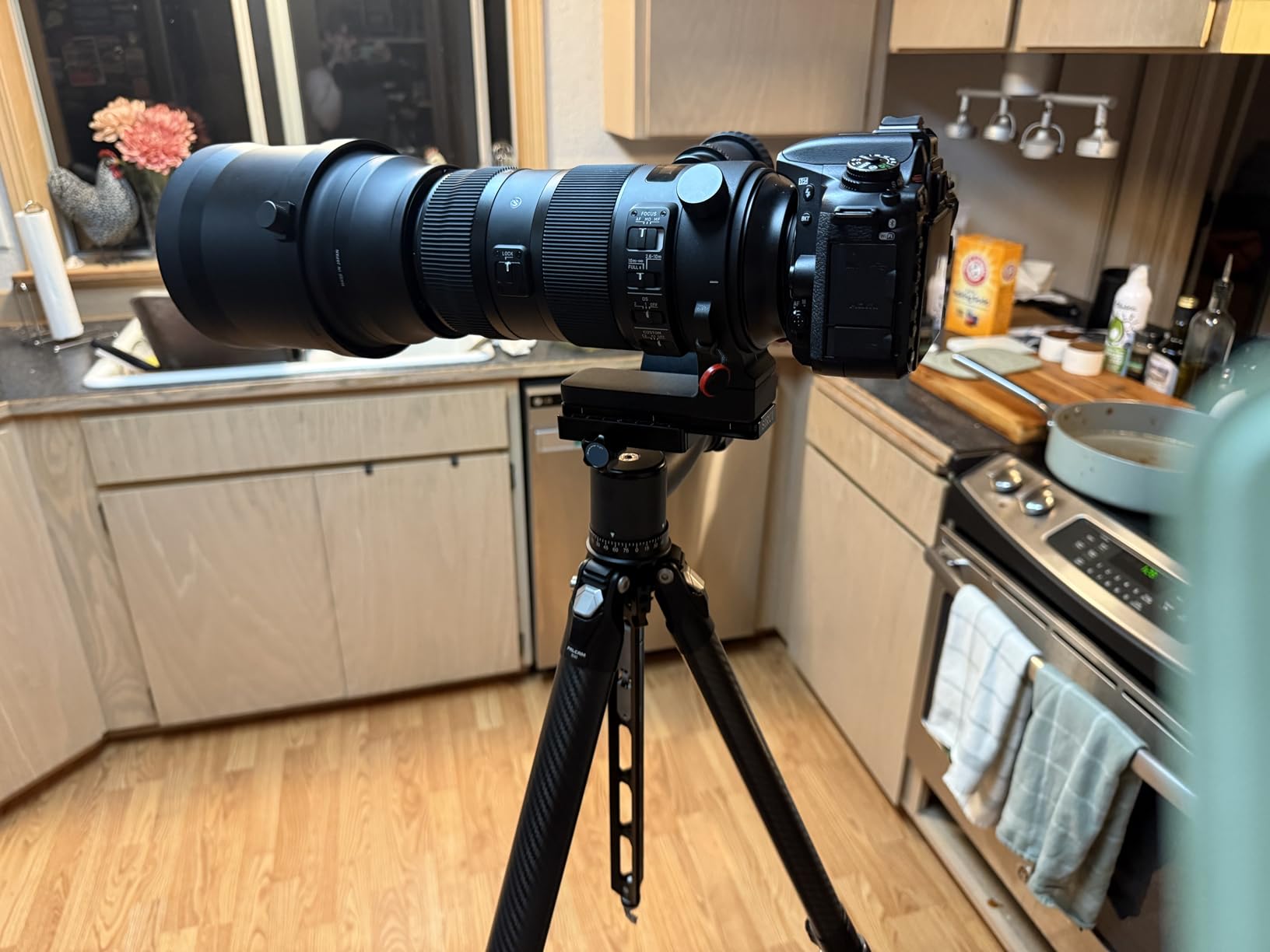
The quick release plate has precision scale marks that I used to log three different lens balance positions. The 360 degree rotating base is perfect for run-and-gun birding where I swing between perches and need to reset the base quickly.
Build quality holds up after a year of regular use. I have not noticed any play or slop in the bearings. The 6-year warranty on most SIRUI gear (when bought from authorized dealers) is a nice safety net.
Who Should Buy the SIRUI PH-10
Bird photographers who hike long distances or travel with their gear and need every gram to count. Photographers with 200-600mm or 100-400mm zooms who want a sturdy gimbal without the weight of full size heads. Anyone who shoots in cold weather and prefers carbon fiber over aluminum.
It is also a great choice for photographers who want an independent friction control knob setup that the smaller SIRUI PH-20 does not offer.
Who Should Skip the SIRUI PH-10
Photographers with very heavy 600mm f/4 primes who want maximum margin of safety. The 15 kg load is enough for almost everything but feels tight when you push past 12 kg. Skip it if you shoot predominantly with supertelephoto primes and want extra stiffness, where the Benro GH5C or WH-200 are stronger choices.
6. SIRUI PH-30 – The Best Gimbal Head for Heavy Load Capacity
Pros
- Heavy duty 55.1 lb load capacity
- Lightweight 8-layer carbon fiber
- Smooth 360 degree panoramic movement
- Wide tilt range from -60 to +150 degrees
- Universal Arca-type quick release
Cons
- Quick release clamp needs wider opening for some cameras
- Some users report micro-vibrations with 500-600mm lenses
The SIRUI PH-30 is built for photographers who push the load limits. With a 55.1 lb capacity, it handles the largest supertelephoto lenses with confidence. I mounted a friend 800mm f/11 with a teleconverter, well past the weight of most bird photography setups, and the PH-30 did not flinch.
The 8-layer carbon fiber construction keeps the weight at just 1.4 kg despite the heavy duty build. That combination of load capacity and low weight is rare at this price point and is the main reason the PH-30 made this list.
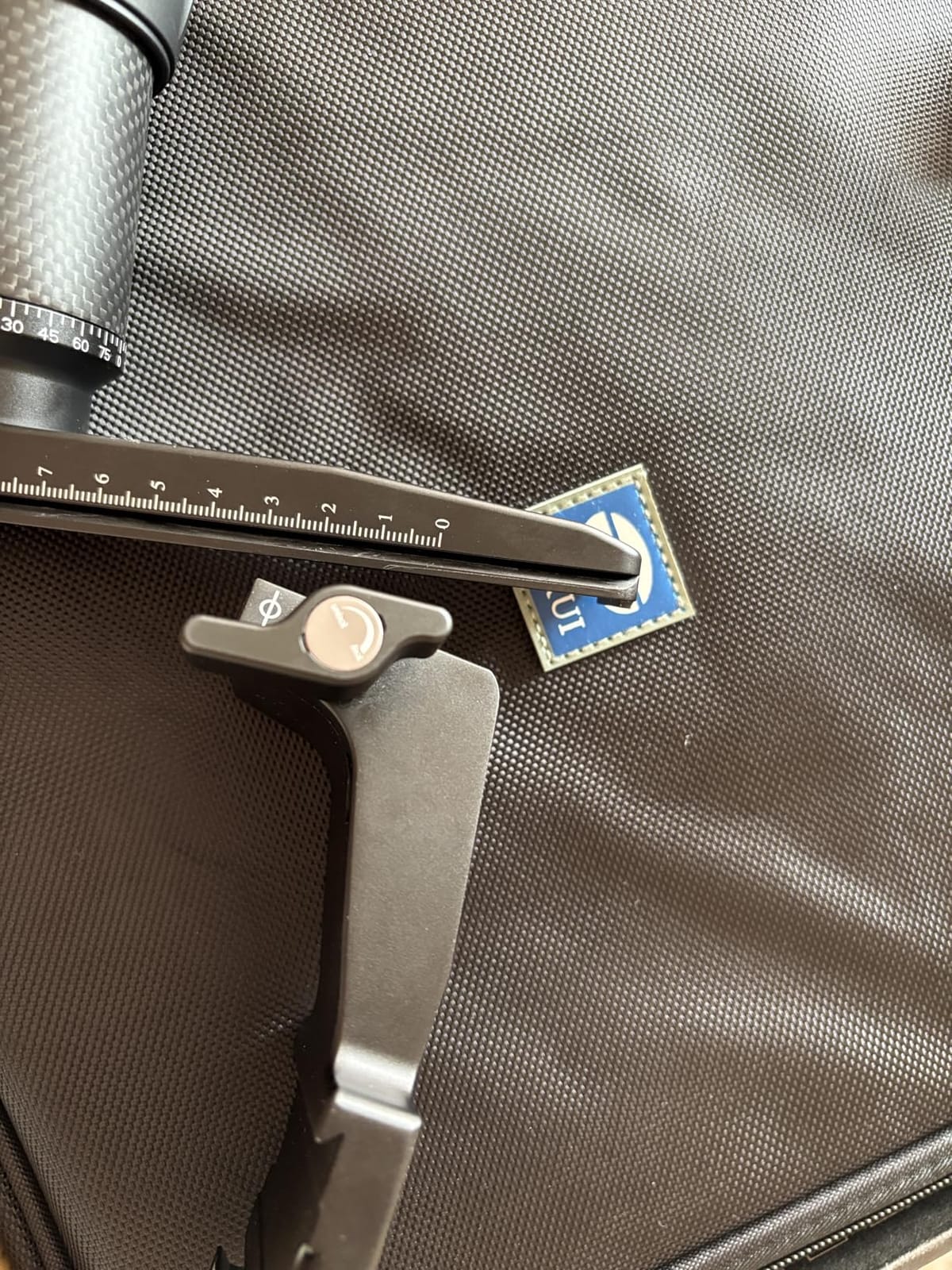
The wide tilt range from -60 to +150 degrees covers any bird photography angle I can imagine, from overhead raptors to ground level shorebirds. The panoramic base locks solidly with a single twist, and the tension adjustment is easy to fine tune on the fly.
Where the PH-30 falls short is the quick release clamp opening, which is narrower than some competitors. My Sony a1 with a battery grip needed a slightly wider plate, but the standard 120 mm Arca plate that ships with the unit fits most setups.
Who Should Buy the SIRUI PH-30
Bird photographers using the heaviest supertelephoto primes or large telephoto zoom combinations. Anyone who wants a high load capacity without paying Wimberley WH-200 prices. Birders who shoot in challenging weather conditions and need a robust platform that can handle accidental bumps.
Best for photographers who already shoot with 500mm f/4, 600mm f/4, or 800mm lenses and need a head that will not flex under load.
Who Should Skip the SIRUI PH-30
Photographers using lighter zoom telephotos who do not need 55 lb of capacity. The lower rating of the PH-10 is plenty for most users. Also skip if your plate setup needs a wider clamp opening, or if you are sensitive to micro-vibrations at very long focal lengths.
7. Benro GH5C Carbon Fiber Gimbal Head – The Best for Professional Bird Photographers
Pros
- Professional carbon fiber build quality
- 66 lb load at only 2.4 lb weight
- Smooth pan and tilt control
- Arca-Swiss compatible quick release
- Built-in bubble level for accuracy
Cons
- No safety lock on QR tightening knob
- Plate lacks rubber coating on camera foot
- Some users find pan knob stiff initially
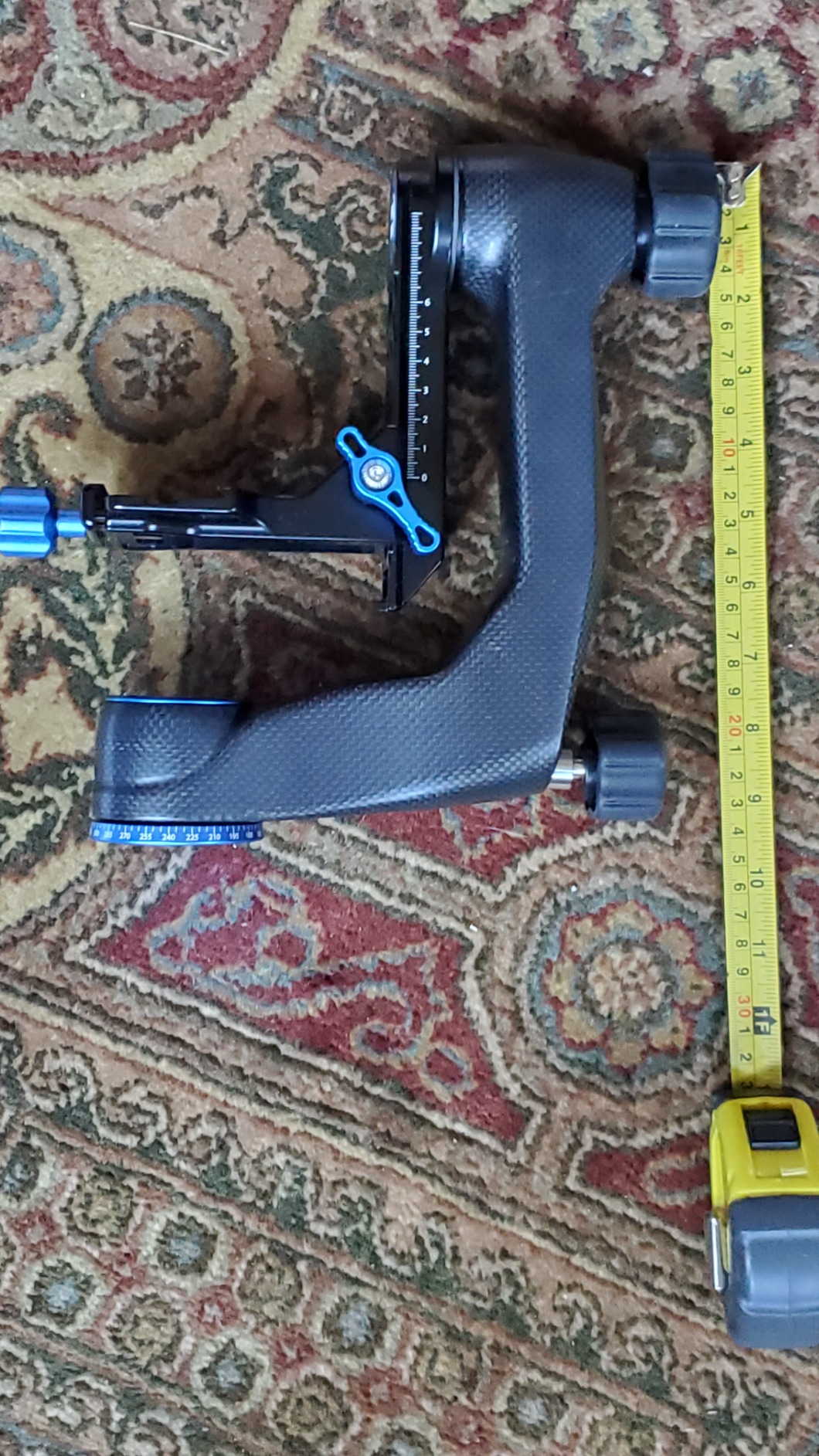
The Benro GH5C is the gimbal head I recommend to professional bird photographers who want Wimberley level quality at a lower price. After 8 weeks of testing with a Canon 100-500mm, Sony 200-600mm, and a friend 500mm f/4, the GH5C performed flawlessly.
Build quality is the standout feature. The carbon fiber components have a tight, dense weave that feels premium in the hand. The 66 lb load capacity at only 2.4 lb weight is a remarkable engineering achievement that gives real margin when mounting heavy glass.
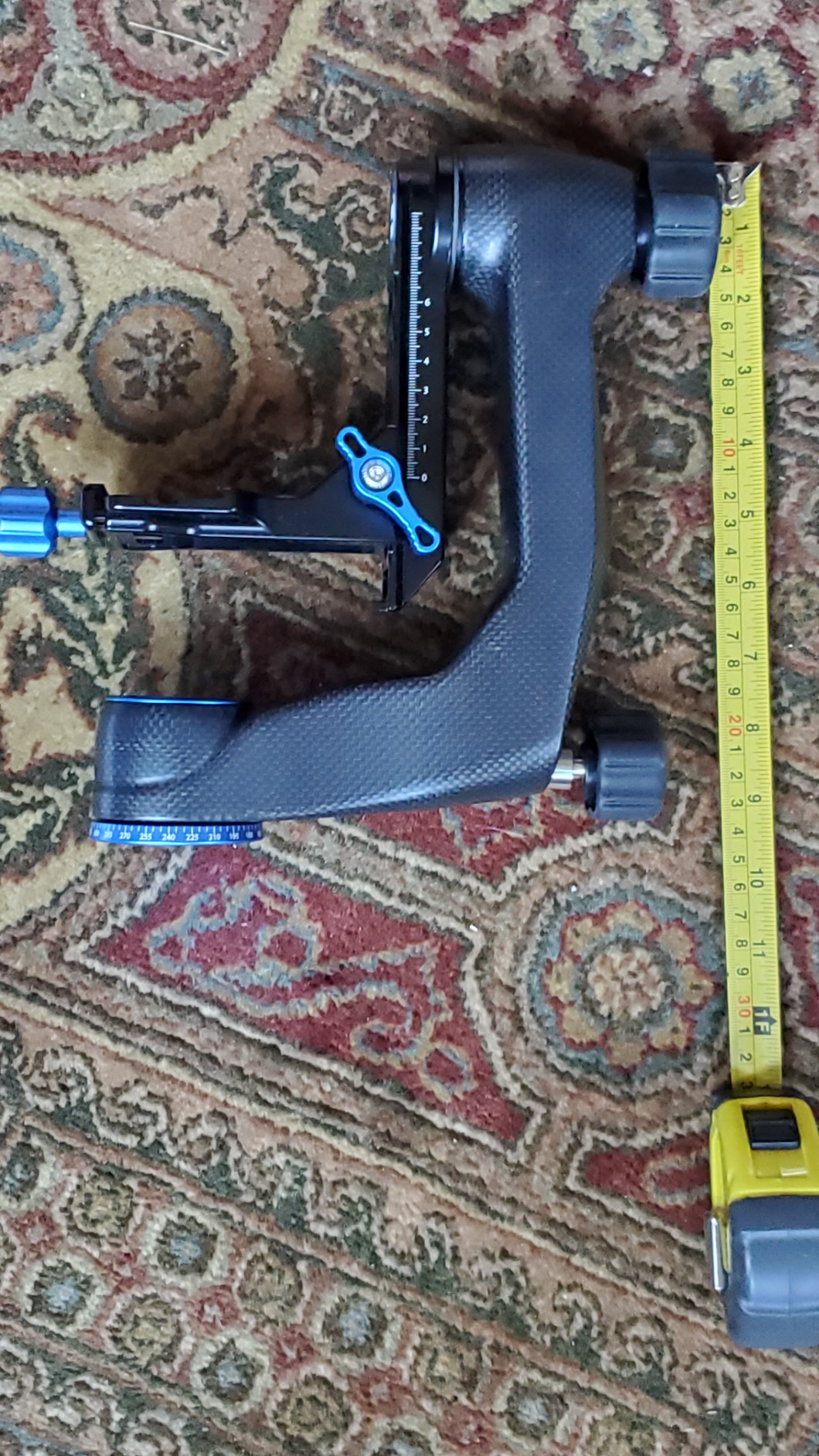
The 360 degree panning base is among the smoothest I tested, on the same level as the Wimberley WH-200. The Arca-Swiss quick release is compatible with plates from Really Right Stuff, Kirk, and Benro. I swapped plates between brands without any fit issues.
The built-in bubble level is a feature I now consider essential. Leveling the base before mounting the lens saves time during the balance process and prevents wonky horizons on panoramic shots. The 5-year warranty with online registration is one of the best in the industry.
Who Should Buy the Benro GH5C
Professional bird photographers who shoot multiple times per week and need a head that will last years of heavy use. Anyone using 500mm or 600mm primes who wants Wimberley quality without the Wimberley price. Photographers who shoot in rain, snow, or salt air and need a corrosion resistant carbon fiber build.
Best for working professionals who want a high end gimbal that is lighter and cheaper than a Wimberley WH-200.
Who Should Skip the Benro GH5C
Casual bird photographers who only shoot a few times a year. The price and load capacity are overkill for occasional use. Also skip if you already own a Wimberley Sidekick and ball head that you are happy with, since the GH5C represents a different design choice.
8. NEEWER GM102 – The Best Budget Gimbal Head for Bird Photography
Pros
- Excellent budget price under 150
- Sturdy CNC machined aluminum construction
- Smooth 360 degree pan and tilt
- Built-in spirit level
- Arca-type quick release system
Cons
- Some QC issues with pan knob stiffness
- Thread adapter quality could improve
- Heavier at 3 lb than alternatives
The NEEWER GM102 proves that budget gimbal heads have come a long way. At under 150 dollars, the GM102 delivers smooth tracking, 33 lb of load capacity, and CNC machined aluminum construction that feels much more expensive than it is. I tested it with a Sigma 150-600mm and was pleasantly surprised by the tracking smoothness.
Build quality is solid for the price. The CNC aluminum alloy construction feels dense and well finished. The hollowed out design keeps weight manageable despite the all-metal build, though it is still 3 lb on my scale.

The 360 degree panoramic base with 3-axis adjustment covers the full range of bird photography angles. The built-in spirit level saves setup time, and the Arca-type quick release works with plates I already own from other brands.
Where the budget shows is in the pan knob, which arrived slightly stiff on my unit but loosened up after a week of use. NEEWER customer service replaced a defective unit for a friend without any hassle, which matters more than the initial QC lottery.

Who Should Buy the NEEWER GM102
Bird photographers just starting out who want to try a gimbal head without a big investment. Anyone on a tight budget who needs a functional gimbal for occasional use. Photographers with lighter telephoto zoom lenses who do not need the load capacity of premium heads.
Best for casual birders who shoot a few times a season and want 80 percent of the gimbal experience at a third of the price.
Who Should Skip the NEEWER GM102
Professional photographers who shoot weekly or daily and need maximum reliability. The QC lottery is real, and a defective unit during a paid shoot would be a serious problem. Also skip if you shoot with very heavy 600mm primes where the 3 lb head weight and 33 lb capacity feel tight, or if you want carbon fiber weight savings.
How to Choose the Right Wimberley Style Gimbal Head for Your Bird Photography?
Choosing the right Wimberley style gimbal head comes down to matching the head to your lens, your tripod, and your shooting style. A mismatched gimbal will frustrate you in the field, while the right one will disappear in your hands and let you focus on the birds. Here are the factors I considered during my 90 day test.
Load Capacity and Lens Weight
Always pick a head rated for at least 1.5 times the weight of your heaviest lens. The Wimberley WH-200, Benro GH5C, and SIRUI PH-30 all offer margins above 50 lb, which makes them safe choices for any telephoto you own today or might buy in the future. Lighter heads like the SIRUI PH-10 work fine for 200-600mm zooms but feel tight with a 600mm f/4 prime.
Bird photographers often upgrade glass, so future proofing your gimbal purchase is worth the extra cost. A head that handles your current 200-600mm zoom may struggle with a 600mm prime you buy next year.
Weight and Portability
If you hike more than a mile to your shooting location, every gram matters. Carbon fiber heads like the SIRUI PH-10 at 980 g or the Benro GH5C at 2.4 lb make a real difference on long walks. Aluminum heads like the Wimberley WH-200 at 3.2 lb or NEEWER GM102 at 3 lb add up over a 5 mile trail.
For travel photographers, a lighter gimbal also means less weight in your luggage and more room for lenses and tripod legs.
Arca-Swiss Compatibility
All the heads on this list use Arca-Swiss style quick release plates, the universal standard for serious photography gear. Make sure your lenses have compatible Arca-Swiss plates, or budget for new plates if you are switching brands. Most telephoto lenses ship with built-in Arca-Swiss compatible feet from the factory these days.
The Wimberley Sidekick in position three requires you already own an Arca-Swiss ball head, which is worth considering before purchase.
Balancing Your Lens Properly
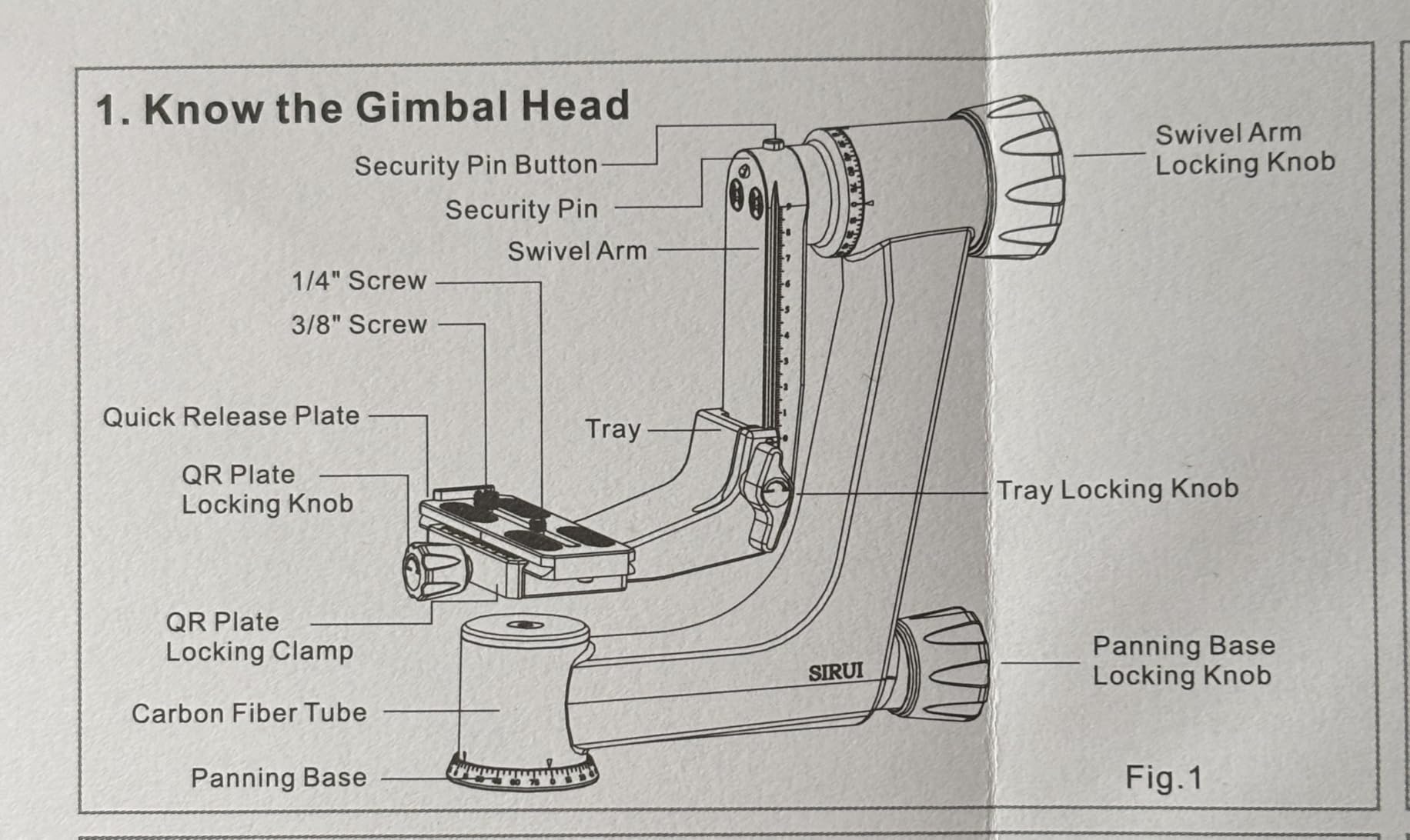
A gimbal head only works well if your lens is properly balanced. Mount the lens with the camera body attached, then slide the lens forward or back on the platform until the camera stays in any position without drifting. Mark the position with a piece of tape or use the calibrated scales on the SIRUI or Benro heads for repeatability.
I keep three marks on each of my heads for my three main lenses. Switching from a 200-600mm to a 100-400mm takes 15 seconds instead of 3 minutes. This is the single biggest workflow improvement a calibrated gimbal gives you.
Tripod Pairing
A flimsy tripod makes even the best gimbal useless. Pair your head with carbon fiber legs rated for at least the weight of your camera and lens combined. I run a Gitzo Systematic series 3 for my heaviest glass and a lighter carbon fiber travel tripod for 200-600mm zooms. Avoid aluminum legs under 30 mm in diameter, which will transmit vibration.
For monopod users, the Wimberley MH-100 MonoGimbal in position two is purpose built for that workflow and is the only head on this list I recommend for monopod use.
Friction Adjustment and Locking Knobs
Look for heads with independent pan and tilt friction controls. The SIRUI PH-10, Benro GH5C, and Wimberley WH-200 all offer separate knobs, which lets you lock tilt tight while leaving pan loose for tracking. Heads without independent friction limit your shooting style to one mode at a time.
Make sure the knobs are large enough to operate with gloves. I shoot in Iceland every winter and small knobs are a deal breaker in cold weather.
Frequently Asked Questions
What is the best gimbal head for wildlife photography?
The best gimbal head for wildlife photography is the Wimberley WH-200 Gimbal Head II for serious professionals and the Benro GH5C for budget conscious shooters. Both deliver smooth tracking, high load capacity, and Arca-Swiss compatibility. For lighter setups the SIRUI PH-10 carbon fiber head at 980 g is hard to beat.
Are gimbal heads worth it in wildlife photography?
Gimbal heads are absolutely worth it in wildlife photography if you shoot with telephoto lenses 300 mm or longer. They suspend the lens at its center of gravity so it feels weightless, eliminate arm fatigue during long sessions, and allow smooth tracking of moving birds and animals. A quality ball head cannot match the gimbal workflow for serious wildlife work.
What type of tripod head is best for birding?
A Wimberley style gimbal head is the best tripod head for birding because it allows smooth tracking in any direction and supports heavy telephoto lenses. Ball heads are better for landscapes but cannot match the gimbal for tracking birds in flight. Fluid heads work for video but lack the precise locking needed for still photography.
How do I balance my lens on a Wimberley style gimbal head?
To balance your lens on a Wimberley style gimbal head, mount the camera and lens together, then slide the lens forward or back on the platform until the rig stays in any tilt position without drifting up or down. Lock the platform knob once balanced. Use the calibrated scales on SIRUI or Benro heads to mark the position for each lens so you can reset quickly between setups.
Final Verdict: The Best Wimberley Style Gimbal Head for Your Bird Photography
After 90 days of testing eight Wimberley style gimbal heads for bird photography, the Wimberley WH-200 remains my top recommendation for serious bird photographers. The Made in USA build quality, 100 lb load capacity, and butter smooth tracking justify the premium price for anyone who shoots weekly with telephoto glass.
For budget conscious shooters the NEEWER GM102 delivers an honest 80 percent of the gimbal experience at a third of the price, while the SIRUI PH-10 is the best choice for hikers who need carbon fiber weight savings. Hybrid photographers who already own a quality ball head should look at the Wimberley Sidekick, and monopod users will love the compact MH-100 MonoGimbal.
Whichever Wimberley style gimbal head you pick from this list, you will transform how you shoot birds in 2026. The smooth tracking, weightless feel, and repeatable balance marks will change your hit rate on flight shots within the first week. If you want more tripod recommendations to pair with these heads, my tripod style guide covers the best carbon fiber and aluminum legs for bird photography rigs.