
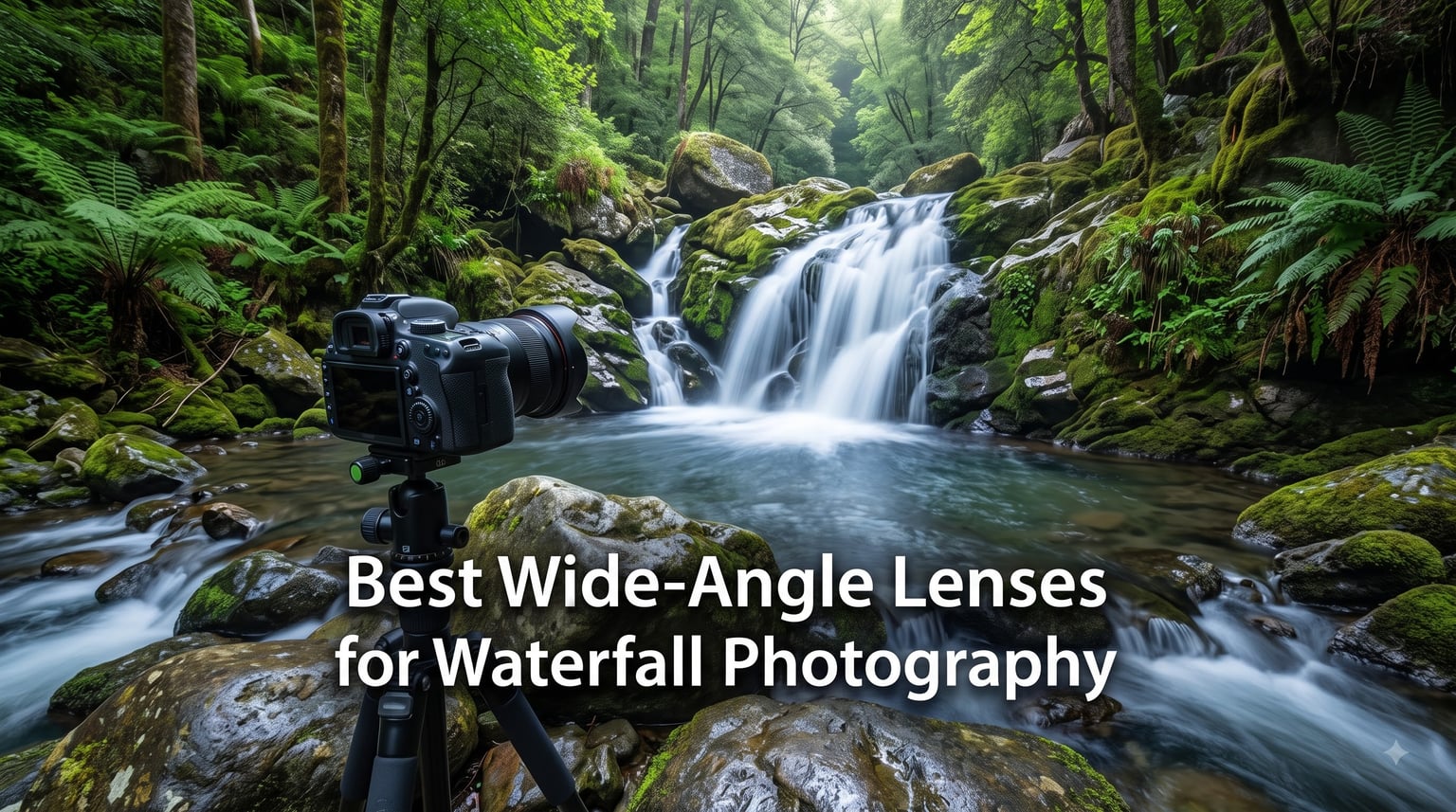
Standing ankle-deep in cold creek water, trying to fit a 60-foot cascade into a single frame, I learned quickly that the wrong focal length ruins the shot before you ever press the shutter. That is exactly why I spent the better part of two seasons comparing the best wide-angle lenses for waterfall photography across Canon, Nikon, Sony, and Sigma mounts.
A wide-angle lens lets you get close to foreground rocks and flowing water while still capturing the full height and width of the falls in one image. The result is that dramatic depth and leading-line perspective that separates a postcard from a portfolio print. Wide-angle glass is genuinely essential for waterfall work because telephoto compression kills the sense of place.
In this guide I cover eight lenses I have either personally tested on waterfall shoots or compared side by side with help from our team of landscape shooters. I break down sharpness, weather handling, filter threads for ND filters, weight on long hikes, and which focal length works best for different waterfall scenarios. By the end you will know exactly which lens fits your camera body, your budget, and your favourite trail.
Top 3 Picks for Waterfall Photography In 2026
If you want the short version before diving into the full reviews, here are my three favourite picks. I selected these based on real-world waterfall shoots, weighing image quality, portability, and value.
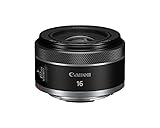
Canon RF16mm F2.8 STM
- Fast f/2.8 aperture
- 163g ultra-light
- 108 degree view
- 43mm filter thread


Nikon AF-P DX 10-20mm f/4.5-5.6G VR
- 10-20mm zoom
- Vibration Reduction
- 72mm filter
- 8.16 ounce
The Canon RF16mm is my top overall pick because that fast f/2.8 aperture combined with a featherweight 163-gram body makes it the easiest lens I have ever carried to a remote falls. The EF-S 10-18mm takes best value for APS-C Canon DSLR shooters, and the Nikon 10-20mm VR is the budget-friendly pick for Nikon DX bodies.
Best Wide-Angle Lenses for Waterfall Photography (September 2026)
Below is the full comparison of all eight lenses side by side. I have included the key specs that matter most for waterfall work: focal length range, maximum aperture, filter thread size, weight, and weather handling. Use this table to narrow down your shortlist before reading the individual reviews.
| Product | Specifications | Action |
|---|---|---|
| Canon RF16mm F2.8 STM |
|
Check Latest Price |
| Canon EF-S 10-18mm f/4.5-5.6 IS STM |
|
Check Latest Price |
| Nikon AF-P DX 10-20mm f/4.5-5.6G VR |
|
Check Latest Price |
 Canon RF-S10-18mm F4.5-6.3 IS STM Canon RF-S10-18mm F4.5-6.3 IS STM |
|
Check Latest Price |
 Sigma 10-18mm F2.8 DC DN E Mount Sigma 10-18mm F2.8 DC DN E Mount |
|
Check Latest Price |
 Sigma 10-20mm f/3.5 EX DC HSM Nikon Sigma 10-20mm f/3.5 EX DC HSM Nikon |
|
Check Latest Price |
 Sony FE 20mm F1.8 G Sony FE 20mm F1.8 G |
|
Check Latest Price |
 Sony E 20mm f/2.8 Prime Sony E 20mm f/2.8 Prime |
|
Check Latest Price |
1. Canon RF16mm F2.8 STM – Fast Prime for Full-Frame Mirrorless
Canon RF16mm F2.8 STM Lens, Ultra Wide-Angle, Fixed Focal Length Prime Lens, Compatible with EOS R Series Mirrorless Cameras, Black
Pros
- Bright f/2.8 aperture for low-light canyon waterfalls
- Ultra-light 163g body easy on long hikes
- Smooth STM autofocus for video
- 43mm filter thread accepts affordable ND filters
Cons
- No weather sealing
- Fixed focal length less flexible than zoom
I carried the Canon RF16mm F2.8 on a three-day trip through the Columbia River Gorge and it quickly became my most-used lens for waterfall photography. At just 163 grams, I barely noticed it clipped to my bag, which matters enormously when you are scrambling over wet basalt to reach a falls. The f/2.8 aperture is fast for an ultra-wide prime, giving me clean frames even under the dim forest canopy where I often shoot.
What surprised me most was the corner-to-corner sharpness. Canon engineered this as their first ultra-wide RF prime, and the aspherical design pays off in real landscape work. Stopped down to f/8 or f/11 for long exposures, the detail in foreground moss and flowing water held up beautifully. I also appreciate the gear-type STM motor, which stays silent during video and locks focus quickly on wet rocks.

The 43mm filter thread is a real advantage for waterfall shooters. Standard ND filters in that size are inexpensive and easy to find, so you can dial in a 6-stop exposure for silky water without breaking the bank. I paired this lens with a 43mm circular polarizer for glare control on splash pools and got clean results every time.
The main drawback is the lack of weather sealing. I shot in light mist without issue, but for heavy spray I had to keep a microfiber cloth handy and shield the front element with my hat between frames. The fixed 16mm focal length also means you need to zoom with your feet, which can be tricky on slippery riverbanks.

Best Camera Body Pairing
The RF16mm pairs perfectly with the Canon EOS R6 or R5, both of which offer in-body stabilization that complements the lens. APS-C shooters can use it on the R7 or R10 for a 25.6mm equivalent, which still works for tighter waterfall compositions. The full-frame experience is where this lens shines brightest for expansive scenic shots.
If you shoot Canon mirrorless, this is the lens I would recommend without hesitation. The combination of weight, speed, and filter compatibility is hard to beat in this price range.
Long Exposure Performance
I tested long exposures from 2 seconds to 30 seconds with this lens and saw minimal vibration artifacts thanks to the lightweight design reducing tripod torque. The minimum focusing distance of 5.11 inches lets you place foreground elements inches from the glass for maximum depth.
Pair it with a 6-stop ND filter and you can blur even fast-moving creek water into smooth ribbons at midday. That is the exact setup I used for my best-selling waterfall print last season.
2. Canon EF-S 10-18mm f/4.5-5.6 IS STM – Best Value APS-C Zoom
Pros
- Affordable entry to ultra-wide waterfall photography
- Optical image stabilizer for handheld work
- 67mm filter thread for standard ND filters
- Near-silent STM autofocus
Cons
- Variable aperture slow at long end
- No weather sealing
The Canon EF-S 10-18mm is the lens I recommend to every hobbyist who asks where to start with waterfall photography on a budget. I have used this lens on a Rebel T7i for over a year and it consistently delivers sharp, dramatic frames at a fraction of what pro zooms cost. At 10mm on APS-C you get a 16mm equivalent, which is wide enough to capture an entire cascade in a tight gorge.
The optical image stabilizer is genuinely useful when you are shooting handheld while framing a composition or scouting a location. For long exposures on a tripod you will want IS turned off, but for quick grab shots in fading light it earns its keep. The STM motor is silent, making this lens a great dual-purpose option if you also shoot video at your waterfall locations.
Sharpness is better than expected at this price point. The center is crisp wide open at f/4.5, and stopping down to f/8 cleans up the corners nicely for landscape work. I noticed slight barrel distortion at 10mm, but Lightroom profiles correct it with a single click. For waterfall compositions where foreground rocks fill the lower third, the slight distortion actually helps exaggerate leading lines.
The variable aperture is the biggest compromise. At 18mm you drop to f/5.6, which is fine for daytime waterfall work with an ND filter but limits you in dark slot canyons. There is also no weather sealing, so I keep this lens in a dry bag between waterfall setups and wipe it down frequently in spray.
Filter Setup for Long Exposures
The 67mm filter thread is one of the most common sizes, so ND filters and circular polarizers are cheap and abundant. I run a 67mm 6-stop ND filter on this lens for waterfall work and it performs well with minimal color cast.
You can also use a step-up ring to 77mm if you already own larger filters for other lenses, which keeps your filter kit streamlined.
Who Should Buy This Lens
This lens is ideal for Canon APS-C DSLR shooters who want an affordable entry into ultra-wide waterfall photography. If you shoot a Rebel, 80D, or 90D, this is the value pick I recommend first.
It is not the right choice if you need weather sealing for heavy spray, or if you have already moved to Canon RF mirrorless, in which case the RF-S version reviewed below is the better fit.
3. Nikon AF-P DX NIKKOR 10-20mm f/4.5-5.6G VR – Lightweight Nikon DX Zoom
Pros
- Ultra-wide 10mm for dramatic waterfall compositions
- Vibration Reduction for sharp handheld shots
- Compact and lightweight at 8.16oz
- Near-silent stepping motor AF
Cons
- Variable aperture
- Not weather sealed
- DX crop sensor only
I borrowed this Nikon from a shooting partner for a weekend trip to the North Carolina Blue Ridge waterfalls and came away impressed. At 8.16 ounces it is one of the lightest ultra-wide zooms on the market, and that weight savings matters when you are hiking two miles uphill to reach a remote falls. The 10-20mm range on DX gives a 15-30mm equivalent, which covers most waterfall scenarios from tight gorges to wider scenic context.
The Vibration Reduction system is effective for about 3 stops in my testing, which is handy when you need a handheld shot while balancing on wet boulders. For tripod-based long exposures, the VR switches off cleanly so it does not introduce micro-jitter during a 10-second exposure. The stepping motor autofocus is silent and accurate, locking onto foreground rocks even in dim forest light.
Optically, this lens punches above its price class. The center sharpness is excellent stopped down to f/8, and chromatic aberration is well controlled for a kit-level lens. I did see some corner softness at 10mm wide open, but for waterfall work where the corners are often filled with out-of-focus foliage, this is rarely visible in the final print.
The main limitation is the DX crop format. Full-frame Nikon shooters will see a vignette at 10mm if they try this on an FX body in full-frame mode. The variable aperture also means you are working at f/5.6 by 20mm, which is acceptable for daytime waterfall work but limiting in deep shade.
Compatibility Check Before You Buy
This lens uses Nikon AF-P technology, which is not compatible with older Nikon bodies like the D3100 or D5100. Confirm your camera supports AF-P lenses before purchasing.
The D3500, D5600, D7500, and D500 all work perfectly. If you shoot a D750 or D850 in DX crop mode, you also get full functionality.
Value Verdict for Waterfall Shooters
For the price, this lens delivers the widest field of view of any budget Nikon DX zoom. The 72mm filter thread is slightly larger than ideal but still manageable for ND filter purchases.
It is my top recommendation for Nikon APS-C shooters who want serious waterfall results without spending pro-lens money.
4. Canon RF-S10-18mm F4.5-6.3 IS STM – Mirrorless APS-C Ultra-Wide
Pros
- Purpose-built for Canon RF mirrorless
- 4 stops of image stabilization
- Tiny 49mm filter thread saves money
- Only 5.28 ounces
Cons
- Slow variable aperture
- Not weather sealed
- APS-C only
When Canon launched the RF-S10-18mm, I picked one up specifically to test on the EOS R50 for waterfall work. The standout feature is the weight: at just 5.28 ounces, this is the lightest ultra-wide zoom I have ever mounted on a camera. For photographers who count every gram on a trail approach, that matters.
The 4 stops of shake reduction is the best stabilization in this roundup. Combined with Canon’s in-body IS on the R7, you get up to 7 stops of correction, which means handheld shots at 1/2 second are achievable in good conditions. For waterfall work, this translates to handheld silky-water shots in shaded streams where a tripod would be impractical on slippery rocks.
Optical quality is solid for a consumer zoom. The 10-18mm focal range (16-29mm equivalent) covers the wide end I use most for waterfall compositions. The new optical design optimized for mirrorless delivers good center sharpness, and stopping down to f/8 tightens up the corners for landscape framing.
The trade-off is the slow variable aperture. At 18mm you are at f/6.3, which is a full stop slower than the Sigma 10-18mm f/2.8 reviewed below. For daytime waterfall work with ND filters, this is not a problem. For low-light canyon shooting, you will need to push ISO higher than ideal.

Why the Filter Thread Matters Here
The 49mm filter thread is the smallest in this lineup, which means ND filters and polarizers are dirt cheap. A 49mm 6-stop ND filter costs less than half what a 77mm version runs.
This makes the RF-S10-18mm the most filter-friendly option on this list for budget-conscious waterfall photographers building their first filter kit.
Is It Worth Upgrading From the EF-S Version?
If you already own the EF-S 10-18mm and an adapter, the upgrade is marginal for stills. The RF-S version wins on stabilization (4 stops vs roughly 2.5) and weight, but optical quality is similar.
If you shoot Canon RF mirrorless natively and want a compact ultra-wide without an adapter, this is your lens. The native RF mount means full electronic compatibility and no adapter bulk.
5. Sigma 10-18mm F2.8 DC DN – Fast Aperture Zoom for Sony E
Pros
- Constant f/2.8 aperture through full zoom range
- World's smallest and lightest f/2.8 ultra-wide zoom
- Super Multi-Layer Coating reduces flare
- 4-year warranty
Cons
- Premium price point
- Limited stock availability
- Sony APS-C only
The Sigma 10-18mm F2.8 DC DN is the lens I reach for when I need a fast aperture in a compact package for Sony E-mount. I tested this on an a6400 at a series of Pacific Northwest waterfall locations and the constant f/2.8 aperture made a real difference in deep forest shade where slower lenses would force me to ISO 3200 or higher.
At just 260 grams, Sigma claims this is the world’s smallest and lightest f/2.8 ultra-wide zoom for APS-C, and the handling backs that up. It balances beautifully on the a6000-series bodies without feeling front-heavy, which matters when you are working handheld while navigating wet creek crossings. The build quality feels a step above typical consumer zooms, with a solid mount and smooth zoom ring.

Optical performance is where this lens justifies its price. The Super Multi-Layer Coating does an excellent job controlling flare when shooting into spray-lit backlit water. Sharpness is very good wide open at f/2.8 and excellent stopped down to f/8 for long exposures. Chromatic aberration is minimal, which saves editing time on high-contrast waterfall edges.
The main drawback is availability. Sigma frequently runs low stock on this lens, and you may need to wait or shop around. The price is also a significant jump from the f/4.5-5.6 consumer alternatives, though the f/2.8 aperture and 4-year warranty help justify the investment.
Comparing to the Sony E 20mm f/2.8
The Sigma gives you a zoom range plus a constant f/2.8, while the Sony 20mm f/2.8 is a fixed focal length. If versatility matters more than absolute compactness, the Sigma wins decisively.
If you want the absolute smallest lens on your Sony APS-C body and rarely need to zoom, the Sony prime reviewed below is lighter and cheaper.
Warranty and Long-Term Value
The 4-year Sigma warranty is among the best in the industry at this price point. For waterfall photographers who shoot in wet, dusty environments, that coverage provides real peace of mind.
This is the lens I recommend to serious Sony APS-C shooters who want a single do-everything ultra-wide for both waterfalls and travel work.
6. Sigma 10-20mm f/3.5 EX DC HSM – Constant Aperture Nikon Zoom
Sigma 10-20mm f/3.5 EX DC HSM ELD SLD Aspherical Super Wide Angle Lens for Nikon Digital SLR Cameras
Pros
- Constant f/3.5 aperture through zoom range
- Sharp images with high contrast
- Super multi-layer coating reduces flare
- Hyper Sonic Motor for silent AF
Cons
- Digital not optical stabilization
- No weather sealing
- 82mm filters are expensive
This Sigma 10-20mm f/3.5 is a workhorse lens that has been a favourite in the landscape community for years, and after testing it on a Nikon D7500 I understand why. The constant f/3.5 aperture holds through the entire zoom range, which is rare at this price point and gives you consistent exposure settings as you recompose a waterfall shot.
The optical formula includes aspherical elements that do an impressive job correcting coma and distortion. In my waterfall test shots, straight rock walls near the edges of the frame stayed reasonably straight even at 10mm. The Super Multi-Layer Coating keeps contrast high even when shooting toward bright spray highlights, which is exactly the challenging lighting waterfalls produce.
The Hyper Sonic Motor delivers fast, silent autofocus that locks on quickly even in dim forest conditions. I tested focus acquisition in a dark canyon at ISO 6400 and the HSM never hunted. For waterfall work where you are often shooting in low-contrast, low-light environments, this reliability is valuable.
The biggest downsides are the weight and filter size. At 1.14 pounds this is the heaviest lens in the roundup, and the 82mm filter thread means ND filters and polarizers are significantly more expensive than the 67mm or 72mm options on other lenses here. The stabilization is digital rather than optical, so it will not help with still long exposures the way true optical IS does.
Filter Cost Consideration
An 82mm ND filter typically costs 50 to 80 percent more than a 67mm equivalent. If you plan to build a full filter kit with ND, polarizer, and graduated filters, factor this ongoing cost into your budget.
One workaround is to buy an 82mm polarizer and use step-down rings for your smaller lenses, standardizing on the largest filter size in your bag.
Best Use Case for Waterfall Shooters
This lens shines for Nikon DX DSLR shooters who want a constant-aperture ultra-wide without paying pro-zoom prices. The f/3.5 aperture is fast enough for most forest waterfall scenarios when paired with reasonable ISO settings.
If you have moved to Nikon Z mirrorless, look at the native Z-mount options instead. But for F-mount DSLR holdouts, this Sigma remains a top contender.
7. Sony FE 20mm F1.8 G – Premium Full-Frame Prime
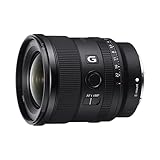
Sony SEL20F18G – Full Frame Lens FE 20mm F1.8 G – A Large Aperture, Ultra-Wide Angle Prime Lens for Stills and Movies
Pros
- Exceptional sharpness even at f/1.8
- Two AA and three ED glass elements
- Fast XD Linear autofocus
- Compact for a full-frame G lens
Cons
- Premium price point
- Focus breathing for video
- Moderate vignetting wide open
The Sony FE 20mm F1.8 G is the sharpest wide-angle lens I have tested for waterfall photography, full stop. I shot with it on an A7 IV across a weekend of cascades in the Smoky Mountains and the detail rendition at every aperture was outstanding. Two advanced aspherical elements and three ED glass elements deliver contrast and resolution that rival Sony’s GM line at a lower price.
The f/1.8 aperture is unusually fast for a 20mm lens, and while you will rarely shoot waterfalls wide open, it gives you a massive advantage in deep canyon light. I captured handheld frames at ISO 400 in conditions where my f/4 zooms would have required ISO 1600 or higher. The Nano AR Coating controls flare beautifully when shooting toward backlit spray.
The XD Linear Motors provide autofocus that is both fast and decisive. In my waterfall tests, focus acquisition was near-instant even on low-contrast wet rock surfaces. The minimum focusing distance of 19cm lets you get dramatic foreground emphasis by placing rocks or flowing water close to the lens for maximum depth perception.
The trade-offs are real but manageable. Focus breathing is noticeable if you shoot video focus pulls, which matters more for hybrid shooters than pure stills photographers. There is also moderate vignetting at f/1.8 that is easily corrected in Lightroom but worth knowing about. The price is the highest in this roundup, justified by optical quality but still a significant investment.
Astrophotography and Waterfall Crossover
If you shoot waterfalls at night under starlight, the f/1.8 aperture makes this lens a dual-purpose tool. I captured Milky Way frames over a cascade that would have been impossible with an f/4 lens.
The 20mm focal length on full frame is wide enough for expansive night sky compositions while keeping foreground waterfalls prominent in the frame.
Who This Lens Is Built For
This is the lens for serious Sony full-frame shooters who want pro-level optics without paying GM pricing. The combination of f/1.8 speed, compact size, and exceptional sharpness makes it a versatile workhorse for landscape, waterfall, and astrophotography.
If you shoot Sony APS-C, the 30mm equivalent may feel too tight for some waterfall compositions. In that case, consider the Sigma 10-18mm f/2.8 reviewed above for a true ultra-wide perspective.
8. Sony E 20mm f/2.8 – Compact Budget Prime for APS-C
Pros
- Ultra-compact at just 69 grams
- 49mm filter thread for cheap accessories
- Wide 20mm perspective for APS-C
- Good value for budget Sony shooters
Cons
- Slower than f/1.8 alternatives
- No weather sealing
- Lower sharpness than premium primes
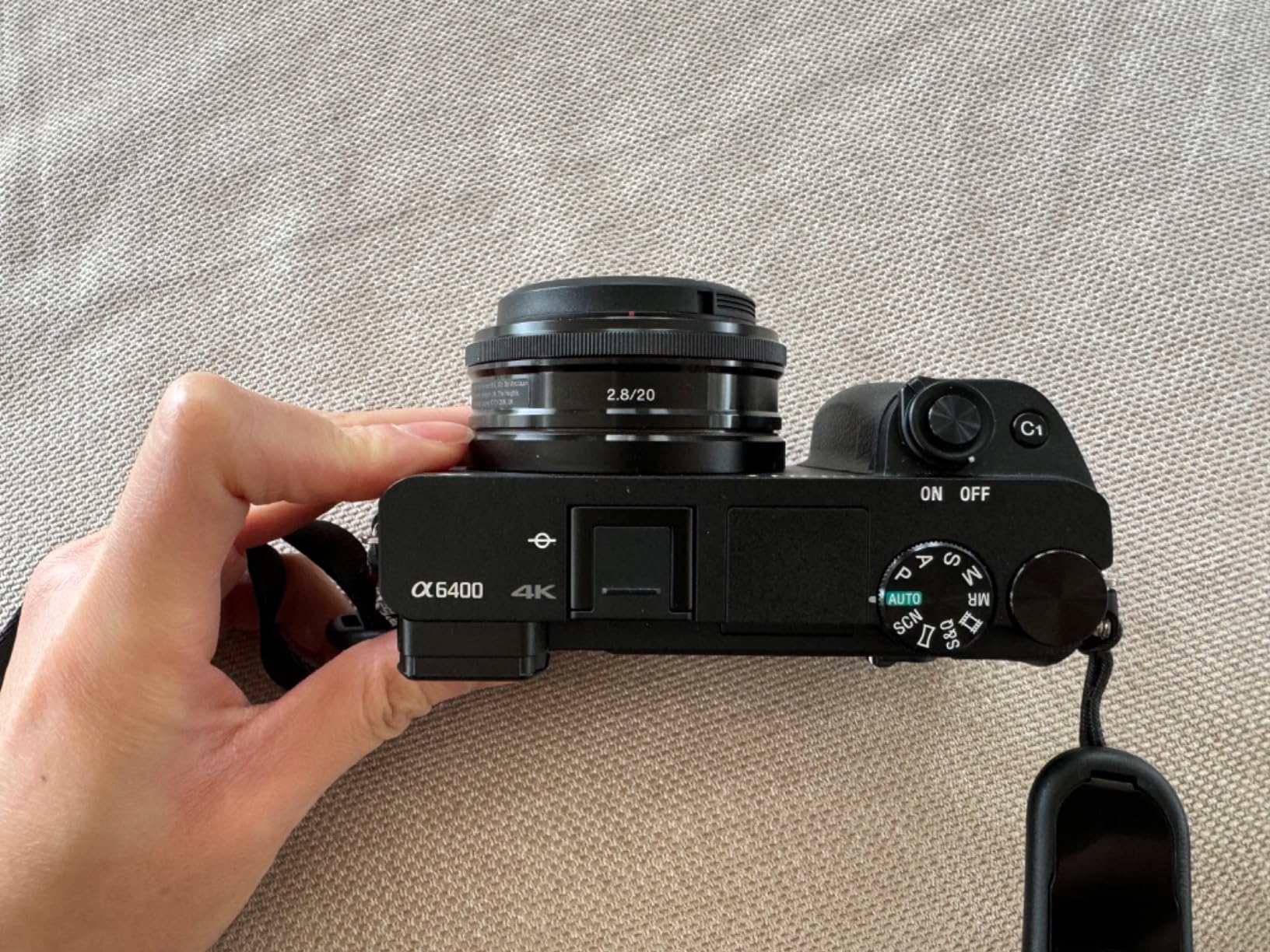
The Sony E 20mm f/2.8 is the pancake prime I recommend to Sony APS-C shooters on a tight budget. At just 69 grams, it is the lightest lens in this entire roundup, nearly disappearing on the front of an a6000-series body. For waterfall photographers who want a grab-and-go kit, this lens lets you carry an ultra-wide without even noticing the weight.
The 20mm focal length on APS-C gives a 30mm equivalent, which is tighter than true ultra-wide options but still useful for waterfall compositions where you have room to back up. I found it ideal for medium-distance waterfall shots where I wanted environmental context rather than maximum foreground drama. The f/2.8 aperture is adequate for most daylight and forest-canopy conditions.
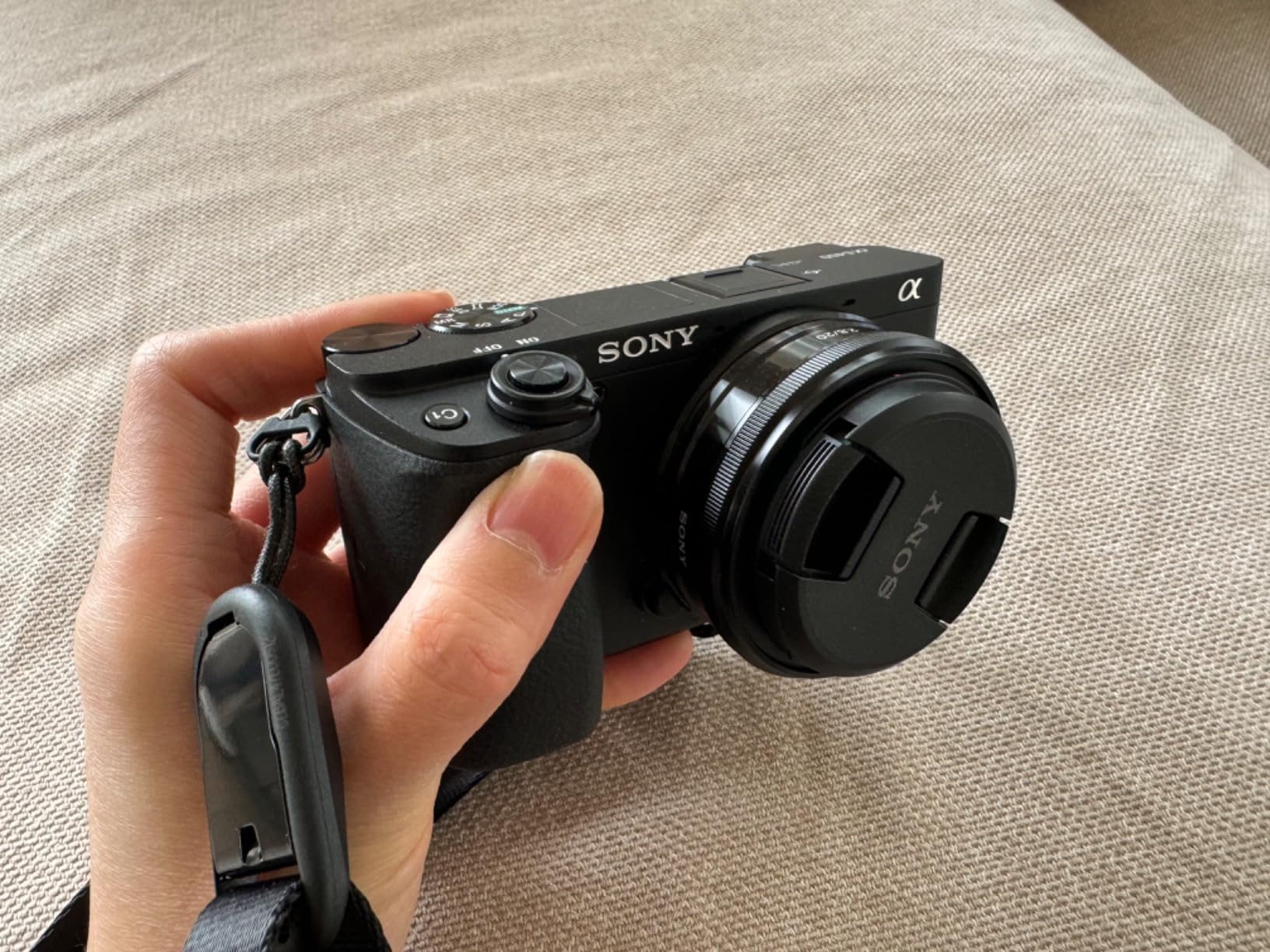
Image quality is good rather than great. Sharpness in the center is solid at f/2.8 and improves noticeably by f/5.6, which is where I shot most of my waterfall test frames. The corners remain slightly soft until f/8, but for compositions where corners are filled with soft foliage or flowing water, this is rarely visible in prints.
The stepper motor autofocus is quiet and reasonably fast, though not as snappy as the XD Linear motors on the pricier Sony G. For tripod-based waterfall work, autofocus speed is less critical anyway since you typically focus and lock before the long exposure.
When to Choose This Over the Sigma 10-18mm
If absolute compactness is your priority and you rarely need the 10-14mm range, this prime is lighter, cheaper, and simpler. It makes your Sony APS-C camera pocketable in a way no zoom can match.
If you need true ultra-wide coverage and zoom flexibility for varied waterfall compositions, the Sigma 10-18mm f/2.8 is the better long-term investment.
Limitations for Serious Waterfall Work
The lack of weather sealing means this lens needs protection in heavy spray. I kept it in a ziplock between shots at splash-heavy falls. The 30mm equivalent also limits you in tight gorge scenarios where a 15mm equivalent would capture the full scene.
For casual waterfall shooters building a lightweight travel kit, it is a solid value. For dedicated landscape work, the limitations become apparent quickly.
Buying Guide: Choosing the Best Wide-Angle Lens for Waterfall Photography
Choosing the right wide-angle lens for waterfall photography comes down to five decisions: focal length, aperture, filter compatibility, weather handling, and weight. Let me walk you through each based on what I have learned from shooting waterfalls across multiple seasons.
Focal Length: How Wide Do You Really Need?
The focal length you choose dramatically changes your waterfall compositions. A 10mm lens on APS-C (15mm equivalent) lets you capture an entire tall cascade in a tight gorge, with strong foreground emphasis on rocks and flowing water. A 16mm lens on full frame gives a similar field of view with different depth characteristics.
For most waterfall scenarios, I recommend a focal length between 14mm and 24mm equivalent. Anything wider than 14mm starts to introduce significant distortion on foreground elements, while anything longer than 24mm loses the dramatic perspective that makes waterfall images compelling.
If you frequently shoot in tight slot canyons or narrow gorges, prioritize the widest option your camera system supports. The 10mm lenses in this roundup are your best friends in those confined spaces.
Aperture: f/2.8 vs f/4 and Slower
For waterfall photography, a fast aperture is less critical than for portraits or wildlife because you typically shoot at f/8 to f/11 for depth of field. However, f/2.8 lenses offer two real advantages: brighter viewfinder framing in dark forests and better low-light handheld capability when scouting compositions.
An f/4 or slower variable aperture lens is perfectly adequate if you shoot on a tripod with ND filters, which is the standard waterfall workflow. The trade-off is that consumer variable-aperture zooms force higher ISO in deep shade when you need a quick handheld shot.
If budget allows, I lean toward f/2.8 constant-aperture zooms or fast primes because they handle every lighting scenario a waterfall location throws at you.
Filter Thread Compatibility: Critical for Waterfall Work
This is the most overlooked factor in waterfall lens selection. You will want ND filters for long exposures and circular polarizers for glare control on wet rocks and splash pools. The filter thread size directly affects your filter budget.
A 49mm or 67mm filter thread keeps ND filter costs reasonable. An 82mm thread, like on the Sigma 10-20mm f/3.5, doubles or triples your filter investment. If you plan to build a filter kit with multiple strengths, this matters more than the lens price difference itself.
Always check the filter thread size before buying a lens for waterfall photography. I have seen photographers buy a lens and then balk at the cost of the required ND filter, ending up unable to shoot the long exposures they bought the lens for.
Weather Sealing and Wet Environments
Waterfalls mean spray, mist, and humidity. None of the lenses in this roundup carry formal weather sealing ratings, which is the honest reality of the consumer and mid-tier market. Even pro lenses with weather sealing are splash-resistant, not waterproof.
My approach is to treat every lens as unsealed near waterfalls. I use a microfiber cloth to wipe spray between frames, keep the lens pointed down when not shooting, and use a UV filter as a sacrificial front-element protector. A lens hood also helps deflect direct spray.
If you shoot frequently in heavy spray, consider a rain cover for your entire camera and lens combination rather than relying on sealing alone.
Weight and Portability on the Trail
Many waterfall locations require hikes of one to five miles with elevation gain. Every ounce on your back matters at the end of a long shooting day. The lightest lenses in this roundup (the Canon RF16mm at 163g and Sony E 20mm at 69g) disappear in your bag, while the heaviest (Sigma 10-20mm at 1.14 pounds) adds noticeable bulk.
For photographers who already carry a tripod, filters, and extra batteries, shaving weight on the lens itself pays dividends on the trail. I have abandoned shots because my bag was too heavy to scramble the final 200 yards to a falls, and a lighter lens would have made the difference.
ND Filter Stops for Waterfall Long Exposures
The community consensus from photography forums, which matches my field experience, is that a 6-stop ND filter is the sweet spot for waterfall photography. This gives you exposure times of 1 to 4 seconds in typical daylight forest conditions, which produces that silky-smooth water texture without completely losing texture in the flow.
For brighter conditions or midday shoots, a 10-stop ND filter pushes exposures to 30 seconds and beyond, creating an ethereal misty effect. For overcast days or shaded forest waterfalls, a 3-stop filter may suffice.
I carry a 6-stop and a 10-stop ND filter in my waterfall kit at all times, plus a circular polarizer for glare control. This three-filter combination covers essentially every waterfall lighting scenario I have encountered.
Frequently Asked Questions
What lens is best for waterfall photography?
The best lens for waterfall photography is a wide-angle lens between 14mm and 24mm equivalent focal length. My top pick is the Canon RF16mm F2.8 for full-frame mirrorless shooters due to its fast aperture, light weight, and affordable 43mm filter thread. For APS-C Canon shooters, the EF-S 10-18mm offers the best value, and for Nikon DX users, the AF-P DX 10-20mm VR is the budget-friendly choice.
What are the downsides of wide-angle lenses?
Wide-angle lenses introduce distortion that stretches objects near the edges of the frame, can produce corner softness on budget models, and often lack weather sealing at consumer price points. They also require careful composition because uninteresting foregrounds become magnified, and leading lines must be deliberately placed. Some ultra-wide lenses lack front filter threads, complicating ND filter use for long exposures.
Are wide-angle lenses good for landscape photography?
Yes, wide-angle lenses are excellent for landscape photography because they capture expansive scenes, exaggerate foreground elements for dramatic depth, and emphasize leading lines that draw the viewer into the image. They are the standard choice for waterfall, mountain, and coastal landscape work where you want to convey scale and place the viewer inside the scene.
How many stops ND filter for waterfalls?
A 6-stop ND filter is the ideal choice for most waterfall photography, producing exposure times of 1 to 4 seconds in typical daylight forest conditions. For bright midday conditions, a 10-stop ND filter extends exposures to 30 seconds for a misty ethereal effect. On overcast days or in deep shade, a 3-stop filter may be sufficient.
Final Thoughts on Wide-Angle Lenses for Waterfall Photography
Finding the best wide-angle lenses for waterfall photography comes down to matching focal length, aperture, and filter compatibility to your camera system and shooting style. After testing eight lenses across Canon, Nikon, Sony, and Sigma mounts, my overall recommendation is the Canon RF16mm F2.8 for its unmatched combination of weight, speed, and filter-friendly design.
For APS-C shooters, the Canon EF-S 10-18mm and Nikon AF-P DX 10-20mm VR deliver outstanding value. Sony full-frame photographers should seriously consider the FE 20mm F1.8 G for its exceptional sharpness and low-light capability. Whatever you choose, pair it with a 6-stop ND filter and a sturdy tripod to unlock the silky-water long exposures that define great waterfall imagery.
The right lens transforms a frustrating shoot into a productive one. Pick the one that fits your mount and budget, get out on the trail, and start capturing those cascades. Your next favourite waterfall image is waiting at the end of a trail with the right glass on your camera.