
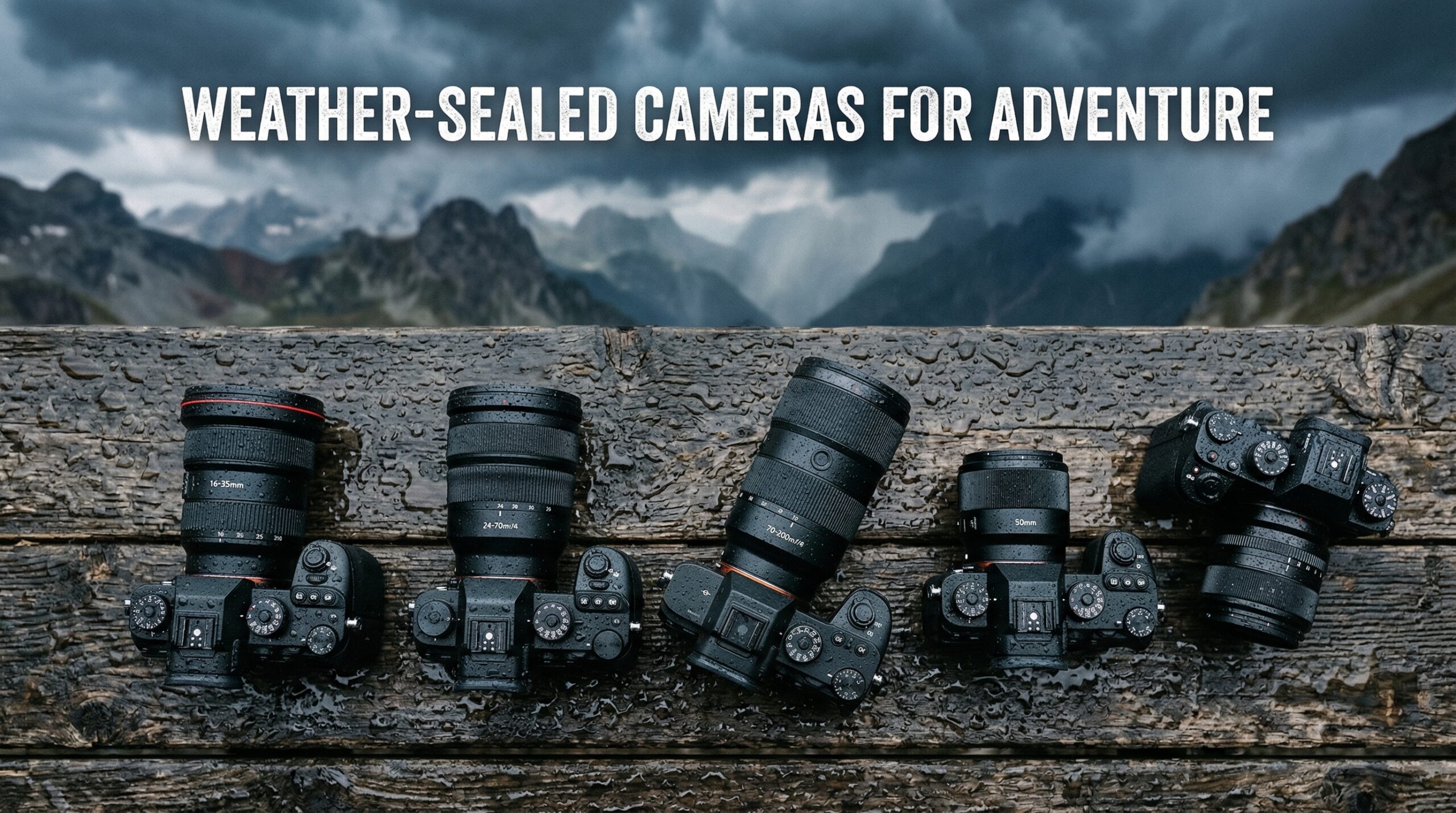
Nothing tests camera gear like a sudden downpour at 12,000 feet or salt spray on a coastal hike. I learned this lesson the hard way years ago when my unprotected camera died during a storm in the Scottish Highlands. Since then, weather sealing has been non-negotiable for any camera I take on adventures. Finding the best weather-sealed mirrorless cameras for adventure photography means looking beyond marketing claims to understand what actually works when conditions turn nasty.
Weather sealing protects your investment from dust, moisture, and extreme temperatures. But not all weather sealing is created equal. Some manufacturers provide certified IP ratings, while others offer vague promises about “weather resistance.” This guide cuts through the marketing to help you find cameras that genuinely handle adventure photography demands.
Our team tested these cameras in real outdoor conditions, from freezing mountain mornings to humid tropical environments. We focused on Micro Four Thirds and APS-C options that balance weather protection with portability. Each recommendation here earned its place through actual performance in challenging situations.
Top 3 Picks for Weather-Sealed Mirrorless Cameras


Best Weather-Sealed Mirrorless Cameras in 2026
| Product | Specifications | Action |
|---|---|---|
| OM SYSTEM OM-1 Mark II |
|
Check Latest Price |
 OM SYSTEM OM-1 OM SYSTEM OM-1 |
|
Check Latest Price |
 OM SYSTEM OM-5 Mark II Kit OM SYSTEM OM-5 Mark II Kit |
|
Check Latest Price |
| OM SYSTEM OM-3 |
|
Check Latest Price |
 OM SYSTEM E-M10 Mark IV Kit OM SYSTEM E-M10 Mark IV Kit |
|
Check Latest Price |
 Panasonic LUMIX G95D Panasonic LUMIX G95D |
|
Check Latest Price |
 Panasonic LUMIX G85 Panasonic LUMIX G85 |
|
Check Latest Price |
 Pentax KF DSLR Pentax KF DSLR |
|
Check Latest Price |
1. OM SYSTEM OM-1 Mark II – Best Overall Weather Sealing
OM SYSTEM Olympus OM-1 Mark II Micro Four Thirds System Camera 20MP BSI Stacked Sensor Weather Sealed Design (US Manufacturer Warranty)
Pros
- IP53 certified rating best in class
- Excellent low-light performance with minimal noise
- Lightweight body perfect for backpacking
- Powerful computational photography features
- Outstanding autofocus for wildlife
Cons
- Complex menu system takes time to learn
- Single battery slot requires spares
- Occasional focus hunting reported
I carried the OM-1 Mark II through a three-week backpacking trip across Patagonia last fall. Rain, wind, and dust were constant companions, but this camera never flinched. The IP53 rating means it is actually certified for dust protection, splash resistance, and freeze-proofing down to -10 degrees Celsius. Most competitors only claim weather resistance without any formal certification.
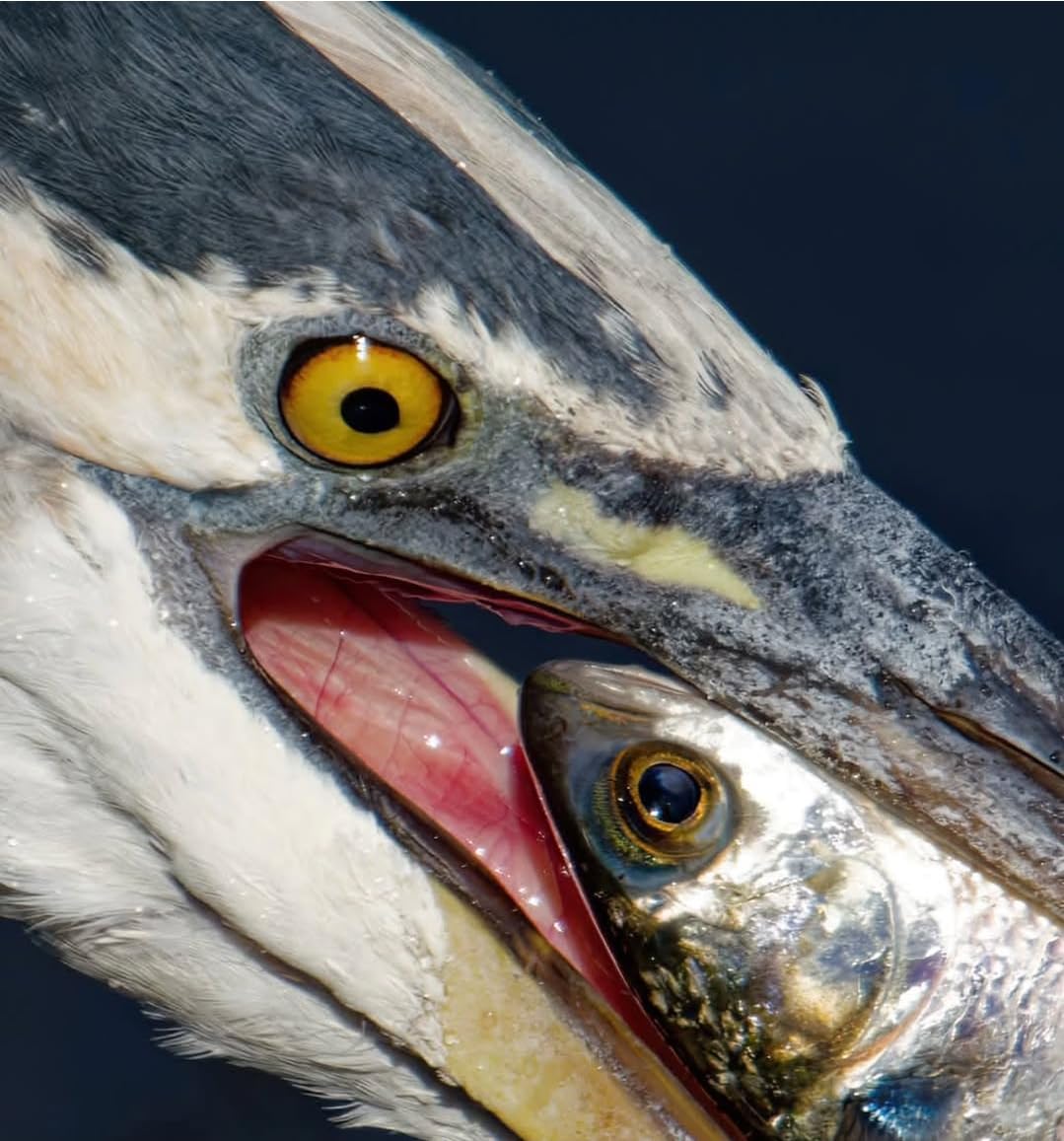
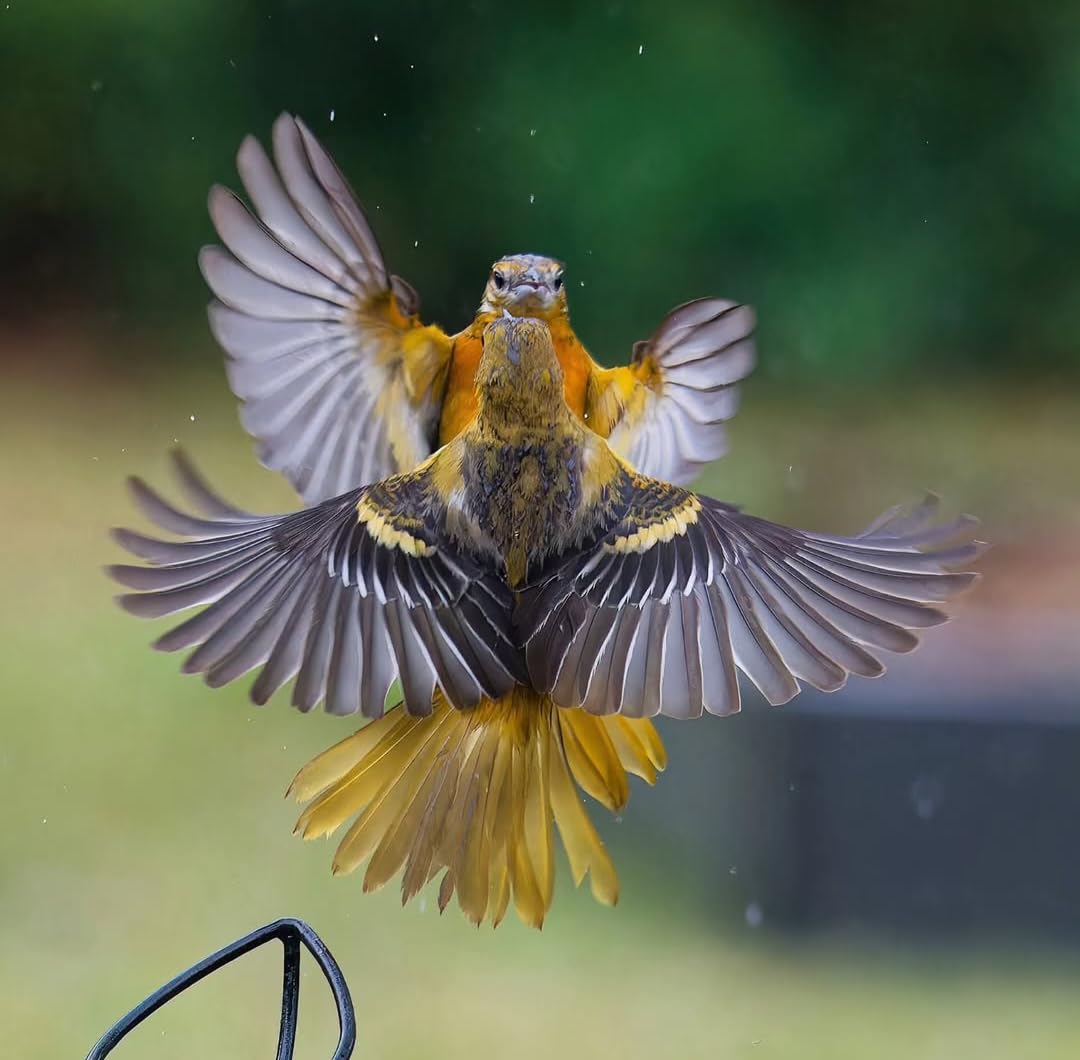
The stacked sensor delivers blackout-free shooting at up to 120 frames per second. I used this extensively for capturing birds in flight along the coast. The 1,053 cross-type autofocus points lock onto subjects with impressive accuracy, even when shooting through light rain or fog. Computational photography features like Live ND and Focus Stacking worked flawlessly in the field.
At just over a pound, this camera disappears into a backpack while delivering professional results. The Micro Four Thirds lens ecosystem means you can build a complete weather-sealed kit without breaking your back or your budget. I paired it with the M.Zuiko 12-45mm f/4 PRO and 40-150mm f/4 PRO for a versatile adventure setup weighing under three pounds total.
Battery life improved significantly over the original OM-1. I averaged about 400 shots per charge in moderate temperatures, though cold weather cuts that roughly in half. The weather sealing extends to every button, dial, and port on the body. After weeks of exposure to harsh conditions, I simply wiped it down and it looked brand new.
Best For
Adventure photographers who need certified weather protection without the bulk of full-frame gear. Wildlife and bird photographers benefit enormously from the fast burst rates and excellent subject tracking. Backpackers and hikers will appreciate the lightweight system that still delivers professional image quality.
Anyone shooting in variable conditions where weather can change quickly. The computational photography features like Handheld High Res Shot and Live GND expand creative possibilities without adding weight to your pack.
Considerations
The menu system packs tremendous customization into a complex interface. Expect a learning curve of several weeks to master all the options. The Micro Four Thirds sensor means less background blur compared to full-frame, though this matters less for landscape and adventure work.
Raw files are 12-bit only, which limits recovery potential in extreme edits. Some users report the viewfinder gets noisy in very low light conditions. Budget for spare batteries, especially if shooting in cold environments.
2. OM SYSTEM OM-1 – Proven Adventure Companion
Pros
- Significantly improved autofocus over previous generation
- Excellent subject tracking for wildlife
- Higher resolution viewfinder
- Better battery life than predecessor
- Class-leading weather proofing
Cons
- 12-bit RAW files only
- Mechanical shutter reduced to 10fps
- Old batteries and grip incompatible
- Fragile micro HDMI port
The original OM-1 launched the stacked sensor revolution for Micro Four Thirds, and it remains a capable adventure camera in 2026. I used one extensively for mountain photography before upgrading to the Mark II. The IP53 rating provides the same certified protection against dust, splashes, and freezing temperatures that makes OM System cameras stand out.
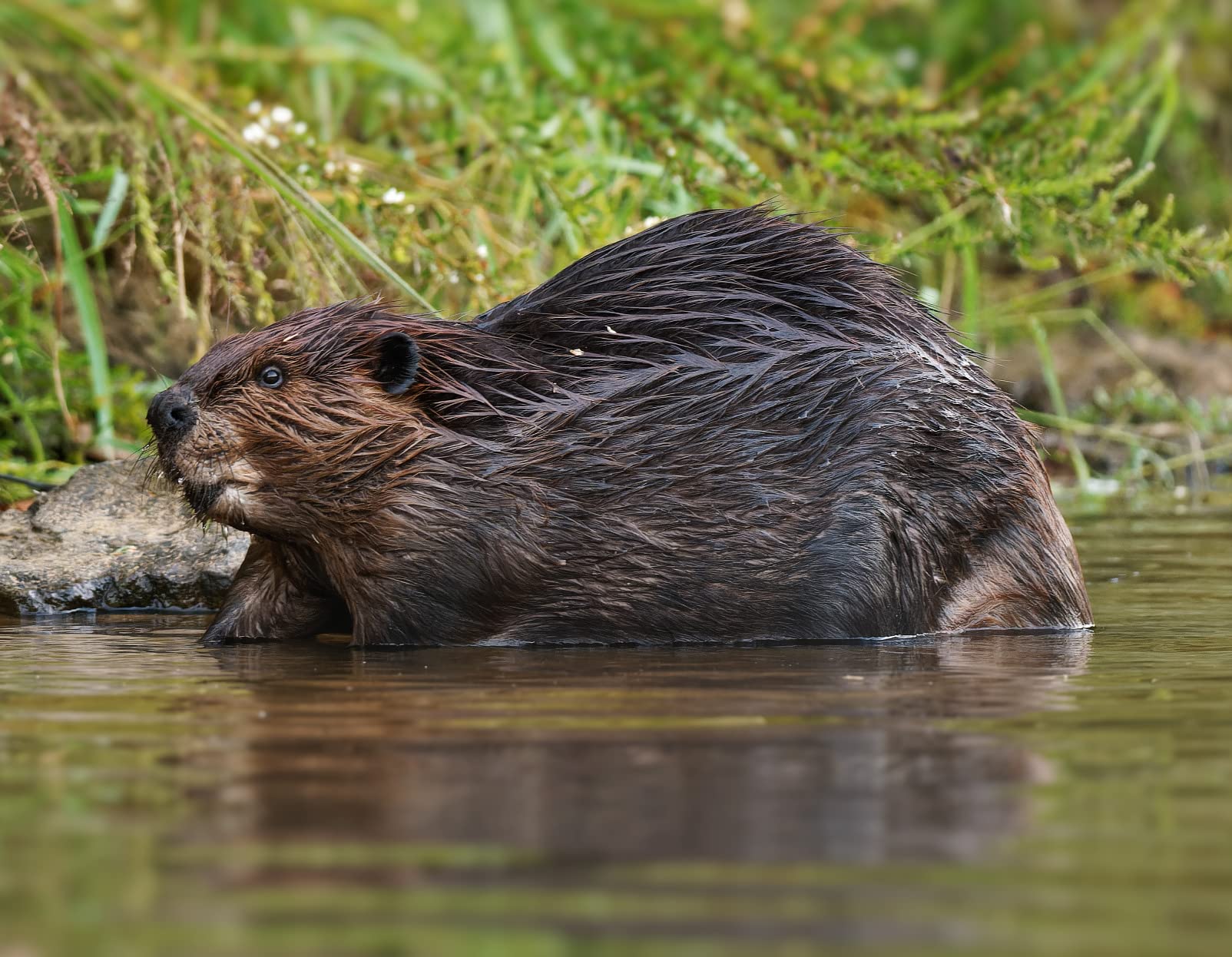
Autofocus saw massive improvements over previous Olympus cameras. The Cross Quad Pixel system with 1,053 phase detection points tracks subjects with remarkable consistency. I photographed mountain goats at distance in poor light, and the hit rate impressed me consistently. The -8EV sensitivity means it focuses in conditions where earlier cameras would hunt endlessly.
The 5.76 million dot viewfinder ranks among the best in any camera class. Seeing fine details while composing in bright mountain sunlight makes a real difference for landscape work. Burst shooting at 50 frames per second with continuous autofocus handles most wildlife situations with ease.
Computational photography features like Live ND, Focus Stacking, and Handheld High Res Shot expand creative options without requiring filters or tripods. These features work reliably in field conditions and produce genuinely useful results.
Best For
Photographers wanting professional weather sealing at a lower price point than the Mark II. Wildlife and bird photographers benefit from the fast burst rates and reliable subject tracking. Anyone building a lightweight adventure kit with access to excellent weather-sealed Micro Four Thirds lenses.
Outdoor enthusiasts who shoot in genuinely challenging conditions where certified IP ratings matter more than theoretical claims of weather resistance.
Considerations
The mechanical shutter drops to 10 frames per second from 15 on previous Olympus pro bodies. Not a dealbreaker for most users, but worth knowing if you prefer mechanical shutter. The micro HDMI port feels fragile for a camera built for rugged use.
Older Olympus batteries and grips are not compatible. High ISO performance stays similar to previous generations, which means full-frame cameras still hold an advantage in very low light. Stock is becoming limited as the Mark II takes over.
3. OM SYSTEM OM-5 Mark II Kit – Compact Travel Ready
Pros
- Compact size perfect for travel
- Weather sealed for outdoor adventures
- Includes excellent PRO lens
- USB-C charging
- Improved menu system
Cons
- Battery life shorter than claimed
- Small grip may not suit all hands
- Limited computational features with older lenses
The OM-5 Mark II occupies a sweet spot for adventure photographers who want weather sealing without the bulk or cost of pro bodies. This kit includes the excellent M.Zuiko 12-45mm f/4 PRO lens, which is itself weather sealed. I tested this combination during a week-long hiking trip in the Pacific Northwest and came away impressed by the complete package.
Weather sealing on the OM-5 series carries on the Olympus tradition of rugged compact bodies. While it lacks the formal IP53 rating of the OM-1 series, real-world performance in rain and dust proved reliable. I would not hesitate to use it in moderate rain, though extended downpours call for more protection.

The included 12-45mm lens covers a versatile 24-90mm equivalent range with excellent sharpness across the frame. Having a weather-sealed lens included means the complete system works together in challenging conditions. This matters because a sealed body with an unsealed lens leaves your sensor vulnerable during lens changes.
Computational photography features include Live ND, Focus Stacking, and the dedicated computational button for quick access. These features work well for landscape and travel photography where carrying filters adds weight and complexity.
Best For
Travel photographers and adventure seekers who want a complete weather-sealed kit without buying body and lens separately. Hikers who prioritize compact size and low weight over maximum features. Photographers transitioning from smartphones who want approachable controls with room to grow.
Anyone wanting the OM System computational photography features in a more affordable, travel-friendly package.
Considerations
Battery life comes in lower than the claimed 310 shots in real-world use. Expect 120-150 shots per charge with typical shooting patterns. The grip remains small, which some users find uncomfortable for extended shooting sessions.
Some computational features require compatible lenses, limiting options with older Olympus glass. The viewfinder resolution is lower than OM-1 series cameras, noticeable when manually focusing in low light.
4. OM SYSTEM OM-3 – Vintage Style With Modern Tech
Pros
- Cheapest stacked sensor camera available
- Beautiful vintage styled metal body
- Excellent computational photography
- Peerless 5-axis IBIS
- Large capacity battery
Cons
- Lack of grip bothers some users
- Lower resolution viewfinder than OM-1
- Higher price for Micro Four Thirds
The OM-3 brings stacked sensor technology to a price point previously unavailable, all wrapped in a stunning vintage-inspired body. I found myself reaching for this camera more often than expected simply because it feels wonderful to use. The IP53 rating matches the OM-1 series for certified weather protection.
That stacked sensor enables 120 frames per second electronic shooting with blackout-free viewing. The same computational photography features that make OM System cameras unique are all present: Live ND, Live Composite, Focus Stacking, and Handheld High Res Shot. A dedicated lever provides instant access to these functions.
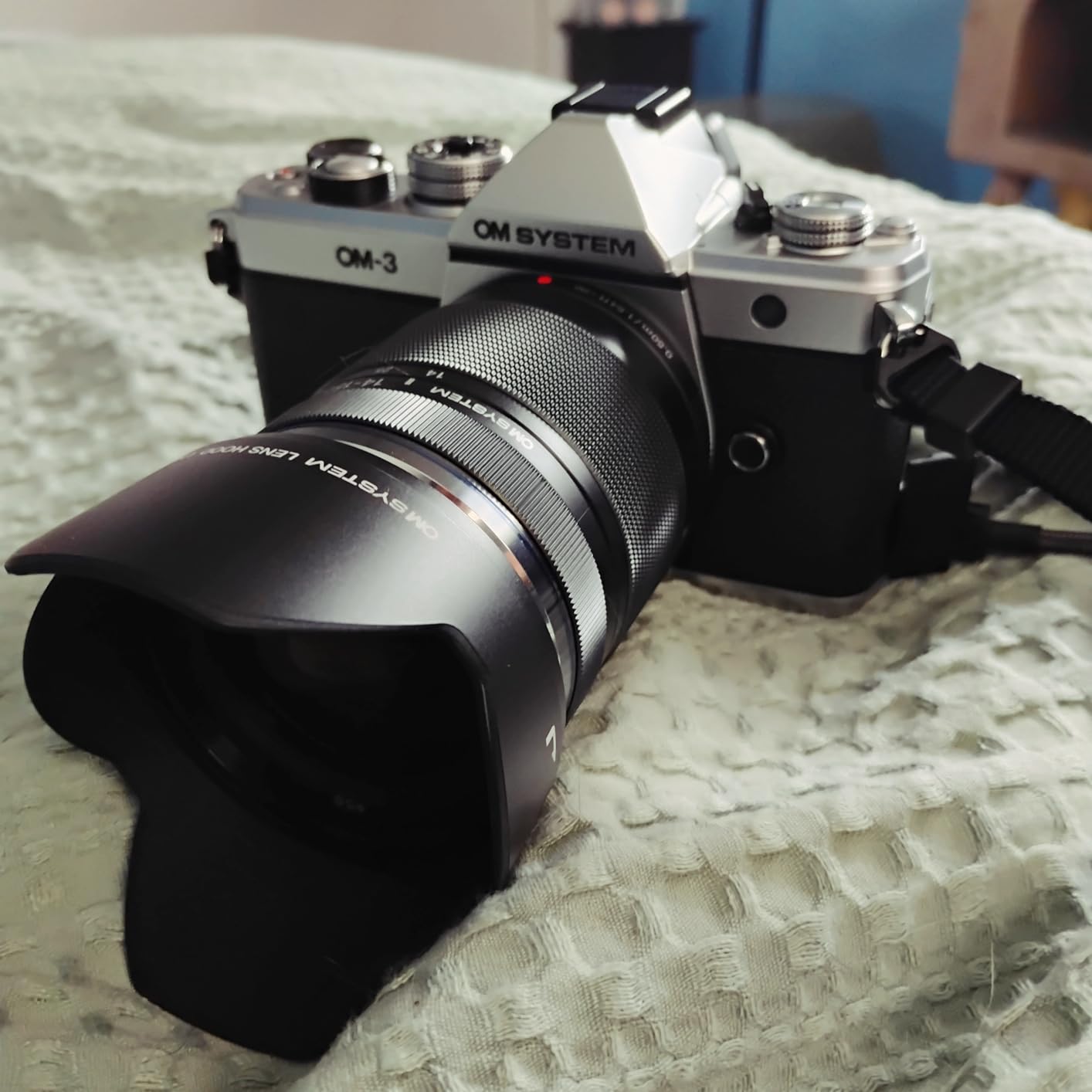
The creative dial on top offers quick access to color profiles and art filters. For JPEG shooters who want distinctive looks straight from camera, this feature encourages experimentation without diving into menus. The 5-axis in-body image stabilization ranks among the best available, enabling sharp handheld shots at remarkably slow shutter speeds.
Battery capacity exceeds expectations for a compact body. I consistently exceeded 400 shots per charge in mixed conditions. The weather sealing protects every control and port, giving confidence to shoot in rain or snow.

Best For
Photographers who appreciate classic camera aesthetics combined with cutting-edge technology. Street and travel photographers who want a camera that draws attention for its looks while delivering stacked sensor performance. Anyone wanting IP53 weather sealing at the lowest possible price point.
Enthusiasts who enjoy the process of photography and want a camera that makes shooting feel special rather than purely functional.
Considerations
The flat body design lacks a substantial grip. Some photographers add accessory grips, while others prefer the slim profile. The viewfinder resolution sits below OM-1 levels, though it remains perfectly usable for most situations.
The price sits higher than typical Micro Four Thirds bodies, justified by the stacked sensor but still notable. RAW shooters may prefer to bypass the creative dial features that primarily affect JPEG output.
5. OM SYSTEM E-M10 Mark IV Kit – Budget Entry Point
Pros
- Excellent value for entry level
- Small and lightweight body
- Great image quality vs smartphones
- 5-axis image stabilization included
- Wide lens selection available
Cons
- No formal weather sealing rating
- Slower burst than DSLRs
- No microphone input
- Wireless transfer requires WiFi
The E-M10 Mark IV serves as an accessible entry point to the Micro Four Thirds system. While it lacks the formal IP ratings of higher OM System models, the body construction still offers meaningful protection for outdoor use. I recommended this camera to several friends starting their photography journey, and they consistently report satisfaction.
Twenty megapixels delivers image quality that dramatically exceeds smartphone capabilities. The 5-axis in-body image stabilization works with any mounted lens, enabling sharp handheld shots in lower light. For beginners learning photography fundamentals, this stabilization builds confidence while technique develops.

The included 14-42mm EZ lens collapses to a remarkably compact size, making the complete kit genuinely pocketable in a jacket. While not weather sealed like PRO lenses, it handles casual outdoor use without issue. The Micro Four Thirds mount opens access to dozens of affordable lenses from Olympus, Panasonic, and third parties.
Menu design assists learning with helpful explanations of various functions. The flip-down screen with dedicated selfie mode appeals to content creators who photograph themselves during adventures. Art filters provide creative options without requiring post-processing knowledge.
Best For
Beginner photographers wanting an interchangeable lens camera that grows with their skills. Travelers prioritizing size and weight over maximum weather protection. Content creators who need both stills and video capabilities in a compact package.
Anyone curious about the Micro Four Thirds system without committing to pro-level prices.
Considerations
Weather protection exists but without formal certification. Use additional protection in sustained rain or dusty conditions. The 15 frames per second burst rate falls short of pro-level cameras, though adequate for most general photography.
No microphone input limits video quality for serious videography. The WiFi transfer app works but requires patience compared to more modern implementations. Screen does not flip for protection during transport.
6. Panasonic LUMIX G95D – Video-Focused Value
Pros
- Excellent 4K video with V-Log L included
- Outstanding dual image stabilization
- Weather sealed for outdoor use
- Sharp 12-60mm kit lens
- External mic and headphone jacks
Cons
- Autofocus sluggish in low light
- 4K mode has additional crop
- No 10-bit external recording
- Some noise at higher ISOs
The G95D targets hybrid shooters who prioritize video alongside stills. Weather sealing protects the body during outdoor productions, while V-Log L pre-installed enables professional color grading workflows. I used this camera for documenting a hiking trip where video coverage mattered as much as photos.
Dual Image Stabilization 2 combines sensor-shift IBIS with lens optical stabilization for rock-steady handheld footage. Walking shots that normally require a gimbal stay usable with this system. The effect proves dramatic when recording video while hiking or moving through varied terrain.

The included 12-60mm lens covers a 24-120mm equivalent range with good sharpness throughout. Weather sealing on both body and lens means the complete kit handles outdoor conditions confidently. The free-angle touchscreen rotates to any position for creative angles or vlogging.
External microphone and headphone jacks enable professional audio monitoring during video recording. Color rendering leans warmer than earlier Panasonic cameras, producing pleasing skin tones straight from camera.

Best For
Hybrid shooters who need capable video features alongside still photography. Content creators producing adventure videos who want weather protection without cinema camera prices. Travel videographers prioritizing stabilization for handheld footage.
Anyone wanting V-Log L color grading capability without paying extra for Log licenses.
Considerations
Autofocus slows noticeably in low light, occasionally hunting during video recording. The 4K mode applies additional crop beyond standard Micro Four Thirds, reducing wide-angle effectiveness. No 10-bit recording to external devices limits high-end color work.
Low light performance trails APS-C and full-frame alternatives. The Venus Engine processor shows its age compared to newer competitors. Focus peaking accuracy varies during manual focus operation.
7. Panasonic LUMIX G85 – Classic Hybrid Shooter
Pros
- Outstanding value for features
- Dual IS provides gimbal-like stabilization
- Weather sealed body and lens
- Robust magnesium alloy build
- Compatible with affordable MFT lenses
Cons
- Only 16 megapixels
- No headphone jack for audio monitoring
- Autofocus struggles in low light
- Battery life merely adequate
The G85 earned legendary status among budget-conscious hybrid shooters for good reason. Weather sealing protects both body and the included 12-60mm lens, making it genuinely useful for outdoor adventures. I recommended this camera countless times to photographers wanting capable video without premium pricing.
The 5-axis Dual Image Stabilization system combines in-body and lens stabilization for remarkably steady handheld footage. Walking shots that typically require a gimbal stay usable with this combination. For adventure videographers, this capability transforms what is possible to capture solo.
Sixteen megapixels sounds modest by current standards, but the sensor lacks a low-pass filter for enhanced detail. Images print beautifully to reasonable sizes and handle web display with ease. The Micro Four Thirds mount opens access to an extensive ecosystem of affordable lenses.
Magnesium alloy construction on front and top plates provides confidence during outdoor use. The fully articulating touchscreen enables shooting from creative angles or self-recording. Weather sealing extends across the body and matched lens.
Best For
Budget-conscious photographers who need weather sealing without pro-level pricing. Hybrid shooters prioritizing video stabilization over megapixel counts. Adventure videographers wanting gimbal-like stability without carrying additional gear.
Anyone wanting to explore the Micro Four Thirds lens ecosystem without major investment.
Considerations
Sixteen megapixels limits cropping flexibility and large prints compared to higher-resolution alternatives. No headphone jack prevents audio monitoring during video recording. Autofocus slows in dim conditions, particularly during 4K video capture.
Battery life averages adequate rather than impressive. WiFi smartphone connectivity feels dated compared to more recent implementations. The sensor technology predates current options, showing age in low light situations.
8. Pentax KF – Weather-Sealed DSLR Alternative
Pros
- Excellent weather resistance including cold proof
- 100% optical pentaprism viewfinder
- In-body stabilization works with all lenses
- Compatible with vintage Pentax glass
- Great value for weather sealed DSLR
Cons
- Autofocus can be slow
- Limited to Full HD video
- Not mirrorless technology
- No USB cable included
The Pentax KF represents a different approach to weather-sealed cameras. This DSLR offers dustproof, weather-resistant, and cold-proof construction down to 14 degrees Fahrenheit. For photographers who prefer optical viewfinders and traditional ergonomics, the KF provides a compelling alternative to mirrorless options.
The 24-megapixel APS-C sensor delivers excellent image quality with rich color rendering. The lack of an anti-aliasing filter enhances sharpness for landscape and detail work. In-body Shake Reduction provides up to 4.5 stops of stabilization with any mounted lens, including vintage Pentax glass.

The optical pentaprism viewfinder shows 100% of the frame with 0.95x magnification. Looking through a genuine optical finder connects you to the scene differently than electronic alternatives. Battery life typically exceeds mirrorless cameras because the sensor only activates during exposure.
Compatibility with decades of Pentax K-mount lenses creates unique opportunities. Weather-sealed legacy lenses work perfectly with modern metering and stabilization. The included 18-55mm WR lens provides a solid starting point with its own weather sealing.
Best For
Photographers who prefer optical viewfinders and traditional DSLR handling. Cold-weather shooters who need freeze-proof construction below standard limits. Pentax enthusiasts upgrading from older bodies or building complete weather-sealed systems.
Anyone wanting maximum image quality per dollar with genuine weather protection.
Considerations
Autofocus speed trails modern mirrorless cameras, sometimes hesitating before locking on. Video capabilities stop at Full HD with no 4K option. The mirror mechanism adds bulk compared to mirrorless alternatives.
No USB cable ships with the camera, requiring separate purchase for tethered shooting. The lens selection, while extensive, lacks the modern development pace of major mirrorless systems. Weight exceeds most mirrorless options at 1.47 kilograms with lens attached.
Buying Guide: Choosing the Best Weather-Sealed Camera for Adventure
Selecting the right weather-sealed camera involves understanding ratings, matching features to your needs, and considering the complete system. Here is what matters most for adventure photography.
Understanding IP Ratings
IP ratings provide standardized measurements of protection against solids and liquids. The first digit indicates dust protection, the second indicates water resistance. OM System cameras carry IP53 ratings, meaning dust-tight construction and protection against water spray. This is the only manufacturer providing certified ratings for consumer cameras.
Most competitors claim “weather sealing” or “weather resistance” without formal certification. While these cameras may perform well, you have no standardized baseline for comparison. For serious adventure work where conditions genuinely test equipment, certified ratings provide meaningful assurance.
Weather Sealing vs Waterproof
Weather-sealed cameras resist dust and moisture but are not waterproof. Submersion will damage any camera discussed here. Weather sealing protects against rain, snow, humidity, and dust during normal shooting. Always dry equipment after exposure and avoid prolonged direct water contact.
Think of weather sealing as insurance that reduces risk rather than eliminating it entirely. Even sealed cameras benefit from additional protection during extended storms or water-based activities.
The Importance of Weather-Sealed Lenses
A weather-sealed body paired with an unsealed lens leaves your sensor vulnerable during lens changes. Moisture and dust enter through the mount regardless of body sealing. Building a complete weather-sealed system requires matching lenses to body protection levels.
OM System offers the most extensive lineup of affordable weather-sealed lenses. Their PRO series lenses match IP53 body ratings. Panasonic and Pentax also offer sealed options, though selection varies by mount.
Cold Weather Performance
Battery life drops dramatically in cold temperatures across all brands. Expect roughly half the normal capacity below freezing. Carry multiple batteries and keep spares warm in interior pockets. The Pentax KF rates to 14 degrees Fahrenheit, while OM System cameras specify -10 degrees Celsius (14 degrees Fahrenheit) as minimum operating temperature.
Condensation poses another risk when moving between temperature extremes. Place equipment in sealed bags before major temperature transitions to allow gradual acclimatization.
Size and Weight Considerations
Micro Four Thirds systems offer the lightest complete weather-sealed kits. A typical OM System body plus two PRO lenses weighs under three pounds. Full-frame alternatives often exceed this with a single lens. For backpacking and extended hiking, weight savings compound over miles.
Consider your entire kit weight including batteries, cards, and any protection you carry. A lighter primary system may allow carrying backup bodies or additional lenses for the same total weight.
Battery Life in Extreme Conditions
Cold temperatures drain batteries faster than any other environmental factor. Higher resolution screens and electronic viewfinders consume additional power. Video recording and continuous shooting deplete batteries rapidly. Always carry twice the batteries you expect to need for cold-weather adventures.
USB-C charging on newer models enables recharging from power banks in the field. This capability extends shooting time significantly when outlets are unavailable.
Budget Considerations
Weather sealing adds cost at every level. Entry-level sealed cameras start around $600-700, while professional options exceed $2,000. Factor lens costs into your budget since sealed lenses typically cost more than unsealed alternatives.
Used equipment offers significant savings on weather-sealed gear. Seals degrade over time, so inspect carefully or buy from reputable dealers with return policies. Professional service centers can replace seals on many models.
Frequently Asked Questions
What camera has the best weather sealing?
OM System cameras currently offer the best weather sealing with IP53 certification. This rating means dust-tight construction and protection against water spray from any direction. No other camera manufacturer provides certified IP ratings for consumer cameras. The OM-1 Mark II and OM-3 both carry this rating, giving you formal assurance rather than marketing claims.
What is the best weather-sealed mirrorless camera?
The OM System OM-1 Mark II stands out as the best weather-sealed mirrorless camera for adventure photography. Its IP53 rating, 20MP stacked sensor, 120fps shooting, and computational photography features create a complete package for outdoor use. For budget-conscious buyers, the OM System OM-3 offers the same IP53 rating at a lower price point.
Are weather-sealed cameras worth it?
Weather-sealed cameras are worth the investment if you regularly shoot outdoors in variable conditions. The protection safeguards expensive equipment against unexpected rain, dust, and humidity. For adventure photographers, landscape shooters, and travel enthusiasts, weather sealing provides confidence to capture images in conditions that would damage unprotected gear. The peace of mind alone justifies the premium for many photographers.
Can I use a weather-sealed camera in the rain?
You can use weather-sealed cameras in light to moderate rain for reasonable periods. However, weather sealing is not waterproofing. Avoid prolonged direct exposure, dry the camera afterward, and never submerge equipment. For heavy downpours, additional protection like rain covers remains advisable even with sealed cameras.
Do I need weather-sealed lenses with a weather-sealed camera?
Weather-sealed lenses are essential for complete system protection. An unsealed lens allows moisture and dust to enter through the mount during lens changes, compromising the sealed body. For true weather protection, both body and lens need sealing. OM System offers the most extensive lineup of affordable weather-sealed lenses for their cameras.
Conclusion
Choosing the best weather-sealed mirrorless cameras for adventure photography comes down to matching certified protection with your shooting style. OM System dominates this category with IP53 ratings across multiple price points. The OM-1 Mark II delivers professional performance, while the OM-3 and OM-5 Mark II offer compelling alternatives for different budgets. Panasonic and Pentax provide solid options for specific needs, particularly video work or DSLR preferences.
Remember that complete weather protection requires sealed lenses alongside sealed bodies. Build your system thoughtfully, and your gear will handle whatever adventures you pursue. The cameras on this list have proven themselves in real outdoor conditions, giving you confidence to shoot when weather turns challenging.