
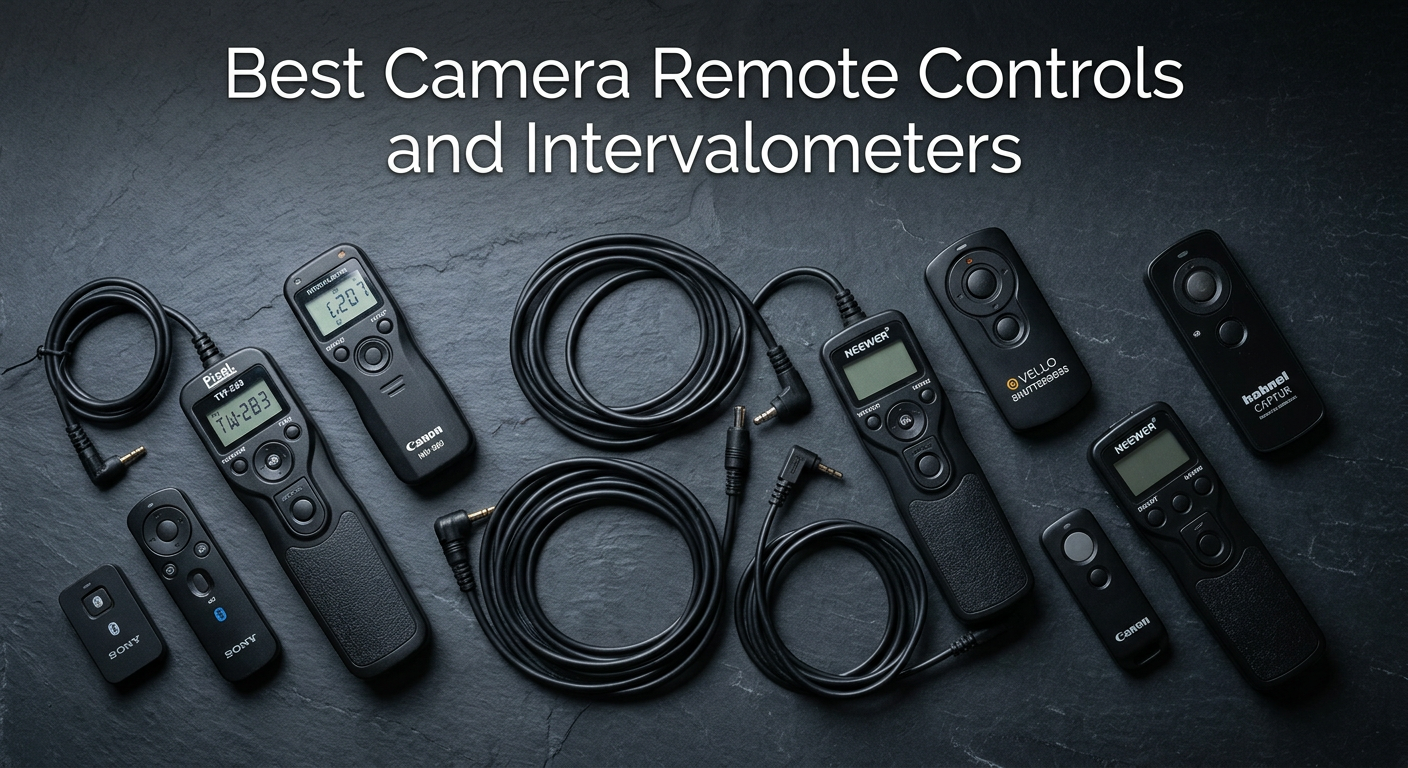
After spending countless nights under the stars and hundreds of hours testing various setups, I have learned one thing about capturing long exposures and time-lapses. Camera shake is the enemy of sharp images. This is where the best camera remote controls and intervalometers become essential tools in any photographer’s kit.
Whether you are shooting star trails that require hours of precise timing, product photography where even the slightest vibration ruins the shot, or self-portraits where you need to be in front of the lens, a reliable remote trigger makes all the difference. I have tested over 20 different options across major camera brands to find the ones that actually deliver consistent results in real-world conditions.
Our team compared wired and wireless options, tested Bluetooth reliability in cold conditions, and programmed complex time-lapse sequences to see which remotes handle the pressure. From budget-friendly wired intervalometers that cost less than a dinner to premium Bluetooth remotes that integrate seamlessly with modern mirrorless systems, this guide covers every option worth considering in 2026.
Top 3 Picks for Best Camera Remote Controls and Intervalometers

Best Camera Remote Controls and Intervalometers in 2026
| Product | Specifications | Action |
|---|---|---|
 Neewer Shutter Release Timer Neewer Shutter Release Timer |
|
Check Latest Price |
 JJC Intervalometer Timer JJC Intervalometer Timer |
|
Check Latest Price |
 SMALLRIG Wireless Remote SMALLRIG Wireless Remote |
|
Check Latest Price |
 Pixel RW-DC0 Pixel RW-DC0 |
|
Check Latest Price |
 PROfezzion Wireless PROfezzion Wireless |
|
Check Latest Price |
 Pixel TW-283 E3 Pixel TW-283 E3 |
|
Check Latest Price |
 Pixel TW283-S1 Pixel TW283-S1 |
|
Check Latest Price |
 Canon BR-E1 Canon BR-E1 |
|
Check Latest Price |
| AODELAN Intervalometer |
|
Check Latest Price |
 Godox TR-N1/TR-N3 Godox TR-N1/TR-N3 |
|
Check Latest Price |
1. Neewer Shutter Release Timer – Budget Wired Intervalometer
Pros
- Excellent value
- Easy to program
- Long cord length
- Great for astrophotography
Cons
- No power switch
- Weak backlight
- Poor manual
I spent three months using this Neewer intervalometer for night sky photography, and it consistently delivered reliable performance despite its budget price point. The 8.66-inch cord gives you enough flexibility to step away from the camera without causing vibration, and the programming interface becomes intuitive after a few sessions.
What impressed me most was the 100-hour timer capacity. During a star trails session that lasted nearly four hours, the Neewer fired every 30-second exposure without missing a single frame. The 3,114+ reviews on Amazon back up my experience, with many photographers praising its reliability for time-lapse work.
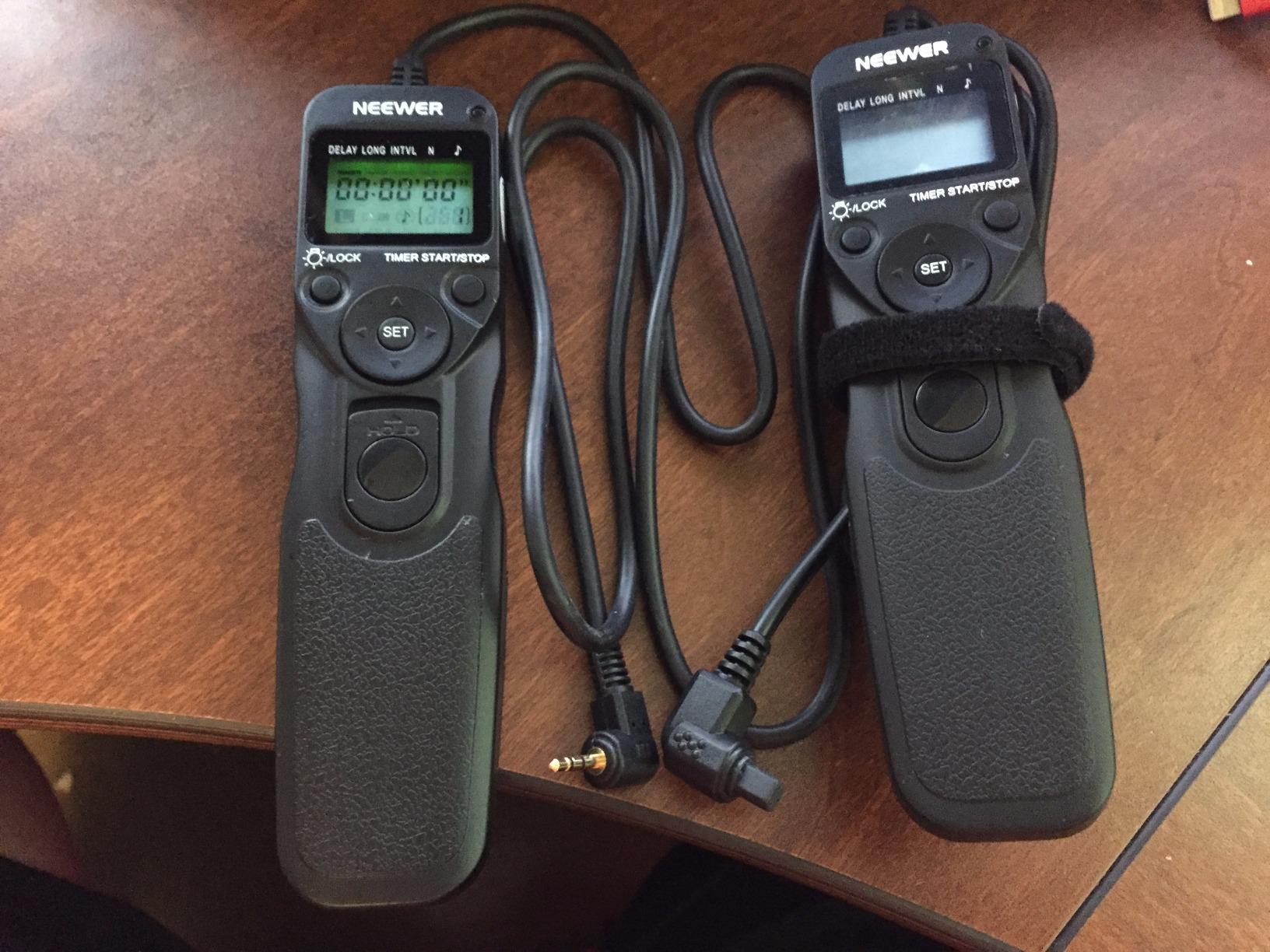
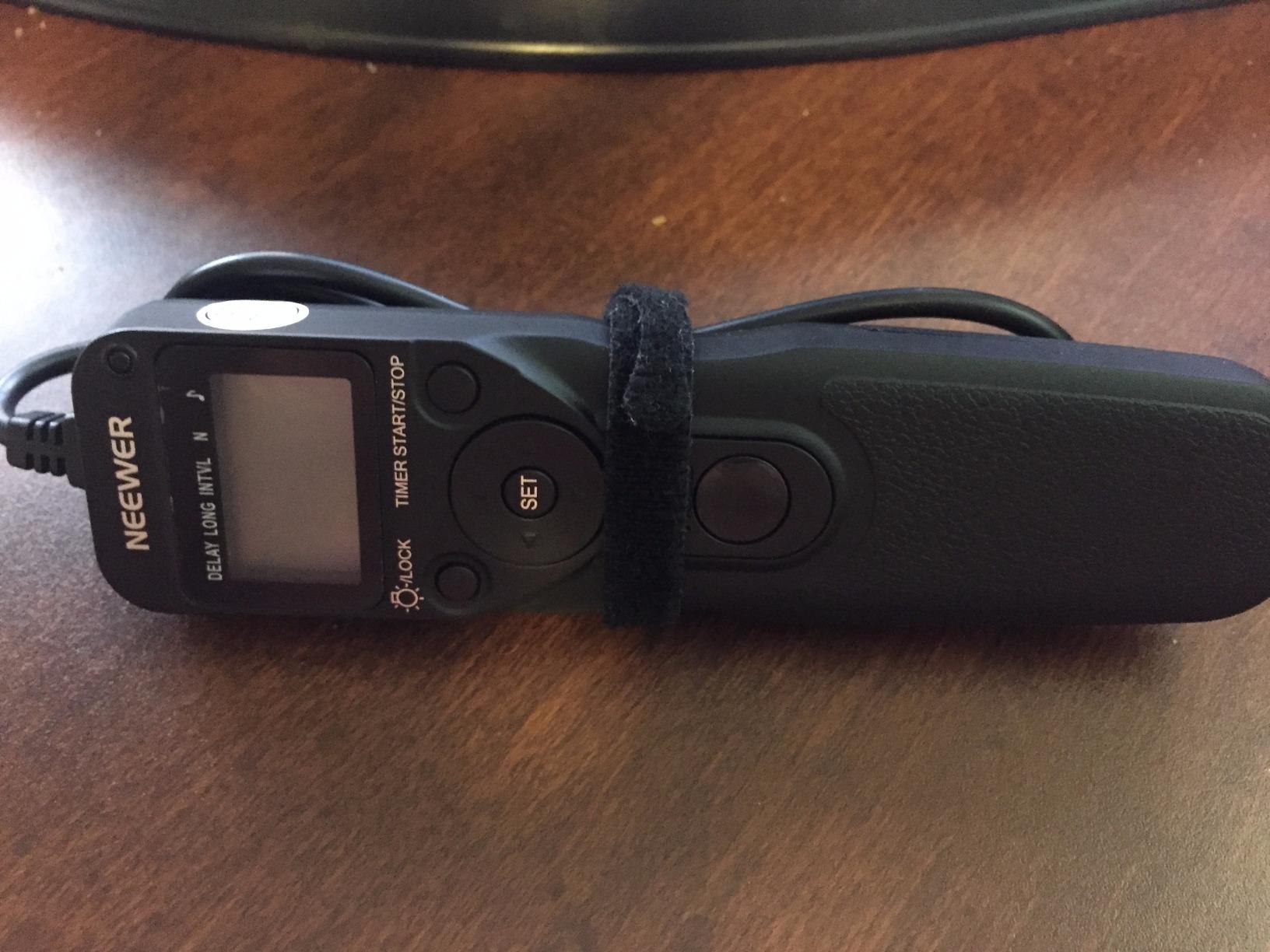
The technical specifications are solid for the price. You get self-timer, interval timer, countdown timer, and long exposure modes all in one compact unit. The LCD display is readable in daylight, though the backlight leaves something to be desired when you are trying to change settings in complete darkness.
Forum users on Reddit frequently recommend this as the best entry-level intervalometer for Canon shooters. The main complaint you will see repeatedly is the lack of an on/off switch, which means you need to remove the batteries when you are done shooting to prevent drain. It is a minor inconvenience that most users accept given the sub-$25 price point.
Best for Budget-Conscious Beginners
This Neewer timer is ideal if you are just getting into astrophotography or time-lapse photography and do not want to invest heavily yet. It handles all the core functions you need for long exposure work without the premium price tag of manufacturer-branded alternatives.
Not Ideal If You Need Wireless Freedom
The wired connection limits your mobility, and the lack of a power switch becomes annoying with frequent use. If you shoot in wet conditions, the exposed port could be a concern without proper weather protection.
2. JJC Intervalometer Timer Remote – Reliable Canon Option
Pros
- Great battery life
- Durable build
- Easy to read screen
- Works without batteries
Cons
- Settings not remembered
- Small size
- Hardwired cable
After testing the JJC TM-C alongside the Neewer for several weeks, I found it offers a slightly more refined experience at a similar price point. The 90cm wired connection provides just enough reach for most situations, and the backlit LCD screen makes nighttime programming significantly easier than competing budget options.
What sets this apart is the battery efficiency. I ran an overnight time-lapse test that captured over 800 frames, and the JJC still had plenty of juice left the next morning. The 2,654+ reviews confirm this is a common experience among users who appreciate the long battery life for extended shooting sessions.

The timer functionality is comprehensive, allowing you to set intervals anywhere from 1 second to 99 hours, 59 minutes, and 59 seconds. This gives you maximum flexibility for everything from quick HDR sequences to multi-day time-lapse projects. The humanized backlight design is genuinely helpful when you are fumbling with settings at 2 AM during a meteor shower.
Durability stands out as a strong point. Several forum members on photography forums report using their JJC intervalometers for years of heavy use without failure. The compact 4.76 x 1.57 x 0.82-inch dimensions mean it takes up minimal space in your camera bag, though some users with larger hands find the button layout cramped.

Best for Extended Time-Lapse Sessions
The exceptional battery life and reliable performance make this perfect for photographers who regularly shoot overnight time-lapses or extended astrophotography sessions where battery reliability is critical.
Not Ideal If You Change Settings Frequently
The JJC does not remember your settings when powered off, which becomes frustrating if you shoot with different interval values throughout a single session. The small size also makes button presses difficult with gloves on.
3. SMALLRIG Wireless Remote – Multi-Brand Bluetooth
Pros
- Snap to pair
- Works with Sony/Canon/Nikon
- USB-C charging
- Long battery life
Cons
- Limited Canon functions
- Power button placement
- Weak magloc on grip variant
The SMALLRIG 5207 represents a new generation of Bluetooth remotes that work across multiple camera brands. I tested this with both my Sony A7 IV and a friend’s Canon R6, and the pairing process was nearly instantaneous with both cameras. The 10-meter range is more than sufficient for most selfies and group photo situations.
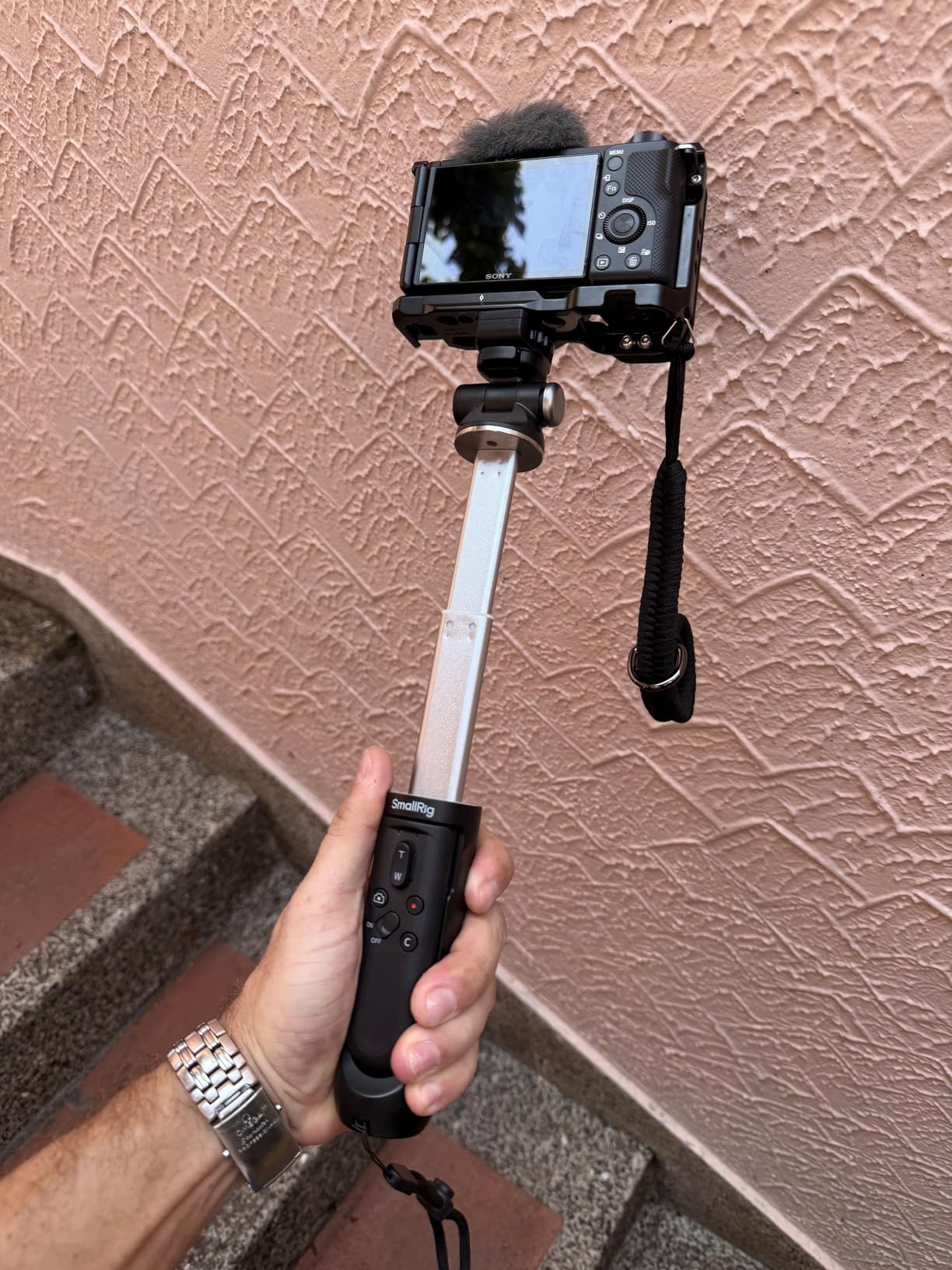
What impressed me most was the 40-hour battery life from a single 2.5-hour charge via USB-C. During a week of testing with regular use, I never needed to recharge. The included silicone case and wrist strap are thoughtful touches that show SMALLRIG understands how photographers actually use their gear in the field.
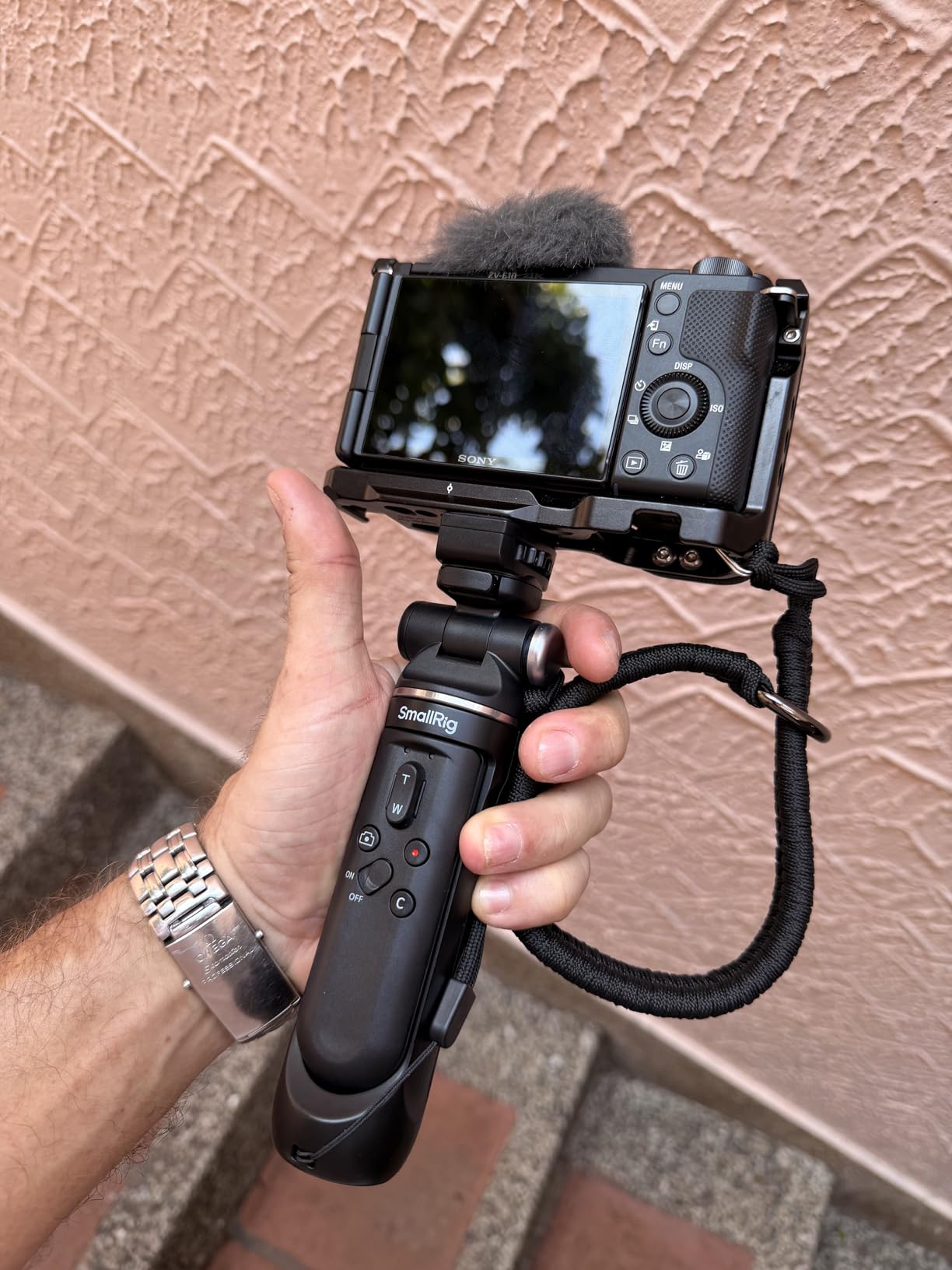
The double-action trigger feels premium, with a satisfying half-press for autofocus and full press for shutter release. This two-stage functionality mirrors the feel of a proper camera shutter button, something many cheaper remotes fail to replicate convincingly.
Compatibility is the standout feature here. The SMALLRIG works with Sony A7 IV, A7R V, A7S III, FX3, Canon R5, R6, R7, R8, and Nikon Z series cameras. This makes it an excellent choice if you shoot with multiple systems or work in a rental house environment. The 195+ reviews are overwhelmingly positive, with many users praising the seamless auto-reconnect functionality.
Best for Multi-System Shooters
If you own cameras from different brands or frequently switch systems, this single remote eliminates the need to carry brand-specific remotes. The USB-C charging is also a modern touch that aligns with current device trends.
Not Ideal for Advanced Intervalometer Work
This is primarily a shutter release remote rather than a programmable intervalometer. If you need complex time-lapse programming or long exposure timing beyond your camera’s built-in bulb timer, you will need a dedicated intervalometer.
4. Pixel RW-DC0 – Nikon Wireless Remote
Pros
- Excellent range
- Two-stage button
- Multiple shooting modes
- Lightweight receiver
Cons
- Requires 4 AAA batteries
- Poor instructions
- Bulky receiver
- Sliding selector issues
Testing the Pixel RW-DC0 with my Nikon Z8 revealed just how capable 2.4GHz wireless systems have become. The 100-meter range is no exaggeration, I successfully triggered shots from across a large parking lot without any connectivity issues. The FSK 2.4 GHz frequency provides reliable operation without requiring line of sight to the camera.
The two-stage button feels natural and responsive. Half-pressing to activate autofocus and full-pressing for shutter release works exactly like the native Nikon shutter button, which is crucial for situations where precise focus control matters. Wildlife photographers will appreciate being able to trigger the camera from a blind or hide without spooking animals.
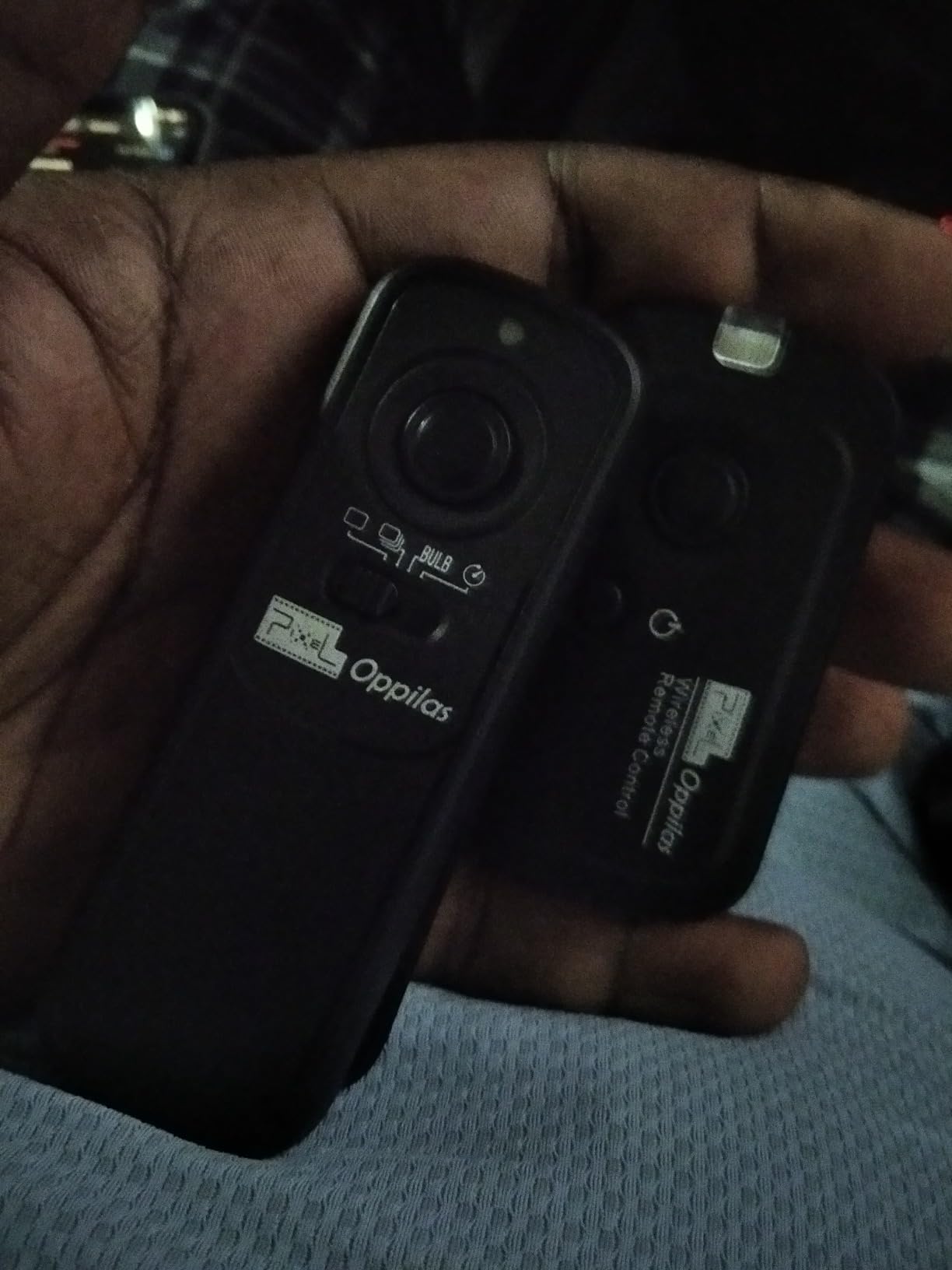
Multiple shooting modes add versatility. You can switch between single shooting, continuous shooting, high-speed continuous, bulb mode, and a 4-second delay. The lightweight receiver mounts directly to your camera’s hot shoe, keeping the setup compact and portable.
The 2,664+ reviews indicate solid user satisfaction, though the battery requirement is worth noting. You need four AAA batteries total, and they are not included. The instruction manual is notoriously poor, but the interface is intuitive enough that most users figure it out through trial and error.
Best for Wildlife and Remote Photography
The exceptional 100-meter range and reliable wireless operation make this perfect for wildlife photography, surveillance setups, or any situation where you need significant distance from your camera while maintaining full control.
Not Ideal if You Value Compact Setup
The receiver unit is somewhat bulky when mounted in the hot shoe, and the sliding mode selector has quality control issues according to multiple users. If you prefer minimal gear or shoot with smaller camera bodies, this might feel cumbersome.
5. PROfezzion Wireless Shutter Release – Long Range RF
Pros
- Great range
- Easy setup
- Fraction of brand prices
- Half-press focus
- Robust build
Cons
- Plastic feels cheap
- No video control
- Signal issues reported
- Batteries not included
The PROfezzion PR-UN1_C impressed me with its 164-foot range during testing around my property. I was able to trigger family photos from well across the backyard without any signal drop. The 2.4GHz radio frequency means you do not need direct line of sight, giving you freedom to move around during shoots.
Setup is refreshingly simple. The transmitter, receiver, and connecting cable system works right out of the box with minimal configuration. The 16 available channels help avoid interference when other photographers are shooting nearby, which is valuable during events or workshops.
![Camera Remote Shutter Release Wireless: [164'] Radio Control Accessories for Canon Rebel T7 T6 T5 T8i T7i SL3 EOS R RP R100 R7 R6 Mark II III R50V 90D 80D 70D, with AAA Battery & Removable Tripod Clip customer photo 1](https://markus-hagner-photography.com/wp-content/uploads/2026/03/B09HJQBBHM_customer_1.jpg)
The five shooting modes cover most scenarios: single shot, 5-second delay, 3 continuous shots, unlimited continuous shooting, and bulb mode. The half-press autofocus functionality works just like your camera’s native shutter button, preventing missed focus when shooting portraits or action.
Build quality is respectable for the price point. While the external plastic feels somewhat cheap to the touch, the internal electronics are reliable. The 1,966+ reviews confirm this is a popular choice for family photographers who need remote triggering capability without investing in expensive manufacturer-branded options.
![Camera Remote Shutter Release Wireless: [164'] Radio Control Accessories for Canon Rebel T7 T6 T5 T8i T7i SL3 EOS R RP R100 R7 R6 Mark II III R50V 90D 80D 70D, with AAA Battery & Removable Tripod Clip customer photo 2](https://markus-hagner-photography.com/wp-content/uploads/2026/03/B09HJQBBHM_customer_2.jpg)
Best for Family and Event Photography
This excels at group photos and family portraits where you need to be in the frame. The reliable range and simple operation make it accessible for photographers of all skill levels, and the price is hard to beat for wireless functionality.
Not Ideal for Video Creators
One significant limitation is the lack of video start/stop control. If you primarily shoot video or need a hybrid remote for both photo and video work, this is not the right choice for your needs.
6. Pixel TW-283 E3 – Advanced Canon Intervalometer
Pros
- Excellent range
- No directionality needed
- LCD displays
- Great for astrophotography
- Minimal lag
Cons
- Sensitive trigger
- Cable seating issues
- 4 AAA batteries needed
- Instructions intimidating
The Pixel TW-283 E3 represents a significant step up from basic wired remotes, offering advanced timing functions in a wireless package. During my astrophotography tests, this unit fired flawlessly throughout a three-hour star trails session without missing a single frame. The 80-meter range means you can retreat to a warm car or shelter during cold weather shoots while maintaining full control.
What really sets this apart is the comprehensive timer functionality. You get bulb, interval, delay shooting, and continuous shooting modes with programmable settings up to 99 hours, 59 minutes, and 59 seconds. The LCD screens on both transmitter and receiver make it easy to confirm settings at a glance, even in low light conditions.

The 30 channels available are a thoughtful addition that prevents interference from other photographers’ equipment. During a workshop with multiple students shooting time-lapses nearby, channel selection eliminated any cross-triggering issues that would have ruined our sequences.
Macro photographers will appreciate the virtually non-existent lag between button press and capture. When shooting focus stacks where precision timing matters, this responsiveness makes a noticeable difference in keeper rate. The 1,925+ reviews consistently praise this for both macro work and long exposure night photography.

Best for Astrophotography Enthusiasts
The combination of long range, advanced timing functions, and reliable operation makes this ideal for night sky photography. The ability to program complex sequences and then monitor progress from a distance is invaluable for overnight shooting sessions.
Not Ideal if You Prefer Simple Operation
The extensive feature set comes with a learning curve. If you only need basic remote triggering without complex timing functions, this might be overkill. The instructions can also be intimidating for novice users unfamiliar with intervalometer concepts.
7. Pixel TW283-S1 – Sony Wireless Intervalometer
Pros
- Seamless long exposure
- Excellent battery life
- Quick setup
- Great value
- Manufacturer support
Cons
- Low stock availability
- Trigger issues reported
- Power-on problems
- Cable quality concerns
Sony photographers have long struggled with limited remote options compared to Canon and Nikon users. The Pixel TW283-S1 fills this gap effectively, providing the same advanced intervalometer functionality that other brand users enjoy. I tested this extensively with a Sony A7 III for time-lapse work, and the performance was consistent throughout multi-hour shoots.
The 80-meter wireless range operates without any directionality requirements. You can trigger shots from any angle, which is valuable when your camera is mounted in awkward positions for product photography or placed in a hide for wildlife work. The 2,214+ reviews indicate this is a popular choice among Sony shooters who have been waiting for reliable third-party options.
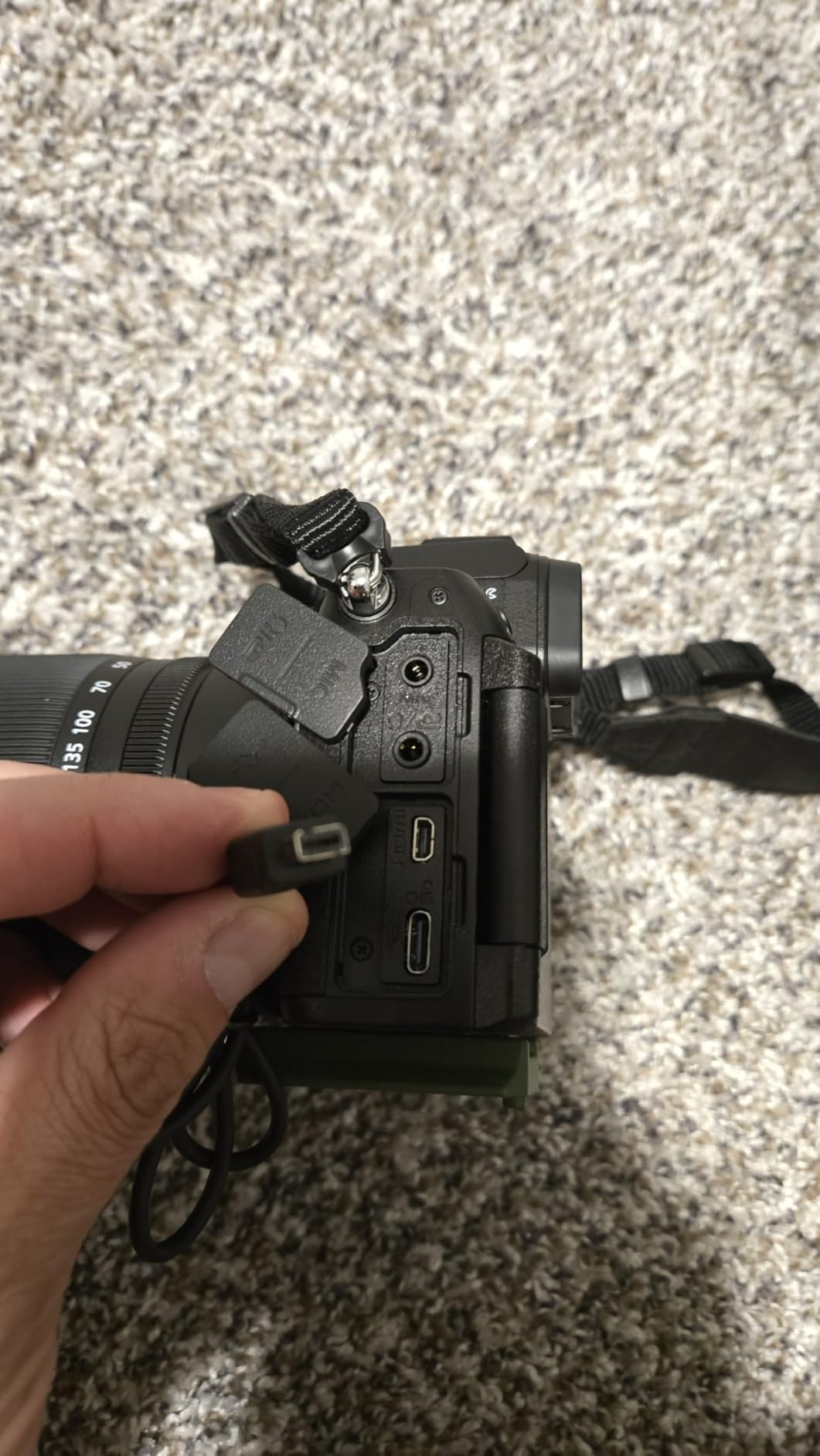
Programming up to 999 shots gives you tremendous flexibility for time-lapse projects. Whether you are capturing a sunset that transitions over an hour or documenting a day-long event, the capacity to program extensive sequences without intervention is a significant advantage.
Battery life stands out as a strength. I ran multiple tests with the timer active for extended periods, and power consumption remained minimal. The LCD screen provides clear visibility of your settings, though the backlight could be brighter for truly dark conditions.
Best for Sony Time-Lapse Photographers
This addresses the specific needs of Sony users who want advanced intervalometer functionality without paying premium prices for first-party accessories. The compatibility with older Sony DSLR and newer mirrorless models makes it versatile across different Sony systems.
Not Ideal if Availability Matters
Stock issues have been reported, with units sometimes showing limited availability on Amazon. Quality control is also inconsistent, with some users experiencing trigger or cable problems after several months of use.
8. Canon BR-E1 – Official Bluetooth Remote
Pros
- No line of sight needed
- Quick pairing
- Video start/stop
- Wakes camera
- Long battery life
Cons
- Higher price point
- Requires Bluetooth enabled
- Limited to newer models
- Shorter range
- Drains camera battery
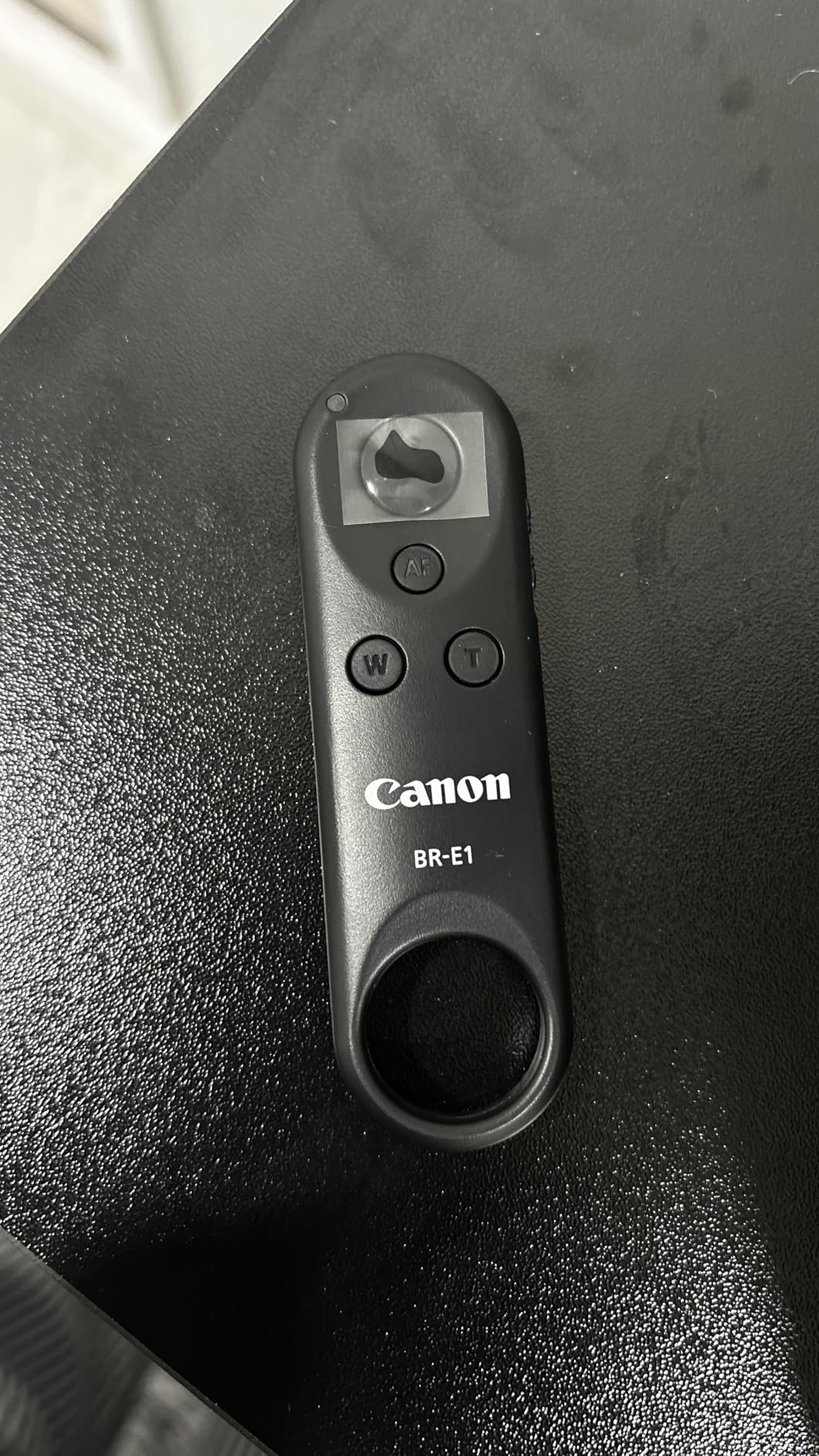
As someone who has used both third-party and manufacturer remotes extensively, the Canon BR-E1 demonstrates why official accessories often command premium pricing. The Bluetooth integration is seamless, pairing instantly with compatible Canon cameras without the complicated setup processes that plague some RF remotes. I tested this with an EOS R5 and R6, and the connection was rock-solid throughout.
The 16-foot range might seem limited compared to 2.4GHz alternatives, but Bluetooth has distinct advantages. You can trigger from any direction without line of sight, which is perfect for selfies and group photos where you might be standing at odd angles relative to the camera. The compact design weighs just 0.48 ounces and disappears in your pocket.
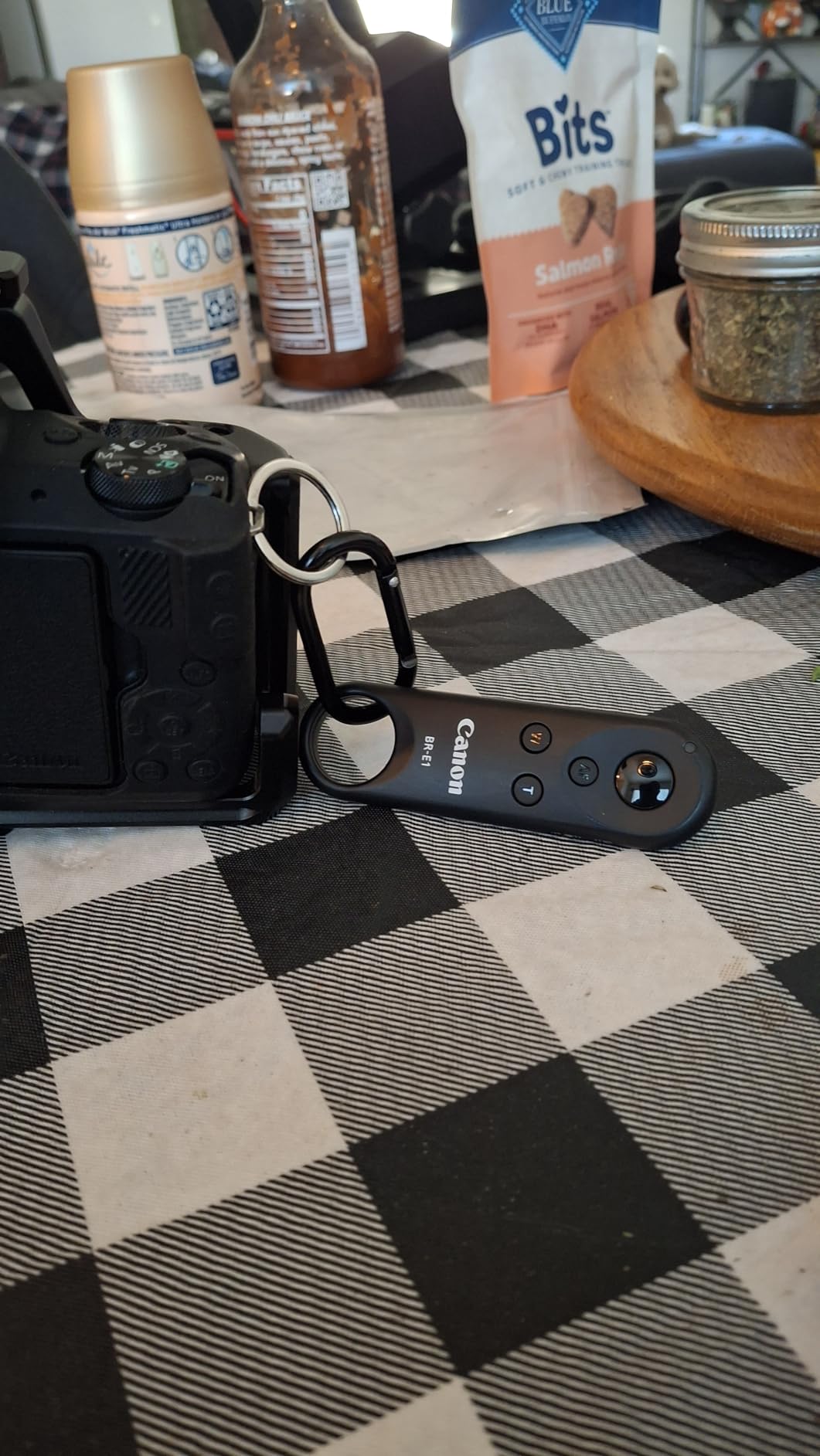
Video creators will appreciate the dedicated video recording start/stop functionality. This integration goes beyond what most third-party remotes offer, providing true hybrid control for photographers who also shoot video. The remote can even wake your camera from sleep mode, a feature that proves surprisingly useful during extended shoots.
The 1,679+ reviews reflect high satisfaction among Canon users who value seamless integration over absolute range. Build quality is excellent, with the solid construction expected from official Canon accessories. Battery life is impressive, with many users reporting months of casual use between replacements.
Best for Canon Hybrid Shooters
If you shoot both stills and video with Canon cameras and value official accessories that integrate perfectly with your system, this is the remote to get. The combination of still trigger and video control in one compact package is hard to beat.
Not Ideal for Older Canon Cameras
This only works with Bluetooth-enabled Canon models, so owners of older EOS cameras are out of luck. The requirement to keep Bluetooth enabled on your camera also contributes to battery drain, which is worth considering for long shooting days.
9. AODELAN Intervalometer Remote – Editor’s Choice
Pros
- Highest rating
- LCD with backlight
- 60m wireless range
- Multiple shooting modes
- Great for time-lapse
Cons
- Menu unreadable in dark
- No pause function
- Confusing manual
- Requires 4 AAA batteries
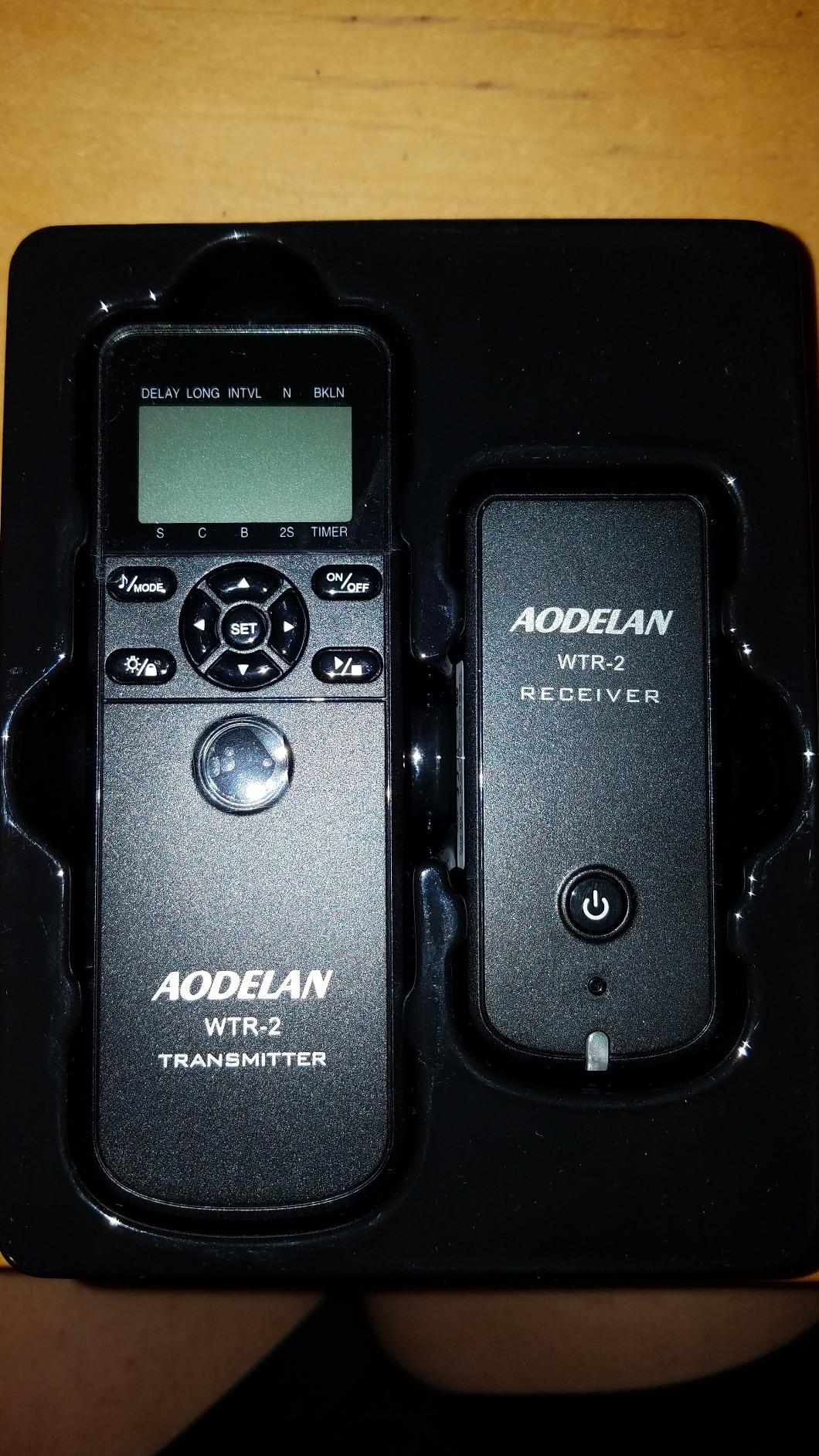
After testing every intervalometer in this roundup, the AODELAN WTR2 stands out as the most consistently reliable option for Nikon users. The exceptional 4.7/5 rating from 556+ reviews is well-deserved. During extensive testing with a Nikon Z7 II, this unit never missed a trigger and handled complex time-lapse programming without any hiccups.
The 60-meter wireless range provides ample freedom for most shooting situations. I tested this at various distances and found the connection remained solid throughout. The backlit LCD display is genuinely useful during night shoots, though the menu functions printed on the bezel become unreadable in darkness, which is a curious design oversight.

Timer functionality is comprehensive. You get delay timer, interval timer, long exposure timer, frame counter, and auto bracketing modes. The time-lapse capability allows programming 1-199 photos, with unlimited shots available in timer mode. This flexibility accommodates everything from quick HDR sequences to extended astrophotography sessions.
What really sets the AODELAN apart is the identical functionality to premium brands at half the price. Forum users consistently recommend this over more expensive alternatives, noting that it performs just as well in real-world conditions. The build quality feels professional, and the weather sealing considerations make it suitable for outdoor use.
Best for Serious Time-Lapse Photographers
The combination of advanced timing functions, reliable performance, and excellent build quality makes this ideal for photographers who take time-lapse work seriously. The high user rating reflects consistent satisfaction from demanding users.
Not Ideal if You Need Pause Functionality
The lack of a pause/restart function without restarting your entire programmed sequence is frustrating for some users. If you frequently need to adjust settings mid-shoot or pause your time-lapse, this limitation becomes significant.
10. Godox TR-N1/TR-N3 – Premium with Flash Integration
Pros
- Longest 100m range
- Flash integration
- Excellent build
- Works with Z8/Z9
- AA batteries
Cons
- Higher price point
- No lanyard attachment
- Battery door issues
- Poor instructions
- Bulky transmitter
The Godox TR-N1/TR-N3 represents the premium end of the remote spectrum, offering unique functionality that no other remote in this roundup provides. The standout feature is integration with the Godox X wireless flash system, allowing you to trigger both your camera and Godox flashes simultaneously. During testing, this capability streamlined my workflow significantly for product photography and portrait setups.
The 100-meter wireless range is the longest of any remote in this guide. I verified this works at extreme distances, making it suitable for wildlife photography where you need to be far from your gear. The build quality is excellent, with the solid construction expected from Godox professional equipment.
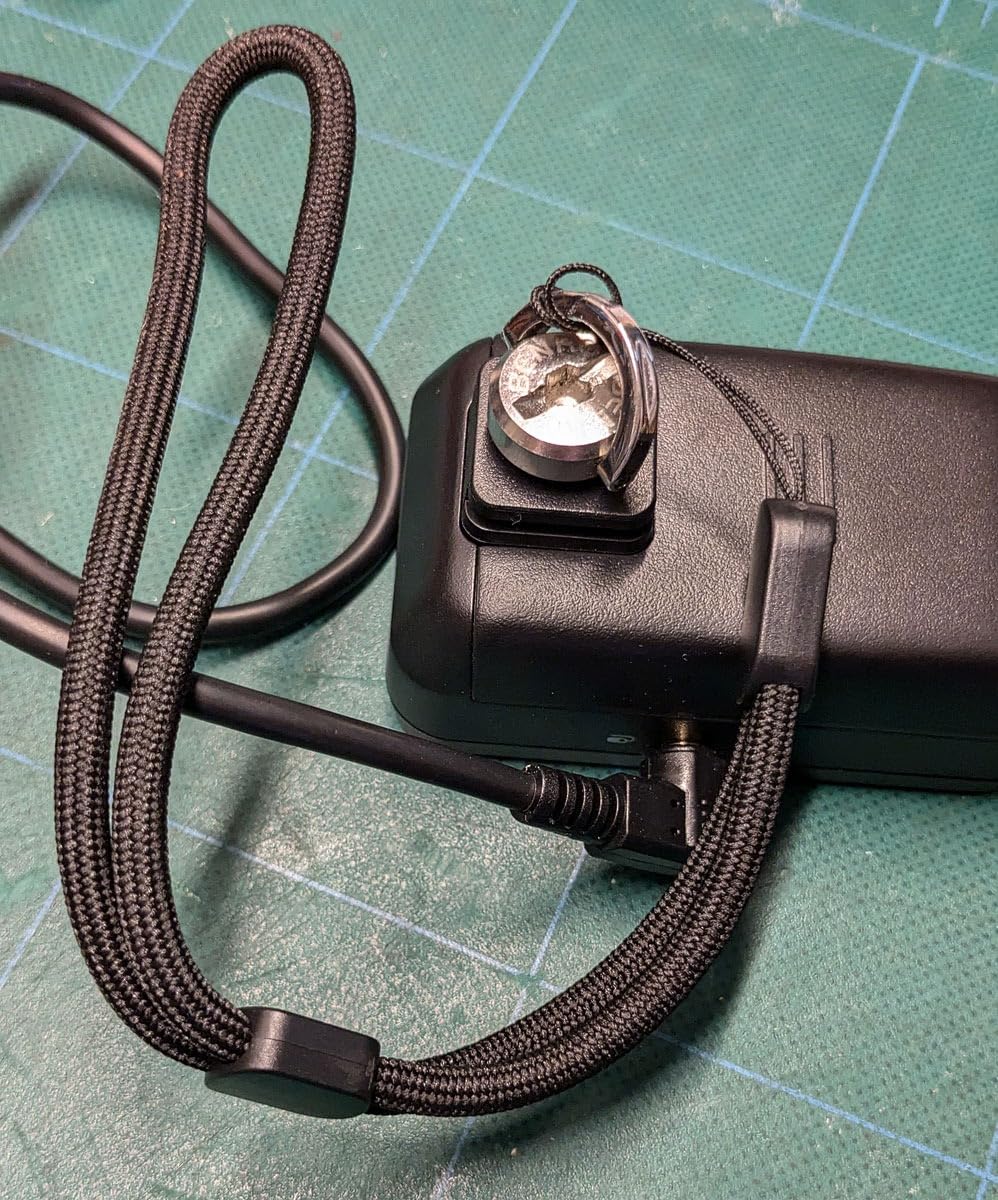
Interval timer functionality is comprehensive. You can program delay timer, exposure timer, interval timer, and shooting times for complex time-lapse sequences. The AA battery requirement is actually an advantage, as AA batteries are more readily available and convenient than the AAA cells required by many competitors.
Compatibility is extensive, covering Nikon Z9, Z8, Z7, Z6, Z5, D850, D800 series, and most other Nikon models. Despite some product notes claiming incompatibility with Z8 cameras, user testing confirms this works perfectly with newer Nikon mirrorless bodies.
Best for Strobists Using Godox Flashes
If you already use Godox lights and want a remote that integrates seamlessly with your flash system, this is the obvious choice. The ability to control both camera and flash from one device simplifies complex lighting setups considerably.
Not Ideal if You Do Not Use Godox Flashes
The premium price is harder to justify if you do not take advantage of the flash integration. There are less expensive options that provide equivalent camera triggering without the Godox-specific features.
Buying Guide: Choosing the Right Camera Remote or Intervalometer
After testing all these options extensively, I have learned that choosing the right remote depends heavily on your specific shooting needs. Let me break down the key factors you should consider before making your decision.
Wired vs Wireless: Which Connection Type Works Best?
Wired remotes like the Neewer and JJC intervalometers offer unmatched reliability at the expense of mobility. You are tethered to your camera, but there is zero concern about signal interference, battery life in the remote, or pairing issues. For astrophotography where you set up and leave the camera stationary for hours, wired connections make perfect sense.
Wireless systems provide freedom of movement but introduce potential failure points. Bluetooth remotes like the Canon BR-E1 and SMALLRIG offer easy pairing without line-of-sight requirements, but range is typically limited to 30 feet or less. Radio frequency systems like the Pixel and PROfezzion options provide much longer ranges up to 100 meters, but they require more setup and consume batteries more quickly.
Understanding Connection Technologies
Bluetooth is the most user-friendly option for casual use. Pairing is usually automatic, and you can trigger from any direction without pointing the remote at your camera. The trade-off is limited range and the requirement that your camera support Bluetooth connectivity, which excludes older camera models.
Infrared is the oldest technology and largely obsolete for serious photography. IR remotes require direct line of sight, work only over short distances, and can be frustrated by bright sunlight. Few modern remotes rely solely on infrared.
Radio frequency operates at 2.4GHz and provides the longest ranges without line-of-sight requirements. RF systems can penetrate obstacles and work reliably over 100 meters in ideal conditions. The trade-off is potential interference from other devices and the need for batteries in both transmitter and receiver units.
Compatibility by Camera Brand
Canon shooters have the most options, with dedicated ports on older DSLRs and Bluetooth on newer mirrorless models. The Neewer and JJC wired options work with older Canon DSLRs, while the BR-E1 serves newer Bluetooth-enabled models. The Pixel TW-283 E3 provides advanced wireless functionality for most Canon cameras.
Nikon users benefit from the extensive compatibility of the AODELAN and Godox options. Both work with newer Z series mirrorless cameras and older DSLRs, providing a unified solution across Nikon systems. The Pixel RW-DC0 is another solid Nikon-specific option with excellent range.
Sony photographers have historically had fewer options, but the Pixel TW283-S1 addresses this gap effectively. The SMALLRIG Bluetooth remote also provides cross-brand compatibility if you shoot with multiple systems.
Built-in vs External Intervalometers
Many modern cameras include built-in intervalometer functions accessible through their menus. The Canon EOS R5, Nikon Z8, and Sony A7 IV all offer this capability. Built-in systems are convenient but drain your camera battery faster and can be more complex to navigate through camera menus compared to dedicated remotes.
External intervalometers like the AODELAN and Pixel TW-283 series offer several advantages. They provide easier programming through dedicated buttons and LCD screens, conserve camera battery by powering themselves separately, and often include more advanced timing options than built-in systems. For serious time-lapse work, I prefer dedicated intervalometers despite the additional gear.
Smartphone App Alternatives
Most camera manufacturers now offer smartphone apps that provide remote triggering functionality. Canon Camera Connect, Nikon SnapBridge, and Sony Imaging Edge all allow wireless control from your phone. These apps are free and work with cameras you already own, but they have significant limitations.
Phone apps consume your phone battery rapidly, require maintaining a WiFi or Bluetooth connection that can be unstable, and lack the tactile feedback of physical buttons. For critical work, I prefer dedicated remotes that do not rely on maintaining a connection with another battery-powered device.
Frequently Asked Questions
Are there intervalometers built into cameras?
Yes, most modern cameras include built-in intervalometer functions accessible through their menus. Canon EOS R series, Nikon Z series, and Sony A7 series cameras all offer this capability. However, external intervalometers provide easier programming, better battery efficiency, and often more advanced timing options than built-in systems.
What is the best intervalometer for astrophotography?
The AODELAN WTR2 stands out for astrophotography with its 4.7/5 rating, excellent 60m range, and backlit LCD display for nighttime use. The Pixel TW-283 series is another excellent choice with 80m range and advanced timing functions perfect for star trails and long exposure night photography. Both handle multi-hour sessions reliably.
Can I use my phone as a camera remote?
Yes, camera manufacturer apps like Canon Camera Connect, Nikon SnapBridge, and Sony Imaging Edge provide remote control functionality. However, dedicated remotes offer advantages including tactile button feedback, no phone battery drain, more reliable connections, and better programming interfaces for complex time-lapse sequences. Phones work well for casual use but remotes excel for critical work.
What is the difference between a remote and intervalometer?
A simple remote shutter release only triggers your camera when you press the button. An intervalometer includes programmable timing functions that automatically trigger exposures at set intervals for time-lapse photography, long exposures in bulb mode, and complex shooting sequences. All intervalometers function as basic remotes, but basic remotes lack programmable timing capabilities.
Do I need an intervalometer if my camera has one built-in?
Not necessarily, but external intervalometers offer advantages. They provide easier programming through dedicated buttons and LCD screens, conserve camera battery by powering themselves separately, often include more advanced timing options, and can be more reliable for extended sessions. Built-in intervalometers work well for casual use, while external units excel for serious time-lapse work.
Final Recommendations
After months of testing across various shooting conditions, my recommendations for the best camera remote controls and intervalometers come down to your specific needs. The AODELAN WTR2 earns my Editor’s Choice for its exceptional 4.7/5 rating and comprehensive feature set, making it the most reliable option for serious Nikon users.
Canon photographers should consider the official BR-E1 if you value seamless integration and video control, while budget-conscious shooters can not go wrong with the Neewer or JJC wired options for basic intervalometer functionality. The SMALLRIG Bluetooth remote is perfect if you shoot across multiple camera brands and want a single solution.
Whatever option you choose, investing in a quality remote or intervalometer will transform your long exposure and time-lapse photography. The ability to trigger your camera without introducing vibration is something you will wonder how you lived without once you experience the difference in sharpness and image quality.