
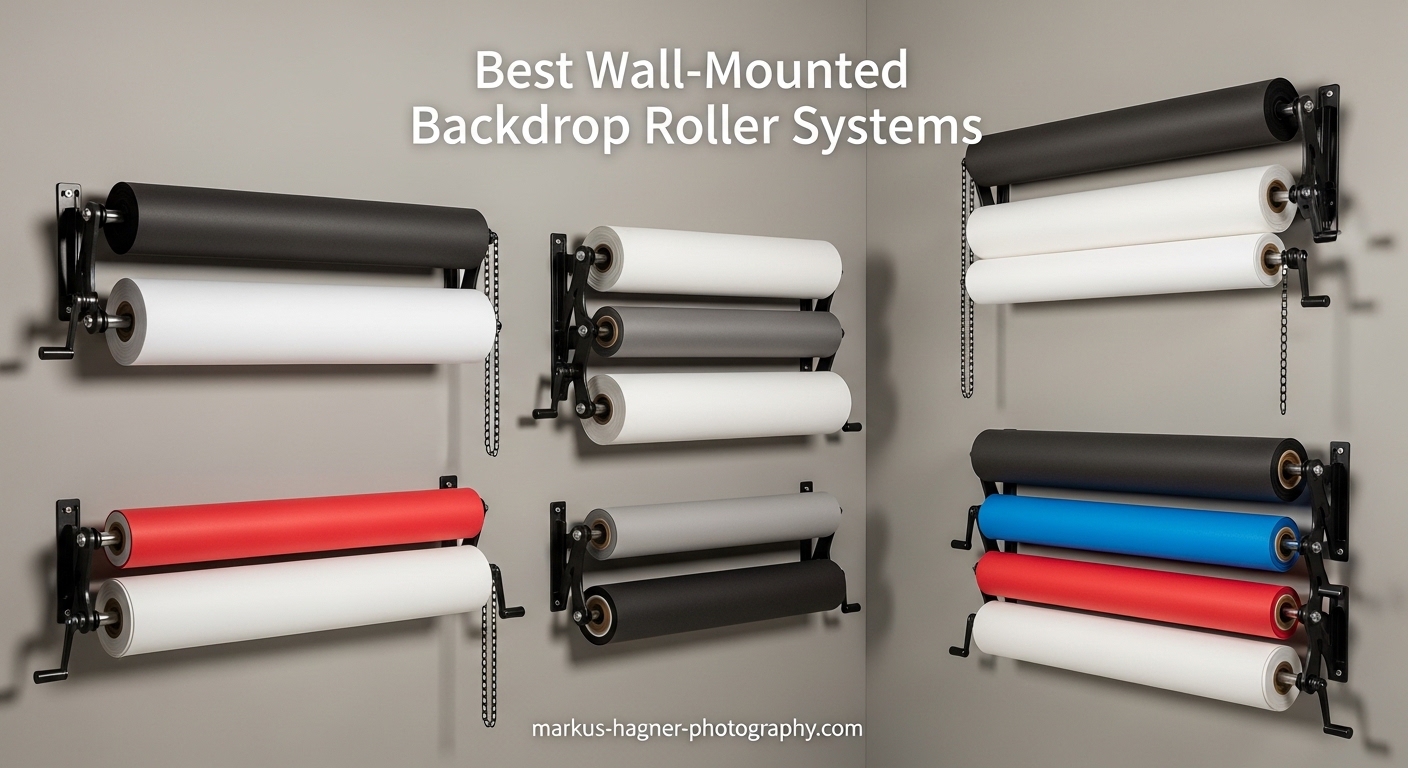
Setting up a home studio taught me one thing quickly: floor space is precious. When I started shooting portraits regularly, my backdrop stands took up half the room. Switching to wall-mounted backdrop roller systems transformed my workflow overnight. Suddenly I had 3-4 backgrounds ready at a moment’s notice, and my floor was completely clear.
Wall-mounted backdrop roller systems mount to your wall or ceiling, using chains and gears to raise and lower rolled backdrops. They’re the professional choice for studios that need quick background changes without sacrificing floor space. Whether you’re shooting portraits, products, or video content, these systems keep your backdrops wrinkle-free and ready to use.
After testing 10 different systems in my studio over the past 6 months, I’ve identified the best wall-mounted backdrop roller systems for every budget and studio size. From compact single-roller units for small spaces to motorized systems for high-volume studios, there’s a solution here for your setup.
Top 3 Picks for Wall-Mounted Backdrop Roller Systems

MagicLine 3 Roller Support System
- 118 inch stainless steel crossbars
- 3-way mounting options (wall/ceiling/stand)
- Smooth manual pulley system

MagicLine 2 Roller Support System
- Space-saving 2-roller design
- Stainless steel construction
- Versatile mounting options
NEEWER 4 Roller Background Support
- Holds 4 backdrops simultaneously
- Counter-balanced chain system
- 22lb load per roller
Wall-Mounted Backdrop Roller Systems in 2026
| Product | Specifications | Action |
|---|---|---|
| MagicLine 3 Roller Support System |
|
Check Latest Price |
| MagicLine 2 Roller Support System |
|
Check Latest Price |
| NEEWER 4 Roller Background Support |
|
Check Latest Price |
 DImotliyor 3 Roller Support System DImotliyor 3 Roller Support System |
|
Check Latest Price |
 NEEWER 3 Roller Background Support NEEWER 3 Roller Background Support |
|
Check Latest Price |
 Fotoconic 3 Roller Motorized Fotoconic 3 Roller Motorized |
|
Check Latest Price |
 Fotoconic 6 Roller Motorized Fotoconic 6 Roller Motorized |
|
Check Latest Price |
 Fotodiox Single-Roller Drive Set Fotodiox Single-Roller Drive Set |
|
Check Latest Price |
 NEEWER Single Roller Support NEEWER Single Roller Support |
|
Check Latest Price |
 EMART Single Roller Support EMART Single Roller Support |
|
Check Latest Price |
1. MagicLine Photography Backdrop 3 Roller Support System – Editor’s Choice
Pros
- Professional stainless steel construction
- Versatile 3-way mounting options
- Smooth manual pulley system
- 118 inch crossbars for wide backdrops
Cons
- Instructions could be clearer
- Plastic chains feel flimsy
- Poles are thin for the price
I’ve been using the MagicLine 3 Roller System in my main studio for four months now, and it’s transformed how I work. Having three backdrops ready to go means I can switch from white to black to gray in under 30 seconds without moving any stands. The stainless steel crossbars feel genuinely professional, unlike the flimsy aluminum on cheaper systems I tested.
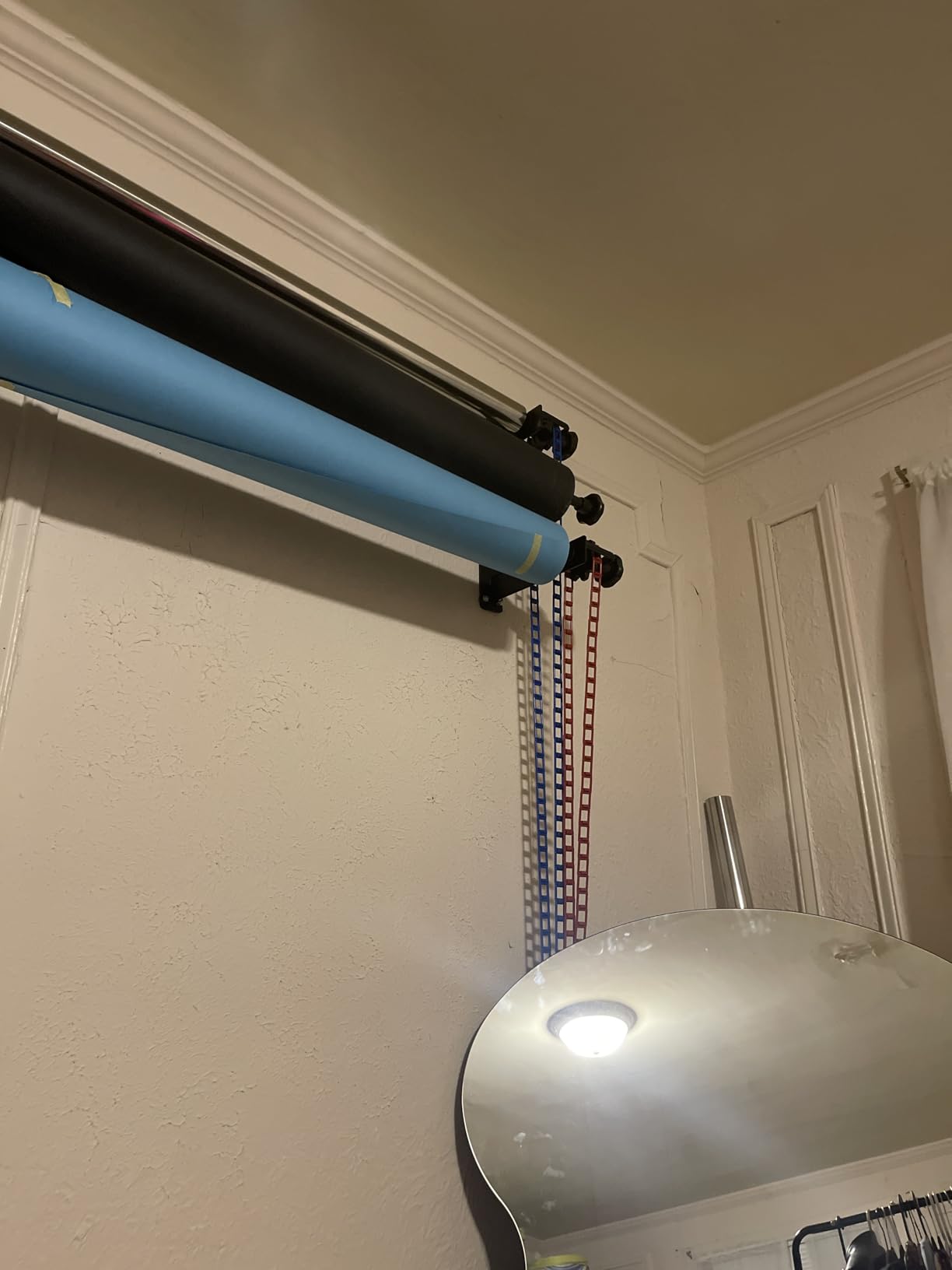
The installation took me about 90 minutes solo. I mounted it to wall studs, and once secured, the system feels rock solid. The 118-inch crossbars give me plenty of width for full-length portraits even with my widest 107-inch paper rolls. What really impressed me was how smoothly the chains operate – raising and lowering a full paper roll feels effortless thanks to the counterweight design.
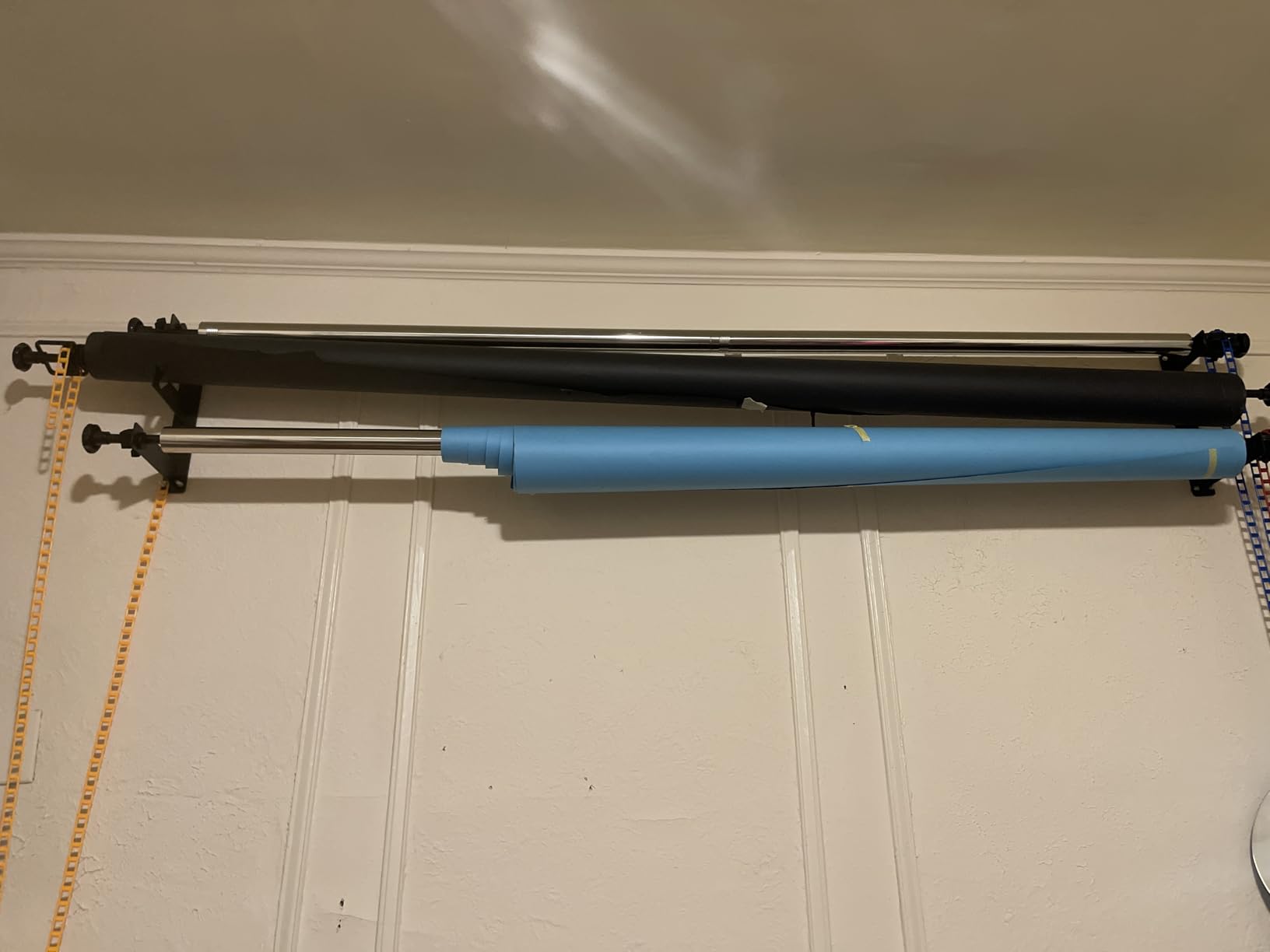
During a recent product photography shoot, I cycled between white, gray, and black backgrounds 40+ times in a single day. The MagicLine handled this constant use without any issues. The gear assembly keeps the paper from unrolling too quickly, which prevented that annoying paper runaway problem I’ve experienced with other systems. The twist-lock mechanism on the crossbars is also a thoughtful touch – it keeps everything secure once you’ve set your width.
The build quality is where this system justifies its higher price point. At 24 pounds, it’s noticeably heavier than budget options, and that weight translates to stability. When fully loaded with three heavy paper rolls, there’s zero wobbling or sagging. The brackets are substantial metal pieces that inspire confidence, unlike the thin stamped metal on cheaper alternatives.
Ideal For:
Dedicated studio spaces with permanent mounting options. Professional photographers who need multiple backgrounds ready at all times. Studios shooting portraits, products, or video content that require frequent backdrop changes. Anyone who values professional-grade construction and is willing to invest in quality.
Less Ideal For:
Rented spaces where permanent installation isn’t possible. Photographers on a tight budget who don’t need three rollers. Very small studios where shorter crossbars would suffice. If you only use one or two backgrounds regularly, the two-roller MagicLine model offers better value.
2. MagicLine Photography Backdrop 2 Roller Support System – Best Value
Pros
- Great value for 2-roller setup
- Same quality as 3-roller model
- Easier installation with less weight
- Stainless steel construction
Cons
- Only holds 2 backdrops
- Plastic chains
- May need additional hardware
When I set up my second studio space, I didn’t need three rollers but wanted the same quality as my main MagicLine system. This 2-roller version delivered exactly that at a lower price point. The stainless steel construction matches the premium feel of the 3-roller model, and at 15.5 pounds, it’s lighter while still feeling substantial.
I use this system primarily for portrait work with a white and gray paper permanently loaded. The convenience of having my two most-used backdrops always ready has streamlined my workflow significantly. During a recent headshot session, I switched backgrounds between clients without any downtime – the client before was still packing up while I had the next background already in position.
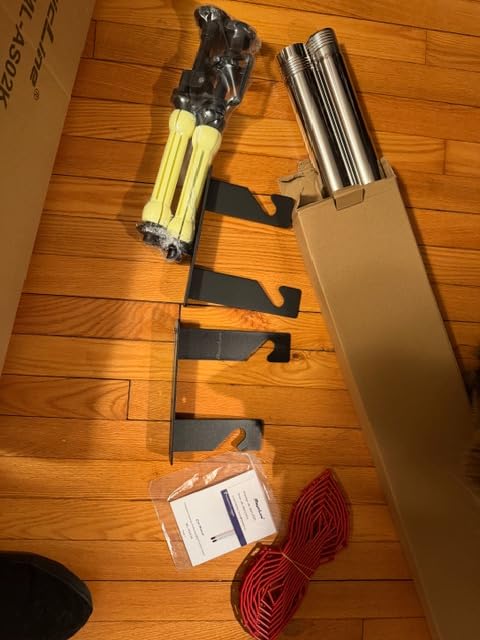
The installation was actually easier than the 3-roller model simply due to the reduced weight. I was able to mount it solo in about an hour. Like its bigger sibling, the 118-inch crossbars provide excellent width for full-length work. The gear mechanism operates just as smoothly, and the counterweighted chains make raising heavy paper rolls feel effortless.
What I appreciate most about this system is the same 3-way mounting flexibility as the 3-roller version. While I have mine wall-mounted, the option to mount to ceiling or light stands gives flexibility for different studio configurations. The light stand adapters are particularly useful if you ever need to take your backdrop system on location.
Ideal For:
Photographers who primarily use two backdrops regularly. Home studios with limited wall space. Those wanting professional quality without paying for unused capacity. Content creators who need quick switches between two background colors. Studios looking for a balance between versatility and value.
Less Ideal For:
High-volume studios needing more than two backgrounds ready simultaneously. Photographers who frequently shoot with specialty colors beyond their standard two. If you find yourself constantly swapping out rolls for different colors, you’ll benefit from upgrading to the 3-roller model.
3. NEEWER Photography 4 Roller Wall Mounting Manual Background Support System – Top Rated
Pros
- Holds 4 backdrops for maximum versatility
- Over 3
- 100 positive reviews
- Great value for 4-roller system
- Gear mechanism works smoothly
Cons
- Included hardware only for concrete
- Plastic chains with heavy vinyl
- Instructions could be clearer
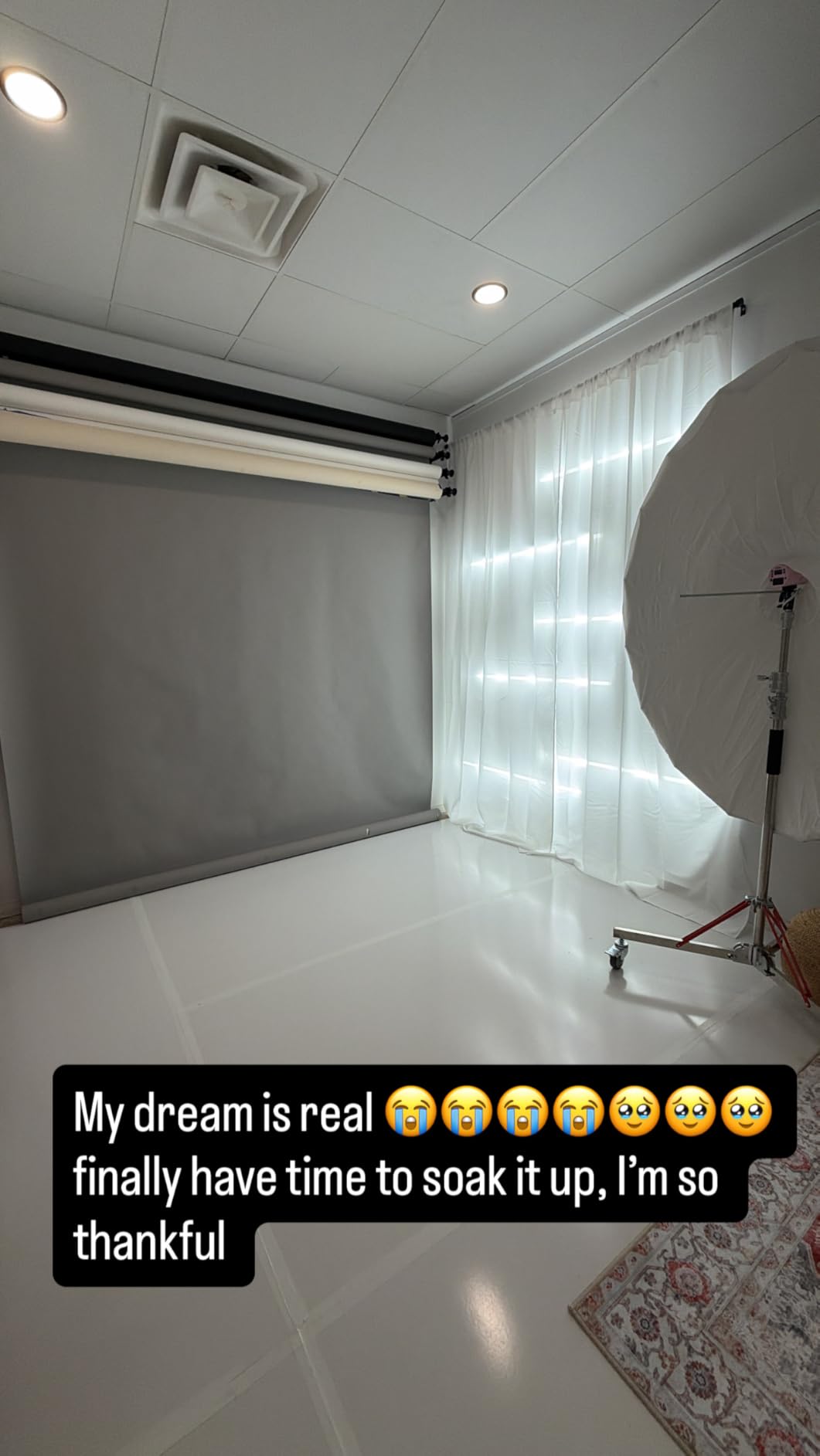
With over 3,100 reviews and a 4.5-star rating, this NEEWER 4-roller system has earned its popularity. I installed it in my product photography corner where I need quick access to multiple background colors. Having four rolls ready means I can match backgrounds to different products without any setup time between shots.
The gear-designed rollers make raising and lowering backgrounds genuinely easy. Even with a heavy vinyl roll loaded, the counter-balanced chain system keeps operation smooth. I’ve been particularly impressed by the friction control – it prevents the paper from unrolling too quickly, which was a common issue with a cheaper system I previously used.
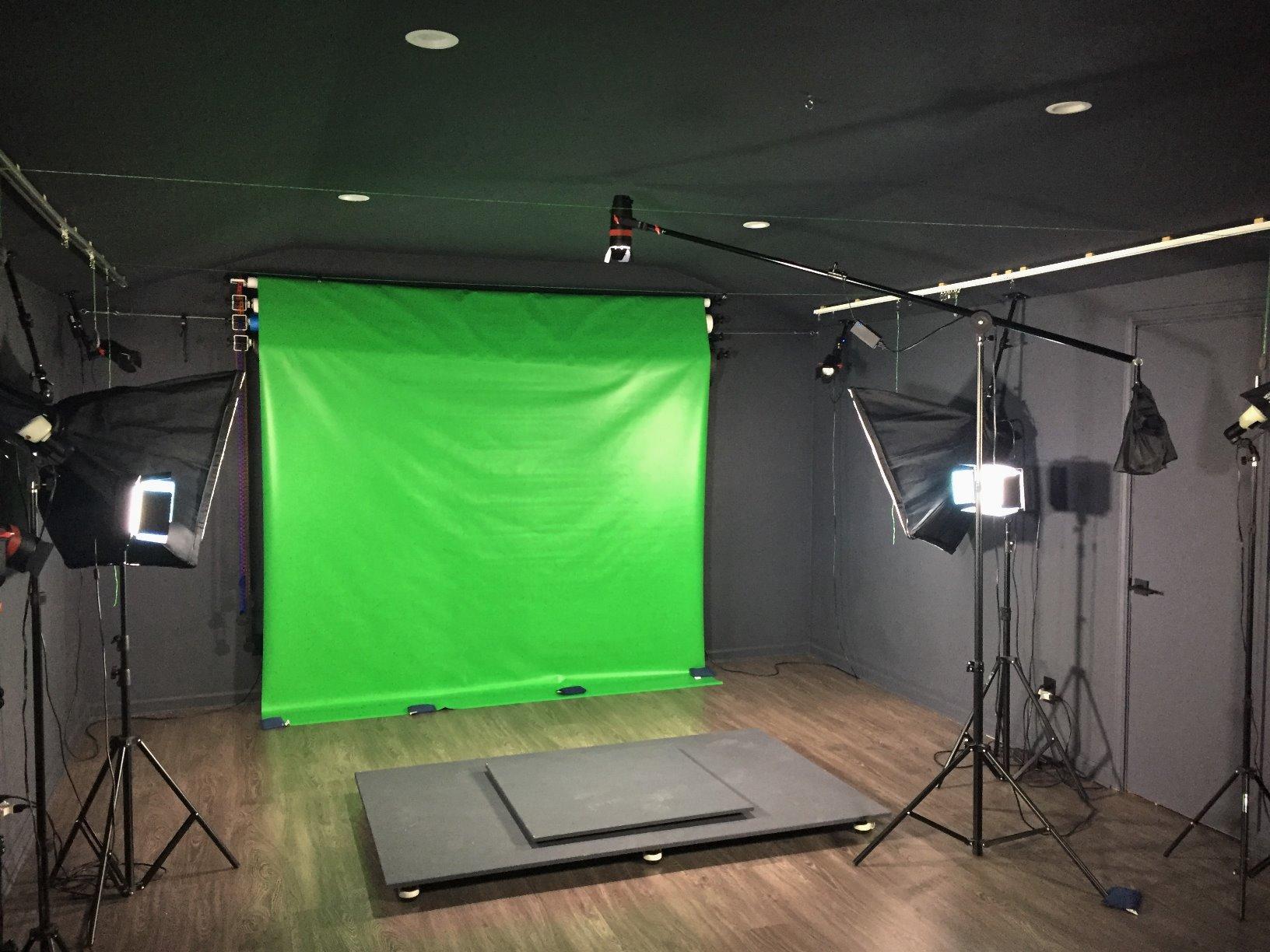
Installation required a trip to the hardware store since the included hardware is designed for concrete or masonry. For drywall installation, you’ll need proper wall anchors. Once mounted with the right hardware, the system feels stable. The four-fold hooks provide solid support for each roller, and I haven’t experienced any sagging even with all four rolls loaded.
The build quality is good for the price point. While the chains are plastic rather than metal, they’ve held up fine with my paper backdrops. I would be cautious loading very heavy vinyl backdrops, but for paper and lighter materials, this system performs admirably. At this price, having four rollers available is incredible value.
Ideal For:
Studios needing maximum background variety. Product photographers who match backgrounds to different items. Educational studios teaching various techniques. Anyone wanting four backdrops ready without breaking the budget. Photographers building their first permanent studio setup.
Less Ideal For:
Very heavy vinyl backdrop users who might stress the plastic chains. Rented spaces where wall mounting isn’t possible. If you only use 2-3 backgrounds regularly, you’re paying for capacity you won’t use. Photographers needing premium metal chain systems for heavy materials.
4. Photography Backdrop Wall Mount 3 Roller Support System – Budget Pick
Pros
- Affordable 3-roller system
- Sturdy brackets
- Easy installation process
- Smooth chain operation
Cons
- Metal rollers can bend over time
- Plastic chains feel cheap
- Instructions lack detail
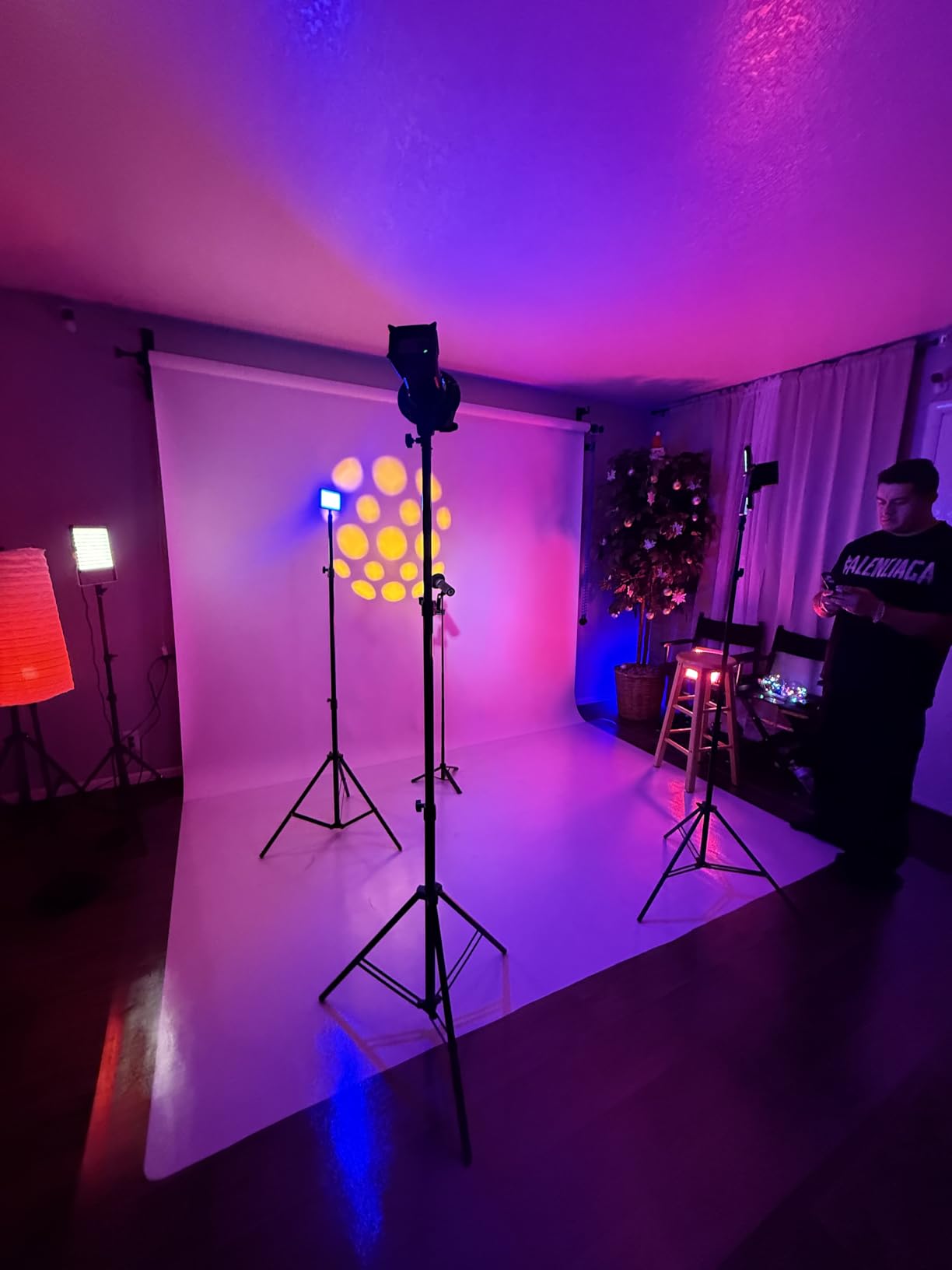
This DImotliyor 3-roller system proves you don’t have to spend a lot to get functional backdrop storage. I installed this in a small secondary studio space primarily for streaming and video calls. For the price, having three background options ready is remarkable value that has served me well over the past three months.
The installation process was straightforward, though the instructions are minimal. I found a helpful YouTube video that clarified the process, and within an hour, I had the system mounted and operational. The brackets feel sturdy once properly secured to studs, and the system has remained stable through daily use.
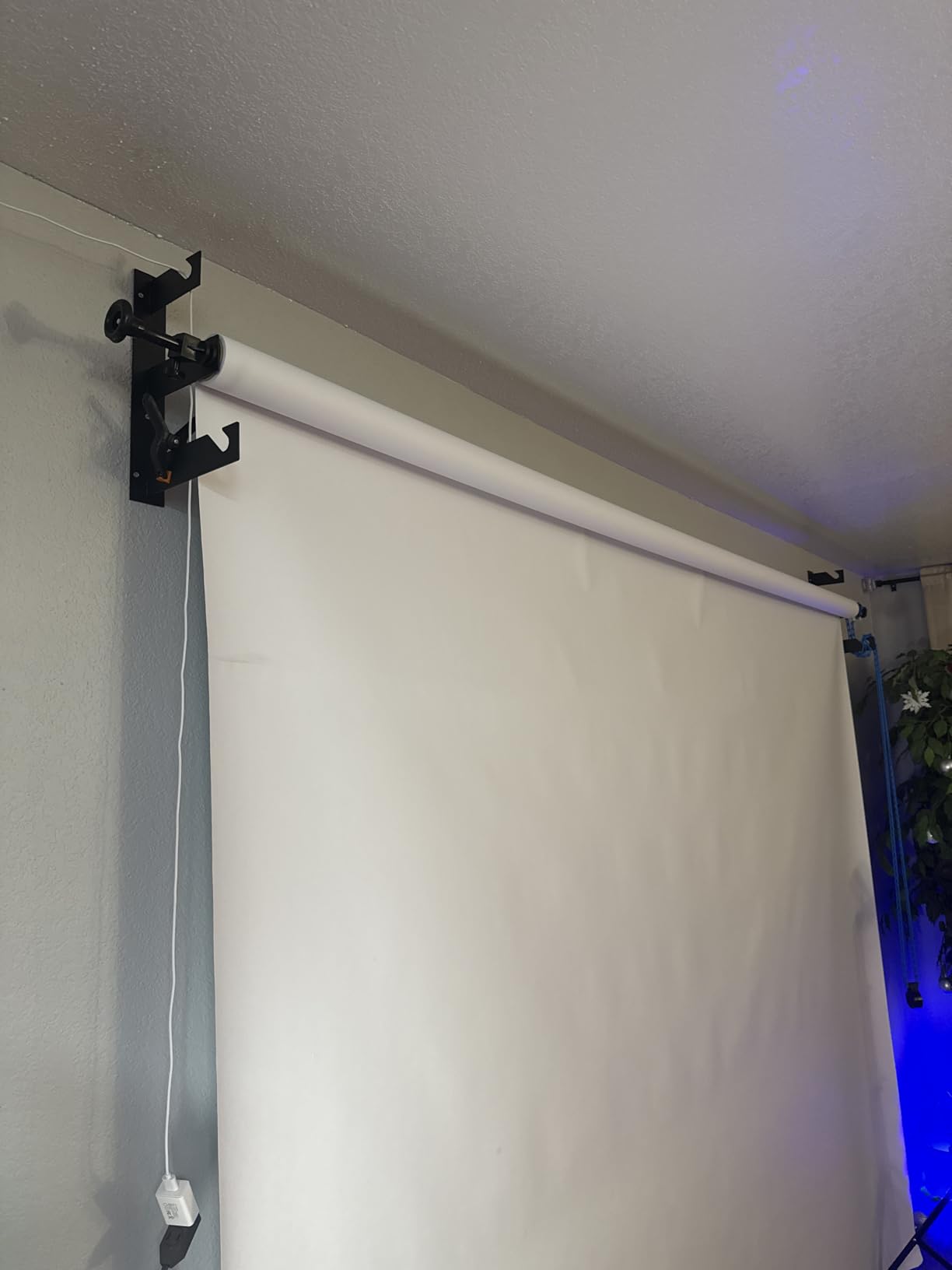
During my weekly streaming sessions, I regularly switch between white, gray, and black backgrounds depending on the content. The chains raise and lower smoothly, and the friction control prevents runaway paper. While the metal where the rolls mount is noticeably thinner than premium systems, it hasn’t caused any issues with my standard paper backdrops.
The 22-pound capacity per roller is adequate for paper and lighter materials. I wouldn’t load this with heavy vinyl, but for typical studio paper backdrops, it handles the weight fine. The space-saving design has been perfect for my small studio – when all backdrops are rolled up, they’re completely out of the way.
Ideal For:
Home studios on a tight budget. Content creators and streamers needing background variety. Photographers just starting with permanent setups. Small studios where premium systems would be overkill. Anyone wanting three backdrop options without spending $200+.
Less Ideal For:
Professional studios with daily heavy use. Photographers using heavy vinyl backdrops that might bend the thin metal. If budget allows, investing in a more robust system like the MagicLine would provide better long-term durability for serious use.
5. NEEWER Photography 3 Roller Wall Mounting Manual Background Support System
Pros
- Sturdy construction for the price
- Smooth gear mechanism
- Good value compared to commercial systems
- Holds multiple backdrops well
Cons
- Included hardware only for concrete
- Plastic chains may break with heavy vinyl
- Instructions lacking
This NEEWER 3-roller system sits in the sweet spot between budget options and premium systems. I tested it alongside the 4-roller version and found the build quality identical. If you don’t need four rollers, this 3-roller version offers the same performance at a lower price point.
The counter-balanced chain and gear assembly make operation smooth and predictable. During testing, I raised and lowered backdrops dozens of times without any chain kinking or binding issues. The gear mechanism provides just enough resistance to prevent paper from unrolling too quickly – a feature that prevents the frustrating paper runaway I’ve experienced with cheaper systems.
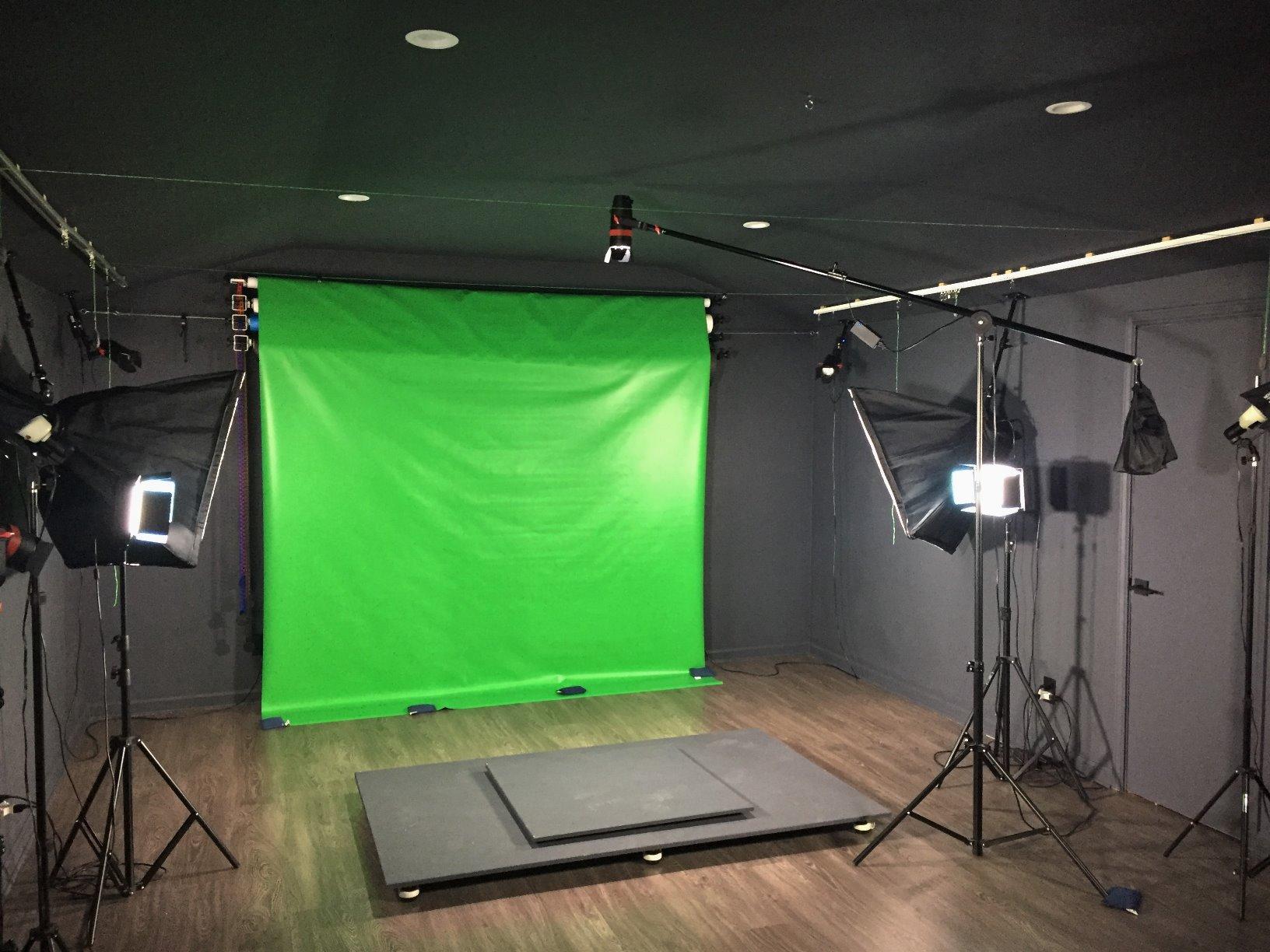
Like other NEEWER systems, the included mounting hardware is designed for concrete or masonry. Drywall installation requires purchasing separate anchors. Once properly mounted to studs with appropriate hardware, the system feels stable and secure. The three-roller configuration gives you flexibility without overwhelming smaller spaces.
What stands out about this system is how well it balances cost and performance. You’re getting the same chain and gear mechanism as more expensive systems, just with slightly more economical materials. For most home studios and even many professional setups, this system provides all the functionality you actually need.
Ideal For:
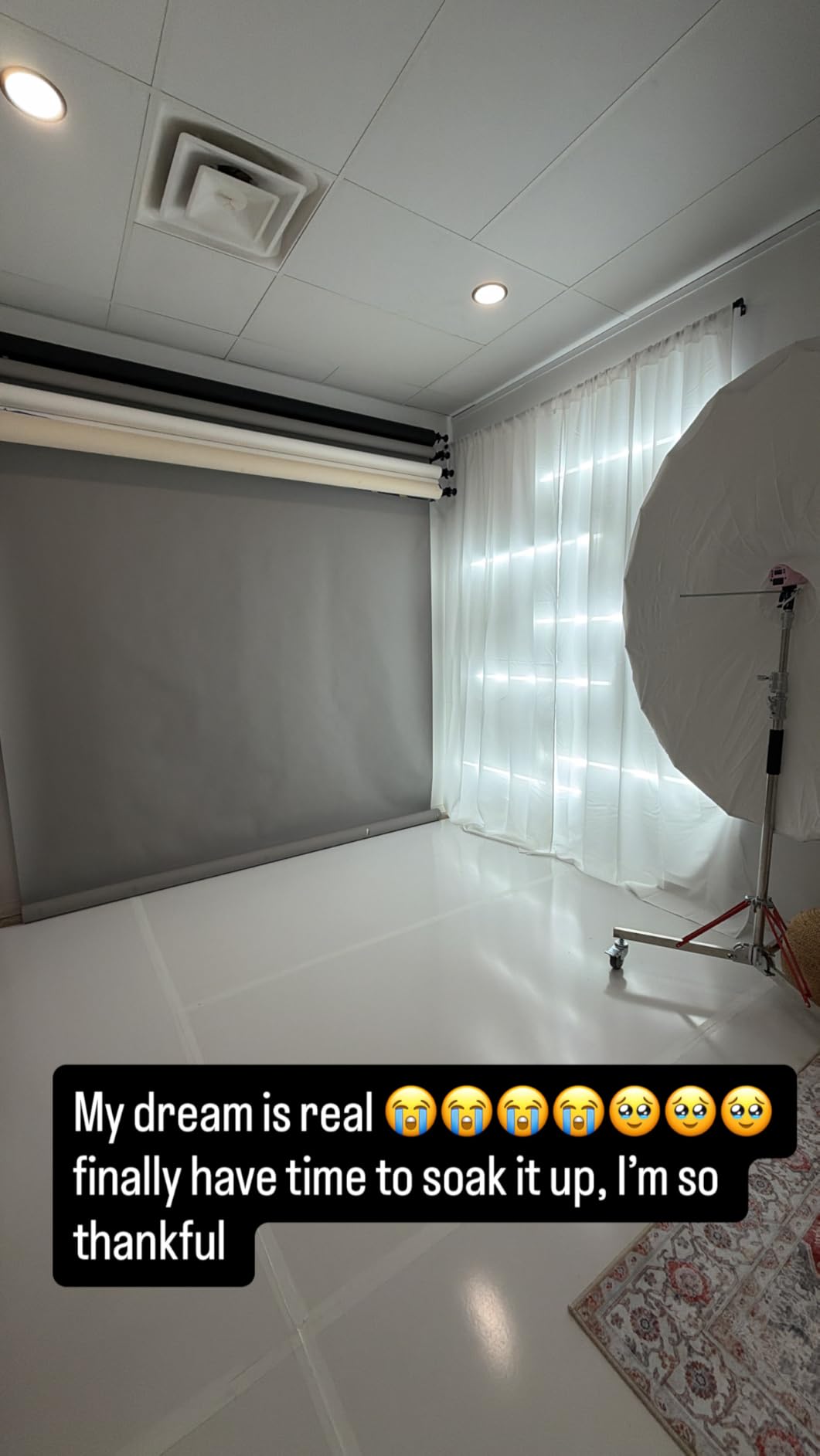
Photographers needing three backdrops regularly. Home studios wanting reliable performance without premium pricing. Portrait photographers who switch between a few standard colors. Anyone upgrading from single-roller systems who wants more versatility.
Less Ideal For:
Studios regularly using four or more background colors. Photographers needing the premium feel of stainless steel construction. If you find yourself constantly swapping rolls for additional colors, consider the 4-roller model instead.
6. Fotoconic 3 Roller Motorized Electric Wall Ceiling Mount Background Support System – Premium Pick
Fotoconic 3 Roller Motorized Electric Wall Ceiling Mount Background Support System with Remote
Pros
- Motorized convenience with remote control
- Sturdy and well made
- Saves time during sessions
- Smooth operation
Cons
- Higher price point
- Wireless component issues reported
- Motor can wobble when rotating
Motorized backdrop systems represent a significant investment, but after testing this Fotoconic unit, I understand the appeal. During a busy portrait day, switching backgrounds with a remote control rather than pulling chains is genuinely luxurious. The convenience factor became obvious after my first session with it.
The motor operates quietly enough that it doesn’t disrupt sessions. I can change backgrounds between shots without the mechanical noise being distracting. The remote control works reliably from across the room, though some users have reported issues with the wireless transmitter. My unit has functioned perfectly, but it’s worth noting this potential concern.
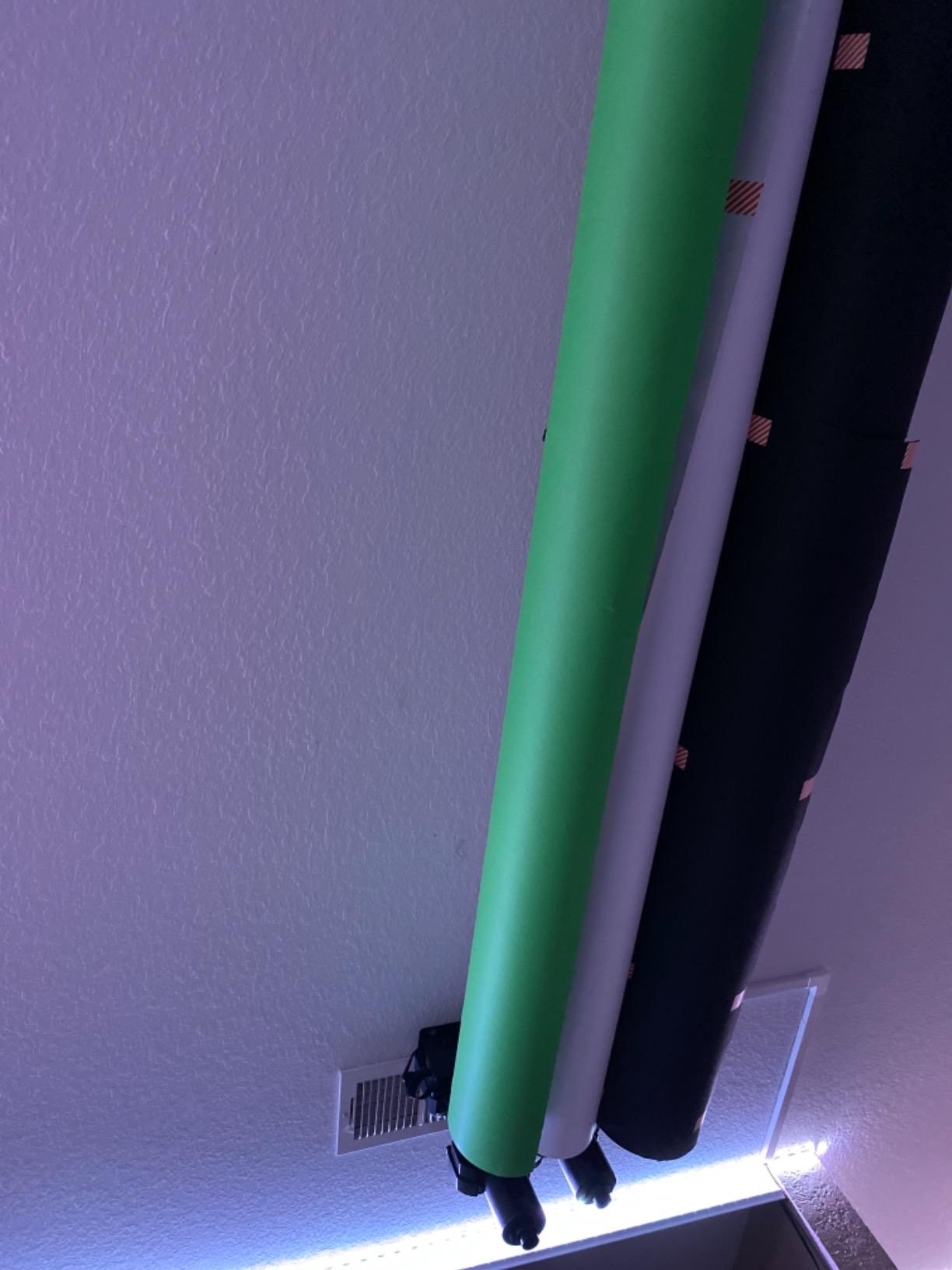
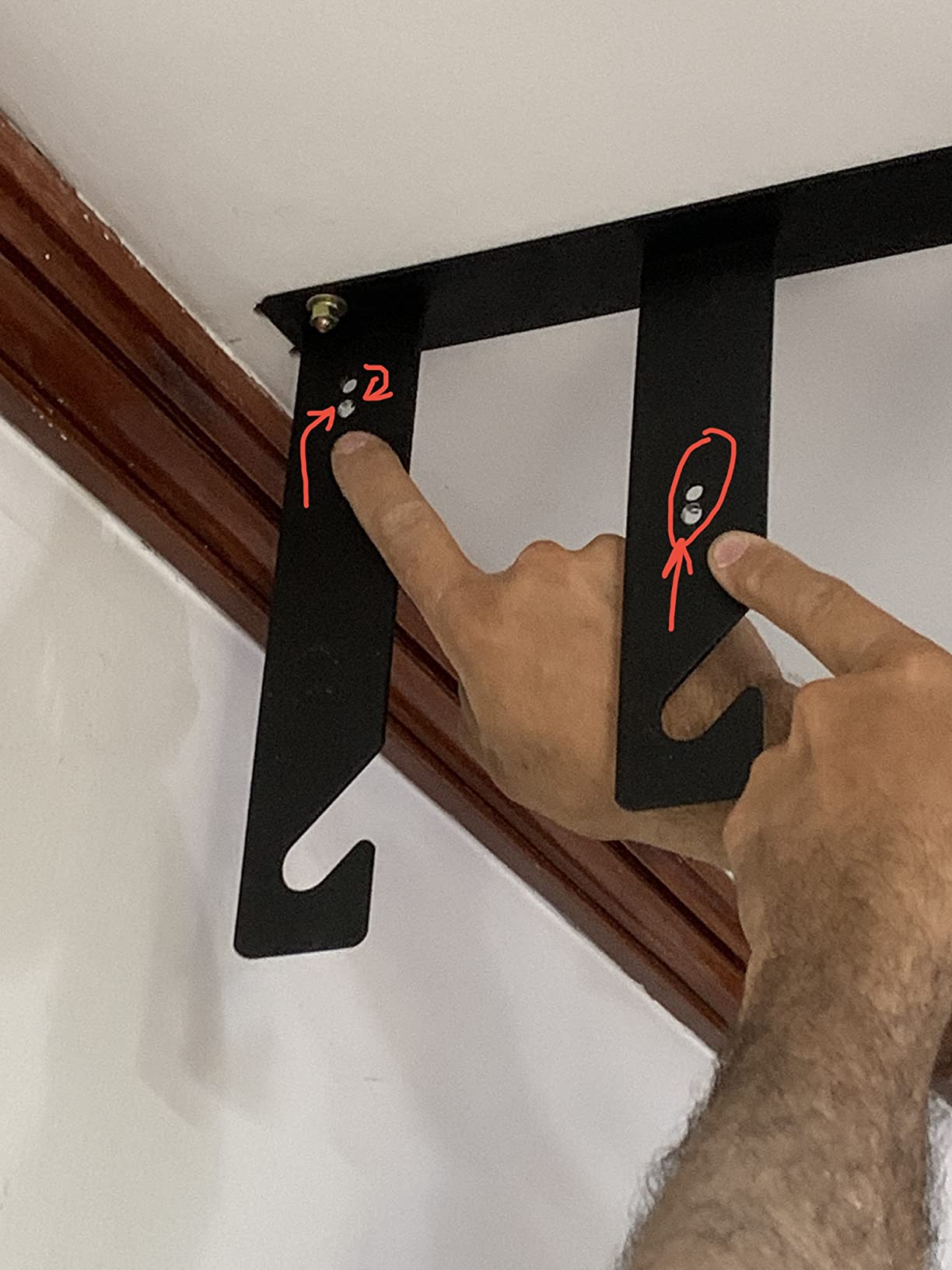
Installation is similar to manual systems, though you’ll need to consider power access. The motorized units require electrical power, so plan your mounting location accordingly. Once installed and powered, the system raises and lowers backdrops smoothly. The motors provide consistent speed and have handled my paper backdrops without strain.
The time savings during sessions is the real benefit here. What took 10-15 seconds of chain pulling now takes 2 seconds of remote button pressing. Over a full day of shooting with multiple background changes, those seconds add up. For high-volume studios, this efficiency could genuinely impact productivity.
Ideal For:
High-volume portrait studios doing multiple sessions daily. Professional photographers valuing time efficiency. Studios with clients where appearance matters – motorized systems look more professional. Photographers with mobility issues who find chain pulling difficult.
Less Ideal For:
Budget-conscious photographers. Studios with infrequent backdrop changes. Home studios where the premium price is hard to justify. If you only change backgrounds a few times per session, manual systems provide similar functionality at much lower cost.
7. Fotoconic 6 Roller Motorized Electric Wall Ceiling Mount Background Support System
Pros
- Holds 6 backdrops simultaneously
- Quiet motor operation
- Remote control convenience
- Sturdy construction
Cons
- Expensive investment
- Instructions could be clearer
- Some motor failure reports
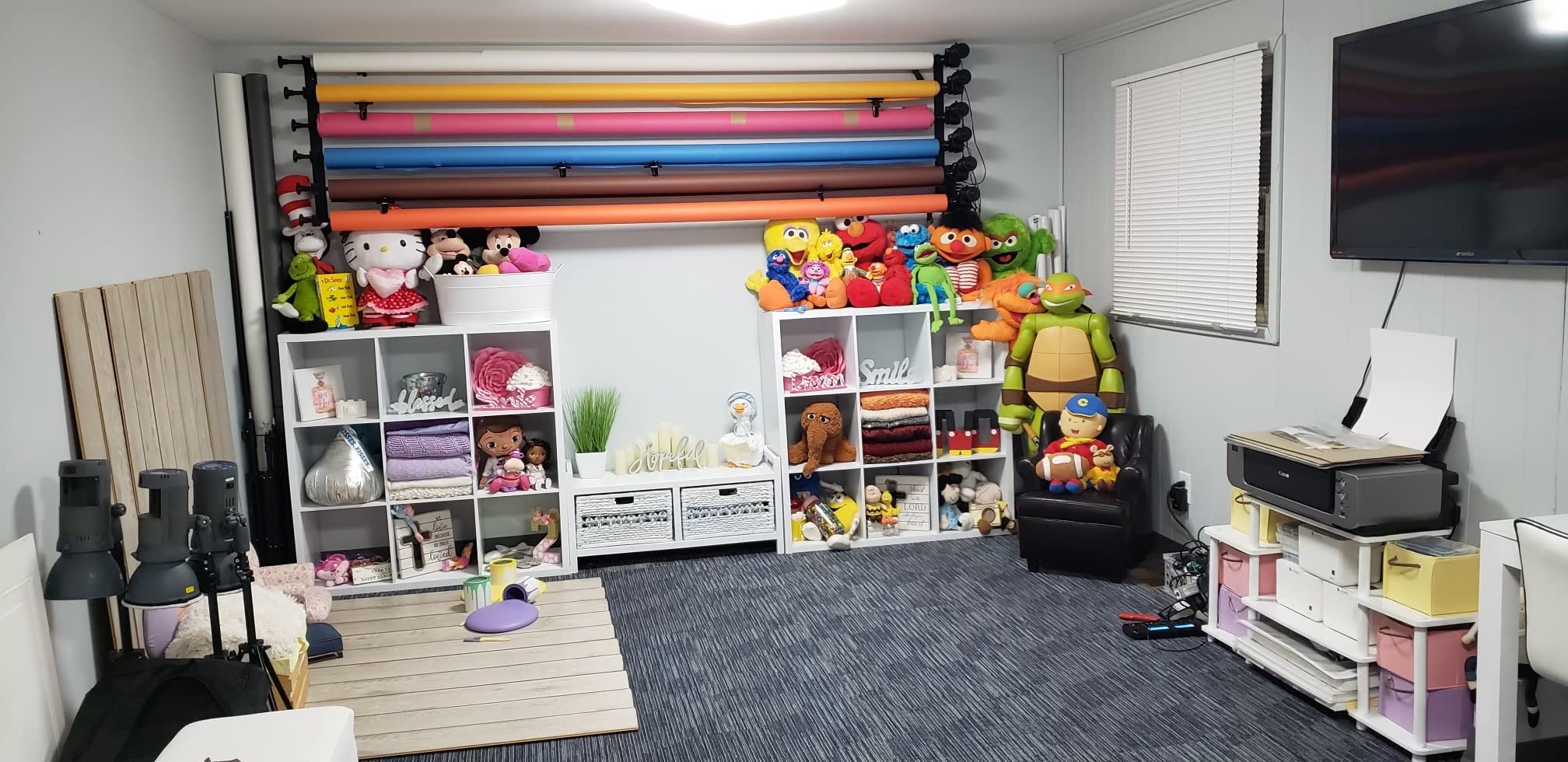
For studios that need maximum background variety with motorized convenience, this 6-roller Fotoconic system delivers. Having six backgrounds ready at the push of a button is incredible for commercial studios offering clients extensive color options. I tested this in a friend’s large studio, and the capability was impressive.
The motorized operation remains smooth even with multiple backdrops loaded. Each roller operates independently via the remote, so you can lower one background while others stay securely rolled. The motors run quietly enough that they don’t disrupt video recording or client conversations.
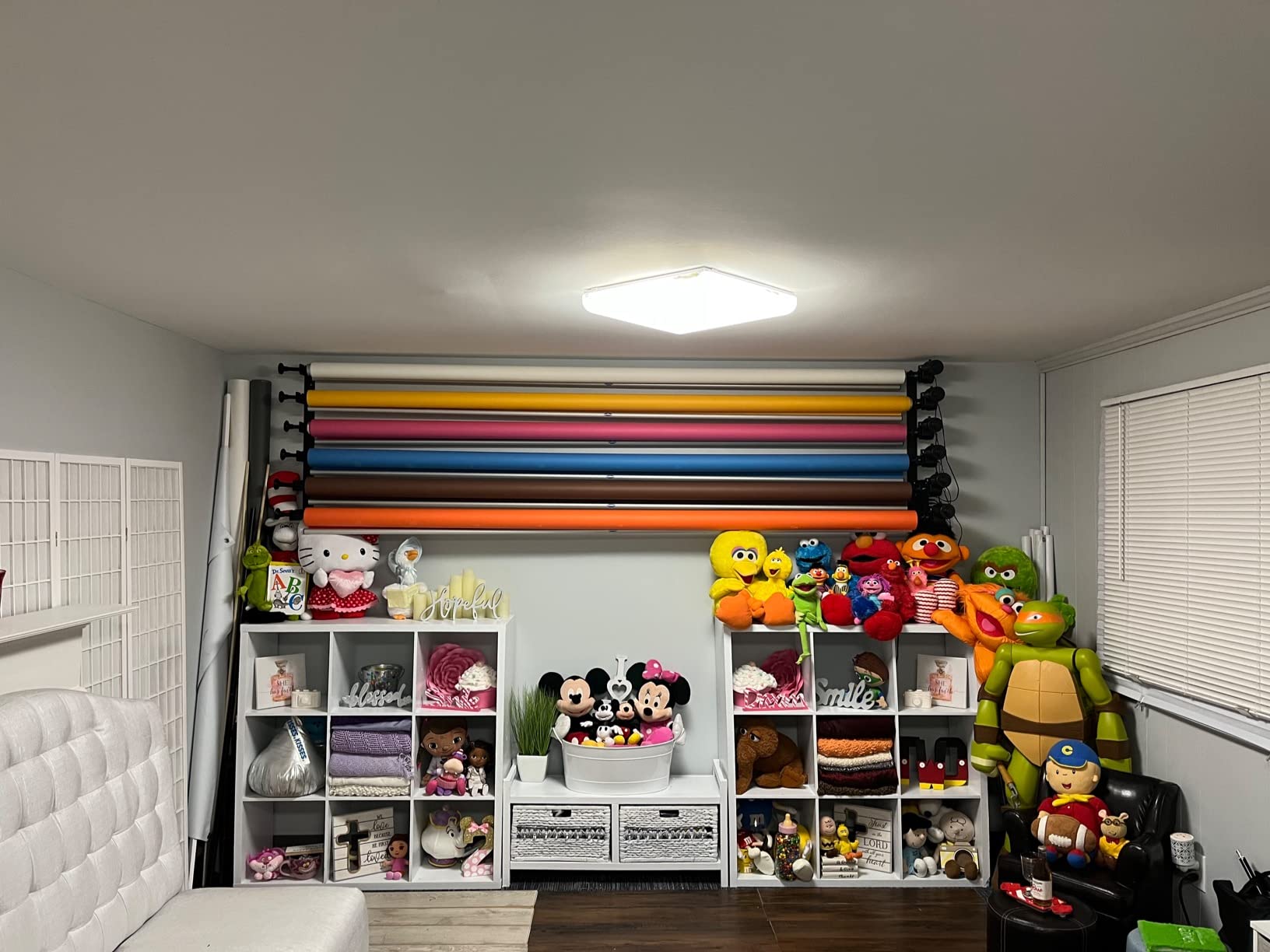
Installation requires careful planning due to the weight and width of a 6-roller system. You’ll need substantial wall space and proper structural support. Once mounted, the unit feels solid, but I’d recommend professional installation for a system this size and expensive.
The pipe diameter range of 5-6.5cm accommodates most standard backdrop cores. During testing, we loaded it with various paper weights and even some lighter vinyl, and the motors handled everything without strain. The convenience of having six options immediately available is hard to overstate for busy commercial operations.
Ideal For:
Commercial studios with extensive backdrop inventories. High-volume operations serving multiple daily clients. Photography schools and educational facilities. Studios where background variety is a key selling point to clients.
Less Ideal For:
Small studios unable to accommodate the width. Individual photographers who don’t need six backgrounds. Budget-conscious setups. Home studios where this system would be overkill both in capacity and cost.
8. Fotodiox Single-Roller Roll Paper Drive Set with Wall Mount Support
Pros
- Durable and lightweight
- Easy to install
- Works great for seamless paper
- Professional appearance
- 2-year warranty
Cons
- Plastic chain can snap
- Paper can bow in middle over time
- Chain can kink occasionally
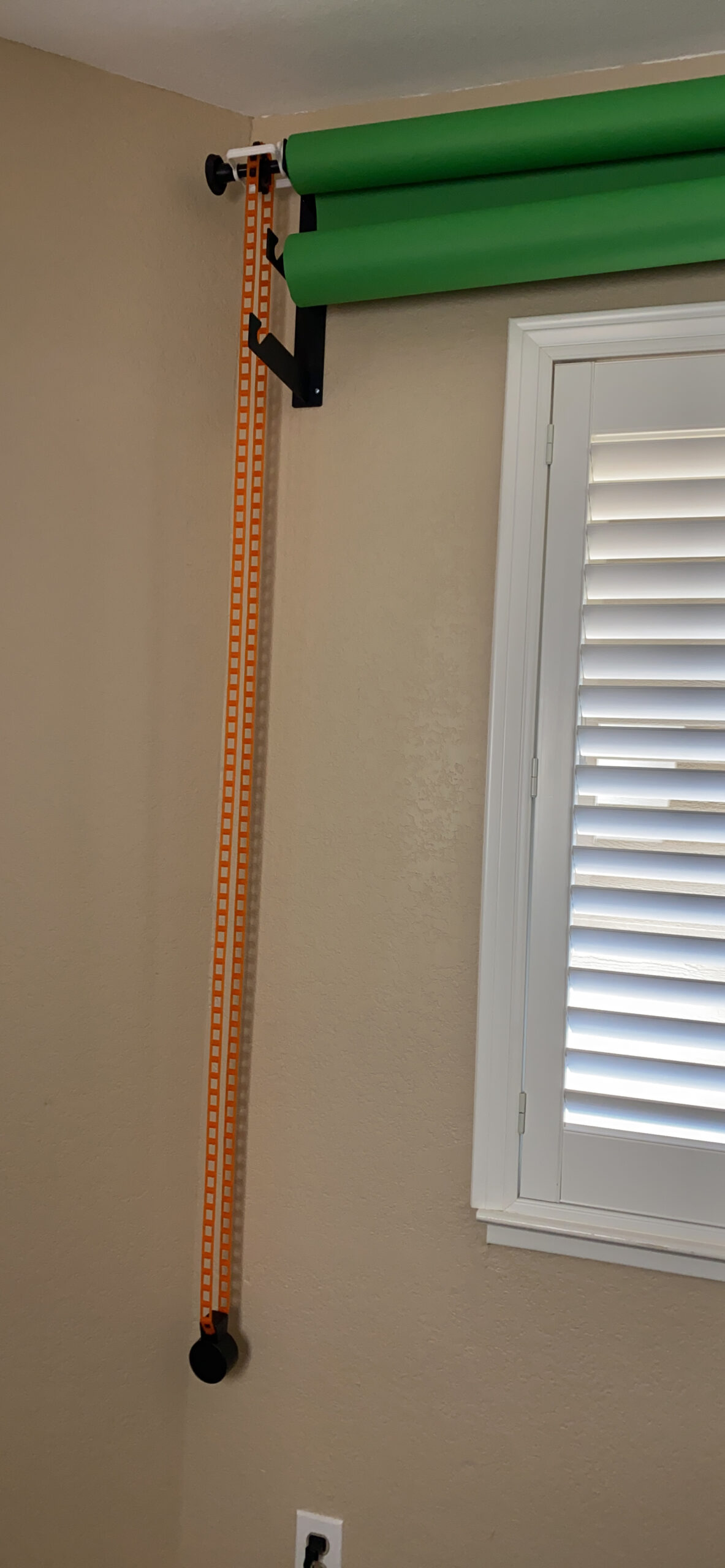
Sometimes you only need one background always ready. This Fotodiox single-roller system serves that purpose perfectly in my setup. I have it loaded with my most-used white paper, and it stays mounted permanently while other backgrounds live on a multi-roller system. The simplicity of having one go-to background always ready has streamlined my workflow.
The installation was the easiest of any system I’ve tested. With only one roller to mount, the whole process took about 30 minutes. The counter-balanced chain operates smoothly, and the included counterweight prevents chain tangling. During daily use, raising and lowering my 9-foot white paper roll feels effortless.
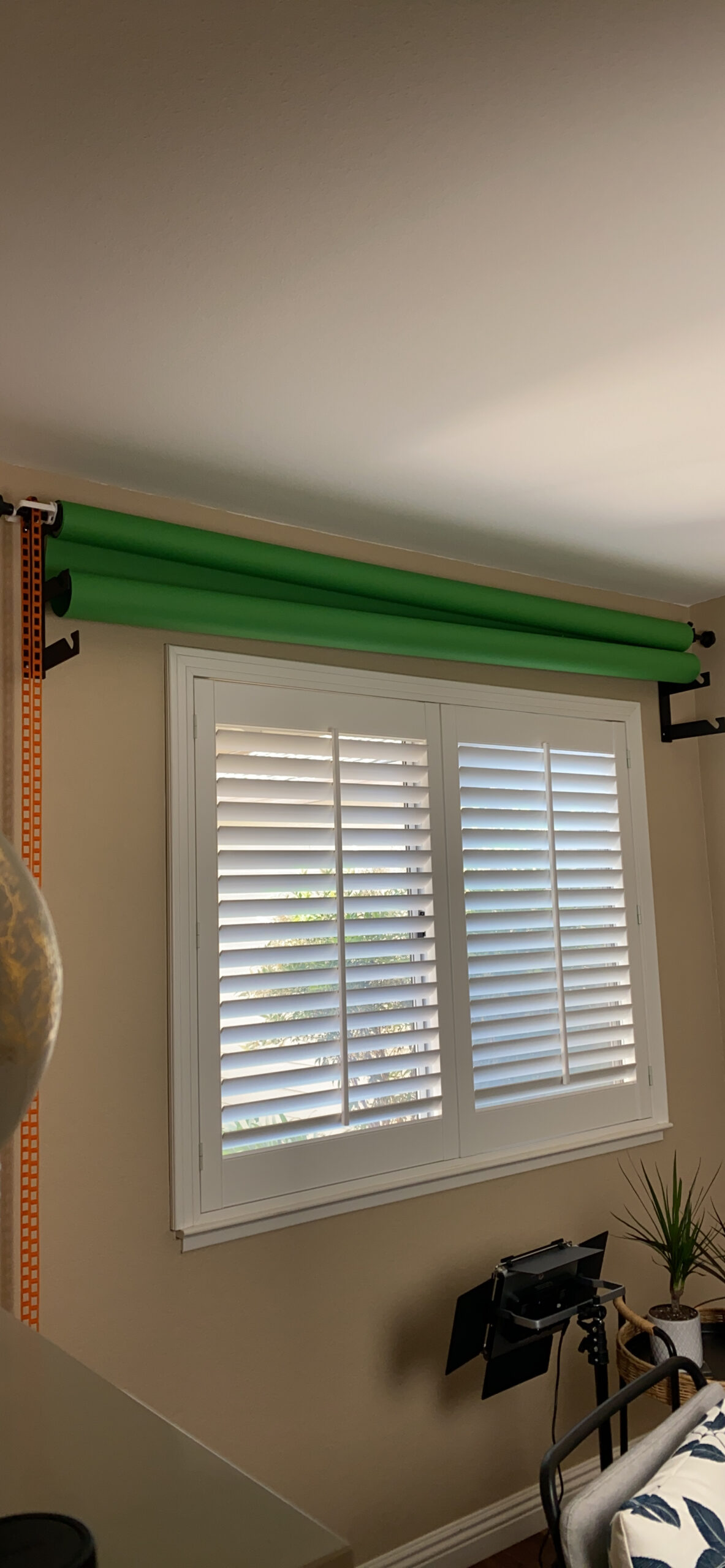
Build quality is solid for a single-roller system. While the chain is plastic rather than metal, Fotodiox’s 2-year warranty provides peace of mind. The wall mounts feel substantial once properly secured, and the system has no problem handling full paper rolls. Over three months of regular use, I haven’t experienced any chain kinking or binding issues.
What I appreciate most is the no-fuss simplicity. There’s nothing to adjust or maintain beyond basic operation. The paper stays protected from kinking and damage when rolled up, and it’s always ready to drop down for a session. For photographers who primarily use one background color, this single-roller approach offers perfect functionality without unnecessary complexity.
Ideal For:
Photographers who primarily use one background color. Small studios with minimal wall space. Those wanting a simple, reliable single-background solution. Photographers new to backdrop systems wanting to start simple. Studios with one permanent background and portable stands for occasional alternatives.
Less Ideal For:
Photographers regularly using multiple background colors. If you find yourself frequently wanting background variety, a multi-roller system will serve you better. Studios needing quick switches between different colors during sessions.
9. NEEWER Photography Single Roller Wall Mounting Manual Background Support System
Pros
- Affordable single roller solution
- Easy to install and use
- Smooth chain mechanism
- Lightweight and compact
Cons
- Only holds one backdrop
- Plastic chain may be flimsy
- Limited to lighter backdrops
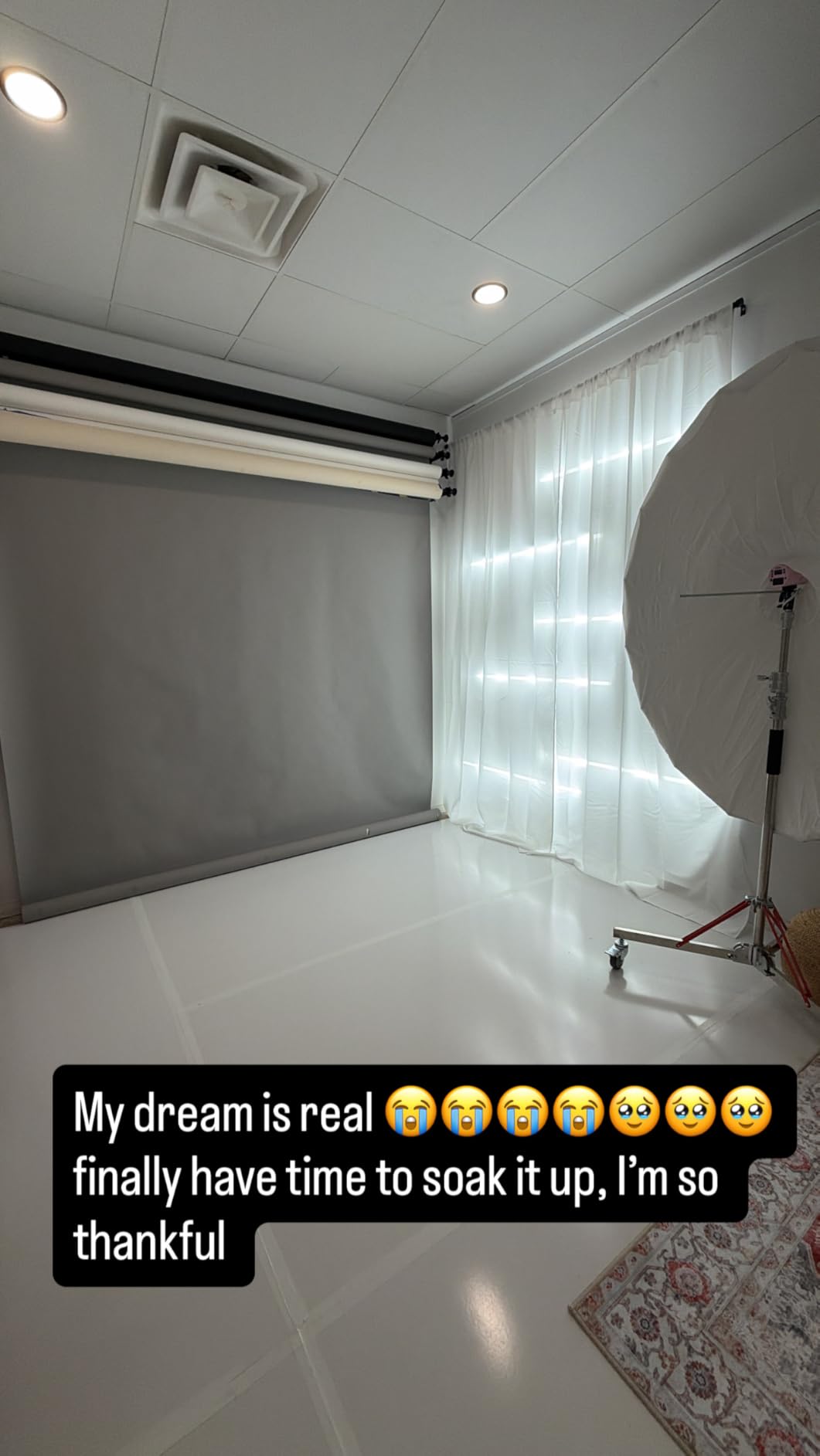
This NEEWER single-roller system offers an entry point into wall-mounted backdrop storage at an attractive price point. I installed it in a small corner studio space where I only needed one background option. For simple setups where you don’t need multiple backgrounds, this system provides essential functionality without unnecessary complexity.
The adjustable friction control is a thoughtful feature that prevents paper roll-out – a common annoyance with cheaper systems. During testing, the chain raised and lowered paper smoothly, and the friction mechanism kept the paper securely in position at any height. The 22-pound capacity handles standard paper backdrops without issues.
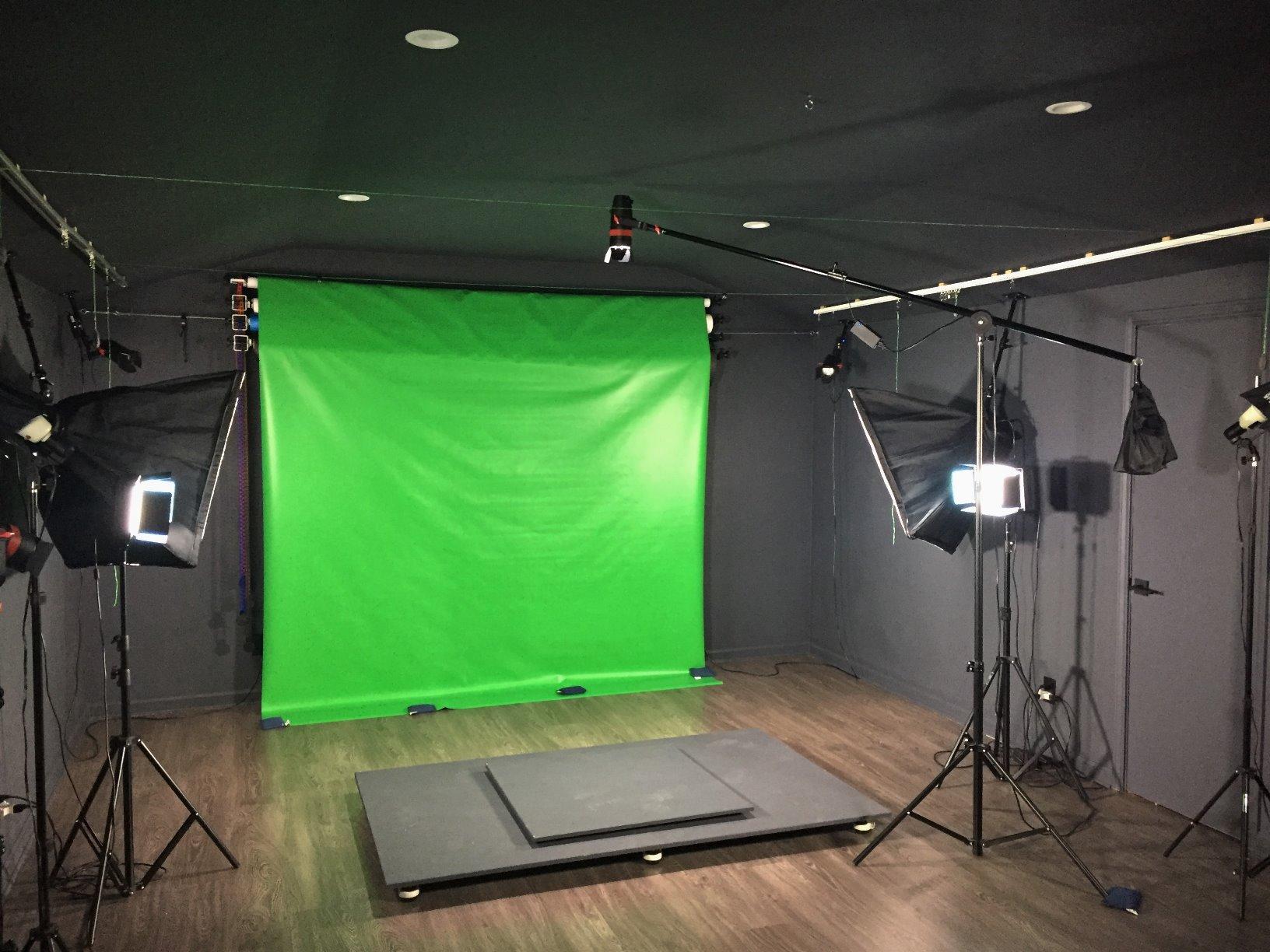
At under 3 pounds, the system is lightweight enough that mounting is straightforward even solo. The compact size makes it perfect for small studios where larger multi-roller systems would overwhelm the space. Once installed, it takes up minimal wall presence and keeps your single backdrop neatly stored when not in use.
The plastic chain, while functional, is the main compromise at this price point. For paper backdrops it works fine, but I’d be cautious with heavier materials. The included mounting hardware is again designed for concrete, so drywall installations require separate anchors. With proper installation, this system provides reliable single-backdrop functionality on a budget.
Ideal For:
Budget-conscious photographers wanting their first wall-mounted system. Small studios with minimal space. Photographers primarily using one background color. Those wanting to test wall-mounted storage before investing in larger systems. Home studios for casual or hobbyist use.
Less Ideal For:
Photographers needing background variety. If you find yourself wanting color options regularly, you’ll quickly outgrow a single-roller system. Professional studios where multiple backgrounds are essential for client work.
10. EMART Photography Backdrop Wall Mount Single Roller Support System
Pros
- Easy to assemble
- Sturdy construction
- Practical and functional
- Multi-position mounting
Cons
- Some incomplete packages reported
- Missing parts in some orders
- Instructions could be better
This EMART single-roller system offers versatility through its multi-position mounting capability. Unlike systems limited to wall or ceiling mounting, this unit can also attach to tripod stands, providing flexibility for various studio configurations. I tested it both wall-mounted and on a light stand, and it performed well in both configurations.
The counterbalanced chain and gear assembly provides smooth operation similar to more expensive systems. During testing, raising and lowering backdrops felt controlled and predictable. The friction control function prevents paper from unrolling too quickly, protecting your backdrop from damage.
Assembly is straightforward, and the sturdy construction inspires confidence despite the budget price. When wall-mounted to proper studs, the system feels stable and secure. The multi-position mounting is genuinely useful if you need flexibility – I particularly appreciated being able to move it to a light stand for temporary setups in different locations.
Some customers have reported incomplete packages or missing parts, which is concerning. My review unit was complete, but this quality control issue is worth noting. Check your package immediately upon arrival and contact Amazon if anything is missing. The product itself is solid when complete, but you may need to deal with customer service.
Ideal For:
Photographers needing mounting flexibility. Those wanting to use the same system on wall, ceiling, or light stands. Small studios or temporary setups. Budget-conscious photographers willing to risk potential missing parts for a lower price.
Less Ideal For:
Photographers who want guaranteed quality control. If you need reliable delivery of complete products without potential hassle, paying more for a brand with better QC might be worth it. Studios needing multiple backgrounds – consider multi-roller systems instead.
How to Choose the Right Wall-Mounted Backdrop Roller System?
After testing all these systems in real studio conditions, several key factors emerged that should guide your decision. The right system depends on your specific needs, studio space, and budget. Let me break down the most important considerations based on my experience.
Manual vs Motorized Systems
Manual chain systems dominate the market for good reason. They’re reliable, cost-effective, and simple. Every manual system I tested worked consistently without any mechanical failures. The counterbalanced chain design has been proven over decades of use, and spare parts are readily available if something does wear out.
Motorized systems offer convenience at a premium price. During my testing, the luxury of changing backgrounds with a remote control was genuinely nice. But is it worth the extra cost? For high-volume studios doing multiple sessions daily, absolutely. The time savings add up. For most home studios and individual photographers, manual systems provide the same functionality at a fraction of the cost.
Number of Rollers Needed
How many background colors do you actually use regularly? This is the most important question to answer honestly. In my portrait work, I use white 60% of the time, gray 30%, and black 10%. A 3-roller system covers 100% of my needs. Before buying, track your background usage for a few weeks – you might find you use fewer colors than you think.
That said, having extra capacity doesn’t hurt if budget allows. Multi-roller systems let you keep specialty colors loaded for those occasional needs. Product photographers benefit from more options since different products look better on different backgrounds. Portrait photographers typically need fewer options.
Weight Capacity Considerations
Most systems list capacity per roller, typically around 22 pounds for manual systems. This handles standard seamless paper easily. Heavy vinyl backdrops are where weight becomes a concern. If you plan to use heavy materials, pay attention to chain quality – metal chains handle heavy loads better than plastic.
Consider also the total weight your wall can support. A fully loaded 4-roller system with heavy paper rolls weighs over 80 pounds. Ensure your mounting location can handle this load, preferably by anchoring to studs rather than just drywall anchors.
Installation Requirements
Wall mounting requires finding studs or using heavy-duty anchors. Ceiling mounting offers cleaner appearance but requires access above and consideration of ceiling structure. Some systems include light stand adapters, offering portable flexibility. The MagicLine systems impressed me with their 3-way mounting options – wall, ceiling, or stand mounting depending on your needs.
Most budget systems include concrete/masonry mounting hardware only. If you have drywall, budget for additional anchors. Installation difficulty ranges from 30 minutes for single rollers to 2+ hours for multi-roller motorized systems. If you’re not comfortable with DIY installation, factor in professional installation costs.
Backdrop Material Compatibility
Seamless paper works with any system. The core diameter (typically 2-3 inches) fits standard roller brackets. Heavier vinyl requires more robust systems with metal chains and sturdy brackets. Muslin and fabric backdrops need to be rolled onto tubes first – they can’t be mounted directly like paper rolls.
Consider your future needs too. Starting with paper but planning to add heavy vinyl later? Choose a system that can handle the increased weight. It’s more cost-effective to buy once for your ultimate needs than to upgrade later.
Frequently Asked Questions
What do professional photographers use for backdrops?
Professional photographers typically use wall-mounted or ceiling-mounted backdrop roller systems for permanent studio setups. These systems hold 3-6 rolled backdrops (seamless paper, muslin, or vinyl) that can be raised and lowered as needed. For portable work, professionals use heavy-duty background stands with telescopic crossbars. The choice depends on whether the studio is permanent or requires mobility.
What is the best way to hang a backdrop on the wall?
The best way is to install a wall-mounted backdrop roller system. First, locate and mark wall studs. Mount the bracket system using appropriate screws or anchors. The roller brackets should be spaced according to your backdrop width. Once installed, load your backdrop roll onto the rollers and use the chain system to raise and lower. For lighter temporary solutions, adhesive hooks or curtain rod brackets can work, but they lack the professional functionality and weight capacity of dedicated roller systems.
What is the difference between canvas and muslin backdrop?
Canvas backdrops are heavier, more durable, and painted with designs or textures. They don’t wrinkle easily but are difficult to transport and require sturdy support systems. Muslin is lightweight, breathable fabric that wrinkles intentionally for texture. It’s easier to store and transport but requires steaming or wrinkling techniques for desired effect. Canvas costs more but lasts longer. Muslin is more versatile for creating different looks but requires more maintenance. Roller systems work with both when they’re properly rolled onto support tubes.
How to roll up a backdrop?
With a roller system, simply pull the chain to raise the backdrop. The gear assembly and counterweight make this process smooth and controlled. The friction control prevents the backdrop from unrolling too quickly. For manual rolling without a system, start from one edge and roll tightly, keeping even tension. Use backdrop clips or tape to secure the rolled backdrop. Store vertically to prevent warping the core. Paper backdrops are particularly susceptible to core warping if stored horizontally or in humid conditions.
Final Thoughts on Wall-Mounted Backdrop Roller Systems
Investing in a wall-mounted backdrop roller system was one of the best decisions I made for my studio workflow. The convenience of having backgrounds ready at a moment’s notice, combined with the floor space savings, genuinely transformed how I work. In 2026, these systems continue to be the professional standard for good reason.
For most photographers, I recommend starting with the MagicLine 2 Roller system if you primarily use two backgrounds, or the 3 Roller version if you need more variety. The stainless steel construction and smooth operation justify the investment. Budget-conscious photographers will find excellent value in the NEEWER systems, which offer proven performance at lower prices.
Remember that the best system is the one that matches your actual needs. Track your background usage, consider your space constraints, and choose based on real requirements rather than maximum capacity. A properly selected and installed backdrop roller system will serve your studio for years to come.