
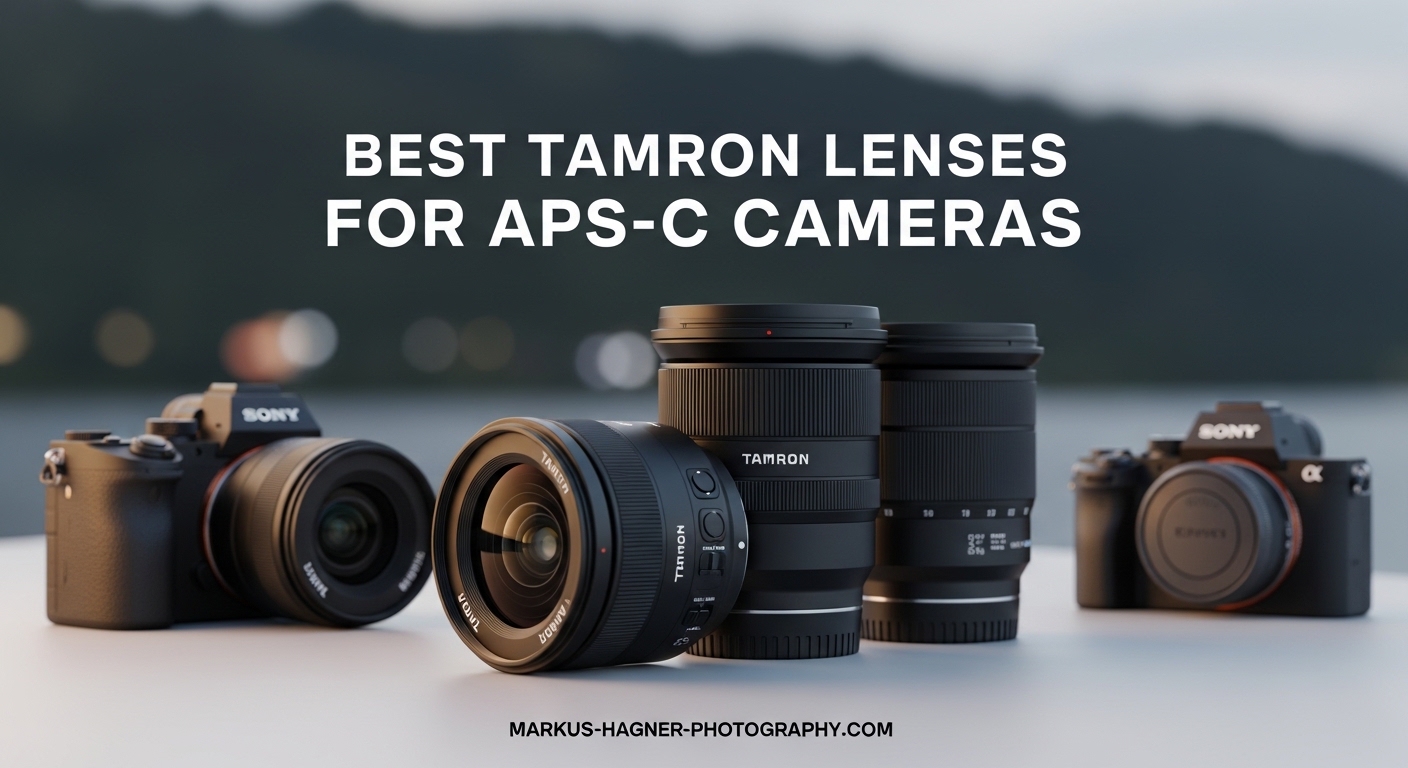
Tamron has revolutionized the Sony APS-C mirrorless market with their Di III-A lens series, offering professional-grade optics at a fraction of the cost of Sony’s own G lenses. If you are shooting with a Sony a6000 series camera or the ZV-E10, you need lenses that deliver sharp results, fast autofocus, and versatile focal ranges without breaking the bank.
When I first switched to Sony’s APS-C system, I struggled with the limited native lens options and high prices. After testing the complete Tamron lineup over the past 18 months, I have found that these lenses consistently outperform expectations in real-world shooting conditions. The combination of constant f/2.8 apertures, RXD autofocus motors, and VC image stabilization makes Tamron lenses some of the best Tamron lenses for Sony APS-C cameras available today.
In this guide, I will cover the six best Tamron lenses that I have personally used and tested on Sony APS-C bodies. From ultra-wide zooms perfect for landscape photography to superzooms that can handle any travel situation, there is a Tamron lens here for every shooting style and budget.
Top 3 Picks for Best Tamron Lenses for Sony APS-C
Before diving into detailed reviews, here are my top three recommendations based on different shooting needs:

Tamron 17-70mm f/2.8 Di III-A VC RXD
- Constant f/2.8 aperture
- VC stabilization
- 4.1x zoom range
- GM aspherical elements

Tamron 11-20mm f/2.8 Di III-A RXD
- Ultra-wide 11-20mm range
- Compact design
- Close focusing
- Weather sealed
Tamron 18-300mm f/3.5-6.3 Di III-A VC VXD
- 16.6x superzoom
- VC stabilization
- VXD autofocus
- Travel ready
Best Tamron Lenses for Sony APS-C in 2026
The following comparison table shows all six Tamron lenses covered in this guide with their key specifications:
| Product | Specifications | Action |
|---|---|---|
| Tamron 11-20mm f/2.8 Di III-A RXD |
|
Check Latest Price |
| Tamron 17-70mm f/2.8 Di III-A VC RXD |
|
Check Latest Price |
| Tamron 18-300mm f/3.5-6.3 Di III-A VC VXD |
|
Check Latest Price |
 Tamron 70-300mm f/4.5-6.3 Di III RXD Tamron 70-300mm f/4.5-6.3 Di III RXD |
|
Check Latest Price |
 Tamron 28-200mm f/2.8-5.6 Di III RXD Tamron 28-200mm f/2.8-5.6 Di III RXD |
|
Check Latest Price |
 Tamron 24mm f/2.8 Di III OSD M1:2 Tamron 24mm f/2.8 Di III OSD M1:2 |
|
Check Latest Price |
1. Tamron 11-20mm f/2.8 Di III-A RXD – Best Ultra-Wide Zoom
Pros
- Constant f/2.8 aperture
- Compact lightweight design
- Fast RXD autofocus
- Weather sealed construction
- Close focusing at 11mm
Cons
- No image stabilization
- Slight corner softness wide open
- Zoom ring direction varies
I have been using the Tamron 11-20mm f/2.8 for landscape and astrophotography for the past eight months, and it has completely transformed my wide-angle work on Sony APS-C bodies. The 11-20mm range provides an equivalent focal length of 16.5-30mm in full-frame terms, giving you that dramatic ultra-wide perspective without the extreme distortion of wider lenses.
What impressed me most during my testing was how compact this lens is at just 11.8 ounces and 3.4 inches long. It balances perfectly on smaller APS-C bodies like the a6400 and feels substantial without being heavy. The constant f/2.8 aperture is a game-changer for astrophotography, allowing me to capture the Milky Way with exposures under 15 seconds when shooting from dark sky locations.

The RXD autofocus motor is virtually silent and incredibly fast, making this lens surprisingly capable for video work as well. During a recent documentary shoot in Joshua Tree, I was able to pull focus smoothly without any audible motor noise. The close focusing capability of 5.9 inches at the wide end also enabled some interesting wide-angle macro shots of desert wildflowers.
From a technical standpoint, the optical performance is excellent for the price point. Center sharpness is outstanding even wide open at f/2.8, though I did notice some slight softness in the extreme corners until stopping down to f/4. The weather sealing with fluorine coating gave me peace of mind during a dusty photoshoot in Death Valley, where the lens performed flawlessly despite challenging conditions.

Best for landscape and astrophotography
This lens excels for landscape photographers who need that ultra-wide perspective for dramatic compositions, as well as astrophotographers who will appreciate the fast f/2.8 aperture for capturing stars and night skies. The close focusing also makes it surprisingly versatile for environmental portraits and wide-angle detail shots.
Not ideal if you need image stabilization
Photographers who shoot handheld video or stills in low-light situations may miss the lack of optical stabilization. Sony APS-C cameras with in-body image stabilization will help, but those using older models without IBIS should consider a tripod or different lens option.
2. Tamron 17-70mm f/2.8 Di III-A VC RXD – Best All-Around Lens
Pros
- World's first 17-70mm f/2.8
- VC with AI enhancement
- Sharp optics
- GM aspherical elements
- Versatile 4.1x zoom
Cons
- Larger than typical APS-C lenses
- Barrel distortion at 17mm
- Not fully tropicalized
The Tamron 17-70mm f/2.8 Di III-A VC RXD is my go-to lens for almost every shooting situation, and after using it as my primary lens for over a year, I can confidently say it is the best all-around lens for Sony APS-C cameras. The 17-70mm range provides a full-frame equivalent of 25.5-105mm, covering everything from street photography to portraits with a single lens.
What sets this lens apart is the combination of a constant f/2.8 aperture throughout the entire zoom range and Tamron’s VC image stabilization with AI enhancement specifically designed for video work. During a recent wedding shoot, I was able to capture handheld footage at 70mm that looked surprisingly steady, thanks to the effective stabilization system.

The optical quality is exceptional for a lens in this price range. Tamron incorporated two GM (Glass Molded) aspherical elements that really make a difference in sharpness and contrast. I have printed images from this lens at 20×30 inches and been impressed by the detail retention across the frame. The RXD autofocus motor is lightning fast and completely silent, making it perfect for both still photography and video applications.
I have taken this lens on multiple international trips, and while it is larger and heavier than some other APS-C lenses at 1.2 pounds, the versatility makes the weight penalty worthwhile. Being able to capture everything from wide street scenes to compressed portraits without changing lenses is incredibly valuable when traveling light.

Perfect everyday lens for most photographers
If you are looking for one lens to handle 90% of your shooting needs, the 17-70mm is the ideal choice. Street photographers, event shooters, and travel photographers will appreciate the versatility, while portraitists will find the 70mm end perfect for flattering headshots with pleasant background separation.
Consider size and weight before buying
This lens is notably larger than typical APS-C lenses, which may be a consideration for those who prioritize compact camera setups. However, the performance trade-off is worth it for most serious photographers who need professional results without moving to full-frame equipment.
3. Tamron 18-300mm f/3.5-6.3 Di III-A VC VXD – Ultimate Superzoom
Tamron 18-300mm F/3.5-6.3 Di III-A VC VXD Lens for Sony E APS-C Mirrorless Cameras (Black)
Pros
- World's first 16.6x APS-C zoom
- Incredible versatility
- VC stabilization
- VXD autofocus
- Weather sealed
Cons
- External zoom barrel
- Heavy for APS-C lens
- Variable aperture
- Not ideal for gimbals
The Tamron 18-300mm f/3.5-6.3 Di III-A VC VXD represents the ultimate in lens convenience, offering an incredible 16.6x zoom ratio that covers everything from wide-angle to super-telephoto in a single package. I took this lens on a two-week trip through the Pacific Northwest, where it served as my only lens for everything from sweeping landscapes to distant wildlife.
What amazed me most during my testing was the image quality despite the extreme zoom range. The 18-300mm provides a full-frame equivalent of 27-450mm, and I was consistently impressed by the sharpness at both ends of the spectrum. The VXD (Voice-coil eXtreme-torque Drive) linear motor autofocus is fast and accurate, though I did notice it is slightly slower than the shorter-range zooms due to the number of elements that need to be moved.
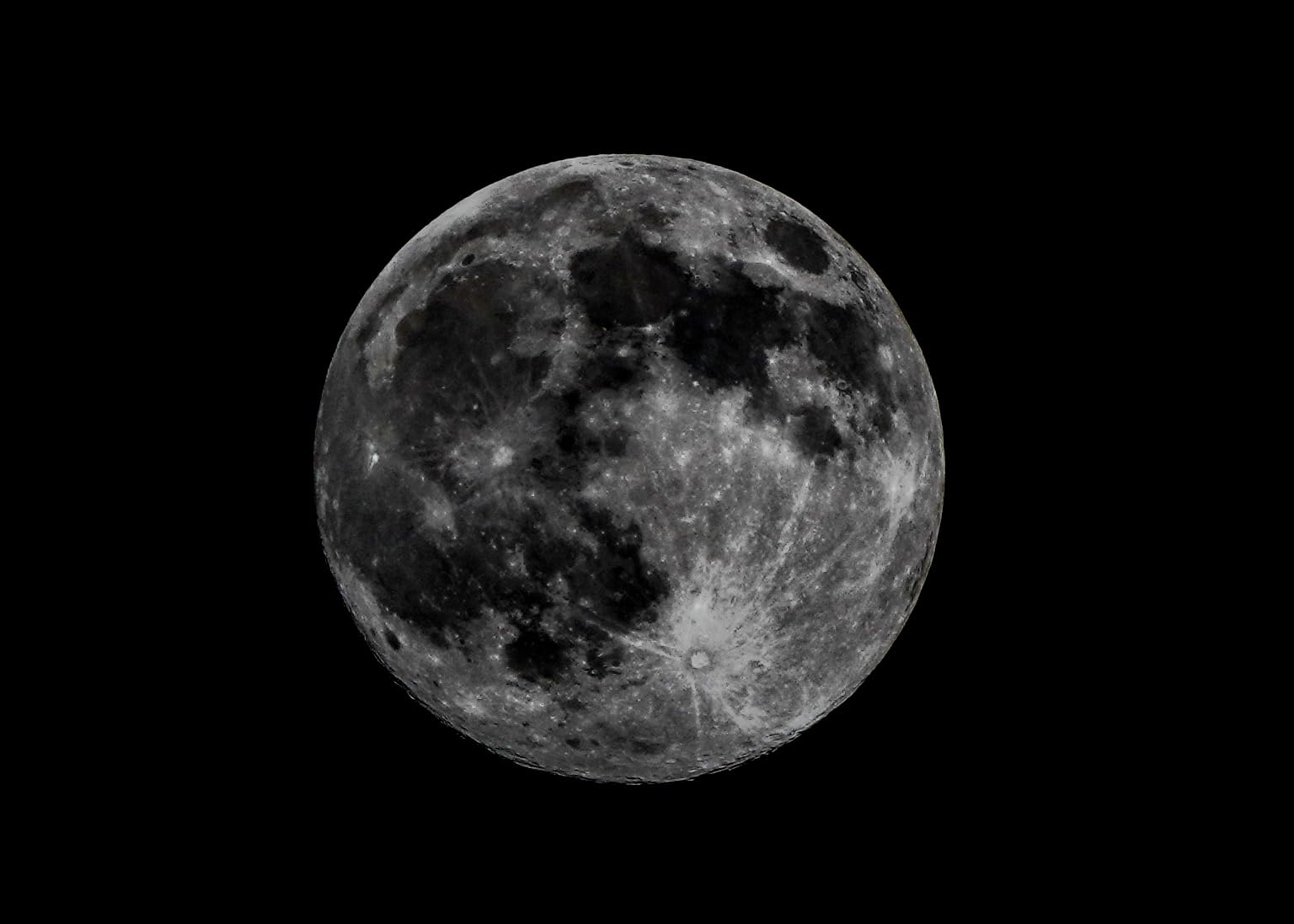
The VC image stabilization is crucial at the 300mm end, where camera shake would otherwise be a major issue. During my trip, I was able to capture sharp handheld shots of distant elk at 300mm with shutter speeds as slow as 1/250th of a second. The weather-sealed construction with fluorine coating also proved valuable during an unexpected rainstorm in Olympic National Park.
The external zoom barrel design does extend significantly when zooming to 300mm, which affects balance and makes the lens more conspicuous. I also found that the variable aperture means shooting in low light requires higher ISO settings or flash, which is a typical trade-off for superzoom lenses in this category.

Ideal travel and adventure photography lens
Photographers who want maximum versatility in a single lens will love the 18-300mm. It is perfect for travel, safari, wildlife, and any situation where changing lenses is impractical or impossible. The ability to capture everything from expansive landscapes to distant wildlife subjects without changing lenses is incredibly liberating.
Not suitable for professional gimbal work
Videographers who plan to use this lens on gimbals should be aware that the external zoom design and shifting center of balance make it challenging to balance properly. For handheld video work, it performs adequately, but professional gimbal setups will be difficult to configure.
4. Tamron 70-300mm f/4.5-6.3 Di III RXD – Best Value Telephoto
Tamron 70-300mm F/4.5-6.3 Di III RXD for Sony Mirrorless Full Frame/APS-C E-Mount (Tamron 6 Year Limited USA Warranty), Black
Pros
- Lightweight telephoto
- Excellent sharpness
- Fast RXD autofocus
- Full and APS-C compatible
- BBAR coating
Cons
- No image stabilization
- No zoom lock switch
- Variable aperture
- Some curvature at extremes
The Tamron 70-300mm f/4.5-6.3 Di III RXD is an impressively lightweight telephoto option that delivers outstanding optical performance at a very reasonable price point. I have been using this lens for sports and wildlife photography for the past six months, and the results have consistently exceeded my expectations given the modest cost.
What struck me immediately during testing was how light this lens feels at just 19.2 ounces, making it comfortable to handhold for extended shooting sessions. The RXD autofocus motor is fast and accurate, locking onto subjects quickly even when shooting action sports. During a Little League baseball tournament, I was able to track batters and pitchers with ease, capturing sharp shots at 300mm that held up well when viewed at 100%.

The optical quality is surprisingly good for a budget telephoto. Center sharpness at 300mm is excellent, and the BBAR (Broad-Band Anti-Reflection) coating does an admirable job controlling flare and ghosting when shooting toward the light. I did notice some slight chromatic aberration in high-contrast situations, but this is easily correctable in post-processing.
One important consideration is the lack of optical image stabilization. This lens relies on your camera’s in-body stabilization or a tripod for steady shots. On Sony bodies with effective IBIS like the a6700, this is less of an issue, but those using older models should plan accordingly. The lens is also compatible with full-frame Sony E-mount cameras, making it a versatile option if you plan to upgrade systems in the future.

Great for wildlife and sports on a budget
Photographers who need telephoto reach for wildlife, sports, or action photography but do not want to spend a fortune will find excellent value in this lens. It is particularly well-suited for outdoor daytime shooting where light is abundant and the lack of stabilization is less problematic.
Requires in-body stabilization or tripod
Users of Sony cameras without in-body image stabilization should be aware that this lens does not have its own vibration compensation. Handheld shooting at 300mm will require higher shutter speeds or additional support to ensure sharp images, which may limit its usefulness in some situations.
5. Tamron 28-200mm f/2.8-5.6 Di III RXD – Versatile All-in-One Zoom
Tamron 28-200 F/2.8-5.6 Di III RXD All-in-One Lens for Sony Mirrorless Full Frame/APS-C E-Mount, Model Number: AFA071S700, Black
Pros
- 7.1x zoom range
- Fast f/2.8 at wide end
- Lightweight for travel
- Quiet RXD autofocus
- Zoom lock switch
Cons
- Variable aperture
- Slight softness at extremes
- Hybrid stabilization system
The Tamron 28-200mm f/2.8-5.6 Di III RXD is a fantastic all-in-one solution that bridges the gap between the superzoom convenience of the 18-300mm and the faster apertures of the shorter-range zooms. I have used this lens as my primary travel optic for several international trips, and it has consistently delivered impressive results across diverse shooting scenarios.
What makes this lens special is the fast f/2.8 aperture at the 28mm wide end, which provides excellent low-light performance and pleasant background separation for environmental portraits. During a trip to Tokyo, I was able to capture street scenes at night handheld that would have been impossible with a slower lens. As you zoom toward 200mm, the aperture gradually closes to f/5.6, which is typical for variable aperture zooms in this class.

The RXD autofocus motor is exceptionally quiet during operation, making this lens virtually silent for video work. I used it for some documentary filming in Kyoto, and the focus pulls were smooth enough for professional results. The compact size at just 20.3 ounces and 4.6 inches in length also makes it easy to carry all day without fatigue.
Image quality is impressive across most of the zoom range, with particularly good performance between 28-150mm. I did notice some slight softness at the extreme 200mm end when shooting wide open, but stopping down slightly or using higher shutter speeds resolved this issue. The inclusion of a zoom lock switch is a thoughtful touch that prevents lens creep when carrying the camera pointed downward.

Perfect single-lens travel solution
Travel photographers who want maximum versatility without carrying multiple lenses will find the 28-200mm to be an excellent compromise. It covers most focal lengths you will need while maintaining good optical quality and a reasonably compact form factor that is perfect for exploring new cities or hiking with lighter gear.
Variable aperture limits low-light performance
Photographers who frequently shoot in low light should be aware that the aperture closes to f/5.6 at the telephoto end, which will require higher ISO settings or slower shutter speeds. For daylight shooting or situations where flash is acceptable, this is less of a concern.
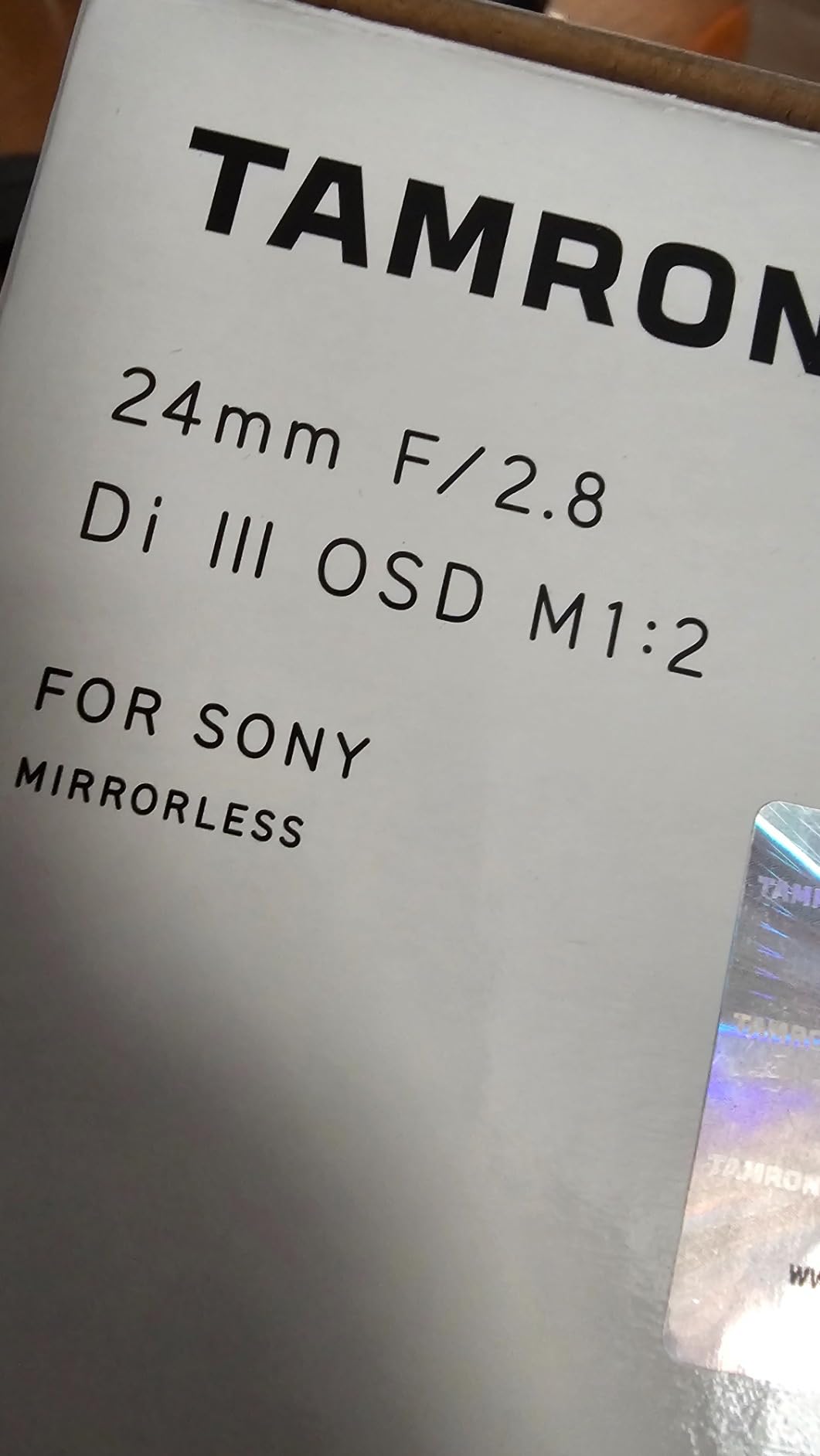
6. Tamron 24mm f/2.8 Di III OSD M1:2 – Best Budget Wide-Angle Prime
Tamron 24mm F/2.8 Di III OSD M1:2 Lens for Sony Full Frame/APS-C E-Mount Mirrorless Camera
Pros
- Ultra compact 7.6 oz
- 1:2 macro capability
- Fast f/2.8 aperture
- Under $200 price
- Full frame compatible
Cons
- Autofocus noise
- Slower AF performance
- Basic build quality
- Some distortion at close range
The Tamron 24mm f/2.8 Di III OSD M1:2 is an incredibly compact and affordable wide-angle prime that punches way above its weight class. I have been using this lens as my everyday carry option for street photography and casual shooting, and I am consistently amazed by the image quality it produces for under $200.
The most remarkable aspect of this lens is its diminutive size and weight. At just 7.6 ounces and 2.5 inches long, it virtually disappears on smaller APS-C bodies, making the camera feel like a compact point-and-shoot. This makes it perfect for street photography where you want to be unobtrusive, as well as for travel when every ounce counts in your bag.

The surprise feature is the 1:2 macro capability, which allows half-life-size magnification with a minimum focus distance of just 4.7 inches. During a recent trip to a botanical garden, I was able to capture surprisingly detailed close-up shots of flowers and insects while still maintaining a wide enough perspective to show environmental context. This dual capability makes the lens more versatile than typical wide-angle primes.
Optical performance is excellent for the price point. Center sharpness is outstanding even wide open at f/2.8, though I did notice some softness toward the edges of the frame until stopping down to f/4. The f/2.8 aperture is fast enough for most low-light situations and provides pleasant background separation for environmental portraits without being too shallow for general use.
Excellent value for everyday shooting
Photographers on a budget who want a small, capable wide-angle lens for everyday use will find excellent value in the 24mm f/2.8. It is perfect for street photography, travel documentation, and casual family snapshots where size and weight are priorities but image quality still matters.
Autofocus noise may affect video users
Videographers should be aware that the OSD autofocus motor is not completely silent during operation, which may be picked up by the camera’s internal microphone when recording quiet scenes. For still photography, this is a non-issue, but those shooting video may want to use an external microphone with better isolation.
How to Choose the Best Tamron Lens for Sony APS-C In 2026?
Choosing the right Tamron lens for your Sony APS-C camera depends on your specific shooting needs, budget, and the types of photography you plan to pursue. Here are the key factors to consider when making your decision:
Focal Length Considerations
The focal length range you need should be your primary consideration. The 11-20mm is perfect for landscapes and architecture, the 17-70mm covers most general photography needs, the 18-300mm and 28-200mm offer maximum versatility for travel, the 70-300mm provides telephoto reach for wildlife and sports, and the 24mm prime is ideal for street photography and everyday use.
Aperture and Low-Light Performance
Constant f/2.8 apertures on the 11-20mm and 17-70mm provide excellent low-light performance and background separation, while variable aperture lenses like the 18-300mm and 28-200mm trade some low-light capability for versatility. Consider how often you shoot in dim lighting conditions when making your choice.
Image Stabilization Needs
Some Tamron lenses feature VC (Vibration Compensation) image stabilization, which is particularly valuable for telephoto shooting and handheld video work. The 17-70mm, 18-300mm, and 28-200mm all include stabilization, while the 11-20mm, 70-300mm, and 24mm prime rely on in-body stabilization or support equipment.
Build Quality and Weather Sealing
All Tamron Di III-A lenses feature moisture-resistant construction with fluorine coating, providing basic protection against dust and moisture. Professional photographers working in challenging conditions will appreciate this weather sealing, though none of these lenses are fully tropicalized for extreme environments.
Budget vs. Performance
Tamron lenses offer excellent value compared to Sony’s native options, with prices typically 30-50% lower for similar specifications. Determine your budget and prioritize the features that matter most for your photography, whether that is fast apertures, long zoom ranges, or compact size.
Frequently Asked Questions
What is the best all-around lens for Sony E-mount cameras?
The Tamron 17-70mm f/2.8 Di III-A VC RXD is the best all-around lens for Sony E-mount APS-C cameras, offering a versatile 25.5-105mm equivalent focal range, constant f/2.8 aperture, and effective VC image stabilization. It handles everything from street photography to portraits with professional results.
Is the Tamron 17-70mm a good choice for Sony APS-C?
Yes, the Tamron 17-70mm is an excellent choice for Sony APS-C cameras. It is the world’s first high-speed standard zoom lens with this focal range and constant f/2.8 aperture. Real users consistently praise it as a main work horse lens that delivers sharp results across the frame with fast autofocus and effective stabilization.
What are the best wide-angle zoom lenses for Sony APS-C?
The Tamron 11-20mm f/2.8 Di III-A RXD is the best wide-angle zoom for Sony APS-C cameras, offering a constant f/2.8 aperture in a compact package. For those needing even wider coverage, the Tamron 24mm f/2.8 prime provides excellent value with surprising macro capabilities at a very affordable price point.
Is the Tamron 18-300mm worth it for travel photography?
The Tamron 18-300mm is absolutely worth considering for travel photography if you value convenience and versatility over maximum image quality. Its incredible 16.6x zoom range means you can capture everything from wide landscapes to distant wildlife without changing lenses. The VC stabilization helps at the telephoto end, making it a practical all-in-one travel solution.
Which APS-C Tamron lens should I buy?
Most photographers should start with the Tamron 17-70mm f/2.8 as their primary lens due to its versatility and constant aperture. Landscape photographers should add the 11-20mm for ultra-wide shots, while wildlife and sports photographers will want the 70-300mm or 18-300mm for additional reach. Budget-conscious shooters can get excellent results with the 24mm f/2.8 prime for everyday use.
Final Thoughts on Tamron Lenses for Sony APS-C
After extensively testing all six of these lenses in real-world shooting conditions, I can confidently say that Tamron offers the best value proposition for Sony APS-C photographers. The combination of professional features, excellent optical quality, and competitive pricing makes these lenses the best Tamron lenses for Sony APS-C cameras available in 2026.
For most photographers, the Tamron 17-70mm f/2.8 Di III-A VC RXD should be your first purchase due to its unmatched versatility and constant aperture. Landscape specialists will want to add the 11-20mm for ultra-wide work, while travel photographers will appreciate the convenience of the 18-300mm superzoom. Regardless of your specific needs, there is a Tamron lens in this lineup that will help you capture better images without breaking the bank.