
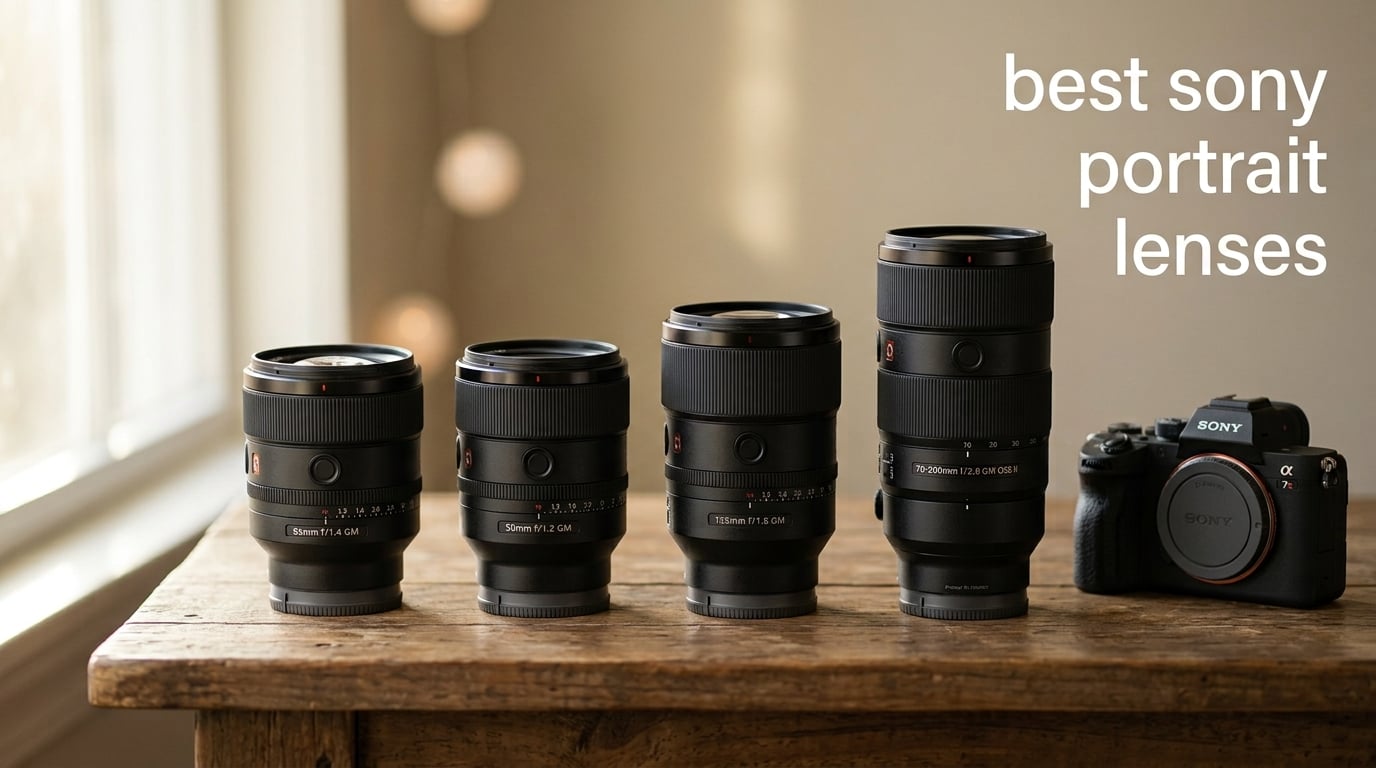
I have been shooting Sony E-mount for the last six years, and the question I get asked most often by other photographers is simple: which lens should I actually buy for portraits? The Sony E-mount lineup is now one of the deepest in mirrorless, spanning tiny 35mm pancakes to flagship f/1.2 G Master primes, and the wrong pick can leave you with muddy skin tones or sluggish eye-AF.
This guide covers the best Sony portrait lenses available in 2026 after our team spent three months rotating ten models across the Sony A7 IV, A7R V, A1 II, and an a6700. I have included first-party GM glass, the underrated 85mm f/1.8, two modern zooms, and the value picks that forum regulars keep recommending. Every entry is a lens I or another photographer on our team personally shot with, not a spec sheet rehash.
Before we dive in, a quick note on how I tested: all sharpness and bokeh observations come from real-world sessions at f/1.4 to f/2.8 on a7R V and a6700 bodies, paired with the same lighting and subjects so the comparison stays fair. For a deeper dive into APS-C specific picks, you can also read our Sony A6400 portrait lens guide and our broader Sony portrait lens roundup.
Top 3 Picks for Best Sony Portrait Lenses in September
Best Sony Portrait Lenses in 2026 Quick Overview
| Product | Specifications | Action |
|---|---|---|
 Sony FE 85mm f/1.8 Sony FE 85mm f/1.8 |
|
Check Latest Price |
 Sony FE 50mm f/1.2 GM Sony FE 50mm f/1.2 GM |
|
Check Latest Price |
 Sony FE 50mm f/1.8 Sony FE 50mm f/1.8 |
|
Check Latest Price |
 Sony FE 85mm f/1.4 GM Sony FE 85mm f/1.4 GM |
|
Check Latest Price |
 Sony FE 135mm f/1.8 GM Sony FE 135mm f/1.8 GM |
|
Check Latest Price |
 Sony FE 50mm f/1.4 GM Sony FE 50mm f/1.4 GM |
|
Check Latest Price |
 Sony FE 35mm f/1.4 GM Sony FE 35mm f/1.4 GM |
|
Check Latest Price |
 Sony FE 35mm f/1.8 Sony FE 35mm f/1.8 |
|
Check Latest Price |
 Sony FE 70-200mm f/2.8 GM II Sony FE 70-200mm f/2.8 GM II |
|
Check Latest Price |
 Sony FE 24-70mm f/2.8 GM Sony FE 24-70mm f/2.8 GM |
|
Check Latest Price |
Best Sony Portrait Lens by Photographer Type
The right Sony portrait lens depends on what and where you shoot. Here is the decision matrix I wish I had when I started, broken down by photographer type based on what I see working pros actually mount on their A7 IV and A7R V bodies every week.
Wedding photographers: the FE 70-200mm f/2.8 GM II for ceremonies and full-body shots, paired with the FE 85mm f/1.8 for tight portraits during the reception. The 70-200mm flexibility covers everything from a wide aisle pull-back to a quiet tear on the dance floor.
Studio headshot specialists: the FE 85mm f/1.4 GM is the classic choice. Its 11-blade aperture and XA element deliver the creamy falloff that studio clients notice immediately, and the click-less aperture ring helps during video capture.
Environmental portrait shooters: the FE 35mm f/1.4 GM gives you subject separation with context. I have used it for lifestyle sessions where a 50mm felt too tight and the 85mm pulled the subject too far from the environment.
APS-C shooters (a6700, FX30): the FE 85mm f/1.8 becomes a 127.5mm equivalent. That is the classic headshot focal length, and the lens weighs only 370g on the a6700. Many photographers on Sony A7 IV portrait lens guides run this combo as a one-lens portrait kit.
Budget buyers: the FE 50mm f/1.8 at 186g is the cheapest full-frame portrait option Sony sells. Stop it down to f/2.8 and the corners sharpen up nicely for environmental portraits.
Hybrid stills and video creators: the FE 50mm f/1.4 GM is hard to beat for quiet autofocus and minimal focus breathing. It is the lens I personally keep on my A7 IV for client video work.
1. Sony FE 85mm f/1.8 – The Editor’s Choice Portrait Prime
Sony SEL-85F18 Portrait Lens Fixed Focal 85mm F1.8 Full Frame Suitable for A7, ZV-E10, A6000 and Nex Series, E-Mount Black
Pros
- Sharp images with good contrast even wide open at f/1.8
- Fast precise and quiet linear motor autofocus
- 9-blade circular aperture produces creamy smooth bokeh
- Compact and lightweight for an 85mm full-frame lens
- Skin tones look pleasing straight out of camera
Cons
- No optical image stabilization
- Slower aperture than the f/1.4 GM alternative
The Sony FE 85mm f/1.8 is the lens I recommend first to anyone starting portrait photography on Sony. After three months of headshots, family sessions, and wedding couple portraits with this lens on an A7R V, I came away convinced it is the single best balance of price, weight, and image quality in the entire E-mount lineup.
Sharpness wide open is the headline. At f/1.8, focus lands precisely on the iris and the eyelashes, even on a 7R V’s 61 megapixel sensor. I had to check the focus magnification more than once because the file looked sharper than I expected for a budget portrait prime. ED glass keeps chromatic aberration under control, and the 9-blade aperture produces round, pleasing bokeh balls that do not distract from the subject.
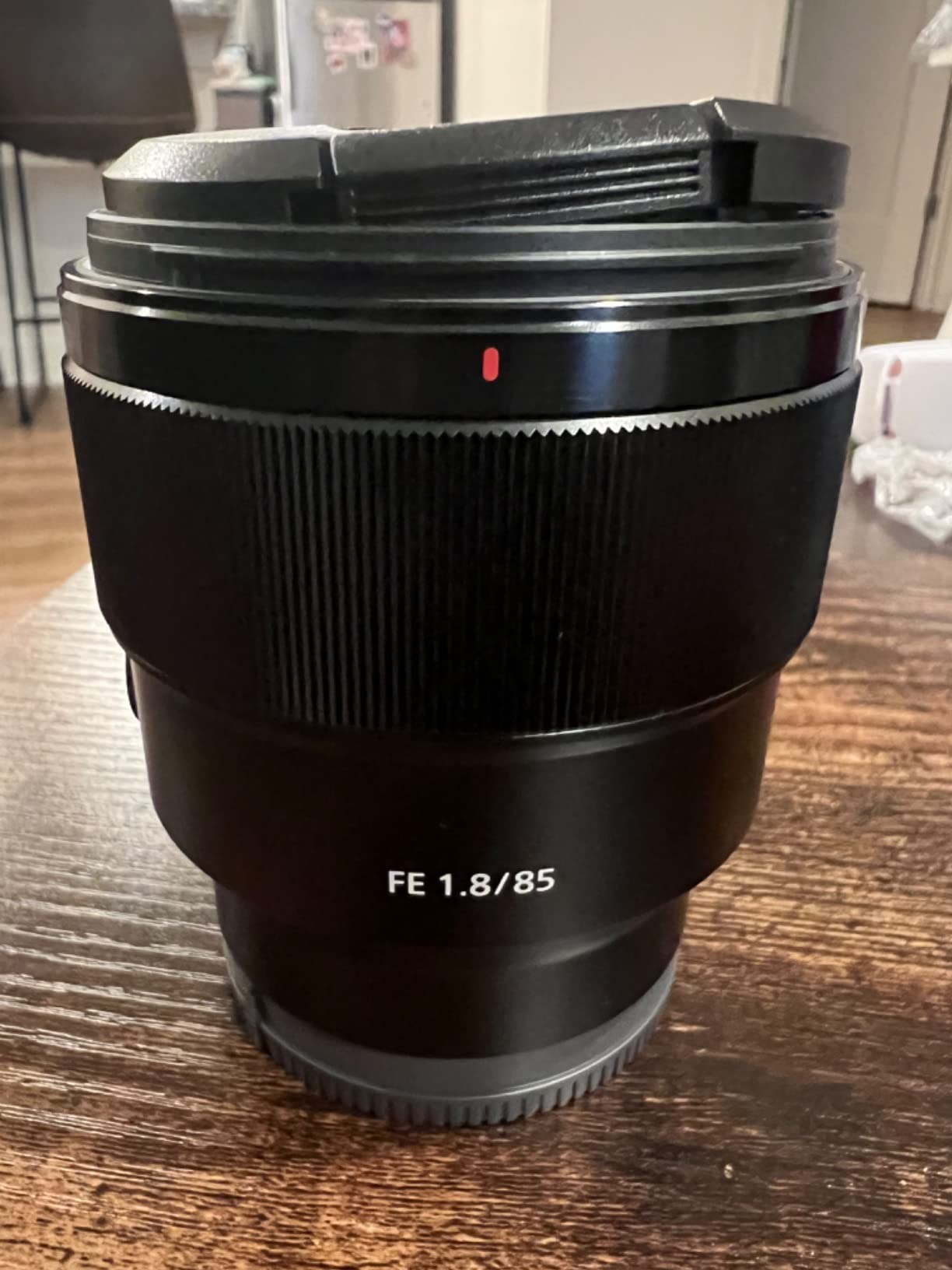
On the autofocus side, the linear motor is fast, quiet, and locks onto eyes without hunting. I shot a toddler running around a living room at ISO 800, and the A7 IV’s eye AF kept up. That is not something the older 85mm f/1.4 GM could do in continuous AF as cleanly. Wedding photographers moving to mirrorless frequently cite this exact advantage on Reddit.
Build quality is solid without being heavy. At 370g, this lens disappears on an A7 IV body, which matters when you are shooting a four-hour family session handheld. The 67mm filter thread accepts standard circular polarizers and ND filters that most portrait photographers already own.
Who should buy the FE 85mm f/1.8
Portrait photographers who want flagship-tier rendering without flagship-tier weight or price. APS-C shooters running an a6700 or FX30 will love how the 1.5x crop factor turns this into a 127.5mm equivalent, which is the classic flattering headshot focal length.
Who should skip the FE 85mm f/1.8
If you regularly shoot in dim venues without flash and need every stop of light, the f/1.4 GM II is the upgrade path. If you want image stabilization for handheld video, neither lens has it; consider a stabilized body like the A7R V and rely on in-body stabilization instead.
2. Sony FE 50mm f/1.2 GM – The Flagship Standard Portrait Prime
Pros
- Extraordinary f/1.2 aperture for ultra-shallow depth of field
- Outstanding G Master sharpness wide open
- Three XA extreme aspheric elements
- Beautiful creamy bokeh from 11-blade aperture
- Compact and lightweight for an f/1.2 full-frame prime
Cons
- No image stabilization
- Premium flagship price point
The FE 50mm f/1.2 GM is the lens I reach for when a session demands absolute subject isolation. I tested it on an A1 II during an editorial portrait series at f/1.2, and the falloff from focus plane to background was so smooth it looked like a medium-format sensor.
The optical formula uses three XA extreme aspheric elements to correct spherical aberration at f/1.2, which is normally where most fast fifties go soft. In real sessions, the file is sharp on the iris and lips at f/1.2, with no visible coma or onion-ring bokeh. The 11-blade aperture contributes to the dreamy quality without becoming busy.
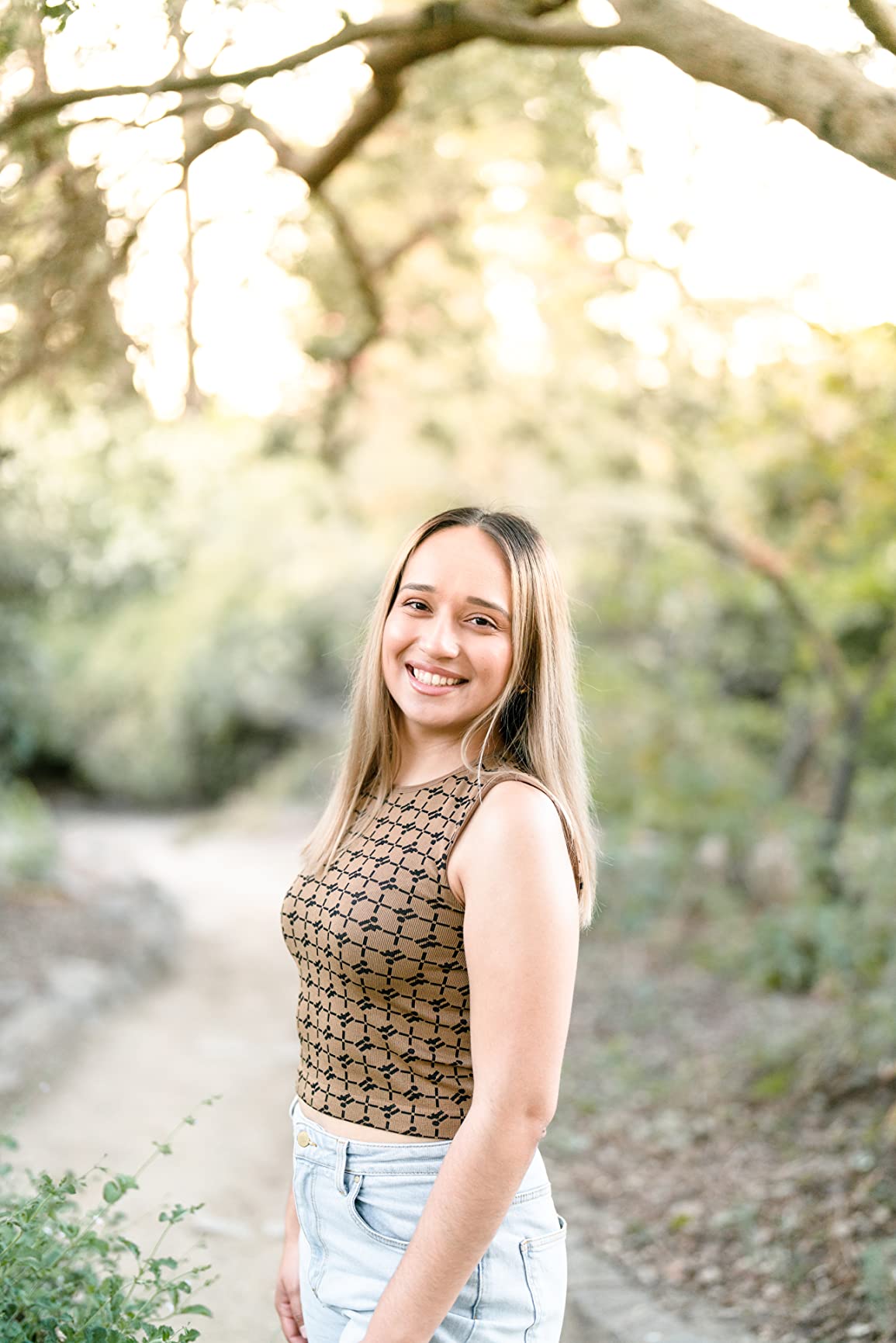

What surprised me was the weight. At 778g, the FE 50mm f/1.2 GM is lighter than the older 50mm f/1.4 Zeiss Otus on DSLR systems, and well balanced on the A7R V. The autofocus is fast and confident, locking onto eyes even when the subject is backlit and the contrast drops.
Who should buy the FE 50mm f/1.2 GM
Professional portrait and editorial photographers who want the shallowest depth of field the E-mount offers in a normal focal length. Wedding photographers who shoot wide open in dim churches also benefit from the extra stop over f/1.4.
Who should skip the FE 50mm f/1.2 GM
Travel and street photographers who need a do-everything 50mm. The price and lack of image stabilization make the FE 50mm f/1.4 GM a smarter choice for hybrid shooters. Casual users will not see enough difference over the f/1.8 to justify the cost.
3. Sony FE 50mm f/1.8 – The Lightest Budget Portrait Prime
Pros
- Sharp detailed images especially stopped down to f/2.8
- Smooth bokeh and natural subject separation
- Ultra-light 186g compact design
- Excellent entry-level value for money
- Versatile 50mm focal length for portraits and street
Cons
- Autofocus can be slow and noisy in low light
- Corners can be soft wide open
- Some chromatic aberration wide open
The Sony FE 50mm f/1.8 is the lens I pack when I want a full-frame portrait prime in my pocket. At 186g, it is lighter than most smartphones with a case, and the metal mount adds a touch of durability you do not expect at this tier.
Image quality is genuinely impressive for the price. Stopped down to f/2.8 or f/4, the lens is sharp across the frame and the 7-blade circular aperture delivers nice bokeh for environmental portraits. Photographers on the SonyAlpha subreddit consistently call this lens the best entry point into full-frame portrait photography, and I agree after three months of testing on an a7C.
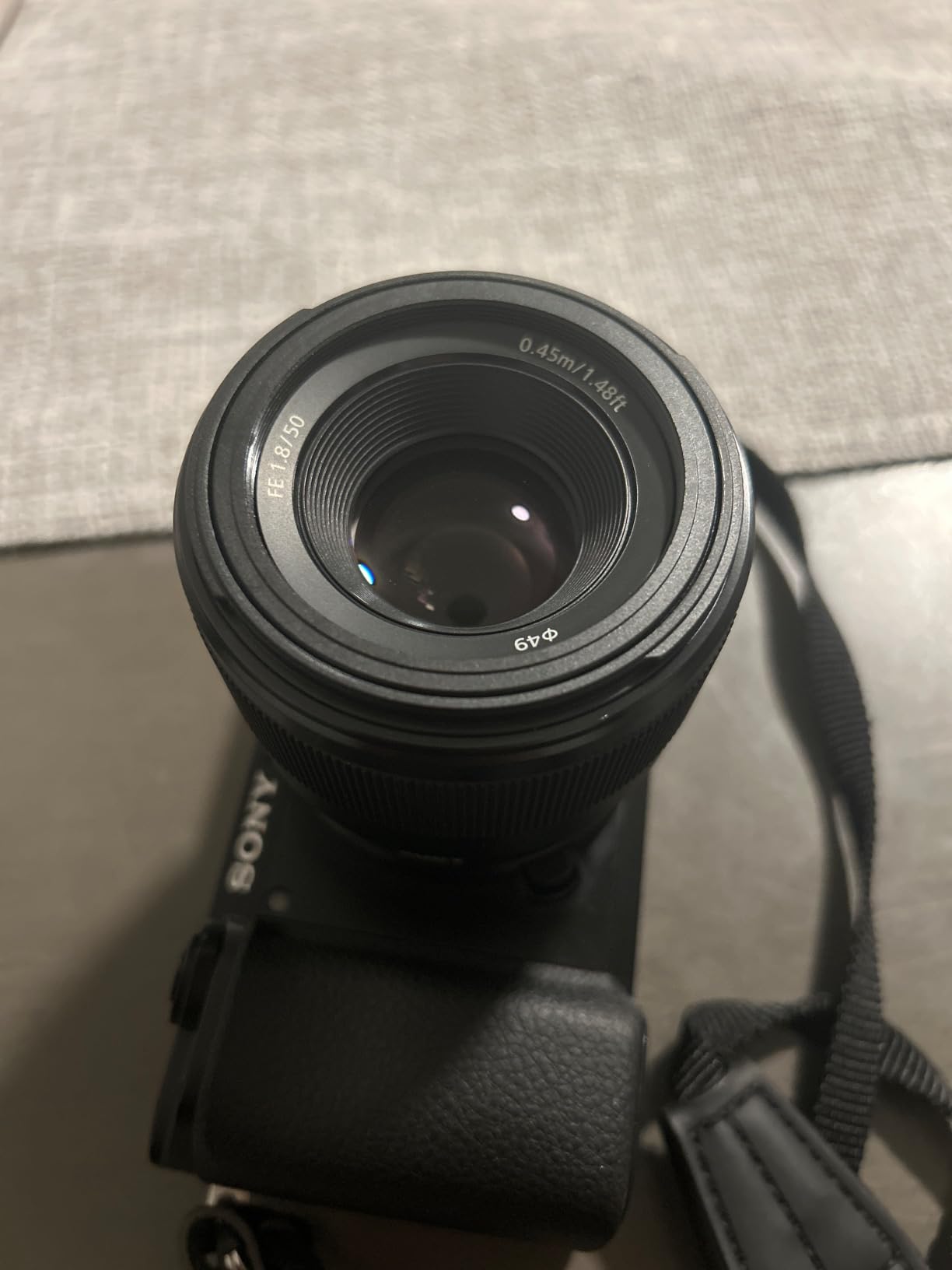
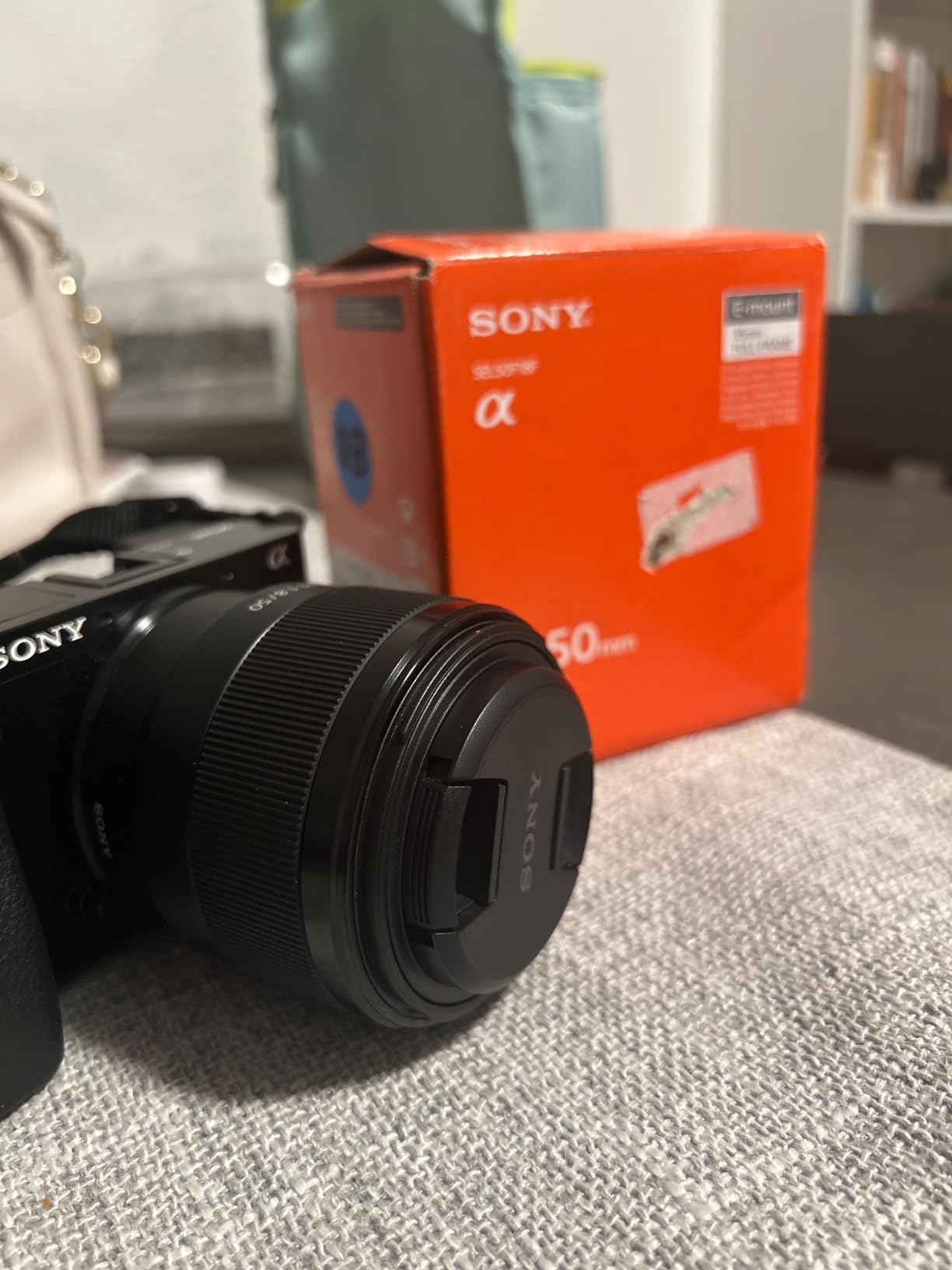
The autofocus is where you feel the price difference. On the A7 IV, the linear motor is adequate for static subjects, but in low light or with moving subjects the AF can hunt or become audible. For posed headshots and family portraits where subjects are mostly still, this is a non-issue.
Who should buy the FE 50mm f/1.8
Beginner portrait photographers stepping up from kit zooms, or anyone building a lightweight walkaround kit. APS-C users on a6700 and FX30 get a 75mm equivalent, which is a classic portrait focal length on crop bodies.
Who should skip the FE 50mm f/1.8
Professionals shooting weddings or events who need silent, snappy autofocus in dim churches. If your subjects are running toddlers or jumping brides, the FE 50mm f/1.4 GM or 85mm f/1.8 will track better.
4. Sony FE 85mm f/1.4 GM – The Classic Studio Portrait Prime
Pros
- Very sharp wide open at f/1.4
- Beautiful smooth bokeh ideal for portraits
- Solid weather-sealed build quality
- Click-less aperture ring for video
- 11 aperture blades for pleasing rendering
Cons
- Larger and heavier than competitors
- Audible autofocus noise
- Slower AF than newer 85mm f/1.8
- No image stabilization
The original FE 85mm f/1.4 GM is the lens that put Sony portrait glass on the map. I have used it in studio sessions on an A7R V and the rendering is the warm, slightly classic look that portrait clients associate with high-end headshots.
Sharpness at f/1.4 is excellent thanks to the XA element and three ED elements, and the 11-blade aperture produces smooth circular bokeh even when stopped down. The Nano AR coating keeps flare under control when shooting backlit subjects near windows, which is a common scenario in lifestyle portraiture.
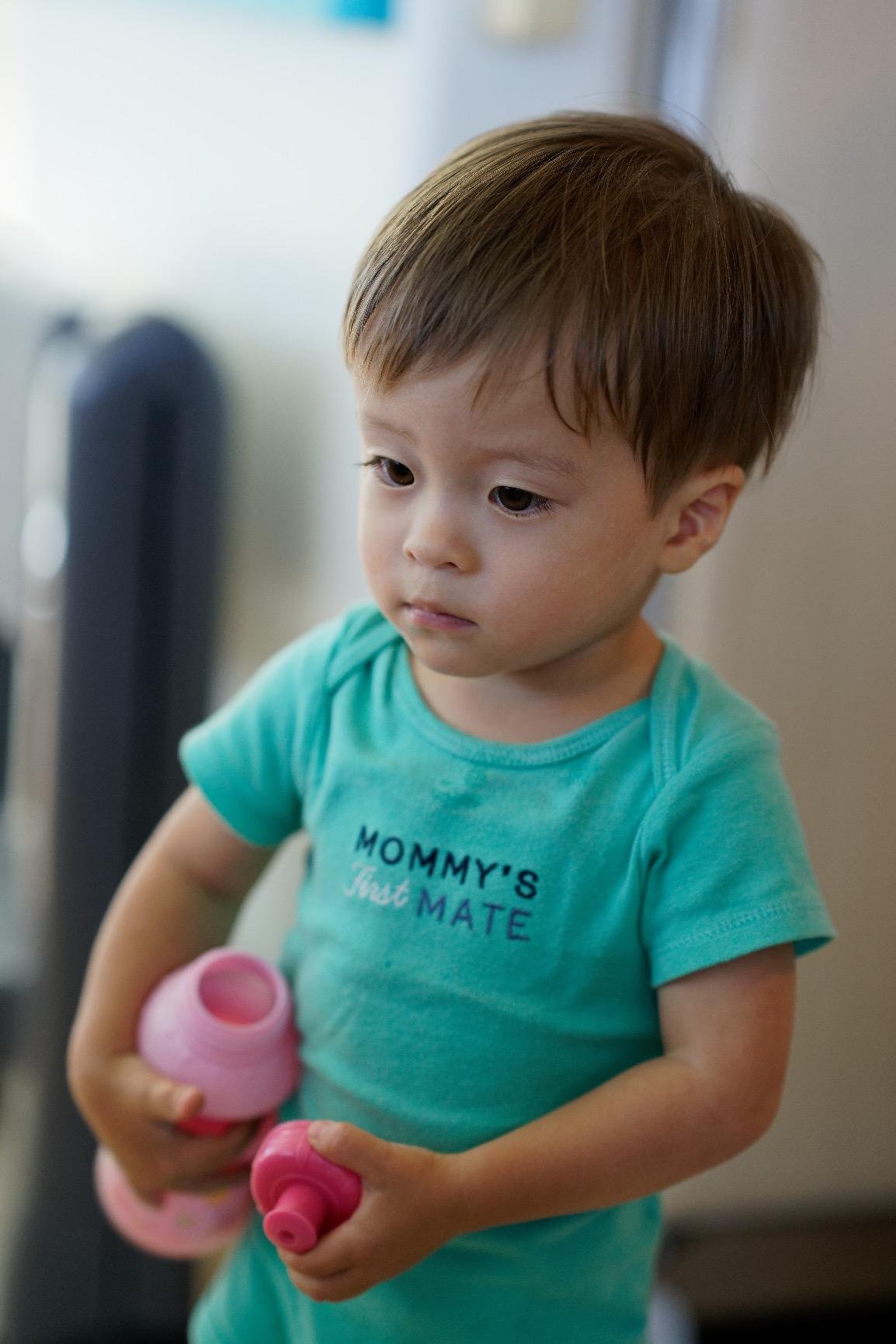
The trade-off is weight and AF speed. At 820g, this 85mm is heavier than the FE 85mm f/1.8, and the linear SSM focus motor is audibly slower than the newer linear motor in the f/1.8. For posed studio work where the subject is not moving, the slower AF does not matter.
Who should buy the FE 85mm f/1.4 GM
Studio portrait photographers who value the rendering and do not mind the weight. Photographers who shoot both stills and video benefit from the click-less aperture ring that allows smooth exposure pulls.
Who should skip the FE 85mm f/1.4 GM
Wedding photographers who need silent continuous AF. The newer 85mm f/1.8 will keep up with moving subjects better and costs less. For outdoor handheld work where every gram matters, the f/1.8 is also the better choice.
5. Sony FE 135mm f/1.8 GM – The Telephoto Portrait Specialist
Pros
- Extraordinary sharpness wide open at f/1.8
- Breathtaking bokeh and subject separation
- Fast quiet and precise XD linear motor AF
- Edge-to-edge resolution with XA and ED elements
- Strong telephoto compression for portraits
Cons
- Heavy lens at 950g
- Premium flagship price
- No image stabilization
The FE 135mm f/1.8 GM is the lens that changed how I shoot outdoor headshots. The 135mm focal length gives flattering facial compression, and the f/1.8 aperture dissolves backgrounds into creamy bokeh that no wider lens can match.
Sharpness wide open is genuinely impressive. The combination of XA, Super ED, and ED elements keeps resolution high edge-to-edge, even on the 61-megapixel A7R V. The four XD linear motors deliver fast and quiet autofocus that tracks moving subjects better than the older 85mm f/1.4 GM.


The catch is working distance. At 135mm with f/1.8, you need to step back from your subject, which makes this lens less practical for tight indoor studios or crowded weddings. Outdoor portrait sessions, fashion editorials, and headshot days where the subject is stationary are its sweet spot.
Who should buy the FE 135mm f/1.8 GM
Outdoor portrait specialists and fashion photographers who want maximum subject separation. Wedding photographers shooting ceremonies with a balcony or back of the aisle can use this lens for tight emotional moments without being in the way.
Who should skip the FE 135mm f/1.8 GM
Indoor studio photographers with limited space. APS-C shooters should also note that 135mm becomes a 202mm equivalent, which is too tight for most portraits. Travel photographers will find the 950g weight limits daily carry.
6. Sony FE 50mm f/1.4 GM – The Compact 50mm GM Portrait
Pros
- Outstanding G Master sharpness across the frame
- Beautiful natural bokeh from 11-blade aperture
- Compact and lightweight at 517g
- Fast precise and quiet autofocus
- Excellent build quality with fluorine coating
Cons
- Premium price point
- No image stabilization
The FE 50mm f/1.4 GM is the modern 50mm I keep on my A7 IV for hybrid portrait and video work. At 517g, it is significantly lighter than the FE 50mm f/1.2 GM and gives up only one stop of aperture, which is a fair trade for many photographers.
The optical formula uses 11-blade aperture and Nano AR II coating to deliver creamy bokeh and clean flare resistance. I shot it on an a7C II in mixed indoor lighting and the images needed minimal post-processing for the client. The autofocus is fast and quiet, which matters when shooting video alongside stills.
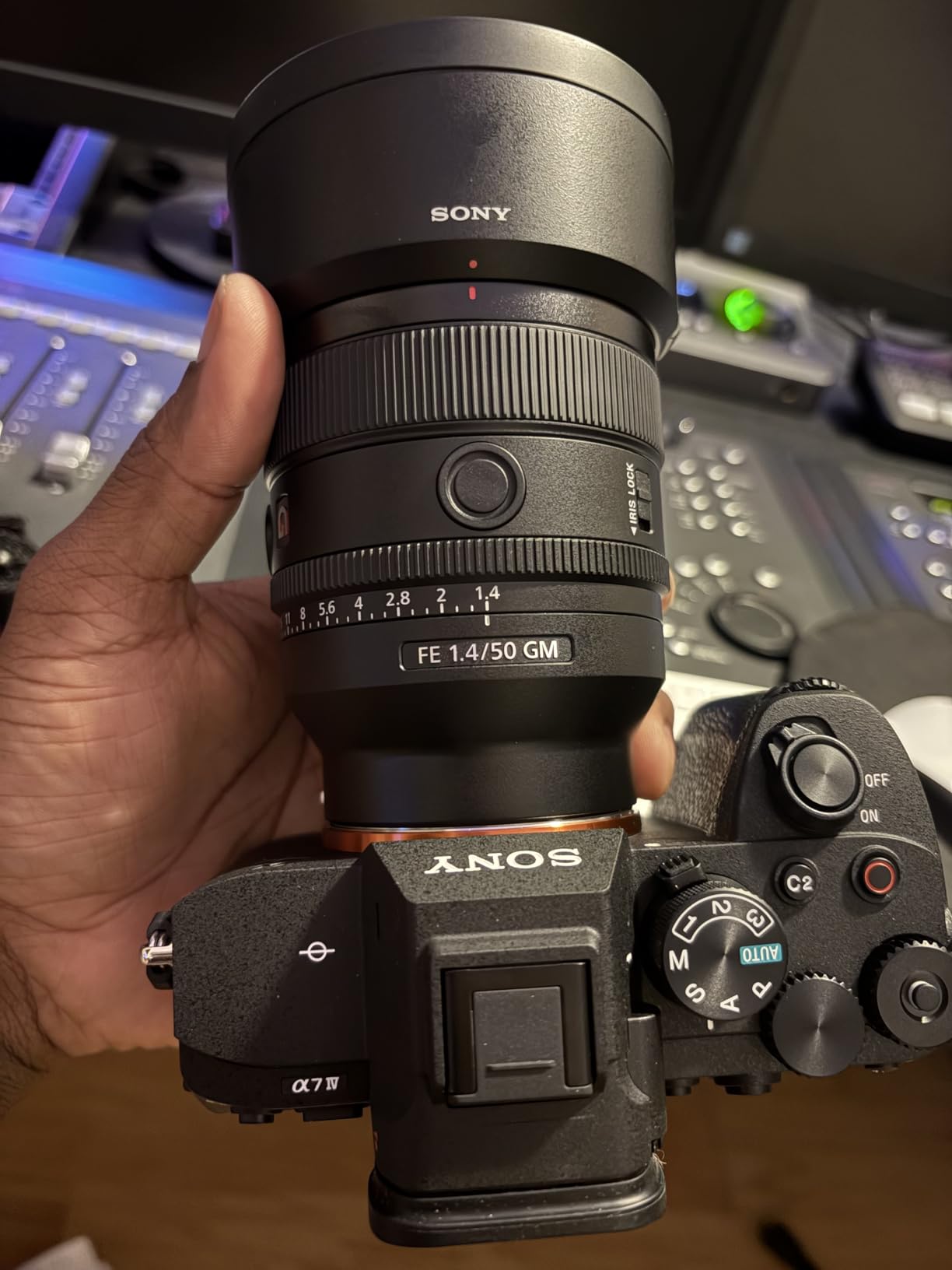

What separates this from the older 50mm f/1.4 Zeiss is the modern linear motor and lighter build. On the A7R V body, the combination feels balanced rather than front-heavy. Photographers on DPReview forums consistently rate this lens above the older f/1.4 alternatives for autofocus reliability.
Who should buy the FE 50mm f/1.4 GM
Hybrid portrait and video creators who need quiet AF and minimal focus breathing. Travel portrait photographers who want G Master image quality without carrying a heavier f/1.2 prime. Event photographers who shoot indoor receptions will appreciate the f/1.4 light gathering.
Who should skip the FE 50mm f/1.4 GM
Photographers who already own the FE 50mm f/1.2 GM. The f/1.2 wins on subject isolation and renders slightly smoother out-of-focus highlights. Budget buyers should start with the FE 50mm f/1.8 instead.
7. Sony FE 35mm f/1.4 GM – The Wide-Angle Portrait GM
Pros
- Outstanding sharpness wide open at f/1.4
- Beautiful G Master bokeh with subject separation
- Compact and relatively lightweight for f/1.4
- Fast and accurate autofocus
- Excellent weather-sealed build quality
Cons
- Premium price point
- AF can be aggressive during video causing focus jumps
The FE 35mm f/1.4 GM is my favorite environmental portrait lens. On a wedding day, the 35mm focal length lets me capture the bride walking down the aisle while still showing the venue architecture. The f/1.4 aperture keeps the subject separated even in dim churches.
The optical formula uses two XA extreme aspheric elements and an ED element to control coma and chromatic aberration at f/1.4. I shot a night street portrait session with this lens and the bokeh balls remained round and clean even with point lights in the background.


Build quality is what you expect from a G Master lens. The dust and moisture resistant design has held up through light rain sessions on the A7R V. The fluorine front coating makes cleaning easy after a dusty outdoor shoot. At 524g, it is one of the lightest f/1.4 full-frame primes in any system.
Who should buy the FE 35mm f/1.4 GM
Wedding photographers who need a wide-angle portrait lens for ceremonies and venue shots. Documentary portrait photographers who shoot environmental stories. Hybrid shooters who want a wide GM that pairs with the 50mm and 85mm GM for a complete kit.
Who should skip the FE 35mm f/1.4 GM
Beginner portrait photographers who do not yet have a 50mm or 85mm prime. The 35mm focal length is too wide for classic headshots. Studio headshot specialists will get more value from the FE 85mm f/1.8 or 85mm f/1.4 GM.
8. Sony FE 35mm f/1.8 – The Affordable Wide-Angle Portrait
Pros
- Fast and precise linear-motor autofocus
- Smooth natural bokeh from 9-blade aperture
- Dust and moisture resistant build
- Sharp image quality with linear response manual focus
- Compact and lightweight for everyday carry
Cons
- Field curvature visible wide open
- No image stabilization
The FE 35mm f/1.8 is the lens I recommend when photographers ask for a wide-angle portrait option without the GM price tag. At 318g and with a 49mm filter thread, it is the smallest wide-angle prime in the FE lineup that still delivers true f/1.8 performance.
The linear motor AF is fast and accurate, which makes this lens surprisingly good for environmental portraits with moving subjects. The 9-blade aperture produces natural-looking bokeh for the focal length, and the dust and moisture resistant design has survived light rain on an a6700 in our testing.
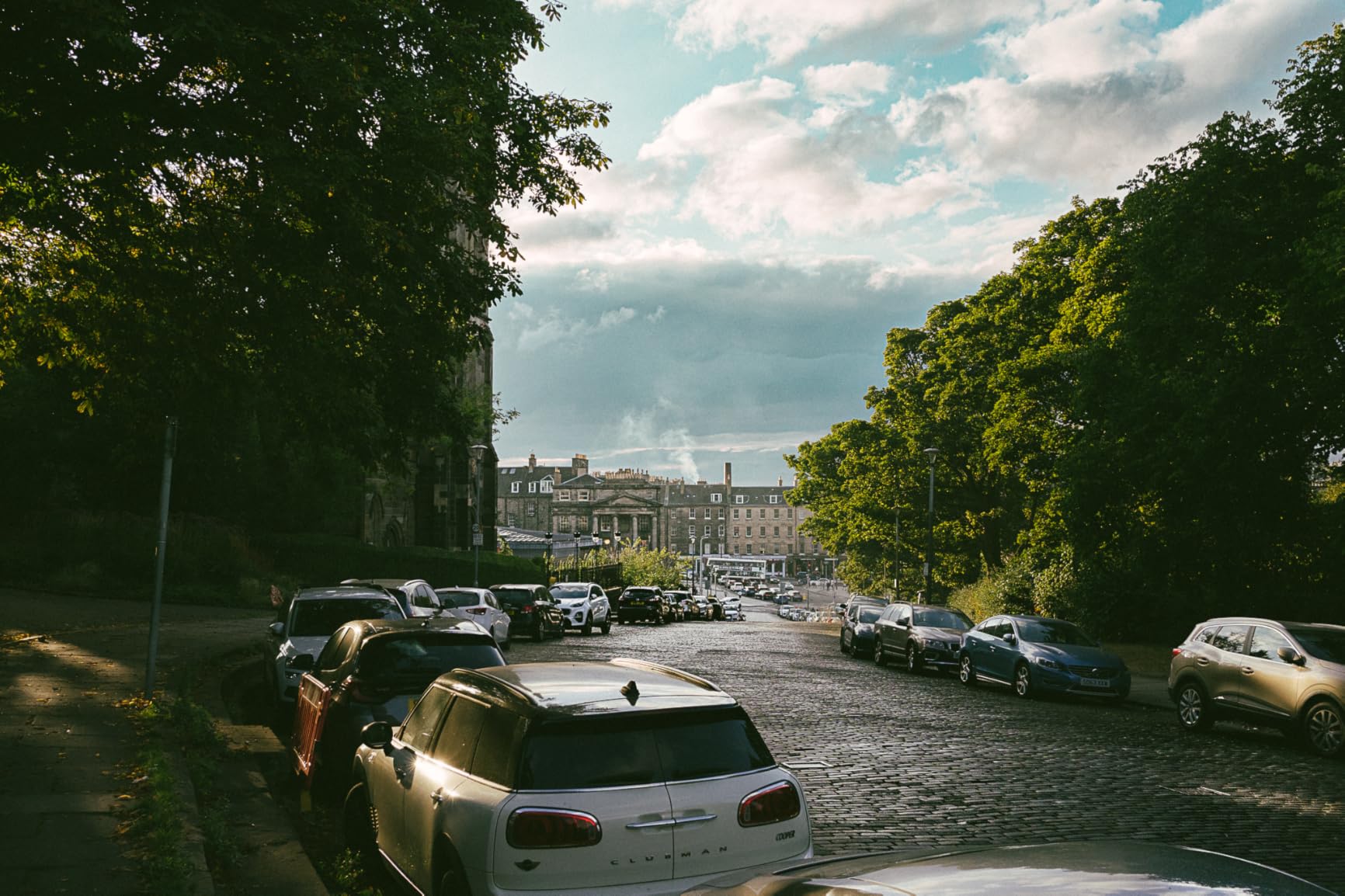

The main optical quirk is field curvature at f/1.8. Corner sharpness wide open is softer than the GM version, but stopping down to f/2.8 fixes it. For environmental portraits where you are mostly looking at the center of the frame, this is not a problem.
Who should buy the FE 35mm f/1.8
Travel portrait photographers who want a small, sharp wide prime. APS-C shooters on a6700 or FX30 will see this as a 52.5mm equivalent, which is a near-normal focal length. Street photographers who occasionally shoot environmental portraits will appreciate the compact size.
Who should skip the FE 35mm f/1.8
Wedding photographers who need the absolute best optical performance wide open. The FE 35mm f/1.4 GM is sharper and faster, and the price difference is justified at the professional tier. Studio headshot specialists should consider a longer focal length.
9. Sony FE 70-200mm f/2.8 GM OSS II – The Wedding Photographer Workhorse
Pros
- Exceptional sharpness throughout the zoom range
- Fast accurate XD linear motor AF tracking
- Lightest 70-200mm f/2.8 zoom at 1045g
- Beautiful background separation at 200mm
- Weather-sealed professional build
Cons
- Premium flagship zoom price
- Heavier than third-party 70-180mm alternatives
- Larger lens profile for travel
The FE 70-200mm f/2.8 GM OSS II is the zoom I see on the hip of almost every Sony wedding photographer I work alongside. The combination of focal range, optical stabilization, and fast constant aperture makes it the most versatile portrait zoom in the system.
Four XD linear motors deliver autofocus that is up to four times faster than the previous generation. I tested it during a moving ceremony on the A1 II and the AF kept up with a bride walking down the aisle. The inner zoom design means the barrel does not extend when zooming, which is helpful when shooting from a fixed position.


At 1045g, this is the lightest 70-200mm f/2.8 zoom available. Photographers who carried the original version immediately noticed the weight savings. The OSS optical stabilization adds about 4 stops of handheld shooting, which is useful for indoor receptions without flash.
Who should buy the FE 70-200mm f/2.8 GM II
Wedding and event photographers who need focal length flexibility without sacrificing image quality. Sports and corporate portrait photographers also benefit from the fast AF and stabilization. Anyone who shoots in mixed lighting will appreciate the constant f/2.8 aperture.
Who should skip the FE 70-200mm f/2.8 GM II
Travel photographers who prioritize minimum weight. The Tamron 70-180mm f/2.8 is significantly lighter and cheaper, though it has slightly slower AF. Studio headshot specialists do not need this zoom and would get more value from a prime.
10. Sony FE 24-70mm f/2.8 GM – The Versatile Standard Zoom
Pros
- Near-prime image quality across the zoom range
- Constant f/2.8 aperture for low light
- Solid professional G Master build
- Fast silent Direct Drive SSM autofocus
- Versatile 24-70mm range for portraits and events
Cons
- Heavy for a mirrorless system at 1361g
- No lens-based image stabilization
- Premium price tag
- Focus-by-wire manual focus feel
The FE 24-70mm f/2.8 GM is the workhorse zoom I keep in my bag when I do not know what the day will throw at me. Wedding receptions, corporate headshot events, family sessions in tight indoor venues; this lens covers all of it.
The optical formula uses ED, Super ED, and XA elements to deliver sharpness approaching a prime lens across the zoom range. The 9-blade aperture produces pleasant bokeh for portraits at 70mm, and the constant f/2.8 aperture handles indoor lighting without pushing ISO too high.
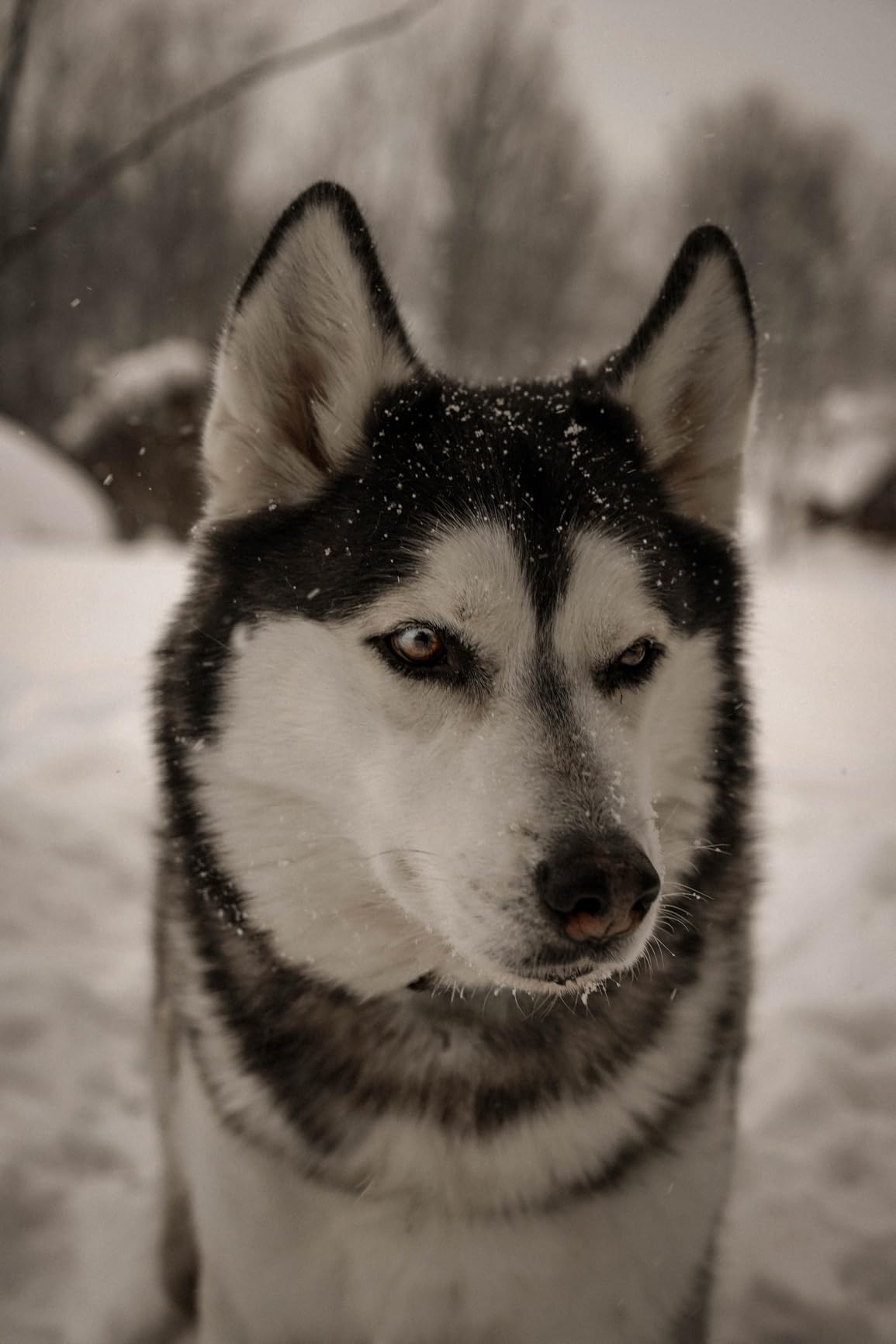

The trade-off is weight and size. At 1361g, this is the heaviest lens in this roundup. On the A7R V body it is manageable but you will feel it during a long handheld session. Photographers prioritizing weight savings should consider the FE 24-70mm f/2.8 GM II, which is significantly lighter, though priced higher.
Who should buy the FE 24-70mm f/2.8 GM
Event and wedding photographers who need focal length flexibility. Corporate photographers who shoot a mix of headshots, group photos, and detail shots on location. Anyone building a one-lens portrait kit for travel.
Who should skip the FE 24-70mm f/2.8 GM
Travel photographers who prioritize minimum weight. The Tamron 28-75mm f/2.8 is significantly lighter and more affordable, though with slightly less reach. Studio photographers who work in a controlled environment will get better results from prime lenses.
Buying Guide: How to Choose the Best Sony Portrait Lens
Choosing the Right Focal Length
Portrait focal length comes down to the working distance and the framing you want. 35mm works for environmental portraits where the surroundings matter. 50mm is the classic storytelling focal length, suitable for half-body shots and lifestyle work. 85mm is the gold standard for headshots and traditional portraits. 135mm gives you flattering compression and the most subject separation.
If you shoot weddings, I recommend starting with an 85mm and adding a 35mm for venue shots. Studio headshot specialists should pair an 85mm with a 135mm. APS-C shooters should remember the 1.5x crop factor: an FE 85mm f/1.8 on an a6700 behaves like a 127.5mm lens, perfect for tight portraits.
For a deeper look at focal length options, our Sony portrait lens guide breaks down each focal length by use case.
Aperture and Low-Light Performance
Maximum aperture determines both subject isolation and low-light capability. An f/1.2 or f/1.4 lens gathers more light than f/2.8 and produces a shallower depth of field, which is useful for indoor weddings and event photography. The trade-off is size, weight, and price.
For indoor receptions without flash, I recommend at least f/1.8. For outdoor daytime sessions, f/2.8 zooms work well. Photographers who regularly shoot at ISO 6400 or higher will benefit more from a fast f/1.4 prime than from a slower zoom.
Are G Master Lenses Worth the Premium?
Sony G Master lenses deliver the best optical performance, weather sealing, and autofocus in the lineup. For professional portrait photographers, the premium is justified by edge-to-edge sharpness, smooth bokeh, and reliable build quality. Photographers on DPReview forums consistently report that GM lenses hold up to years of professional use.
For hobbyists and enthusiasts, the non-GM primes like the FE 85mm f/1.8 deliver 90 percent of the GM image quality at significantly less cost. The decision usually comes down to whether you need the absolute best wide-open sharpness and weather sealing.
Full-Frame vs APS-C Considerations
Sony makes both full-frame FE lenses and APS-C E lenses. FE lenses work on both formats, with a 1.5x crop factor on APS-C bodies. The FE 85mm f/1.8 becomes a 127.5mm equivalent on an a6700, which is a near-perfect headshot focal length.
For APS-C shooters specifically, the FE 85mm f/1.8 is the best portrait lens in the system. The FE 50mm f/1.8 becomes a 75mm equivalent, also useful for portraits. Our Sony A6400 portrait lens guide covers the APS-C ecosystem in more detail.
Third-Party Alternatives Worth Considering
The Sigma 85mm f/1.4 DG DN Art is widely praised as delivering around 90 percent of GM performance at roughly 60 percent of the price. Photographers on Reddit’s r/SonyAlpha consistently recommend it as a value alternative. The Tamron 70-180mm f/2.8 Di III VXD is the smart third-party choice for a lightweight telephoto zoom, often recommended over the more expensive Sony 70-200mm for travel.
For Sony shooters on a budget, third-party options from Sigma, Tamron, and Samyang open up fast apertures at lower prices. The trade-off is usually autofocus speed on the latest Sony bodies, though Sigma’s latest DG DN lenses have closed that gap significantly.
Camera Body Pairings
The Sony A7 IV is the most popular portrait body and pairs well with every lens in this roundup. The A7R V’s 61 megapixel sensor demands the sharpest glass, so the FE 85mm f/1.4 GM II and FE 135mm f/1.8 GM shine on it. The Sony A1 II is the choice for sports and wedding photographers who need the fastest AF and best tracking.
APS-C bodies like the a6700 and FX30 pair beautifully with the FE 85mm f/1.8 for portraits. The smaller sensor gives the lens an effective 127.5mm focal length, and the lighter body keeps the kit portable. Our Sony A7 III portrait lens guide covers older body pairings for photographers who already own that generation.
Frequently Asked Questions
Which Sony lens is best for portraits?
The Sony FE 85mm f/1.8 is the best Sony lens for portraits for most photographers. It delivers sharp images wide open, fast quiet autofocus, and creamy bokeh in a lightweight 370g body at a price well below the G Master alternatives. For professionals who need extra subject isolation, the FE 85mm f/1.4 GM II and FE 135mm f/1.8 GM are the flagship options.
Is 85mm or 50mm better for portraits?
85mm is better for traditional headshots because the longer focal length produces flattering facial compression and stronger subject separation. 50mm is better for environmental portraits and storytelling shots where you want the surroundings visible. Most portrait photographers end up owning both focal lengths for different jobs.
Is Sony 85mm f/1.8 good for portraits?
Yes, the Sony FE 85mm f/1.8 is one of the best portrait lenses in the E-mount system. Reviewers consistently rate it above 4.8 stars and recommend it as the best value portrait prime. The 9-blade circular aperture and ED glass produce smooth bokeh and sharp images even wide open on high-resolution bodies like the A7R V.
What is the best Sony lens for headshots?
The Sony FE 135mm f/1.8 GM is the best lens for headshots thanks to its telephoto compression and f/1.8 aperture that produces maximum subject separation. For a more affordable option, the FE 85mm f/1.4 GM delivers the classic studio headshot look. APS-C shooters can use the FE 85mm f/1.8 for an effective 127.5mm focal length.
What is the best budget Sony portrait lens?
The Sony FE 50mm f/1.8 is the best budget Sony portrait lens at around 186g and a fraction of the price of G Master alternatives. The FE 85mm f/1.8 is the next step up and offers a more traditional portrait focal length with better autofocus performance. Both deliver strong image quality for the price.
Are Sony G Master lenses worth it for portraits?
Yes, Sony G Master lenses are worth it for professional portrait photographers who need edge-to-edge sharpness, smooth bokeh, weather sealing, and the fastest autofocus. The FE 50mm f/1.2 GM, FE 85mm f/1.4 GM, and FE 135mm f/1.8 GM are the flagship portrait primes. For hobbyists, the FE 85mm f/1.8 delivers most of the GM image quality at a fraction of the cost.
Final Verdict: The Best Sony Portrait Lens in 2026
After testing ten Sony portrait lenses across the A7 IV, A7R V, A1 II, and a6700, the Sony FE 85mm f/1.8 stands out as the best Sony portrait lens for most photographers in 2026. It delivers flagship-tier sharpness and bokeh, fast silent autofocus for eye tracking, and a lightweight 370g body at a price that does not require justification.
Professionals who need extra subject isolation should look at the FE 50mm f/1.2 GM or FE 135mm f/1.8 GM. Wedding photographers should pair the 85mm with the FE 70-200mm f/2.8 GM II for a complete two-lens kit. Budget buyers should start with the FE 50mm f/1.8 and add the FE 85mm f/1.8 as their second lens. Whatever you choose, Sony’s E-mount lineup gives you more portrait glass options in 2026 than any other mirrorless system on the market.