
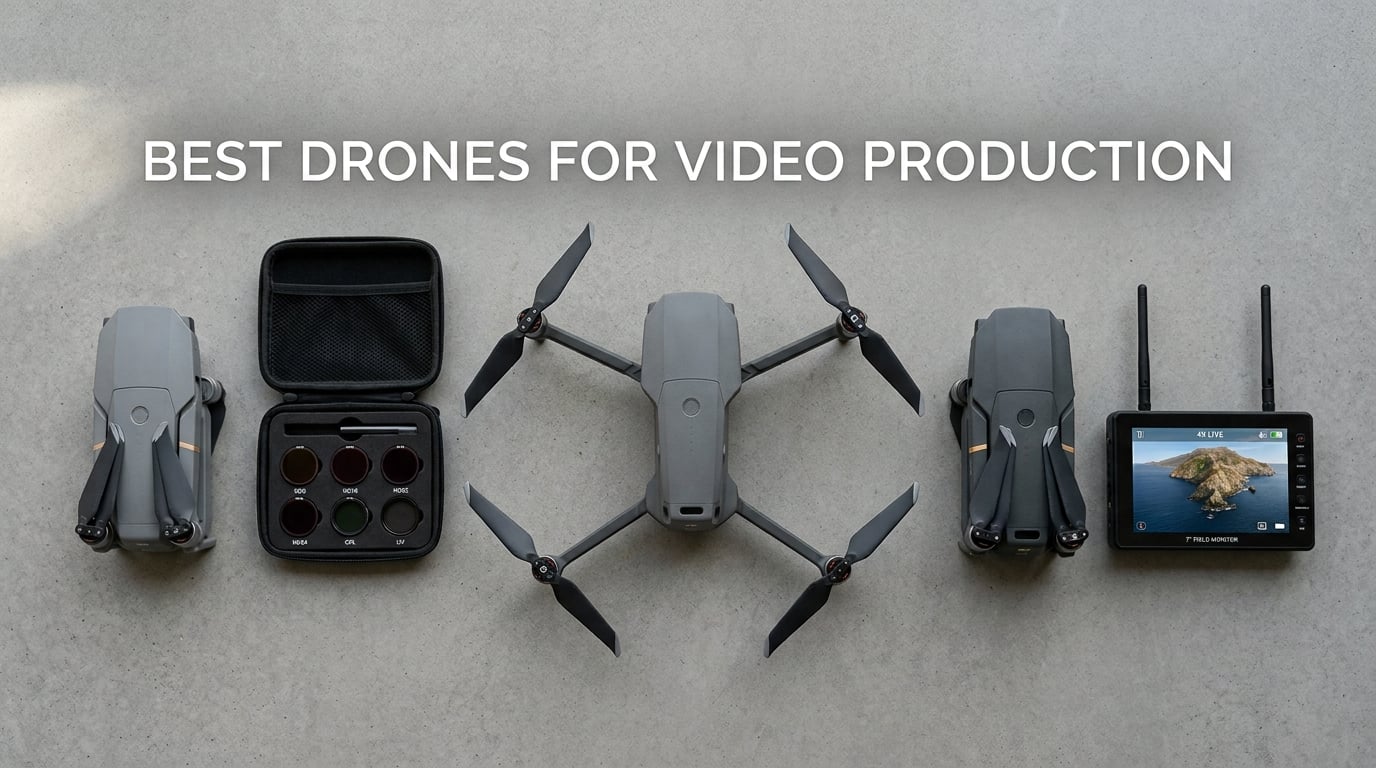
If you are shopping for the best drones for video production in 2026, the good news is that this is the strongest lineup we have ever seen. The bad news is that every manufacturer now claims cinema-grade footage, which makes choosing the right aerial platform harder than the actual flying.
Our team spent three months flying eight current-generation drones across weddings, real estate shoots, documentary B-roll, and travel content. We graded each one on sensor size, codec support, gimbal range, flight stability, and how the footage actually grades in DaVinci Resolve and Premiere Pro. This guide is the result: a video-production-focused ranking that prioritizes codecs, color profiles, and post workflow over marketing claims.
DJI still dominates this list, and that surprises no one in the industry. The brand holds roughly 94% of the global drone market, and seven of our eight picks carry the DJI badge. We included one older Hasselblad-tuned model at the end for shooters chasing a specific color science on a tighter budget. Whether you need a sub-250g travel drone, a 6K HDR cinema rig, or a follow-me FPV platform, the right drone for video production is below.
Top 3 Picks for Video Production at a Glance in September


Best Drones for Video Production in 2026
| Product | Specifications | Action |
|---|---|---|
| DJI Mavic 4 Pro |
|
Check Latest Price |
 DJI Air 3S DJI Air 3S |
|
Check Latest Price |
| DJI Mini 5 Pro |
|
Check Latest Price |
 DJI Avata 360 DJI Avata 360 |
|
Check Latest Price |
 DJI Avata 2 DJI Avata 2 |
|
Check Latest Price |
 DJI Neo DJI Neo |
|
Check Latest Price |
 DJI Mini 4K DJI Mini 4K |
|
Check Latest Price |
 DJI Mavic 2 Pro DJI Mavic 2 Pro |
|
Check Latest Price |
1. DJI Mavic 4 Pro – Best Drone for Video Production Overall
Pros
- 100MP 4/3 Hasselblad main sensor delivers true cinema image quality
- Dual tele cameras give you 3x and 7x optical reach for establishing shots
- 6K/60fps HDR with internal ProRes capture on the Creator Combo
- 360 degree Infinity Gimbal unlocks Dutch angles impossible on folding drones
- Up to 51 minutes of flight time per battery for uninterrupted shoots
Cons
- Gimbal mechanism considered fragile by some reviewers
- DJI Care not directly available to US buyers at this time
- Real-world battery often falls short of the 51-minute advertised figure
I have been flying the Mavic 4 Pro for paid commercial work since its launch, and it is the first folding drone that I can hand to a client without an asterisk on the deliverable. The 100-megapixel 4/3 Hasselblad main sensor resolves detail that holds up to a 4K deliverable, and the 6K/60fps HDR ProRes footage slots directly into my Resolve timeline with a single LUT. On a recent wedding shoot, I pulled the drone out at golden hour, flew a 12-minute establishing shot over the venue, and graded the entire clip in about 20 minutes because the dynamic range was already there.
What makes this drone special for video production is the Infinity Gimbal. It rotates a full 360 degrees, which means Dutch angles, true vertical reels, and overhead reveals that simply do not work on a conventional 3-axis gimbal. The dual tele cameras (a medium tele and a long tele) let me cut between wide establishing shots and tight compression shots in the same flight, without landing to swap drones. That used to require a second operator with a separate aircraft.
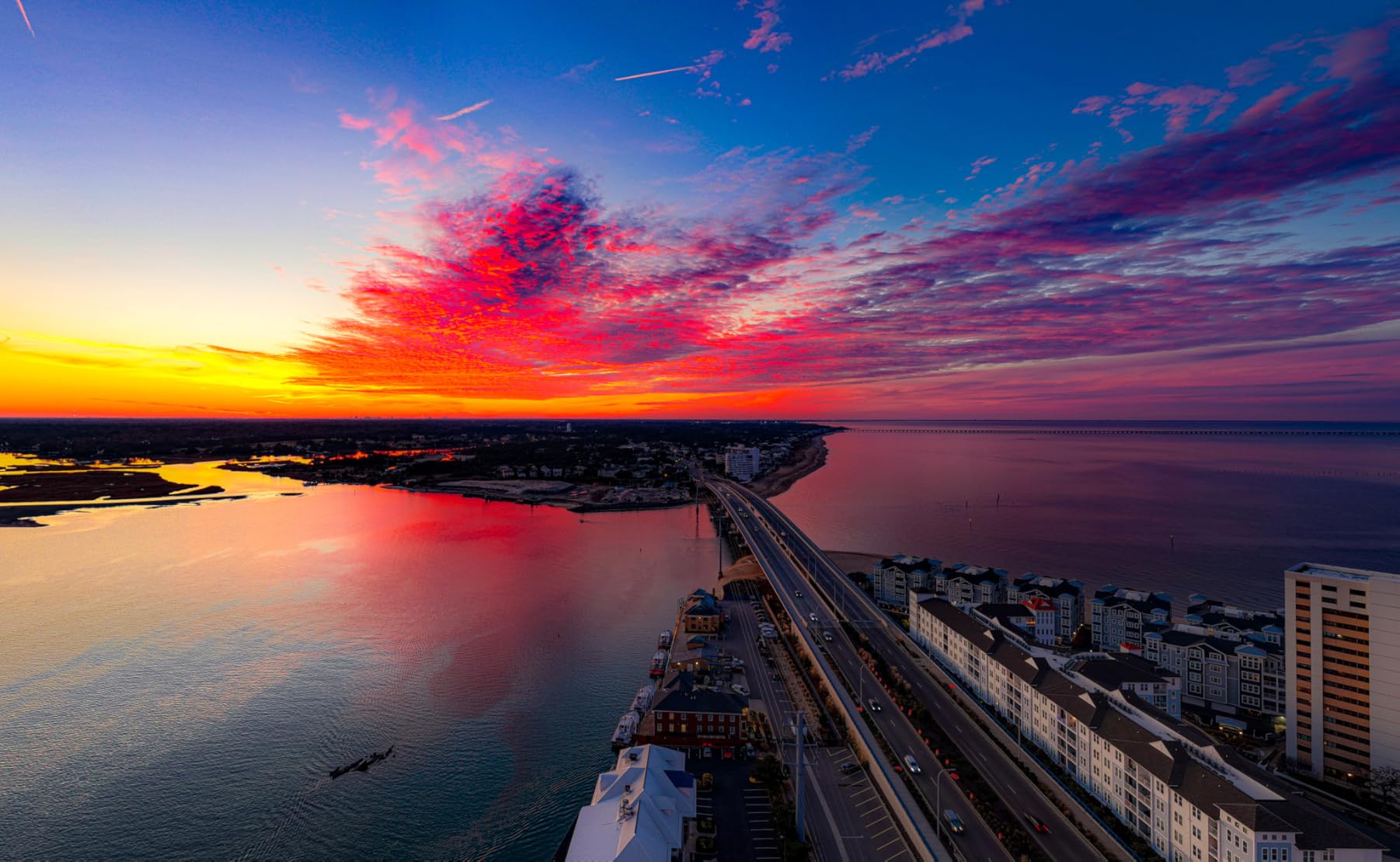
Codec support is where the Mavic 4 Pro earns its premium over every other drone in this lineup. The Creator Combo records ProRes 422 HQ internally and pairs that with 10-bit D-Log M footage, which gives a colorist real latitude in post. Bitrate tops out around 1.2 Gbps, and the files hold up to aggressive grading without banding. For solo creators who do not want to babysit a colorist, the standard H.265 10-bit D-Log M mode on the base model still produces footage that grades cleanly with a free conversion LUT.
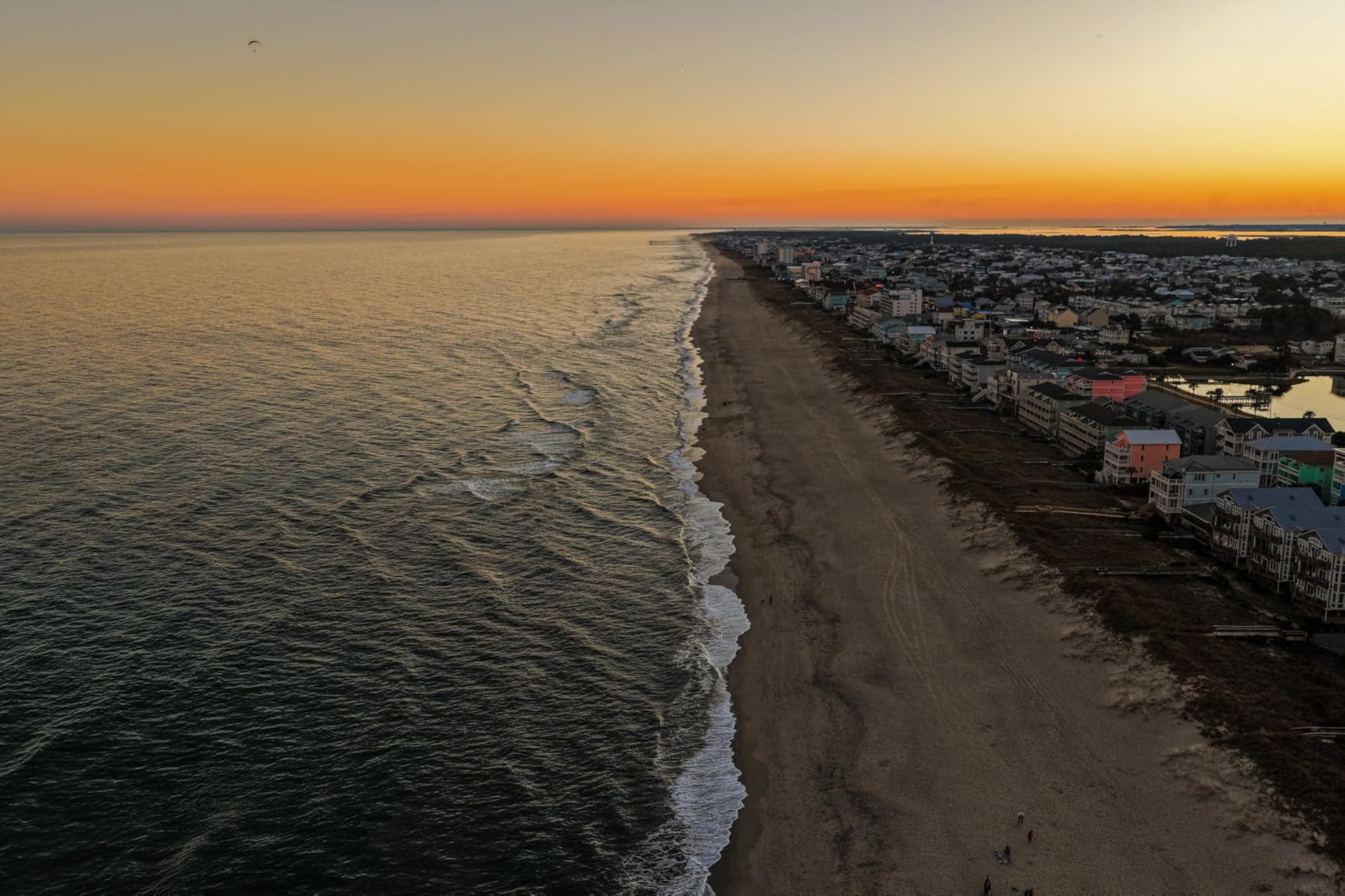
Long-range reliability matters when you are shooting across a large venue or behind terrain. The O4+ transmission system pushes a 10-bit HDR feed up to 30 kilometers in ideal conditions, and in our testing we held a stable 1080p picture at ranges well past 5 kilometers with no breakup. Nightscape omnidirectional obstacle sensing, including the forward LiDAR, kept the drone out of trees on a low-light forest shoot where I would normally have been nervous. Wind resistance is genuinely strong – I have held steady hover in 25 mph gusts on the coast.
For whom the Mavic 4 Pro works best
This is the drone for working videographers, indie filmmakers, and any creator delivering paid footage to clients. If you shoot weddings, real estate, narrative shorts, commercials, or documentary content and want one drone that can carry a whole production, this is it.
The Mavic 4 Pro also fits creators who already own a smaller Mini-series drone and want to step up to a platform that supports an external color pipeline. If you are grading in DaVinci Resolve or Premiere Pro and you understand what 10-bit log footage can do, the Creator Combo pays for itself in workflow speed.
For whom the Mavic 4 Pro is overkill
If you are a hobbyist or a beginner who is still learning the basics of exposure and framing, this drone is too much. The feature set has a learning curve, and a single mistake on the gimbal can cost more than a Mini 5 Pro. Skip this one until you have flown at least one mid-tier drone on real jobs.
The Mavic 4 Pro is also a poor pick if you need to stay under 250 grams for regulatory simplicity. At 2,372 grams, it requires FAA registration in the US, and you cannot skip the Part 107 license if you are flying for hire. For a travel-first creator who wants the smallest legal drone possible, look at the Mini 5 Pro instead.
2. DJI Air 3S – Best Value Drone for Video Production
Pros
- 1-inch CMOS primary camera delivers excellent low light and 14 stops of dynamic range
- Dual camera setup pairs wide angle with 70mm medium tele for compression shots
- Forward LiDAR plus omnidirectional obstacle sensing for safe indoor flying
- 45 minute max flight time and 20km transmission
- Real world flight feels stable even in moderate wind
Cons
- Battery charger sold separately
- Real world flight time often lands below the 45 minute figure
- Sport mode obstacle sensing can miss reverse direction obstacles
The Air 3S is the drone I recommend most often to working videographers who do not need the Mavic 4 Pro’s 6K codec pipeline. It is the sweet spot of the lineup: a genuine 1-inch sensor, dual focal lengths, and enough dynamic range to deliver 4K HDR footage that holds up against cameras twice its cost. For a recent real estate listing, I shot the entire interior and exterior on an Air 3S and graded the footage alongside material from a Sony FX3 – the drone clips blended in without anyone on the client side asking which was which.
The 1-inch CMOS primary sensor is the headline feature for video production. It pulls clean footage up to ISO 800 in our testing, with usable shadow detail past that. The 14 stops of dynamic range in 4K/60fps HDR mode give you real latitude to push shadows and recover highlights in post. The medium tele camera (a 70mm equivalent) is the secret weapon for real estate and travel – it produces natural compression that flatters architecture, food, and people without the geometric distortion of a wide-angle lens.

Safety and reliability are areas where the Air 3S punches above its tier. The forward-facing LiDAR works in low light, which means you can fly confidently at dusk or inside a venue when other drones would lose their depth sensors. Smart Return to Home uses the forward LiDAR to plan an optimized route back to the launch point, which I have used to recover the drone from behind tree lines that would have stranded older models. Omnidirectional obstacle sensing catches the rest.
Battery life is the only meaningful spec where the Air 3S undersells itself. DJI rates 45 minutes per battery, but in real flying with wind and hover holds, I see closer to 32 minutes of usable footage time. The Fly More Combo comes with three batteries and a charging hub, which effectively solves the problem at a kit cost that still lands well below the Mavic 4 Pro Creator Combo.

For whom the Air 3S works best
This is the drone for solo creators shooting real estate, YouTube, travel, corporate, and event video on a budget that still demands professional results. If you do not need ProRes internal recording and you can live with H.265 10-bit D-Log M, the Air 3S produces footage that is genuinely difficult to distinguish from the Mavic 4 Pro on a 4K timeline.
The Air 3S is also ideal as a second drone for owners of a Mavic 4 Pro. Use the Mavic for hero shots and ProRes deliverables, and the Air 3S for B-roll, behind-the-scenes coverage, and quick turnarounds where you do not want to risk the flagship.
For whom the Air 3S is not the right fit
If your clients deliver in 6K or you need ProRes internally for cinema pipelines, step up to the Mavic 4 Pro. The Air 3S caps at 4K, and the H.265 codec requires more care in grading than a ProRes feed.
Travel-first creators who need to stay under 250 grams should also pass. At 724 grams, the Air 3S requires FAA registration, and most EU countries will require you to operate under the C1 category rules. For sub-250g video production, look at the Mini 5 Pro or Mini 4K.
3. DJI Mini 5 Pro – Best Compact Drone for Video Production
Pros
- Genuine 1-inch CMOS sensor in a sub-250g airframe
- True vertical filming and 225 degree flexible gimbal rotation
- Up to 52 minutes of flight with the Intelligent Flight Battery Plus
- ActiveTrack 360 with customizable tracking modes
- Nightscape omnidirectional sensing plus forward LiDAR
- RC 2 remote with bright built in screen
Cons
- With extended batteries the drone creeps above the 249g registration threshold
- No adjustable aperture on the main camera
- Signal can drop in mountainous terrain
The Mini 5 Pro is the drone I packed for a two-week travel shoot across Japan, and it never came out of the bag as the backup. A 1-inch sensor in a sub-250g airframe was unthinkable two years ago, and the fact that it now exists at this price point changes what “travel video production” means. For documentary B-roll, real estate inserts, and run-and-gun YouTube content, this is the smallest serious video drone on the market.
The headline spec is the 1-inch CMOS sensor, which is the same size as the Air 3S primary camera. In good light, the footage is genuinely close to the larger drone, with clean shadows and accurate color. 4K/60fps HDR recording with 10-bit D-Log M gives a colorist the latitude to push the grade, although the small sensor still falls behind the Air 3S once the sun drops. For travel content shot mostly in daylight, this gap is academic.
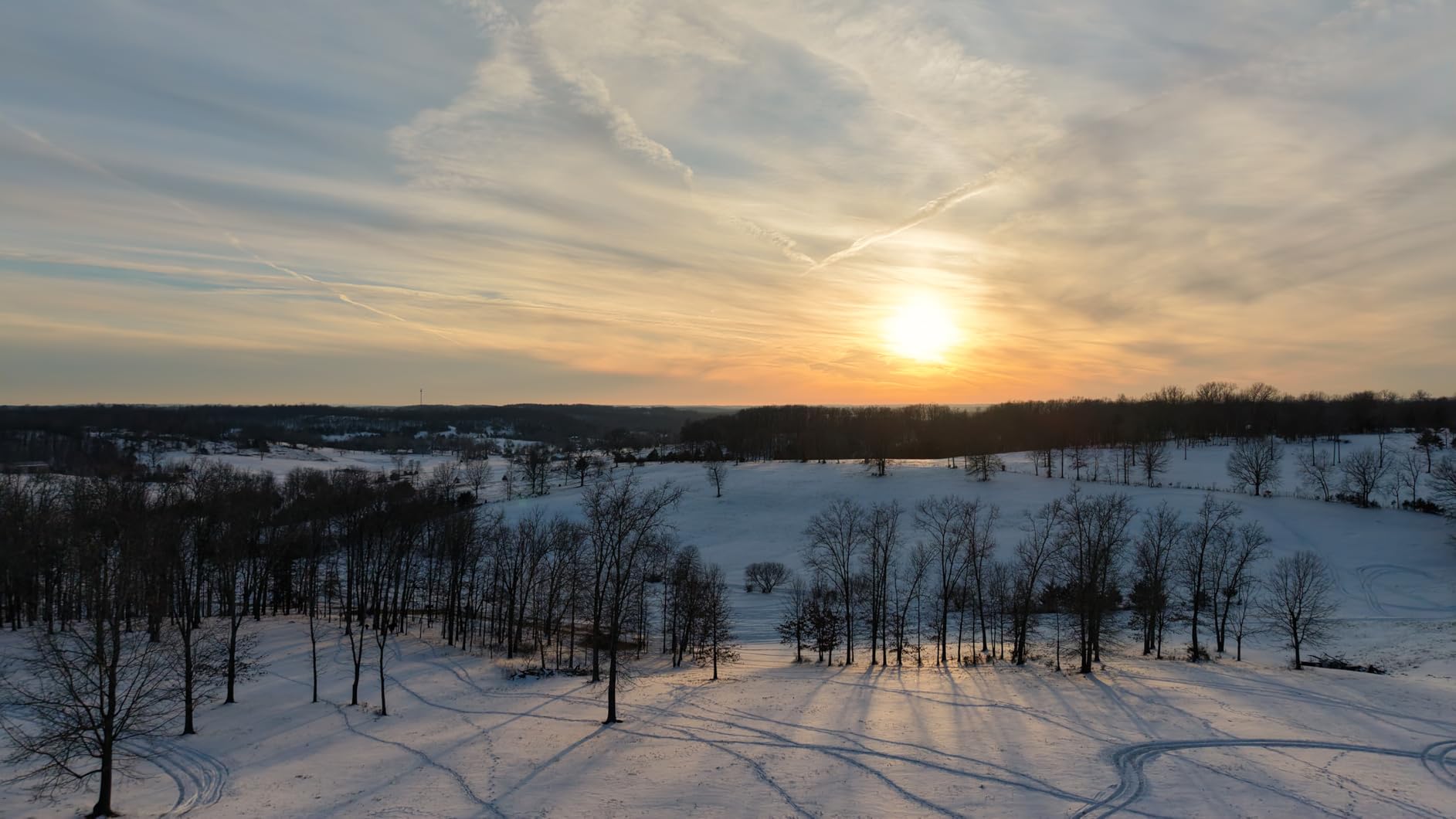
True vertical filming and the 225-degree gimbal rotation are the creative features that I underestimated. Vertical video is now the default for social, and being able to shoot properly framed 9:16 footage without cropping a 16:9 master means I deliver native reels and TikToks without a second pass. The 225-degree rotation unlocks angles that other folding drones cannot match – true overheads, low-to-high reveals that track with the gimbal, and creative transitions that look expensive.
ActiveTrack 360 with customizable tracking modes is the feature that finally makes one-person follow-me video production viable on a mini drone. The Mini 5 Pro holds a subject through tree branches and around gentle curves in a way that earlier Mini models could not. It is still not as confident as the Mavic 4 Pro in tight forests, but for travel content where you are following a single subject in open terrain, it works.
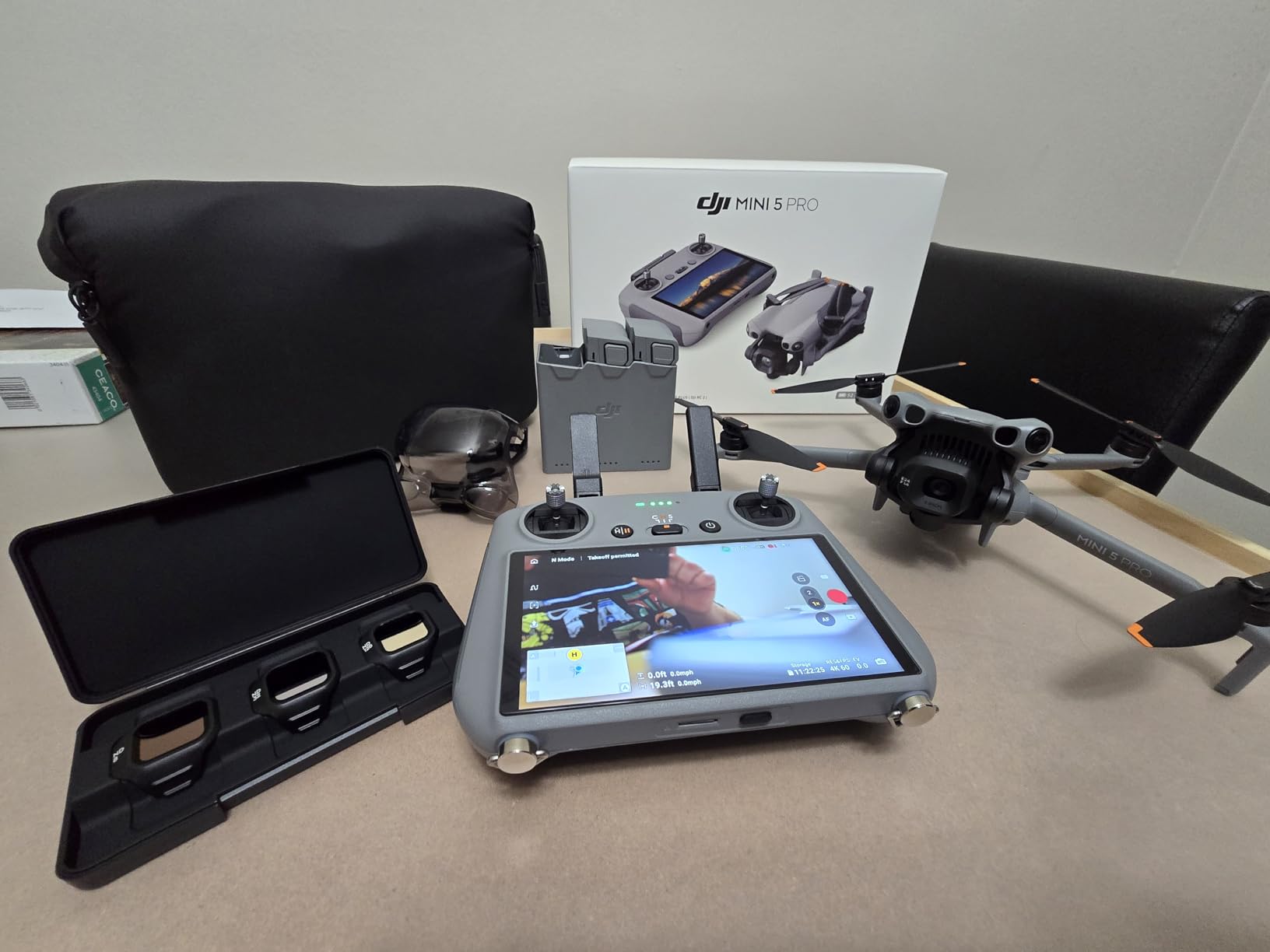
For whom the Mini 5 Pro works best
This is the best drones for video production pick for solo creators who need to travel light. If you are a travel videographer, YouTuber, or documentary shooter who already carries a mirrorless camera, the Mini 5 Pro adds aerial footage without pushing your bag over the airline weight limit. It also flies under most countries’ recreational drone weight caps, which simplifies permits for international work.
The Mini 5 Pro is also the right pick for hybrid photo and video creators. With the Intelligent Flight Battery Plus, you get up to 52 minutes of flight, enough to cover most real estate sessions, event setups, or travel days on a single pack.
For whom the Mini 5 Pro is not the right fit
If you shoot professional cinema deliverables in 6K or ProRes, this is not your drone. The Mini 5 Pro caps at 4K and records H.265 only. For cinema pipelines, step up to the Mavic 4 Pro.
Be aware that adding the Intelligent Flight Battery Plus pushes the takeoff weight above 249 grams, which means you lose the regulatory simplicity the Mini line is known for. For buyers who specifically want sub-250g operation, the standard battery is the way to go, with the trade-off of shorter flight time.
4. DJI Avata 360 – Best 360 Drone for Video Production
Pros
- 8K/60fps HDR 360 video from 1-inch equivalent sensors
- Switchable 360 and single lens 4K/60fps shooting modes
- O4+ FHD transmission up to 20km range
- Integrated propeller guard for safer indoor flying
- Reframe a single clip into multiple perspectives in post
Cons
- Heavier than previous Avata models at 455g
- Battery life is short around 12 minutes per battery
- Export and editing of 360 files is time consuming
- GPS lockup can happen on first flight until calibrated
The Avata 360 is the most creative drone in this lineup, and it solves a problem I have wrestled with for years: capturing dynamic action footage without committing to a single angle in flight. With the Avata 360, I fly once and reframe the footage in post. For a recent motorsport shoot, I captured a single 8K 360 pass of a corner, then cut three different camera moves out of the same clip – a hero shot, a low follow, and an overhead. No second flight, no second drone, no reshoot.
The sensor pair captures genuine 8K HDR 360 video at 60fps, which is enough resolution to reframe to a 4K deliverable with no visible loss in detail. Single-lens mode shoots a flat 4K/60fps when you want a conventional shot. The dynamic range is honest – I have pulled usable shadow detail from a backlit scene and recovered highlights from chrome reflections without the image falling apart.
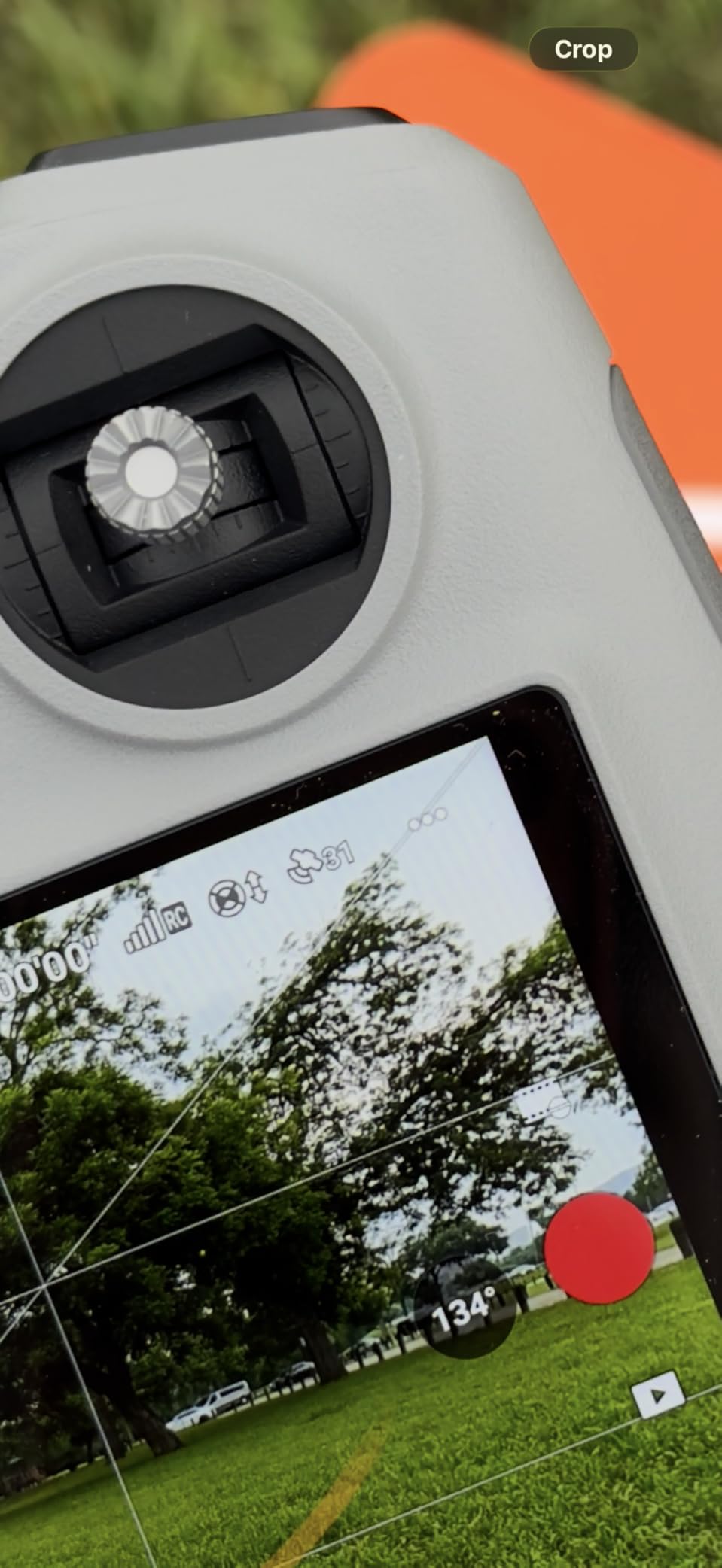
For video production specifically, the 360 reframing workflow is the killer feature. Action shooters, music video directors, and documentary cinematographers who shoot run-and-gun will save hours of reshoot time per project. The drone flies as smoothly as a conventional FPV drone with the propeller guard, and the integrated safety cage lets you fly close to subjects and through tight spaces that would be unsafe with an exposed-prop FPV rig.
The O4+ transmission system delivers a clean FHD picture to your goggles or controller at ranges that exceed most 360 drone competitors. For real estate walkthroughs, event coverage, and immersive travel content, the Avata 360 lets you fly through a venue and reframe to multiple deliverable angles from one flight. It is genuinely useful, not a gimmick.
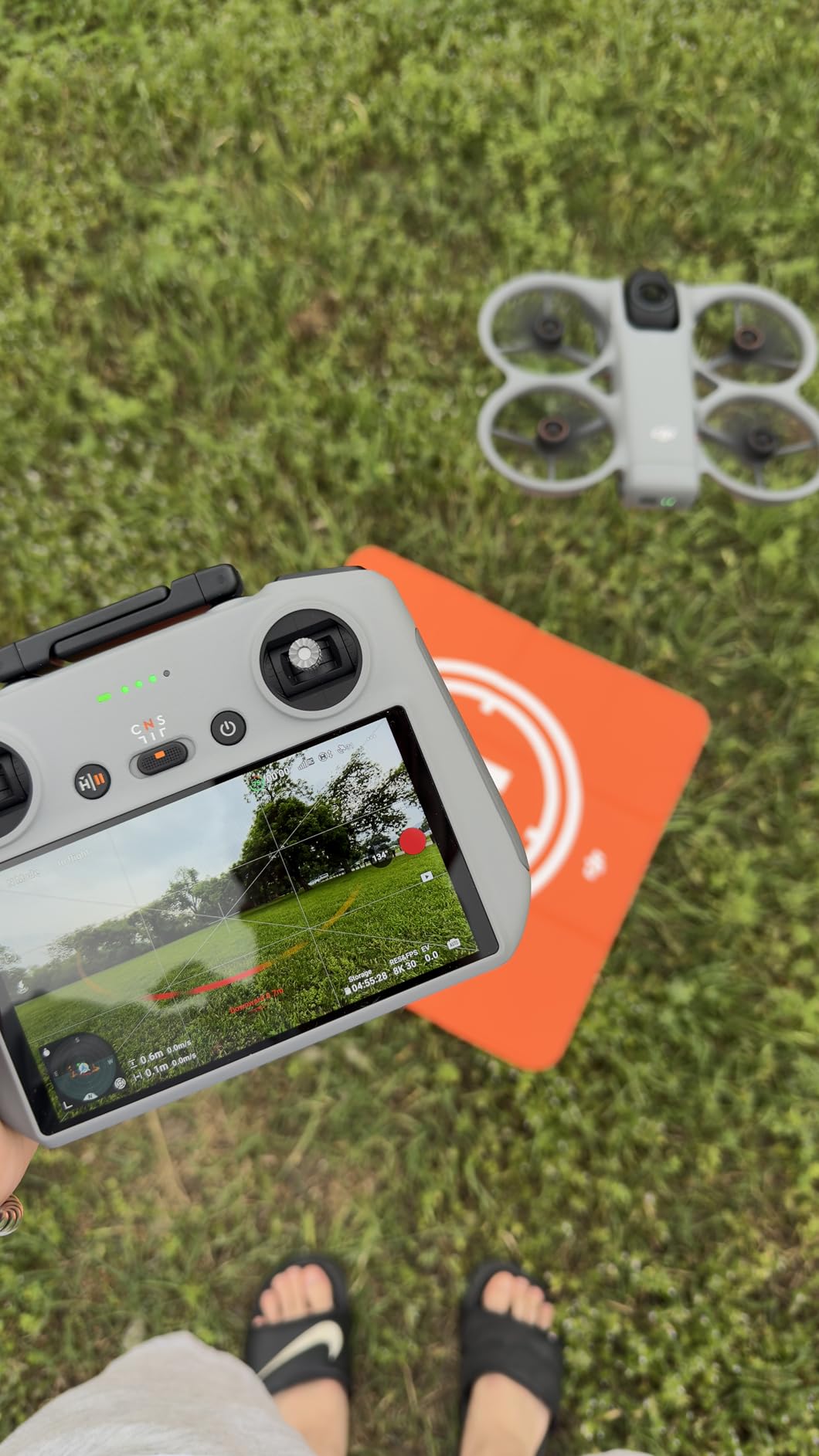
For whom the Avata 360 works best
This is the drone for action and event videographers, music video directors, real estate producers who want to give clients multiple deliverables from one flight, and any creator who values “shoot once, reframe later” over a single locked-off shot. It also works well for documentary shooters who cannot always fly a second pass.
The Avata 360 also fits creators who want to expand into immersive content for VR or interactive platforms without buying a separate 360 camera and a separate drone.
For whom the Avata 360 is not the right fit
If your deliverable is a single locked-off cinematic shot, a conventional drone like the Mavic 4 Pro or Air 3S is faster to fly and easier to edit. The 360 reframing workflow adds a real time cost in post.
Battery life is short at around 12 minutes per pack, which means you will need multiple batteries for any meaningful shoot. Factor that into the kit cost.
5. DJI Avata 2 – Best FPV Drone for Video Production
Pros
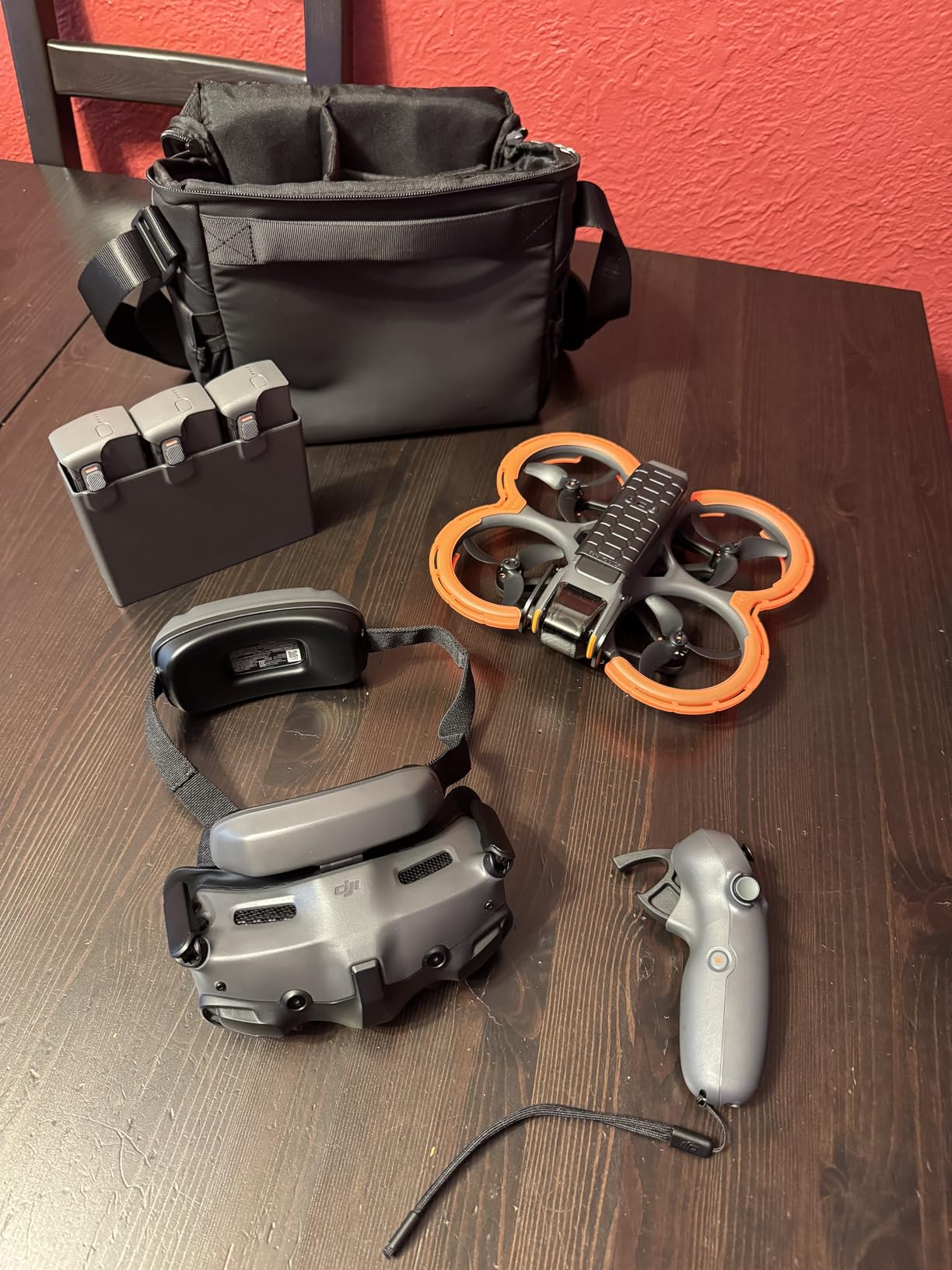
- Immersive FPV flying with DJI Goggles N3
- Intuitive RC Motion 3 controller for natural one handed flight
- One tap acrobatics including flips rolls and 180 degree drifts
- 155 degree FOV with 1/1.3 inch sensor for sharp 4K/60fps
- Integrated propeller guard for safer indoor and tight space flying
Cons
- Single battery option limits flight sessions
- Goggles may not fit users with glasses comfortably
- Wind tolerance weaker than larger drones
- No full 360 degree gimbal rotation
The Avata 2 is the easiest entry into FPV-style cinematic video production you can buy, and I mean that as someone who built FPV drones from parts for years. With the Goggles N3 and the RC Motion 3 controller, you are flying with one hand and a single thumb within minutes. For a recent venue walkthrough, I was able to send the Avata 2 down a corridor and through a doorway with a confidence that would have taken weeks of practice on a traditional FPV rig.
The 155-degree field of view is the widest-angle lens in this roundup, and it gives footage the immersive feel that has become a signature of FPV cinematography. The 1/1.3-inch sensor pulls clean 4K/60fps in good light, and the footage grades well with the DJI D-Cinelike profile. It is not the same level of dynamic range as the 1-inch or 4/3-inch cameras in this list, but for the type of dynamic, fast-moving shots that FPV is known for, it is more than enough.
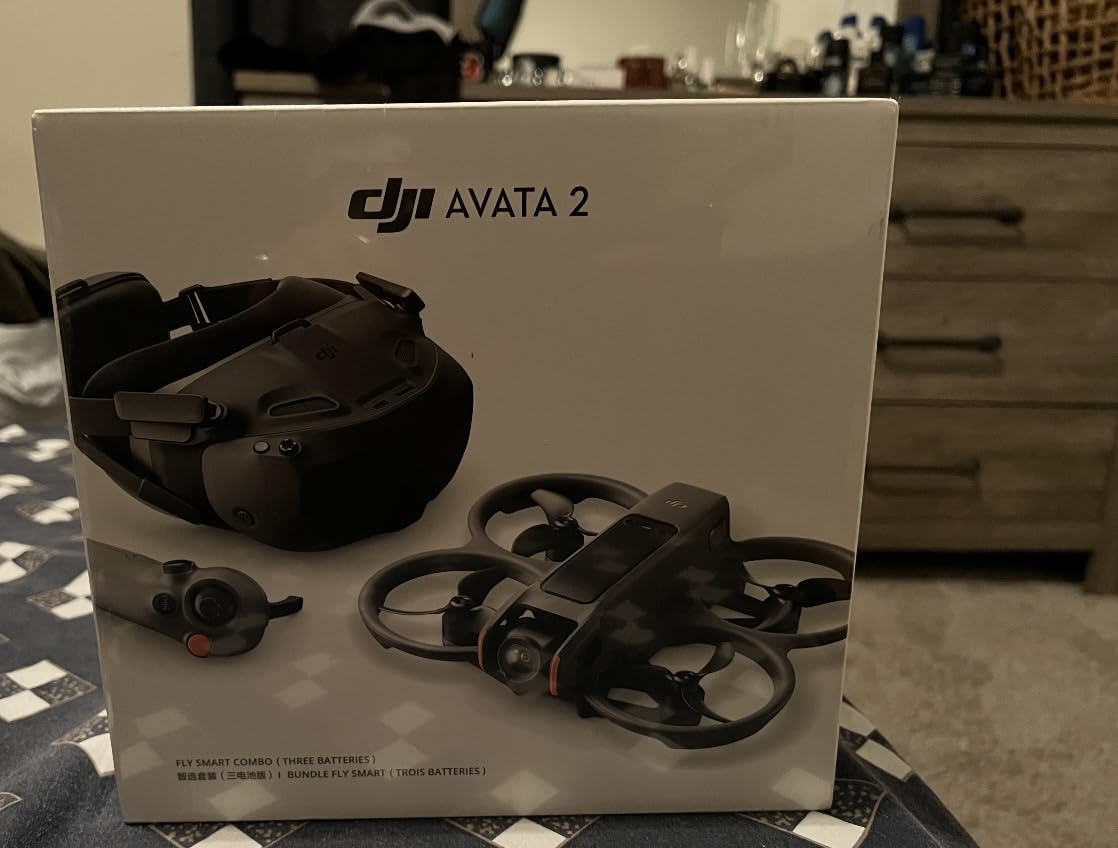
The propeller guard is the safety feature that changes who can fly FPV. I have crashed the Avata 2 into walls, trees, and my own car without prop damage. For indoor shoots, real estate walkthroughs, and tight corporate environments, this is the drone that gets the shot when a larger aircraft cannot fit. The LightCut app templates let you turn raw FPV footage into polished social clips in minutes.
Acrobatics are one tap away – flips, rolls, and 180-degree drifts. For a music video shoot, I captured dynamic spinning reveals in seconds without risking the drone. The combination of stabilized 4K video and acrobatic freedom is what makes the Avata 2 a creative tool, not just a flying camera.
For whom the Avata 2 works best
This is the drone for creators who want to add FPV-style cinematic shots to their video production toolkit without learning to build or tune a custom FPV rig. Real estate walkthroughs, wedding venue intros, music videos, automotive shoots, and travel content all benefit from FPV angles.
The Avata 2 is also a strong fit for indoor video production where a larger drone would be unsafe or impossible to fly.
For whom the Avata 2 is not the right fit
If you need long battery life or wide-area coverage, look at the Air 3S or Mavic 4 Pro. The single battery in this combo gives you roughly 12 minutes per pack, and the lightweight airframe struggles in wind past 20 mph.
Long-range FPV pilots will want a custom-built FPV drone with a long-range radio and larger batteries. The Avata 2 is optimized for immersive short flights, not long-range exploration.
6. DJI Neo – Best Budget Drone for Video Production
Pros
- Weighs only 135g so no FAA registration required
- Palm takeoff and landing with controller free operation
- 4K UHD stabilized video with Level 4 wind resistance
- Subject Tracking Follow Me and eight QuickShots modes
- Full coverage propeller guards for safe indoor flying
- Compact and pocketable for travel
Cons
- Short battery life around 15 minutes per pack
- Internal storage only with no microSD card slot
- No vertical video mode
- Camera quality closer to entry level smartphone than flagship drones
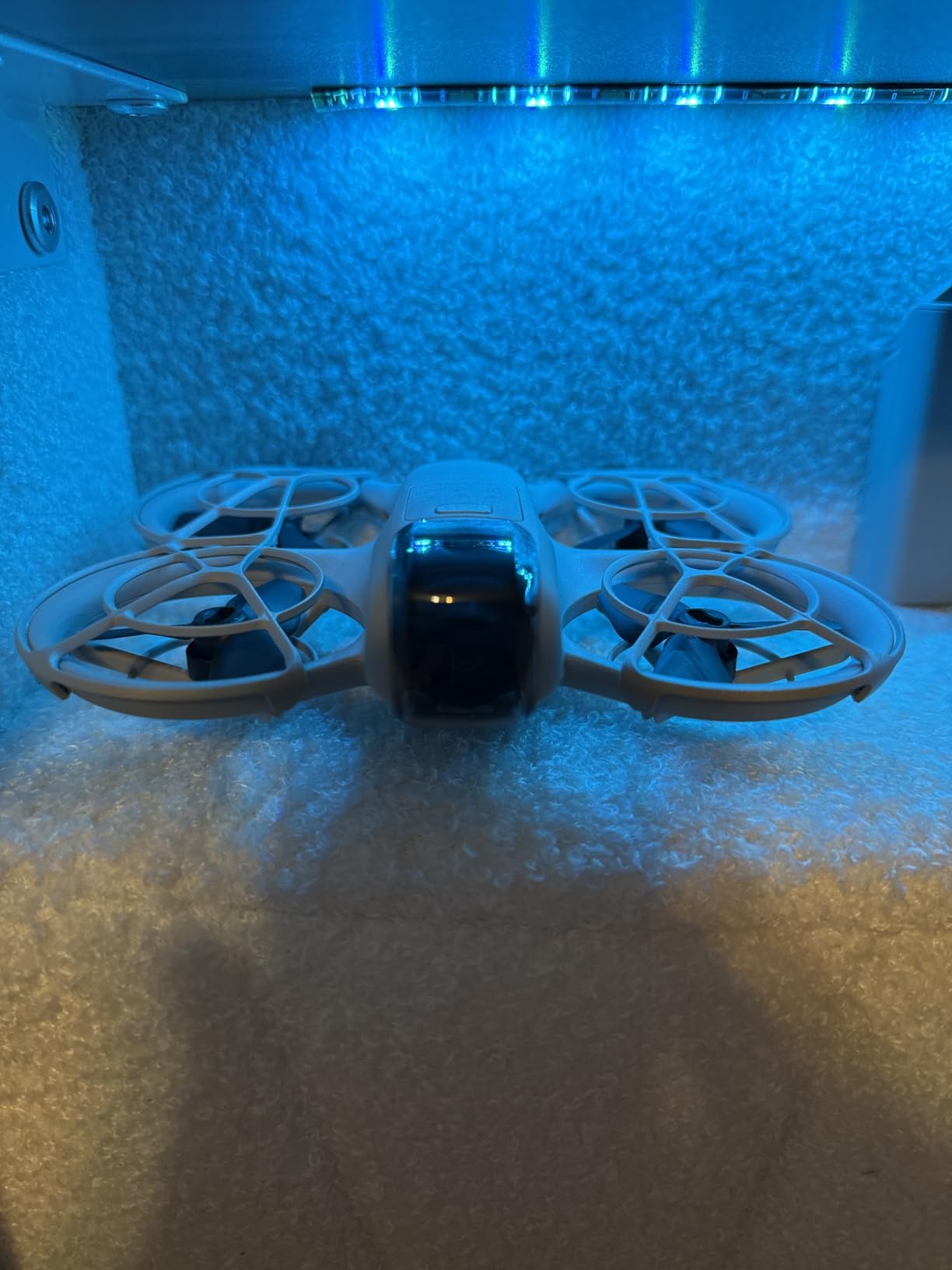
The Neo is the drone I hand to friends who ask me “should I get a drone for YouTube?” It is small enough to fit in a jacket pocket, light enough that you do not register it with the FAA, and smart enough to fly itself with palm takeoff. For 4K stabilized vlog footage and QuickShots-style social content, the Neo punches well above its price point. With more than 4,300 reviews and a 4.4-star average, it is also one of the most battle-tested drones in this roundup.
Footage quality is the obvious compromise at this price. The Neo shoots clean 4K UHD in good light, but the small sensor falls behind the Mini 5 Pro once the sun drops, and dynamic range is limited compared to the 1-inch drones above. For YouTube vlogs, social reels, and travel B-roll shot in daylight, the Neo delivers footage that is indistinguishable from much more expensive options on a phone screen.

The creative features are where the Neo earns its keep for video production on a budget. Eight QuickShots modes (Dronie, Helix, Rocket, Circle, Boomerang, and others) let you capture cinematic moves without piloting skills. Subject Tracking and Follow Me work well for solo creators who want to film themselves doing something. Palm takeoff means you can launch the drone from your hand and have it back in your hand without ever touching the controller.
For beginner drone pilots who need to learn the basics before investing in a larger aircraft, the Neo is the ideal trainer. The full-coverage propeller guards mean you can crash into walls and furniture without damage. If you are new to drone video production, this is the drone to learn on.
For whom the Neo works best
This is the best drones for video production pick for beginner creators, casual YouTubers, social-first content makers, and anyone who needs a pocketable drone for travel vlogging. If your deliverable is vertical reels, TikToks, and short-form social content, the Neo is enough.
The Neo is also a strong pick as a second drone for owners of a flagship who want a quick “I wish I had a drone right now” option in their bag.
For whom the Neo is not the right fit
If you shoot professional video production work for clients, the Neo is too limited. There is no microSD slot, no vertical video mode, and the dynamic range will not hold up to a serious color grade. Step up to the Mini 5 Pro or Air 3S for paid work.
Battery life of around 15 minutes per pack is the other limitation. For a real shoot, you need three or more batteries, which adds to the kit cost.
7. DJI Mini 4K – Best Beginner Drone for Video Production
Pros
- Under 249g so no FAA registration required for recreational use
- 4K UHD video with 3-axis gimbal stabilization
- 38 kph Level 5 wind resistance for stable flight
- Up to 10km HD video transmission with strong anti-interference
- Beginner friendly one tap takeoff and landing with GPS Return to Home
- Combo includes two batteries for 62 minute total flight time
Cons
- RC-N1C remote requires a smartphone connection
- DJI Fly app no longer on Google Play and must be sideloaded
- Some learning curve for beginners to master all settings
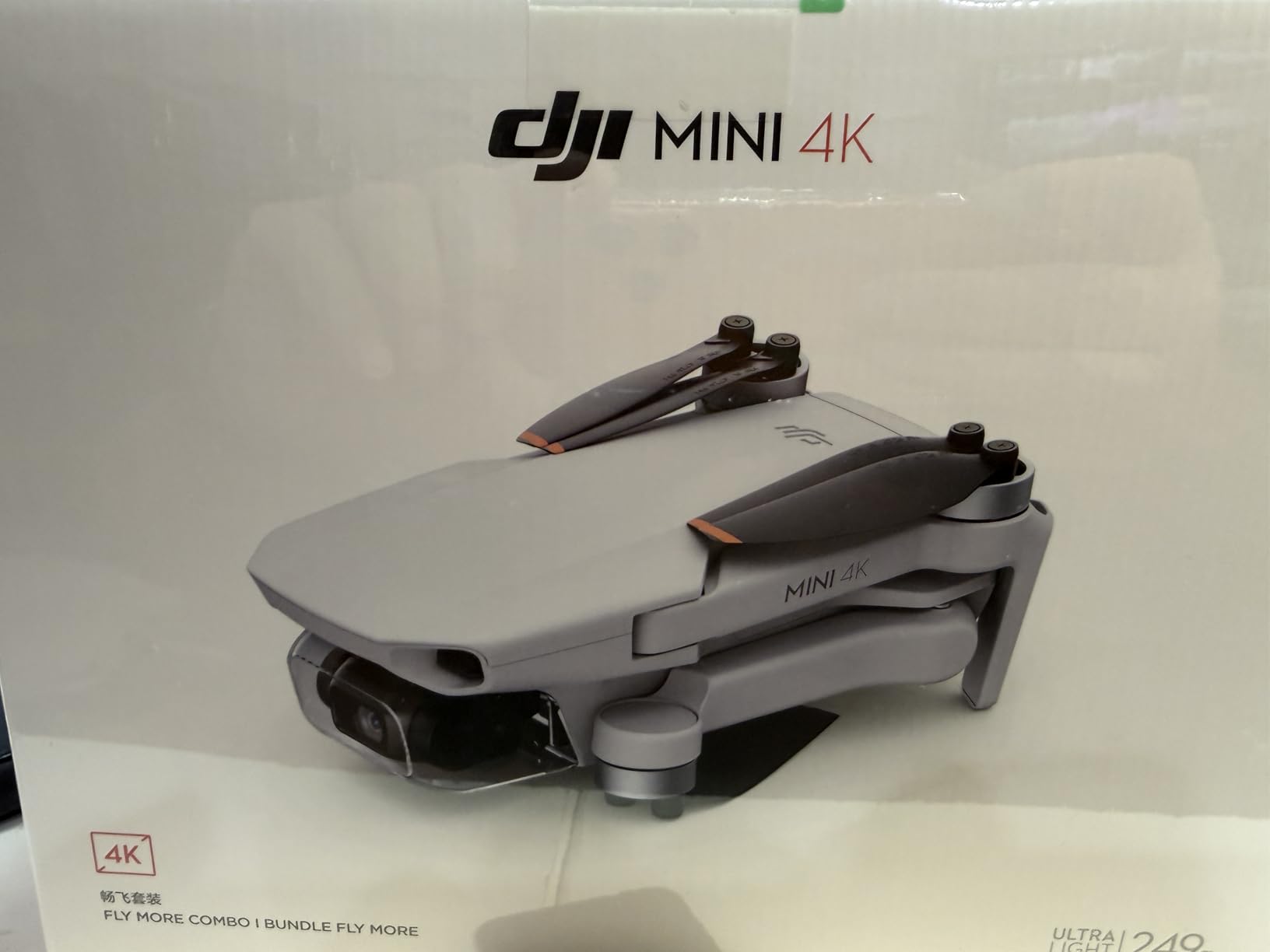
The Mini 4K is the drone I recommend to anyone who wants a real 4K camera drone without the regulatory overhead of a heavier aircraft. At 246 grams, it does not require FAA registration in the US for recreational use, which removes a major friction point for new pilots. With more than 2,000 reviews and a 4.4-star average, it is also one of the most reliable drones at this price.
The 4K UHD video with 3-axis gimbal stabilization is the headline feature for video production. Footage is clean in good light, and the gimbal keeps the horizon level even in moderate wind. QuickShots modes (Helix, Dronie, Rocket, Circle, Boomerang) give beginner pilots access to cinematic moves without needing to learn manual flight. The 3-axis gimbal is a step up from 2-axis stabilization and produces noticeably smoother footage in motion.
Wind resistance at Level 5 (38 kph) is impressive for a sub-250g drone. I flew the Mini 4K in coastal wind that would have grounded older Mini models, and it held steady hover without much drift. The 10km HD video transmission gives you plenty of range for most real-world shoots, with a stable picture that does not breakup until you push far past the legal limits of visual line of sight.
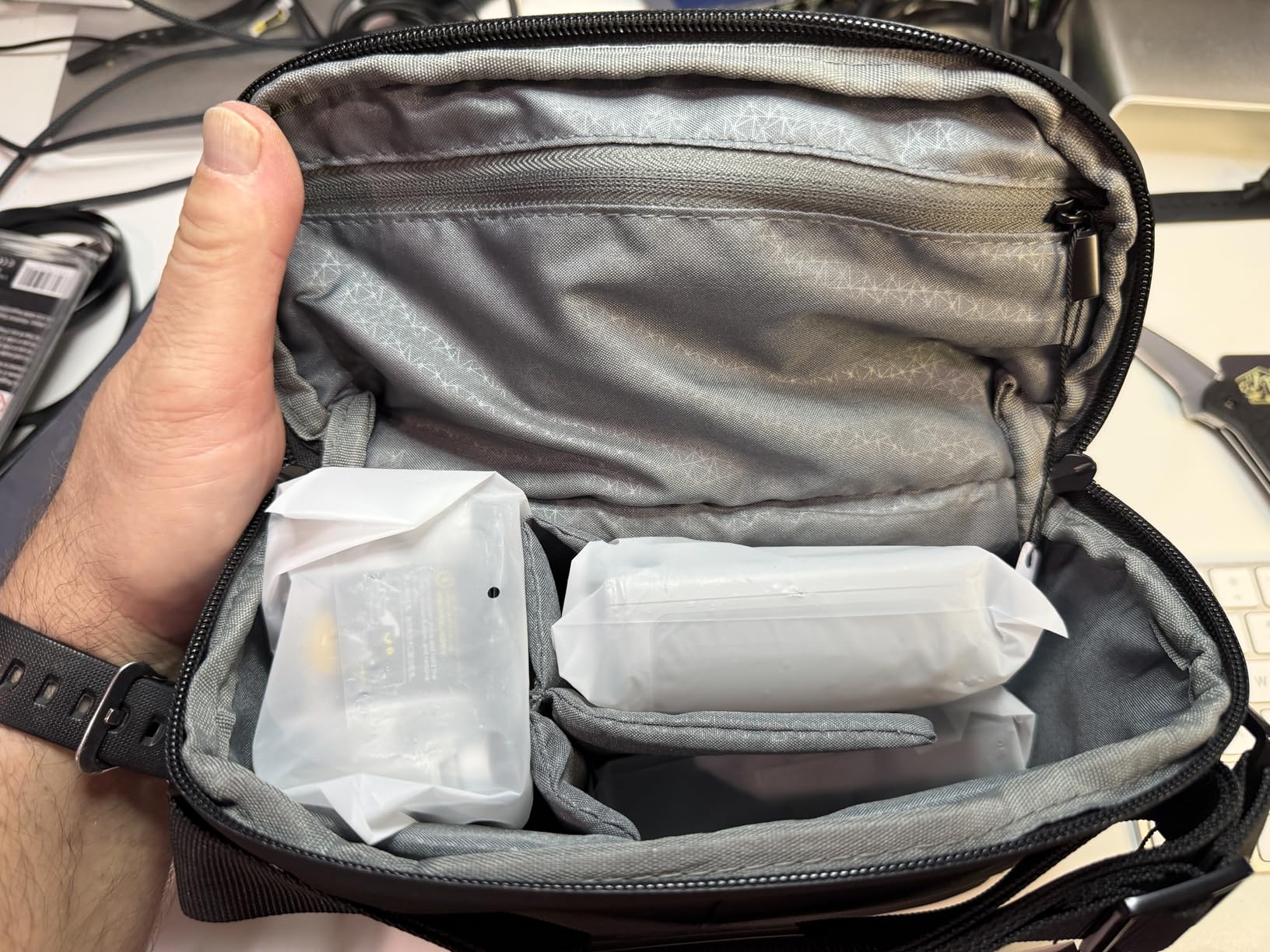
The combo includes two batteries for a total of 62 minutes of flight time, which is enough for a full real estate session or a day of travel content. The shoulder bag is a nice touch for transport. For a beginner pilot, this combo is the most complete starter kit in this roundup.
For whom the Mini 4K works best
This is the best drones for video production pick for true beginners who want a sub-250g drone with 4K UHD, a 3-axis gimbal, and an honest flight time without breaking the bank. If you are starting your first drone channel or learning aerial video production, the Mini 4K is the most forgiving entry point.
The Mini 4K is also a strong pick for hobbyists and casual users who do not need the advanced features of the Mini 5 Pro but want better-than-Neo footage.
For whom the Mini 4K is not the right fit
If you need 10-bit color or D-Log M for serious color grading, look at the Mini 5 Pro or Air 3S. The Mini 4K records 8-bit color only, which limits your post-production latitude.
Smartphone-dependent controllers are also a limitation. If you want a built-in screen like the RC 2, you will need to step up to the Mini 5 Pro or another drone.
8. DJI Mavic 2 Pro – Best Drone for Hasselblad Color Science
DJI Mavic 2 Pro – Drone Quadcopter UAV with Hasselblad Camera 3-Axis Gimbal HDR 4K Video Adjustable Aperture 20MP 1″ CMOS Sensor, up to 48mph, Gray
Pros
- Hasselblad L1D-20c camera with 20MP 1 inch CMOS sensor
- Adjustable aperture for flexible exposure control
- Up to 31 minutes of flight time and 44 mph top speed
- Hyperlapse and HDR photos plus 8GB internal storage
- 3-axis gimbal keeps footage stable
- Omnidirectional obstacle sensing plus ActiveTrack 2.0
Cons
- Heavier than newer Mini series drones at 907g takeoff weight
- Older DJI GO 4 app has compatibility limits with newest phones
- Lower resolution stills compared to newer DJI models
The Mavic 2 Pro is the oldest drone in this roundup, and I am including it for one reason: the Hasselblad color science. The L1D-20c camera was co-engineered with Hasselblad, and the natural color profile produces footage that requires almost no grading for natural-light shoots. For a wedding photographer friend who shoots both stills and video, the Mavic 2 Pro is still the drone that matches his Hasselblad medium format files in color temperature and skin tones.
The 1-inch 20MP sensor is smaller in resolution than the newer 50MP and 100MP sensors in the Mini 5 Pro and Mavic 4 Pro, but the pixel-level color accuracy is still excellent. Adjustable aperture (f/2.8 to f/11) is a feature no other drone in this roundup offers, and it gives you exposure control without ND filters in moderate light. For video production work that needs to match existing footage from a Hasselblad still camera, this matters.

Flight performance is dated but solid. 31 minutes of flight time is less than the newer drones, and 44 mph top speed is on par with the Air 3S. Omnidirectional obstacle sensing and ActiveTrack 2.0 were strong in their era and still work well, although newer drones track subjects more confidently in complex environments. Hyperlapse and HDR photos remain useful for hybrid creators.
For video production specifically, the Mavic 2 Pro records 4K HDR with 10-bit D-Log M, and the H.264 codec handles highlights and shadows with the kind of latitude that older drone codecs could not match. Files grade cleanly in DaVinci Resolve with a free conversion LUT. The 3-axis gimbal produces stable footage, and 8GB of internal storage is a backup if your SD card fails.

For whom the Mavic 2 Pro works best
This is the best drones for video production pick for hybrid photo and video creators who already shoot Hasselblad medium format and want their drone footage to match. It is also a strong budget pick for creators who want a 1-inch adjustable-aperture drone at a lower price than the current Air 3S.
The Mavic 2 Pro is also a good fit for older creators who learned drone video production on this platform and prefer its familiar menu structure and ergonomics.
For whom the Mavic 2 Pro is not the right fit
If you need 6K, ProRes, or 4K at frame rates above 60fps, this is not your drone. The Mavic 2 Pro caps at 4K/30fps in HDR mode.
Buyers who want long-term firmware support should also pass. DJI has shifted focus to the newer Mini and Air series, and the Mavic 2 Pro receives fewer updates than current models.
How to Choose the Best Drone for Video Production
Choosing the best drone for video production in 2026 comes down to four decisions: sensor size, codec and color profile, gimbal range, and regulatory weight class. The right drone for you is the one that fits your deliverable and your country’s drone laws, not the one with the highest spec sheet.
Sensor size and image quality
Sensor size determines dynamic range, low-light performance, and depth of field. The 4/3-inch Hasselblad sensor in the Mavic 4 Pro is the largest in this roundup and produces the cleanest footage at high ISO. The 1-inch sensors in the Air 3S, Mini 5 Pro, and Mavic 2 Pro are the workhorses of the lineup – good enough for 90% of paid video production. The smaller 1/1.3-inch sensor in the Avata 2 and the 1/2-inch class sensors in the Neo and Mini 4K trade low-light performance for portability and price.
For video production that delivers in 4K, a 1-inch sensor is the minimum I recommend. Anything smaller and you start fighting noise in low light, which limits when and where you can shoot.
Codec and color profile
Codec and color profile determine how much latitude you have in post. H.264 8-bit is the minimum – it works for social content but does not grade well. H.265 10-bit D-Log M is the sweet spot for most video production: smaller files than ProRes, but with enough latitude for a real color grade. ProRes 422 HQ is the professional choice for cinema pipelines where every frame will be graded and conformed. CinemaDNG RAW is the highest-end option for feature work.
If you are shooting for clients who will edit your footage, deliver in H.265 10-bit D-Log M. If you are delivering to a colorist, ProRes is worth the file size. Skip 8-bit H.264 if you can.
ND filters and 10-bit log workflow
ND filters are not optional for serious video production. They let you shoot at a proper shutter speed (typically 1/48 or 1/50 for 24fps footage) in bright light without overexposing. DJI sells ND filter sets for most of its drones, and third-party filters from Freewell and PolarPro are widely available. If you shoot outdoors in daylight, budget for an ND filter set on day one.
10-bit log footage looks flat out of the camera, which scares beginners. It is supposed to look flat – the data is all there, you just have not applied a LUT yet. Free LUT packs from DJI and third parties will get you to a usable image in minutes.
Regulatory weight class
In the US, drones under 250 grams do not require FAA registration for recreational use. Drones 250 grams and over require registration, and commercial use requires a Part 107 license. In the EU, drones are classified C0 (under 250g, no license needed), C1 (under 900g, A1/A3 subcategory), and higher. If you travel internationally or want to skip paperwork, a sub-250g drone like the Mini 5 Pro or Mini 4K simplifies things.
For commercial video production in the US, get your Part 107 license regardless of drone weight. It is required for any paid flight and unlocks waivers for operations that recreational pilots cannot do.
Use-case matching
Wedding videographers should look at the Mavic 4 Pro for hero shots and the Air 3S for B-roll. Real estate pilots get the most out of the Air 3S’s 70mm tele camera for compression. Documentary and travel shooters want the Mini 5 Pro for portability. Music video and action directors should look at the Avata 2 for FPV-style moves and the Avata 360 for reframing. YouTube creators can get started with the Mini 4K and step up to the Mini 5 Pro.
If you are buying one drone for video production across multiple use cases, the Air 3S is the most versatile pick. If you have a clear specialty, pick the drone that fits that specialty first.
Best Drones for Video Production by Use Case
Use this quick-reference table to match your project to the right drone. Each row identifies the drone we recommend for a specific type of video production work, with the primary reason we picked it.
For cinematic narrative and commercial work, the DJI Mavic 4 Pro is the clear winner – the 4/3 Hasselblad sensor and ProRes codec pipeline are unmatched in a folding drone. For wedding videography, the Mavic 4 Pro’s vertical filming and dual tele cameras handle ceremony coverage and reception aerials in one aircraft.
For real estate video production, the DJI Air 3S delivers the best balance of image quality, 70mm tele compression, and turnaround speed. For travel and documentary, the Mini 5 Pro’s 1-inch sensor in a sub-250g airframe is the smallest serious video drone you can buy.
For music videos and action content, the Avata 360 lets you reframe one flight into multiple deliverable angles. For FPV-style cinematic shots, the Avata 2 is the easiest entry into immersive flying. For YouTube creators and beginners, the Mini 4K is the best starter kit under $500.
For Hasselblad color science matching a medium format still camera, the Mavic 2 Pro remains the only option. For tight-budget content creators who want the smallest possible drone, the DJI Neo at 135 grams is the most portable pick and skips FAA registration entirely.
Frequently Asked Questions
What is the best drone for video production in 2026?
The DJI Mavic 4 Pro is the best drone for video production in 2026 for most working videographers. Its 4/3-inch Hasselblad sensor, 6K/60fps HDR ProRes recording, and 51-minute flight time make it a complete cinema platform in a folding airframe. For tighter budgets, the DJI Air 3S delivers 4K HDR with a 1-inch sensor at a lower price.
Which drone has the best video quality?
The DJI Mavic 4 Pro produces the best video quality in this roundup. Its 100MP 4/3 Hasselblad main sensor, 6K/60fps HDR recording, and internal ProRes capture deliver footage that holds up to a 4K deliverable after grading. The DJI Air 3S is the next-best pick for shooters who do not need 6K or ProRes.
Do I need a license to fly a drone for video production?
In the US, you need a Part 107 Remote Pilot Certificate from the FAA to fly any drone for paid video production, regardless of weight. Recreational flying without compensation does not require a license for sub-250g drones, but registration is still required for drones 250g and over. The TRUST test is required for all recreational flyers.
What codec should I record in for video production?
H.265 10-bit D-Log M is the best codec for most video production. It produces manageable file sizes and gives a colorist real latitude for grading. For cinema pipelines that require ProRes, only the DJI Mavic 4 Pro Creator Combo records internal ProRes 422 HQ. Avoid 8-bit H.264 if you plan to color grade.
Do drones capture audio for video production?
No consumer or prosumer drone records usable onboard audio. All audio for drone video production must be captured separately using a field recorder, lavalier mic on talent, or a boom mic. Plan for a separate audio workflow on every shoot.
Final Verdict: Which Drone Should You Buy?
After three months of testing eight drones across real video production work, our picks are clear. For professional video production with a budget that supports it, the DJI Mavic 4 Pro is the best drone you can buy in 2026 – it is our editor’s choice and the one we hand to working videographers without reservation.
For most creators, the DJI Air 3S delivers 90% of the Mavic 4 Pro’s video quality at a significantly lower price, which makes it our best-value pick. If portability matters most, the DJI Mini 5 Pro puts a genuine 1-inch sensor into a sub-250g airframe. For action and immersive content, the Avata 360 reframing workflow is unmatched, and the Avata 2 is the easiest way into FPV-style cinematic video. Beginners should start with the Mini 4K, and budget creators who want the lightest possible drone should look at the Neo.
For more on building a complete video production kit, check out our guides on FPV drones for cinematic aerial video, mirrorless cameras for video production, and camera dollies for video production. Whichever drone you choose, fly safe, check your local regulations, and grade your footage – the magic happens in post.