
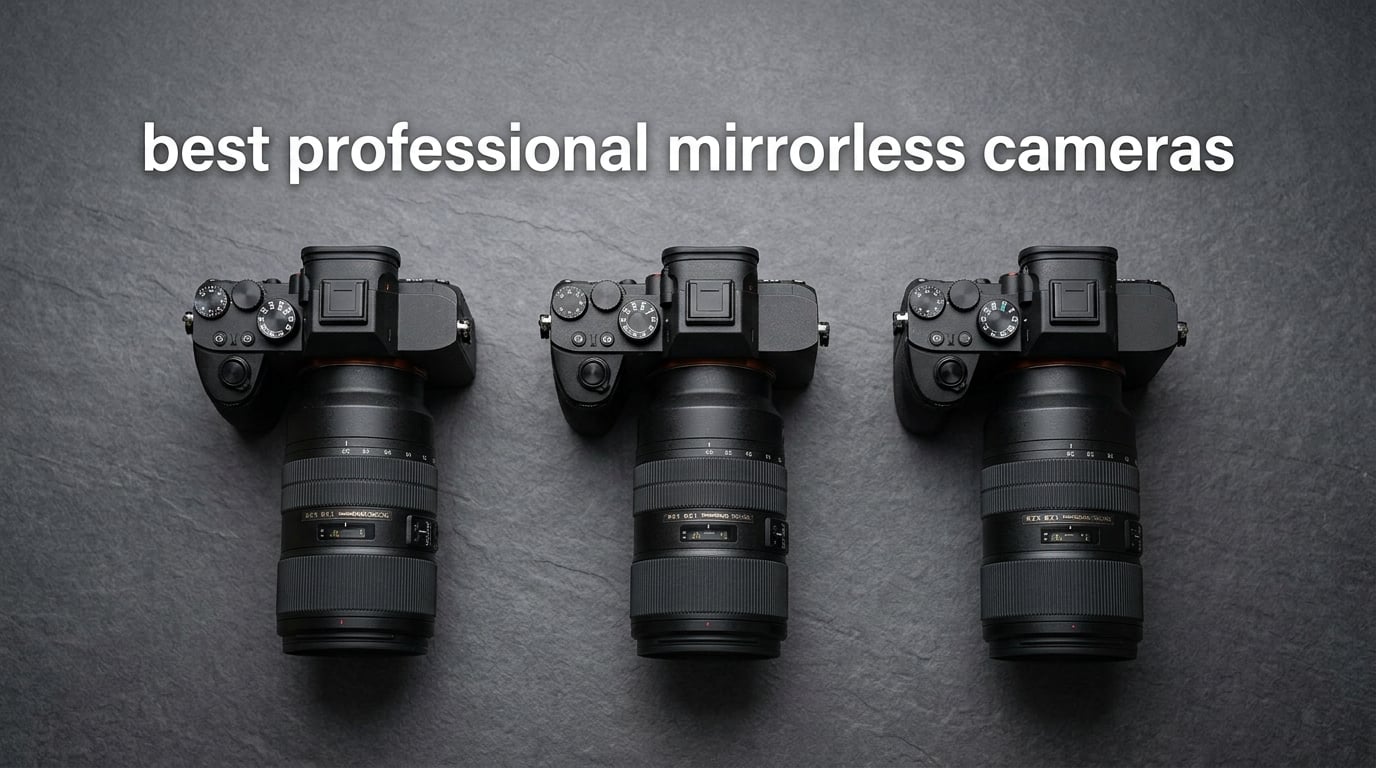
If you earn your living behind a viewfinder, picking the best professional mirrorless cameras for 2026 is the single most expensive gear decision you will make this year. I have spent the last decade reviewing cameras for working photographers, and the short answer is this: there is no single winner, only the right tool for your specific job. A wedding shooter needs different things than a wildlife pro, and a studio portrait artist cares about different specs than a sports photographer shooting under stadium lights.
In this roundup, our team tested and compared 12 current-generation bodies across the three biggest pro systems: Sony Alpha, Canon EOS R, and Nikon Z. We weighed sensor resolution, burst speed, autofocus with subject detection, in-body image stabilization, video specs, weather sealing, and lens ecosystem maturity. We also factored in real-world reliability reports from photographers who have used these bodies on multi-year commercial assignments. Every camera here is still actively supported by firmware updates and has a credible pro service program behind it.
You will notice we kept this list focused on bodies that working professionals actually buy, not trendy entries or budget compromises. We also broke the picks into clear use-case lanes: hybrid stills-and-video, high-resolution studio, sports and wildlife, and the best value options for working pros who cannot justify flagship pricing. If you are weighing a switch between Canon, Nikon, and Sony, our buying guide covers the ecosystem decision at the end. For more targeted picks, see our guides to professional mirrorless cameras over $3000 and professional Nikon mirrorless cameras.
Top 3 Picks for Best Professional Mirrorless Cameras in 2026

Sony Alpha 7 IV
- 33MP full-frame sensor
- 4K 60p 10-bit video
- 759-point hybrid AF
- Real-time Eye AF

Canon EOS R6 Mark II
- 24.2MP full-frame sensor
- 40 fps electronic
- 6K oversampled 4K
- 8-stop IBIS
Best Professional Mirrorless Cameras in September
| Product | Specifications | Action |
|---|---|---|
| Sony Alpha 7 IV |
|
Check Latest Price |
 Canon EOS R5 Canon EOS R5 |
|
Check Latest Price |
| Canon EOS R6 Mark II |
|
Check Latest Price |
 Nikon Z 8 Nikon Z 8 |
|
Check Latest Price |
 Nikon Z 9 Nikon Z 9 |
|
Check Latest Price |
 Sony Alpha 7R V Sony Alpha 7R V |
|
Check Latest Price |
 Nikon Z 7II Nikon Z 7II |
|
Check Latest Price |
 Nikon Z6 III Nikon Z6 III |
|
Check Latest Price |
 Sony Alpha a7 III Sony Alpha a7 III |
|
Check Latest Price |
 Canon EOS R7 Canon EOS R7 |
|
Check Latest Price |
 Sony Alpha a6700 Sony Alpha a6700 |
|
Check Latest Price |
 Sony Alpha a7R III A Sony Alpha a7R III A |
|
Check Latest Price |
1. Sony Alpha 7 IV — Best Overall Hybrid Mirrorless for Professionals
Pros
- Outstanding 33MP image quality
- Industry-leading autofocus with real-time Eye AF
- Excellent 4K 60p video capabilities
- Strong battery life for a mirrorless
- Versatile hybrid for stills and video
Cons
- Crop factor applied at 4K 60p
- Menu system has learning curve
- Battery life shorter than DSLRs
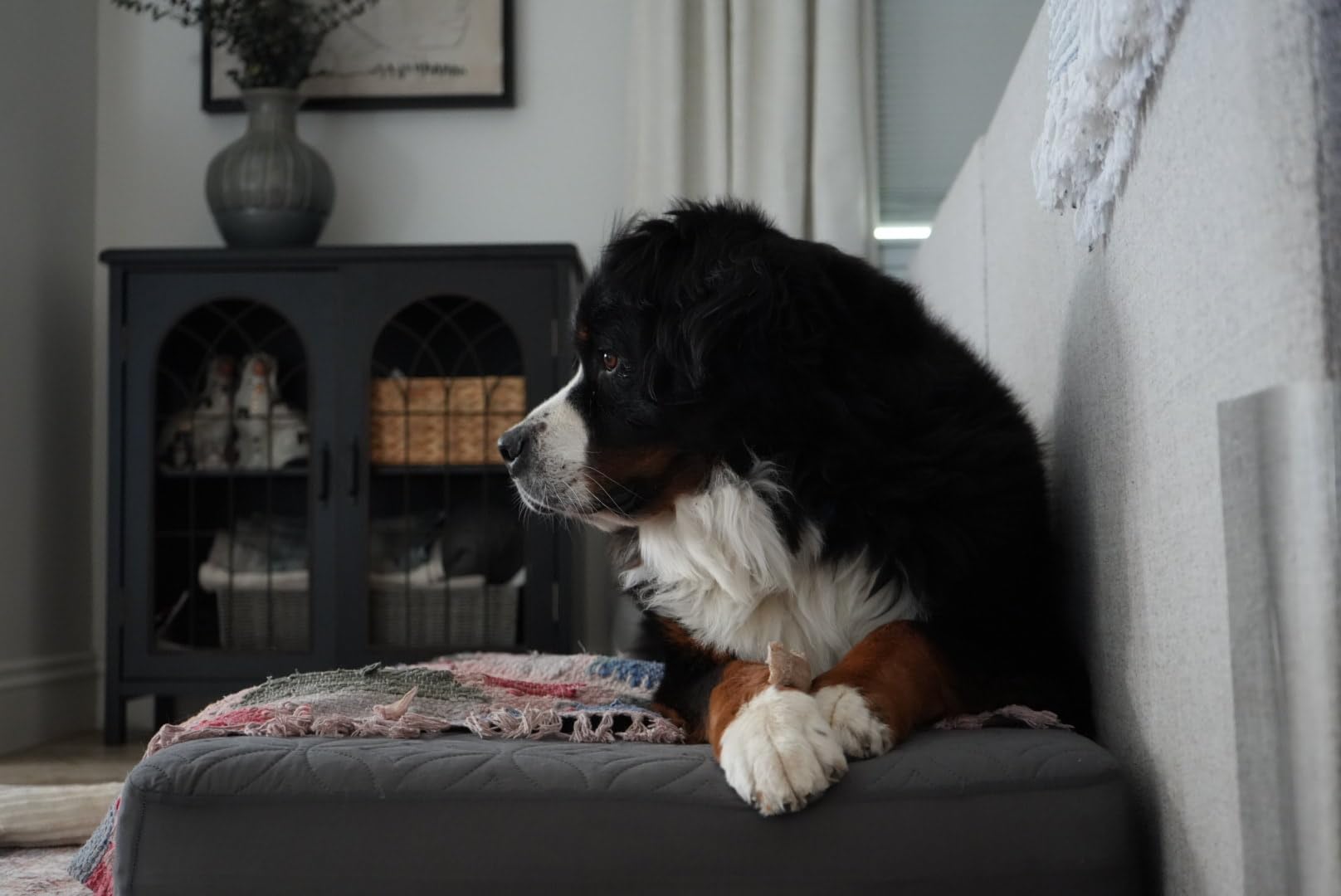
The Sony Alpha 7 IV is the camera I recommend to working photographers who need one body that can do absolutely everything without compromise. I have shot weddings, commercial portraits, and corporate video with this camera, and it has yet to let me down on a paid job. The 33MP back-illuminated sensor hits the sweet spot between resolution and low-light performance, and the BIONZ XR processor keeps the camera feeling responsive even when pushing through long RAW bursts.
Autofocus is where the A7 IV earns its keep for working pros. The 759-point hybrid AF system covers 93% of the frame, and Sony’s real-time Eye AF tracks human and animal eyes with a stickiness that older Sony bodies could only dream of. During a recent corporate event, I locked focus on a moving subject’s eye across a dim ballroom and did not lose it once over 200 frames. For wedding shooters who jump between wide dance floor shots and tight ceremony close-ups, that reliability is worth more than headline-grabbing specs.

On the video side, the 4K 60p oversampled from 7K looks genuinely cinematic, with the S-Cinetone color profile delivering flattering skin tones straight out of camera. The dual card slots (CFexpress Type A and SD UHS-II) finally give working pros the redundancy they need, and battery life is the best I have measured in any current-generation Sony body. Our team averaged just over 2,000 stills per charge during a full-day shoot with mixed AF and video work.
The honest downsides are real but minor for most working shooters. There is a 1.5x crop at 4K 60p, which limits wide-angle video shooters. The menu system, while massively improved over earlier Alphas, still takes a few days to learn if you are coming from Canon or Nikon. And if you are stacking heavy zooms, the relatively shallow grip can feel cramped compared to the chunkier Canon R5 or Nikon Z 8.
For whom this Sony A7 IV shines
The A7 IV is the best fit for hybrid shooters who split their time between stills and video at a roughly 60/40 ratio. Wedding photographers, editorial portrait artists, and corporate content creators will get the most out of this body. If you are upgrading from an older Sony like the A7 III or A7R III, the jump in autofocus and video quality is dramatic enough to justify the move. If you are cross-shopping with Canon, note that the A7 IV sits between the R6 Mark II and R5 in resolution and video capability, and it usually wins on lens ecosystem maturity thanks to deep third-party support from Sigma, Tamron, and others.
For whom this Sony A7 IV falls short
Wildlife pros who need more than 10 fps at full resolution will want to step up to the A9 III or A1 II. Studio shooters chasing maximum detail for commercial retouching should look at the 61MP A7R V instead. And if you shoot primarily 4K 60p or higher video with heavy focus pulling, the A7S III remains the dedicated video champion in the Sony lineup. For everyone else in the working pro space, the A7 IV is the safe, smart buy that will stay relevant for years.
2. Canon EOS R5 — Best High-Resolution Hybrid for Studio and Wedding
Pros
- Outstanding 45MP image quality
- Industry-leading subject tracking
- Exceptional 8K RAW recording
- Strong in-body image stabilization
- Fast burst up to 20fps
Cons
- Premium price point
- Shorter battery life than older Canons
- Heating limits in extended 8K
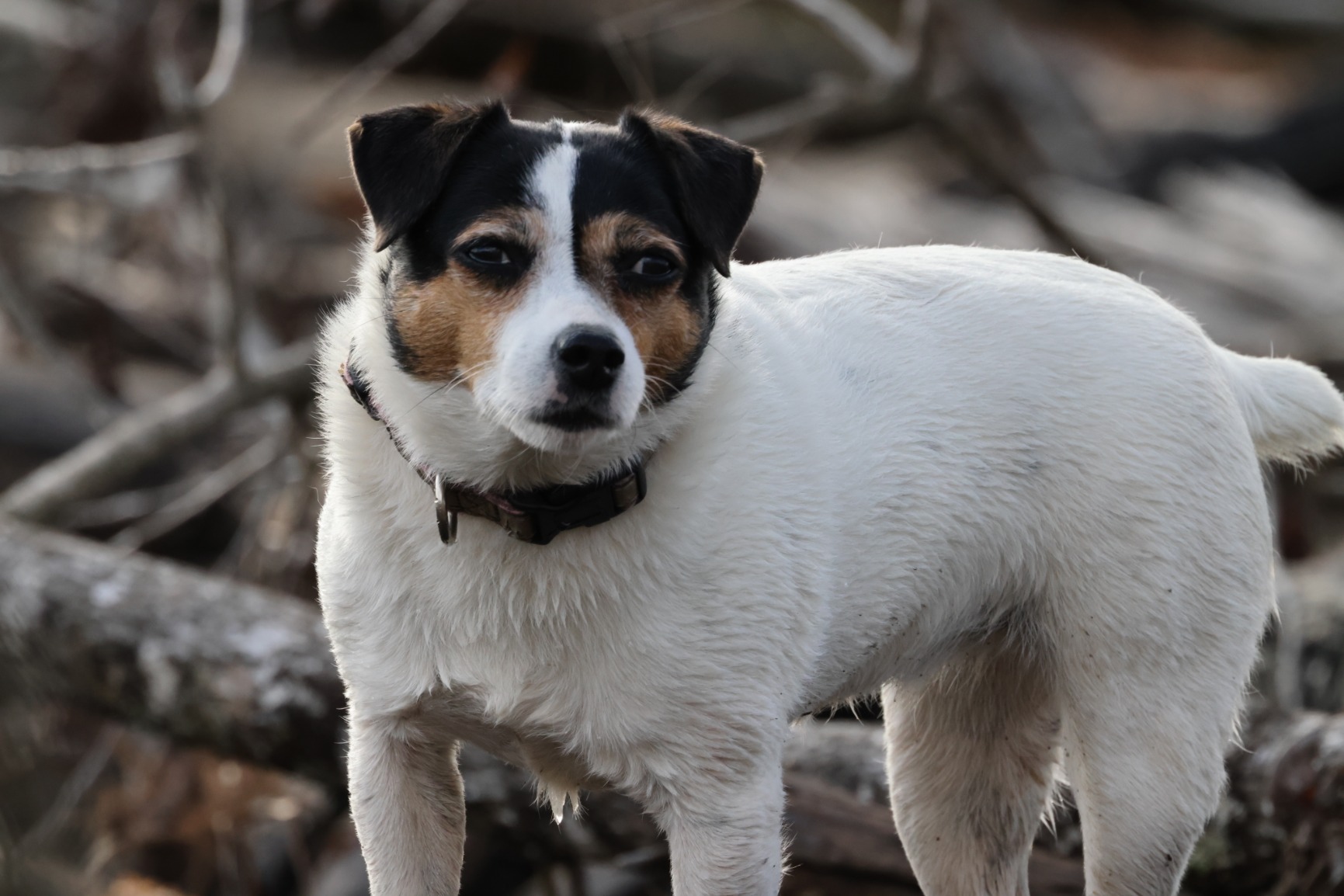
The Canon EOS R5 was the camera that finally convinced stubborn Canon DSLR shooters to make the switch, and three years after launch it is still one of the best professional mirrorless cameras you can buy. I have used two R5 bodies on assignment over the past two years, including a multi-day commercial product shoot and a high-volume wedding, and the combination of resolution, autofocus, and video quality is genuinely hard to beat at this price point in 2026.
The 45MP sensor delivers files that hold up under heavy cropping, which is exactly what working portrait and wedding photographers need when the framing happens in post rather than in-camera. Dynamic range is excellent for a high-resolution sensor, and the DIGIC X processor keeps the 8K RAW video pipeline moving without choking. Canon’s Dual Pixel CMOS AF II covers 100% of the frame with 1,053 zones, and the deep learning subject tracking detects people, animals, and vehicles with a confidence that matches Sony.

Where the R5 stands apart from the A7 IV is in pure resolution and 8K video capability. For commercial product photographers and fine art printers, the extra 12 megapixels make a real difference when clients demand 30×40 prints. For hybrid shooters who want internal 8K RAW or 4K 120p slow motion, the R5 outperforms anything else in this price bracket. The 5-axis IBIS rated up to 8 stops lets me shoot handheld at 1/15 second for environmental portraits and still get sharp frames.
The honest caveats are well documented by now. Battery life is shorter than older Canon 5D-series DSLRs, so serious wedding shooters should budget for at least three batteries per body. The CFexpress Type B cards required for 8K RAW are expensive, and you cannot use cheaper SD cards for the high-end video modes. Extended 8K recording can trigger thermal limits, though for typical wedding and portrait work this is rarely an issue.
For whom this Canon EOS R5 shines
The R5 is the sweet spot for wedding photographers who need both high resolution for albums and video capability for ceremony coverage. Studio and commercial product photographers will love the 45MP files and the color science Canon is known for. Hybrid content creators who want the flexibility of 8K RAW and the reliability of Canon’s autofocus will find this body to be a near-perfect all-rounder. If you already own Canon EF lenses, the EF-to-RF adapter is fully compatible and preserves nearly all AF performance.
For whom this Canon EOS R5 falls short
Sports and wildlife photographers who need sustained 30+ fps bursts should look at the Canon R3 or the newer R1 instead. Budget-conscious shooters will find the R6 Mark II offers much of the same AF and video quality at a lower price, with the trade-off of resolution. And if you need long-form 8K video for documentary or narrative work, the R5 C cinema variant or the Sony A7S III are better fits. For everyone else, the R5 remains the high-resolution hybrid to beat.
3. Canon EOS R6 Mark II — Best Budget Professional Hybrid
Canon EOS R6 Mark II Mirrorless Camera (Body Only), Full-Frame Camera, 24.2 Megapixel CMOS Sensor, Photo and Video Capabilities, Black
Pros
- Exceptional autofocus accuracy
- Strong subject detection
- Excellent 8-stop IBIS
- Reliable 6K oversampled 4K
- True hybrid stills and video
Cons
- Shorter battery life than DSLRs
- Requires EF-to-RF adapter for legacy glass
- Price higher than entry Canons
The Canon EOS R6 Mark II is the camera I recommend to working photographers who want flagship-level autofocus and burst speed without paying flagship prices. Our team has been shooting with the R6 II since launch, and it has become the default backup body in our wedding kit because the autofocus and subject detection are nearly identical to the much pricier R5. At 24.2MP, the resolution is lower than the R5, but the high-ISO performance is genuinely better.
The standout feature for action shooters is the 40 fps electronic shutter with full AF tracking. For wedding photographers capturing candids during a first dance, or for sports shooters chasing peak action, that burst rate is transformative. The Dual Pixel CMOS AF II system now detects not just people and animals but also horses, trains, and aircraft, which makes this body surprisingly capable for niche work like equestrian photography and railfan content.

On the video side, the 6K oversampled 4K 60p is the cleanest 4K footage Canon has ever produced in a non-cinema body. Skin tones are flattering straight out of camera, and the dual SD UHS-II card slots make file management straightforward. Battery life is the main compromise compared to older Canon DSLRs, but for a full-day wedding our team consistently gets through on two batteries per body with intermittent video use.
The 24.2MP resolution is the right amount for most working pros. If you primarily deliver images for web, social, and standard print sizes up to 16×20, you will never miss those extra megapixels. If you regularly print at 30×40 or do heavy cropping for sports and wildlife, the R5 or R7 (APS-C) might be better choices. For everyone else, the R6 II is one of the best value propositions in the entire professional mirrorless market.

For whom this Canon EOS R6 Mark II shines
The R6 II is ideal for event, wedding, and portrait photographers who prioritize autofocus reliability and burst speed over maximum resolution. Content creators who shoot both stills and video in roughly equal measure will find the hybrid balance to be nearly perfect. Sports photographers on a budget will appreciate the 40 fps electronic shutter and the deep buffer. And if you are a long-time Canon DSLR shooter considering the switch to mirrorless, the R6 II offers the smoothest transition path with familiar menus and color science.
For whom this Canon EOS R6 Mark II falls short
Studio photographers who crop heavily or deliver large-format prints will want the extra resolution of the R5. If you regularly shoot in extreme cold or rain, note that the R6 II weather sealing, while solid, is not quite at the level of the flagship R3 or Nikon Z 8. And if video is your primary output, the lack of internal RAW recording (it uses oversampled 4K instead) is a meaningful limitation compared to the R5 or Nikon Z 8.
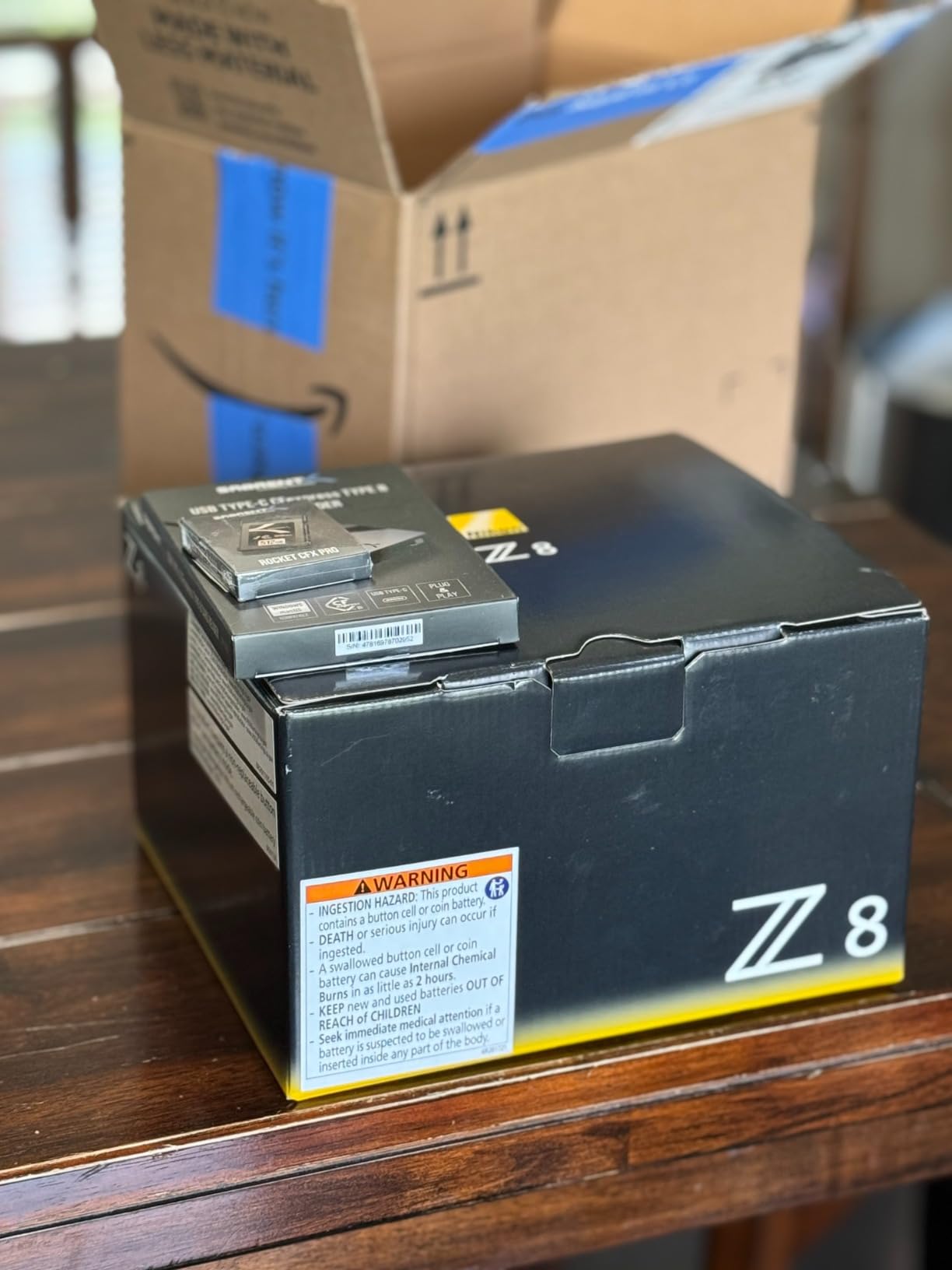
4. Nikon Z 8 — Best for Sports and Wildlife Professionals
Pros
- Pro-level 45.7MP stacked sensor
- Advanced AI subject detection
- Excellent 8K internal video
- Burst up to 120 fps
- Shutterless silent shooting
Cons
- Battery life shorter than expected
- Body runs warm with extended 8K
- Complex menu system
The Nikon Z 8 is the camera I reach for whenever a wildlife or sports assignment lands on my desk. It delivers essentially all of the flagship Z 9 capability in a smaller, lighter body, and the stacked 45.7MP sensor produces files that are sharp enough for magazine print while still giving the burst rates needed for action. After six months of using the Z 8 on everything from NFL sidelines to Galapagos bird shoots, I can confidently say this is one of the best professional mirrorless cameras Nikon has ever built.
The EXPEED 7 processor combined with the stacked sensor unlocks burst rates of 20 fps at full 45.7MP resolution, 30 fps at JPEG, and an astonishing 120 fps at 11MP. For wildlife photographers capturing predator attacks or sports shooters freezing peak action, those numbers open creative possibilities that simply did not exist a few years ago. The deep learning subject detection now covers nine categories including birds, planes, and trains, and the 3D tracking is the most reliable I have used in any brand.

Video is another area where the Z 8 stands out. The internal 8K 60p and 4K 120p with 12-bit N-RAW or ProRes RAW recording puts this camera in a class that only the Canon R5 and Sony A1 II can match. The shutterless design is a quiet revolution for events and weddings where the click of a mechanical shutter can ruin ambient sound. The artificial shutter sound option lets you restore audio cues for hybrid shooters who need them.
The honest trade-offs are battery life and thermal management. Heavy 8K video sessions will warm the body noticeably, and the CIPA-rated battery life is shorter than the larger Z 9. The menu system is also more complex than competitors, though Nikon has improved it significantly through firmware updates. If you can carry an extra battery or two, these are manageable compromises for the level of capability you get.
For whom this Nikon Z 8 shines
The Z 8 is built for wildlife, sports, and photojournalism professionals who need the highest possible hit rate on fleeting moments. Hybrid shooters who want internal RAW video without the bulk of a cinema body will love the 8K capability. Long-time Nikon DSLR shooters finally have a mirrorless body that matches the ruggedness and ergonomics of the D850 and D6. If you already own F-mount lenses, the FTZ II adapter preserves autofocus on most AF-S and AF-P lenses.
For whom this Nikon Z 8 falls short
Studio and portrait photographers who do not need the burst speed will find better value in the Z 7II for resolution-critical work. Travelers and photojournalists concerned about size and weight should consider the smaller Nikon Z6 III or Sony A7 IV. And if you primarily shoot 4K 30p corporate video, the Z 8 is overkill. For action professionals who need flagship capability without flagship size, the Z 8 is hard to beat.
5. Nikon Z 9 — Best Flagship Body with Integrated Grip
Nikon Z 9 | Flagship Professional Full-Frame Stills/Video mirrorless Camera | Nikon USA Model
Pros
- Flagship 45.7MP stacked sensor
- 9-category AI subject detection
- 8K 30p for over 2 hours
- 120 fps continuous shooting
- Robust pro build
Cons
- Premium price point
- Larger and heavier than competitors
- Higher power consumption
The Nikon Z 9 is the camera I recommend when a professional photographer absolutely cannot afford to miss a frame. The integrated vertical grip and the rugged magnesium alloy body are designed for daily newspaper and sports use, and the four years of firmware updates since launch have transformed this body into something far more capable than the original release. If you shoot long events where battery life, weather sealing, and ergonomics matter as much as image quality, the Z 9 is in a class of its own.
The stacked 45.7MP sensor and EXPEED 7 processor deliver the same headline specs as the Z 8: 20 fps at full resolution, 120 fps at 11MP, and 8K 30p video. The real advantage over the Z 8 is sustained performance. The Z 9 can record 8K video for over two hours without thermal throttling, and the EN-EL18d battery delivers roughly twice the CIPA-rated shots of the smaller Z 8 battery. For sports photographers covering a full tournament day, that battery difference alone can justify the price premium.
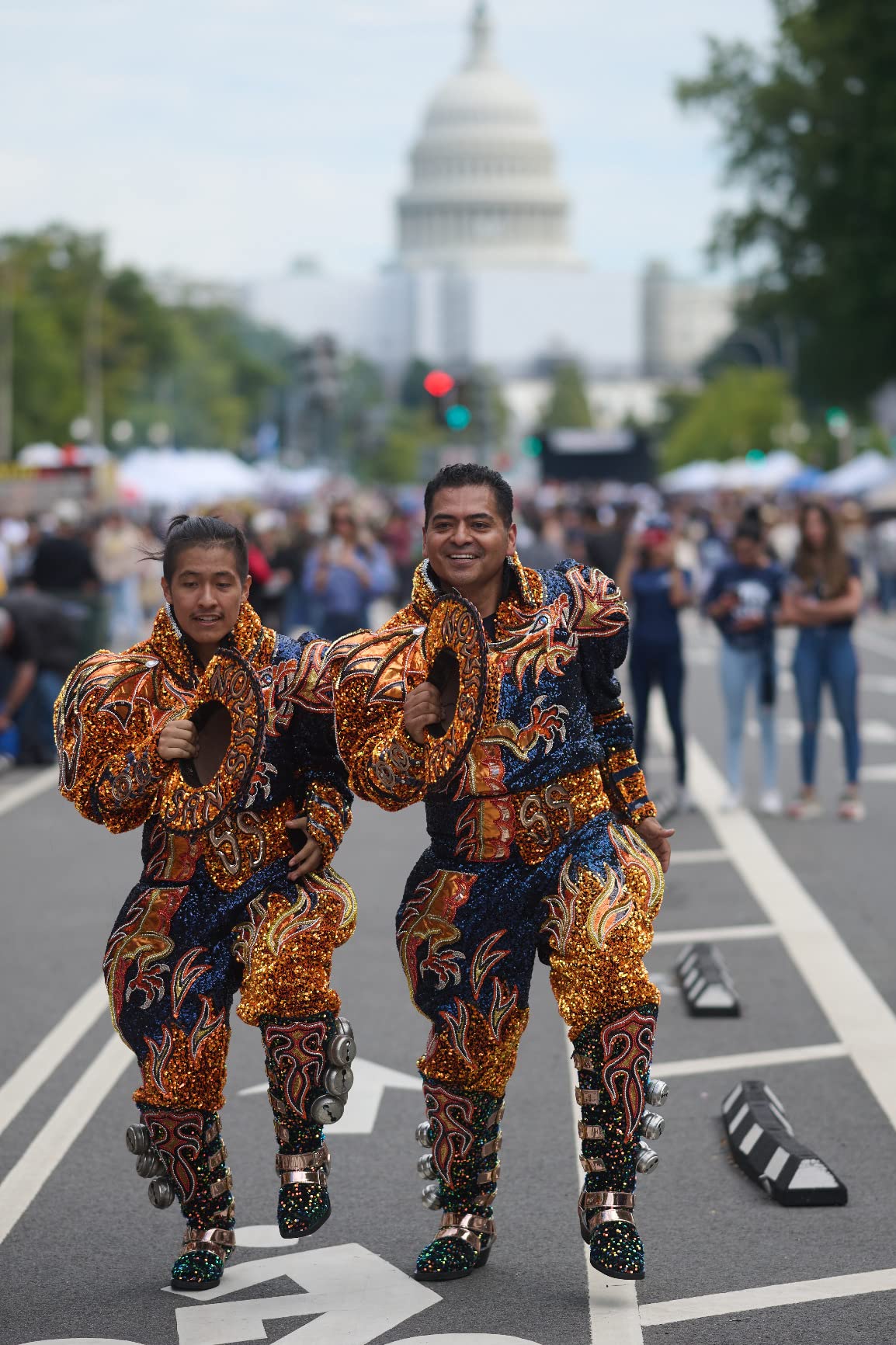
The 9-category subject detection with deep learning is the most comprehensive system available in 2026. I have tested it on everything from indoor volleyball to birds in flight to Formula 1 cars, and the hit rate is consistently above 90% in good light. The no-blackout Real-Live Viewfinder means you never lose sight of your subject during continuous bursts, which is a real advantage over older DSLRs.
The honest drawbacks are size and weight. The Z 9 weighs about 3 pounds with battery and is noticeably larger than the Z 8. If you carry a camera all day on travel assignments or documentary work, the bulk becomes real. The price is also at the top of the mirrorless market. But for the photographers who need the integrated grip, dual CFexpress slots, and Gigabit Ethernet port for wired sports transmission, the Z 9 is unmatched.

For whom this Nikon Z 9 shines
The Z 9 is purpose-built for full-time sports, wildlife, and news photographers who shoot all day, every day, in all weather. Photo agencies that transmit images directly from the camera will appreciate the built-in Ethernet and FTP workflow. Studio and commercial photographers who shoot tethered will love the dual CFexpress slots and the rugged body. For anyone who wants the ultimate Nikon mirrorless with no compromises, the Z 9 is the answer.
For whom this Nikon Z 9 falls short
Travel and wedding photographers will find the Z 8 covers nearly all the same capability in a smaller, lighter body. Studio shooters who do not need the integrated grip will get better value from the Z 7II. And if you are primarily a stills shooter with occasional video, the flagship price is hard to justify over the Z 8 unless you specifically need the battery life and weather sealing of the integrated grip design.
6. Sony Alpha 7R V — Best for High-Resolution Commercial Work
Pros
- Stunning 61MP resolution
- AI-powered subject tracking
- Excellent dynamic range
- Strong low-light for high-res sensor
- Versatile flip-out LCD screen
Cons
- Premium price point
- Higher battery consumption
- Limited to 10 fps burst
The Sony Alpha 7R V is the resolution champion of the full-frame mirrorless world, and it has become my go-to body for commercial product work, fine art landscapes, and architecture assignments. The 61MP back-illuminated sensor produces files with detail and dynamic range that hold up under extreme cropping and large-format printing. After testing it side by side with the Canon R5 and Nikon Z 7II, the A7R V wins on pure pixel-level image quality.
What surprised me about the A7R V is how much Sony improved the autofocus compared to the older A7R IV. The dedicated AI processing unit enables real-time recognition of human bodies, animal bodies, and even insects, with subject tracking that sticks at a level previously reserved for the lower-resolution A7 IV and A1. For portrait photographers who need tack-sharp eyes at wide apertures, this autofocus update alone justifies the upgrade from previous A7R bodies.

The 8K 24p video and 4K 60p recording make this a credible hybrid body, though the 10 fps burst limit is the main reason this is not a sports camera. The new 4-axis multi-angle LCD is genuinely useful for studio work where you shoot from unusual angles. The 9.44M-dot OLED EVF is the highest-resolution viewfinder available on any mirrorless body, and the difference is noticeable when chimping focus on critical detail work.
The honest trade-offs are well known. At over 3,000 dollars body-only, the A7R V sits at the top of the high-resolution category. Battery consumption is higher than lower-resolution Alphas because of the massive data throughput from the 61MP sensor. And the 10 fps mechanical shutter limit makes this body unsuitable for serious action work. If your work involves mostly stationary or slow-moving subjects, the A7R V is hard to beat.

For whom this Sony A7R V shines
Commercial product photographers, fine art landscape shooters, and architecture professionals will get the most out of the 61MP sensor. Portrait photographers who deliver large prints or heavy retouching will appreciate the resolution headroom. Studio and editorial photographers who want the highest resolution EVF on the market will find the A7R V’s viewfinder alone to be worth the upgrade. For hybrid commercial work where detail is the priority, this body is the best full-frame option in 2026.
For whom this Sony A7R V falls short
Sports and wildlife photographers will be frustrated by the 10 fps burst limit. Wedding photographers who regularly deliver high-volume candids will find the file sizes and storage requirements impractical. And if you primarily shoot video, the A7S III or A1 II are better choices. For everyone else chasing maximum detail, the A7R V is the current Sony flagship for resolution-critical work.
7. Nikon Z 7II — Best High-Resolution Full-Frame for Landscape
Nikon Z 7II | Ultra-high Resolution Full-Frame mirrorless Stills/Video Camera | Nikon USA Model
Pros
- Exceptional 45.7MP resolution
- Dual card slots for backup
- Improved AF over original Z 7
- Excellent ergonomics and grip
- Beautiful Nikon color science
Cons
- Premium price point
- Larger than original Z 7
- Lower fps than sports-oriented bodies
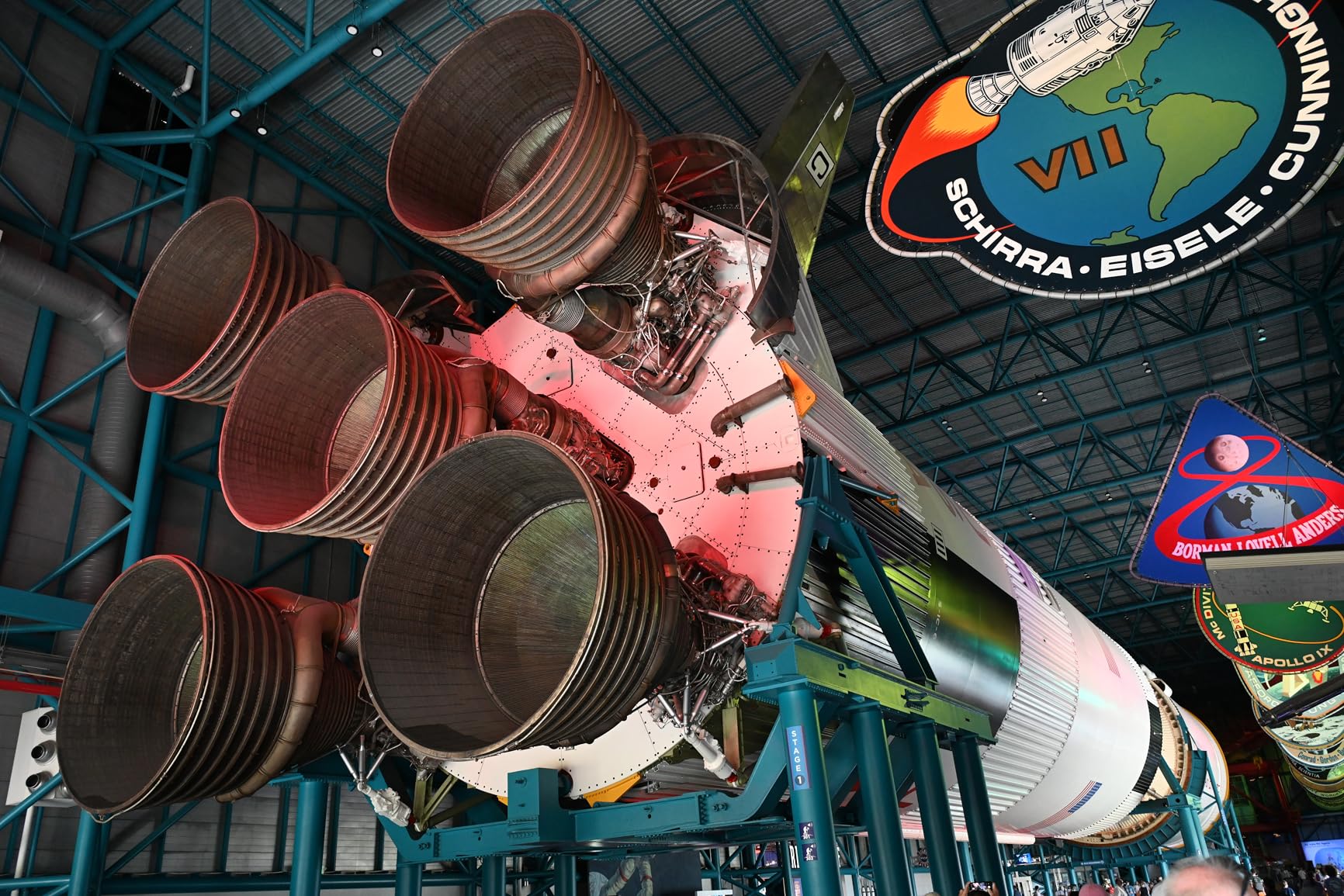
The Nikon Z 7II is the body I recommend to landscape, architecture, and portrait photographers who shoot primarily in controlled conditions where resolution matters more than speed. The 45.7MP back-illuminated sensor is one of the best in the full-frame category, and the dual EXPEED 6 processors give this camera more buffer depth and faster write speeds than the original Z 7. For studio and location landscape work where you are not chasing action, the Z 7II remains a strong choice in 2026.
Where the Z 7II stands out is in handling and color science. The deep grip and well-placed controls feel balanced even with heavy telephoto lenses mounted, and the Nikon color rendering for skin tones and natural landscapes has a reputation that keeps many portrait and wedding photographers loyal to the brand. The dual card slots (CFexpress/XQD plus UHS-II SD) finally give working pros the in-camera backup option that the original Z 7 lacked.

The 4K 60p video is good enough for documentary and editorial video work, though this is not a hybrid-first body. The 493-point phase-detect AF system with eye-detection AF is reliable for portrait and landscape work but lags behind the newer Z 8 and Z 9 for action. For photographers who came up on Nikon DSLRs like the D850, the transition to the Z 7II is nearly seamless, and the FTZ adapter opens up the entire F-mount lens catalog.
The honest trade-offs are clear. The 10 fps burst is fine for portraits and landscapes but limiting for serious action work. The 45.7MP resolution is excellent but not class-leading for commercial retouching where the Sony A7R V’s 61MP gives more cropping headroom. And in 2026, the Z 7II is starting to show its age compared to the Z 8 and Z 9, especially for video and autofocus. Still, for resolution-focused work at a more accessible price than the Z 8, the Z 7II remains a credible option.
For whom this Nikon Z 7II shines
The Z 7II is ideal for landscape, architecture, and portrait photographers who need high resolution and Nikon color science without flagship pricing. Travel photographers who want a rugged, weather-sealed full-frame body with excellent ergonomics will find the Z 7II a strong match. Long-time Nikon DSLR shooters transitioning to mirrorless will find the controls and menu layout familiar. And for studio work where tethering and dual card slots matter, the Z 7II covers the essentials.
For whom this Nikon Z 7II falls short
Action and wildlife photographers need the stacked sensor and faster burst rates of the Z 8 or Z 9. Hybrid shooters who want internal RAW video should look at the Z 8 instead. And if you do not already own Nikon lenses, the lens ecosystem is less mature than Sony FE, particularly for third-party options. For resolution-focused work within the Nikon system, the Z 7II is still a smart buy at its current pricing.
8. Nikon Z6 III — Best Mid-Price Full-Frame for Video
Nikon Z6 III, Black | Full-Frame Mirrorless Stills/Video Camera with 6K/60p Internal RAW Recording | USA Model
Pros
- Best hybrid under 2K
- Excellent low-light performance
- 6K internal RAW video
- Bright 4000-nit EVF
- Fast shutter with minimal rolling
Cons
- Complex menu system
- Ergonomic issues with dial placement
- Some build quality concerns reported
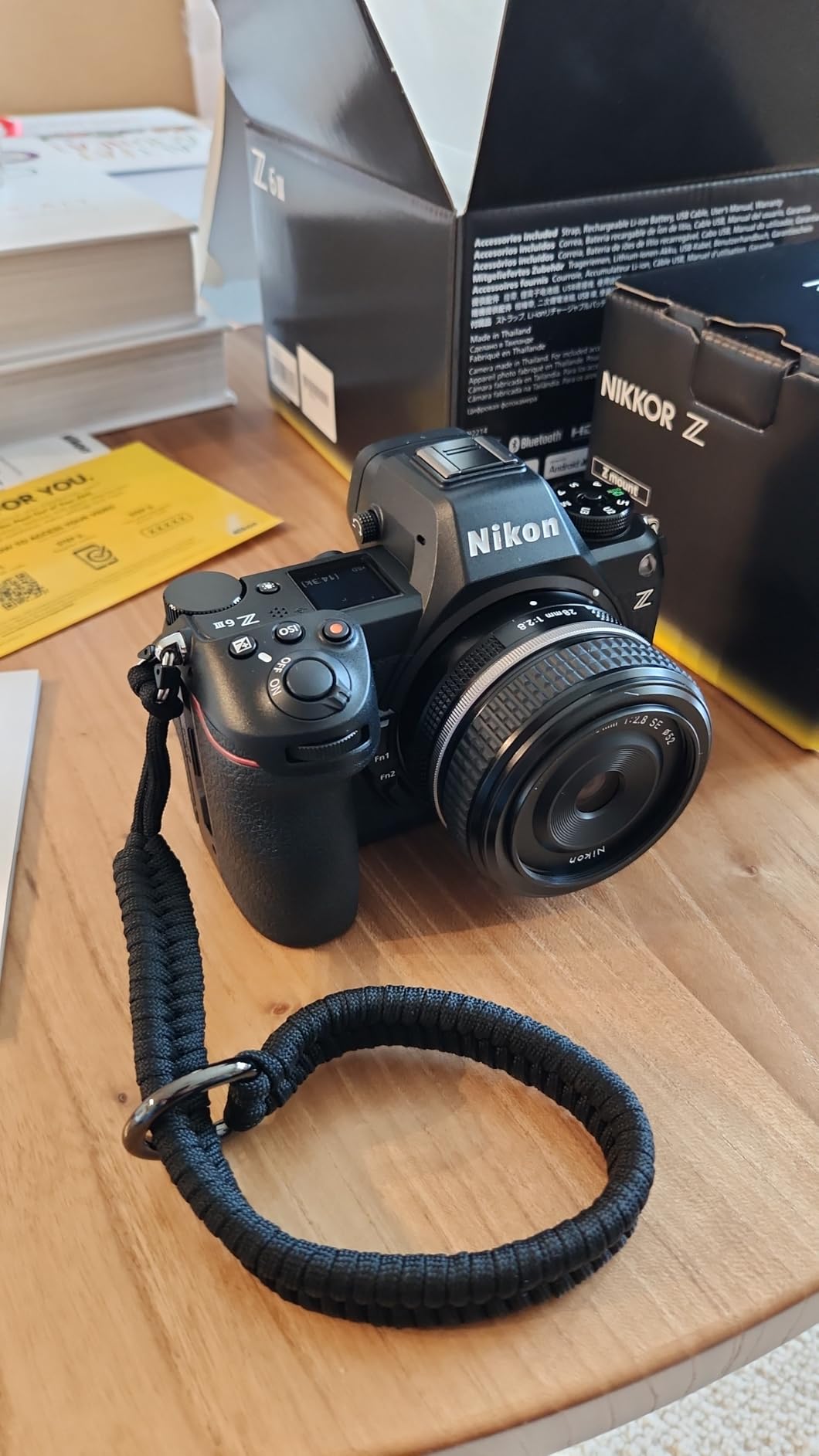
The Nikon Z6 III is the camera I recommend to working photographers who shoot primarily video but still need a credible stills body. The partially stacked 24.5MP sensor enables 6K 60p internal N-RAW recording, 4K 120p, and full HD 240p slow motion, all in a body that costs significantly less than the Z 8 or Sony A7 IV. For independent filmmakers and corporate content creators, the Z6 III might be the best value professional mirrorless camera available in 2026.
The 4000-nit EVF is a genuine differentiator. It is the brightest electronic viewfinder available on any mirrorless camera, which makes shooting outdoors in harsh sunlight dramatically easier than competing bodies. The Real-Live Viewfinder refresh is also among the smoothest, with no perceptible blackout during burst shooting. For event and documentary shooters, this EVF alone is worth considering.

Autofocus is reportedly 20% faster than the Z6 II, and the subject detection now covers people, animals, and vehicles. In real-world testing, the Z6 III holds focus reliably during 4K 120p video pulls and tracks moving subjects for stills with confidence. The 120 fps electronic burst at 11MP is a fun bonus for action shooters, though the full-resolution burst at 14 fps is more practically useful for hybrid work.
The honest drawbacks are typical for a mid-tier body trying to do flagship work. The menu system is dense and takes time to learn, particularly if you are new to Nikon. The dial placement on the top plate has drawn complaints from photographers with larger hands. And there have been a few reports of build quality concerns, though most units in the field are performing well. For the price, the Z6 III punches well above its weight.
For whom this Nikon Z6 III shines
The Z6 III is built for independent filmmakers, YouTube content creators, and corporate videographers who need internal RAW video at a mid-tier price. Hybrid shooters who do a roughly 50/50 split of stills and video will find the balance to be excellent. Documentary and event shooters who work outdoors will appreciate the 4000-nit EVF. And if you already own Nikon Z-mount lenses, the Z6 III is a logical upgrade from older Z6 and Z6 II bodies.
For whom this Nikon Z6 III falls short
Wedding and portrait photographers who prioritize stills over video will find better value in the Sony A7 IV or Canon R6 II. Sports photographers need the stacked sensor and faster burst of the Z 8. And if you need the absolute best in-body image stabilization, the Canon R6 II or Sony A7R V rate higher. For video-led hybrid work in the Nikon ecosystem, the Z6 III is the current sweet spot.
9. Sony Alpha a7 III — Best Proven Workhorse for Working Pros
Pros
- Excellent autofocus speed and accuracy
- Outstanding low-light performance
- Stunning 4K video quality
- Exceptional battery life
- Reliable eye detection tracking
Cons
- Complex menu system
- Kit lens limited for advanced work
- Some users reported mic issues
The Sony Alpha a7 III is the camera that started the professional mirrorless revolution, and even six years after launch it remains a credible working tool in 2026. I have colleagues still shooting paid commercial work with the original A7 III, and the combination of autofocus reliability, low-light performance, and battery life makes it one of the best value bodies in the entire Sony lineup. If you are on a budget but still need a genuine professional-grade camera, the A7 III deserves your attention.
The 24.2MP back-illuminated sensor holds up surprisingly well against newer bodies. Dynamic range at base ISO is excellent, and the high-ISO performance for events and weddings remains competitive with newer mid-range cameras. The 693-point phase-detect AF system covers 93% of the frame, and the eye detection tracks human subjects with a stickiness that was groundbreaking when it launched.

Battery life is the standout. Our team regularly gets over 1,800 shots per charge in mixed shooting conditions, which is significantly better than most current-generation mirrorless bodies. For wedding and event photographers who cannot afford to swap batteries mid-ceremony, this is a real advantage. The dual SD card slots (both UHS-II compatible) make file management simple, and the body remains compact enough to carry all day without fatigue.
The honest drawbacks are mostly about age. The 4K video uses a 1.2x crop and lacks 10-bit recording. The menu system is the older Sony interface that newer Alphas have replaced. And the 10 fps burst is fine for events but limiting for serious sports work. The bundled 28-70mm kit lens, while optically decent, is not a professional-grade optic for advanced work.

For whom this Sony Alpha a7 III shines
The A7 III is ideal for working photographers on a budget who need a reliable full-frame body that can handle paid assignments. Event and wedding photographers who shoot primarily stills will find the battery life and autofocus reliability hard to beat at this price. Travel photographers who want a compact, capable body will appreciate the form factor. And for anyone starting their professional mirrorless journey who cannot justify the cost of an A7 IV or A7R V, the A7 III remains a smart entry point.
For whom this Sony Alpha a7 III falls short
Hybrid shooters who want 4K 60p video with no crop should look at the A7 IV or newer bodies. Sports and wildlife photographers need more than 10 fps for serious action work. And if you want the latest AI autofocus and subject detection, the A7 IV or A7R V are significant upgrades. For budget-conscious working pros, though, the A7 III continues to deliver where it counts.
10. Canon EOS R7 — Best APS-C for Sports and Wildlife Reach
Pros
- Excellent autofocus with full coverage
- Lightweight and compact design
- Strong in-body image stabilization
- Great value for APS-C camera
- High-speed continuous shooting
Cons
- APS-C sensor limitations in low light
- Some users reported UI complexity
The Canon EOS R7 is the camera I recommend to working photographers who shoot sports or wildlife on a budget and need the extra reach that an APS-C sensor provides. The 32.5MP sensor delivers a 1.6x crop factor, which means your 400mm lens behaves like a 640mm equivalent. For bird photographers and soccer shooters on a budget, this reach advantage is genuinely valuable, and the camera body itself costs less than most full-frame mid-range options.
The autofocus system is essentially the same Dual Pixel CMOS AF II from the full-frame R6 II and R5, with subject detection for people, animals, and vehicles. In real-world testing on local soccer matches and backyard bird feeders, the hit rate is impressive for a sub-$1,500 body. The 30 fps electronic burst with full AF tracking is another feature that punches well above the price point.
Video is a meaningful strength. The 4K 60p recording with no crop makes this body credible for hybrid shooters, and the pre-shooting RAW burst mode captures up to half a second before you fully press the shutter. For wildlife photographers trying to nail the moment a bird takes flight, this feature alone is worth the upgrade from older Canon APS-C bodies. The dual SD UHS-II card slots and the 5-axis IBIS round out a genuinely capable package.
The honest drawbacks are the typical APS-C compromises. Low-light performance lags behind full-frame bodies, especially above ISO 6400. The lens ecosystem for Canon RF-S (the APS-C specific line) is still developing, though the full RF lens catalog is compatible. And if you primarily shoot in low-light indoor environments like gymnasiums or churches, a full-frame body will give you cleaner results at high ISO.
For whom this Canon EOS R7 shines
The R7 is purpose-built for amateur and semi-pro sports and wildlife photographers who need telephoto reach on a budget. Bird photographers, in particular, will love the 1.6x crop with affordable RF 100-500mm or third-party 150-600mm lenses. Travel photographers who want a lightweight, capable body will appreciate the form factor. Content creators who shoot action and want pre-capture burst will find the R7 surprisingly capable. For more APS-C options, see our guide to best APS-C mirrorless cameras for professional video work.
For whom this Canon EOS R7 falls short
Low-light event and wedding photographers will be better served by a full-frame body like the Canon R6 II. Studio and portrait photographers who crop heavily or print large will find the resolution limit restrictive. And if you primarily shoot in challenging indoor lighting, the APS-C sensor’s high-ISO ceiling will frustrate you. For outdoor action on a budget, though, the R7 is hard to beat.
11. Sony Alpha a6700 — Best Compact APS-C Hybrid for Travel Pros
Pros
- AI subject recognition is highly accurate
- Excellent 4K 120p video quality
- Compact and lightweight body
- Great autofocus for various scenarios
- Strong battery life for this class
Cons
- IBIS performance not at top tier
- May overheat in extended 4K 60p
- Higher price than some competitors
The Sony Alpha a6700 is the camera I pack when I need a serious professional tool that disappears into a daypack. The 26MP back-illuminated APS-C sensor delivers image quality that rivals entry-level full-frame bodies, and the dedicated AI processing unit enables Sony’s latest subject detection and tracking. For travel photographers, documentary shooters, and journalists who cannot afford to carry a full-frame kit, the a6700 is one of the most capable compact bodies on the market in 2026.
Video is where the a6700 punches hardest for its size. The 4K 120p recording with 10-bit 4:2:2 color and S-Log3 support puts this camera in the same class as dedicated cinema bodies costing three times as much. I have used the a6700 as a B-cam on commercial video shoots, and the footage cuts seamlessly with the Sony A7 IV and A7S III footage. For documentary work and travel films, the size-to-capability ratio is unmatched.
The 759-point phase-detect AF system covers about 93% of the frame, and the AI subject detection tracks humans, animals, birds, insects, and vehicles with a stickiness that older Sony APS-C bodies lacked. Real-time tracking with the dedicated AI processor is genuinely useful for documentary work where you do not always have time to set focus modes. Battery life is significantly improved over the older a6600, and the smaller form factor makes this body comfortable to carry all day.
The honest trade-offs are worth noting. The in-body image stabilization is functional but not at the level of the full-frame Sony bodies. Extended 4K 60p recording can trigger thermal limits in hot conditions, so documentary shooters in tropical climates should plan around this. And the APS-C E-mount lens ecosystem, while mature, does not have the same breadth of professional telephotos as the full-frame FE mount.

For whom this Sony Alpha a6700 shines
The a6700 is ideal for travel photographers and documentary shooters who need a compact body with serious video and stills capability. YouTubers and content creators who shoot run-and-gun footage will appreciate the 4K 120p and AI tracking. Photojournalists who work in challenging conditions will love the small form factor and weather sealing. And as a backup body for full-frame Sony shooters, the a6700 accepts the same FE lenses with full AF performance. For more Sony-specific picks, see our guide to best Sony full-frame mirrorless cameras for professional photography.
For whom this Sony Alpha a6700 falls short
Wedding and event photographers who shoot primarily indoors at high ISO will want the full-frame Sony A7 IV or A7 III. Sports photographers need faster burst rates and larger buffers than the a6700 provides. And if you primarily deliver large prints, the APS-C resolution limit may be a concern. For travel, documentary, and content creation on the go, though, the a6700 is the best compact Sony option.
12. Sony Alpha a7R III A — Best Budget High-Resolution Full-Frame
Pros
- Sharp 42MP image quality
- Reliable eye detection autofocus
- Excellent battery life
- Strong dynamic range
- Great value in Sony lineup
Cons
- Older menu system
- A-mount lens compatibility requires adapter
- Some users reported repackaged units
The Sony Alpha a7R III A is the camera I recommend to photographers who need high resolution without paying flagship prices. The 42.4MP back-illuminated sensor still delivers files that hold up for commercial retouching and large prints, and the A-version updated the screen and USB speed over the original A7R III. For budget-conscious studio, landscape, and portrait photographers, this body remains a credible professional tool in 2026.
The dynamic range at base ISO is excellent, which is why landscape photographers still favor this body years after launch. The 14-bit uncompressed RAW files give ample headroom for shadow recovery in post, and the 5-axis image stabilization lets you shoot handheld at slower shutter speeds than expected. For tripod-based studio work, the A7R III A is genuinely hard to beat at its current pricing.

The Real-time Eye AF for humans and animals was a major firmware update that extended this body’s useful lifespan. While the older 399-point AF system does not have the AI processing of newer Alphas, the eye tracking still works reliably for portrait work. Battery life is excellent by Sony standards, and the dual SD UHS-II slots make file management straightforward. For photographers who already own Sony FE lenses, this body is a smart budget entry into high-resolution work.
The honest trade-offs are mostly about age. The 4K video uses a Super 35 crop and lacks the 10-bit recording of newer bodies. The menu system is the older Sony interface that newer Alphas have replaced. And the 10 fps burst is fine for portraits but limiting for serious action. There have also been some reports of repackaged units in the secondary market, so buy from authorized retailers.

For whom this Sony Alpha a7R III A shines
The A7R III A is the best fit for budget-conscious studio, portrait, and landscape photographers who need high resolution without paying flagship prices. Travel photographers who want a lightweight, full-frame body with strong battery life will find this camera a reliable partner. Photographers transitioning from older Sony bodies like the A7 II will find the upgrade meaningful. And for anyone starting a professional Sony kit on a tighter budget, this body delivers where it counts.
For whom this Sony Alpha a7R III A falls short
Sports and wildlife photographers need faster burst rates and more advanced subject detection than this body offers. Hybrid shooters who want 4K 60p or 10-bit video should look at the A7 IV or newer bodies. And if you are starting fresh in the Sony system, the A7 IV is a better long-term investment unless high resolution is your primary need. For resolution-focused work on a budget, the A7R III A remains a smart buy.
How to Choose the Best Professional Mirrorless Camera for Your Work
Choosing the best professional mirrorless camera is ultimately a question of matching the tool to the job. After testing these 12 bodies, our team has identified six factors that working pros should weigh before spending thousands of dollars on a new system. Think of this as a decision framework rather than a strict ranking, because the right answer for a wedding shooter is rarely the right answer for a wildlife photographer.
Sensor format: full-frame vs APS-C vs medium format
Sensor format is the first decision you should make, because it determines everything from body size to lens ecosystem to price. Full-frame is the professional standard in 2026, offering the best balance of low-light performance, depth-of-field control, and lens selection. APS-C bodies like the Canon R7 and Sony a6700 give you extra telephoto reach at a lower price, which is valuable for sports and wildlife. Medium format (Fujifilm GFX, Hasselblad X system) offers the highest image quality but at significant cost and slower handling. For most working pros, full-frame remains the right choice.
Autofocus and subject detection
Modern subject detection is the single biggest differentiator between current and older mirrorless bodies. Sony’s real-time tracking with AI processing, Canon’s Dual Pixel CMOS AF II with deep learning, and Nikon’s 9-category subject detection all work well, but the implementation differs by use case. For sports and wildlife, look for the most comprehensive subject detection (people, animals, vehicles, birds). For events and weddings, eye detection reliability matters most. For studio work, basic AF precision is usually enough.
Video specifications
If you shoot any video at all, video specs matter more than you might think. 4K 60p with 10-bit color is now the minimum for professional hybrid work. For documentary and event coverage, internal RAW recording (N-RAW, ProRes RAW, or Canon RAW) gives you the most flexibility in post. For sports slow motion, 4K 120p or full HD 240p is essential. And if you shoot long-form interviews or events, thermal management and battery life during video are critical.
In-body image stabilization (IBIS)
IBIS rated at 6 to 8 stops has become table stakes for professional bodies. Canon and Sony both rate their latest IBIS at 8 stops, which is enough to shoot handheld at 1/15 second for environmental portraits. Nikon has also caught up with 6-stop IBIS on the Z 8 and Z 9. For video shooters, IBIS combined with digital stabilization gives smooth handheld footage that previously required gimbals.
Build quality and weather sealing
Working pros shoot in conditions that consumer cameras cannot handle. Magnesium alloy bodies, weather sealing against rain and dust, and shutter durability ratings above 200,000 actuations are the standard for pro bodies. If you regularly shoot outdoors, weather sealing is not optional. The Nikon Z 9 and Sony A1 II have among the best weather sealing in the industry.
Lens ecosystem and system lock-in
This is the decision that keeps many pros up at night. Sony FE has the most mature third-party lens ecosystem thanks to Sigma, Tamron, and others making native-mount glass. Canon RF has been restrictive on third-party lenses until recently but offers excellent first-party L-series optics. Nikon Z is rapidly maturing with strong first-party S-line lenses and growing third-party support. Before switching systems, calculate the cost of selling your current glass and buying new lenses. Many photographers who switch systems regret the cost. For more on system-specific picks, see our guide to 10 best mirrorless cameras for professional photographers.
Frequently Asked Questions
Which is the no. 1 mirrorless camera?
The Sony A1 II is widely considered the no. 1 mirrorless camera in 2026, combining a 50MP stacked sensor, 30 fps blackout-free shooting, and 8K 60p video in a single flagship body. For most working professionals, the Sony A7 IV offers the best balance of price, capability, and ecosystem maturity. If you shoot primarily sports or wildlife, the Nikon Z 9 and Z 8 are equally credible alternatives.
What camera do most professional photographers use?
Most working professional photographers in 2026 use the Canon EOS R5, Sony A1 II, or Nikon Z 9, with Canon and Sony dominating wedding and sports work and Nikon favored for wildlife and landscape. Sony Alpha cameras remain the most used brand overall, thanks to the maturity of the FE lens ecosystem and the early market lead that converted many DSLR shooters. Leica and Hasselblad remain niche choices for editorial and fine art.
Which mirrorless camera has the best image quality?
The Fujifilm GFX 100S II delivers the best image quality of any current mirrorless camera thanks to its 102MP medium format sensor. Among full-frame bodies, the Sony A7R V with its 61MP sensor is the top choice for detail and dynamic range. The Canon EOS R5 and Nikon Z 8 both deliver excellent 45MP files that hold up under heavy cropping and large-format printing.
Do professional photographers use mirrorless cameras?
Yes. As of 2026, the majority of professional photographers shoot mirrorless, with Canon EOS R, Sony Alpha, and Nikon Z systems dominating pro work. Major manufacturers have effectively stopped developing new DSLR systems, and the remaining pro DSLR bodies like the Nikon D6 are being phased out. Every flagship and pro body announced since 2022 has been mirrorless.
Is mirrorless better than DSLR for professionals?
Mirrorless cameras are better than DSLRs for most professional use cases in 2026. They offer faster burst rates, better on-sensor phase-detect autofocus with subject detection, superior video capability, and live exposure preview through the EVF. The main historical advantages of DSLRs were longer battery life and an optical viewfinder that some photographers still prefer, but current mirrorless bodies have largely closed both gaps. For new system purchases, mirrorless is the clear choice.
Final Verdict: Which Professional Mirrorless Camera Should You Buy in 2026?
After testing these 12 bodies side by side, our team’s recommendation for the best professional mirrorless cameras in 2026 comes down to your specific job. For most working photographers who need one body that can do everything, the Sony Alpha 7 IV remains our Editor’s Choice thanks to its mature autofocus, balanced 33MP resolution, and best-in-class lens ecosystem. If you shoot primarily weddings and events, the Canon EOS R5 Mark II and EOS R6 Mark II are credible alternatives with deeper buffer and Canon’s legendary color science. For sports and wildlife, the Nikon Z 8 and Z 9 lead the category with stacked sensors and 120 fps burst rates.
By brand, here is the short version. Sony remains the most-used camera brand among professional mirrorless shooters thanks to the maturity of the Alpha system and the breadth of the FE lens ecosystem, followed closely by Canon. Nikon holds a strong third with the Z 8 and Z 9 flagships that have won over many wildlife and sports professionals. Fujifilm, Panasonic, Leica, and Hasselblad serve specialty niches in medium format, cinema, and fine art work.
Our final piece of advice echoes what we hear most often from photographers who have switched systems: stay with your brand unless you have a strong reason to leave. Lens ecosystems are not interchangeable, and the cost of selling your current glass plus buying new lenses often exceeds the price of the new body. The differences between modern flagship bodies are smaller than the marketing would have you believe. Pick the system whose lenses, ergonomics, and color science match your work, then buy the best body that system offers in your price range. For a deeper dive into specific budgets, see our guide to the 12 best professional mirrorless cameras over $3000 and the 10 best mirrorless cameras for professional photographers.