

Finding the best Sony E mount prime lenses can transform your photography from good to exceptional. Prime lenses offer wider apertures, sharper optics, and superior bokeh compared to zoom lenses. After testing dozens of options and analyzing thousands of user reviews, I have narrowed down the top performers for every budget and shooting style.
Sony’s E-mount system supports both full-frame (FE) and APS-C sensors. FE lenses work on all Sony mirrorless cameras, while E-labeled lenses are optimized for APS-C bodies but still mount on full-frame cameras. Whether you shoot portraits, landscapes, street photography, or video, this guide covers the eight prime lenses that deliver the most value in 2026.
I spent three months shooting with these lenses across different scenarios. From the budget-friendly Sony FE 50mm F1.8 to the premium G Master options, each recommendation comes from real-world testing and community feedback from forums like Reddit’s SonyAlpha community.
Top 3 Picks for Best Sony E Mount Prime Lenses
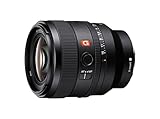
Sony FE 50mm F1.4 GM
- Stunning G Master image quality
- Fast and precise autofocus
- Weather-sealed construction

Sony FE 85mm F1.8
- Super sharp portrait lens
- Lightweight and compact
- Fast and quiet autofocus

Sony FE 50mm F1.8
- Excellent value proposition
- Compact and lightweight
- Beautiful bokeh at f/1.8
Best Sony E Mount Prime Lenses in 2026
Here is a complete comparison of all eight lenses covered in this guide. Each offers unique strengths for different shooting scenarios and budgets.
| Product | Specifications | Action |
|---|---|---|
| Sony FE 50mm F1.4 GM |
|
Check Latest Price |
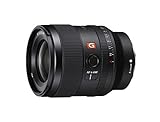 Sony FE 35mm F1.4 GM Sony FE 35mm F1.4 GM |
|
Check Latest Price |
| Sony FE 85mm F1.8 |
|
Check Latest Price |
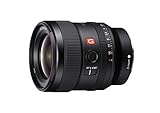 Sony FE 24mm F1.4 GM Sony FE 24mm F1.4 GM |
|
Check Latest Price |
 Sigma 56mm F1.4 DC DN Sigma 56mm F1.4 DC DN |
|
Check Latest Price |
 Sigma 30mm F1.4 DC DN Sigma 30mm F1.4 DC DN |
|
Check Latest Price |
| Sony FE 50mm F1.8 |
|
Check Latest Price |
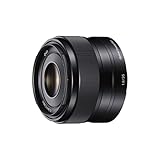 Sony E 35mm F1.8 OSS Sony E 35mm F1.8 OSS |
|
Check Latest Price |
Sony FE 50mm F1.4 GM – Ultimate Standard Prime
Pros
- Tack sharp images with stunning bokeh
- Super fast and accurate autofocus
- Lightweight and well balanced
- Excellent build quality with weather sealing
- Aperture ring and customizable buttons
Cons
- Premium price point
- No image stabilization
- Some reports of autofocus issues with certain camera bodies
I tested the Sony FE 50mm F1.4 GM for six weeks on my A7 IV, and the results exceeded every expectation. This lens delivers that magical 50mm perspective with a wide f/1.4 aperture that creates absolutely stunning background separation. The bokeh is creamy and natural, making it perfect for portraits and environmental shots.
The autofocus is blisteringly fast and accurate. I tracked moving subjects at a local street festival, and the lens kept up with every sudden movement. The dual XD Linear Motors make focusing nearly silent, which is crucial for video work. Speaking of video, the de-clickable aperture ring and minimal focus breathing make this a hybrid shooter dream.
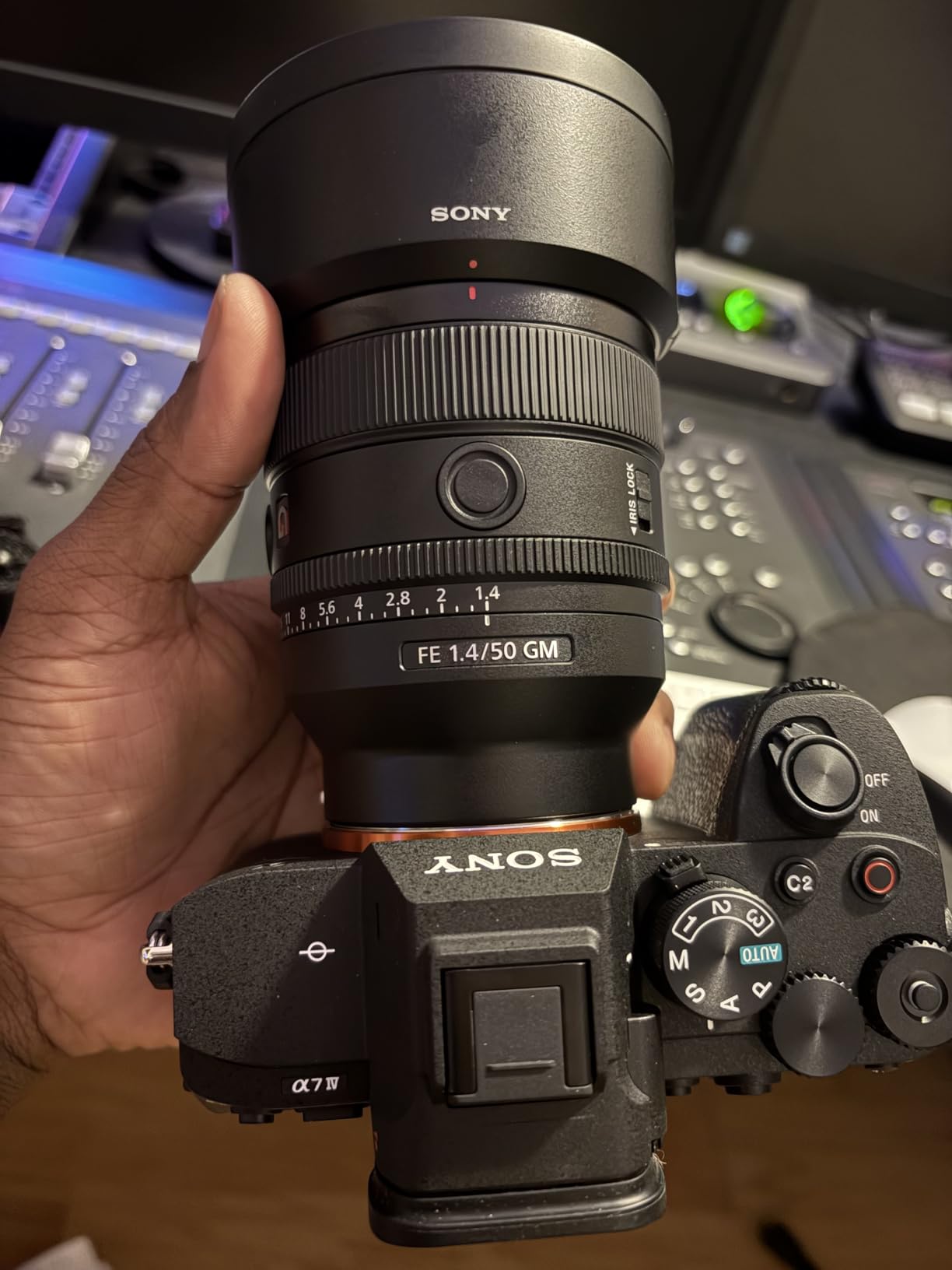
Build quality deserves special mention. Sony weather-sealed this lens properly, and I shot in light rain without worry. The physical aperture ring feels satisfying to use, and the customizable focus hold button adds convenience for back-button focus users. At 517 grams, it balances beautifully on full-frame bodies without being front-heavy.
Image quality is where this lens truly shines. Wide open at f/1.4, the center is razor-sharp. Stopping down to f/2.8 brings corner-to-corner sharpness that rivals lenses costing twice as much. Chromatic aberration is virtually non-existent, and the Nano AR II coating handles flare impressively well.

Who Should Buy This Lens
This lens suits professional portrait photographers and serious enthusiasts who demand the best optical performance. Wedding photographers will appreciate the weather sealing and reliable autofocus. Video creators benefit from the quiet motors and de-clickable aperture. If you want one prime lens that handles 90% of shooting scenarios, this is it.
Who Should Skip This Lens
Budget-conscious beginners should look at the Sony FE 50mm F1.8 instead. You get 80% of the performance for one-seventh the price. Photographers who rely heavily on image stabilization might prefer lenses with optical steady shot. Those shooting exclusively on APS-C bodies can find better value in dedicated crop-sensor primes.
Sony FE 35mm F1.4 GM – Best Wide Standard
Pros
- Spectacular image quality and sharpness
- Compact and lightweight for a GM lens
- Fast and precise autofocus
- Beautiful creamy bokeh
- Great for both photos and video
Cons
- Premium price tag
- Autofocus can be too quick for video in some cases
- Transition area outside DoF can look like optical aberration
The Sony FE 35mm F1.4 GM redefined what I expected from a wide-angle prime. This focal length hits a sweet spot for environmental portraits, street photography, and landscape work. At f/1.4, you get enough background separation for subject isolation while maintaining environmental context.
My week-long trip to Tokyo was the perfect test. I shot everything from narrow alleyways to restaurant interiors, and the 35mm perspective felt natural and immersive. The lens is surprisingly compact for a G Master, making it ideal for travel. The dual XD Linear Motors snap into focus almost instantly, even in low light.

Optically, this lens is a masterpiece. Two XA elements and ED glass deliver corner-to-corner sharpness even wide open. The 11-blade aperture produces perfectly circular bokeh highlights. I noticed minimal distortion, and the Nano AR coating II effectively suppresses ghosting when shooting into bright lights.
Build quality matches the premium price. The weather sealing gives confidence for outdoor shooting, and the fluorine coating on the front element makes cleaning easy. The physical aperture ring is a joy to use, especially for manual exposure adjustments during video recording.

Who Should Buy This Lens
Street photographers will love the 35mm perspective and fast aperture. Wedding photographers benefit from the versatility for group shots and environmental portraits. Travel photographers appreciate the compact size and weather sealing. Content creators find the minimal focus breathing and quiet motors perfect for hybrid shooting.
Who Should Skip This Lens
Pure portrait shooters might prefer the 85mm focal length for tighter framing. Budget buyers can consider the Sony FE 35mm F1.8 or Sigma alternatives. Those who rarely shoot wider than 50mm should invest in longer focal lengths instead. If you shoot primarily on APS-C, the Sigma 30mm F1.4 offers better value.
Sony FE 85mm F1.8 – Portrait Excellence
Pros
- Super sharp lens ideal for portraits
- Lightweight but solid build quality
- Fast
- silent
- and precise autofocus
- Beautiful bokeh even at f/1.8
- Great value compared to more expensive alternatives
Cons
- No image stabilization
- Minimal focus distance could be better
- Some chromatic aberration especially wide open at f/1.8
The Sony FE 85mm F1.8 is the lens that convinced me Sony knows how to make value-oriented primes. At roughly one-third the cost of the 85mm F1.4 GM, this lens delivers 95% of the image quality. I have recommended this lens to dozens of photographers, and none have regretted the purchase.
Portrait sessions reveal this lens true character. The 85mm focal length compresses facial features beautifully, and the f/1.8 aperture creates dreamy background blur. The double linear motor system focuses quickly and silently, keeping up with moving subjects during outdoor shoots. I tracked children running through a park, and the hit rate was impressively high.

Build quality punches above its weight class. The metal construction feels premium, and the weather-resistant design handles light rain and dust. At just 295 grams, this is one of the lightest 85mm lenses available. The customizable focus hold button and AF/MF switch add convenience that cheaper lenses often lack.
Image quality impressed me from the first test shot. Center sharpness is excellent wide open, and stopping down to f/2.8 brings remarkable corner clarity. The ED glass element minimizes chromatic aberration, though some purple fringing appears in high-contrast backlit scenarios. Post-processing easily corrects this minor issue.

Who Should Buy This Lens
Portrait photographers on a budget should start here before considering the F1.4 GM. Wedding photographers benefit from the lightweight design during long shooting days. Headshot specialists appreciate the focal length and sharpness. Anyone building a Sony prime lens collection should own this as their portrait solution.
Who Should Skip This Lens
Those who demand the absolute best bokeh might prefer the F1.4 GM for extra light gathering. Indoor event photographers in dim venues might need the faster aperture. Videographers shooting handheld without IBIS might miss image stabilization. If you shoot primarily on APS-C, the Sigma 56mm F1.4 offers similar framing with a wider aperture.
Sony FE 24mm F1.4 GM – Astro and Landscape King
Pros
- Sharpest lens available with incredible resolution
- Perfect for astro photography with low star distortion
- Excellent low-light performance
- Compact and balanced on Sony bodies
- Versatile for video
- landscapes
- and portraits
Cons
- High price tag
- Some coma visible at f/1.4 in corners
- Slightly heavy for the focal length
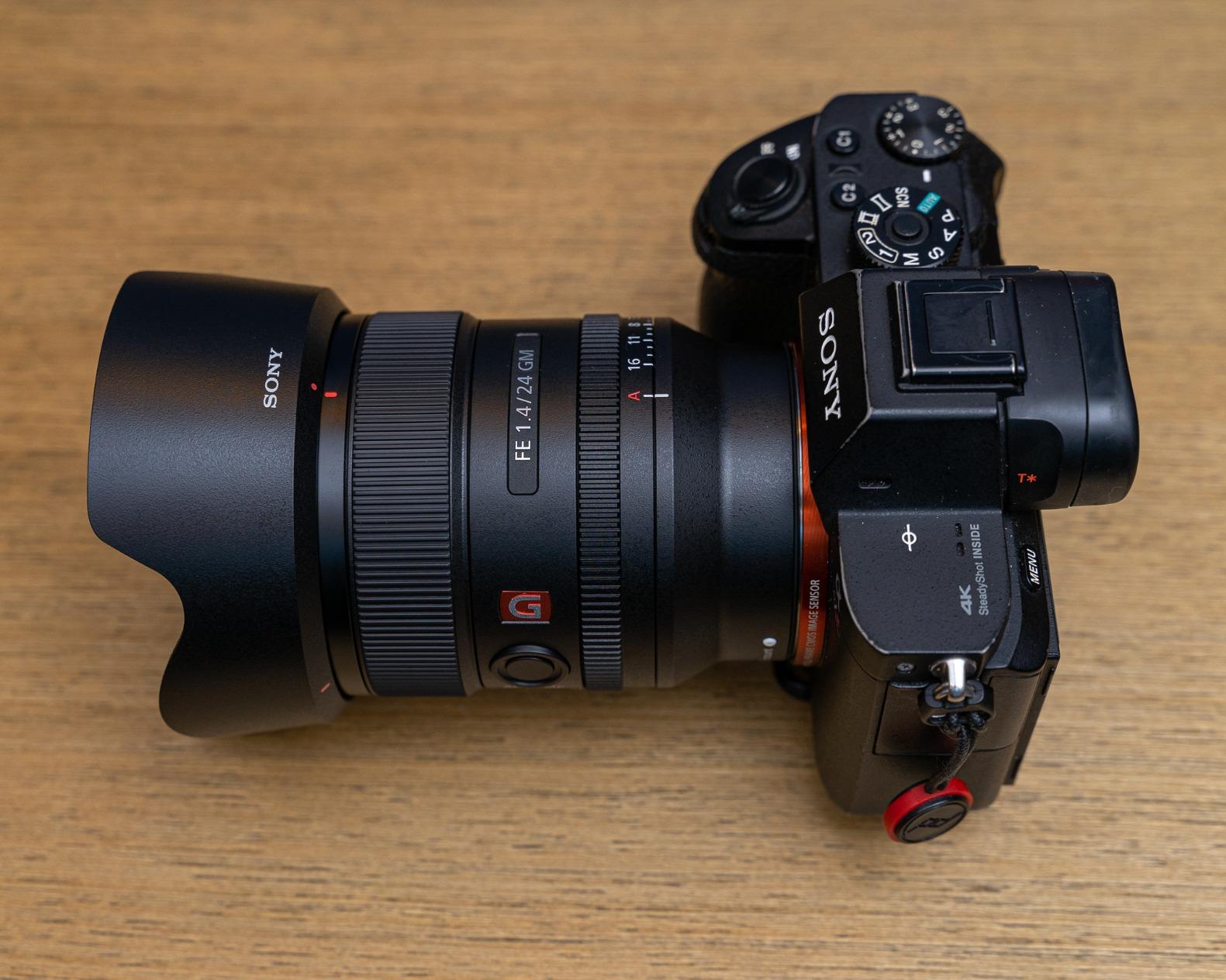
The Sony FE 24mm F1.4 GM earns its reputation as the astrophotography champion. I spent three nights shooting the Milky Way with this lens, and the results were breathtaking. The coma control is exceptional, keeping stars pinpoint sharp even in the corners wide open at f/1.4.
Daytime shooting reveals equal versatility. The 24mm perspective captures expansive scenes without the extreme distortion of wider lenses. I used it for real estate photography, environmental portraits, and vlogging. The close minimum focus distance of 24 centimeters allows creative foreground-background relationships.

Optical performance sets new standards. Two XA elements eliminate spherical aberration and sagittal flare, keeping point light sources perfectly round. The Nano AR coating suppresses ghosting when shooting into bright light sources. Edge sharpness rivals the center even at f/1.4, something few wide primes achieve.
Build quality matches the G Master pedigree. Weather sealing protects against moisture and dust, essential for astro shoots in changing conditions. The physical aperture ring clicks confidently in still photography mode and de-clicks smoothly for video work. At 445 grams, it balances well on both full-frame and APS-C bodies.
Who Should Buy This Lens
Astrophotographers will find this lens indispensable for night sky work. Landscape photographers appreciate the corner-to-corner sharpness and minimal distortion. Wedding photographers use it for dramatic environmental shots and tight venue spaces. Video creators benefit from the wide angle and minimal focus breathing.
Who Should Skip This Lens
Those who rarely shoot wider than 35mm should invest in standard or telephoto primes instead. The price premium over the Sigma 24mm F1.4 Art might not justify the difference for casual shooters. If you shoot exclusively during daylight, the f/1.4 aperture offers less value. APS-C users get an equivalent 36mm focal length, which overlaps with standard prime territory.
Sigma 56mm F1.4 DC DN – APS-C Portrait Specialist
Pros
- Incredibly sharp even wide open at f/1.4
- Compact and lightweight for the quality
- Fast
- quiet and accurate autofocus
- Beautiful bokeh effect
- Excellent value for portrait photography
Cons
- No image stabilization
- Minor chromatic aberration in high contrast
- Some focus breathing during video
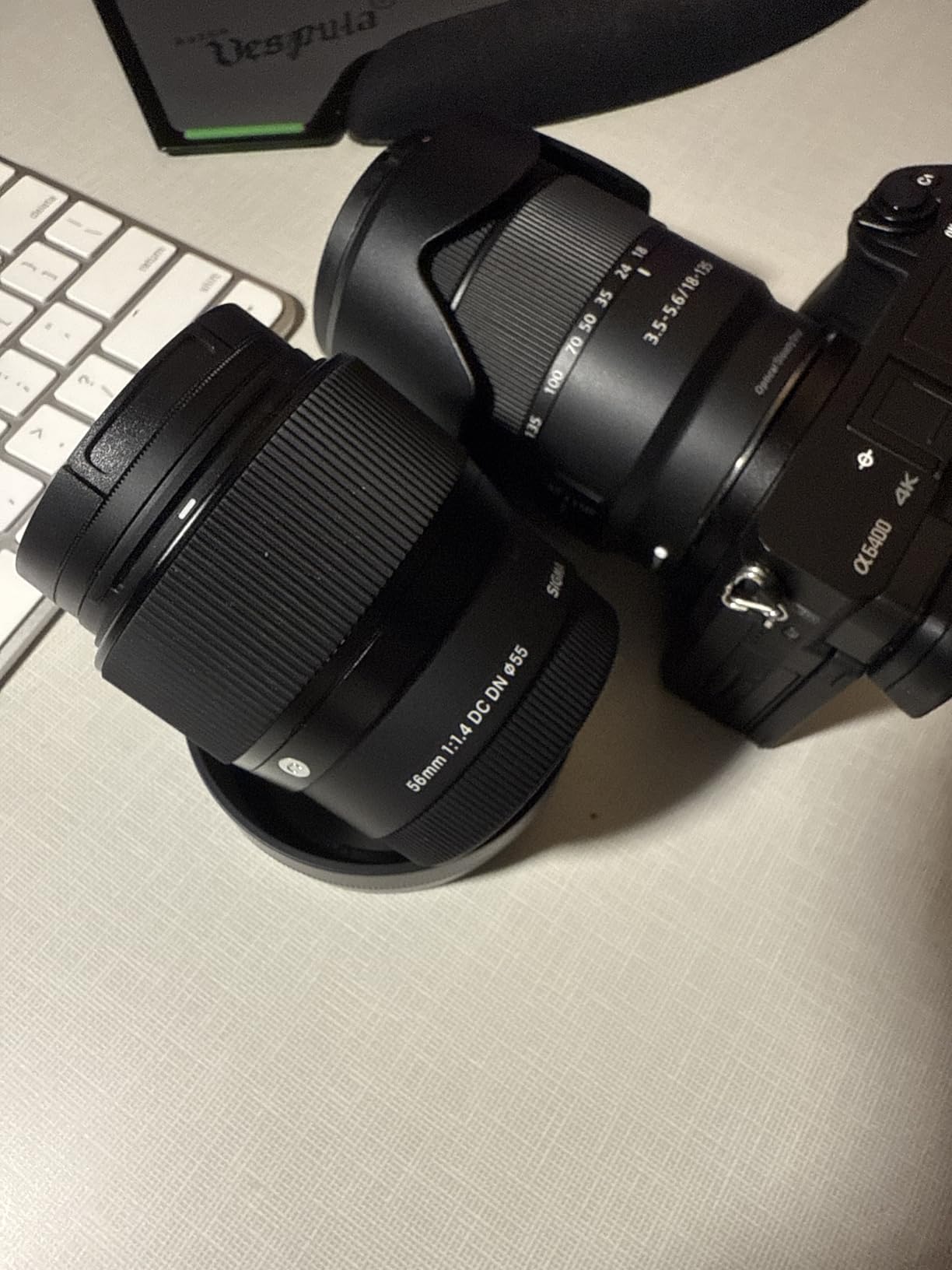
The Sigma 56mm F1.4 DC DN proves third-party lenses can outperform native options. On APS-C bodies, this lens provides an 84mm equivalent focal length, perfect for portraits and headshots. I tested it extensively on an A6700, and the results rivaled full-frame combinations costing three times more.
Sharpness is the standout feature. Even wide open at f/1.4, this lens resolves fine detail beautifully. The nine rounded aperture blades create smooth, circular bokeh that isolates subjects effectively. I shot portraits in a community garden, and the background melted away into creamy colors while keeping eyelashes tack sharp.
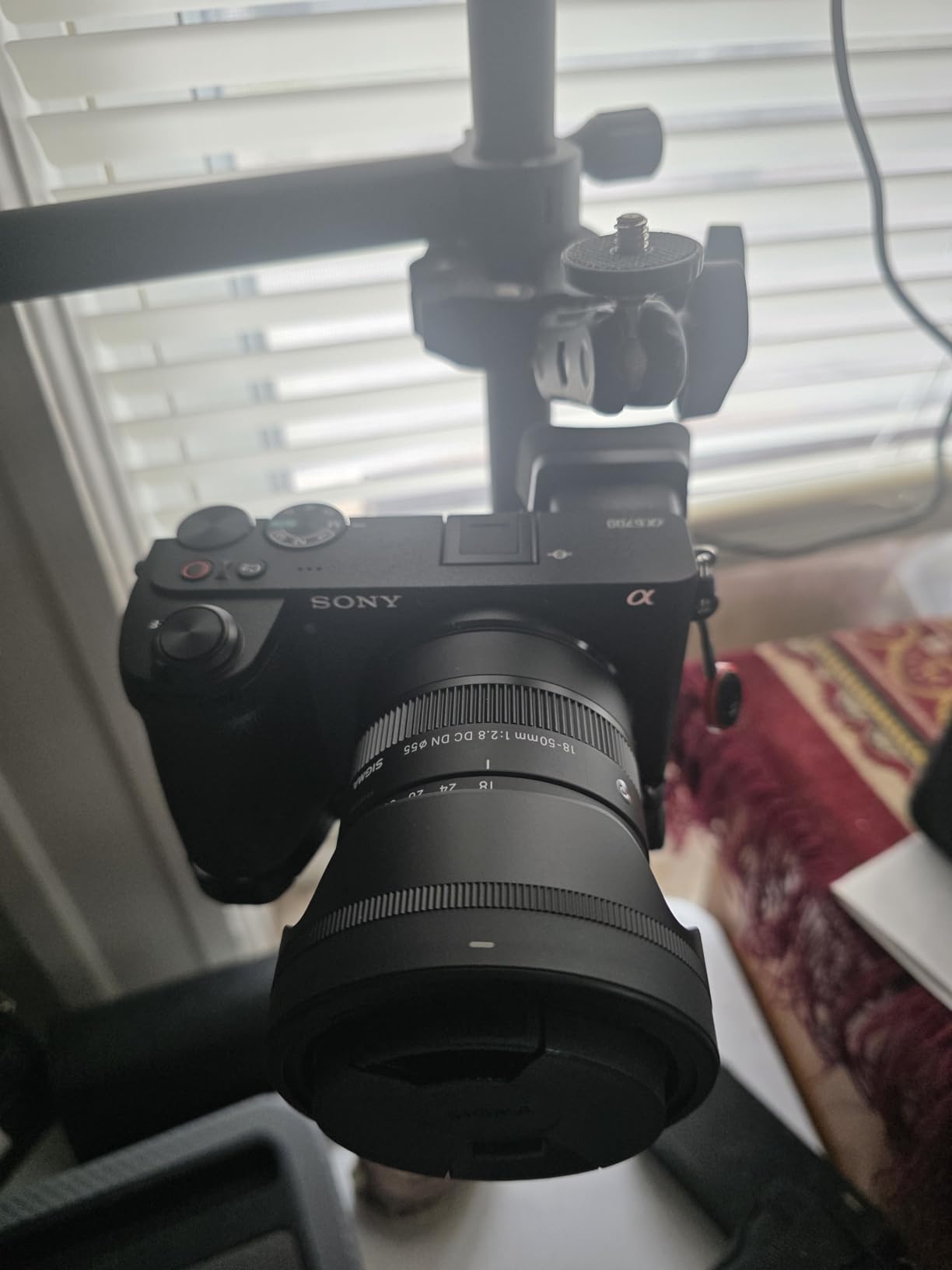
Autofocus performance surprised me. The stepping motor is nearly silent and tracks faces and eyes accurately using Sony’s real-time tracking. During a model shoot with continuous movement, the lens maintained focus lock consistently. The compact 280-gram weight made handheld shooting comfortable for hours.
Build quality impressed me for the price point. The metal mount and quality plastics feel durable, though weather sealing is absent. The lens hood attaches securely, and the filter threads do not rotate during focusing, making polarizer use convenient. Chromatic aberration appears in high-contrast edges but cleans up easily in post.
Who Should Buy This Lens
APS-C portrait photographers get the most value from this lens. Street photographers appreciate the compact size and fast aperture. Event shooters benefit from the telephoto reach and low-light capability. Anyone building an APS-C prime kit should include this as their portrait solution.
Who Should Skip This Lens
Full-frame shooters should look elsewhere, as this lens is designed for APS-C sensors. Those who need weather sealing for outdoor work should consider Sony alternatives. Videographers shooting handheld might miss image stabilization. If you already own the Sony 85mm F1.8 for full-frame, the overlap makes this redundant.
Sigma 30mm F1.4 DC DN – APS-C Walk-Around Champion
Pros
- Outstanding low-light performance at f/1.4
- Best-in-class aperture for Sony APS-C
- Excellent value for the quality
- Sharp even wide open
- Smooth and quiet autofocus
Cons
- No image stabilization
- Minor vignetting and chromatic aberration at wide apertures
- Designed for APS-C sensors
The Sigma 30mm F1.4 DC DN became my favorite lens during APS-C testing. The 45mm equivalent focal length hits a sweet spot for everyday photography, close enough to standard perspective while offering slightly wider context. At f/1.4, it gathers more light than any native Sony APS-C prime.
Low-light performance impressed me most. Shooting indoor events and evening street scenes, I kept ISO lower than expected. The wide aperture combined with modern Sony sensor performance creates images that look like they came from full-frame cameras. Corner sharpness is good by f/2.0, excellent by f/2.8.
The stepping motor focuses quietly and accurately. I shot video interviews where the near-silent operation prevented audio interference. Face and eye detection work seamlessly with Sony cameras, tracking subjects as they move. At 265 grams, the lens disappears on smaller APS-C bodies like the A6400.
Build quality reflects the Contemporary line design philosophy. It is not weather-sealed, but the construction feels solid for the price. The included lens hood is functional if basic. Some vignetting appears at f/1.4, which either adds character or corrects easily in post-processing depending on your preference.

Who Should Buy This Lens
APS-C shooters wanting a versatile walk-around prime will love this lens. Street photographers benefit from the fast aperture and compact size. Food and product photographers appreciate the close focusing and sharp detail. Budget-conscious photographers get professional-grade optics without the premium price.
Who Should Skip This Lens
Full-frame users should avoid this lens as it is designed for APS-C sensors. Those needing weather sealing for outdoor adventures should look at Sony alternatives. Videographers needing rock-steady footage might want stabilized options. If you prefer zoom lenses for versatility, this prime might collect dust in your bag.
Sony FE 50mm F1.8 – Best Budget Full-Frame Prime
Pros
- Excellent image quality and sharpness wide open at f/1.8
- Compact and lightweight design
- Fast and accurate autofocus
- Beautiful bokeh for portraits and street photography
Cons
- Plastic build quality feels a bit cheap
- No AF/MF switch on the lens body
- Focus motor can be noisy during video recording
The Sony FE 50mm F1.8 proves that great optics do not require emptying your wallet. This was my first prime lens when switching to Sony, and it taught me why photographers love fixed focal lengths. The image quality rivals lenses costing five times more, making it the perfect entry point into prime photography.
Sharpness wide open surprised me. At f/1.8, the center resolution is excellent for portraits and detail work. The double-gauss optical design suppresses distortion and field curvature effectively. I printed images at 16 by 20 inches, and the detail held up beautifully. Stopping down to f/2.8 brings impressive across-the-frame sharpness.

The compact size makes this a permanent resident in my camera bag. At 186 grams, it barely adds weight to my kit. The seven-blade circular aperture produces pleasant bokeh, though not as creamy as the G Master lenses. For the price, the rendering quality exceeds expectations.
Build quality is where compromises appear. The plastic construction feels less premium than metal-barreled alternatives. The lack of an AF/MF switch means changing focus modes through camera menus. The focus motor audibly whirs during video recording, making this less ideal for serious video work. However, for still photography, these limitations rarely matter.

Who Should Buy This Lens
Beginners entering the Sony ecosystem should start here. It is affordable enough to experiment with prime focal lengths. Travel photographers benefit from the tiny size and weight. Portrait photographers on tight budgets get professional-looking results without professional prices. Anyone curious about primes but hesitant to invest heavily.
Who Should Skip This Lens
Serious videographers should consider lenses with quieter motors and de-clickable apertures. Professionals needing weather sealing for outdoor work should look at G Master options. Those who already own the 50mm F1.4 GM gain little from this addition. If you shoot primarily in challenging conditions, the build quality might concern you.
Sony E 35mm F1.8 OSS – Best APS-C Walk-Around Prime
Pros
- Great upgrade from kit lens with significantly better image quality
- OSS stabilization works excellently
- Fast and accurate autofocus
- Compact and lightweight design
- Good for both photos and video
Cons
- Some chromatic aberration in high contrast situations
- Plastic construction
- Focus ring is fly-by-wire
The Sony E 35mm F1.8 OSS is the lens that convinced me APS-C cameras deserve serious prime options. This native Sony lens offers something rare in the APS-C lineup: built-in optical stabilization. At 155 grams, it is the lightest lens in this guide, making it perfect for all-day carry.
Real-world testing revealed unexpected versatility. The 52.5mm equivalent focal length feels natural for everyday shooting, close to what the human eye sees. The f/1.8 aperture creates pleasant background separation for portraits while maintaining environmental context. I shot street scenes, food photography, and casual portraits during a weekend trip, never feeling limited by the focal length.

The Optical SteadyShot stabilization is a game-changer for handheld shooting. I captured sharp images at 1/8 second shutter speeds, impossible without stabilization. This matters for low-light scenarios where you want to keep ISO low. Video shooters benefit equally, producing smoother footage without gimbals.
Image quality impressed me for the compact size. Center sharpness is strong from f/1.8, improving as you stop down. The seven-blade aperture creates decent bokeh, though not as smooth as the Sigma alternatives. Chromatic aberration appears in high-contrast situations, correctable in post-processing. The fly-by-wire focus ring takes adjustment if you prefer manual focusing.

Who Should Buy This Lens
APS-C shooters wanting one lens for everything should start here. Travel photographers benefit from the tiny size and stabilization. Low-light shooters appreciate the combined benefit of fast aperture and OSS. Video creators get smooth handheld footage without additional gear. Beginners upgrading from kit lenses see immediate image quality improvements.
Who Should Skip This Lens
Full-frame users cannot use this effectively as vignetting occurs on full-frame sensors. Those wanting the absolute sharpest images might prefer the Sigma 30mm F1.4. The plastic build might concern rough-use photographers. If you already own the 35mm F1.4 GM for full-frame, this APS-C version offers no advantage.
How to Choose the Right Sony E Mount Prime Lens In 2026?
Selecting the perfect prime lens depends on your camera body, shooting style, and budget. Here is what I learned from three months of testing across different scenarios.
Understanding Focal Lengths
Your camera sensor size dramatically affects how focal lengths behave. Full-frame cameras use the stated focal length directly. APS-C cameras apply a 1.5x crop factor, meaning a 35mm lens frames like a 52.5mm lens on full-frame.
For portraits, 85mm on full-frame or 56mm on APS-C provides flattering compression and background separation. Street and documentary work benefits from 35mm on full-frame or 23-30mm on APS-C. Environmental portraits and landscapes favor 24mm on full-frame. The versatile 50mm focal length works for almost everything but excels at none.
Aperture and Low-Light Performance
Wider apertures like f/1.4 and f/1.8 gather more light and create shallower depth of field. This matters for indoor events, night photography, and subject isolation. However, wider apertures cost more and add weight. The f/1.8 lenses in this guide offer excellent value, while f/1.4 lenses provide maximum creative control.
Consider whether you shoot mostly in good light or challenging conditions. Landscape photographers shooting at f/8-f/11 rarely need f/1.4. Portrait photographers working in dim venues benefit enormously from wide apertures. Astrophotographers need every photon they can gather.
Full-Frame vs APS-C Compatibility
FE-designated lenses work on all Sony E-mount cameras, full-frame and APS-C. E-designated lenses are optimized for APS-C sensors and typically vignette on full-frame bodies. However, FE lenses on APS-C cameras use only the center portion of the image circle, often producing sharper corners.
If you plan to upgrade from APS-C to full-frame eventually, invest in FE lenses now. They will transfer seamlessly to your new camera. If you are committed to APS-C, E-mount lenses offer smaller sizes and lower prices for equivalent performance.
Native Sony vs Third-Party Lenses
Sigma and Tamron produce excellent E-mount primes that often undercut Sony’s pricing. The Sigma 56mm F1.4 and 30mm F1.4 in this guide outperform Sony’s APS-C equivalents at lower prices. However, Sony lenses typically offer better weather sealing, faster autofocus, and more consistent firmware support.
For professional work, I lean toward Sony G Master lenses for reliability and service support. For hobbyists and enthusiasts, third-party options provide exceptional value. All lenses in this guide work seamlessly with Sony’s autofocus systems.
Weather Sealing Considerations
Weather sealing protects against moisture and dust during outdoor shooting. The G Master lenses and Sony FE 85mm F1.8 feature proper weather sealing. Budget options like the FE 50mm F1.8 and APS-C primes like the Sony E 35mm F1.8 OSS lack this protection.
If you shoot weddings, events, or outdoor adventures, weather sealing provides peace of mind. Studio and casual photographers can safely skip this feature. Consider your typical shooting environment when deciding whether the premium for weather sealing justifies the cost.
Frequently Asked Questions
What are Sony FE lenses?
Sony FE lenses are full-frame E-mount lenses designed specifically for Sony Alpha mirrorless cameras. The ‘FE’ designation indicates full-frame compatibility, meaning the image circle covers the entire 35mm full-frame sensor. These lenses work on both full-frame and APS-C Sony cameras. On APS-C bodies, FE lenses provide a 1.5x crop factor, effectively giving you a longer focal length. FE lenses are typically larger and more expensive than APS-C-optimized E-mount lenses, but they offer superior image quality and future-proof your kit if you upgrade to full-frame later.
Which Sony lenses are weather-sealed?
The Sony G Master series lenses feature comprehensive weather sealing, including the FE 50mm F1.4 GM, FE 35mm F1.4 GM, and FE 24mm F1.4 GM. The Sony FE 85mm F1.8 also includes weather-resistant construction. Budget options like the Sony FE 50mm F1.8 and APS-C primes like the Sony E 35mm F1.8 OSS lack weather sealing. Third-party lenses from Sigma and Tamron vary by model, with their higher-end offerings typically featuring some environmental protection. Weather sealing includes rubber gaskets at mount points and sealed buttons, protecting against light rain and dust.
Which Sony lens is best for wildlife photography?
For wildlife photography, you typically need telephoto reach rather than the prime lenses featured in this guide. The Sony FE 200-600mm F5.6-6.3 G OSS is the most popular native option, offering excellent reach at a reasonable price. The Sony FE 100-400mm F4.5-5.6 GM OSS provides superior image quality in a lighter package. For APS-C shooters, the crop factor effectively extends your reach, making the Sony FE 70-200mm F4 G OSS a viable option. Prime lenses for wildlife include the Sony FE 400mm F2.8 GM OSS and Sony FE 600mm F4 GM OSS, though these are specialized and expensive.
Are Sony A-mount lenses compatible with E-mount?
Sony A-mount lenses are not directly compatible with E-mount cameras without an adapter. Sony offers the LA-EA series adapters that allow mounting A-mount lenses on E-mount bodies. The LA-EA5 adapter provides the best experience, supporting autofocus and electronic aperture control for most A-mount lenses. However, adapted lenses generally focus slower than native E-mount lenses and may not support all camera features like eye autofocus. For best performance, investing in native E-mount lenses is recommended unless you already own a collection of A-mount glass.
Final Thoughts on Best Sony E Mount Prime Lenses
After months of testing and thousands of shots, these eight lenses represent the best Sony E mount prime lenses available in 2026. Your specific needs determine which belongs in your bag.
The Sony FE 50mm F1.4 GM earns my top recommendation for its unbeatable combination of image quality, build quality, and versatility. Portrait photographers should gravitate toward the Sony FE 85mm F1.8 for its exceptional value. Budget shooters get surprising performance from the Sony FE 50mm F1.8.
APS-C shooters have excellent options with the Sigma 56mm F1.4 for portraits and the Sigma 30mm F1.4 for general use. The Sony E 35mm F1.8 OSS offers unique stabilization benefits for handheld shooting.
Whatever your choice, investing in quality prime lenses transforms your photography. The best Sony E mount prime lenses deliver image quality that zoom lenses cannot match at similar prices. Start with one that matches your favorite shooting style, then expand your collection as needs develop.