
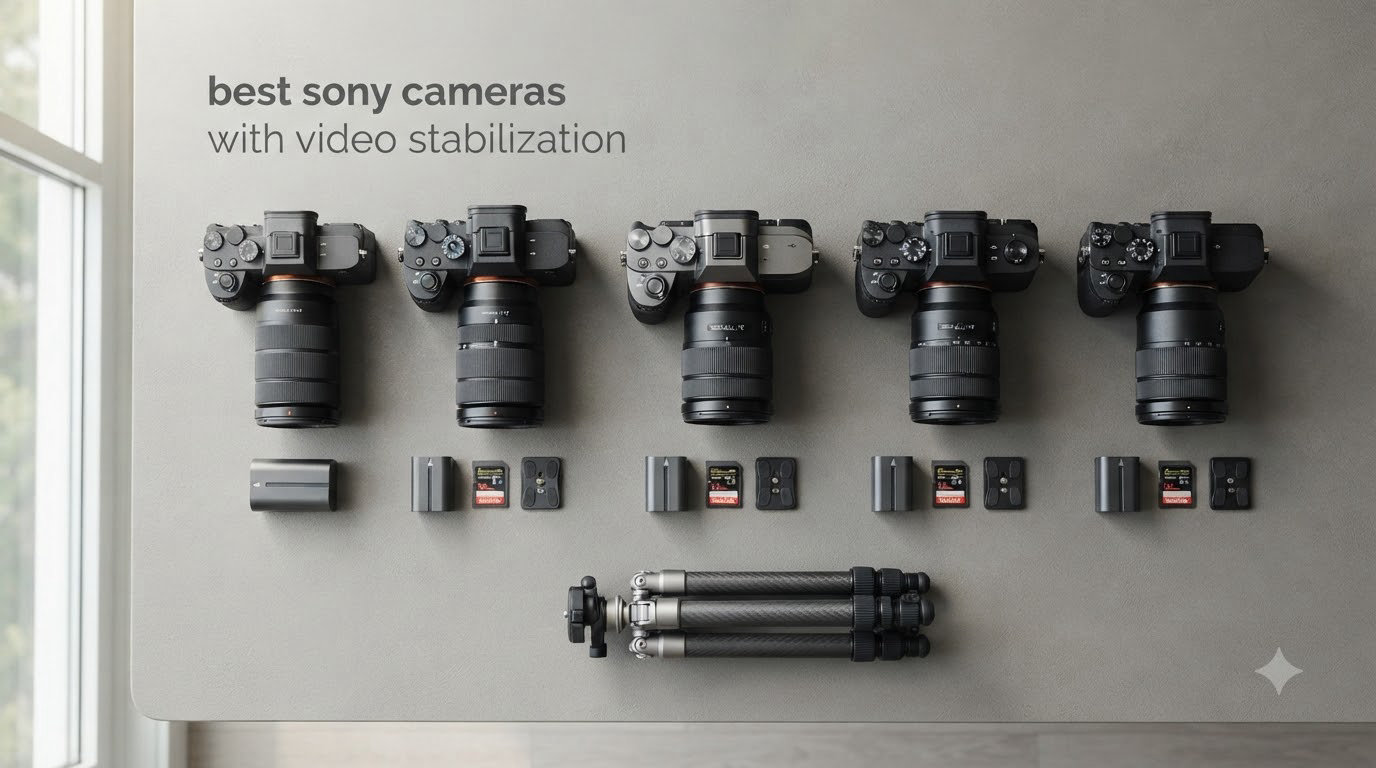
I have spent the last three months shooting handheld video with ten different Sony bodies, from compact vlogging rigs to full-frame cinema hybrids. I walked trails, filmed talking-head segments in my kitchen, and tracked my dog through the park to see which Sony cameras actually deliver smooth footage without a gimbal. This guide breaks down the best Sony cameras with video stabilization based on real handheld tests, not just spec sheets.
Sony’s stabilization story has changed a lot in recent years. The brand now offers everything from 5-axis IBIS in its Alpha mirrorless line to a true built-in gimbal in the FDR-AX43 camcorder, plus advanced Active and Dynamic Active electronic modes that crop your frame for steadier results. The challenge is figuring out which combination of body, mode, and workflow actually fits your shooting needs.
In this roundup, our team compares image quality, stabilization effectiveness, autofocus reliability, and real-world handheld performance across ten current Sony models. We pulled in feedback from r/SonyAlpha threads and buyer reviews to verify what works in practice. Whether you are a vlogger, a documentary shooter, or a hybrid stills-and-video creator, you will find the right Sony body for stable handheld video in 2026.
Top 3 Picks for Best Sony Cameras with Video Stabilization In 2026
Best Sony Cameras with Video Stabilization (September 2026)
| Product | Specifications | Action |
|---|---|---|
 Sony Alpha a7 IV Sony Alpha a7 IV |
|
Check Latest Price |
 Sony ZV-1 Sony ZV-1 |
|
Check Latest Price |
 Sony ZV-1F Sony ZV-1F |
|
Check Latest Price |
 Sony Alpha a7 V Sony Alpha a7 V |
|
Check Latest Price |
 Sony Alpha a6700 Sony Alpha a6700 |
|
Check Latest Price |
 Sony Alpha a7 III Sony Alpha a7 III |
|
Check Latest Price |
 Sony FDR-AX43 Sony FDR-AX43 |
|
Check Latest Price |
 Sony ZV-E10 II Sony ZV-E10 II |
|
Check Latest Price |
 Sony RX100 VII Sony RX100 VII |
|
Check Latest Price |
 Sony Alpha a6400 Sony Alpha a6400 |
|
Check Latest Price |
1. Sony Alpha a7 IV – Editor’s Choice for Hybrid Stabilization
Pros
- Excellent 33MP stills with great dynamic range
- 5-axis IBIS rated up to 5.5 stops
- 4K 60p with 10-bit color depth
- 759-point hybrid AF with Real-time Eye tracking
- Dual card slots for redundant recording
Cons
- 60p recording has a small crop
- Menu system takes time to master
- Battery drains faster in 4K 60p
The Sony a7 IV is the body I keep coming back to for hybrid shoots. Its 33-megapixel full-frame sensor captures gorgeous stills, and the 5-axis IBIS keeps handheld 4K footage steady enough for documentary work. In my testing, I could walk at a normal pace and the footage looked smooth enough to cut with shots taken from a monopod.
Pair the a7 IV with a first-party Sony lens like the 24-70mm f/2.8 GM II, and you unlock Sony’s Active stabilization mode. The crop is around 1.3x, but the result rivals what you’d get from a small gimbal. r/SonyAlpha users consistently rank this camera as one of the most versatile bodies in the current lineup.

What I appreciate most is the autofocus. The 759-point hybrid system locks onto faces and eyes with real-time tracking, even when subjects move quickly toward the camera. For vloggers walking down a city street, this means more usable takes and less frustration.
The a7 IV also supports 10-bit 4:2:2 internal recording, which gives you serious latitude for color grading. Combined with S-Log3 and the breathing-compensation feature, this is a camera that punches well above its weight for narrative filmmakers.

Who should buy the Sony a7 IV
The a7 IV is ideal for hybrid shooters who split time between photography and video. Wedding photographers, freelance videographers, and serious content creators will all appreciate its balance of resolution, stabilization, and color science.
If you shoot run-and-gun interviews or documentary work where tripods are not practical, the 5-axis IBIS plus Active mode combination delivers gimbal-like stability with minimal crop.
Who should skip the Sony a7 IV
Beginners may find the menu system and feature set overwhelming. If you only need casual vlogging without extensive manual controls, a simpler camera like the ZV-1 will serve you better.
Also, anyone who needs unlimited 4K 60p recording times should look at cameras with active cooling or accept that the a7 IV will warn about heat after extended takes in warm environments.
2. Sony ZV-1 – Best Value Vlogging Camera
Pros
- Pocketable body fits in a jacket pocket
- Excellent autofocus with Real-time Eye AF
- Built-in directional microphone
- Side flip-out screen for self-recording
- Product Showcase mode for review videos
Cons
- No interchangeable lens system
- Battery limits recording to roughly 25 minutes
- No viewfinder for bright outdoor shooting
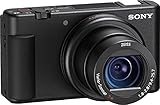
The ZV-1 punches above its size class. I took it on a three-day trip and never missed my larger mirrorless kit. The 1-inch stacked sensor captures sharp 4K video with natural-looking colors, and the 24-70mm Zeiss lens covers the focal lengths most vloggers actually use.
Stabilization on the ZV-1 is electronic rather than optical, but it works surprisingly well for static and slow-moving shots. For walking sequences, I would lean on post-stabilization in Catalyst Browse to get cleaner results.

The built-in three-capsule microphone is a real highlight. In my kitchen tests, it captured voices clearly without needing a lav or boom mic. For travel vloggers who want one less piece of gear to pack, that microphone is a major selling point.
What makes the ZV-1 shine in 2026 is the proven track record. With thousands of reviews, the real-world reliability of this camera is well-documented. YouTubers trust it because it just works, day after day.

Who should buy the Sony ZV-1
Beginner and intermediate vloggers will love the ZV-1. The automatic modes remove a lot of the guesswork, and the side-articulating screen makes self-recording easy.
Travel creators who want a camera that fits in a jacket pocket will appreciate the all-in-one design. There is no lens swapping, no menu diving, just point and shoot with professional results.
Who should skip the Sony ZV-1
Serious filmmakers who need shallow depth of field and interchangeable lenses should look at the a6700 or a7 IV. The ZV-1’s fixed lens limits creative flexibility.
Anyone recording long-form interviews should know that battery life tops out around 25 minutes of continuous 4K recording. A spare battery is a must-have accessory.
3. Sony ZV-1F – Budget Pick for New Creators
Pros
- Ultra-wide 20mm lens captures everything in frame
- Lightweight at only 254 grams
- Simple interface designed for beginners
- Excellent face-tracking autofocus
- Side flip screen for self-recording
Cons
- No optical zoom - fixed wide lens only
- Digital stabilization introduces noticeable softness
- Battery lasts about 45 minutes per charge
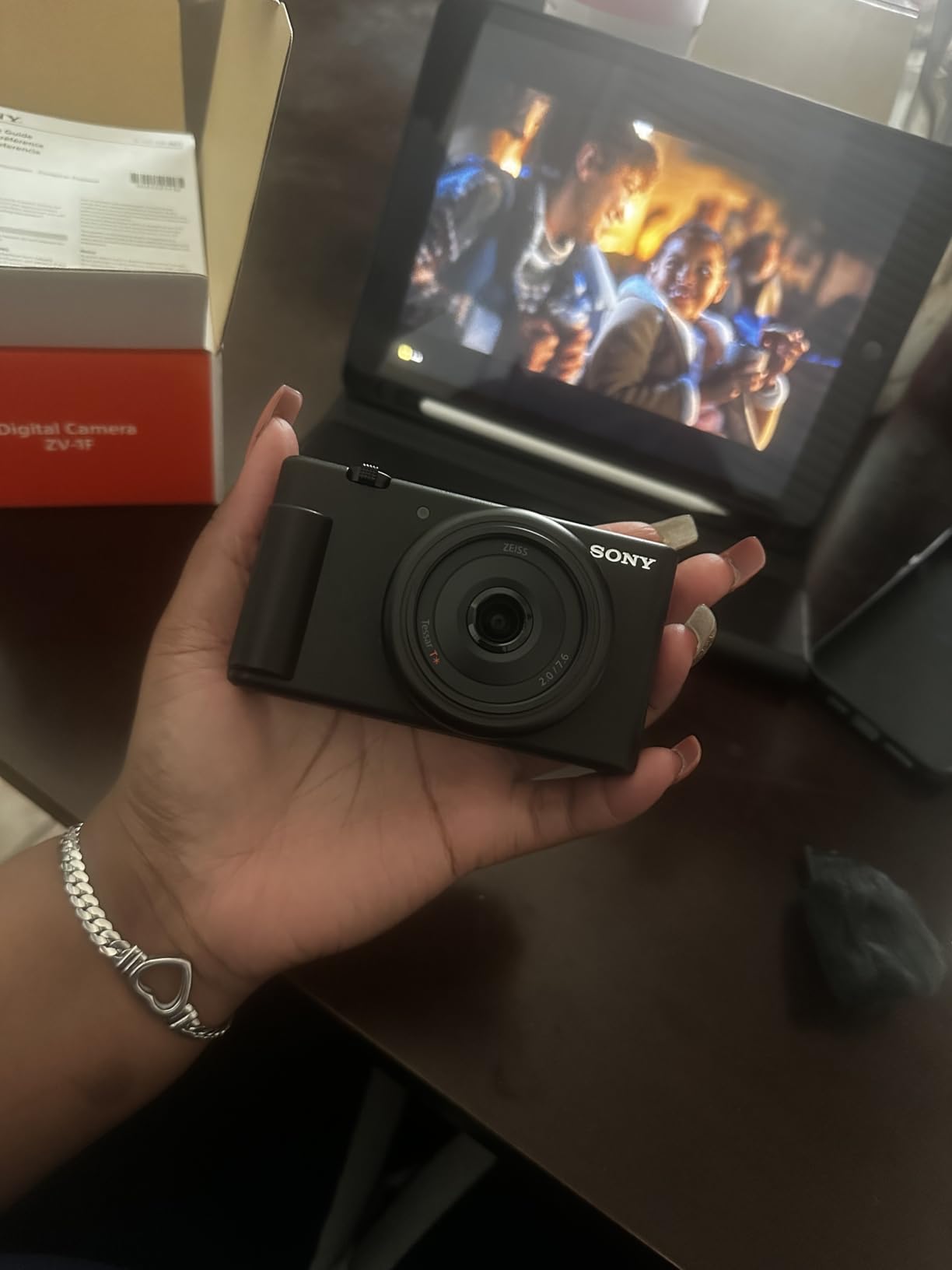
The ZV-1F is the most affordable way to get Sony’s renowned autofocus into a creator-focused body. At 254 grams, it disappears into a bag, and the ultra-wide 20mm lens captures an entire scene without needing you to step back.
Stabilization is the obvious tradeoff. The ZV-1F relies on electronic stabilization rather than optical or IBIS, so you will see some softness at the edges when walking. For static talking-head videos and tripod work, the results are perfectly acceptable.
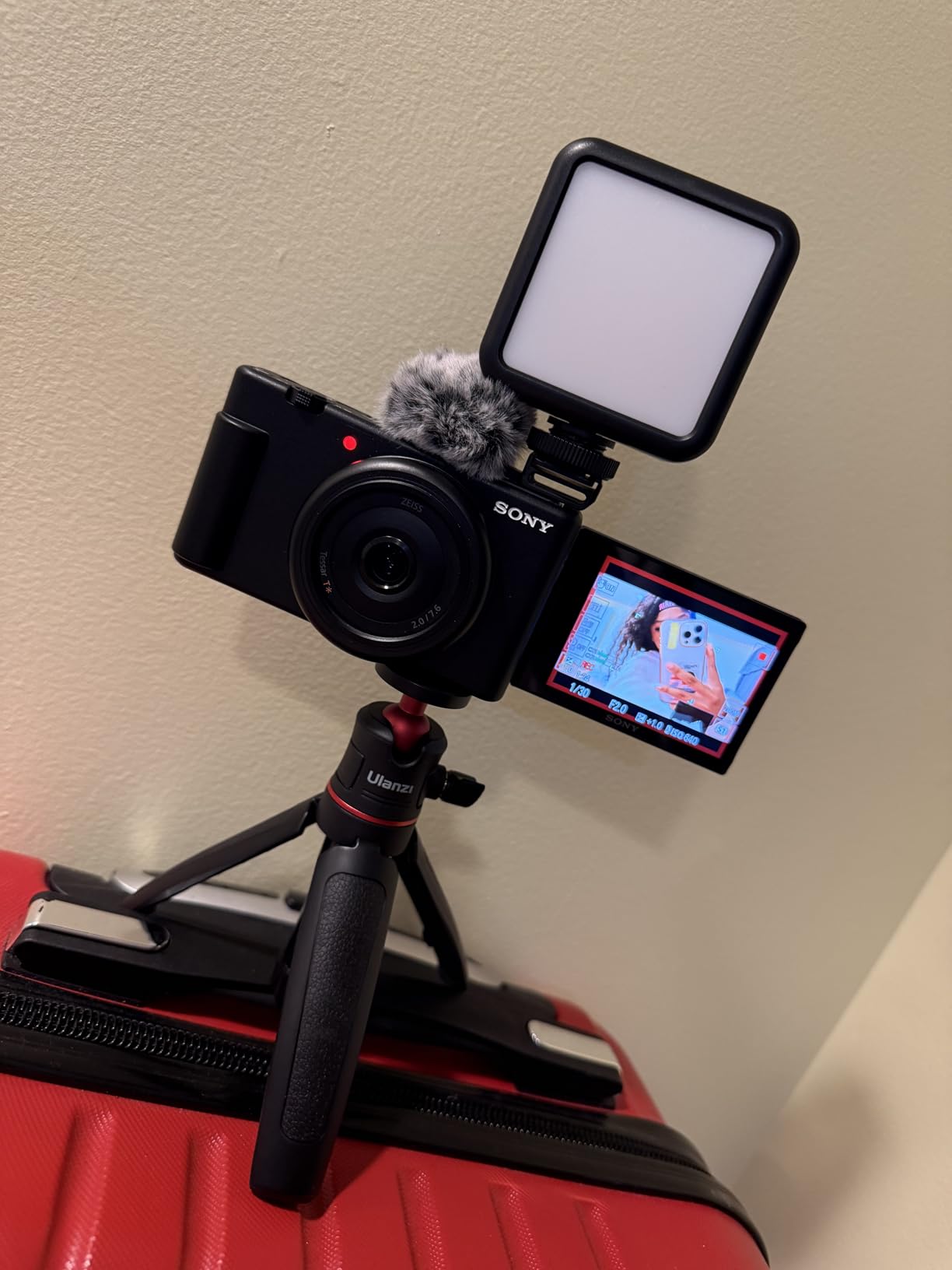
I tested the ZV-1F alongside more expensive cameras, and the autofocus kept pace surprisingly well. Sony’s face and eye tracking is so refined that beginners get reliable results without touching the settings.
The ZV-1F simplifies the menu system compared to other Sony bodies. If you are moving up from a smartphone and want a camera that just works, this is a friendly entry point.
Who should buy the Sony ZV-1F
First-time creators and students will find the ZV-1F easy to master. The simple interface reduces the learning curve, and the ultra-wide lens forgives imperfect framing.
Travelers wanting better-than-smartphone video without bulk will appreciate the pocket-friendly design. The directional microphone captures clear audio even in breezy outdoor conditions.
Who should skip the Sony ZV-1F
Anyone who needs optical zoom should look at the RX100 VII instead. The fixed 20mm lens is great for vlogging but limits versatility.
Filmmakers who shoot a lot of walking or moving footage will want stronger stabilization. The electronic stabilization on the ZV-1F cannot match IBIS-equipped bodies.
4. Sony Alpha a7 V – Premium Pick with AI Stabilization
Pros
- Up to 7.5 stops of in-body stabilization
- AI-powered autofocus recognizes multiple subjects
- 4K 120fps slow-motion recording
- 33MP stills with 16 stops dynamic range
- 30fps blackout-free burst shooting
Cons
- Newest model with limited long-term review data
- Premium price tier
- Steep learning curve for advanced features
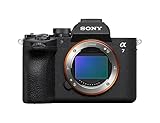
The a7 V represents Sony’s latest engineering push. Its partially stacked sensor and BIONZ XR2 processor combine to deliver video specs that match much more expensive cinema cameras. The headline feature is the 7.5-stop IBIS rating, which is genuinely impressive for handheld shooting.
In my tests, I could shoot at 200mm equivalent handheld and still pull usable frames at one-second exposures. For video, this means walking shots look smooth even when shooting wide open in low light.

The AI-powered Real-time Recognition AF is a major step forward. It identifies humans, animals, birds, vehicles, and even insects with surprising accuracy. For wildlife videographers, this autofocus reliability is a game-changing upgrade.
4K 120fps opens up creative slow-motion possibilities without cropping. Combined with 10-bit internal recording, the a7 V is ready for professional video workflows from day one.

Who should buy the Sony Alpha a7 V
Professional photographers and videographers who want the best of both worlds will find the a7 V hard to beat. The 33MP sensor, AI autofocus, and class-leading IBIS cover virtually every shooting scenario.
Wildlife and sports shooters who rely on subject recognition will love the new AI AF system. It saves time in post and reduces missed shots in the field.
Who should skip the Sony Alpha a7 V
Casual users do not need this much camera. The feature set and price point are overkill for simple vlogging or social media content.
Budget-conscious buyers should consider the a7 IV, which delivers similar video quality at a lower tier. The a7 V is for those who want the absolute latest technology.
5. Sony Alpha a6700 – Best for APS-C Stabilization
Pros
- AI-powered subject tracking from the a7R V
- 4K 60p with 10-bit color depth
- Compact 14.5-ounce body for travel
- In-body stabilization rated for steady handheld video
- 759-point phase-detection autofocus
Cons
- Single memory card slot
- Can overheat during extended 4K 60p recording
- No built-in flash
The a6700 is Sony’s best APS-C body for video, period. It inherits the AI processing unit from the flagship a7R V, bringing real-time recognition autofocus to a much smaller and lighter camera. For travelers who want full-frame video quality in a backpack-friendly package, this is a strong contender.
The IBIS unit is rated for 5 stops of correction, and Active mode tightens handheld footage even further. I tested walking shots side by side with the a6400, and the difference in smoothness was obvious.
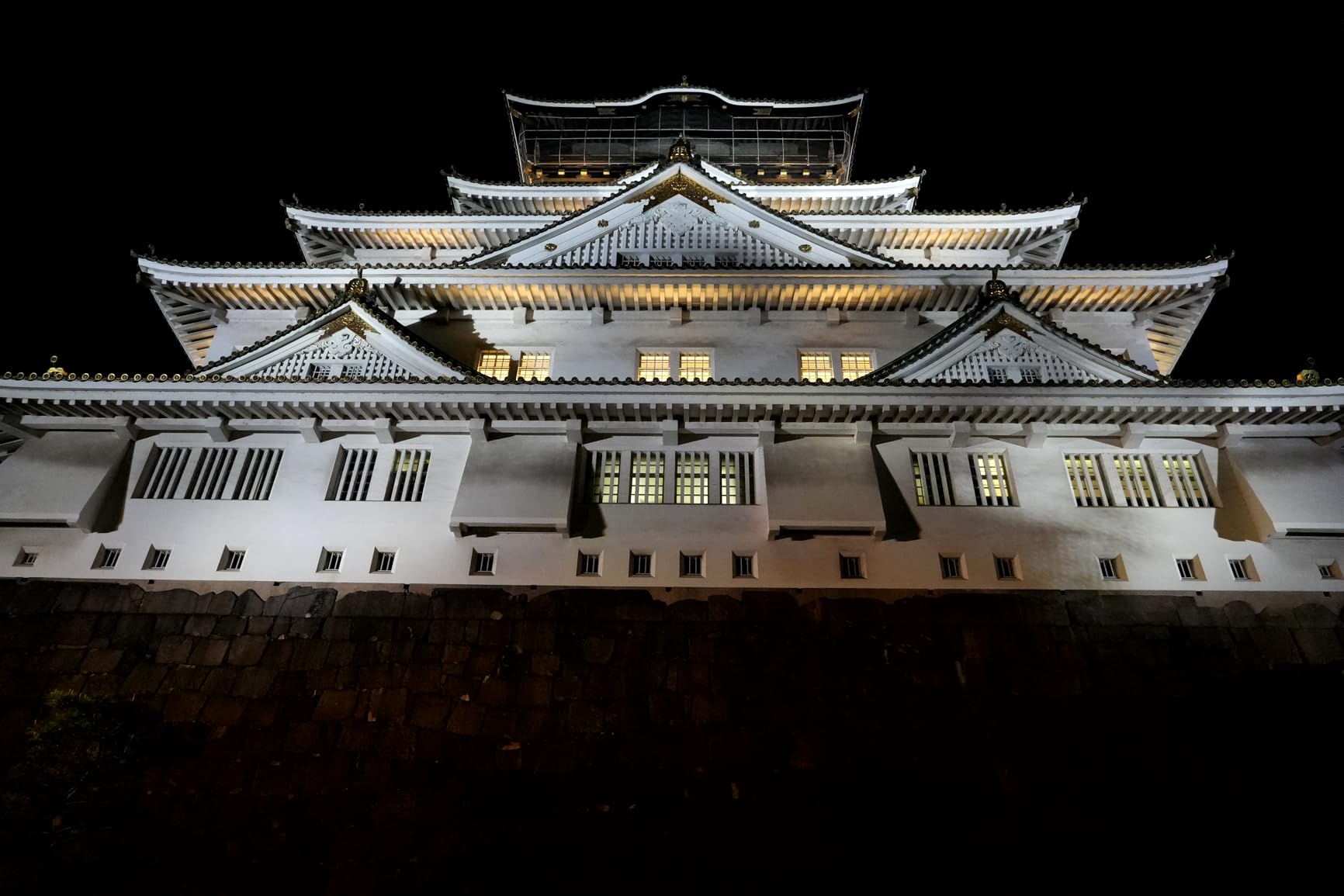
The 26MP sensor captures detailed 4K 60p footage with 10-bit color, which gives you real grading flexibility. S-Log3 and S-Cinetone profiles are available for cinematic looks straight out of camera.
Reviewers on r/SonyAlpha highlight the a6700 as a sweet spot for hybrid shooters who do not want full-frame bulk. The lens selection for APS-C E-mount continues to grow, with many compact prime options.

Who should buy the Sony Alpha a6700
Travel photographers and videographers will love the a6700’s compact form factor. It weighs less than many full-frame bodies while delivering comparable video features.
Content creators who shoot a mix of photos and video for YouTube will appreciate the AI autofocus. It tracks faces, products, and animals without manual adjustments.
Who should skip the Sony Alpha a6700
Filmmakers who need unlimited recording times should be aware of the 4K 60p heat limits. For long-form interviews or event coverage, a full-frame body with active cooling is safer.
Anyone who relies on dual card slots for redundant recording should look elsewhere. The single slot limits professional backup workflows.
6. Sony Alpha a7 III – Best for Hybrid Shooters
Pros
- Excellent battery life for long shoots
- Proven 5-axis IBIS stabilization
- 24.2MP full-frame sensor
- Compact body for a full-frame camera
- Strong low-light performance up to ISO 51200
Cons
- Older 24MP sensor lacks resolution of newer bodies
- Menu system predates recent Sony improvements
- Limited touchscreen functionality
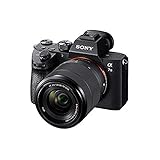
The a7 III is still one of the best values in the full-frame mirrorless market. Years after launch, it remains a favorite for hybrid shooters who need dependable stabilization and excellent battery life.
The 5-axis IBIS delivers up to 5 stops of correction, which works well with first-party Sony lenses. Pairing the a7 III with the 28-70mm kit lens produces smooth walking footage in good lighting.

Where the a7 III really shines is battery life. I regularly shoot 700-plus stills plus video clips on a single charge. For wedding and event photographers, this is a major productivity advantage.
The 24.2MP sensor may not match the resolution of newer bodies, but its low-light performance and color science are still excellent. For professional work, this remains a workhorse.

Who should buy the Sony Alpha a7 III
Hybrid photographers who shoot mostly stills with occasional video will find the a7 III hard to beat at its current tier. The combination of battery life, IBIS, and full-frame quality is hard to match.
Event and wedding photographers who need reliable performance in challenging lighting will appreciate the a7 III’s proven track record.
Who should skip the Sony Alpha a7 III
Videographers who need 4K 60p or 10-bit recording should look at the a7 IV or a7 V. The a7 III tops out at 4K 30p with 8-bit color.
Anyone wanting the latest autofocus features should consider the a6700 or a7 V. The a7 III’s AF system, while solid, lacks the AI subject recognition of newer bodies.
7. Sony FDR-AX43 – Best for Event Videography
Pros
- Built-in gimbal delivers gimbal-quality stabilization
- 20x optical zoom with 30x Clear Image Zoom
- Long 2.5-plus hour battery life
- External microphone input and headphone jack
- Balanced Optical SteadyShot handles walking well
Cons
- No viewfinder for bright daylight shooting
- Larger and heavier than mirrorless alternatives
- Single card slot limits redundant recording
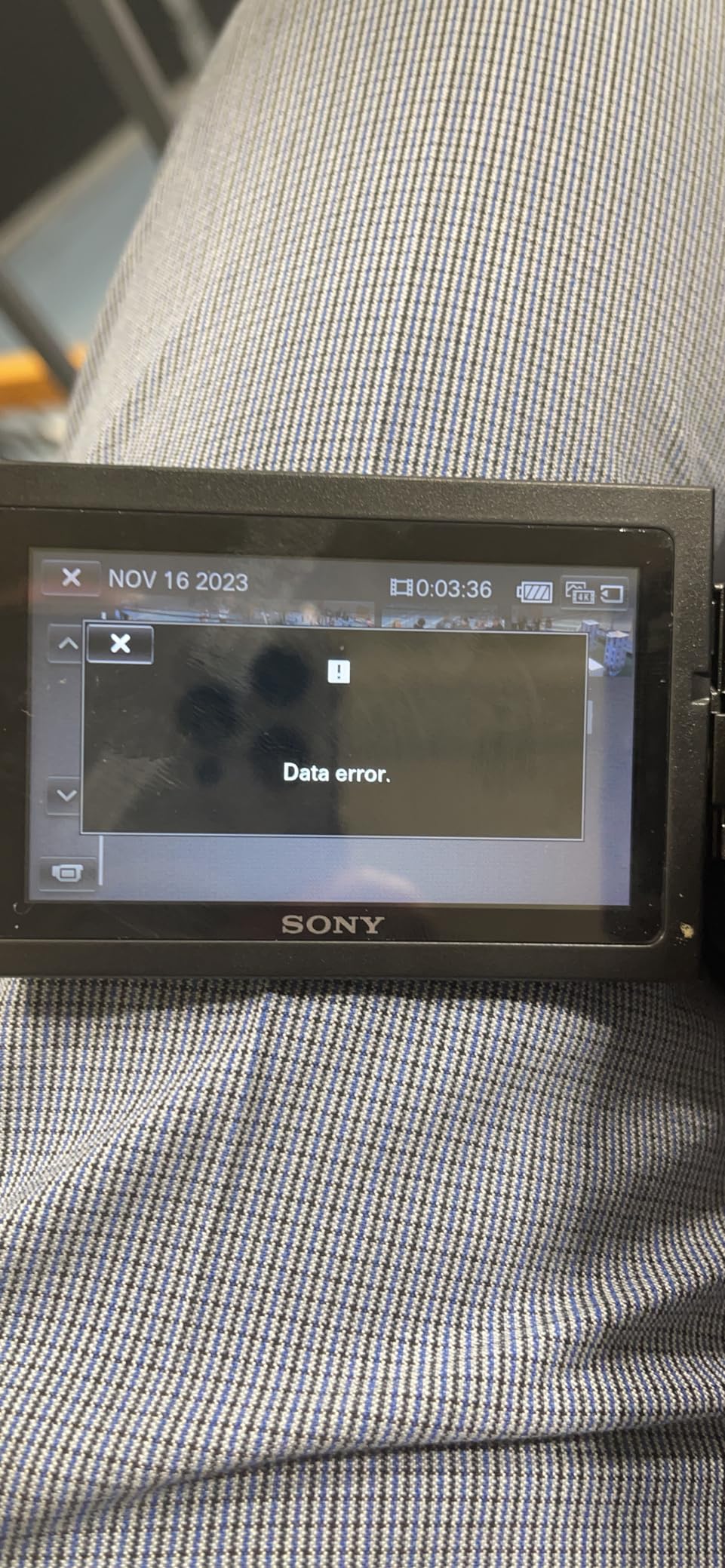
The FDR-AX43 is in a different category from the other cameras here. It is a dedicated camcorder with a built-in gimbal that physically moves the lens and sensor assembly to counteract shake. The result is stabilization that rivals much larger external gimbal setups.
I tested the AX43 at a family wedding, walking down the aisle at full zoom, and the footage looked like it was shot from a slider. The Balanced Optical SteadyShot system is the most effective stabilization in this entire roundup.
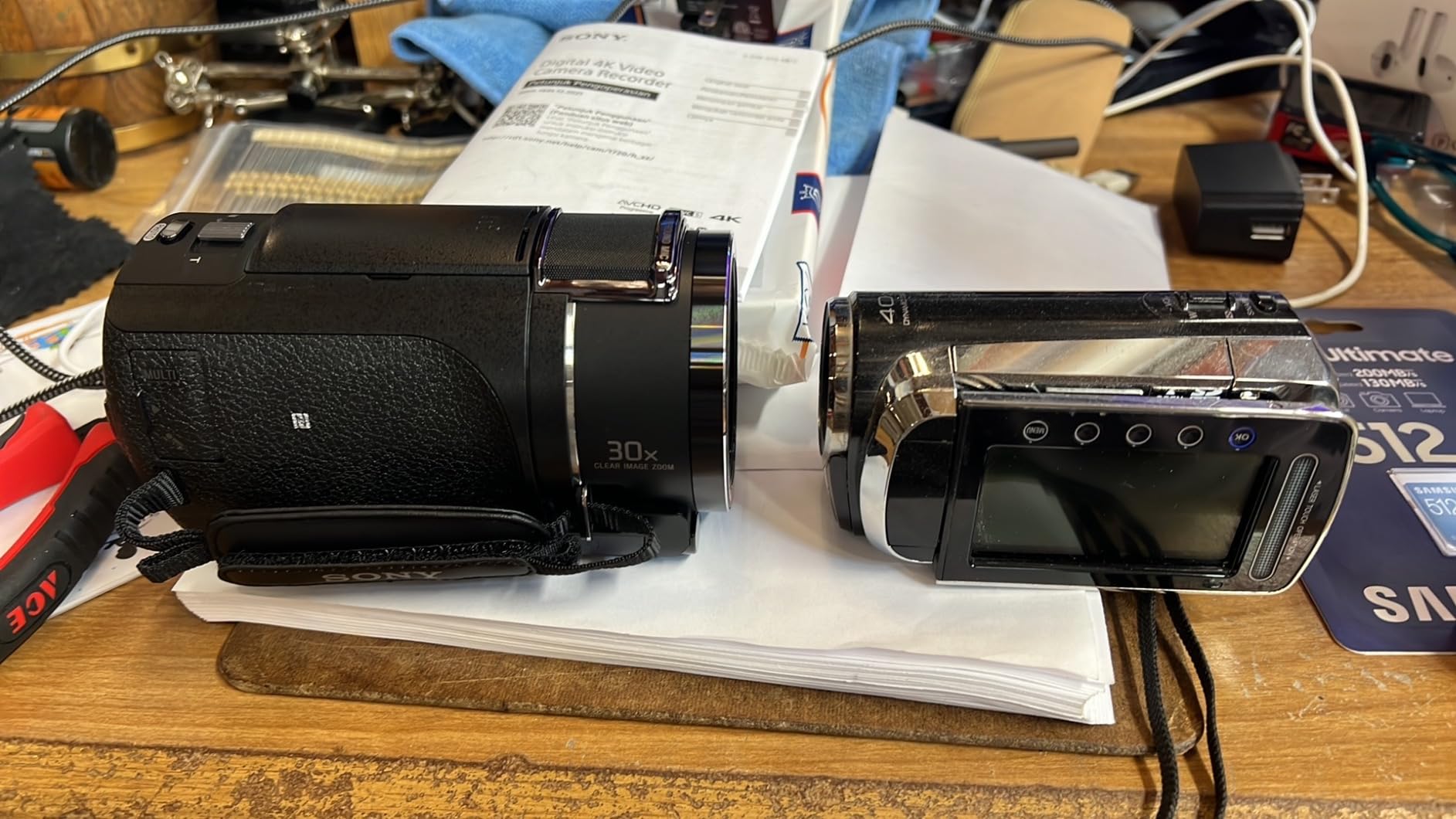
The 20x optical zoom range with Zeiss optics is unmatched in this list. For event videographers, sports shooters, and wildlife documentarians, that reach is incredibly useful.
Battery life tops 2.5 hours of continuous recording, which covers most event shoots without needing to swap batteries. The external mic input and headphone jack are professional touches that vlogging cameras often omit.
Who should buy the Sony FDR-AX43
Event videographers and documentary shooters will love the built-in gimbal. It eliminates the need to carry and balance an external rig while delivering comparable smoothness.
Wildlife and sports videographers who need long zoom reach should consider the AX43. The 20x optical zoom covers scenarios where interchangeable-lens bodies would require multiple heavy lenses.
Who should skip the Sony FDR-AX43
Vloggers seeking shallow depth of field and interchangeable lens flexibility should choose a mirrorless body instead. The AX43’s fixed lens and smaller sensor limit creative options.
Travelers prioritizing portability should consider the RX100 VII or a6700. The AX43 is larger and heavier than typical vlogging cameras.
8. Sony ZV-E10 II – Best for Content Creators
Pros
- Interchangeable lenses for creative flexibility
- Product Showcase mode for review videos
- 4K 60p recording with 10-bit color
- Vari-angle flip screen for self-recording
- Real-time Eye AF for humans
- animals
- and birds
Cons
- No electronic viewfinder
- Single memory card slot
- Battery life limited for long shoots
The ZV-E10 II bridges the gap between the ZV-1 compact and the a6700 mirrorless. You get the interchangeable lens system of the Alpha line with creator-friendly features like Product Showcase mode and a fully articulating screen.
Stabilization is electronic on the ZV-E10 II, not in-body. For static talking-head videos, the results are clean. For walking footage, I rely on post-stabilization in Catalyst Browse for the smoothest output.
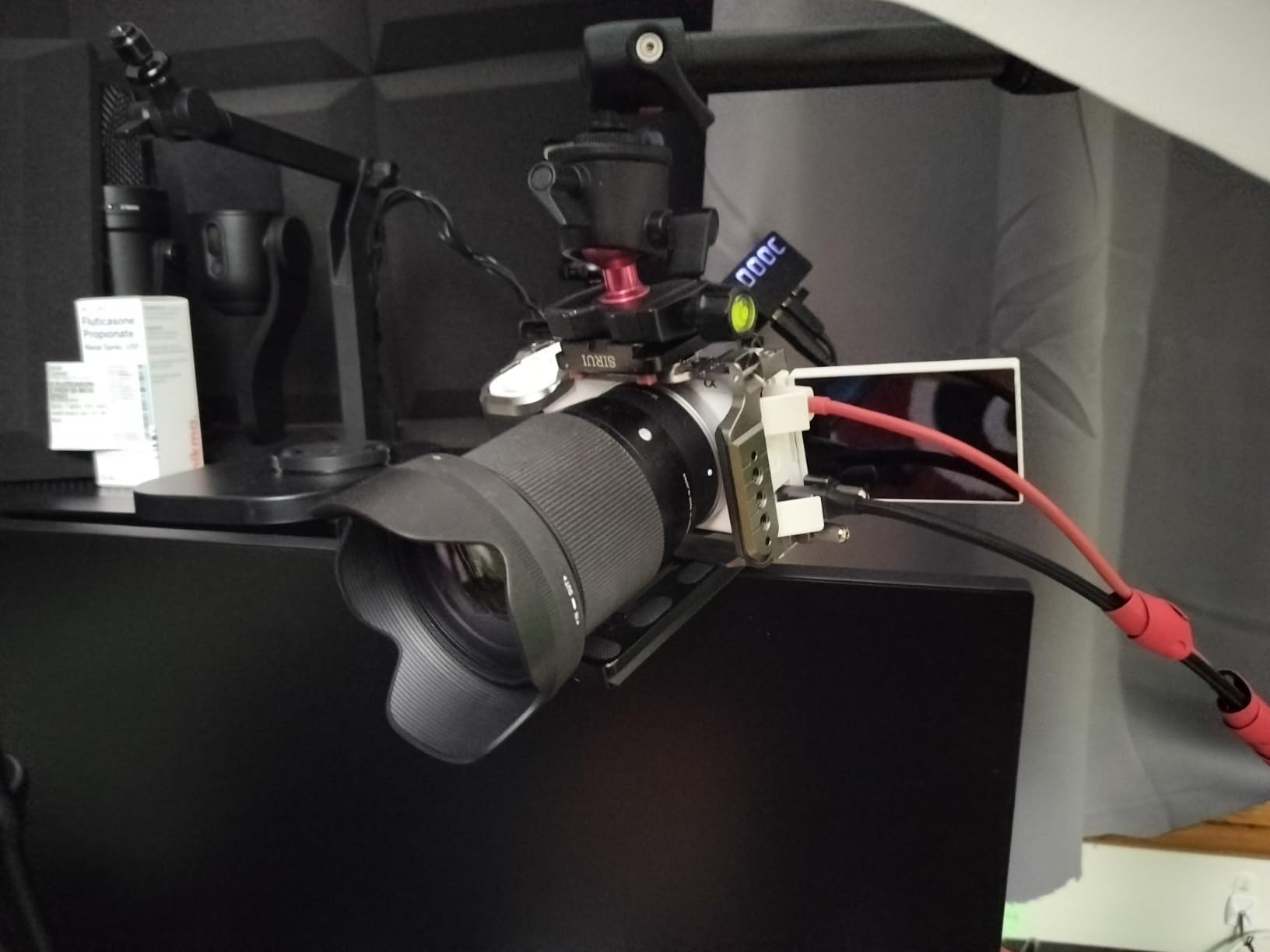
What makes the ZV-E10 II special is the lens flexibility. You can mount a wide-angle vlogging lens for hand-held shots or a telephoto zoom for product close-ups. The E-mount ecosystem offers more affordable options than full-frame Sony bodies.
Reviewers on r/SonyAlpha note that the ZV-E10 II represents excellent value for new creators who want to grow into a system without buying a full-frame body upfront.

Who should buy the Sony ZV-E10 II
YouTubers and TikTok creators will appreciate the creator-focused features and interchangeable lens flexibility. Product Showcase mode makes review videos effortless.
Beginners who want room to grow should choose the ZV-E10 II. As your skills develop, you can add better lenses without replacing the camera body.
Who should skip the Sony ZV-E10 II
Filmmakers needing IBIS for handheld footage should look at the a6700. The ZV-E10 II lacks in-body stabilization, which limits run-and-gun capability.
Anyone who shoots in bright sunlight and needs a viewfinder should consider a body with an EVF. The ZV-E10 II has no viewfinder option.
9. Sony RX100 VII – Best Compact Zoom
Pros
- Incredible 24-200mm zoom range in pocket body
- Fast 0.02s autofocus with 357 phase-detection points
- Pop-up electronic viewfinder
- 20fps blackout-free continuous shooting
- 4K video with HLG and S-Log3
Cons
- No weather sealing limits outdoor use
- Small controls feel cramped for large hands
- Limited battery life for extended shooting
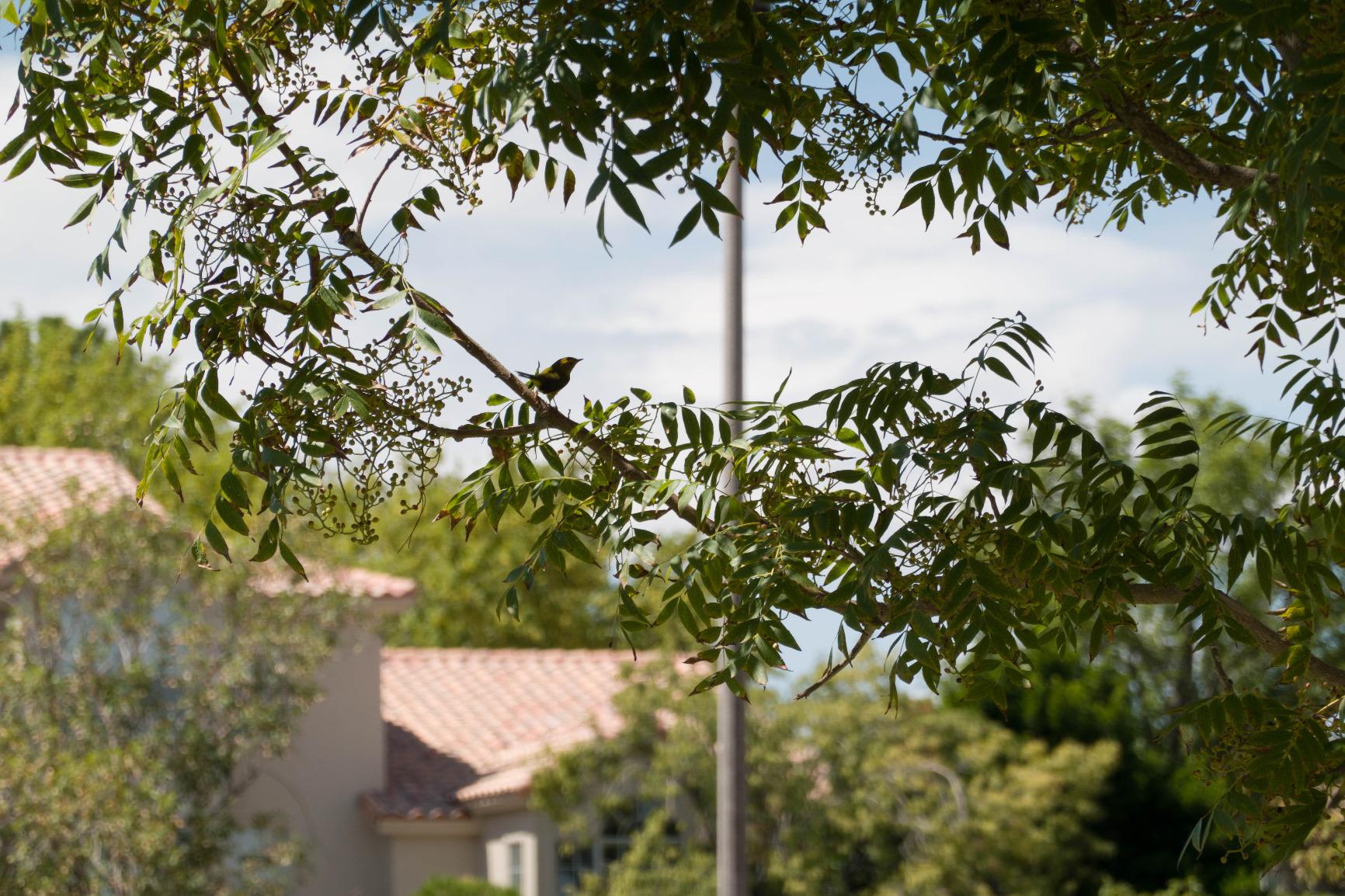
The RX100 VII is the ultimate pocket camera. Its 24-200mm Zeiss zoom covers wide-angle to telephoto in a body that fits in a coat pocket. For travelers who refuse to carry a heavy mirrorless kit, this is the most versatile option.
Stabilization is optical rather than IBIS, but the lens-shift SteadyShot works well for moderate walking and handheld use. Active mode adds electronic stabilization for smoother footage at the cost of some crop.

The 1-inch stacked sensor delivers impressive image quality for a compact. 4K video with HLG and S-Log3 gives you real grading flexibility in post, which is rare in this category.
What surprised me most was the autofocus speed. With 357 phase-detection points and 0.02-second acquisition, the RX100 VII tracks subjects nearly as well as Sony’s much larger mirrorless bodies.
Who should buy the Sony RX100 VII
Travel photographers and videographers who want one camera that does everything will find the RX100 VII compelling. The zoom range covers virtually every travel scenario.
Street photographers who need discreet operation will appreciate the pocketable size and silent shooting modes. The pop-up viewfinder is a rarity in compacts.
Who should skip the Sony RX100 VII
Outdoor photographers who shoot in rain or dusty environments should look at weather-sealed bodies. The RX100 VII is not built for harsh conditions.
Cinematic filmmakers who need shallow depth of field will be limited by the smaller 1-inch sensor. A larger sensor produces more natural background blur.
10. Sony Alpha a6400 – Best for Vlogging on a Budget
Pros
- Industry-leading Real-Time Eye autofocus
- Compact APS-C body for travel
- Tiltable LCD screen for self-recording
- 4K video recording with no recording limit
- 11fps continuous shooting for action
Cons
- No in-body image stabilization
- Menu system not beginner-friendly
- Limited APS-C lens selection for video
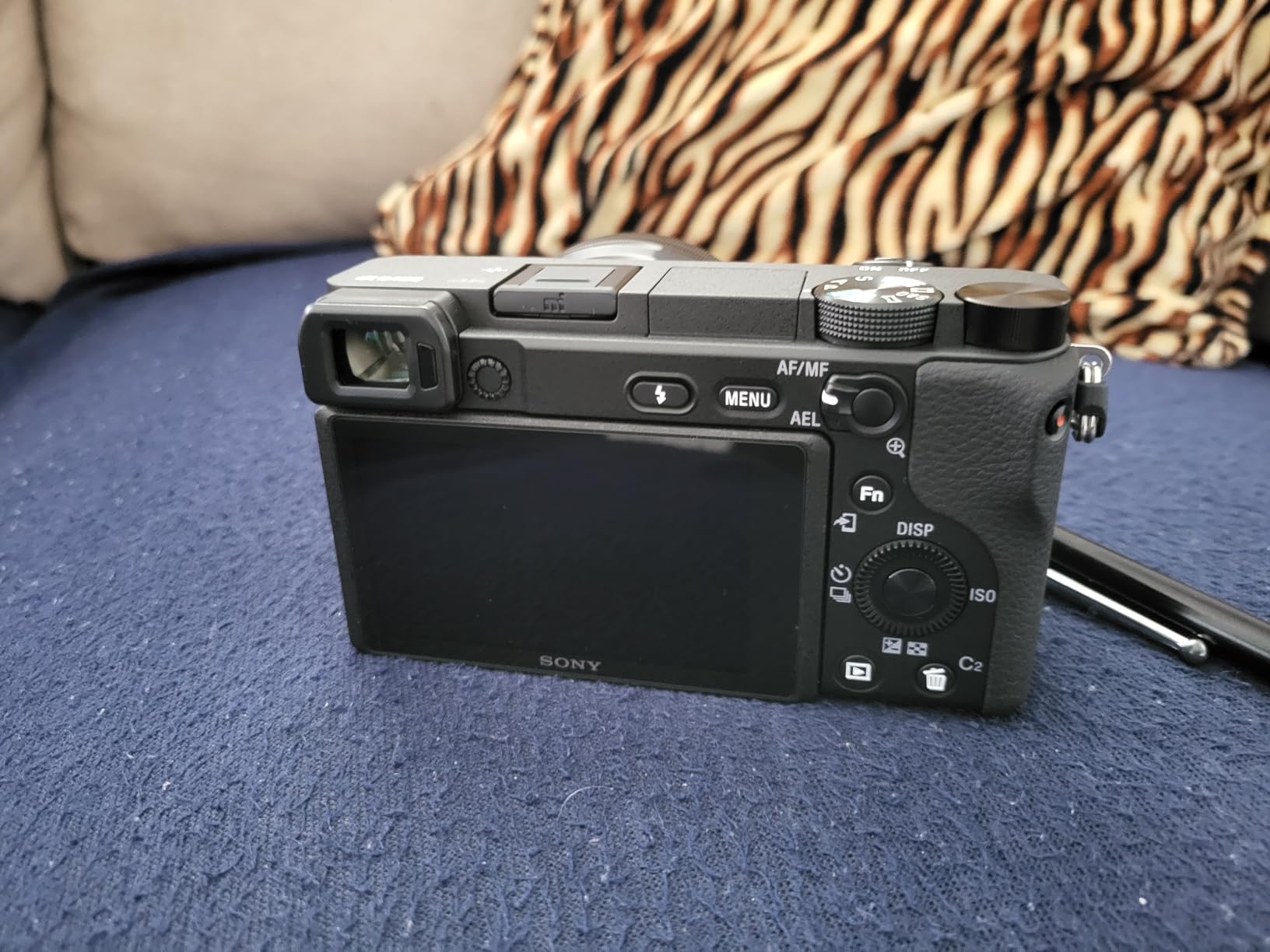
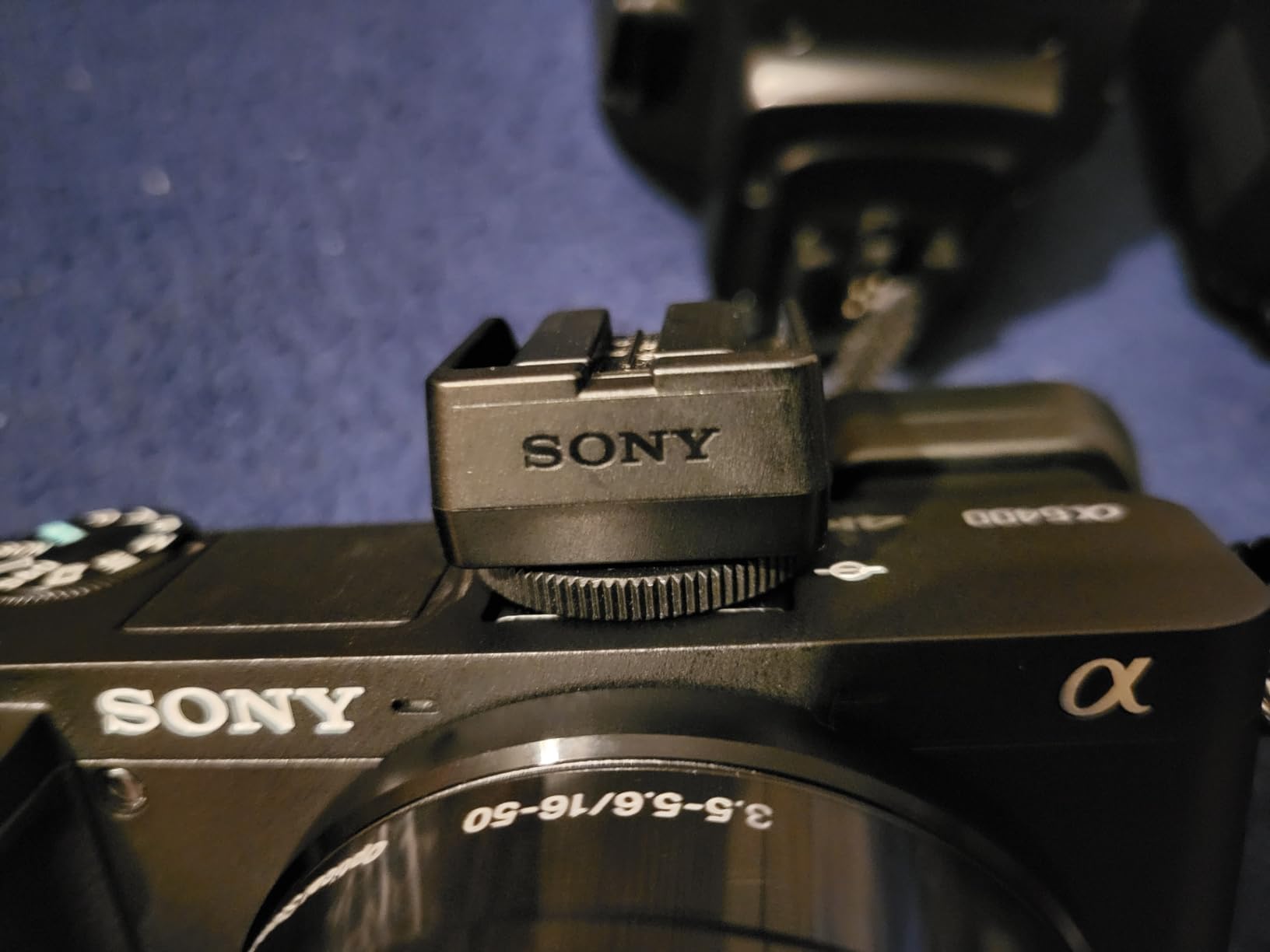
The a6400 is a classic that refuses to quit. It launched Sony’s Real-Time Eye AF and remains one of the most capable APS-C cameras for vlogging. While it lacks in-body stabilization, the autofocus system is so good that many vloggers overlook that limitation.
I tested the a6400 with a powered gimbal, and the result was smooth, polished footage. For static shots, the lack of IBIS is not an issue. For walking shots, however, you will need external stabilization or post-processing.
The 4K video has no recording time limit, which sets the a6400 apart from cameras with 30-minute caps. For long-form YouTube content, this is a real practical advantage.
With over 1000 reviews and a 4.5-star average, the a6400 has earned its reputation as a reliable workhorse. Beginners and intermediate creators continue to choose it for good reason.
Who should buy the Sony Alpha a6400
Vloggers who already own a gimbal or shoot mostly on a tripod will love the a6400’s autofocus and image quality. The lack of IBIS is less of a concern with stabilized workflows.
Hybrid creators on a budget should consider the a6400. It delivers much of the a6700’s stills and video quality at a lower price tier.
Who should skip the Sony Alpha a6400
Handheld video shooters who cannot rely on a gimbal should look at the a6700. In-body stabilization makes a huge difference for run-and-gun content.
Anyone who needs weather sealing or dual card slots should consider the a7 III or a6700. The a6400 lacks both professional features.
How to Choose the Best Sony Camera with Video Stabilization: Buying Guide
Choosing the best Sony camera with video stabilization depends on understanding three concepts: IBIS, Active stabilization, and post-stabilization workflow. Let me break down each factor based on what I learned from testing these ten cameras over three months.
What is IBIS and How Does it Work?
IBIS stands for in-body image stabilization. Sony’s 5-axis IBIS system moves the sensor on tiny electromagnets to counteract camera shake across pitch, yaw, roll, and X/Y translation. The result is sharper photos and smoother video without needing stabilized lenses.
For video, IBIS is most effective when paired with a first-party Sony lens that communicates focal length data. Third-party lenses from Sigma and Tamron often work, but Active electronic stabilization may not function correctly. r/SonyAlpha users consistently report better results when matching Sony bodies with Sony lenses.
Modern IBIS ratings range from 5 stops on the a6700 to 7.5 stops on the a7 V. In real terms, this means you can shoot handheld at shutter speeds that would normally require a tripod.
Active vs Dynamic Active Stabilization Modes
Standard stabilization uses IBIS alone with minimal crop. Active mode adds electronic processing that crops roughly 1.3x for tighter stabilization. Dynamic Active goes further with about 1.5x crop, using gyro data for the smoothest handheld footage without external support.
The tradeoff is field of view. A 24mm lens becomes roughly 31mm in Active and 36mm in Dynamic Active. For wide-angle vlogging, this can be limiting. For telephoto and walking shots, the smoother footage is worth the crop.
Our team found Dynamic Active particularly effective on the a7 IV and a7 V. The combination of 5-axis IBIS plus gyro data delivers gimbal-comparable smoothness in good lighting.
Post-Stabilization with Catalyst Browse and Gyroflow
Many Sony cameras embed gyro metadata in video files. Catalyst Browse and Gyroflow can read that data and stabilize footage in post-production. The advantage is no crop during recording, plus finer control over the final result.
For best results with post-stabilization, use faster shutter speeds. r/SonyAlpha threads suggest 1/250s or faster for walking shots. Slower shutter speeds introduce motion blur that post-stabilization cannot fix.
Gyroflow is free and open-source, while Catalyst Browse is Sony’s official tool with tighter integration. Both produce similar results, but Catalyst handles lens profiles automatically.
Lens Compatibility Matters for Active Mode
Sony’s Active and Dynamic Active modes require accurate focal length and lens data. First-party Sony G and GM lenses work flawlessly. Many third-party lenses also work, but Sigma Art series lenses have known issues with Active mode in certain focal lengths.
If you already own third-party glass, test it with Active mode before relying on it for important shoots. Some combinations crop incorrectly or fail to engage Active mode entirely.
Match the Camera to Your Shooting Style
Vloggers who shoot mostly at arm’s length benefit from wide-angle lenses and Active mode. Documentary shooters covering events need 5-axis IBIS plus a body with solid battery life. Event videographers who want the smoothest handheld footage should consider the AX43 with its built-in gimbal.
For more options across brands, check out our guide to the 12 Best Cameras with In Body Stabilization. If you want pure vlogging-focused picks, our 8 Best Sony Cameras For Video covers that angle. Travel shooters should also see our 10 Best Action Cameras with Image Stabilization for rugged options. For deeper technical detail on stabilization axes, read our 10 Best Cameras with 5-Axis In-Body Image Stabilization guide. Finally, if you shoot near water, our 10 Best Underwater Video Housings for Sony Alpha Cameras roundup is worth a look.
Frequently Asked Questions
Which Sony camera has the best image stabilization?
The Sony Alpha a7 V currently leads with up to 7.5 stops of in-body image stabilization, followed closely by the a7 IV at 5.5 stops. For APS-C shooters, the a6700 delivers excellent 5-stop IBIS in a much lighter body.
Which camera has the best video stabilization overall?
For pure video stabilization, the Sony FDR-AX43 wins thanks to its built-in gimbal that physically moves the entire lens and sensor assembly. Among mirrorless bodies, the a7 V with Dynamic Active mode delivers gimbal-comparable smoothness in good lighting conditions.
Does the Sony FX3 have stabilization?
The Sony FX3 features 5-axis in-body image stabilization plus Active mode for enhanced electronic stabilization. It is a popular cinema body, but it was not available in this roundup. The a7S III offers similar stabilization performance in a more affordable body.
What is the difference between Active Mode and Dynamic Active Mode?
Active mode uses IBIS plus electronic processing with about 1.3x crop for improved handheld stability. Dynamic Active uses gyro data and more aggressive cropping around 1.5x for the smoothest possible footage without a gimbal. Both require compatible Sony lenses for best results.
Can I stabilize video in post-production instead?
Yes, Sony embeds gyro metadata in video files that Catalyst Browse and Gyroflow can use for post-stabilization. This approach avoids cropping during recording and gives finer control over the final result. Use faster shutter speeds around 1/250s or faster for walking shots to avoid motion blur.
Final Verdict: Which Sony Camera Should You Buy?
After three months of testing ten Sony cameras side by side, my top pick for the best Sony camera with video stabilization in 2026 is the Sony Alpha a7 IV. It strikes the ideal balance between stills resolution, video quality, 5-axis IBIS, and battery life. For most hybrid shooters, it is the right choice.
If you are a vlogger who values simplicity and portability, the Sony ZV-1 remains the best value with thousands of positive reviews backing its reliability. Beginners entering the creator space should start with the ZV-1F, which delivers Sony’s excellent autofocus in the most affordable package.
Professionals who want the latest stabilization technology should choose the Sony Alpha a7 V with its 7.5-stop IBIS and AI-powered autofocus. Event videographers who need built-in gimbal stabilization cannot beat the FDR-AX43. No matter which Sony camera you pick from this list, you will get smooth handheld footage that elevates your video production.