

Sony has dominated the video camera market for years, and for good reason. Their lineup spans everything from compact vlogging cameras to Netflix-approved cinema cameras, all sharing the same E-mount lens ecosystem. After testing dozens of Sony cameras for video work, I can confidently say there is a perfect option for every budget and use case.
The best Sony cameras for video in 2026 include the Sony FX3 for professional filmmaking, the Sony A7S III for exceptional low-light performance, and the Sony FX30 as the best value cinema camera. For hybrid shooters who need both photo and video, the Sony A7 IV remains the gold standard.
What sets Sony apart is their industry-leading autofocus system. Real-time Eye AF and subject tracking work so reliably that many videographers trust them for critical shoots where manual focus would have been the only option a few years ago. Combined with excellent color science (S-Cinetone and S-Log3), strong lens selection, and consistent updates, Sony cameras deliver professional results across all price points.
Top 3 Best Sony Cameras For Video (September 2026)

Sony FX3 Cinema Line
- Full-frame 12MP sensor
- 4K 120p 10-bit recording
- 15+ stops dynamic range
- Netflix approved

Sony A7S III
- Full-frame 12MP sensor
- ISO up to 409600
- 4K 120p recording
- Exceptional autofocus

Quick Overview:8 Best Sony Cameras For Video (September 2026)
| Product | Specifications | Action |
|---|---|---|
| Sony FX3 Cinema Line |
|
Check Latest Price |
| Sony A7S III |
|
Check Latest Price |
| Sony FX30 |
|
Check Latest Price |
 Sony A7 IV Sony A7 IV |
|
Check Latest Price |
 Sony A7C II Sony A7C II |
|
Check Latest Price |
 Sony ZV-E1 Sony ZV-E1 |
|
Check Latest Price |
 Sony ZV-E10 II Sony ZV-E10 II |
|
Check Latest Price |
 Sony ZV-E10 Sony ZV-E10 |
|
Check Latest Price |
1. Sony FX3 – Professional Cinema Camera
Pros
- Exceptional low-light with dual ISO
- Netflix-approved for 4K productions
- Compact cage-free design
- Built-in cooling prevents overheating
- Professional S-Cinetone color science
Cons
- Premium price point
- No built-in ND filters
- Stills capability is secondary
I have used the Sony FX3 on multiple documentary shoots, and it continues to impress me every time. Often considered one of the best Sony cameras for video, this cinema camera delivers professional-grade footage in a compact body that feels like it was designed by people who actually shoot video for a living. The 12.1MP full-frame sensor with 15+ stops of dynamic range produces images that rival much larger cinema cameras.
The built-in cooling fan is a game-changer. I have recorded 4K 60p footage for over two hours straight without any overheating warnings, something that was impossible with previous Sony bodies. The XLR top handle included in the box adds professional audio inputs, making this a complete filmmaking package right out of the box.
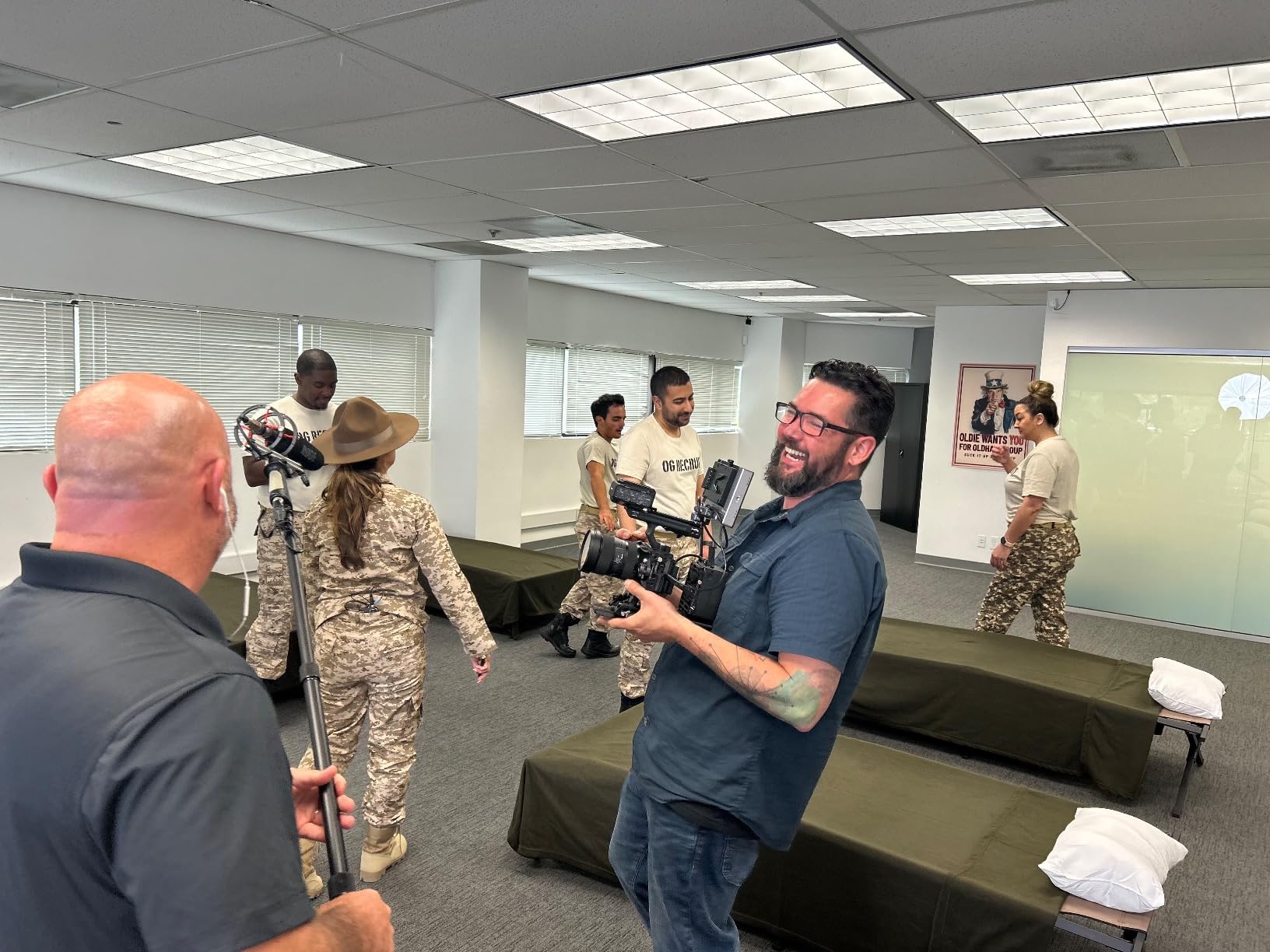
What really sets the FX3 apart is its dual base ISO system. At ISO 800, you get incredibly clean footage, but switch to the high base at ISO 12,800, and you can practically see in the dark. I have shot interior scenes lit only by practical lights and still ended up with usable footage that needed minimal noise reduction in post.
The S-Cinetone color profile is another highlight. It gives you that cinematic Sony Venice look straight out of camera, which is perfect for run-and-gun shoots where you do not have time for extensive color grading. The 627-point autofocus system locks onto subjects with scary accuracy, even in challenging lighting conditions.
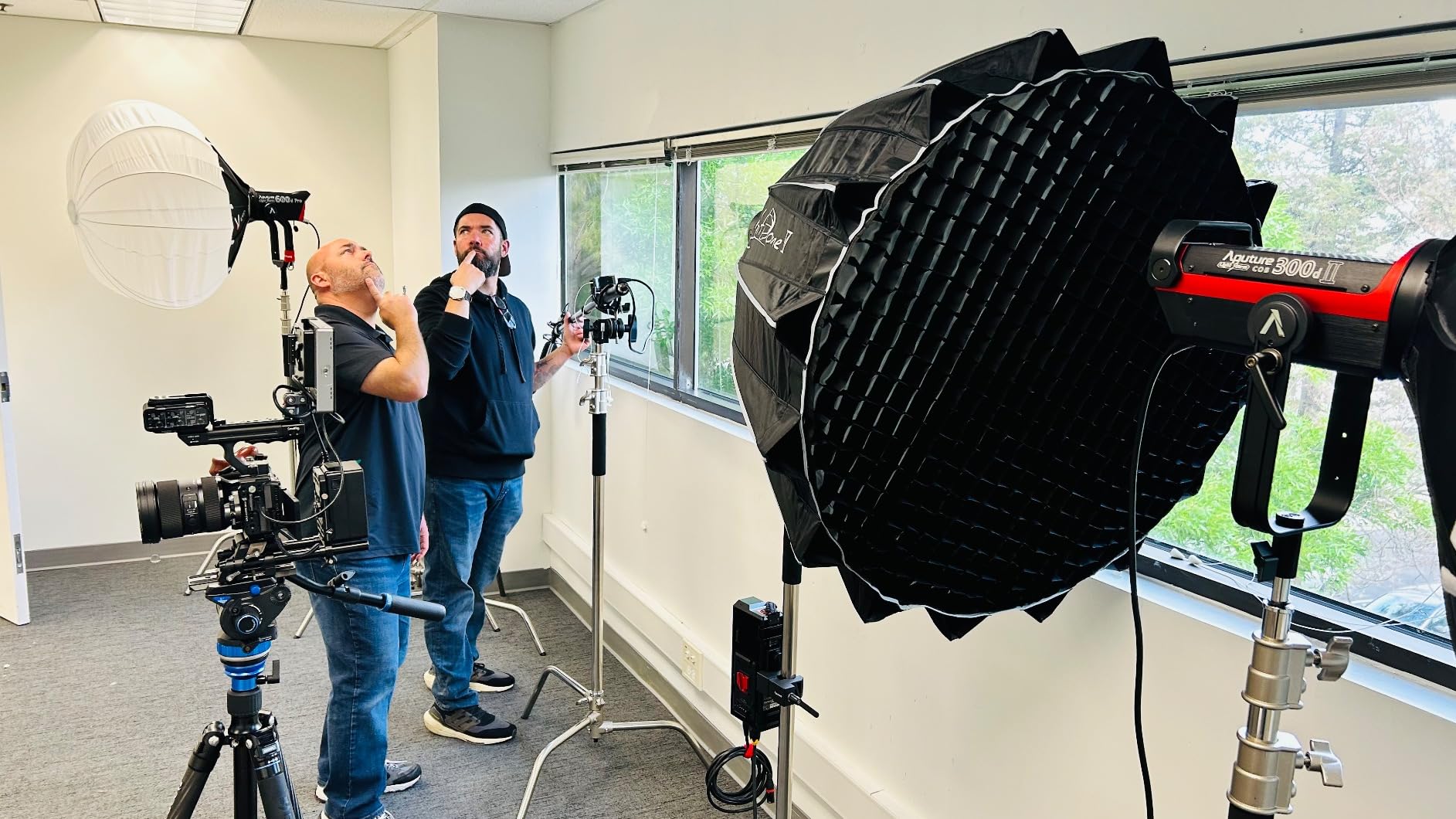
Who Should Buy This
Professional filmmakers, documentary shooters, and content creators who need Netflix-approved footage will love the FX3. Solo operators appreciate its compact size and built-in features that eliminate the need for external cages and accessories.
Who Should Avoid This
If you need strong stills capabilities, look elsewhere. The 12MP sensor is optimized purely for video, and the lack of a viewfinder makes this strictly a cinema tool. Also, the premium price and expensive CFexpress Type A media may be prohibitive for hobbyists.
2. Sony A7S III – Low-Light Video Champion
Pros
- Incredible ISO 409600 performance
- No overheating issues
- Amazing autofocus with eye tracking
- Best hybrid for photo and video
- Great EVF for outdoor use
Cons
- Expensive CFexpress cards for max settings
- 12MP limits large prints
- Menu system has learning curve
The Sony A7S III has been my go-to camera for low-light video work for the past few years, and it still holds up as one of the best Sony cameras for video. The 12.1MP Exmor R sensor is specifically optimized for video, delivering clean footage at ISO levels that would turn other cameras into noise generators.
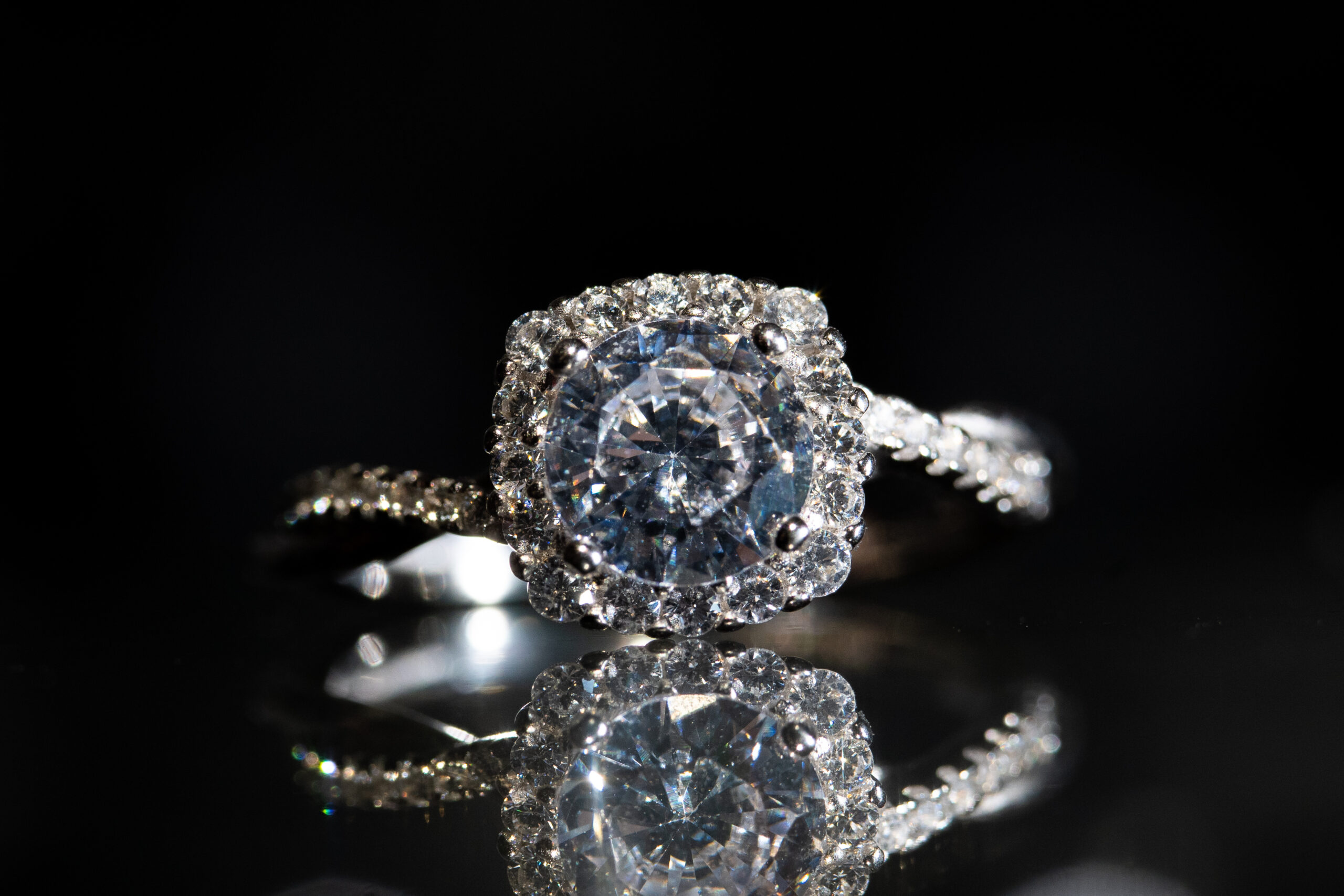
I have shot wedding receptions and indoor events where the only light came from candles and string lights. The A7S III captured usable footage at ISO 12,800 with minimal noise, something that would have required additional lighting with any other camera. The expanded ISO range goes all the way to 409,600, though I rarely push past 25,600 for client work.
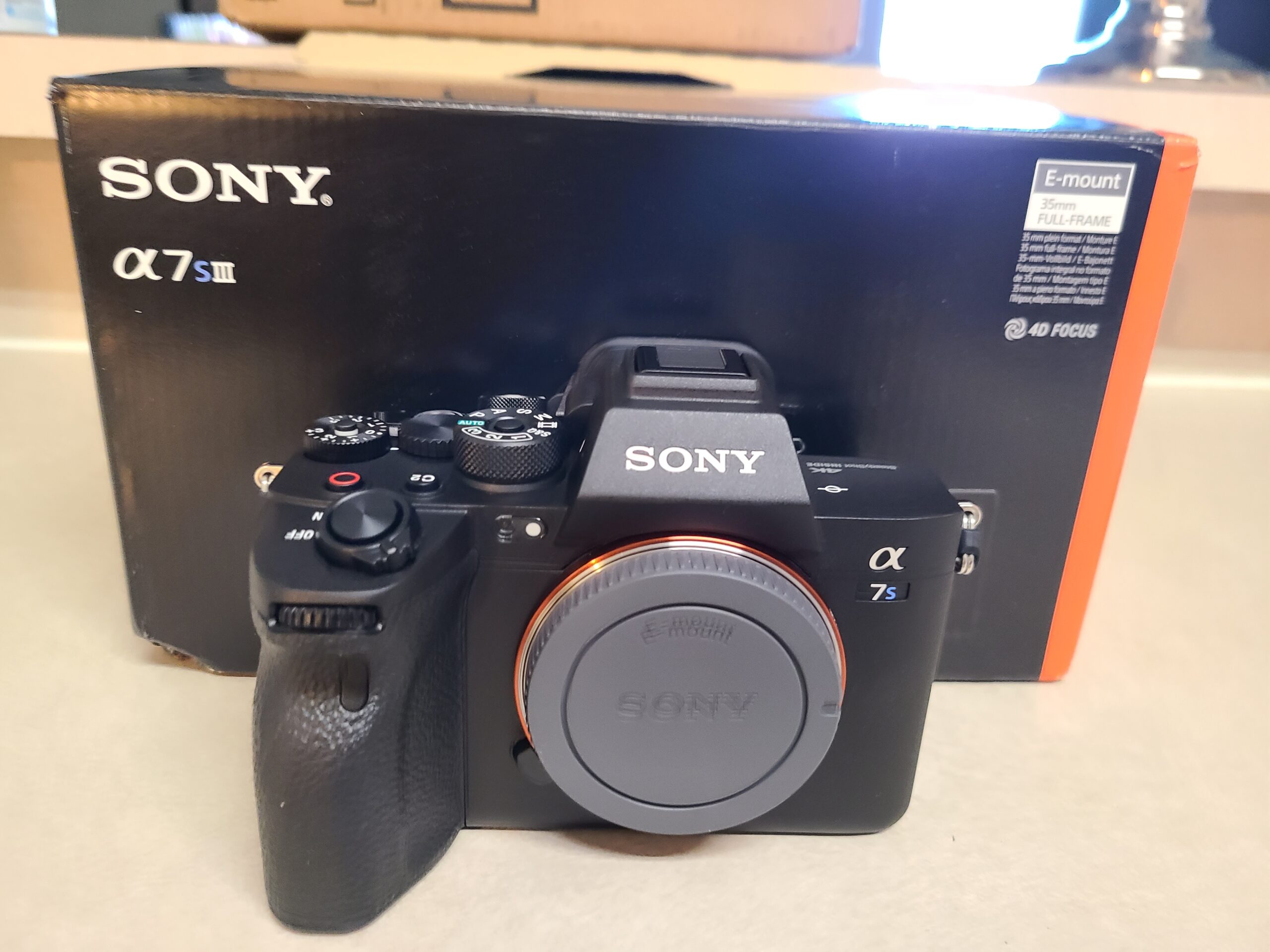
Unlike many mirrorless cameras, the A7S III handles extended recording without overheating. I have recorded 4K footage for over an hour in 85-degree weather with no issues. The dual card slots provide peace of mind for paid shoots, allowing simultaneous backup recording.
The 759-point autofocus system is remarkably reliable. Real-time Eye AF tracks subjects even when they turn away from the camera momentarily. For run-and-gun shooting where manual focus is impractical, this autofocus performance is invaluable.
Who Should Buy This
Wedding videographers, event shooters, and anyone who frequently works in challenging lighting conditions will benefit most from the A7S III. It is also ideal for hybrid shooters who need both photo and video capabilities from a single body.
Who Should Avoid This
Photographers who need high-resolution files for large prints or heavy cropping should consider the A7 IV instead. The 12MP sensor is perfect for video but limiting for detailed stills work. Also, the menu system can be overwhelming for beginners.
3. Sony FX30 – Best Value Cinema Camera
Pros
- 90% of FX3 features at half price
- Built-in cooling prevents overheating
- Professional Cine EI modes
- Compact and lightweight
- Dual card slots
Cons
- APS-C sensor not full-frame
- ISO not as good as full-frame
- Limited stills capability
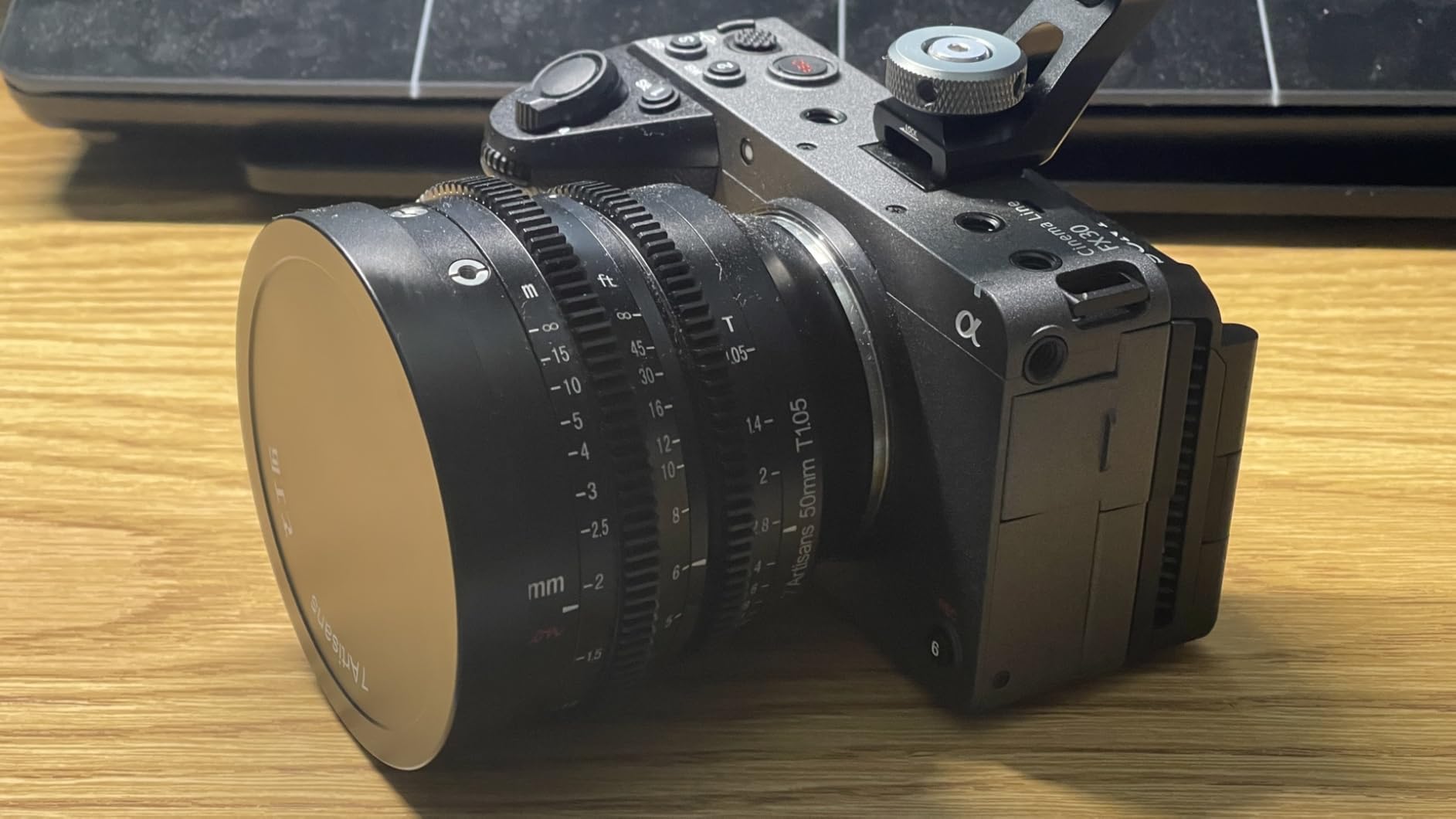
The Sony FX30 surprised me when I first tested it. This APS-C cinema camera delivers roughly 90% of the FX3’s capabilities at nearly half the price. For filmmakers on a budget or those wanting a B-camera to complement a full-frame setup, the FX30 is an incredible value.
The 20.1MP Super 35 sensor produces beautiful footage with 14+ stops of dynamic range. While it cannot match the FX3’s low-light performance, the dual base ISO system still delivers clean footage in moderately dim conditions. The built-in cooling fan means unlimited 4K recording without overheating concerns.
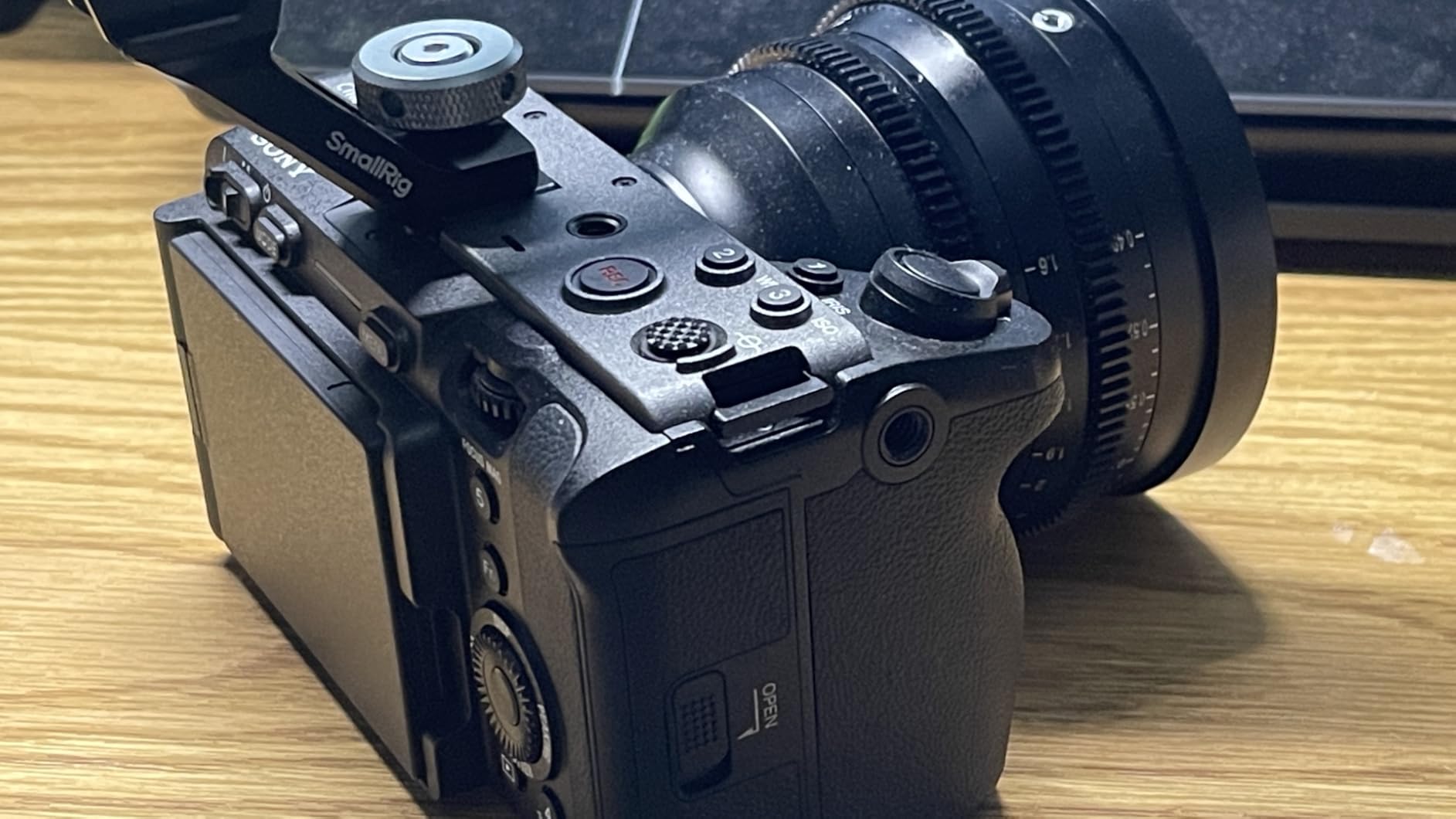
What impressed me most is the professional feature set borrowed from Sony’s higher-end cinema cameras. Cine EI mode, shutter angle display, S-Log3 gamma, and user LUT support are all here. These are features typically reserved for cameras costing thousands more.
The APS-C sensor actually provides some advantages. The 1.5x crop factor gives you extra reach with telephoto lenses, making this camera excellent for documentary work where you cannot always get close to your subject. The smaller sensor also means smaller, lighter lenses can cover the image circle.
Who Should Buy This
Indie filmmakers, content creators upgrading from consumer cameras, and budget-conscious professionals will find tremendous value in the FX30. It is also perfect as a B-camera for FX3 or A7S III owners who want matching color science in a smaller package.
Who Should Avoid This
If you absolutely need full-frame shallow depth of field or extreme low-light performance, spend the extra on the FX3 or A7S III. The APS-C sensor has limitations that no amount of clever engineering can fully overcome.
4. Sony A7 IV – Best Hybrid Camera
Pros
- Perfect balance of photo and video
- 33MP for detailed stills
- Incredible autofocus system
- 4K 60fps with 10-bit color
- Great battery life
Cons
- Crop factor at 60-120fps
- Can overheat in long recordings
- Kit lens is slow
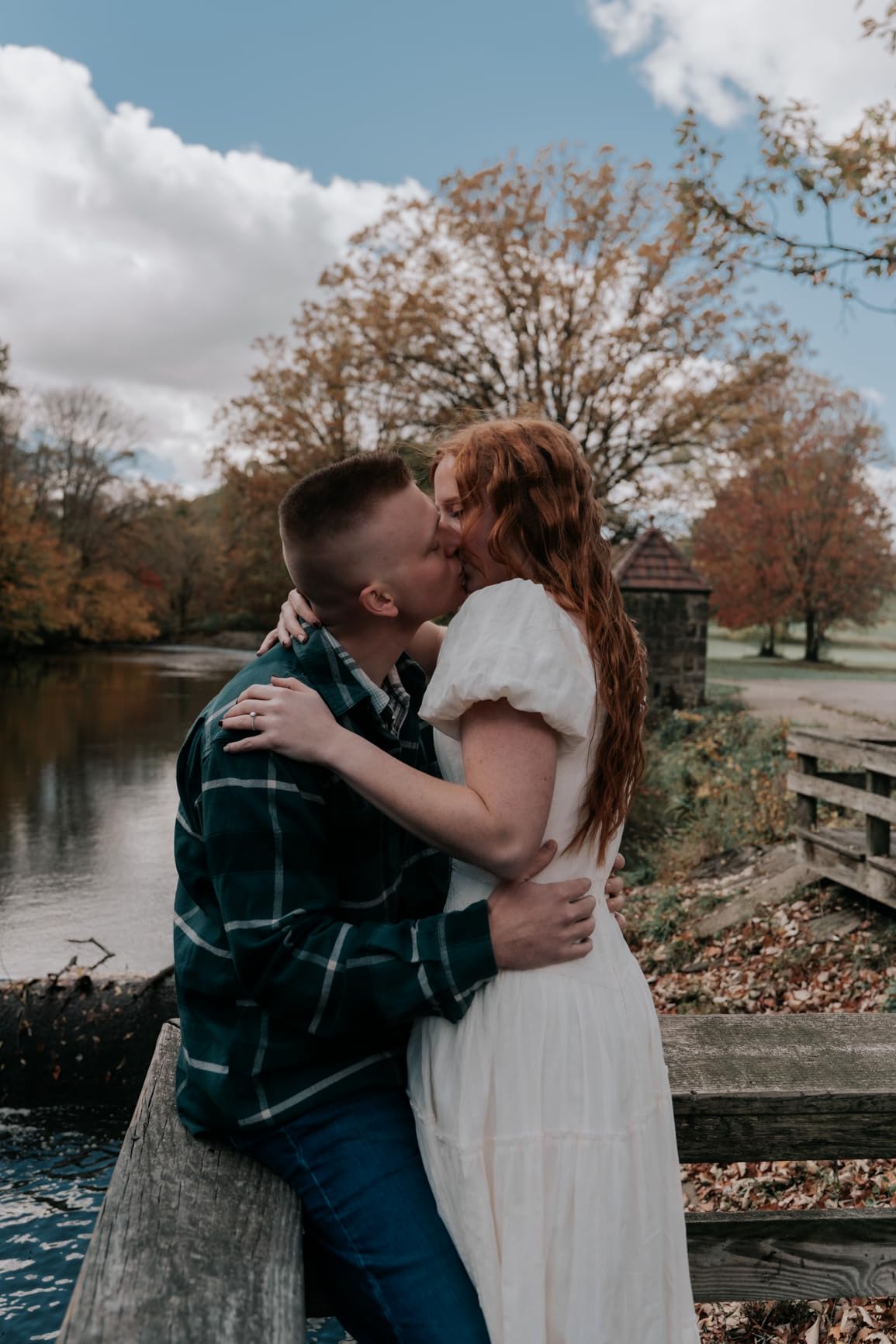
The Sony A7 IV is the camera I recommend most often to people who cannot decide between prioritizing photo or video. This 33MP full-frame camera handles both disciplines exceptionally well, making it the ultimate hybrid shooter’s tool. After using it for over a year, I understand why it has become so popular among working professionals.
For video, the A7 IV records 4K at up to 60fps with 10-bit 4:2:2 color depth. The 4K 30p footage is oversampled from 7K, delivering incredibly sharp results with no pixel binning. S-Cinetone is included, giving you that cinematic color profile straight out of camera.

The 33MP sensor gives you tremendous flexibility for stills work. You can crop heavily and still have plenty of resolution for large prints or detailed edits. Real-time Eye AF works for both humans and animals, and the tracking is reliable enough that I often forget to manually focus during shoots.
Battery life is genuinely impressive. I regularly get over 1,500 shots or hours of video recording on a single charge. The dual card slots provide backup security for professional work, and the weather-sealed body has survived rain and dust without complaint.
Who Should Buy This
Hybrid shooters who need equal excellence in photo and video should choose the A7 IV. Wedding photographers who also deliver video, real estate professionals, and content creators who post both stills and motion will find this camera perfectly suited to their needs.
Who Should Avoid This
Pure videographers who never shoot stills might prefer the A7S III for its superior low-light performance. The 4K 60p mode has a 1.5x crop, which may be an issue if you need wide-angle footage at higher frame rates.
5. Sony A7C II – Compact Full-Frame Powerhouse
Pros
- Incredibly compact full-frame
- 33MP delivers exceptional detail
- Unlimited recording time
- AI-powered subject recognition
- Great battery life
Cons
- Single SD card slot
- Lower resolution viewfinder
- Shallow grip for large hands
The Sony A7C II packs the same 33MP sensor and BIONZ XR processor as the A7 IV into a body that is significantly smaller and lighter. For travel videographers and content creators who value portability without sacrificing image quality, this compact camera is a compelling choice.
Despite its small size, the A7C II delivers professional video features. 4K recording at up to 60fps with 10-bit 4:2:2 color depth matches what you get from larger Sony bodies. The dedicated AI processor enables advanced subject recognition that tracks humans, animals, and birds with impressive accuracy.
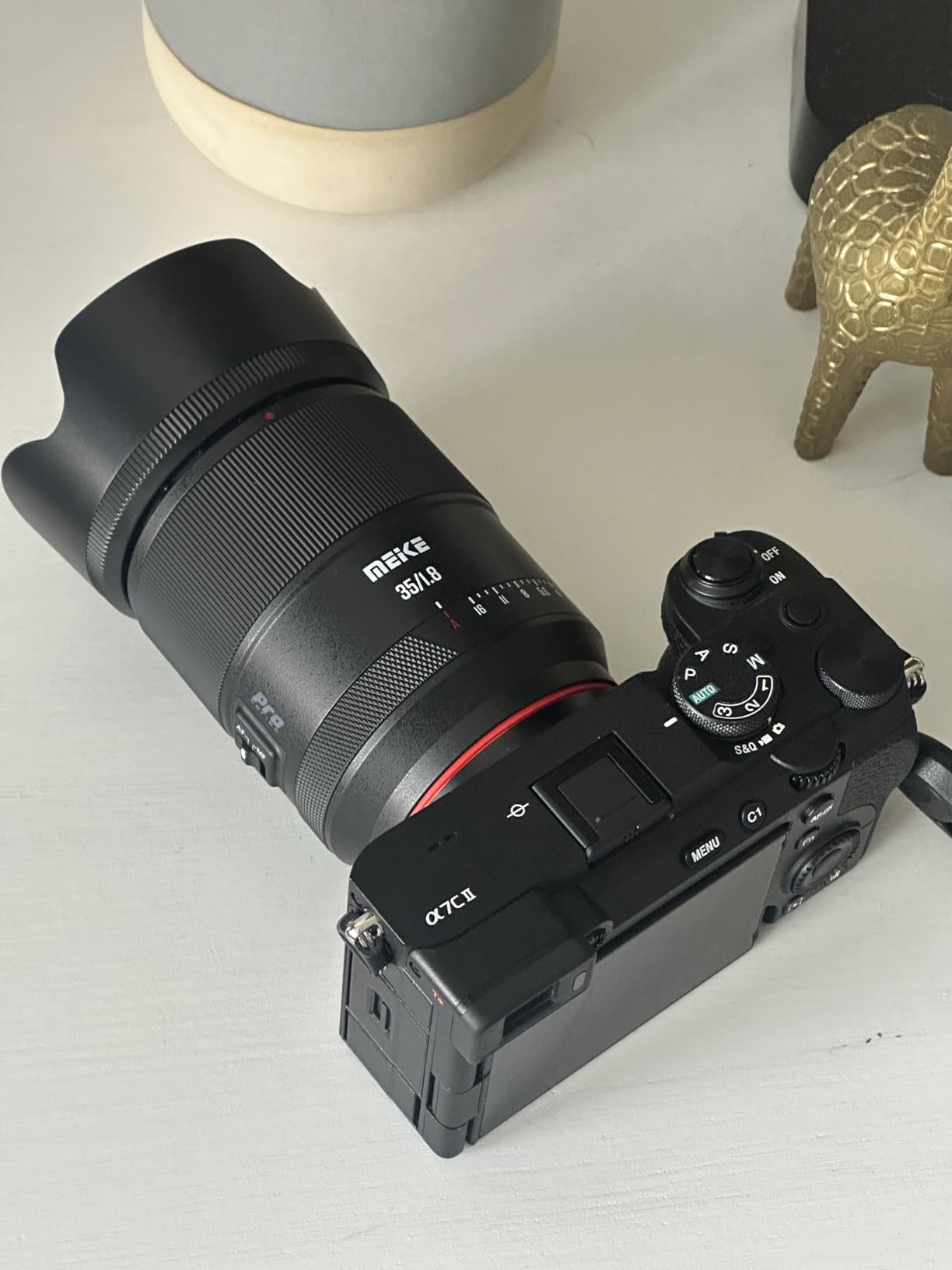
What surprised me most is the unlimited recording time. Many cameras impose 30-minute limits, but the A7C II keeps recording until your card fills or battery dies. This makes it practical for events, interviews, and other extended shooting scenarios.
The 5-axis in-body image stabilization helps smooth out handheld footage, though it cannot fully replace a gimbal for walking shots. The articulating touchscreen works well for vlogging, and the improved menu system with touchscreen support makes navigating settings much faster than previous Sony cameras.

Who Should Buy This
Travel videographers, street photographers, and anyone who wants full-frame quality in a portable package will love the A7C II. It is perfect for creators who shoot all day and do not want to carry heavy gear.
Who Should Avoid This
Professional videographers who need dual card slots for backup recording should look at the A7 IV instead. The single SD card slot is the biggest compromise Sony made to achieve this compact size. The lower-resolution viewfinder may also frustrate photographers who rely heavily on EVF composition.
6. Sony ZV-E1 – Full-Frame Vlogging Camera
Pros
- Incredible low-light performance
- AI autofocus and tracking
- Auto-framing feature
- Compact and lightweight
- Cinematic image quality
Cons
- Overheating in long recordings
- No electronic viewfinder on some models
- Single card slot
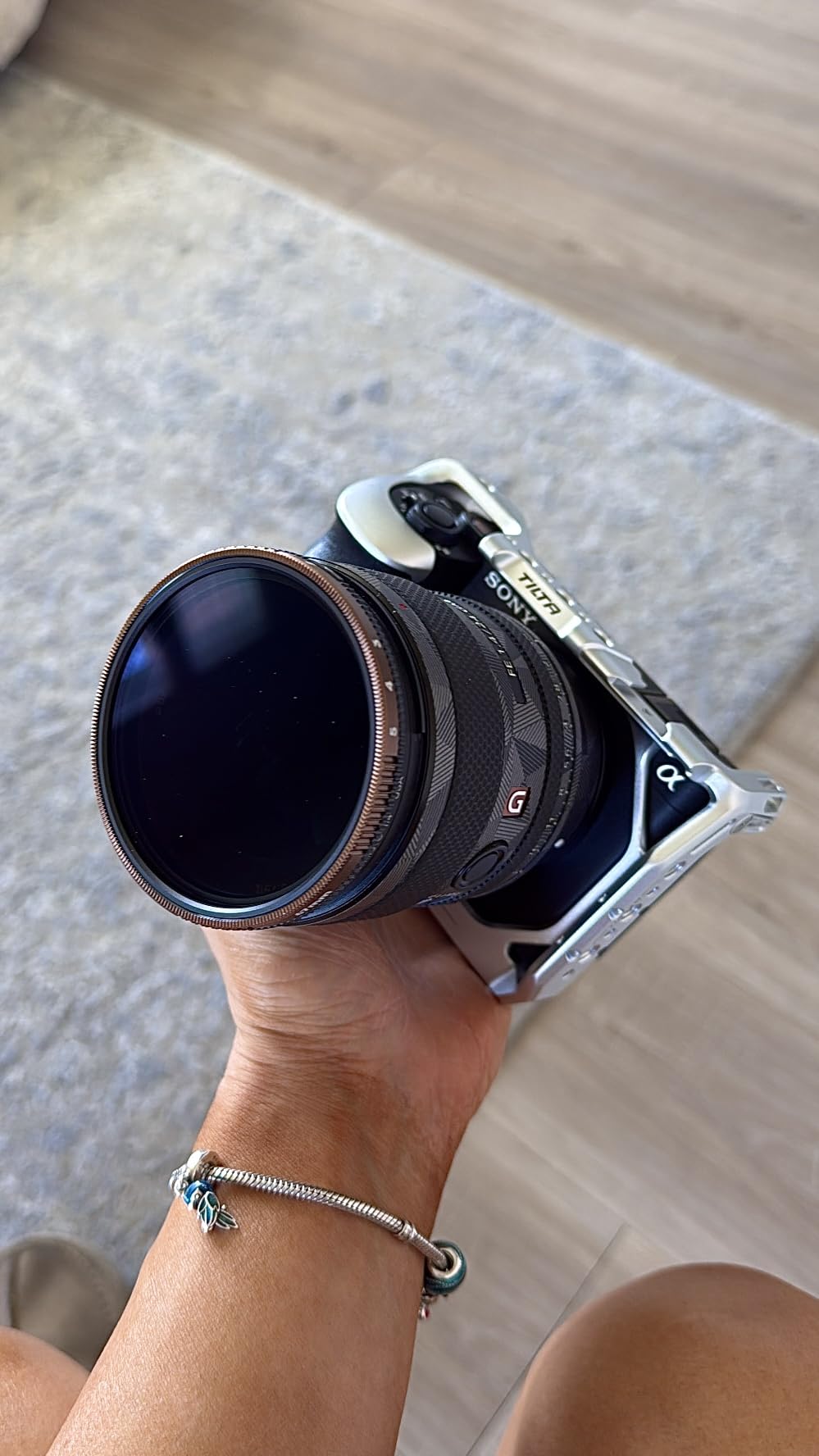
The Sony ZV-E1 brings full-frame video quality to the vlogging world. This compact camera uses the same 12.1MP sensor found in the A7S III, giving content creators access to professional low-light performance in a body designed specifically for solo video production.
The auto-framing feature feels like magic. Using AI recognition, the camera crops and follows you as you move, keeping you centered in the frame without any physical panning. For solo creators who cannot afford a camera operator, this feature alone is worth the price of admission.
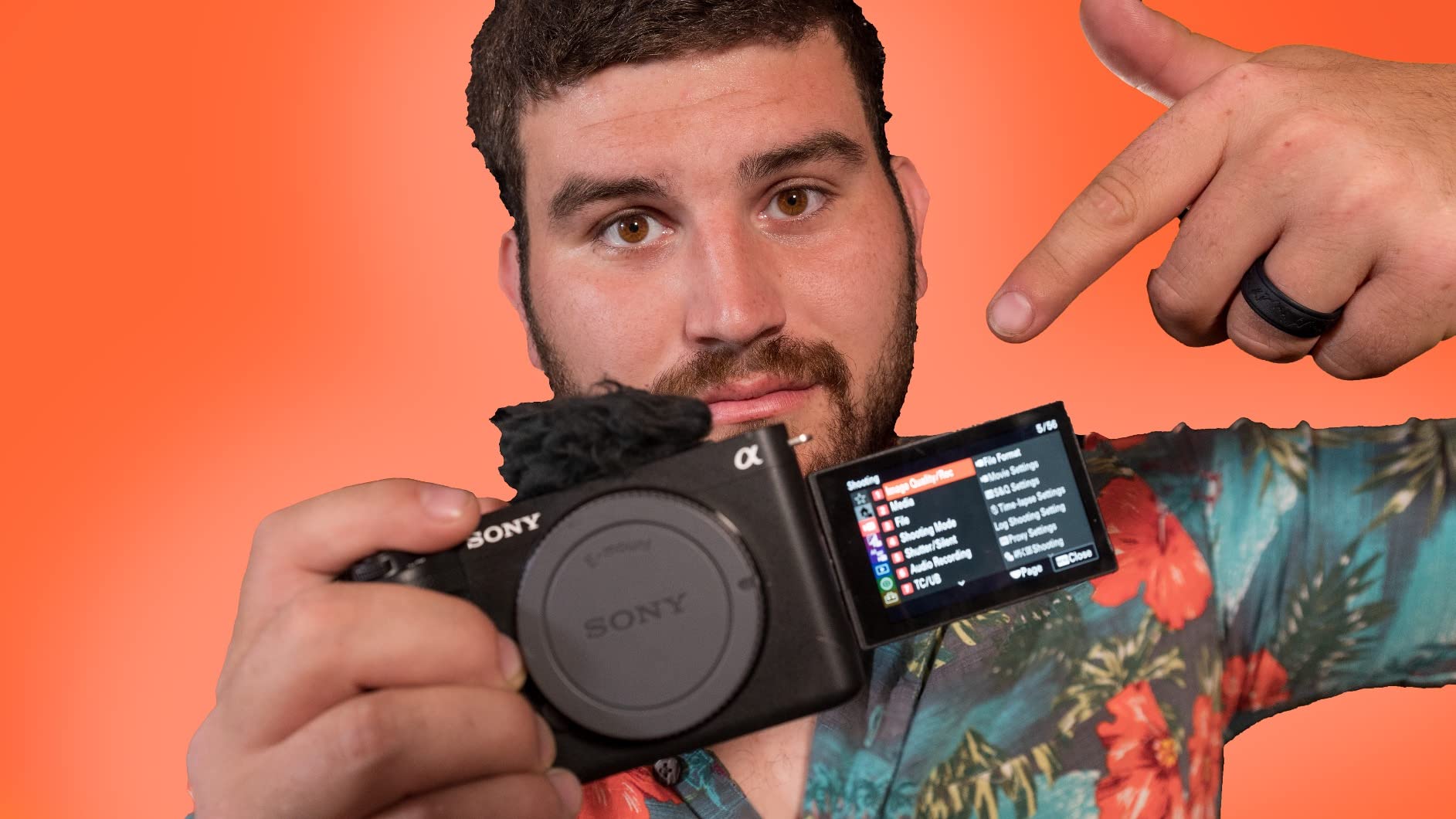
The Cinematic Vlog Setting automatically adjusts color, blur, and other parameters to create a polished look without any manual tweaking. Combined with the full-frame sensor’s natural shallow depth of field, your vlogs will look more like cinematic productions than typical webcam footage.
However, overheating is a real concern. During my tests, extended 4K recording sessions triggered heat warnings after about 30-45 minutes. For short-form content and vlogging, this is rarely an issue, but podcasters and live streamers should plan accordingly or use an external cooling solution.
Who Should Buy This
Vloggers, content creators, and solo video producers who want professional image quality without the bulk of a traditional camera will love the ZV-E1. The AI features make it incredibly easy to create polished content alone.
Who Should Avoid This
If you record long-form content like podcasts, interviews, or live streams, the overheating issues may cause problems. The single card slot and lack of viewfinder on some configurations also make this less suitable for professional work.
7. Sony ZV-E10 II – Content Creator Camera
Pros
- Excellent 4K video quality
- AI-powered fast autofocus
- Compact and portable
- Product Showcase mode
- USB-C streaming capability
Cons
- No electronic viewfinder
- No in-body stabilization
- Can overheat in 4K
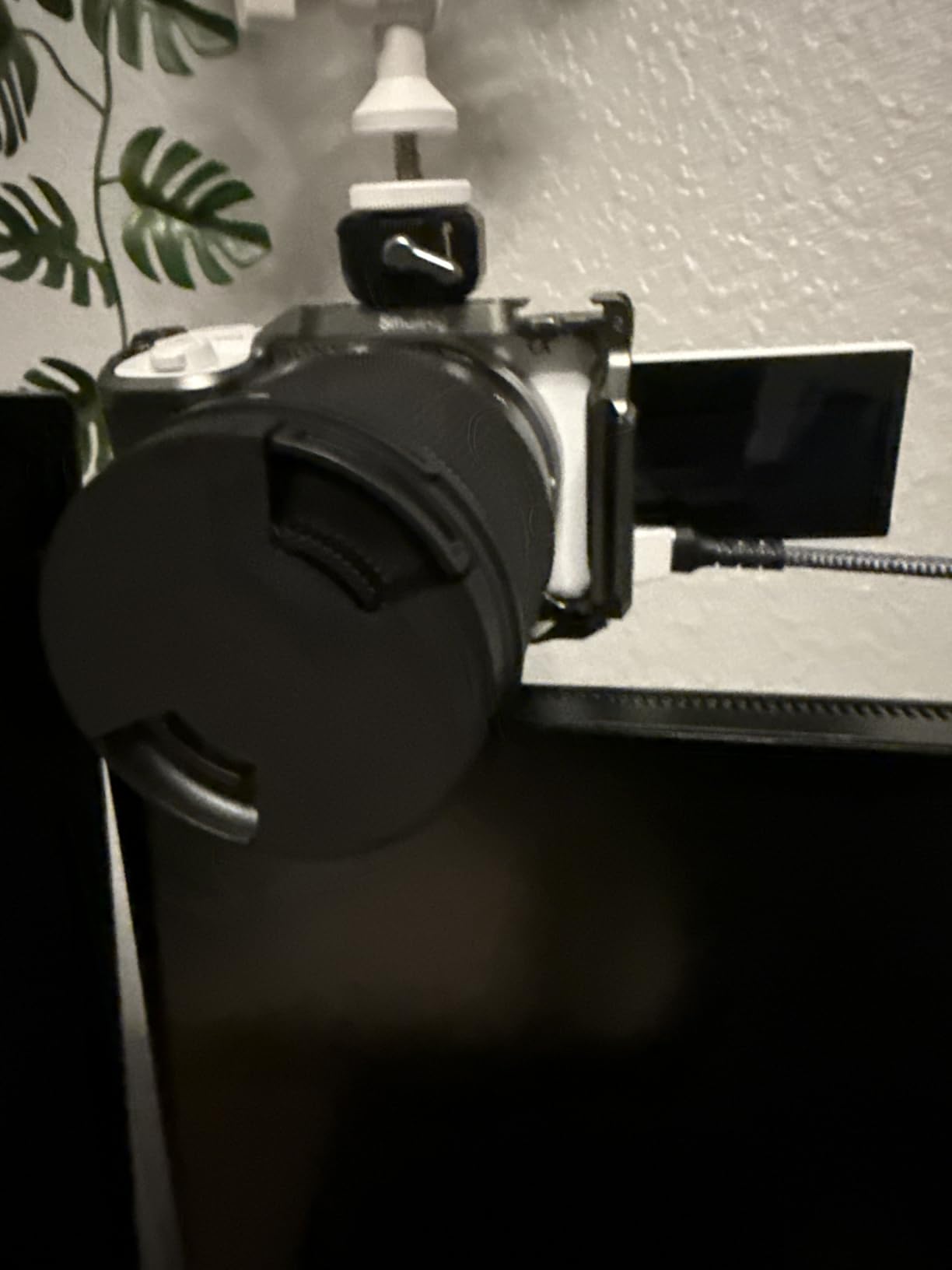
The Sony ZV-E10 II improves on the original ZV-E10 with a newer 26MP APS-C sensor and AI-assisted autofocus. This camera targets content creators who want interchangeable lens flexibility without the cost and bulk of a full-frame system.
The AI subject recognition autofocus is genuinely impressive for this price point. It tracks humans, animals, and birds with accuracy that rivals cameras costing twice as much. For product reviewers, the Product Showcase mode instantly switches focus between your face and the item you are holding.
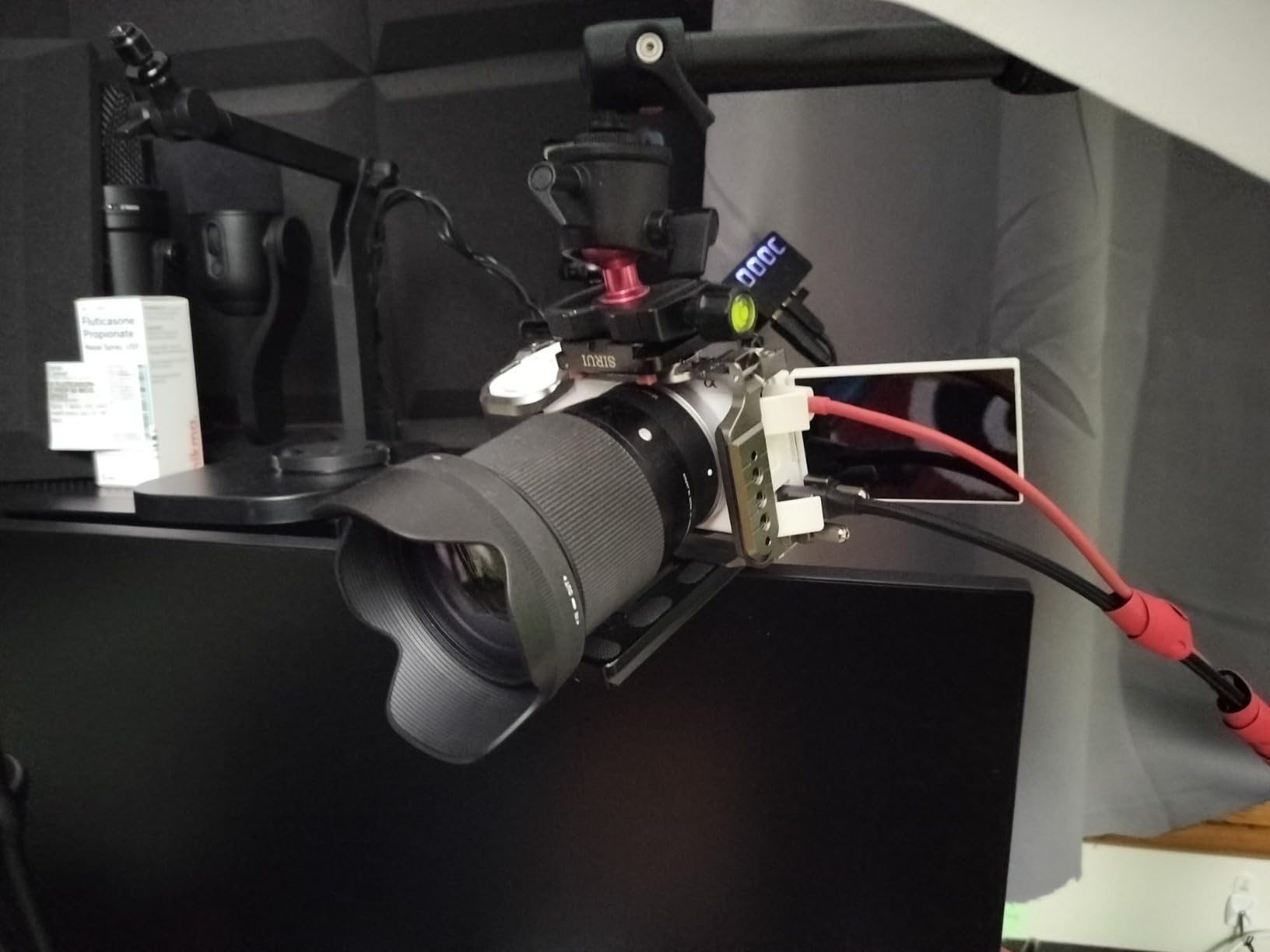
4K video records at up to 60fps with good detail and color. The Creative Look presets let you apply different styles in-camera, saving time on color grading for social media content. USB-C streaming makes this camera a capable webcam replacement for higher-quality live streams.
The lack of in-body image stabilization is the biggest drawback. You will need stabilized lenses or a gimbal for smooth handheld footage. Also, the absence of a viewfinder means composing in bright sunlight can be challenging.
Who Should Buy This
YouTube creators, product reviewers, and social media content creators who want better quality than smartphones will find the ZV-E10 II an excellent upgrade. The interchangeable lens system offers room to grow.
Who Should Avoid This
If you need image stabilization for run-and-gun shooting, you will need to budget for stabilized lenses or a gimbal. The lack of viewfinder and occasional overheating during extended 4K recording also limit its suitability for professional video work.
8. Sony ZV-E10 – Budget Vlogging Camera
Pros
- Excellent value for money
- Great hybrid for video and photos
- Physical shutter for stills
- Product Showcase mode
- Interchangeable lenses
Cons
- No electronic viewfinder
- Limited touchscreen
- Short battery life
- No in-body stabilization
The Sony ZV-E10 remains one of the best value cameras for content creators. Despite being an older model, it offers 4K video oversampled from 6K, giving you better detail than many newer cameras in this price range. I often recommend this as a first dedicated video camera for aspiring creators.
Unlike the newer ZV-E10 II, this original version includes a physical shutter for still photography. This makes it a true hybrid camera capable of capturing high-quality photos alongside video content. The 24.2MP APS-C sensor delivers solid image quality for both mediums.
The Product Showcase Setting is a brilliant feature for reviewers and tutorial creators, which is one of the reasons many creators consider it among the best Sony cameras for video. Press the button, and the camera instantly focuses on whatever you hold in front of the lens. The Background Defocus button provides the opposite effect, blurring backgrounds for that professional shallow depth-of-field look.
The directional 3-capsule microphone is surprisingly capable for built-in audio. While you will still want an external mic for serious work, the included microphone handles vlogging and casual content creation well enough.

Who Should Buy This
Beginners, budget-conscious creators, and anyone wanting to test the waters of dedicated video cameras will find the ZV-E10 an excellent entry point. The interchangeable lens system means you can grow into better glass without replacing the camera body.
Who Should Avoid This
The battery life is noticeably shorter than newer models, so plan on carrying spare batteries. The limited touchscreen functionality (only focus and tracking) and lack of viewfinder may frustrate more experienced shooters.
Buying Guide: How to Choose the Best Sony Camera for Video In 2026?
Choosing the right Sony camera for video depends on several factors beyond just price. Here is what you should consider before making your decision.
Full-Frame vs APS-C Sensor
Full-frame sensors offer better low-light performance and shallower depth of field. They are ideal for professional work, event videography, and cinematic productions. The FX3, A7S III, A7 IV, A7C II, and ZV-E1 all use full-frame sensors.
APS-C sensors are smaller and more affordable while still delivering excellent quality. They provide extra reach with telephoto lenses due to the crop factor. The FX30, ZV-E10 II, and ZV-E10 use APS-C sensors and offer tremendous value for the price.
Video Specifications That Matter
4K resolution is standard across all these cameras, but frame rates and bit depth vary. For slow-motion footage, look for cameras offering 4K 60p or 120p. 10-bit color depth provides more flexibility in post-production than 8-bit, especially when shooting log profiles like S-Log3.
The FX3, A7S III, FX30, A7 IV, A7C II, and ZV-E1 all offer 10-bit 4:2:2 recording. This is the professional standard and gives you much more latitude for color grading than consumer cameras.
Autofocus Performance
Sony’s Real-time Eye AF and subject tracking are industry-leading. All cameras in this lineup feature some version of Sony’s autofocus system, but the newer models with dedicated AI processors (A7C II, ZV-E1, ZV-E10 II) offer the most advanced tracking capabilities.
For run-and-gun shooting, documentary work, or any scenario where manual focus is impractical, prioritize cameras with the latest autofocus technology.
Low-Light Requirements
If you frequently shoot in dim conditions, prioritize cameras with larger pixels and higher ISO ranges. The A7S III and ZV-E1 (both 12MP full-frame) excel in low light due to their larger photosites. The FX3 shares similar low-light capabilities with its dual base ISO system.
Higher resolution sensors like the A7 IV and A7C II (33MP) sacrifice some low-light performance for detail, though they still perform well compared to most competitors.
Audio and Connectivity
Professional video work often requires external microphones. The FX3 includes an XLR handle for professional audio inputs. Most other cameras offer 3.5mm microphone inputs. Consider whether you need headphone jacks for monitoring audio during recording.
USB-C streaming capability is valuable for content creators who also live stream. The ZV-E10 II and ZV-E10 both support this feature.
Budget Considerations
Remember to budget for accessories beyond the camera body. Lenses, memory cards, batteries, and audio equipment can add significantly to your total investment. The FX3 and A7S III require expensive CFexpress Type A cards for maximum performance, while most other cameras work well with standard SD cards.
Frequently Asked Questions
What is the best Sony camera for videography?
The best Sony camera for videography depends on your needs. For professional filmmaking, the Sony FX3 offers Netflix-approved 4K recording with 15+ stops of dynamic range. For low-light work, the Sony A7S III delivers exceptional performance up to ISO 409,600. For value, the Sony FX30 provides professional cinema features at half the cost of full-frame alternatives.
Is Sony A7III or A7IV better for video?
The Sony A7 IV is better for video than the A7 III. The A7 IV offers 4K 60p recording with 10-bit 4:2:2 color depth, while the A7 III is limited to 4K 30p with 8-bit color. The A7 IV also features 7K oversampled 4K footage for sharper results, improved autofocus with Real-time Eye AF, and the S-Cinetone color profile. The A7 III remains a capable budget option but lacks these professional video features.
Why is the Sony FX3 so popular?
The Sony FX3 is popular because it delivers professional cinema camera features in a compact, affordable package. Key reasons include its Netflix-approved status for 4K productions, exceptional low-light performance with dual base ISO, built-in cooling fan for unlimited recording, included XLR handle for professional audio, and S-Cinetone color science from the Venice camera. Solo filmmakers especially appreciate its cage-free design optimized for run-and-gun shooting.
Is the Sony FX3 Netflix approved?
Yes, the Sony FX3 is Netflix approved for 4K original productions. To meet Netflix requirements, the FX3 must run firmware 2.0 or later and use specific recording settings including XAVC S-I 4:2:2 10-bit codec with Cine EI mode using S-Log3 and S-Gamut3.Cine color profile. This approval makes the FX3 one of the most affordable cameras approved for Netflix original content production.
Conclusion
The best Sony camera for video depends entirely on your specific needs and budget. For professional filmmakers, the Sony FX3 delivers Netflix-approved cinema quality in a compact package. Low-light specialists should choose the Sony A7S III for its incredible ISO performance. Budget-conscious creators get tremendous value from the Sony FX30.
Hybrid shooters who need both photo and video will love the Sony A7 IV, while travel videographers should consider the compact Sony A7C II. For content creators and vloggers, the Sony ZV-E10 II and Sony ZV-E10 offer excellent video quality at accessible prices.
Whichever Sony camera you choose from the range of the best Sony cameras for video, you are investing in a robust ecosystem with excellent lenses, reliable autofocus, and professional video features that will serve you well for years to come.