
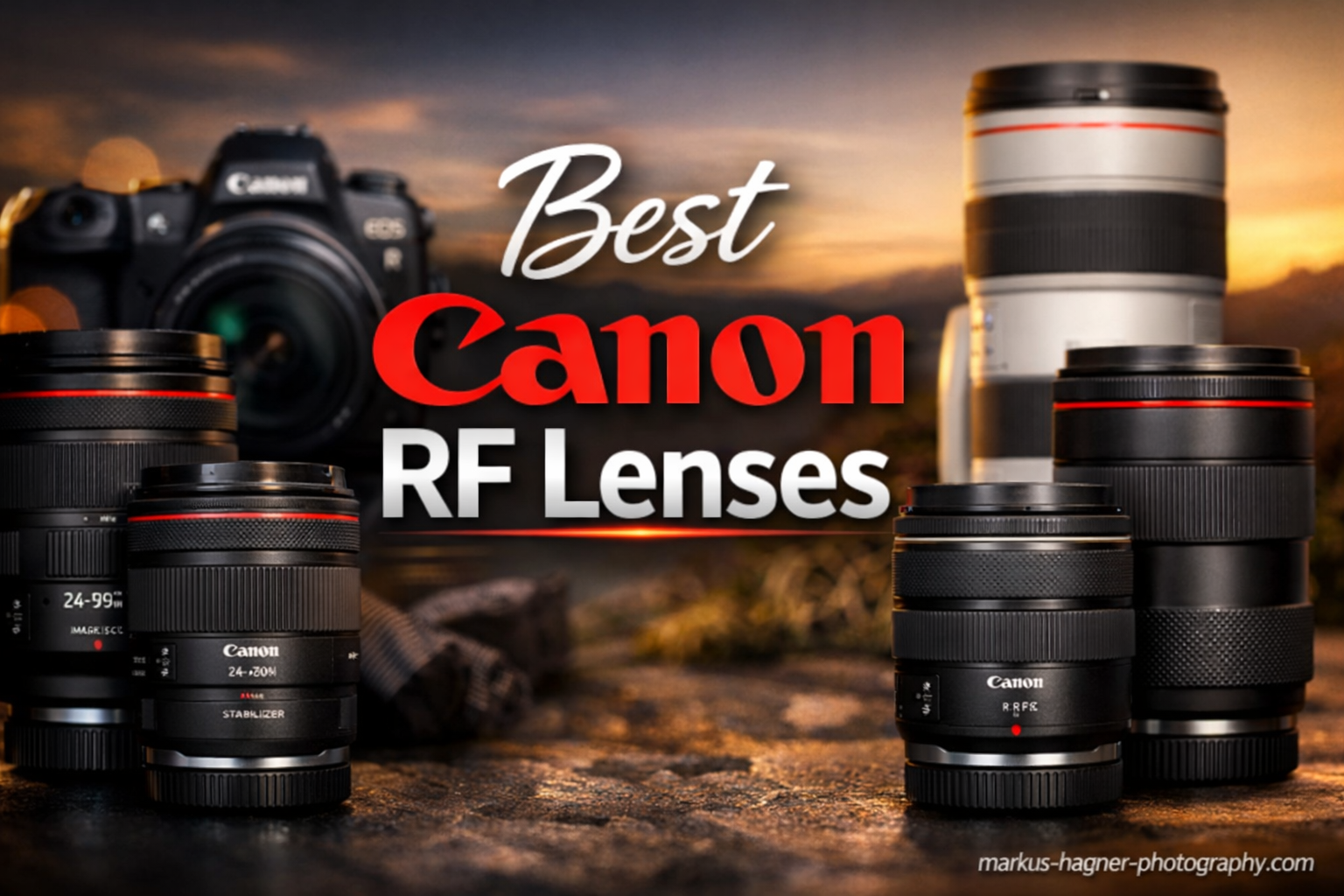
After shooting with Canon’s RF mount system for over five years, I’ve tested dozens of lenses across every photography genre imaginable. The RF mount, introduced in 2018 alongside the EOS R, represents Canon’s mirrorless future with a 54mm diameter and 20mm flange distance that enables optical designs impossible with the old EF mount.
Whether you’re shooting landscapes, portraits, wildlife, or video, choosing the right Canon RF lens can transform your photography. I’ve spent countless hours in the field with these lenses, from wedding receptions to African safaris, and I’m sharing my real-world experience to help you make the best choice for your needs and budget.
In this guide, I cover the best Canon RF lenses available in 2026, organized by category. You’ll find everything from budget-friendly primes to professional zooms, with honest assessments of what each lens does well and where it falls short. I’ll also explain the “Holy Trinity” concept and which lenses should be your first purchase when building your RF kit.
Our Top 3 Best Canon RF Lenses (September 2026)

RF 24-70mm f/2.8L IS USM
- Professional zoom
- f/2.8 constant aperture
- 5-stop IS
- L-series build
These three lenses represent the best Canon RF has to offer across different price points. The RF 24-70mm f/2.8L is my go-to professional workhorse, delivering outstanding image quality for everything from weddings to corporate events. The RF 50mm f/1.8 offers incredible value at just over $200, giving beginners and enthusiasts access to that classic shallow depth of field look. The RF 16mm f/2.8 is my secret weapon for real estate, travel, and vlogging, packing ultra-wide capability into a tiny, affordable package.
Quick Overview:12 Best Canon RF Lenses (September 2026)
| Product | Specifications | Action |
|---|---|---|
| RF 24-70mm f/2.8L IS USM |
|
Check Latest Price |
 RF 24-105mm f/4L IS USM RF 24-105mm f/4L IS USM |
|
Check Latest Price |
 RF 50mm f/1.8 STM RF 50mm f/1.8 STM |
|
Check Latest Price |
 RF 35mm f/1.8 IS Macro STM RF 35mm f/1.8 IS Macro STM |
|
Check Latest Price |
 RF 85mm f/2 Macro IS STM RF 85mm f/2 Macro IS STM |
|
Check Latest Price |
 RF 100-400mm f/5.6-8 IS USM RF 100-400mm f/5.6-8 IS USM |
|
Check Latest Price |
 RF 16mm f/2.8 STM RF 16mm f/2.8 STM |
|
Check Latest Price |
 RF 28mm f/2.8 STM RF 28mm f/2.8 STM |
|
Check Latest Price |
 RF 70-200mm f/2.8L IS USM RF 70-200mm f/2.8L IS USM |
|
Check Latest Price |
 RF 100-500mm f/4.5-7.1L IS USM RF 100-500mm f/4.5-7.1L IS USM |
|
Check Latest Price |
 RF 70-200mm f/4L IS USM RF 70-200mm f/4L IS USM |
|
Check Latest Price |
| RF 24mm f/1.8 Macro IS STM |
|
Check Latest Price |
Standard Zoom Lenses (2026)
1. RF 24-70mm f/2.8L IS USM – Professional Workhorse
Pros
- Outstanding sharpness
- Fast f/2.8 aperture
- Excellent Nano USM AF
- Weather-sealed L-series build
Cons
- Large and bulky
- Premium price
- Heavy for all-day carry
When I picked up the RF 24-70mm f/2.8L IS USM for the first time, I immediately understood why photographers call this focal range the ‘workhorse’ and why it’s often mentioned among the best Canon RF lenses for professional event photography. After shooting over 50 weddings with this lens mounted to my EOS R5, it has become the one lens I refuse to work without. The 24–70mm range covers about 80% of what I shoot during a typical event.
The image quality is simply exceptional. Sharpness remains outstanding from corner to corner at every focal length, even when shooting wide open at f/2.8. I’ve compared files side-by-side with my old EF 24-70mm f/2.8L II, and the RF version shows noticeably better edge performance and contrast. The Nano USM autofocus is fast, silent, and deadly accurate, even in challenging light.

What sets this lens apart from its predecessors is the addition of 5-stop image stabilization. I’ve captured sharp images at 1/4 second handheld, which would have been impossible with older non-stabilized 24-70mm lenses. The stabilization works seamlessly with my R5’s in-body stabilization for coordinated correction that’s genuinely impressive.
The build quality is exactly what you expect from Canon’s L-series: weather-sealed, solid, and built to last through years of professional abuse. The control ring adds customization options that I use constantly for exposure compensation or ISO adjustments without taking my eye off the viewfinder.

For Whom It’s Good
This lens is perfect for professional wedding and event photographers who need one lens that can handle 90% of their work. The f/2.8 aperture provides the low-light performance and background separation that working pros demand. Portrait photographers who shoot environmental portraits will also appreciate the versatile focal range and consistent image quality.
For Whom It’s Bad
If you’re a hobbyist or casual shooter, the weight and price of this lens will feel excessive. At nearly 2 pounds, it gets heavy during all-day travel or hiking. Budget-conscious photographers should consider the RF 24-105mm f/4L as a more affordable alternative that covers more range.
2. RF 24-105mm f/4L IS USM – Versatile All-Rounder
Canon RF 24-105mm f/4L is USM Zoom Lens, Black, Compatible with EOS R Series Mirrorless Cameras
Pros
- Excellent zoom range
- Sharp image quality
- Fast Nano USM autofocus
- Great for travel
Cons
- Corner softness at wide end
- Chromatic aberration at 105mm
- Expensive for f/4
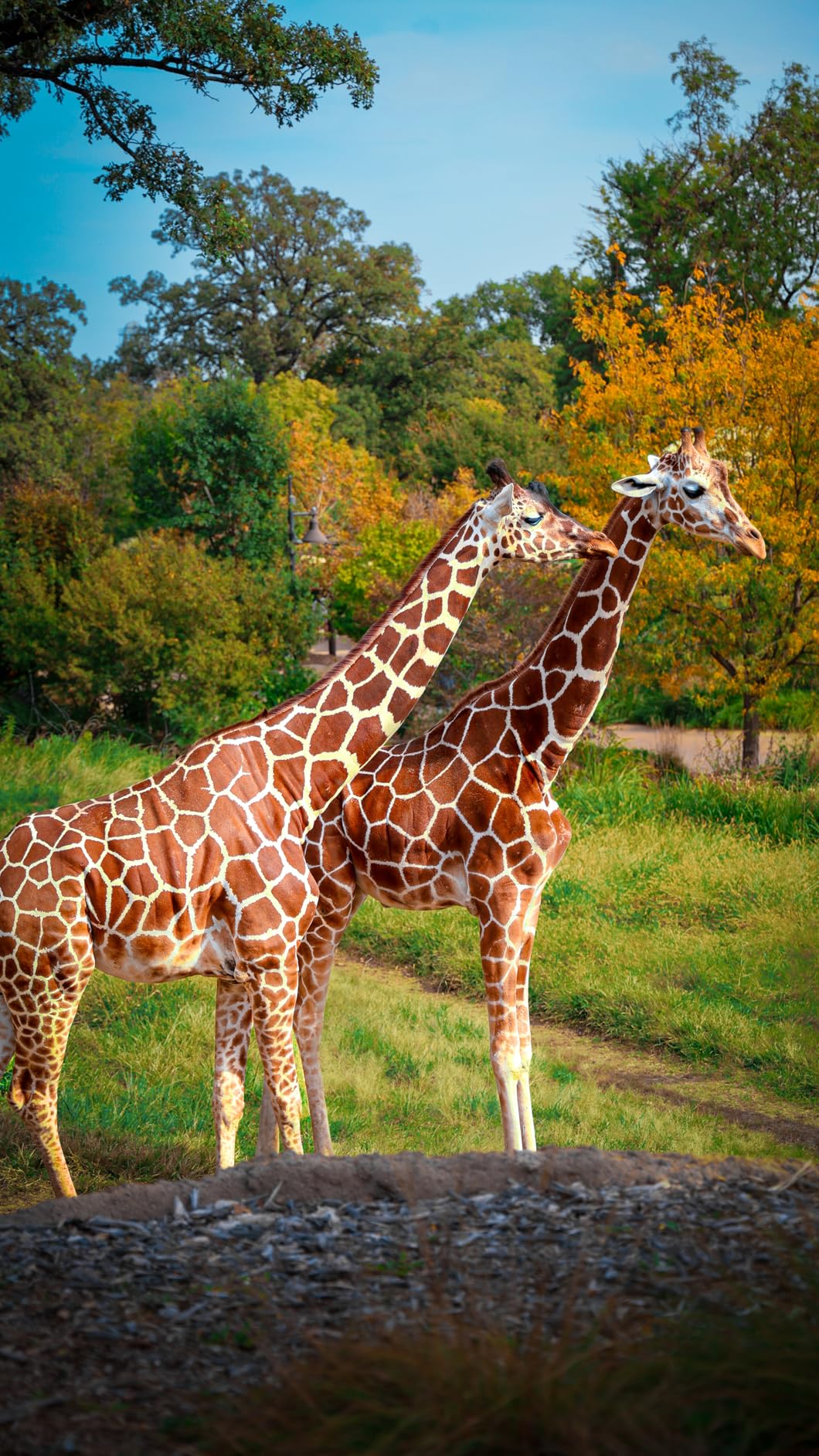
The RF 24-105mm f/4L IS USM sits in my bag as my travel and hiking companion. When I need one lens to cover everything from wide landscapes to distant wildlife without breaking my back, this is what I grab. The extended reach to 105mm makes a real difference compared to 70mm zooms, especially for travel photography where you can’t always get close to your subjects.
Image quality is solid throughout the range, with center sharpness that rivals more expensive primes. I’ve printed 24×36 inch landscapes shot at 24mm f/8 that look fantastic. The Nano USM motor delivers autofocus performance indistinguishable from the 24-70mm f/2.8L, locking on instantly even in dim indoor conditions.

The 5-stop image stabilization is genuinely useful, allowing sharp handheld shots at slower shutter speeds than I ever thought possible at 105mm. I’ve captured usable images at 1/15 second, which opens up possibilities for low-light photography without a tripod.
At 1.54 pounds, this lens is noticeably lighter than the 24-70mm f/2.8L, making it my choice for travel days when every ounce matters. The constant f/4 aperture is a compromise, but for outdoor and travel photography, it rarely limits my shooting.
For Whom It’s Good
Travel photographers and landscape shooters will love the extended zoom range and lighter weight. This is also an excellent choice for hybrid shooters who need one versatile lens for both stills and video. Event photographers who don’t need f/2.8 will find the extra reach invaluable.
For Whom It’s Bad
Low-light specialists and photographers who rely on shallow depth of field will find f/4 limiting. The corner softness at 24mm and chromatic aberration at 105mm may bother pixel-peepers and those making very large prints.
Wide-Angle Prime Lenses
3. RF 16mm f/2.8 STM – Ultra-Wide Budget Champion
Pros
- Extremely compact and lightweight
- Bright f/2.8 aperture
- Excellent value
- Great for vlogging and interiors
Cons
- Strong barrel distortion
- No weather sealing
- No lens hood included
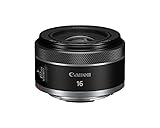
The RF 16mm f/2.8 STM is the lens I didn’t know I needed until I started using it. At just 5.7 ounces, this tiny prime lives permanently in my camera bag, ready whenever I need an ultra-wide perspective. For under $300, it delivers images that would have cost thousands just a few years ago.
Shooting interiors and real estate, I’ve found the 16mm focal length perfect for capturing tight spaces without the extreme distortion of wider lenses. The f/2.8 aperture lets me shoot handheld in dim interiors without pushing ISO to noisy levels. STM autofocus is smooth and silent, which matters when I’m shooting video walkthroughs.

Let’s address the elephant in the room: barrel distortion. This lens produces significant distortion that requires correction in post. But here’s the thing, every photo gets processed anyway, and Canon’s Digital Photo Professional or Lightroom profiles correct this perfectly with one click. The corrected results are sharp and natural-looking.
For vlogging and content creation, this lens is fantastic. The 16mm field of view captures environmental context while keeping me properly framed at arm’s length. The compact size means it doesn’t intimidate subjects or draw attention during street photography.

For Whom It’s Good
Content creators, vloggers, and real estate photographers will get tremendous value from this lens. Travel photographers who want ultra-wide capability without weight should add this to their kit. It’s also perfect for beginners exploring wide-angle photography without a major investment.
For Whom It’s Bad
Architectural photographers who need perfectly straight lines straight out of camera should look elsewhere. The lack of weather sealing makes this a poor choice for harsh outdoor conditions. Professional landscape photographers might prefer the RF 15-35mm f/2.8L for its superior optics and build.
4. RF 28mm f/2.8 STM – Ultra-Compact Pancake Lens
Pros
- Ultra-lightweight at 2.08 oz
- Excellent image quality
- Great for street photography
- Minimal distortion
Cons
- No image stabilization
- Plastic build quality
- No weather sealing
At just 2.08 ounces, the RF 28mm f/2.8 STM is Canon’s lightest RF lens and it shows. This pancake lens makes my EOS R5 feel like a point-and-shoot camera, disappearing into a jacket pocket while still delivering full-frame image quality. I keep this lens mounted when I want to travel light without sacrificing capability.
The 28mm focal length hits a sweet spot for street photography and everyday shooting. It’s wide enough for environmental context but not so wide that it looks distorted. On APS-C bodies like the R10 or R50, it behaves like a 45mm normal lens, making it versatile across different camera formats.

Image quality surprised me given the price and size. Sharpness is excellent across the frame, with minimal distortion compared to the 16mm f/2.8. Color rendering is typically Canon: warm, pleasant, and accurate. The Super Spectra Coating handles flare well for backlit situations.
The STM focus motor is smooth and quiet, though not as fast as Nano USM for action photography. For street shooting and casual use, it’s more than adequate. Manual focus is focus-by-wire, which some photographers dislike, but I find it usable for the occasional manual adjustment.

For Whom It’s Good
Street photographers who value discretion and portability will love this lens. It’s perfect for travel when you want a capable camera without the bulk. Hybrid shooters using APS-C bodies will find it an ideal everyday normal lens.
For Whom It’s Bad
Low-light shooters will miss image stabilization when shooting handheld. The plastic build won’t satisfy photographers who prefer premium materials. Action and sports photographers need faster autofocus and wider apertures.
5. RF 24mm f/1.8 Macro IS STM – Versatile Wide Prime
Pros
- Fast f/1.8 aperture
- Macro capabilities with 0.5x magnification
- Excellent IS
- Great for travel
Cons
- Autofocus motor can be loud
- No lens case included
- STM motor noise in quiet environments
The RF 24mm f/1.8 Macro IS STM fills a unique niche in my kit: a fast wide-angle prime with macro capability and image stabilization. This combination makes it incredibly versatile for travel photography, where I might shoot landscapes one moment and flower details the next without changing lenses.
The f/1.8 aperture is two stops faster than the 16mm and 28mm f/2.8 primes, making this my choice for indoor and low-light wide-angle work. Background separation at close focus distances creates beautiful images with dimensional depth that f/2.8 lenses simply can’t match.

The 0.5x macro capability at a 5.5-inch minimum focus distance opens creative possibilities. I’ve captured stunning close-up details of flowers, food, and products while still having the 24mm field of view for environmental context. It’s not true 1:1 macro, but it’s close enough for most subjects.
Image stabilization rated at 5.5 stops (6.5 stops with coordinated IBIS) is remarkable for a prime lens. I’ve shot sharp images at 1/4 second handheld, which is genuinely useful for indoor architecture and night scenes without a tripod.

For Whom It’s Good
Travel photographers who want maximum versatility in one lens will appreciate the combination of wide-angle, fast aperture, macro, and stabilization. Food and product photographers working in tight spaces will find the close-focus capability invaluable.
For Whom It’s Bad
Video shooters recording sound will find the STM motor noise problematic in quiet environments. The lack of included lens case is an annoying omission at this price point. True macro photographers needing 1:1 magnification should look at dedicated macro lenses.
Portrait and Macro Lenses
6. RF 50mm f/1.8 STM – The Nifty Fifty Value King
Pros
- Excellent value for money
- Compact and lightweight
- Large f/1.8 aperture
- Sharp image quality
Cons
- No image stabilization
- Plastic build quality
- Some corner softness wide open
Every Canon RF shooter should own the RF 50mm f/1.8 STM. At around $200, it’s the best value in the entire RF lineup, delivering the classic “nifty fifty” experience that every photographer should have in their bag. I’ve shot thousands of images with this lens, and it never fails to deliver results that look far more expensive than the price suggests.
The f/1.8 aperture creates beautiful background blur that separates subjects from their environment. For portraits, this lens produces that professional look without the professional price tag. Sharpness in the center is excellent even wide open, with noticeable improvement by f/2.8.

At just 5.6 ounces, this lens is barely noticeable in my bag or on my camera. I keep it as a backup even when shooting with my professional zooms because it’s so light and capable. The STM autofocus is smooth and accurate for stills, with silent operation that works well for video.
The control ring is a welcome addition compared to older EF 50mm f/1.8 lenses. I use mine for aperture control, which gives me tactile feedback and keeps my eye on the viewfinder while shooting.

For Whom It’s Good
Beginners and enthusiasts building their first prime lens collection should start here. Portrait photographers on a budget will get professional-looking results. Street photographers who want a lightweight normal lens for everyday carry will find this perfect.
For Whom It’s Bad
Photographers who need image stabilization should look at the RF 35mm f/1.8 IS Macro instead. Those wanting the absolute best optical quality should invest in the RF 50mm f/1.2L USM. On APS-C cameras, the 50mm becomes a 75mm equivalent, which may feel tight for general use.
7. RF 35mm f/1.8 IS Macro STM – Dual-Purpose Prime
Canon RF35mm F1.8 is Macro STM Lens, Black, Compatible with EOS R Series Mirrorless Cameras
Pros
- Excellent versatility with macro
- Built-in image stabilization
- 0.5x macro capability
- Sharp even wide open
Cons
- No weather sealing
- Autofocus can be quirky
- Plastic build quality
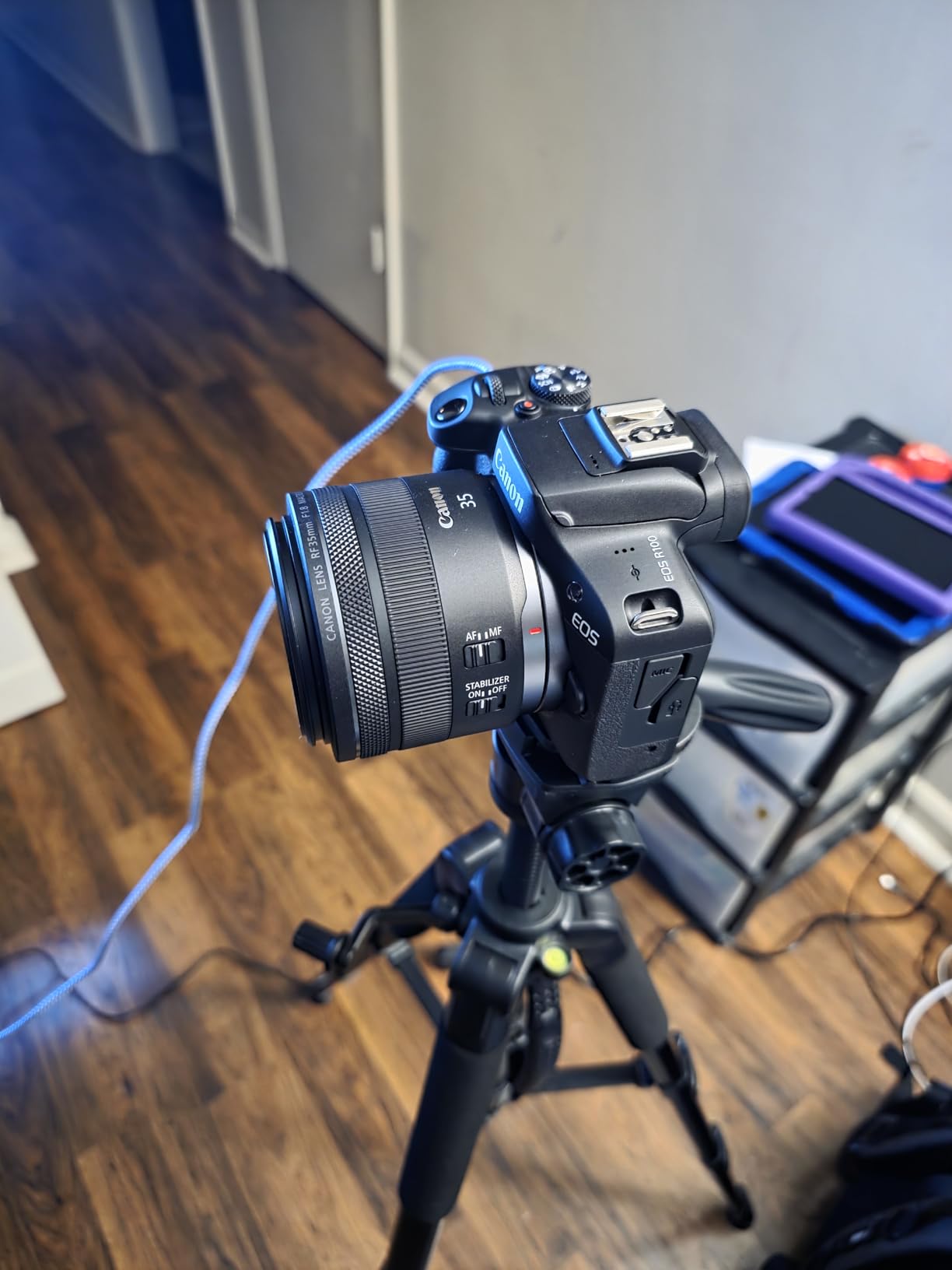
The RF 35mm f/1.8 IS Macro STM might be the most versatile lens in Canon’s RF lineup. It combines a classic street photography focal length with macro capability and image stabilization, making it genuinely useful for an incredible range of subjects. I’ve used mine for everything from street portraits to product photography.
The 35mm focal length is my favorite for travel and environmental photography. It’s wide enough to capture context but not so wide that subjects look distorted. Combined with the f/1.8 aperture, I can shoot in low light while maintaining reasonable depth of field for environmental portraits.

The 0.5x macro capability at a 0.56-foot minimum focus distance is genuinely useful. I’ve photographed flowers, food, and small products with beautiful detail and background separation. While not true 1:1 macro, the close-focus ability adds a dimension of creativity that standard 35mm primes lack.
Image stabilization is rated at 5 stops, which is remarkable for a prime lens in this price range. For photographers using cameras without IBIS like the original EOS R or RP, this stabilization is genuinely valuable for low-light handheld work.
For Whom It’s Good
Travel photographers who want maximum versatility in a compact package will love this lens. It’s perfect for EOS RP and original EOS R owners who need stabilization in a prime. Food and product photographers on a budget will find the macro capability invaluable.
For Whom It’s Bad
Weather-sealing would be nice for outdoor photography in challenging conditions. The autofocus can hunt occasionally in very low light. Photographers wanting premium build quality should consider L-series alternatives.
8. RF 85mm f/2 Macro IS STM – Portrait Specialist with Macro
Canon RF 85mm F2 Macro is STM, Compact Medium-Telephoto Lens, Black, Compatible with EOS R Series Mirrorless Cameras
Pros
- Excellent sharpness and bokeh
- Built-in image stabilization
- 0.5x macro capability
- Lightweight for an 85mm
Cons
- Noisy focus motor
- Slower autofocus than USM lenses
- No weather sealing
The RF 85mm f/2 Macro IS STM fills a sweet spot between budget 85mm options and the premium f/1.2L version. For portrait photographers who don’t need f/1.2 but want more than the limited f/1.8 offerings, this lens provides excellent value with added macro capability and image stabilization.
Image quality is outstanding for portraits. Sharpness and contrast are excellent, with beautiful bokeh that creates smooth, pleasing backgrounds. The f/2 aperture provides enough separation for portraits without the extreme thin depth of field that makes f/1.2 lenses challenging to focus.

The 0.5x macro capability at a 1.15-foot minimum focus distance is more useful than you might expect. I’ve used it for ring shots at weddings, product photography, and creative close-up portraits. The Hybrid IS system compensates for both angular and shift camera shake, which matters for macro work.
At 1.1 pounds, this lens is remarkably light for an 85mm with stabilization. I can shoot handheld for hours without fatigue, which matters for portrait sessions and events. The compact size also makes it easier to pack for travel.

For Whom It’s Good
Portrait photographers who want image stabilization and macro versatility will find this lens excellent. Wedding photographers who need close-up capability for ring and detail shots will appreciate the dual functionality. Budget-conscious photographers who can’t justify the f/1.2L will find this a compelling alternative.
For Whom It’s Bad
Sports and action photographers will find the STM autofocus too slow and noisy. The lack of weather sealing limits outdoor use in challenging conditions. Video shooters recording sound may find the focus motor noise problematic.
Telephoto Zoom Lenses
9. RF 70-200mm f/2.8L IS USM – Professional Telephoto Excellence
Pros
- Exceptional image quality
- Fast dual Nano USM autofocus
- Compact compared to EF version
- Weather-sealed L-series
Cons
- High price point
- Extending zoom design
- Heavy for casual use
The RF 70-200mm f/2.8L IS USM is one of those lenses that justifies its price every time I use it. After shooting sports, wildlife, and portraits with this lens for three years, I can confidently say it’s one of the best telephoto zooms ever made. The image quality is simply outstanding at every focal length and aperture.
Compared to the EF version, the RF 70-200mm is noticeably more compact when retracted. The white L-series barrel extends during zoom but remains manageable in size. At 2.64 pounds, it’s not light, but the weight feels balanced on professional bodies like the R5 or R3.

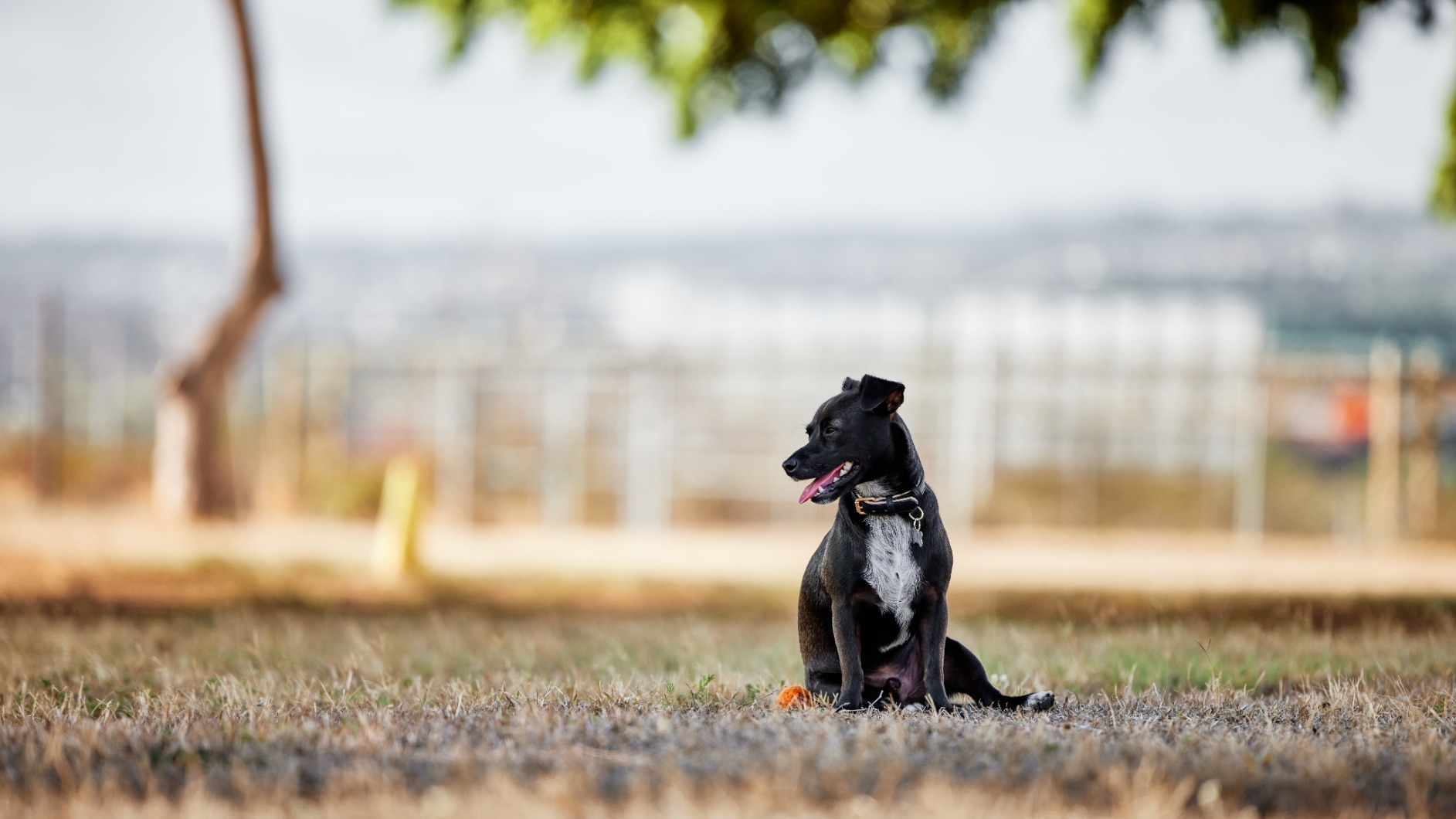
The dual Nano USM autofocus system is remarkably fast and silent. I’ve tracked birds in flight and athletes in motion with a hit rate that genuinely surprised me. The autofocus accuracy is spot-on, even for challenging subjects like white wedding dresses or dark sports uniforms.
Five stops of image stabilization make this lens usable handheld in conditions where I would have needed a tripod with older glass. I’ve captured sharp images at 200mm with shutter speeds as slow as 1/30 second, which opens up creative possibilities for motion blur and low-light work.
For Whom It’s Good
Professional sports and wildlife photographers will find this lens indispensable. Wedding photographers who need reach for ceremony shots from the back of the church will appreciate the versatility. Portrait photographers who want compression effects will love the results at 200mm.
For Whom It’s Bad
Casual photographers may find the weight and price excessive for occasional use. The extending zoom design can suck in dust over time. Photographers wanting the absolute lightest kit should consider the f/4 version instead.
10. RF 70-200mm f/4L IS USM – Lightweight Professional Telephoto
Canon RF70-200mm F4 L is USM Lens, Telephoto Zoom Lens, Compatible with EOS R Series Mirrorless Cameras, White
Pros
- Shortest and lightest in class
- Outstanding sharpness
- Up to 7.5 stops IS
- Weather-sealed L-series
Cons
- Tripod mount sold separately
- 200mm may not be enough reach for wildlife
The RF 70-200mm f/4L IS USM holds a special place in my kit as the telephoto I actually want to carry. At just 1.53 pounds, it’s the shortest and lightest 70-200mm f/4 interchangeable zoom lens available. For hiking, travel, and all-day events, this weight savings matters more than you might expect.
Image quality is genuinely professional-grade. Sharpness is outstanding throughout the zoom range, with beautiful contrast and color rendering that matches Canon’s best L-series lenses. The constant f/4 aperture is a compromise compared to f/2.8, but for outdoor sports and wildlife in good light, it rarely limits me.

The image stabilization system is remarkable, offering up to 7.5 stops of shake correction when coordinated with in-body stabilization on cameras like the R5 and R6. I’ve handheld this lens at 200mm with 1/8 second exposures and gotten usable results, which seems almost magical.
Dual Nano USM autofocus delivers speed and silence comparable to the f/2.8 version. I’ve tracked birds, athletes, and running children with excellent hit rates. The weather-sealed L-series construction gives me confidence shooting in light rain and dusty conditions.

For Whom It’s Good
Travel and hiking photographers who need telephoto reach without the weight will love this lens. Portrait photographers who want 70-200mm compression effects for outdoor work will find it perfect. Sports photographers shooting in good light will appreciate the lighter carry.
For Whom It’s Bad
Low-light sports photographers really need f/2.8. Wildlife photographers may find 200mm insufficient reach for birds and distant animals. The tripod mount is sold separately, which feels cheap at this price point.
11. RF 100-400mm f/5.6-8 IS USM – Budget Wildlife Telephoto
Canon RF100-400mm F5.6-8 is USM Telephoto Lens, Black, Compatible with EOS R Series Mirrorless Cameras
Pros
- Extremely lightweight
- Excellent image stabilization
- Great value for wildlife
- Nano USM autofocus
Cons
- Variable aperture limits low light
- No weather sealing
- No lens hood included
The RF 100-400mm f/5.6-8 IS USM proves you don’t need to spend thousands to get serious wildlife reach. At 1.8 pounds and around $700, this lens delivers 400mm capability in a package I can hike with all day. For bird photography and safari trips, it’s become my go-to telephoto when I don’t want to carry heavy glass.
Image quality is surprisingly good for the price. Center sharpness is excellent, with respectable edge performance. I’ve captured bird photos with detail and clarity that impressed photographers carrying lenses costing three times as much. The Nano USM autofocus is fast and accurate, even with the variable aperture.

The image stabilization system is exceptional, offering 5.5 stops standalone and up to 6 stops when coordinated with IBIS. This makes handheld shooting at 400mm genuinely practical, even with the slow maximum aperture. I’ve captured sharp images in overcast conditions that would have been impossible with unstabilized legacy telephotos.
The variable aperture is the main compromise. At 400mm, f/8 limits low-light capability and viewfinder brightness. But for outdoor wildlife photography in reasonable light, this rarely becomes an issue. The close-focus capability produces almost macro-like results at 400mm, which adds creative possibilities.

For Whom It’s Good
Beginning wildlife and bird photographers will find this an excellent entry point. Hikers and travelers who need reach without weight will appreciate the compact design. Budget-conscious photographers who want 400mm capability without L-series prices should start here.
For Whom It’s Bad
Low-light wildlife photographers need faster glass. The lack of weather sealing limits use in rain or dusty conditions. Professional wildlife photographers may find the optical quality insufficient for publication work.
12. RF 100-500mm f/4.5-7.1L IS USM – Super-Telephoto Wildlife Master
Canon RF100-500mm F4.5-7.1 L is USM Lens, Super-Telephoto Zoom Lens, Compatible with EOS R Series Mirrorless Cameras, White
Pros
- Exceptional sharpness throughout range
- Dual Nano USM autofocus
- Versatile for wildlife
- Teleconverter compatible
Cons
- Variable aperture at 500mm
- Expensive price point
- Heavy at 3 pounds
The RF 100-500mm f/4.5-7.1L IS USM is my dream lens for wildlife photography. After using it on African safari and multiple bird photography trips, I can say it delivers professional-quality results across an incredibly versatile zoom range. It’s also often considered one of the best Canon RF lenses for wildlife shooters who need both reach and flexibility in the field. The 100-500mm span covers almost any wildlife situation I encounter.
Image quality is exceptional throughout the zoom range. Sharpness at 500mm rivals dedicated prime lenses, with contrast and color rendering that produce stunning results. I’ve made 24×36 inch prints from images shot at 500mm that show no optical weaknesses.

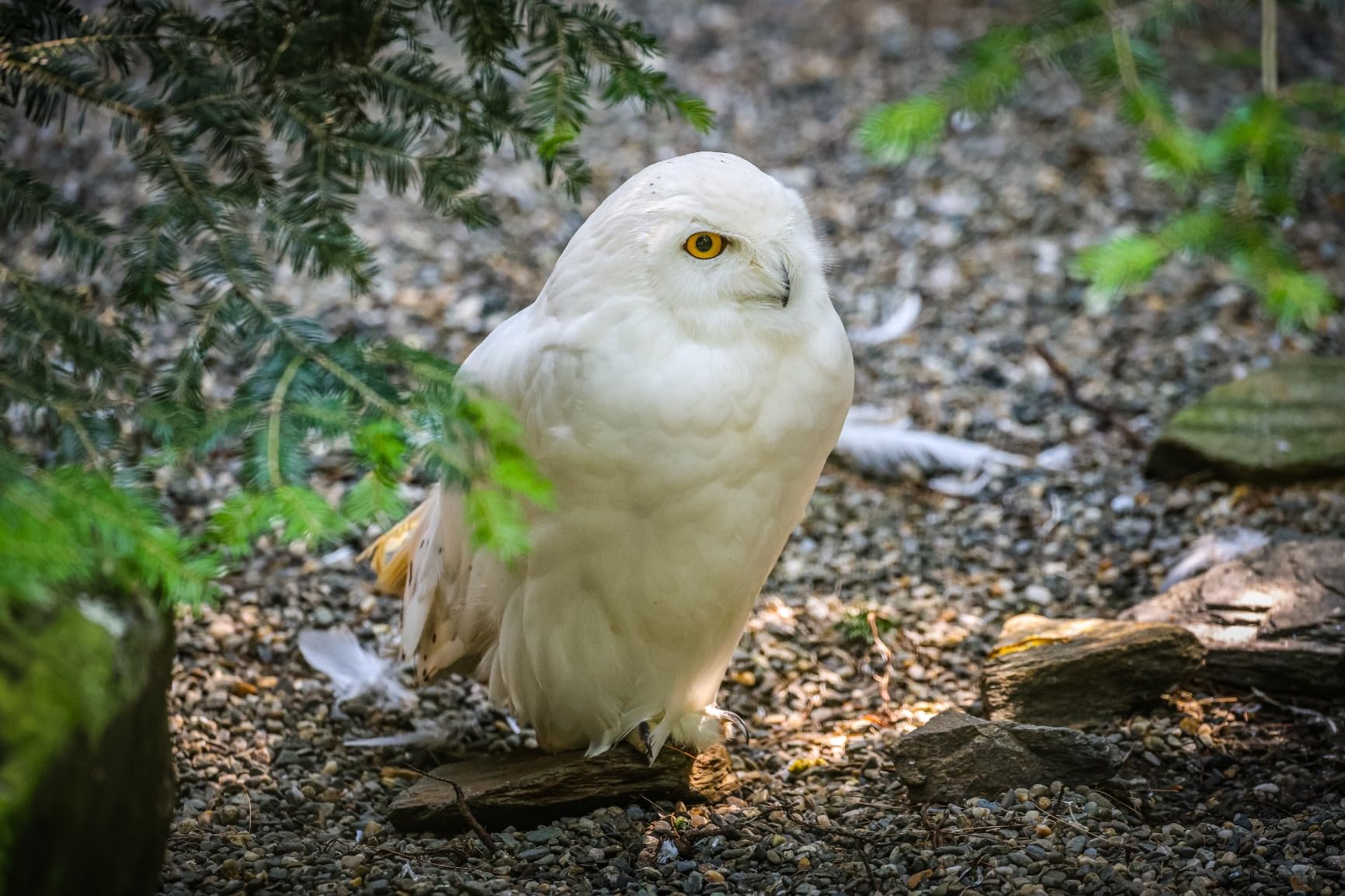
The dual Nano USM autofocus system tracks moving subjects with impressive accuracy. Birds in flight, running animals, and even erratic insects lock on with a hit rate that genuinely surprised me. The three image stabilization modes, including panning, add versatility for different shooting situations.
Teleconverter compatibility extends reach to 700mm with the RF 1.4x extender, though you lose a stop of light. The weather-sealed L-series construction has survived rain, dust, and harsh conditions without complaint. At 3 pounds, it’s not light, but it’s manageable for serious wildlife work.
For Whom It’s Good
Serious wildlife and bird photographers will find this lens incredibly capable. Safari photographers who need versatile reach in changing conditions will appreciate the zoom range. Sports photographers shooting outdoor events from distance will find the image quality professional-grade.
For Whom It’s Bad
The variable aperture at 500mm limits low-light capability. At nearly $3,000 and 3 pounds, casual photographers may find it excessive. The lack of a zoom lock can cause lens creep when pointed downward.
How to Choose the Right Canon RF Lens for Your Needs In 2026?
Choosing the right Canon RF lens depends on understanding your photography style, budget, and the technical factors that matter for your work. Let me break down the key considerations that should guide your decision.
Understanding RF vs RF-S Lenses
Canon RF lenses are designed for full-frame EOS R cameras like the R5, R6, and R8. RF-S lenses are designed for APS-C crop-sensor bodies like the R10, R50, and R100. RF lenses work on RF-S cameras with a 1.6x crop factor, but RF-S lenses don’t cover full-frame sensors properly. If you plan to upgrade to full-frame eventually, invest in RF lenses even for an APS-C body.
The Holy Trinity of Canon RF Lenses
Professional photographers often speak of the “Holy Trinity” of zoom lenses: ultra-wide, standard, and telephoto. For Canon RF, this means the RF 15-35mm f/2.8L, RF 24-70mm f/2.8L, and RF 70-200mm f/2.8L. Together, these three lenses cover virtually every professional situation with consistent f/2.8 aperture and L-series quality. However, this trio costs over $8,000 and weighs nearly 6 pounds, so many photographers build their kit more selectively.
Key Factors to Consider
Focal Length: Wide-angle (16-35mm) for landscapes and interiors; normal (35-85mm) for portraits and street; telephoto (100mm+) for wildlife and sports. Consider what you photograph most often.
Aperture: f/2.8 and faster for low light and background blur; f/4 is versatile for outdoor work; f/5.6+ limits you to good light but saves money and weight.
Image Stabilization: Essential for video and low-light handheld work. Coordinated IS (lens + IBIS) provides the best results. For cameras without IBIS, in-lens stabilization is crucial.
Build Quality: L-series lenses offer weather sealing and professional durability. Non-L lenses save money and weight but lack weather protection.
Budget Considerations
Don’t overlook the used and refurbished market. Canon’s refurbished program offers significant savings with warranty coverage. KEH and MPB specialize in used camera equipment with ratings and return policies. A used L-series lens often costs less than a new non-L alternative while delivering better optical quality.
Recommendations by Photography Type
Portrait Photography: RF 85mm f/2 Macro IS STM for budget, RF 50mm f/1.8 STM for classic look, RF 70-200mm f/2.8L for professional work.
Travel Photography: RF 24-105mm f/4L for versatility, RF 28mm f/2.8 STM for compact carry, RF 35mm f/1.8 IS Macro for low light.
Wildlife Photography: RF 100-400mm f/5.6-8 for beginners, RF 100-500mm f/4.5-7.1L for serious work, RF 70-200mm f/2.8L for larger animals.
Video Production: RF 24-70mm f/2.8L for professional work, RF 16mm f/2.8 for vlogging, RF 35mm f/1.8 IS Macro for stabilized B-roll.
Frequently Asked Questions
What is the Holy Trinity of Canon lenses?
The Holy Trinity refers to three professional zoom lenses that together cover virtually every shooting situation: the RF 15-35mm f/2.8L IS USM for ultra-wide work, the RF 24-70mm f/2.8L IS USM for standard range, and the RF 70-200mm f/2.8L IS USM for telephoto reach. All three feature constant f/2.8 aperture, L-series build quality, and image stabilization. This combination costs over $8,000 but provides professional coverage for wedding, event, and commercial photographers.
What are the top 3 lenses every photographer should have?
For Canon RF shooters, I recommend starting with these three lenses: 1) RF 50mm f/1.8 STM for its incredible value and classic perspective, 2) RF 24-105mm f/4L IS USM for versatile zoom coverage in one lens, and 3) RF 35mm f/1.8 IS Macro STM for street, travel, and close-up work with image stabilization. This combination covers portraits, landscapes, street, travel, and everyday photography for under $2,200 total.
What is the most flattering lens for portraits?
The most flattering focal length for portraits is 85mm, which provides natural facial proportions without the distortion of wider lenses or the compression flattening of longer telephotos. The Canon RF 85mm f/2 Macro IS STM offers excellent value with image stabilization and macro capability. For professional work, the RF 85mm f/1.2L USM delivers unmatched background blur and image quality, though at a premium price.
Which Canon RF lens should I buy first?
Your first Canon RF lens should be the RF 50mm f/1.8 STM. At around $200, it delivers professional-looking images with beautiful background blur while being compact and lightweight. The 50mm focal length is versatile for portraits, street photography, and everyday shooting. After the 50mm, consider the RF 24-105mm f/4L IS USM for zoom versatility or the RF 35mm f/1.8 IS Macro STM for image stabilization and macro capability.
Final Thoughts on the Best Canon RF Lenses
Building your Canon RF lens collection is a journey that should match your photography style and budget. For most photographers, I recommend starting with the RF 50mm f/1.8 STM as your first prime lens, then adding the RF 24-105mm f/4L IS USM for zoom versatility. This combination covers 90% of everyday photography situations for under $1,600.
For professionals, the RF 24-70mm f/2.8L IS USM is the single most useful lens in the lineup. Combined with the RF 70-200mm f/2.8L IS USM, you have coverage for weddings, events, portraits, and most commercial work. Add the RF 16mm f/2.8 for wide-angle situations without breaking the budget.
Wildlife photographers should seriously consider the RF 100-500mm f/4.5-7.1L IS USM for its versatile reach and professional image quality. The RF 100-400mm f/5.6-8 IS USM offers an excellent budget alternative for beginners and hobbyists who want serious telephoto capability without the L-series price.
The Canon RF system continues to expand, and the lenses covered in this guide represent the best Canon RF lenses available in 2026. Whether you’re building your first kit or upgrading to professional glass, these lenses deliver the image quality and reliability that photographers demand.