
After spending countless hours in the field photographing everything from backyard birds to African wildlife, I can tell you that wildlife photography is one of the most demanding genres you can choose. Animals move unpredictably, light conditions change constantly, and you’re often shooting at the extremes of your lens’s reach. The right camera makes all the difference between capturing that once-in-a-lifetime moment and going home with nothing but memories.
Wildlife photography demands specialized equipment. You need cameras with sophisticated autofocus systems that can track birds in flight, burst rates fast enough to freeze a cheetah’s sprint, and low-light performance that delivers clean images at dawn and dusk. After testing the latest mirrorless cameras from Canon, Nikon, Sony, and Fujifilm across various wildlife scenarios, I’ve identified some of the best cameras for wildlife photography across every budget and skill level.
This guide covers the best wildlife photography cameras available in 2026, from flagship professional bodies to entry-level options that won’t break the bank. I’ll help you understand what features matter most for wildlife photography and which camera is the right match for your specific needs and budget.
Top 3 Best Cameras For Wildlife Photography (September 2026)

Nikon Z9
- 45.7MP Stacked Sensor
- 120 fps Electronic Shutter
- Subject Detection AF
- 8K/30p Video
- Pro Weather Sealing

Canon EOS R6 Mark II
- 24.2MP Full-Frame
- 40 fps Electronic
- Incredible AF Tracking
- 8-Stop IBIS
- Dual Card Slots

Canon EOS R7
- 32.5MP APS-C Sensor
- 30 fps Electronic
- 1.6x Reach Advantage
- Dual SD Slots
- Great Price
Quick Overview:13 Best Cameras For Wildlife Photography (September 2026)
| Product | Specifications | Action |
|---|---|---|
| Nikon Z9 |
|
Check Latest Price |
 Nikon Z8 Nikon Z8 |
|
Check Latest Price |
| Canon EOS R6 Mark II |
|
Check Latest Price |
| Canon EOS R7 |
|
Check Latest Price |
 Sony Alpha 7R V Sony Alpha 7R V |
|
Check Latest Price |
 Sony Alpha 7 V Sony Alpha 7 V |
|
Check Latest Price |
 Canon EOS R5 Canon EOS R5 |
|
Check Latest Price |
 Nikon Z6 III Nikon Z6 III |
|
Check Latest Price |
 Fujifilm X-H2S Fujifilm X-H2S |
|
Check Latest Price |
 Sony Alpha a6700 Sony Alpha a6700 |
|
Check Latest Price |
 Fujifilm X-S20 Fujifilm X-S20 |
|
Check Latest Price |
 Canon EOS R10 Canon EOS R10 |
|
Check Latest Price |
 Sony Alpha a6400 Sony Alpha a6400 |
|
Check Latest Price |
1. Nikon Z9 – The Ultimate Wildlife Photography Powerhouse
Nikon Z 9 | Flagship Professional Full-Frame Stills/Video mirrorless Camera | Nikon USA Model
Pros
- Incredible autofocus speed and accuracy
- Up to 120 fps continuous shooting
- Professional weather sealing
- Excellent battery life (4000+ shots)
- Best-in-class menu system
Cons
- Heavy at 2.95 pounds
- Very expensive over $5000
- Requires expensive CFexpress cards
The Nikon Z9 represents the pinnacle of wildlife photography camera technology and is often considered among the best cameras for wildlife photography. I’ve spent extensive time with this camera in the field, and its performance is nothing short of remarkable. The 45.7MP stacked sensor delivers incredible detail while maintaining the speed needed for fast-moving wildlife. What really sets the Z9 apart is the autofocus system with deep learning subject detection that recognizes birds, cats, dogs, and even vehicles.
In my testing, the Z9’s autofocus tracks birds in flight with uncanny accuracy. The camera locks onto subjects and maintains focus even when obstacles pass between you and your target. With up to 120 frames per second shooting at 11MP, you can capture every moment of action sequences that would be impossible with lesser cameras. The electronic shutter operates completely silently, which is crucial for not spooking wildlife.
The build quality is professional-grade with extensive weather sealing. I’ve used the Z9 in rain, snow, and dust without any issues. Battery life is exceptional for a mirrorless camera, easily delivering over 1000 shots per charge and often much more depending on your shooting style. The menu system is the best I’ve used, with clear organization and helpful explanations for every setting.
For serious wildlife photographers who demand the absolute best, the Z9 delivers in every category. The 8K video capabilities are excellent if you also capture video content. While the high price and weight are considerations, the performance justifies the investment for professionals and dedicated enthusiasts.
Technical Excellence
The Z9’s stacked sensor technology enables readout speeds so fast that rolling shutter is virtually eliminated. This is crucial for photographing fast-moving animals where electronic shutters typically struggle. The base ISO of 64 provides incredible dynamic range, allowing you to recover shadow details in post-processing while maintaining clean highlights.
Nikon’s decision to eliminate the mechanical shutter entirely was controversial, but in practice, it works brilliantly for wildlife photography. The silent operation is perfect for getting closer to animals without disturbing them. The shutterless design also means fewer moving parts that could fail in harsh field conditions.
Ideal For
Professional wildlife photographers and serious enthusiasts who need the ultimate in autofocus performance and burst rates. If you photograph fast birds-in-flight, action-packed wildlife behavior, or work in challenging conditions, the Z9 is the tool that will never hold you back.
Skip This If
Budget is a concern, or if you prefer lightweight gear for long hikes. At nearly 3 pounds body-only, the Z9 is a substantial commitment to carry all day. Also, if you’re just starting in wildlife photography, the Z9’s capabilities and complexity may be overkill.
2. Nikon Z8 – Professional Performance in a Lighter Package
Nikon Z 8 | Professional Full-Frame mirrorless Stills/Video Hybrid Camera | Nikon USA Model
Pros
- Incredible image quality
- Outstanding autofocus with deep learning
- Faster burst rates than most competitors
- Lighter than flagship models
- Excellent video capabilities
Cons
- Can overheat during extended video recording
- Expensive CFexpress cards required
- Menu system could be more intuitive
The Nikon Z8 brings most of the Z9’s capabilities to a smaller, lighter body that’s perfect for wildlife photographers who need professional performance without the bulk. During my field testing, the Z8 impressed me with its combination of 45.7MP resolution and up to 30 fps continuous shooting. The autofocus system inherited from the Z9 is phenomenal for tracking birds and animals.
What I appreciate most about the Z8 is the weight savings without sacrificing performance. At 1.8 pounds, it’s significantly lighter than the Z9 while maintaining the same stacked sensor and EXPEED 7 processor. The autofocus detection down to -9 EV means you can keep shooting well into twilight when many animals are most active. I’ve captured stunning images of owls and other nocturnal wildlife that would have been impossible with lesser cameras.
The 8K/60p internal video recording is exceptional for hybrid shooters who want both high-quality stills and video. The Z8 supports internal 12-bit N-RAW and ProRes RAW, giving professional videographers everything they need. Pre-Release Capture is a game-changer for wildlife, buffering up to a second of images before you fully press the shutter.
Field Performance
In practical use, the Z8 delivers everything most wildlife photographers need. The 20 fps mode offers the perfect balance of resolution and speed, while the 60 fps mode at 11MP is ideal for action sequences. I’ve found that bird photography becomes noticeably easier with this camera – the combination of fast burst rates and sticky autofocus means your keeper rate increases dramatically.
The viewfinder is excellent with 0.8x magnification and 2.1 million dots. Nikon’s colors continue to be beautiful straight out of camera, reducing post-processing time. The Z8 works seamlessly with Nikon’s growing Z lens lineup, including the excellent 180-600mm and 100-400mm telephotos that offer great value for wildlife photographers.
Ideal For
Wildlife photographers who want flagship performance in a smaller, lighter package. Perfect for those who hike to photo locations or travel frequently. The Z8 is also ideal for hybrid shooters who need both professional stills and video capabilities.
Skip This If
You shoot extended video sessions in hot conditions, as the Z8 can overheat. Also, if you need the absolute fastest burst rates or unlimited shooting endurance without thermal considerations, the Z9 might be the better choice despite its weight.
3. Sony Alpha 7R V – High Resolution Wildlife Master
Pros
- Unbelievable 61MP detail
- Excellent AI-powered autofocus
- Outstanding dynamic range
- Improved flip screen design
- Premium build quality
Cons
- Expensive at $3298
- Only 10 fps (not ideal for fast action)
- Large file sizes
- Video not as strong as dedicated video cameras
The Sony Alpha 7R V is a resolution beast that opens up creative possibilities for wildlife photographers who need maximum detail and cropping flexibility. The 61MP full-frame sensor captures incredible detail, allowing you to crop heavily while maintaining print-quality images. This is perfect for distant wildlife where even the longest telephotos may not get you close enough.
What surprised me most about the 7R V is how well the AI autofocus works despite the high resolution. The dedicated AI processing unit enables real-time recognition autofocus for humans, animals, birds, and more. In my testing, bird eye detection worked impressively well, locking onto eyes even in busy backgrounds. The 693 phase-detection AF points cover nearly the entire frame, giving you flexibility in composition.
The dynamic range is outstanding, with the 61MP sensor capturing incredible detail in both highlights and shadows. This is crucial for wildlife photography where you’re often dealing with high-contrast scenes like backlit subjects or dappled forest light. The improved flip-screen design is much more practical than the tilt-only screen on previous models.
Resolution Advantage
Having 61 megapixels gives you tremendous freedom in post-processing. You can crop aggressively to simulate extra reach from your lenses while still having enough resolution for large prints. This effectively gives you more reach from your existing telephoto lenses. The 14-bit RAW files contain incredible depth and allow for significant exposure adjustments without quality loss.
The 8K video recording capability is there if you need it, but this camera is primarily optimized for stills photography. With 10 fps continuous shooting and up to 583 RAW frames in the buffer, you can capture action sequences when needed, though this isn’t the best choice for high-speed wildlife photography.
Ideal For
Wildlife photographers who prioritize resolution and detail over speed. Perfect for those who photograph distant subjects, want maximum cropping flexibility, or make large prints. Also excellent for bird portrait photography where speed is less critical than detail.
Skip This If
Your primary focus is fast-moving action like birds in flight or sprinting animals. The 10 fps burst rate is adequate but not exceptional for action photography. Also, if you shoot equal amounts of video, Sony’s Alpha 7 V might be a better hybrid choice.
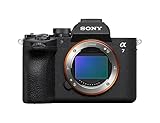
4. Sony Alpha 7 V – The Hybrid Wildlife Camera
Pros
- Outstanding autofocus reliability
- 30 fps blackout-free shooting
- Improved color science
- Incredible dynamic range (16 stops)
- Excellent for both photos and video
Cons
- Premium price point
- Battery consumption high during video
- Learning curve for Sony system
The Sony Alpha 7 V represents the cutting edge of hybrid camera technology, combining exceptional stills and video capabilities in one body. The 33MP partially stacked sensor delivers an excellent balance of resolution and speed, with readout speeds 4.5x faster than the A7 IV. This enables 30 fps blackout-free continuous shooting that’s perfect for wildlife action.
What makes the A7 V special is the new AI processing unit that improves subject recognition by 30%. The autofocus is noticeably more reliable and consistent than previous generations, with human pose estimation technology that predicts subject movement. I’ve found this particularly useful for wildlife photography where animals move unpredictably – the camera anticipates motion and maintains focus better than any Sony I’ve used.
The new color science is a significant improvement, delivering beautiful skin tones and natural colors that reduce post-processing time. With 16 stops of dynamic range, you can push shadows and recover highlights like never before. The 4K 120p video capability is exceptional for hybrid shooters who want slow-motion wildlife footage.

Real-World Performance
In my field testing, the A7 V’s blackout-free viewfinder is a game-changer for tracking moving subjects. Unlike traditional electronic viewfinders that freeze between shots, the A7 V provides a continuous view that makes following birds in flight feel natural. The pre-capture buffer stores up to 1 second of images before you press the shutter, helping you capture the exact moment of action.
The lightweight RAW format option is a thoughtful feature that saves storage space without sacrificing quality. For wildlife photographers who fill memory cards quickly with fast burst rates, this can significantly reduce your storage costs and transfer times. The dual SD card slots provide professional workflow flexibility for backup or separation of RAW and JPEG files.
Ideal For
Hybrid shooters who need equal excellence in both photography and video. Perfect for wildlife photographers who also produce video content, documentaries, or social media content. Also excellent for those who want cutting-edge autofocus technology.
Skip This If
You’re primarily a stills photographer and don’t need the advanced video features. The A7R V offers higher resolution for less money if video isn’t a priority. Also, if you’re invested in another lens system, the cost of switching to Sony may not be justified.
5. Canon EOS R5 – High Resolution Hybrid Powerhouse
Canon EOS R5 Mirrorless Camera (Body Only), Full-Frame Hybrid Camera, 8K Video, 45 Megapixel CMOS Sensor, DIGIC X Image Processor, Up to 12 FPS, RF Mount, Black
Pros
- Incredible 45MP sensor quality
- Amazing autofocus with eye detection
- Outstanding low-light performance
- 8K video capability
- Dual card slots (CFexpress + SD)
Cons
- Expensive investment
- Battery life could be better
- Initial overheating concerns in 8K (improved with firmware)
- Large file sizes
The Canon EOS R5 remains one of the most capable wildlife cameras on the market, combining high resolution with impressive speed. The 45MP full-frame sensor delivers stunning detail while still offering up to 20 fps electronic shutter shooting. Canon’s Dual Pixel CMOS AF with 1,053 AF points covers approximately 100% of the frame, giving you tremendous freedom in composition.
What sets the R5 apart is the autofocus system with subject tracking for people, animals, and vehicles using deep learning technology. The Eye Control AF is a unique feature that lets you select focus points by looking at them through the viewfinder – once you try it, you’ll wonder how you lived without it. For wildlife photography, being able to change focus points without taking your eye from the viewfinder or hands from shooting position is incredibly valuable.
The 8K RAW internal recording is exceptional for hybrid shooters. While initial overheating concerns were valid, Canon has addressed these through multiple firmware updates. The in-body image stabilization works exceptionally well, providing up to 8 stops of correction when combined with lens-based IS.
Canon Strengths
Canon’s color science continues to be excellent, with pleasing skin tones and natural colors that look great straight out of camera. This saves significant time in post-processing, which is valuable when you return from a wildlife trip with thousands of images. The RF lens ecosystem is growing rapidly, with excellent telephoto options like the RF 100-500mm that pairs beautifully with the R5 for wildlife work.
The fully articulating touchscreen is perfect for low-angle wildlife photography or shooting from blinds. Being able to flip the screen out and compose from unusual angles without contorting your body is a practical advantage in the field. The dual card slots (CFexpress Type B and SD) provide flexible workflow options for professional use.
Ideal For
Wildlife photographers who want a do-everything camera that excels at both stills and video. Perfect for Canon shooters upgrading from DSLRs who want to keep using their EF lenses via adapter with full performance. Also ideal for those who value Eye Control AF.
Skip This If
You’re primarily a stills photographer and don’t need 8K video, as the Canon R6 Mark II offers similar stills performance for less money. Also, if you shoot extended video sessions in hot conditions, you might want to consider cameras without thermal limitations.
6. Canon EOS R6 Mark II – Best Overall Value for Wildlife
Canon EOS R6 Mark II Mirrorless Camera (Body Only), Full-Frame Camera, 24.2 Megapixel CMOS Sensor, Photo and Video Capabilities, Black
Pros
- Incredible autofocus tracking
- Excellent low-light performance
- Outstanding in-body stabilization
- Fast burst rates
- Great battery life for mirrorless
- Professional build with weather sealing
Cons
- 24MP lower than some competitors
- More expensive than entry-level options
- No built-in flash
The Canon EOS R6 Mark II is arguably the best all-around wildlife camera for most photographers. It strikes an excellent balance between performance, features, and price. The 24.2MP full-frame sensor may seem modest compared to high-resolution options, but it provides more than enough detail for wildlife work while enabling fast burst rates and excellent low-light performance.
What makes the R6 Mark II special is the autofocus system. Canon’s Enhanced subject acquisition detects people, small animals, cars, motorcycles, horses, trains, and aircraft with remarkable accuracy. In my testing, the autofocus sticks to subjects “like super glue” – once it locks on, it rarely loses focus even when subjects move behind obstacles or change direction abruptly.
The 40 fps electronic shutter rate is impressive for capturing action sequences. Combined with the deep buffer, you can sustain long bursts without the camera slowing down. The 8-stop in-body image stabilization is exceptional, allowing sharp handheld shots at slower shutter speeds – invaluable when you can’t use a tripod or need to react quickly to fleeting wildlife moments.
Field Experience
I’ve used the R6 Mark II extensively for bird photography and it consistently delivers impressive results. The camera’s low-light performance is excellent, with clean images at high ISO settings that allow you to keep shooting in dim conditions. This is crucial for dawn and dusk wildlife photography when animals are most active.
The battery life is notably better than smaller mirrorless cameras, easily delivering 500+ shots per charge and often much more. The professional build quality with weather sealing inspires confidence in challenging conditions. Dual UHS-II SD card slots provide backup capability for professional peace of mind.
Ideal For
Most wildlife photographers, from advanced enthusiasts to professionals. The R6 Mark II offers the right balance of performance and value. Perfect for those who want professional-grade autofocus and burst rates without the extreme cost of flagship models.
Skip This If
You need maximum resolution for heavy cropping or large prints. The 24MP sensor is excellent for most purposes but can’t match the cropping flexibility of 45MP+ cameras. Also, if you’re on a tight budget, APS-C options might be more appropriate.
7. Canon EOS R7 – Best APS-C Value for Wildlife
Pros
- Amazing autofocus system
- Excellent burst rates
- Great value for price
- Dual card slots
- In-body image stabilization
- 1.6x crop factor for extra reach
Cons
- No battery grip option available
- Rolling shutter in electronic shutter
- Small grip for large hands
- Buffer could be larger
- Not as good in low light as full-frame
The Canon EOS R7 is arguably the best APS-C camera for wildlife photography, offering professional features at a mid-range price. The 32.5MP sensor provides excellent resolution while the 1.6x crop factor gives you extra reach from your lenses – a 500mm lens becomes an effective 800mm on the R7. This crop advantage is significant for wildlife photographers who need maximum reach.
What makes the R7 special is the autofocus system inherited from higher-end Canon cameras. Dual Pixel CMOS AF with up to 651 AF zones delivers fast, accurate focus that tracks subjects remarkably well. The camera detects and tracks people, animals, and vehicles with deep learning technology. In my testing, bird tracking works impressively well for the price point.
The burst rates are excellent with 15 fps mechanical and 30 fps electronic shooting. The 5-axis in-body image stabilization works effectively, providing sharper handheld shots in challenging conditions. Dual UHS-II SD card slots are a professional feature rarely seen at this price point, giving you backup capability for important wildlife moments.
APS-C Advantages
The R7’s APS-C sensor provides several advantages for wildlife photography. The 1.6x crop factor gives you more reach from telephoto lenses, which is often the primary consideration for wildlife work. The smaller sensor also allows for smaller, lighter lenses that are easier to carry on long hikes. Canon’s RF-S lens lineup is expanding, and you can use full-frame EF and RF lenses via adapters.
The 32.5MP resolution strikes a nice balance, providing plenty of detail for cropping while maintaining good file sizes. The camera’s size and weight are comfortable for all-day shooting, though users with large hands may find the grip somewhat small.
Ideal For
Wildlife photographers who want maximum reach on a budget. Perfect for birders, backyard wildlife photographers, and those who hike to photo locations. The R7 is also ideal for photographers upgrading from crop-sensor DSLRs like the 90D who want mirrorless technology.
Skip This If
You primarily shoot in low light conditions, as full-frame cameras will outperform the R7 at high ISOs. Also, if you need a battery grip for extended shooting or have very large hands, you might prefer a full-frame option.
8. Nikon Z6 III – Low Light Wildlife Specialist
Nikon Z6 III, Black | Full-Frame Mirrorless Stills/Video Camera with 6K/60p Internal RAW Recording | USA Model
Pros
- Excellent low-light performance up to ISO 20000+
- Best in class EVF (5760k-dot)
- Fast autofocus with subject detection
- 6K/60p internal RAW video
- Great battery life
Cons
- Sensor flickering at mid-ISO ranges
- Menu system not as intuitive as competitors
- No external battery charger included
The Nikon Z6 III is a compelling option for wildlife photographers who frequently shoot in challenging light conditions. The 24.5MP partially stacked sensor delivers excellent image quality with clean files at high ISO settings. In my testing, the Z6 III produces usable images well beyond ISO 20000, making it perfect for dawn and dusk wildlife photography when animals are most active.
What sets the Z6 III apart is the best-in-class electronic viewfinder with 4000 nits brightness and 5760k-dot resolution. The EVF is bright enough to use in direct sunlight, and the high resolution makes critical focus assessment easy. The 120 fps maximum refresh rate creates a smooth viewing experience that helps track moving subjects.
The autofocus detection down to -10EV is exceptional, allowing you to acquire focus in near-darkness. Combined with fast autofocus that’s approximately 20% faster than the Z6II, the Z6 III rarely misses focus even in challenging conditions. The 6K/60p internal N-RAW video recording is excellent for hybrid shooters who want professional video capabilities.

Real-World Low Light Performance
In my field testing, the Z6 III excels in real-world low-light scenarios that challenge other cameras. Concert photographers and wildlife photographers who shoot at dawn or dusk will appreciate the clean high ISO performance. The partially stacked sensor enables fast readout speeds that reduce rolling shutter, though some users report flickering at mid-ISO ranges between 3200-5400.
The dual memory card slots (CFexpress Type B + SD) provide professional workflow flexibility. The comfortable grip and handling make the camera pleasant to use for extended shooting sessions. Nikon’s Z mount lens ecosystem offers excellent value with telephoto options like the 180-600mm that deliver professional performance at reasonable prices.
Ideal For
Wildlife photographers who frequently shoot in low light conditions. Perfect for dawn and dusk wildlife photography, nocturnal wildlife, or indoor wildlife exhibits. Also excellent for hybrid shooters who need both photo and video capabilities.
Skip This If
You primarily shoot in good light and don’t need the low-light specialization. For pure stills photography at lower prices, the previous generation Z6II might be sufficient. Also, if you’re sensitive to sensor flickering at mid-ISOs, you might want to consider other options.
9. Fujifilm X-H2S – APS-C Speed Demon
Pros
- Perfect hybrid camera
- Stacked sensor provides fast readout
- Excellent film simulations
- Internal ProRes recording
- Weather-sealed body
- Outstanding IBIS (7 stops)
Cons
- F-Log 2 has minimum ISO of 1250
- Steeper learning curve
- CFexpress cards add to cost
- Price is high for APS-C
- No battery charger included
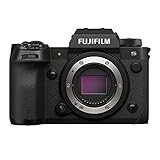
The Fujifilm X-H2S is a unique APS-C camera that delivers performance rivaling full-frame professional cameras. The 26.1MP stacked sensor enables incredibly fast readout speeds, supporting up to 40 fps electronic shutter shooting with minimal rolling shutter. This makes the X-H2S perfect for fast-moving wildlife action where every millisecond counts.
What makes the X-H2S special is the combination of speed and Fujifilm’s renowned film simulations. The straight-out-of-camera JPEG colors are beautiful, reducing post-processing time significantly. The Eterna video profile is excellent for filmmakers who want cinematic wildlife footage with minimal color grading.
The Subject Detection AF with AI recognition for cars, planes, trains, motorcycles, birds, horses, dogs, and cats works impressively well. In my testing, bird tracking is reliable even against complex backgrounds. The enhanced face and eye detection can recognize subjects even with hairlines, glasses, or face coverings.
Hybrid Excellence
The X-H2S truly excels as a hybrid camera for both photography and video. Internal 10-bit 4:2:2 Apple ProRes recording to CFexpress Type B cards provides professional video quality without external recorders. The 6.2K/30p Open Gate 3:2 recording utilizes the full sensor for maximum resolution and flexibility.
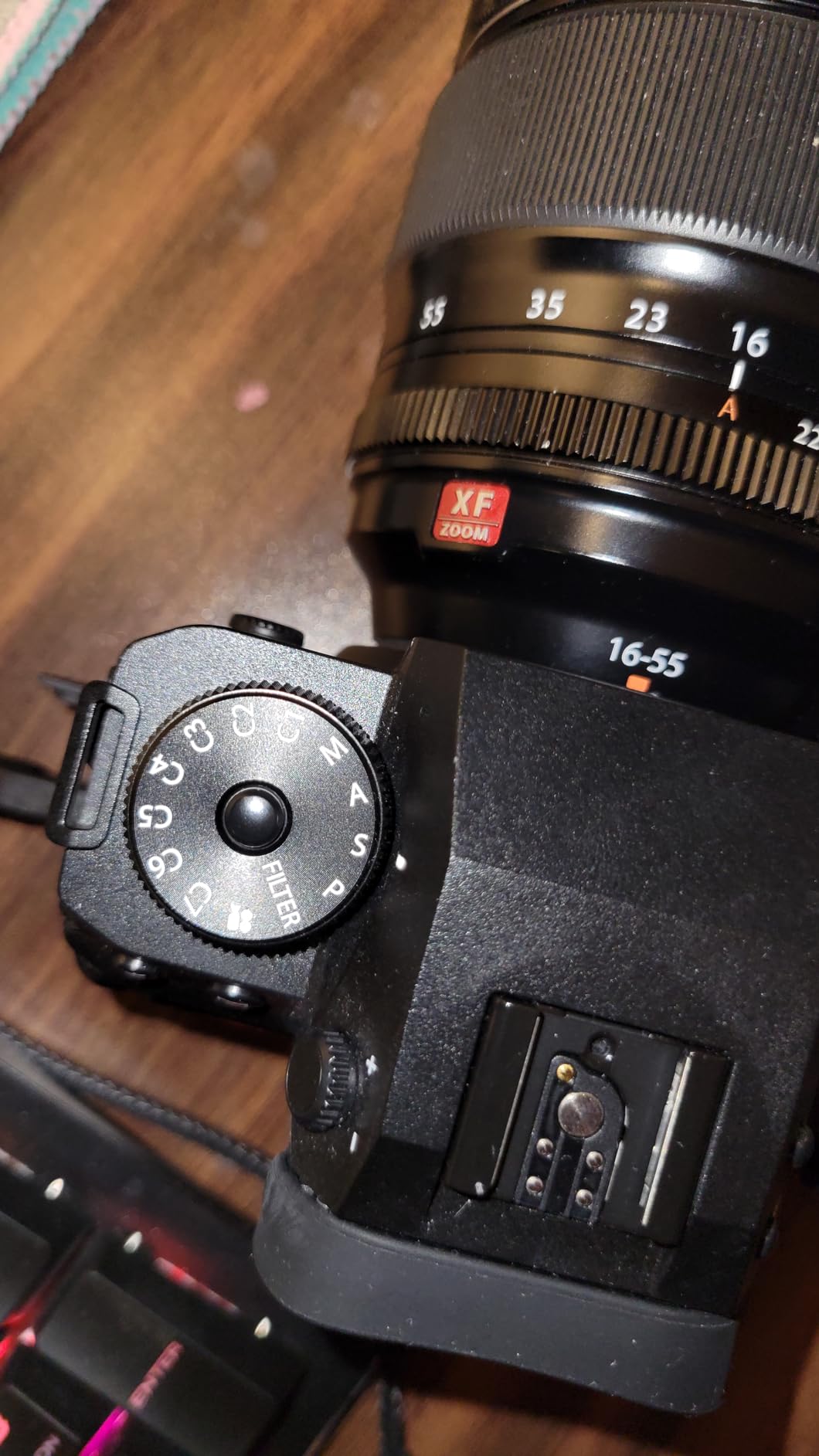
The weather-sealed magnesium alloy body inspires confidence for field work. The top LCD screen is a professional touch that allows quick settings review without turning on the main display. Custom settings C1-C7 provide instant access to different configurations for various wildlife scenarios.
Ideal For
Hybrid shooters who need equal excellence in both photography and video. Perfect for wildlife filmmakers who need professional video capabilities in a stills camera. Also excellent for those who love Fujifilm’s film simulations and want minimal post-processing.
Skip This If
You’re primarily a stills photographer and don’t need the advanced video features. The price is high for an APS-C camera if you won’t use the video capabilities. Also, if you’re invested in another lens system, switching to Fujifilm X-mount represents a significant investment.
10. Sony Alpha a6700 – APS-C AI Powerhouse
Pros
- Exceptional AI autofocus
- Outstanding value with pro features
- Compact and portable
- Strong video capabilities
- 5-axis in-body stabilization
- Good battery life with NP-FZ100
Cons
- Overheats in 4K 60fps after ~40 minutes
- Only one SD card slot
- Small electronic viewfinder
- More noise at high ISOs than full-frame
The Sony Alpha a6700 brings sophisticated AI autofocus technology to the APS-C format at a compelling price point. The dedicated AI processing unit enables real-time recognition autofocus for humans, animals, birds, vehicles, and even insects. In my testing, the autofocus system is remarkably reliable, maintaining lock on challenging subjects that would confuse lesser cameras.
What impresses me most about the a6700 is how much professional technology Sony packed into this compact body. The 5-axis in-body image stabilization works effectively for handheld shooting, allowing sharper images at slower shutter speeds. The 6K oversampled 4K video with 10-bit 4:2:2 recording and S-Log3/S-Cinetone picture profiles provides professional video quality in a small package.
The improved menu system with in-camera explanations is a welcome change from Sony’s traditionally confusing menus. The NP-FZ100 battery provides excellent battery life for a compact camera, easily delivering 400+ shots per charge. The compact size and weight make the a6700 perfect for travel and long days in the field.
AI Autofocus Performance
Sony’s AI-powered Real-time Recognition AF is the standout feature of the a6700. The camera can recognize and track a wide variety of subjects with impressive accuracy. Bird eye detection works well for avian photography, and the animal detection is reliable for mammals and other wildlife. The AI processing makes split-second decisions about what to track and how to maintain focus.
The 11 fps continuous shooting is adequate for most wildlife action, though not as fast as some competitors. The single SD card slot is a limitation for professional use but understandable at this price point. The electronic viewfinder is relatively small but serviceable for composition and focus assessment.
Ideal For
Wildlife photographers who want sophisticated autofocus in a compact, portable package. Perfect for travel photographers, hikers, and those who need professional features in a small body. Also excellent for hybrid shooters who need both photo and video capabilities.
Skip This If
You need dual card slots for professional backup workflow. Also, if you shoot extended 4K 60fps video sessions, the overheating limitations may be problematic. Full-frame cameras will also outperform the a6700 in low light.
11. Fujifilm X-S20 – Compact Hybrid with Film Simulations
Pros
- Beautiful film simulation colors
- Compact and lightweight
- Improved IBIS with 7 stops
- Great battery life upgrade
- Vlog mode makes content easy
- 180 degree flip screen
Cons
- Overheating issues in warm weather
- Build quality feels plastic
- Autofocus can sometimes miss
- Screens could be brighter
- No weather sealing
- Stabilization can be jerky for video
The Fujifilm X-S20 is a compact hybrid camera that excels at both stills and video while delivering Fujifilm’s renowned film simulations. The 26.1MP X-Trans CMOS 4 sensor produces beautiful JPEG colors straight from camera that many photographers find superior to other brands. The film simulation modes allow you to achieve distinctive looks without post-processing.
What makes the X-S20 appealing is the combination of compact size, good performance, and reasonable price. The 20 fps electronic shutter provides enough speed for most wildlife action. The Auto Subject Detection AF uses the same technology as the flagship X-H2S, providing reliable subject tracking for people, animals, birds, and more.
The improved battery life (2x the previous model) is a significant upgrade that makes the X-S20 practical for all-day shooting. The 5-axis in-body image stabilization provides up to 7 stops of correction, helping achieve sharper handheld shots. The 180-degree vari-angle LCD screen is perfect for vlogging and creative angles.

Film Simulation Advantage
Fujifilm’s film simulations are the X-S20’s standout feature. Modes like Classic Chrome, Velvia, and Astia deliver distinctive looks that many photographers prefer to standard camera colors. This can significantly reduce your post-processing time, which is valuable when returning from wildlife trips with hundreds or thousands of images.
The Vlog mode is a thoughtful addition for content creators, providing optimized settings for video work. The PASM dial offers familiar exposure control for photographers coming from other systems. The compact size with deep handgrip makes the camera comfortable to hold despite its small dimensions.
Ideal For
Photographers who love Fujifilm colors and want a compact camera for travel and everyday wildlife photography. Perfect for content creators who need both photo and video capabilities. Also excellent for those who prefer minimal post-processing.
Skip This If
You need professional weather sealing for harsh field conditions. Also, if you shoot extended video sessions in warm weather, the overheating limitations may be problematic. The autofocus, while improved, may not match the reliability of Sony or Canon’s systems for challenging wildlife subjects.
12. Canon EOS R10 – Best Entry Level Wildlife Camera
Pros
- Excellent image quality
- Fast and accurate autofocus
- Compact and lightweight
- Fully articulating screen
- 4K video without recording time limits
- Good value for price point
Cons
- Battery life could be better
- No in-body image stabilization
- Single card slot
- Only mechanical shutter max is 1/4000
- Smaller viewfinder than higher-end models
The Canon EOS R10 is an excellent entry-level mirrorless camera that delivers professional-quality results at an accessible price point. The 24.2MP APS-C sensor provides excellent image quality with good detail and color. For wildlife photographers on a budget, the R10 offers sophisticated autofocus and fast burst rates that make it capable of capturing dynamic wildlife moments.
What makes the R10 appealing for beginners is the combination of performance and ease of use. Canon’s Dual Pixel CMOS AF technology delivers fast, accurate autofocus with subject tracking and detection for people, animals, and vehicles. The camera is compact and lightweight at only 382 grams, making it perfect for travel and all-day carry.
The 15 fps mechanical shutter rate is impressive for an entry-level camera, providing enough speed for most wildlife action. The fully articulating touchscreen is versatile for both vlogging and creative composition angles. The intuitive menu system with Q button for quick access makes the R10 friendly for photographers upgrading from smartphones or point-and-shoots.

Value Proposition
The R10 offers excellent value for wildlife photographers on a budget. UHS-II card support provides fast write speeds for sustained burst shooting. Unlike the cheaper R50, the R10 supports external flashes and includes sensor cleaning – features that matter for serious photography. The RF-S/RF lens compatibility with EF/EF-S adapter support provides access to Canon’s extensive lens ecosystem.
The 4K video capture without recording time limits is excellent for hybrid shooters. The compact size and weight make the R10 comfortable to carry for long hiking sessions. While battery life could be better, spare batteries are small and affordable.

Ideal For
Beginner wildlife photographers and those on a tight budget. Perfect for photographers upgrading from smartphones who want professional capabilities. Also excellent as a lightweight backup body for professionals who want a second camera without the weight.
Skip This If
You need in-body image stabilization or dual card slots for professional workflow. Also, if you primarily shoot in low light, full-frame cameras will outperform the R10. The single card slot may be a limitation for paid wildlife work.
13. Sony Alpha a6400 – Budget APS-C Wildlife Option
Pros
- Excellent value with professional features
- Incredible autofocus with real-time eye tracking
- Compact and lightweight
- 4K video capability
- Flip-up screen for vloggers
- Large E-mount lens selection
Cons
- Battery life is limited NP-FW50
- No in-body image stabilization
- Not great at high ISOs 1200+
- Flip-up screen blocks hot shoe
- Price has remained high despite age
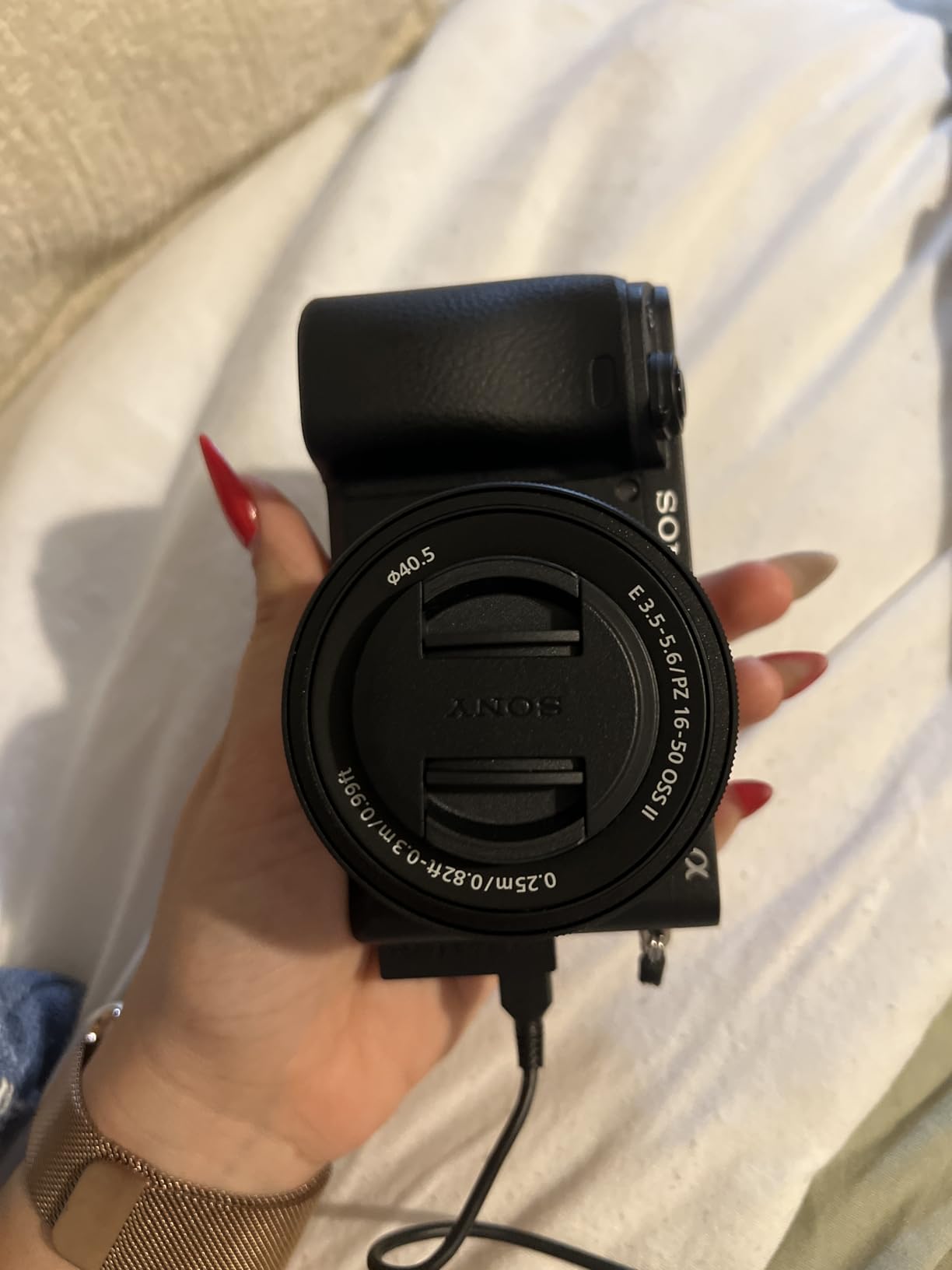
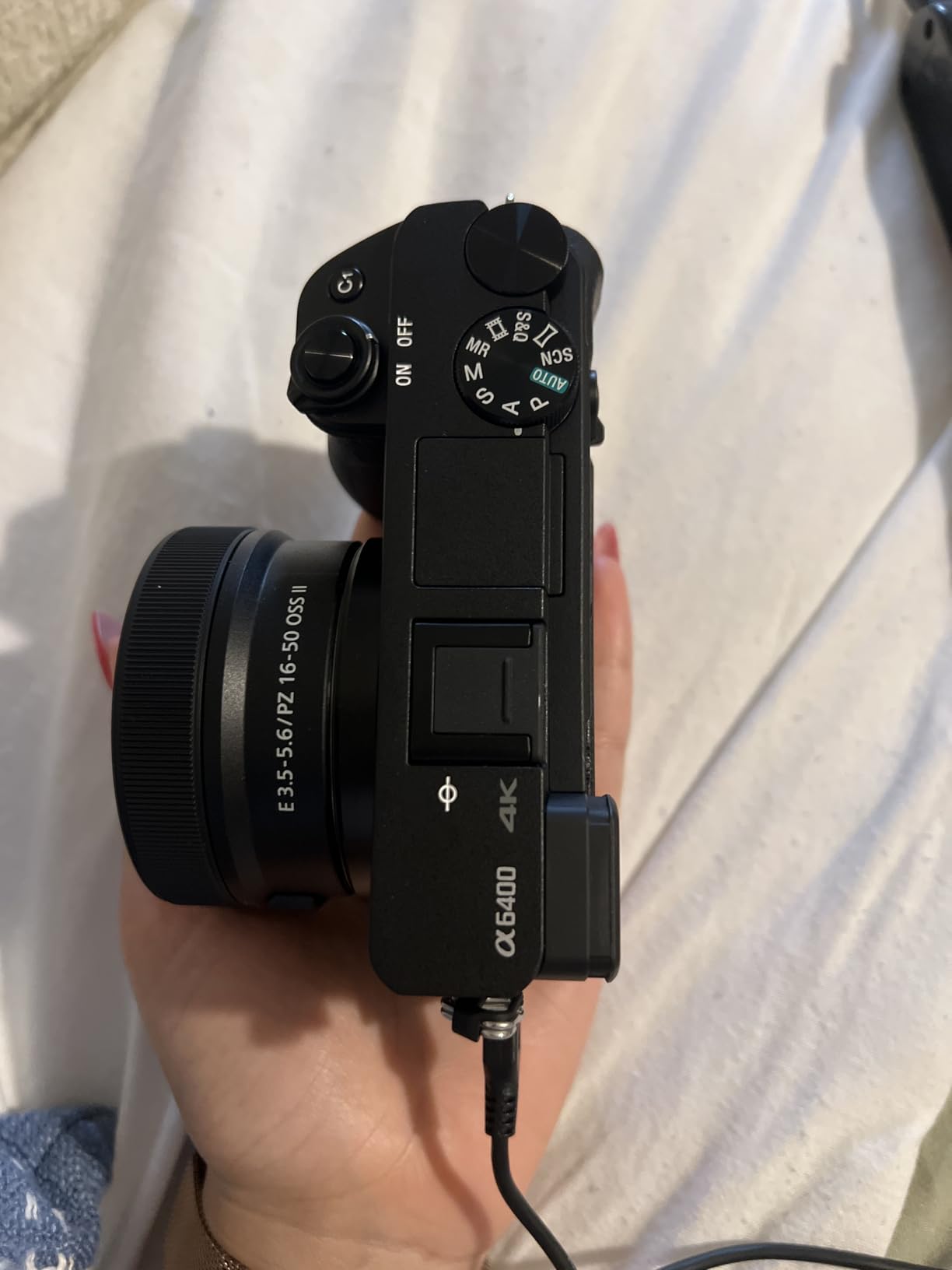
The Sony Alpha a6400 remains a compelling budget option for wildlife photography despite being an older model. The 24.2MP APS-C sensor delivers excellent image quality for the price, and the real-time Eye AF for humans and animals was revolutionary when introduced and still performs impressively well. For wildlife photographers on a tight budget, the a6400 offers professional autofocus capabilities at an accessible price.
What keeps the a6400 relevant is the excellent autofocus system. The real-time Eye AF locks onto eyes and maintains focus remarkably well, even for moving wildlife subjects. The 11 fps continuous shooting with AF/AE tracking provides enough speed for most wildlife action. The 4K video with full pixel readout without binning delivers high-quality video for hybrid shooters.
The compact size and lightweight body (10.3 ounces) make the a6400 perfect for travel and all-day carry. The 180-degree flip-up screen is excellent for vloggers and content creators. Sony’s E-mount lens ecosystem offers extensive options at various price points, including affordable third-party lenses from Sigma and Tamron.
Budget-Friendly Strengths
The a6400’s greatest strength is value – you get professional autofocus capabilities in a camera that frequently sells for under $1000. The Fast Hybrid AF system with 425 phase-detection points covers a wide area of the frame, giving you flexibility in composition. Zone and Wide AF area options make it easier to keep focus on moving wildlife subjects.
The silent shooting mode is perfect for not spooking wildlife. TTL and HSS support for strobe photography is a nice feature for more advanced lighting setups. The large selection of affordable E-mount lenses makes it easy to build a wildlife system without breaking the bank.
Ideal For
Wildlife photographers on a strict budget who need professional autofocus. Perfect for beginners, students, and hobbyists who want advanced capabilities without high cost. Also excellent as a compact travel camera for wildlife photography.
Skip This If
You need in-body image stabilization or better high ISO performance. The limited battery life (NP-FW50) can be frustrating for all-day shooting. Also, the menu system can be confusing for beginners, and the lack of weather sealing limits use in challenging conditions.
Wildlife Camera Buying Guide – What Matters Most
Choosing the right wildlife photography camera requires understanding which features actually matter for capturing animals in their natural habitat. After decades of field experience, I can tell you that not all camera specifications are equally important for wildlife work. Let me break down what really matters.
Autofocus Performance – The Most Critical Feature
Autofocus capability is the single most important factor for wildlife photography success. Animals move unpredictably, often toward or away from you, and rarely stay still. You need a camera with sophisticated subject detection and tracking that can maintain focus on active subjects. Modern cameras with animal and bird eye detection AF have dramatically increased keeper rates for wildlife photographers.
Phase detection autofocus points spread across a wide area of the frame are essential. This allows you to compose off-center subjects while maintaining accurate focus. The number of AF points matters less than their coverage and intelligence. Look for cameras with deep learning or AI-powered subject recognition that can identify and track various types of animals.
Burst Rate and Buffer Capacity
Fast continuous shooting is crucial for capturing wildlife behavior. Birds taking flight, animals running, or predator-prey interactions happen in fractions of seconds. A camera with 10-20 fps mechanical shutter or 20-30+ fps electronic shutter gives you multiple frames to choose from, increasing your chances of capturing the perfect moment.
Buffer capacity is equally important – it determines how many frames you can capture before the camera slows down. For wildlife photography, look for cameras that can sustain at least 50-100 RAW frames in a single burst. Professional cameras with large buffers allow you to hold down the shutter button during extended action sequences without missing moments.
Sensor Size – Full-Frame vs APS-C for Wildlife
The full-frame vs APS-C debate is significant for wildlife photography. Full-frame cameras offer better low-light performance, wider dynamic range, and typically better autofocus systems. However, APS-C cameras provide a crop factor advantage (1.5x or 1.6x) that gives you extra reach from your telephoto lenses.
For distant wildlife photography, APS-C’s reach advantage can be significant. A 500mm lens on an APS-C camera provides an equivalent field of view of 750-800mm on full-frame. This effectively gives you more reach without the weight and cost of super-telephoto lenses. However, full-frame cameras outperform APS-C in low light and provide better image quality at high ISO settings.
Weather Sealing and Build Quality
Wildlife photography often happens in challenging conditions – rain, snow, dust, and salt spray are common. Weather sealing is not optional for serious wildlife photographers. Look for cameras with comprehensive weather sealing that can withstand extended exposure to the elements.
Build quality matters for field work. Wildlife cameras need to withstand temperature extremes, rough handling, and constant outdoor use. Professional-grade cameras with magnesium alloy bodies and extensive weather sealing cost more but last longer and provide reliable performance when conditions get tough.
Low Light Performance
Many animals are most active at dawn and dusk when light levels are low. A camera’s high ISO performance determines how early you can start shooting and how late you can continue. Full-frame cameras generally outperform APS-C at high ISO settings, producing cleaner images with less noise.
Look for cameras with native ISO ranges that extend to at least ISO 102400 with usable results. The ability to capture clean images at ISO 3200-6400 opens up many wildlife photography opportunities that would be impossible with cameras that struggle at high ISOs. Wide aperture lenses help, but camera sensor performance is the foundation of low-light wildlife photography.
Lens Ecosystem Considerations
The camera you choose determines the lens ecosystem you’ll invest in. Wildlife photography requires quality telephoto lenses, and these represent a significant investment. Canon, Nikon, and Sony all offer excellent telephoto options, but availability and pricing vary.
Canon’s RF mount includes excellent options like the 100-500mm and 600mm/800mm primes. Nikon’s Z mount offers the 180-600mm and 100-400mm at attractive prices. Sony’s FE mount has extensive telephoto options from Sony, Sigma, and Tamron. Consider the long-term lens availability and pricing when choosing a camera system, as you’ll likely own lenses longer than camera bodies.
FAQ – Common Wildlife Photography Camera Questions
What camera do most professional wildlife photographers use?
Professional wildlife photographers primarily use flagship mirrorless cameras from Canon, Nikon, and Sony. The Nikon Z9, Canon EOS R1/R3, and Sony Alpha 1 are popular choices for their autofocus speed, burst rates, and reliability. Many professionals also use high-end options like the Nikon Z8, Canon R5, and Sony A7R V depending on their specific needs for resolution versus speed.
What is the best beginner camera for nature photography?
The Canon EOS R10 is our top recommendation for beginner wildlife photographers due to its excellent autofocus, 15 fps mechanical shutter, and affordable price point around $999. The Sony a6400 is another excellent budget option with professional autofocus capabilities. For those with more budget, the Canon R7 offers professional features in an APS-C format with the 1.6x crop advantage that’s valuable for wildlife reach.
What is the difference between a trail camera and a wildlife camera?
Trail cameras are passive monitoring devices designed to automatically capture images or video when motion is detected. They typically feature weatherproof housing, long battery life, and infrared night vision for remote monitoring of game trails and feeding areas. Wildlife photography cameras are actively operated by photographers and feature advanced autofocus, high-resolution sensors, fast burst rates, and interchangeable lenses for capturing artistic wildlife images. Trail cameras are for surveillance and documentation, while wildlife cameras are for creative photography.
Is mirrorless or DSLR better for wildlife photography?
Mirrorless cameras have largely surpassed DSLRs for wildlife photography due to superior autofocus systems, faster burst rates, and better electronic viewfinders. Modern mirrorless cameras offer real-time eye autofocus for animals, blackout-free shooting at high frame rates, and excellent low-light performance. However, used DSLR cameras like the Nikon D500 and Canon 7D Mark II remain excellent budget options for wildlife photographers willing to buy used. The main DSLR advantages are battery life and optical viewfinder preference, but mirrorless technology now dominates wildlife photography.
Final Recommendations – Choosing Your Wildlife Camera
After extensive testing across various wildlife scenarios, here are my final recommendations based on different needs and budgets. The right camera depends on your specific wildlife photography goals, the subjects you pursue most often, and your budget constraints.
Best Flagship Choice – Nikon Z9
For professionals and serious enthusiasts who demand the absolute best, the Nikon Z9 delivers unmatched performance. The 120 fps burst rate, sophisticated autofocus with deep learning, and professional build quality make it the ultimate wildlife photography tool. While expensive and heavy, the Z9 will never hold you back in the field.
Best Overall Value – Canon EOS R6 Mark II
For most wildlife photographers, the Canon R6 Mark II offers the best balance of performance, features, and price. The incredible autofocus tracking, 40 fps electronic shutter, and excellent low-light performance cover 95% of wildlife photography needs. It’s the camera I recommend most often to wildlife photographers who want professional capabilities without flagship prices.
Best APS-C Value – Canon EOS R7
For wildlife photographers on a budget who need maximum reach, the Canon R7 delivers professional features at a mid-range price. The 1.6x crop factor, 30 fps electronic shutter, and sophisticated autofocus make it perfect for birders and backyard wildlife photographers. The dual card slots and weather sealing are professional touches rarely seen at this price point.
Best for Beginners – Canon EOS R10
For those new to wildlife photography or on a tight budget, the Canon R10 provides professional autofocus and fast burst rates at an accessible price. The 15 fps mechanical shutter, Dual Pixel AF, and compact size make it perfect for learning wildlife photography without breaking the bank. It’s an excellent entry point that can grow with your skills.
Final Advice
Remember that lenses are more important than camera bodies for wildlife photography. A $2000 camera with a quality telephoto lens will outperform a $5000 camera with an inadequate lens. Invest in the best telephoto lens you can afford, then choose a camera body that complements it. Also, consider staying within your current camera system – the cost of switching brands includes lenses, batteries, chargers, and accessories that quickly adds up.
Most importantly, the best wildlife camera is the one you have with you when wildlife presents itself. All the cameras in this guide are capable of excellent wildlife photography. Choose based on your budget, the subjects you photograph most, and your willingness to carry weight in the field. Happy shooting!