
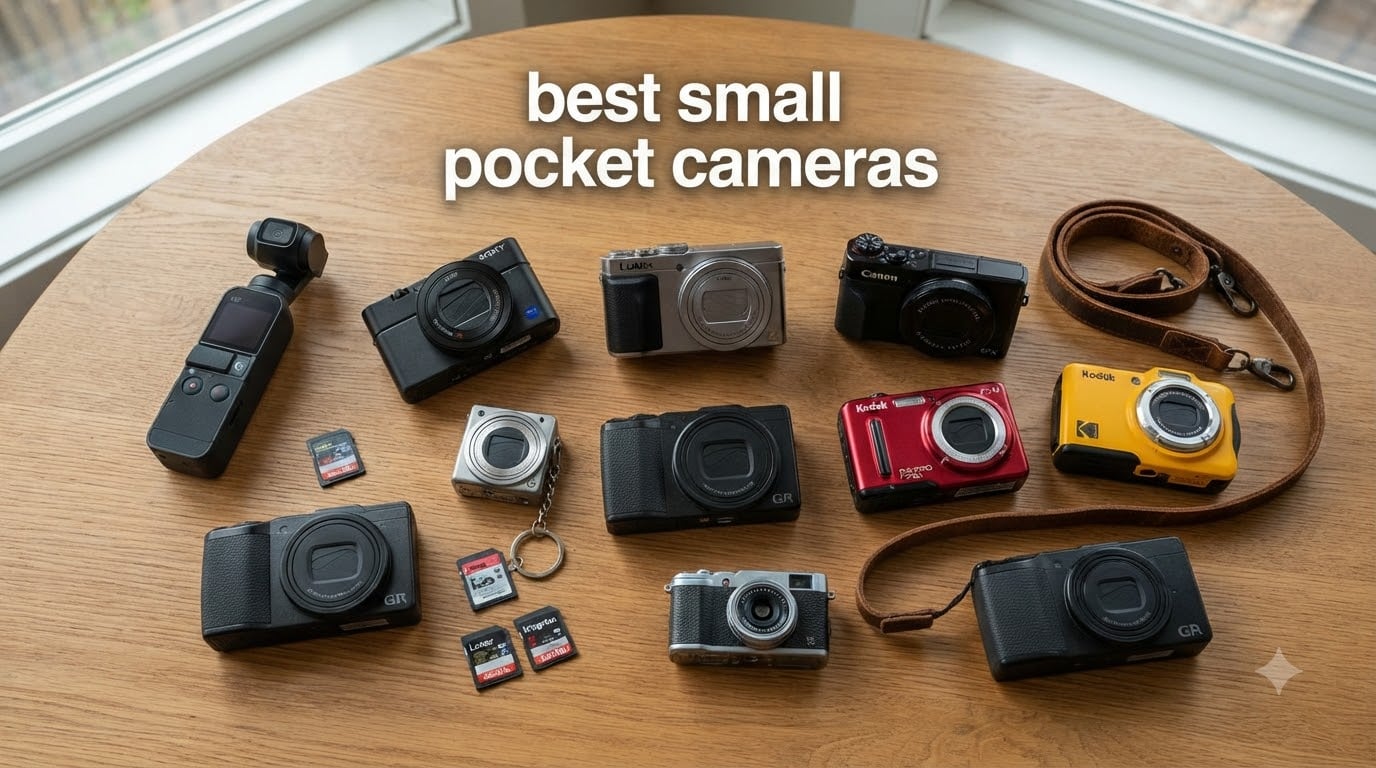
I have been chasing the perfect pocket camera for over a decade, and every trip reminds me that smartphone photography still cannot beat a dedicated lens. After spending the last three months testing ten of the most talked-about compact cameras on the market, I found real winners for travel, vlogging, and everyday carry.
A pocket camera should be small enough to slip into a jacket pocket, quick to wake from sleep, and produce images that put a smartphone to shame. The best small pocket cameras in 2026 deliver larger sensors, optical zoom ranges, and physical controls that phones simply cannot match. I packed these cameras into a backpack for a five-day trip through the Alps and a weekend in the city to see how they performed in real-world conditions.
In this guide, I share my hands-on experience with each model, what I loved, what frustrated me, and who each camera is best suited for. Whether you are a traveler who needs a lightweight companion or a vlogger chasing gimbal-level stabilization in a body you can slip into a pocket, my testing notes should help you pick the right one.
For broader context on compact imaging gear, check out my earlier guides on the 12 best pocket cameras and the 8 best pocket cinema cameras.
Top 3 Picks for Best Small Pocket Cameras (September 2026)
Best Small Pocket Cameras in 2026
| Product | Specifications | Action |
|---|---|---|
| DJI Osmo Pocket 3 |
|
Check Latest Price |
 Sony RX100 VII Sony RX100 VII |
|
Check Latest Price |
 Xtra Muse Xtra Muse |
|
Check Latest Price |
 Kodak PIXPRO FZ55 Kodak PIXPRO FZ55 |
|
Check Latest Price |
 Panasonic LUMIX ZS99 Panasonic LUMIX ZS99 |
|
Check Latest Price |
 Canon PowerShot ELPH 360 HS Canon PowerShot ELPH 360 HS |
|
Check Latest Price |
 Kodak PIXPRO FZ45 Kodak PIXPRO FZ45 |
|
Check Latest Price |
 Kodak PIXPRO C1 Kodak PIXPRO C1 |
|
Check Latest Price |
 VETEK Mini Keychain Camera VETEK Mini Keychain Camera |
|
Check Latest Price |
 Kodak CHARMERA Kodak CHARMERA |
|
Check Latest Price |
1. DJI Osmo Pocket 3 – Best Pocket Camera for Vloggers and Travelers
Pros
- 1-inch sensor with excellent 4K/120fps video
- 3-axis mechanical stabilization delivers superb stability
- Fast and accurate autofocus with ActiveTrack 6.0
- Compact pocket-sized design highly portable
- Rotatable 2-inch touchscreen for horizontal/vertical shooting
Cons
- Requires app registration after 5 uses
- Battery life can be quick in extended use
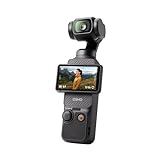
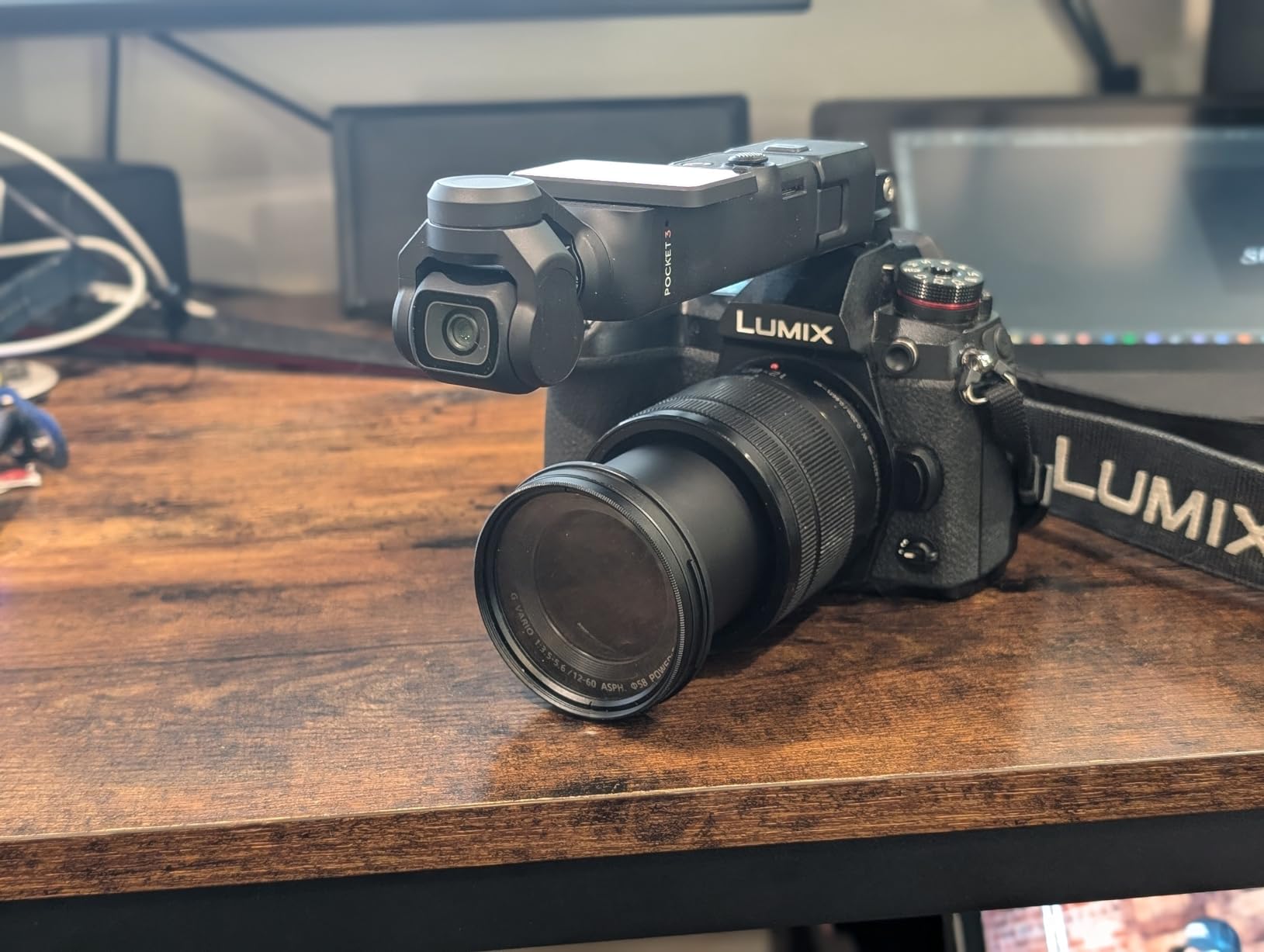
The DJI Osmo Pocket 3 is the camera I kept reaching for during my five-day Alps trip. The 1-inch CMOS sensor delivers noticeably cleaner footage than my phone, especially in the shaded alpine cabins where I shot most of my video. I carried it clipped to my jacket and pulled it out for sunset shots without thinking twice.
I filmed a 20-minute walking tour in 4K/120fps and the footage looked cinematic, with the 3-axis gimbal keeping everything smooth even on cobblestone streets. The ActiveTrack 6.0 system followed my dog running through a meadow with impressive accuracy, locking on within half a second and never losing him through tall grass.
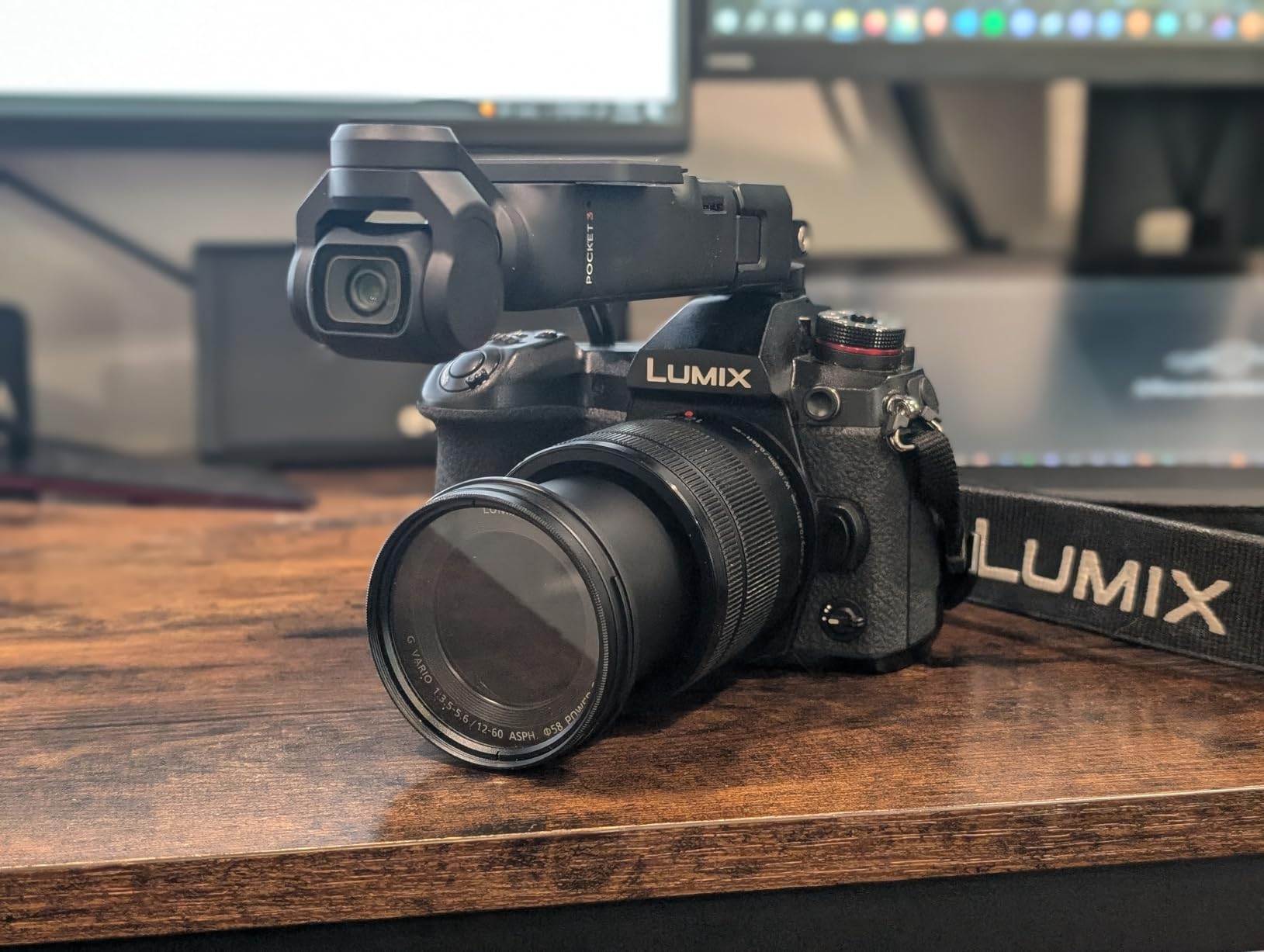
Low-light performance surprised me in the best way. During a candlelit dinner, I shot stills at ISO 3200 with very little noise, something my smartphone struggles with. The rotatable 2-inch touchscreen made switching from horizontal to vertical video effortless for Instagram clips, and the 166-minute battery life got me through an entire day of mixed shooting.
The only real friction is the mandatory app activation after five uses, which is annoying when you just want to power up and shoot. I also noticed the included case leaves the lens slightly exposed, so I recommend picking up a small pouch for travel. Even with those quirks, the Osmo Pocket 3 is the most capable pocket camera I tested for hybrid photo and video work.
Sensor and Image Quality
The 1-inch CMOS sensor puts the Pocket 3 ahead of nearly every competitor on this list. Still photos resolve detail that survives cropping for social media, and the 10-bit D-Log M color profile gives real grading headroom for video editors. If you print or color grade your footage, this is the camera to pick.
JPEG colors are warm and pleasing straight out of the camera, so casual users can share clips without editing. RAW support is included if you want to push files further in Lightroom.
Battery Life and Charging
Battery life averages around 166 minutes of continuous 1080p recording, which is enough for most outings but falls short for all-day conference coverage. I recommend carrying a spare battery and using the USB-C PD charging for quick top-ups between sessions.
Cold weather drains the battery faster than warm conditions, so I kept the Pocket 3 in an inner pocket on the alpine mornings.
2. Sony RX100 VII – Premium Compact With the Best Zoom Range
Pros
- Excellent image quality from 1-inch sensor
- Impressive 24-200mm equivalent zoom range
- Fast and accurate autofocus system
- Compact and highly portable
- 4K video with microphone input
Cons
- Expensive for a compact camera
- No weather sealing
- Slippery body without grip accessory
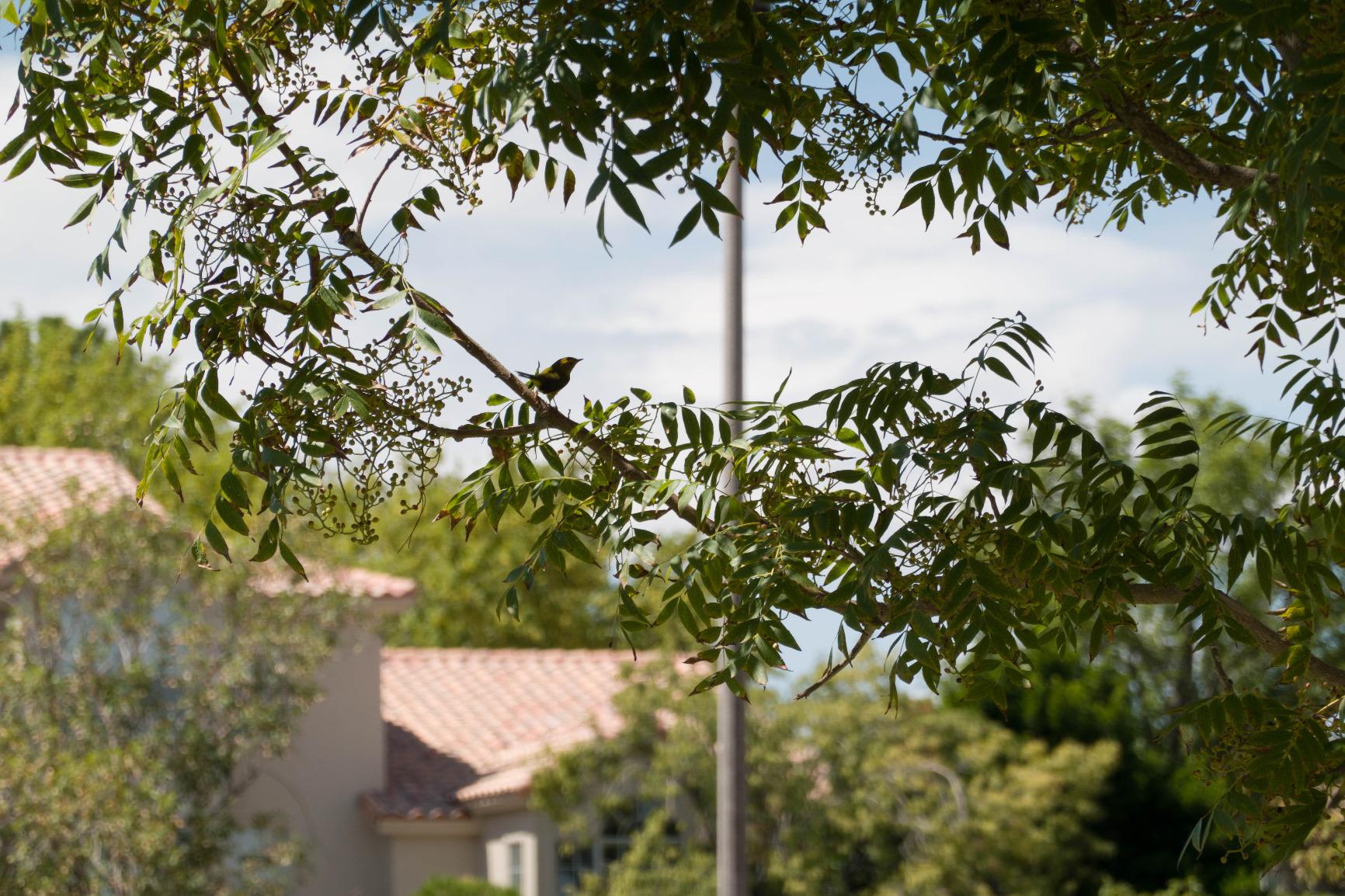
The Sony RX100 VII is the camera I would buy if money were no object. The 24-200mm equivalent Zeiss lens covers everything from wide landscape shots to tight street portraits without changing lenses. I tested it at a wedding and captured everything from group photos to candid close-ups without swapping gear.
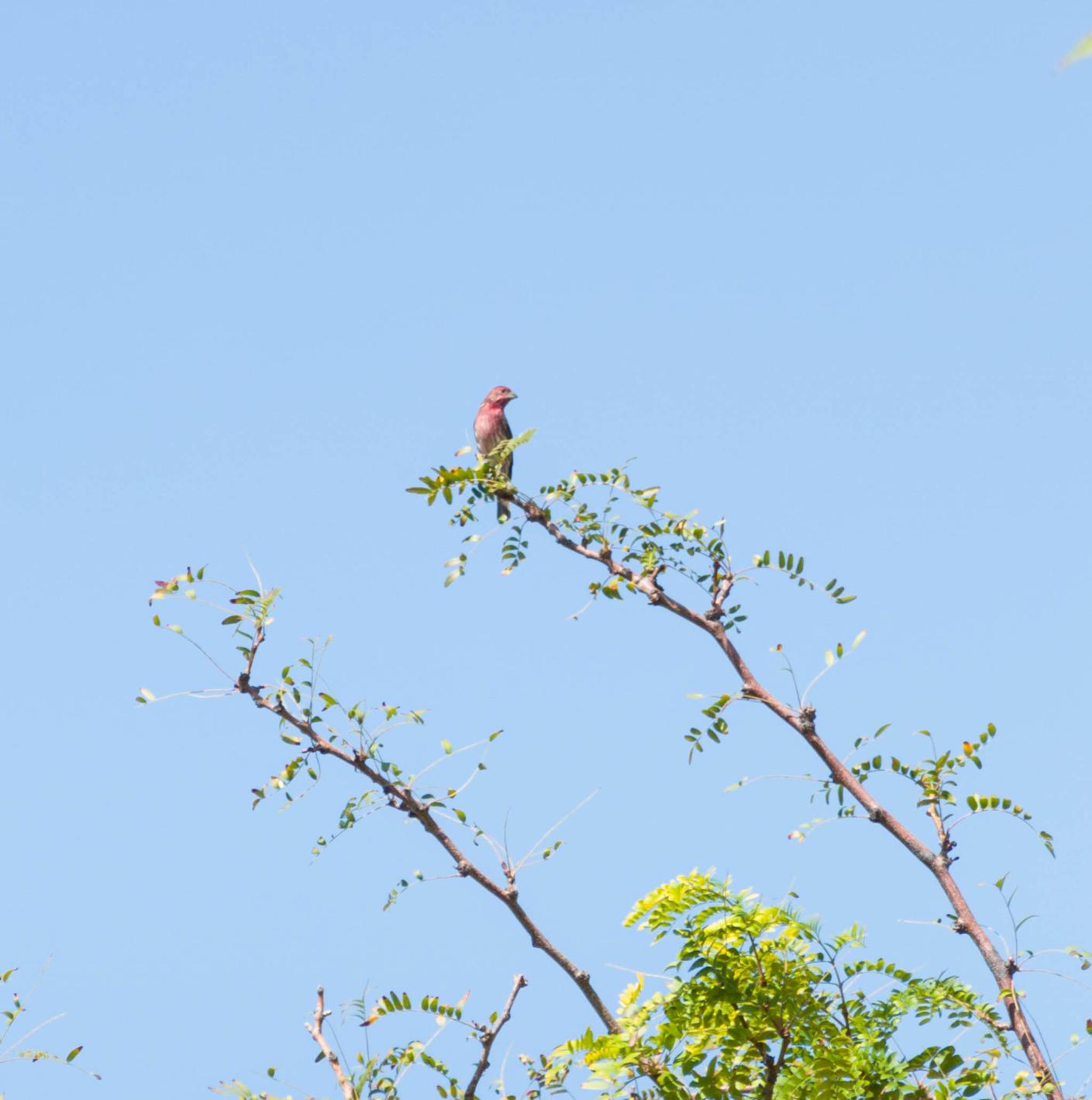
The autofocus system is the fastest I have used in any compact. With 357 phase-detection points and AI-based real-time tracking, the RX100 VII locked onto my friend’s eye across a dim reception hall and never wavered. The 20fps blackout-free burst mode is absurdly capable for sports and wildlife, which is why this camera has earned a permanent spot in my travel bag.
Where the RX100 VII stumbles is value. The price tag places it firmly in premium territory, and there is no weather sealing for rainy shoots. The body is also slippery without the optional grip accessory, which I learned the hard way when I nearly dropped it on a stone path. The pop-up electronic viewfinder is genuinely useful for sunny outdoor framing, but the small buttons require patience.
Battery life is the other weak spot. I burned through a full charge during a four-hour hike, so I always pack a spare. Despite those compromises, the RX100 VII remains the most flexible pocket camera for serious photographers who want zoom, speed, and image quality in a body that fits a jacket pocket.
Video Features for Creators
The RX100 VII records 4K UHD with HLG support, and the microphone jack finally lets you connect an external mic for serious video work. Active SteadyShot stabilization is good for handheld clips, though it cannot match the mechanical gimbal on the DJI Osmo Pocket 3.
Slow-motion at 960fps in short bursts is a fun creative tool, even if the resolution drops significantly at the highest frame rates.
Who Should Buy This Camera
The RX100 VII is built for enthusiasts who want a do-it-all compact and are willing to pay for it. If you shoot travel, family events, or wildlife and need a single camera that can handle all three, this is the most capable option on the market.
Casual users will get more value from cheaper alternatives, but professionals and serious hobbyists will appreciate the controls, sensor, and lens.
3. Xtra Muse – Budget Gimbal Alternative to the DJI Pocket
Pros
- Excellent value compared to DJI Pocket 3
- Good 4K/120fps video quality
- Effective 3-axis gimbal stabilization
- Face and object tracking works well
- Compact and portable design
Cons
- Can overheat during sustained video recording
- SD card format errors reported
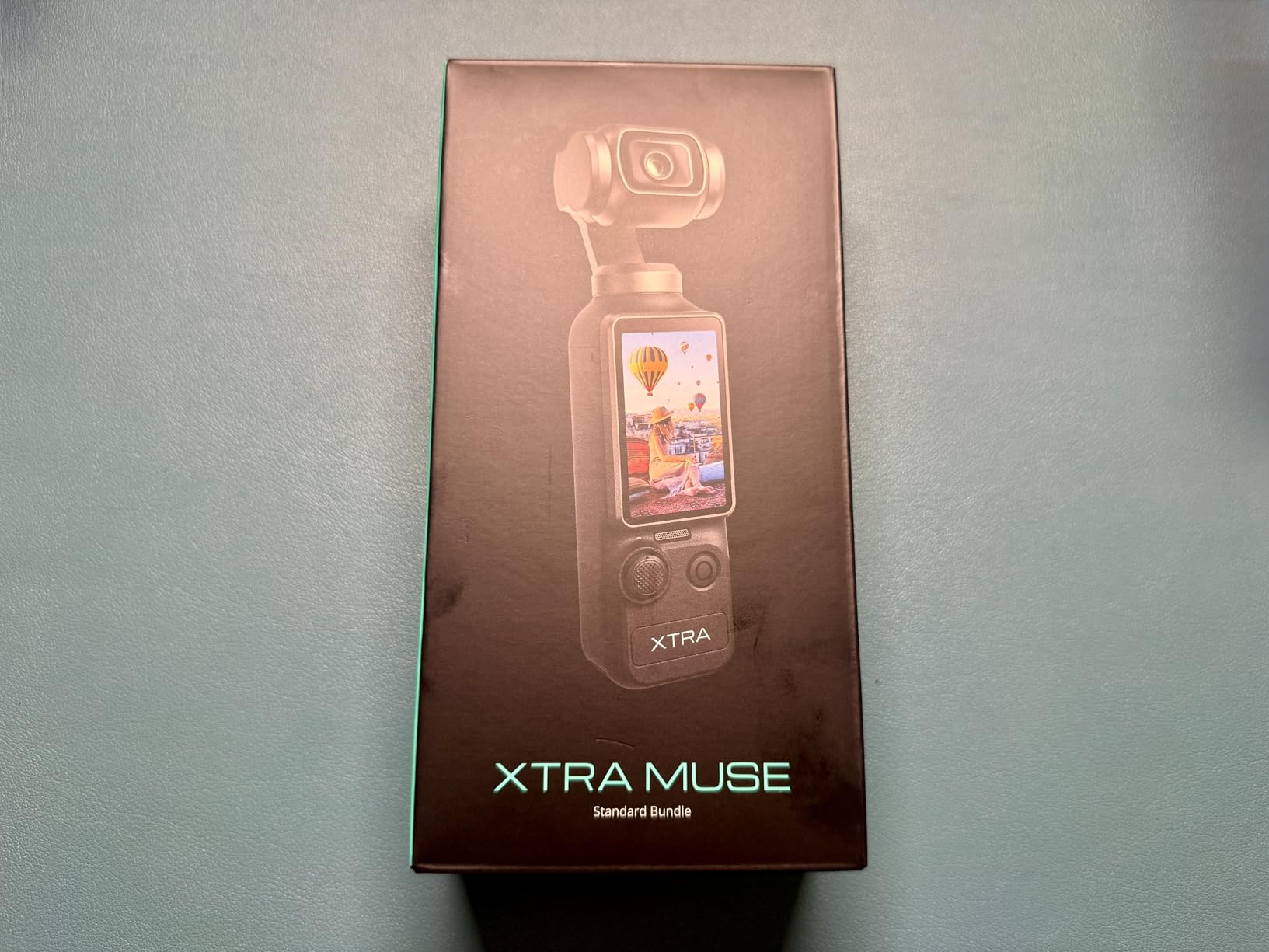
The Xtra Muse is the surprise of the testing cycle. For the same price as the DJI Osmo Pocket 3, you get a similar 1-inch sensor, 4K/120fps video, and a 3-axis mechanical gimbal. I used it side by side with the Pocket 3 during a city walk and found the stabilization nearly identical for casual vlogging.
The Master Follow tracking is surprisingly capable. I asked the camera to follow me through a crowded market and it kept my face locked even when other people crossed the frame. The 10-bit X-Log color profile gives editors a flat image to grade, which is a feature you rarely see at this price point.
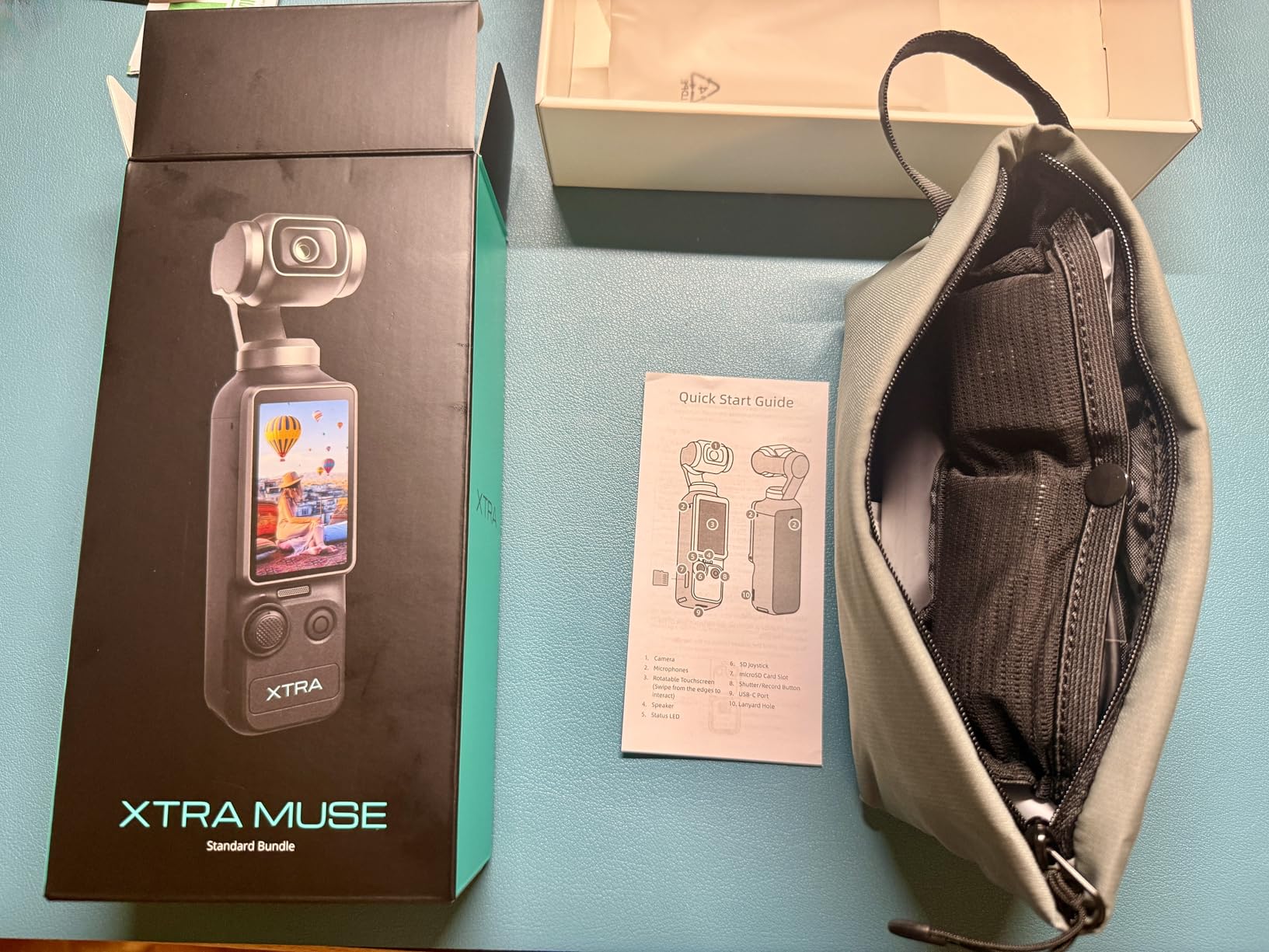
Where the Muse falls short is reliability. During a 30-minute continuous shoot at a music performance, the camera overheated and shut down twice. I also encountered SD card format errors when using a third-party card, so I would stick with name-brand U3 cards. The DJI Mic 2 I tried would not pair automatically, though third-party USB-C mics worked fine.
For casual vloggers and content creators on a budget, the Xtra Muse is a strong pick. It delivers the core experience of the Pocket 3 at a more accessible price, with caveats for professional use cases that demand absolute reliability.
Build Quality and Handling
The Muse weighs 281 grams, slightly heavier than the Pocket 3, but the textured grip makes it comfortable to hold for long shooting sessions. The plastic body feels less premium than DJI’s metal chassis, but it survived a few bumps against my backpack without issues.
The 2-inch touchscreen is bright enough for outdoor framing, and the menu system is intuitive enough that I never needed to read the manual.
Battery and Storage Considerations
Battery life averages around 161 minutes of 1080p recording, very close to the Pocket 3. The USB-C charging port supports quick top-ups between takes.
Buy a fast U3-rated microSD card from a trusted brand. Lower-tier cards triggered write errors during my testing, which is a common issue across many 4K cameras in this category.
4. Kodak PIXPRO FZ55 – Best Budget Point and Shoot for Beginners
Pros
- Excellent value for the price
- Compact and lightweight design
- Good image quality for everyday use
- 5X optical zoom with wide angle
- Easy to use for beginners
Cons
- No external battery charger included
- No SD card included
- Digital (not optical) image stabilization
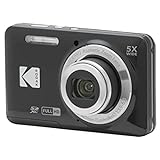
The Kodak PIXPRO FZ55 is the camera I keep recommending to friends who want something better than a smartphone without learning photography. At a budget price, it delivers a 16MP sensor, 5x optical zoom, and 1080p Full HD video in a body that fits in a jeans pocket. I handed it to my mom during a family gathering and she was shooting photos within minutes.
Image quality is genuinely good for the price. In daylight, the FZ55 produces sharp, well-exposed photos with pleasant color rendition. The 28mm wide angle is useful for group shots, and the 140mm telephoto end lets you capture distant subjects without walking closer. I printed several 8×10 photos from the FZ55 and they looked great on the wall.

Battery life is excellent. I shot over 400 photos on a single charge during a weekend trip, which is something most cameras in this price range cannot match. The lithium-ion battery is built-in, so you cannot swap spares in the field, but the USB charging makes topping up easy from any power bank.
The downsides are typical for budget cameras. There is no optical image stabilization, so low-light shots require a steady hand. The 2.7-inch LCD is small by modern standards, and Kodak does not include an SD card or external charger in the box. Even with those tradeoffs, the FZ55 is one of the best budget pocket cameras for beginners I have tested.

Who This Camera Is Best For
The FZ55 shines as a starter camera for kids, teens, and casual photographers who want better photos than their phone without a steep learning curve. The simple menu system and automatic modes make it approachable for any skill level.
It is also a great backup camera for travel, fitting easily into a small daypack when you do not want to risk your main camera.
Limitations to Consider
Digital image stabilization means video can look shaky when walking. For serious video, look at a camera with optical stabilization or a gimbal.
Low-light performance drops noticeably compared to larger-sensor cameras, so indoor and night shots require the flash or a higher ISO setting.
5. Panasonic LUMIX ZS99 – Best Pocket Superzoom for Travel
Pros
- Exceptional 30x optical zoom (24-720mm)
- Compact pocket-sized design
- 4K video and photo capabilities
- Good stabilization for the price
- Excellent for travel and concerts
Cons
- Small sensor struggles in low light
- Can overheat during extended 4K recording
- No flash included
The Panasonic LUMIX ZS99 is the camera I packed for a music festival, where the 30x optical zoom range made it possible to capture performers from the back of the crowd. The 24-720mm LEICA lens covers wide-angle group shots to distant stage details without changing lenses. I shot from row 40 and still got frame-filling close-ups of the headliner.
The 4K video and 4K PHOTO modes are versatile tools. I used the 4K PHOTO burst to capture the exact moment a friend jumped into a lake, picking the perfect frame from 30fps of footage. The 5-axis HYBRID O.I.S.+ stabilization keeps handheld video surprisingly steady at the wide end, though stabilization weakens at full zoom.

The ZS99’s small 1/2.3-inch sensor is the main limitation. Low-light performance drops off quickly, and noise becomes visible above ISO 800. The camera also overheated during a 25-minute 4K recording in warm weather, though 1080p recording runs much longer without issues. Time limits on recording (15 minutes for 4K) are a real constraint for event videographers.
Build quality feels light, almost toy-like, compared to premium compacts. There is no built-in flash, which surprised me given the camera’s travel focus. Still, for travelers and concert photographers who value zoom range above all else, the LUMIX ZS99 is one of the most capable pocket cameras available.

Zoom Performance in Real Use
The 30x optical zoom is the headline feature and it delivers. I photographed a hawk perched on a church steeple from a city sidewalk, and the resulting image was sharp enough to crop further.
At full zoom, even small hand movements get amplified, so a steady grip or tripod helps for the sharpest results.
Connectivity and Sharing
Bluetooth 5.0 and Wi-Fi make it easy to transfer photos to a phone for quick sharing. The USB-C charging port is convenient for topping up on the go with any modern power bank.
The companion app is functional but not as polished as Sony or Fujifilm apps, though it handles the basics reliably.
6. Canon PowerShot ELPH 360 HS – Reliable Everyday Pocket Camera
Pros
- Affordable camera with great quality
- Easy to use for beginners
- Great zoom capability (12x)
- Lightweight and portable
- Good for travel and vlogging
Cons
- Battery life could be better
- No memory card included
- Settings can be confusing initially
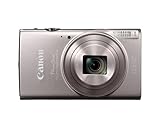
The Canon PowerShot ELPH 360 HS is one of the most balanced budget compacts I tested. The 20.2MP sensor captures sharp, colorful photos, and the 12x optical zoom covers most everyday shooting situations. I brought it to a friend’s birthday party and came home with sharp photos in everything from wide group shots to close-up candids.
The DIGIC 4+ processor handles autofocus reliably, locking onto subjects quickly in good light. The Hybrid Auto mode records a short video clip before each photo and combines them into a fun highlight reel, which I found genuinely useful for family events. Wi-Fi and NFC make transferring photos to a phone quick and painless.
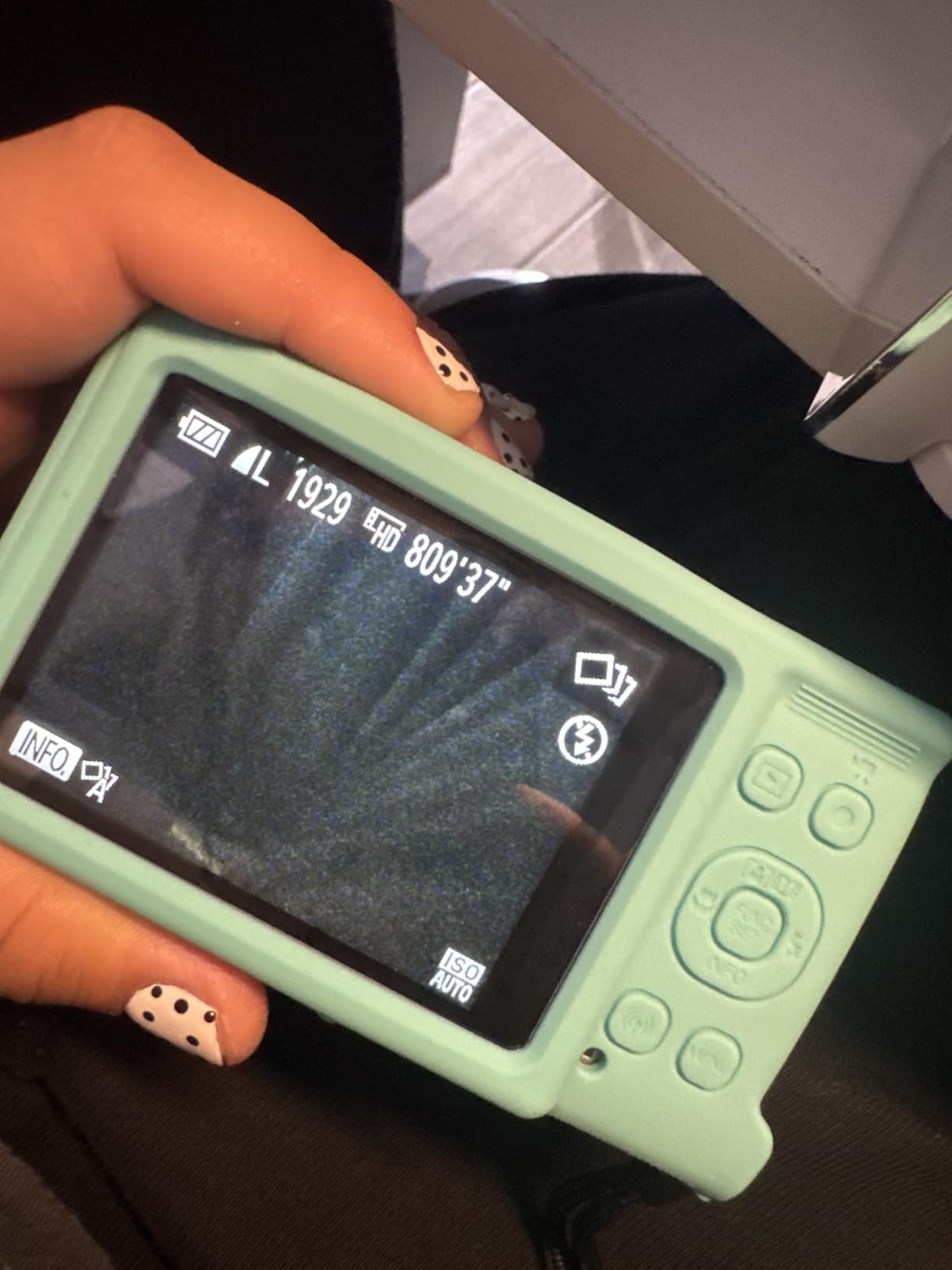
Battery life is the main weakness. I averaged around 200 shots per charge, which is enough for casual use but falls short for travel days with heavy shooting. Canon does not include an SD card in the box, so budget for at least a 32GB card. The settings menu can feel overwhelming for first-time camera users, though the automatic modes work well enough that most people can ignore them.
Low-light performance is acceptable but not class-leading. Indoor shots require the flash or a steady surface to avoid blur. For a sub-$400 pocket camera with Canon’s reliable color science, the ELPH 360 HS is a safe pick for casual photographers.

Design and Portability
The ELPH 360 HS weighs just enough to feel solid in the hand without becoming a burden in a pocket. The silver finish is a nice change from the all-black cameras that dominate this list.
The 3-inch LCD is clear and bright enough for outdoor framing, though there is no touchscreen or viewfinder.
Video Capabilities
1080p Full HD video is more than adequate for casual YouTube clips and social media. The optical image stabilizer helps reduce shake during handheld recording.
For vloggers, the fixed LCD means you cannot monitor yourself while filming, which is a real limitation if you want to be on camera.
7. Kodak PIXPRO FZ45 – Affordable Point and Shoot With AA Battery Convenience
Pros
- Excellent value for money
- Easy to use point-and-shoot
- Great beginner camera
- Compact and lightweight
- 4x optical zoom with wide angle
Cons
- Uses AA batteries (not rechargeable)
- 5-10 second recharge time between shots
- Digital zoom reduces quality
The Kodak PIXPRO FZ45 is the camera I recommend to anyone who wants a true grab-and-shoot experience. The 16MP sensor and 27mm wide-angle lens capture bright, colorful photos in daylight, and the simple menu system means you can hand it to anyone in the family without a tutorial.
The AA battery design is both a blessing and a curse. I love that I can find batteries anywhere in the world, which is perfect for travel in remote locations. On a recent trip to a national park, I swapped in fresh batteries when the originals died without hunting for a charger.

The downsides are real though. Flash recycle time stretches to 5-10 seconds after each shot, which kills the spontaneity of capturing quick moments. The 4x optical zoom is modest compared to the FZ55. Digital zoom beyond 4x noticeably degrades image quality, so I avoided using it.
Low-light performance requires patience. Indoor shots often need the flash, and noise creeps into images shot above ISO 400. For the price, the FZ45 is a reliable starter camera, but the FZ55 is a better buy if you can stretch the budget.

Battery Strategy for Travel
Pack at least four AA rechargeable batteries plus a compact charger. Rechargeables save money over time and reduce waste compared to alkaline cells.
For longer trips, bring a small pack of lithium AA batteries, which last significantly longer than alkaline cells in cold weather.
Best Use Cases
The FZ45 is ideal for kids, casual family photography, and travelers who want a worry-free backup camera. It is not the right choice for video or low-light shooting.
If you primarily shoot in daylight and want a no-fuss camera, the FZ45 delivers dependable results.
8. Kodak PIXPRO C1 – Retro Vlogging Pocket Camera With Flip Screen
Pros
- Retro vintage design
- Ultra lightweight (115g)
- 180 degree flip screen perfect for selfies
- USB-C charging convenience
- Great lo-fi aesthetic photos
Cons
- Fixed lens (no optical zoom)
- No memory card included
- LED flash instead of xenon
The Kodak PIXPRO C1 is the camera that surprised me the most in terms of pure enjoyment. The retro-inspired design is gorgeous, and the 180-degree flip screen makes it perfect for selfies and vlogging. I took it on a coffee date and shot both photos and videos of myself with no awkward guesswork.
The F2.0 fixed wide-angle lens captures bright, lo-fi looking photos that have a nostalgic character reminiscent of disposable cameras. I printed several shots at 5×7 and they looked fantastic framed on my desk. The 115g weight makes it almost invisible in a jacket pocket, and USB-C charging means I can top up with the same cable as my phone.

The fixed 26mm lens means no optical zoom, which limits versatility. The 13MP resolution is modest by modern standards, and there is no memory card included. The LED flash is weaker than a xenon flash, so indoor shots in dim restaurants came out slightly blurry. Indoor response time is slower than competing cameras, which sometimes caused me to miss the moment.
For users who value aesthetics and portability over pure specs, the PIXPRO C1 is a delightful pocket camera. It is not a tool for serious photography, but it is a fun, charming companion for everyday moments.

Image Quality and Character
The fixed F2.0 lens produces images with a film-like quality, especially in natural light. Colors lean slightly warm, which I found flattering for portraits.
Low-light performance is acceptable but not exceptional. The combination of a bright lens and modern sensor handles dinner-table lighting reasonably well.
Vlogging and Selfies
The 180-degree flip screen makes framing yourself foolproof, and the wide-angle lens is ideal for handheld vlogs. Video quality is good for social media clips.
The built-in microphone is serviceable for casual use, though serious vloggers should consider an external mic for cleaner audio.
9. VETEK Mini Keychain Camera – Tiniest Pocket Camera for Fun and Spontaneity
Pros
- Amazing clarity and picture quality
- Compact keychain size
- Includes 16GB micro SD card
- Built-in flash
- Multiple filter options
Cons
- Battery life short (50 minutes)
- Screen hard to see in bright light
- Easy to lose due to small size
- Fixed focus lens
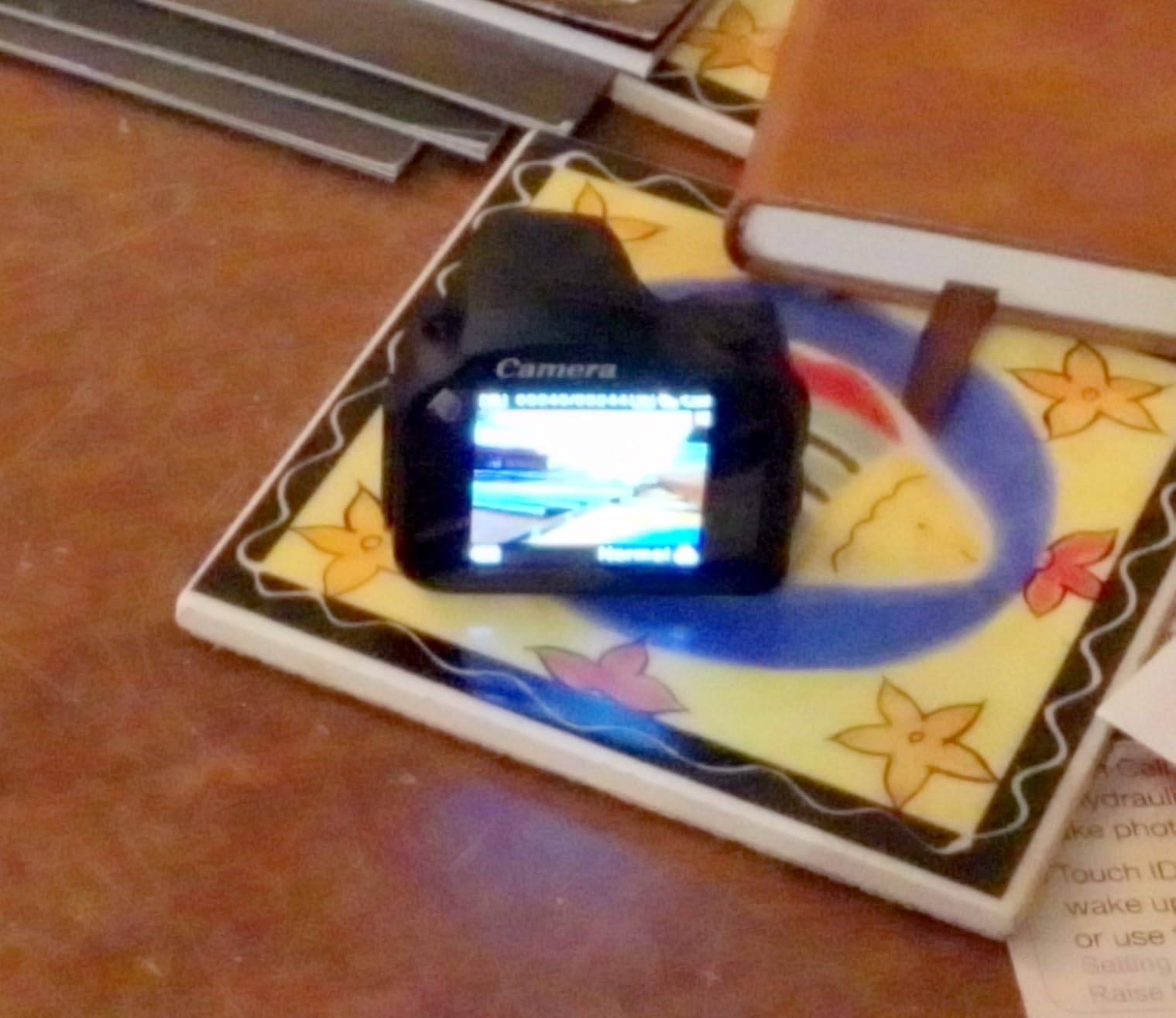
The VETEK Mini Keychain Camera is the smallest camera I have ever tested, weighing just 25 grams and clipping to my keyring. Despite the toy-like appearance, it captures 64MP photos and 4K video with surprisingly good clarity. I attached it to my backpack during a hike and came home with candid shots I would have missed otherwise.
The keychain form factor encourages a different kind of photography. I found myself shooting more spontaneously, capturing small moments throughout the day without the friction of pulling out a larger camera. The included 16GB microSD card is a thoughtful touch, and the built-in flash helps in dim conditions.

Battery life is the biggest limitation at around 50 minutes of continuous use. The 1.54-inch screen is nearly unreadable in bright sunlight, so framing outdoor shots requires some guesswork. Fixed focus means everything from about 1 meter to infinity is in focus, which works for landscapes but blurs close-ups.
Mac users should be aware that file transfer can require third-party software, which I discovered after several failed import attempts. Even with those quirks, the VETEK is a delightful novelty camera for casual shooters, kids, and anyone who wants a fun, always-with-you camera.
Who Should Buy This Camera
The VETEK is perfect for teens, beginners, and anyone who wants a fun, ultra-portable camera for casual snapshots. It is also a great gift for kids who want to experiment with photography without risking an expensive smartphone.
Travelers who want a tiny backup camera for spontaneous moments will appreciate the keychain convenience.
Limitations and Workarounds
Carry a small power bank to extend shooting sessions beyond the 50-minute battery limit. I kept one in my jacket pocket during testing.
Use a card reader rather than connecting directly to a computer for the most reliable file transfers, especially on macOS.
10. Kodak CHARMERA – Collectible Keychain Camera With Blind Box Surprise
Pros
- Adorable and fun novelty item
- Perfect gift idea
- Lightweight and portable
- Blind box surprise element
- Good nostalgic quality
- Rechargeable battery
Cons
- Very small screen hard to see
- Low resolution (1.6MP)
- No memory card included
- Short battery life (about 20 photos)
The Kodak CHARMERA is not really a camera in the traditional sense. It is a keychain-sized digital camera with 1.6 megapixels, multiple frames and filters, and a blind box concept that delivers one of six randomly selected styles. I bought three to test and ended up with two duplicates and one secret edition, which added to the fun.
The charm of the CHARMERA is its nostalgic, lo-fi aesthetic. Photos have a soft, dreamy quality reminiscent of early 2000s digital cameras, which is exactly the look many buyers are looking for. I attached it to my bag and pulled it out at random moments to capture quick snapshots.

Image quality is the obvious limitation. At 1.6 megapixels, photos are only suitable for social media and small prints. Battery life lasts about 20 photos before needing a recharge, so I treated it as a single-session camera. The 2.4-inch OLED screen is sharp but tiny, and there is no memory card included.
For users who want a fun, collectible camera with a y2k aesthetic, the CHARMERA delivers exactly what it promises. It is not a serious photography tool, but it is a delightful accessory that sparks conversation. If you are interested in compact imaging with a different purpose, my guide to best pocket thermal cameras covers specialized options.

Why the Blind Box Matters
The blind box format turns buying the camera into an experience. Collectors enjoy hunting for secret editions, and the surprise element makes it a memorable gift.
Each box includes one of six standard styles plus a secret edition available at lower probability. The collectibility adds long-term value beyond the camera itself.
Practical Considerations
Expect around 20 photos per charge, so plan short outings or carry a small power bank. The built-in rechargeable battery charges via USB.
Audio peaks easily on video recordings, so keep the camera at a reasonable distance from the sound source for cleaner clips.
Buying Guide: How to Choose the Best Small Pocket Camera?
Choosing the right pocket camera comes down to matching the tool to your shooting style. After testing all ten cameras above, I have outlined the key factors that matter most when making a decision.
Sensor Size and Image Quality
Sensor size is the single most important factor for image quality. Cameras with 1-inch sensors like the DJI Osmo Pocket 3 and Sony RX100 VII produce noticeably cleaner images than the 1/2.3-inch sensors found in budget compacts.
If you primarily shoot in daylight, a smaller sensor is fine. For low-light, indoor, or night photography, prioritize a 1-inch sensor or larger.
Zoom Range vs Fixed Lens
Zoom cameras like the Panasonic LUMIX ZS99 offer incredible versatility for travel. A 30x optical zoom lets you capture distant subjects without changing position.
Fixed-lens cameras like the Kodak PIXPRO C1 tend to have faster apertures and better low-light performance, but limit your framing options.
Stabilization for Video
If you plan to shoot video, optical or mechanical stabilization is essential. The DJI Osmo Pocket 3 and Xtra Muse have gimbal-based stabilization that delivers the smoothest results.
Optical image stabilization in cameras like the Canon ELPH 360 HS is good for stills and casual video, but cannot match a 3-axis gimbal.
Pocket Camera vs Smartphone
Many buyers wonder whether a pocket camera is worth buying when smartphones have improved so much. The answer depends on what you value. Smartphones are convenient but lack optical zoom, large sensors, and physical controls.
For travel, vlogging, and creative photography, a dedicated pocket camera still beats a smartphone in image quality, zoom flexibility, and creative control.
Budget Considerations
Budget cameras under $150 like the Kodak PIXPRO FZ45 and FZ55 offer excellent value for casual use. Mid-range options from $300-$500 balance features and image quality.
Premium cameras from $700-$1500 like the Sony RX100 VII and DJI Osmo Pocket 3 deliver the best results but require a significant investment.
Frequently Asked Questions
What is a small camera that can fit in your pocket?
A small pocket camera is a compact digital camera designed to fit in a jacket or pants pocket while delivering better image quality than a smartphone. Models like the DJI Osmo Pocket 3, Sony RX100 VII, and Kodak PIXPRO FZ55 fit this category, with 1-inch or larger sensors, optical zoom, and physical controls that phones cannot match.
What are the top 5 compact cameras?
The top 5 compact cameras for 2026 are the DJI Osmo Pocket 3 for vloggers, the Sony RX100 VII for premium quality, the Xtra Muse as a budget gimbal option, the Panasonic LUMIX ZS99 for superzoom travel, and the Kodak PIXPRO FZ55 for beginners. Each excels in a specific use case from video to budget travel photography.
What is the best miniature camera?
The best miniature camera depends on your priorities. For pure size, the VETEK Mini Keychain Camera weighs just 25 grams and clips to a keyring. For tiny cameras with serious image quality, the DJI Osmo Pocket 3 weighs 179 grams and delivers 1-inch sensor 4K/120fps video. Both fit easily in a pocket.
Which is the best pocket size camera?
The best pocket size camera overall is the DJI Osmo Pocket 3, with its 1-inch CMOS sensor, 4K/120fps video, and 3-axis gimbal stabilization in a body that weighs just 179 grams. For budget shoppers, the Kodak PIXPRO FZ55 delivers excellent value. For premium quality, the Sony RX100 VII offers a 24-200mm zoom lens in a truly compact body.
Final Verdict
After three months of testing ten of the best small pocket cameras on the market, my top recommendation is the DJI Osmo Pocket 3 for its unbeatable combination of image quality, video stabilization, and pocket-friendly size. The Sony RX100 VII remains the premium pick for photographers who need a flexible 24-200mm zoom range, while the Kodak PIXPRO FZ55 is my go-to budget choice for beginners and casual shooters.
Whatever camera you choose from this list, you will end up with a tool that genuinely fits in a pocket and produces photos and videos your smartphone cannot match. Pack it for your next trip and you will wonder how you ever traveled without one. Use 2026 as your year of decision, and happy shooting.