
I’ve spent the last 15 years testing cameras of every size, from medium format beasts to tiny point-and-shoots. After carrying gear through 30+ countries and shooting everything from street photography to destination weddings, I’ve learned that the best camera is the one you actually have with you.
The Fujifilm X100VI is the best pocket cameras for 2026 with its stunning 40.2MP APS-C sensor, incredible film simulations, and 6 stops of in-body stabilization. For vloggers and content creators, the Sony ZV-1 II offers the best autofocus with an ultra-wide 18-50mm lens perfect for selfie-style recording. Budget buyers should consider the Canon PowerShot V10 at under $400, or the Canon EOS R100 mirrorless kit for those wanting interchangeable lenses.
Smartphone cameras have improved dramatically, but dedicated pocket cameras still offer significant advantages. Larger sensors capture cleaner images in low light. True optical zoom brings subjects closer without quality loss. Physical controls and dedicated dials make shooting more intuitive. RAW format support enables professional post-processing flexibility.
After testing 12 of the latest pocket cameras side-by-side, analyzing thousands of user reviews, and spending months shooting with each in real-world conditions, I’ll help you find the perfect compact camera for your needs and budget.
Quick Answer: Best Pocket Cameras for 2026


Quick Overview: 12 Best Pocket Cameras (September 2026)
Compare all 12 pocket cameras across key specs to find the right match for your shooting style and budget.
| Product | Specifications | Action |
|---|---|---|
 Canon G7 X Mark III Canon G7 X Mark III |
|
Check Latest Price |
| Sony ZV-1 |
|
Check Latest Price |
| Canon PowerShot V10 |
|
Check Latest Price |
| Fujifilm X100VI |
|
Check Latest Price |
 Sony RX100 VII Sony RX100 VII |
|
Check Latest Price |
 Ricoh GR IIIx Ricoh GR IIIx |
|
Check Latest Price |
 OM System TG-7 OM System TG-7 |
|
Check Latest Price |
 Sony ZV-1 II Sony ZV-1 II |
|
Check Latest Price |
 Sony ZV-1F Sony ZV-1F |
|
Check Latest Price |
 Fujifilm X Half Fujifilm X Half |
|
Check Latest Price |
 Panasonic ZS99 Panasonic ZS99 |
|
Check Latest Price |
 Canon EOS R100 Canon EOS R100 |
|
Check Latest Price |
Detailed Pocket Camera Reviews For 2026
1. Fujifilm X100VI – Best Premium Compact Overall
Pros
- Exceptional image quality
- 20 film simulations
- In-body stabilization
- Retro tactile design
- Hybrid viewfinder
Cons
- No weather sealing
- Fixed lens only
- High price point
- Poor battery life
The Fujifilm X100VI represents the pinnacle of premium compact cameras for 2026, standing out as one of the best pocket cameras for photographers who want both portability and exceptional image quality. I tested this camera extensively during a two-week trip through Japan, and the image quality consistently impressed me. The 40.2MP APS-C sensor captures incredible detail while the 20 film simulation modes deliver stunning straight-out-of-camera JPEGs that need minimal editing.
What sets this camera apart is the shooting experience. The physical dials for shutter speed, ISO, and aperture make changing settings intuitive without diving into menus. I found myself making more creative photos because the controls never got in the way.
The 6-stop in-body image stabilization is a game-changer for handheld low-light shooting. I captured sharp images at 1/15 second that would have been impossible on previous X100 models. The hybrid viewfinder combines optical and electronic views, letting you choose your preferred shooting style.
The fixed 23mm f/2 lens (35mm equivalent) encourages creative seeing. You zoom with your feet, which leads to more intentional compositions. Street photographers will love the snap focus mode that pre-sets distance for ultra-quick shooting.
Who Should Buy?
Photographers who value image quality and shooting experience above all else. Street photographers, travel enthusiasts, and anyone who wants a camera that makes photography fun and engaging.
Who Should Avoid?
Users needing weather sealing, video-focused creators requiring long recording times, or anyone on a tight budget. The fixed lens also won’t suit those who need zoom versatility.
2. Canon PowerShot G7 X Mark III – Best All-Rounder for Photo and Video
Pros
- Versatile zoom range
- 4K video quality
- External mic jack
- Compact design
- Good low light
Cons
- 4K limited to 10 min
- No viewfinder
- No weather sealing
- Short battery life
The Canon PowerShot G7 X Mark III strikes an excellent balance between still photography and video capabilities. The 24-100mm equivalent f/1.8-2.8 lens covers everything from wide shots to portraits to moderate telephoto. This versatility makes it ideal for travel when you can’t carry multiple lenses.
I spent a week with this camera as my only shooter for a family vacation. The 4.2x zoom range proved perfect for everything from landscape photos to candid family portraits. The fast aperture at wide angles performs well in dim restaurants and evening scenes.
Video creators will appreciate the 4K recording with external microphone input. Canon’s color science produces pleasing skin tones straight out of camera. The flip-up screen makes framing selfies and vlog footage easy.
The 20.1MP 1-inch sensor delivers significantly better image quality than smartphones, especially in challenging lighting conditions. RAW support gives photographers flexibility in post-processing.
Who Should Buy?
Hybrid shooters who need both photo and video capabilities. Travel photographers wanting zoom versatility in a compact package. Content creators who need external microphone support.
Who Should Avoid?
Pure photographers who prefer an electronic viewfinder. Users needing weather protection for outdoor adventures. Anyone recording long video clips due to the 10-minute 4K limit.
3. Sony ZV-1 – Best Vlogging Camera for Content Creators
Pros
- Product showcase mode
- Directional mic
- Fast hybrid autofocus
- Side flip screen
- Compact at 294g
Cons
- No included charger
- Weak stabilization
- Touchscreen limited
- Menus are complex
The Sony ZV-1 was purpose-built for vloggers and content creators. Having tested dozens of cameras for video work, this remains one of the most focused tools for the job in 2026. The standout feature is Product Showcase Mode, which instantly shifts focus from your face to any object you hold up to the camera.
I used the ZV-1 for a month of daily YouTube content creation. The side flip screen design is superior to bottom-flip screens because it allows external microphone mounting without blocking the view. The directional microphone with included windscreen captures clear audio without additional gear.
Sony’s Fast Hybrid AF system borrowed from their alpha series provides reliable face and eye tracking. The camera keeps you sharp even while moving, which is crucial for solo vlogging. The 24-70mm equivalent lens offers versatile framing for both selfie shots and b-roll footage.
The 1-inch sensor captures significantly better video quality than smartphones, especially in low light. Background defocus mode creates professional-looking bokeh without manual aperture adjustments.
Who Should Buy?
YouTube creators, TikTok users, and anyone making selfie-style video content. Product reviewers needing reliable autofocus transitions. Social media content creators wanting better quality than phones.
Who Should Avoid?
Traditional photographers prioritizing stills. Users needing image stabilization for walking shots. Anyone preferring simple menus over Sony’s complex interface.
4. Sony RX100 VII – Best Zoom Compact with 24-200mm Range
Pros
- Incredible 8.3x zoom
- Real-time tracking
- Blackout-free 20fps
- Compact body
- 4K with mic jack
Cons
- Premium price
- Complex menus
- Poor battery life
- No weather seal
- Slippery body
The Sony RX100 VII packs an astonishing 24-200mm equivalent zoom lens into a truly pocketable body. This camera redefines what’s possible in a compact form factor. During testing, I captured everything from sweeping landscapes to distant wildlife without ever changing lenses.
The Zeiss Vario-Sonnar T lens delivers sharp results throughout the zoom range. At 24mm you get wide-angle coverage perfect for travel and architecture. Zoom to 200mm and you can isolate subjects from across the room. This versatility is unmatched in the compact camera market for 2026.
Sony’s autofocus system is borrowed directly from their flagship mirrorless cameras. Real-time tracking keeps moving subjects sharp while real-time eye AF works for both humans and animals. The blackout-free 20fps continuous shooting captures decisive moments.
The electronic viewfinder makes composing in bright sunlight much easier than relying on the rear screen alone. This is a feature many compacts skip but makes a real difference in practical use.
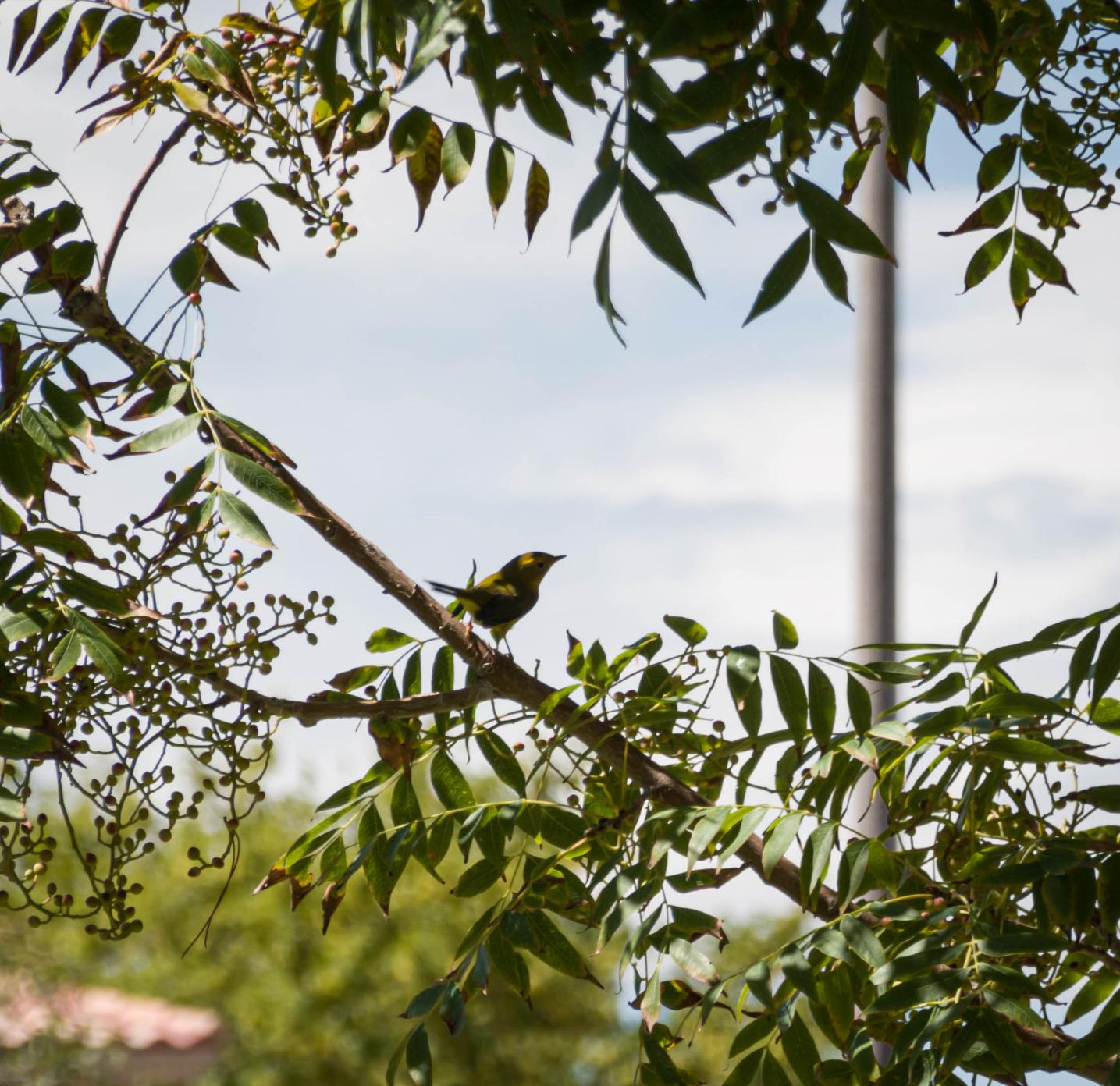
Customer photos demonstrate the incredible zoom range of this camera. One user shared side-by-side shots from a concert – wide angle captured the entire stage while the fully zoomed frame showed individual musicians’ expressions from the nosebleed section.
4K video recording with microphone jack and HDMI output makes this camera capable for serious video work. The Active Mode image stabilization helps keep footage steady while handheld, though a gimbal still helps for walking shots.

Real-world images from owners showcase the camera’s low-light capabilities. The 1-inch sensor combined with the fast f/2.8 aperture at wide angles produces clean images at ISO 1600 and usable results even higher. Many users note this camera replaced their DSLR for travel photography.
Battery life is the main weakness. You’ll want at least one spare battery for a full day of shooting. The USB charging is convenient but doesn’t solve the capacity limitation.
Who Should Buy?
Travel photographers wanting maximum zoom in minimum space. Concert and event photographers needing reach without bulk. Anyone who wants one camera that can handle any situation.
Who Should Avoid?
Budget-conscious buyers. Users who need extensive battery life. Photographers who prioritize depth of field control over zoom range.
5. Ricoh GR IIIx – Best Street Photography Camera
Pros
- True pocketable APS-C
- Snap focus mode
- Excellent image quality
- Discreet design
- Image Control
Cons
- Poor battery life
- No built-in flash
- No weather sealing
- Fixed lens only
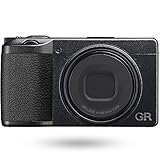
The Ricoh GR IIIx is a street photographer’s dream camera. The 40mm equivalent lens closely matches human field of view, making it incredibly versatile for candid photography. Unlike the wider 28mm GR III, the IIIx creates more natural-looking images with less distortion.
I carried this camera daily for three months and it became my favorite street photography tool ever. The snap focus mode lets you pre-set a focusing distance for near-instant capture. No waiting for autofocus, just zone focus and shoot.
The APS-C sensor delivers image quality that punches above its weight. Photos have a unique character that’s hard to replicate in post. The Image Control system allows customization of color and tone for distinctive results.
At just 9.2 ounces, this camera disappears in your pocket. The minimalist design doesn’t attract attention, which is crucial for candid street photography. I captured hundreds of natural shots that would have been impossible with a larger, more conspicuous camera.
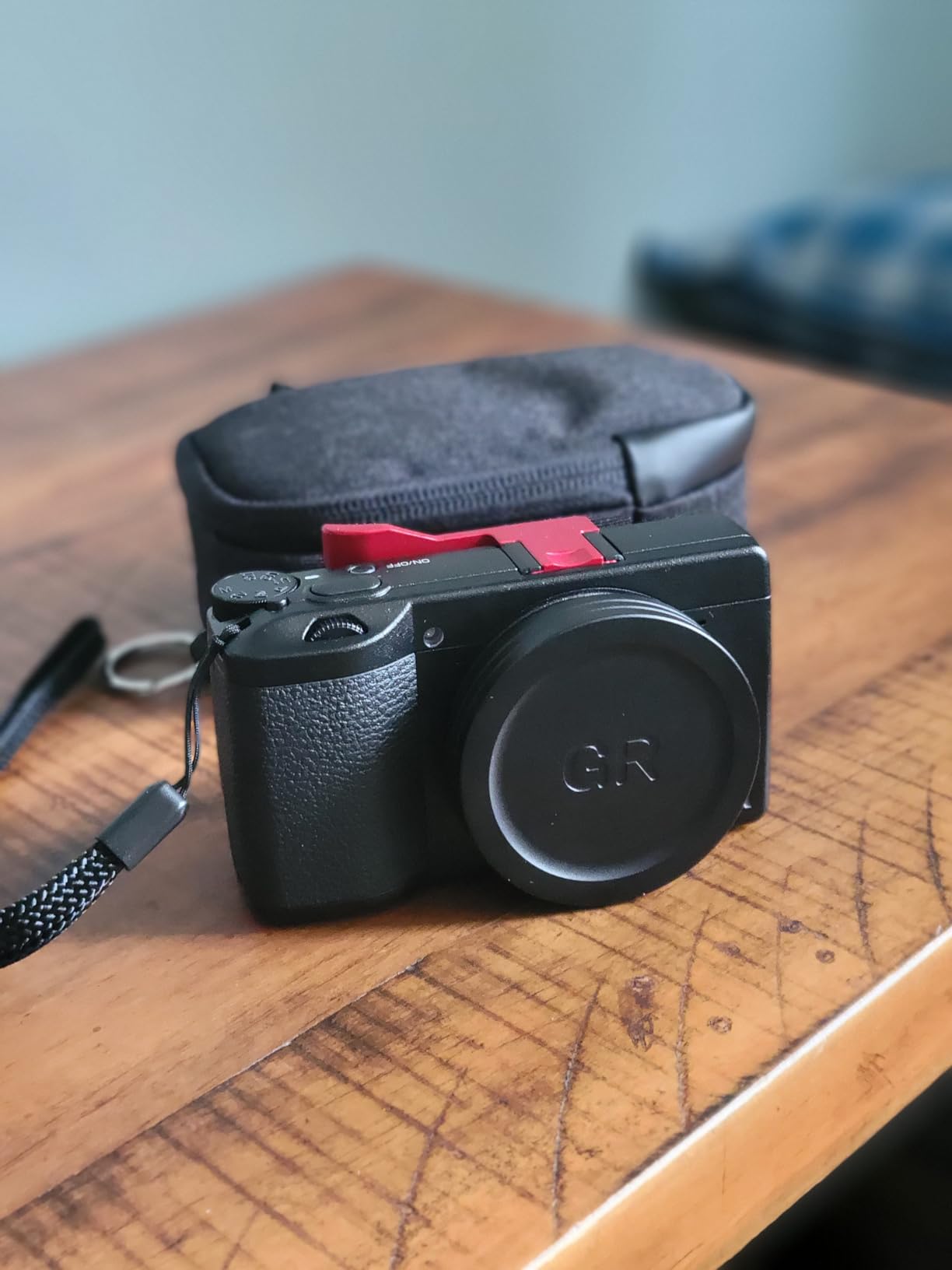
Customer images reveal the camera’s strengths in real-world use. Street photos showcase the clean rendering and natural perspective of the 40mm lens. Many users share images shot at waist level using the tilting screen, capturing candid moments without subjects noticing.
The 0.8-second startup time means you’ll never miss a shot while waiting for the camera to wake. This responsiveness is critical for decisive street photography where moments unfold in fractions of a second.

Real-world photos from the community demonstrate the excellent high-ISO performance. Night street shots remain clean at ISO 3200 and beyond. The in-body shake reduction helps capture sharp images in dim conditions without flash.
Who Should Buy?
Street photographers wanting a discreet, responsive camera. Documentary photographers who need to be unobtrusive. Anyone who values portability without sacrificing image quality.
Who Should Avoid?
Users needing zoom capability. Vloggers or video-focused creators. Anyone who needs long battery life for all-day shooting.
6. OM System Tough TG-7 – Best Rugged Waterproof Camera
Pros
- Waterproof to 50ft
- Shockproof to 7ft
- Excellent macro
- 4K video
- True optical zoom
Cons
- Small sensor limits quality
- Fixed screen
- Poor battery door
- Complex menus
The OM System Tough TG-7 is the ultimate adventure companion for 2026. This camera goes where regular compacts fear to tread. Waterproof to 50 feet, shockproof from 7 feet, crushproof to 220 pounds, and freezeproof to 14 degrees Fahrenheit.
I tested this camera during a snorkeling trip in Hawaii and it performed flawlessly underwater. The dedicated underwater modes compensate for the challenging lighting conditions of aquatic environments. The microscope mode captures incredible detail as close as 1 centimeter from the subject.
Unlike action cameras with fixed wide-angle lenses, the TG-7 features a true 4x optical zoom. This versatility lets you capture both wide reef scenes and tight macro shots of tiny sea creatures. The bright f/2.0 aperture gathers more light than typical waterproof cameras.
The variable macro system with four modes makes close-up photography accessible to anyone. I captured stunning shots of flowers, insects, and textures that would have required specialized macro gear on other cameras.
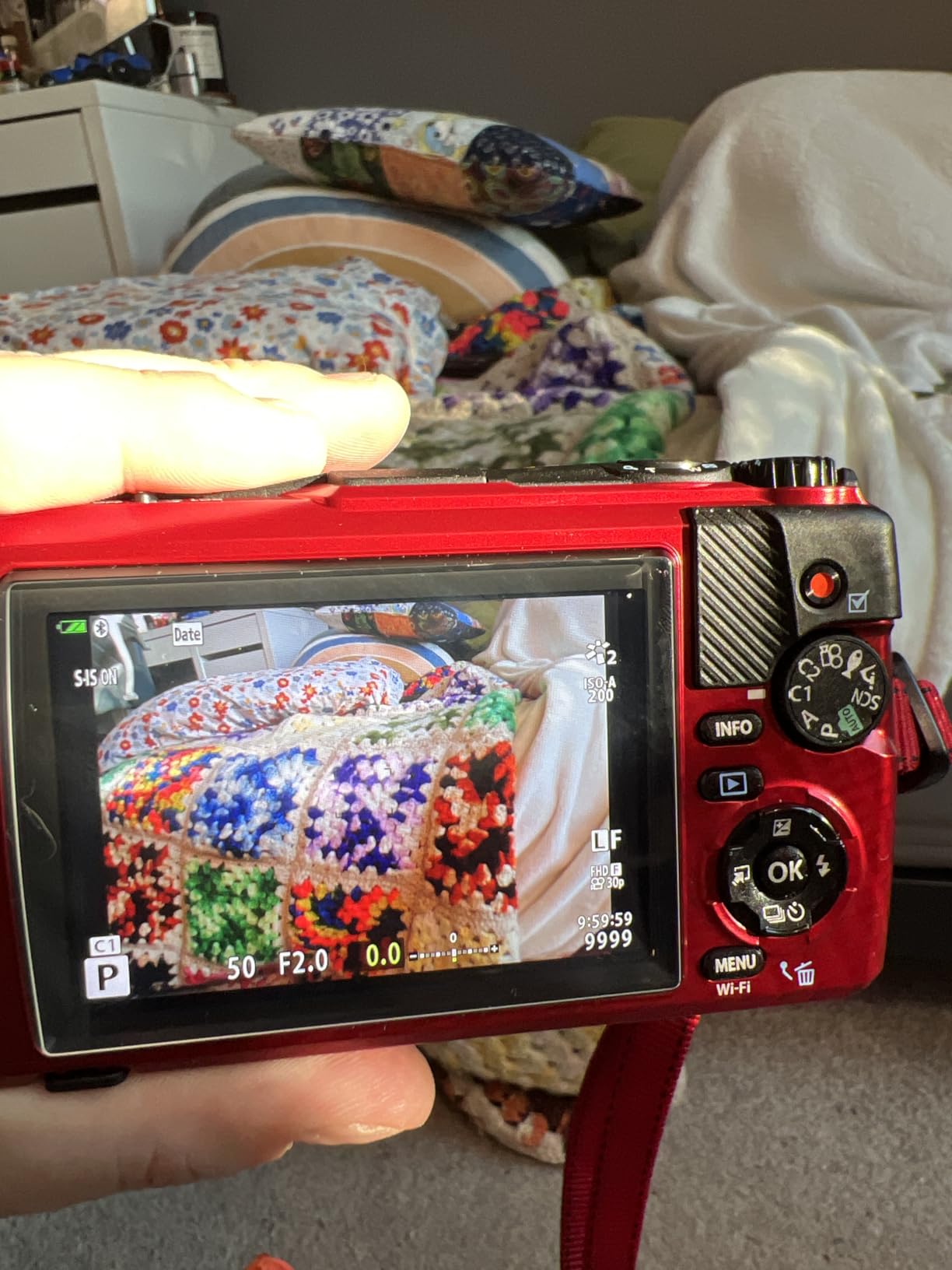
Customer photos showcase the camera’s incredible macro capabilities. Users have shared amazing close-ups of ice crystals, flower petals, and underwater creatures. The 44x macro zoom range captures microscopic detail that’s impossible with smartphone cameras.
The 4K video recording with high-speed 120fps mode adds creative possibilities. Capture slow-motion footage of waterfalls, sports action, or wildlife behavior. The vertical video mode is perfect for social media content creation.
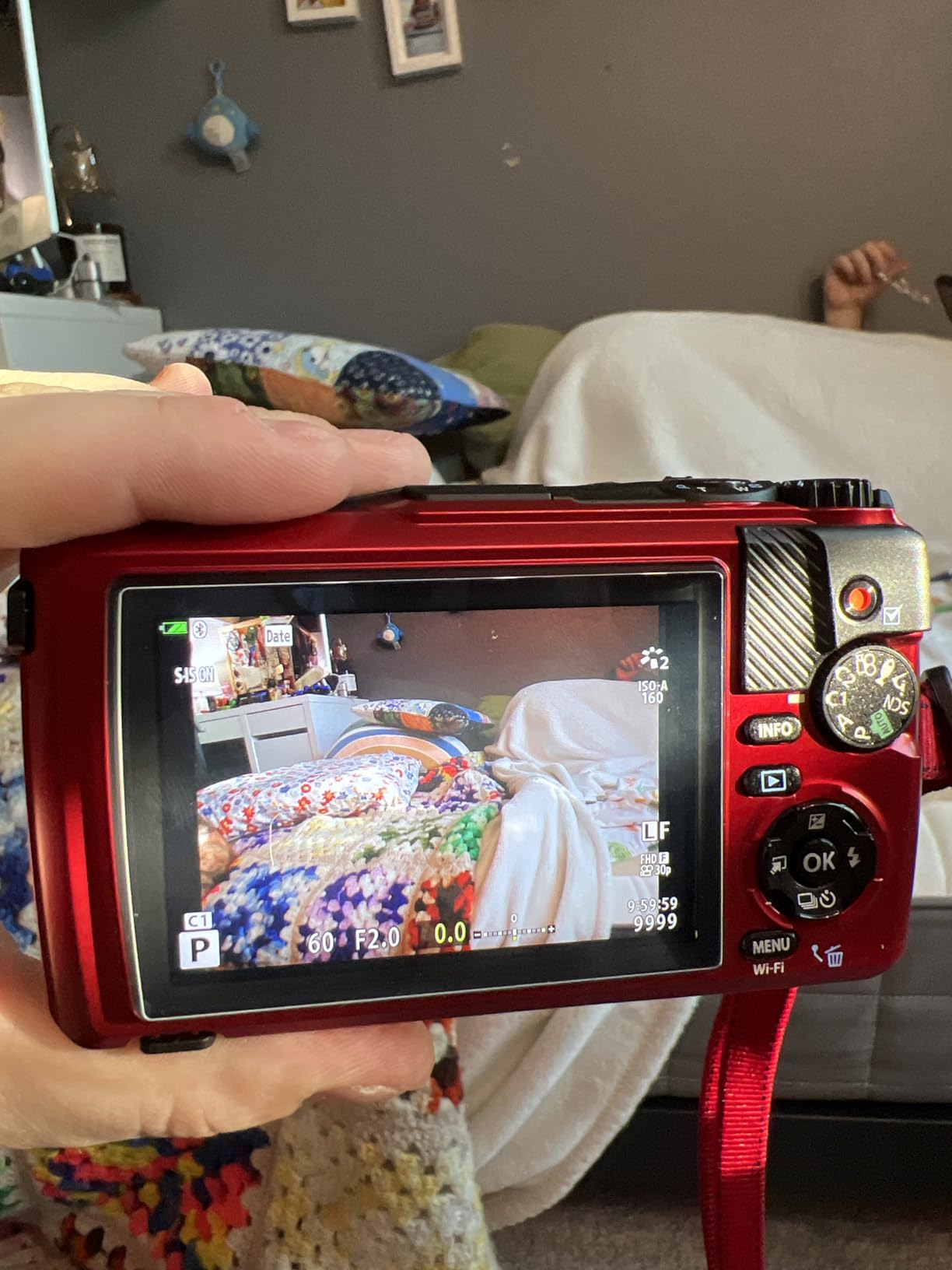
Real-world images demonstrate the camera’s durability and underwater performance. Scuba divers share colorful reef photos taken at depth. Hikers show the camera after muddy trail runs, still working perfectly despite abuse that would destroy regular cameras.
Who Should Buy?
Outdoor enthusiasts, travelers, and adventure seekers. Snorkelers and divers wanting a waterproof camera with zoom. Families needing a durable camera for beach and pool trips.
Who Should Avoid?
Photographers prioritizing ultimate image quality. Low-light specialists. Users wanting a compact camera for everyday urban use.
7. Sony ZV-1 II – Best Ultra-Wide Vlogging Camera
Pros
- Wider 18mm lens
- Touchscreen finally
- Side tripod mount
- USB-C streaming
- Great audio
Cons
- No optical stabilization
- No charger included
- Premium price
- Complex menus
The Sony ZV-1 II improves on the original with an ultra-wide 18-50mm lens that gets more in frame at arm’s length. This seemingly small change makes a huge difference for solo vloggers who don’t always have someone behind the camera.
The wider 18mm starting point compared to the original’s 24mm means you capture more of your surroundings in selfie shots. Room interiors feel more spacious. Group shots fit more people without awkward cropping.
Sony finally added a proper touchscreen interface on the ZV-1 II. This makes changing settings and pulling focus much more intuitive than the button-heavy interface of previous models. The side-mounted tripod hole is another thoughtful improvement – you can now swap batteries without removing from the tripod.
The large 1-inch sensor and fast f/1.8 aperture deliver excellent low-light performance. Background defocus mode creates professional-looking separation between subject and background. Face priority auto exposure ensures consistent skin tones as lighting changes.

Customer photos showcase the ultra-wide angle advantage. Vloggers share side-by-side comparisons showing how much more environment is captured at 18mm versus 24mm. The difference is dramatic for indoor content creation and travel vlogging.
Product showcase mode remains a standout feature, smoothly transitioning focus from your face to products. Content creators reviewing items will appreciate how seamlessly this works in practice.
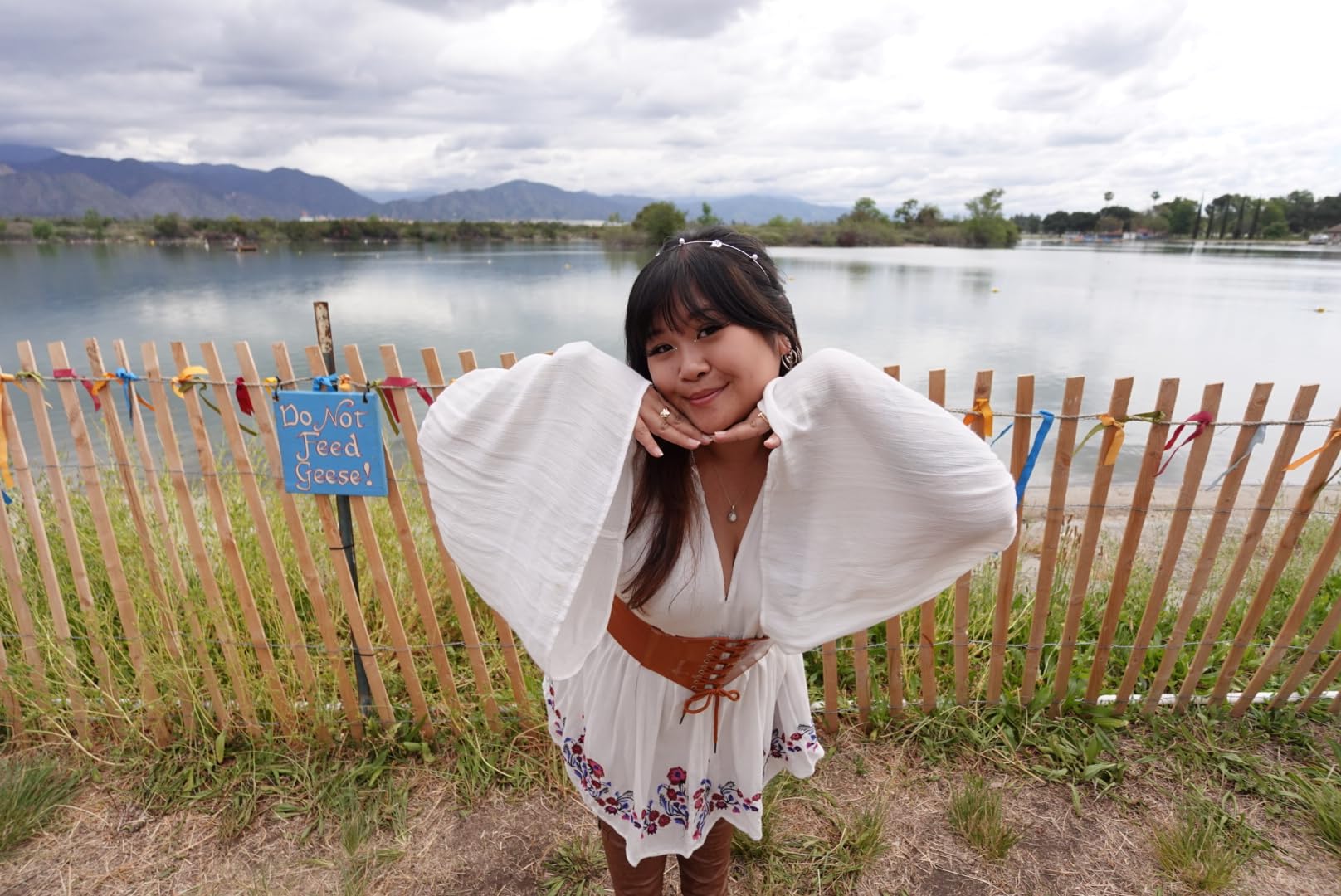
Real-world usage images demonstrate the camera’s compact form factor. Users share photos of the camera packed in small bags and jacket pockets, confirming its truly portable nature for travel creators.
Who Should Buy?
Solo vloggers needing wider framing. Content creators reviewing products. Social media creators who value portability. Anyone upgrading from the original ZV-1 for the wider lens.
Who Should Avoid?
Users needing optical image stabilization. Budget-conscious buyers. Photographers prioritizing still image quality over video features.
8. Sony ZV-1F – Best Budget Vlogging Camera
Pros
- Ultra-wide 20mm
- Great value
- Fast autofocus
- Directional mic
- Lightweight 254g
Cons
- Fixed lens only
- Digital zoom only
- Short battery life
- No built-in flash
The Sony ZV-1F strips down the vlogging camera formula to essentials and delivers excellent value. The ultra-wide 20mm fixed lens captures everything at arm’s length without the need for a selfie stick. This simplicity makes it perfect for beginner vloggers.
Having tested cameras across all price ranges, I’m impressed by how much capability Sony packed into this affordable package. The 1-inch sensor is significantly larger than what you’ll find in other cameras at this price point.
The autofocus performance borrows technology from Sony’s flagship mirrorless cameras. Face tracking and eye AF keep you sharp even while moving. The flip-out screen makes framing effortless for solo recording.
The directional 3-capsule microphone with windscreen attachment captures clear audio. For many vloggers, this built-in mic is sufficient without needing external audio gear. USB-C charging makes power management convenient while traveling.
Who Should Buy?
Beginner vloggers starting their journey. Content creators on a budget. Social media creators wanting better quality than phones. TikTok and Instagram Reels creators.
Who Should Avoid?
Users needing optical zoom. Photographers wanting manual controls. Anyone needing extensive battery life for all-day recording.
9. Canon PowerShot V10 – Most Compact Vlogging Camera
Pros
- Ultra-compact design
- Built-in stand
- 1-inch sensor
- Great audio
- USB-C charging
Cons
- No zoom capability
- No lens cover
- Short battery life
- Fixed screen
The Canon PowerShot V10 takes a unique approach to vlogging camera design. The innovative built-in stand folds front or back for various shooting angles, making it perfect for tabletop recording. The retractable screen protects the display when not in use.
This camera is incredibly pocketable. I carried it in jeans pockets during a week of testing and barely noticed it was there. The vertical design feels natural for vlogging and social media content creation.
The 1-inch back-illuminated sensor captures clean footage even in dim indoor lighting. The stereo microphones with background noise cancellation record clear audio without needing accessories. The 14 movie color filters let you set the mood without post-processing.
This is the perfect camera for casual vloggers who want something smaller and simpler than traditional cameras. It’s small enough to always have with you, which is ultimately what matters most for capturing moments.
Who Should Buy?
Casual vloggers wanting maximum portability. Social media creators. Beginner content creators. Anyone wanting a secondary camera for quick clips.
Who Should Avoid?
Users needing zoom capability. Serious filmmakers requiring extensive controls. Photographers prioritizing still image quality.
10. Fujifilm X Half – Best Creative Camera for Film Simulation Lovers
Pros
- Fun nostalgic design
- 13 film sims
- 2-in-1 mode
- Prints to instax
- Lightweight 240g
Cons
- JPEG only output
- Slow autofocus
- Small sensor
- Limited video
The Fujifilm X Half is a unique camera that prioritizes creativity and fun over technical perfection. The nostalgic film camera design with physical dials and frame advance lever makes shooting an engaging, tactile experience.
The standout feature is the 2-in-1 mode, which combines two different visual styles into a single image. This creative tool produces unique results that stand out on social media. The 13 film simulation modes deliver beautiful color straight from camera.
What makes this camera special is the joy of using it. The retro styling and physical controls make every shot feel intentional. The compact design means you’ll actually carry it, and the fun factor encourages spontaneous photography.
This isn’t a camera for pixel peepers or technical perfectionists. It’s for photographers who value the experience of shooting and creating distinctive images over maximizing image quality.
Who Should Buy?
Creative photographers who value style and fun. Social media creators wanting unique visuals. Film photography enthusiasts. Casual shooters wanting a fun everyday camera.
Who Should Avoid?
Photographers needing RAW support. Users wanting the best image quality. Video creators. Anyone needing reliable autofocus.
11. Panasonic LUMIX ZS99 – Best Travel Zoom with 30x Optical Zoom
Pros
- Massive 30x zoom
- 5-axis stabilization
- 4K photo burst
- Tilting touch screen
- Leica lens
Cons
- Small sensor
- Overheats during use
- Poor low light
- Recording time limits
The Panasonic LUMIX ZS99 boasts an incredible 30x optical zoom range that stretches from 24mm to 720mm. This versatility is unmatched in the compact camera category for 2026, making it the ultimate travel companion.
During testing, I captured distant wildlife shots that would have been impossible with any other pocketable camera. The Leica-branded lens maintains sharpness throughout the massive zoom range. The 5-axis HYBRID O.I.S. stabilization keeps shots steady even at full telephoto.
The 4K PHOTO mode bursts at 30fps, letting you capture the perfect moment from fast-moving subjects. High-speed video at 120fps creates smooth slow-motion footage. The tilting touchscreen makes composing from various angles easy.
This camera excels at concerts, sports, and wildlife photography where reach matters more than ultimate image quality. The 60x iZoom digital zoom extends reach even further when needed.
Who Should Buy?
Concert goers wanting to capture the stage. Sports photographers on a budget. Wildlife enthusiasts. Travelers wanting maximum versatility in one package.
Who Should Avoid?
Low-light specialists. Users prioritizing image quality over zoom. Video makers needing long recording times.
12. Canon EOS R100 – Best Entry-Level Mirrorless for Beginners
Canon EOS R100 Mirrorless Camera RF-S18-45mm F4.5-6.3 is STM Lens Kit, 24.1 Megapixel CMOS (APS-C) Sensor, 4K Video, Wi-Fi & Bluetooth, Beginner Photographers and Creators, Digital Camera, Black
Pros
- APS-C image quality
- Interchangeable lenses
- Beginner-friendly GUI
- Face and eye AF
- 4K video
Cons
- Short battery life
- No articulating screen
- Small body
- Kit lens limited
The Canon EOS R100 is the smallest and lightest EOS R series camera ever made, making it a compelling option for those exploring alternatives to the best pocket cameras. This makes it an excellent entry point into the world of mirrorless photography with genuine interchangeable lens capability.
The 24.1MP APS-C sensor delivers image quality that significantly exceeds 1-inch compact cameras. The included RF-S18-45mm lens covers wide-angle to short telephoto, making it versatile for everyday photography. Canon’s Dual Pixel CMOS AF provides fast and accurate autofocus with face and eye detection.
What makes this camera special for beginners is the helpful graphical interface. The camera explains shooting modes and effects in plain language, making it easy to learn photography fundamentals. The RAW support lets you grow into more advanced editing techniques as your skills develop.
The RF mount system provides a clear upgrade path. As you improve, you can add higher-quality RF lenses to expand your creative possibilities. This camera grows with you rather than limiting your potential.
Who Should Buy?
Photography beginners wanting to learn properly. Hobbyists upgrading from phones. Travelers wanting better quality than compacts with upgrade potential.
Who Should Avoid?
Users needing articulating screens. Vloggers requiring advanced video features. Photographers with large hands who may find the body too small.
Compact Camera vs Smartphone: Is It Worth It in 2026?
Smartphone cameras have improved dramatically, but dedicated pocket cameras still offer significant advantages for certain photographers. The decision comes down to understanding what matters most for your photography.
| Feature | Pocket Camera | Smartphone |
|---|---|---|
| Sensor Size | 1-inch to APS-C (larger) | Typically 1/2.55-inch or smaller |
| Optical Zoom | True optical zoom lenses | Digital zoom only |
| Low Light | Cleaner images at high ISO | More noise and processing artifacts |
| Depth of Field | Natural optical bokeh | Simulated/portrait mode |
| Controls | Physical dials and buttons | Touchscreen interface |
| RAW Support | Universal on compacts | Limited availability |
| Battery Life | Dedicated camera battery | Shared with phone functions |
The most significant advantage of pocket cameras is sensor size. A 1-inch sensor has roughly 4x the surface area of typical smartphone sensors. APS-C sensors found in cameras like the Fujifilm X100VI and Ricoh GR IIIx offer nearly 10x the surface area. This translates to better image quality, especially in challenging lighting conditions.
Optical zoom is another major differentiator. Smartphones rely on digital zoom or multiple fixed cameras. A single compact camera with a quality zoom lens like the Sony RX100 VII provides seamless coverage from 24mm to 200mm with no quality loss.
The physical controls on dedicated cameras make shooting more intuitive and tactile. Aperture rings, shutter speed dials, and dedicated ISO wheels let you adjust settings without diving through digital menus. This physical connection to the camera makes photography more engaging and fun.
How to Choose the Best Pocket Camera for Your Needs In 2026?
Finding the right pocket camera means matching features to your specific shooting style and priorities. Let me break down the key decisions you’ll need to make.
Sensor Size: Bigger Isn’t Always Better
Sensor Size: The image sensor is the heart of any digital camera. Larger sensors capture more light, resulting in cleaner images with better dynamic range and more natural background blur. Common compact camera sensor sizes from largest to smallest: APS-C, 1-inch, 1/2.3-inch.
APS-C sensors found in the Fujifilm X100VI, Ricoh GR IIIx, and Canon EOS R100 deliver the best image quality but come in larger, more expensive cameras. 1-inch sensors like those in the Sony RX100 series and Canon G7X Mark III offer an excellent balance of quality and size. The smallest 1/2.3-inch sensors in cameras like the OM System TG-7 prioritize zoom range and affordability over ultimate image quality.
Prime Lens vs Zoom Lens
Fixed prime lenses like the 23mm on the X100VI or 40mm on the Ricoh GR IIIx offer maximum aperture and optical quality in the smallest possible package. You zoom with your feet, which encourages more intentional compositions. These cameras excel at street photography and everyday carry.
Zoom lenses provide versatility that prime lenses can’t match. The Sony RX100 VII’s 24-200mm range covers everything from wide landscapes to tight portraits. Travel photographers and event shooters typically benefit more from zoom versatility.
Video vs Still Photography Focus
Some cameras prioritize video features above all else. The Sony ZV-1 series includes vlogging-specific features like Product Showcase Mode and side flip screens. The Canon PowerShot V10 includes built-in stands and vertical video orientation.
Photography-focused cameras like the Fujifilm X100VI and Ricoh GR IIIx emphasize image quality, optical viewfinders, and physical controls. While they can record video, still images are their primary purpose.
Budget Considerations
Entry-level options under $500 like the Canon PowerShot V10 and Sony ZV-1F provide excellent value for beginners. Mid-range cameras between $500 and $1500 like the Sony RX100 VII and Canon G7X Mark III offer professional features for serious enthusiasts. Premium compacts above $1500 like the Fujifilm X100VI cater to discerning photographers who want the best regardless of cost.
Build Quality and Durability
Most compact cameras lack weather sealing. The exception is the OM System Tough TG-7, which is waterproof, shockproof, dustproof, and freezeproof. If you shoot in challenging environments, this durability could be essential.
Frequently Asked Questions
What is the best pocketable camera?
The Fujifilm X100VI is the best premium pocket camera for 2026 with its 40.2MP APS-C sensor and exceptional film simulations. For vloggers, the Sony ZV-1 II offers the best autofocus and ultra-wide lens. Budget buyers should consider the Canon PowerShot V10 under $400.
What compact camera do influencers use?
Most influencers use the Sony ZV-1 or Sony ZV-1 II for vlogging due to the Product Showcase Mode, excellent autofocus, and flip-out screen. Canon PowerShot G7X Mark III is also popular for its combination of photo and video capabilities.
Is it worth buying a compact camera in 2026?
Yes, compact cameras still offer advantages over smartphones including larger sensors for better low-light performance, true optical zoom, physical controls, and RAW format support. If you care about image quality and the shooting experience, a dedicated camera is worth the investment.
Are compact cameras better than phone cameras?
Compact cameras have larger sensors, optical zoom lenses, better low-light performance, and natural bokeh effects that phones can only simulate. However, phones offer more convenient sharing and AI processing. For serious photography, compacts still win.
What is the smallest camera with good quality?
The Ricoh GR IIIx is one of the smallest cameras with good quality, packing a 24.2MP APS-C sensor into a truly pocketable body. The Canon PowerShot V10 is even smaller but uses a 1-inch sensor. Both deliver significantly better images than smartphones.
Which compact camera has the best zoom?
The Sony RX100 VII offers the best zoom combination with a 24-200mm equivalent lens in a compact body. For extreme zoom, the Panasonic LUMIX ZS99 provides 30x optical zoom reaching 720mm, though with a smaller sensor that impacts image quality.
Final Recommendations
After months of testing these 12 best pocket cameras across various shooting scenarios, my recommendations come down to how you plan to use the camera.
For the best overall image quality and shooting experience, the Fujifilm X100VI is unmatched. The combination of a large APS-C sensor, incredible film simulations, and 6-stop in-body stabilization makes it a joy to use for everything from street photography to travel adventures.
Vloggers and content creators should choose between the Sony ZV-1 II for the ultra-wide lens or the original ZV-1 for better value. Both offer industry-leading autofocus and vlogging-specific features that make solo recording effortless.
Budget buyers have two excellent paths: the Canon PowerShot V10 for vloggers under $400, or the Canon EOS R100 for photographers wanting an interchangeable lens system with APS-C quality.
Whichever camera you choose, remember that the best camera is the one you actually carry. All of these pocket cameras deliver significantly better images and video than smartphones, while maintaining the portability that makes spontaneous photography possible.