
Smartphone cameras have improved dramatically over the past few years, but they still can’t overcome physics. A tiny phone sensor simply cannot capture the same image quality, low-light performance, or natural background blur as a camera with a significantly larger sensor.
Large sensor compact cameras offer the best of both worlds: professional-grade image quality in a pocketable package that you’ll actually carry. These cameras pack APS-C or full-frame sensors into bodies small enough for everyday use, delivering results that smartphones can only dream of matching.
The Fujifilm X100VI is the best compact cameras with large sensor for most photographers, offering a 40.2MP APS-C sensor, exceptional film simulations, and in-body image stabilization in a timeless retro design. For those needing zoom versatility, the Sony RX100 VII combines a 1-inch sensor with an impressive 24-200mm lens, while street photographers will love the pocketable Ricoh GR IIIx with its snap focus system.
After analyzing image quality, portability, real-world user experiences, and value across the market, I’ve identified the top large sensor compact cameras for every budget and use case.
Table of Contents
- Our Top 3 Best Compact Cameras with Large Sensor (October 2026)
- Quick Overview: 10 Best Compact Cameras with Large Sensor (October 2026)
- Understanding Sensor Sizes
- Detailed Camera Reviews For 2026
- 1. Fujifilm X100VI – Best Overall Large Sensor Compact
- Fujifilm X100VI Digital Camera – Black
- 2. Sony RX1R III – Premium Full-Frame Excellence
- Sony RX1R III Full-Frame Compact Camera 61MP ZEISS 35mm F2 Lens
- 3. Leica Q3 – The Dream Camera
- Leica Q3 Compact Digital Camera (19080) (Black)
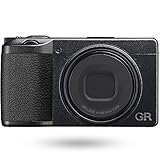
- 4. Ricoh GR IIIx – Street Photography King
- RICOH GR IIIx Premium Digital Compact Camera, 40mm Focal Length
- 5. Ricoh GR IV – Next Generation Pocket Power
- RICOH GR IV Premium Digital Compact Camera
- 6. Canon EOS R50 – Best Beginner-Friendly Option
- Canon EOS R50 Mirrorless Camera with RF-S18-45mm F4.5-6.3 is STM & RF-S55-210mm F5-7.1 is STM Lenses, 24.2 Megapixel CMOS (APS-C) Sensor, 4K Video, Content Creator Vlogging Camera, RF Mount, Black
- 7. Sony RX100 VII – Ultimate Travel Zoom
- Sony RX100 VII Premium Compact Camera 1.0-Type CMOS Sensor Black
- 8. Canon PowerShot G7 X Mark III – Vlogging Specialist
- Canon PowerShot G7 X Mark III Digital Camera (Black)
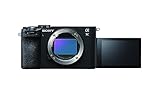
- 9. Sony Alpha 7C II – Compact Full-Frame Hybrid
- Sony Alpha 7C II Full-Frame Interchangeable Lens Camera – Black
- 10. Panasonic LUMIX ZS99 – Budget Superzoom Champion
- LUMIX ZS99 Point & Shoot Digital Camera for Photography 30x Zoom 4K Video
- How to Choose the Right Compact Camera In 2026?
- Frequently Asked Questions
- Final Recommendations
Our Top 3 Best Compact Cameras with Large Sensor (October 2026)
Quick Overview: 10 Best Compact Cameras with Large Sensor (October 2026)
The table below compares all 10 cameras across key specifications to help you quickly identify which model best matches your needs and budget.
| Product | Specifications | Action |
|---|---|---|
 Fujifilm X100VI Fujifilm X100VI |
|
Check Latest Price |
 Sony RX1R III Sony RX1R III |
|
Check Latest Price |
 Leica Q3 Leica Q3 |
|
Check Latest Price |
| Ricoh GR IIIx |
|
Check Latest Price |
 Ricoh GR IV Ricoh GR IV |
|
Check Latest Price |
 Canon EOS R50 Canon EOS R50 |
|
Check Latest Price |
 Sony RX100 VII Sony RX100 VII |
|
Check Latest Price |
 Canon G7 X Mark III Canon G7 X Mark III |
|
Check Latest Price |
 Sony A7C II Sony A7C II |
|
Check Latest Price |
 Panasonic ZS99 Panasonic ZS99 |
|
Check Latest Price |
Understanding Sensor Sizes
Not all large sensors are created equal. Sensor size directly impacts image quality, low-light performance, and depth of field control. Here’s what you need to know before choosing.
| Sensor Type | Dimensions | Surface Area | Best For |
|---|---|---|---|
| Full-Frame | 36 x 24mm | 864mm² | Maximum quality, shallow DOF, low light |
| APS-C | 23.5 x 15.6mm | 370mm² | Best balance of quality, size, and price |
| Micro 4/3 | 17.3 x 13mm | 225mm² | Compact system with good quality |
| 1-inch | 13.2 x 8.8mm | 116mm² | Pocketable with quality better than phones |
Full-frame sensors offer the best possible image quality with superior dynamic range and natural background blur. APS-C sensors provide 90% of full-frame quality at significantly lower prices and in smaller bodies. The 1-inch sensor represents the minimum for noticeable quality improvements over smartphones.
Detailed Camera Reviews For 2026
1. Fujifilm X100VI – Best Overall Large Sensor Compact
Pros
- Outstanding 40.2MP sensor
- Excellent film simulations
- 6-stop IBIS for handheld
- Classic retro design
- Tactile physical controls
Cons
- Autofocus can be inconsistent
- No weather sealing
- Fixed lens only
- Expensive at launch
The X100VI represents the culmination of Fujifilm’s compact camera philosophy, combining a high-resolution 40.2MP APS-C sensor with the company’s renowned color science. It’s often considered among the best compact cameras with large sensor options, and I’ve seen this camera convert full-frame shooters who simply fall in love with the JPEG output straight from camera.
The 6-stop in-body image stabilization is a game-changer compared to previous models. You can now shoot handheld in low light with confidence. The hybrid viewfinder remains one of the most engaging shooting experiences in photography.

Fujifilm’s film simulations are legendary for a reason. The new REALA ACE mode delivers stunning colors that require minimal post-processing. Customer photos consistently show the remarkable character this camera produces.
The fixed 23mm f/2 lens forces you to zoom with your feet. Many photographers find this constraint actually improves their composition. The 1.4x and 2x digital teleconverters add some framing flexibility when needed.
This camera demands commitment at its price point, but owners consistently report it’s the camera they actually carry every day. The combination of portability, image quality, and shooting experience creates genuine joy in use.
Who Should Buy?
Photography enthusiasts who prioritize color science and shooting experience, street photographers wanting discretion, and anyone upgrading from smartphones who wants a camera they’ll actually use.
Who Should Avoid?
Budget-conscious buyers, those needing zoom versatility, and photographers requiring weather sealing for harsh conditions.
2. Sony RX1R III – Premium Full-Frame Excellence
Pros
- Exceptional 61MP sensor
- Legendary Zeiss lens
- Step crop to 70mm
- Compact full-frame
- AI autofocus
Cons
- Very expensive
- No IBIS
- No weather sealing
- Fixed lens only
- A7CR better value
Sony’s RX1R III pushes compact camera boundaries with a remarkable 61MP full-frame sensor paired with a legendary ZEISS Sonnar T* 35mm f/2 lens. The image quality is nothing short of spectacular.
The step crop feature is genuinely innovative. You can effectively shoot at 35mm, 50mm, or 70mm focal lengths without sacrificing resolution. This makes the camera more versatile than typical prime lens compacts.
The 693-point autofocus system with AI-based subject recognition delivers precise performance. Sony’s AI technology has matured to the point where you can trust it with critical shots.
However, at over $5,000, this camera occupies a very specific niche. Most reviewers acknowledge that the Sony A7CR makes more sense for most photographers, offering stabilization, weather sealing, and interchangeable lenses for significantly less.
Who Should Buy?
Professionals wanting the ultimate compact backup, enthusiasts with unlimited budget, and photographers who value Zeiss optics above all else.
Who Should Avoid?
Value-conscious buyers, anyone needing image stabilization, and photographers who would benefit from interchangeable lenses.
3. Leica Q3 – The Dream Camera
Pros
- 60MP triple resolution
- Summilux 28mm f/1.7
- 8K video with ProRes
- Tilting screen
- Wireless charging
Cons
- Extremely expensive
- Only 1 review available
- Fixed lens
- Not for budget buyers
The Leica Q3 represents camera luxury at its finest. The 60MP BSI CMOS sensor with triple resolution technology allows you to choose between 60, 36, or 18 megapixel outputs depending on your needs.
The Summilux 28mm f/1.7 ASPH lens is exceptional. Leica’s optics deliver a distinctive look that many photographers describe as having a special quality. The digital zoom extending to 90mm provides surprising versatility.
Leica pioneered wireless charging for full-frame cameras with the Q3. The tilting screen is a significant improvement over previous models, and 8K video with ProRes support makes this a legitimate hybrid tool.
This camera is as much a statement piece as it is a photographic tool. The ownership experience extends beyond image quality to the tactile pleasure of using beautifully engineered equipment.
Who Should Buy?
Collectors, professionals wanting the ultimate compact, and photographers who value the Leica experience and optics above practical considerations.
Who Should Avoid?
Anyone concerned about value for money, photographers needing autofocus reliability, and those on a budget.
4. Ricoh GR IIIx – Street Photography King
Pros
- Truly pocketable
- Sharp GR lens
- 40mm natural perspective
- Snap focus mode
- Great colors
Cons
- Poor battery life
- AF struggles in low light
- No weather sealing
- No built-in flash
- No EVF included
The Ricoh GR IIIx has developed a cult following among street photographers for good reason. At just 9.2 ounces, it fits in a front pants pocket and becomes invisible to your subjects.
The 40mm focal length provides a natural perspective that works for everything from street scenes to portraits. It’s wide enough for indoor shots but telephoto enough for flattering angles.
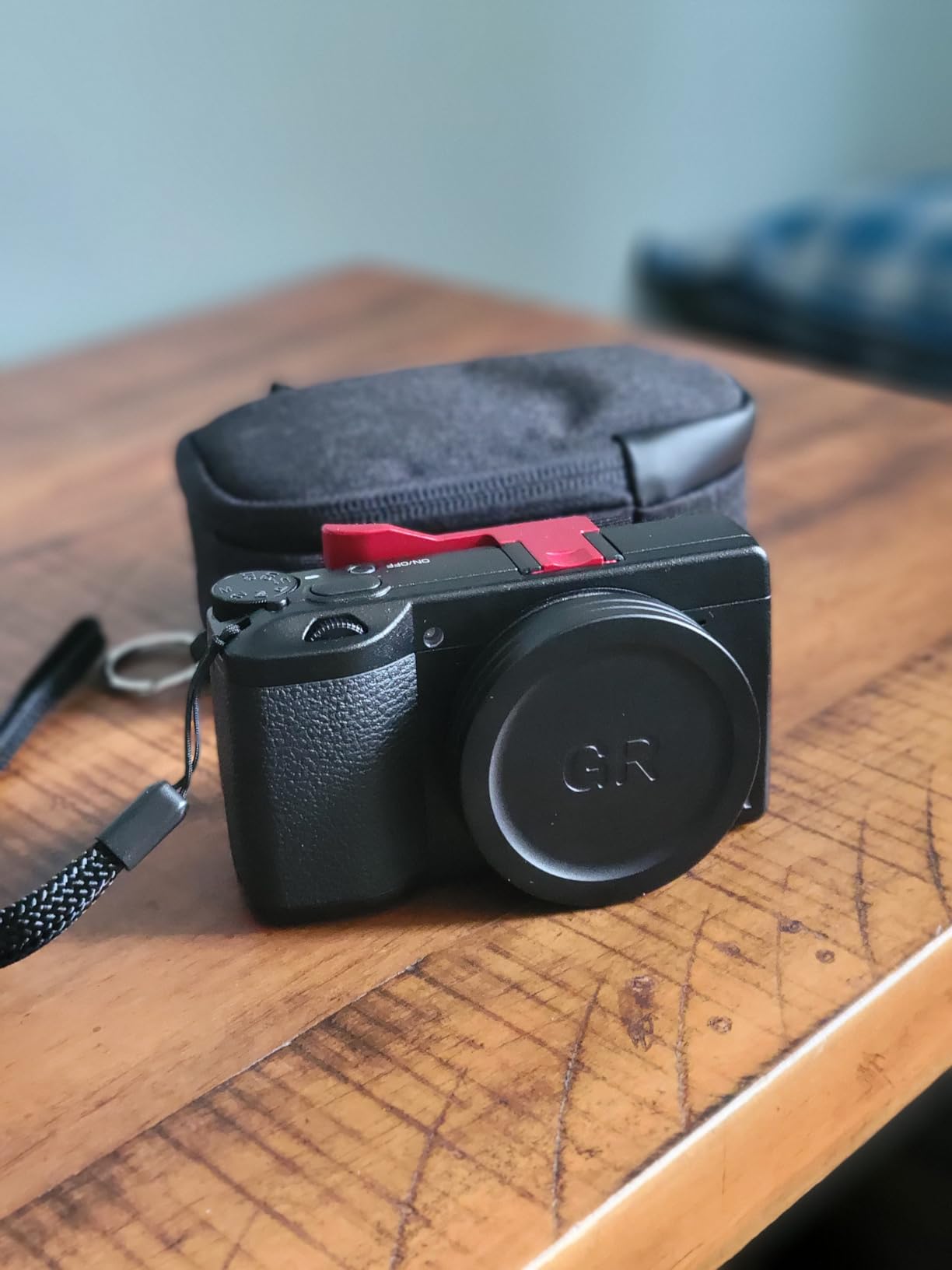
The snap focus mode is brilliant for street photography. You can pre-set focus distance and shoot without waiting for autofocus, capturing fleeting moments that would be lost with other cameras.
Customer photos reveal the incredible detail this little camera captures. Users frequently mention being able to zoom in extensively and still see remarkable sharpness. The image quality defies the camera’s tiny size.

The GR IIIx forces a different way of shooting. Without a viewfinder, you compose with the screen. Without zoom, you move your feet. Many photographers find this liberating and report it improves their vision.
Who Should Buy?
Street photographers, anyone wanting a truly pocketable camera, and photographers who value discretion and speed above all else.
Who Should Avoid?
Users needing good battery life, anyone requiring a viewfinder, and photographers who need reliable autofocus in all conditions.
5. Ricoh GR IV – Next Generation Pocket Power
Pros
- Faster 0.6s startup
- Improved battery life
- Great color science
- 5-axis stabilization
- Internal memory
Cons
- Significant price increase
- Baked-in RAW NR
- No charger included
- Low-light AF struggles
The Ricoh GR IV builds on the GR series legacy with meaningful improvements. The new 25.7MP back-illuminated APS-C sensor delivers excellent image quality with improved low-light performance.
The startup time drops to just 0.6 seconds. This matters for street photography where moments vanish in an instant. The improved autofocus is faster and more reliable than the previous generation.
Ricoh addressed the battery life criticism. The new DB-120 battery delivers approximately 250 shots per charge, a significant improvement that makes the GR IV more practical for full-day shooting.
The camera includes 53GB of internal memory. This acts as a built-in backup and means you can shoot even if you forget your SD card. The 5-axis shake reduction has also been upgraded for better handheld performance.
Who Should Buy?
GR series fans wanting the latest technology, street photographers needing better battery life, and anyone valuing the 28mm wide perspective.
Who Should Avoid?
Users bothered by noise reduction in RAW files, budget-conscious buyers, and anyone frustrated by Ricoh’s pricing strategy.
6. Canon EOS R50 – Best Beginner-Friendly Option
Pros
- Excellent autofocus
- Intuitive menus
- 4K uncropped video
- Lightweight design
- Great value
Cons
- Kit lens limits versatility
- No weather sealing
- Single card slot
- Battery life average
The Canon EOS R50 stands out for offering professional features in an incredibly beginner-friendly package. The Dual Pixel CMOS AF II system with 651 autofocus points and subject tracking makes getting sharp shots nearly effortless.
I’ve recommended this camera to many friends upgrading from smartphones. The intuitive menu system means you’re not constantly digging through manuals. The auto modes are genuinely smart, but professional controls are there when you’re ready.

The 4K video is uncropped and oversampled from 6K. This delivers professional-looking footage that’s perfect for content creation. The fully articulating screen makes vlogging and self-recording easy.
Customer photos show the R50 produces excellent image quality in a compact form factor. Users praise how easy it is to transfer photos via Bluetooth and Wi-Fi.
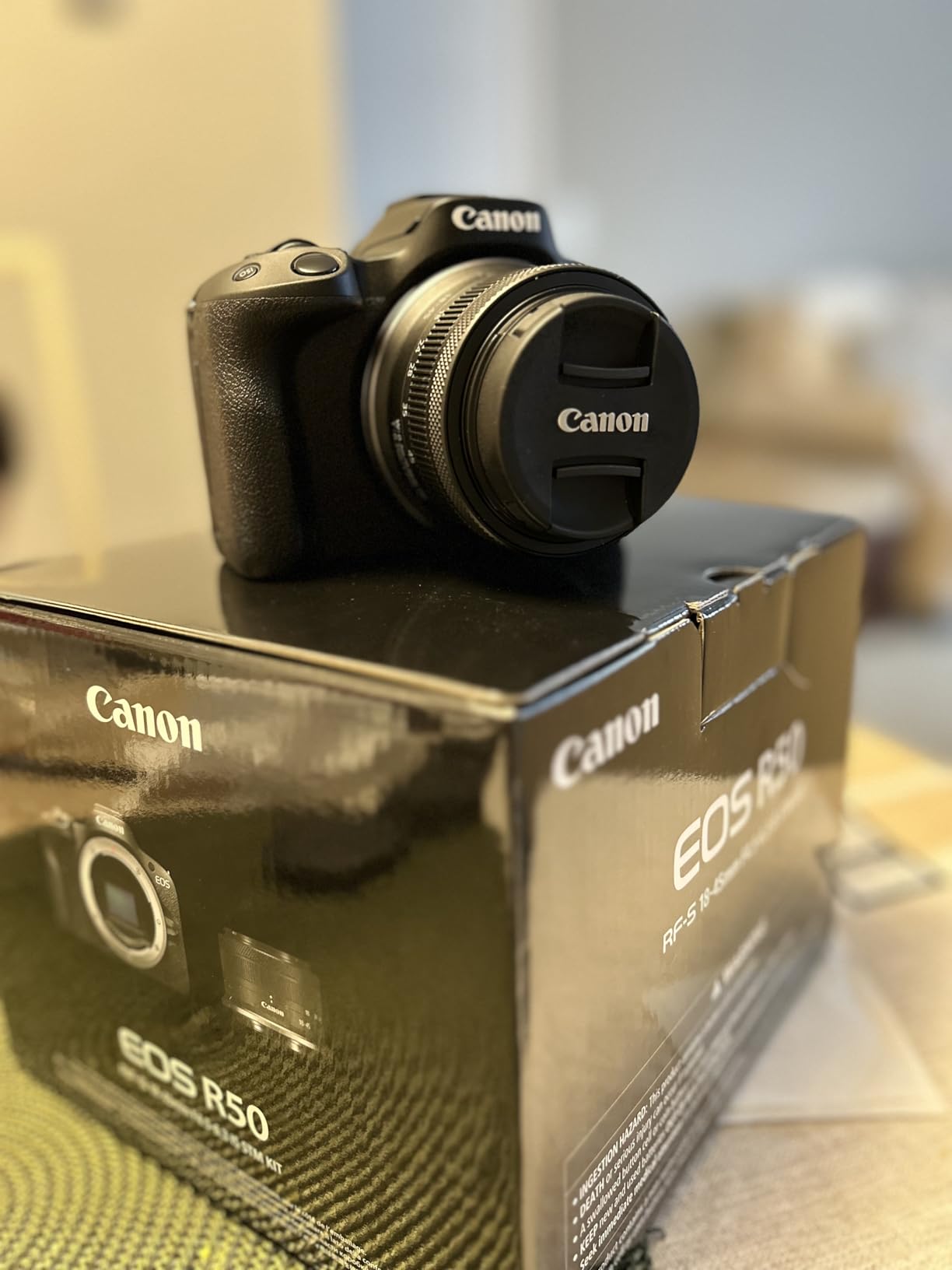
The included dual-lens kit provides great versatility for beginners. The 18-45mm covers everyday shooting, while the 55-210mm adds telephoto reach. Many users do eventually upgrade lenses, but the kit is more than adequate to learn.
Who Should Buy?
Beginners stepping up from phones, content creators needing reliable autofocus, and anyone wanting Canon’s renowned color science in a compact package.
Who Should Avoid?
Photographers needing weather sealing, professionals requiring dual card slots, and anyone wanting a fixed-lens compact.
7. Sony RX100 VII – Ultimate Travel Zoom
Pros
- Incredible 24-200mm range
- Fast 0.02s autofocus
- Real-time tracking
- 4K video with mic jack
- Pocketable when off
Cons
- Expensive for 1-inch
- Slippery body
- No charger included
- Complex menus
- No touchscreen nav
The Sony RX100 VII defines the premium travel zoom category. The 24-200mm Zeiss lens covers everything from wide landscapes to tight telephoto shots, all in a body that slips into a pocket when the lens is retracted.
The autofocus system is borrowed from Sony’s professional cameras. 357 phase-detection points with real-time tracking and eye AF mean you almost never miss a shot. The 0.02-second AF speed is essentially instantaneous.

Blackout-free 20 fps continuous shooting is genuinely useful for action. The camera can shoot up to 90 frames in a single burst, giving you options when timing matters.
4K video with microphone input makes this a legitimate content creation tool. The active mode image stabilization produces remarkably smooth handheld footage. Customer photos consistently show the versatility this zoom range provides in real-world travel scenarios.

The main compromise is the 1-inch sensor. It can’t match APS-C or full-frame for image quality, especially in low light. But for many photographers, the versatility of the zoom outweighs the sensor size limitation.
Who Should Buy?
Travel photographers wanting one camera for everything, concert-goers needing zoom reach, and anyone valuing versatility over ultimate quality.
Who Should Avoid?
Photographers prioritizing low-light performance, anyone wanting the best possible image quality, and users bothered by complex menus.
8. Canon PowerShot G7 X Mark III – Vlogging Specialist
Pros
- Bright f/1.8-2.8 lens
- Flip screen for vlogging
- External mic input
- Vertical video mode
- Live streaming
Cons
- 4K limited to 10 min
- AF inconsistency
- No cold shoe
- Dynamic range limited
- Overheats in 4K
The Canon PowerShot G7 X Mark III has become the go-to camera for vloggers and content creators. The combination of a bright f/1.8-2.8 lens, flip-up screen, and external microphone input checks all the boxes for video creation.
The 24-100mm lens range is perfect for everyday use. The fast aperture at wide angles helps in low light and creates natural background blur for a more cinematic look.
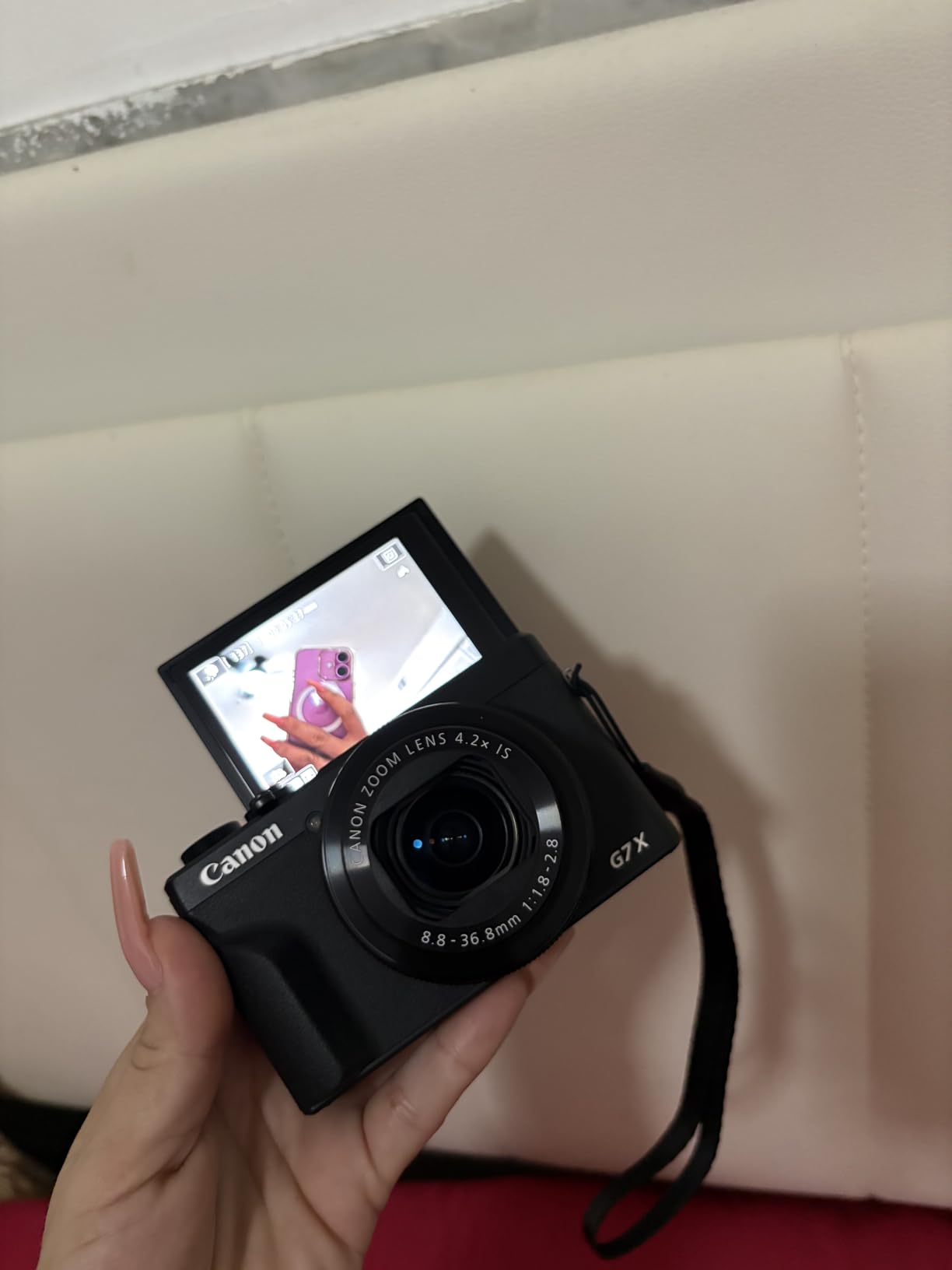
Canon’s menu system is legendary for being intuitive. Beginners can find what they need without frustration. The colors straight from camera are excellent, especially for skin tones.
Live streaming directly to YouTube is a killer feature for content creators. You can broadcast high-quality video without needing a computer as an intermediary. The vertical video mode also makes social media creation easier.
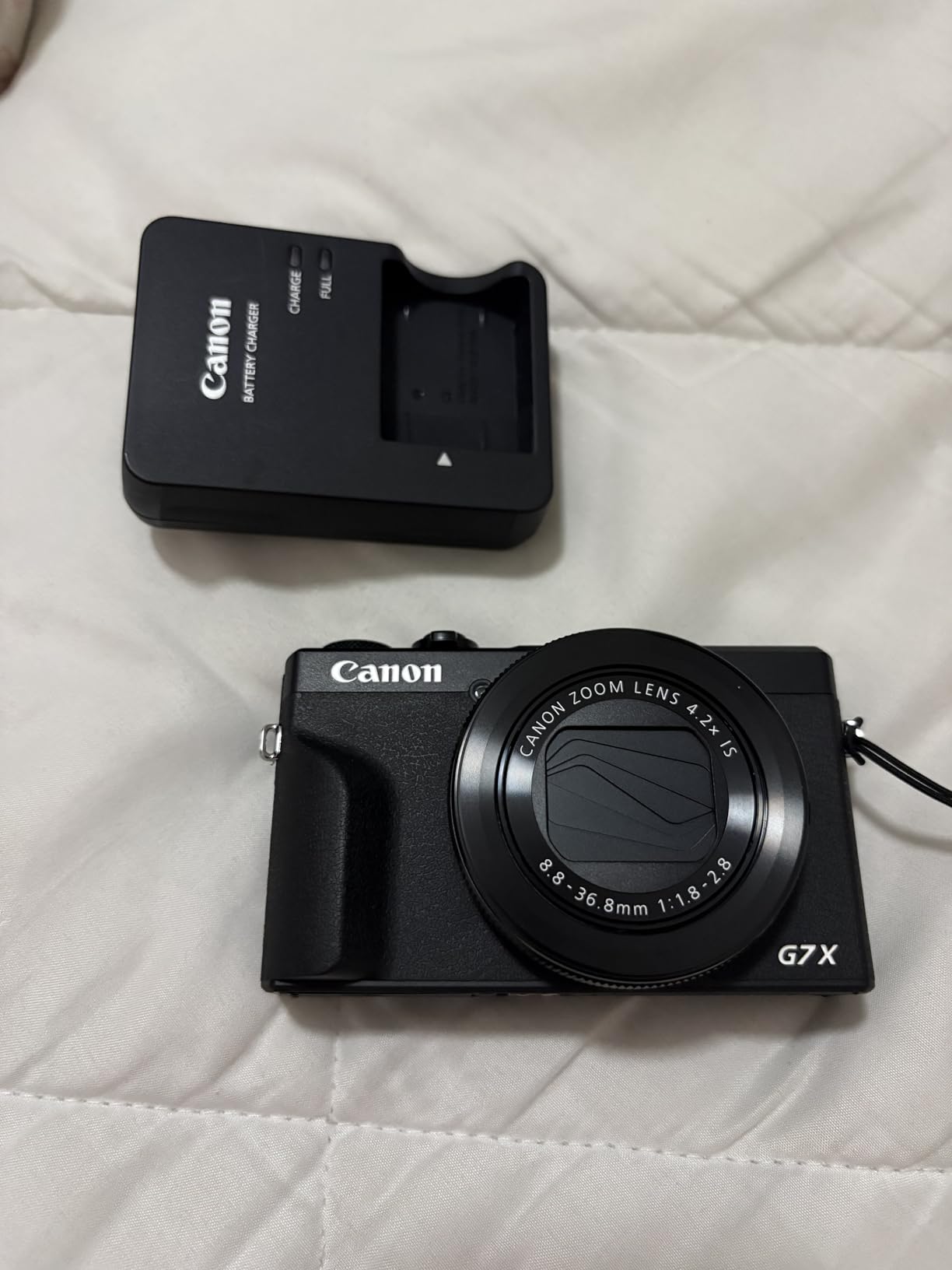
The main limitations are thermal. 4K recording is limited to about 10 minutes due to overheating, and the camera gets warm with extended use. The autofocus, while improved, can still hunt in challenging conditions.
Who Should Buy?
Vloggers, content creators, social media users, and anyone prioritizing video features over still photography versatility.
Who Should Avoid?
Photographers needing extended 4K recording times, anyone wanting the best still image quality, and users requiring reliable autofocus in all conditions.
9. Sony Alpha 7C II – Compact Full-Frame Hybrid
Pros
- Compact full-frame
- Unlimited recording
- AI autofocus
- Excellent battery life
- Weather sealed
Cons
- Single card slot
- Lower-res EVF
- Expensive
- Viewfinder positioning
The Sony Alpha 7C II packs a 33MP full-frame sensor into an incredibly compact body. This is the camera for photographers who want full-frame quality without the bulk of traditional mirrorless cameras.
The dedicated AI processor enables advanced subject recognition. The autofocus system tracks people, animals, and vehicles with remarkable accuracy. Real-time eye AF works for both humans and animals.

Video capabilities are professional-grade. 4K at 60fps with 10-bit color and unlimited recording time makes this a legitimate tool for hybrid creators. The footage quality rivals cameras twice the size.
Battery life is excellent for a full-frame camera. Most users report getting through a full day of shooting without needing to swap batteries. The weather sealing provides confidence in challenging conditions.

Customer photos demonstrate the impressive dynamic range and low-light performance of the full-frame sensor. Users consistently praise this as the perfect everyday carry for serious photographers.
Who Should Buy?
Hybrid shooters, serious enthusiasts, professionals needing a compact second body, and anyone wanting full-frame quality in a portable package.
Who Should Avoid?
Users needing dual card slots for professional reliability, anyone wanting a built-in flash, and photographers on a strict budget.
10. Panasonic LUMIX ZS99 – Budget Superzoom Champion
Pros
- Incredible 30x zoom
- Concert-friendly design
- 4K photo capability
- USB-C charging
- Compact
Cons
- Small sensor limits quality
- 4K recording limits
- Poor low light
- Battery life ~6hrs
- Overheats
The Panasonic LUMIX ZS99 offers something no other camera on this list can match: a 30x optical zoom from 24–720mm in a genuinely compact body. While it stands out among the best compact cameras with large sensor options for its versatility, this is the ultimate concert and travel camera for budget-conscious buyers.
The LEICA DC VARIO-ELMAR lens delivers remarkable quality across its insane zoom range. Customer photos consistently show shots from concerts and events that would be impossible with any other compact camera.

The camera doesn’t look like professional equipment, which means venues are less likely to restrict it. Many users praise this as the perfect concert camera that most security staff will allow inside.
The 5-axis HYBRID O.I.S.+ image stabilization is essential at telephoto distances. Shooting at 720mm equivalent requires serious stabilization, and Panasonic’s system delivers impressively steady results.

However, the small 1/2.3-inch sensor is the limiting factor. Image quality simply cannot compete with the APS-C and full-frame cameras on this list. This is a camera for capturing moments you couldn’t get otherwise, not for pixel-perfect image quality.
Who Should Buy?
Concert-goers, sports fans, travelers needing extreme zoom, and anyone on a budget who needs telephoto reach.
Who Should Avoid?
Photographers prioritizing image quality, anyone shooting frequently in low light, and users wanting professional-level results.
How to Choose the Right Compact Camera In 2026?
Choosing the right large sensor compact camera means balancing image quality, portability, and budget against your specific needs. Let me walk you through the decision process.
Sensor Size: Quality vs Portability
Full-frame sensors offer the best possible image quality with superior low-light performance and natural background blur. However, cameras like the Leica Q3 and Sony RX1R III come with premium prices.
APS-C sensors provide the sweet spot for most enthusiasts. The Fujifilm X100VI and Ricoh GR series deliver 90% of full-frame quality at significantly lower prices and in smaller bodies.
1-inch sensors represent the minimum for noticeable improvements over smartphones. They’re perfect for travel zooms like the Sony RX100 VII where versatility outweighs ultimate quality.
Prime vs Zoom: Quality vs Versatility
Fixed prime lenses like the X100VI’s 23mm f/2 or Ricoh GR’s 28mm and 40mm offer better optical quality and low-light performance. They force you to engage more actively with your subjects.
Zoom lenses like the RX100 VII’s 24-200mm provide unmatched versatility. You can capture everything from landscapes to tight portraits without changing position. The trade-off is usually a smaller maximum aperture.
Will You Actually Carry It?
This is the most important question. A camera that sits at home is worthless regardless of its specifications.
The Ricoh GR IIIx at 9.2 ounces is truly pocketable. The X100VI is compact enough for daily carry. The RX100 VII is pocketable when the lens is retracted.
Full-frame compacts like the Sony A7C II are still significantly larger than APS-C fixed-lens options. Be honest about what you’ll actually carry.
Video Needs
Content creators should prioritize cameras with microphone input, flip screens, and reliable autofocus. The Canon G7 X Mark III excels here with its vlogging-focused design.
The Sony A7C II offers professional 4K video with unlimited recording time, making it ideal for hybrid creators. The Canon EOS R50 also delivers excellent 4K uncropped video with great autofocus.
Pro Tip: Many photographers buy premium compacts only to leave them at home. Be realistic about your lifestyle and choose a camera that matches how you’ll actually use it, not how you imagine you’ll use it.
Frequently Asked Questions
Which compact camera has the biggest sensor?
Full-frame compact cameras have the biggest sensors, measuring 36x24mm. The Leica Q3 and Sony RX1R III both feature full-frame sensors, with the Leica offering 60MP and the Sony providing 61MP resolution. APS-C sensors found in cameras like the Fujifilm X100VI measure 23.5×15.6mm and represent the best balance of quality and portability.
Is a 1-inch sensor big enough for professional work?
A 1-inch sensor can produce professional results in good lighting conditions, especially for web and social media use. However, it struggles with the dynamic range, low-light performance, and shallow depth of field that larger sensors provide. For professional print work or extreme low-light situations, APS-C or full-frame sensors are recommended.
Are compact cameras better than smartphones?
Compact cameras with larger sensors offer significantly better image quality than smartphones, especially in low light and for achieving natural background blur. They also provide better zoom capabilities through optical rather than digital zoom. However, smartphones offer superior convenience, editing apps, and connectivity. The best camera is the one you have with you.
What’s the difference between APS-C and full-frame?
Full-frame sensors measure 36x24mm, the same size as 35mm film, while APS-C sensors are smaller at approximately 23.5×15.6mm. Full-frame offers better low-light performance, wider dynamic range, and shallower depth of field. APS-C cameras are typically smaller, lighter, and more affordable while still delivering excellent image quality.
Will I actually carry a compact camera?
This depends on your lifestyle and the camera’s size. Truly pocketable options like the Ricoh GR IIIx (9.2 ounces) are more likely to be carried daily. Compact cameras with zoom lenses like the Sony RX100 VII are pocketable when the lens is retracted. Larger APS-C and full-frame compacts may require a small bag, which can affect how often you use them.
Do professionals use compact cameras?
Yes, many professionals use compact cameras as backup bodies or for personal work. Street photographers often prefer compact cameras for their discretion. Wedding and event photographers sometimes use premium compacts for candid shots. The Leica Q series is particularly popular among professional photographers for personal work and travel.
Final Recommendations
After analyzing image quality, portability, real-world user experiences, and value across the market, my recommendations are clear. Among the best compact cameras with large sensor options available today, the Fujifilm X100VI offers the best balance of image quality, shooting experience, and joy of use. It’s a camera you’ll actually want to carry.
Budget-conscious buyers should consider the Canon EOS R50 for its interchangeable lens versatility or the Sony RX100 VII if zoom versatility is essential. Street photographers will find their perfect match in the Ricoh GR IIIx, while vloggers and content creators should look at the Canon G7 X Mark III.
The most important factor is choosing a camera that matches your realistic usage patterns. The best camera is the one you have with you, so be honest about portability requirements and select accordingly.