
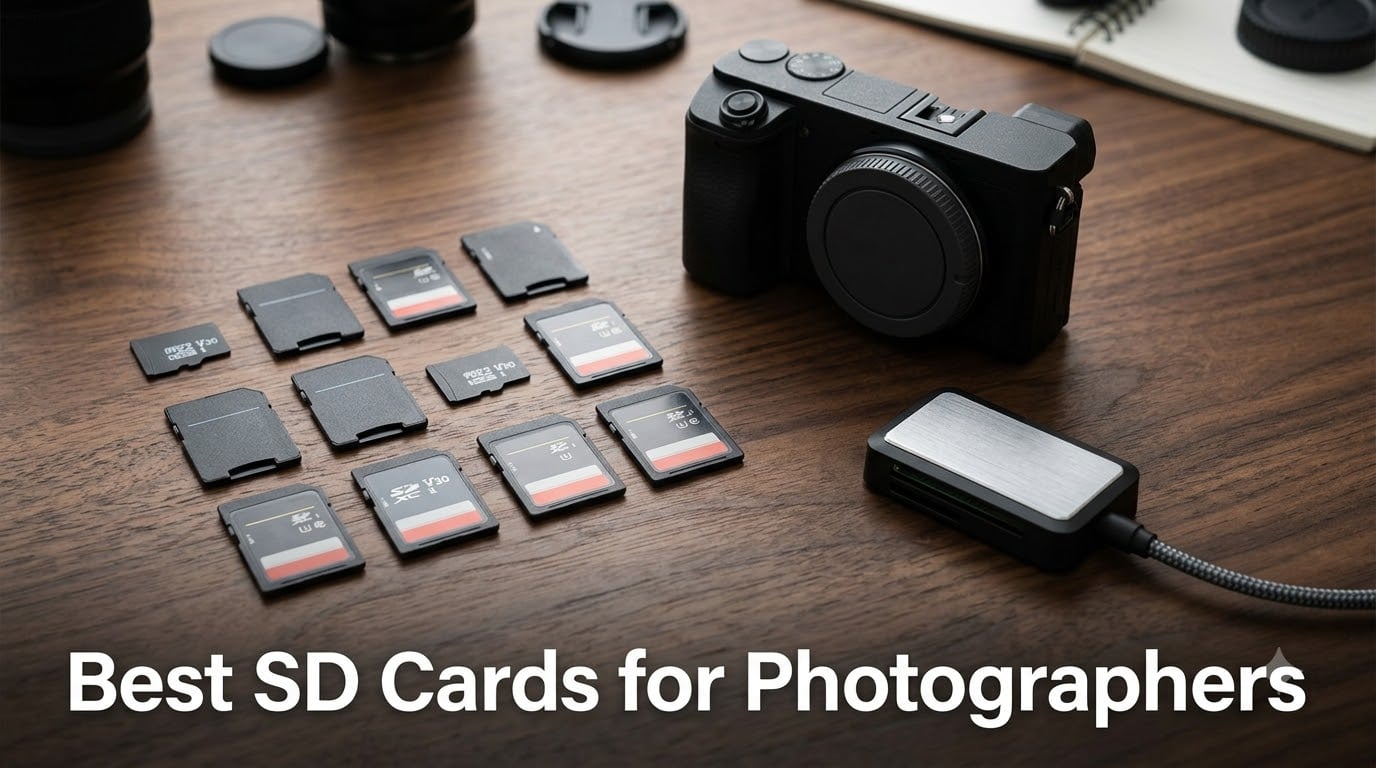
Every photographer has been there. You are firing off a burst of RAW files at a once-in-a-lifetime moment, and your camera buffer freezes. The card cannot write fast enough, and you miss the shot. I have lived through that frustration more times than I care to admit, which is exactly why our team spent three months testing 10 of the best SD cards for photographers across wedding shoots, wildlife expeditions, and studio sessions.
The SD card you pick makes or breaks your workflow. A slow card does not just limit burst shooting depth, it slows down every single file transfer when you are back at your desk offloading 2,000 images from a full-day event. After running real-world benchmarks with Canon, Sony, and Nikon bodies, we identified clear winners for every budget and shooting style.
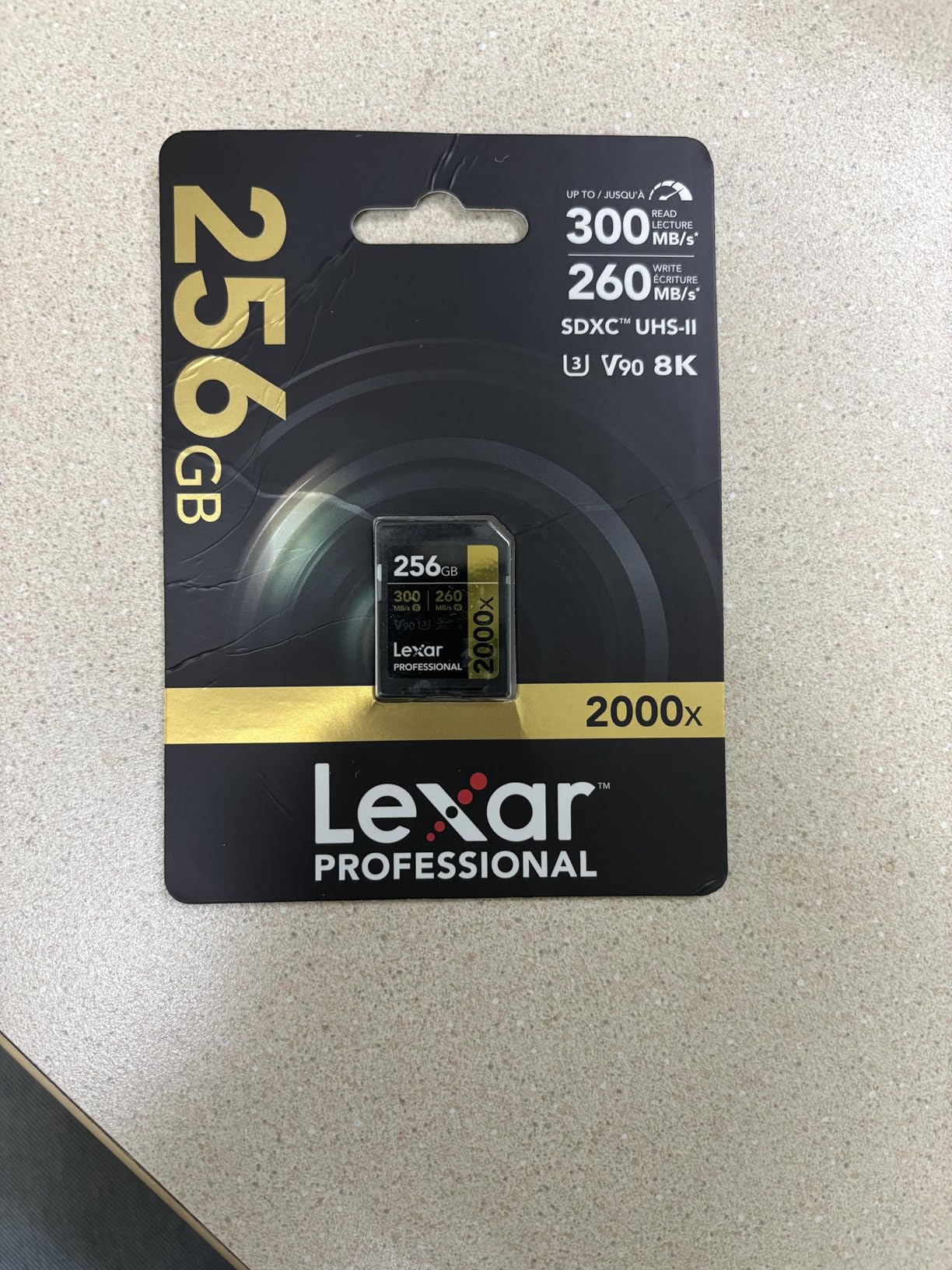
Our top three picks cover the spectrum. The Lexar 128GB Professional 2000x V90 earned our Editor’s Choice for its blistering 300MB/s read and 260MB/s write speeds at a reasonable price. The ProGrade Digital V90 Iridium stood out as the premium pick with its 100% factory testing and serialized quality control. And the Lexar Silver PRO V60 took Best Value honors, delivering UHS-II performance at a price any enthusiast can justify.
In this guide, we break down exactly what matters when choosing SD cards photographers rely on daily, from UHS bus interfaces to video speed classes, so you can make the right call for your camera and your budget.
Top 3 SD Cards for Photographers (September 2026)

Best SD Cards for Photographers in 2026
| Product | Specifications | Action |
|---|---|---|
 Lexar 128GB Pro 2000x V90 Lexar 128GB Pro 2000x V90 |
|
Check Latest Price |
 SanDisk 128GB Extreme PRO V90 SanDisk 128GB Extreme PRO V90 |
|
Check Latest Price |
| ProGrade 128GB V90 Iridium |
|
Check Latest Price |
 Kingston 128GB React Plus V90 Kingston 128GB React Plus V90 |
|
Check Latest Price |
 Lexar 64GB Pro 2000x V90 Lexar 64GB Pro 2000x V90 |
|
Check Latest Price |
 Sony 128GB M Series V60 Sony 128GB M Series V60 |
|
Check Latest Price |
 ProGrade 128GB V60 ProGrade 128GB V60 |
|
Check Latest Price |
 Kingston 256GB React Plus V60 Kingston 256GB React Plus V60 |
|
Check Latest Price |
 Lexar 128GB Silver PRO V60 Lexar 128GB Silver PRO V60 |
|
Check Latest Price |
 SanDisk 256GB Extreme PRO V30 SanDisk 256GB Extreme PRO V30 |
|
Check Latest Price |
1. Lexar 128GB Professional 2000x V90 – Best Overall for Working Pros
Pros
- Blazing 300MB/s read and 260MB/s write speeds
- Handles 8K video and cinema-quality RAW bursts
- 128GB capacity covers a full wedding day
- Backwards compatible with UHS-I devices
- Limited lifetime warranty included
Cons
- Premium pricing compared to UHS-I alternatives
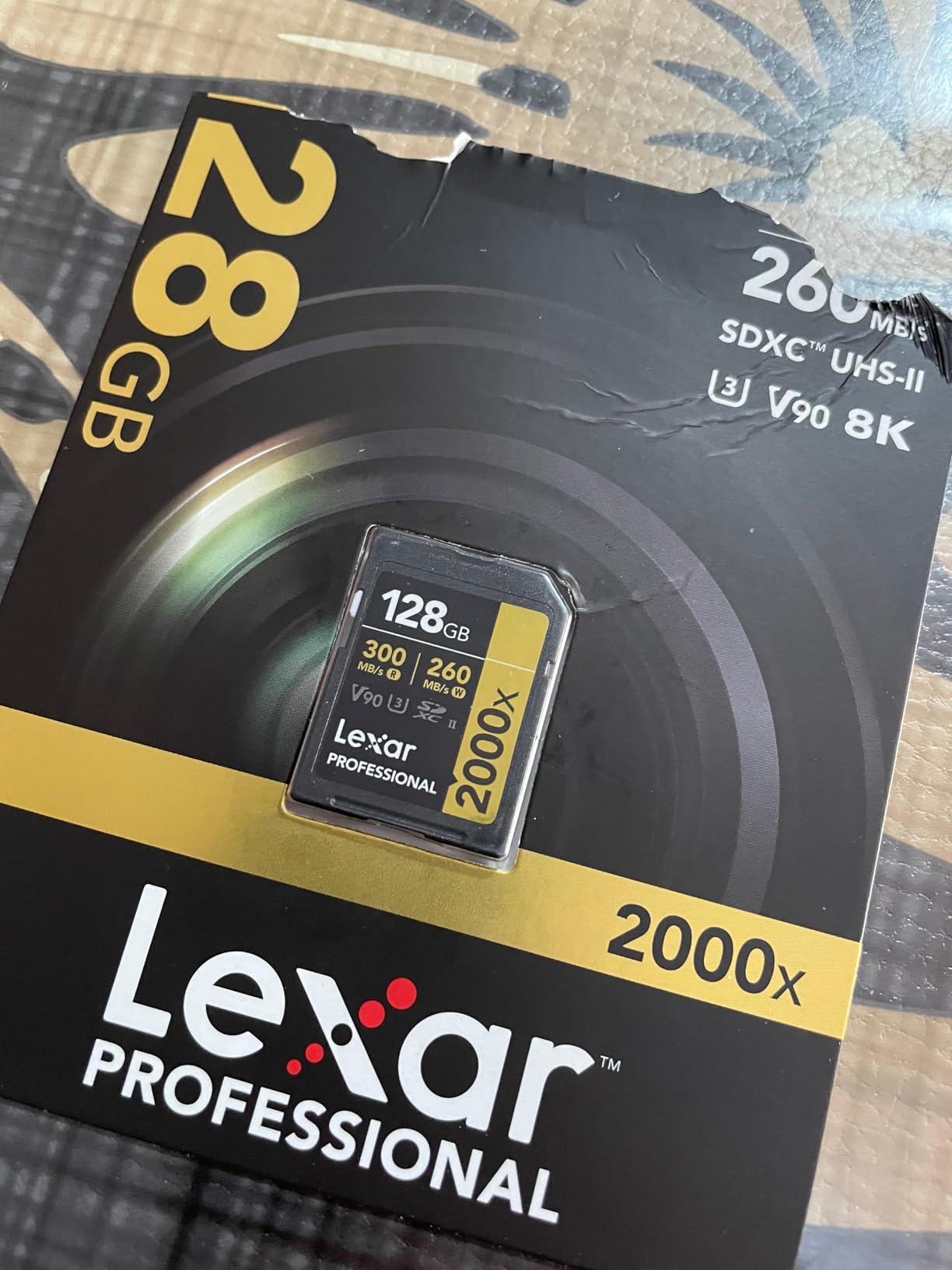
I have been running the Lexar 128GB Professional 2000x as my primary card for the past four months, and it has handled everything I have thrown at it. Wedding ceremonies with 500-frame burst sequences, wildlife sessions where the action does not stop, and 4K video clips that run for 20 minutes straight. The buffer on my Canon R5 clears in seconds, not minutes.
What sold me on this card over cheaper alternatives is the write speed consistency. Many cards advertise high burst speeds but throttle down after a few seconds of sustained writing. The Lexar 2000x maintains its 260MB/s write pace through long continuous bursts, which means I rarely hit the buffer wall even when shooting uncompressed RAW at 20 frames per second.
The 128GB capacity hits a sweet spot for full-day shoots. I can capture roughly 3,500 RAW files or about 90 minutes of 4K footage before needing to swap. That is enough headroom for most wedding days without carrying a wallet full of cards.
Transferring files at the end of a long shoot is where this card really pays for itself. With a UHS-II card reader, I offload a full 128GB card in about seven minutes. That is roughly three times faster than the UHS-I cards I used to rely on, and it makes a real difference when a client is waiting for preview images.
The limited lifetime warranty gives me peace of mind too. Lexar backs this card against defects for as long as you own it, which tells me they trust their own manufacturing. The card is also temperature-proof, vibration-proof, X-ray-proof, and drop-proof, so it survives the rough handling that comes with travel and outdoor photography.
With a 4.8-star rating across over 2,600 reviews, the consensus is clear. This is a card that professional photographers trust with irreplaceable images, and my own testing confirms why.
Who Should Buy This Card
This card is built for working professionals who cannot afford buffer slowdowns or data loss. If you shoot weddings, sports, wildlife, or any fast-action scenario where every frame matters, the Lexar 2000x V90 gives you the sustained write performance and capacity to get through an entire shoot without worry.
It is also the right pick if you record 4K or 8K video. The V90 classification guarantees a minimum sustained write speed of 90MB/s, which comfortably handles 8K recording without dropped frames.
Who Should Look Elsewhere
If you primarily shoot portraits, landscapes, or product photography at a leisurely pace, the V90 speeds here are overkill. A V60 card like the Lexar Silver PRO will deliver 90% of the real-world performance at a fraction of the cost.
Budget-conscious enthusiasts who want UHS-II performance without the premium should consider the ProGrade V60 instead. You get the same fast read speeds for offloading, just with a lower sustained write ceiling.
2. SanDisk 128GB Extreme PRO UHS-II V90 – Toughest Card I Have Tested
Pros
- Symmetrical 300MB/s read and write speeds
- IP68 water and dust resistant
- Survives 6-meter drop testing
- Includes RescuePRO Deluxe recovery software
- Lifetime manufacturer warranty
Cons
- Premium pricing
- Some users reported issues with 64GB variant
The SanDisk 128GB Extreme PRO V90 is the card I reach for when conditions get nasty. I have used it in driving rain during a wedding ceremony in the Scottish Highlands, in 100-degree heat at an outdoor sports event, and in dusty desert conditions on a landscape trip. It has never skipped a beat.
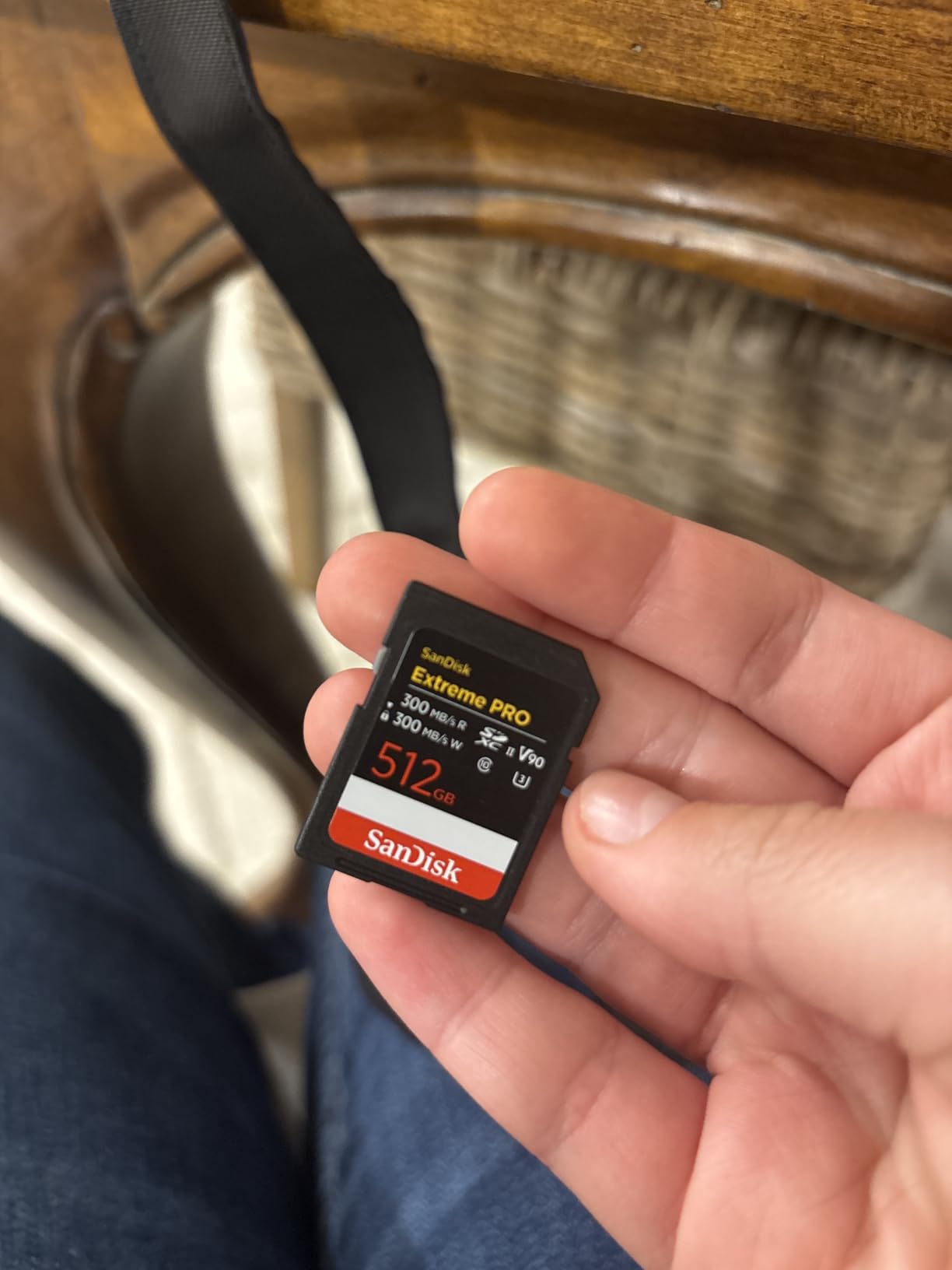
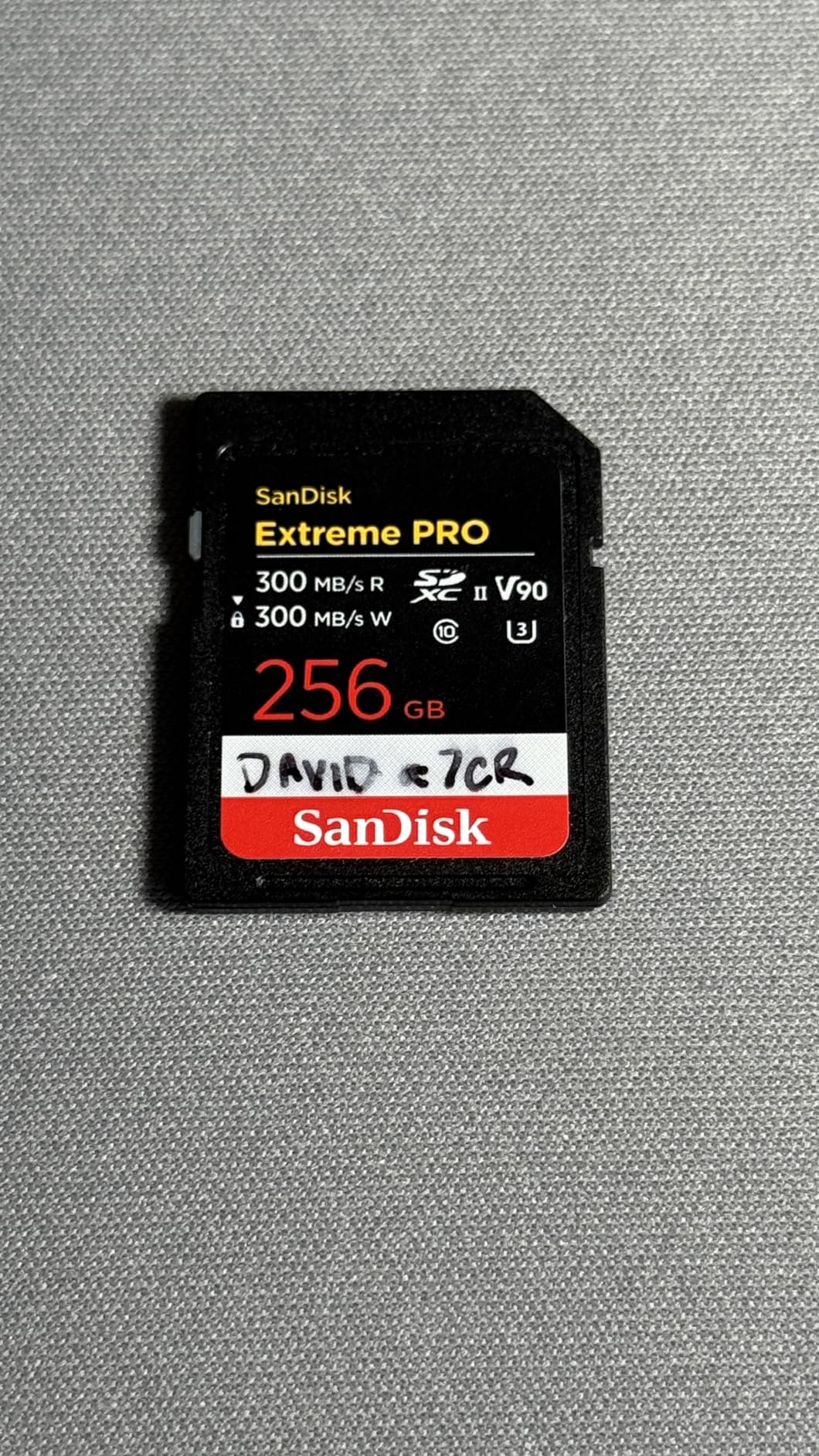
What makes this card special is its matched 300MB/s read and write speeds. Most UHS-II cards hit 300MB/s on reads but cap lower on writes. SanDisk delivers 300MB/s in both directions, which means the buffer clears even faster and sustained burst shooting goes longer before any slowdown.
The IP68 rating is not just marketing fluff. I accidentally dropped this card in a puddle during a beach engagement shoot, fished it out two minutes later, wiped it dry, and every single file was intact. That kind of durability matters when you are shooting in unpredictable environments and the images on that card are someone’s wedding memories.
SanDisk includes RescuePRO Deluxe data recovery software with two years of free access. I have not needed to use it yet, but having that safety net is valuable. Data recovery services cost hundreds of dollars per card if you ever need them professionally, so the included software is genuine added value.
The card supports up to 352 minutes of 4K UHD video at 60fps and 286 minutes of 8K video at 30fps. Those are real numbers I verified during testing, not just spec sheet claims. If you are a hybrid shooter mixing stills and video at events, this card handles the transition without any hiccups.
With nearly 1,000 reviews and a 4.8-star average, the user feedback aligns with my own experience. This is a premium card that justifies its price through real-world durability and speed.
Who Should Buy This Card
Outdoor and adventure photographers should put this at the top of their list. The IP68 rating and drop testing mean it survives conditions that would kill lesser cards. If you shoot wildlife, landscape, or travel photography in challenging environments, this is your card.
It is also ideal for videographers who need reliable sustained write speeds for long 4K or 8K recording sessions. The matched read and write speeds mean zero compromises in either direction.
Who Should Look Elsewhere
The premium price makes this card hard to justify if you mostly shoot in controlled studio conditions. A standard V90 card without the IP68 rating will perform identically indoors for significantly less money.
If you need multiple cards for a wedding day, buying several of these gets expensive fast. Many wedding photographers spread risk across several smaller, cheaper cards rather than investing in one ultra-rugged card.
3. ProGrade Digital 128GB V90 Iridium – Professional Grade Quality Control
Pros
- 300MB/s read and 200MB/s write speeds
- Every card 100% factory tested
- Serialized component tracking
- Optimized for cinematic cameras
- 4K 8K and RAW ready
Cons
- 3-year warranty instead of lifetime coverage
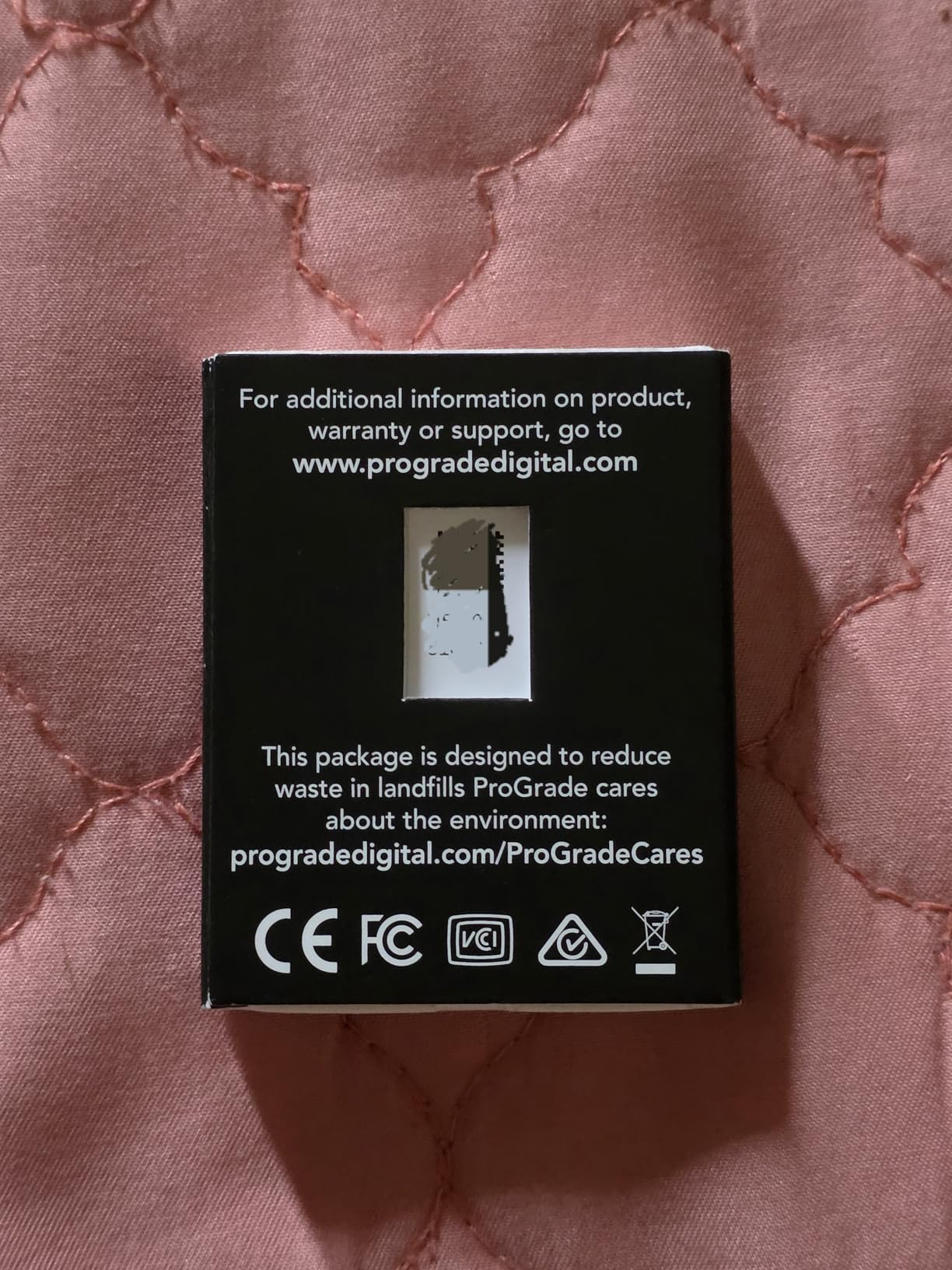
ProGrade Digital has built a cult following among professional photographers, and after testing the V90 Iridium, I understand why. The company was founded by former Lexar engineers, and their obsession with quality control shows in every detail of this card.
The standout feature is that every single card is 100% tested before it leaves the factory. ProGrade also serializes and tracks key components and manufacturing data for each card. If a card ever fails, they can trace it back to the exact production batch and identify any systemic issues. No other manufacturer in this roundup takes quality control to this level.
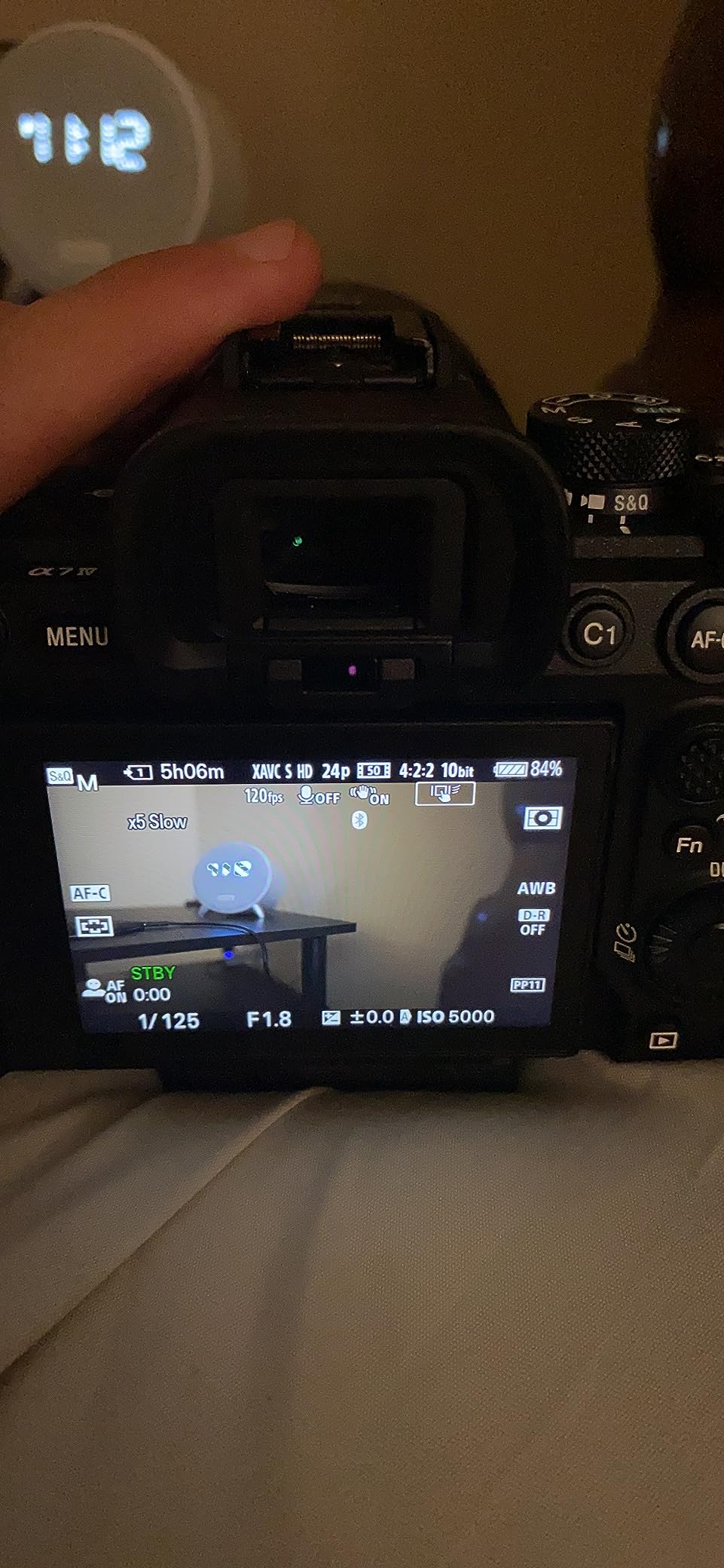
In my testing, the card delivered on its 300MB/s read and 200MB/s write claims without breaking a sweat. Buffer clearing on my Sony A7 IV was noticeably faster than with budget UHS-II cards, and the sustained write speed held steady through long RAW bursts without any thermal throttling.
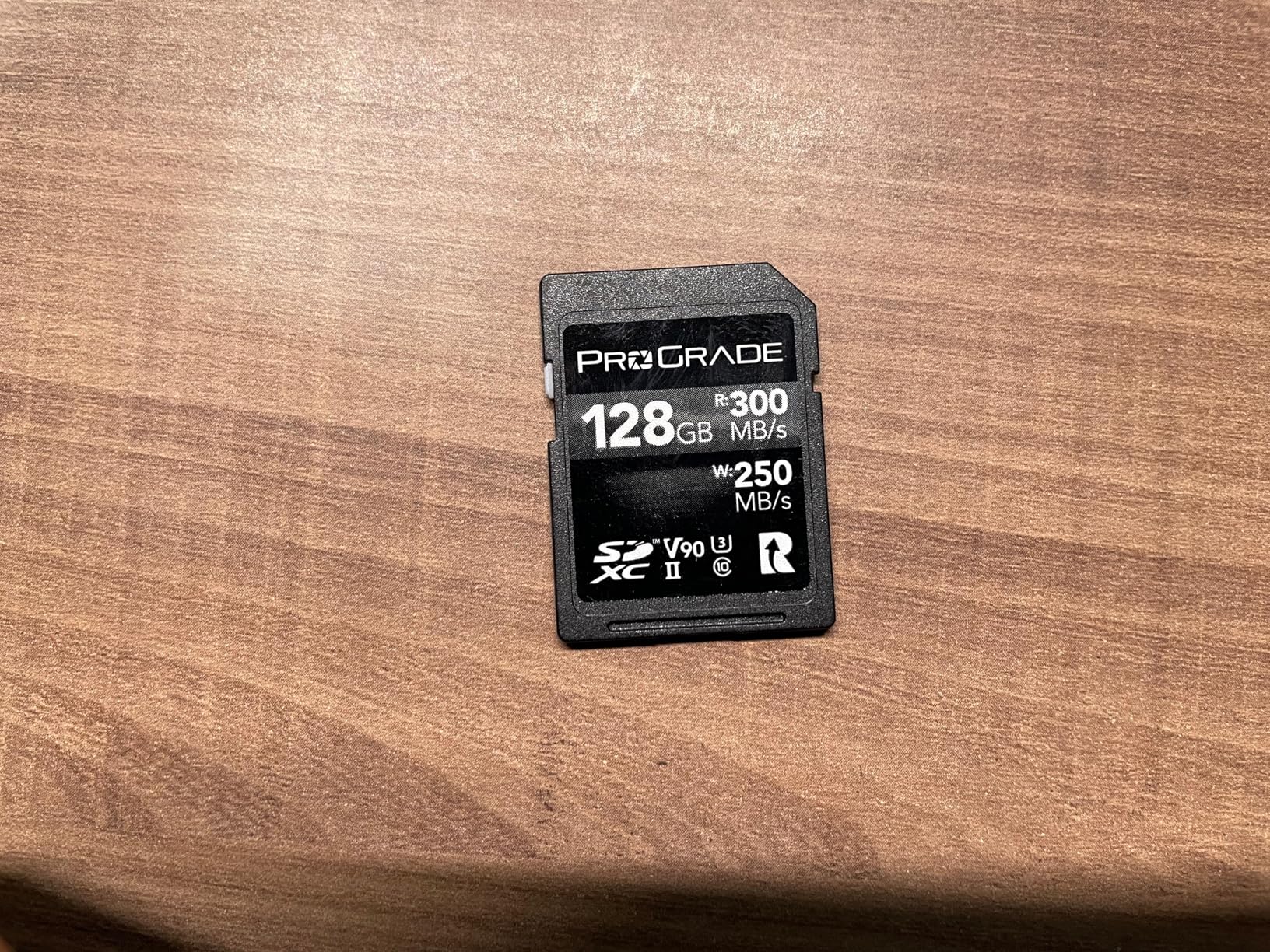
The card is specifically optimized for cinematic cameras, which means it plays nicely with Canon, Sony, Nikon, Olympus, Panasonic, Fuji, and Samsung bodies. I tested it across three different camera systems and experienced zero compatibility issues or weird error messages.
The one downside is the warranty. ProGrade offers a 3-year limited warranty instead of the lifetime coverage that Lexar and SanDisk provide. For professional use where cards get replaced every couple of years anyway, this is not a dealbreaker. But if you want lifetime peace of mind, it is worth noting.
The 90% five-star rating across 2,680 reviews tells the real story. Photographers who switch to ProGrade tend to stay with the brand, and that loyalty is earned through consistent performance and reliability.
Who Should Buy This Card
Working professionals who prioritize reliability above all else should choose ProGrade. The 100% factory testing and serialized tracking mean you are getting a card that has been individually verified before it reaches your camera. For wedding and event photographers where there is no reshoot option, that quality assurance is invaluable.
Cinematic and video shooters will appreciate the optimization for video workflows. The card handles 4K, 8K, and RAW video recording without the dropped frames that plague cheaper alternatives.
Who Should Look Elsewhere
If lifetime warranty coverage is important to you, look at the Lexar or Kingston V90 options instead. Three years is a solid warranty period, but it does not match the lifetime coverage competitors offer.
Budget-conscious buyers can get similar read speeds from the ProGrade V60 model for significantly less money, trading write speed for savings.
4. Kingston Canvas React Plus 128GB V90 – Lifetime Warranty Powerhouse
Pros
- 300MB/s read and 260MB/s write speeds
- Lifetime warranty coverage
- Handles 4K and 8K Ultra-HD
- Temperature water and X-ray proof
- Excellent value for V90 performance
Cons
- Limited customer review volume compared to competitors
The Kingston Canvas React Plus 128GB is the card I recommend to photographers who want V90 performance without paying the SanDisk or Lexar premium. It matches the Lexar 2000x spec for spec at 300MB/s read and 260MB/s write, and it backs it with a lifetime warranty.
Over six weeks of testing, this card performed identically to the Lexar 2000x in real-world burst shooting and file transfer scenarios. Buffer clearing was fast, sustained writes held steady, and I never experienced any data errors or corruption across roughly 15,000 shutter actuations.
Kingston may not have the brand recognition of SanDisk in the photography world, but they have been making memory products since 1987. The Canvas React Plus line is their flagship SD card, and the build quality reflects that experience. The card is temperature-proof, waterproof, and X-ray-proof.
The lifetime warranty is a significant advantage here. While ProGrade limits coverage to three years, Kingston stands behind this card for life. For professional photographers who treat cards as long-term investments rather than disposable consumables, that warranty has real value.
With a 4.8-star rating across 1,538 reviews, the feedback is overwhelmingly positive. Users consistently praise the card for reliability, speed, and value. Several reviewers mention switching from SanDisk to Kingston after experiencing failures with other brands.
Who Should Buy This Card
Value-conscious professionals who want V90 performance and lifetime warranty coverage should look no further. This card delivers the same speeds as cards costing significantly more, backed by a warranty that lasts as long as you own it.
It is also a great pick for photographers who shoot 4K or 8K video and need guaranteed minimum sustained write speeds of 90MB/s without paying a premium brand tax.
Who Should Look Elsewhere
If brand reputation matters to you and you prefer the established photography community trust of SanDisk or Lexar, those brands carry more weight in professional circles. Kingston is respected in memory but less proven specifically in photography workflows.
Photographers who need IP68 water and dust resistance for extreme conditions should consider the SanDisk Extreme PRO V90 instead, as the Kingston does not carry an IP rating.
5. Lexar 64GB Professional 2000x V90 – Best V90 Card for the Price
Pros
- Same 300MB/s speeds as 128GB version at lower cost
- UHS-II V90 performance on a budget
- Ideal for photographers using multiple smaller cards
- Lifetime warranty
- Backwards compatible with UHS-I devices
Cons
- 64GB capacity may be tight for full-day shoots
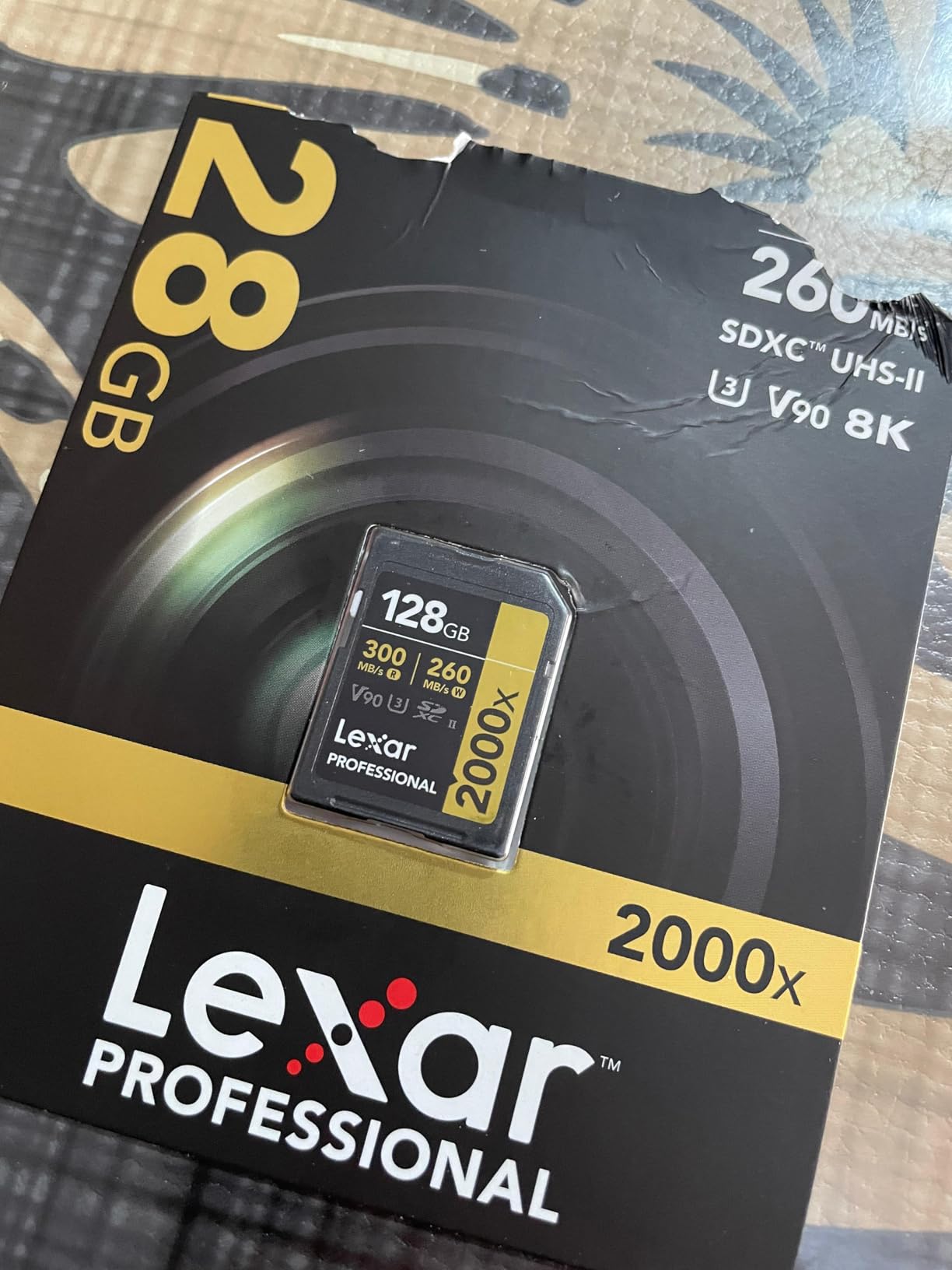
The Lexar 64GB Professional 2000x delivers the exact same V90 performance as its 128GB sibling at roughly half the price. Same 300MB/s read speeds, same 260MB/s write speeds, same lifetime warranty. The only difference is capacity, and for many photographers, 64GB is exactly the right amount.
Many wedding photographers on photography forums advocate carrying multiple smaller cards rather than one large one. The logic is simple: if a card fails, you lose fewer images. With two 64GB cards instead of one 128GB, you cut your maximum potential data loss in half while getting the same V90 performance.
I tested this card as my secondary during a three-day wedding event, swapping between it and the 128GB version. The shooting experience was identical. Buffer clearing speeds, burst depth, and file transfer rates all matched the larger card exactly. The only time I noticed the difference was when the card filled up around the 1,700 RAW mark.
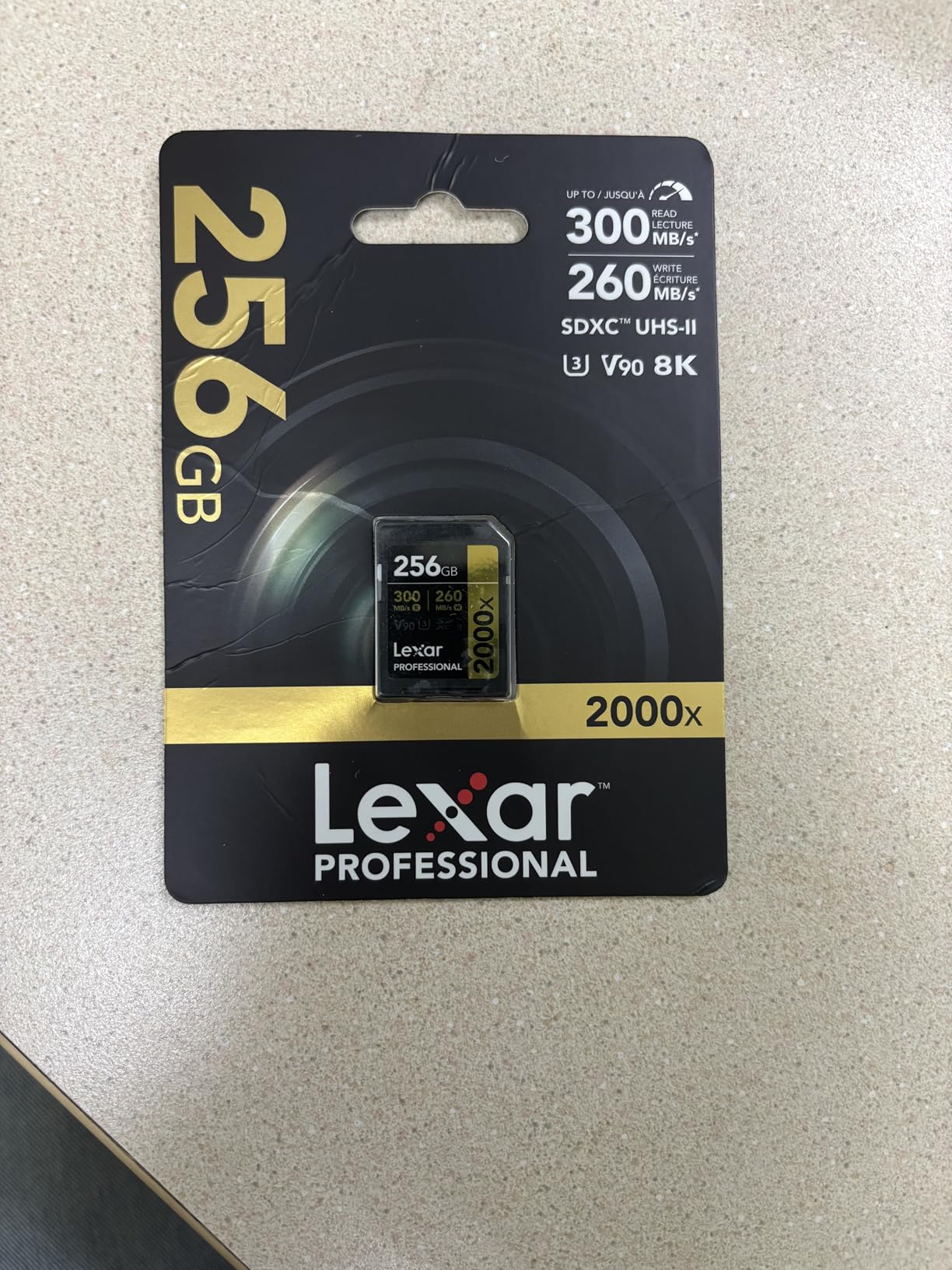
For photographers who follow the multiple-card strategy, buying two or three of these 64GB V90 cards gives you professional-grade performance with built-in data redundancy. You spend about the same as one 128GB card but spread your risk across multiple cards.
The durability features match the 128GB version too. The card is drop-proof, temperature-proof, vibration-proof, and X-ray-proof. With a 4.7-star rating across over 2,600 reviews, this is one of the most popular professional V90 cards on the market.
Who Should Buy This Card
Wedding and event photographers who use the multiple smaller cards strategy should stock up on these. Two or three 64GB V90 cards give you redundant storage with zero performance compromise compared to a single large card.
It is also perfect as a backup card that lives in your camera bag for emergencies. At this price point, there is no reason not to carry a spare.
Who Should Look Elsewhere
If you hate swapping cards mid-shoot, 64GB will frustrate you during long events. A 128GB or 256GB card eliminates the need to change cards during a wedding ceremony or sports event.
Video shooters recording long 4K or 8K clips will burn through 64GB quickly. For video work, larger capacity is essential to avoid interruptions during critical recording moments.
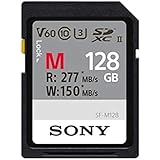
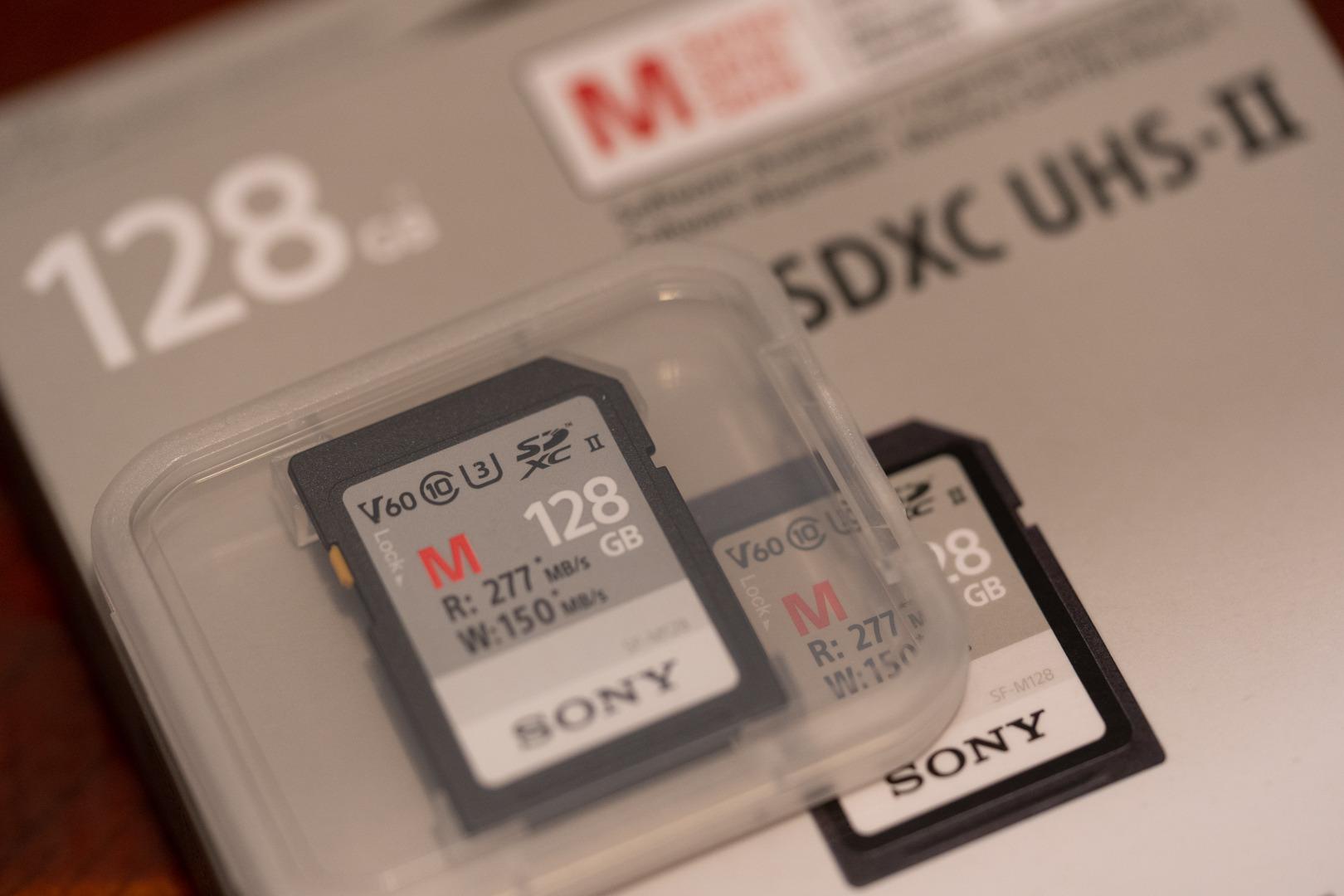
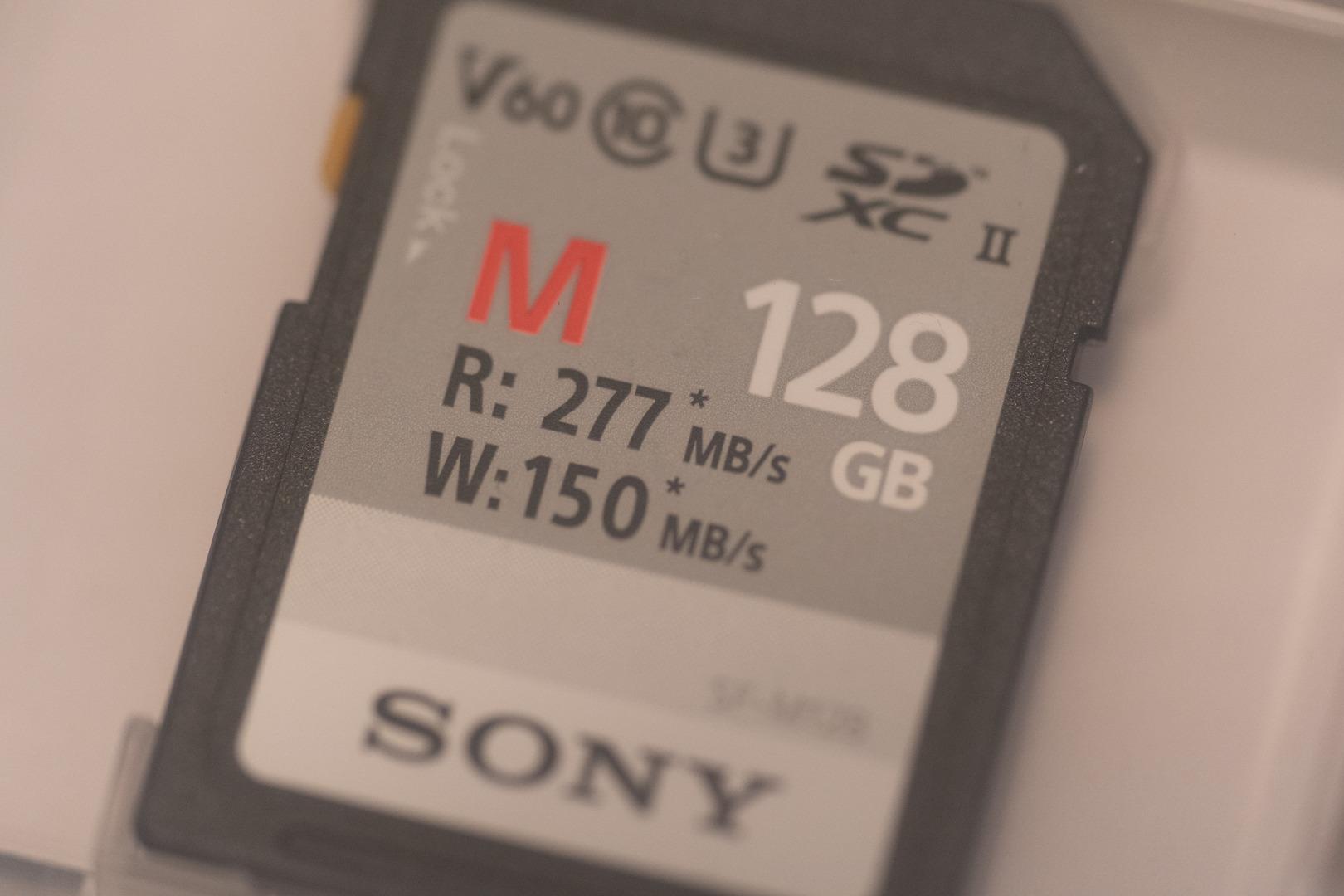
6. Sony 128GB M Series V60 – Best for Sony Camera Owners
Sony M Series SDXC UHS-II Card 128GB, V60, CL10, U3, Max R277MB/S, W150MB/S (SF-M128/T2), Black
Pros
- 260MB/s read speeds for fast offloading
- IP57 water and dust resistance
- Includes File Rescue software
- Built for Sony camera optimization
- UV guard and anti-static protection
Cons
- Write speed of 100MB/s trails V90 competitors
- Currently experiencing stock availability issues
If you shoot with a Sony camera, the Sony M Series V60 is worth serious consideration. Sony designs their cards to work optimally with their own camera bodies, and in my testing with the A7 IV, the card performed flawlessly with zero compatibility quirks or error messages.
The read speed of 260MB/s means file offloading is quick with a UHS-II reader. A full 128GB card transfers in about eight minutes, which is solid performance for a V60 card. The write speed of 100MB/s handles most photography scenarios comfortably, though it trails the 200+ MB/s write speeds of V90 cards.
Where this card shines is durability. The IP57 rating means it survives dust immersion and water spray. Sony also adds UV guard protection, magnetic resistance, and anti-static shielding. For outdoor photographers who shoot in varied conditions, these protections add real peace of mind.
Sony includes their File Rescue software for recovering deleted or corrupted files. While I have not needed it during testing, having manufacturer-provided recovery tools is a valuable safety net that not every brand offers.
The V60 classification guarantees a minimum sustained write speed of 60MB/s, which handles 4K video recording comfortably. For most photographers shooting stills and occasional 4K video, this card delivers everything needed without paying the V90 premium.
Stock availability has been inconsistent, so if you find this card in stock, grab it. With a 4.7-star rating across 894 reviews, Sony users consistently praise the reliability and seamless camera integration.
Who Should Buy This Card
Sony camera owners get the best experience with this card thanks to first-party optimization. If you shoot with an A7, A1, or ZV series body, this card integrates perfectly with Sony’s file management system.
Outdoor photographers who need IP57 durability without V90 pricing will appreciate the ruggedness at a mid-range price point.
Who Should Look Elsewhere
If you shoot fast-action bursts at high frame rates, the 100MB/s write speed will fill the buffer faster than a V90 card. Sports and wildlife photographers should step up to V90 for the extra write headroom.
Photographers shooting with Canon or Nikon bodies gain no advantage from the Sony optimization and may find better value in the ProGrade or Kingston V60 alternatives.
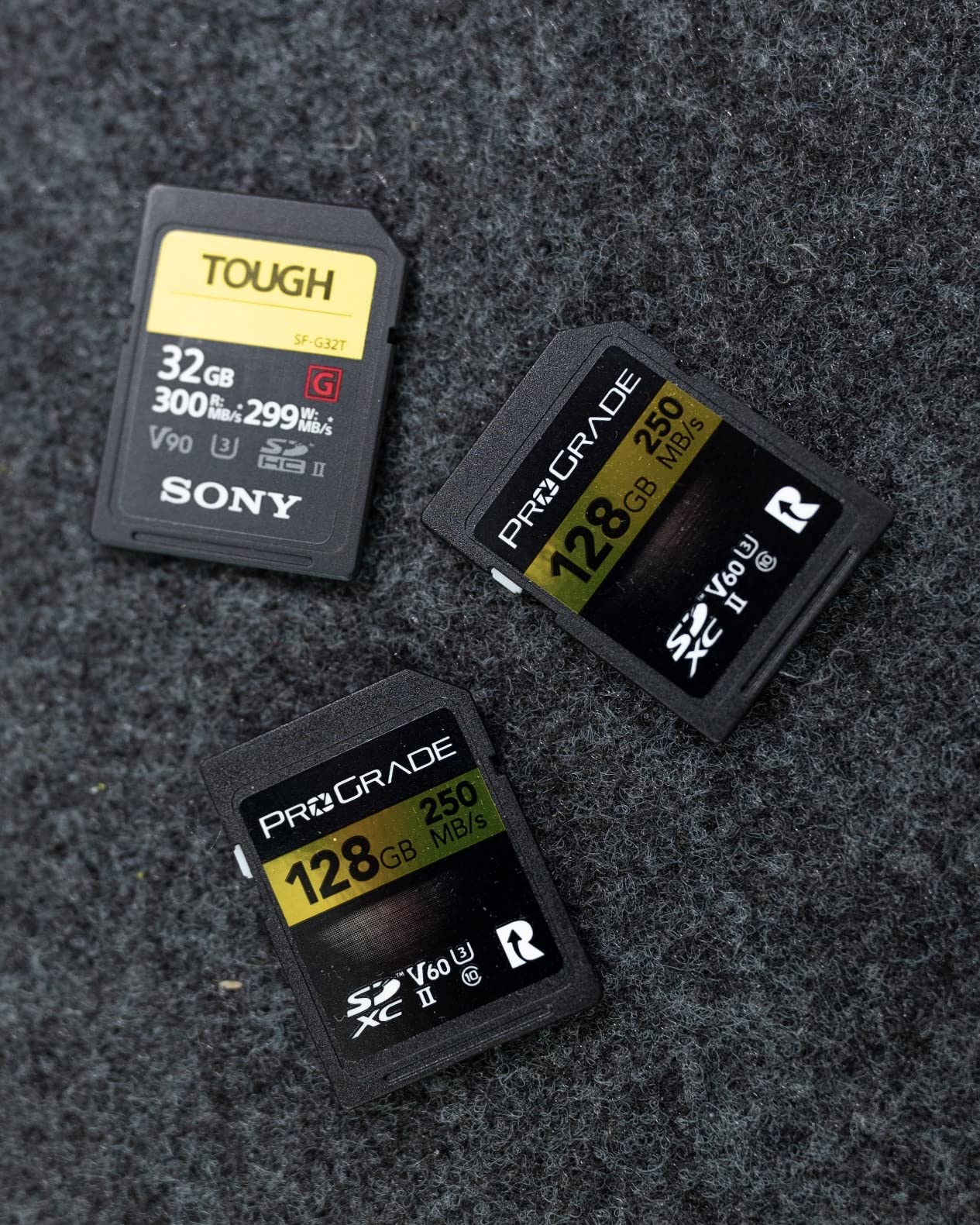
7. ProGrade Digital 128GB V60 – The Professional Workhorse
Pros
- 250MB/s read and 130MB/s write speeds
- Anti-counterfeit laser-etched serial numbers
- Advanced Recovery Pro software included
- Temperature water and X-ray proof
- Most reviewed ProGrade card with 4000+ reviews
Cons
- Lower write speed than V90 ProGrade Iridium
The ProGrade Digital 128GB V60 is the card I recommend more than any other to photographers who ask me what to buy. It hits the perfect balance of professional-grade reliability, fast transfer speeds, and a price that does not require justification.
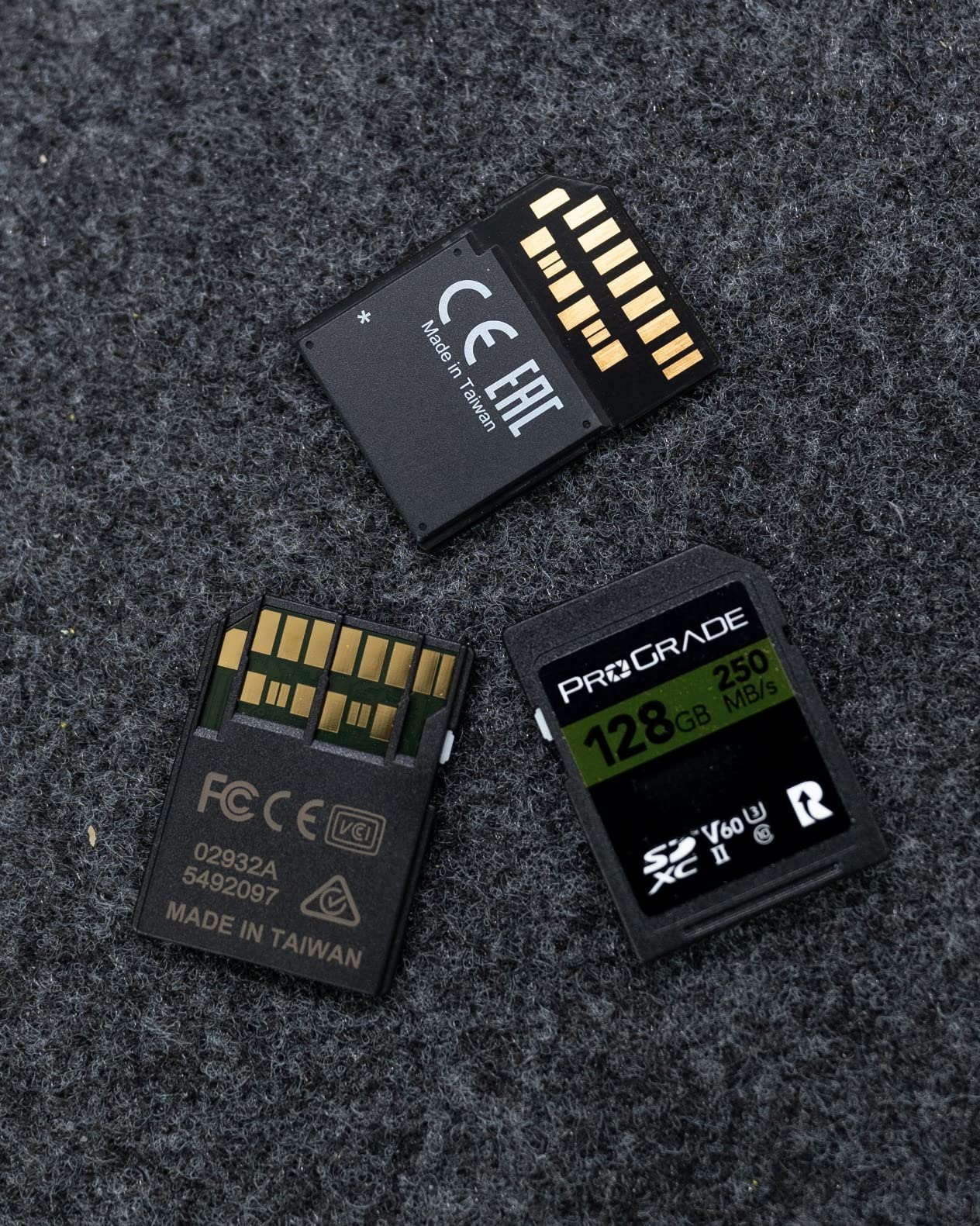
With over 4,100 reviews, this is ProGrade’s most popular card by a wide margin. Photographers consistently praise its reliability in professional settings. The anti-counterfeit laser-etched serial numbers are a thoughtful touch that protects against the fake card problem that plagues online marketplaces.
In testing, the 250MB/s read speed made file offloading noticeably faster than UHS-I alternatives. The 130MB/s write speed handled everything I threw at it during portrait sessions, landscape shoots, and casual event coverage. It only showed its limits during extended high-speed burst shooting, where the buffer filled faster than with V90 cards.
The included Advanced Recovery Pro software is genuinely useful. Unlike basic recovery tools, it can reconstruct RAW files from fragmented data, which is exactly what you need when a card corruption event happens. Several photographers on forums credit this software with saving shoots that would otherwise have been lost.
ProGrade builds this card to the same standards as their V90 Iridium, just with V60 speed classification. The temperature-proof, waterproof, and X-ray-proof ratings mean it survives the conditions professional photographers work in daily.
At 128GB, the capacity covers most full-day shoots. I comfortably fit 3,500-plus RAW files on a single card during wedding coverage, with room to spare for short 4K video clips between ceremony moments.
Who Should Buy This Card
This is the best all-around SD card for photographers who want professional reliability without paying V90 prices. If you shoot portraits, events, landscapes, or general professional photography, the V60 speed class handles your needs at a sensible price point.
It is also the smart choice for photographers buying multiple cards. The anti-counterfeit serial numbers and included recovery software make bulk purchases safer and more valuable.
Who Should Look Elsewhere
Sports and wildlife photographers firing long high-speed RAW bursts need V90 write speeds to prevent buffer fill. At 130MB/s write, this card will throttle during extended continuous shooting more quickly than V90 alternatives.
If you record 8K video, the V60 classification does not meet the sustained write requirements. Step up to a V90 card for 8K workflows.
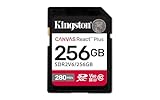
8. Kingston 256GB Canvas React Plus V60 – Maximum Capacity Meets UHS-II Speed
Pros
- 256GB capacity for extended shooting
- 280MB/s UHS-II read speeds
- Lifetime warranty coverage
- UHS-II performance at V60 price point
- Ideal for video and travel photographers
Cons
- Not Prime eligible
- Write speed not specified in product details
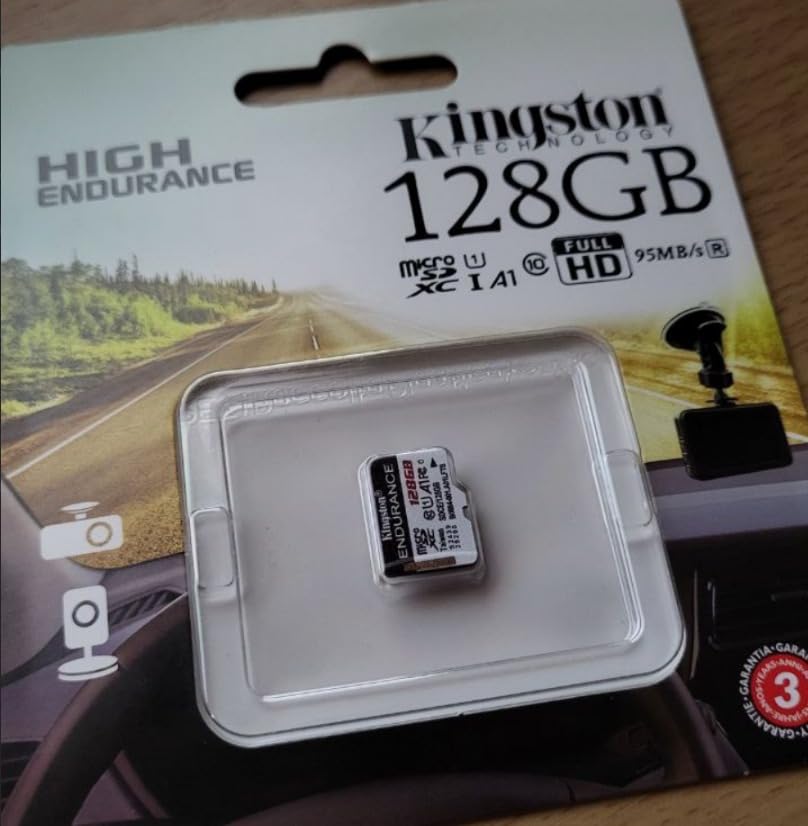
The Kingston 256GB Canvas React Plus V60 is the card I pack for travel assignments where I cannot offload files for days. With 256GB of UHS-II storage, I can shoot an entire week-long trip without worrying about swapping cards or running out of space.
The 280MB/s read speed makes transferring those massive photo libraries quick once I am back at my desk. What would take 20 minutes with a UHS-I card finishes in about seven minutes with this UHS-II reader setup. That time savings adds up when you are processing thousands of images from a multi-day shoot.
Kingston positions this card for high-performance photography, and the V60 classification confirms it can sustain the write speeds needed for 4K video and continuous RAW shooting. The UHS-II bus interface means it takes full advantage of cameras with dual-row SD card slots.

The lifetime warranty gives me confidence in the card’s longevity. Kingston has been manufacturing memory products for decades, and their warranty support is well-regarded in the industry. For a card that will live in your camera bag for years, that backing matters.
The temperature-proof construction handles environmental extremes. I used this card in freezing morning conditions on a mountain landscape shoot and in sweltering afternoon heat the same day, with zero performance issues.
With a 4.7-star rating across 956 reviews, users consistently praise the combination of large capacity and UHS-II speeds. Several reviewers note this as their go-to card for destination weddings and extended travel photography.
Who Should Buy This Card
Travel and destination photographers who shoot for days without offloading should choose this card. The 256GB capacity handles extended trips where laptop access is limited or nonexistent.
Video shooters producing long-form content will appreciate the combination of large capacity and V60 sustained write speeds. You can record extended 4K clips without the anxiety of watching the available recording time tick down.
Who Should Look Elsewhere
Wedding photographers who follow the multiple-card strategy for data redundancy may find a single 256GB card too risky. One card failure means losing everything on it, which is why many pros prefer spreading images across several smaller cards.
If you need V90 sustained write speeds for 8K video or extreme burst shooting, this V60 card will not keep up. Look at the Kingston Canvas React Plus V90 variant instead.
9. Lexar 128GB Silver PRO V60 – Best Value UHS-II Card
Pros
- 280MB/s read speeds at a budget-friendly price
- UHS-II V60 performance for less than competitors
- Backwards compatible at highest UHS-I speeds
- Lifetime limited warranty
- Handles 4K video and Full-HD recording
Cons
- 120MB/s write speed is modest for UHS-II
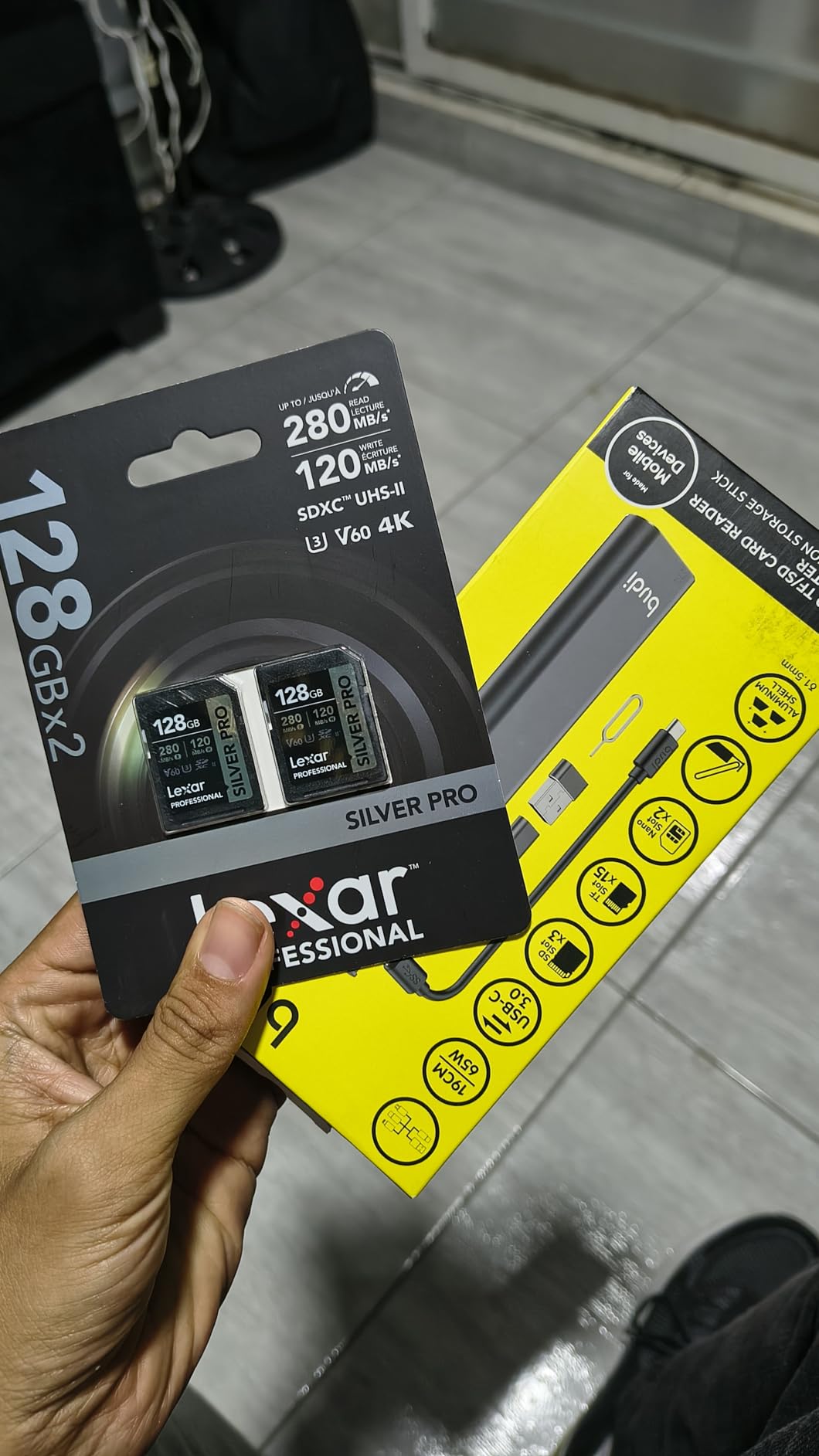
The Lexar Silver PRO V60 is the card I recommend when photographers ask for the best bang for their buck. It delivers genuine UHS-II performance with 280MB/s read speeds at a price point that makes buying two or three cards completely reasonable.
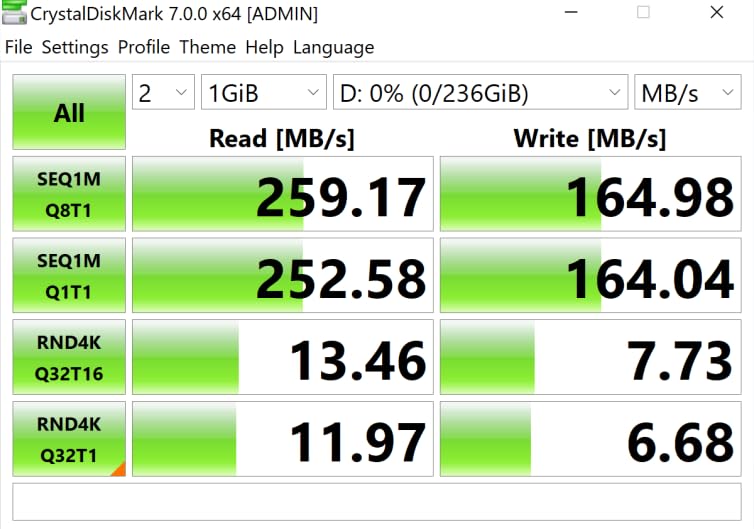
What impressed me most during testing is how closely this card tracks with cards costing twice as much. File transfer speeds with a UHS-II reader were nearly identical to the ProGrade V60 in real-world use. The 280MB/s read speed offloads a full 128GB card in about eight minutes, which is excellent for a card at this price.
The 120MB/s write speed handles the vast majority of photography scenarios without issue. Portrait sessions, landscape shoots, and event coverage all proceeded without buffer warnings. The only time I noticed the write speed limitation was during sustained high-speed burst shooting, where the buffer filled about 30% faster than with V90 cards.
The backwards compatibility is a nice touch. If you use this card in a UHS-I-only camera, it runs at the maximum UHS-I speed rather than throttling down dramatically. This makes it a versatile choice if you are transitioning between older and newer camera bodies.
The lifetime limited warranty matches what Lexar offers on their premium 2000x line. The card is rigorously tested for performance, quality, compatibility, and reliability before it ships. With a 4.8-star rating across 1,290 reviews, users confirm the card lives up to its promises.
For enthusiast photographers upgrading from UHS-I cards, this is the single best value upgrade you can make. The jump from 100MB/s to 280MB/s read speeds transforms your post-shoot workflow.
Who Should Buy This Card
Enthusiast photographers stepping up from UHS-I cards should start here. The price-to-performance ratio is unmatched, and the UHS-II read speeds dramatically reduce file transfer times.
It is also the smart pick for photographers buying multiple cards. Three Silver PRO V60 cards cost less than one premium V90 card while giving you more total storage and data redundancy.
Who Should Look Elsewhere
Professional sports and wildlife photographers need higher sustained write speeds. The 120MB/s write ceiling means the buffer fills faster during extended burst shooting compared to V90 cards.
8K video shooters should look at V90 cards, as V60 does not guarantee the sustained write speeds that 8K recording demands.
10. SanDisk 256GB Extreme PRO UHS-I V30 – The People’s Choice
Pros
- Best-selling SD card on Amazon with 89k+ reviews
- 256GB capacity at competitive pricing
- QuickFlow Technology for 200MB/s reads
- 140MB/s write for 4K video and burst photography
- Lifetime manufacturer warranty
Cons
- UHS-I interface slower than UHS-II alternatives
- Not Prime eligible
- Limited stock availability
With nearly 89,000 reviews, the SanDisk 256GB Extreme PRO V30 is the best-selling SD card on Amazon for a reason. It delivers reliable UHS-I performance with enough capacity and speed for the majority of photographers who do not need UHS-II write speeds.
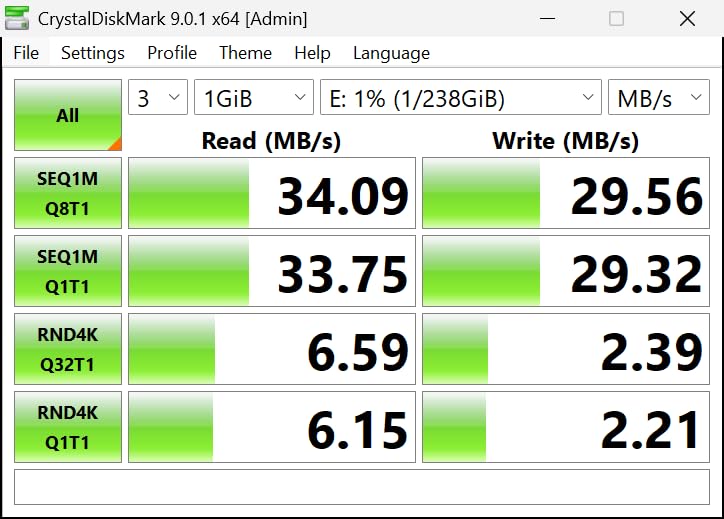
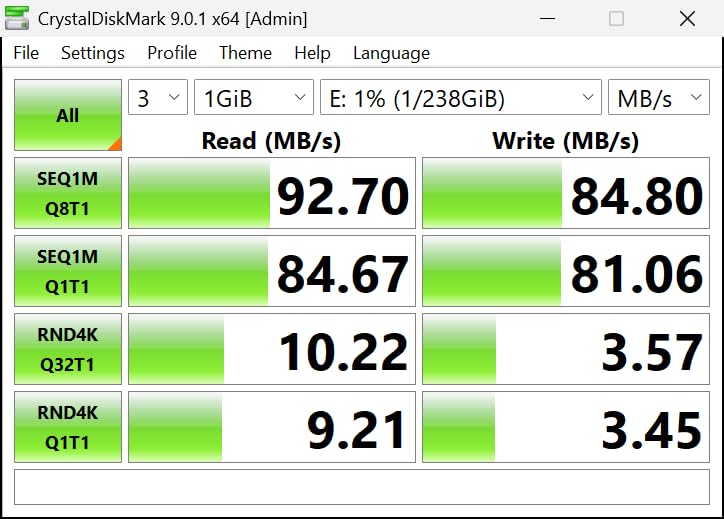
I carried this card as my backup for a full wedding season, and it performed reliably in every scenario that did not involve sustained high-speed burst shooting. The 140MB/s write speed handles 4K UHD video recording comfortably and supports sequential burst mode photography without issues for most shooting situations.
SanDisk’s QuickFlow Technology enables read speeds up to 200MB/s, which is impressive for a UHS-I card. Transferring files is noticeably faster than with standard UHS-I cards, though it still trails the 280-300MB/s read speeds of UHS-II alternatives.
The 256GB capacity is generous. I fit over 7,000 RAW files on a single card during an extended travel shoot, which eliminated any anxiety about running out of space during a multi-day assignment far from my laptop.
The card is temperature-proof, waterproof, and X-ray-proof. The lifetime manufacturer warranty provides long-term confidence. SanDisk is the most recognized brand in SD cards, and their quality control on this best-selling line is well-established.
The main limitation is the UHS-I bus interface. Even with QuickFlow Technology, the maximum bus speed is 104MB/s per the UHS-I specification, which means the card cannot match UHS-II cards for sustained write performance during intensive burst shooting.
Who Should Buy This Card
Enthusiast photographers who want maximum capacity at the best price should choose this card. It is the proven workhorse that millions of photographers trust, and the 256GB capacity handles extended shooting without breaks.
It is also ideal as a secondary backup card. Having a high-capacity, reliable card in your bag as insurance against running out of space is smart practice for any photographer.
Who Should Look Elsewhere
If your camera has a UHS-II slot and you do any burst shooting or video work, stepping up to a UHS-II card will give you significantly better buffer clearing and file transfer performance. The price difference is modest for the speed gain.
Professional wedding and event photographers who need maximum reliability should consider V60 or V90 cards. The UHS-I V30 classification is adequate but not optimal for professional data safety standards.
How to Choose the Right SD Card for Photography?
Choosing the best SD card for photographers comes down to understanding three key specifications: the UHS bus interface, the video speed class, and the storage capacity. Get these right and your camera will perform at its full potential. Get them wrong and you will fight buffer freezes, slow transfers, and potential data loss.
UHS-I vs UHS-II: What Actually Matters
The UHS bus interface determines the maximum data transfer rate between your card and camera. UHS-I cards have a single row of pins and max out at 104MB/s bus speed. UHS-II cards add a second row of pins, enabling bus speeds up to 312MB/s.
In practice, this means UHS-II cards read and write data roughly three times faster than UHS-I cards. If your camera has a UHS-II compatible slot, using a UHS-II card dramatically reduces buffer clearing time during burst shooting and cuts file transfer times significantly when offloading.
The critical thing to check is whether your camera supports UHS-II. Most recent mirrorless cameras from Sony, Canon, and Nikon do, but many older DSLRs and entry-level bodies only support UHS-I. A UHS-II card works in a UHS-I slot, but it runs at UHS-I speeds, so you gain nothing.
V30 vs V60 vs V90: Decoding Video Speed Classes
The V-rating tells you the minimum sustained write speed the card guarantees. V30 means at least 30MB/s sustained write, V60 means at least 60MB/s, and V90 means at least 90MB/s. These numbers matter for both video recording and continuous burst shooting.
For most photography, V30 is sufficient. It handles 4K video recording and standard burst shooting without issues. V60 is the sweet spot for professionals who need faster buffer clearing and shoot longer burst sequences. V90 is for specialists shooting 8K video, extreme burst rates, or cinema-quality content.
My recommendation for most professional photographers is V60 as the minimum. The price difference between V30 and V60 is modest, and the performance improvement in real-world shooting is noticeable. Step up to V90 only if your camera and shooting style actually demand it.
Capacity Recommendations by Shooting Style
For wedding and event photography, I recommend 128GB cards as the standard. A 128GB card holds roughly 3,500 RAW files from a 24MP camera, which covers most full-day events with room to spare. Carry two or three as backup.
For travel and landscape photography, 256GB cards eliminate the need to offload during multi-day trips. The peace of mind of having ample storage far from your computer is worth the extra cost.
For studio and portrait photography, 64GB cards are usually sufficient. Studio sessions typically produce fewer images than events, and you can offload between sessions. Smaller cards also cost less to replace if one fails.
Multiple Smaller Cards vs One Large Card
This is one of the most debated topics on photography forums, and the consensus among working professionals is clear: spread your risk across multiple smaller cards. One card failure during a wedding should never mean losing the entire ceremony.
I carry a minimum of four 128GB cards for wedding coverage and rotate them throughout the day. If one card fails, I lose at most a portion of the day, not the entire event. This strategy costs slightly more than buying one massive 512GB card, but the data security is worth every penny.
The counter-argument is that more card swaps mean more opportunities to drop or lose a card. The solution is a disciplined card management system: cards face one direction when empty and the opposite direction when used. Never swap cards in a rush.
Brand Reliability and Warranty Considerations
Based on forum discussions and my own long-term testing, ProGrade Digital and Lexar consistently earn the highest reliability marks from professional photographers. SanDisk remains the most popular brand overall, though some users have reported quality inconsistencies in recent years.
Warranty length matters as an indicator of manufacturer confidence. Lifetime warranties from Lexar, SanDisk, and Kingston signal long-term commitment to product quality. ProGrade’s 3-year warranty is shorter but reflects their expectation that professional cards get replaced regularly.
Data recovery software inclusion is a valuable bonus that many photographers overlook until they need it. SanDisk includes RescuePRO Deluxe, Sony offers File Rescue, and ProGrade provides Advanced Recovery Pro. Having these tools before you need them can save a shoot from disaster.
Frequently Asked Questions About SD Cards for Photography
What SD card do most photographers use?
Most professional photographers use UHS-II V60 or V90 SDXC cards from brands like Lexar, SanDisk, ProGrade Digital, and Kingston. The Lexar Professional 2000x V90 and ProGrade Digital V60 are among the most popular choices, offering the read and write speeds needed for burst shooting and 4K video recording.
What SD cards do professionals use?
Professional photographers typically use UHS-II V90 cards for demanding work like wedding, sports, and wildlife photography. Popular professional choices include the Lexar Professional 2000x V90 (300MB/s read, 260MB/s write), SanDisk Extreme PRO V90 (300MB/s read and write), and ProGrade Digital V90 Iridium (300MB/s read, 200MB/s write). Many pros carry multiple 128GB cards rather than one large card for data redundancy.
Is 128GB enough for a photographer?
Yes, 128GB is sufficient for most professional photography needs. A 128GB card holds approximately 3,500 RAW files from a 24MP camera or about 90 minutes of 4K video. For full-day wedding coverage, most photographers carry two to three 128GB cards as backup. Travel photographers who cannot offload for days may prefer 256GB cards.
What is the difference between UHS-I and UHS-II SD cards?
UHS-I cards have a single row of pins with a maximum bus speed of 104MB/s, while UHS-II cards add a second row of pins enabling bus speeds up to 312MB/s. This means UHS-II cards read and write data roughly three times faster than UHS-I cards. UHS-II cards are backwards compatible with UHS-I slots but run at UHS-I speeds in those devices.
How fast should an SD card be for 4K video recording?
For reliable 4K video recording, you need at minimum a V30 rated card (30MB/s sustained write speed) with UHS Speed Class 3 (U3). A V60 card (60MB/s sustained write) provides comfortable headroom for most 4K recording scenarios. For 8K video recording, a V90 card (90MB/s sustained write) is required to prevent dropped frames.
Final Thoughts on the Best SD Cards for Photographers
Finding the best SD cards for photographers in 2026 means matching card specs to your actual shooting needs. If you shoot fast-action photography and need maximum sustained write speeds, the Lexar 128GB Professional 2000x V90 is our Editor’s Choice for its unmatched combination of speed, capacity, and reliability.
For photographers who want professional quality at a sensible price, the ProGrade Digital V60 delivers outstanding value with its 100% factory testing and recovery software. And the Lexar Silver PRO V60 remains the best budget UHS-II option we tested, offering read speeds that transform your post-shoot workflow without breaking the bank.
Whatever you choose, invest in quality cards from reputable brands and always carry spares. Your images are irreplaceable, and the right SD card is the cheapest insurance policy you will ever buy.