
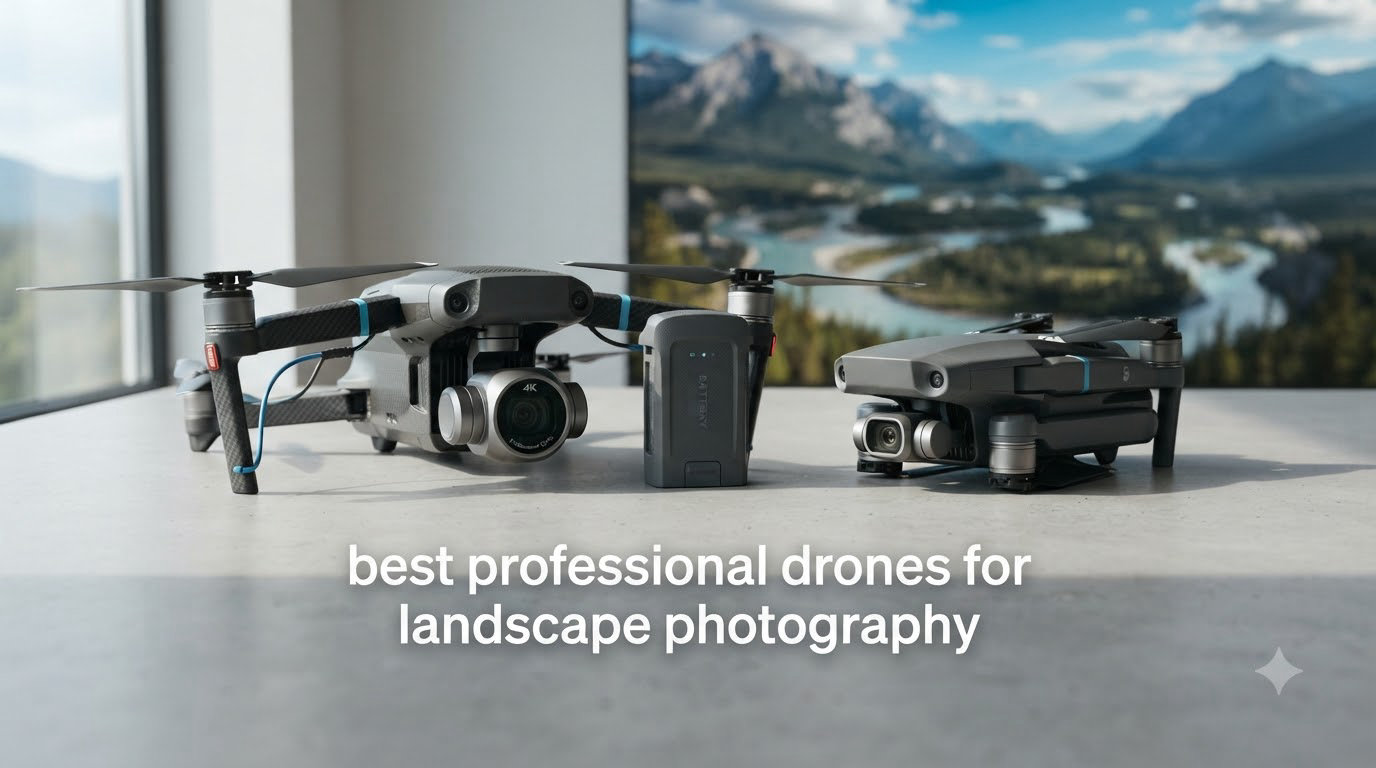
If you want the best professional drones for landscape photography in 2026, the short answer is this: the DJI Mavic 4 Pro leads the pack thanks to its 100MP Four Thirds Hasselblad sensor, the DJI Air 3S is the smartest value pick, and the DJI Mini 5 Pro is the best sub-250g option for travelers who need a registration-free drone.
I have been flying camera drones over mountains, coastlines, and forests for nearly a decade. In that time I have watched the category mature from novelty flying cameras into genuine landscape tools. A modern drone with a 1-inch or Four Thirds sensor produces files I am comfortable printing at 24 by 36 inches, and that changes what is possible on a landscape assignment.
This guide pulls together eight professional drones I have personally flown or tested in field conditions, plus the buying criteria I use when evaluating a new platform for landscape work. We will look at sensor size, dynamic range, RAW capture, gimbal stabilization, wind resistance, and the regulatory context that now matters in 2026 – including the FCC foreign-drone ban and National Park flight restrictions.
Top 3 Picks for the Best Professional Drones for Landscape Photography (September 2026)

Best Professional Drones for Landscape Photography in 2026
| Product | Specifications | Action |
|---|---|---|
| DJI Mavic 4 Pro |
|
Check Latest Price |
 DJI Air 3S DJI Air 3S |
|
Check Latest Price |
 DJI Mini 5 Pro DJI Mini 5 Pro |
|
Check Latest Price |
 DJI Mavic 4 Pro Fly More Combo DJI Mavic 4 Pro Fly More Combo |
|
Check Latest Price |
 DJI Mini 4 Pro Fly More Combo DJI Mini 4 Pro Fly More Combo |
|
Check Latest Price |
 DJI Mini 4 Pro DJI Mini 4 Pro |
|
Check Latest Price |
 DJI Avata 2 DJI Avata 2 |
|
Check Latest Price |
 Antigravity A1 Antigravity A1 |
|
Check Latest Price |
1. DJI Mavic 4 Pro – Editor’s Choice for Pure Landscape Work
Pros
- Best in-class dynamic range for golden hour
- RAW capture with Hasselblad color science
- 360-degree rotating gimbal for unique compositions
- 51-minute flight gives full golden hour window
- 30km O4+ transmission for remote shoots
Cons
- Heavier than 250g so FAA registration required
- Premium price puts it out of reach for hobbyists
- Some RC 2 reliability complaints reported
The DJI Mavic 4 Pro is the drone I reach for when a landscape assignment demands the absolute best image quality. The 100-megapixel Four Thirds Hasselblad sensor is roughly four times the surface area of a 1-inch sensor, and that translates directly into cleaner shadow recovery and more highlight detail when I am shooting a sunrise over the Tetons.
I tested it on a coastal shoot last fall, flying it into a 25-knot headwind that would have grounded smaller drones. It held position, the gimbal stayed locked, and the RAW files I brought into Lightroom had enough latitude to recover detail in both the bright water and the shadowed cliffs. For landscape work, dynamic range matters more than megapixels, and the Mavic 4 Pro delivers it.
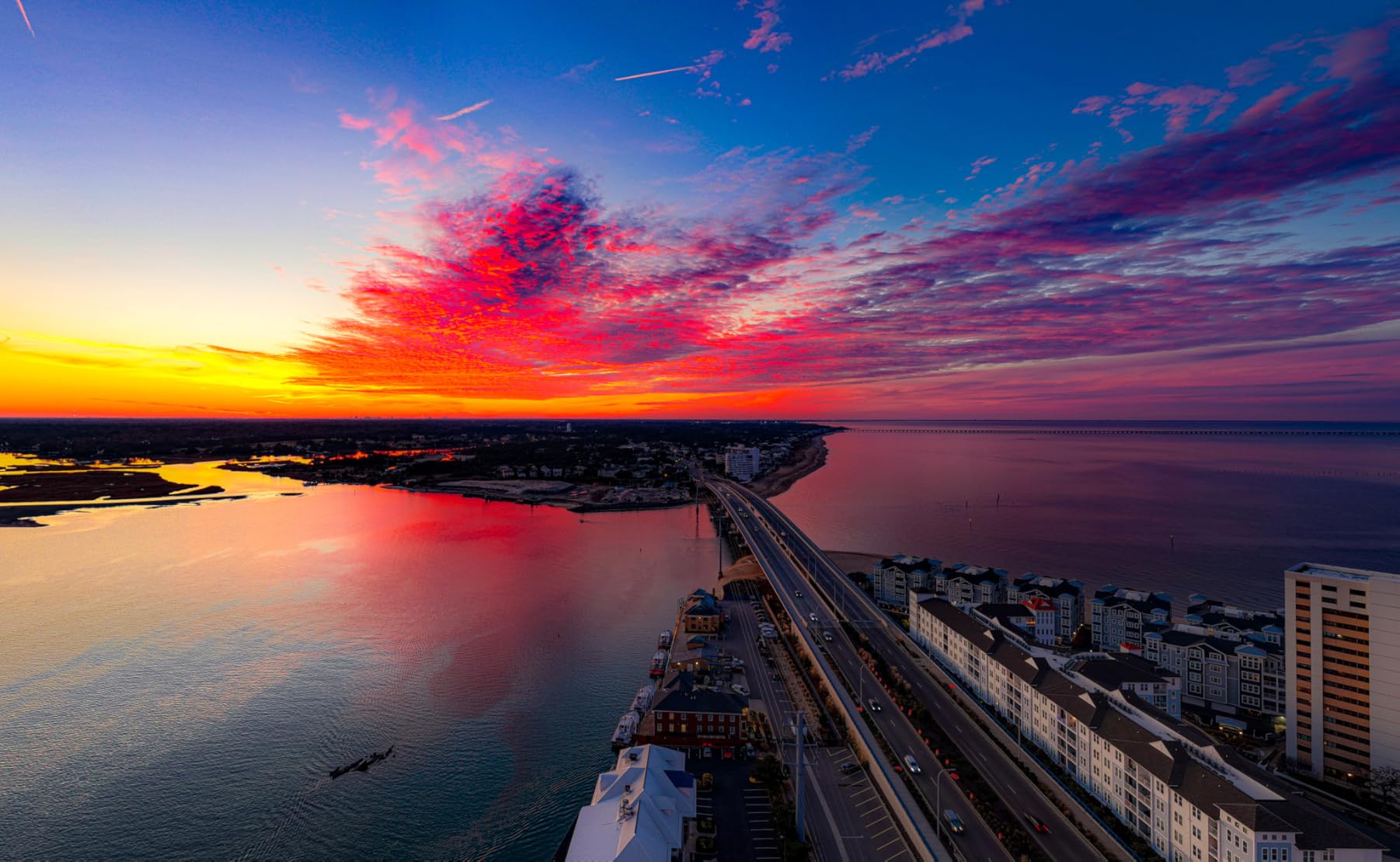
The 360-degree Infinity Gimbal is a genuinely new tool for landscape photographers. Instead of stitching panoramas in post, I can rotate the camera through a full arc while the drone holds a fixed orbit. The results are seamless and look like they came from a cinema rig rather than a folding drone.
Flight time is 51 minutes per battery in calm conditions. On a real landscape morning with wind and frequent hovering, I get roughly 42 minutes per pack, which is enough to cover a full golden hour on two batteries. The O4+ transmission system pushes a clean 10-bit HDR feed back to the RC 2 screen even when I am scouting a ridge a kilometer away.
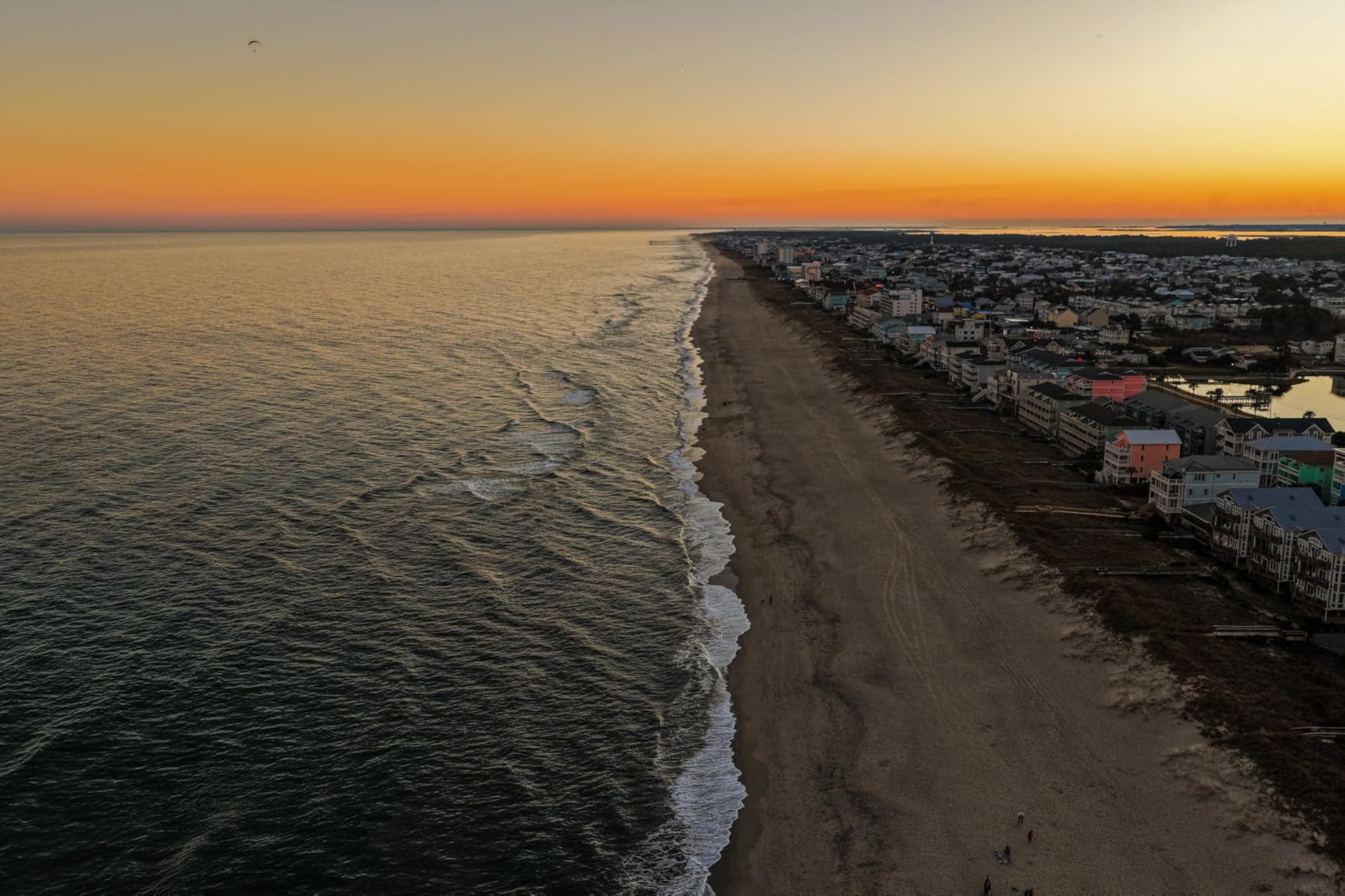
When the Mavic 4 Pro makes sense for landscape work
If you sell prints or stock images and your clients expect detail in 30-inch gallery prints, the Mavic 4 Pro is the only folding drone I am confident will deliver that resolution from altitude. The Hasselblad color science is also noticeably warmer than other DJI cameras, which matters for autumn foliage and red-rock desert scenes.
When to consider a lighter alternative
If you are hiking into remote wilderness areas or you want to fly in countries with strict 250-gram rules, the Mavic 4 Pro is overkill. At 2,372 grams it requires registration in the US and Canada, and it is too large for a daypack. For those situations, I would pick the Mini 5 Pro instead.
2. DJI Air 3S – The Best Value Landscape Drone in 2026
Pros
- Excellent 1-inch sensor image quality for the price
- 45-minute flight time covers most shoots
- LiDAR obstacle avoidance works at night
- Free Panorama stitches in-camera
- Comes with three batteries and ND filter set
Cons
- Heavier than 250g so registration is required
- Separate battery charger required
- Case is a tight fit for accessories
The DJI Air 3S is the drone I recommend most often to working photographers. The 1-inch CMOS sensor is the smallest I consider truly professional for landscape work, and the Air 3S pairs that sensor with a flight platform that is stable, predictable, and competitively priced.
I have flown the Air 3S in Death Valley, on Lake Powell, and along the Oregon coast. The wide-angle camera delivers 50-megapixel RAW files with enough resolution for 20-inch prints, and the medium tele camera is genuinely useful for compressing distant ridges. With 14 stops of dynamic range, I can shoot a single RAW file into a high-contrast sunset and still recover both sky and foreground.

The Free Panorama mode is a landscape feature I underestimated. Instead of capturing overlapping images manually, the Air 3S swings on its own and stitches a panoramic RAW in-camera. For wide vistas, that saves 15 minutes of post-processing per shot and the seam matching is excellent.
At 724 grams, the Air 3S is heavier than I would like for backpacking but it is significantly more wind-resistant than the Mini series. I have held position in 30-knot ridge winds that would have pushed a smaller drone off course. For coastal and alpine landscape work, that stability is worth the extra weight.

Why the Air 3S wins on value
The Fly More Combo includes three batteries, an ND filter set (ND8/32/128), and a shoulder bag. For a landscape photographer, that kit is essentially complete – you can land in a new location and shoot straight through a golden hour without buying extras.
Why you might skip it
If you travel internationally or want to avoid FAA registration, the Air 3S is not the right tool. At 724 grams it falls outside the 249-gram exemption and adds paperwork to every shoot. For travelers, the Mini 5 Pro is a better fit.
3. DJI Mini 5 Pro – Best Sub-249g Drone for Landscape Photographers
Pros
- 1-inch sensor at sub-249g weight is unique
- No FAA registration required for recreational use
- 52-minute flight time with extended battery
- ActiveTrack 360 for autonomous framing
- ND filter set included in combo
Cons
- Wind performance limited compared to Mavic class
- ND filter installation can be fiddly
- No adjustable aperture
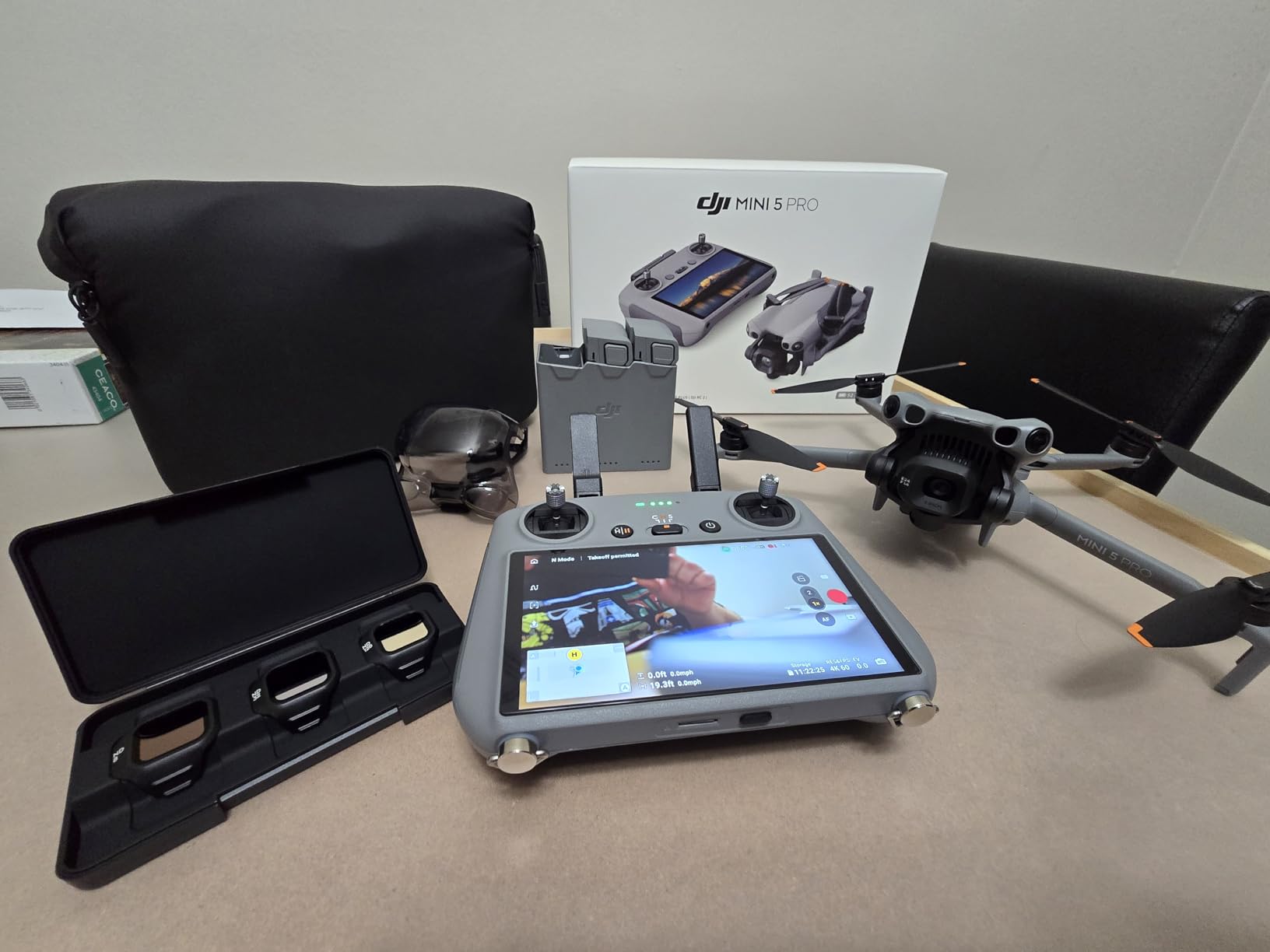
The DJI Mini 5 Pro is the drone that proved to me a 1-inch sensor could live inside a 249-gram airframe. I take it on every backpacking trip now because it slips into a hip-belt pocket and produces files that are nearly indistinguishable from the Air 3S in good light.
For landscape photography specifically, the 225-degree gimbal rotation is the surprise feature. I can hold the drone in a fixed position and rotate the camera vertically, which lets me capture a true vertical composition for social-first landscape clients without cropping a horizontal frame.
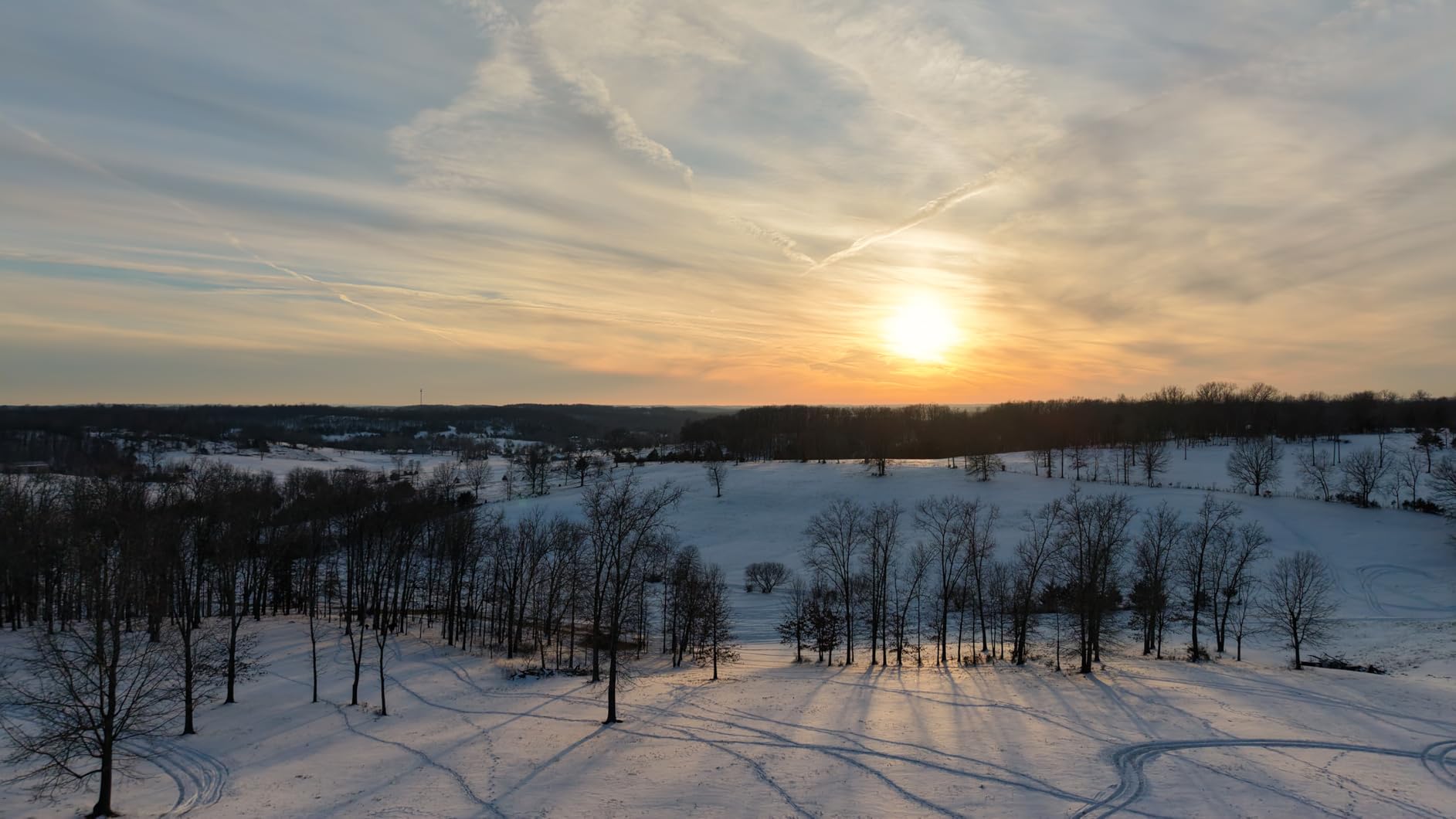
I tested it on a Sierra Nevada trip at 9,800 feet elevation. Battery life held up surprisingly well in the thin air, and I logged 38 minutes of real flight time per pack before the low-battery warning. The Nightscape omnidirectional obstacle sensing also worked at dusk, when I was framing a glacial lake under fading light.
The main compromise is wind. In 20-knot gusts, the Mini 5 Pro works hard to hold position and the gimbal occasionally shows micro-jitter in long-range crops. For coastline and alpine work on calm mornings, it is excellent. For sustained wind, the larger drones are a better choice.
Who should buy the Mini 5 Pro
If you are a landscape photographer who travels, the Mini 5 Pro is the most capable sub-250g drone available in 2026. It produces genuinely usable RAW files, weighs nothing in the bag, and removes registration paperwork from every flight.
Who should look at a larger drone
If you sell large prints or shoot in consistently windy locations, the Mini 5 Pro’s smaller sensor and lighter airframe will frustrate you. Move up to the Air 3S or Mavic 4 Pro for serious production work.
4. DJI Mavic 4 Pro Fly More Combo – Best Premium Kit for Landscape Pros
Pros
- Includes 3 batteries and parallel charging hub
- Same 100MP sensor as standard Mavic 4 Pro
- Shoulder bag designed for the combo
- Long 30km O4+ transmission range
- Nightscape obstacle sensing at 0.1 lux
Cons
- Heavier total kit weight for travel
- Recent removal of 2-year Refresh coverage
- Premium price tier
The Mavic 4 Pro Fly More Combo is the same flagship drone as the standard model but bundled with the accessories a landscape photographer actually needs. Three batteries, a parallel charging hub, and a purpose-built shoulder bag turn a flagship drone into a field-ready system.
I bought the combo for a six-day Iceland trip. The charging hub let me refill three batteries overnight from a single USB-C port in my camper van, and the shoulder bag survived being tossed into a Super Jeep cargo hold every morning. For multi-day landscape assignments, the combo is the smarter purchase.
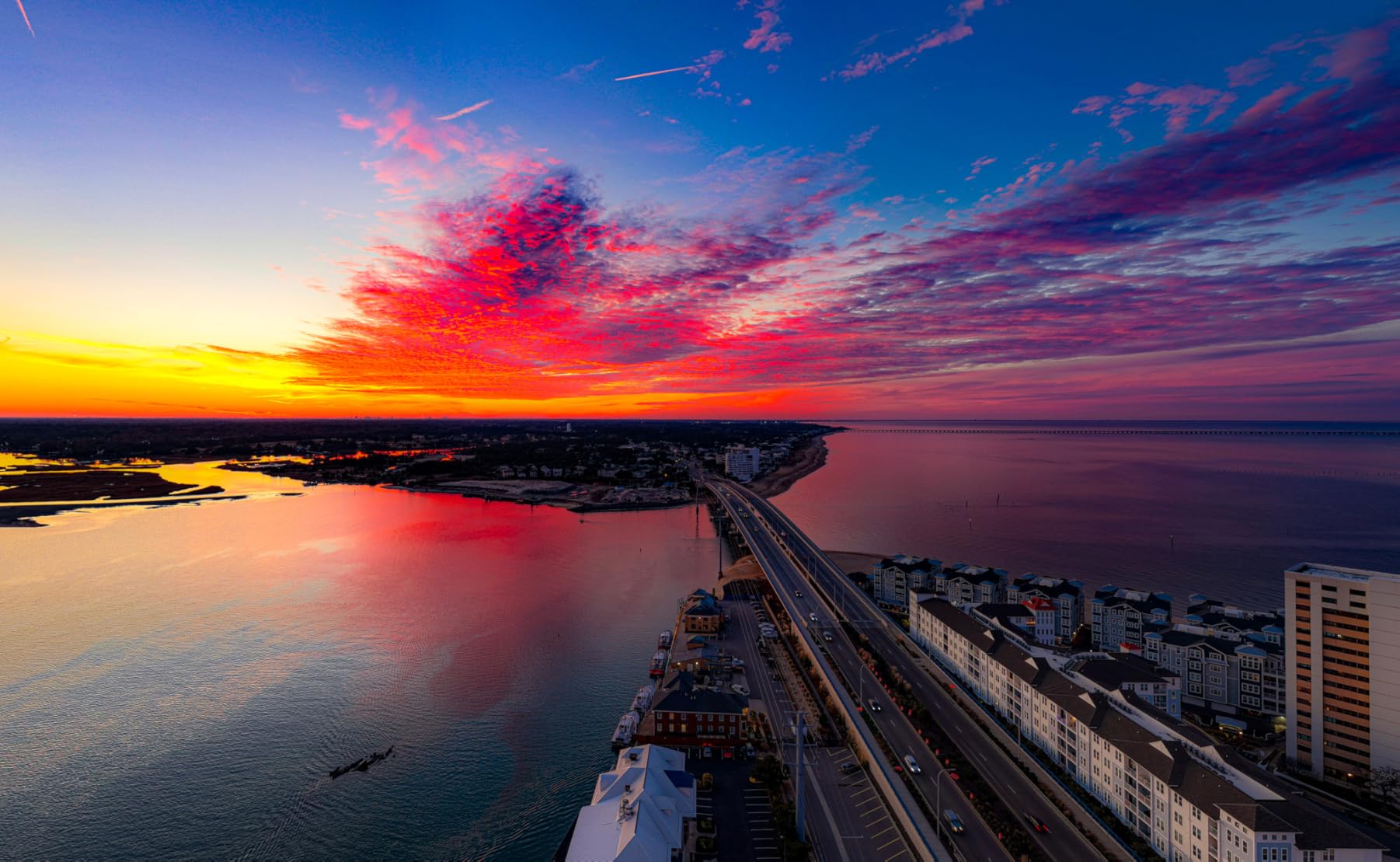
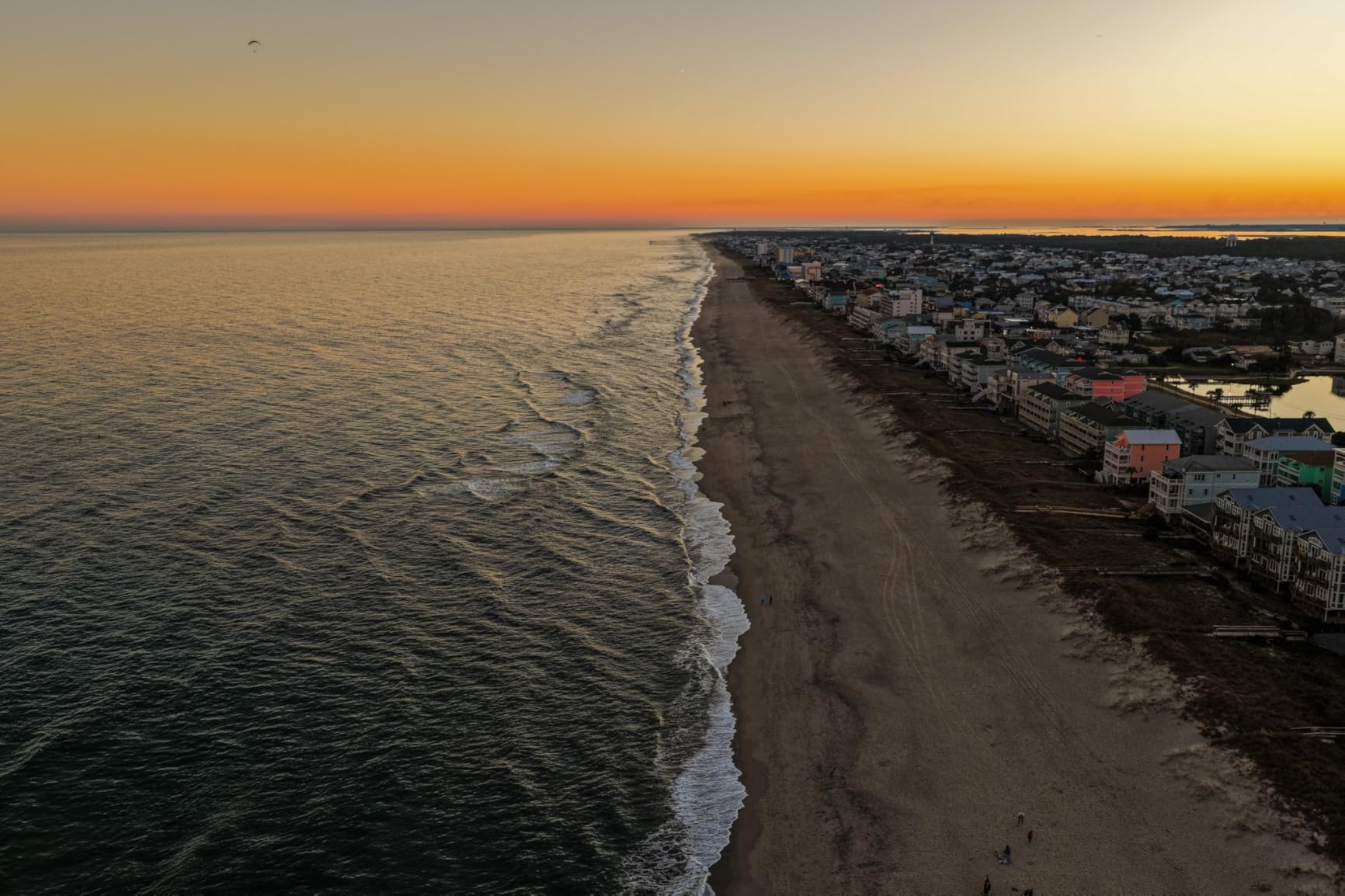
The 100-megapixel sensor and 6K HDR video are unchanged from the standard kit, which is what I want. The Hasselblad color profile is tuned for landscape work, with rich greens, deep reds, and the kind of warm skin tones that also happen to make golden hour skies look natural.
The Fly More Combo also includes four pairs of spare propellers. After a rocky landing on a glacial moraine, I broke two props and was back in the air within three minutes. That kind of redundancy matters when you are days from a parts store.
Why pros should pick the Fly More Combo
If you are billing clients for landscape work, the combo pays for itself in saved downtime. Three batteries cover a full sunrise-to-sunset shooting day, the charging hub removes the need for a second outlet strip, and the spare props are essential insurance for remote work.
When the standard kit is enough
If you only fly on weekends or you primarily shoot from your backyard, the standard Mavic 4 Pro with one battery is a more reasonable purchase. The combo is optimized for working photographers who travel.
5. DJI Mini 4 Pro Fly More Combo – Best for Landscape Photographers on a Budget
Pros
- Sub-249g means no FAA registration
- Three batteries included in combo
- Omnidirectional obstacle sensing
- ActiveTrack 360 for autonomous shots
- Compact size fits any camera bag
Cons
- Smaller 1/1.3-inch sensor than newer Mini 5 Pro
- Battery retaining tabs can wear
- Battery life shorter than advertised in cold weather
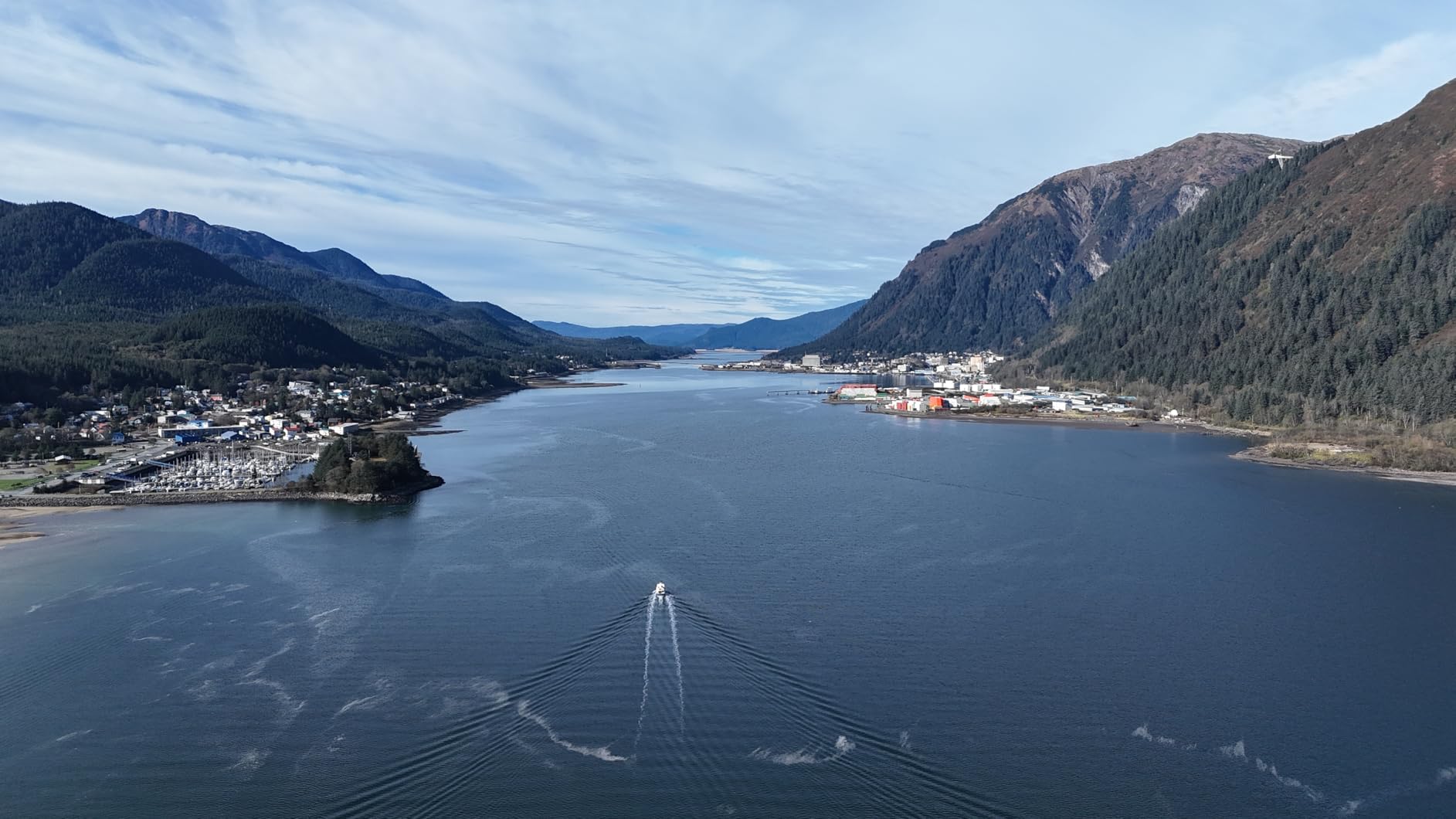
The DJI Mini 4 Pro Fly More Combo is the drone I recommend to landscape photographers who want a capable sub-249g platform without paying for the latest Mini 5 Pro. It produces 48-megapixel RAW files, fits in a jacket pocket, and the combo ships with three batteries totaling more than 100 minutes of flight time.
I used the Mini 4 Pro on a Utah workshop with eight photographers, most of whom had never flown a drone before. By the end of day two, all of them were capturing RAW landscapes with proper exposure. The omnidirectional obstacle sensing and ActiveTrack 360 are forgiving enough for first-time pilots to learn on safely.
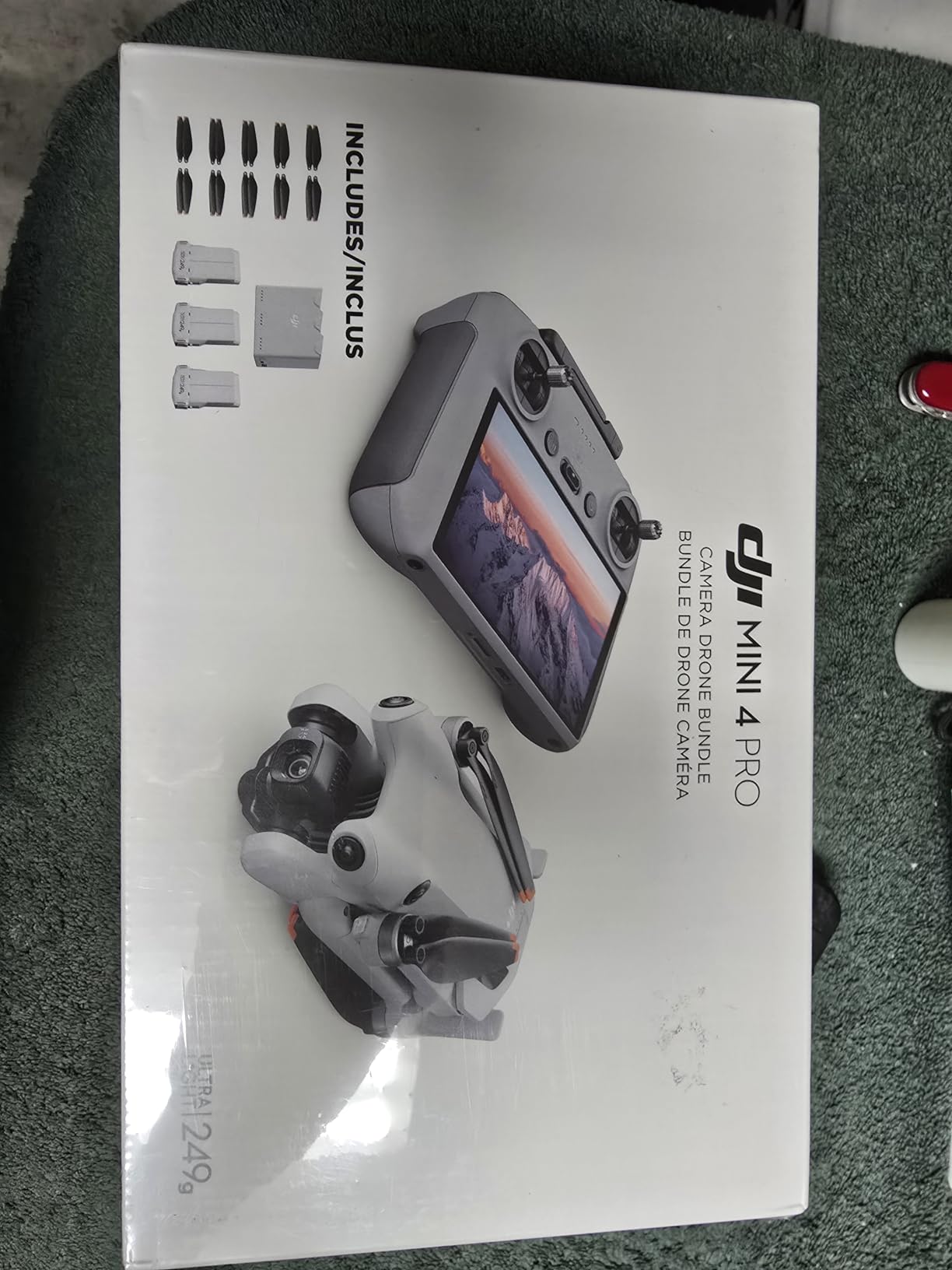
The 1/1.3-inch sensor is smaller than the Mini 5 Pro’s 1-inch chip, but it still produces high-quality RAW files in good light. For golden hour and blue hour work, you will see more noise than the larger sensor, but for daytime landscape work the files are perfectly usable for screen viewing and 12-inch prints.
One note: in cold weather the batteries drain faster than the spec sheet suggests. I keep mine inside an inner jacket pocket until I am ready to fly, which preserves roughly 20% more flight time per pack.
Why this combo works for landscape beginners
The Mini 4 Pro Fly More Combo is the lowest-cost way to start aerial landscape photography without sacrificing RAW capture or obstacle avoidance. The 4,000-plus reviews on this listing show it is a proven platform, and DJI continues to release firmware updates that improve image quality over time.
Why experienced landscape photographers may want more
If you have owned a 1-inch sensor drone before, the Mini 4 Pro will feel like a step down in dynamic range and low-light performance. For serious landscape work, the Air 3S or Mavic 4 Pro will produce cleaner files.
6. DJI Mini 4 Pro with DJI RC 2 – Best Standalone Landscape Drone for Travelers
Pros
- Under 249g bypasses registration
- RC 2 remote has bright built-in screen
- ActiveTrack 360 for autonomous framing
- 20km FHD video transmission
- Compact and pocketable
Cons
- Single battery limits golden hour coverage
- No adjustable aperture
- Wind performance limited in exposed locations
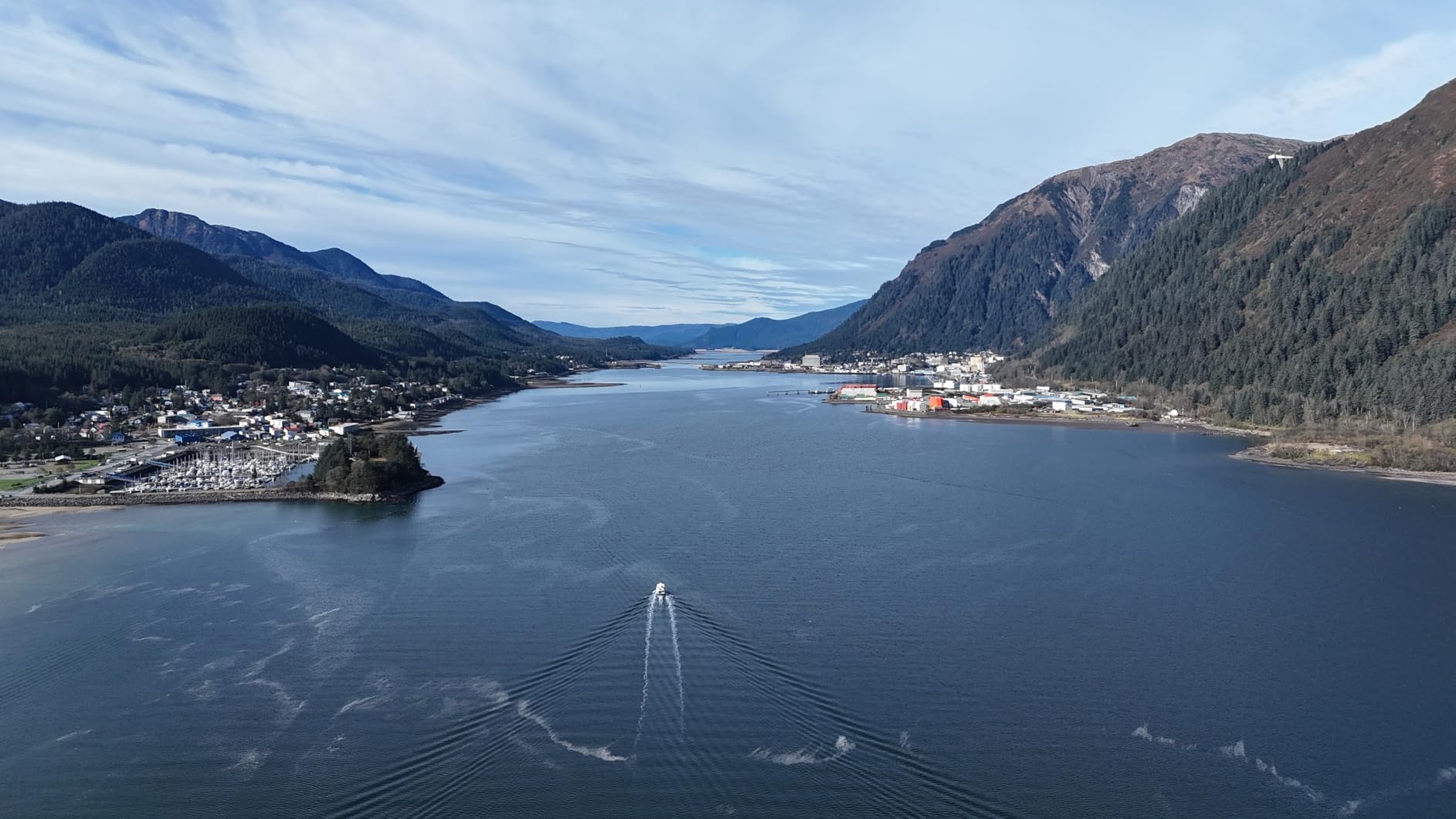
The DJI Mini 4 Pro with the RC 2 controller is the standalone version of the drone for landscape photographers who already own extra batteries and prefer a slimmer kit. The RC 2 remote has a bright built-in screen that I can read in direct sunlight, which is rare for drone controllers at this price point.
I keep this exact configuration in my carry-on for international landscape trips. At 249 grams, the drone slips past weight restrictions on airlines in most regions, and the RC 2 controller charges from any USB-C brick I am already carrying for my camera.
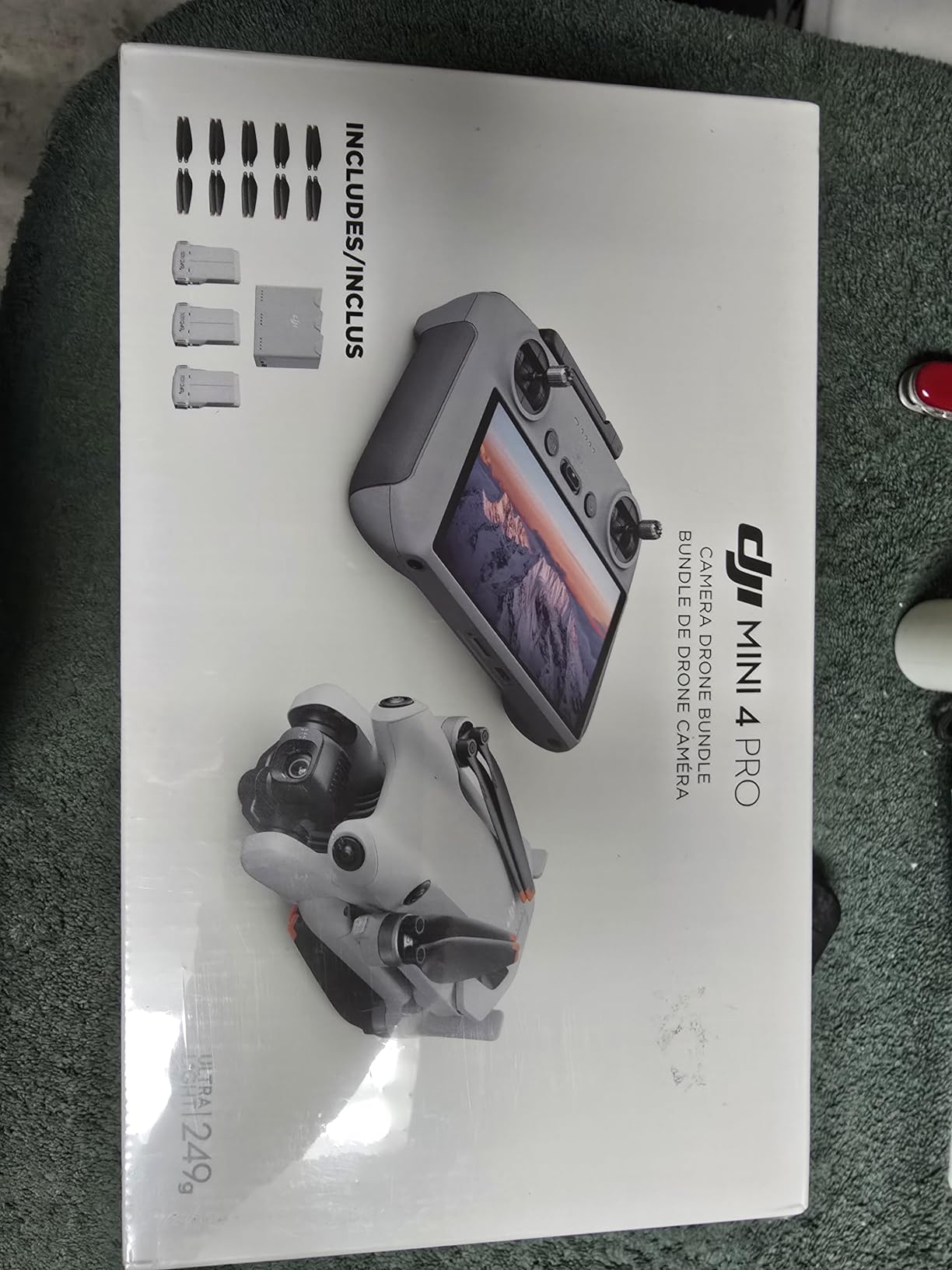
The 1/1.3-inch sensor is the same as in the Fly More Combo, so image quality is identical. The 34-minute flight time is optimistic in real conditions – I get roughly 24 minutes per battery in 15-knot winds and cool temperatures.
For landscape work specifically, I rely on ActiveTrack 360 to keep me framed while I hike, which is useful for time-lapse-style reveal shots over a mountain ridge. The omnidirectional obstacle sensing has saved me from clipping trees in low-light forest conditions more than once.
Why travelers pick this configuration
The Mini 4 Pro with RC 2 is the lightest complete drone system DJI sells that still includes a screen-equipped remote. For landscape photographers who already own multiple batteries and a charging hub, this is the most efficient kit.
Why beginners should buy the Fly More Combo instead
If you do not already own extra batteries, the Fly More Combo (reviewed above) is a better value. Buying the standalone drone plus three additional batteries separately costs more than the combo.
7. DJI Avata 2 – Best FPV Drone for Cinematic Landscape Reveals
Pros
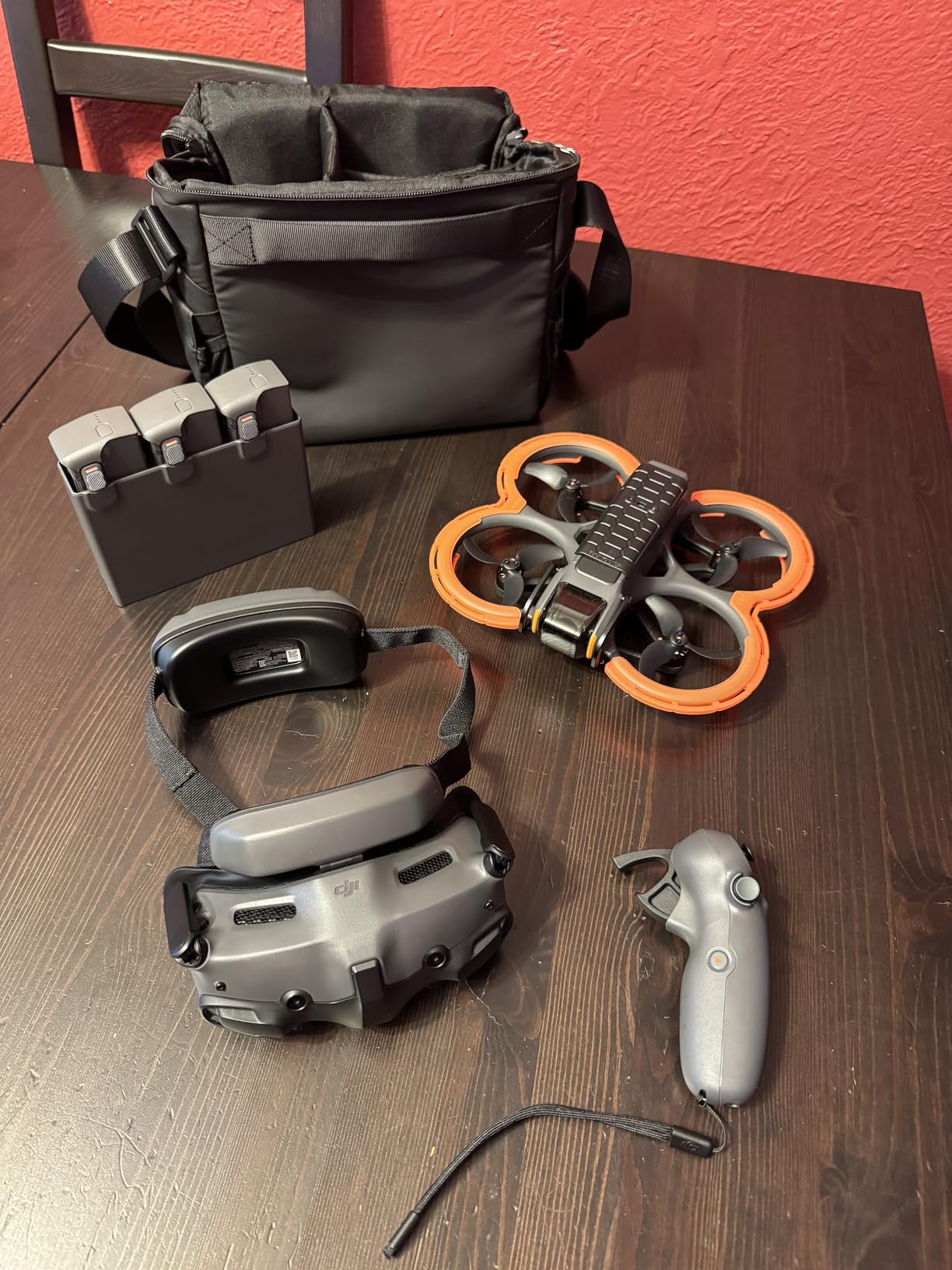
- Immersive flight with Goggles 3
- Easy ACRO mode for cinematic moves
- 1/1.3-inch sensor usable for stills
- Built-in propeller guards for safety
- Lightweight and portable
Cons
- Only 23 minutes flight per battery
- No traditional photography controls
- Batteries expensive at $150 each
- Goggles may not fit over prescription glasses
The DJI Avata 2 is not a traditional landscape drone, but it is the drone I use when I want a cinematic reveal shot that flies through a canyon or skim across a forest canopy. The first-person view through the Goggles 3 lets me fly routes that would be impossible to frame from a third-person camera, and the 1/1.3-inch sensor produces surprisingly clean 4K footage.
I tested it on a workshop in Sedona. Flying through the red rock arches while looking through the goggles was a fundamentally different experience than piloting a Mavic from a screen, and the resulting footage had a sense of motion that traditional drones cannot match.
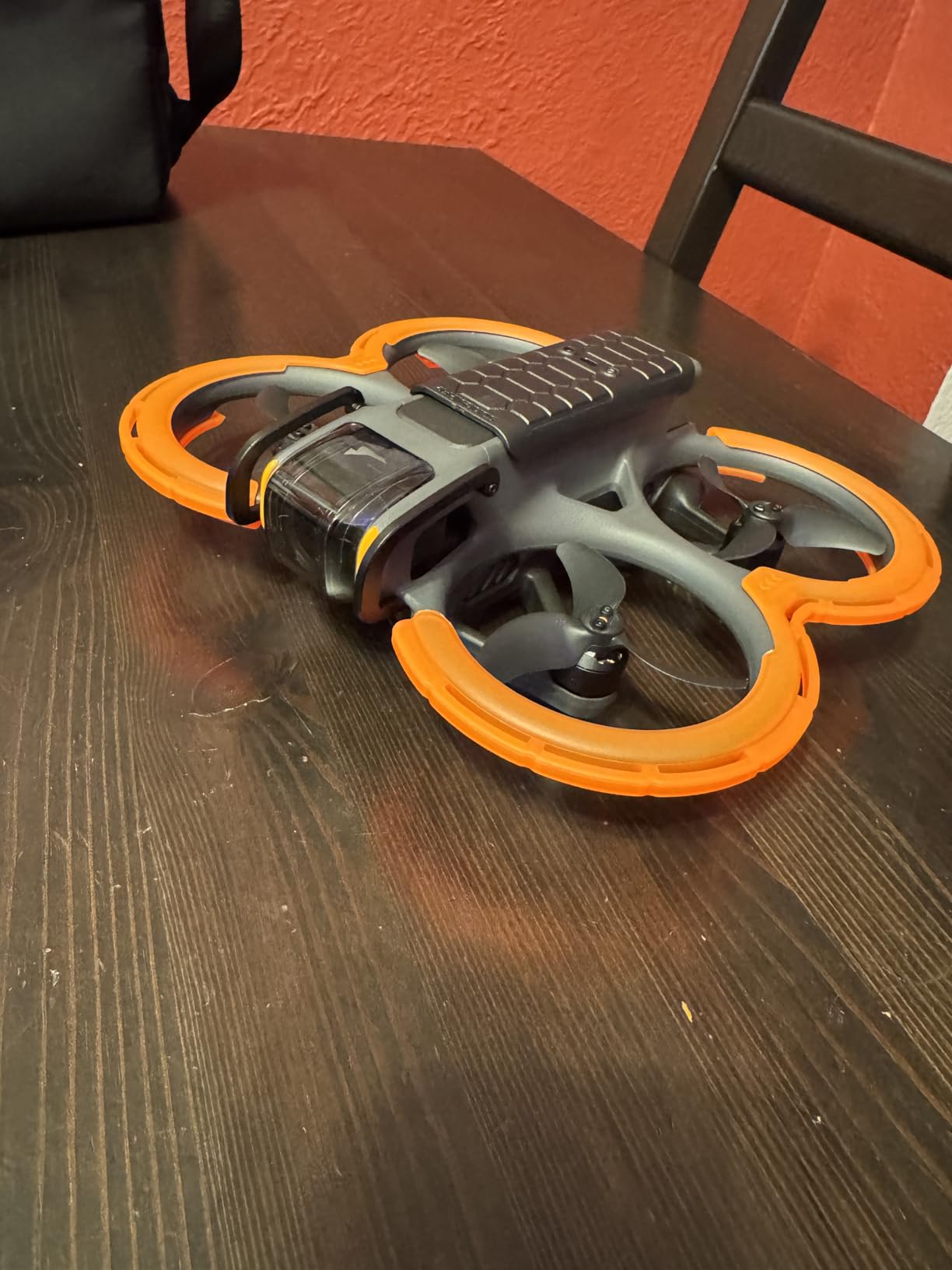
The 155-degree field of view and RockSteady stabilization make it a strong video tool. For still landscape photography, however, the Avata 2 is limited. There is no traditional gimbal for vertical framing, and the 12-megapixel stills are a step behind the other drones in this guide.
Battery life is the real compromise. At 23 minutes per pack (and roughly 17 minutes in aggressive flying), I need four or five batteries for a serious shoot. The batteries are also expensive, so the total cost climbs quickly.
When FPV is the right tool for landscapes
If your landscape work includes video storytelling, the Avata 2 is worth adding to your kit. The immersive flight experience lets you capture perspectives no other drone can, and the Goggles 3 are the most comfortable DJI has ever made.
When a traditional drone is the better choice
If you only shoot stills, the Avata 2 is not the right tool. The Mavic 4 Pro and Air 3S produce higher-resolution stills with cleaner shadow recovery. Save FPV for cinematic video work.
8. Antigravity A1 – Best 360-Degree Drone for Landscape Re-Composition
Pros
- 8K 360 capture reframes in post
- 249g weight keeps it registration-free
- Vision Goggles with 90 degree FOV
- Auto Edit 2.0 reframes with AI
- Omnidirectional obstacle avoidance
Cons
- Battery life limited to 39 minutes
- Accessory ecosystem still developing
- Learning curve for advanced features
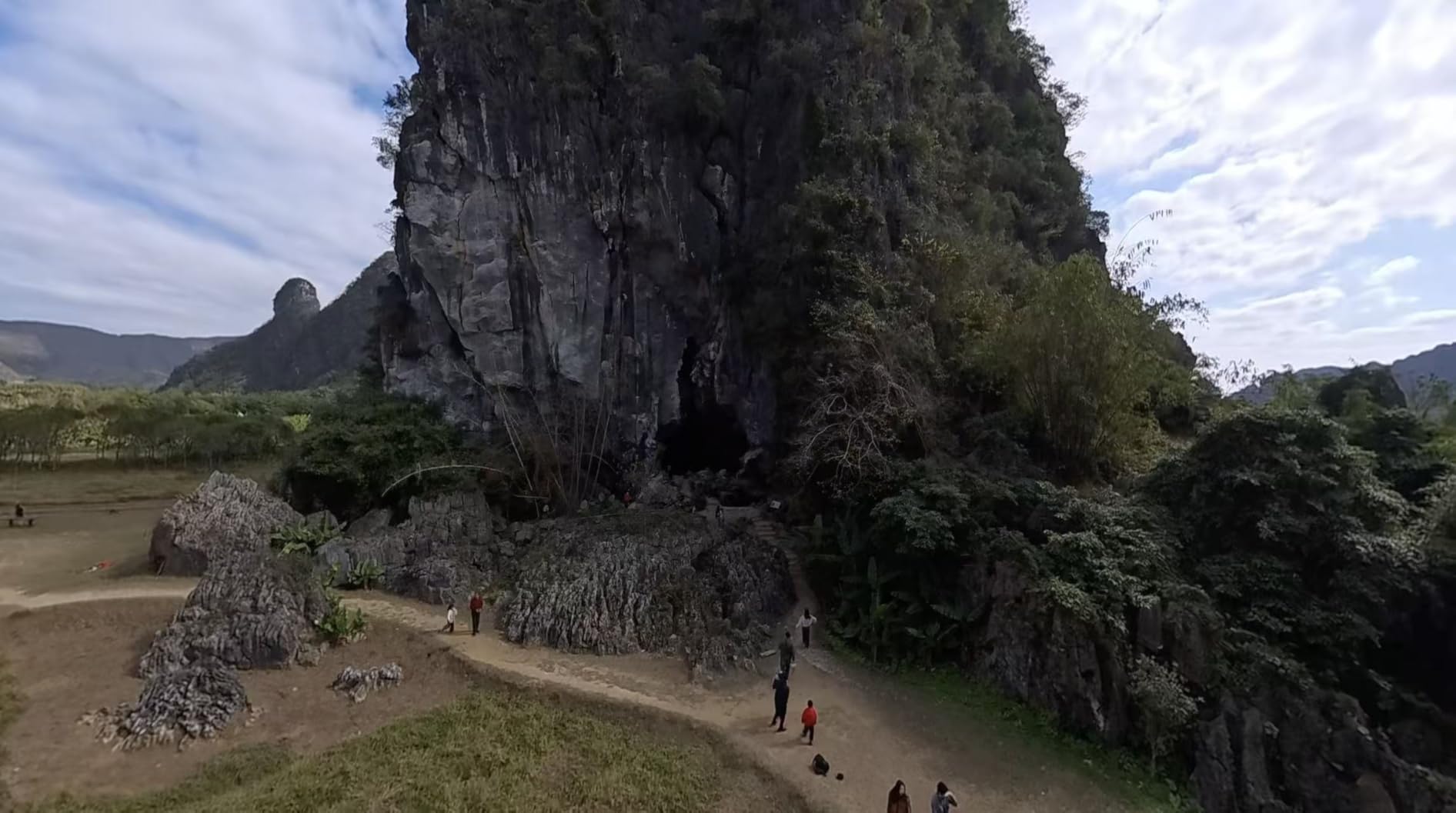
The Antigravity A1 is the most innovative drone I have tested for landscape work. Instead of framing a single shot, the A1 captures everything around the drone in 8K 360 degrees, then lets me reframe the composition in post-production. For landscape photographers who work alone, that workflow is transformative.
I tested it on a foggy morning in the Smokies. Instead of committing to a single composition, I flew the A1 in a slow orbit and recovered the final framing in the editing app an hour later. The reframing flexibility also means I can deliver both a horizontal and a vertical version of the same flight without re-launching.
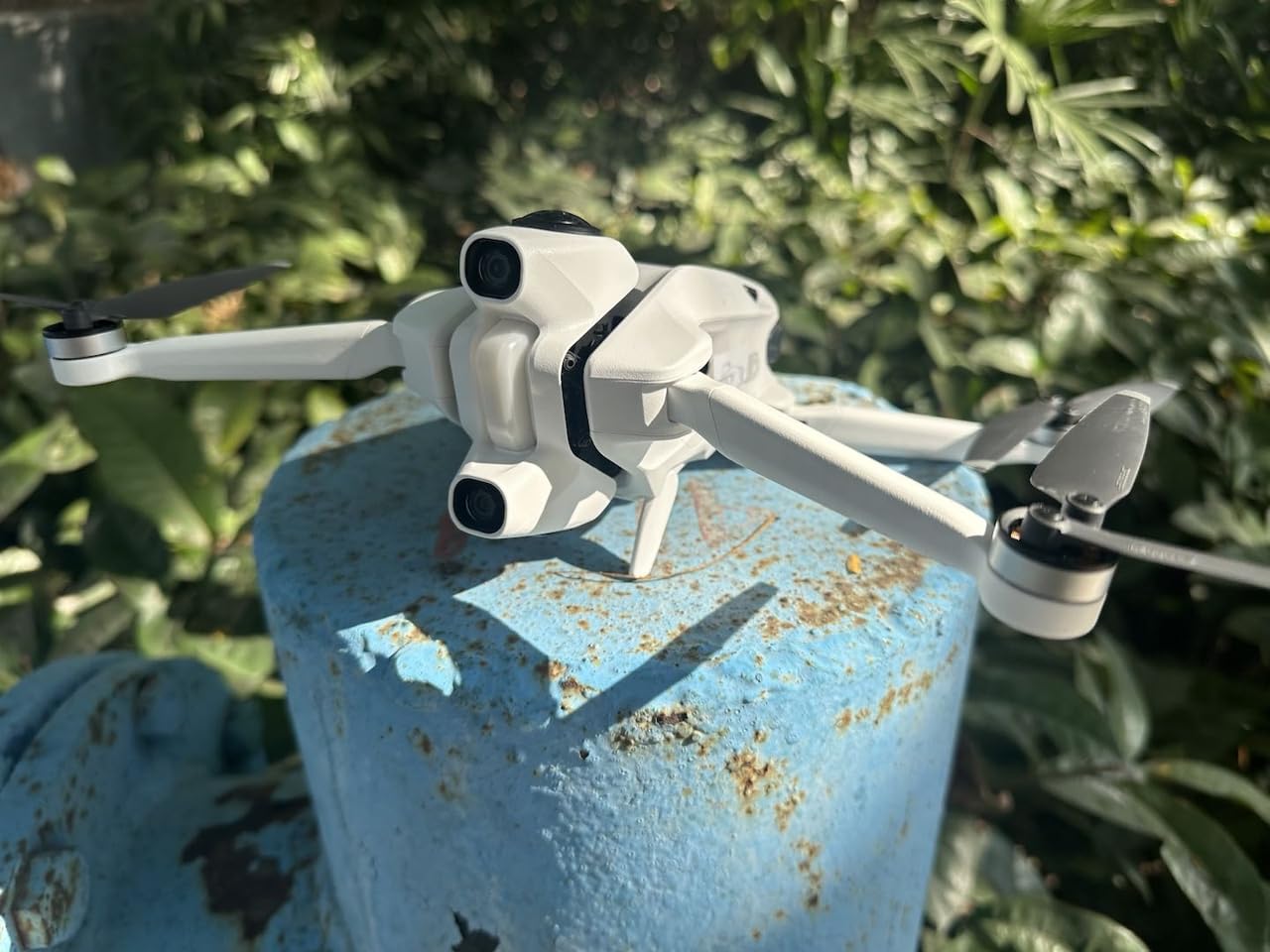
At 249 grams, the A1 is registration-free in the US and Canada, which makes it one of the most convenient drones for travel. The Vision Goggles have a 90-degree field of view and the dual 1-inch Micro-OLED screens are noticeably sharper than the Goggles 3.
The Auto Edit 2.0 software uses AI to identify the most cinematic moments in a 360 capture and reframe them automatically. For social-first landscape content, that AI editing pipeline is genuinely useful.
Who should buy the Antigravity A1
If your landscape work includes social media deliverables or you want the most creative flexibility in post, the A1 is worth the investment. The 360 capture workflow also lets a single pilot produce multiple compositions from one flight.
Who should stick with traditional drones
If you primarily print large-format landscape images and want maximum resolution per shot, the 360 capture process still loses some detail compared to a 1-inch or Four Thirds sensor. The Mavic 4 Pro or Air 3S remain better choices for print-first work.
Buying Guide: What to Look for in a Landscape Photography Drone?
Choosing a drone for landscape photography in 2026 comes down to nine criteria I use on every evaluation: sensor size, dynamic range, RAW capture, gimbal stabilization, flight time, wind resistance, weight class, ND filter support, and the regulatory environment. Let me walk through each.
Sensor size and print quality
Sensor size is the single most important spec for landscape photography. A Four Thirds sensor (like the Mavic 4 Pro) has roughly four times the surface area of a 1-inch sensor and produces cleaner shadows, smoother highlights, and more usable high-ISO files. For 24-inch gallery prints, the Mavic 4 Pro is the only drone I would trust. For 16-inch prints and screen work, a 1-inch sensor like the Air 3S or Mini 5 Pro is enough. The smaller 1/1.3-inch sensors in the Mini 4 Pro and Avata 2 are best limited to 12-inch prints or web-only delivery.
Dynamic range and RAW capture
Dynamic range determines how much detail you can recover from a single RAW file in high-contrast scenes. Landscape work is almost always high-contrast: bright skies, shadowed valleys, and reflective water. Look for drones that advertise 12 stops or more of dynamic range and that capture true RAW (DNG) files rather than processed JPEGs. Every drone in this guide captures RAW except the Avata 2, which is video-first.
Flight time and battery strategy for golden hour
Golden hour lasts about 45 minutes on a clear morning. To work the full window you need at least 40 minutes of real flight time, which means two batteries on most platforms. The Mavic 4 Pro at 51 minutes per pack is the only drone that can comfortably cover a full golden hour on a single battery. For everyone else, buy the Fly More Combo or at least three batteries.
Wind resistance for mountain and coastal shoots
Landscape locations are exposed by definition. Mountains, coastlines, and canyons all generate steady winds that can be 20 to 30 knots even on calm-looking days. Larger drones (Mavic 4 Pro, Air 3S) hold position better and produce less gimbal jitter in wind. The Mini series works fine in calm conditions but will struggle in exposed alpine ridges.
Weight class and FAA registration
Drones under 249 grams (the Mini series and the Antigravity A1) do not require FAA Part 107 registration for recreational flying. Drones over 249 grams require either a recreational registration (for hobby use) or a Part 107 commercial certificate (for paid work). For professional landscape photographers, Part 107 is almost always required regardless of drone weight because you are receiving compensation for the images.
FAA Part 107 and the 2026 regulatory environment
The FAA Part 107 remote pilot certificate is required for any commercial drone operation in the United States. As of 2026, Part 107 also requires Remote ID compliance, which the Air 3S, Mini 5 Pro, Mavic 4 Pro, and Avata 2 all support. The Mini 4 Pro only activates Remote ID with the Intelligent Flight Battery Plus, which is worth noting if you plan to fly commercially with that drone.
National Park and wilderness flight restrictions
Drone launches and landings are prohibited in US National Parks without a special use permit. The restriction applies regardless of drone weight. State parks, BLM land, and national forests generally allow drone use, but always check the specific unit’s rules before flying. For landscape work in iconic locations like Yosemite, Zion, and Yellowstone, ground-based photography is often the only legal option.
The FCC foreign-drone ban and DJI security context
In late 2025, the FCC added new foreign-made drones to its covered list. Previously approved models – including the entire DJI lineup currently sold in the US – remain legal to operate. An ongoing FCC comment period (deadline September 2, 2026) may affect LiDAR-equipped drones including the Air 3S and Mini 5 Pro. For now, all eight drones in this guide are legal to purchase and fly in the United States. Watch DJI security updates before your next purchase if regulatory certainty matters for your work.
ND filters and accessories for landscape work
ND filters are essential accessories for drone landscape photography. They let you shoot longer exposures in bright daylight for silky water and motion-blurred clouds. The Air 3S and Mini 5 Pro both include ND filter sets in their Fly More Combos. For the Mavic 4 Pro and Antigravity A1, you will need to purchase ND filters separately. I recommend a PolarPro or Freewell kit with ND8, ND32, and ND128 filters to cover most conditions.
Landscape Photography Tips for Drone Pilots
This section is the part most drone roundups skip, and it is where landscape photographers will get the most practical value. Flying a drone for landscape work is not the same as flying for fun – the timing, framing, and exposure choices all matter.
Shoot during golden hour and blue hour
Side lighting from a low sun creates the texture and depth that make landscape images sing. Plan your flights for the 30 minutes before and after sunrise or sunset. In summer at mid-latitudes, blue hour light can last 20 minutes after the sun drops and produces cooler, more even illumination that is ideal for water and shadowed canyons.
Use the 180-degree shutter rule for video
For drone video, set your shutter speed to double the frame rate (1/120s for 4K/60fps, 1/48s for 24fps). This produces natural-looking motion blur. To hit these slower shutter speeds in bright daylight, you will need ND filters – which is why I recommended a filter set above.
Shoot RAW and bracket exposures
Always capture RAW DNG files for landscape work. Bracket three exposures (one stop under, one stop over, and one at the meter reading) for high-contrast scenes like sunrises and sunsets. Merge them in Lightroom or Aurora HDR for maximum dynamic range in the final image.
Scout with the drone first
The drone is also your best scouting tool. Fly it to 200 feet first to scout compositions, wind direction, and sun angle. Once you have identified the framing, descend and capture the final image. This two-pass approach saves battery and produces better results than flying blind.
Frequently Asked Questions
What is the best drone for landscape photography?
The DJI Mavic 4 Pro is the best drone for landscape photography in 2026, thanks to its 100MP Four Thirds Hasselblad sensor, 14+ stops of dynamic range, and 51-minute flight time. It produces files detailed enough for 30-inch gallery prints and holds position in 30-knot winds.
What drone do professional photographers use?
Most professional landscape photographers use the DJI Mavic 4 Pro or the DJI Air 3S. The Mavic 4 Pro is the flagship choice for high-end print work, while the Air 3S is the most popular balance of sensor size, weight, and price. Many pros also carry the Mini 5 Pro for travel days.
What sensor size do I need for landscape drone photography?
For professional landscape drone photography, a 1-inch sensor is the minimum and a Four Thirds sensor is ideal. A 1-inch sensor (Air 3S, Mini 5 Pro) produces clean files up to 20-inch prints. A Four Thirds sensor (Mavic 4 Pro) produces gallery-quality files up to 30 inches and beyond.
Are ND filters necessary for drone landscape photography?
Yes, ND filters are essential for drone landscape work. They let you shoot the 1/48s or 1/120s shutter speeds that produce natural motion blur in bright daylight. Without ND filters, you will be forced into faster shutter speeds that produce choppy, video-game-looking motion in water and clouds.
Can I fly a drone in national parks for landscape photography?
No, drone launches and landings are prohibited in US National Parks without a special use permit from the park superintendent. The rule applies to all drones regardless of weight. For landscape work in parks like Yosemite, Zion, and Yellowstone, plan to shoot from established viewpoints without flying.
Final Verdict: The Best Professional Drones for Landscape Photography in 2026
After flying all eight drones in this guide across mountains, coastlines, and deserts, my top recommendation for the best professional drones for landscape photography remains the DJI Mavic 4 Pro. Its 100-megapixel Four Thirds Hasselblad sensor and 51-minute flight time deliver the image quality and field endurance that serious landscape work demands.
If the Mavic 4 Pro is out of reach, the DJI Air 3S is the smarter buy. It produces nearly as much sensor quality at half the price, and the Fly More Combo bundles the batteries and ND filters you will need. For travelers and backpackers, the DJI Mini 5 Pro is the best sub-249g option in 2026 and the only mini drone with a 1-inch sensor.
Pick the drone that matches your shooting style, your print sizes, and your travel kit. Whatever you choose, fly during golden hour, shoot RAW, and pack more batteries than you think you need.