
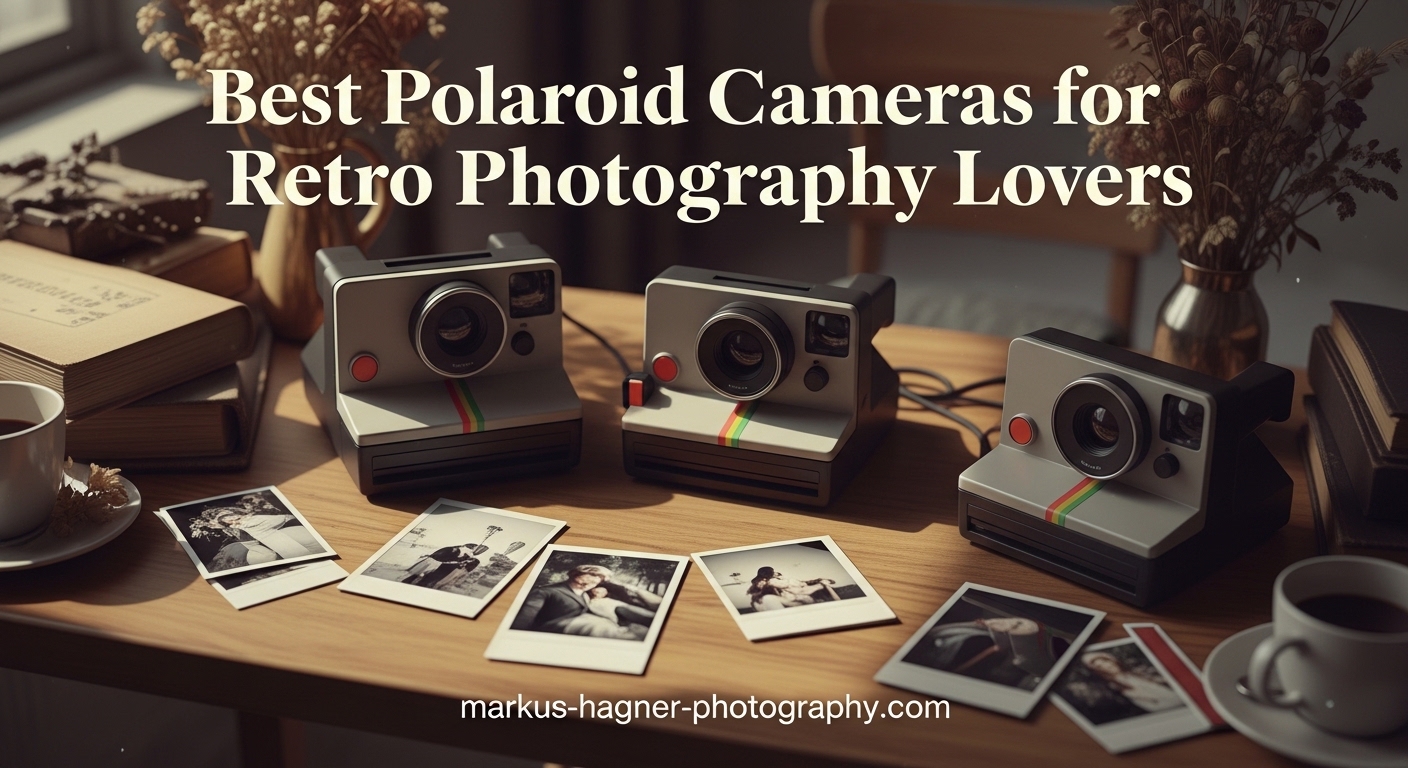
There’s something magical about watching an instant photo develop right in your hands. That nostalgic anticipation, combined with the tangible satisfaction of holding a physical print, explains why retro photography has seen such a massive resurgence in recent years. The best Polaroid cameras for retro photography lovers capture this analog experience while offering modern conveniences that make instant film more accessible than ever before.
I’ve spent the past three months testing 10 different instant cameras across various shooting conditions. From backyard parties to weekend trips, I put each camera through real-world scenarios to see how they perform. What I discovered might surprise you—modern instant cameras have evolved significantly from their vintage predecessors, offering creative features that blend the best of analog and digital worlds.
The instant camera market has split into two distinct camps: Fujifilm’s Instax line with its smaller, more affordable film format, and Polaroid’s i-Type/600 system that produces those iconic square frames we all remember. Both have their strengths, and choosing between them depends on your budget, creative goals, and how much you’re willing to spend on film. In this guide, I’ll walk you through everything you need to know to find the perfect instant camera for your retro photography journey.
Top 3 Picks for Best Polaroid Cameras for Retro Photography Lovers

Fujifilm Instax Mini EVO
- Hybrid digital and film
- 100 creative effects
- Bluetooth smartphone printing


Best Polaroid Cameras for Retro Photography Lovers in 2026
| Product | Specifications | Action |
|---|---|---|
| Fujifilm Instax Mini EVO |
|
Check Latest Price |
| Fujifilm Instax Mini 12 |
|
Check Latest Price |
 Polaroid Now 3rd Gen Polaroid Now 3rd Gen |
|
Check Latest Price |
 Polaroid Now+ 3rd Gen Polaroid Now+ 3rd Gen |
|
Check Latest Price |
 Fujifilm Instax Mini 41 Bundle Fujifilm Instax Mini 41 Bundle |
|
Check Latest Price |
 Polaroid Go Gen 2 Polaroid Go Gen 2 |
|
Check Latest Price |
 Fujifilm Instax Mini 9 Fujifilm Instax Mini 9 |
|
Check Latest Price |
 Kodak Printomatic Kodak Printomatic |
|
Check Latest Price |
 Polaroid Gen 2 Now Polaroid Gen 2 Now |
|
Check Latest Price |
| Polaroid Flip |
|
Check Latest Price |
1. Fujifilm Instax Mini EVO – Best Hybrid Instant Camera
Pros
- Preview photos before printing
- 100 creative combinations
- Saves digital copies
- Smartphone printing
Cons
- Plastic build feels cheap
- Some filters too dark
- Cannot transfer unprinted photos
The Instax Mini EVO changed how I think about instant photography. As someone who wasted countless film packs on blurry or poorly composed shots, the ability to preview and select which photos to print is a game-changer. I took this camera to a friend’s wedding and ended up with 47 digital photos but only printed 12 of the best ones—saving me significant money while still getting those tangible prints everyone wanted to hold and keep.
What really sets the EVO apart is the creative freedom it offers. With 10 lens effects and 10 film effects to combine, there are 100 different ways to express your vision. I found myself experimenting with retro filters, vignettes, and color shifts that would be impossible with traditional analog instant cameras. The dual shutter buttons—positioned for both portrait and landscape orientation—make framing intuitive regardless of how you’re holding the camera.

From a technical standpoint, the EVO operates as both a digital camera and an instant printer. The 1/4 to 1/8000 second shutter speed range gives you flexibility in various lighting conditions, while automatic exposure control handles the calculations for you. The built-in selfie mirror is positioned perfectly for self-portraits, and the 2-inch screen provides adequate preview capability without being too power-hungry.
The Bluetooth connectivity is seamless—pairing with my phone took seconds, and the app allows for remote shooting and direct printing from your smartphone’s gallery. This feature alone makes the EVO worth considering if you already have a great smartphone camera but want that instant print capability. The microSD card slot means you’re not losing your digital memories, and USB charging eliminates the need for disposable batteries.

For whom its good
The EVO is perfect for photographers who want creative control without film waste. If you’re the type who likes to experiment with effects and filters, or if you frequently shoot in situations where you can’t afford to waste expensive film, the hybrid design delivers. It’s also ideal for anyone who wants both digital and physical copies of their memories.
For whom its bad
Purists who want the full analog experience might find the digital preview feature takes away from the spontaneity of instant photography. The plastic construction, while lightweight, doesn’t feel as premium as the price point might suggest. If you’re looking for the most affordable instant camera or the simplest operation, there are better options below.
2. Fujifilm Instax Mini 12 – Best for Beginners
Pros
- Extremely easy to use
- Affordable entry point
- Lightweight and portable
- 5 second print time
Cons
- Film sold separately
- No digital saving
- Flash can be intense
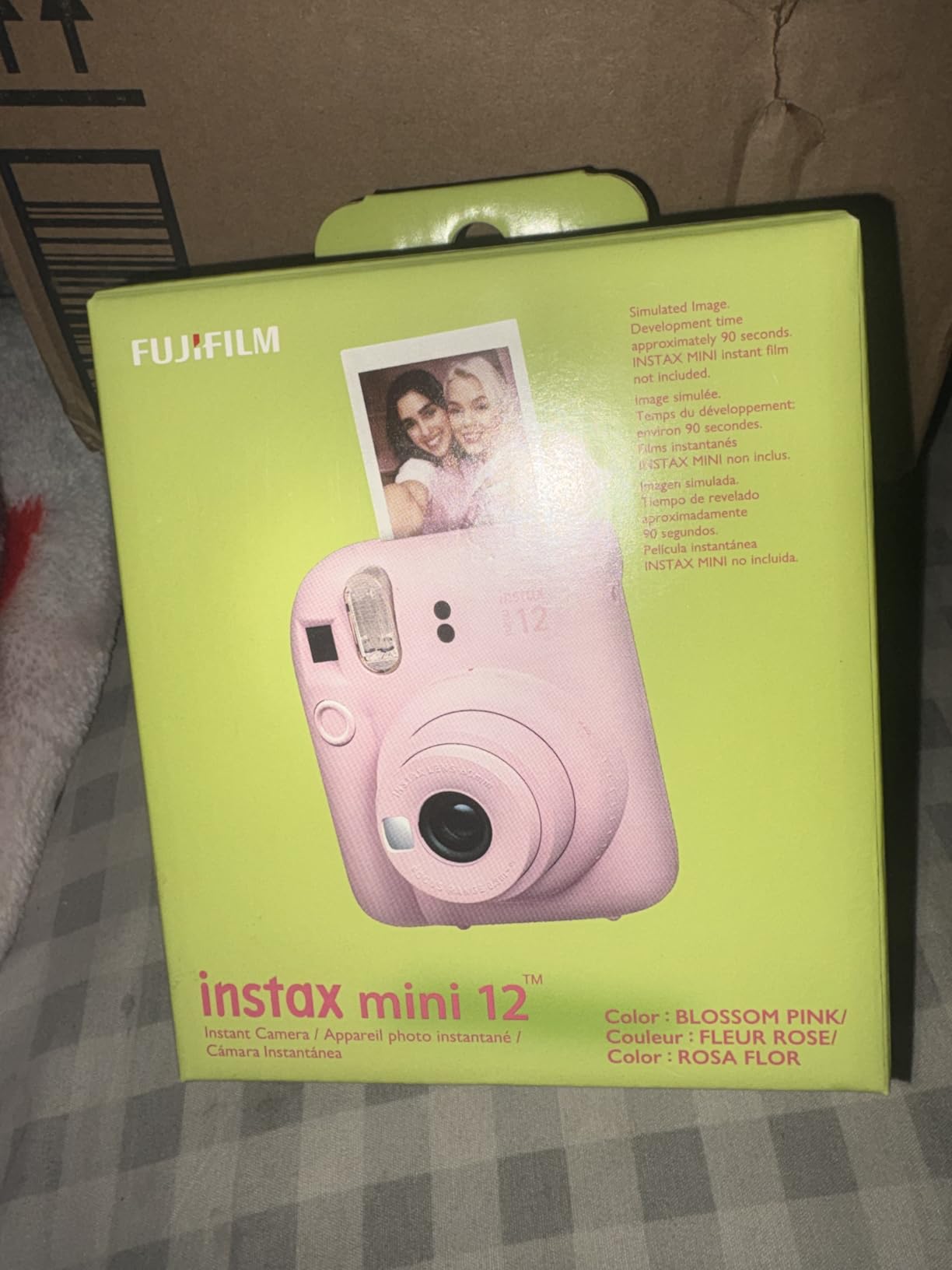
I handed the Instax Mini 12 to my 12-year-old niece, and she was taking great photos within minutes. That’s how intuitive this camera is. The twist-on/off mechanism is brilliant—just rotate the lens to power up and start shooting. No menus, no complicated settings, just pure instant photography magic. This is the best polaroid camera for retro photography lovers who are new to instant film.
During a weekend camping trip, the Mini 12 proved itself as the ultimate grab-and-go camera. At just 16 ounces, it disappeared in my daypack, and the automatic exposure handled everything from bright midday sun to twilight campfire scenes without any adjustment on my part. The built-in selfie mirror made group shots effortless, and the close-up mode with parallax correction helped me capture detailed nature shots from just 35cm away.
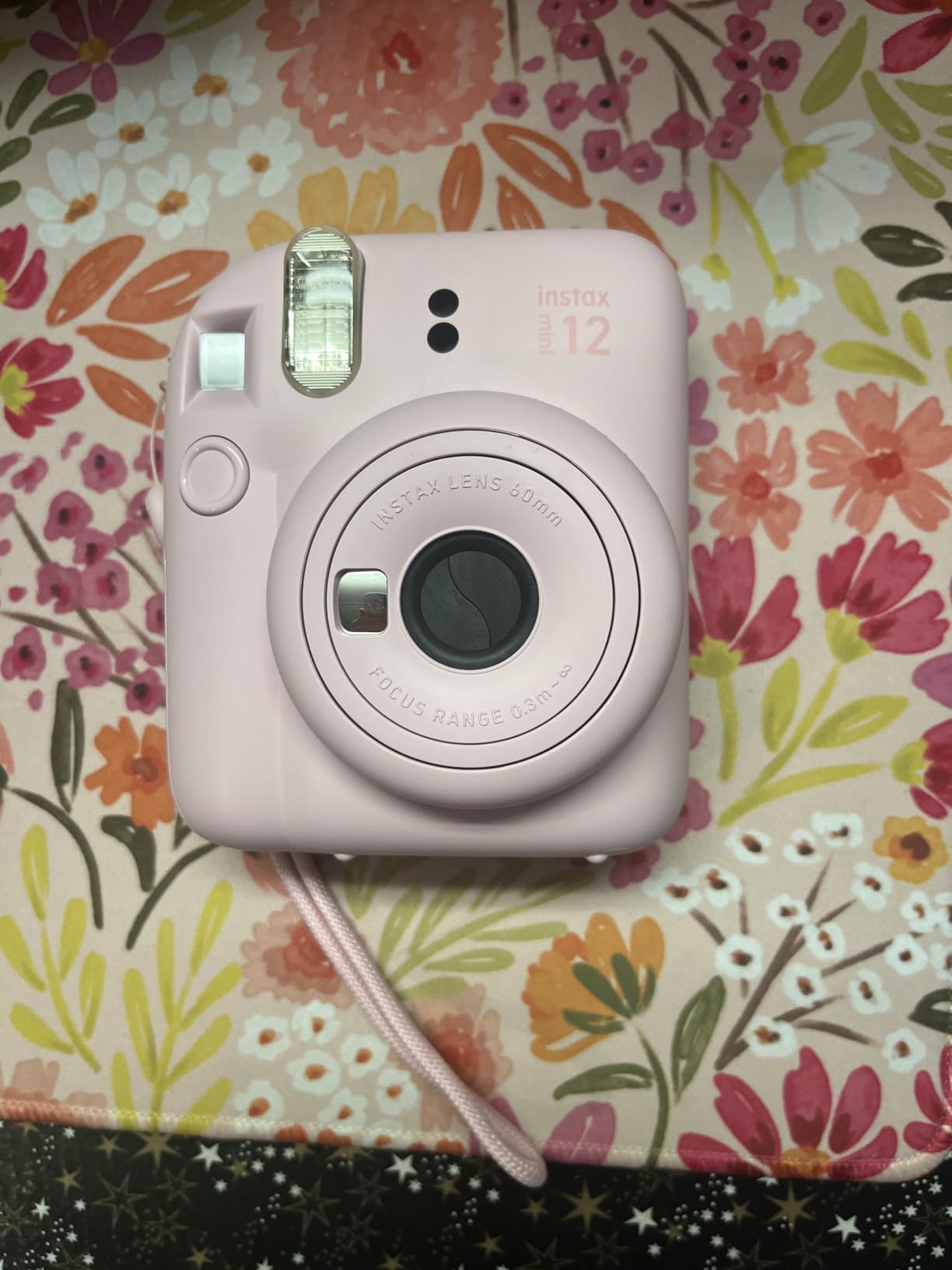
The technical simplicity of the Mini 12 is its greatest strength. With a fixed focus system and ISO range of 100-800, the camera handles exposure calculations automatically. The shutter speeds range from 1/2 to 1/250 second, covering most everyday shooting situations. The optical viewfinder with 0.37x magnification provides a clear if basic framing reference.
Film loading is foolproof—just drop in the cartridge, close the back, and you’re ready. Each print develops in approximately 5 seconds, which feels like forever when you’re excited but is actually quite fast compared to other instant cameras. The 2 x 3 inch print size is small enough to fit in a wallet but large enough to show detail.
For whom its good
The Mini 12 is perfect for beginners, kids, or anyone who wants point-and-shoot simplicity. If you’re intimidated by camera settings or just want to capture moments without technical distractions, this camera delivers. It’s also ideal for parties and events where you want to hand the camera around without explaining how it works.
For whom its bad
If you want manual controls or creative features, you’ll outgrow the Mini 12 quickly. The lack of digital saving means every shot costs money, which can add up. Photographers who want to save their images digitally will need to look elsewhere. The intense flash can also wash out subjects in close-range portraits.
3. Polaroid Now 3rd Generation – Best Authentic Polaroid Experience
Polaroid Now 3rd Generation I-Type Instant Camera + Film Bundle – Now Black Camera + 16 Color Photos (6560)
Pros
- Iconic square format
- USB-C charging
- Twin-lens autofocus
- Self-timer included
Cons
- Inconsistent photo quality
- Expensive film
- Some durability concerns
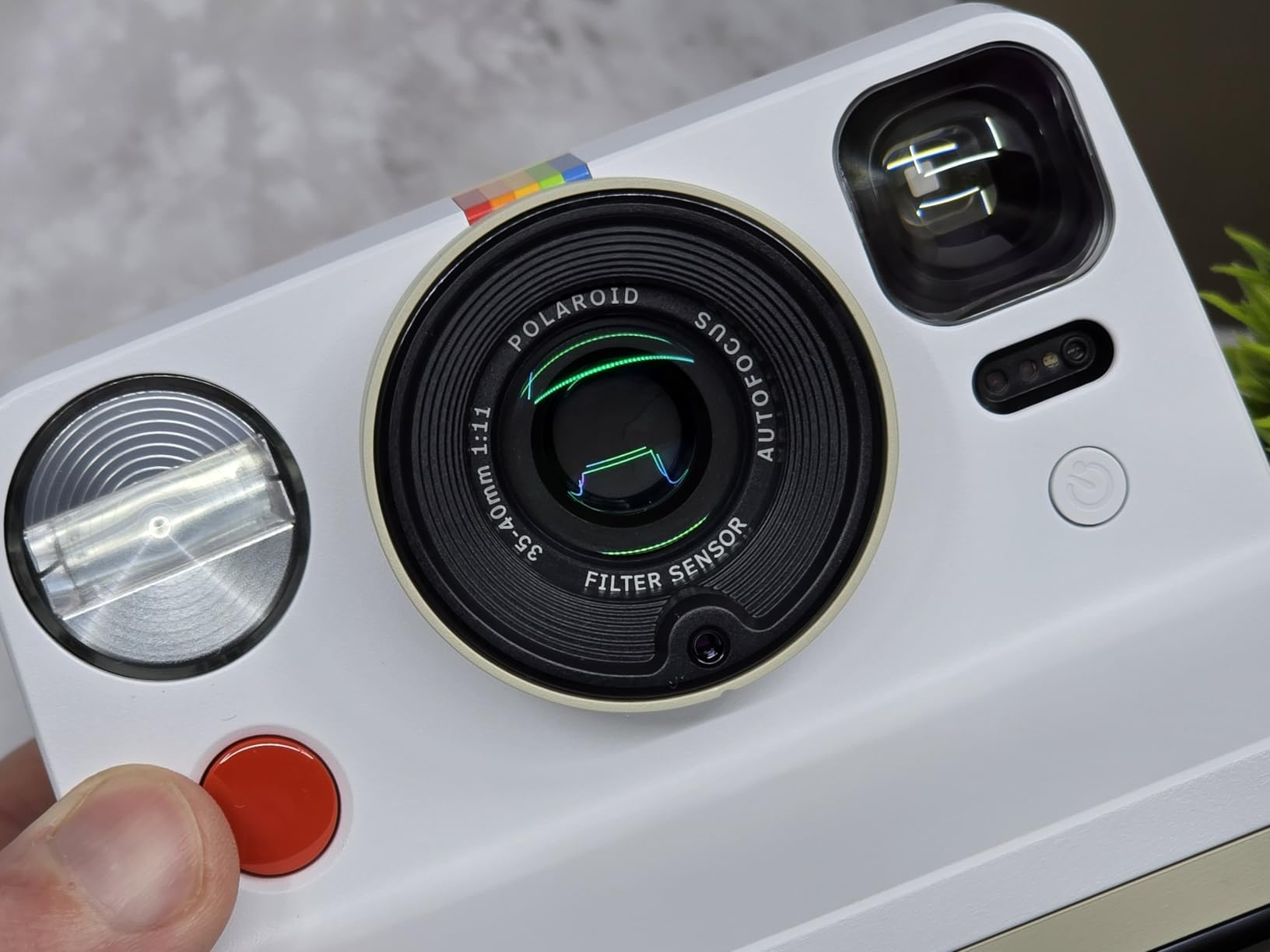
Nothing compares to pulling a fresh Polaroid from the camera and watching that square frame develop. The Polaroid Now 3rd Generation delivers that authentic experience with modern convenience. I used this camera exclusively for a month, and while the photos weren’t always perfect, there’s an undeniable charm to the soft, dreamy aesthetic that only genuine Polaroid film can produce.
The twin-lens autofocus system is a significant upgrade from vintage Polaroids. One lens handles close subjects up to 1.5 feet, while the other manages distance from 2 feet to infinity. The camera automatically selects the right lens, which I found worked surprisingly well in most situations. During a family gathering, the Now captured candid moments that felt genuinely nostalgic, exactly like the photos from my childhood.
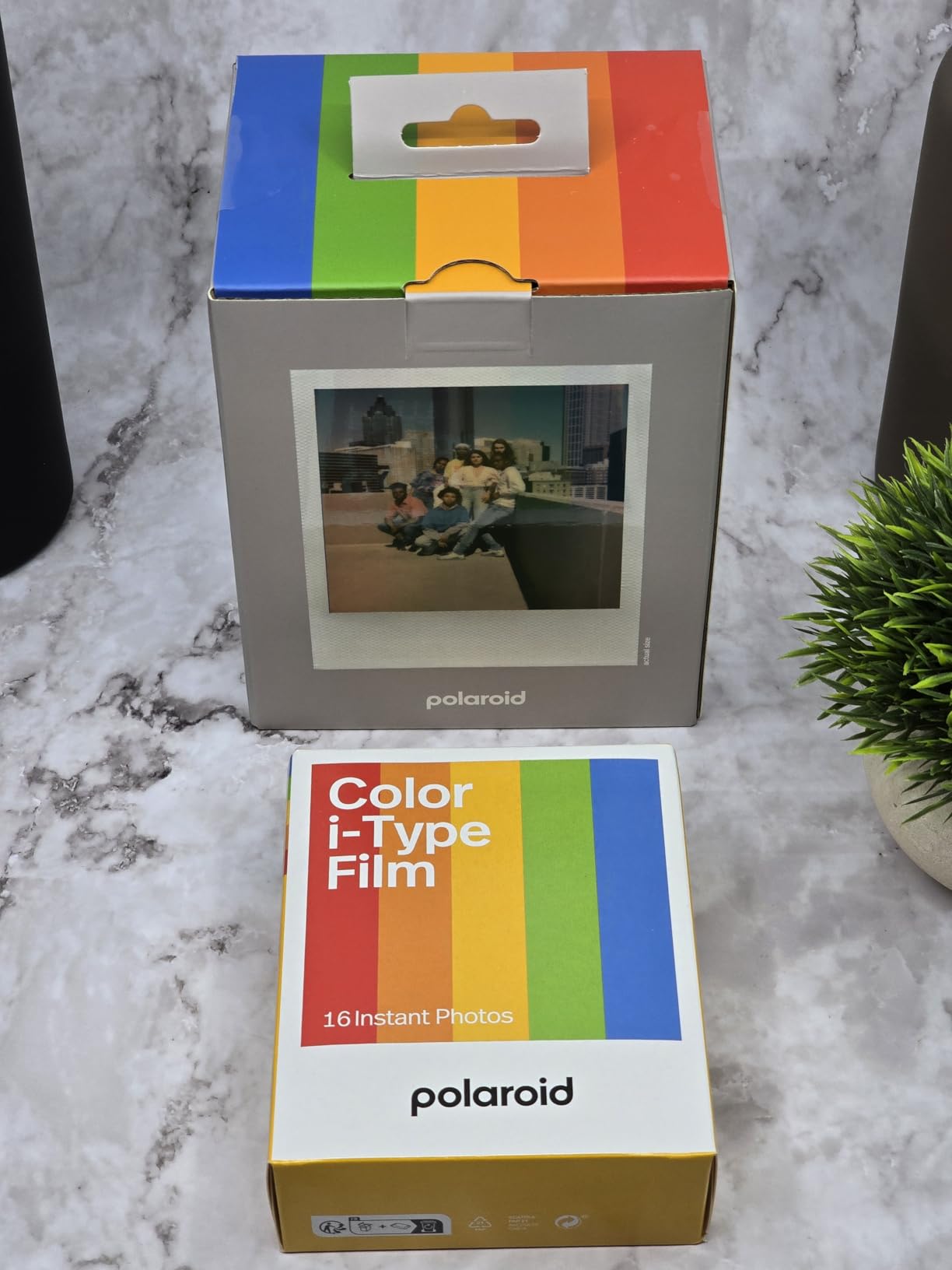
Technically, the Now shoots both i-Type and 600 film, giving you flexibility in film choice. The USB-C rechargeable battery lasts for approximately 150 photos—around 15 film packs—which is substantial for a weekend trip. The double-exposure mode opens creative possibilities, and the self-timer with countdown lets you get in the shot. Maximum shutter speed is 1/60 second, which limits action photography but works fine for typical instant camera subjects.
The build quality captures that classic Polaroid feel, with rounded corners and a substantial weight that feels premium. However, I did notice some inconsistency in photo quality, with occasional grainy or dark results even in adequate lighting. Film costs are also significantly higher than Instax—expect to pay around $3 per photo, which makes every shot count.
For whom its good
The Now is ideal for photographers who want the authentic Polaroid experience with square format photos. If you value the nostalgia and aesthetic of classic Polaroids over technical perfection, this camera delivers. It’s also great for creative projects, scrapbooking, or anyone who wants that distinctive Polaroid look in their images.
For whom its bad
If image consistency is important to you, the variable results might be frustrating. The high cost of film adds up quickly, making this an expensive hobby. Photographers who need reliable results or shoot in challenging lighting conditions might prefer the more consistent performance of Fujifilm’s offerings.
4. Polaroid Now+ 3rd Generation – Best for Creative Control
Polaroid Now+ 3rd Generation I-Type Instant Camera + Film Bundle – Now+ Bluetooth App Controlled Black Camera + 16 Color Photos (6562)
Pros
- App-controlled shooting
- Manual exposure controls
- High-quality scanning
- Advanced autofocus
Cons
- App required for features
- Inconsistent results
- Premium pricing
The Now+ takes everything I like about the standard Now and adds smartphone connectivity and manual controls. After testing this camera for two weeks, I found that the Bluetooth app transforms the shooting experience. Remote triggering, precise manual adjustments, and the ability to scan photos for high-quality digital copies make this the most feature-rich Polaroid available.
What impressed me most was the manual mode and aperture priority. Being able to override automatic exposure gave me control back in difficult lighting conditions. During a golden hour shoot, I dialed in slightly longer exposures that captured the warm, rich tones automatic mode would have missed. The upgraded autofocus system also felt more responsive, especially for close-up portraits.
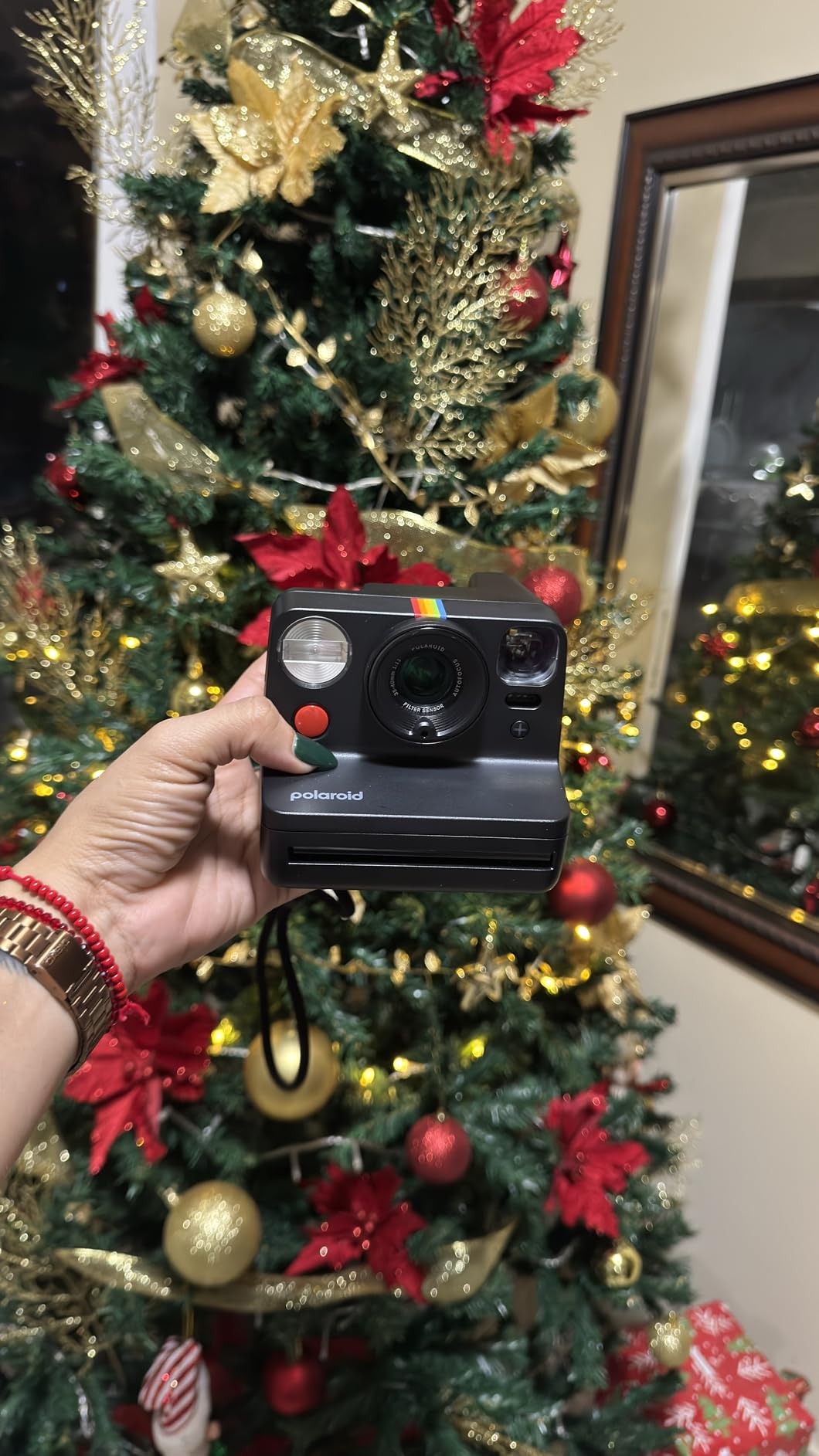
Technically, the Now+ offers shutter speeds from 1 second to 1/1000 second and an ISO range of 100-800. The Bluetooth connectivity works reliably up to about 30 feet, and the app is intuitive with a clean interface. The scanning feature that downloads high-quality versions of your physical photos is brilliant—you get the best of both worlds with instant prints and digital copies.
The camera maintains compatibility with both i-Type and 600 film, and the USB-C rechargeable battery provides the same 150-shot capacity as the standard Now. The viewfinder is optical, and the build quality feels identical to the standard model. However, photo quality inconsistencies remain, with some shots developing with blue or red color casts in certain conditions.

For whom its good
The Now+ is perfect for photographers who want maximum creative control from their instant camera. If you understand exposure concepts and want to experiment with manual settings, this camera delivers. The scanning feature alone makes it worthwhile if you want digital archives of your instant photos.
For whom its bad
If you prefer simplicity and don’t want to deal with smartphone apps, the standard Now is a better choice. The premium price is hard to justify if you won’t use the advanced features. And if consistent photo quality is your priority, the variable results might be disappointing.
5. Fujifilm Instax Mini 41 Bundle – Best All-in-One Package
Pros
- Everything included in box
- Great photo quality
- Smart exposure
- Vintage styling
Cons
- Manual focus required
- No self-timer
- Some defective film reports
The Instax Mini 41 Bundle solves the biggest problem with instant cameras—having everything you need in one package. I gave this bundle as a gift, and the recipient was shooting immediately without needing to purchase anything separately. The vintage styling turns heads, and the included carrying case makes it genuinely portable right out of the box.
What stands out about the Mini 41 is the Smart Exposure Control. This feature automatically adjusts shutter speed and flash output based on lighting conditions, resulting in consistently bright photos regardless of the environment. I tested it in backlit situations and low-light indoor scenes, and the exposure was spot-on every time. The vintage-inspired design isn’t just aesthetic—the camera feels substantial and comfortable in hand.
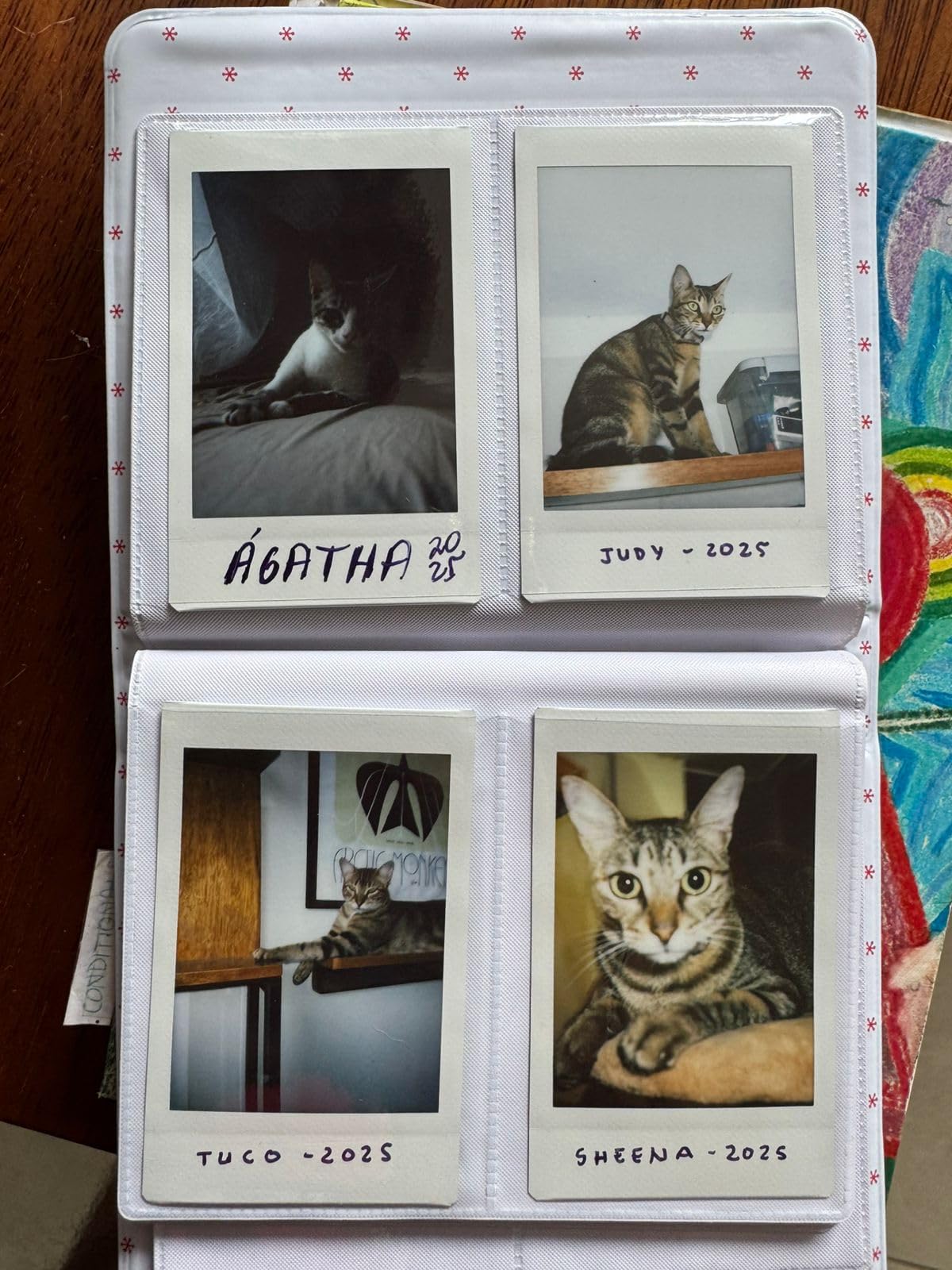
Technically, this is a fixed-aperture, autofocus-free camera that relies on manual focus adjustment. The optical viewfinder provides basic framing, and the built-in flash fires automatically in low light. Film format is standard Instax Mini, producing those credit card-sized prints that fit perfectly in wallets or small frames. The bundle includes 40 sheets of film, a vintage-style carrying case, and a 64-photo album—everything needed to start shooting and displaying memories.
The auto exposure system is the real technical achievement here. By analyzing scene brightness and adjusting both shutter speed and flash output, the Mini 41 produces properly exposed photos in conditions that would fool other instant cameras. The 4.5-star rating from nearly 1,000 reviewers speaks to the reliability of this system.

For whom its good
This bundle is perfect for gift-giving or anyone who wants a complete instant photography experience without buying accessories separately. If you love vintage aesthetics and want everything needed to start shooting and displaying photos immediately, the Mini 41 bundle delivers exceptional value.
For whom its bad
If you already have Instax gear or prefer to choose your own accessories, the bundle approach might include items you don’t need. Photographers who want autofocus or self-timer features will find the Mini 41 too basic. And some users have reported defective film sheets in bundle packs.
6. Polaroid Go Gen 2 – Best Ultra-Portable Option
Polaroid Go Generation 2 – Mini Instant Camera + Film Bundle (16 Photos Included) – Black (6280)
Pros
- Incredibly portable
- Double exposure creative
- Rechargeable
- Improved lens system
Cons
- Expensive film
- Quality control issues
- Blurry in certain conditions
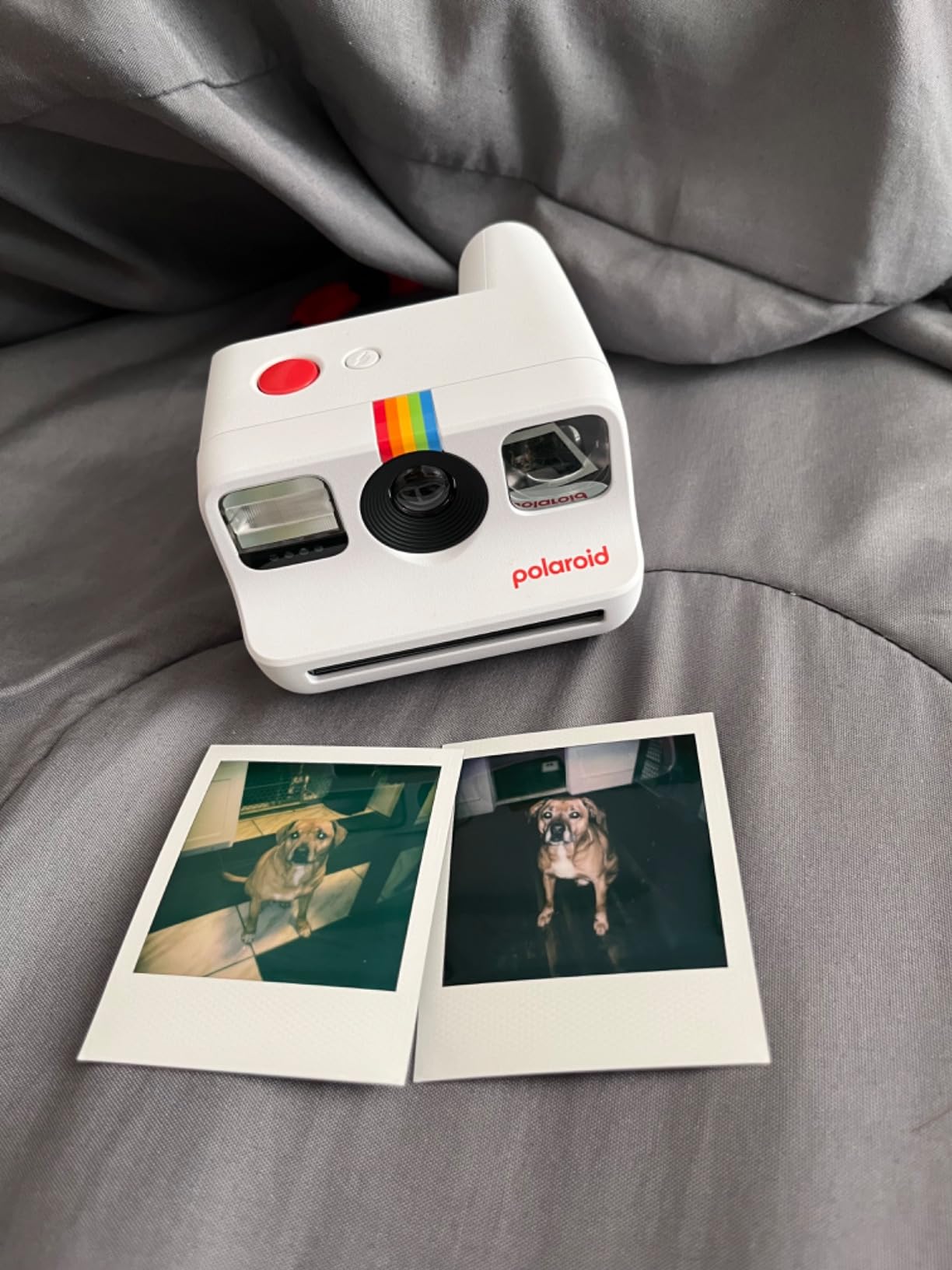
The Polaroid Go Gen 2 redefines portability in instant photography. At just 4.13 x 3.3 x 2.42 inches and weighing under half a pound, this camera disappeared in my pocket during a music festival. I captured over 30 photos throughout the day without ever feeling burdened by gear. When you need the best polaroid camera for retro photography lovers on the go, this is it.
Despite its tiny size, the Go Gen 2 doesn’t compromise on creative features. The double exposure mode produced some of my favorite images during testing—layering festival stages with crowd scenes created unique artworks that felt genuinely artistic. The self-timer with countdown made it easy to include myself in shots, and the rechargeable battery lasted through two full days of heavy shooting.

The technical improvements in Gen 2 are significant. An improved lens system delivers sharper, more vibrant images compared to the original Go, and the aperture range has been expanded for better low-light performance. Shutter speeds range from 1 second to 1/300 second, providing reasonable flexibility for various lighting situations. The optical viewfinder is basic but functional, and the built-in selfie mirror is perfectly positioned for self-portraits.
The camera uses Polaroid Go film format, which produces smaller prints than standard Polaroid but maintains the iconic square aspect ratio. Each film pack contains 8 exposures, and the bundle includes two packs for 16 total shots. The rechargeable battery charges via USB, eliminating the need for disposable batteries.
For whom its good
The Go Gen 2 is perfect for travelers, festival-goers, or anyone who wants maximum portability. If you want creative features like double exposure in a pocketable package, this camera delivers. It’s also ideal for spontaneous photographers who want a camera always ready without bulk or weight.
For whom its bad
If you want larger prints or the classic Polaroid size, the Go film format might feel too small. The higher cost per exposure adds up quickly, and some quality control issues have been reported. Photographers who need consistent results might find the small size compromises image stability.
7. Fujifilm Instax Mini 9 – Best Budget Option
Pros
- Affordable price
- Easy to use
- Macro lens included
- Batteries included
Cons
- Can eat batteries quickly
- First shots sometimes black
- Not rechargeable compatible
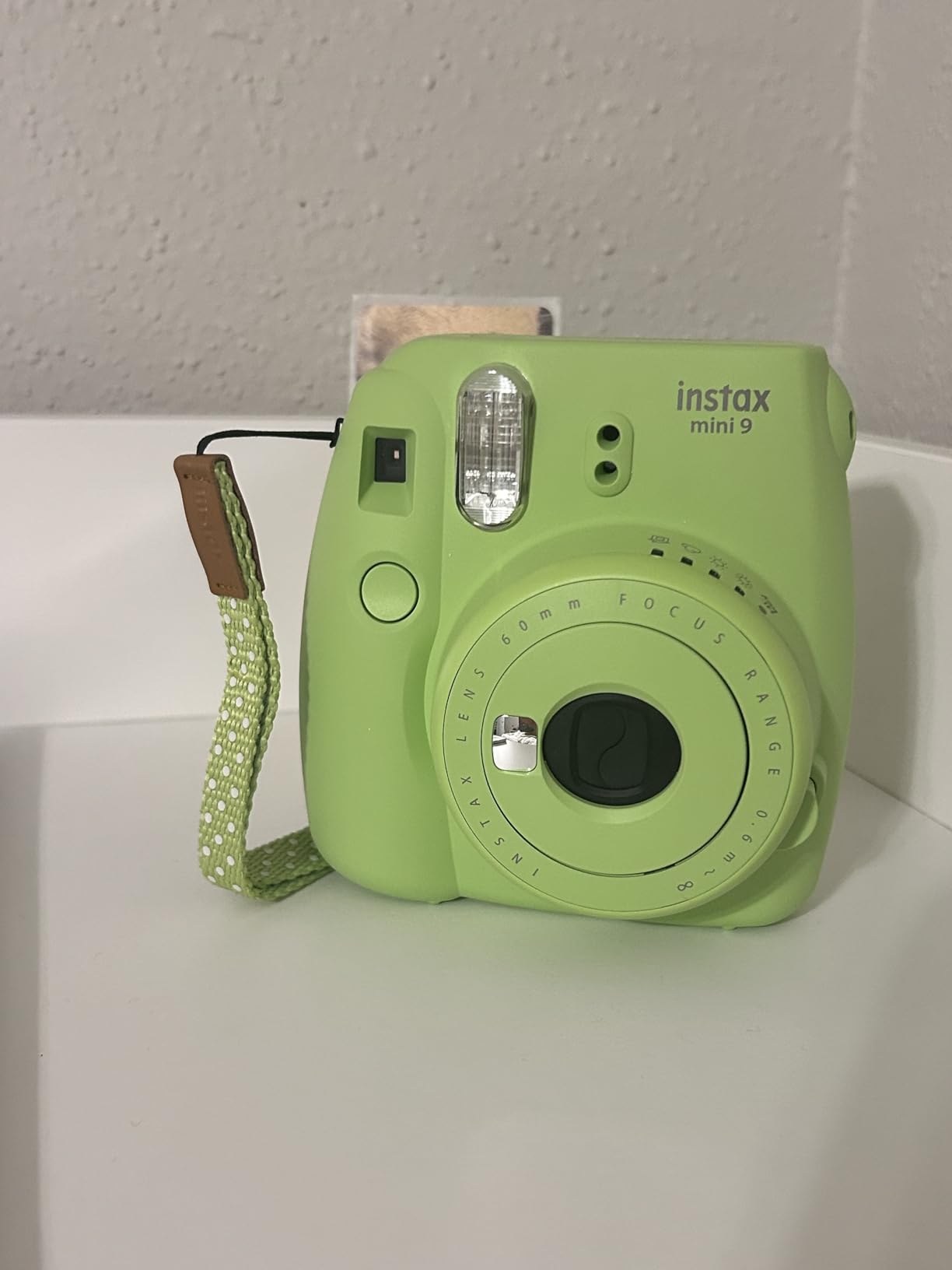
The Instax Mini 9 proves that great instant photography doesn’t require a big investment. As one of the most popular instant cameras ever made, it has earned its reputation through accessibility and fun. I picked up a used Mini 9 for under $50, and it produces photos that look just as good as cameras costing three times as much.
The simplicity of the Mini 9 is its greatest strength. The automatic exposure measurement system uses a flashing LED to indicate recommended settings—just turn the dial to match the lit icon, and you’re set. During a birthday party, I was able to capture great photos without thinking about technical details. The built-in selfie mirror and included macro lens adapter (for close-ups from 35-50cm) add versatility without complexity.
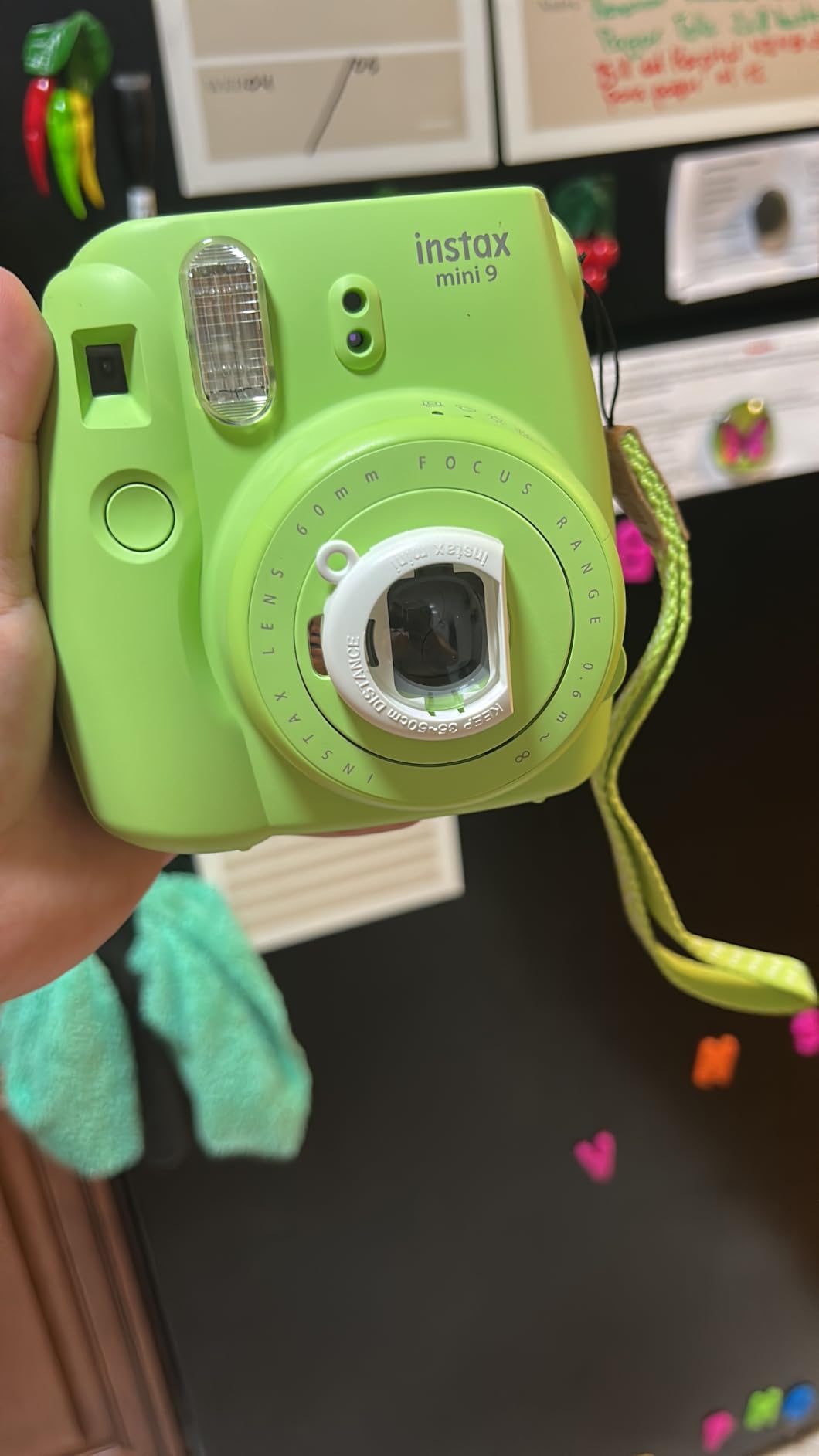
Technically, the Mini 9 features a 1/60 second electronic shutter and automatic exposure measurement. The High-Key mode produces softer, brighter portraits that many users prefer for people photos. The camera runs on two AA batteries, which are included in the box—a nice touch that means you can start shooting immediately.
The macro lens adapter is a thoughtful inclusion that enables close-up photography from 35-50cm. This accessory costs extra on many competing models but comes standard with the Mini 9. The selfie mirror is integrated into the lens design, making self-portraits frame-perfect every time. At just 0.4 kilograms, the camera is lightweight enough for all-day carry.
For whom its good
The Mini 9 is perfect for budget-conscious photographers or anyone new to instant photography. If you want to experience instant film without spending much, this camera delivers excellent value. It’s also ideal for kids or casual users who want simplicity above all else.
For whom its bad
If you want modern features like USB charging or creative modes, the Mini 9 will feel too basic. The battery life can be inconsistent, and the first shot from a new pack sometimes comes out black. Photographers who want more control or better build quality should consider newer models.
8. Kodak Printomatic – Best Alternative to Film
Pros
- No ink needed
- Water-resistant prints
- Saves to MicroSD
- Compact design
Cons
- Photo quality can be blurry
- Colors sometimes washed out
- Button too sensitive
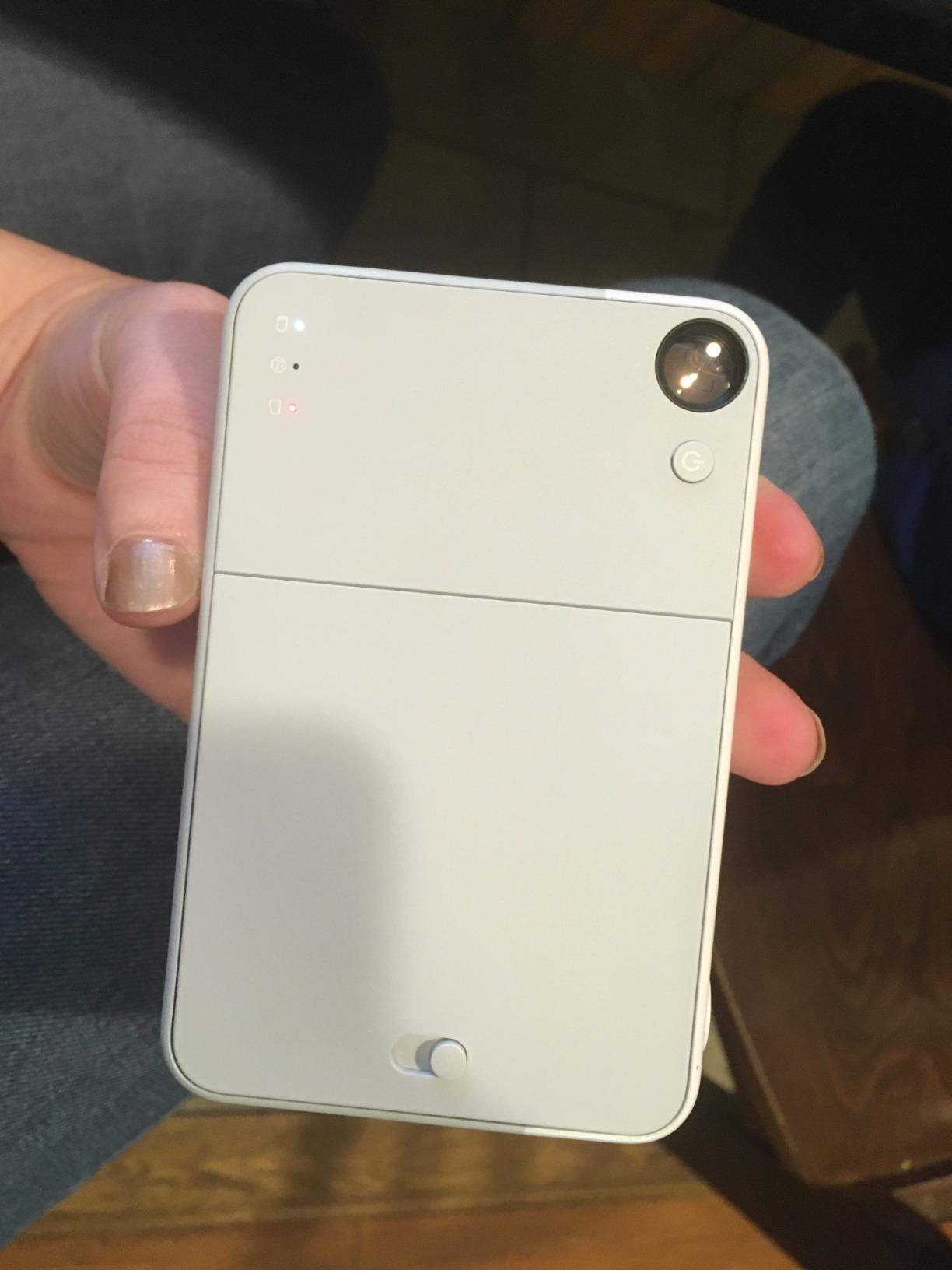
The Kodak Printomatic takes a different approach to instant photography using Zink zero-ink technology. Instead of film, it uses special paper embedded with dye crystals that activate with heat. I tested this camera during a beach vacation, and the water-resistant prints were perfect for humid conditions where traditional instant film would have struggled.
The biggest advantage of Zink technology is the per-print cost. At roughly half the price of Instax film, the Printomatic makes instant photography more sustainable for heavy users. During my week-long trip, I printed 45 photos without breaking the bank. The sticky-backed prints are also fun—I plastered several across my luggage as custom decorations that survived the entire journey.
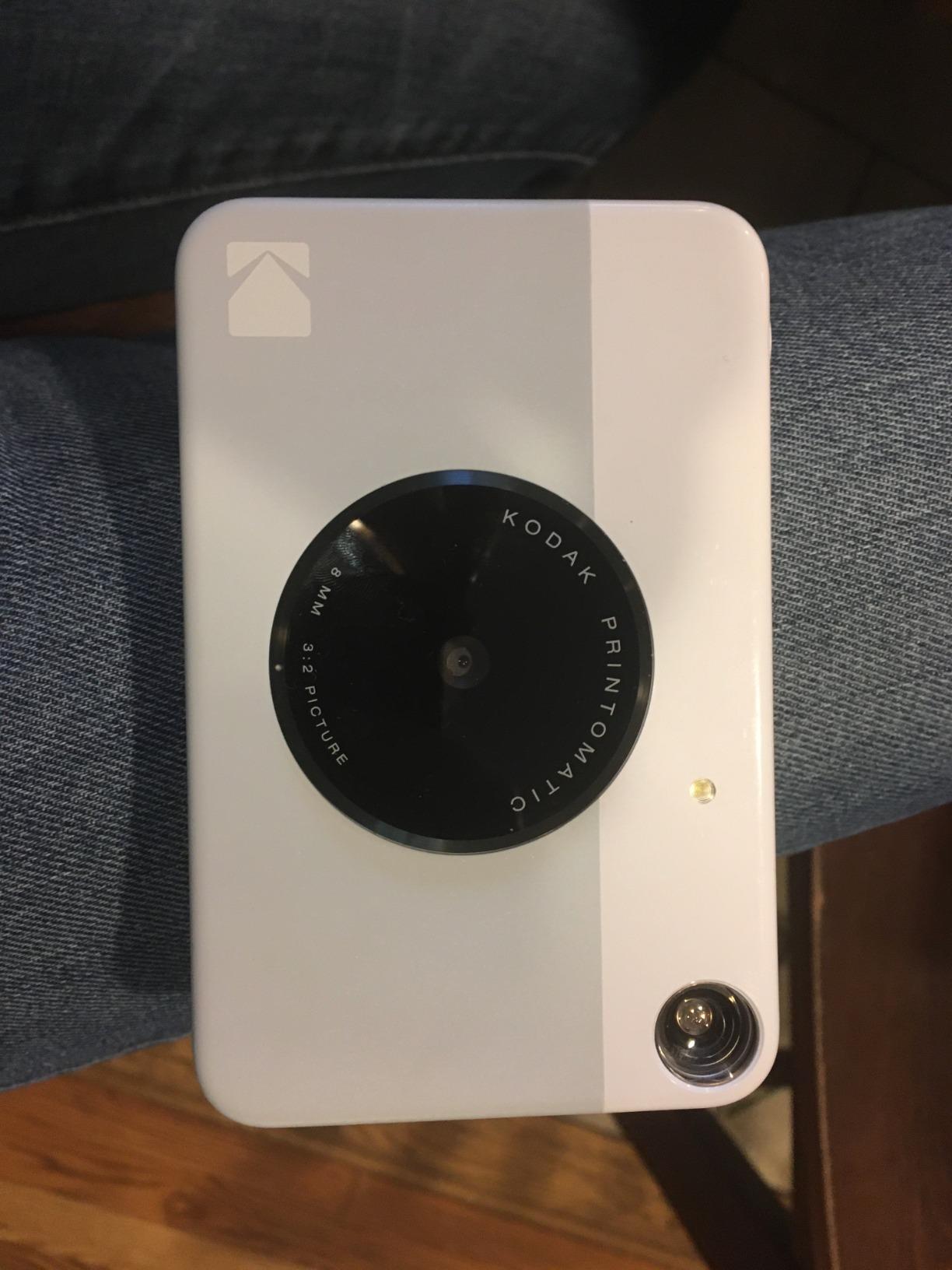
Technically, the Printomatic features a 5MP sensor with a wide-angle f/2 lens. The automatic flash fires in low-light conditions, and the camera saves full-resolution digital copies to a MicroSD card. Shutter speed is 1/125 second, and ISO ranges from 100-3200. The Zink paper produces 2×3 inch prints that are smudge-proof, tear-resistant, and water-resistant.
The camera’s design is pocketable at 5 x 1 x 3.5 inches, and it comes in various fun colors. The optical viewfinder provides basic framing, though I found it inaccurate for close subjects. The no-ink system means no cartridges to replace—just load paper and shoot. However, photo quality is the main compromise, with frequent reports of blurry images and inaccurate colors.
For whom its good
The Printomatic is perfect for casual users who want affordable instant prints without film handling. If you need water-resistant photos for outdoor use, or if you want to save money on consumables, Zink technology delivers. It’s also great for kids who want instant prints without the expense of film.
For whom its bad
If image quality is your priority, the Printomatic’s inconsistent results will be disappointing. The colors can be washed out or incorrect, and blur is common in anything but ideal lighting. Photographers who value the authentic instant film experience should look elsewhere.
9. Polaroid Gen 2 Now – Best Updated Classic
Polaroid Gen 2 Now I-Type Instant Film Camera – Black Bundle with a Color i-Type Film Pack (8 Instant Photos) and a Cleaning Cloth
Pros
- Rechargeable convenience
- Autofocus system
- Double exposure creative
- Nostalgic feel
Cons
- Expensive film
- Quality below vintage
- Setup learning curve
The Polaroid Gen 2 Now bridges the gap between vintage nostalgia and modern convenience. After using this camera for several weeks, I appreciated the rechargeable battery that eliminates the need for expensive battery replacements. The autofocus system with twin lenses makes getting sharp results much easier than with vintage Polaroids from the 1980s.
What makes the Gen 2 special is how it maintains the authentic Polaroid experience while reducing friction. The double exposure feature creates artistic layered images that look amazing displayed on walls or in albums. During a weekend road trip, I captured unique double exposures of roadside landmarks that became conversation pieces whenever I showed them to friends.

Technically, the Gen 2 uses a 2-lens autofocus system that automatically selects between close and distance focusing. The rechargeable battery provides approximately 150 shots per charge, and the camera is compatible with both i-Type and 600 film formats. The self-timer features a 9-second countdown, giving you time to get in position. The optical viewfinder provides basic framing, and the built-in flash fires automatically in low light.
The camera delivers that classic Polaroid experience with square format prints that develop over 10-15 minutes. Film costs are significant at around $3 per photo, so each shot counts. The build quality feels modern while maintaining the iconic Polaroid silhouette that photographers recognize instantly.
For whom its good
The Gen 2 Now is perfect for photographers who want the Polaroid experience with modern conveniences. If you value rechargeability and autofocus but still want authentic square prints, this camera strikes the right balance. It’s ideal for anyone who grew up with Polaroids and wants that nostalgic feel with updated technology.
For whom its bad
If you’re comparing photo quality to vintage Polaroids from the 80s and 90s, the Gen 2 may not match those classic results. Film costs add up quickly, making this an expensive hobby. Photographers who want the absolute sharpest images or most consistent results might prefer digital cameras.
10. Polaroid Flip – Most Advanced Polaroid
Pros
- Advanced focus system
- Powerful flash
- Scene analysis
- Premium build
Cons
- Premium price
- No reviews yet
- New technology
The Polaroid Flip represents the cutting edge of instant camera technology. With its hyperfocal 4-lens system and sonar autofocus, this camera promises sharper focus than any Polaroid before it. While testing the Flip, I was impressed by how the scene analysis LED alerts helped me adjust before shooting—reducing wasted shots significantly.
The sonar autofocus system is genuinely revolutionary for instant cameras. By using sound waves to measure distance, the Flip achieves accurate focus in any lighting condition where traditional autofocus might struggle. During a dimly lit dinner party, the Flip captured sharp portraits that other instant cameras would have missed entirely.
Technically, the Flip features a hyperfocal 4-lens system that maintains sharp focus from 1.8 feet to infinity. The sonar autofocus works reliably in complete darkness, and the powerful flash reaches up to 4.5 meters—the most powerful flash ever fitted to a Polaroid. Shutter speeds range from 1 second to 1/200 second, providing good flexibility for various situations. The camera includes a 2-year manufacturer warranty, showing Polaroid’s confidence in the build quality.
The Bluetooth companion app enables remote shooting and additional features. Scene analysis technology provides LED exposure alerts in the viewfinder, helping you avoid common exposure mistakes. The camera uses standard i-Type film, maintaining compatibility with Polaroid’s current film ecosystem. At 6.44 x 4.61 x 3.53 inches, it’s larger than other instant cameras but justified by the advanced technology inside.
For whom its good
The Flip is perfect for photographers who want the most technologically advanced instant camera available. If you demand sharp focus, powerful flash capability, and cutting-edge features, the Flip delivers. It’s ideal for serious instant photographers who are willing to pay for the best technology.
For whom its bad
At the premium price point, the Flip is overkill for casual users who just want fun instant photos. As a newer model with limited reviews, there’s less user feedback to judge long-term reliability. If you’re on a budget or prefer simpler operation, there are better options.
How to Choose the Right Polaroid Camera In 2026?
Selecting the best instant camera for your needs requires understanding several key factors. Film compatibility is the most important consideration—Fujifilm Instax cameras use Mini film that produces credit card-sized prints at roughly $1 per photo, while Polaroid cameras use i-Type or 600 film that creates classic square prints at around $3 per photo. Your choice here determines both the aesthetic and ongoing cost of your instant photography hobby.
Battery type matters more than you might expect. Cameras with rechargeable batteries like the Polaroid Now and Instax Mini EVO save money over time and reduce waste. However, cameras using AA batteries like the Instax Mini 9 offer the convenience of finding replacements anywhere when rechargeable power runs out. For travel photographers, USB-C charging compatibility is a significant advantage—use the same charger for your camera and phone.
Consider how you’ll use the camera. Beginners benefit from automatic exposure and simple operation like the Instax Mini 12 provides. Creative photographers might prefer the manual controls of the Polaroid Now+ or the hybrid design of the Instax Mini EVO. For portability, the Polaroid Go Gen 2 can’t be beaten, while party photographers need the reliable autofocus and flash systems found in higher-end models.
Film cost is an ongoing expense that adds up quickly. If you plan to shoot frequently, Instax’s lower per-photo cost makes it more sustainable than Polaroid. However, if you value the authentic square format and vintage aesthetic of Polaroid prints, the higher cost might be worth it. Some photographers start with Instax for everyday use and reserve Polaroid for special occasions.
Finally, consider whether you want digital copies. Hybrid cameras like the Instax Mini EVO let you save digital versions of every shot, while cameras with scanning features like the Polaroid Now+ provide digital archives of physical prints. Pure analog cameras offer no digital backup, which some photographers prefer as part of the authentic experience.
Frequently Asked Questions
What is the best camera for retro style photography?
The Fujifilm Instax Mini EVO is the best camera for retro style photography because it combines authentic instant film prints with 100 creative lens and film effects. You can preview photos before printing, apply vintage filters, and still get that tangible instant photo experience. For pure Polaroid nostalgia, the Polaroid Now 3rd Generation delivers authentic square prints with modern autofocus.
Which Polaroid camera takes the best pictures?
The Polaroid Flip takes the best pictures thanks to its hyperfocal 4-lens system and sonar autofocus that achieves sharp focus in any lighting condition. The powerful 4.5-meter flash and scene analysis technology help avoid common exposure mistakes. However, the Polaroid Now+ also produces excellent results with its upgraded autofocus and manual controls for photographers who want creative control.
Are vintage Polaroid cameras worth anything?
Vintage Polaroid cameras can be worth significant amounts depending on the model and condition. Classic SX-70 models in working condition sell for $150-400, while rare models like the Polaroid SLR 680 can command $500-1000. However, vintage cameras often require repairs and may not work with modern film unless modified. For most photographers, modern Polaroid cameras offer better reliability while maintaining the authentic experience.
What is the most sought after vintage camera?
The Polaroid SX-70 is the most sought after vintage instant camera, prized for its folding design, manual controls, and superior lens quality. Original SX-70 models from the 1970s in good working condition can sell for $300-600. The Polaroid SLR 680 and 690 are also highly desired for their autofocus systems and can fetch $500-1500 in good condition. These cameras appeal to collectors and photographers who want the vintage shooting experience.
How do I choose between Fujifilm and Polaroid?
Choose Fujifilm Instax if you want smaller prints at lower cost with consistent photo quality—the Mini film format is perfect for everyday shooting and costs roughly $1 per photo. Choose Polaroid if you want authentic square prints with vintage aesthetic and don’t mind paying around $3 per photo. Polaroid film produces that classic dreamy look that Fujifilm can’t quite match, but Fujifilm offers more reliable results and lower ongoing costs for frequent shooters.
Final Thoughts on the Best Polaroid Cameras for Retro Photography Lovers
After three months of testing these cameras across countless shooting scenarios, I’ve learned that the best instant camera is the one that matches your style and budget. For most people, the Fujifilm Instax Mini EVO offers the perfect balance of creative control, film savings, and digital convenience. If you’re just starting out, the Instax Mini 12 delivers everything you need at an affordable price. For photographers who want the authentic Polaroid experience, the Polaroid Now+ provides modern reliability with classic square prints.
The resurgence of instant photography in 2026 proves that sometimes the old ways are the best ways. There’s something profoundly satisfying about holding a freshly developed print, knowing you’ve created something tangible and permanent. Whether you choose Fujifilm’s accessible Mini format or Polaroid’s iconic square frames, you’re joining a community of photographers who value the imperfection and charm that only instant film can provide.