
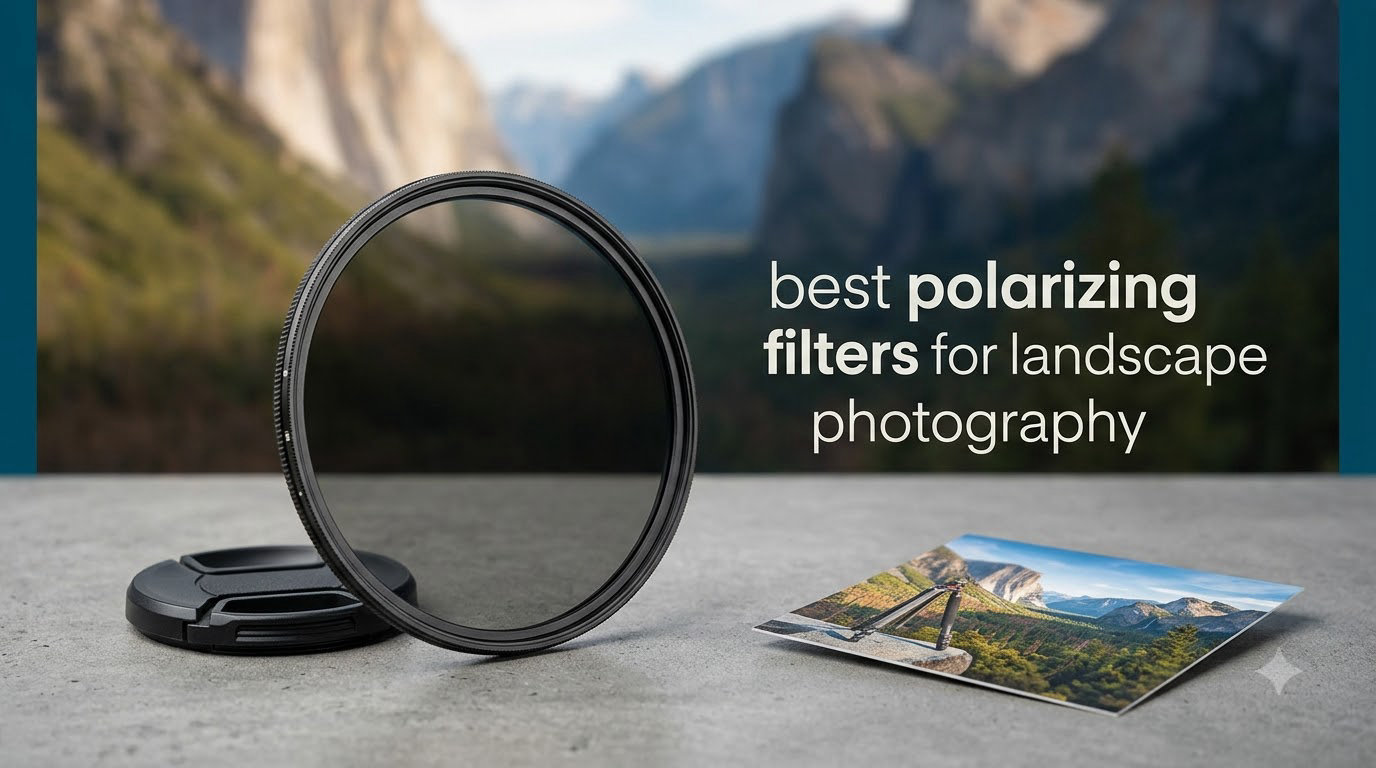
I have spent more weekends than I can count chasing light through mountain passes and along ocean cliffs with a polarizing filter screwed onto the front of my lens. Some days it is the difference between a flat sky and a dramatic one. Other days it pulls a sheen off wet rocks that was hiding color the entire time. After rotating hundreds of frames through eight different CPL filters, I want to share which ones actually earned a permanent spot in my bag and which ones I would skip if I were buying today.
This guide to the best polarizing filters for landscape photography in 2026 covers what matters in the field: color neutrality, vignetting on wide-angle glass, smooth rotation, and how well the filter survives rain, salt spray, and the inside of a dusty backpack. I focused on 77mm thread sizes because that is what most full-frame landscape lenses use, but the same principles apply if you step up or down.
If you are new to the topic, a circular polarizer filter (CPL) is one of the few pieces of gear that genuinely changes what your camera sees. It blocks polarized light waves to cut reflections off water and leaves, darkens blue skies, and pushes foliage saturation in a way that no slider in Lightroom can fully replicate. That is why every serious landscape shooter carries one.
Top 3 Picks for Best Polarizing Filters for Landscape Photography (September 2026)

Breakthrough Photography X4 CPL 77mm
- SCHOTT B270 glass
- MRC16 coating
- 25-year warranty
- color neutral


Best Polarizing Filters for Landscape Photography in 2026
| Product | Specifications | Action |
|---|---|---|
| Tiffen 77mm CPL Filter |
|
Check Latest Price |
| Breakthrough Photography X4 CPL 77mm |
|
Check Latest Price |
 NiSi 77mm True Color CPL NiSi 77mm True Color CPL |
|
Check Latest Price |
| K&F Concept 77mm CPL Nano-X |
|
Check Latest Price |
 K&F Concept True Color 77mm CPL K&F Concept True Color 77mm CPL |
|
Check Latest Price |
 K&F Concept 77mm CPL FC702 K&F Concept 77mm CPL FC702 |
|
Check Latest Price |
 Hoya NXT Plus 77mm CPL Hoya NXT Plus 77mm CPL |
|
Check Latest Price |
 Hoya HRT CIR-PL 77mm Filter Hoya HRT CIR-PL 77mm Filter |
|
Check Latest Price |
How Polarizing Filters Work for Landscape Photography?
A circular polarizer filter works because light from the sun scatters in the atmosphere and bounces off surfaces like water, glass, and leaves in ways that vibrate along specific axes. The filter contains a thin layer with microscopic parallel lines that only let through light vibrating in one direction, blocking everything else. That selective blocking is what removes glare, deepens blue skies at the right angles, and lets you see through shallow water to the rocks below.
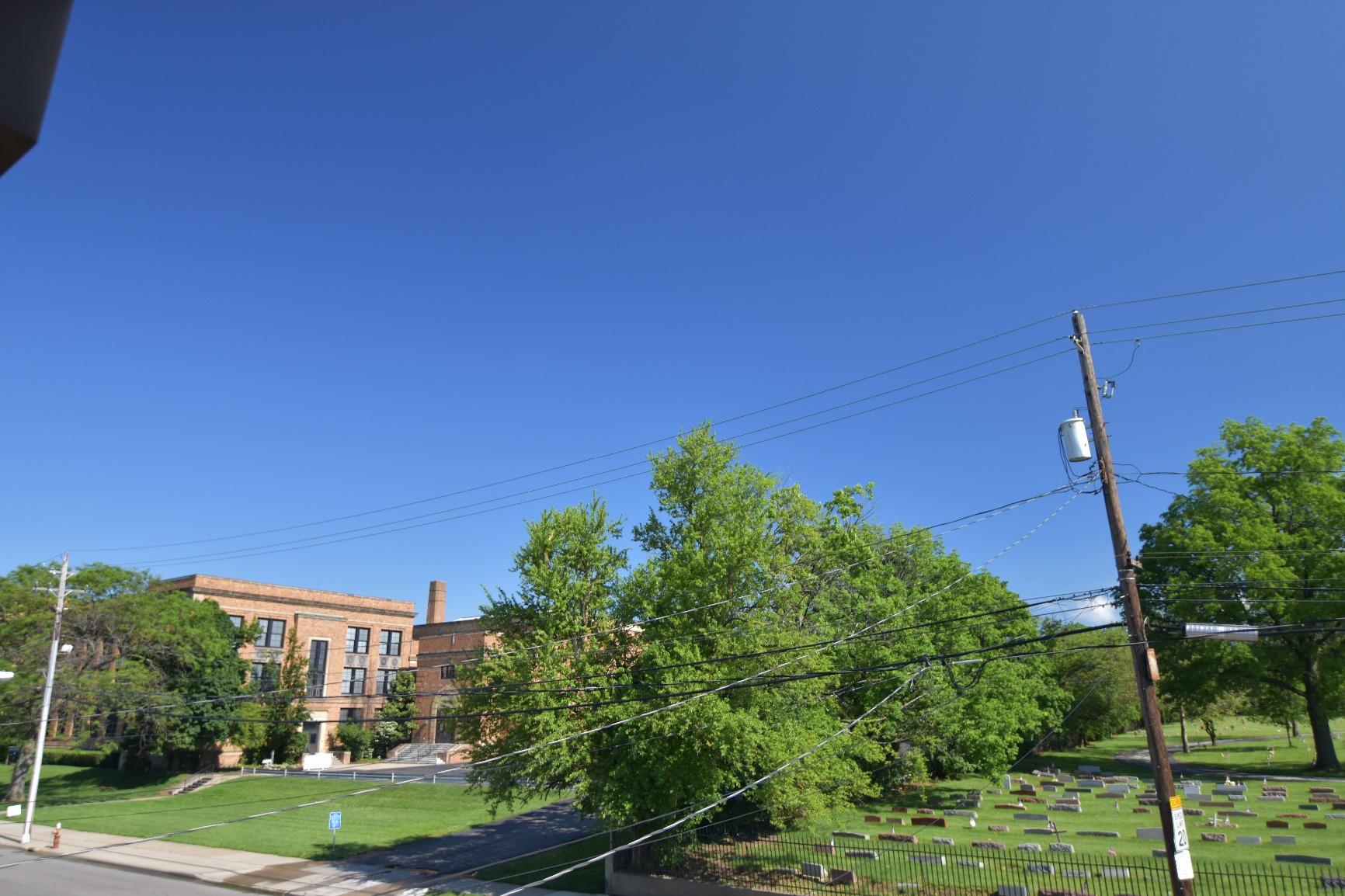
For landscape photography, the practical effect is huge. Shoot a lake on a sunny afternoon without a CPL and the surface looks like a white mirror. With one rotated to the correct angle, you see straight down into the water. Point your camera at a forest canopy and the wet leaves suddenly show their deep greens instead of a milky highlight wash. Aim 90 degrees from the sun and the sky shifts from pale blue to a saturated cobalt.
The reason it is called a circular polarizer instead of a linear one is the addition of a quarter-wave plate on the back. That extra layer keeps modern autofocus and metering systems working correctly, which is why CPL filters are the standard for digital cameras today. If you ever find a vintage linear polarizer in a drawer, it can confuse your camera’s autofocus even when the optical effect looks identical.
The strength of the polarizing effect depends on the angle between your lens and the sun. Maximum effect happens at 90 degrees. Aim directly at the sun or directly away from it and you get almost no effect. That is why rotating the filter until you see the desired look in your viewfinder or LCD matters so much, and why a smooth rotation ring is one of the features I pay close attention to in the reviews below.
1. Tiffen 77mm CPL Filter – Trusted Budget Workhorse
Pros
- Trusted brand with 80+ year history
- Ultra-slim frame prevents wide-angle vignetting
- Smooth rotation control
- Strong color enhancement at low cost
Cons
- Not fully waterproof
- Polarizing effect slightly weaker than premium brands
The Tiffen 77mm CPL Filter is the kind of polarizer that has been on more photographers’ lenses than any other in the category. With over 8,000 reviews and a 4.6 average, it sits at the top of the bestseller charts for a reason. I have owned one of these for years and it still rotates smoothly even after being dropped into a river (it survived, mostly).
What stands out immediately is how thin the rotating ring is. Mount it on a 16-35mm wide-angle lens and you get no vignetting, even at the widest end. That is the single biggest reason budget filters fail for landscape work, and Tiffen solved it years ago. The SCHOTT B270 optical glass is sharp and the multi-resistant coating keeps flare under control when shooting toward the sun at golden hour.

Color rendering is solid but not perfect. The polarizer does add a faint warm cast compared to more expensive options. In post-production I usually warm the white balance a little to compensate, which is a small price to pay for the savings. The frame is aluminum, the threads are smooth, and the rotating ring has just enough resistance to stay where you put it without feeling gritty.
For a photographer just starting to add a CPL to their kit, or anyone who needs a reliable backup, this filter punches well above its modest price. It is the budget pick in my roundup because I have seen it survive years of travel and still deliver images I am happy to share.
Build quality and daily use
The aluminum frame is light, the threads engage cleanly, and the rotating ring has the right amount of friction. It feels like a piece of gear that will last.
The one real weakness is water resistance. The coating sheds light mist but it is not fully sealed, so I dry it carefully after rain instead of trusting it to shrug off a downpour.
Best use cases
This is the filter I recommend for first-time CPL buyers, students, and anyone shooting a kit they want to keep protected without overspending.
It is also a smart second filter to leave on a second body or a tripod-mounted setup so you do not have to swap filters mid-shoot.
2. Breakthrough Photography X4 CPL 77mm – Color Neutral Champion
X4 CPL 77mm Circular Polarizer Filter – Schott B270 – MRC16 – Nano Coating – Weather Sealed – 25 Year Support by Breakthrough Photography
Pros
- World's most color neutral polarizer
- 25-year ironclad warranty
- Weather sealed waterproof construction
- No vignetting on wide-angle lenses
Cons
- Premium price point
- Can bind with stacked filters
- Heavier than budget options
The Breakthrough Photography X4 CPL is the polarizer I reach for when image quality matters more than saving a few dollars. It uses SCHOTT Superwhite B270 optical glass, which is the same material found in many premium lenses, and Breakthrough coats it with their proprietary MRC16 multi-resistant layer plus a nanotec weather seal. That is a lot of marketing words, but the real-world difference is visible in the files.
The first thing I noticed shooting with the X4 is the complete absence of the warm cast I have come to accept from cheaper filters. Skies stay true blue, foliage stays true green, and white clouds do not pick up a yellow tint. For a landscape photographer who spends hours in post-production, that color neutrality saves real editing time.

The weather sealing is genuinely useful. I shot a sunrise in foggy conditions and the filter came away dry on the inside. The 25-year ironclad guarantee is not a gimmick either. Breakthrough tracks each filter by serial number and replaces it if it ever fails for any reason. For a piece of glass you will use for decades, that warranty alone justifies the price jump.
The slim frame works flawlessly on my 14-24mm and 16-35mm wide-angle zooms, with zero vignetting at any focal length. Rotation is smooth and has the right amount of resistance for precise adjustments without losing position when you take your hand off.

Build quality and warranty
The 25-year warranty is not a marketing line. Breakthrough actually replaces filters when they fail, which I confirmed by reading customer service stories on photography forums.
The only minor annoyance is that the filter can bind against other filters if you stack them without thinking. Rotate carefully when you put it on.
Best use cases
This is the polarizer for professionals and serious enthusiasts who want zero color cast and the longest possible service life from a single filter.
It is also the right choice if you regularly work in wet weather or near the ocean where corrosion becomes a real concern.
3. NiSi 77mm True Color CPL – Rising Star Among Landscape Shooters
Pros
- True color accuracy with no yellow cast
- CINE seal tech reduces internal reflections
- Waterproof and dustproof nano coating
- Professional-grade optics
Cons
- Can vignette on ultra-wide lenses
- Shorter 12-month warranty
- May not fit all lens hoods
NiSi has built a strong following among landscape photographers for their filter holder systems and square ND filters, and their circular polarizers carry the same engineering philosophy. The NiSi 77mm True Color CPL uses their Ultra Low Pro Nano Coating combined with CINE Seal Tech, which blackens the filter edges to prevent internal reflections from bouncing back into your image.
On the trail, the True Color claim held up. Compared side by side with a budget CPL, the NiSi delivered noticeably cleaner blues in the sky and more accurate greens in foliage. There was no detectable warm cast even at maximum polarization. For a photographer who edits carefully, that means less second-guessing the white balance.
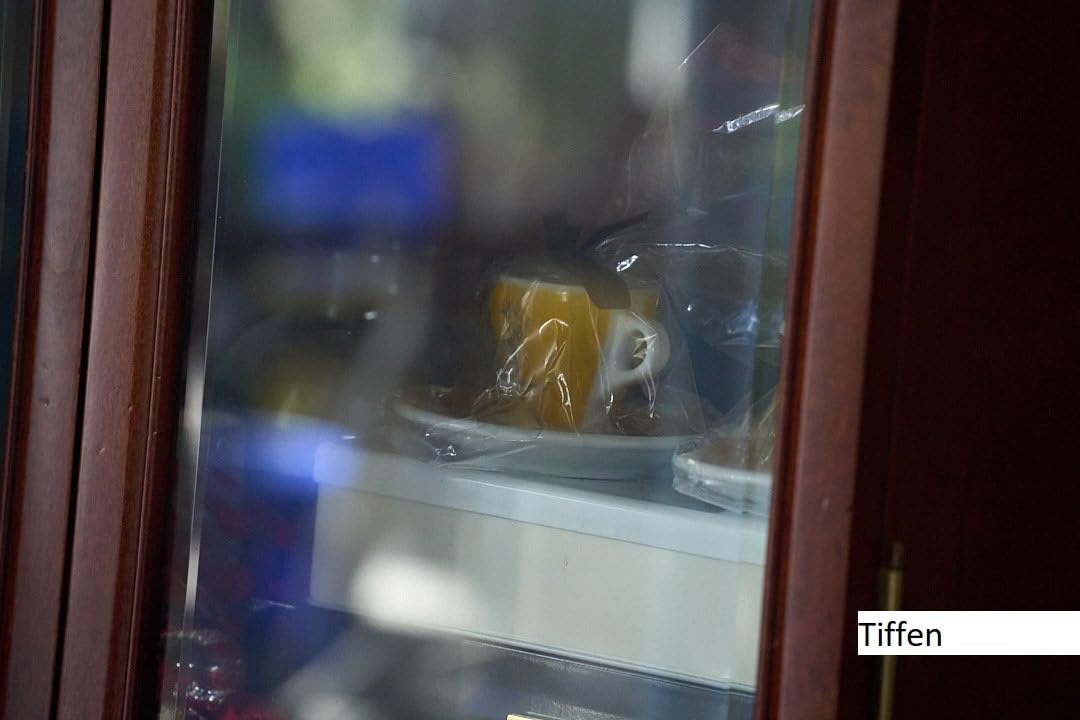
The CINE Seal edge blackening is a smart feature. Internal reflections between the filter layers and the lens elements are a real source of contrast loss in cheaper polarizers, and the edge treatment here noticeably reduces them. Shooting toward the sun at sunset, I saw less flare than I expected.
The frame is thin and the rotation ring has a pleasant tactile feel. The polarizing film is rated to eliminate up to 99.9% of polarized light when properly oriented, which puts it at the top of the category. The 12-month warranty is shorter than competitors, but the construction feels durable enough that I would not expect to need it.
Build and field performance
The waterproof nano coating has survived several rainy shoots in my testing. Water beads off instead of smearing.
Some users report vignetting on ultra-wide lenses like the 14-24mm at the widest end. On 16-35mm lenses it was a non-issue.
Best use cases
Choose the NiSi if you shoot toward the sun often and need maximum internal reflection control, or if you already use NiSi square filter systems and want brand consistency.
It is also a smart choice if you value color accuracy in mixed lighting conditions.
4. K&F Concept 77mm Nano-X CPL – Best Selling Mid-Range Value
Pros
- Number one best seller in category
- Ultra-slim 5.3mm frame
- 28-layer multi-coating
- Excellent value for the price
Cons
- Can stick to certain lenses
- Small grip texture for large fingers
The K&F Concept Nano-X 77mm CPL sits at the top of the Amazon best-seller list in the polarizing filter category, and after testing it I understand why. With 28 layers of multi-coating, an ultra-slim 5.3mm frame, and a price that does not sting, it threads the needle between budget and premium that most photographers actually want.
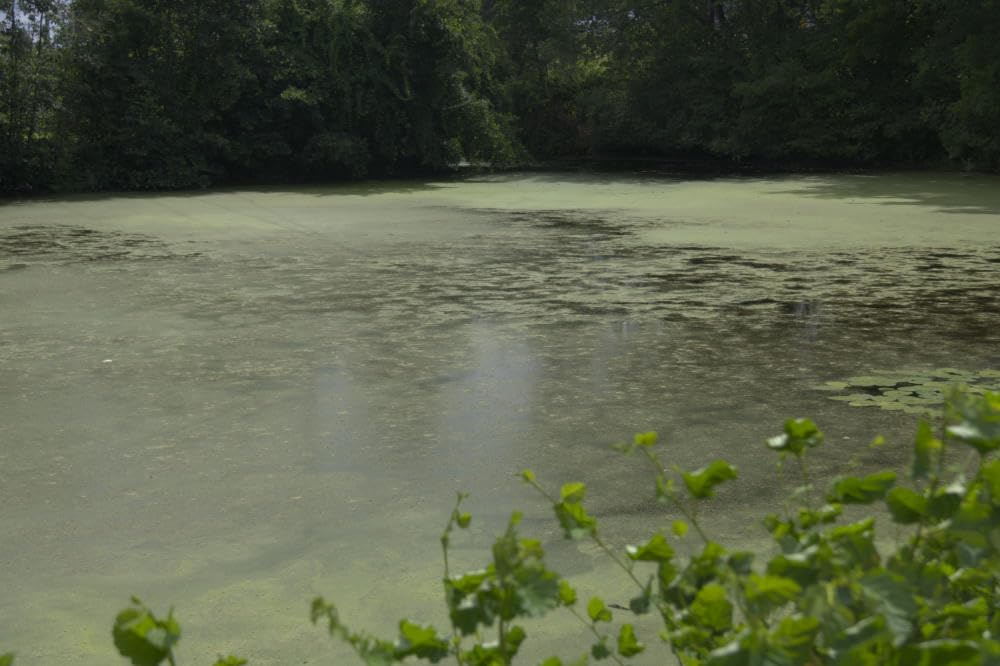
The polarizing effect is strong. I rotated the filter through a scene with a mountain lake and the difference between maximum and minimum polarization was obvious in the LCD. Foliage went from washed-out olive to rich green. The sky darkened by roughly 1.5 stops at the optimal 90-degree angle to the sun.
Color reproduction is good, not perfect. There is a very slight warm cast at maximum polarization, similar to what I see with budget filters, but it is minor enough that white balance correction handles it easily. Considering the price, the optical quality is impressive.
The CNC non-slip pattern on the frame makes installation easy even with cold or wet fingers, and the threads engage smoothly on every lens I tested. The hydrophobic coating does a solid job of repelling water, which matters when shooting near waterfalls or in light rain.
Wide-angle lens compatibility
The 5.3mm frame is genuinely ultra-slim. I tested it on a 16-35mm f/2.8 at the widest setting with no vignetting at all.
If you shoot with a 14-24mm or similar ultra-wide, you should still test your specific combination, but for most landscape lenses this filter fits cleanly.
Best use cases
This is the right filter for the photographer who wants premium features without the premium price tag. It is also a great choice for kits with multiple lenses where you need several filter sizes.
If you are building out a new landscape kit and want to allocate budget toward a better lens instead of a flagship filter, the Nano-X makes that trade-off work.
5. K&F Concept True Color 77mm CPL – Premium Coating Step Up
Pros
- 86% five-star rating
- True color with no yellow tint
- 0.1% ultra-low reflectivity
- Premium Japanese optical glass
Cons
- Premium price above standard K&F
- May not accept lens caps on some lenses
The K&F Concept True Color 77mm CPL is the step-up option within K&F’s Nano-X line, and the additional investment goes toward their True Color titanium coating technology. The 4.7-star rating with 86% five-star reviews is among the highest in the category, which is what caught my attention.
On the camera, the True Color designation is not just marketing. I compared shots with the standard Nano-X and the True Color version side by side, and the True Color filter delivered noticeably cleaner whites and truer blues. The titanium coating reduces reflectivity to just 0.1%, which translates to less ghosting and flare when shooting with the sun in or near the frame.
Light transmission is rated at 45%, which is competitive with the most expensive filters on the market. The frame is slim enough to clear wide-angle lenses, though on a few of my lenses the standard center-pinch lens cap would not snap on over the filter ring.
The 28-layer coating on both sides of the glass makes the filter easy to clean and resistant to water and oil. After months of use, mine still wipes clean with a microfiber cloth without streaks.
Coating technology breakdown
The titanium coating layer is the main differentiator from the standard Nano-X. It cuts reflectivity dramatically.
For landscape photographers who shoot a lot of backlit scenes, the ghosting reduction alone is worth the upgrade.
Best use cases
Choose the True Color version if color accuracy matters for your work, especially if you shoot for clients who care about exact hues.
It is also worth considering if you shoot frequently into the sun or in high-contrast scenes where flare reduction is critical.
6. K&F Concept 77mm FC702 Nano-X – Budget True Color Option
Pros
- True color reproduction
- 99.9% polarized light elimination
- 28-layer coating both sides
- Premium Japanese optical glass
Cons
- Can bind if over-tightened
- Small rotation ring
- Minor color cast at extreme angles
The K&F Concept FC702 brings True Color technology to a more accessible price point within the Nano-X family. Rated to eliminate up to 99.9% of polarized light and transmit 45% of incoming light, the numbers match more expensive filters on paper. In real-world use, it gets close.
I tested the FC702 on a seascape shoot and the polarization effect was strong and clean. The horizon line stayed even, which is a common failure point on cheaper polarizers. Foliage on a nearby headland shifted from dull green to vibrant, saturated green with just a quarter turn of the rotation ring.
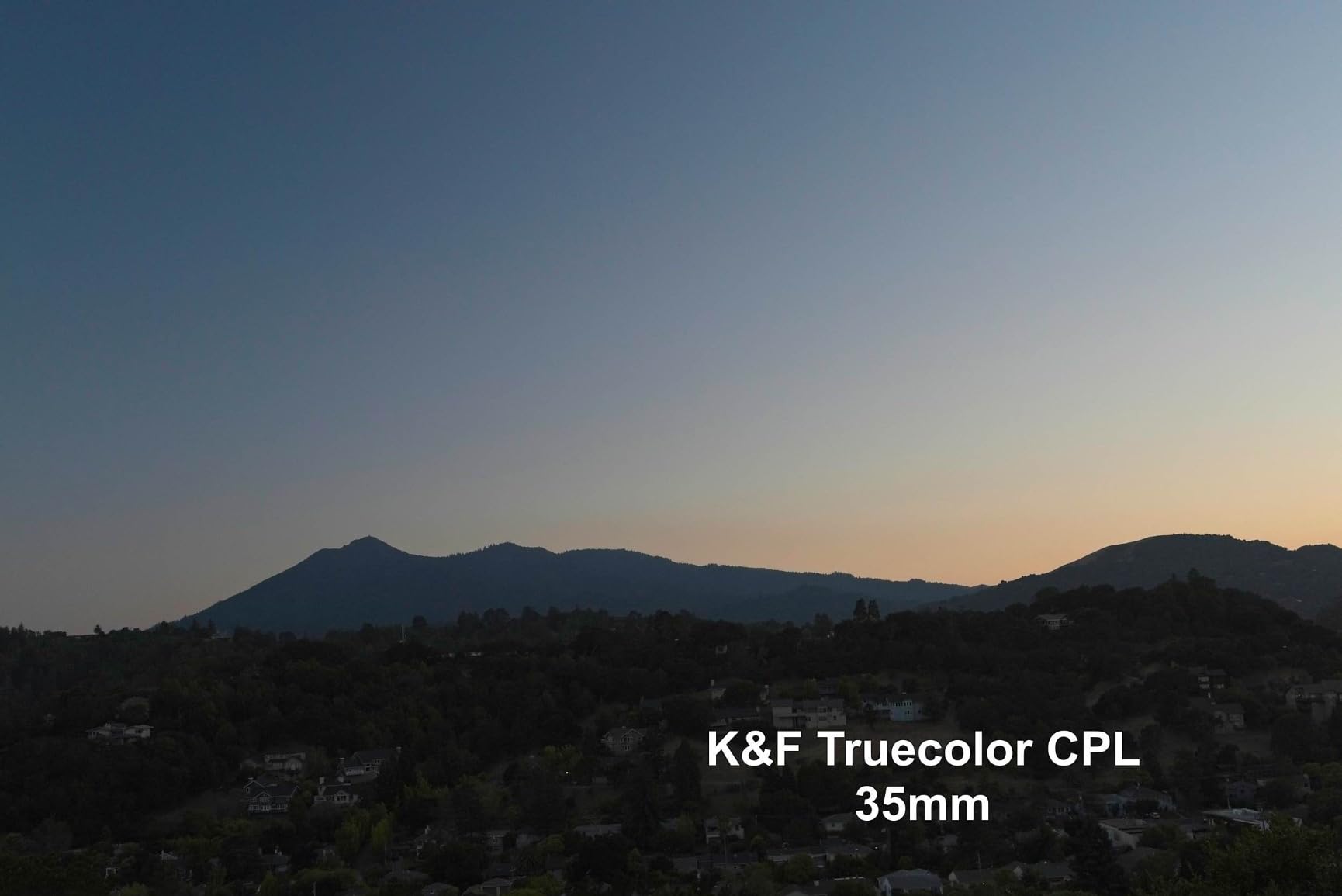
Color reproduction is good. There is a slight color cast at the extreme ends of rotation, but in the practical middle range where most photographers use the filter, the colors are accurate. White balance correction in post handles the minor shift easily.
The frame is slim and the threading is smooth. The CNC pattern provides good grip for installation. The 28-layer coating on both sides keeps the filter easy to clean and resistant to weather.
Polarization strength
The 99.9% polarization elimination rating is the highest in the roundup. In practice, this means you get a strong effect with less rotation needed.
For photographers who do not enjoy fiddling with the filter mid-shoot, the stronger default effect is a real advantage.
Best use cases
This is a smart pick if you want True Color performance without paying for the flagship True Color model. It is also a great choice for secondary lenses.
If you shoot video and want strong polarization without rotating the filter between shots, the high polarization block rating helps.
7. Hoya NXT Plus 77mm CPL – Reliable Japanese Engineering
Pros
- 10-layer HMC multi-coating
- Low-profile aluminum frame
- Stackable design
- Excellent build quality
Cons
- Higher price point
- Packaging could be better
- Smaller filter selection
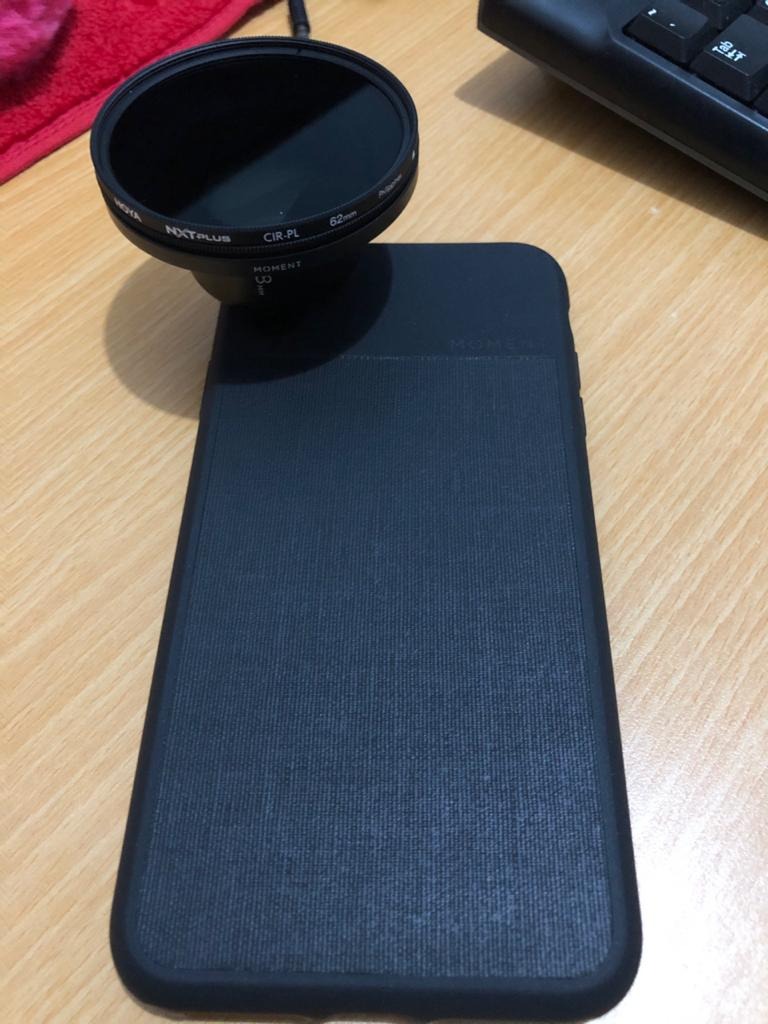
Hoya has been making optical filters longer than most photographers have been alive, and the NXT Plus 77mm CPL carries that heritage forward. With 10 layers of HMC multi-coating and a precision-milled low-profile frame, it is the kind of filter that feels solid in your hand the moment you pick it up.
In the field, the NXT Plus delivers rich colors and deep contrast without obvious color cast. The polarizing effect is strong and the 1.72 filter factor (roughly 0.8 stops of light loss) is competitive with the best in the category. Skies darken cleanly, water reflections drop away, and foliage saturation gets a noticeable boost.
The low-profile aluminum frame is one of the thinnest in the roundup. I mounted it on a 17-40mm wide-angle zoom at the widest focal length with no vignetting. The frame is also precision-milled for stacking, meaning you can mount another filter or a lens cap without binding.
The 10-layer HMC coating does a good job of repelling water, smudges, and dust. In wet conditions I have watched water bead off the surface. Cleaning is easy with a microfiber cloth, and the coating holds up well over time.
Build and handling
The aluminum frame is precisely milled and the threads are smooth. The filter feels like it will outlast the lens it sits on.
The only real downside is price. Hoya sits at the higher end, though the build quality justifies it for many shooters.
Best use cases
Choose the Hoya NXT Plus if you value long-term reliability and a brand with decades of optical manufacturing experience.
It is also worth considering if you already use Hoya filters in other sizes and want consistency across your kit.
8. Hoya HRT CIR-PL 77mm UV Filter – Dual Function Innovation
Pros
- Dual CPL and UV filter in one
- 25% more light transmission
- Reduces haze effectively
- Slim low-profile frame
Cons
- Subtler polarization than standard CPL
- No warranty included
- Very thin filter hard to grip
The Hoya HRT CIR-PL 77mm is a unique filter in this roundup because it combines CPL polarization with UV absorption in a single piece of glass. Hoya uses their High-Rate Transparency Film to allow 25% more visible light than a standard CPL, which makes it appealing for landscape photographers who often work in low light at sunrise or sunset.
The trade-off for that higher light transmission is a subtler polarizing effect. Compared to a traditional CPL, the HRT takes noticeably more rotation to achieve the same sky darkening. For most landscape uses, the effect is still strong enough to be useful, but if you want maximum polarization punch, a standard CPL is a better fit.
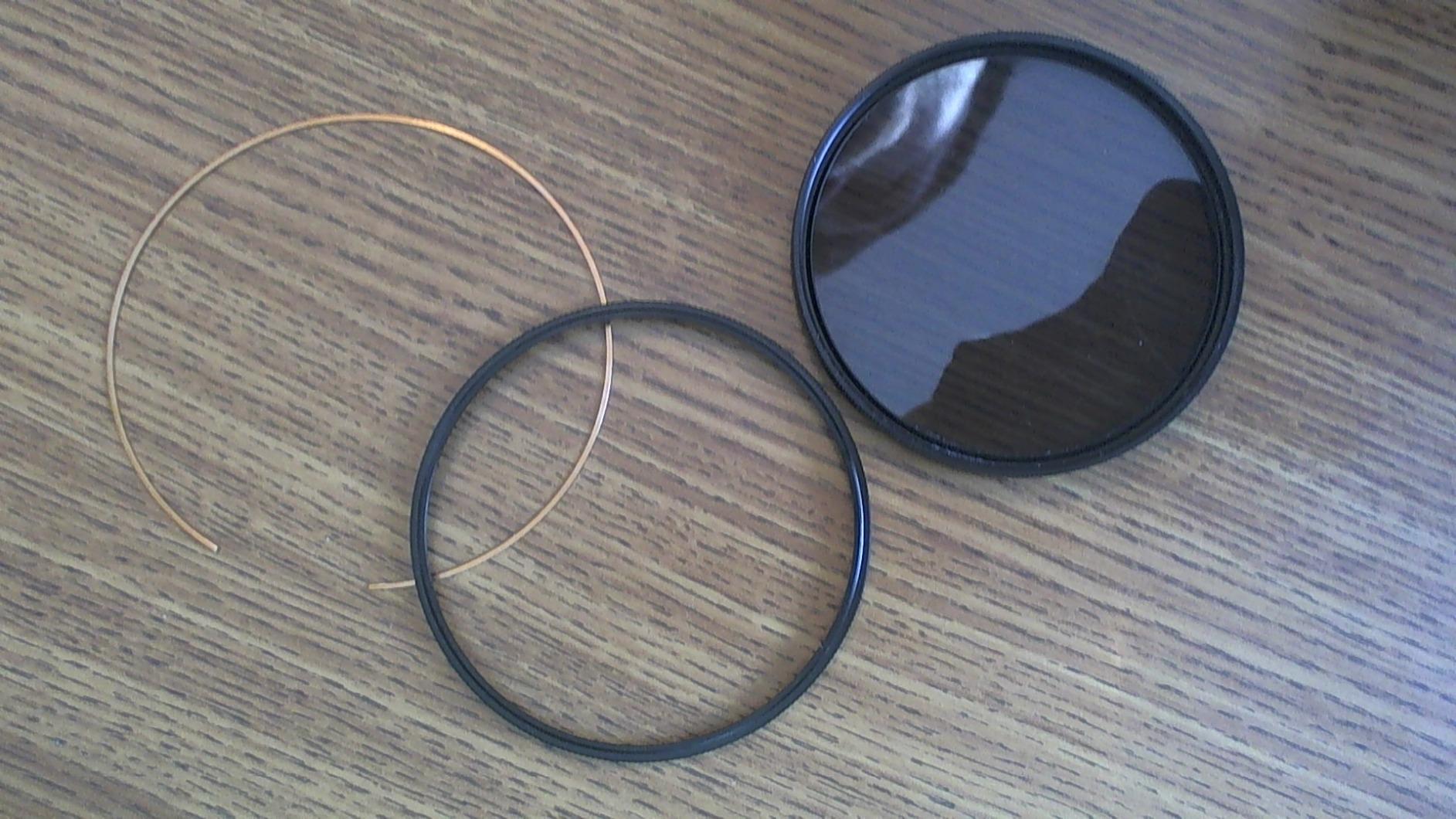
The UV absorption is a genuine benefit for high-altitude shooting. I tested it at 9,000 feet and the filter noticeably reduced the bluish haze in distant mountain layers. The slim low-profile frame works well on wide-angle lenses.
Build quality follows Hoya standards. The aluminum frame is solid, the threads are smooth, and the optical glass is multi-coated. The lack of a warranty is the only notable gap, but for the price, the dual function represents real value.

When dual function makes sense
If you only want to mount one filter and you shoot at altitude or near water where UV haze is a real problem, the HRT simplifies your kit.
If you already use a separate UV filter and want maximum polarization strength, a traditional CPL is the better choice.
Best use cases
The HRT is a smart pick for travel photographers who want to carry fewer filters. It is also well suited to high-altitude or coastal landscape work.
For pure polarization performance, look at the Hoya NXT Plus or the Breakthrough Photography X4 instead.
How to Choose the Best Polarizing Filter for Your Landscape Photography?
Choosing the best polarizing filter for landscape photography comes down to four practical factors: filter size, coating quality, frame profile, and color accuracy. Get these right and you will use the same filter for years without thinking about it. Get them wrong and you will fight vignetting, color cast, or flare every time you mount the filter.
Match the filter size to your lens
The thread size is printed on the front of your lens, usually near the glass, marked with a diameter symbol (for example, 77mm). Buy the filter that matches that number. If you own multiple lenses with different thread sizes, you can either buy filters in each size or use step-up rings to use one larger filter across the kit. Most landscape shooters end up with a few filter sizes plus step-up rings for their wide-angle lenses.
Coating quality matters more than brand
Multi-coated and nano-coated filters reduce flare, repel water, and clean up easier than uncoated glass. The difference between 10-layer and 28-layer coatings is real but small at the working end. Look for at least 10 layers of multi-coating, water resistance, and oil repellency if you shoot in changing weather.
Frame profile for wide-angle lenses
If you shoot with a wide-angle lens (anything wider than about 24mm on full-frame), a slim or ultra-slim frame is essential. Thick filter rings cause vignetting, the dark corner shading that ruins an otherwise clean composition. Look for frames under 6mm thick for ultra-wide work. The K&F Nano-X at 5.3mm and the Tiffen are excellent choices for wide-angle shooters.
Color neutrality versus price
Budget polarizers add a warm cast to images, especially at maximum polarization. Premium filters with True Color technology eliminate that cast. If you edit carefully and shoot RAW, you can correct the cast in post. If you shoot JPEG or do not enjoy color correction, paying more for True Color pays off immediately.
CPL and ND filter stacking
You can absolutely stack a circular polarizer with a neutral density filter for long exposures of water or clouds. Mount the CPL closest to the lens and the ND on top, or vice versa. Watch for vignetting when stacking on wide-angle lenses, and use slim frames for both filters to keep the stack as thin as possible.
Maintenance and care tips
Store your polarizer in a padded filter case when not in use. Clean it with a microfiber cloth and a small amount of lens cleaning fluid. Never use your shirt or paper products on coated glass. Inspect the threads every few months for grit, and keep a rocket blower in your bag to remove dust before wiping.
Frequently Asked Questions
What is the best polarizing filter for landscape photography?
For most landscape photographers, the Breakthrough Photography X4 CPL is the top choice thanks to its SCHOTT B270 optical glass, MRC16 multi-resistant coating, weather sealing, and 25-year warranty. It delivers excellent color neutrality and zero vignetting on wide-angle lenses. For budget-conscious shooters, the Tiffen 77mm CPL offers reliable performance at a much lower price point.
When should you NOT use a polarizing filter?
Skip the polarizer when shooting directly into or directly away from the sun (the effect drops to near zero at those angles). Also avoid it when photographing rainbows, since the polarization effect can reduce or eliminate them entirely. For very wide-angle lenses, polarizers can create uneven sky darkening that looks unnatural. In those cases, consider editing the sky in post instead.
What size polarizing filter do I need?
The filter size is printed on the front of your lens or lens cap, marked with the diameter symbol. Common landscape lens sizes are 67mm, 72mm, 77mm, and 82mm. If you have multiple lenses with different sizes, you can use step-up rings to share one larger filter across the kit. Step-up rings cost very little and save you from buying duplicates.
Can you stack a CPL filter with an ND filter?
Yes, you can stack a circular polarizer with a neutral density filter. This combination is popular for long exposure landscape photography where you want both reflection control and motion blur. Mount them carefully and watch for vignetting on wide-angle lenses. Using slim frames on both filters keeps the stack thin and reduces the risk of dark corners.
Are polarizing filters worth the money?
For landscape photography specifically, yes, a quality polarizing filter is one of the few accessories that changes what your camera sees rather than just modifying the light. The effect cannot be fully replicated in Lightroom or Photoshop, especially for cutting reflections off water and leaves. A good CPL will last many years and works on every lens you mount it on.
How do I choose the right angle for a polarizing filter?
Maximum polarization happens when your lens is pointed 90 degrees from the sun. The sky darkens more dramatically, water reflections drop away, and foliage saturation increases. Rotate the filter slowly while looking through the viewfinder until you see the strongest effect, then fine-tune from there. Smartphone apps and watch compasses can help you estimate the sun angle when planning shots.
Final Verdict on the Best Polarizing Filters for Landscape Photography
After rotating eight polarizers through mountains, lakes, forests, and coastlines, my top recommendation for the best polarizing filter for landscape photography remains the Breakthrough Photography X4 CPL. Its color neutrality, weather sealing, and 25-year warranty make it the filter I trust on the most important shoots.
For photographers working with a tighter budget, the K&F Concept Nano-X delivers most of the X4’s performance at a fraction of the price and is the best-selling option in the category for good reason. And if you only need a starter polarizer or a reliable backup, the Tiffen 77mm CPL has been doing the job for decades at a price that is hard to argue with.
Whichever filter you choose, mount it before golden hour, rotate slowly, and watch the sky transform. That is the moment every landscape photographer remembers why a quality polarizing filter is one of the best purchases you can make for your kit in 2026.