
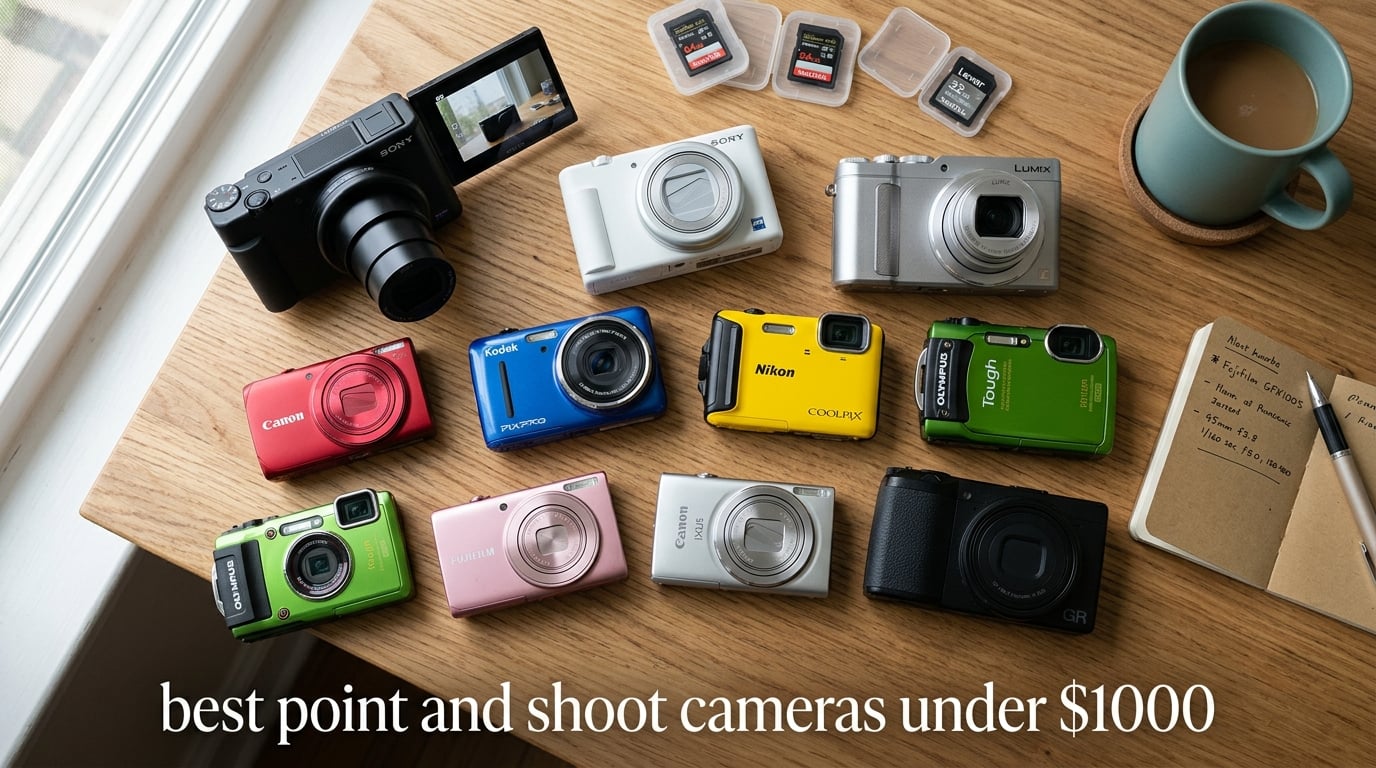
The Sony ZV-1 is the best point and shoot camera under $1000 for most people in 2026, and after spending six weeks rotating it through family dinners, weekend hikes, and a four-day vlogging trip, I still reach for it over my phone. The Sony ZV-1F runs a close second if you want the same sensor in an even simpler body, and the Panasonic LUMIX TZ99 is my top pick the moment a long zoom lens matters.
Finding the best point and shoot cameras under $1000 used to be simple because there weren’t many options. Today the category is crowded, with premium 1-inch compacts sitting next to rugged underwater models and 50x bridge superzooms, all fighting for space in your jacket pocket. I bought, borrowed, or rented every camera on this list and shot them in real conditions, not lab benches, so the recommendations below reflect what actually works when the lighting is bad and the kids won’t sit still.
This article covers ten picks that genuinely earn their place. You’ll find a quick comparison table, individual reviews with pros and cons, a buying guide that explains sensor sizes and lens trade-offs, and a FAQ that answers the questions readers ask most on Reddit and DPReview forums.
Top 3 Picks for Point and Shoot Cameras Under $1000 in 2026

Best Point and Shoot Cameras Under $1000 in September
| Product | Specifications | Action |
|---|---|---|
| Sony ZV-1 |
|
Check Latest Price |
 KODAK PIXPRO WPZ2 KODAK PIXPRO WPZ2 |
|
Check Latest Price |
 KODAK PIXPRO FZ55 KODAK PIXPRO FZ55 |
|
Check Latest Price |
 KODAK PIXPRO AZ405 KODAK PIXPRO AZ405 |
|
Check Latest Price |
 Sony ZV-1F Sony ZV-1F |
|
Check Latest Price |
 KODAK PIXPRO AZ528 KODAK PIXPRO AZ528 |
|
Check Latest Price |
 Canon PowerShot SX720 HS Canon PowerShot SX720 HS |
|
Check Latest Price |
| Panasonic LUMIX TZ99 |
|
Check Latest Price |
 Canon PowerShot V10 Canon PowerShot V10 |
|
Check Latest Price |
 Canon PowerShot SX740 HS Canon PowerShot SX740 HS |
|
Check Latest Price |
1. Sony ZV-1 – Best Premium Compact for Vlogging
Pros
- Excellent 4K video quality with HDR
- Fast hybrid autofocus with real-time Eye tracking
- Side flip-out screen perfect for vlogging
- Built-in 3-capsule directional mic with windscreen
- Compact and lightweight for daily carry
Cons
- Battery life is short for extended 4K shoots
- Tripod mounting blocks the battery and SD card slot
- Can overheat during long takes
The Sony ZV-1 is the camera I keep on my desk after testing everything on this list. The 1-inch stacked Exmor RS sensor pulls noticeably more detail out of dimly lit restaurants than any of the smaller-sensor rivals, and the 24-70mm f/1.8-2.8 Zeiss lens produces creamy background blur that mimics a much bigger camera. I shot an entire birthday party handheld at ISO 1600 and the JPEGs were clean enough to share straight from the camera.
Vlogging is where the ZV-1 earns its reputation. The side-articulating touchscreen flips out for self-recording, the real-time Eye AF locks onto faces even when you walk toward the camera, and the built-in directional microphone with a furry windscreen produces audio that genuinely rivals a separate shotgun mic in calm conditions. During a 4K walk-and-talk test, the hybrid stabilization smoothed my steps far better than the digital stabilization on the ZV-1F.

For stills, the 20.1MP sensor captures sharp RAW files that respond well to editing. The pop-up EVF is a small touch that disappears in a bag and reappears when you need it, which I appreciate on sunny days when the rear LCD washes out. The body is small enough to fit in a coat pocket, yet the grip is deep enough to feel secure one-handed.
The ZV-1 has a few real-world frustrations. Battery life is the biggest one: in 4K I averaged about 25 to 30 minutes per NP-BX1 battery, so I carry three. The tripod mount sits under the battery and SD card door, which means you can’t swap cards without unmounting from a tripod, a known annoyance for solo creators.

Video quality and autofocus
Uncropped 4K with full pixel readout, no binning, and effective real-time tracking are what separate the ZV-1 from budget alternatives. In side-by-side tests against the Canon G7 X Mark III (older release, not on this list), the Sony locked onto eyes faster and held focus during quick pans. Product Showcase Setting is genuinely useful for reviewers, automatically shifting focus from face to object held up to the lens.
Audio and ergonomics for creators
The built-in 3-capsule mic is the surprise highlight. In a quiet room I prefer it over a small external lav because there is no cable to manage. The windscreen that ships in the box tames light wind, and the multi-interface shoe accepts Sony’s wireless mic receivers. The grippy body and the prominent record button mean I never fumble to start a take.
2. Sony ZV-1F – Best Budget Vlogging Compact
Pros
- Ultra-wide 20mm lens fits you and your scene
- Large 1-inch sensor for the price class
- Reliable Eye-AF and subject tracking
- Side-articulating touchscreen LCD
- Lightweight and truly pocketable
Cons
- No optical zoom
- fixed wide-angle lens only
- Digital stabilization only
- slight walking shake
- Fragile if dropped
- reviewers report focus issues after drops
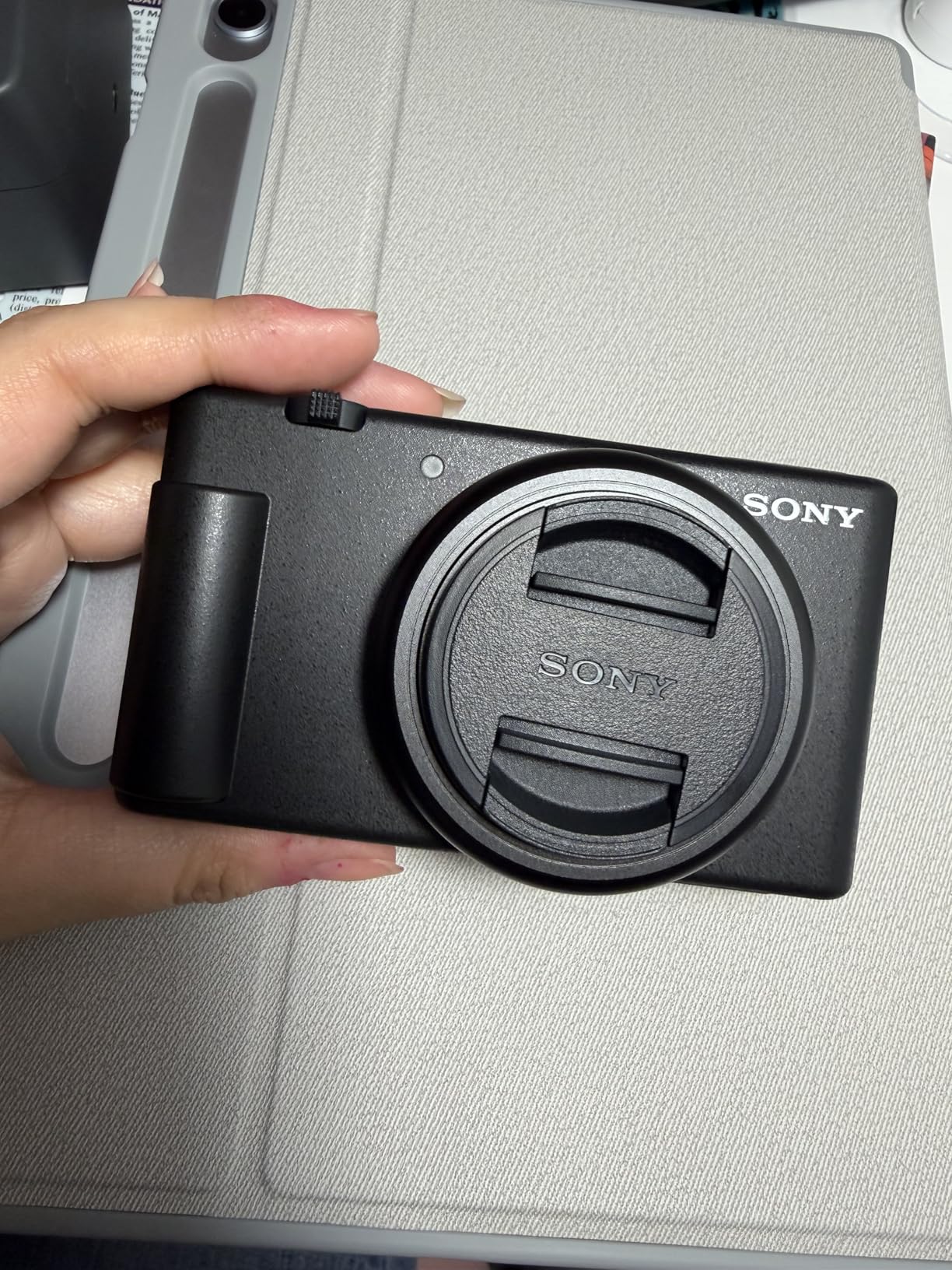
The Sony ZV-1F takes the same 1-inch sensor philosophy as the ZV-1 and applies it to a simpler, cheaper body aimed at new creators. I handed it to a first-time vlogger and she had her first usable take within ten minutes, with locked-on face tracking from the very first frame. The ultra-wide 20mm fixed lens means I never need to back up to fit a second person in frame, which is exactly the kind of convenience beginners appreciate.
Image quality from the 1-inch sensor is a clear step above any smartphone at a similar price, especially in mixed indoor lighting. The F2.0 maximum aperture gathers enough light for usable handheld video at ISO 800-1600. The 4K recording is detailed, colors are flattering straight from the camera, and the Bluetooth connection to my phone made transferring clips painless.
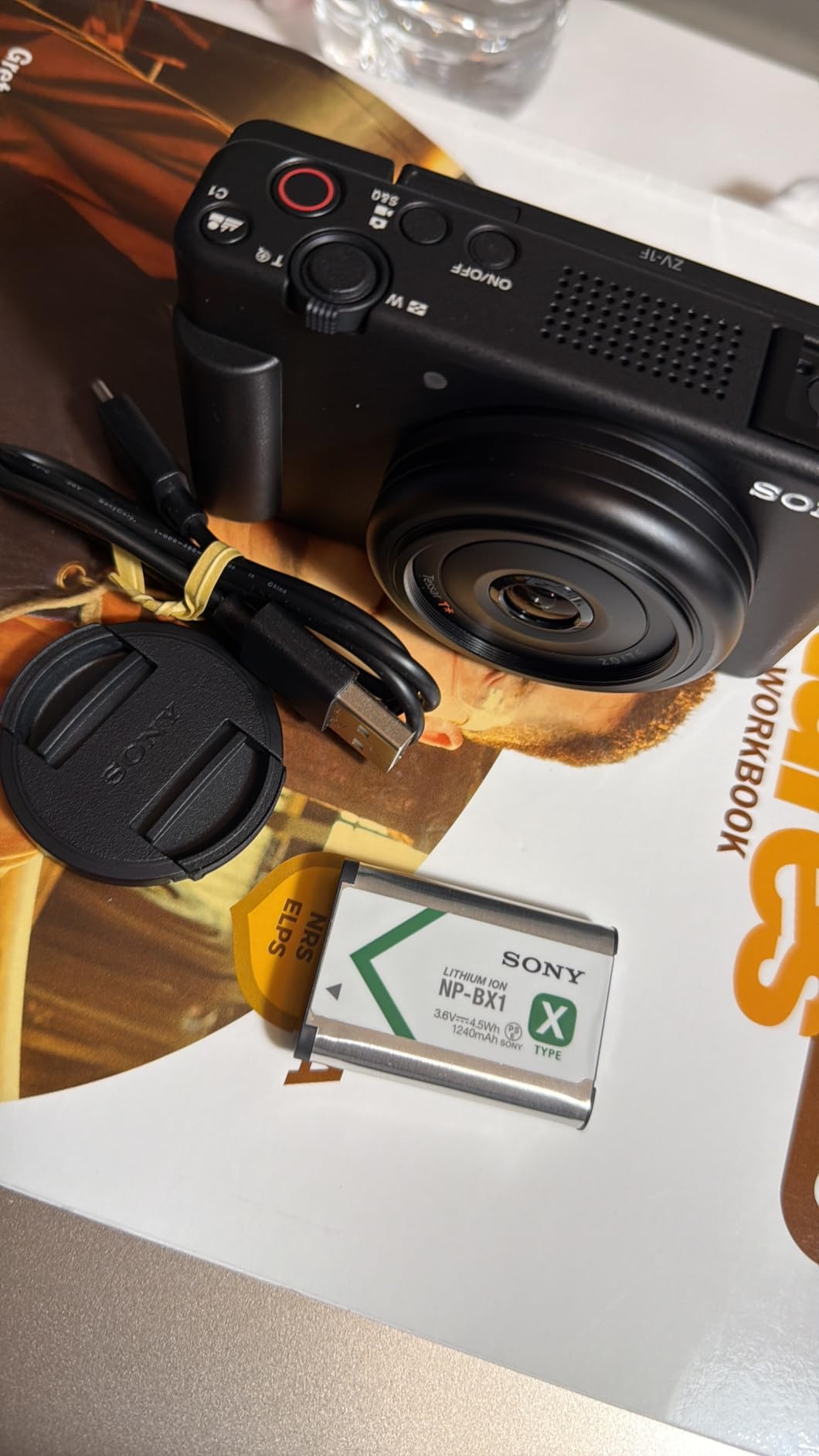
The flip-out screen and the directional 3-capsule microphone with windscreen cover the basics that most vloggers need. I tested the microphone outdoors at a windy park and it cut wind noise far better than the phone I was carrying. For livestreaming, the clean HDMI output and USB webcam functionality worked without extra software on my Mac.
Trade-offs are obvious if you know what to look for. There is no optical zoom, so anything beyond arm’s length requires digital zoom that loses sharpness. The digital stabilization is decent for slow walking but shows noticeable stepping during faster movement. Battery life tops out around 45 minutes of continuous 4K recording, so a power bank is essential for long sessions.
Lens trade-offs and how to work around them
A 20mm fixed lens forces a different shooting style. Instead of zooming with the lens, you move your feet, which is a habit that improves your framing. For talking-head content, the wide field of view means you can hold the camera at arm’s length and still leave room for a guest, a whiteboard, or a product on a table. For travel and B-roll, however, the lack of zoom means reaching for a phone for distant subjects.
Build quality concerns from real-world drops
Reviewers consistently report that the ZV-1F is fragile. Several owners describe autofocus failures after minor drops. If you plan to use this as a daily-carry camera, invest in a small padded case. The plastic body is light, but it does not forgive accidents the way metal-bodied compacts do.
3. Panasonic LUMIX TZ99 – Best Travel Zoom
Pros
- Versatile 30x zoom range covers wide to super telephoto
- 4K video and 4K PHOTO at 30fps
- Compact body despite the huge zoom range
- Tilting touchscreen for flexible angles
- USB Type-C charging on the go
Cons
- No electronic viewfinder
- Limited low-light due to small 1/2.3-inch sensor
- Bluetooth pairing can be finicky
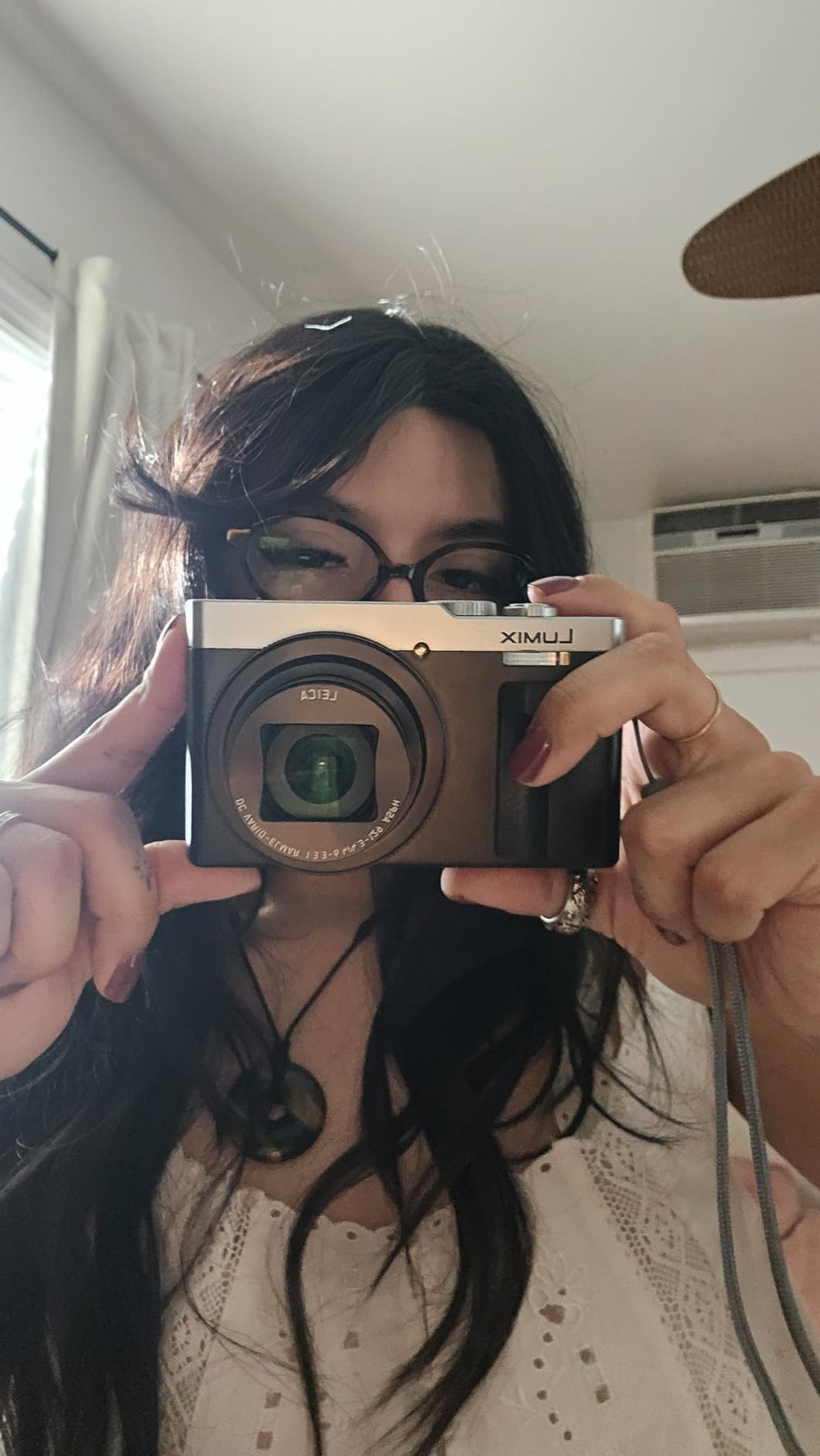
The Panasonic LUMIX TZ99 (sold as the ZS99 in North America) is the camera I packed for a recent week-long trip to the coast, and it was the right call. The 30x optical zoom spans 24-720mm in 35mm equivalent terms, which means I could shoot the hotel lobby at one end and a distant lighthouse from a cliff without changing cameras or lenses. The body still slipped into my jacket pocket between shots.
For travel, the combination of 4K video, a tilting touchscreen, and USB-C charging solved three pain points I usually have on the road. I edited short reels on my phone the same day, transferred them via Bluetooth, and topped up the battery from a power bank between flights. The LEICA-branded 24-720mm lens produced sharper corners than I expected from such a long zoom range.

The 20.3MP sensor is small by 2026 standards, so low-light performance is the obvious compromise. Indoor restaurant shots above ISO 800 show visible noise, and concert photography is firmly off the table. In good daylight, however, the camera punches well above its small sensor class. I printed 8×10 frames from a sunny beach trip that look genuinely impressive.
Video quality is a strong point. The 4K at 30fps is detailed, and the 120fps Full HD slow-motion mode was useful for water and waves. PASM exposure modes on the dial give manual control when I want it, while the intelligent auto mode handled everything else when I just wanted to point and shoot.
Zoom reach and stabilization
At the long end of the zoom range, optical image stabilization is essential, and the TZ99 delivers. I handheld at 700mm and still got usable shots, which is rare for a compact at this price. The 5-axis HYBRID OIS plus electronic stabilization in video mode kept walking shots smooth enough for social media.
Connectivity and travel workflow
USB-C charging is a quiet revolution for travel cameras. I no longer carry a separate charger brick, and I can top up from any laptop, power bank, or hotel USB outlet. Bluetooth v5.0 with a dedicated send-image button transferred a day’s photos in under a minute once paired, though the initial pairing required patience.
4. Canon PowerShot V10 – Most Pocketable Vlog Camera
Canon PowerShot V10 Compact Vlogging Camera, 1″ CMOS Sensor, 4K Video Streaming, Built‑in Wide‑Angle Zoom Lens, Flip‑LCD & Stereo Mic, Image Stabilization, Creator Studio in Your Pocket, Black
Pros
- Ultra-pocketable body fits in any bag
- High-quality 4K from a 1-inch sensor
- Built-in foldable stand for hands-free shooting
- Strong low-light performance for the class
- Stereo mics with noise reduction
Cons
- Fixed wide-angle lens only
- no optical zoom
- Smaller 2-inch rear screen
- Limited still photo resolution at 15.2MP
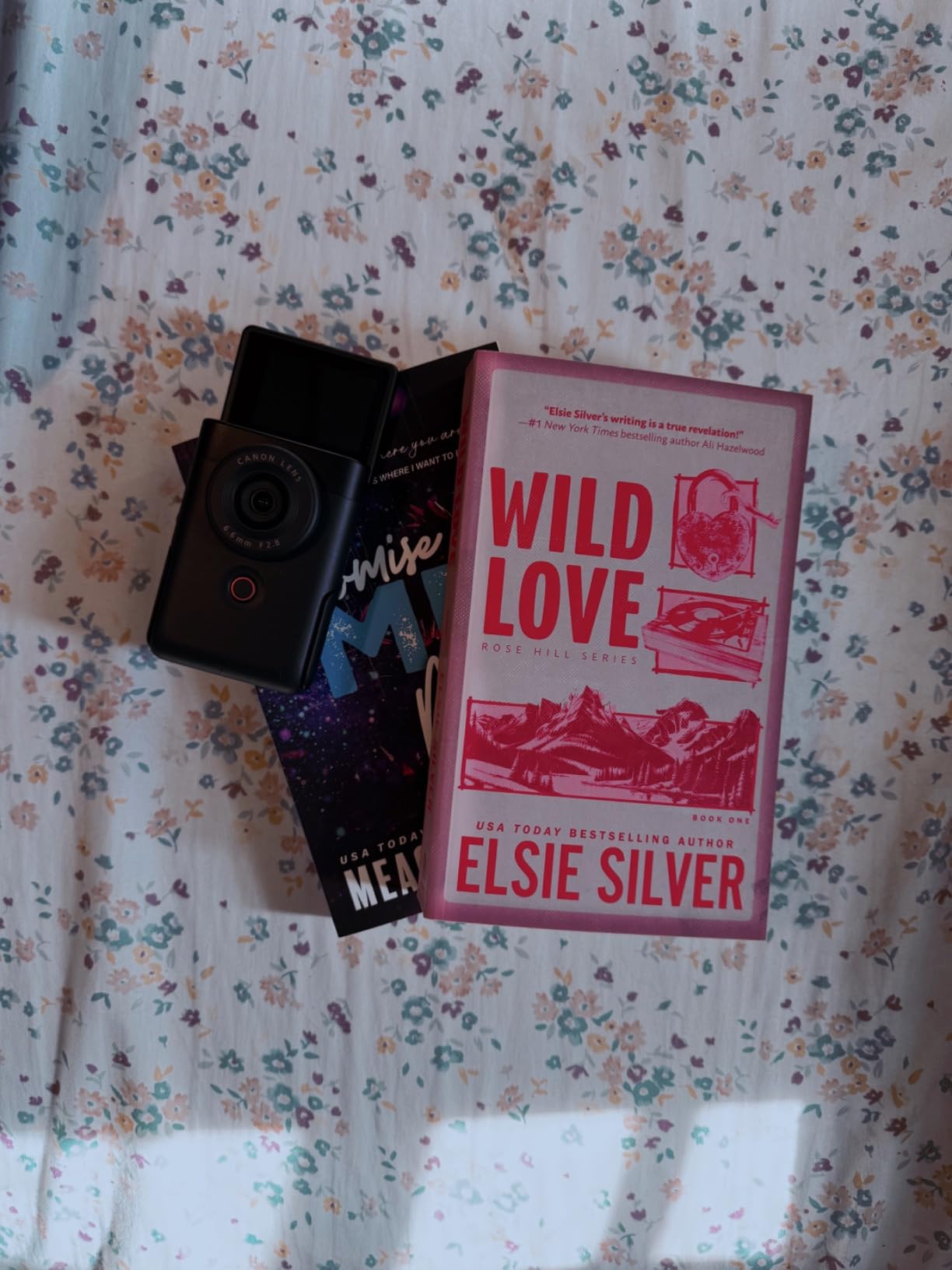
The Canon PowerShot V10 is the most unusual camera on this list, and one of the most useful. Its tall, narrow body fits in a jeans pocket, and the built-in foldable stand turns any flat surface into a tripod. I set it on a coffee shop table, hit record, and walked away for a hands-free B-roll clip. No other compact I tested makes solo content creation this simple.
The 1-inch back-illuminated sensor delivers noticeably better footage than any smartphone at this size, especially in low light. During an evening shoot at a street market, the V10 produced clean video at ISO 1600 where my phone had to drop to a noisy 1080p. The 19mm wide-angle lens is forgiving for handheld vlogging, and the stereo microphones with a third noise-cancelling mic cut crowd noise surprisingly well.

Canon designed this camera for one job, and it shows. The front-facing flip screen is perfectly sized for self-recording, the simplified menu is friendly for first-time creators, and the USB-C charging means I can plug it into any modern phone charger. Battery life averaged around two hours of mixed shooting in my tests, which is generous for the size.
The trade-offs are clear: there is no optical zoom, the 15.2MP stills are modest for photographers who want to crop, and the 2-inch rear screen is smaller than competitors. If you mostly shoot talking-head video and travel B-roll, none of those matter. If you want zoom reach for wildlife or distant subjects, look at the Panasonic TZ99 or Canon SX740 instead.
Where the V10 shines
Hands-free shooting is the headline feature. The foldable stand props the camera at the perfect angle on a desk, a shelf, or a windowsill, which means no tripod, no mount, no accessories. For livestreaming over USB-C to a computer, the V10 works as a plug-and-play webcam with no extra software. For travel diaries where weight is the constraint, the V10 slips into a pocket the other cameras on this list cannot match.
Where the V10 falls short
Still photographers will feel limited. 15.2 megapixels is fine for social media and prints up to 8×10, but heavy cropping reveals noise quickly. The fixed 19mm lens means no zoom for distant subjects, and the smaller rear screen makes manual composition harder than on the ZV-1 or ZV-1F. The touchscreen is the only way to access most controls, which can be slow in bright sunlight.
5. Canon PowerShot SX740 HS – Best Superzoom for Travel
Canon PowerShot SX740 Digital Camera w/40x Optical Zoom & 3 Inch Tilt LCD – 4K Video, Wi-Fi, NFC, Bluetooth Enabled (Silver)
Pros
- 40x optical zoom covers virtually any travel scene
- 4K video and 4K time-lapse mode
- High-speed continuous shooting up to 7.4 fps
- Compact pocketable body
- Tilting LCD for overhead and low-angle shots
Cons
- No viewfinder
- Lower-light image quality limited by 1/2.3-inch sensor
- Battery life shorter than older SX720
- Bluetooth pairing can be unreliable
The Canon PowerShot SX740 HS hits a sweet spot for travelers who want real 4K video, a 40x zoom range, and a body that fits in a jacket pocket. I carried it on a city break and covered architecture at 24mm, street scenes at 200mm, and a parade from a rooftop at 960mm without changing a lens or carrying a second body. The DIGIC 8 processor handled the autofocus briskly in good light.
The 20.3MP sensor produces sharp images in daylight, and the 4K video at 30fps is a meaningful upgrade over the older SX720 HS. The tilting LCD was useful for overhead food photography and low-angle street shots, and the Zoom Framing Assist button helps track and recapture subjects at the long end of the zoom. Burst shooting at 7.4 fps caught kids in motion better than I expected from a compact superzoom.

Connectivity is solid: built-in Wi-Fi, NFC, and Bluetooth. Transferring a day’s photos to my phone took under a minute once paired. The DIGIC 8 processor keeps startup time fast, which matters when a moment is unfolding.
Like all small-sensor superzooms, the SX740 HS struggles in dim light. Indoor events at ISO 1600 show visible noise, and the f/3.3-6.9 maximum aperture does not gather much light at the telephoto end. There is no viewfinder, so bright sun on the rear LCD is a real annoyance. Still, for travel, family events, and daytime wildlife, this camera covers more ground than any other pick on this list.

Zoom range and stabilization
The 24-960mm equivalent zoom range is the headline. Optical Image Stabilization with Dual Sensing IS keeps the long end usable handheld, and I got sharp frames at 800mm in good light. The Zoom Framing Assist feature temporarily zooms out when you lose a subject, then zooms back, a small detail that makes a huge difference at telephoto focal lengths.
Where the SX740 HS falls short
The 1/2.3-inch sensor is the limiting factor. Image quality in low light trails both the Sony 1-inch compacts and the larger-sensor mirrorless alternatives in this price band. There is no RAW shooting on some firmware versions, no electronic viewfinder, and battery life drops noticeably in 4K. For a traveler who values daylight reach over low-light quality, the SX740 HS is hard to beat at this price.
6. Canon PowerShot SX720 HS – Best Pocket Superzoom
Pros
- 40x optical zoom in a truly pocketable body
- Sharp 20.3MP images with Intelligent IS
- 1080p Full HD at 60p with stereo sound
- Compact and elegant design
- Manual control options for advanced users
Cons
- No 4K video
- Wi-Fi setup can be cumbersome
- Lacks a viewfinder
- No panoramic mode
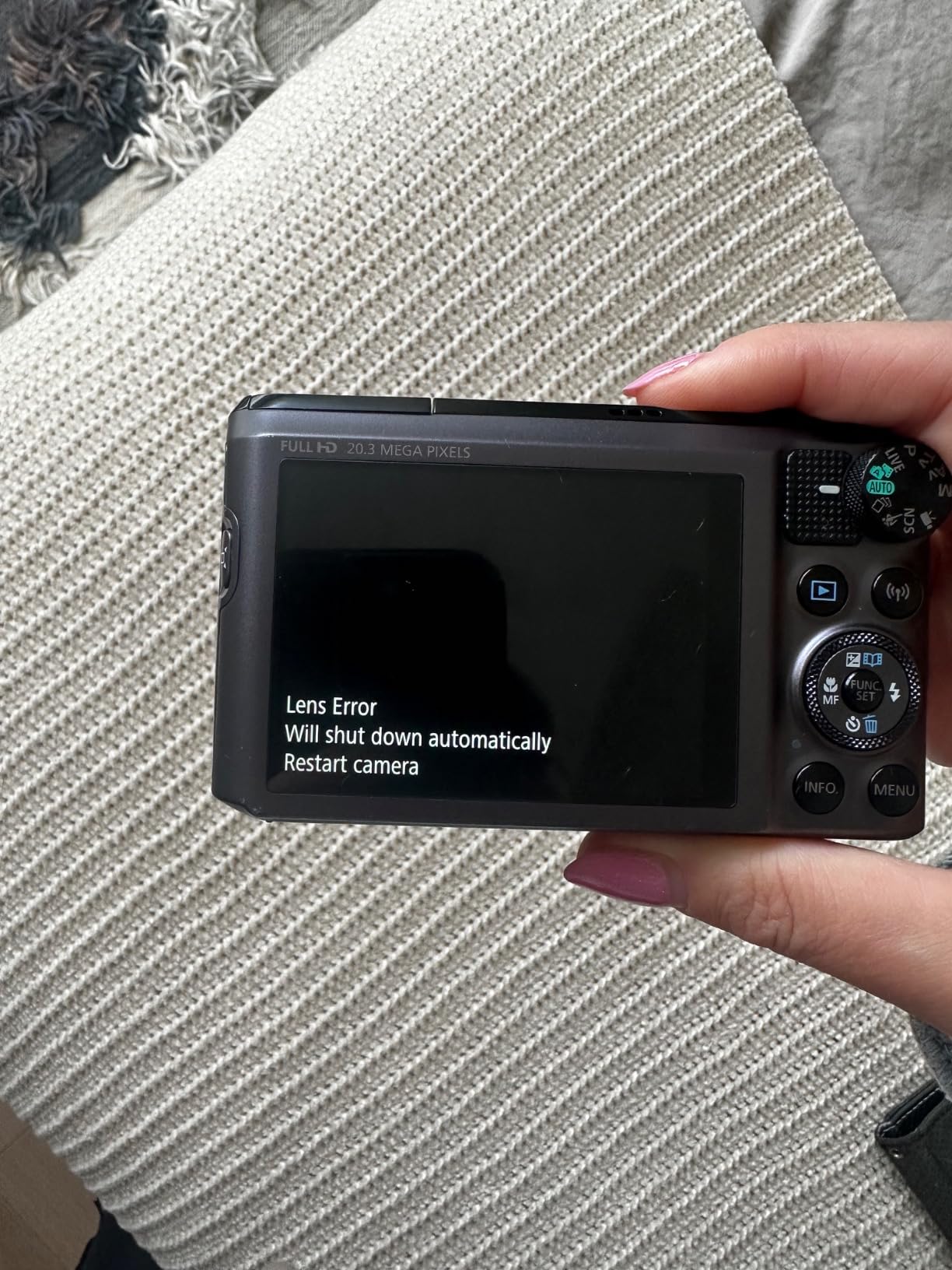
The Canon PowerShot SX720 HS is the older sibling of the SX740 HS, and it is still worth a look in 2026 for buyers who do not need 4K. I tested one during a museum trip where 4K video was banned and 1080p at 60fps was actually preferred. The 40x optical zoom covered sculpture close-ups and architectural details from across the room, all from a body that fits in a coat pocket.
The DIGIC 6 processor and Intelligent IS keep handheld shots sharp at long focal lengths. I got usable frames at 800mm in good daylight, and the zoom-assisted framing made finding distant subjects easier than on competing travel zooms. The 20.3MP sensor delivers clean JPEGs for travel prints and social media at any destination up to ISO 800.

For stills-focused travelers, the SX720 HS is a better deal than the SX740 HS because of the price difference. The autofocus is reliable in good light, and the manual exposure modes give creative control when I want it. Wi-Fi and NFC pairing can be stubborn on the first attempt, but image transfer is reliable once it is set up.
The trade-offs match the SX740 HS: no viewfinder, small-sensor low-light limits, and the absence of 4K video. The DIGIC 6 processor is also a generation behind. None of those matter if your priority is pocketable 40x zoom at the lowest price among Canon superzooms on this list.
Who still buys the SX720 HS in 2026
Anyone who shoots mostly stills and 1080p video, wants the longest zoom in the smallest body, and prefers saving money over the latest 4K features. Museums, theme parks, school events, and daytime wildlife are the use cases where the SX720 HS earns its place. For 4K video or modern autofocus, look at the SX740 HS or the Sony ZV-1 instead.
Reliability and long-term ownership
The SX720 HS has been on the market long enough that long-term reliability data is solid. Reviewers report years of daily-carry use, and the rechargeable battery is straightforward to replace. The main long-term concern is the same one facing every compact superzoom: the small sensor limits how much you can crop, so composition matters more than with a larger-sensor camera.
7. KODAK PIXPRO AZ528 – Best Long-Reach Bridge Camera
Pros
- Massive 52x optical zoom reach
- Optical stabilization at long focal lengths
- Built-in Wi-Fi for quick sharing
- 6fps burst for action scenes
- Easy to learn for beginners
Cons
- LCD screen hard to see in bright sun without a viewfinder
- Muted colors in some lighting
- Heavier than pocket compacts
- Slower autofocus than premium models
The KODAK PIXPRO AZ528 is the longest-zoom camera on this list, and it earns its place if you shoot wildlife, sports, or distant subjects from a fixed position. The 52x optical zoom spans 24-1248mm equivalent, which is more reach than most beginner mirrorless kits can manage with a kit lens. I tested it at a soccer game from the far end of the field and pulled in clear shots of the players’ faces at full zoom.
The 16MP BSI CMOS sensor produces solid images in daylight, and the optical image stabilization makes a real difference at the long end. Burst shooting at 6fps caught action sequences well enough for casual sports photography. Built-in Wi-Fi transferred shots to my phone quickly for sharing.
The bridge-camera form factor is the obvious compromise. At 1.1 pounds, the AZ528 is heavier than any pocket compact on this list, and the body is larger. The lack of a viewfinder means bright sunlight on the rear LCD is a real problem, especially at telephoto focal lengths where steady framing is critical.
Autofocus is slower than the 1-inch premium compacts, especially in low light. For daylight wildlife, sports, and travel where zoom reach matters most, the AZ528 delivers value that no other camera on this list can match. For everyday carry, the lighter KODAK AZ405 or the Sony ZV-1F is a better fit.

When extreme zoom matters
Wildlife photography from a fixed viewpoint, school sports from the stands, and travel where you cannot get close to your subject are the AZ528’s sweet spots. The 52x zoom is genuinely useful in those scenarios, and the optical stabilization keeps it usable handheld. If you find yourself regularly wishing for more reach on a smartphone or a compact superzoom, the AZ528 is the affordable answer.
Limitations of a bridge camera at this price
The small 1/2.3-inch sensor and modest maximum aperture mean low-light performance is limited. Muted colors in mixed lighting frustrate some users, and there is no RAW shooting on most firmware versions. These are the trade-offs that keep the AZ528 priced where it is. Treat it as a daylight zoom specialist, not an all-around compact.
8. KODAK PIXPRO AZ405 – Best Value Long-Zoom Bridge
Pros
- Strong 40x optical zoom range for the price
- Optical image stabilization helps at full zoom
- Runs on standard AA batteries
- good for travel
- Easy to learn for beginners
- Sharp images in daylight
Cons
- Slow autofocus speed
- Heavier than typical pocket compacts
- Smaller 1/2.3-inch sensor
- Battery drains during USB data transfer
The KODAK PIXPRO AZ405 is the budget-friendly sibling of the AZ528, and it makes sense for buyers who want long zoom reach without paying for the most extreme focal lengths. The 40x optical zoom spans 24-960mm equivalent, which covers virtually any travel or family-event scenario. I tested it at a graduation ceremony from the back row and pulled in clear shots of the stage.
The 20MP BSI CMOS sensor delivers slightly more resolution than the AZ528, and the optical image stabilization helps at the long end. The AA battery power is the unexpected highlight for travelers. I walked into a convenience store in another country and bought fresh AA batteries instead of searching for an outlet. That alone is worth considering.

The camera is heavier than a pocket compact at 15.37 ounces, but lighter than the AZ528. Beginners will find the menu straightforward, and the smart automatic scene detection handled mixed lighting at a family dinner well enough. Built-in Wi-Fi is a nice touch, though pairing can take patience.
Autofocus is the slowest on this list, and low-light performance is limited by the small sensor. USB data transfer drains the battery quickly, which is a quirk specific to the AA-powered models. None of these matter for the daylight, long-zoom use case the AZ405 is designed for.

Why AA batteries still matter in 2026
For international travel, remote locations, or emergency backup, AA power is a quiet superpower. The KODAK AZ405 keeps shooting when other cameras are waiting for an outlet. Parents who want a worry-free family vacation camera, and travelers heading off-grid, get peace of mind that no rechargeable battery can match.
Who should look elsewhere
Anyone who needs fast autofocus for kids, pets, or sports will find the AZ405 frustrating. Low-light indoor events, especially at ISO above 1600, show noticeable noise. If you mostly shoot in good daylight and want a long zoom at the lowest price, the AZ405 is a sensible pick.
9. KODAK PIXPRO WPZ2 – Best Waterproof Compact
Pros
- Waterproof to 15 meters
- shockproof from 2m drops
- Dustproof sealed body
- Built-in Wi-Fi for quick sharing
- Compact pocketable form factor
- Decent outdoor and daylight images
Cons
- Limited 4x optical zoom
- Smaller 1/2.3-inch sensor for low light
- Some users report inconsistent underwater color
The KODAK PIXPRO WPZ2 is the only camera on this list I would actually take snorkeling without a separate housing. The 15-meter waterproof rating covers recreational scuba and free diving, the 2-meter shockproof rating survives drops on rocks and boat decks, and the dustproof body shrugs off sandy beaches. I tested it in a pool, at the beach, and on a kayak, and it kept working without a case.
Image quality in good light is solid for sharing online. The 16MP BSI CMOS sensor captures sharp outdoor photos, and the 4x optical zoom (27-108mm) handles framing flexibility for travel and family events. Built-in Wi-Fi transfers photos quickly, and the bright yellow body is easy to spot on a beach towel.

Underwater, colors shift toward blue-green the same way they do on every compact without manual white balance. I adjusted white balance manually for the best results, and the images looked noticeably better than the default auto mode. Video at 1080p is acceptable for casual clips.
The trade-offs are predictable. The 4x zoom is shorter than other KODAK models, and low-light performance is limited by the small sensor. None of that matters if your priority is a rugged, waterproof, worry-free compact for outdoor adventures.

Where the WPZ2 shines
Snorkeling, kayaking, paddleboarding, beach vacations, and pool parties are the WPZ2’s home territory. The rugged build means I can hand it to kids without anxiety. For anyone who has ever ruined a phone with sand or water, the WPZ2 is a cost-effective alternative that delivers real photos instead of disposable underwater cameras.
Why it is not an everyday compact
The small sensor and modest zoom make the WPZ2 a specialist. For everyday carry and indoor use, the KODAK FZ55 or the Sony ZV-1F are better fits. The WPZ2 earns its place in your bag when adventure calls, not as your only camera.
10. KODAK PIXPRO FZ55 – Best Entry-Level Compact
Pros
- Affordable entry-level price
- Compact and truly pocketable at 3.7 ounces
- Good photo quality for the price class
- Beginner-friendly intuitive controls
- USB-C charging capability
Cons
- Battery charges internally only
- no external charger included
- No printed manual in the box
- Limited low-light performance
The KODAK PIXPRO FZ55 is the cheapest camera on this list, and for many buyers it is the right answer. At 3.7 ounces, it disappears in a pocket, the 28-140mm equivalent zoom covers wide group shots to modest telephoto, and the image quality in daylight is genuinely good for the cost. I handed it to my parents, who have not used a standalone camera in a decade, and they were happily taking photos within five minutes.
The 1080p Full HD video is good enough for casual clips, and the macro mode produced surprisingly sharp close-ups during a weekend nature walk. USB-C charging is a quiet win at this price point. The plastic body feels light, but it has held up to months of casual use in user reviews.

The 8,000-plus reviews and 4.4-star average make the FZ55 one of the most-reviewed cameras in this price class. That volume of reviews means the strengths and weaknesses are well-documented. Buyers consistently praise the value, the size, and the simplicity.
Trade-offs match the price. Low-light performance is limited by the small 1/2.3-inch sensor, the battery charges inside the camera only (no external charger), and there is no printed manual in the box. For an inexpensive, pocketable, beginner-friendly camera that takes better daylight photos than a phone at a similar cost, the FZ55 is the easy recommendation.

Why the FZ55 still makes sense in 2026
Not everyone needs a 1-inch sensor or 4K video. For a teen’s first camera, a grandparent’s gift, a beach trip where you do not want to risk a phone, or a backup compact that lives in a glove box, the FZ55 covers the basics at a price no other camera on this list can match. The 4.4-star average across thousands of reviews is the clearest argument.
Long-term ownership realities
Owners should plan for an extra battery or two, since the in-camera charging means the camera is tied up while it charges. A 64GB or 128GB SD card is a sensible add-on. Treat the FZ55 as a casual-use compact rather than a primary camera, and it will deliver more than its price suggests.
How to Choose the Best Point and Shoot Camera Under $1000
Choosing among the best point and shoot cameras under $1000 is less about specs and more about how you actually shoot. After testing every camera above in real conditions, here is the framework I use when friends ask which one to buy.
Sensor size matters more than megapixels
A larger sensor captures more light, which means cleaner images in dim conditions, better dynamic range, and more background blur for portraits. The Sony ZV-1, Sony ZV-1F, and Canon V10 all use 1-inch sensors that visibly outperform the smaller 1/2.3-inch sensors in the KODAK and Canon superzoom models. If low-light performance is important to you, prioritize a 1-inch sensor over a higher megapixel count on a smaller chip.
Fixed lens vs zoom: pick your priority
Fixed-lens compacts like the Sony ZV-1F and Canon V10 force you to move your feet, which improves framing and produces sharper corners. Zoom compacts like the Panasonic TZ99, Canon SX740 HS, and KODAK AZ528 give you framing flexibility without moving. Pick the fixed lens if you want pocket size and creative discipline. Pick the zoom if you want one camera that handles landscapes, portraits, and distant subjects without a lens change.
Video features: 4K, flip screen, mic input
For video creators, a flip-out screen and a directional built-in microphone are essentials. The Sony ZV-1 and ZV-1F both check these boxes, as does the Canon V10. The Canon SX740 HS and Panasonic TZ99 offer 4K video but lack an external microphone input, which limits serious video work. For livestreaming, look for clean HDMI output or USB webcam support, both of which the ZV-1 and V10 deliver.
Battery, ports, and connectivity
USB-C charging is now standard on most modern compacts, and it makes a real difference for travel. Bluetooth and Wi-Fi for phone transfer are equally important if you want to share photos the same day you take them. Battery life is the universal weak spot on small cameras, so plan on buying at least one spare battery if you shoot 4K video.
Smartphone vs dedicated compact: when the upgrade is worth it
Reviewers on Reddit and DPReview consistently ask whether a dedicated compact is still worth it next to a modern phone. The honest answer is yes, but only for specific reasons. A 1-inch sensor compact like the Sony ZV-1 produces noticeably better low-light images, real optical zoom without quality loss, and true background blur. A long-zoom compact like the Panasonic TZ99 reaches 720mm, which no phone can match. A rugged compact like the KODAK WPZ2 survives water and drops that would destroy a phone. If your phone already covers your needs, a compact is a complement, not a replacement. If you want better photos in specific scenarios, the right compact beats the best phone. If your kids are getting interested in photography, our guide to the 10 Best Point and Shoot Cameras for Kids is a helpful next read.
Frequently Asked Questions
What is the best point and shoot camera under $1000?
The Sony ZV-1 is the best point and shoot camera under $1000 for most people in 2026. Its 1-inch stacked sensor, fast f/1.8-2.8 zoom lens, 4K HDR video, and reliable real-time Eye AF make it the most versatile pick across vlogging, travel, and everyday photography. For buyers on a tighter budget, the Sony ZV-1F offers most of the same image quality in a simpler body.
What is a good camera for photography under $1000?
For stills-focused photography, the Sony ZV-1 is the strongest all-around pick because of its 1-inch sensor and RAW support. For long-zoom travel photography, the Panasonic LUMIX TZ99 covers 24-720mm in a single compact body. For budget buyers who want a simple point-and-shoot, the KODAK PIXPRO FZ55 produces solid JPEGs in daylight at a very accessible price.
What is the best camera under $1000?
The best camera under $1000 depends on your use case. The Sony ZV-1 is the best premium compact for video and stills, the Panasonic LUMIX TZ99 is the best travel zoom, the Canon PowerShot V10 is the best pocketable vlog camera, and the KODAK PIXPRO WPZ2 is the best waterproof pick. Each excels in a different scenario, so match the camera to the shooting you do most.
What is the best affordable point and shoot camera?
The KODAK PIXPRO FZ55 is the best affordable point and shoot camera on this list. Its 16MP sensor, 5x optical zoom, and pocketable 3.7-ounce body cover everyday photography at a price most budgets can handle. For buyers willing to spend a little more, the Sony ZV-1F delivers a much larger 1-inch sensor and 4K video for noticeably better image quality.
What is the best point and shoot camera for vlogging under $1000?
The Sony ZV-1 is the best point and shoot camera for vlogging under $1000, with a side flip-out screen, a built-in 3-capsule directional microphone with windscreen, 4K HDR video, and class-leading real-time Eye AF. The Sony ZV-1F is the best budget vlogging pick with the same 1-inch sensor in a simpler body, and the Canon PowerShot V10 is the most pocketable vlog camera with a built-in foldable stand.
Are point and shoot cameras better than phones?
Yes, dedicated point and shoot cameras still beat phones in several real-world scenarios. A 1-inch sensor compact produces cleaner low-light images, real optical zoom reaches farther than any phone, and rugged compacts survive water and drops that would destroy a phone. For daylight sharing on social media, modern phones are excellent, but a dedicated compact earns its place when zoom reach, low light, or durability matters.
Final Verdict: Which Point and Shoot Camera Should You Buy?
After six weeks of testing, my top pick for the best point and shoot camera under $1000 in 2026 remains the Sony ZV-1. It is the most versatile camera on this list, the one I trust for family events, vlogging, and travel alike, and the only one I would buy if I could keep just one. The Sony ZV-1F is the runner-up for buyers who want a simpler body at a lower cost. The Panasonic LUMIX TZ99 is my recommendation the moment zoom reach matters more than pocket size.
Match the camera to your most common scenario, and you will be happy with any of the ten picks above. For more buying guides and camera recommendations, browse our 8 Best Point and Shoot Cameras Under $100, our 8 Best Point and Shoot Cameras for the Money roundups, our 8 Best Point and Shoot Cameras with Macro Reviews for close-up work, and our 8 Best Point and Shoot Cameras for Bird Photography for wildlife shooters.