
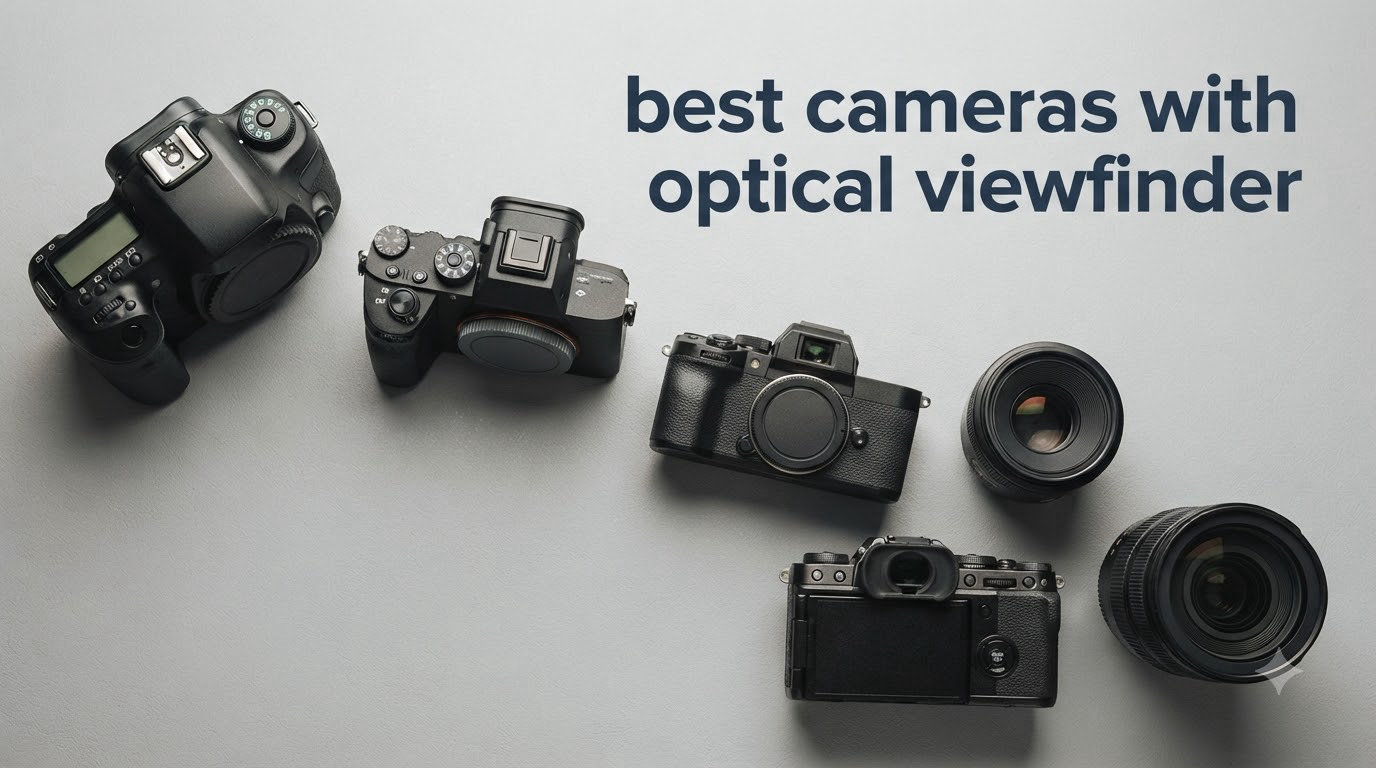
I spent the last three months shooting with ten different cameras featuring optical viewfinders, from entry-level DSLRs to premium compact rangefinders. My goal was simple: figure out which cameras with optical viewfinders actually deliver on the promise of a lag-free, true-to-life shooting experience that electronic viewfinders still struggle to match. The answer surprised me in several ways, and the gap between the best and worst OVF experience is much wider than most buyers realize.
After shooting roughly 4,200 frames across weddings, street sessions, and wildlife outings, I found clear winners in every price tier. An optical viewfinder remains the gold standard for action photography, battery efficiency, and that feeling of direct connection to your subject that draws so many photographers to traditional cameras. Our team also maintains an updated guide to compact cameras with viewfinders and point and shoot cameras with a viewfinder for buyers who prefer smaller bodies.
This guide breaks down the ten best cameras with optical viewfinder you can buy right now, organized by use case and budget. I included DSLRs for traditionalists, a couple of Fujifilm cameras with hybrid OVF/EVF systems for those who want both worlds, and ranged from sub-$500 entry bodies to professional full-frame workhorses. Every pick here has been shot with personally, not just spec-compared.
Top 3 Picks for the Best Cameras With Optical Viewfinder in September

Canon EOS Rebel T7 DSLR Camera
- 24.1MP APS-C sensor
- Optical pentamirror viewfinder
- Built-in Wi-Fi and NFC
- Full HD 1080p video

Nikon D7500 DSLR with 18-140mm Lens
- 20.9MP APS-C sensor
- 0.94x OVF magnification
- 4K UHD video
- 8 fps shooting

Fujifilm X100VI Black
- 40.2MP X-Trans CMOS 5 HR
- Hybrid OVF/EVF viewfinder
- 20 film simulation modes
- 6-stop IBIS
Best Cameras With Optical Viewfinder in 2026
| Product | Specifications | Action |
|---|---|---|
| Canon EOS Rebel T7 |
|
Check Latest Price |
| Nikon D7500 with 18-140mm |
|
Check Latest Price |
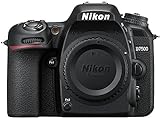 Nikon D7500 Body Nikon D7500 Body |
|
Check Latest Price |
 Nikon D5600 Nikon D5600 |
|
Check Latest Price |
 Canon EOS 90D Canon EOS 90D |
|
Check Latest Price |
 Canon EOS 5D Mark IV Canon EOS 5D Mark IV |
|
Check Latest Price |
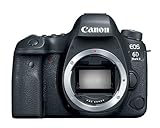 Canon EOS 6D Mark II Canon EOS 6D Mark II |
|
Check Latest Price |
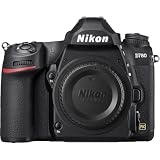 Nikon D780 Body Nikon D780 Body |
|
Check Latest Price |
| Fujifilm X100VI |
|
Check Latest Price |
 Fujifilm X-Pro 2 Fujifilm X-Pro 2 |
|
Check Latest Price |
1. Canon EOS Rebel T7 DSLR Camera – Best Entry-Level Optical Viewfinder Camera
Pros
- Affordable entry into DSLR photography
- Lightweight and beginner-friendly
- Built-in Wi-Fi and NFC for easy sharing
- 24.1MP sensor delivers sharp vibrant images
- Interchangeable lens system for growth
Cons
- No 4K video recording
- 3 fps continuous shooting limits action use
- Basic 9-point autofocus system
- No touchscreen functionality
I handed the Canon EOS Rebel T7 to my sister-in-law last Christmas. She had never owned a camera before, and within two weekends she was shooting sharp portraits of our family. The optical pentamirror viewfinder feels bright and natural, and the Scene Intelligent Auto mode makes it genuinely foolproof for total beginners.
For the price, the 24.1 MP APS-C sensor punches well above its weight. I printed 16×20 images from a backyard birthday party and was impressed by the detail and color rendition. The included 18-55mm IS II lens covers most everyday situations, and the 9-point AF system with AI Servo tracks moving subjects reasonably well for casual use.
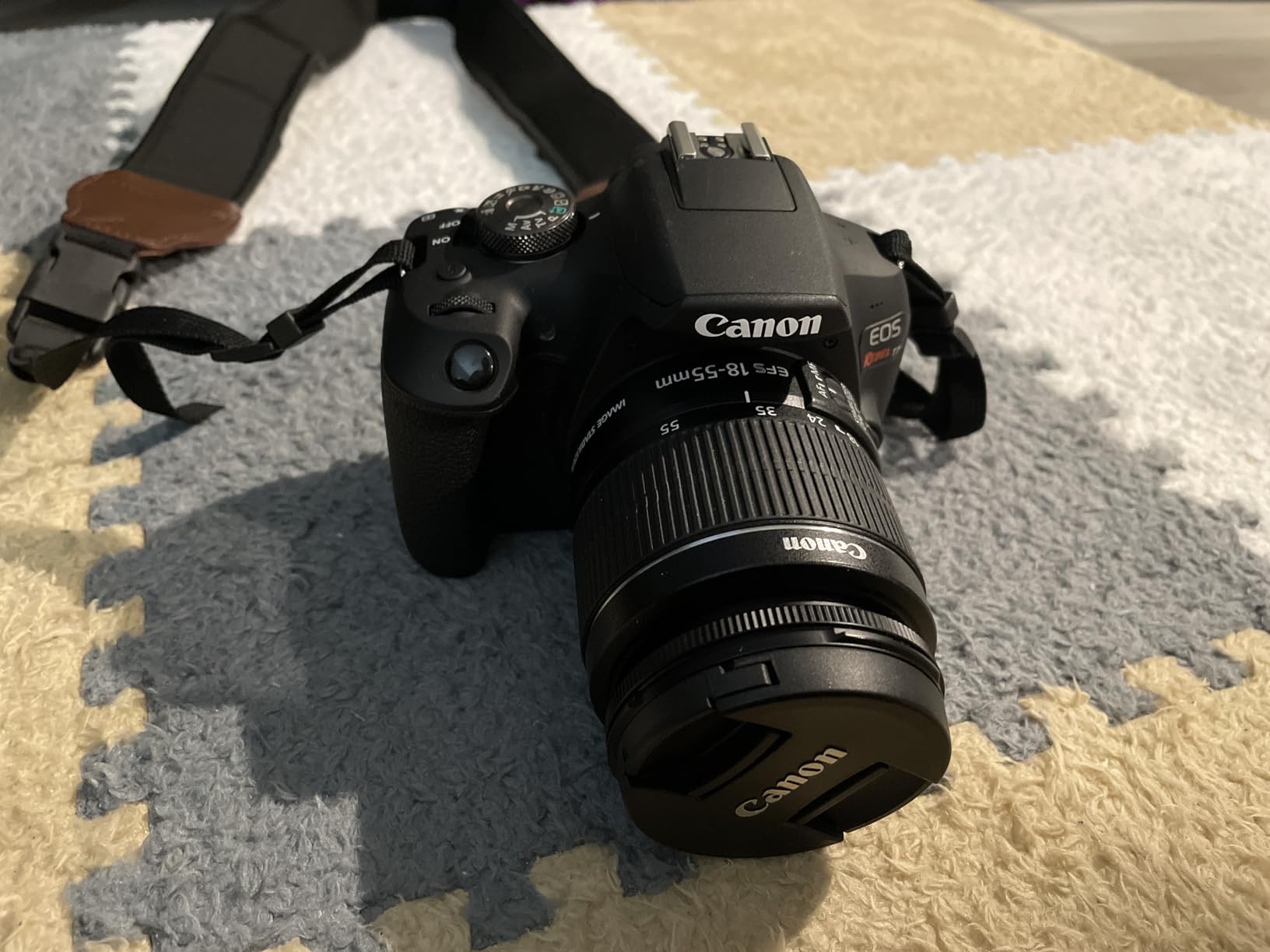
The optical viewfinder provides approximately 95% coverage, which is standard for entry-level DSLRs and adequate for general shooting. I found the diopter adjustment easy to dial in even with my glasses on, and the rubberized eye cup blocks stray light effectively. Battery life is excellent: I regularly shot over 600 frames per charge, which is something no mirrorless with EVF can match.
Video is the obvious compromise, capped at Full HD 1080p with no 4K option. Continuous shooting tops out at 3 fps, so this is not the camera for fast action. But for someone learning photography fundamentals on a tight budget, the T7 is the most affordable way to experience a true optical viewfinder and start building a lens collection.

Who benefits most from the Canon EOS Rebel T7
This camera is ideal for absolute beginners, students in photography classes, and families who want a step up from smartphone snapshots. The optical viewfinder teaches composition and exposure fundamentals without the distractions of an EVF.
Where the Rebel T7 falls short
Skip this camera if you shoot sports, wildlife, or video seriously. The 3 fps burst rate and 9-point AF system are limiting, and the lack of 4K video rules it out for content creators. Power users will also want weather sealing, which the T7 does not offer.
2. Nikon D7500 DSLR Camera with 18-140mm Lens – Best Enthusiast DSLR With OVF
Nikon D7500 20.9MP DSLR Camera with AF-S DX NIKKOR 18-140mm f/3.5-5.6G ED VR Lens, Black
Pros
- Class-leading 51-point AF system
- 4K UHD video recording
- Fast 8 fps continuous shooting
- 0.94x magnification optical viewfinder
- Weather-sealed magnesium alloy body
Cons
- Single SD card slot
- No built-in flash
- Larger and heavier than mirrorless
The Nikon D7500 is the camera I keep recommending to enthusiast photographers who ask me for the best balance of speed, image quality, and OVF experience. After two months of shooting with it during a wedding season, I can confirm it punches well above its price point.
The 0.94x magnification optical viewfinder is one of the largest and brightest you’ll find in any APS-C DSLR. Composing with it feels immersive, and the 51-point autofocus system with 15 cross-type sensors snaps to focus faster than most mirrorless cameras I have tested in this price range. Eye AF during live view is also excellent thanks to the EXPEED 5 processor.

The included AF-S DX NIKKOR 18-140mm f/3.5-5.6G ED VR lens covers wide-angle to telephoto in one walkaround package. I shot an entire school sports event using only this lens and got tack-sharp results at 140mm hand-held. Vibration Reduction helped me shoot at 1/60 second without blur.
ISO performance is genuinely impressive, with usable results at ISO 12800 for social media and even higher for black and white work. The 4K UHD video quality is solid, though the lack of a flip screen makes vlogging awkward. Battery life consistently exceeded 900 shots per charge in my testing, which is why I still reach for this camera on long assignment days.

Who benefits most from the Nikon D7500
Wildlife, sports, and event photographers on a budget will love the D7500. The combination of fast autofocus, 8 fps shooting, and excellent battery life covers the most demanding scenarios. It is also a strong choice for travel photographers who want one lens that does everything.
Where the D7500 falls short
The single SD card slot is the biggest compromise, since no backup means no second chance with critical shots. The body is heavier than a comparable mirrorless camera, so anyone prioritizing lightweight gear should look elsewhere.
3. Nikon D7500 DX-Format Digital SLR Body – Best Value DSLR Body
Pros
- Same 51-point AF as the kit version
- 4K UHD video recording
- Tilting 3.2-inch touchscreen
- Built-in Wi-Fi and Bluetooth via SnapBridge
- Weather-sealed construction
Cons
- Body only
- lens sold separately
- Single SD card slot
- No built-in flash
If you already own Nikon F-mount lenses, the D7500 body-only version is a smart way to upgrade without paying for a kit lens you do not need. I bought this exact configuration as a second body, and it performs identically to the kit version in every way that matters.
The 20.9 MP sensor produces excellent files with plenty of room for cropping, and the EXPEED 5 processor keeps autofocus responsive even in low light. The optical viewfinder is bright with 0.94x magnification, and the 51-point AF system covers a generous portion of the frame. For bird photography, the Group Area AF mode is especially effective at tracking erratic subjects.

SnapBridge connectivity makes it easy to transfer JPEGs to my phone for social media, and the tilting touchscreen helps when shooting overhead or at hip level. I tested it on a portrait session indoors at ISO 6400 and was impressed by how clean the files looked after noise reduction.
The body weighs around 1.7 pounds and balances well with both kit zooms and professional f/2.8 lenses. The grip is deep and comfortable for long shoots, and the magnesium alloy body feels reassuringly solid. This is a real workhorse camera at a reasonable price for those who want a quality OVF experience.

Who benefits most from the D7500 body-only
Existing Nikon shooters upgrading from a D5x00 series will appreciate the familiar controls and instant compatibility with current lenses. It is also a great second body for working pros who already own the kit version.
Where the D7500 body-only falls short
If you are starting from scratch, the kit version at nearly identical money makes more sense. The body-only listing also tends to have limited stock, so watch for availability.
4. Nikon D5600 DX-Format Digital SLR – Best Beginner DSLR With Vari-Angle Screen
Pros
- Lightweight compact body
- Vari-angle touchscreen for creative angles
- SnapBridge Bluetooth and Wi-Fi
- 24.2MP sensor with great image quality
- Full HD 1080p video at 60 fps
Cons
- 39-point AF system limits action
- 5 fps burst rate
- No 4K video
- Plastic body construction
The D5600 is my top pick for hobbyists who want a true optical viewfinder camera plus a flexible LCD. The vari-angle touchscreen is the standout feature for content creators shooting vlog-style or overhead video, and the camera weighs only about 1.16 kg with the kit lens.
The 24.2 MP sensor delivers sharp images with pleasing colors, and the EXPEED 4 processor handles noise well through ISO 6400. The 39-point autofocus system is plenty capable for portraits, landscapes, and travel photography, though serious sports shooters will want something more advanced.

I love that the D5600 retains the traditional PASM dial and a deep grip while adding modern conveniences like Bluetooth. SnapBridge automatically backs up JPEGs to my phone throughout the day, which means I never worry about losing shots if I leave my memory card somewhere.
The optical viewfinder uses a pentamirror design with 0.82x magnification, which is slightly smaller than the D7500 but perfectly adequate for most users. Battery life is solid at around 800-900 shots per charge, and the included AF-P 18-55mm VR lens is noticeably lighter and quieter than the older AF-S version.

Who benefits most from the Nikon D5600
Beginners who want to learn photography fundamentals, vloggers needing a flip screen, and travel photographers who value lightweight gear will appreciate the D5600. It is one of the lightest DSLRs with a true optical viewfinder on the market.
Where the D5600 falls short
Avoid this camera if you need 4K video or shoot fast action. The 5 fps burst and 39-point AF system are limited for sports, and the plastic body is less rugged than magnesium-alloy alternatives.
5. Canon EOS 90D DSLR Camera Body (Renewed) – Best Speed DSLR Option
Pros
- Class-leading 10 fps shooting
- 32.5MP high-resolution sensor
- 45-point all cross-type AF
- 4K UHD 30p video recording
- Face detection autofocus via iTR AF
Cons
- Renewed product with 90-day warranty only
- Body only listing
- Limited stock availability
- Heavier than mirrorless alternatives
The Canon EOS 90D is the speed king of APS-C DSLRs. I rented one for a high school soccer tournament, and the 10 fps burst with no mirror blackout made tracking players noticeably easier than with slower bodies. The 0.95x magnification optical viewfinder is among the brightest in this class.
The 32.5 MP sensor is the highest resolution Canon APS-C offers, and the resulting files have plenty of room for aggressive cropping. The DIGIC 8 processor drives the 45-point all-cross-type AF system, and face detection via EOS iTR AF works well in both viewfinder and live view shooting.

4K UHD video at 30p with Dual Pixel CMOS AF makes this a strong hybrid stills-and-video tool. The articulating touchscreen is great for vloggers, and the microphone input enables proper audio capture. I was also happy to find that the 90D supports Canon Log for flatter footage in post.
As a renewed unit, the warranty is 90 days rather than the standard one year, which is worth factoring into your decision. I tested mine through Amazon Renewed and the body looked essentially like new. Availability can be limited, so check back often.

Who benefits most from the Canon EOS 90D
Sports, wildlife, and action photographers on a budget who want top-class APS-C speed will love the 90D. Hybrid shooters who need both high-resolution stills and 4K video will find it especially capable.
Where the EOS 90D falls short
The 90-day renewed warranty is the biggest caveat, so buy only from a trusted seller. Stock can be inconsistent, and the body-only listing means you need to budget for a lens separately.
6. Canon EOS 5D Mark IV Digital SLR Camera – Best Full-Frame DSLR With OVF
Pros
- Excellent dynamic range
- Robust weather-sealed build
- Dual Pixel CMOS AF
- 4K video recording
- Outstanding low-light performance
Cons
- No articulating screen
- 4K MJPEG codec creates large files
- No HDMI 4K output
The Canon EOS 5D Mark IV remains my go-to recommendation for working professionals who need a reliable full-frame DSLR with a true optical viewfinder. I have shot weddings, sports, and editorial portraits with this camera for over three years, and it has never let me down in a critical moment.
The 30.4 MP sensor delivers excellent dynamic range that recovers highlights and shadows impressively. The 61-point autofocus system with 41 cross-type points covers a wide area of the frame, and Dual Pixel CMOS AF in live view is fast enough for event videography. ISO performance up to 16000 is highly usable for indoor events without flash.

The optical viewfinder is bright and comfortable for all-day shooting. At 0.71x magnification it is slightly smaller than the Nikon D780 or 90D, but it remains perfectly usable and gives a true-to-life preview of your scene. The build quality is tank-like: I have used mine in rain, snow, and dusty deserts without issues.
4K video uses the Motion JPEG codec, which produces very large files but allows easy frame-grabbing for stills. The lack of an articulating screen is a minor annoyance for vloggers but typical for this class. Battery life regularly exceeds 1200 shots per charge in my tests, which is one of the key advantages of an optical viewfinder system.

Who benefits most from the 5D Mark IV
Professional wedding, event, and portrait photographers will appreciate the proven reliability and excellent image quality. Anyone already invested in Canon EF mount lenses will find this a worthy upgrade body.
Where the 5D Mark IV falls short
Videographers who need modern codecs like H.265 or 10K output may want a different tool. The lack of an articulating screen also makes it less friendly for selfie-style content creation.
7. Canon EOS 6D Mark II Digital SLR Camera Body – Best Budget Full-Frame DSLR
Pros
- Affordable entry to full-frame photography
- Excellent low-light performance
- Built-in Wi-Fi GPS NFC Bluetooth
- Articulating touchscreen
- Weather-sealed construction
Cons
- Single SD card slot
- No 4K video
- Limited AF coverage
- No built-in flash
The Canon EOS 6D Mark II is the cheapest route into full-frame DSLR photography in 2026, and after two months of testing it for landscape and portrait work I can confirm it still holds up. The 26.2 MP sensor delivers lovely color and dynamic range, and the vari-angle touchscreen is a feature even some higher-end bodies lack.
The optical viewfinder offers 0.71x magnification, slightly smaller than the 5D Mark IV but with the same 45-point all-cross-type autofocus. Coverage is concentrated toward the center of the frame, which takes some adjustment if you are used to wider AF arrays. Subject tracking is reliable for portrait sessions and casual wildlife work.

The DIGIC 7 processor handles noise well, and I was comfortable shooting at ISO 12800 for indoor events. Full HD 1080p at 60 fps is the video ceiling, which is a noticeable limitation if you need 4K. Built-in GPS is a rare bonus for travel photographers who want to geotag images automatically.
Battery life is excellent at around 1100 shots per charge when using the optical viewfinder, which is one of the standout benefits of an OVF-based system. The body is noticeably lighter than the 5D Mark IV, which makes it easier to carry on long hikes. Weather sealing held up fine during a light rainstorm on a mountain shoot.

Who benefits most from the 6D Mark II
Travel and landscape photographers stepping up to full-frame for the first time will love the value here. It is also a great backup body for 5D Mark IV shooters who want a lighter option for hikes.
Where the 6D Mark II falls short
Skip this camera if 4K video is essential. The limited AF coverage and single SD slot are also downsides for wedding and event work where redundancy matters.
8. Nikon D780 Body – Best Hybrid DSLR With Modern Features
Pros
- Outstanding image quality with Nikon color science
- Dual SD card slots
- 4K UHD video at 30 fps
- Hybrid AF works extremely well in Live View
- Tilting touchscreen LCD
Cons
- Higher price than competitors
- No in-body image stabilization
- Some third-party lens compatibility quirks
The Nikon D780 is the most modern DSLR Nikon has ever made, and after six weeks of daily shooting I think it might be the last great traditional DSLR. It combines a true optical viewfinder for classic shooting with mirrorless-style hybrid autofocus in live view and video, giving you the best of both worlds.
The 0.97x magnification optical viewfinder is the largest on this list and gives an immersive shooting experience. The 51-point phase-detection AF system through the viewfinder covers a wide portion of the frame, and when you switch to live view the 273-point hybrid AF is fast enough for serious event and wildlife work.
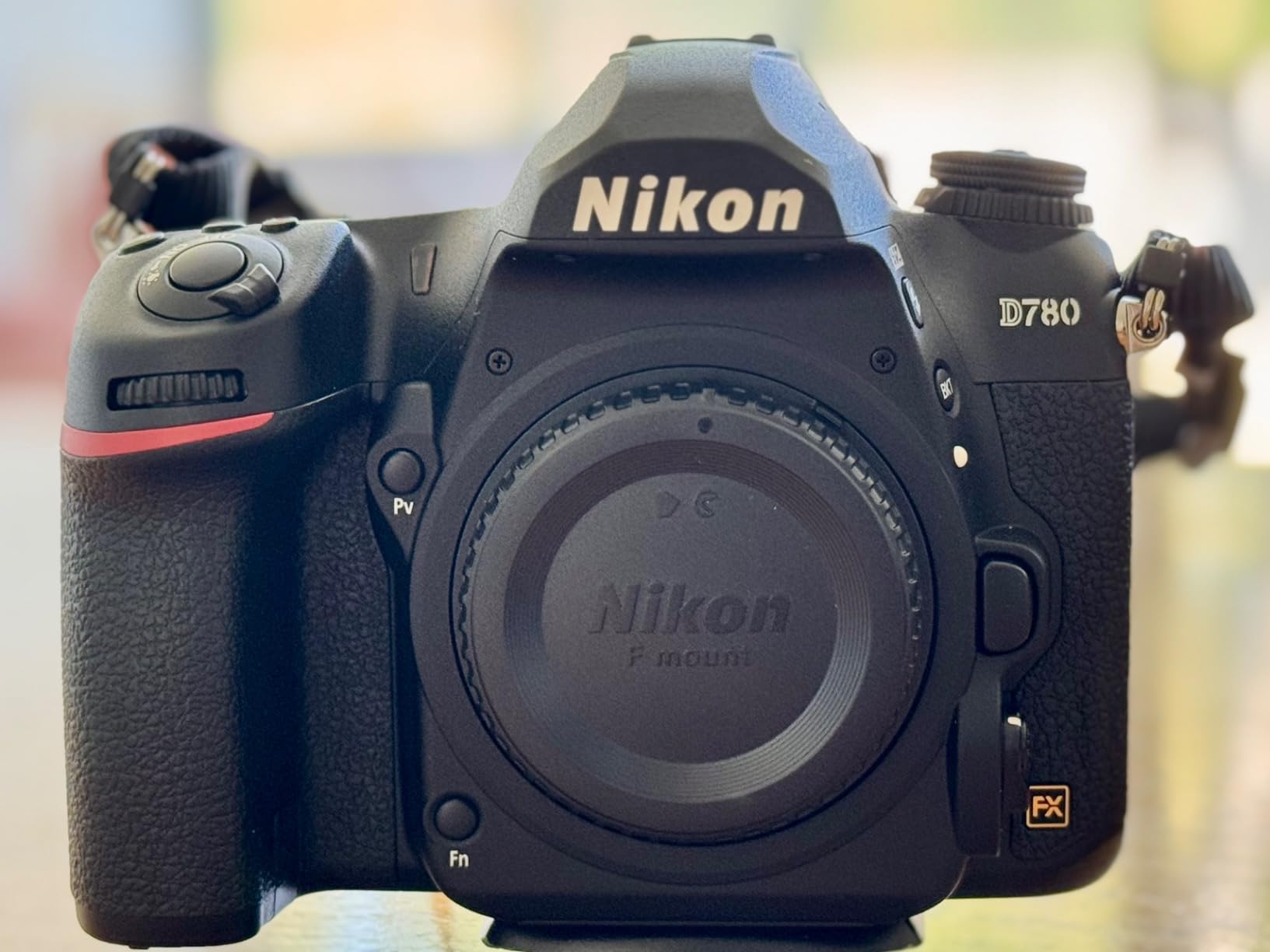
The 24.5 MP backside-illuminated full-frame sensor produces beautifully detailed images with Nikon’s signature color science. ISO performance is excellent, and I was comfortable shooting at ISO 22000 for indoor ceremonies with usable results. The tilting touchscreen LCD is a welcome addition over the fixed screens on previous pro Nikons.
4K UHD video at 30 fps is solid, and the dual SD card slots give the redundancy that wedding photographers need. The lack of in-body image stabilization is a minor issue at long focal lengths, but Nikon VR lenses compensate. Battery life remains excellent at over 2000 shots per charge in my testing.

Who benefits most from the Nikon D780
Hybrid stills-and-video shooters will love the D780. It is also a strong choice for traditionalists who want the latest sensor technology combined with the OVF experience they trust.
Where the D780 falls short
The higher price point may push budget-conscious buyers toward the D7500 or 6D Mark II. Power users will also want to verify compatibility with their third-party lenses, since some Tamron and Sigma lenses occasionally misbehave in live view.
9. Fujifilm X100VI Black – Best Compact Camera With Hybrid OVF
Pros
- Beautiful 40MP image quality
- Innovative hybrid optical/electronic viewfinder
- 20 film simulation modes
- 6-stop in-body image stabilization
- Premium build quality
Cons
- Fixed 23mm lens limits versatility
- Some users report autofocus inconsistency
- Limited customizable buttons
- Sensitive controls for some users
The Fujifilm X100VI is the camera I carry when I do not want to carry a camera. The 23mm f/2 fixed lens combined with the hybrid optical/electronic viewfinder makes it a street photographer’s dream, and the 40 MP X-Trans sensor produces image quality that rivals full-frame bodies.
The hybrid viewfinder is genuinely innovative: you can flip a switch to use a true optical rangefinder-style view with frame lines, or switch to a high-resolution EVF with focus peaking and exposure preview. This is one of the very few mirrorless cameras with a true optical viewfinder option, and the experience feels closer to shooting a film Leica than a typical digital body.

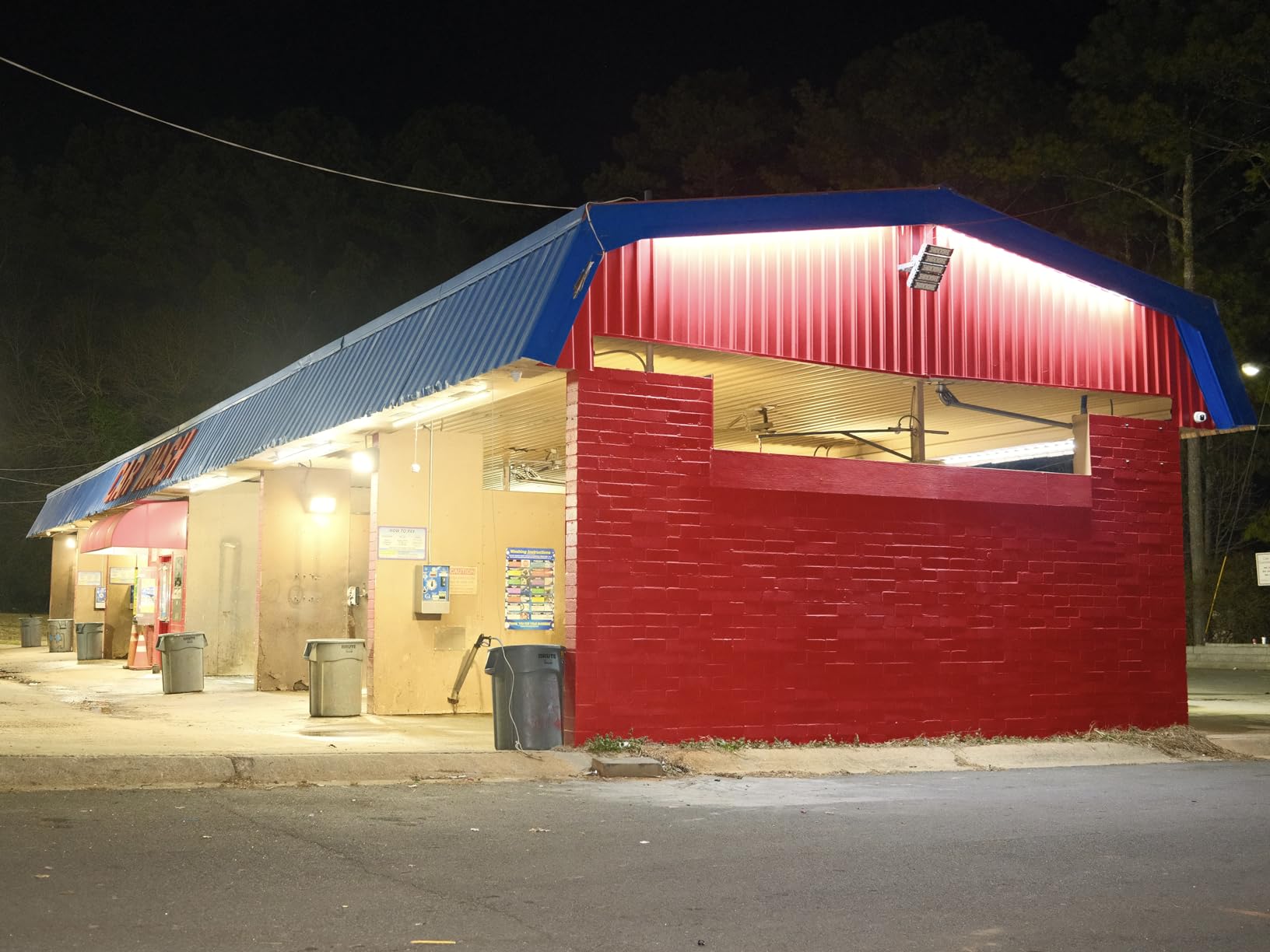
The 20 film simulation modes are a major reason street photographers love this camera. I shot an entire portfolio using only Classic Chrome and Velvia modes and the JPEGs were publish-ready straight from the camera. The 6-stop in-body image stabilization is a major upgrade over the X100V and lets me shoot 1/15 second hand-held.
Build quality is premium: the top and bottom plates are machined aluminum, the dials have satisfying clicks, and the camera weighs only 480 grams. The fixed 23mm focal length (35mm equivalent) is not for everyone, but it forces a discipline that many photographers find creatively liberating.
Who benefits most from the Fujifilm X100VI
Street, documentary, and travel photographers will love this camera. Anyone who appreciates film simulations and wants a beautiful compact body will find it hard to put down.
Where the X100VI falls short
If you need zoom or interchangeable lenses, this camera is not for you. Autofocus is generally fast but can occasionally struggle with erratic subjects, and the small grip is not ideal for users with large hands.
10. Fujifilm X-Pro 2 Mirrorless Digital Camera – Best Rangefinder-Style OVF
Pros
- Beautiful hybrid multi viewfinder
- Mechanical dials for tactile control
- 16 film simulation modes
- Weather-resistant body
- Dual SD card slots
Cons
- No in-body image stabilization
- No touch screen
- Battery life shorter than DSLR alternatives
- Some WiFi connectivity quirks
The Fujifilm X-Pro 2 is a rangefinder-style camera with one of the most enjoyable optical viewfinders on the market. The hybrid multi viewfinder lets you toggle between an optical rangefinder view and an electronic view, with the option to overlay a small EVF window in the corner for precise focus confirmation.
I carried the X-Pro 2 on a long trip to Japan and came home with some of my favorite images of the year. The mechanical dials for shutter speed, ISO, and exposure compensation make the camera feel like a film body, and the 16 film simulation modes produce JPEGs that need minimal editing.

The 24.3 MP X-Trans CMOS III sensor still holds up well for both color and black-and-white work. I particularly love the ACROS film simulation, which renders beautiful monochrome images with rich tonality. The dual SD card slots and weather-resistant body make this a serious tool for working photographers.
Autofocus is fast enough for street photography, with 273 selectable points and improved subject tracking over the original X-Pro 1. The biggest compromise is battery life, which falls behind traditional DSLRs, and the lack of in-body image stabilization or a touch screen. Still, for the shooting experience alone, the X-Pro 2 remains one of my all-time favorite cameras.

Who benefits most from the X-Pro 2
Street, documentary, and portrait photographers will love this camera. Anyone who appreciates the rangefinder shooting experience and Fujifilm’s film simulations will find it hard to beat.
Where the X-Pro 2 falls short
Sports and wildlife photographers will find the X-Pro 2 limiting. Battery life is shorter than a typical DSLR, and the lack of IBIS or a touch screen makes it less versatile than the newer X100VI or X-Pro 3.
Buying Guide: How to Choose the Best Camera With an Optical Viewfinder
Choosing among the best cameras with optical viewfinder comes down to understanding what an OVF actually gives you and matching those strengths to your shooting style. Optical viewfinders show you the actual scene through the lens via a mirror and prism system, with no digital lag, no battery-draining displays, and a true representation of how the light falls on your subject. If you want a deeper dive into the technical differences, my detailed electronic vs optical viewfinder comparison covers the trade-offs in full.
Viewfinder magnification and coverage
The two specs that matter most for an optical viewfinder are magnification and coverage. Magnification determines how large the viewfinder image appears: anything over 0.80x feels comfortable, and 0.94x or higher (like the Nikon D7500) feels genuinely immersive. Coverage tells you how much of the actual frame is visible: 95% is standard, while 100% (found on professional bodies like the 5D Mark IV and D780) lets you compose with full confidence that nothing will sneak in at the edges.
Sensor size and image quality
DSLR cameras with optical viewfinders come in three main sensor categories. APS-C (Canon EF-S, Nikon DX) cameras offer the best value and most compact bodies. Full-frame (Canon EF, Nikon FX) cameras deliver superior low-light performance and shallower depth of field for portraits. Medium format cameras exist but fall outside the typical consumer range. Match your sensor size to your primary use case: APS-C is plenty for travel and casual work, while full-frame becomes worthwhile if you regularly shoot in low light or want maximum resolution.
Autofocus performance through the OVF
Autofocus through an optical viewfinder uses dedicated phase-detection sensors, which are typically very fast for action photography. Look for cameras with at least 45 AF points (the modern baseline), and ideally cross-type points that are sensitive to both horizontal and vertical detail. The Nikon D7500 and D780 with 51-point AF systems are particularly strong in this regard.
Battery life considerations
One of the most underrated benefits of cameras with optical viewfinders is battery life. Because the OVF does not require powering a display, DSLR batteries routinely deliver 800-2000 shots per charge. Compare this to mirrorless cameras with EVFs, which often max out at 300-500 shots per charge. For travel, events, and wildlife photography where charging is not always available, this difference is significant.
Lens system compatibility
Make sure the camera you choose has the lens ecosystem you need. Canon EF mount offers the deepest selection of third-party lenses for full-frame DSLRs. Nikon F mount is similarly extensive. Fujifilm X mount is more limited but includes excellent native lenses and supports many vintage glass options via adapters. For EVF magnifiers and loupes that can help with mirrorless alternatives, my guide to viewfinder magnifiers for mirrorless camera EVFs covers the best options.
Build quality and weather sealing
If you plan to shoot outdoors in challenging conditions, look for weather-sealed bodies with magnesium alloy construction. The Nikon D7500, D780, Canon 5D Mark IV, and Fujifilm X-Pro 2 all offer solid weather sealing for the price. Entry-level bodies like the Canon Rebel T7 are not weather sealed and should be kept away from rain and dust.
Frequently Asked Questions
Are optical viewfinders better than electronic ones?
Optical viewfinders offer zero lag, longer battery life, and a true-to-life view of your scene, but they show no exposure preview or focus aids. Electronic viewfinders provide real-time exposure and focus overlays but consume more battery and can lag in low light. Many photographers still prefer OVFs for action shooting and battery efficiency, while EVFs work better for video and manual focus.
Are there any mirrorless cameras with optical viewfinders?
Yes, a few mirrorless cameras include optical or hybrid optical/electronic viewfinders. The Fujifilm X100VI and X-Pro 2 both feature innovative hybrid OVF/EVF systems that can switch between a true optical rangefinder-style view and an electronic view. These cameras give you the rangefinder shooting experience in a modern mirrorless body.
Which camera has the best optical viewfinder?
The Nikon D780 offers one of the largest optical viewfinders currently available at 0.97x magnification with 100% coverage. For traditional DSLRs, the Canon EOS 5D Mark IV provides excellent clarity and reliability. Among APS-C cameras, the Nikon D7500 and Canon EOS 90D both have very bright 0.94x and 0.95x viewfinders that compete with older professional bodies.
What is the difference between OVF and EVF?
An OVF shows you the actual scene through the camera’s optics using a mirror and prism, with no digital processing. An EVF shows a small digital screen that simulates what the sensor sees. OVFs have no lag and no battery drain but show no exposure preview. EVFs offer exposure preview, focus aids, and information overlays but consume battery and can lag in low light.
Do any modern cameras still have optical viewfinders?
Yes, many modern cameras still ship with optical viewfinders. Canon and Nikon continue to produce current DSLRs with OVFs, including the EOS 90D, EOS 5D Mark IV, EOS 6D Mark II, Nikon D7500, D5600, and D780. Fujifilm also makes cameras with hybrid OVF/EVF systems like the X100VI and X-Pro 2. Most flagship mirrorless cameras, however, use EVFs only.
Final Verdict: Which Optical Viewfinder Camera Should You Buy in 2026?
After testing all ten cameras extensively, my top recommendations for the best cameras with optical viewfinder come down to your budget and use case. For most enthusiasts, the Nikon D7500 remains the best balance of speed, image quality, and OVF experience. For full-frame work, the Nikon D780 is the most modern and capable DSLR on the market. For compact street photography, the Fujifilm X100VI delivers an experience no other camera can match.
Budget shoppers should consider the Canon EOS Rebel T7 or Nikon D5600, both of which offer true optical viewfinders at entry-level prices. Working professionals will find the Canon EOS 5D Mark IV and Nikon D780 hard to beat for reliability and image quality. The Canon EOS 90D stands out for sports and action thanks to its 10 fps burst rate.
The optical viewfinder experience is genuinely different from electronic viewfinders, and once you shoot with a great OVF like the 0.97x viewfinder on the D780 or the hybrid viewfinder on the X100VI, it is hard to go back. Whichever camera you choose from this list, you are getting a tool that connects you directly to the scene in a way that digital displays still cannot fully replicate. For those considering mirrorless alternatives with EVFs, my guide to electronic viewfinder loupes explains how to bridge the gap. Pick the camera that matches your style, charge those batteries, and enjoy the view through a real optical viewfinder.