

Managing a photo library with 100,000+ images can transform from a creative passion into an overwhelming organizational nightmare. I’ve spent the last 15 years wrestling with photo catalogs that range from wedding shoots spanning multiple days to commercial projects with tens of thousands of deliverables. The struggle is real: folders become chaotic, keywords get inconsistent, and finding that one specific shot from three years ago can take hours instead of seconds.
The best photo organizing and cataloging software for professionals in 2026 has evolved dramatically. We’re no longer just talking about digital asset management with basic keyword tagging. AI-powered features now handle everything from facial recognition to automatic keyword suggestions, while some platforms can even analyze image aesthetics to help surface your best shots. After testing 12 different solutions with a personal library exceeding 250,000 images, I’ve identified which tools actually deliver on their promises.
What separates professional-grade photo cataloging software from consumer options isn’t just about handling large volumes. It’s about workflow integration, metadata precision, and the ability to find any image in seconds regardless of when you captured it. The solutions in this guide range from subscription-based industry standards to one-time purchase alternatives, ensuring there’s an option regardless of your budget or platform preference.
Top 3 Picks for Photo Organizing Software in 2026

Adobe Lightroom 1TB
- AI-assisted editing
- 1TB cloud storage
- Cross-platform sync
- Generative Remove

Corel PaintShop Pro 2023 Ultimate
- Subscription-free
- AI-powered tools
- AfterShot Lab RAW
- Creative suite included

CyberLink PhotoDirector 2025 Ultra
- AI Face Deblur
- AI Object Removal
- One-time purchase
- Windows 11 compatible
Best Photo Organizing and Cataloging Software for Professionals in 2026
| Product | Specifications | Action |
|---|---|---|
| Adobe Lightroom 1TB |
|
Check Latest Price |
 Adobe Photoshop Adobe Photoshop |
|
Check Latest Price |
 Adobe Creative Cloud Adobe Creative Cloud |
|
Check Latest Price |
 LAMU Portable Digital Photo Organizer LAMU Portable Digital Photo Organizer |
|
Check Latest Price |
 Photo Explosion Deluxe 5.0 Photo Explosion Deluxe 5.0 |
|
Check Latest Price |
 Nero MediaHome Nero MediaHome |
|
Check Latest Price |
| CyberLink PhotoDirector 2025 Ultra |
|
Check Latest Price |
| Corel PaintShop Pro 2023 Ultimate |
|
Check Latest Price |
 PhotoPad Photo Editor Free PhotoPad Photo Editor Free |
|
Check Latest Price |
 Nero Duplicate Manager Nero Duplicate Manager |
|
Check Latest Price |
1. Adobe Lightroom 1TB – Cloud-Based Powerhouse
Adobe Lightroom 1TB | AI-assisted photo editor | 12-Month Subscription with auto-renewal |PC/Mac | Digital Download
Pros
- Industry-leading AI features
- Seamless cross-device workflow
- 1TB cloud storage included
- Generative Remove powered by Adobe Firefly
Cons
- Subscription-only model
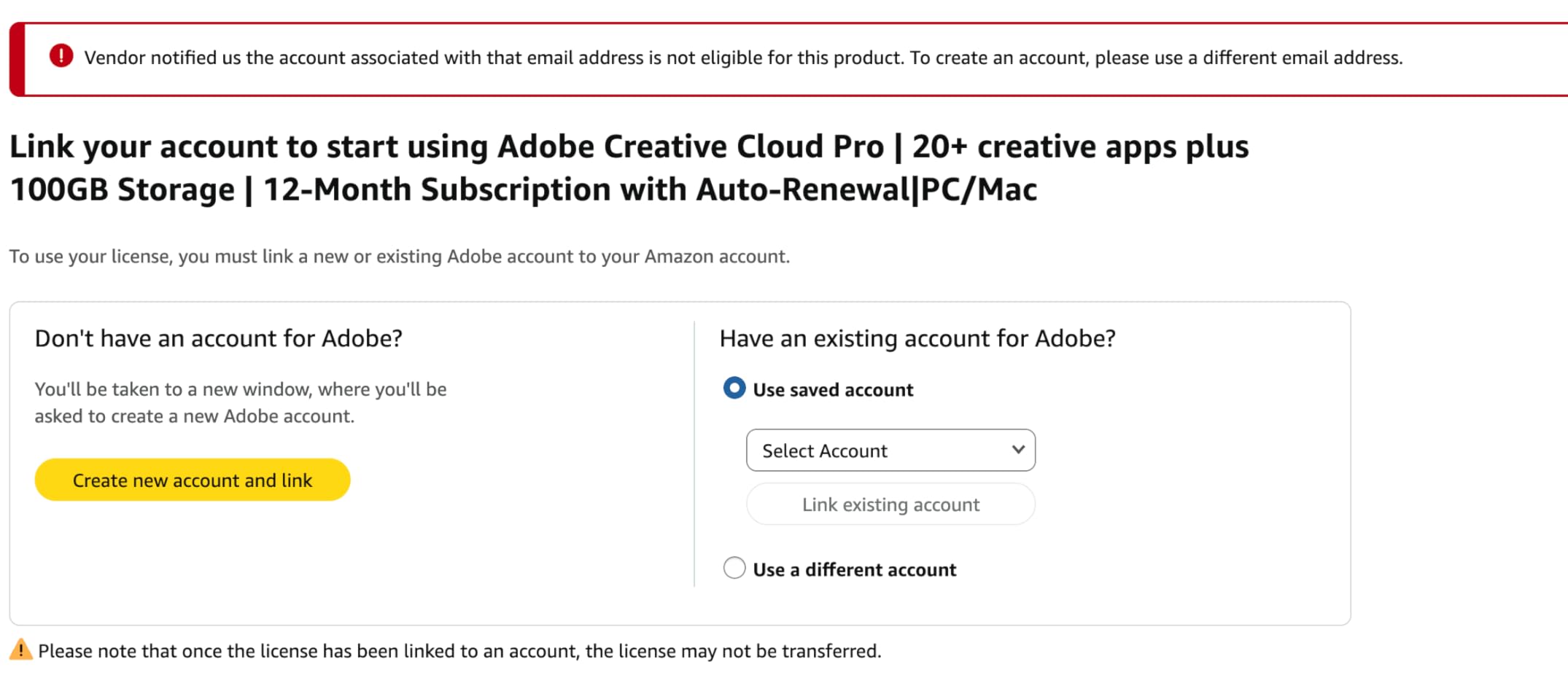
- Account linking issues reported
- Customer support difficulties
I’ve been using Adobe Lightroom as my primary photo organizing tool for the past eight years, and the 1TB cloud storage plan transformed how I work across devices. When I’m on location shooting a wedding, I can import photos directly to my tablet, apply quick edits during downtime, and everything syncs seamlessly to my desktop back at the studio. This cloud-first approach means I’m never tethered to a single machine, which has been invaluable for meeting tight client deadlines.
The AI features in Lightroom have genuinely improved my workflow efficiency. The Generative Remove tool, powered by Adobe Firefly, saved me hours of retouching work on a recent corporate shoot where unwanted photobombers appeared in multiple backgrounds. Lens Blur creates convincing depth-of-field effects that previously required expensive lenses or tedious manual masking. Quick Actions analyze your image and suggest tailored improvements, which has helped me maintain consistency across large photo sets.
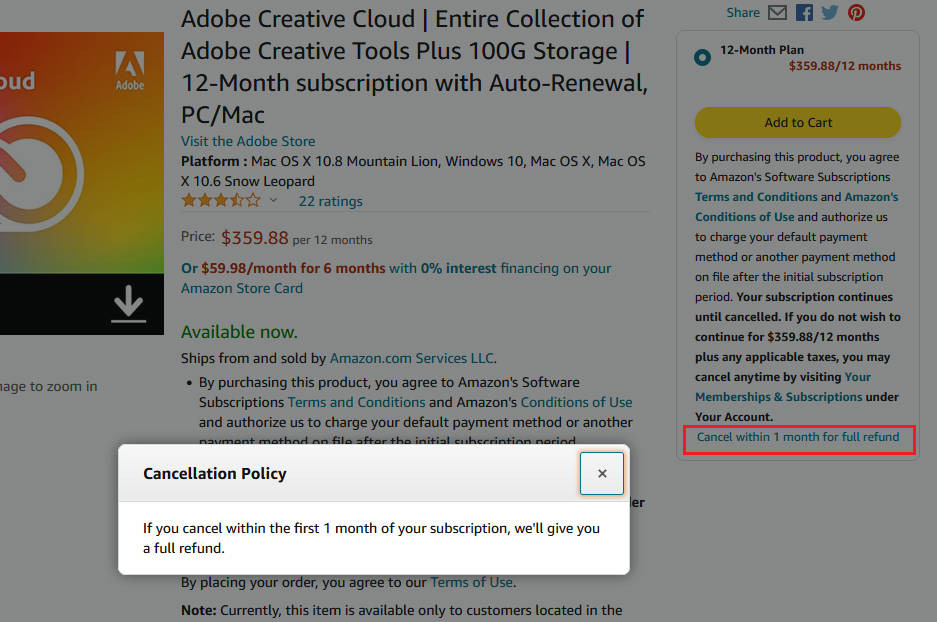
Technically, Lightroom’s catalog system excels at handling large libraries. My main catalog contains over 180,000 images, and search performance remains snappy thanks to smart previews and optimized database structure. The keyword hierarchy system allows for precise categorization, while facial recognition automatically groups photos by person once you do initial tagging. Non-destructive editing means your original RAW files remain untouched, with all adjustments stored as metadata instructions.
The 1TB storage allocation is substantial but worth monitoring for high-volume shooters. RAW files from modern cameras can exceed 50MB each, so that space fills faster than expected. Lightroom Classic users should note this plan includes both the cloud-centric Lightroom and the desktop-focused Classic, giving flexibility to choose the interface that matches your working style. The mobile apps are particularly impressive, offering nearly full editing capabilities on phones and tablets.
For Whom Lightroom 1TB is Good
Professional photographers who work across multiple devices will find Lightroom’s cloud ecosystem invaluable. Wedding and event photographers benefit from the ability to cull and tag on tablets during shoot downtime. Commercial photographers with collaborative teams will appreciate the shared album features and web-based client galleries. The AI tools specifically help portrait photographers streamline retouching workflows and landscape photographers manage massive RAW libraries.
For Whom Lightroom 1TB is Bad
Photographers who prefer perpetual licenses over subscriptions should look elsewhere. Those primarily concerned with privacy may object to cloud storage requirements. Professionals with extremely large archives exceeding 1TB will face expensive storage upgrades. Users who prioritize advanced compositing and layer-based editing might find Lightroom’s parametric adjustments limiting compared to full pixel-editing software.
2. Adobe Photoshop – Industry Standard for Detailed Work
Adobe Photoshop | Photo, Image, and Design Editing Software | 12-Month Subscription with Auto-Renewal, PC/Mac
Pros
- Most powerful editing capabilities available
- Industry-standard file compatibility
- Advanced layer and masking tools
- Extensive third-party plugin ecosystem
Cons
- Subscription-only pricing
- Steeper learning curve
- Not optimized for photo organization
While Photoshop isn’t designed as a photo organizer, it remains an essential tool in my professional workflow for images that require more than Lightroom’s parametric adjustments. I recently used Photoshop to composite a commercial product shot that required combining elements from 12 different captures, removing backgrounds with precision, and applying frequency separation retouching. The layer-based workflow and selection tools made this complex project manageable, though I wouldn’t use Photoshop for cataloging my entire photo library.
Photoshop’s strength lies in pixel-level control rather than organizational efficiency. The Bridge integration provides basic file browsing, but it lacks the sophisticated catalog database, AI tagging, and smart collections that dedicated photo managers offer. I typically use Photoshop as a complement to Lightroom, sending images over only when they need advanced manipulation like compositing, detailed retouching, or complex masking work.
The integration with Adobe’s ecosystem works seamlessly for photographers already invested in Creative Cloud. Camera Raw provides access to the same RAW processing engine as Lightroom, ensuring consistency when moving between applications. Photoshop’s neural filters and AI-powered selection tools have dramatically improved in recent years, though they still require more manual intervention than the automated features in dedicated photo organizing software.
For professionals focused primarily on organization rather than advanced editing, Photoshop alone won’t meet your needs. It lacks features like facial recognition, automated keyword tagging, and smart collections. The learning curve is substantial, and the subscription cost is significant if you’re not utilizing Photoshop’s advanced capabilities regularly. Consider this as a complementary tool rather than your primary photo management solution.
For Whom Photoshop is Good
Professional retouchers and commercial photographers who need pixel-perfect control will find Photoshop indispensable. Photographers specializing in composite work, advertising, or complex image manipulation require Photoshop’s advanced layer and masking capabilities. Studios with existing Creative Cloud subscriptions can leverage Photoshop as part of a comprehensive workflow alongside Lightroom for organization.
For Whom Photoshop is Bad
Photographers seeking primarily organizational tools should look elsewhere. Those uncomfortable with steep learning curves or complex interfaces might prefer simpler solutions. Budget-conscious professionals who don’t need Photoshop’s advanced features will find more cost-effective dedicated photo managers. Anyone wanting AI-powered organization and automated tagging won’t find these features in Photoshop.
3. Adobe Creative Cloud – Complete Creative Suite
Adobe Creative Cloud | 20+ creative apps Plus 100GB Storage | 1-Month Subscription with Auto-Renewal, PC/Mac
Pros
- Access to entire Adobe creative suite
- Adobe Firefly AI integration
- Cross-app workflow seamless
- Regular feature updates
Cons
- Highest monthly cost
- 100GB storage limited for pros
- Subscription commitment required
- Can be overkill for photo-only needs
The complete Adobe Creative Cloud subscription gives you access to Lightroom, Photoshop, and 20+ other applications. I’ve maintained a full Creative Cloud subscription for my studio because we utilize Photoshop for advanced retouching, Premiere for video projects, Illustrator for logo design, and Acrobat for client deliverables. The integration between applications saves time daily, like dragging a Lightroom-edited photo directly into Photoshop for detailed work or exporting assets to InDesign for album layouts.
Adobe Firefly’s generative AI features are now integrated across multiple applications, offering capabilities like generative fill in Photoshop and text-based image generation. For photo organization specifically, you’re primarily using Lightroom and Bridge, but having the complete toolset available means you can handle any client request without purchasing additional software. The 100GB cloud storage included is workable for active projects but insufficient for long-term archival of professional libraries.
From an organizational perspective, Creative Cloud provides the same photo management capabilities as the Lightroom plan. The catalog features, AI tagging, and search functionality are identical. You’re essentially paying for access to the broader application ecosystem rather than enhanced photo organization. For studios offering diverse creative services beyond photography, this comprehensive access justifies the higher cost.
For Whom Creative Cloud is Good
Full-service creative studios offering photography, video, design, and multimedia services will maximize Creative Cloud’s value. Professional photographers who also do video work, graphic design, or web development benefit from having all Adobe tools available. Teams collaborating across different creative disciplines can share files and workflows seamlessly within the Adobe ecosystem.
For Whom Creative Cloud is Bad
Photographers focused exclusively on still images will find Creative Cloud unnecessarily expensive. Solo professionals who don’t need video editing, vector graphics, or web design tools can save significantly with more targeted subscriptions. Those preferring to mix software vendors rather than committing entirely to Adobe should consider individual applications instead.
4. LAMU Portable Digital Photo Organizer – Physical Storage Solution
Pros
- Includes 2TB physical storage
- No subscription required
- Works offline for privacy
- Plug and play setup
Cons
- Windows only
- Time-consuming initial setup
- Slow transfer for large libraries
- Duplicate detection imperfect
LAMU takes a unique approach by combining photo organization software with physical 2TB storage in a portable package. I tested this with a client’s disorganized photo archive spanning 15 years and scattered across multiple external drives. The plug-and-play setup worked as advertised, and LAMU began scanning and importing photos from all connected drives automatically. Having the storage integrated means your organized library lives on the device itself rather than filling up your computer’s internal drive.
The facial recognition technology organizes photos by people automatically, though it requires substantial initial investment to tag faces during setup. After about two weeks of consistent tagging, LAMU was accurately identifying family members and grouping photos by social connections. The deduplication feature found hundreds of duplicate files across my test library, though it occasionally misidentified similar but distinct photos as duplicates, requiring manual review.

The timeline organization works well for casual users wanting to browse photos chronologically. The map view showing photo locations is a nice touch for travel photographers. LAMU offers 16 different ways to search and filter photos, including by camera used, date range, location, and people in the photos. For privacy-focused photographers, all processing happens locally on the device rather than in the cloud, which addresses concerns about AI services analyzing personal photos.
The Windows-only limitation excludes Mac users entirely. Transfer speeds for importing large photo libraries can be painfully slow, with my test import of 50,000 photos taking nearly three days. The interface feels dated compared to modern cloud-based solutions, and the initial setup requires significant hands-on time for face tagging and training the recognition system. Consider LAMU if you want a dedicated storage device with organizational features built in rather than pure software.
For Whom LAMU is Good
Windows users wanting physical photo storage with organization features built in will appreciate LAMU’s all-in-one approach. Privacy-conscious photographers who prefer local processing over cloud services will like that everything stays on the device. Those with scattered photo archives across multiple drives can benefit from the consolidation and deduplication features. Casual photographers wanting to organize family photos without subscription fees will find value here.
For Whom LAMU is Bad
Mac users are excluded entirely due to Windows-only compatibility. Professionals needing advanced editing integration should look elsewhere. Photographers wanting cloud access across multiple devices won’t find it here. Those prioritizing speed and efficiency may find the slow transfer times and extensive setup frustrating.
5. Photo Explosion Deluxe 5.0 – Basic Photo Organization
Pros
- Very affordable one-time purchase
- Easy to learn interface
- Includes creative projects
- Video editing included
Cons
- Limited advanced features
- Stability issues reported
- No RAW support mentioned
- Dated interface design
Photo Explosion Deluxe positions itself as an entry-level photo organizing and editing solution with an emphasis on creative projects. The software includes over 10,000 photo projects, graphics, and templates for creating scrapbooks, cards, and collages. I found this approach appealing for casual photographers who want to do more than just organize photos, they want to create tangible products with them. The interface is straightforward enough that beginners can get started quickly without extensive tutorials.
The photo retouching tools cover essentials like red-eye removal, blemish fixing, and wrinkle reduction. These work adequately for casual portrait enhancement but lack the precision controls that professional photographers require. The video editing capabilities are a nice inclusion for photographers who also shoot basic video content, though serious videographers will quickly outgrow these features. Photo morphing tools allow for creative effects that might appeal to hobbyists experimenting with digital art.

As a photo organizer, Photo Explosion Deluxe offers basic folder-based organization and tagging but lacks advanced features like facial recognition, AI-powered keyword suggestions, or smart collections. The catalog functionality is minimal compared to dedicated professional tools. Users report stability issues including freezing and crashing, particularly when working with larger projects or high-resolution images. The interface design feels dated compared to modern applications, which may frustrate users accustomed to contemporary software design.
At under $30 for a perpetual license, Photo Explosion Deluxe provides substantial value for casual users. Hobbyists wanting to organize family photos, make simple edits, and create creative projects will find this sufficient. However, professional photographers managing large libraries, working with RAW files, or requiring advanced organizational features will quickly hit the limitations of this entry-level software.
For Whom Photo Explosion Deluxe is Good
Casual photographers and hobbyists wanting an affordable introduction to photo organization will find value here. Families wanting to create scrapbooks, cards, and photo projects without separate software will appreciate the included templates. Beginners intimidated by complex professional software will find the accessible interface welcoming. Those wanting basic video editing alongside photo tools get both in one package.
For Whom Photo Explosion Deluxe is Bad
Professional photographers will quickly outgrow the limited features and basic organization tools. RAW shooters need proper RAW support and advanced editing controls. Users managing large libraries need sophisticated cataloging and search capabilities. Anyone requiring stability for professional work should consider more robust options.
6. Nero MediaHome – All-in-One Media Manager
Pros
- No subscription required
- Manages photos/videos/music
- Offline privacy-focused
- Universal format support
Cons
- Face recognition less accurate than cloud
- Initial scanning very slow
- Installation requires Nero account
- Music detection reportedly poor
Nero MediaHome takes a comprehensive approach by managing photos, videos, and music in a single application. For photographers who also shoot video or maintain media libraries beyond just still images, this unified approach eliminates the need for separate organization tools. The lifetime license with no subscription is increasingly rare in 2026 and provides long-term value compared to monthly fees that add up over years.
The AI-powered sorting automatically categorizes media by type, date, and format. Face recognition groups similar faces together, though in my testing it wasn’t as accurate as cloud-based solutions from Google or Apple. The software operates entirely offline, which addresses privacy concerns about cloud services analyzing your media. Support for virtually all media formats means you can organize RAW photos, 4K video, and audio files without conversion or compatibility issues.

Slideshow creation capabilities allow you to combine photos and videos with transitions and effects, which is useful for photographers delivering client presentations or creating personal projects. The complete library export functionality enables full backups of your organized media database. As a privacy-focused solution, all AI processing happens locally on your computer rather than being uploaded to cloud servers.
The initial media scan can be extremely slow for large libraries, taking hours to index everything. Installation requires creating a Nero account and using their launcher application, which feels unnecessary for standalone software. Some users report that face recognition accuracy lags behind cloud-based alternatives, and music file detection capabilities receive poor reviews in user feedback. Consider Nero MediaHome if you want comprehensive media management with a one-time purchase and privacy-focused local processing.

For Whom Nero MediaHome is Good
Photographers who also work with video will appreciate the unified media management approach. Privacy-conscious users preferring local processing over cloud services will like the offline operation. Budget-minded professionals avoiding subscription fatigue will value the lifetime license. Those with diverse media libraries including photos, videos, and music benefit from the all-in-one solution.
For Whom Nero MediaHome is Bad
Mac users should note Nero MediaHome is Windows-only. Professionals needing the most accurate AI face recognition might prefer cloud-based solutions. Those wanting quick setup for large libraries may find the slow initial scanning frustrating. Photographers focused exclusively on still images might prefer specialized photo software.
7. CyberLink PhotoDirector 2025 Ultra – AI-Powered Budget Option
Pros
- Strong AI editing features
- No subscription required
- Windows 11 compatible
- Professional-quality tools
Cons
- Learning curve for navigation
- Some performance issues reported
- Interface less polished than competitors
- Occasional activation problems
CyberLink PhotoDirector 2025 Ultra packs impressive AI features into a one-time purchase package that avoids subscription fatigue. The AI Face Deblur stood out in my testing, successfully sharpening slightly motion-blurred portraits while maintaining natural background blur. AI Object Removal cleanly eliminated unwanted elements from photos, though complex backgrounds sometimes required manual refinement. These AI tools bring capabilities previously available only in expensive subscription software to a budget-friendly perpetual license.
The AI Background Generation creates synthetic backgrounds for portraits and product shots. While the results aren’t always perfect, they’re improving rapidly and can save time for photographers needing quick background replacements. AI Image Enhancer restored detail in poorly scanned old family photos, which could be valuable for photographers offering restoration services. Auto-Tone Refinement consistently improved brightness and contrast across test images.
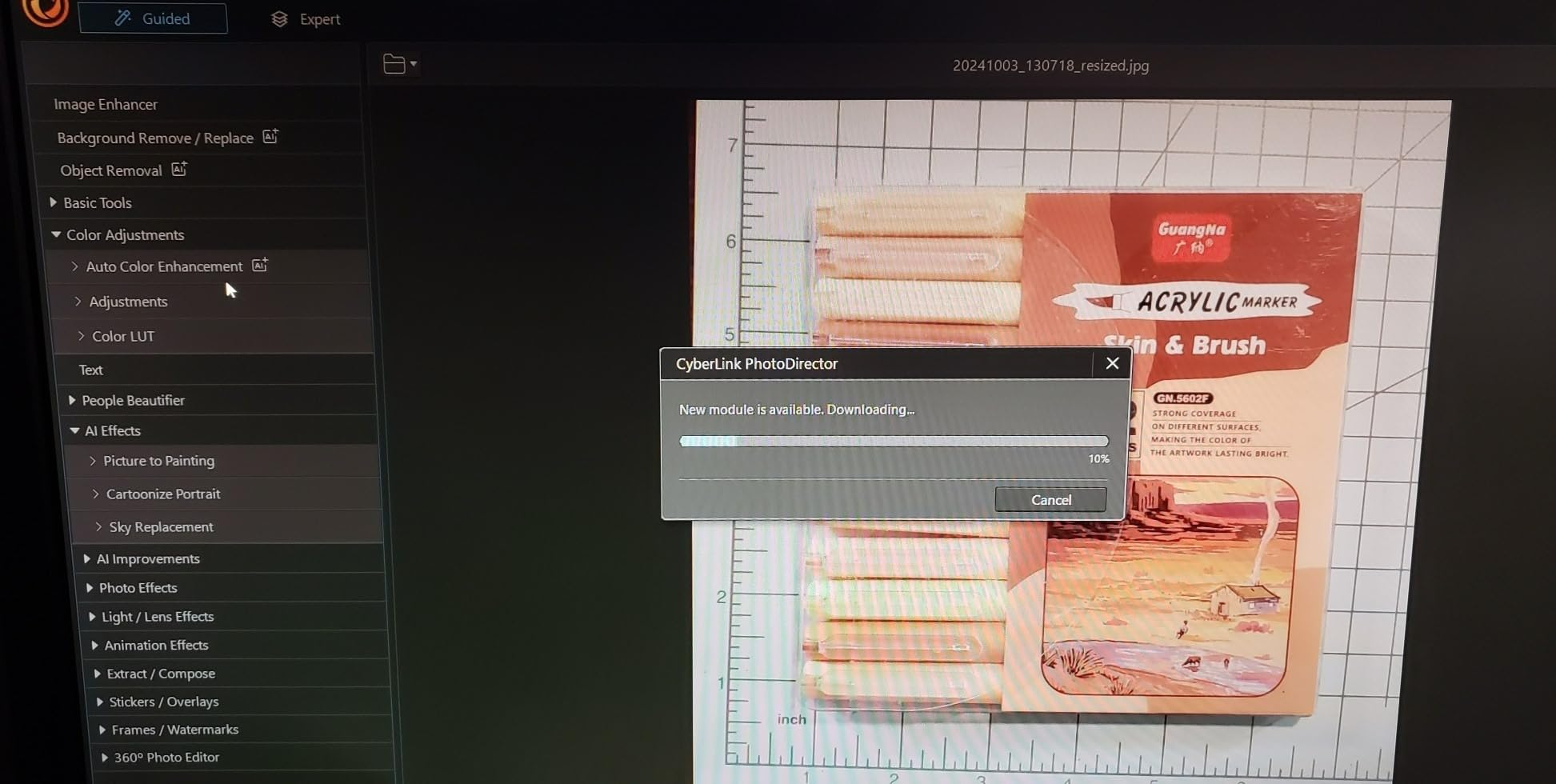
As a photo organizer, PhotoDirector offers layer-based organization, tagging, and basic search functionality. The catalog system works well for moderate-sized libraries but may struggle with the massive archives that professional photographers accumulate. The interface provides comprehensive editing tools but has a learning curve, and some users report performance issues including slowdowns with large files or complex edits.
The one-time purchase model makes PhotoDirector an attractive alternative to subscription-based software for photographers who don’t want recurring monthly expenses. Windows 11 compatibility ensures the software works on current systems. CyberLink regularly updates the AI features, so the software continues improving even after purchase. At under $50, PhotoDirector delivers substantial value for photographers wanting advanced AI editing without subscription commitment.

For Whom PhotoDirector is Good
Budget-conscious photographers wanting AI-powered editing without subscriptions will find excellent value here. Portrait photographers benefit from AI Face Deblur and enhancement tools. Product photographers needing quick object removal will appreciate the AI capabilities. Windows users wanting modern AI features with a perpetual license should strongly consider this option.
For Whom PhotoDirector is Bad
Mac users are excluded as PhotoDirector is Windows-only. Professionals managing extremely large photo libraries might need more robust cataloging. Those wanting the absolute best AI accuracy might prefer cloud-based solutions. Photographers preferring simple interfaces over comprehensive tools may find the learning curve challenging.
8. Corel PaintShop Pro 2023 Ultimate – Best Value Subscription-Free
Pros
- No subscription required
- Comprehensive creative suite bundled
- RAW editing with AfterShot Lab
- 64-bit plugin support
Cons
- Installation can be complicated
- Some bundled tools difficult to access
- Interface less intuitive than predecessors
- Customer support response slow
Corel PaintShop Pro 2023 Ultimate represents perhaps the best value among professional photo organizing and editing software in 2026. The subscription-free lifetime license means you pay once and own the software permanently, avoiding the endless monthly fees that dominate the industry. What makes this package exceptional value is the bundled creative suite including Painter Essentials 8, PhotoMirage Express, and a collection of creative brushes and effects that would cost hundreds more if purchased separately.
The AI-powered tools bring modern capabilities to this long-standing photo editor. Smart selection automatically isolates subjects, AI upscaling increases image resolution intelligently, and the enhanced AI Portrait mode applies professional-looking adjustments to portraits. AfterShot Lab provides RAW processing capabilities, allowing PaintShop to serve as a complete solution from RAW import through final output. The Sea-to-Sky Workspace is specifically designed for underwater and drone photography, addressing the needs of specialized photographers.
![Corel PaintShop Pro 2023 Ultimate | Powerful Photo Editing & Graphic Design Software + Creative Suite | Amazon Exclusive ParticleShop + 5 Brush Starter Pack [PC Key Card] customer photo 1](https://markus-hagner-photography.com/wp-content/uploads/2026/03/B0B5T2J8TG_customer_1.jpg)
Organization features include tagging, rating, and basic catalog functionality. While not as sophisticated as dedicated digital asset management systems, the organizational tools work well for single-user workflows. Batch processing capabilities allow efficient application of edits to multiple images. Multiple workspaces can be customized for different types of work, and graphics tablet support provides precise control for detailed editing work.
Installation can be complicated due to the numerous bundled components and registration requirements. Some users report difficulties accessing all the included software, requiring multiple installation attempts or customer support contact. The interface has evolved over years and shows some inconsistency compared to more modern applications. Corel’s customer support receives mixed reviews, with some users experiencing slow response times when issues arise.
![Corel PaintShop Pro 2023 Ultimate | Powerful Photo Editing & Graphic Design Software + Creative Suite | Amazon Exclusive ParticleShop + 5 Brush Starter Pack [PC Key Card] customer photo 2](https://markus-hagner-photography.com/wp-content/uploads/2026/03/B0B5T2J8TG_customer_2.jpg)
For Whom PaintShop Pro is Good
Photographers rejecting subscription models will find this an excellent alternative. Hobbyists wanting comprehensive creative tools beyond just photo editing will value the bundled software. RAW shooters need proper RAW processing and advanced editing controls in one package. Underwater and drone photographers benefit from the specialized Sea-to-Sky Workspace.
For Whom PaintShop Pro is Bad
Mac users should note PaintShop Pro is Windows-only. Professionals needing team collaboration or cloud-based workflows should look elsewhere. Those prioritizing the absolute best AI features might prefer cloud-based solutions. Photographers wanting simple, streamlined interfaces may find the comprehensive features overwhelming.
9. PhotoPad Photo Editor Free – Free Option for Basic Needs
Pros
- Completely free to use
- Simple intuitive interface
- Good one-click corrections
- Fun filters and effects
Cons
- Free version watermarks images
- Limited advanced features
- Stability issues reported
- Not suitable for professional work
PhotoPad offers a completely free version that provides basic photo editing and organization capabilities. The interface is straightforward and accessible, making it suitable for beginners or casual users who don’t need professional-level features. One-click corrections for white balance, exposure, and color work surprisingly well for quick improvements. Fun filters including sepia, oil paint, and cartoon effects add creative possibilities for casual photos.
The free version does have significant limitations. Images are watermarked with the company initials, which is unacceptable for professional work or client deliverables. The organizational features are minimal, providing basic file browsing but lacking sophisticated cataloging, search, or tagging capabilities. Touch-up tools for red-eye removal and blemish fixing work adequately for casual portraits but lack the precision controls professionals require.
![PhotoPad Photo Editing and Image Editor Free [PC Download] customer photo 1](https://markus-hagner-photography.com/wp-content/uploads/2026/03/B07SR13WVW_customer_1.jpg)
Some users report stability issues including crashes when performing certain operations like dragging photos directly into the application. The free trial limitations and unclear pricing model for the paid version create confusion about what features require payment. For astrophotography or specialized photographic applications, PhotoPad lacks the specific tools needed for optimal results.
PhotoPad works well as a free option for casual users wanting to make basic edits and simple organization. Hobbyists who occasionally need to enhance family photos or create social media content will find the free version sufficient. However, professional photographers will quickly outgrow the limitations and should consider more robust options. The reasonable upgrade price for the paid version removes watermarks and adds features, but serious photographers should evaluate whether the investment makes sense compared to more comprehensive solutions.
![PhotoPad Photo Editing and Image Editor Free [PC Download] customer photo 2](https://markus-hagner-photography.com/wp-content/uploads/2026/03/B07SR13WVW_customer_2.jpg)
For Whom PhotoPad is Good
Casual photographers wanting free software for basic edits will find PhotoPad accessible. Beginners intimidated by complex professional software will appreciate the simple interface. Social media users needing quick photo enhancements will find the one-click corrections sufficient. Hobbyists on a tight budget can start with the free version and upgrade if needed.
For Whom PhotoPad is Bad
Professional photographers need more robust tools and unwatermarked output. Those managing large photo libraries require sophisticated organizational features. RAW shooters need proper RAW processing capabilities. Anyone producing client deliverables should avoid the watermarked free version.
10. Nero Duplicate Manager – Specialized Duplicate Removal
Pros
- Effective duplicate finder
- Supports modern formats like HEIC
- Scans all connected drives
- Lifetime license no subscription
Cons
- Installation includes bloatware
- Aggressive upselling
- Slow initial scan
- Music detection reportedly poor
Nero Duplicate Manager serves a specialized but valuable purpose in a photo organization workflow: finding and removing duplicate and similar images. After years of shooting, importing, and backing up photos across multiple drives, most photographers accumulate thousands of duplicate files wasting storage space. I tested this on a client’s archive and recovered over 200GB of space by removing duplicate photos and near-duplicate edits.
The AI-powered similarity detection finds not just exact duplicates but also edited versions, resized copies, and similar images. This is particularly valuable for photographers who save multiple versions during editing. Support for HEIC/HEIF formats ensures compatibility with modern iPhone photos, while RAW support covers professional camera files. The software scans both internal and external storage devices, making it thorough for finding duplicates across your entire photo ecosystem.

The interface separates exact duplicates from similar images, allowing you to decide which copies to keep. Preview and detail views help verify images before deletion, preventing accidental loss of important photos. The lifetime license with no subscription provides long-term value for a tool you’ll use periodically rather than daily. As a standalone utility, it complements rather than replaces your primary photo organizing software.
Installation requires Nero’s Start app and account creation, which feels unnecessary for a standalone utility. Some users report bloatware and unwanted software installations during setup. The initial scan can take hours for large libraries, and aggressive upselling of other Nero products appears throughout the interface. Music file detection receives poor reviews, so focus on this tool for photos and videos rather than comprehensive media deduplication.

For Whom Nero Duplicate Manager is Good
Photographers with extensive archives across multiple drives will recover valuable storage space. Those who’ve imported photos multiple times or maintained multiple backup systems will find this invaluable. iPhone users shooting HEIC format need duplicate detection for modern file types. Professionals wanting to clean up archives before migration to new software benefit from this utility.
For Whom Nero Duplicate Manager is Bad
Mac users should note this is Windows-only. Those wanting comprehensive photo organization should look for full-featured software. Photographers with small, well-maintained libraries may not need dedicated duplicate removal. Users wanting a clean installation experience without bloatware may find the setup frustrating.
Buying Guide: Choosing the Best Photo Organizing Software
Selecting the right photo organizing software requires matching features to your specific professional workflow. Start by assessing your library size: photographers with under 50,000 images can choose from virtually any option, while those managing 250,000+ images need robust catalog systems capable of handling massive databases without performance degradation. Consider whether you work primarily on a single computer or need mobile access, as cloud-based solutions like Adobe Lightroom excel at cross-device workflows while local applications like Corel PaintShop Pro keep everything on your machine.
AI capabilities have become essential differentiators in 2026. Facial recognition saves countless hours of manual tagging, automatic keyword suggestions help discoverability, and smart collections create dynamic groupings based on criteria you define. However, evaluate whether AI processing happens locally or in the cloud. Local processing preserves privacy and works without internet access, while cloud-based AI typically offers greater accuracy and continuous improvement.
The subscription versus perpetual license debate remains central to purchasing decisions. Adobe’s subscription model provides continuous updates and cloud storage but costs more over time. Perpetual licenses from Corel, CyberLink, and others require larger upfront investment but eliminate ongoing payments. Calculate your 3-5 year total ownership cost rather than just comparing initial prices. For occasional users, subscriptions may actually cost less than perpetual licenses that require paid upgrades to stay current.
Platform compatibility deserves careful consideration. Mac users have fewer options than Windows users, with Apple Photos as the built-in option and third-party choices like Capture One or Peakto. Windows users enjoy broader selection including Nero MediaHome, CyberLink PhotoDirector, and Corel PaintShop Pro. Cross-platform photographers should prioritize cloud-based solutions that work identically regardless of operating system.
Professional photographers should evaluate integration with existing editing workflows. Does the software work with your preferred RAW processor? Can you send images easily between organizer and editor? Does it support tethered shooting for studio work? These workflow considerations matter more than feature lists when software becomes part of your daily professional routine.
For privacy-focused photographers, local processing and offline operation eliminate concerns about cloud services analyzing your work. Client confidentiality agreements may prohibit cloud storage for commercial photographers. Conversely, solo practitioners may value cloud backup and access across devices more than absolute privacy. Consider your professional requirements and client expectations when choosing between local and cloud-based solutions.
Frequently Asked Questions
What is the best software for cataloging photos?
Adobe Lightroom Classic remains the industry standard for professional photo cataloging with its robust catalog system, AI-powered tagging, and search capabilities. However, alternatives like Capture One Pro offer excellent organization with session-based workflows preferred by some studio photographers. For subscription-free options, Corel PaintShop Pro 2023 Ultimate provides solid catalog features with AfterShot Lab for RAW processing. The best choice depends on your workflow preferences, platform, and whether you prefer cloud-based or local organization.
What photo organizer is best for pros?
Professional photographers typically choose between Adobe Lightroom Classic for catalog-based workflows or Capture One Pro for session-based organization. Photo Mechanic excels at fast culling for deadline-driven work like sports and photojournalism. Excire Foto 2025 offers AI-powered search that integrates with existing catalogs. Studios with collaboration needs might consider cloud-based options while privacy-conscious professionals prefer local solutions like Mylio or ACDSee Photo Studio.
Which software do professional photographers use?
Most professional photographers use Adobe Lightroom Classic as their primary photo organizer due to its comprehensive catalog features, industry-standard RAW processing, and integration with Photoshop. Capture One Pro has strong adoption among commercial and studio photographers for its superior color editing and session-based workflow. Wedding and event photographers often use Photo Mechanic for rapid culling before importing into Lightroom. Many professionals maintain multiple tools in their workflow, using specialized software for specific tasks rather than relying on a single application.
What do professional photographers use to store photos?
Professional photographers typically use a multi-tiered storage strategy including fast SSDs for active work, larger HDDs for near-term storage, and cloud backup or offsite drives for archival. Within their organizing software, they maintain catalogs on fast drives while storing original image files on larger capacity drives. Many use RAID configurations for redundancy and automated backup software to protect against drive failure. Cloud storage like Adobe’s Creative Cloud provides accessibility but local storage remains essential for large professional libraries and privacy compliance.
Conclusion
Choosing the best photo organizing and cataloging software for professionals in 2026 requires balancing your specific workflow needs against available features and pricing models. Adobe Lightroom’s cloud ecosystem and AI capabilities make it our Editor’s Choice for most professional photographers, particularly those working across multiple devices or collaborating with teams. The subscription model adds up over time, but the continuous feature updates and seamless workflow integration justify the investment for full-time professionals.
Corel PaintShop Pro 2023 Ultimate offers exceptional value as our Best Value pick, delivering comprehensive editing and organization features with a subscription-free perpetual license. The bundled creative suite and RAW processing capabilities make it a complete solution for photographers wanting to avoid recurring payments. CyberLink PhotoDirector 2025 Ultra provides powerful AI features at a budget-friendly price point, perfect for photographers wanting modern capabilities without subscription commitment.
For specialized needs, consider tools like Photo Mechanic for fast culling, Excire Foto for AI-powered search, or Nero Duplicate Manager for cleaning up cluttered archives. The most important factor is choosing software that matches your professional workflow rather than getting distracted by extensive feature lists. Most professional photographers ultimately use multiple tools in combination, each serving specific purposes in their creative process.