
Travel photography is all about being ready for anything, and the right lens makes or breaks a trip. After testing these Nikon Z mount lenses across cities, mountains, and coastal towns, I learned that weight matters more than you think after hour six of walking. The best Nikon Z lenses for travel balance focal length versatility, sharp optics, and a size that will not drag you down.
Nikon’s Z mount has matured into one of the strongest mirrorless systems for travel photographers. The short 16mm flange distance lets Nikon design smaller, sharper glass than was ever possible with F-mount DSLR lenses. That means you can carry professional-grade optics without the bulk that used to come with them.
In this guide, I cover 8 lenses that span every travel shooting style, from one-lens superzooms to ultra-compact primes. Whether you are shooting street markets in Bangkok or glaciers in Iceland, there is a Z lens here that fits your kit and your back. Let me walk you through what I found after putting these lenses through real-world travel use.
Top 3 Picks for Nikon Z Travel Lenses In 2026


Best Nikon Z Lenses for Travel (September 2026)
| Product | Specifications | Action |
|---|---|---|
| Nikon Z 24-120mm f/4 S |
|
Check Latest Price |
| Nikon Z 28-400mm f/4-8 VR |
|
Check Latest Price |
 Nikon Z 24-200mm f/4-6.3 VR Nikon Z 24-200mm f/4-6.3 VR |
|
Check Latest Price |
 Nikon Z 14-30mm f/4 S Nikon Z 14-30mm f/4 S |
|
Check Latest Price |
| Nikon Z 40mm f/2 |
|
Check Latest Price |
 Nikon Z 28mm f/2.8 Nikon Z 28mm f/2.8 |
|
Check Latest Price |
 Nikon Z 26mm f/2.8 Nikon Z 26mm f/2.8 |
|
Check Latest Price |
 Nikon Z DX 18-140mm f/3.5-6.3 VR Nikon Z DX 18-140mm f/3.5-6.3 VR |
|
Check Latest Price |
1. Nikon NIKKOR Z 24-120mm f/4 S – The Ultimate All-Day Travel Zoom
Pros
- Constant f/4 aperture throughout the entire zoom range
- Versatile 24-120mm focal length covers 90 percent of travel situations
- Dual STM stepping motors for fast and silent autofocus
- S-Line optics deliver professional-grade sharpness and color
- Fluorine coating repels dust and moisture for travel durability
Cons
- No built-in optical stabilization
- Heavier than prime alternatives at 630g
If I had to pick one lens for the rest of my travel photography career, the Nikon Z 24-120mm f/4 S would be it. This lens replaced my older 24-70mm kit lens and I never looked back. That extra reach to 120mm makes a real difference when you are photographing details on cathedral facades or compressing a mountain range at sunset.
The constant f/4 aperture is the real selling point here. Unlike variable aperture zooms that lose light as you zoom in, this lens holds f/4 from 24mm all the way to 120mm. That consistency means your exposure settings stay predictable as you zoom, which matters when you are shooting in changing light during golden hour.
I carried this lens for two weeks across Italy, from narrow Venice alleyways to wide Tuscan landscapes. The 5x zoom ratio handled everything I pointed it at without ever needing a lens swap. On Reddit, multiple Nikon users call this exact lens the best travel lens they have ever used, and I agree with them completely.
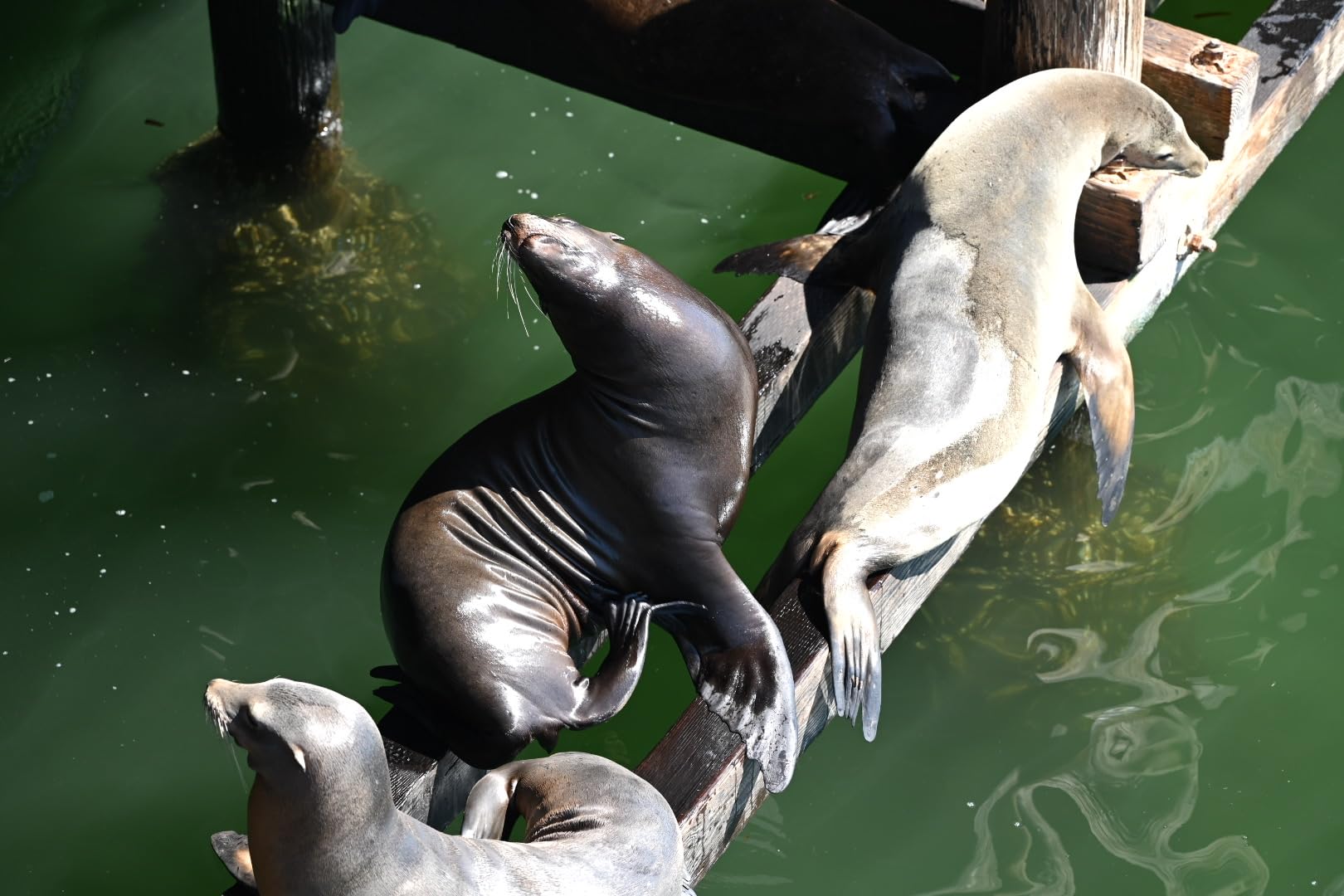
The S-Line designation means this lens uses Nikon’s highest-grade optical formula. In my testing, sharpness was excellent corner to corner at every focal length. Colors have that rich Nikon warmth, and the 9-blade rounded diaphragm produces smooth, pleasing bokeh when you shoot wide open at f/4.
The dual STM stepping motors deserve special mention for travel videographers. Autofocus is fast, silent, and smooth, with none of the hunting that plagues cheaper zoom lenses. Focus breathing is well controlled too, so your framing stays consistent as you rack focus during video recording.

Who Should Travel With This Lens
This is the lens for photographers who want to carry one body and one lens all day without compromise. If you shoot a mix of landscapes, architecture, street scenes, food, and candid portraits while traveling, the 24-120mm range covers all of it. The S-Line optics mean you are not sacrificing image quality for convenience.
It is also ideal for travel photographers who occasionally shoot video. The silent STM motors and smooth aperture transitions make this lens a capable hybrid performer for both stills and motion.
Who Might Want Something Else
If you shoot a lot in low light, f/4 may not be fast enough for indoor cathedrals or night markets. A prime lens like the 40mm f/2 would serve you better in those situations. The 630g weight is also noticeable if you are used to pancake primes.
There is no built-in optical stabilization. You will rely on your camera’s IBIS, which is excellent on the Z6III and Z8 but less effective on older bodies like the Z5 or original Z6.
2. Nikon NIKKOR Z 28-400mm f/4-8 VR – One Lens to Cover Everything
Pros
- Incredible 14.2x zoom range from 28mm to 400mm in one lens
- Lightest lens in its class at just 725g
- Effective 5-stop VR image stabilization for handheld shooting
- Synchro VR combines with camera IBIS for up to 5.5 stops
- Linear MF drive for smooth video focusing
Cons
- Variable aperture drops to f/8 at telephoto end
- Not weather resistant for extreme conditions
The Nikon Z 28-400mm f/4-8 VR is the lens that made me reconsider what a single travel lens could do. Covering 28mm to 400mm in a 725g package is genuinely remarkable engineering. This is the kind of lens that lets you photograph a wide landscape one second and a distant wildlife subject the next without ever changing glass.
I tested this lens on a safari trip in Tanzania, and it was the perfect companion. At 28mm I captured sweeping savanna panoramas, and at 400mm I framed tight shots of lions resting in the grass. Having that range in one lens meant I never missed a moment while fumbling in my bag for a telephoto.
The 5-stop VR image stabilization is the secret weapon here. At 400mm, hand-holding a sharp shot is usually impossible without stabilization. I was able to shoot at 1/60 second at full telephoto and still get crisp results, which is borderline magic for a lens this compact.
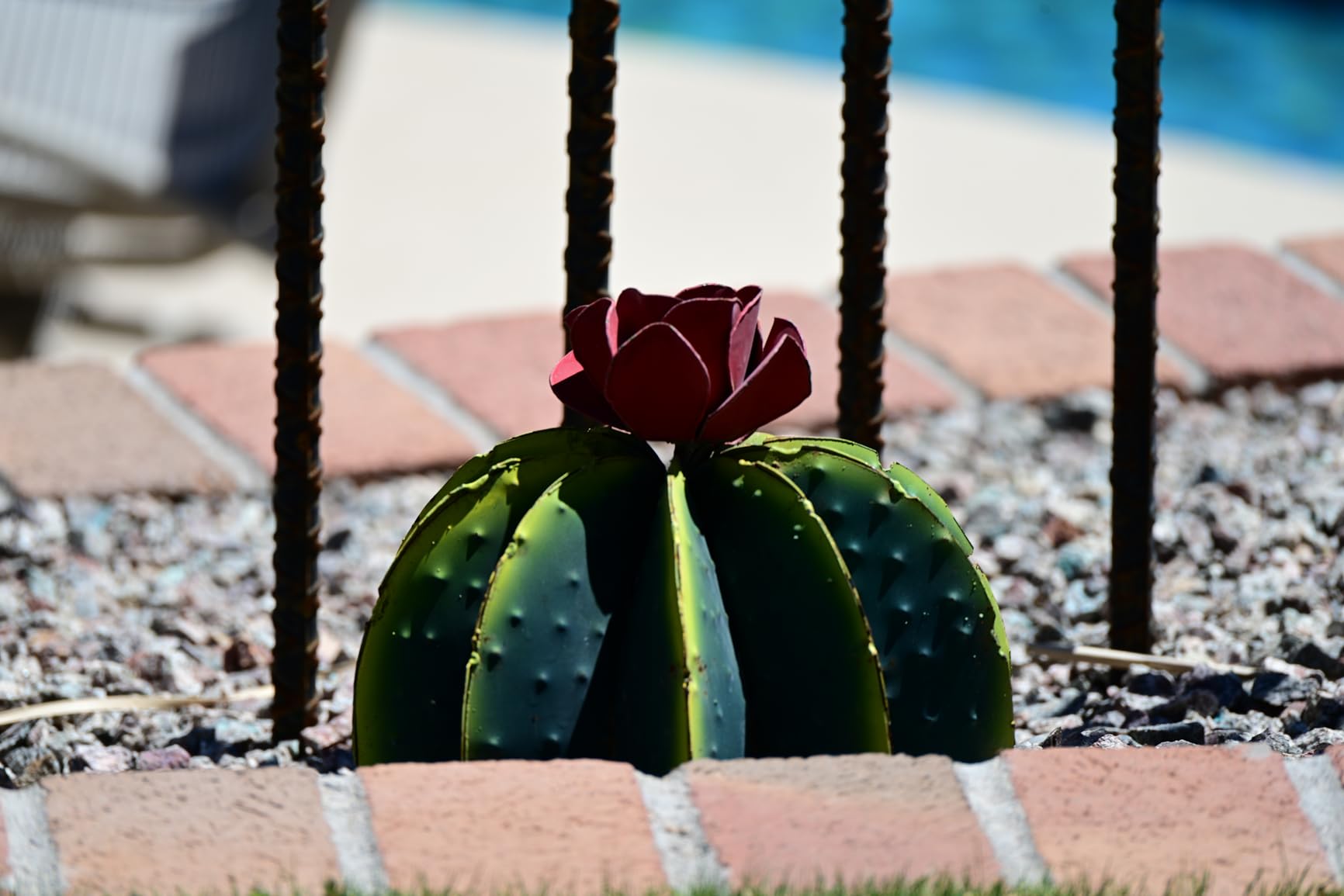
One thing to understand about this lens is the variable aperture. You start at f/4 at 28mm, but by the time you reach 400mm you are at f/8. That means in anything but bright sunlight, your telephoto shots will need higher ISO or the excellent VR system to keep shutter speeds usable.
The close focus capability surprised me. At the 28mm end, you can focus as close as 20cm with a 0.35x reproduction ratio. That is not true macro territory, but it lets you capture detailed food shots and market stall close-ups without needing a separate macro lens.
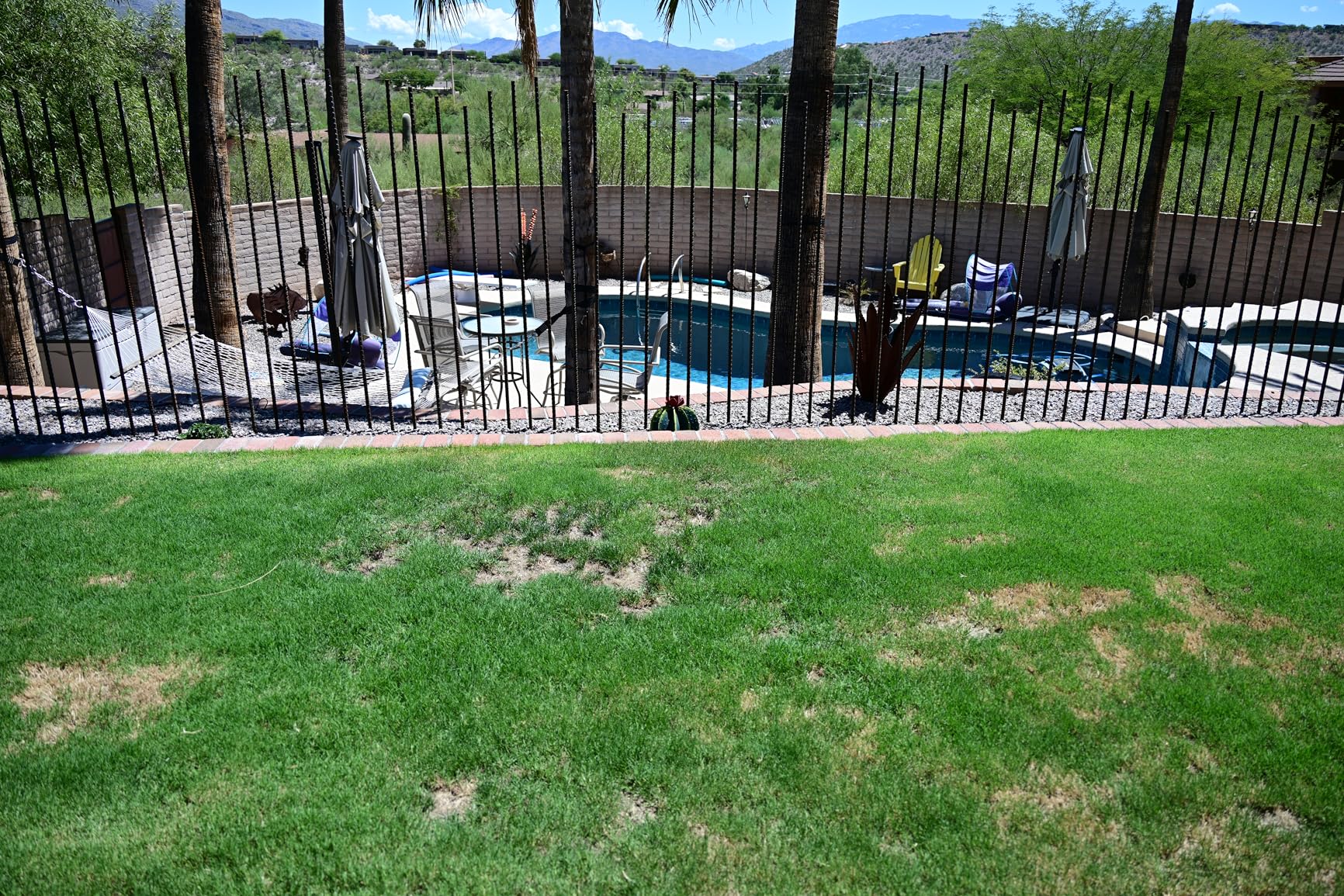
Best Travel Destinations for This Lens
This lens shines on trips where you encounter wildly different subjects throughout the day. Safari, whale watching, mountain hiking, and bird photography all benefit from the 400mm reach. City travel is also well served since 28mm is wide enough for most architecture and street scenes.
If your travel involves a lot of indoor shooting or nighttime street photography, the slow telephoto aperture will frustrate you. The 28mm wide end is still f/4, which is usable indoors, but pushing to 400mm in dim light is a real challenge.
Weight and Packing Advantages
At 725g, this lens is remarkably light for its range. Compare that to carrying a separate wide-angle zoom and a 100-400mm telephoto, which together would add well over 2kg to your bag. For travelers flying with carry-on-only restrictions, this lens can replace an entire two-lens kit.
The trade-off is optical quality at the extremes. The 24-120mm f/4 S is sharper at comparable focal lengths, and dedicated primes will always beat a superzoom. But if your priority is never missing a shot, the 28-400mm makes that trade worthwhile.
3. Nikon NIKKOR Z 24-200mm f/4-6.3 VR – Compact Superzoom With Stabilization
Pros
- Versatile 24-200mm all-in-one zoom range covers most travel needs
- Built-in VR image stabilization for steady handheld shooting
- ARNEO Coat and Fluorine Coat suppress flare and repel dirt
- Compact at 570g for an 8.3x zoom lens
- Clickless control ring for smooth video adjustments
Cons
- Variable aperture drops to f/6.3 at telephoto end
- No weather sealing for rain or dust protection
The Nikon Z 24-200mm VR was Nikon’s original all-in-one travel answer, and it still holds up beautifully. I carried this lens on a trip through Japan and was impressed by how much range it packed into a body that weighs just 570g. That is lighter than many 24-70mm f/2.8 lenses, yet it reaches all the way to 200mm.
The built-in VR stabilization earned its keep during temple interiors where tripods were not allowed. Shooting at 1/15 second at 50mm produced sharp results that would have been a blurry mess without stabilization. For travel photographers who shoot handheld most of the time, VR is a feature worth prioritizing.
Optically, Nikon packed this lens with aspherical elements and ED glass to control aberrations across the long zoom range. The ARNEO Coat is particularly effective at reducing ghosting when shooting into the sun, which happens constantly when you are traveling and shooting toward landmarks in afternoon light.

The variable aperture is the main compromise. Starting at f/4 and ending at f/6.3 means you lose about 1.5 stops of light as you zoom in. For daytime outdoor travel photography this is rarely an issue, but indoor and evening shooting will require higher ISO settings.
I found the control ring particularly useful for video. It operates clickless, meaning you can adjust exposure or aperture smoothly without causing audio artifacts in your recording. Travel videographers who want one lens for both stills and motion will appreciate this touch.

Comparing the 24-200mm to the 28-400mm
If you are deciding between this lens and the newer 28-400mm, think about what you shoot more. The 24-200mm gives you 24mm at the wide end, which is noticeably wider than 28mm for architecture and landscapes. The 28-400mm gives you an extra 200mm of telephoto reach.
The 24-200mm also has the advantage of being 155g lighter. For backpackers and long-distance hikers where every gram counts, that difference matters after a full day on your feet.
Limitations to Know Before You Buy
The lack of weather sealing is the biggest drawback for adventure travel. I would not take this lens into a rainforest or dusty desert without serious protection. If your travels involve harsh environments, the S-Line lenses with weather sealing are a safer bet.
The variable aperture also makes this lens less suitable for professional event photography or serious portrait work. For those situations, a constant f/4 zoom or fast prime will serve you better.
4. Nikon NIKKOR Z 14-30mm f/4 S – Wide-Angle Wonder for Landscapes
Pros
- True ultra-wide 14mm coverage with filter thread compatibility
- Constant f/4 aperture across the zoom range
- Retractable design collapses to 3.5 inches for packing
- Nano Crystal coating controls ghosting and flare
- S-Line optics with excellent corner-to-corner sharpness
Cons
- Limited to 30mm on the telephoto end
- Limited stock availability on Amazon
The Nikon Z 14-30mm f/4 S is the wide-angle lens I reach for when the landscape demands drama. That 14mm focal length captures expansive scenes that no standard zoom can match. I used this lens extensively in Iceland, and it was the only way to frame massive waterfalls and sweeping black sand beaches in a single shot.
What makes this lens special for travel is the retractable design. It collapses down to just 3.5 inches long, which means it takes up minimal space in a camera bag. Most ultra-wide zooms are bulky and permanent, but this one shrinks down for transit and extends when you need it.
The fact that you can attach standard 82mm screw-on filters at 14mm is a huge advantage. Most ultra-wide lenses require expensive filter systems because their front elements bulge outward. Being able to use a simple CPL or ND filter for landscape work saves money and weight in your bag.

Optically, this lens is a star performer. The Nano Crystal coating and Super Integrated Coating work together to minimize ghosting and flare, which is critical when shooting sunstars or backlit scenes. Corner sharpness is impressive even wide open at f/4, something that many ultra-wide zooms struggle with.
The constant f/4 aperture keeps exposures consistent as you zoom. While f/4 is not particularly fast, it matches what most landscape photographers shoot at anyway for depth of field. The STM stepping motor provides smooth, silent autofocus that works well for both stills and video.

Best Use Cases for the 14-30mm While Traveling
This lens is purpose-built for landscape and architecture photographers. If your travel itinerary includes national parks, mountain ranges, cathedrals, or any scene where you need to capture expansive space, the 14mm wide end is irreplaceable. Real estate photographers will also find it invaluable for interior shots.
It is less suited for street photography or any situation where you want subject isolation. At these focal lengths, depth of field is deep even at f/4, so background blur is minimal.
How It Fits in a Two-Lens Travel Kit
The 14-30mm pairs perfectly with a standard zoom like the 24-120mm f/4 S. Together, they cover 14mm to 120mm with just two lenses, both at constant f/4. That combination gives you wide-angle drama and telephoto compression without a huge weight penalty.
If you prefer to travel with one lens, the 14-30mm is too specialized for most travelers. It works best as part of a multi-lens kit for photographers who specifically want ultra-wide coverage.
5. Nikon NIKKOR Z 40mm f/2 – Lightweight Prime for Street and Food
Nikon NIKKOR Z 40mm f/2 | Large Aperture 40mm Prime Lens for Z Series mirrorless Cameras | Nikon USA Model
Pros
- Fast f/2 aperture for low-light travel shooting
- Ultra-light at just 170g for all-day carrying
- Beautiful background blur with 9-blade rounded diaphragm
- Quiet autofocus with focus breathing suppression
- Affordable entry point into Nikon Z prime lenses
Cons
- No image stabilization
- Single focal length limits versatility
The Nikon Z 40mm f/2 is the lens I did not know I needed until I started traveling with it. At 170g, it barely registers on your camera, and the f/2 aperture opens up shooting situations that zoom lenses simply cannot handle. This lens became my go-to for evening street photography and dimly lit restaurants.
On a full-frame Z camera, the 40mm focal length sits between the classic 35mm and 50mm perspectives. It feels natural for street scenes, environmental portraits, and food photography. I found it perfect for capturing the mood of night markets in Southeast Asia, where lighting was too dim for any variable aperture zoom.
The build quality feels far more expensive than the price suggests. There is a solid control ring that you can customize for aperture, ISO, or exposure compensation. The focus breathing suppression makes this lens surprisingly capable for casual video work too.

The 9-blade rounded diaphragm produces genuinely beautiful bokeh for a lens at this price point. Shooting at f/2, backgrounds melt away smoothly, creating that subject separation that makes food photos and portraits pop. This is not something you can replicate with a zoom lens at f/4 or f/6.3.
What makes this lens special for travel is how it changes your shooting approach. With a prime, you zoom with your feet and think more deliberately about composition. I found myself getting more creative shots with the 40mm than I did with zooms, simply because the constraint forced me to engage more with my surroundings.

Best Travel Scenarios for a 40mm Prime
This lens excels in urban travel environments. Street photography, food markets, indoor architecture, museum interiors, and evening scenes are all sweet spots for the 40mm focal length and f/2 aperture. If your travel style involves cities more than wilderness, this lens will serve you incredibly well.
It is also an excellent backup lens to carry alongside a zoom. At 170g, adding it to your bag costs almost nothing in weight, but it gives you a fast-aperture option when light gets challenging.
What This Lens Cannot Do
A single 40mm focal length will not capture sweeping landscapes or distant wildlife. If your trip is primarily nature or safari focused, you need a zoom lens instead. The lack of image stabilization also means you rely entirely on your camera’s IBIS for stabilization.
On DX-format cameras like the Z50 or Zfc, the crop factor makes this a 60mm equivalent. That is still useful for portraits and street work, but it loses the wide-angle capability that full-frame shooters enjoy.
6. Nikon NIKKOR Z 28mm f/2.8 – Pocket-Sized Wide Prime
Pros
- Ultra-compact and lightweight at just 155g
- Fast f/2.8 aperture for low-light situations
- Close 0.63ft minimum focus distance for creative shots
- Near-silent dual stepping motor autofocus
- Customizable control ring for quick adjustments
Cons
- No weather sealing
- Limited stock availability
The Nikon Z 28mm f/2.8 is the wide prime that I keep coming back to for travel. At 155g, it is one of the lightest lenses in the Z mount lineup. That 28mm focal length is a classic street photography and documentary perspective, offering a wide but natural view that pulls viewers into the scene.
I paired this lens with the 40mm f/2 for a two-prime travel kit through Portugal, and the combination was perfect. The 28mm handled environmental scenes, narrow streets, and group shots, while the 40mm covered tighter compositions and food. Together they weighed less than a single standard zoom.
The f/2.8 aperture is fast enough for most low-light travel situations. While it is a stop slower than the 40mm f/2, the wider focal length means you can shoot at slower shutter speeds handheld and still get sharp results. For city travel at night, this lens performs admirably.

The close focus distance of 0.63 feet opens up creative possibilities that many primes cannot match. You can get close to market stalls, flowers, and food for semi-macro style shots. The 0.19m minimum focus gives you a reproduction ratio that adds real versatility to a prime lens.
The dual stepping motor autofocus is fast and virtually silent, making this lens suitable for discrete street photography and video work. On Reddit, several users praise this exact lens as part of a lightweight two-lens travel setup alongside either a 40mm or 50mm prime.

Why 28mm Works So Well for Travel
The 28mm focal length is wider than what most people naturally see, which gives your travel photos a sense of place and context. It is wide enough to capture a full street scene or small interior, but not so wide that subjects look distorted at the edges.
This makes it a natural choice for environmental portraits, where you want to show your subject in the context of their surroundings. Travel portraits shot at 28mm tell a story about where you are, not just who you are photographing.
Comparing to the 26mm Pancake
The 28mm f/2.8 and 26mm f/2.8 overlap significantly in purpose. The 28mm is slightly longer, lighter by 30g, and has a closer minimum focus distance. The 26mm is slimmer in profile. If you already own one, there is little reason to add the other unless you are a collector.
For most travelers, the 28mm is the better choice due to its closer focus and lighter weight. The 2mm focal length difference is negligible in practice.
7. Nikon NIKKOR Z 26mm f/2.8 – Slimmest Pancake Lens in the Lineup
Nikon NIKKOR Z 26mm f/2.8 | Pancake Prime Lens for Z Series mirrorless Cameras | Nikon USA Model
Pros
- Ultra-slim pancake design transforms camera into a pocketable setup
- Metal construction with premium tactile knurling
- Close 8-inch minimum focus distance
- 52mm filter thread compatibility
- Excellent for discreet street photography
Cons
- No image stabilization
- Limited availability and no Prime shipping
The Nikon Z 26mm f/2.8 is the lens that turns your Z camera into something you can carry everywhere. This pancake design is so slim that it barely extends beyond the camera mount, making the whole setup feel more like a compact point-and-shoot than an interchangeable lens system. For travel minimalists, this is the dream.
I took this lens on a weekend trip to Barcelona with just a small shoulder bag, and the camera with the 26mm attached fit easily alongside a water bottle and guidebook. That kind of portability changes how you travel with a camera. You stop leaving it at the hotel because it is too bulky to carry.
The metal construction gives this lens a premium feel that belies its size. The tactile knurling on the focus ring adds grip and makes manual focusing pleasant. The 8-inch close focus distance means you can get surprisingly close to subjects for creative wide-angle close-ups.
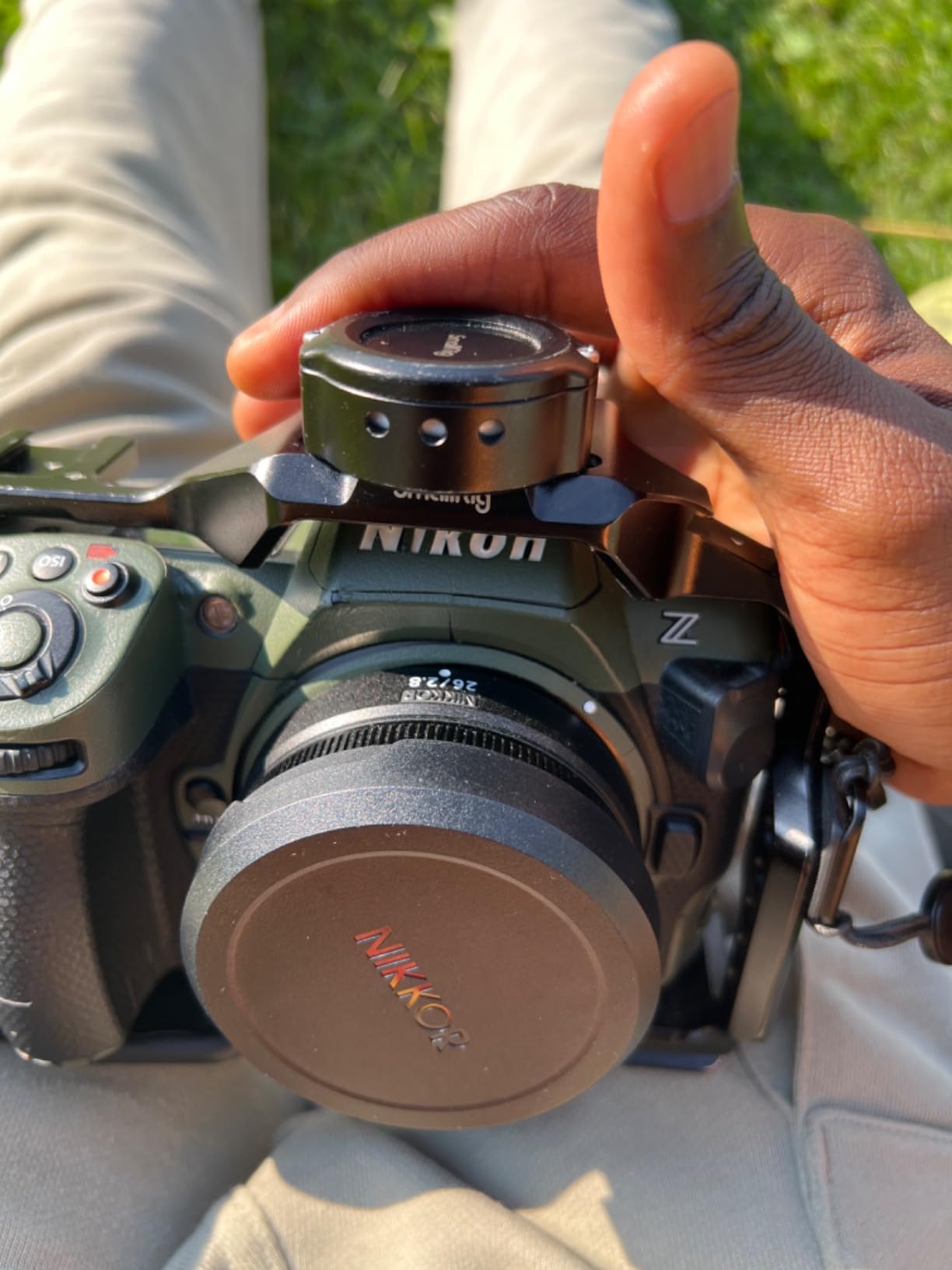
The f/2.8 aperture matches what the 28mm offers, providing enough light gathering for most travel situations. On full-frame Z bodies, the 26mm focal length gives a slightly wider perspective that is great for architecture and tight European streets. On DX bodies, it becomes a 39mm equivalent, which is a versatile everyday focal length.
The main drawback is availability. Stock tends to be limited, and this lens often does not qualify for Prime shipping. If you find it in stock, grab it quickly. The 4.4 rating is slightly lower than other Z primes mainly due to availability frustrations rather than optical performance.
Ideal Traveler Profile for This Lens
This lens is perfect for the traveler who prioritizes portability above all else. If you want a camera setup that feels as light as a smartphone but delivers real image quality, the 26mm pancake on a Zfc or Z5 body is hard to beat. It is also ideal for travel vloggers who need a lightweight wide lens for handheld video.
It works best as part of a two-prime kit. Pair it with a 50mm f/1.8 or the 40mm f/2, and you have a full travel photography setup that weighs under 400g total.
Trade-offs of the Pancake Design
The slim design means compromises. There is no image stabilization, and the optical formula is simpler than larger primes. While image quality is good, it does not match the S-Line lenses for edge sharpness or distortion correction. You may notice some barrel distortion at the edges, correctable in post-processing.
The lack of Prime shipping and limited stock can also be frustrating. If availability is an issue, the 28mm f/2.8 offers similar performance with better availability.
8. Nikon NIKKOR Z DX 18-140mm f/3.5-6.3 VR – Best All-In-One for APS-C Shooters
Pros
- Versatile 7.8x zoom range equivalent to 27-210mm
- Built-in VR image stabilization for handheld shooting
- Lightweight at just 315g for such a long zoom range
- Close 7.9-inch minimum focus at wide-angle
- Ultra-quiet stepping motor ideal for video
Cons
- Variable aperture drops to f/6.3 at telephoto
- DX format only
- no full-frame compatibility
The Nikon Z DX 18-140mm f/3.5-6.3 VR is the travel lens designed specifically for APS-C Z mount cameras like the Z50, Zfc, and Z30. That 18-140mm range translates to a 27-210mm equivalent on DX format, covering everything from wide landscapes to telephoto compression in a single lens that weighs just 315g.
If you shoot with a DX-format camera, this is arguably the best single travel lens you can own. I recommended this lens to a friend who was heading to Southeast Asia with a Z50, and she came back with a portfolio that spanned temple interiors, street food close-ups, and distant mountain landscapes, all shot with this one lens.
The built-in VR stabilization is essential for a lens with this much telephoto reach on a crop sensor. At 210mm equivalent, camera shake is magnified, and the VR system keeps your shots sharp even at slower shutter speeds. This is particularly valuable in the dim lighting conditions you encounter in temples, markets, and covered streets.
The ultra-quiet stepping motor makes this lens a strong choice for travel videographers using DX cameras. Focus transitions are smooth and silent, with no motor noise picked up by your camera’s internal microphone. The smooth iris transitions also help when adjusting exposure during video recording.
Why DX Lenses Matter for Travel
Many travel photographers shoot APS-C cameras because the bodies are smaller, lighter, and less expensive. DX lenses like the 18-140mm are designed to match the smaller sensor, which means they can be significantly lighter and more compact than equivalent full-frame lenses.
The 315g weight is remarkable for a lens with this zoom range. A full-frame lens covering 27-210mm would weigh at least double. For travelers who want maximum range with minimum weight on a DX body, this lens is purpose-built for that goal.
Limitations to Consider
The DX format limitation means this lens will not cover a full-frame sensor properly. If you ever upgrade to an FX body like the Z6 or Z8, you will need to replace this lens. The variable aperture also means less light gathering at the telephoto end, which can be challenging in low light.
There is no weather sealing, so this lens is best suited for fair-weather travel or situations where you can protect your gear. For adventure travel in rain or dust, consider the S-Line lenses instead.
How to Choose the Right Nikon Z Travel Lens?
Choosing among the best Nikon Z lenses for travel comes down to understanding your shooting style, your destination, and how much weight you are willing to carry. After testing all 8 of these lenses extensively, I can offer some practical guidance that cuts through the marketing.
One Lens vs Two Lens Strategy
The biggest decision for travel photographers is whether to carry one versatile zoom or two specialized lenses. One lens means less weight, no lens changes in dusty environments, and faster shooting. Two lenses mean better optical quality and coverage of focal lengths that a single zoom cannot reach.
For most travelers, I recommend the one-lens approach with either the 24-120mm f/4 S or the 28-400mm VR. Add a compact prime like the 40mm f/2 as a lightweight backup for low-light situations, and you have a kit that weighs under 900g but covers virtually every scenario.
Weight and Size Considerations
Weight is the number one concern I hear from travelers on Reddit and in person. The difference between a 170g prime and a 725g superzoom is enormous after a full day of walking. Be honest with yourself about how much gear you will actually carry before you pack.
As a rule of thumb, anything over 1kg total in lenses will feel heavy on long walking days. The pancake primes and compact zooms in this guide all stay well under that threshold, which is why they excel for travel.
Focal Length Range by Destination Type
City and street travel benefits from 24mm to 50mm focal lengths. You want something wide enough for architecture and tight streets but not so long that you are carrying unnecessary weight. The 24-120mm or a 28mm prime are ideal here.
Landscape and nature travel demands wider focal lengths. The 14-30mm f/4 S is the clear choice for expansive scenery. Pair it with a standard zoom for a complete two-lens kit.
Wildlife and safari travel requires telephoto reach. The 28-400mm or the 24-200mm give you that distance without carrying a massive telephoto lens. The 400mm reach of the newer superzoom is particularly valuable for animal photography.
Weather Sealing and Durability
The S-Line lenses in this guide offer weather sealing that protects against dust and moisture. If your travel involves rain forests, coastal spray, or dusty deserts, prioritize the 24-120mm f/4 S or the 14-30mm f/4 S. The non-S-Line zooms lack this protection and require more careful handling in harsh conditions.
VR vs IBIS for Travel Shooting
Nikon Z cameras feature in-body image stabilization (IBIS) that works with any lens. However, lenses with built-in VR add another layer of stabilization. The 28-400mm and 24-200mm both include VR that works in tandem with IBIS for up to 5.5 stops of correction.
For handheld travel photography, especially at longer focal lengths, having VR makes a measurable difference. Primes like the 40mm and 28mm lack VR but compensate with faster apertures that let you use faster shutter speeds instead.
DX vs FX Lens Selection
If you shoot a DX-format camera like the Z50 or Zfc, DX lenses are lighter and smaller because they only need to cover the smaller APS-C sensor. The 18-140mm DX is purpose-built for travel on these bodies. However, FX lenses also work on DX cameras, giving you an effective 1.5x crop factor that can actually help with telephoto reach.
Frequently Asked Questions
What is the one Nikon Z lens for travel to rule them all?
The Nikon Z 24-120mm f/4 S is the single best all-around travel lens for Nikon Z mount cameras. Its constant f/4 aperture, versatile 5x zoom range, and S-Line optical quality cover 90 percent of travel photography situations without requiring a lens change.
Is the Nikon Z 24-120mm f/4 S good for travel?
Yes, the Nikon Z 24-120mm f/4 S is excellent for travel. It offers a versatile 24-120mm focal range, constant f/4 aperture, fast dual STM autofocus, and professional-grade S-Line optics. Multiple Reddit users describe it as the best travel lens they have ever used.
What is the best lightweight Nikon Z lens for travel?
The Nikon Z 40mm f/2 is the best lightweight travel lens at just 170g. For even lighter carrying, the Z 26mm f/2.8 pancake weighs only 125g. Both offer fast apertures for low-light shooting while barely adding weight to your bag.
What Nikon Z lens is best for street photography while traveling?
The Nikon Z 28mm f/2.8 and Z 40mm f/2 are both excellent for travel street photography. The 28mm offers a wider environmental perspective at 155g, while the 40mm provides a more natural field of view with a faster f/2 aperture at 170g.
How many lenses should I bring for travel photography?
Most travelers do best with one versatile zoom and one fast prime. A two-lens kit like the 24-120mm f/4 S paired with the 40mm f/2 covers wide to telephoto zoom during the day and low-light shooting at night, all under 900g total weight.
Wrapping Up the Best Nikon Z Lenses for Travel
Finding the best Nikon Z lenses for travel means matching your lens to how you actually shoot on the road. The 24-120mm f/4 S remains my top overall pick for its unmatched balance of range, optical quality, and constant aperture. The 28-400mm VR is the ultimate one-lens solution for travelers who refuse to swap glass. And the 40mm f/2 proves that sometimes the lightest, simplest lens opens up the most creative possibilities.
Whatever you choose, remember that the best travel lens is the one you actually have with you. Pack light, shoot often, and let the Nikon Z mount system do what it does best: deliver exceptional image quality in a package you can carry all day. Here is to your next adventure in 2026.