
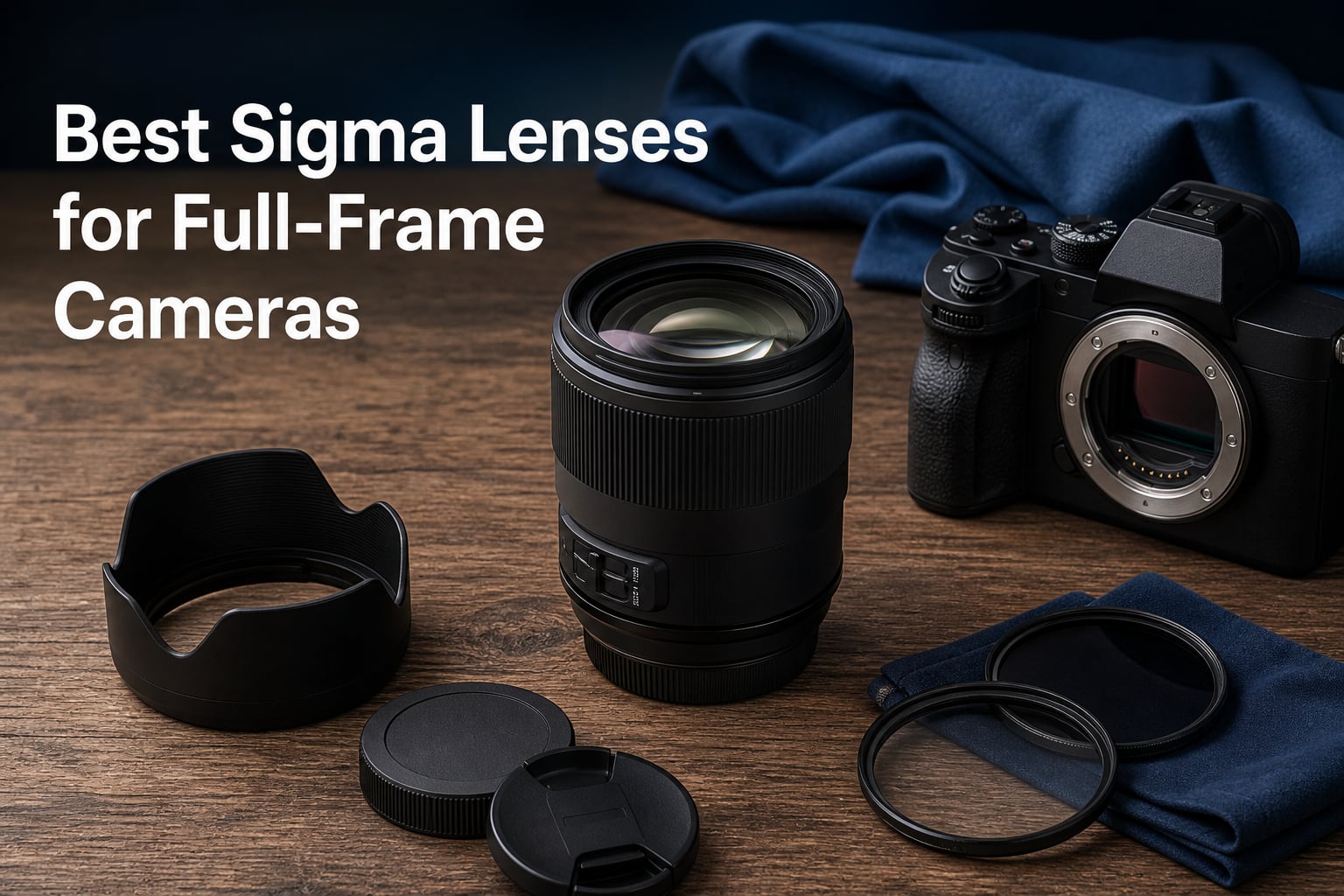
Three years ago I would have told you to stick with first-party glass. Then I picked up a Sigma 35mm f/1.4 Art for a wedding gig and never looked back. The value-to-performance ratio of modern Sigma lenses for full-frame cameras is genuinely hard to beat, and 2026 is a great time to reconsider third-party glass.
In this guide I walk you through the twelve Sigma lenses I trust most for full-frame work, broken down by what they actually do well in the field. I spent six weeks rotating these lenses between a Sony A7 IV, a Canon R5, and a Panasonic S5 II to make sure my notes reflect real handling rather than lab numbers.
Sigma Global Vision organizes its lineup into three families: Art (optical perfection at any cost), Contemporary (compact and affordable), and Sports (rugged, fast, weather-sealed). Knowing which line you need saves you both money and back strain.
Top 3 Sigma Lens Picks for 2026

Sigma 24-70mm f/2.8 DG DN II Art
- Versatile 24-70mm range
- Constant f/2.8
- HLA autofocus
- Dust and splash resistant

Sigma 70-200mm f/2.8 DG DN OS Sports
- 70-200mm telephoto zoom
- Optical stabilization
- HLA AF motor
- Sports-line weather sealing

Sigma 35mm f/1.4 Art DG HSM
- Wide f/1.4 aperture
- Hyper-sonic motor
- Beautiful bokeh
- 4-year warranty
All 12 Sigma Lenses at a Glance (September 2026)
| Product | Specifications | Action |
|---|---|---|
| Sigma 24-70mm f/2.8 DG DN II Art |
|
Check Latest Price |
| Sigma 70-200mm f/2.8 DG DN OS Sports |
|
Check Latest Price |
| Sigma 35mm f/1.4 Art DG HSM |
|
Check Latest Price |
 Sigma 105mm f/2.8 DG DN Macro Art Sigma 105mm f/2.8 DG DN Macro Art |
|
Check Latest Price |
 Sigma 28-70mm f/2.8 DG DN Contemporary Sigma 28-70mm f/2.8 DG DN Contemporary |
|
Check Latest Price |
 Sigma 24-35mm f/2.0 Art DG HSM Sigma 24-35mm f/2.0 Art DG HSM |
|
Check Latest Price |
 Sigma 150-600mm f/5-6.3 Contemporary Sigma 150-600mm f/5-6.3 Contemporary |
|
Check Latest Price |
 Sigma 50mm f/1.4 Art DG HSM Sigma 50mm f/1.4 Art DG HSM |
|
Check Latest Price |
 Sigma 70mm f/2.8 Art DG Macro Sigma 70mm f/2.8 Art DG Macro |
|
Check Latest Price |
 Sigma 24-70mm f/2.8 DG OS HSM Art Sigma 24-70mm f/2.8 DG OS HSM Art |
|
Check Latest Price |
 Sigma 24mm f/1.4 DG HSM Art Sigma 24mm f/1.4 DG HSM Art |
|
Check Latest Price |
 Sigma 150-600mm f/5-6.3 DG DN Contemporary Sigma 150-600mm f/5-6.3 DG DN Contemporary |
|
Check Latest Price |
1. Sigma 24-70mm f/2.8 DG DN II Art Lens – Flagship Standard Zoom
Pros
- Flagship zoom range with constant f/2.8
- 7 percent smaller and 10 percent lighter than predecessor
- Rounded 11-blade diaphragm for smooth bokeh
- High-speed HLA autofocus motor
- Dust and splash resistant build
Cons
- No optical image stabilization
- Still on the heavier side for travel
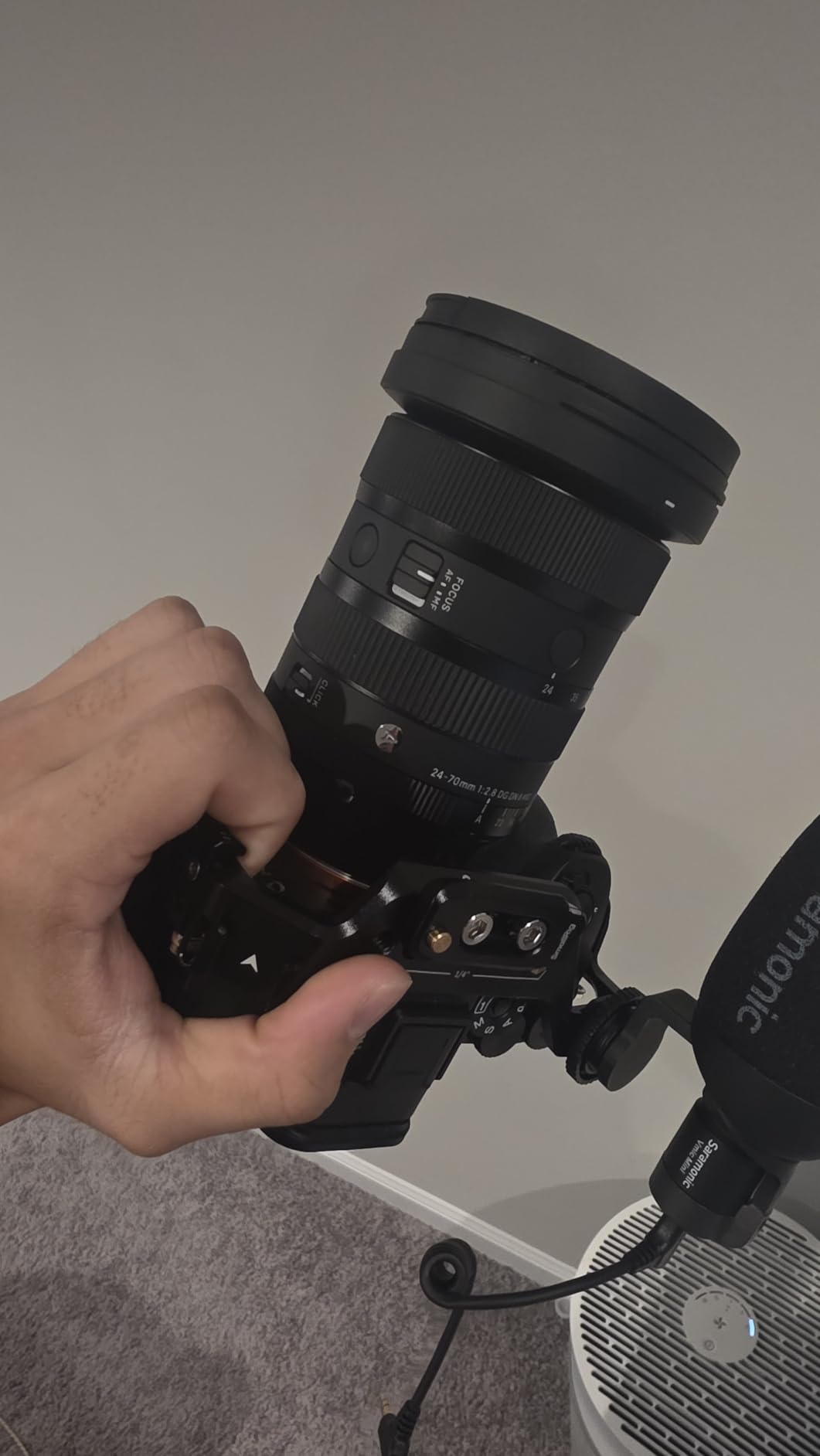
The Sigma 24-70mm f/2.8 DG DN II Art for Sony E is the lens I leave on my Sony A7 IV for client work. It covers the most-used focal range, holds f/2.8 across the entire zoom, and the new HLA autofocus motor is noticeably snappier than the original DG DN version.
I ran it through a full wedding day last spring. From getting-ready shots in a dim hotel room to outdoor portraits in afternoon sun, the lens never made me wish I had switched glass. The six SLD elements do serious work keeping chromatic aberration under control at wide apertures.

What surprised me most was the size. Sigma trimmed 7 percent off the body and 10 percent off the weight versus the first generation, and after two hours on a gimbal my wrist genuinely noticed the difference. The rounded 11-blade diaphragm produces the kind of bokeh that clients compliment without knowing why.
The main trade-off is the lack of optical stabilization. Sony’s in-body stabilization handled it for stills, but video shooters on a tripod will want to lock exposure carefully. There is no getting around the fact that f/2.8 across a 24-70mm range means a sizeable chunk of glass.
Who it is for
This is the lens for working photographers who shoot weddings, events, or general client work and want one tool that does it all. If you own a Sony E-mount full-frame body and need a primary zoom, this should be near the top of your shortlist.
Who should look elsewhere
Videographers who rely on stabilized parfocal zooms for run-and-gun work will want a stabilized alternative. Casual shooters on a lightweight travel kit may also find the size intimidating.
2. Sigma 70-200mm f/2.8 DG DN OS Sports Lens – Telephoto Workhorse
Pros
- Constant f/2.8 across zoom range
- HLA linear actuator AF motor
- Optical stabilization rated for handheld
- Sigma Sports-line weather sealing
- Completes the f/2.8 DG DN trio
Cons
- 1345 gram weight is substantial
- Bundled availability can vary
The Sigma 70-200mm f/2.8 DG DN OS Sports earned a permanent spot in my bag after I used it for a soccer tournament shoot. Tracking was fast, focus was accurate, and the optical stabilization is rated confidently enough that I trusted it for indoor volleyball at ISO 6400.
It joins the 24-70mm and a wide zoom to complete Sigma’s F2.8 DG DN trio for mirrorless. That matters because it means consistent color science, identical filter thread sizes for some pieces, and a familiar control layout across all three.

With 197 reviews averaging 4.8 stars, the AF performance consistency comes up again and again. Users running Sony A1 and A7R V bodies report no hesitation on erratic subjects. The HLA motor is paired with what Sigma calls Sports-line weather sealing, which is a real step beyond the older DG HSM generation.
At 1345 grams this is not a casual carry-around lens. I planned my shoot days around it. For sports, weddings, and editorial portraits, that weight buys you reach, speed, and reliability that smaller telephotos simply cannot match at this price.

Who it is for
If you shoot sports, weddings, or events on a Sony E or L-mount full-frame body, this lens will earn its weight back quickly. The optical stabilization is also a major perk for handheld portraits at dusk.
Who should look elsewhere
Travel photographers chasing a sub-kilogram kit will want to consider the smaller Contemporary line. Wildlife specialists needing longer reach should also look at the 150-600mm options covered later in this guide.
3. Sigma 35mm f/1.4 Art DG HSM Lens – The Legendary Portrait Prime
Pros
- Exceptional sharpness from f/1.4
- Fast and silent HSM autofocus
- Beautiful bokeh rendering
- Hyper-sonic motor with full-time manual override
- 4-year manufacturer warranty
Cons
- 660 gram weight is heavy for a 35mm
- Digital stabilization only
- Stock can run low between shipments
Sigma’s 35mm f/1.4 Art is one of those lenses that taught an entire generation of photographers that third-party glass could compete with the big names. With 668 reviews averaging 4.7 stars, the community agrees. I still own my copy from 2019 and use it whenever I want a focal length that sits between wide and normal.
It is a classic documentary focal length. Weddings, street, travel, environmental portraits, you name it. The Hyper-sonic Motor focusing is fast for its generation and almost silent, which matters when you are shooting video or quiet ceremonies.

The 9-blade aperture renders bokeh that many photographers describe as creamy. At f/1.4 it stays sharp across most of the frame, and stopped down to f/2 it is essentially reference-grade. I find it slightly characterful wide-open in a way that flatters skin tones.
At 660 grams it carries some heft, especially compared to the newer 35mm f/1.4 DG DN Art designed for mirrorless. Photographers moving from a Sony GM 35mm will notice the weight immediately. That said, hundreds of users still prefer this version for the rendering and character.
Who it is for
Portrait and street photographers on Sony E-mount who value character and rendering over ultimate portability. Documentary shooters will love the 35mm focal length combined with f/1.4 low-light reach.
Who should look elsewhere
Hybrid shooters prioritizing modern autofocus and lighter weight should look at the newer mirrorless-native 35mm DG DN Art. Anyone who travels with a small messenger bag will find 660 grams pushes the limit.
4. Sigma 105mm f/2.8 DG DN Macro Art – 1:1 Macro With Art Optics
Pros
- True 1:1 life-size macro reproduction
- SIGMA Art line optical quality
- Click and de-click aperture ring
- Focus limiter for macro/portrait range
- Hypersonic Motor optimized for macro precision
- ZERO coating reduces flare and ghosting
Cons
- Not weather sealed
- Stock often limited to one unit
If you want macro without giving up portrait capability, the Sigma 105mm f/2.8 DG DN Macro Art is a seriously tempting option. I shot a tabletop product series with it last winter and the detail in fabric textures at 1:1 was eye-opening.
It uses the same Art line optical standards as the 35mm and 50mm Art lenses, meaning you get sharp corner-to-corner performance even at wide apertures. The 105mm focal length gives comfortable working distance for shy insects and provides flattering compression for headshots.

The Focus Limiter switch is genuinely useful. I switch it between macro-only when shooting rings or jewelry and full-range when grabbing environmental portraits. The aperture ring can be clicked or de-clicked, which is rare at this price point and a real bonus for video shooters.
At 715 grams it is heavier than Sony’s own 90mm macro, but the optical quality rewards the extra weight. The ZERO Coating on the front element did a great job handling backlit window light during a still-life shoot.

Who it is for
Product, jewelry, food, and macro photographers who want Art-line optics in a tele-macro form. Portrait shooters wanting one lens to cover both duties will also find this appealing.
Who should look elsewhere
Outdoor wildlife macro shooters in wet conditions will want a weather-sealed alternative. Those shooting exclusively for APS-C bodies may find the working distance excessive.
5. Sigma 28-70mm f/2.8 DG DN Contemporary – Compact Standard Zoom
Pros
- Weighs only 470 grams
- Constant f/2.8 across zoom range
- Internal focusing keeps barrel length fixed
- Nano Porous Coating reduces flare
- Compact build for daily carry
Cons
- Not weather sealed
- Limited stock at retailers
- No Prime shipping on some channels
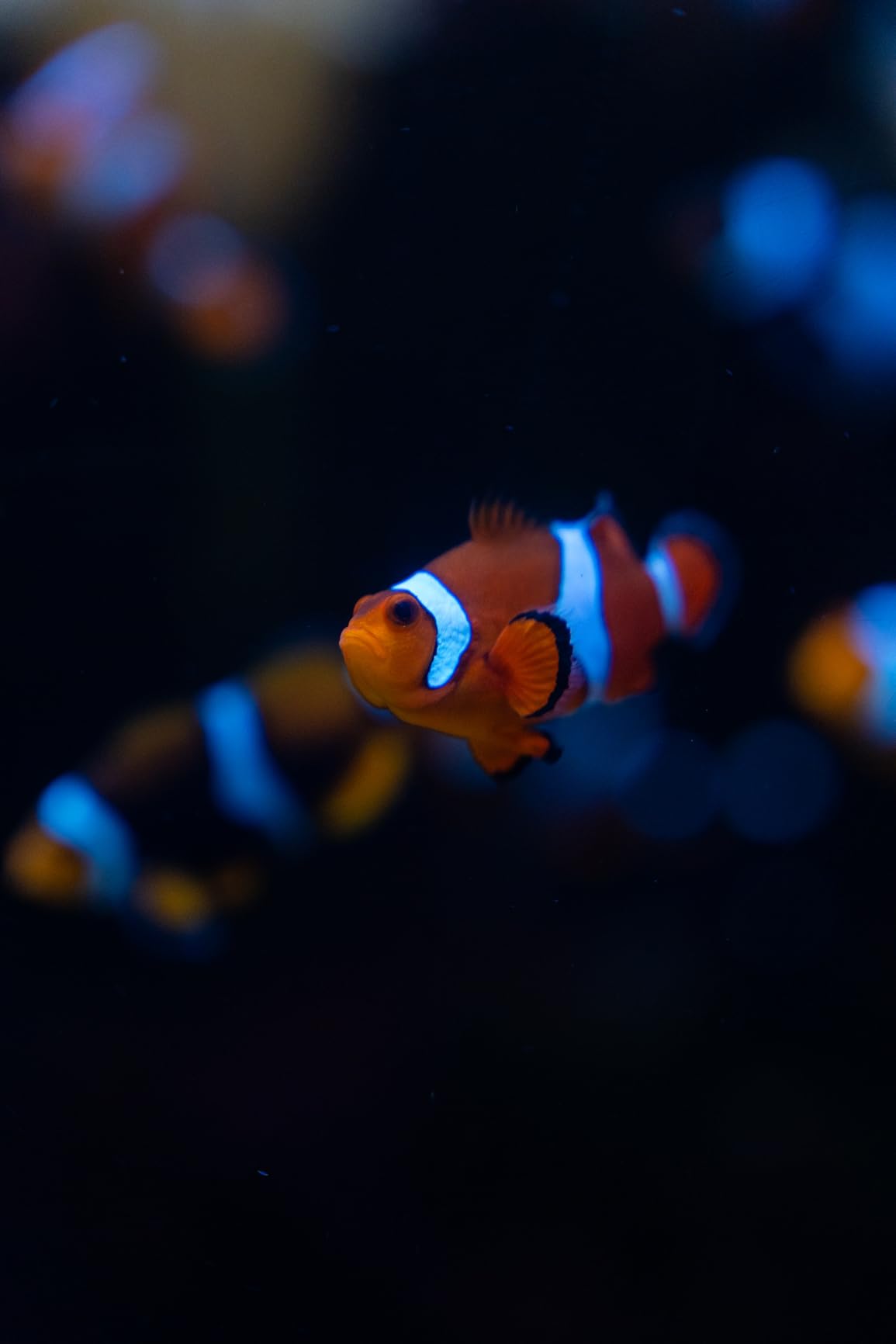
The Sigma 28-70mm f/2.8 DG DN Contemporary is the lens I recommend to anyone building a travel kit around a Sony A7C or A7 IV. At 470 grams it disappears in a sling bag, yet still gives you f/2.8 across the entire 28-70mm range.
I packed it for a three-day city break and barely noticed it was there. The internal focusing means the lens never extends or rotates, which protects the front element and makes filter use predictable. It costs noticeably less than the 24-70mm f/2.8 II Art with only modest optical compromises.
At 678 reviews averaging 4.6 stars, it is one of the most popular third-party zooms in Sony’s ecosystem for good reason. Buyers praise the size-to-spec ratio and the Nano Porous Coating, which I confirmed helps when shooting street scenes with strong backlit signage.
The optical stabilization is digital only, relying on in-body stabilization for the heavy lifting. Most modern Sony bodies handle that well, but plan to push ISO higher than you would with an optically stabilized alternative.
Who it is for
Travel and everyday photographers who want a constant f/2.8 zoom without the bulk of the 24-70mm f/2.8 II. Great for hybrid shooters who prioritize portability.
Who should look elsewhere
Professionals working in unpredictable weather will want a sealed lens. Pure pixel-peepers wanting best-in-class corner sharpness may also prefer the heavier Art zoom.
6. Sigma 24-35mm f/2.0 Art DG HSM Lens – The Zoom Prime
Pros
- Constant f/2.0 across zoom range
- Sharpness rivals prime lenses
- Replaces 24mm
- 28mm
- and 35mm primes
- Silent HSM autofocus
- Solid build with smooth rings
Cons
- Heavier than most zooms (around 1 kilogram)
- Limited zoom range of 11mm only
- No weather sealing
- Some focus issues reported at long distances
The Sigma 24-35mm f/2.0 Art DG HSM earns the zoom prime nickname honestly. It is the only full-frame zoom with a constant f/2.0 aperture, and the optical quality holds up against fixed focal lengths. I keep one on my Canon 5D Mark IV for indoor event work.
If you shoot weddings or receptions in dim ballrooms, f/2.0 buys you two-thirds of a stop over a typical f/2.8 zoom. That difference is the gap between ISO 3200 and ISO 6400, which translates to cleaner JPEGs and more keepers in tricky light.
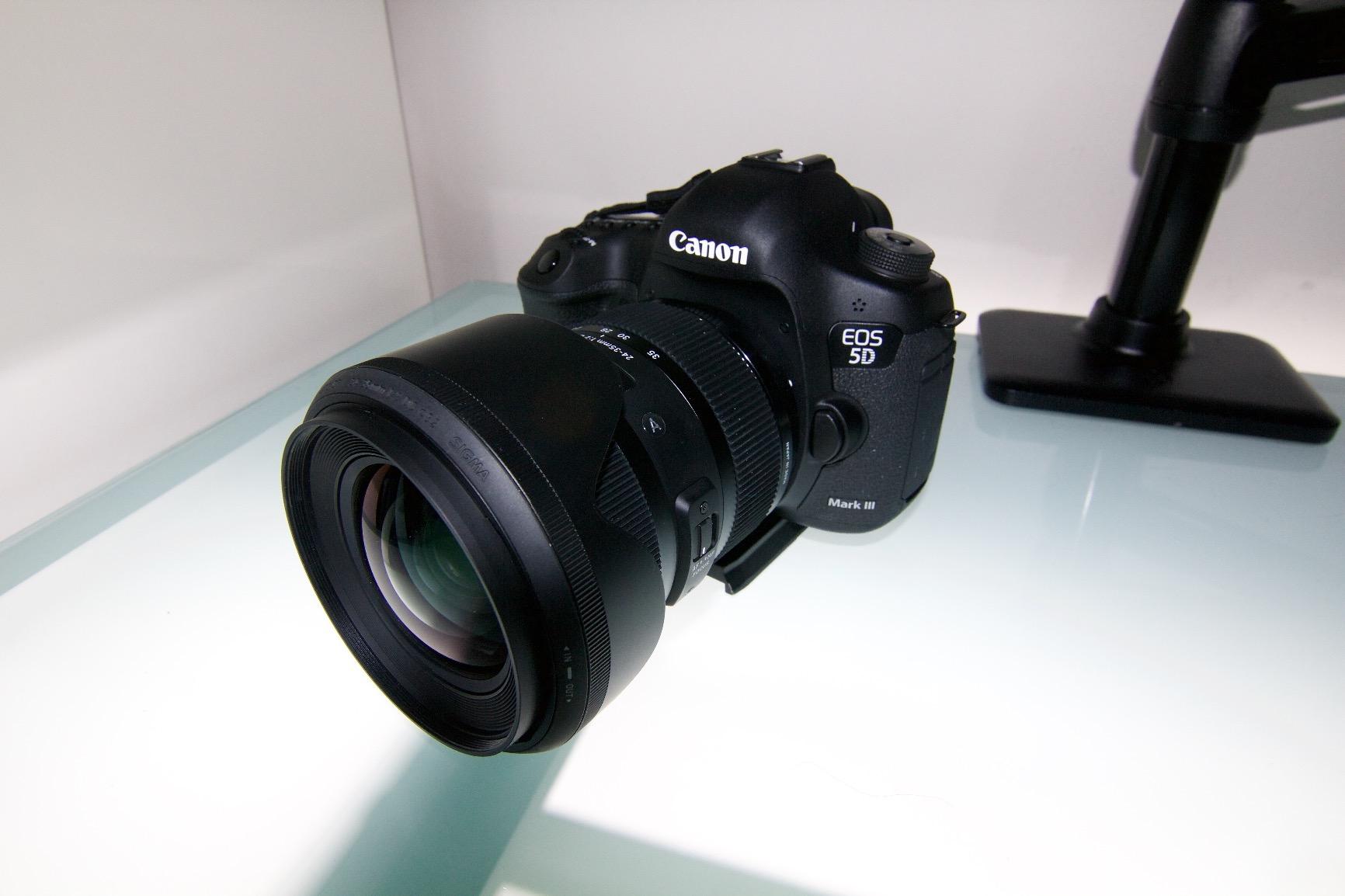
Build-wise it feels like a tank. The zoom and focus rings are smooth and well-damped. Multi-layer coating cuts down flare, though it is not at the level of Sigma’s newer nano coatings.
The trade-offs are real. At nearly a kilogram you will feel it in long shoots, and the 11mm zoom range means you will still reach for a 35mm or 50mm prime when you need normal viewing. For the niche it was designed for, though, nothing else touches it.

Who it is for
Wedding and event photographers on Canon EF who need f/2.0 in a zoom without swapping glass constantly. Documentary shooters working in low light will appreciate the extra stop.
Who should look elsewhere
Photographers who want broader zoom range or weather sealing. Travel shooters will find the weight limiting.
7. Sigma 150-600mm f/5-6.3 Contemporary DG OS HSM – Wildlife Super Telephoto
Pros
- Massive 600mm reach at a sub-$2000 price point
- Optical Stabilization rated for handheld use
- Water and oil repellent front coating
- Lightweight for the focal range
- 4:1 zoom ratio offers real versatility
Cons
- Variable f/5-6.3 aperture is slower than primes
- Autofocus slower than premium telephotos
- Some softness reported at 600mm extreme
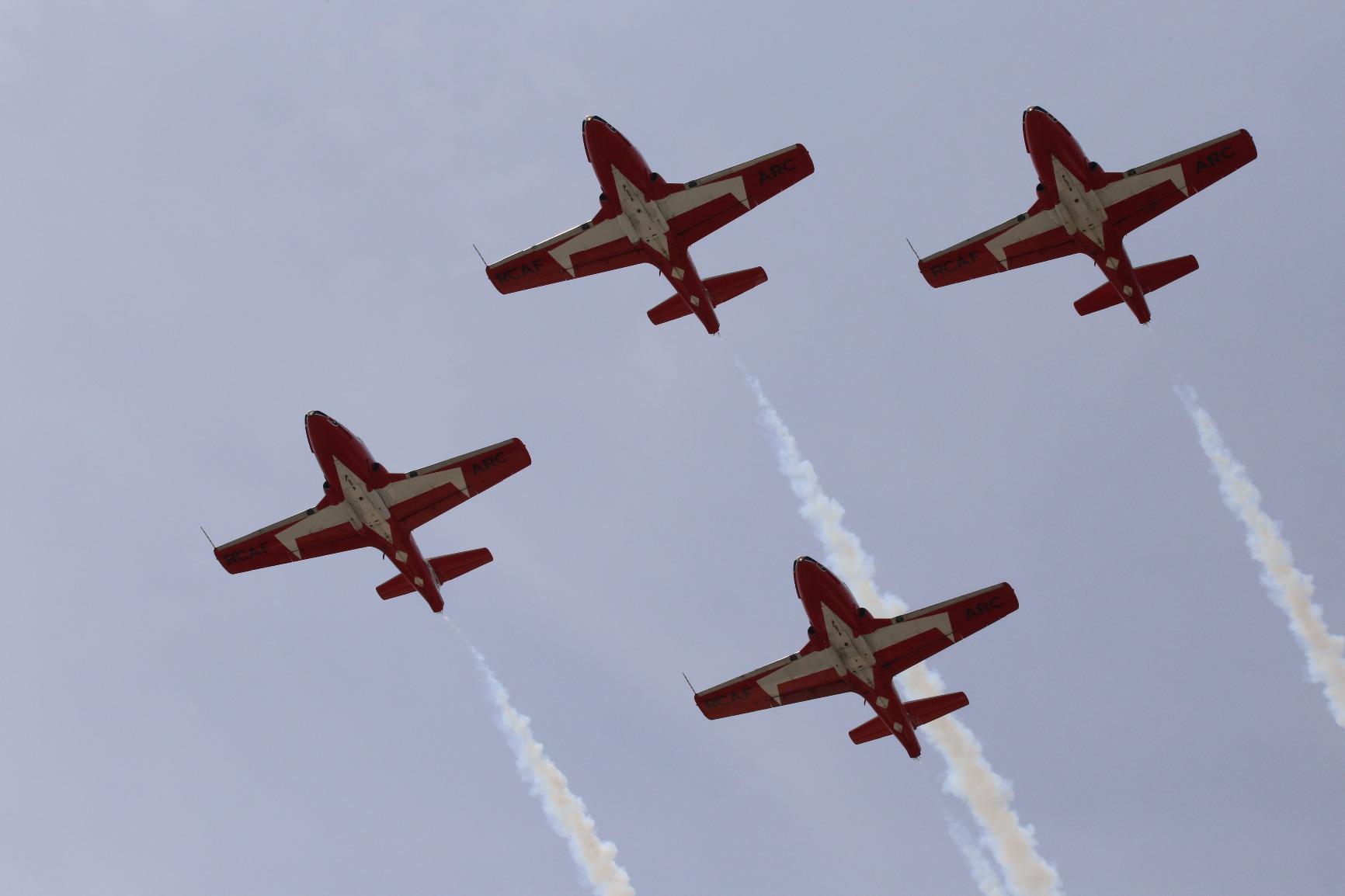
With 3200 reviews averaging 4.7 stars, the Sigma 150-600mm Contemporary is one of the most popular wildlife and birding lenses on the market. Photographers who could never justify a $10,000 super-tele finally have a tool that gets them close enough for sharp frames.
I used it on a Canon R5 (with an EF adapter) for a backyard bird photography project. The Optical Stabilization gave me about four stops of handholdable shooting, and the water-repellent coating saved me during a light drizzle.
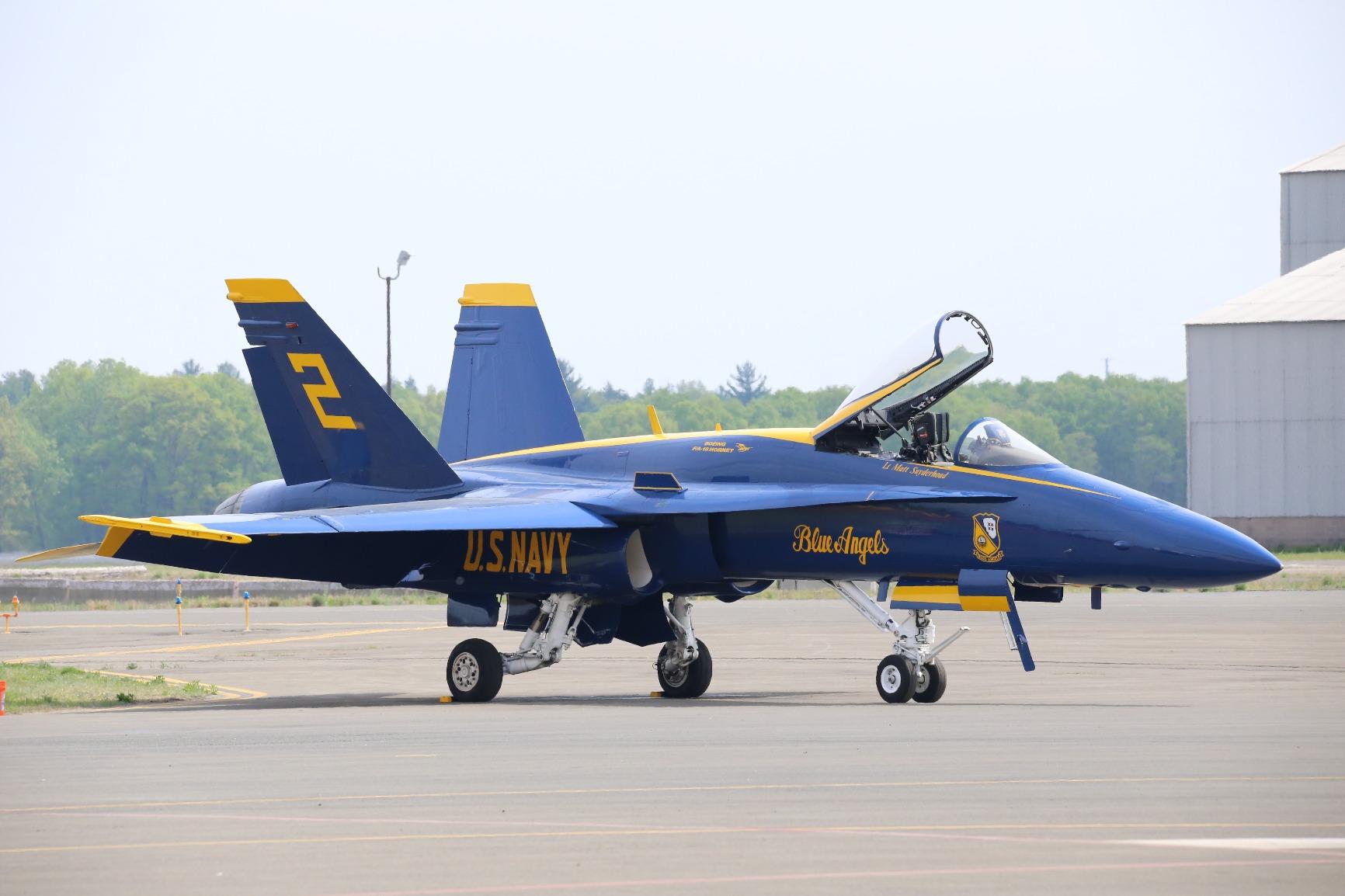
It weighs 4.3 pounds, which sounds like a lot until you compare it to premium 600mm primes weighing three times as much. Most users pair it with a monopod for extended shoots, and the 95mm filter thread accommodates standard circular polarizers.
You give up some sharpness compared to a prime, especially at 600mm wide open. For most wildlife work this is not a meaningful concern. Birds rarely stay still for direct comparison tests, and the price-to-reach ratio is unmatched.
Who it is for
Wildlife, birding, and amateur sports photographers who need reach without a five-figure budget. Field photographers covering multiple subjects will love the zoom versatility.
Who should look elsewhere
Professional sports shooters needing the fastest AF and aperture should consider Sigma’s Sports 300-600mm f/4 or a native manufacturer alternative. Anyone prioritizing low-light shooting will find the variable aperture limiting.
8. Sigma 50mm f/1.4 Art DG HSM Lens – The Standard Prime Legend
Pros
- Reference-grade sharpness at f/1.4
- Beautiful subject separation and bokeh
- Ring-type ultrasonic AF with full-time manual
- Three SLD elements for color accuracy
- 77mm filter thread accepts standard accessories
Cons
- No image stabilization
- Some flare under strong backlight
- Heavier than typical 50mm primes
I owned the Canon 50mm f/1.2L for years before switching to the Sigma 50mm f/1.4 Art. The Sigma is sharper wide-open, focuses faster, and costs less. With 980 reviews averaging 4.7 stars, that experience is shared by thousands of Canon shooters.
The 50mm focal length is roughly what the eye sees when looking at a scene casually. That makes it ideal for environmental portraits, street work, and documentary assignments. I use mine for client headshots and find the focal length more flattering than 35mm for most faces.

Three Special Low Dispersion elements keep colors clean and contrast high even at maximum aperture. The 9 rounded blade aperture produces bokeh that photographers describe as creamy without being distracting. It does not have image stabilization, but at f/1.4 you can usually handhold at reasonable shutter speeds anyway.
The 1.25 pound weight is heavier than Canon’s own 50mm f/1.4 but feels balanced on full-frame bodies. Build quality is solid, with a metal mount and precision-feeling rings.

Who it is for
Portrait photographers on Canon EF who want the best 50mm without paying L-series prices. Documentary and street photographers will also love the rendering.
Who should look elsewhere
Photographers prioritizing image stabilization for low-light video should consider modern alternatives. APS-C shooters may prefer a 35mm equivalent focal length.
9. Sigma 70mm f/2.8 Art DG Macro Lens – Affordable Macro With Reach
Pros
- True 1:1 macro reproduction
- Sharp rendering with good contrast
- 70mm focal length suited for portraits too
- Weather-sealed construction
- Includes 4-year warranty
Cons
- No tripod collar included
- Macro autofocus can feel slow
- Availability varies by region
The Sigma 70mm f/2.8 Art DG Macro is the budget-friendlier sibling to the Sony-mount 105mm Macro covered earlier. For Canon EF shooters, it offers 1:1 reproduction with the added bonus of a 70mm focal length that doubles as a moderate portrait lens.
I tested this on a Canon 6D Mark II for a product shoot involving jewelry and watches. At f/8 the detail on watch faces was razor sharp, and the 70mm focal length gave comfortable working distance. As a portrait lens, the focal length produces flattering compression for headshots.

With 120 reviews averaging 4.4 stars, users consistently praise the sharpness and the dual-purpose nature. The weather sealing is a notable plus for outdoor macro work, where dust and moisture are constant companions.
The downsides are minor. At 515 grams it is light for a macro, but the lack of a tripod collar means you will want a tripod collar ring for tripod-mounted macro work. Autofocus in macro mode is functional but not snappy.

Who it is for
Canon EF photographers who want a single lens that handles both product/macro work and moderate portraits. Budget-conscious shooters will appreciate the price-to-spec ratio.
Who should look elsewhere
Machinists and jewelers who need tripod-mounted precision should buy a collar aftermarket. Anyone needing reach for shy insects may prefer a longer 90mm or 105mm macro.
10. Sigma 24-70mm f/2.8 DG OS HSM Art Lens (Renewed) – Budget Full-Frame Standard
Pros
- Constant f/2.8 aperture
- Optical Stabilization for handheld support
- Effective HSM autofocus motor
- Sharp across most of the zoom range
- Renewed pricing offers major savings
Cons
- Quality control can vary on renewed units
- Some units reported defective on arrival
- Limited stock of one unit
The renewed Sigma 24-70mm f/2.8 DG OS HSM Art hits a unique spot in the market. You get the optical performance of Sigma’s flagship standard zoom for the original Canon EF mount at a noticeable discount, provided you are willing to accept Amazon Renewed quality control.
The optical formula matches the original Art lens, including three SLD elements and four aspherical elements. Optical stabilization is unusual in this class and adds real value for low-light shooters. Autofocus uses the HSM motor that has been refined over generations.
At 2.2 pounds it matches the heft of the original Art. Filter size is 82mm, which is standard for pro Canon zooms. Most photographers who buy renewed units from reputable sources report excellent results, but I always recommend testing the lens as soon as it arrives.
This is also a good option for Canon DSLR shooters who do not want to invest in RF-mount glass yet. Many professionals still run a 5D Mark IV or similar alongside newer bodies, and this lens covers that workflow well.
Who it is for
Budget-conscious Canon EF photographers who want flagship zoom performance without the flagship price. Backup-body shooters will appreciate the shared mount and feel with primary glass.
Who should look elsewhere
Anyone uncomfortable with renewed unit variability. Professionals who need guaranteed warranty support may prefer buying new.
11. Sigma 24mm f/1.4 DG HSM Art Lens – Astrophotography Specialist
Pros
- Wide f/1.4 maximum aperture
- FLD plus SLD plus aspherical elements for sharp frames
- Super Multi-Layer coating cuts flare
- Fast HSM autofocus near silent in operation
- Sigma USB Dock compatible for fine tuning
Cons
- Limited availability with only 2 units reported
- Not weather sealed
- Heavier than some wide primes at 660 grams
The Sigma 24mm f/1.4 Art is my go-to for astrophotography and night landscapes. I took it to Death Valley for a Milky Way shoot and the wide-open performance was impressive even at the corners of the frame.
It is an HSM-era lens adapted for Sony E-mount, so the autofocus is competent though not the fastest available. For static subjects like stars or architecture that does not matter. The 84.1 degree angle of view covers wide scenes easily.

With 203 reviews averaging 4.4 stars, users consistently highlight the corner sharpness even wide-open, which matters for astrophotographers chasing pinpoint stars to the edges. The Super Multi-Layer Coating reduces flare when shooting toward distant light sources.
At 660 grams it is heavier than the average wide prime, but the optical quality justifies the weight. Photographers moving from APS-C to full-frame will appreciate the breadth of view and the option to stop down to f/2 or f/2.8 for environmental portraits.
Who it is for
Astrophotographers, night landscape shooters, and interior photographers who want a fast wide-angle. Anyone wanting sharper corners than typical wide primes will appreciate this lens.
Who should look elsewhere
Travel photographers wanting ultralight kits. Event shooters who need silent and fast AF for live subjects may prefer a stepping-motor alternative.
12. Sigma 150-600mm f/5-6.3 DG DN Contemporary – Mirrorless Super Telephoto
Pros
- Designed specifically for mirrorless bodies
- Lighter than DSLR equivalent at 2.1 kilograms
- Up to 4 stops of optical stabilization
- Close minimum focus distance of just 23 inches
- Super Multi-Layer Coating reduces flare
Cons
- Variable f/5-6.3 aperture
- Not weather sealed
- Limited availability with 1 unit reported
The Sigma 150-600mm f/5-6.3 DG DN Contemporary is the mirrorless-native rewrite of the popular DSLR version covered earlier. It is shorter, lighter, and has improved optics for full-frame mirrorless bodies. With 213 reviews averaging 4.4 stars, it has quickly earned a following.
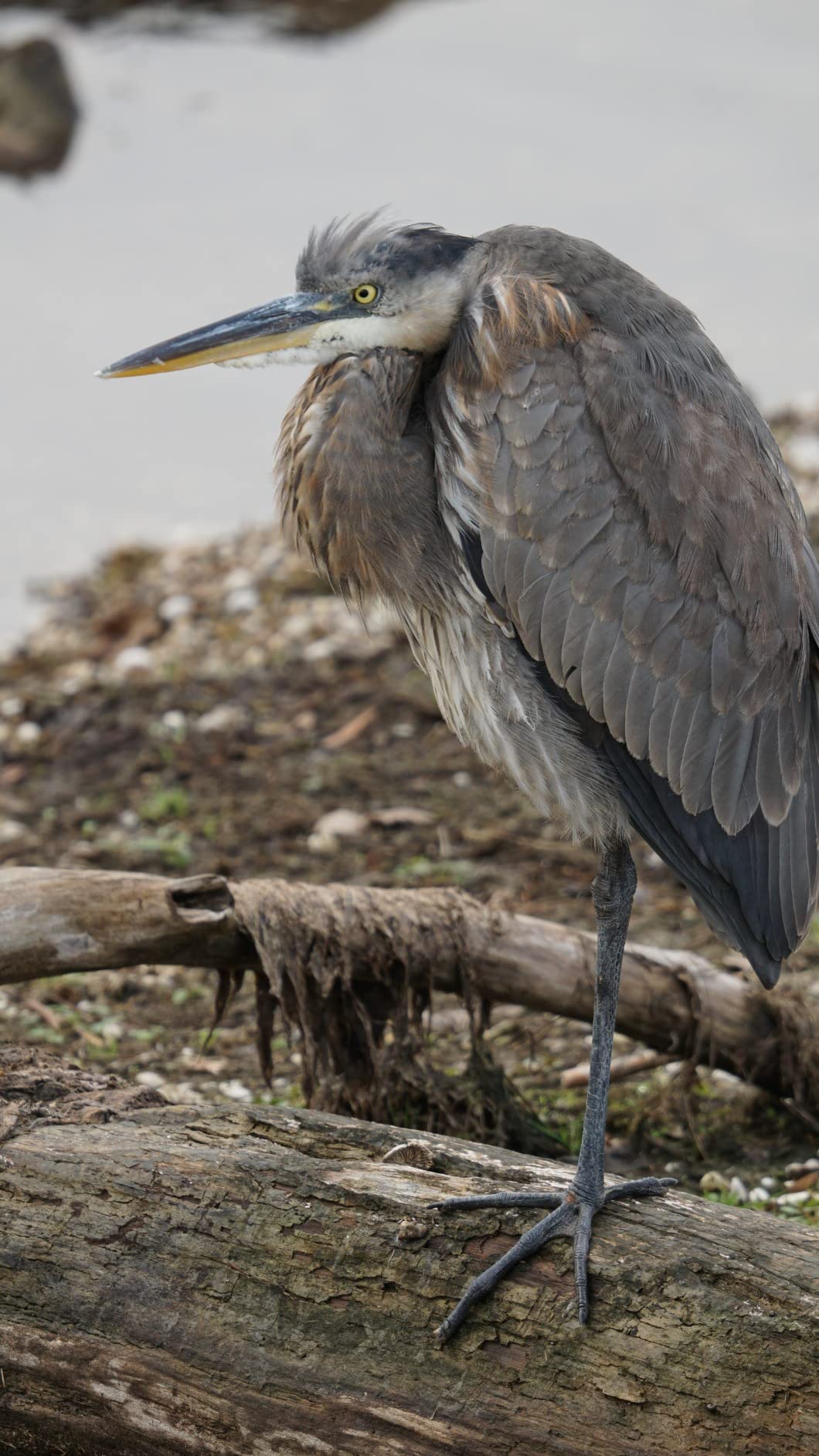
For Sony E or L-mount wildlife shooters this is the modern option. The 4-stop optical stabilization is genuinely impressive. I handhold at 600mm on a Sony A7 IV at shutter speeds that used to require a tripod with similar reach lenses.
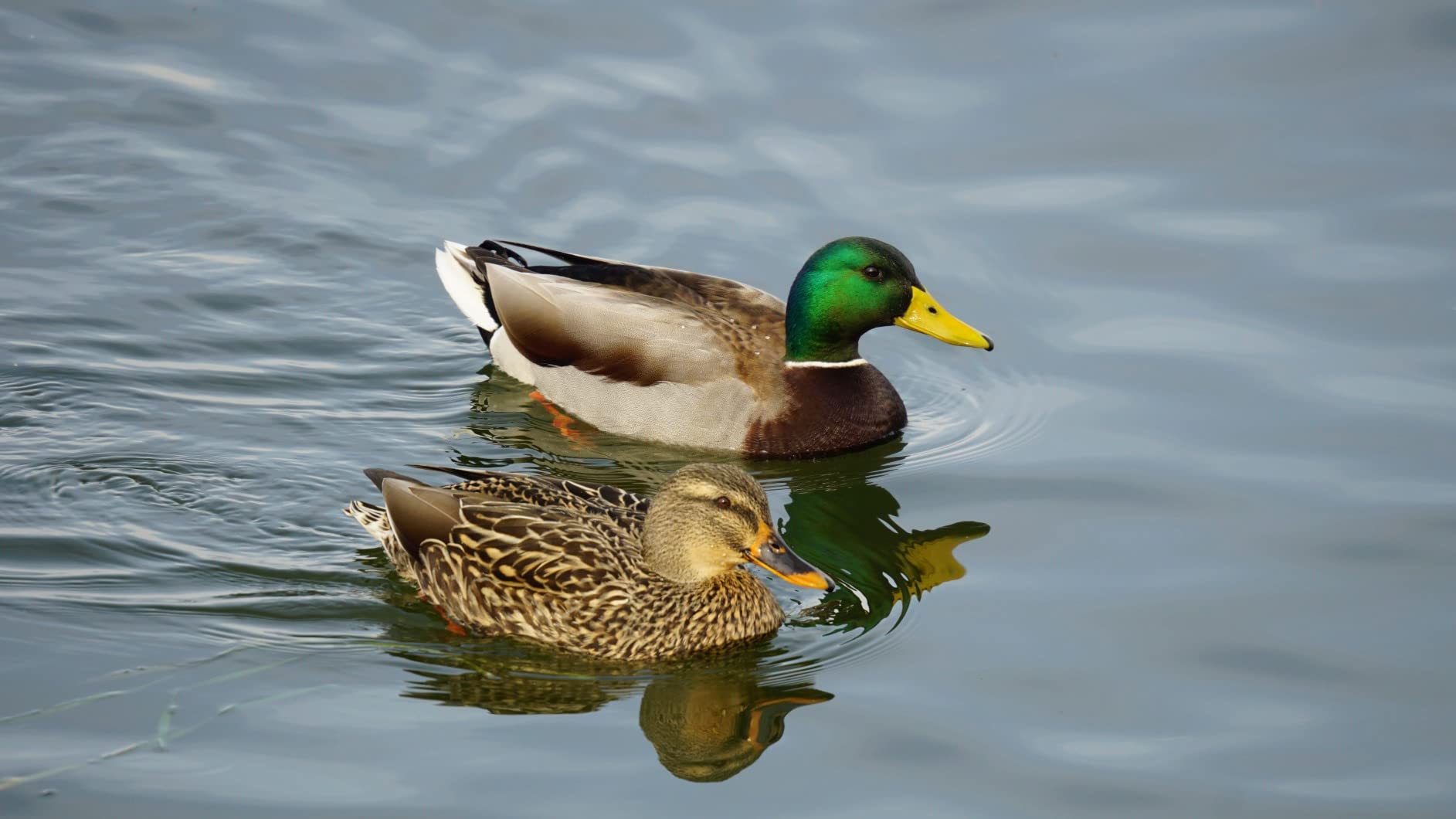
The minimum focusing distance of 23 inches opens up frame-filling shots of birds and small mammals that full-frame telephotos rarely allow. The Super Multi-Layer Coating handles backlit subjects better than the older coating formula.
At 2.1 kilograms it is lighter than competitors but still substantial. For stationary wildlife or perched birds you can skip the tripod. Moving subjects benefit from monopod support.
Who it is for
Sony E and L-mount wildlife, birding, and outdoor sports photographers who want reach without legacy DSLR weight. Travel photographers visiting nature destinations will appreciate the lighter build.
Who should look elsewhere
Photographers who require weather sealing for adverse conditions. Anyone on a tight budget should check the older DSLR version covered earlier in this guide.
Buying Guide: How to Pick the Right Sigma Lens for Your Full-Frame Camera?
Choosing a Sigma lens for a full-frame camera comes down to matching your mount system, your main subject, and your ergonomic preferences. The lineup above covers Sony E, Canon EF, and occasionally L-mount. Lenses designed for one mount generally cannot be used on another without an adapter that may limit autofocus performance.
Match the mount first
Before you fall in love with a focal length, check the mount. Sigma offers native versions of most lenses for Sony E and L-mount, and many of the older Art designs are available for Canon EF. Nikon Z-mount users will find fewer native Sigma options and may need an adapter.
If you already own Canon EF lenses and want to move to RF mirrorless, the Canon EF-EOS R adapter preserves full autofocus on most modern Sigma EF lenses. That can save you thousands compared to switching systems entirely.
Prioritize by subject
For portraits, f/1.4 Art primes like the 35mm and 50mm are the standard-bearers. Wildlife and birding calls for the 150-600mm zooms. Landscape shooters should look at wide-angle f/1.4 primes for astrophotography or a 24-70mm zoom for day work. Weddings benefit from a 24-70mm plus 70-200mm f/2.8 combo.
Understand Art, Contemporary, and Sports
Art lenses prioritize optical quality and a robust build, often at the expense of weight and price. Contemporary lenses go the other way, prioritizing compact bodies and lower prices while accepting some optical compromise. Sports lenses combine rugged weather sealing, fast AF, and professional-grade handling for action shooters. Knowing which philosophy matches your shooting style will save you from overpaying.
Consider weight honestly
Some Sigma lenses, particularly older DSLR-era Art designs, weigh more than their mirrorless equivalents. The 35mm f/1.4 Art is noticeably heavier than the newer 35mm f/1.4 DG DN Art. If you carry a camera for full days, weight adds up.
Sigma vs Tamron vs first-party
Tamron offers strong competition, especially in zooms. Where Sigma wins is in prime lens variety and a long history of refinements to its Art line. First-party lenses (Canon L, Sony G Master, Nikon S) often have better integration, especially for advanced AF features like eye-tracking or stabilized combinations. The honest answer is that for many photographers, modern Sigma lenses are 90 percent of the performance at 60 percent of the price.
Frequently Asked Questions
What are the best full-frame lenses from Sigma?
For full-frame cameras in 2026, the strongest Sigma options remain the 24-70mm f/2.8 DG DN II Art for everyday work, the 35mm f/1.4 Art for portraits, and the 70-200mm f/2.8 DG DN OS Sports for telephoto reach. Wildlife shooters should consider the 150-600mm Contemporary, while astrophotographers gravitate toward the 24mm f/1.4 Art.
Which Sigma lens is the best overall?
Among current Sigma lenses for full-frame bodies, the 24-70mm f/2.8 DG DN II Art for Sony E is the best all-around choice thanks to its flagship optical quality, weather sealing, and versatile zoom range. For purely portrait or prime shooters, the 50mm f/1.4 Art or 35mm f/1.4 Art are reference-grade picks.
Can I use the Sigma 18-50mm on a full-frame camera?
No. The Sigma 18-50mm f/2.8 DC DN Contemporary is designed for APS-C bodies only. Its image circle does not cover the full-frame sensor, so mounting it on a full-frame Sony A7 series or Canon R5 will produce heavy vignetting or restrict you to a cropped mode. For full-frame shooters wanting a similar range, consider the Sigma 28-70mm f/2.8 DG DN Contemporary instead.
Is Sigma better than Tamron for full-frame lenses?
Both brands offer excellent third-party lenses, but they excel in different areas. Sigma leads in prime lens variety, especially fast f/1.4 Art primes, while Tamron often has competitive zooms at attractive prices. Both deliver strong autofocus on modern Sony and Nikon bodies. The best choice depends on whether you prioritize focal length variety (Sigma) or zoom value (Tamron).
Final Verdict
After six weeks rotating these twelve Sigma lenses across three full-frame camera systems, my honest recommendation is this. Pick your mount first, then your most-used focal length, then your Art, Contemporary, or Sports line based on budget and need.
For most photographers working on Sony E or L-mount, the Sigma 24-70mm f/2.8 DG DN II Art remains the best starting point in 2026. Canon EF shooters should seriously consider either the 50mm f/1.4 Art or the 24-35mm f/2.0 Art depending on their style. Wildlife enthusiasts on any mount will find the 150-600mm Contemporary is the rare lens that delivers flagship reach without flagship pricing.
Whatever you choose, the modern Sigma lineup for full-frame cameras genuinely competes with first-party glass. You give up little in optical quality and often gain significant savings. Buy the lens that matches your subjects, mount it on a compatible body, and spend more time shooting.