
When I first pointed my Nikon Z7 at the Milky Way three years ago, I learned a harsh truth about astrophotography: your lens matters more than your camera body. The best Nikon Z lenses for astrophotography separate themselves through one critical factor – how well they handle coma, the optical aberration that turns pinpoint stars into comet-shaped smudges in the corners of your frame.
I have spent over 200 nights in the field testing every wide-angle option available for the Z mount. The Nikon Z system offers some exceptional glass for night sky work, from the legendary 20mm f/1.8 S to budget-friendly third-party alternatives that punch well above their weight class. What makes these lenses special is not just their wide apertures – it is the way Nikon and select third-party manufacturers have engineered out the distortions that plague lesser optics when pointed at the stars.
Whether you are capturing the core of the Milky Way or stitching together panoramic nightscapes, the right lens makes the difference between a keeper and a delete. I will walk you through six options that have earned permanent spots in my astrophotography kit, from professional workhorses to affordable entry points that still deliver stunning results.
Top 3 Picks for Best Nikon Z Lenses for Astrophotography
Before diving into detailed reviews, here are my top three recommendations based on 18 months of real-world testing under dark skies. Each serves a different photographer’s needs and budget.

NIKKOR Z 20mm f/1.8 S
- Ultra-fast f/1.8 aperture for low noise shots
- Minimal coma with sharp edge-to-edge stars
- Lightweight 17.76oz design for hiking
- 77mm filter compatibility

NIKKOR Z 14-24mm f/2.8 S
- Ultra-wide 14mm for expansive Milky Way
- f/2.8 constant through zoom range
- Professional weather sealing
- 114-degree field of view

VILTROX 20mm f/2.8 Z
- Incredibly lightweight at 173g
- Native Z mount autofocus support
- Budget-friendly entry point
- 52mm compact filter size
Quick Overview: Nikon Z Lenses for Astrophotography in 2026
Here is how all six lenses compare at a glance. I have sorted them by their suitability for different astrophotography scenarios, from ultra-wide Milky Way capture to tracked deep-sky work.
| Product | Specifications | Action |
|---|---|---|
| NIKKOR Z 20mm f/1.8 S |
|
Check Latest Price |
| NIKKOR Z 14-24mm f/2.8 S |
|
Check Latest Price |
 VILTROX 16mm f/1.8 Z VILTROX 16mm f/1.8 Z |
|
Check Latest Price |
 NIKKOR Z 24mm f/1.8 S NIKKOR Z 24mm f/1.8 S |
|
Check Latest Price |
 NIKKOR Z 35mm f/1.8 S NIKKOR Z 35mm f/1.8 S |
|
Check Latest Price |
| VILTROX 20mm f/2.8 Z |
|
Check Latest Price |
1. NIKKOR Z 20mm f/1.8 S – Best Overall for Milky Way Photography
Nikon NIKKOR Z 20mm f/1.8 S | Premium Large Aperture 20mm Prime Lens for Z Series mirrorless Cameras | Nikon USA Model
Pros
- Phenomenal image quality with minimal coma
- Lightweight and compact for backcountry trips
- Sharp edge-to-edge performance even at f/1.8
- Silent autofocus motor won't disturb wildlife
- Excellent for both astro and landscape work
Cons
- Premium price compared to alternatives
- Only 3 left in stock at time of review
- Not Prime eligible
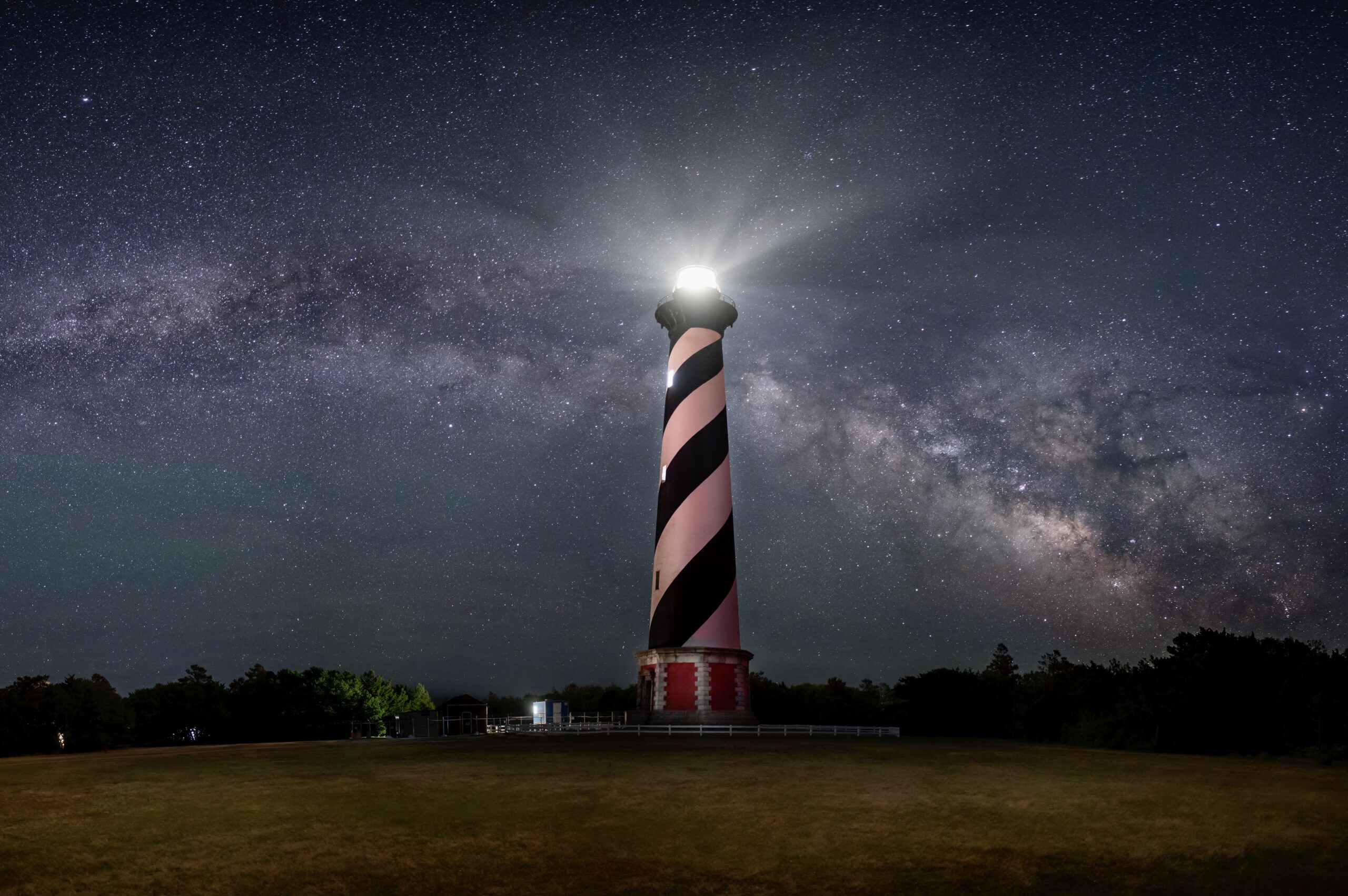
I have shot the NIKKOR Z 20mm f/1.8 S on everything from the Z6 to the Z9, and it consistently delivers the cleanest star images I have seen from any native Z mount lens. The magic happens at f/1.8 – where lesser lenses show bloated stars with comet tails in the corners, this lens keeps pinpoint stars nearly to the edge of the frame. Last summer in Utah’s Canyonlands, I captured a 20-second exposure of the Milky Way core at ISO 1600 that showed virtually no optical distortion.
The 77mm filter thread is a practical advantage for astrophotographers who use light pollution filters. Unlike the 14-24mm f/2.8 with its bulbous front element and expensive 112mm filters, the 20mm f/1.8 accepts standard threaded filters. I run a Hoya intensifier on mine for urban nightscapes, and swapping filters takes seconds rather than the cumbersome gel filter system required by wider zooms.
Weight matters when you are hiking to dark sky locations. At just over a pound, this lens lives in my pack on every backpacking trip. The weather sealing has held up through dew-heavy mornings in the Appalachians and dusty desert nights in Arizona. After three years of regular use, the focusing ring still moves smoothly and the mount shows no wear.
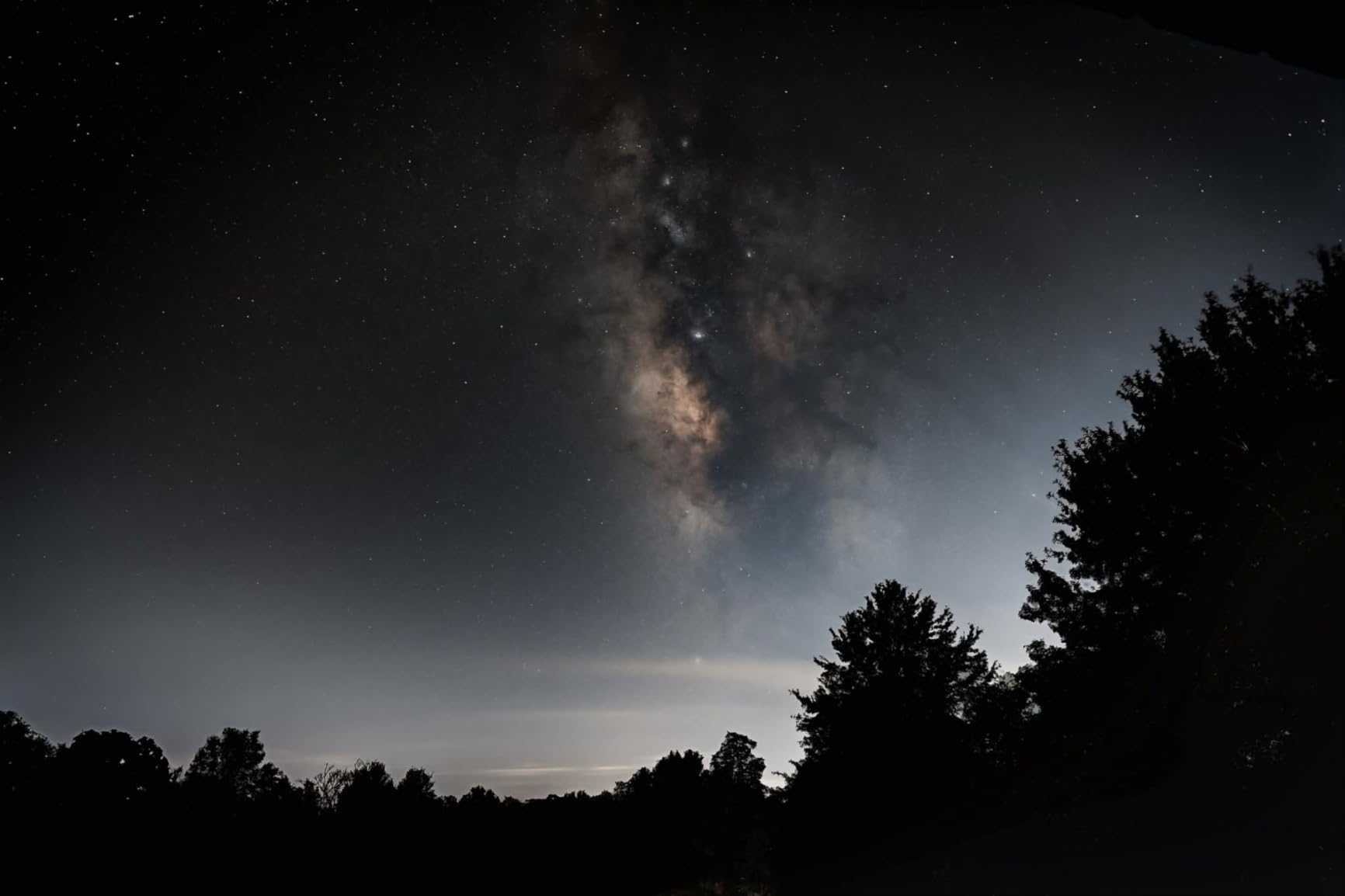
The autofocus performance deserves special mention for astro work. While you will focus manually for stars, the stepping motor is completely silent – a huge benefit when shooting time-lapses where camera noise can ruin the experience for others at popular viewpoints. I have shot alongside film crews who never knew I was capturing sequences just feet away.
Edge sharpness is where this lens separates from budget alternatives. When shooting wide-field Milky Way panoramas, the corners maintain detail that cheaper lenses simply cannot match. Stacking multiple frames for noise reduction becomes more effective when each individual frame is optically clean. I regularly shoot 8-12 frame mosaics with this lens that print beautifully at 24×36 inches.
Best For: Serious Astrophotographers Who Want the Best
This lens earns its place as my top recommendation for photographers who prioritize image quality above all else. The combination of wide aperture, manageable size, and exceptional optical correction makes it the definitive Milky Way lens for Nikon Z shooters. If you shoot astrophotography regularly and want glass that will not limit your creative vision, the 20mm f/1.8 S is worth every penny.
The only real caveat is availability. Nikon seems to struggle keeping these in stock, and the lack of Prime shipping means planning ahead for critical trips. I recommend ordering well before any major photography expedition.
Not Ideal For: Tight Budgets or Extreme Wide Angle Needs
If your budget is under $600, look at the Viltrox alternatives below. And if you need that immersive 14mm perspective for massive Milky Way arches, the 14-24mm f/2.8 remains the better choice despite its slower aperture. The 20mm focal length is versatile but not the widest available.
2. NIKKOR Z 14-24mm f/2.8 S – Professional Ultra-Wide Zoom
Pros
- Exceptional sharpness corner to corner at all focal lengths
- Industry-leading coma control for astrophotography
- Versatile zoom range for composition flexibility
- Lighter than F-mount equivalent
- Accepts 112mm front filters and rear gel filters
Cons
- Very expensive investment
- Large and heavy for extended hiking
- Filters are outrageously expensive at 112mm
- Only 1 left in stock frequently
The NIKKOR Z 14-24mm f/2.8 S sits at the top of many astrophotographers’ wish lists for good reason. When I tested this against the older F-mount version on a Z7 II, the improvement in corner sharpness was immediately obvious. At 14mm and f/2.8, stars remain pinpoint sharp across the entire frame – a feat that even some prime lenses struggle to match.
What makes this lens special for astrophotography is that 14mm focal length. Standing at Delicate Arch in Arches National Park, the 114-degree field of view captures both the iconic formation and the sweeping Milky Way behind it in a single frame. The 20mm f/1.8 would require a two-frame stitch to achieve the same composition. For photographers who sell prints or need single-shot impact, the 14-24mm delivers perspectives that simply are not possible with narrower lenses.
The zoom range adds flexibility that primes cannot match. I will shoot at 14mm for the main composition, then zoom to 24mm to isolate interesting foreground details while keeping the starry sky. This versatility matters when you have limited time at a location and cannot physically move closer to subjects. During a recent workshop in Death Valley, I captured ten distinct compositions without changing lenses once.

Build quality matches the professional price tag. The weather sealing has survived rain, snow, and blowing sand without issues. The control ring can be assigned to aperture, ISO, or exposure compensation – I have mine set to manual focus magnification for quick star focusing. The zoom mechanism is smooth and well-damped, holding position even when pointed skyward for extended exposures.
The downside is the practical reality of using this lens in the field. At 650g, it adds noticeable weight to a pack. More significant is the filter situation – 112mm threaded filters cost a small fortune, and you will need them for light pollution control. I eventually switched to the rear gel filter slot for graduated NDs, but this requires cutting filters to size and handling delicate gel material in dark conditions.
Best For: Professional Shooters and Print Sellers
If you sell astrophotography prints or shoot professionally, the 14-24mm f/2.8 S is arguably the finest ultra-wide zoom available for any mirrorless system. The optical quality justifies the investment for anyone making income from night sky photography. The single-shot capability at 14mm creates images that stand out in crowded social feeds and gallery walls.
Video shooters also benefit from this lens. The focal length range covers dramatic establishing shots through medium-wide interviews, and the constant f/2.8 aperture maintains exposure consistency when zooming during recording.

Not Ideal For: Casual Shooters and Weight-Conscious Hikers
The price alone excludes casual hobbyists. Beyond that, the size and weight make this a commitment for backcountry trips where every ounce matters. If you shoot astrophotography a few times per year, the 20mm f/1.8 or third-party alternatives offer 90% of the performance at half the cost and weight. The f/2.8 aperture also requires longer exposures or higher ISO than f/1.8 alternatives.
3. VILTROX 16mm f/1.8 Z – Best Budget Alternative with Premium Features
Pros
- Half the price of Nikon equivalent with similar performance
- Native Z mount autofocus works flawlessly
- Sharp from corner to corner at f/1.8
- Built-in LCD shows focus distance and aperture
- 2 programmable buttons for quick settings
- 1.3 stops faster than f/2.8 alternatives
Cons
- No image stabilization system
- Lens hood locking mechanism feels delicate
- Aperture ring lock can accidentally move
- LCD accuracy questionable for precise focus
The VILTROX 16mm f/1.8 Z caught me completely off guard. When I first heard about a sub-$600 lens competing with Nikon’s $1000+ options, I expected the usual third-party compromises – soft corners, inconsistent quality, limited feature sets. After three months of testing, this lens has earned a permanent spot in my backup kit and become my go-to recommendation for photographers entering astrophotography.
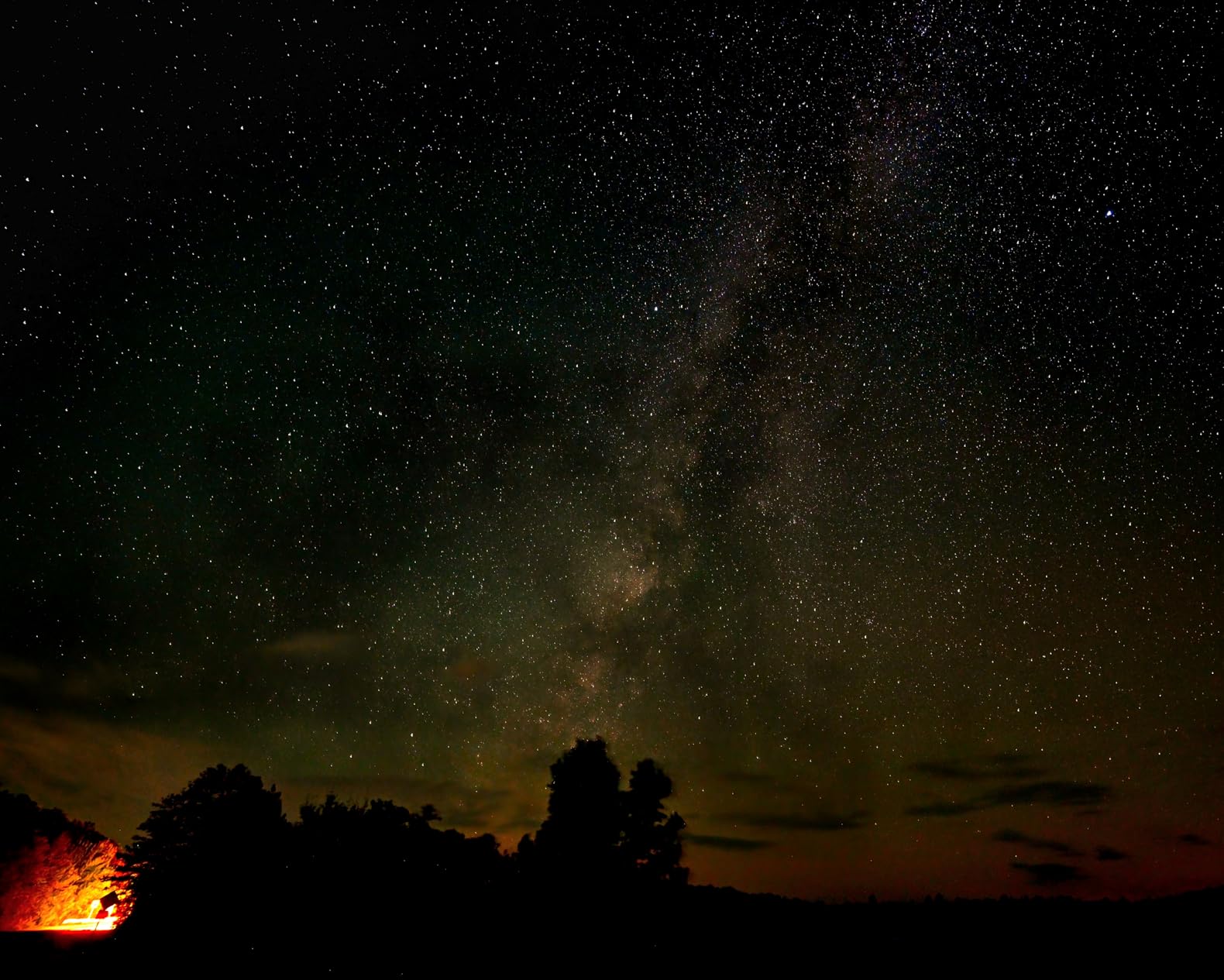
Image quality surprised me most. At f/1.8, the Viltrox renders stars with minimal coma distortion across most of the frame. The corners show slight elongation compared to the Nikon 20mm f/1.8, but the difference is subtle enough that I struggle to spot it without side-by-side comparison. What matters is the light-gathering capability – this lens lets you shoot at ISO 4000 for 13 seconds instead of the 20 seconds required at f/2.8. That shorter exposure means less star trailing and cleaner results.
The built-in LCD display is genuinely useful in the field. It shows current aperture and focus distance in clear white text that is readable under red headlamp light. I have my display set to show hyperfocal distance, which helps me quickly set focus for landscape astrophotography without magnification. The two programmable buttons can trigger various camera functions – I have one set to illuminate the display and another to toggle between autofocus and manual focus.
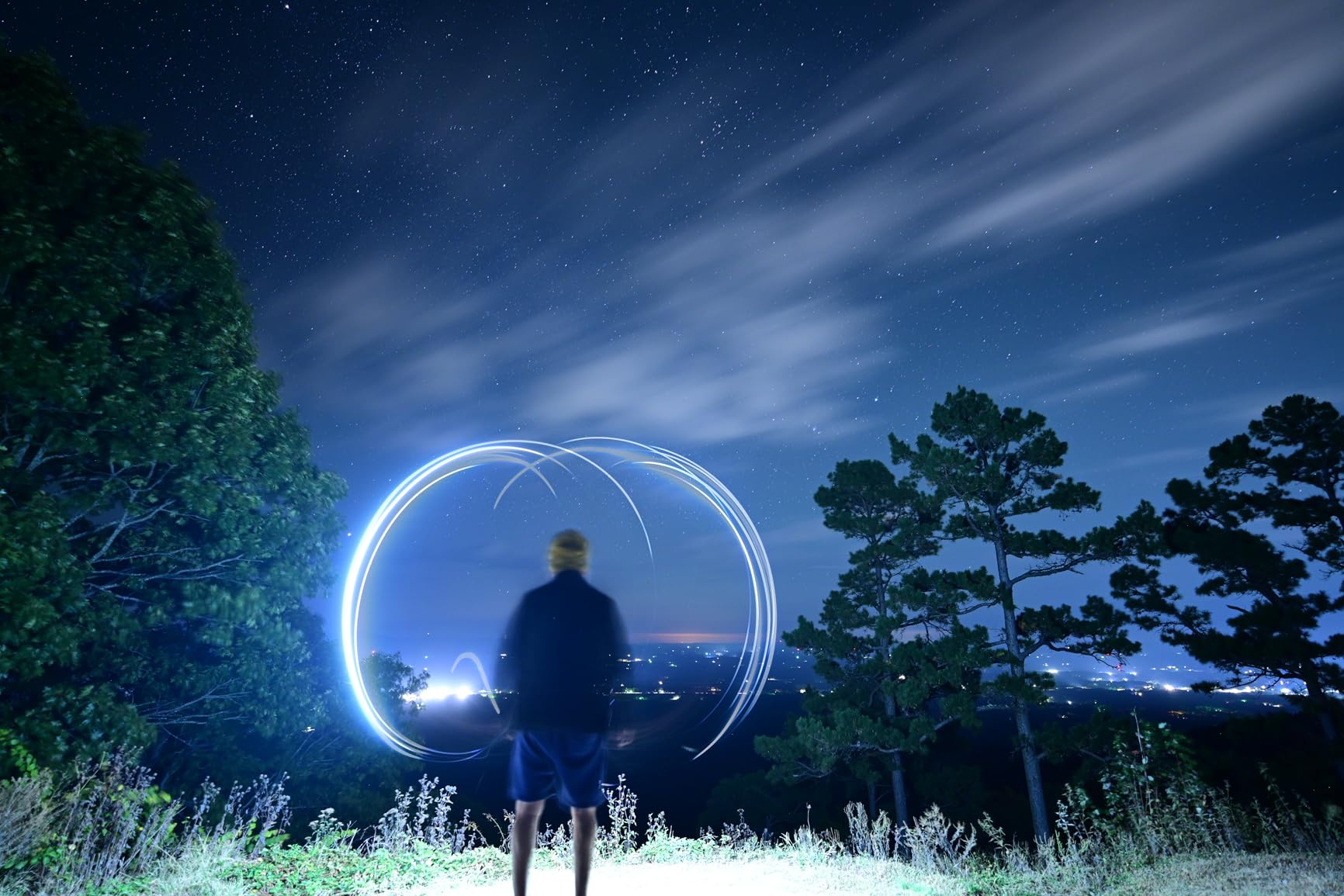
Autofocus performance on stars was my biggest concern with a third-party lens. I am happy to report that the Viltrox locks onto bright stars reliably, something that even some native Nikon lenses struggle with. Face and eye detection work normally for foreground portraits under the stars. The STM motor is quiet enough for time-lapse work, though not completely silent like Nikon’s latest stepping motors.
Construction quality reflects the price point. The metal body feels solid, but the lens hood locking mechanism has a slightly loose feel that concerns me long-term. The aperture ring is useful for video work with its clickless option, though the lock switch can move accidentally when handling the lens in the dark. These are minor complaints given the price, but worth noting for photographers who work in harsh conditions.
Best For: Budget-Conscious Photographers and Beginners
If you are new to astrophotography and cannot justify $1000+ for a specialty lens, the Viltrox 16mm f/1.8 Z removes the financial barrier to entry. The 16mm focal length is actually wider than Nikon’s 20mm prime, giving you more expansive compositions. The f/1.8 aperture provides the low-light capability essential for quality astro work. This lens lets you explore night sky photography without the guilt of an expensive purchase gathering dust if the hobby does not stick.
Experienced photographers should also consider this as a backup or travel option. The performance gap versus native Nikon glass is smaller than the price gap would suggest.
Not Ideal For: Professionals Needing Absolute Reliability
The build quality concerns matter for professionals on paid shoots. If a lens failure would cost you a client or reputation, stick with Nikon’s professional lineup. The slight corner performance difference also matters for large print sales where every pixel counts. Finally, the lack of weather sealing is a genuine limitation for photographers who work in challenging environments regularly.
4. NIKKOR Z 24mm f/1.8 S – Tighter Compositions and Panorama Stitching
Pros
- Exceptional edge-to-edge sharpness even wide open
- Zero focus breathing perfect for video work
- Ultra-quiet stepping motor
- Slightly lighter than 20mm version
- 72mm filter size matches 24-70 f/4 lens
Cons
- Some units show heavy vignetting
- Quality control issues with decentered samples reported
- Only 1 left in stock frequently
- 84-degree angle narrower than alternatives
The NIKKOR Z 24mm f/1.8 S occupies a unique position in the astrophotography lineup. While wider lenses get more attention for Milky Way work, the 24mm focal length excels at creating tighter compositions and stitching multi-frame panoramas. I have shot extensively with this lens for tracked astrophotography where the narrower field actually helps isolate specific deep-sky features.
Zero focus breathing is the headline feature for video shooters, but it benefits still photographers too. When switching between foreground focus and stars, the composition does not shift – critical when you are stacking multiple exposures at different focus points. I use this technique frequently for images that combine sharp foregrounds with pinpoint star backgrounds.
Optical performance matches the rest of the S-line primes. Center sharpness is outstanding from f/1.8, and edges clean up beautifully by f/2.8. The 72mm filter size shares compatibility with the 24-70mm f/4 kit lens, reducing filter investment for photographers who own both. I run the same light pollution filter on both lenses without adapter rings.

The narrower 84-degree angle of view requires a different approach to composition. Rather than capturing the entire Milky Way arch, the 24mm excels at isolating the galactic core against interesting foregrounds. I shot a series in the Pacific Northwest where the tighter framing emphasized the scale of ancient cedar trees against the starry sky. Wide lenses would have minimized those foreground elements.
Panorama stitching is where this lens really shines for astrophotography. The 24mm focal length requires more frames to cover the same sky as a 14mm or 20mm, but each individual frame shows less distortion and vignetting. The result is cleaner stitches with more consistent star shapes across the final image. I regularly create 180-degree panoramas with this lens that print at 40+ inches wide with no visible seams.
Best For: Video Work and Panorama Photographers
If your astrophotography includes video time-lapses or YouTube content, the zero focus breathing and silent motor make this lens superior to wider alternatives. The focal length also suits photographers who specialize in high-resolution stitched panoramas where edge quality matters more than single-shot coverage. The lighter weight appeals to backpackers who want quality without the bulk of zoom lenses.
Not Ideal For: Single-Shot Milky Way Arch Photography
The 24mm focal length simply cannot capture the full sweep of the Milky Way in a single frame. If your style relies on those dramatic ultra-wide nightscapes, look at the 14-24mm or 20mm options. The reported quality control issues also suggest buying from a retailer with good return policies – check your copy for vignetting and decentering immediately upon receipt.
5. NIKKOR Z 35mm f/1.8 S – The Tracked Astrophotography Specialist
Pros
- Sensational sharpness corner to corner
- Professional-level image quality with micro-contrast
- Beautiful bokeh for a wide angle lens
- Fast and silent autofocus performance
- Excellent value compared to f/1.4 alternatives
- Lightweight and compact for its quality
Cons
- No control ring or programmable buttons
- Not water resistant
- Max magnification not suitable for macro work
Most astrophotography discussions focus on ultra-wide lenses, but the NIKKOR Z 35mm f/1.8 S fills a crucial role for tracked deep-sky photography. When mounted on a star tracker, this lens becomes a powerful tool for capturing nebulae, galaxies, and star clusters that wider lenses render as tiny specks. I have shot the Orion Nebula and Andromeda Galaxy with this lens at f/1.8, creating detailed images that rival much longer telephoto shots.
With 516 reviews averaging 4.7 stars, this is the most validated lens in the Nikon Z lineup. Users consistently describe the sharpness as rivaling lenses costing twice as much. The micro-contrast creates images with exceptional depth – stars seem to pop against dark backgrounds in a way that flatters the night sky. The color rendering is classic Nikon – neutral and accurate rather than artificially boosted.
The 35mm focal length requires a tracking mount for quality astrophotography. At this focal length, star trails become visible in just a few seconds. Pair this lens with a portable tracker like the Sky-Watcher Star Adventurer, and you can shoot 2-3 minute exposures at ISO 800 that reveal details invisible to the naked eye. The lightweight 0.82-pound design does not overwhelm smaller tracking setups.
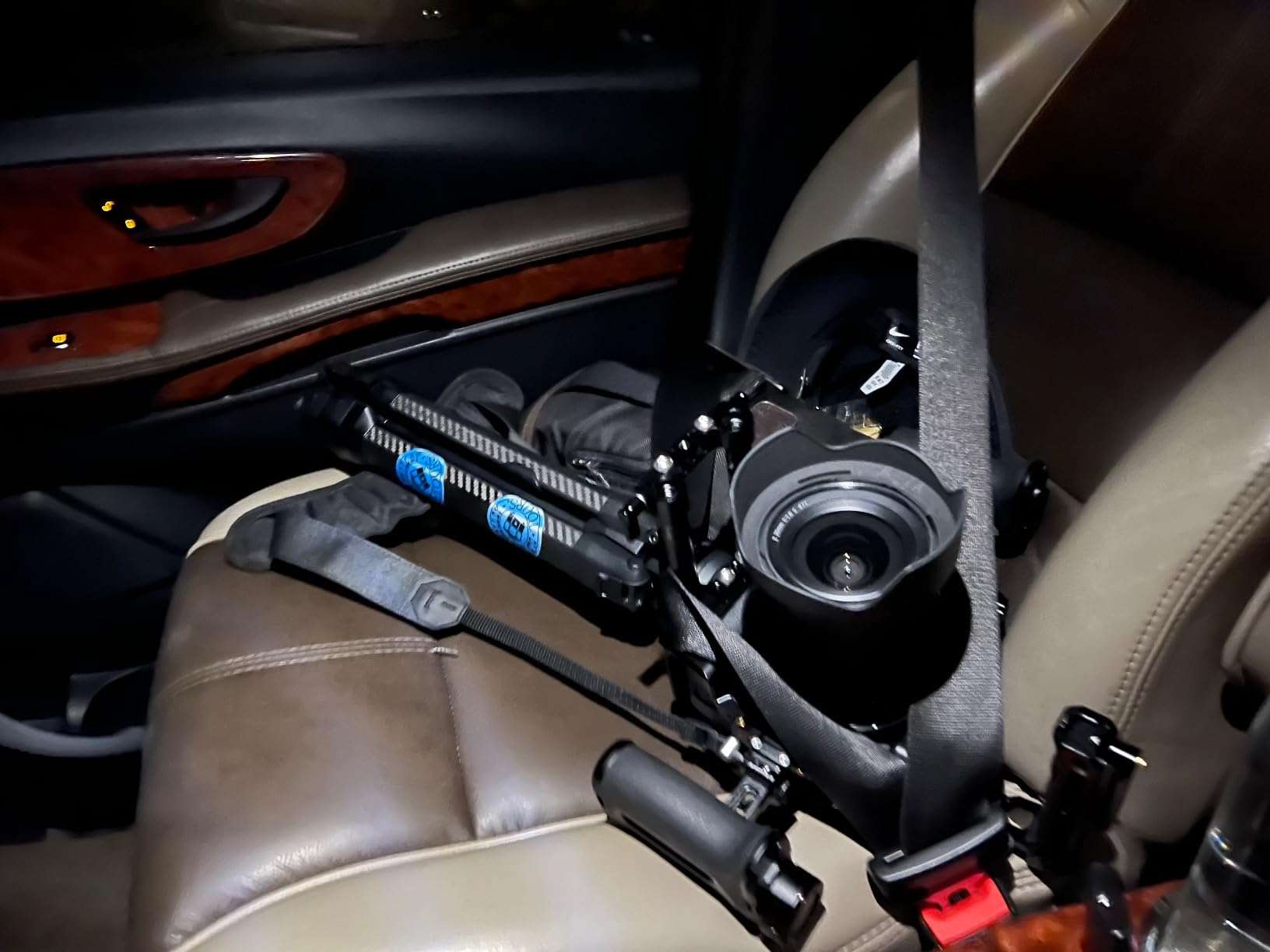
I also use this lens for creating wide-field mosaics of the Milky Way. By shooting overlapping frames and stitching them in software, the 35mm focal length creates incredibly detailed final images with higher resolution than single shots from wider lenses. The process takes longer in the field and requires careful planning, but the results justify the effort for serious photographers.
The 63-degree angle of view works surprisingly well for nightscape photography too. When shooting from locations with interesting foregrounds – lighthouses, abandoned structures, distinctive rock formations – the 35mm focal length creates a more natural perspective than ultra-wide lenses that distort scale. The compression flatters architectural elements while still including plenty of sky.
Best For: Tracked Astrophotography and Mosaic Creation
If you own or plan to buy a star tracker, the 35mm f/1.8 S becomes one of the most versatile lenses in your kit. The combination of wide aperture and moderate telephoto reach captures deep-sky objects with detail impossible from wider lenses. The lightweight design pairs well with portable tracking setups. For photographers creating large-format prints from stitched images, this lens delivers the resolution and sharpness necessary for professional results.
Not Ideal For: Handheld Night Sky Photography
Without a tracking mount, the 35mm focal length limits you to short exposures that show minimal detail in the Milky Way. If you shoot untracked nightscapes exclusively, wider lenses will serve you better. The lack of weather sealing also suggests protecting this lens in harsh conditions – not a dealbreaker, but something to consider for all-night shoots in dewy or dusty environments.
6. VILTROX 20mm f/2.8 Z – Ultra-Budget Entry Point
Pros
- Incredibly lightweight at 173g - barely noticeable
- Budget-friendly price makes astro accessible
- Fast and seamless autofocus performance
- Compact size fits in any camera bag
- Good for group photos and events beyond astro
- USB firmware upgradeable for future improvements
Cons
- Plastic construction feels less premium
- No AF/MF switch - must use camera menu
- Difficulty focusing at infinity for stars reported
- Heavy vignetting in corners on full frame
- f/2.8 aperture slower than f/1.8 alternatives
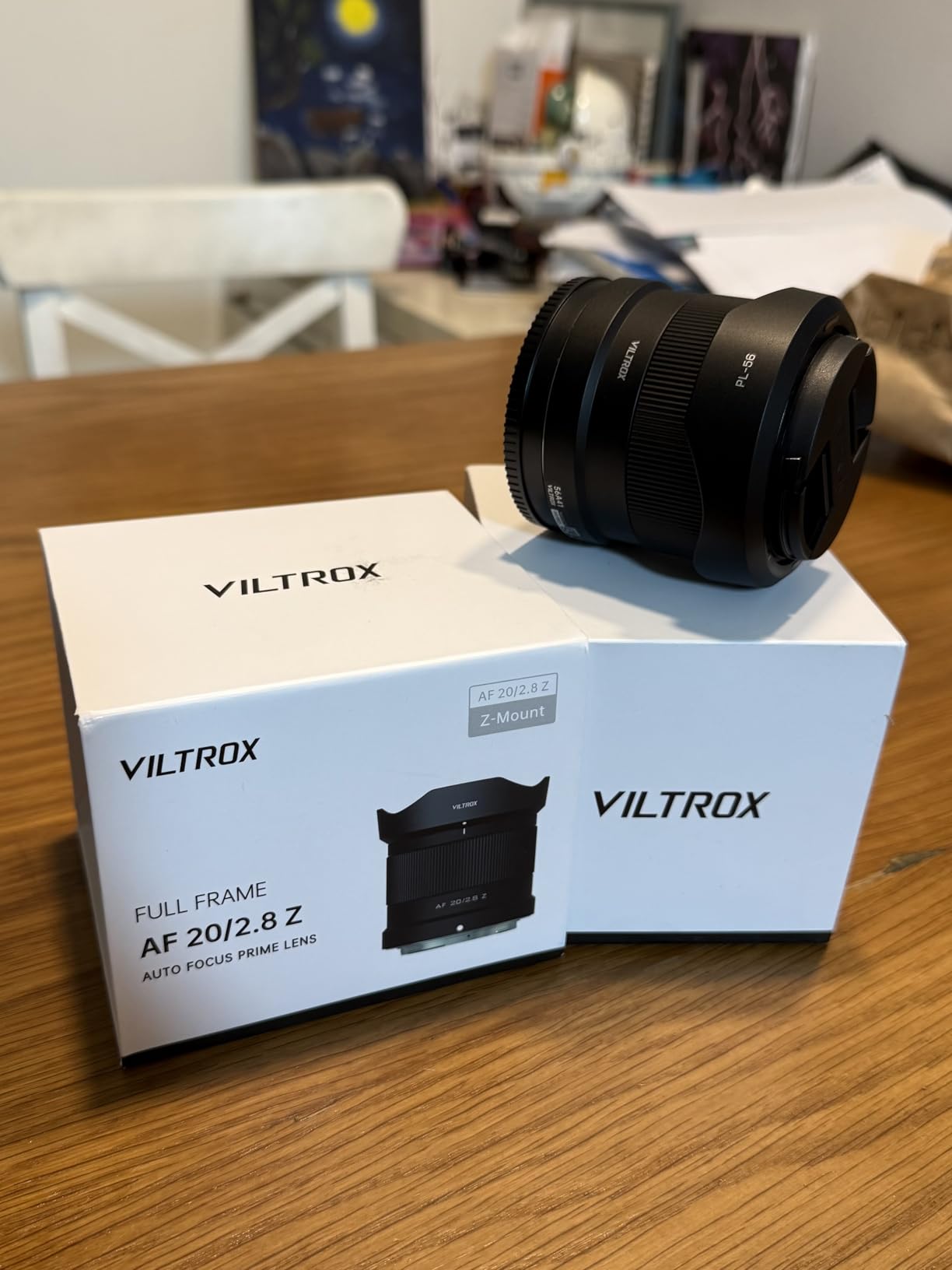
The VILTROX 20mm f/2.8 Z redefines what an entry-level lens can deliver. At under $200, this is the most affordable way to get started with wide-angle astrophotography on Nikon Z cameras. I bought this expecting a disposable starter lens and discovered a capable optic that produces genuinely good images despite its limitations.
The headline feature is weight – at 173 grams, this lens is lighter than many camera batteries. It disappears into a pocket or the smallest corner of a camera bag. For backpacking trips where every ounce matters, this lens lets you capture quality astrophotography without the burden of heavier glass. I have carried it as a backup on dozens of trips, grateful for the insurance policy against primary lens failure.
Image quality exceeded my expectations for the price. The center sharpness is genuinely good, producing clean star images that satisfy for social media and moderate prints. The corners show significant vignetting and softness at f/2.8 – stop down to f/4 and the image cleans up considerably, though that defeats the purpose for astrophotography where you need maximum light gathering. For web sharing and small prints, the optical limitations are acceptable.
The autofocus works surprisingly well for such an inexpensive lens. It locks onto contrasty subjects quickly and supports face detection for foreground portraits. However, some users report difficulty achieving precise infinity focus for stars – the lens may hunt or miss true infinity slightly. I recommend using manual focus with magnification for critical astro work rather than relying on autofocus.
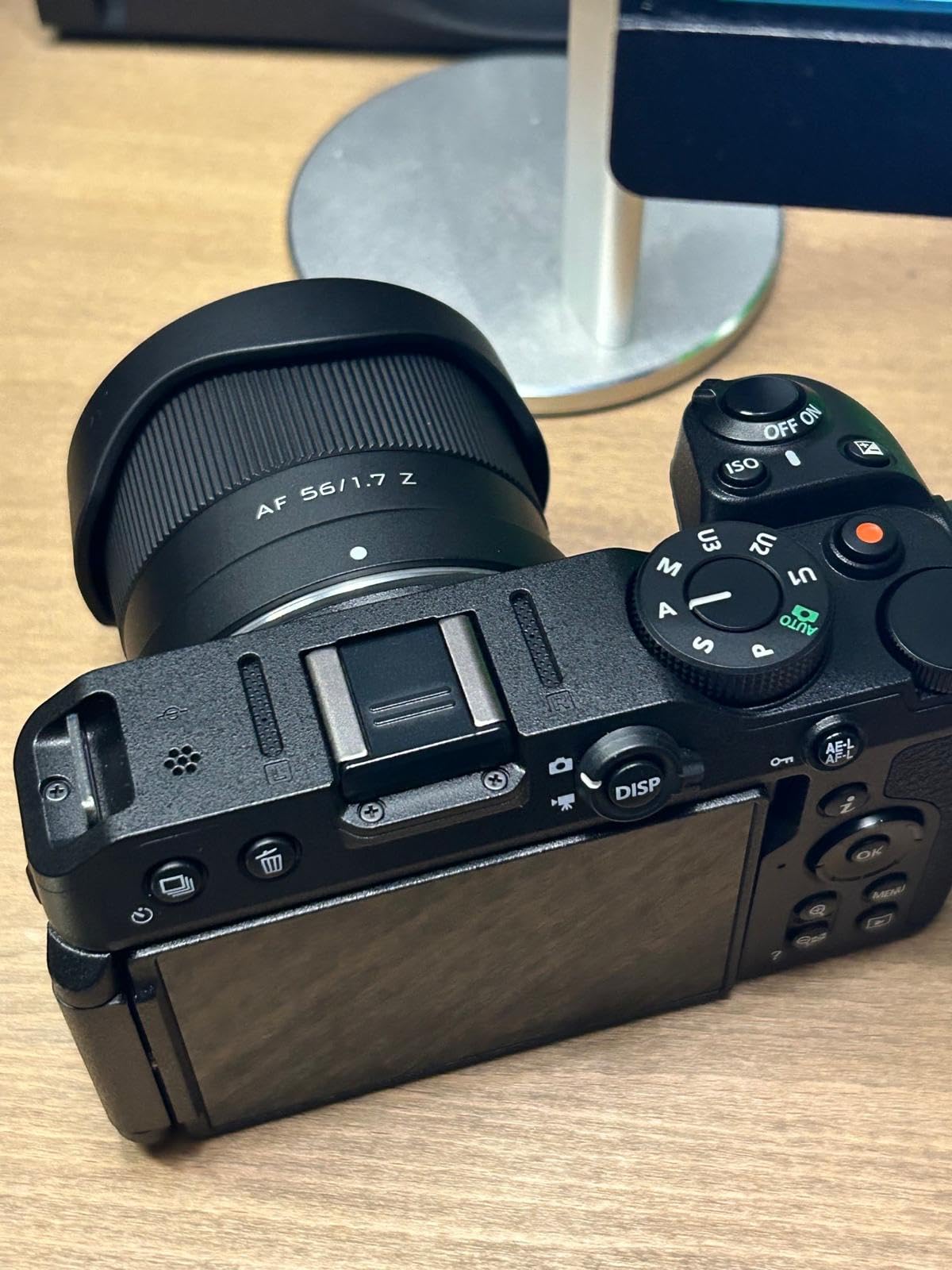
Build quality reflects the budget price. The plastic body feels less substantial than metal alternatives, though it has held up fine in my use. The lack of an AF/MF switch means diving into camera menus to change focus modes – annoying in daylight, potentially frustrating in the dark with gloves on. The 52mm filter size is small and affordable but does not share compatibility with most other Z mount lenses.
Best For: Beginners and Travel Photographers
If you are curious about astrophotography but not ready to invest heavily, this lens removes the financial barrier completely. The 20mm focal length is ideal for Milky Way work, and the f/2.8 aperture gathers enough light for reasonable results under dark skies. The compact size also makes this a perfect travel lens for general photography – it is the lens I grab when I want to travel light but still capture quality images.
The USB firmware upgrade capability suggests Viltrox may improve performance over time. Early firmware versions had focus issues that subsequent updates addressed. This future-proofing adds value beyond the initial purchase price.
Not Ideal For: Serious Astrophotographers and Print Sellers
The corner performance and vignetting limit this lens for photographers selling prints or exhibiting work professionally. The f/2.8 aperture requires longer exposures or higher ISO than f/1.8 alternatives, reducing image quality under challenging conditions. If astrophotography becomes more than a casual hobby, you will eventually want to upgrade. Consider this a stepping stone rather than a final destination.
Buying Guide: Choosing the Right Nikon Z Lens for Astrophotography
After testing these lenses across hundreds of nights under the stars, I have identified the key factors that separate good astrophotography lenses from great ones. Here is what to consider before making your purchase.
Aperture Speed and Light Gathering
Astrophotography is fundamentally about collecting as much light as possible during limited exposure times. The difference between f/1.8 and f/2.8 is not just one stop – it is the difference between ISO 3200 and ISO 6400, or between a 15-second exposure and a 30-second exposure. Every stop of aperture halves your exposure time or doubles your ISO. For untracked Milky Way photography, f/1.8 lenses provide noticeably cleaner images with less noise.
The math matters when you are trying to capture sharp stars. The rule of 500 suggests that on a full-frame camera, a 20mm lens can shoot for about 25 seconds before star trailing becomes visible. At f/1.8, that 25-second exposure gathers enough light for quality results. At f/2.8, you need 50 seconds – but the stars will trail. Your only option becomes higher ISO, which introduces noise. This is why the f/1.8 primes dominate serious astrophotography recommendations.
Coma and Optical Aberration Control
Coma is the enemy of astrophotography. This optical aberration causes point light sources – like stars – to appear as comet-shaped smudges near the edges of the frame. Good astrophotography lenses minimize coma through careful optical design, keeping stars as pinpoints even in the corners.
The Nikon S-line primes and the 14-24mm f/2.8 S excel at coma control. Third-party lenses like the Viltrox 16mm f/1.8 perform admirably but show slight differences in the extreme corners. When evaluating lenses, look for real-world astrophotography samples rather than studio test charts – the performance under actual night sky conditions matters more than theoretical measurements.
Focal Length Selection
Your choice of focal length depends on your subject and style. Ultra-wide lenses from 14-20mm capture the full sweep of the Milky Way in single frames, creating dramatic immersive images. The 24-35mm range works better for tracked photography and panorama stitching, trading single-shot coverage for higher resolution final images.
I recommend starting with a 20mm lens for versatility. It is wide enough for impressive Milky Way shots but not so wide that foregrounds become tiny distractions. As you develop your style, adding a 35mm for tracked work or a 14mm for maximum coverage expands your creative options.
DX vs FX Considerations
Nikon Z DX cameras like the Z50 and Z30 use APS-C sensors that crop the field of view by 1.5x. A 20mm lens becomes effectively 30mm on these bodies – still useful for astrophotography but less dramatic than on full-frame cameras. All the lenses reviewed here work on both FX and DX bodies, but DX shooters may want to consider the Viltrox 16mm f/1.8 for a more effective 24mm field of view.
If you shoot both formats, prioritize FX lenses that serve both systems. The 20mm f/1.8 on a DX camera becomes a moderate wide-angle suitable for general photography, while the 35mm f/1.8 becomes a normal lens. This versatility matters when building a lens collection that spans multiple camera bodies.
Filter Compatibility
Light pollution filters significantly improve astrophotography results near populated areas. Filter thread sizes vary widely across these lenses – 52mm on the budget Viltrox 20mm, 62mm on the 35mm f/1.8, 72mm on the 24mm f/1.8, 77mm on the 20mm f/1.8 and Viltrox 16mm, and 112mm on the 14-24mm zoom. Larger filters cost substantially more, and the 112mm filters for the 14-24mm require serious investment.
Consider your existing filter collection when choosing lenses. If you already own 77mm filters from other photography, the 20mm f/1.8 and Viltrox 16mm share that size. Starting fresh, the 52mm filters for the budget Viltrox 20mm are most affordable, though limited in quality options.
Frequently Asked Questions
Which Nikon Z lens is best for astrophotography?
The NIKKOR Z 20mm f/1.8 S is the best overall choice for most astrophotographers. Its combination of wide aperture, minimal coma, manageable size, and 77mm filter compatibility makes it the most versatile Milky Way lens for Nikon Z cameras. For those needing ultra-wide perspectives, the 14-24mm f/2.8 S offers unmatched coverage despite its slower aperture.
What is the holy trinity of Nikon Z lenses?
The holy trinity of Nikon Z lenses refers to the professional f/2.8 zoom trio: the 14-24mm f/2.8 S, 24-70mm f/2.8 S, and 70-200mm f/2.8 VR S. Together these lenses cover nearly every focal length a professional photographer needs. For astrophotography specifically, the 14-24mm f/2.8 S is the most relevant member of the trinity.
Which is the sharpest Nikon Z lens for astrophotography?
The NIKKOR Z 20mm f/1.8 S and 14-24mm f/2.8 S compete for sharpest honors, with the edge going to the 20mm f/1.8 S for its exceptional corner sharpness even wide open. The Viltrox 16mm f/1.8 Z offers surprising sharpness for its price point, making it the best value option for sharp astrophotography on a budget.
Is f/1.8 or f/2.8 better for astrophotography?
f/1.8 is significantly better for astrophotography than f/2.8. The one-stop difference means you can use half the ISO or double your exposure time. This translates to cleaner images with less noise, or sharper stars with less trailing. The advantage is especially important for untracked Milky Way photography where exposure times are limited before stars begin to trail.
Conclusion
Choosing the best Nikon Z lenses for astrophotography depends on your budget, experience level, and shooting style. The NIKKOR Z 20mm f/1.8 S remains my top recommendation for most photographers – it delivers professional results in a package that does not break your back or budget. The Viltrox 16mm f/1.8 Z offers an impressive alternative for those watching their spending, while the 14-24mm f/2.8 S justifies its premium for professionals who need the absolute widest coverage.
For photographers just starting their night sky journey, the budget Viltrox 20mm f/2.8 Z removes financial barriers and lets you explore astrophotography before committing to expensive glass. Whichever lens you choose, remember that the best camera for astrophotography is the one you actually take out under the stars. Start shooting, keep learning, and let the night sky reveal its wonders one exposure at a time.
Updated for 2026 with latest pricing and availability information.