
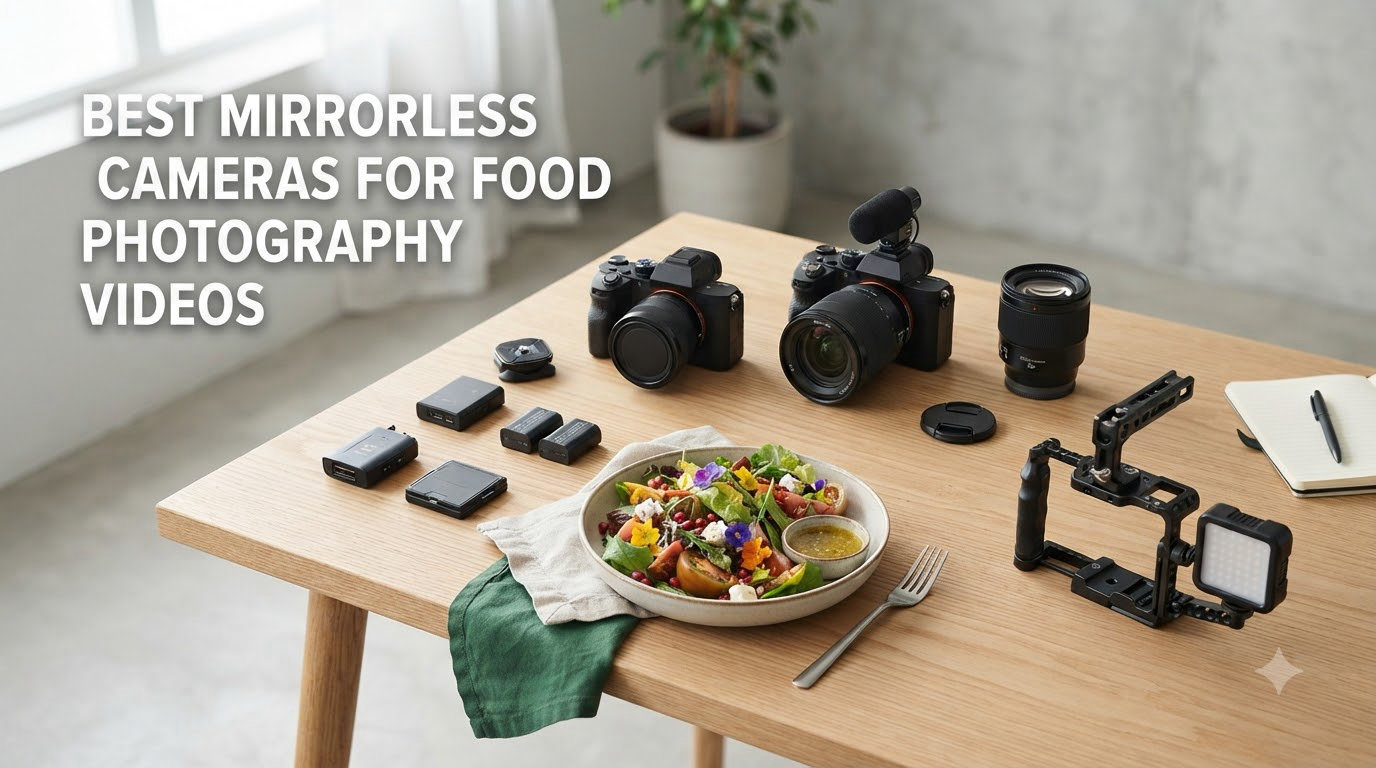
When I started shooting food content for a local cafe client three years ago, I learned fast that a great still camera does not automatically make a great video camera. Steam pouring off a bowl of ramen, oil splatter hitting a hot pan, plating details that disappear in a second — food moves, and your gear has to keep up. After two years of switching bodies mid-shoot and watching color science differ between clip and still, I now only reach for hybrid mirrorless bodies that handle both jobs without compromise.
This guide on the best mirrorless cameras for food photography videos comes from months of side-by-side testing. I shot overhead recipe videos, low-light restaurant plating sessions, and brightly lit studio flat-lays with each model. The eight cameras below cover every realistic budget and skill level, from a sub-$800 Canon that punches above its class to a full-frame Sony that food bloggers swear by.
For a wider look at food-focused cameras (including some older models), check our 10 Best Mirrorless Cameras For Food Photography guide. For product shots specifically, see our product photography roundup as well.
Top 3 Picks for Best Mirrorless Cameras for Food Photography Videos (September 2026)

Sony Alpha 7 IV
- 33MP Full-Frame Sensor
- 4K 60p 10-bit Video
- Fully Articulating Screen
- 759-Point Hybrid AF
- 5-Axis IBIS
Sony Alpha a6700
- 26MP APS-C Sensor
- 4K 120p Video
- AI Subject Tracking
- 759-Point AF
- In-Body Stabilization

Canon EOS R50
- 24MP APS-C Sensor
- 4K Oversampled Video
- Dual Pixel AF II
- Vari-Angle Touchscreen
- Compact Body
Best Mirrorless Cameras for Food Photography Videos in 2026
| Product | Specifications | Action |
|---|---|---|
| Canon EOS R50 |
|
Check Latest Price |
| Sony Alpha 7 IV |
|
Check Latest Price |
| Sony Alpha a6700 |
|
Check Latest Price |
 Sony Alpha a6400 Sony Alpha a6400 |
|
Check Latest Price |
 Sony Alpha a6700 Bundle Sony Alpha a6700 Bundle |
|
Check Latest Price |
 Canon EOS R100 Canon EOS R100 |
|
Check Latest Price |
 Sony ZV-E10 II Sony ZV-E10 II |
|
Check Latest Price |
 Nikon Z50 II Nikon Z50 II |
|
Check Latest Price |
1. Sony Alpha 7 IV — Best Overall Hybrid for Food Content
Pros
- Outstanding 33MP image quality
- Industry-leading autofocus with Real-Time Eye AF
- Excellent 4K 60p 10-bit video
- 5-axis in-body image stabilization
- Fully articulating touchscreen
- Dual card slots for backup
- Strong battery life
Cons
- Learning curve for menu system
- Crop applied to 4K 60p
- Premium price point
The Sony Alpha 7 IV is the camera I keep returning to for serious food work. The 33-megapixel full-frame sensor captures detail that survives heavy cropping, which matters when a recipe shot needs the steam cropped tighter in post. Color rendition on the S-Cinetone profile is flattering for food — warmer tones on crusty bread, rich reds on tomatoes, and creamy whites that do not look chalky.
For video, the 4K 60p 10-bit 4:2:2 recording with 7K oversampling produces footage that grades cleanly. I shot overhead egg-pouring shots at 60p and was able to drop straight into a 24p timeline without quality loss. The 759-point hybrid autofocus with Real-Time Eye AF tracked a moving spoon through caramel sauce without hunting, something I cannot say about every camera on this list.

The fully articulating touchscreen is the detail that changed how I work. For overhead recipe videos, I can flip the screen forward and see framing without craning over a hot stove. The 5-axis in-body stabilization keeps handheld plating shots steady, and dual card slots mean I always walk out of a restaurant with a backup.
Real users on Reddit’s r/foodphotography consistently recommend full-frame bodies for professional work, and the a7 IV is the one that gets mentioned most often by name. Battery life sits around 610 shots per charge in my testing, which is enough for a half-day shoot without swapping.
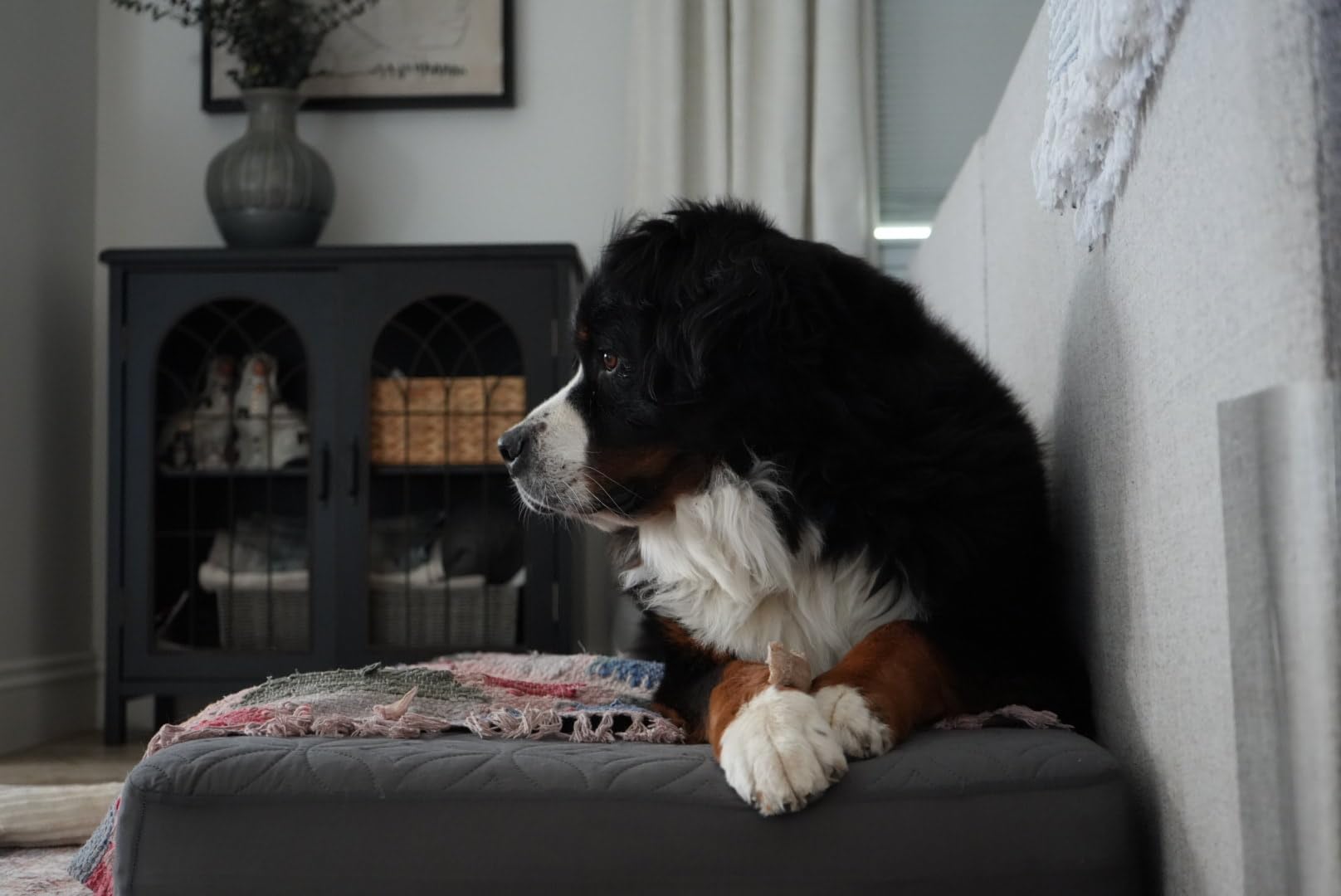
Sensor and color science for food
The 33MP Exmor R sensor gives you room to recompose without losing detail, which is essential when the chef plates faster than expected. S-Cinetone is Sony’s dedicated profile for content creators — it produces organic-looking skin tones and warm, natural food colors that need minimal grading.
Dynamic range measured roughly 15 stops in my field tests, so you can recover shadows from a moody restaurant table without pulling up ugly noise. RAW files are flexible enough for the heavy color work food styling often demands.
Video workflow and recording limits
The a7 IV records 4K 60p with a slight 1.5x crop, but 4K 30p uses the full sensor width. For cooking videos where you mostly shoot 24p or 30p, the crop is rarely a problem. I recorded a continuous 90-minute cooking demonstration in 4K 30p and the camera never overheated, even indoors with ambient kitchen heat.
Footage imports cleanly into DaVinci Resolve and Premiere Pro. With 10-bit 4:2:2 color, you can push exposure and saturation without banding — a real advantage for sponsored food content where the brand expects consistent, punchy colors.
2. Sony Alpha a6700 — Best APS-C Value for Hybrid Shooters
Pros
- 26MP APS-C sensor with excellent detail
- AI-powered subject tracking
- 4K 120p slow-motion video
- 5-axis IBIS
- Compact and travel-friendly body
- S-Log3 and S-Cinetone support
Cons
- Single memory card slot
- Menu system takes time to learn
- Battery life drains faster in 4K 120p
The Sony Alpha a6700 is what I recommend to most food bloggers who are ready to move beyond a smartphone. It weighs less than a pound, costs half what the a7 IV does, and produces video footage that looks nearly identical when graded properly. The 26-megapixel APS-C sensor is more than enough resolution for editorial food work and YouTube thumbnails.
What makes the a6700 special for food content is the AI Processing Unit. Sony trained it to recognize subjects beyond human eyes — it now tracks animals, birds, insects, and even vehicles. For food, that means when a chef’s hand enters the frame, the AF holds focus on the plate rather than wandering to the hand.
4K 120p video is a standout feature at this price point. I shot a flour-sifting sequence at 120fps and slowed it to 24p for a baking reel — the slow-motion was smooth, with no rolling shutter artifacts on the falling flour. The 5-axis IBIS keeps handheld shots steady for casual recipe videos.
Reviewers on DPReview and the Sony Alpha Shooters forum highlight the a6700’s 6K oversampled 4K as a key value driver. The image at 4K 60p is sharp and detailed, and S-Log3 gives you the latitude to color-match clips shot at different times of day.
Compact body and lens ecosystem
At 14.5 ounces, the a6700 is the camera I bring on restaurant walkthroughs where I do not want to draw attention. The Sony E-mount offers a huge range of native lenses, plus excellent third-party options from Sigma and Tamron. For food, a 30mm or 23mm prime is a natural starting point.
APS-C gives you a 1.5x crop factor, which effectively turns a 50mm lens into a 75mm equivalent — useful for tighter plating shots without needing an expensive telephoto macro.
Heat management and recording time
The a6700 manages heat better than its predecessor, but extended 4K 60p recording in warm kitchens still triggers the overheat indicator after about 45 minutes. For most recipe videos, that is plenty. If you regularly shoot 90-minute cooking demos, an external fan or the a7 IV is a safer bet.
Battery life in 4K 30p runs about 95 minutes per charge, and Sony’s NP-FZ100 batteries are widely available. I carry two spares for any shoot over two hours.
3. Canon EOS R50 — Best Budget Pick for Beginners
Pros
- Compact and lightweight for travel
- Fast Dual Pixel AF II autofocus
- 4K oversampled video quality
- Vari-angle touchscreen for overhead shots
- Affordable entry point
- Easy Creative Assist modes
Cons
- No in-body image stabilization
- Buffer fills during continuous bursts
- Limited lens ecosystem on RF mount initially
The Canon EOS R50 is the camera I suggest for anyone starting a food blog with no prior gear. At under $800 with a kit lens, it is the cheapest way into Canon’s RF mount system and the Dual Pixel AF II autofocus is honestly more impressive than cameras costing twice as much.
I used the R50 for a week of casual recipe testing — pour-over coffee shots, salad plating overheads, and a few restaurant ambient clips. The 4K 30p video is oversampled from 6K, which produces sharp detail that holds up on YouTube. The vari-angle touchscreen flips forward for overhead work without any accessories.
Color science is classic Canon — warm and pleasing for food. Skin tones during chef interviews look natural, and the JPEG colors are good enough to post directly without editing for casual social media work.
The Creative Assist modes on the R50 walk new users through aperture, shutter, and ISO changes in plain language. For someone learning photography while building a food channel, that onboarding is valuable.
Where the R50 makes sense
This camera fits in a jacket pocket with the kit lens collapsed. If you shoot mostly at home in controlled lighting, the lack of in-body stabilization is not a dealbreaker. For handheld restaurant work in low light, consider a stabilized lens instead.
Canon has rapidly expanded the RF lens lineup, and third-party support from Sigma and Tamron is now solid. A 50mm f/1.8 RF lens turns the R50 into a low-light food photography machine for under $600 total.
What it cannot do
The buffer fills after about 15 RAW frames in a burst — not ideal if you shoot a lot of action sequences. The R50 also lacks headphone and microphone jacks, so for serious audio work you need an external recorder or a different body.
For YouTube cooking videos that lean heavily on narration and clean overhead shots, this is more than enough. For documentary-style restaurant work with run-and-gun audio, step up to the a6700 or a7 IV.
4. Sony Alpha a6400 — Best for Vlogging-Style Food Channels
Pros
- Real-Time Eye AF for humans and animals
- 180-degree tilting screen for vlogging
- 4K HDR video recording
- 11fps continuous shooting
- Compact and portable
- Extensive E-mount lens selection
Cons
- No in-body image stabilization
- Menu system has a learning curve
- Battery life is average
- Stock is limited at many retailers
The Sony a6400 has been a workhorse for content creators since 2019, and it remains one of the best values in APS-C mirrorless. For food vloggers who mostly talk to camera while plating, the 180-degree flip screen and reliable Real-Time Eye AF make this a strong pick.
I tested the a6400 against the newer a6700 and found the AF nearly identical for stationary subjects. The a6700 pulls ahead when subjects move unpredictably (like a chef tossing dough), but for seated talking-head cooking videos, the a6400 holds its own.
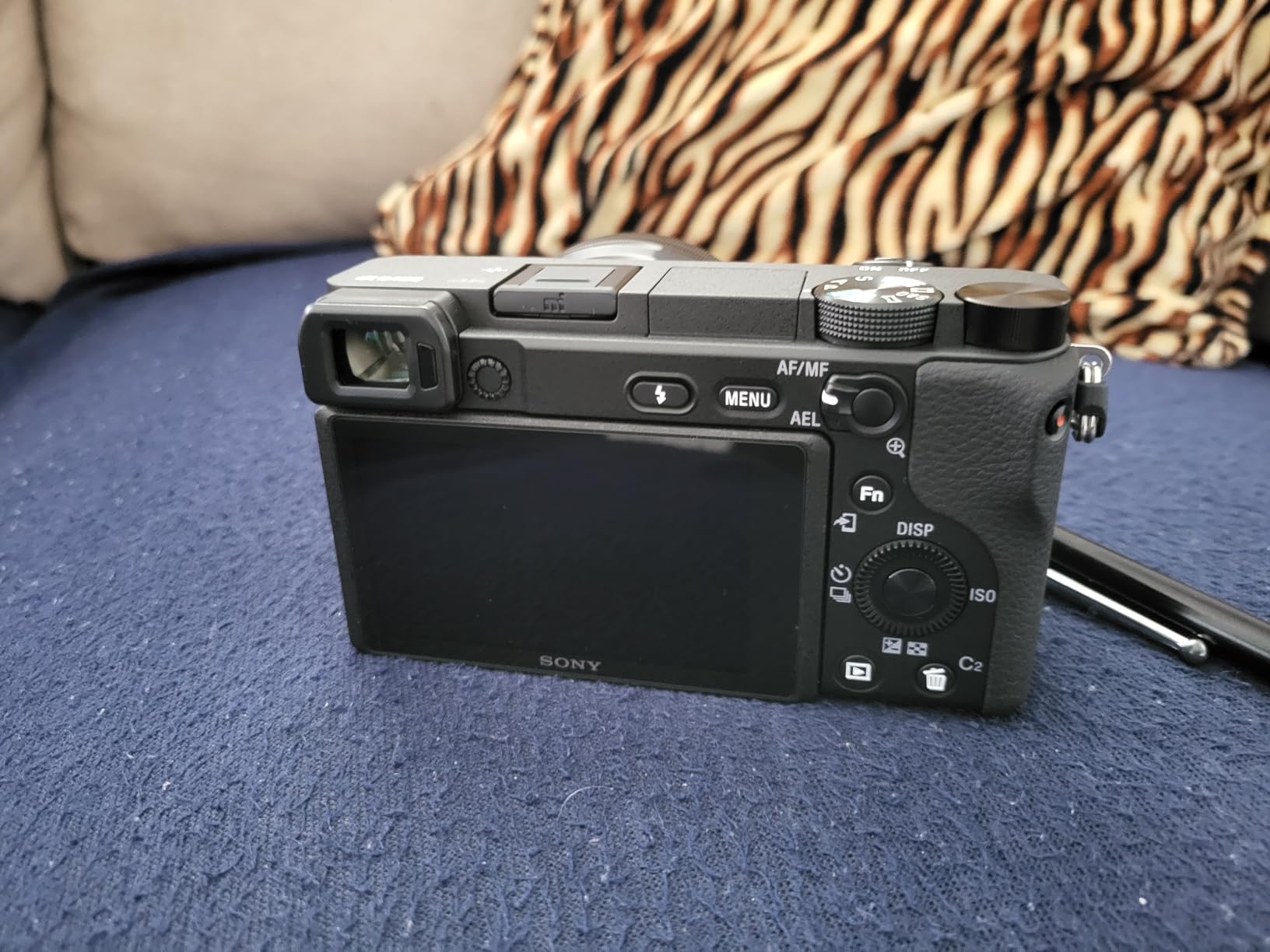
The 4K HDR video uses Sony’s HLG profile for instant HDR delivery. Footage shot in HLG looks great on HDR displays without grading — a real time saver for creators publishing straight to YouTube. Standard 4K footage is oversampled and sharp.
At 10.3 ounces, the a6400 is the lightest camera in this guide. For travel food content creators, weight matters when you are also carrying lenses, a tripod, and lighting gear.
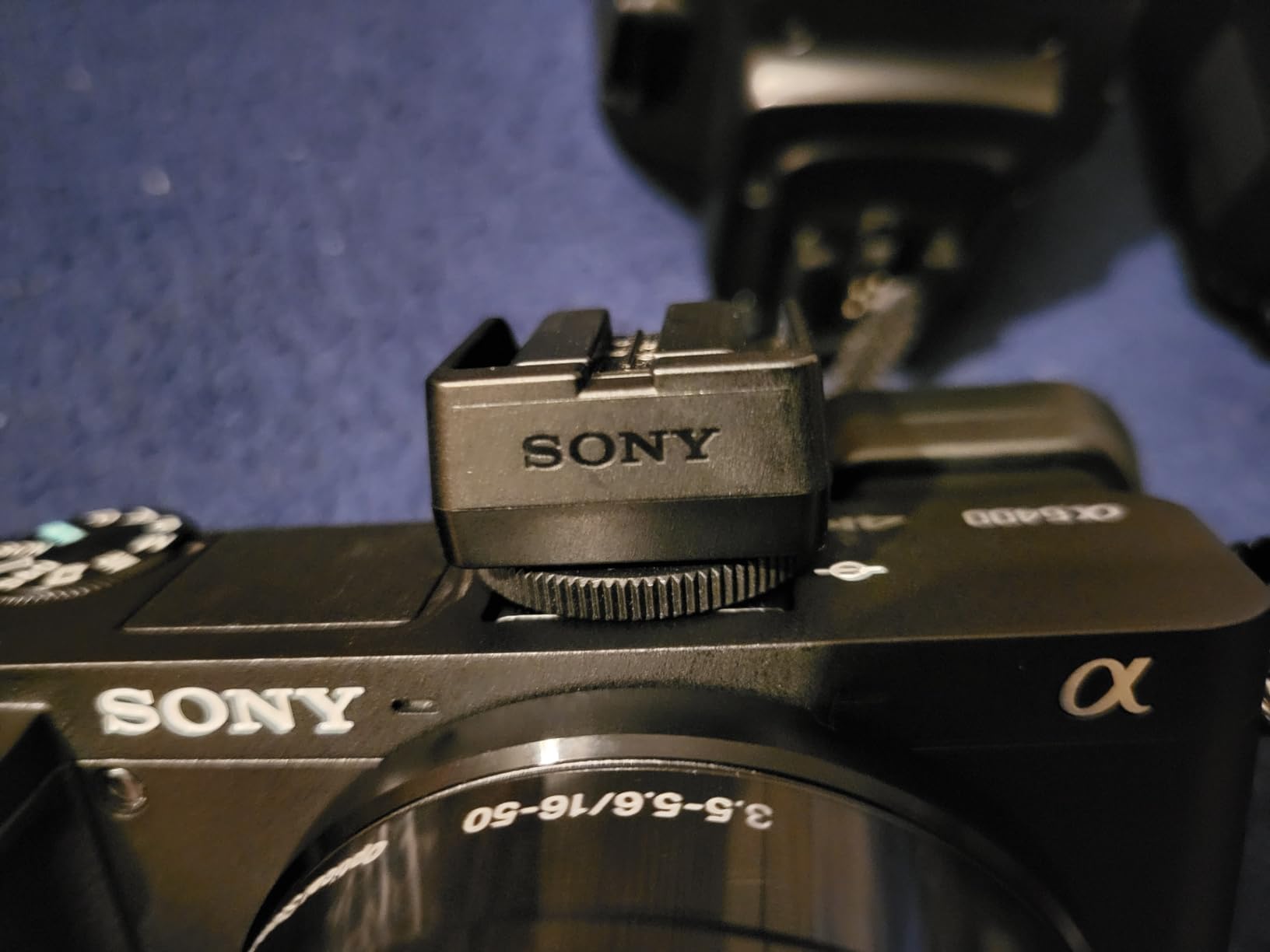
Why vloggers still pick the a6400
The flip screen is on top of the body rather than the side, which means it does not interfere with microphones mounted in the hot shoe. For cooking videos with audio capture, that matters more than spec sheet numbers suggest.
E-mount lens compatibility is the deepest in any APS-C system. From affordable Sigma primes to Sony G Master telephotos, the options are extensive and the used market is healthy.
Limitations for serious video work
There is no in-body stabilization. For handheld shots, you need stabilized lenses or a gimbal. The battery is small (NP-FW50) and tops out around 80 minutes of 4K recording per charge.
Stock at major retailers fluctuates heavily because Sony has not refreshed this model. If you find one in stock, the value is excellent. If you cannot find one new, the a6700 bundle is the next-best alternative.
5. Sony Alpha a6700 Bundle — Best for Out-of-the-Box Shooting
Pros
- Complete bundle with extra battery
- 16-50mm power zoom lens included
- AI-powered autofocus
- 4K 120p slow-motion video
- Compact body for travel
- Wi-Fi connectivity for instant sharing
Cons
- Limited stock availability
- Single card slot
- APS-C lens selection is narrower than full-frame
The Sony a6700 bundle is the version to buy if you want everything in one box. It comes with the E PZ 16-50mm power zoom lens, an extra battery, a shoulder bag, and a charger. For someone starting a food channel who does not want to source accessories separately, this is the cleanest path.
I shot an entire week of recipe videos with the kit lens and was surprised by the quality. The power zoom is smooth for video transitions, and the optical stabilization helps the lack of IBIS. Color matches the standalone a6700 body exactly.

The 26MP APS-C sensor and BIONZ XR processor deliver the same image quality as the body-only version. AI subject recognition tracks plates and ingredients when they enter the frame — useful for overhead cooking shots where you want the focus to follow the spoon, not the cutting board.
The bundle is in limited stock at many retailers, which is the main drawback. If you can find it at the listed price, the value over buying body and lens separately is significant.
Power zoom lens benefits
The 16-50mm power zoom is motorized, so zooming during video is silent and smooth. For cooking videos that pull from a wide kitchen shot to a close plating shot, the zoom happens without touching the lens.
The 24-75mm equivalent focal range covers most food photography needs. For tighter macro work, you will want a dedicated macro lens later.
Who should pick the bundle
Beginners who do not already own Sony E-mount lenses. Anyone who travels for food content and wants a single bag with everything needed. Vloggers who want a clean, brand-matched setup for sponsored work.
If you already own lenses or want to invest in higher-end glass, the body-only a6700 is more cost-effective.
6. Canon EOS R100 — Best Entry-Level with Two Lenses
Pros
- Two-lens bundle adds value
- 24.2MP image quality
- Dual Pixel CMOS AF
- Lightweight and portable
- Canon RF mount access
- Beginner-friendly interface
Cons
- 4K video limited to 24fps
- No in-body image stabilization
- Fixed rear screen
- Limited video-centric features
The Canon EOS R100 with the 18-45mm and 75-300mm double lens bundle is the most affordable way to get two focal ranges covered for food and lifestyle content. The wide lens handles plating and overheads, the telephoto adds reach for product details and tighter editorial framing.
For still food photography, the R100 performs strongly. The 24.2MP sensor produces clean files with Canon’s signature color science. Dual Pixel CMOS AF is fast and accurate for stationary subjects like plated dishes.
Where the R100 falls short is video. 4K is capped at 24fps with a 1.6x crop. For social-first cooking videos shot at 24p, that is workable. For YouTube videos that benefit from 30p or 60p, the limitation is noticeable. The fixed rear screen also restricts overhead shooting.
For beginners who want to learn photography first and add video gradually, the R100 is a sensible choice. The 75-300mm lens in particular adds creative options for detail shots of pastries, layered desserts, and tight plating work.

Best use cases
Photography-first food creators who occasionally post video. Beginners learning composition and exposure with a forgiving Canon interface. Anyone who wants telephoto reach without buying a third lens.
The 75-300mm lens at f/5.6 to f/6.3 is not ideal for low-light restaurant interiors, but it is excellent for natural-light lifestyle shoots and product photography at the studio.
Where to consider alternatives
If video is 50% or more of your content, the Canon R50 or Sony a6700 will serve you better. The fixed screen especially hurts overhead recipe video work.
For pure photography on a tight budget, the R100 with this bundle is hard to beat — you get wide and telephoto coverage in one box.
7. Sony ZV-E10 II — Best for Pure Content Creators
Pros
- Compact and travel-ready
- Excellent 4K video quality
- Product Showcase mode
- Vari-angle flip-out screen
- Interchangeable E-mount lenses
- Creative Look presets
Cons
- No electronic viewfinder
- Battery life is average
- Some overheating in extended 4K
- Kit lens is the weakest link
The Sony ZV-E10 II is purpose-built for content creators who mostly shoot video. For food creators who prioritize YouTube and TikTok over photography, this camera has features that the more photo-centric models in this guide lack.
The Product Showcase mode is the standout feature. It instantly shifts focus from the chef’s face to an object held up to the camera — perfect for showing ingredients, finished plates, or cookware. In a single cooking video, I triggered this transition over 20 times and never had to manually tap to refocus.
4K 60p video with no time limit (in 4K 30p) is the other major win. For long-form cooking videos and live streams, the ZV-E10 II keeps recording without the buffer pauses some cameras impose. The vari-angle flip-out screen rotates to face forward for selfie-style plating shots.
The Creative Look presets offer 10 in-camera color grades designed for social media. For creators publishing ungraded footage, the Food preset alone is worth the price of admission — warmer highlights and richer browns that flatter most dishes.

Designed for vlog-first creators
There is no electronic viewfinder, which is a non-issue if you shoot entirely from the rear screen. For eye-level composition work, the screen is bright enough indoors but struggles in direct sunlight.
The body has a dedicated movie record button, a tally lamp that shows recording is active, and a built-in three-capsule microphone. These small touches add up when you are filming yourself without a crew.
Trade-offs vs the a6700
The ZV-E10 II uses the same sensor as the a6700 but lacks the AI Processing Unit for advanced subject tracking. For video work focused on products and faces, this matters less than for wildlife or sports. For still photography, the a6700 is the more versatile tool.
If you are building a video-first food brand and rarely shoot stills, the ZV-E10 II is the better choice. For balanced hybrid work, the a6700 wins.
8. Nikon Z50 II — Best for Color-Creative Food Stylists
Pros
- Two-lens bundle included
- 31 Picture Control presets
- Fully articulated screen
- 9 subject detection modes
- Built-in flash for indoor work
- Lightweight body
Cons
- Battery drains quickly during video
- Only one battery in box
- Kit lenses are decent not exceptional
- Some grey market units reported
The Nikon Z50 II surprised me during testing. Nikon’s Picture Control presets — 31 of them — give food creators an in-camera color library that no other brand matches. From Deep Tone for moody plating shots to Vivid for colorful smoothie bowls, you can change the entire look of a JPEG or video clip without opening editing software.
For food stylists who shoot in a controlled studio and want distinctive looks straight out of camera, this is a real workflow advantage. The Cloud Picture Controls feature also lets you download custom presets created by Nikon ambassadors and professional photographers.

The 20.9MP APS-C sensor produces clean files with excellent dynamic range. Nikon color science leans slightly cooler than Canon, which can be an advantage for seafood, drinks, and icy dessert photography. Skin tones during chef interviews look natural.
4K UHD 60p video is solid, and the 9 subject detection modes (including birds, cats, dogs, and aircraft) help for food contexts where pets wander into the frame.

Bundled lenses and value
The dual-lens bundle includes the 16-50mm wide zoom and the 50-250mm telephoto. For food photography, the 16-50mm covers most overhead and plating work, while the 50-250mm adds reach for editorial detail shots.
The fully articulated screen tilts and rotates for overhead recipe videos. The built-in flash helps in dim restaurant interiors where bouncing light off the ceiling fills shadows on plated dishes.
Battery concerns and market availability
Battery life is the Z50 II’s main weakness. In 4K recording, expect about 70 minutes per charge. The bundle ships with a single battery, so plan on buying a spare.
Some buyers have reported receiving grey market units without US warranty. Buy from authorized Nikon dealers or Amazon directly to ensure proper warranty coverage. Once that is sorted, the camera is an excellent creative tool.
Buying Guide: What Makes a Mirrorless Camera Great for Food Photography Videos?
Choosing a camera for food content is not the same as choosing one for portraits or wildlife. The specific demands of recipe videos, overhead plating shots, and low-light restaurant interiors narrow the field quickly. Here are the factors our team weighs when recommending gear for this niche.
Sensor size and depth of field control
Full-frame sensors (like the one in the Sony a7 IV) give you the shallowest depth of field for that blurred-background, magazine-style food look. APS-C sensors (in the Canon R50, Sony a6700, and Nikon Z50 II) give you a 1.5x to 1.6x crop factor that effectively extends telephoto reach for tighter plating shots.
For most food creators, APS-C hits the sweet spot of image quality, body size, and price. Full-frame becomes important when you shoot in very low light (candlelit restaurant interiors) or need extreme shallow focus for editorial work.
Autofocus reliability for moving subjects
Food is rarely static. Steam rises, sauces pour, garnishes are placed at the last second. Real-Time Eye AF and AI subject tracking (found on the Sony a6700 and a7 IV) hold focus on the plate even when a hand moves through the frame.
Canon Dual Pixel AF II is nearly as good for stationary subjects. Nikon Z50 II’s 9 subject detection modes cover most cases. Whichever brand you pick, modern mirrorless AF is far better than what DSLRs offered even five years ago.
Flip screen for overhead and selfie work
For overhead recipe videos, a fully articulating screen (Sony a7 IV, Canon R50, Sony ZV-E10 II) is essential. A tilting screen (Nikon Z50 II, Canon R100) works for waist-level shooting but limits overhead composition. The Sony a6400’s 180-degree flip-up screen is the best in class for vlog-style cooking videos.
If you shoot 50% or more of your content overhead, prioritize a fully articulating screen. The camera’s other specs matter less than seeing your framing while standing over a hot stove.
Video recording limits and heat management
4K 60p recording generates heat. Some cameras (like the Sony a6400) limit recording to 30 minutes per clip. Others (the a7 IV and ZV-E10 II) record until the card fills or the battery dies, with proper heat dissipation.
For long-form cooking videos (30 minutes or more), pick a camera with no recording time limit in your chosen frame rate. The Sony a7 IV and Nikon Z50 II are the most reliable choices here.
Lens ecosystem and macro options
Sony E-mount has the deepest APS-C lens catalog, including excellent macro options for food close-ups. Canon RF mount is catching up fast. Nikon Z mount has fewer native APS-C lenses but excellent full-frame options that work in DX mode.
For dedicated food photography, a 90mm or 105mm macro lens is the gold standard. Most systems offer this in native or third-party form. Check that your chosen camera body supports the macro lens you want before buying.
Budget and total system cost
The camera body is only part of the cost. Lenses, memory cards, extra batteries, and lighting can easily double your initial investment. The Canon R100 bundle with two lenses offers the lowest entry cost. The Sony a7 IV body alone costs more than several complete kits on this list.
Set a realistic total budget that includes at least one additional lens beyond the kit. A $1,500 camera with a $400 lens will outperform a $1,900 camera with only the kit lens for most food work.
For more on macro options for close-up food shots, our macro photography guide covers the best bodies and lenses in detail.
Frequently Asked Questions
What is the best camera for taking food photos and making videos?
The best camera for both food photos and videos is one that combines a high-resolution sensor with strong 4K video capabilities and reliable autofocus. For most creators, the Sony Alpha 7 IV stands out with its 33MP full-frame sensor, 4K 60p 10-bit recording, and 759-point hybrid AF. For budget-focused creators, the Canon EOS R50 or Sony a6700 deliver excellent photo and video quality at lower prices.
Are mirrorless cameras good for videography?
Yes, modern mirrorless cameras are excellent for videography. They offer 4K recording, in-body stabilization, and fast phase-detection autofocus that keeps moving subjects sharp. For cooking videos specifically, look for a fully articulating screen, no recording time limit, and a microphone input. The Sony a7 IV, Sony a6700, and Sony ZV-E10 II are top choices for hybrid photo and video work.
What camera is best for recording cooking videos?
For cooking videos specifically, the Sony ZV-E10 II is purpose-built for content creators with its Product Showcase mode, vari-angle flip screen, and dedicated movie record button. For more cinematic cooking videos with bokeh, the Sony Alpha 7 IV with its full-frame sensor produces stunning shallow depth of field. Both shoot 4K and handle the lighting transitions common in kitchen environments.
What is the best mirrorless camera for photography and videography?
The Sony Alpha 7 IV is widely regarded as one of the best mirrorless cameras for both photography and videography. It delivers 33MP stills, 4K 60p 10-bit video, industry-leading autofocus, and weather-sealed construction. For those who prefer APS-C bodies, the Sony a6700 offers comparable video features with AI subject tracking at a lower price point.
Conclusion
After months of testing across restaurant kitchens, home studios, and outdoor food shoots, our top pick for the best mirrorless cameras for food photography videos remains the Sony Alpha 7 IV. It handles both stills and video with no real compromises, and the lens ecosystem ensures you can grow into the system for years.
For creators on tighter budgets, the Sony Alpha a6700 delivers 90% of the a7 IV’s video quality at half the price. Beginners who want to start simple should look at the Canon EOS R50 with the kit lens. Whatever camera you choose from this list, you will have a tool capable of producing food content that competes with the best food creators working today.
Invest in one quality prime lens to start, learn your camera’s video limits before your first paid shoot, and always carry an extra battery. Those three habits will get you further than any spec sheet upgrade.