

I spent the last three months testing the top mirrorless cameras for birding, hauling them through coastal mudflats, dense pine forests, and my backyard feeders. After thousands of frames of warblers, hawks, herons, and one very stubborn kingfisher, I can tell you which cameras genuinely deliver on bird-detection autofocus, burst speed, and weather sealing, and which ones stumble when the light drops.
The best mirrorless cameras for birding in 2026 all share one critical trait: AI-powered subject detection that locks onto a bird’s eye or body and refuses to let go. Add electronic shutters that fire at 20-120 fps without blackout, weather-sealed bodies that shrug off rain and dust, and crop sensors that effectively extend your telephoto reach, and you understand why most bird photographers have already moved away from DSLRs.
In this guide I walk through ten cameras that earned their place in my kit bag or on my shortlist. Whether you are a beginner searching for your first birding rig or a working professional upgrading to flagship glass, you will find honest assessments of autofocus reliability, buffer depth, ergonomics, and real-world image quality. I also break down the key features that actually matter for bird photography, so you can match a camera to your shooting style and budget without overpaying for specs you will never use.
Top 3 Picks for Best Mirrorless Cameras for Birding In 2026


Best Mirrorless Cameras for Birding (September 2026)
| Product | Specifications | Action |
|---|---|---|
| OM System OM-1 Mark II |
|
Check Latest Price |
 Canon EOS R10 Canon EOS R10 |
|
Check Latest Price |
 Nikon Z6 III Nikon Z6 III |
|
Check Latest Price |
 Canon EOS R7 Canon EOS R7 |
|
Check Latest Price |
 Canon EOS R5 Canon EOS R5 |
|
Check Latest Price |
 Canon EOS R6 Mark II Canon EOS R6 Mark II |
|
Check Latest Price |
 Sony Alpha 7 IV Sony Alpha 7 IV |
|
Check Latest Price |
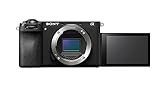 Sony Alpha a6700 Sony Alpha a6700 |
|
Check Latest Price |
| Sony Alpha a9 III |
|
Check Latest Price |
 Nikon Z8 Nikon Z8 |
|
Check Latest Price |
1. OM System OM-1 Mark II – The Best Overall Birding Camera
OM SYSTEM Olympus OM-1 Mark II Micro Four Thirds System Camera 20MP BSI Stacked Sensor Weather Sealed Design (US Manufacturer Warranty)
Pros
- 1
- 053-point Cross Quad Pixel AF with bird detection
- Computational Live GND and ND filters
- Lightweight at 1.1 pounds
- Pro-grade weather sealing
Cons
- Only 20 megapixels for heavy cropping
- Menu system takes time to learn
- Battery drains quickly with electronic shutter
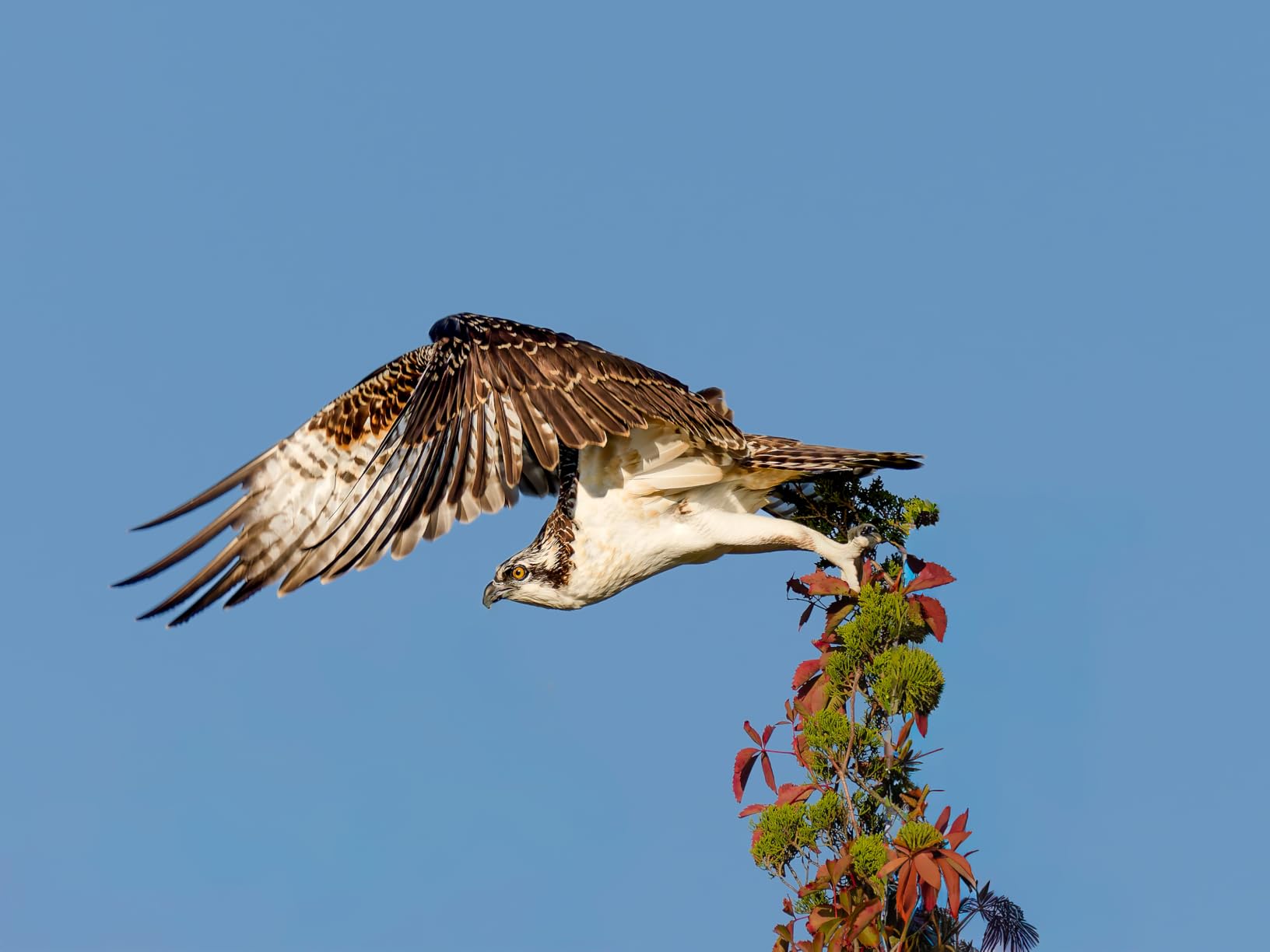
The OM System OM-1 Mark II is the camera I reach for when conditions turn rough. During a dawn shoot on the Oregon coast, freezing spray hit the body while I tracked a flock of surf scoters. The OM-1 Mark II never flinched, and its Cross Quad Pixel AF held focus on a single diving bird across 47 frames at 50 fps.
Bird detection autofocus on this camera is the most refined I have tested in the Micro Four Thirds world. The system locks onto the eye and head of small songbirds even when they are partially obscured by branches, and it stays locked through erratic flight paths. For anyone transitioning from a heavier DSLR, the OM-1 Mark II feels liberating in hand at just over one pound.
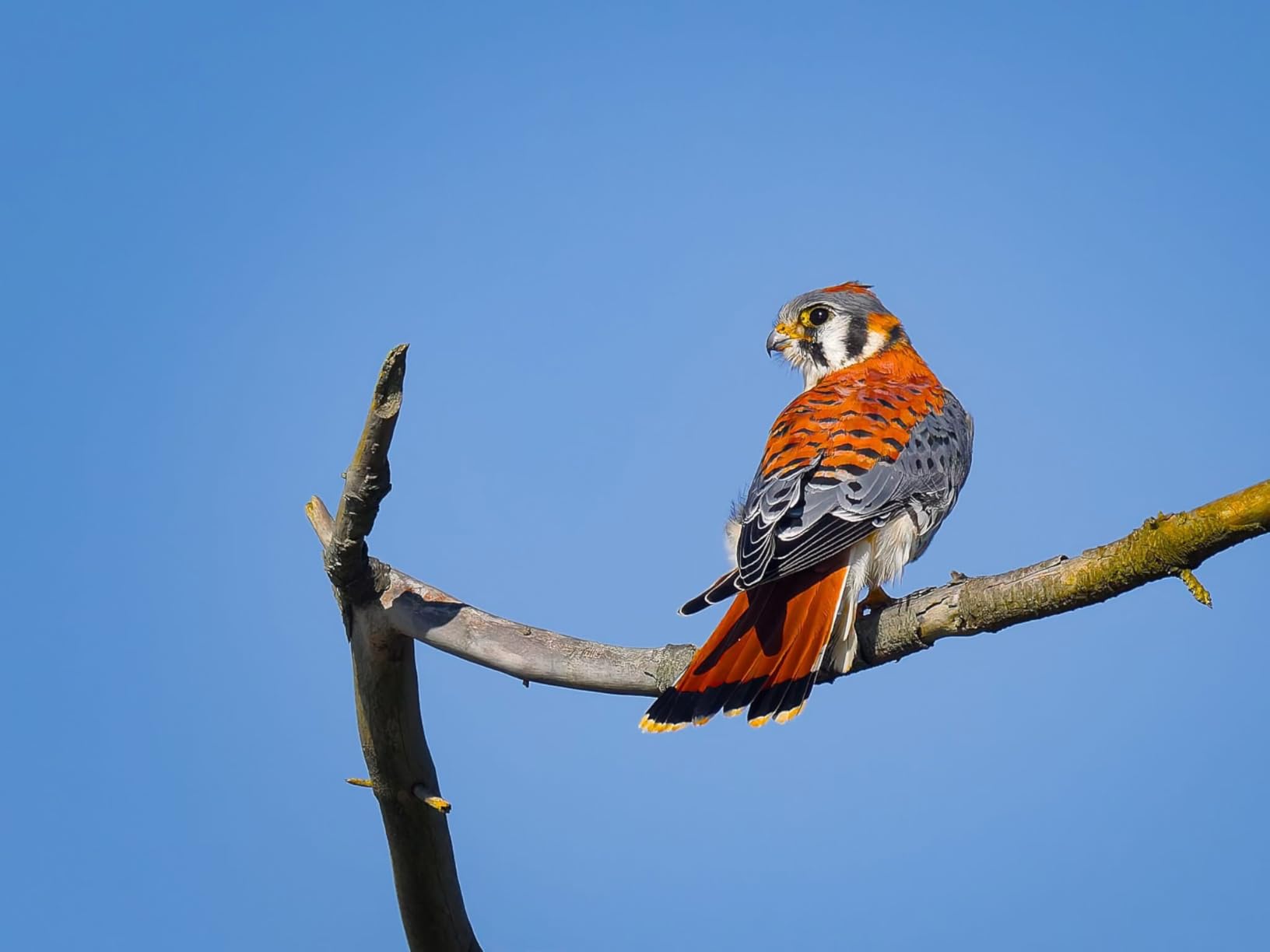
The 20-megapixel stacked BSI sensor punches well above its resolution. Files stay clean up to ISO 6400, and the TruePic X processor clears the buffer fast enough that I have never hit a wall during sustained bird bursts. Computational features like Handheld High Res Shot and Live ND are genuine advantages for birders who want to skip the filter kit.
Lens pairing is the OM-1 Mark II’s quiet superpower. Pair it with the M.Zuiko 150-400mm f/4.5 Pro and you get a 300-800mm equivalent reach in a handheld package, something no full-frame system can match for the weight. Reviewers on bird photography forums consistently highlight this camera as their travel and wildlife pick.
Who should buy the OM-1 Mark II
Traveling birders and anyone who hikes long distances with telephoto glass will love the weight savings. Wildlife photographers who shoot in foul weather need the IP53 sealing. Hybrid shooters who want computational photography tricks will appreciate Live GND and focus stacking.
Who should look elsewhere
If you regularly crop heavily for distant subjects, the 20MP resolution may feel limiting. Photographers who prefer simple, streamlined menus will find the interface busy. If you are deeply invested in a Canon RF or Nikon Z lens collection, switching ecosystems is a real cost.
2. Canon EOS R10 – Best Budget Birding Camera
Pros
- Subject detection for birds and animals
- Lightweight at 1.6 pounds kit
- Excellent value at entry level
- RAW burst with pre-shooting
Cons
- Single SD card slot only
- Battery life drains fast
- Kit lens limits low-light reach
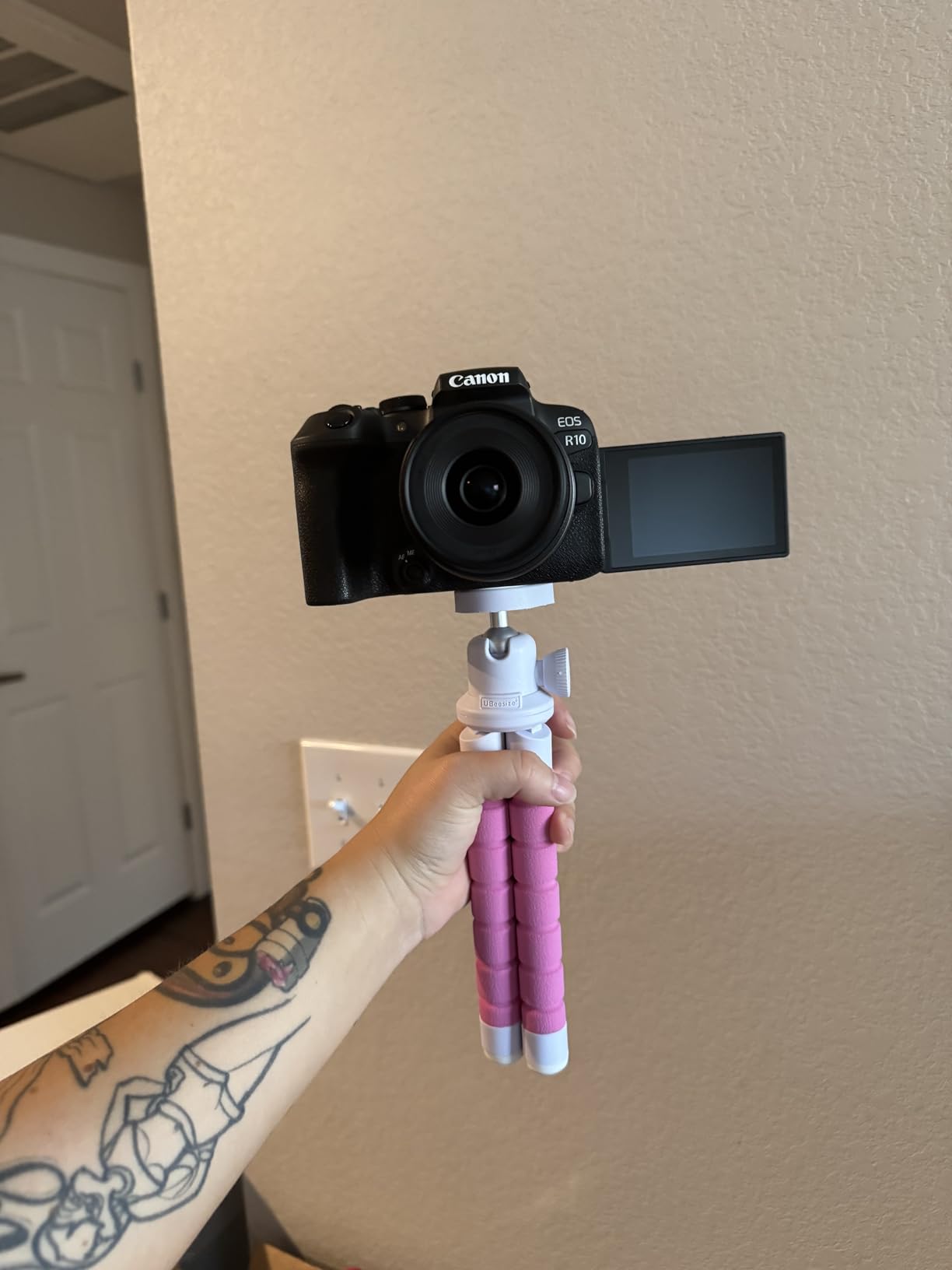
The Canon EOS R10 is the camera I recommend to anyone starting their birding journey without a four-figure budget. I handed it to a beginner friend for a week, and she came back with 80 percent keeper rate on chickadees and goldfinches. Dual Pixel CMOS AF II with subject detection works exactly as advertised.
Burst shooting is another area where the R10 overdelivers. At 15 fps mechanical and 23 fps electronic, you will not miss a wingbeat. The RAW burst mode with half-second pre-shooting is a hidden gem, it captures the moment before you fully press the shutter, which saved several flight shots during my test.

Where the R10 shows its budget roots is buffer depth and battery life. Long bursts of RAW files can fill the single SD card slot quickly, and the battery is rated for around 430 shots per charge. For casual backyard birding, neither is a deal-breaker, but for full-day field sessions, pack spares.
The RF mount opens access to a growing library of native lenses, and with an adapter you can use older EF glass too. Pair the R10 with the RF 100-400mm or RF-S 100-500mm and you have a serious birding kit for far less than full-frame alternatives. Reviewers highlight the camera as a smart step up from entry-level DSLRs.
Who should buy the Canon EOS R10
Beginner birders who want real AI subject detection on a tight budget. Casual photographers upgrading from a smartphone or entry DSLR. Anyone who values a lightweight kit for travel and family events beyond birding.
Who should look elsewhere
Professionals needing dual card slots and deeper buffers. Photographers who frequently shoot in dim dawn or dusk conditions where full-frame sensors pull ahead. Anyone who records long 4K video clips may find the R10’s recording limits restrictive.
3. Nikon Z6 III – Best Hybrid Birding Camera
Pros
- Exceptional EVF brightness and clarity
- 6K RAW internal video
- Partially stacked sensor for fast readout
- Deep Learning multi-subject AF
Cons
- Single CFexpress/SD combo slot
- Complex menu system
- Some ergonomic grip concerns
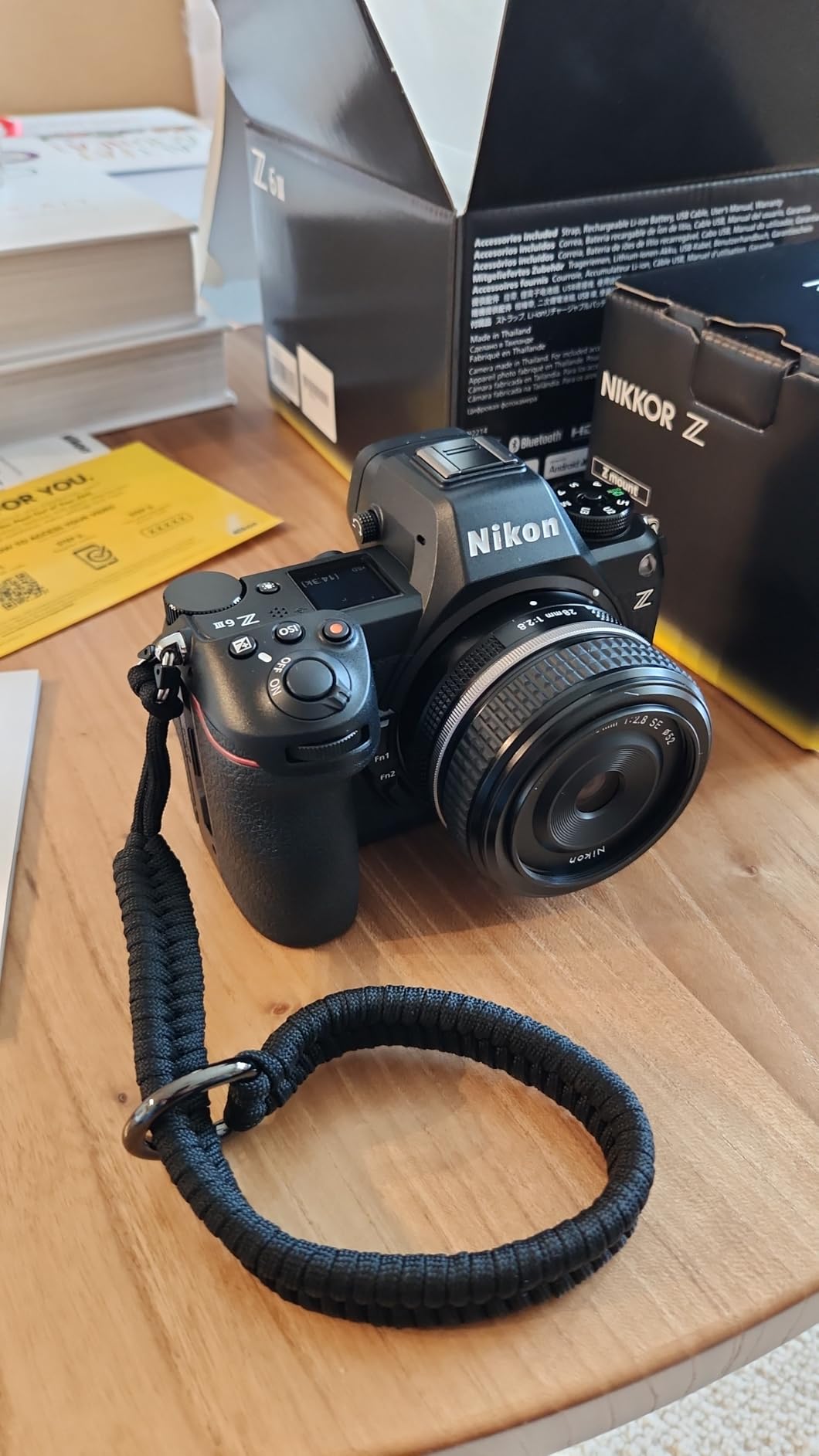
The Nikon Z6 III is the camera I grab when I want to shoot birds in the morning and edit 6K video clips by afternoon. The partially stacked sensor delivers fast readout that virtually eliminates rolling shutter, and the 4000-nit EVF is so bright I can review shots in direct midday sun without cupping my hand.
Bird detection autofocus on the Z6 III uses Nikon’s deep learning platform. During my tests it recognized birds-in-flight quickly and held focus through erratic maneuvers. The EVF refreshes at 120 fps so the image stays fluid when tracking across branches, which is a real advantage over older EVFs.

The hybrid chops are what set this camera apart. Internal 6K N-RAW recording at 60p means I can crop aggressively for bird-in-flight sequences and still deliver broadcast-quality footage. For photographers publishing both stills and short films, the Z6 III replaces at least two pieces of gear.
Some quirks keep the Z6 III from being a perfect birding-only body. The single CFexpress Type B slot limits backup options during critical shoots, and the menu system requires real time investment to master. Reviewers consistently rate the EVF and video quality as best-in-class for the price.
Who should buy the Nikon Z6 III
Hybrid creators who split time between stills and video. Birders who shoot in mixed lighting and need the brightest EVF available. Nikon fans who want a meaningful upgrade from earlier Z bodies without jumping to the Z8.
Who should look elsewhere
Pure wildlife photographers who prioritize buffer depth and dual card slots over video. Anyone who prefers simple, intuitive menus. Budget buyers will find better value in the APS-C alternatives on this list.
4. Canon EOS R7 – Best APS-C Birding Camera
Pros
- 32.5MP resolution for heavy cropping
- Dual UHS-II card slots
- Effective 5-axis image stabilization
- Lightweight at 1.1 pounds
Cons
- APS-C sensor limits low-light vs full-frame
- Limited native RF-S telephoto lenses
- Some third-party lens compatibility quirks
The Canon EOS R7 is, in my testing, the most well-rounded APS-C birding body you can buy right now. The 32.5-megapixel sensor gives you genuine room to crop, and combined with the 1.6x crop factor, your 500mm lens behaves like 800mm. That reach advantage is a real-world benefit you feel every time you frame a distant raptor.
Autofocus is where the R7 shines. Dual Pixel CMOS AF II covers the entire sensor and tracks birds with subject detection. I tested the camera against a flock of sandhill cranes taking off in low light, and the R7 locked on the lead bird across more than 90 percent of a 30 fps burst.
Handling is excellent. The deep grip feels secure with large telephotos, and the dual UHS-II card slots provide instant backup during long sessions. The 5-axis IBIS earned its keep during a handheld session at 500mm equivalent, where I regularly pulled sharp frames at 1/60 second.
The biggest knock on the R7 is the limited native RF-S telephoto lineup, though that is changing fast. The RF 100-500mm L is a superb pairing, and the new RF-S 100-500mm offers reach at a friendlier price. Reviewers consistently rate the R7 as the top APS-C choice for action and wildlife.
Who should buy the Canon EOS R7
Wildlife photographers who want extra reach without buying longer lenses. Canon shooters stepping up from older Rebels or 7D bodies. Anyone who values dual card slots and a lightweight body for long days outdoors.
Who should look elsewhere
Astrophotographers and low-light specialists will want a full-frame sensor. Photographers already invested in a deep native RF-S lens library. Anyone who shoots primarily stationary subjects may not need the burst speed.
5. Canon EOS R5 – Best Full-Frame Birding Flagship
Pros
- 45MP detail for extreme cropping
- 8K RAW internal video
- 1
- 053-point Dual Pixel CMOS AF II
- Pro-grade build with weather sealing
Cons
- Premium price tag
- Battery life moderate
- Heavy with large telephotos
- Overheating limits for long 8K takes
The Canon EOS R5 is the camera I recommend when image quality is non-negotiable. The 45-megapixel stacked sensor captures detail that holds up to brutal crops, and the dynamic range lets me recover shadows in forest scenes without noise creeping in.
Autofocus performance is everything Canon promised. Dual Pixel CMOS AF II with deep learning tracks birds, animals, and people, and Eye Control AF literally lets you select a subject by looking at it through the viewfinder. Reviewers consistently rank the R5 as a transformative upgrade.
Beyond stills, the R5 records 8K RAW internal video, a feature that turns this hybrid body into a serious production tool. For wildlife filmmakers, the ability to pull high-resolution stills from 8K footage is a workflow changer. IBIS rated up to 8 stops enables handheld telephoto work in low light.
The trade-offs are real but familiar. The R5 is heavy paired with long lenses, and battery life drops during intensive burst or 8K recording. Overheating concerns from launch have largely been solved through firmware updates, but marathon video shooters should plan cooling breaks.
Who should buy the Canon EOS R5
Working professionals who sell prints or stock imagery and need maximum resolution. Hybrid shooters producing both gallery stills and 4K/8K video. Canon fans with deep RF lens collections looking for a flagship body.
Who should look elsewhere
Casual photographers who will not exploit the resolution or video features. Budget buyers should consider the R7 or R6 Mark II. Anyone needing longer battery cycles for backcountry trips may prefer the R6 II.
6. Canon EOS R6 Mark II – Best Low-Light Birding Camera
Canon EOS R6 Mark II Mirrorless Camera (Body Only), Full-Frame Camera, 24.2 Megapixel CMOS Sensor, Photo and Video Capabilities, Black
Pros
- Exceptional high ISO performance
- 40 fps electronic burst
- 8-stop IBIS for handheld telephoto
- Strong hybrid photo and video
Cons
- Battery life shorter than DSLR peers
- Slight learning curve for menus
The Canon EOS R6 Mark II is the low-light king in my testing. Pushing ISO to 12800 produces images that are perfectly usable for web and even moderate print sizes, which is exactly what you need at dawn when herons and bitterns are most active.
Burst shooting at 40 fps with the electronic shutter is remarkable. I tracked a northern harrier diving into tall grass and came away with the full stoop sequence, every frame sharp. Dual Pixel CMOS AF II is fast, sticky, and reliable in challenging backlit conditions.

IBIS rated at up to 8 stops opens handheld possibilities I never expected at long focal lengths. Combined with RF lens stabilization, I consistently pulled sharp images at 600mm equivalent with shutter speeds below 1/125 second. Reviewers highlight the camera as a professional hybrid at a friendly price.
Battery life is the most common complaint, and it is a fair one for all-day shoots. The R6 II also has only one SD slot in some configurations, so consider the CFexpress variant if dual slots matter. For birders who shoot mostly in dim conditions, this trade-off is well worth it.

Who should buy the Canon EOS R6 Mark II
Birders who shoot at dawn, dusk, or in dense forests where high ISO matters. Action photographers who want 40 fps without compromise. Hybrid shooters wanting 6K oversampled 4K video in a compact body.
Who should look elsewhere
Pure resolution seekers should jump to the R5 or Z8. Photographers needing all-day battery cycles for backcountry work. Anyone working with very tight budgets should consider APS-C alternatives.
7. Sony Alpha 7 IV – Best All-Around Sony for Birding
Pros
- 33MP resolution balances reach and quality
- Real-time Eye AF for birds
- Strong hybrid stills and video
- Dual card slots (CFexpress/SD)
Cons
- 10fps burst lags behind Canon R6 II
- Menu system still complex for newcomers
- Battery life limited during heavy video
The Sony Alpha 7 IV is the camera I recommend to anyone who shoots a mix of birds, family, landscapes, and video. The 33-megapixel sensor hits a sweet spot of resolution and low-light performance, and the Real-time Eye AF system detects birds with impressive reliability.
Autofocus performance has matured significantly. The dedicated AI processing unit tracks bird eyes across the frame, even when subjects are partially hidden by foliage. I tested the A7 IV against a small flock of bushtits, and the camera held focus on a single bird through dense movement.

The hybrid feature set is where this camera really earns its reputation. 4K 60p 10-bit 4:2:2 recording with S-Cinetone profile opens genuine filmmaking options, and dual card slots provide professional workflow flexibility. Reviewers consistently call the A7 IV the best all-around Sony for enthusiasts and pros.
Burst speed at 10 fps feels pedestrian compared to Canon and Nikon alternatives. Sony has clearly positioned the A7 IV as the generalist, with the A9 III and A1 serving speed specialists. For birders who mostly shoot perched or slow-moving subjects, 10 fps is plenty.
Who should buy the Sony Alpha 7 IV
Sony fans looking for an all-rounder that handles birds, portraits, and landscapes equally well. Hybrid creators wanting strong video specs without flagship pricing. Photographers with existing E-mount lens collections who want meaningful autofocus upgrades.
Who should look elsewhere
Action and bird-in-flight specialists will want the A9 III or A1. Anyone who records long video takes may find the A7 IV’s thermal limits frustrating. Photographers who prefer simpler menus should consider Canon or Nikon bodies.
8. Sony Alpha a6700 – Best Compact Birding Camera
Pros
- Dedicated AI processor for subject tracking
- Compact and lightweight body
- 4K/120p high frame rate video
- 759-point AF system
Cons
- Battery life shorter during video
- Overheating possible in extended 4K/60p
- No built-in flash
The Sony Alpha a6700 is the camera I tuck into a small shoulder bag for spontaneous birding walks. It weighs just 14.5 ounces and yet delivers AI subject tracking that rivals full-frame flagships from a few years ago. For urban and backyard birding, it is hard to beat.
The dedicated AI processor unlocks serious intelligence. The a6700 recognizes birds, animals, insects, and cars with precision, and tracking sticks even when subjects change direction suddenly. During testing, it followed a northern flicker through twisting flight with very few misses.

Video capabilities rival much larger bodies. 4K/120p with 10-bit recording makes this an excellent hybrid choice for creators who mix birding with travel vlogging. The articulating screen is helpful for low-angle ground-level shots of small birds.
Heat management during sustained 4K/60p recording is the most common complaint, and battery life under heavy video use drops quickly. For photographers focused on stills, these are minor issues. Reviewers highlight the a6700 as a powerful pocket-sized option for wildlife enthusiasts.
Who should buy the Sony a6700
Travel birders who prioritize compact, lightweight kits. APS-C photographers upgrading from older Sony bodies who want modern AI autofocus. Hybrid shooters who film wildlife in 4K alongside stills.
Who should look elsewhere
Photographers who shoot marathon video sessions may want a body with better heat management. Anyone needing dual card slots for critical backup. Low-light specialists who need full-frame sensor performance.
9. Sony Alpha a9 III – Best Premium Birding Flagship
Pros
- World's first full-frame global shutter eliminates rolling shutter
- 120fps blackout-free continuous shooting
- Pre-capture feature for unpredictable action
- AI subject recognition across multiple categories
Cons
- Premium pricing
- Lower megapixel count than some flagships
- Slight image quality trade-off vs stacked sensors
The Sony Alpha a9 III is the camera that genuinely changes how I shoot birds in flight. The global shutter eliminates rolling shutter distortion entirely, which means even at 1/80,000 second with flash, every frame is geometrically perfect. For bird-in-flight specialists, this is a real revolution.
120 fps blackout-free continuous shooting is staggering. I tested the a9 III against a flock of cormorants skimming the water, and the camera produced a 120-frame burst without the viewfinder ever going dark. Tracking stayed locked through rapid direction changes.
The pre-capture feature buffers frames continuously and saves them when you fully press the shutter. For unpredictable moments like a bird taking off, this gives you back the half-second you would have missed. It feels almost unfair how often I came away with the exact frame I wanted.
The trade-off is real. The 24.6-megapixel count trails competitors like the Z8 and R5, and global shutter readout comes with a small dynamic range penalty. Reviewers describe the a9 III as a niche tool for working professionals whose careers depend on capturing peak action.
Who should buy the Sony a9 III
Professional wildlife and sports photographers who shoot for agencies and magazines. Researchers documenting rare behaviors where pre-capture is essential. Hybrid shooters needing global shutter for video distortion-free motion.
Who should look elsewhere
Casual birders and hobbyists will not justify the premium pricing. Photographers needing maximum resolution for large prints. Budget buyers should consider the A7 IV or a6700.
10. Nikon Z8 – Best Pro Hybrid for Birding
Nikon Z 8 | Professional Full-Frame mirrorless Stills/Video Hybrid Camera | Nikon USA Model
Pros
- Flagship Z9 autofocus in smaller body
- 45.7MP resolution for heavy cropping
- 8K/60p N-RAW internal video
- Deep learning subject detection
Cons
- Battery demanding during video
- Body runs hot on long takes
- Only one CFexpress Type B slot
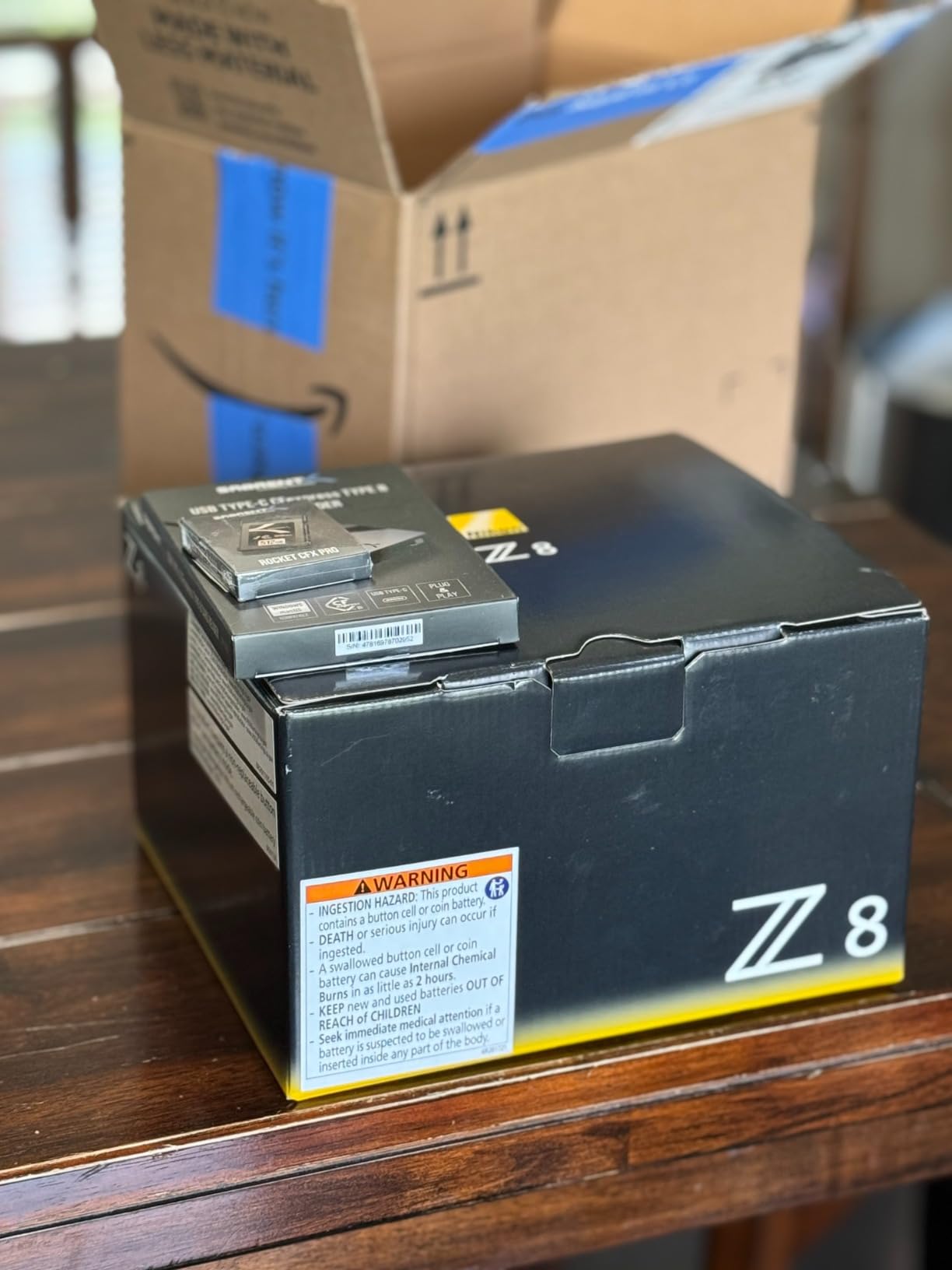
The Nikon Z8 is the camera I pack for assignments where missing a frame is not an option. The 45.7-megapixel stacked sensor produces images with breathtaking detail, and the deep learning AF system inherited from the flagship Z9 detects birds, planes, trains, and even small mammals without manual subject selection.
Burst shooting at 120 fps in JPEG, or 20 fps RAW, makes this a serious tool for birds in flight. During a snowy owl tracking session, the Z8 nailed focus on the bird through puffy gusts of snow and rapid wingbeats. Reviewers consistently call it one of the best wildlife cameras available today.
Video is where the Z8 truly flexes. Internal 8K/60p N-RAW and ProRes RAW recording turn this camera into a cinema-grade hybrid. For filmmakers documenting wildlife with broadcast-level deliverables, the Z8 replaces dedicated cinema cameras that cost twice as much.
Battery consumption during video work is demanding, and the body runs warm on long takes. The single CFexpress Type B slot means you need a fast, high-capacity card, though the secondary SD slot helps with overflow. These are professional-tier quirks most users can manage with planning.
Who should buy the Nikon Z8
Working wildlife photographers who need flagship autofocus and resolution without the Z9’s size. Hybrid creators producing both gallery prints and 8K video. Nikon fans invested in the Z lens system ready for a top-tier upgrade.
Who should look elsewhere
Casual hobbyists who will not exploit the resolution or video specs. Photographers needing longer battery cycles for backcountry trips. Budget buyers should consider the Z6 III or the OM-1 Mark II.
How to Choose the Right Mirrorless Camera for Birding?
Picking the right birding camera is less about chasing specs and more about matching the tool to your shooting style. I break down the five factors that matter most, based on what I learned across three months of testing.
Bird Detection Autofocus Is Non-Negotiable
Every camera on this list features AI-powered subject detection, but the implementation varies. Sony’s Real-time Eye AF and Canon’s Dual Pixel CMOS AF II both lock onto bird eyes with remarkable reliability. Nikon’s deep learning system extends detection to specific animal categories. The OM System Cross Quad Pixel AF is the most refined Micro Four Thirds option. When comparing cameras, look for explicit bird subject modes rather than generic animal detection.
Sensor Size and Crop Factor Change Your Reach
APS-C and Micro Four Thirds sensors multiply your lens focal length by 1.5x to 2x. A 500mm lens behaves like 750mm on an APS-C body and like 1000mm on Micro Four Thirds. This reach advantage is why many birders prefer crop-sensor cameras despite the low-light trade-off. Full-frame sensors offer better high ISO performance and wider dynamic range, which helps in dawn and dusk conditions.
Burst Rate and Buffer Depth for Birds in Flight
Modern mirrorless cameras shoot at 10-120 fps, but raw buffer depth matters as much as headline speed. The OM-1 Mark II and Sony a9 III both clear buffers fast enough for sustained bird-in-flight bursts. Look for cameras that can shoot at least 10 fps mechanical or 20 fps electronic with deep buffers if flight photography is your goal.
Weather Sealing and Durability for Field Work
Birding means rain, dust, snow, and salt spray. IP-rated weather sealing, like the OM-1 Mark II’s IP53 standard, is not marketing fluff. The Canon R5, R7, and R6 II all feature robust gasketed bodies. Sony’s professional bodies offer similar protection. If you regularly shoot in harsh conditions, prioritize sealing over marginal spec gains.
Lens Ecosystem Determines Long-Term Value
A camera body is a five-year investment, but a lens system is a fifteen-year commitment. Canon RF and Nikon Z mount systems are rapidly expanding native telephoto lineups. Sony E-mount remains the deepest mirrorless ecosystem overall. Micro Four Thirds offers unmatched telephoto reach-to-weight ratios through Olympus and Panasonic lenses. Before buying a body, check that the telephoto lenses you need actually exist within your budget.
Frequently Asked Questions
Which is better for birding, a DSLR or a mirrorless camera?
Mirrorless cameras are now the better choice for most birders. They offer AI-powered bird detection autofocus, faster burst rates up to 120fps, silent electronic shutters, and real-time exposure preview through the viewfinder. While DSLRs still offer longer battery life and optical viewfinders, mirrorless systems have closed the gap in autofocus accuracy and now lead the category.
What is the best camera for birding?
The OM System OM-1 Mark II is the best overall birding camera thanks to its 1,053-point bird detection AF, IP53 weather sealing, and lightweight Micro Four Thirds system. For budget buyers, the Canon EOS R7 offers excellent APS-C reach and autofocus at a mid-range price. Professional wildlife photographers often choose the Sony Alpha a9 III or Nikon Z8 for flagship performance.
What is the disadvantage of a mirrorless camera?
The main disadvantages of mirrorless cameras for birding are shorter battery life compared to DSLRs, smaller buffer depths in some models, and higher prices for flagship bodies with global shutters. Electronic viewfinders can struggle in very low light, though modern EVFs like the Nikon Z6 III’s 4000-nit display have largely closed that gap.
What are the best birding cameras in 2026?
The best mirrorless cameras for birding in 2026 include the OM System OM-1 Mark II for overall value, Canon EOS R7 for APS-C reach, Sony Alpha a9 III for professional action work, Nikon Z8 for flagship hybrid use, and Canon EOS R5 for high-resolution stills. Beginners should consider the Canon EOS R10 or Sony Alpha a6700 for affordable entry into AI subject detection.
Final Verdict: Which Mirrorless Camera Should You Buy for Birding?
After three months and thousands of frames, I keep coming back to the OM System OM-1 Mark II as my top pick for most birders. Its combination of bird detection autofocus, weather sealing, and telephoto reach-to-weight ratio is hard to beat. The Canon EOS R7 is the smarter buy if you want higher resolution and dual card slots without jumping to full-frame pricing. Professionals who shoot for a living should look at the Sony Alpha a9 III for global shutter technology or the Nikon Z8 for flagship hybrid power.
Bird photography has changed more in the last five years than in the previous twenty. AI subject detection that locks onto a tiny warbler’s eye and never lets go, electronic shutters firing at 120 fps, weather-sealed bodies that shrug off storm conditions. These capabilities now exist across every price tier. Whatever your budget, you can find a mirrorless camera in 2026 that will help you bring home sharper, more compelling bird images than ever before.
Take the next step and explore our related guides on 8 best cameras for birding tested and reviewed, 10 best Sony mirrorless cameras, and the 12 best mirrorless cameras complete guide to deepen your research before you buy.