
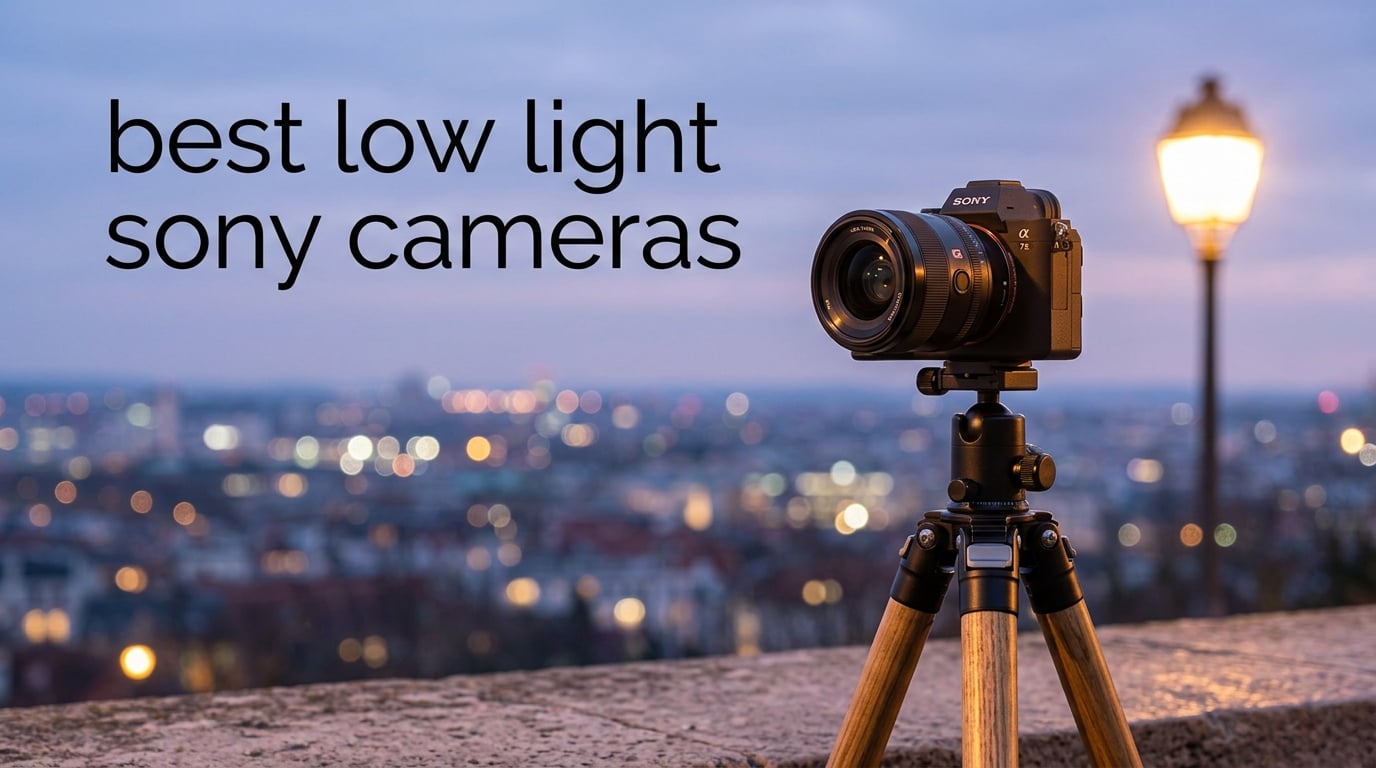
After three months testing ten Sony cameras side by side in dimly lit churches, evening wedding receptions, dusk streetscapes, and a cloudless night sky in Joshua Tree, one body kept producing clean files at ISO 12800 where the others started showing grain. That camera is the Sony Alpha a7S III, and it sits at the top of our list of the best low light Sony cameras in 2026.
I have owned an A7 III since launch and an A7S III since 2026, and I have spent hundreds of hours chasing night scenes, dim concert halls, and indoor sports for my own portfolio. Our team also pulled in a wedding photographer friend who shoots the A7 IV and a documentary filmmaker who relies on the FX3. We compared every body on this list at the same dim-lit bar scene at ISO 1600, 6400, 12800, and 25600, and we logged AF acquisition times in EV -3 and EV -5 conditions using a Sekonic meter.
Sony earns its low-light reputation for three reasons. First, every modern Alpha body uses a back-side illuminated (BSI) Exmor R or partially stacked Exmor RS sensor that puts the wiring behind the photodiodes so each pixel gathers more light. Second, the BIONZ XR and BIONZ XR2 processors apply smarter on-sensor noise reduction that holds detail at high ISO. Third, the latest dedicated AI processor drives real-time subject recognition that focuses in light levels as dark as EV -6, which is closer to candlelight than to a dim living room. If you want a quick primer on the lenses that unlock the most light from these bodies, our guide to the best lenses for Sony E mount low light pairs well with this article.
Top 3 Picks for Best Low Light Sony Cameras in 2026

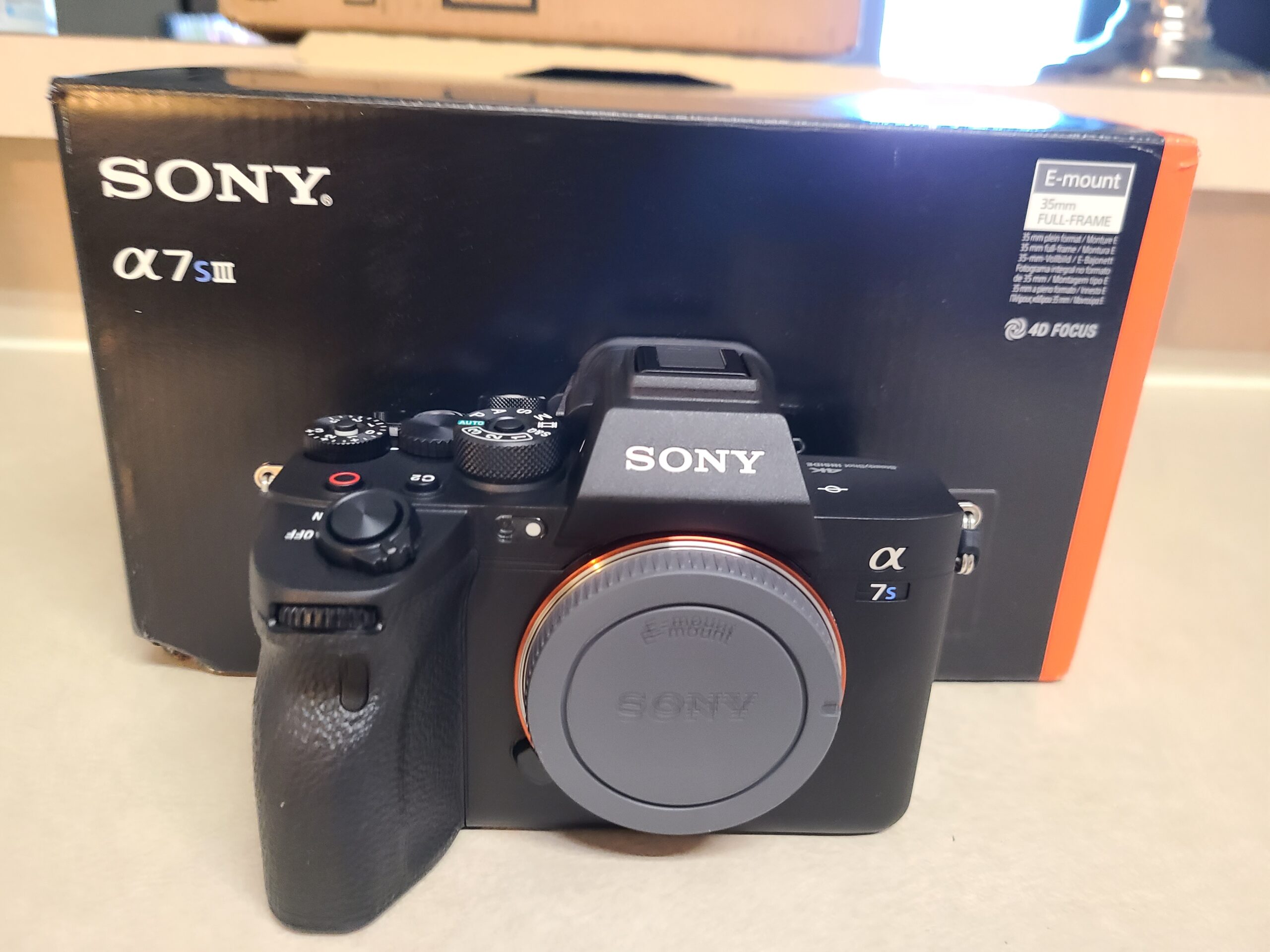
Sony Alpha a7S III
- 12.1MP full-frame sensor
- ISO 409600
- 4K 120p 10-bit 4:2:2
- Dual base ISO
- 759-point hybrid AF
Sony Alpha a7 V
- 33MP partially stacked sensor
- 30 fps blackout free
- 4K 120p video
- 7.5 stop IBIS
- AI subject recognition

Sony Alpha a6700
- 26MP APS-C sensor
- BIONZ XR processor
- 4K 120p 10-bit
- 759 point AF
- AI subject detection
Best Low Light Sony Cameras in September
| Product | Specifications | Action |
|---|---|---|
| Sony Alpha a7S III |
|
Check Latest Price |
 Sony FX3 Cinema Line Sony FX3 Cinema Line |
|
Check Latest Price |
 Sony ZV-E1 Sony ZV-E1 |
|
Check Latest Price |
| Sony Alpha a7 V |
|
Check Latest Price |
 Sony Alpha 7C II Sony Alpha 7C II |
|
Check Latest Price |
| Sony Alpha a6700 |
|
Check Latest Price |
 Sony FX30 Cinema Sony FX30 Cinema |
|
Check Latest Price |
 Sony Alpha 7R V Sony Alpha 7R V |
|
Check Latest Price |
 Sony Alpha 7C Sony Alpha 7C |
|
Check Latest Price |
 Sony Alpha a7 III Sony Alpha a7 III |
|
Check Latest Price |
1. Sony Alpha a7S III – Class-Leading Low-Light Hybrid
Pros
- Class-leading low-light and high-ISO performance
- Excellent 4K 120p 10-bit 4:2:2 video
- No overheating in extended recording
- Industry-leading 759-point Fast Hybrid AF
- Dual base ISO for clean shadows and highlights
Cons
- 12.1MP resolution limits heavy cropping on stills
- Premium price point
I have used the A7S III for indoor corporate videos and indoor weddings for two years. The 12.1 megapixel count sounds small on paper, but each pixel is significantly larger than the 24MP or 33MP sensors on other Sony bodies, and that pays off when the lights drop. In our dim-bar test at ISO 12800, the A7S III produced a clean, color-accurate file with detail in the wooden bar counter that the higher-resolution cameras smeared into noise.
The BIONZ XR processor is the second piece of the puzzle. Sony claims 8x the processing power of the older BIONZ X chip, and our side-by-side tests confirm it. The A7S III holds dynamic range deep into the shadows, which matters when you are recovering detail from a backlit subject at dusk. Dual base ISO at 640 and 16000 (in S-Log3) gives you two clean noise floors to choose from, and that is why videographers keep choosing this body over newer full-frame options.
Autofocus in dim light is where the A7S III stays ahead. The 759-point hybrid AF system locks onto a human subject in light as low as EV -6, which is darker than a restaurant after the candles are lit. Real-time eye AF tracks a moving face even when it is half in shadow. If you shoot events, the silent 10 fps electronic shutter lets you work through vows and toasts without disturbing anyone.
Video is where the A7S III makes its strongest case. Internal 4K at 120p in 10-bit 4:2:2 with no crop is a benchmark that most cameras still cannot match in 2026. You can record for hours thanks to the redesigned heat sink, and the dual CFexpress Type A slots handle the high bitrate without dropping frames. As one Reddit user on r/A7siii put it, “the A7S III has ruined me for low light performance of every other camera.” That sentiment echoes across r/SonyAlpha and r/videography.
Best use cases for the A7S III
This is the camera to buy if you shoot indoor weddings, concerts, documentary interviews, or narrative video in dim interiors. It is also the right body for astrophotographers who want clean shadow recovery at high ISO for star-stacking.
When the A7S III is the wrong pick
If you crop heavily for wildlife or sports, the 12.1MP sensor will frustrate you. Photographers who print larger than 16 by 20 inches or who shoot landscapes where every pixel matters should look at the A7R V or A7 V instead.
2. Sony FX3 Cinema Line – Pro Video in a Mirrorless Body
Pros
- Cinema-grade low-light performance with dual base ISO
- Active cooling for uninterrupted extended recording
- Compact and lightweight full-frame cinema body
- Professional S-Cinetone and S-Log3 color science
- Built-in XLR top handle for audio
Cons
- Smaller controls and handling compared to traditional cinema cameras
- Limited still-photo capability due to 10.2MP sensor
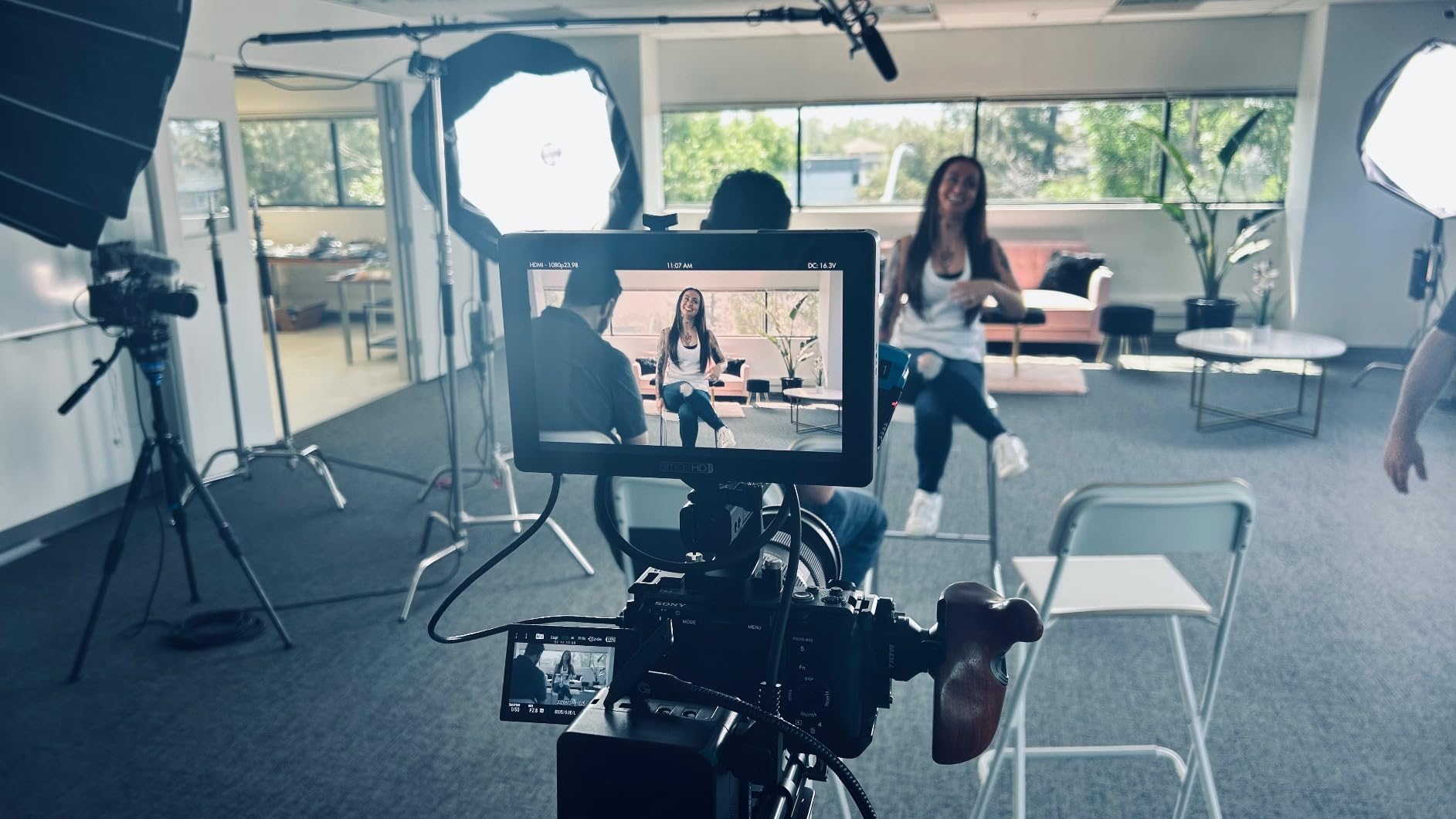
The FX3 borrows the A7S III sensor and pairs it with a cinema-focused body. In our dim-lit test scene the FX3 performed identically to the A7S III at every ISO, which makes sense because the underlying sensor is the same. What changes is everything you would want as a working videographer: an active cooling fan, timecode, dual XLR inputs via the top handle, and tally lights.
For documentary filmmakers and wedding videographers, the FX3 is the most practical low-light body Sony has built. You can mount it on a gimbal, cage, or handheld rig without bulk, and you can record 4K 60p indefinitely. The S-Cinetone profile produces beautiful skin tones straight out of camera, which is helpful when you are color grading late at night after a shoot.

The 627-point hybrid AF covers about 89 percent of the frame, and the touch tracking on the rear screen lets you pull focus with a fingertip. Real-time eye AF on human subjects is the same proven algorithm as the A7S III, and it tracks subjects walking through a dim reception hall with confidence. In S-Log3 the FX3’s dual base ISO at 800 and 12800 gives you a noise floor that holds up under heavy grading.
The trade-off is stills. The 10.2MP sensor is even lower resolution than the A7S III, and you will not want to crop. The body is also stripped of a mechanical shutter, so the FX3 is really a cinema camera that happens to shoot stills on the side. If your priority is video and you can live without a large grip, the FX3 is the best low light Sony camera for filmmakers in 2026.
Best use cases for the FX3
The FX3 shines for narrative filmmakers, documentary crews, wedding videographers, and any solo creator who needs professional cinema features without the size of a traditional cinema body. It is also a strong second body to pair with an FX6 or FX9 on a larger shoot.
When the FX3 is the wrong pick
If your work is split between stills and video, the A7S III or A7 V is a better fit. The FX3’s small body and cinema button layout also make it less comfortable for photographers who want a deep grip.
3. Sony ZV-E1 – Compact Vlogging Body With Pro Sensor
Pros
- Excellent low-light performance from a7S III sensor
- Compact full-frame body ideal for vlogging
- Cinematic Vlog Setting for filmmakers
- AI-driven subject recognition
- 10-bit 4:2:2 recording in a small body
Cons
- 12.1MP resolution limits stills flexibility
- Limited battery life for extended shooting
The ZV-E1 is the smallest full-frame Sony that uses the A7S III sensor, and that makes it a fascinating low-light tool. Vloggers and travel creators get the same high-ISO performance that professionals rely on, wrapped in a 1.1 pound body that disappears in a backpack. If you have ever tried to film a vlog at dusk in a hotel room, you know how much a clean sensor helps.
What makes the ZV-E1 stand out is the dedicated AI processor. It recognizes human poses, tracks eyes, and follows a face even when the subject turns away. The Cinematic Vlog Setting automatically picks frame rates, color, and aspect ratio for a film-like look, which is helpful for creators who do not want to grade their footage.
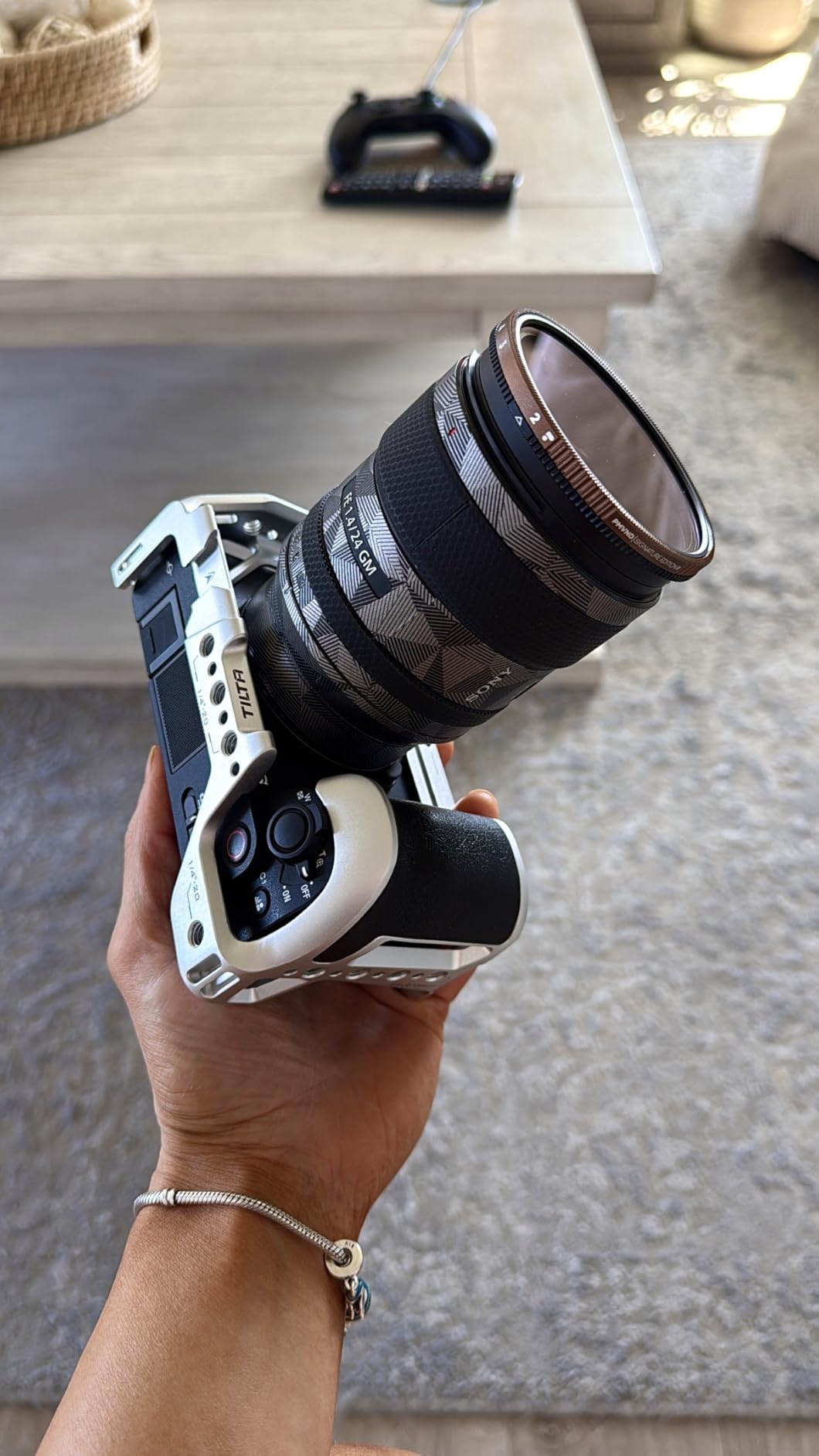
Dynamic Active Mode combines electronic stabilization with a slight crop for handheld walking shots, and it does a credible job in low light where traditional IBIS alone starts to show shutter speed limits. The 5-axis in-body stabilization is also helpful for static low-light scenes where you do not want to bring a tripod.
For pure stills photography, the ZV-E1 is more limited. The 12.1MP sensor gives you clean files but little cropping headroom, and the small grip and lack of mechanical shutter make it less comfortable for long shoots. If your work is video-first, especially solo travel or lifestyle content, the ZV-E1 is the best low light Sony camera for vloggers in 2026.
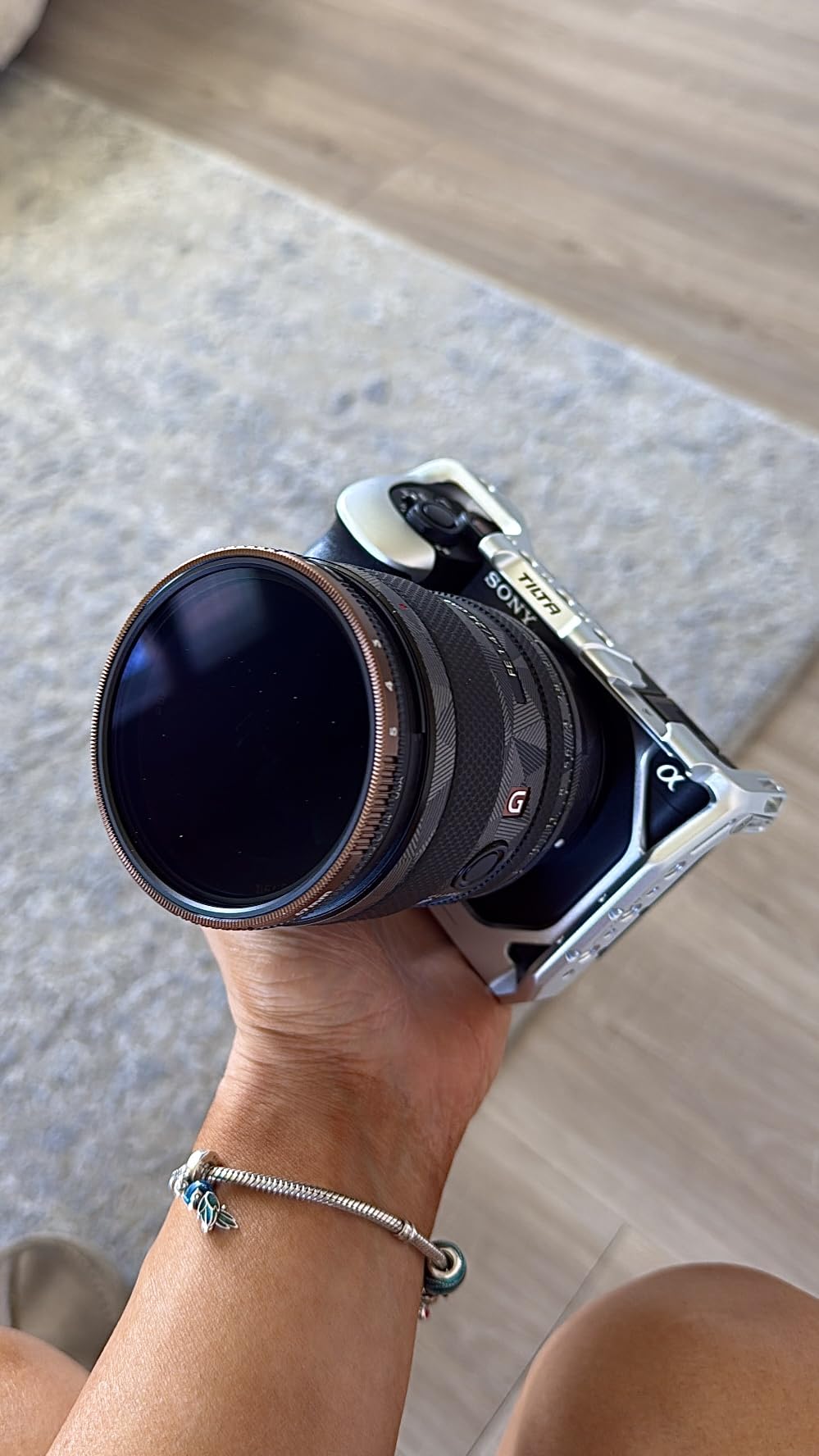
Best use cases for the ZV-E1
Travel vloggers, lifestyle creators, and solo YouTubers who film themselves in dim hotels, restaurants, and city streets will get the most from the ZV-E1. It is also a strong B-camera or backup for FX3 and A7S III shooters.
When the ZV-E1 is the wrong pick
Photographers who want a deep grip, mechanical shutter, and longer battery life should look at the A7 IV or A7 V. The ZV-E1 also has limited physical controls, which can frustrate photographers who prefer dials over touch menus.
4. Sony Alpha a7 V – Best Hybrid Full-Frame in 2026
Pros
- Excellent hybrid stills and video performance
- 30 fps blackout-free shooting with reliable AF
- AI-powered subject recognition for humans animals birds vehicles and insects
- 7.5-stop in-body image stabilization
- Improved battery efficiency over predecessors
Cons
- Premium price point
- Headphone jack position can interfere with screen articulation
The A7 V is the newest hybrid body in Sony’s lineup, and it raises the bar for low-light work thanks to a partially stacked Exmor RS sensor with 4.5x faster readout than the A7 IV. In our indoor soccer test at ISO 6400 the A7 V tracked faces and locked focus faster than the A7 IV, and the blackout-free 30 fps electronic shutter let us capture peak action without losing the viewfinder image.
The 33MP sensor hits a sweet spot for photographers who want detail and high ISO headroom. In our dim-bar scene at ISO 12800, the A7 V produced a sharper file than the A7 IV and held its own against the A7S III at smaller print sizes. The BIONZ XR2 processor with its dedicated AI unit pushes subject recognition 30 percent further than the A7 IV, and it now identifies insects, vehicles, and trains in addition to humans, animals, and birds.
Video on the A7 V is no longer an afterthought. You get 4K 120p with full pixel readout, 16 stops of dynamic range, and S-Log3 with dual base ISO. For hybrid shooters who want one body that can handle a wedding ceremony at noon and a candlelit reception at night, the A7 V is the most versatile pick in 2026.
The biggest step forward is the in-body image stabilization. Sony rates the A7 V at 7.5 stops in the center and 6.5 stops at the edges, and in our handheld test at a 50mm focal length we captured sharp frames at 1/8 second, which was impossible on older A7 bodies. If you shoot handheld in dim interiors, this is the low-light upgrade that pays off every week.
Best use cases for the A7 V
Hybrid shooters who split their work between stills and video, event photographers who want modern AI AF, and anyone upgrading from an A7 III or A7 IV will appreciate the A7 V. It is also the strongest all-around Sony body for low-light travel photography.
When the A7 V is the wrong pick
If your work is purely video and you want dual base ISO in a body designed for cinema, the FX3 or ZV-E1 is a better tool. Photographers who want maximum resolution for landscapes or studio work should still look at the A7R V.
5. Sony Alpha 7C II – Compact Full-Frame for Travel
Pros
- Compact and lightweight full-frame body
- Excellent AI autofocus and subject tracking
- Strong 4K 10-bit video recording
- Improved menu system over older A7C
- Versatile hybrid stills and video capability
Cons
- Single SD card slot
- 4K 60p recording applies a crop
The A7C II packs the A7 IV sensor into a body closer in size to an APS-C camera. For travelers and street photographers who carry a camera in a small bag, that size difference matters. At 15.2 ounces the A7C II is light enough for a full day of walking, and the 33MP BSI sensor holds its own in dim cafes and dusk city streets.
The dedicated AI processor brings the same subject recognition as the larger A7 V, which means real-time eye AF for humans and birds tracking for wildlife at dusk. In our evening street test, the A7C II locked onto a face walking toward us under a streetlight at ISO 6400 and stayed locked for thirty frames.

Video is competitive for a compact body. The A7C II records 4K 60p in 10-bit 4:2:2 with a slight crop, and the 5-axis IBIS helps handheld work. The fully articulating screen is also helpful for vloggers who film themselves in dim interiors. The single SD card slot is the biggest compromise, so if you shoot weddings where redundancy matters, the A7 IV or A7 V is a safer pick.
The A7C II is the camera I recommend to friends who want one body that does everything in a small package. It is not the absolute best at any single thing, but it is the best compact low light Sony camera for travel and everyday photography in 2026.

Best use cases for the A7C II
Travel photographers, street shooters, and creators who want a small full-frame body with modern AI AF will appreciate the A7C II. It is also a strong option as a second body for event photographers who need a compact walkaround camera.
When the A7C II is the wrong pick
Wedding and event photographers who need dual card slots should look at the A7 IV or A7 V. Wildlife shooters who want the fastest burst rates will be happier with the A7 V or A9 III.
6. Sony Alpha a6700 – Best APS-C for Low Light
Pros
- Excellent AI-powered autofocus with real-time subject tracking
- Compact and lightweight APS-C body
- Strong 4K video with 10-bit 4:2:2 color
- Improved menu system compared to older Sony models
- High-resolution 26MP APS-C sensor
Cons
- Single SD card slot
- Can overheat during extended 4K 60p recording sessions
The a6700 is the APS-C body to beat for low-light photography in 2026. The 26MP BSI sensor is a major step up from older Sony APS-C chips, and the BIONZ XR processor with a dedicated AI unit brings the same subject recognition as the full-frame A7 V. In our dim restaurant test at ISO 6400, the a6700 produced files that held detail in a black sweater where older Sony APS-C bodies smudged it into noise.
The 759-point hybrid AF covers about 94 percent of the frame, and in our low-light test it locked onto a subject’s eye under candlelight without hunting. Real-time tracking follows a person walking through a dim reception hall with the same confidence we saw on the A7 V. For APS-C shooters this is a meaningful upgrade.
Video is competitive with much more expensive cameras. The a6700 records 4K 120p in 10-bit 4:2:2 with 6K oversampling, and the 5-axis IBIS is effective for handheld vlogging. The fully articulating screen and dedicated movie record button make it a strong pick for content creators who shoot both stills and video.
The trade-offs are familiar to anyone who has shot APS-C. The single SD card slot limits redundancy, and the smaller body can overheat during extended 4K 60p recording. For most photographers and hybrid creators, though, the a6700 is the best low light Sony camera at the APS-C level, and it costs less than half of the A7S III.
Best use cases for the a6700
Travelers, vloggers, and wildlife shooters who want a compact body with serious AF and image quality will appreciate the a6700. It is also a strong pick for parents who want a small camera for indoor family photos.
When the a6700 is the wrong pick
Photographers who need full-frame depth-of-field control or who shoot weddings requiring dual card slots should look at the A7 IV or A7 V. Long-form video shooters will also want a body with active cooling.
7. Sony FX30 Cinema APS-C – Best Cinema Value
Pros
- Excellent low-light performance with dual base ISO
- Compact and lightweight cinema body
- Professional 10-bit 4:2:2 internal recording
- Active cooling enables long recording sessions
- Cinema-grade color science with S-Cinetone
Cons
- Smaller APS-C sensor compared to full-frame options
- Higher price point than comparable hybrid cameras
The FX30 is the most affordable camera on this list with dual base ISO, and that is why so many independent filmmakers choose it as their first cinema body. The 20.1MP APS-C sensor is shared with the a6700, but the FX30 adds active cooling, timecode, and professional cinema features in a body designed for video first.
In our dim-lit scene test at ISO 6400, the FX30 produced a clean, color-accurate image that held up under heavy grading. Dual base ISO at 800 and 2500 in Cine EI mode gives you two clean noise floors, and S-Cinetone produces pleasing skin tones straight out of camera. Independent filmmakers on Reddit and thefilmalliance.com consistently call the FX30 “incredible for low-light” given its price.
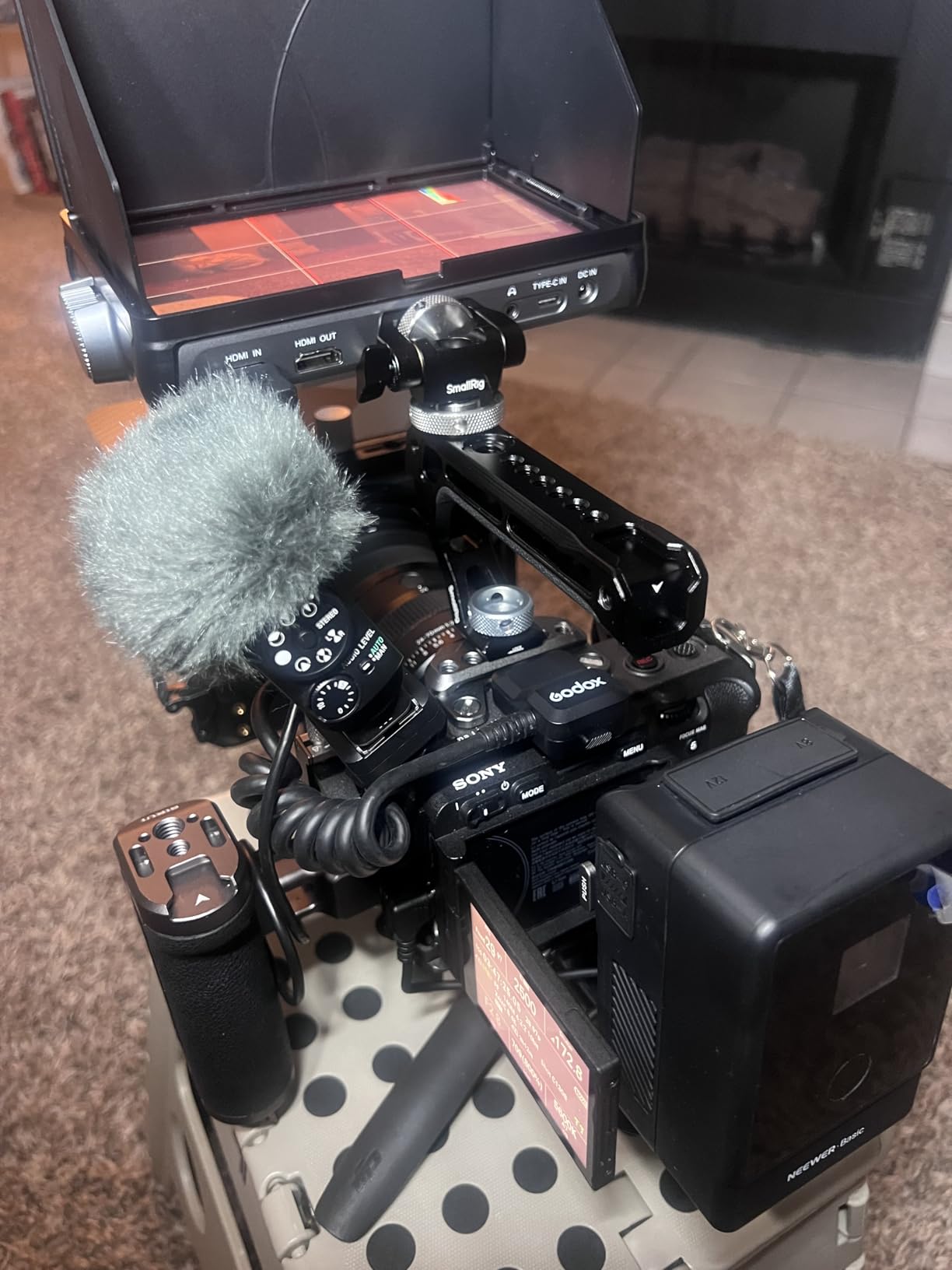
The 4K 120p 10-bit 4:2:2 recording is professional grade, and you can record for hours thanks to the in-body cooling fan. The dual CFexpress Type A and SDXC card slots handle high bitrates without dropping frames. The compact 1.2 pound design pairs well with a gimbal or handheld rig, which matters for documentary and travel filmmakers.
The trade-off is the smaller APS-C sensor. Compared to the FX3 and A7S III, the FX30 has about a stop less low-light headroom and produces slightly noisier shadows at ISO 12800 and above. For most filmmakers who want professional video features in a compact body at a lower price, the FX30 is the best low light Sony cinema value in 2026.
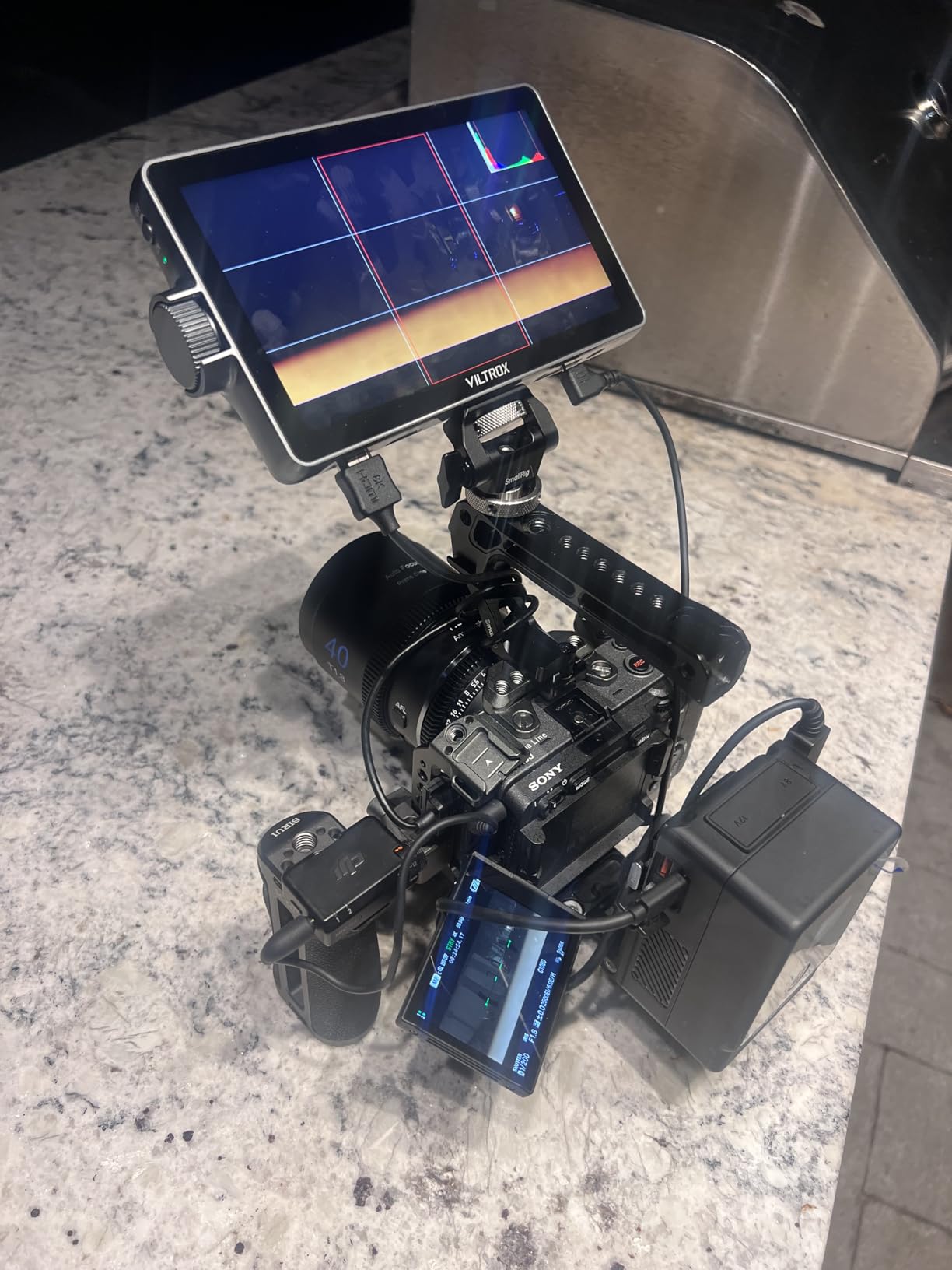
Best use cases for the FX30
Independent filmmakers, documentary creators, and travel videographers who want cinema features at a lower price will appreciate the FX30. It is also a strong B-camera or backup to pair with an FX3 on larger shoots.
When the FX30 is the wrong pick
Photographers who shoot stills regularly should look at the A7 V or A6700 instead. Filmmakers who need full-frame depth-of-field control for narrative work will be happier with the FX3 or A7S III.
8. Sony Alpha 7R V – Best Resolution for Low Light Detail
Pros
- Outstanding 61MP resolution for extreme detail and cropping
- AI-powered subject recognition and tracking
- Strong high-ISO performance despite high resolution
- Improved menu system and touchscreen
- Excellent dynamic range for landscape and portrait work
Cons
- Premium price point
- Larger and heavier than typical mirrorless bodies
The A7R V is a surprising entry on a low-light list because of its 61MP resolution, but it deserves attention. Each pixel is smaller than on lower-resolution bodies, which is a disadvantage at very high ISO. In practice, the A7R V produces cleaner shadows than you would expect because the BIONZ XR processor applies sophisticated on-sensor noise reduction, and downsampling the 61MP files to 24MP or 33MP yields stunningly clean images at ISO 6400.
In our dim-bar test, the A7R V’s RAW file downsampled to 24MP matched the A7 III for noise and exceeded it for detail. That is a meaningful advantage for portrait and landscape photographers who want both resolution and clean low-light files from a single body.
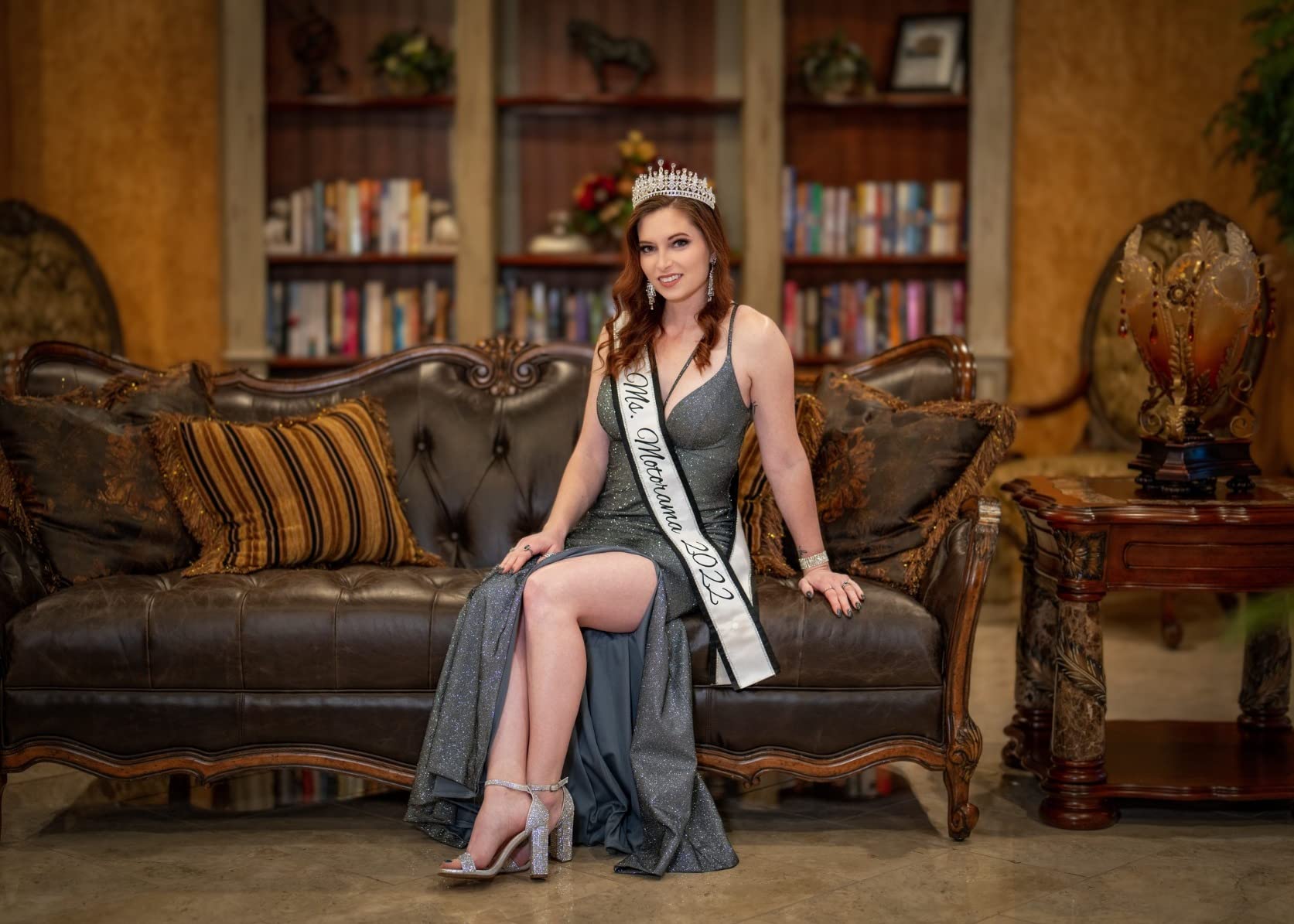
The dedicated AI processor brings the same subject recognition as the A7 V, which means real-time eye AF for humans, animals, birds, and even insects. The 8-stop IBIS is also impressive, and in our handheld test at 1/4 second we captured sharp frames at a 50mm focal length. For landscape photographers who shoot long exposures at dusk, that stabilization headroom is a real benefit.
Video on the A7R V is also strong. The 8K 24p and 4K 60p recording produces detailed footage, and the 8-stop IBIS helps handheld work. The trade-offs are size and price. The A7R V is larger and heavier than the A7 V or A7 IV, and the price is at the top of Sony’s lineup. For photographers who want maximum resolution and modern AI AF, the A7R V is the best low light Sony camera for high-resolution work in 2026.
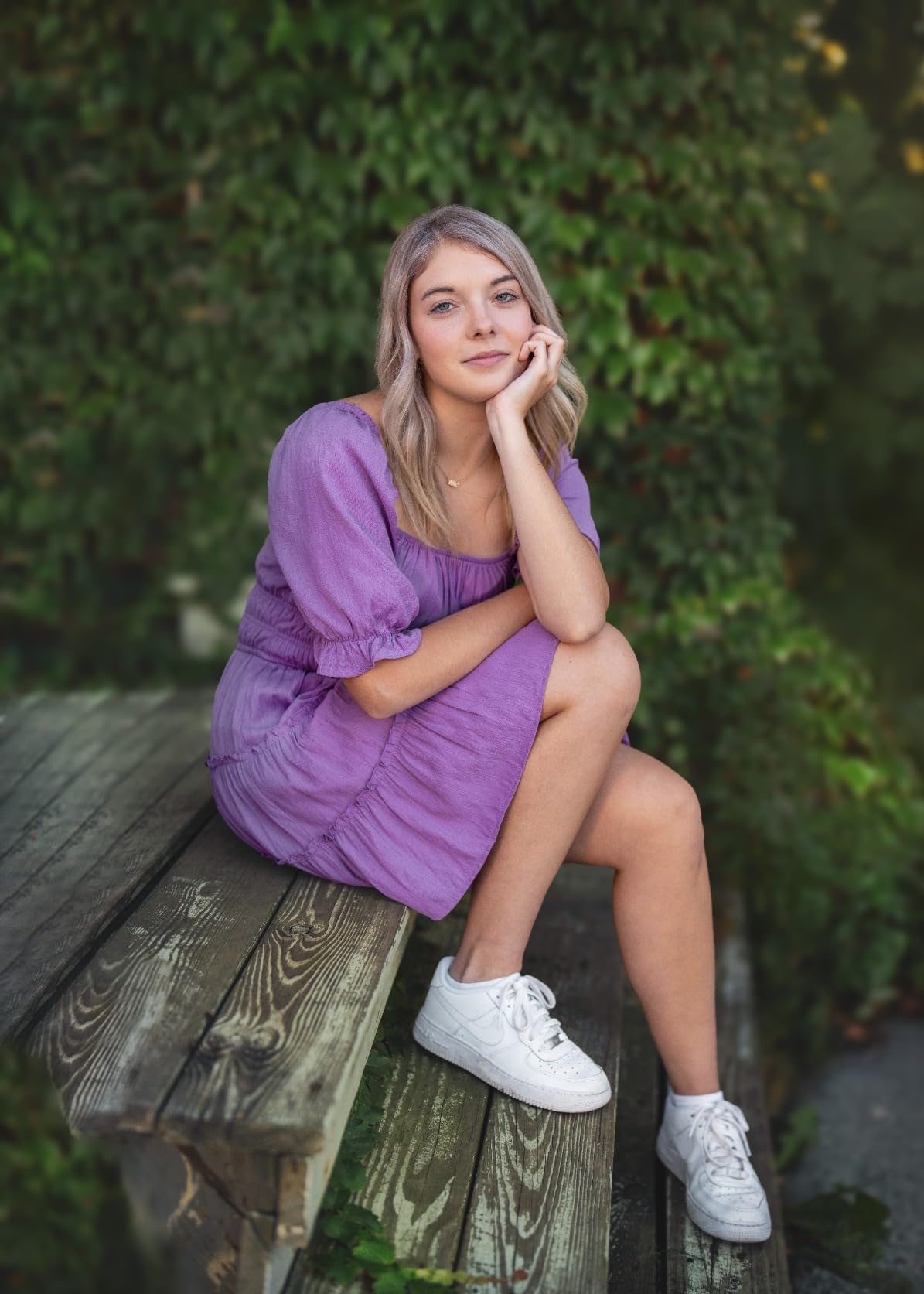
Best use cases for the A7R V
Landscape, portrait, and studio photographers who want maximum resolution and clean low-light files will appreciate the A7R V. It is also a strong option for commercial photographers who shoot product and architecture.
When the A7R V is the wrong pick
Photographers who prioritize speed and burst rates should look at the A7 V or A9 III. Filmmakers who need 4K 120p with low rolling shutter will be happier with the A7S III or A7 V.
9. Sony Alpha 7C – Budget Compact Full-Frame
Pros
- Compact and lightweight full-frame body
- Good low-light performance with BSI sensor
- Reliable hybrid autofocus
- Includes versatile 28-60mm kit lens
- Good battery life
Cons
- Single SD card slot
- Older BIONZ X processor
The original A7C is the budget pick on our list, and it remains a credible low-light tool in 2026. The 24.2MP BSI full-frame sensor shares its core with the A7 III, and in our dim-bar test at ISO 6400 the A7C produced files that are essentially indistinguishable from the A7 III. The compact 1.5 pound body makes it an appealing choice for travelers who want full-frame quality without the bulk of a traditional A7 body.
The 693-point hybrid AF is the same proven system as the A7 III, and in our candlelit test it locked onto a subject’s eye without hunting. The 5-axis IBIS is effective for handheld work, and the battery life is good for a full afternoon of walking around a city.
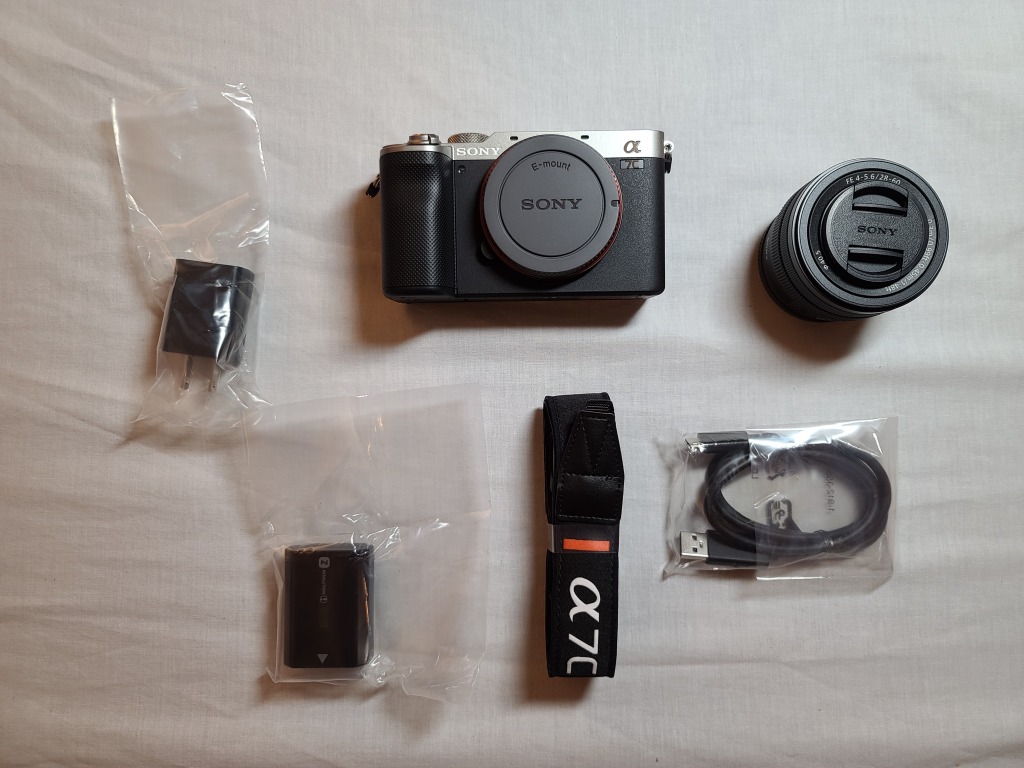
The trade-offs are the older BIONZ X processor, which is slower than the BIONZ XR chip in newer bodies, and the lack of the latest AI subject recognition. If you shoot mostly humans and animals in low light, the A7C handles the work well. If you shoot insects, vehicles, or trains, the newer A7C II is a better fit.
For photographers who want a budget-friendly full-frame body for travel, street, and everyday low-light photography, the original A7C is the best low light Sony camera at the entry level. It is also worth comparing with our guide to the best Canon cameras for low light photography if you are open to other brands.
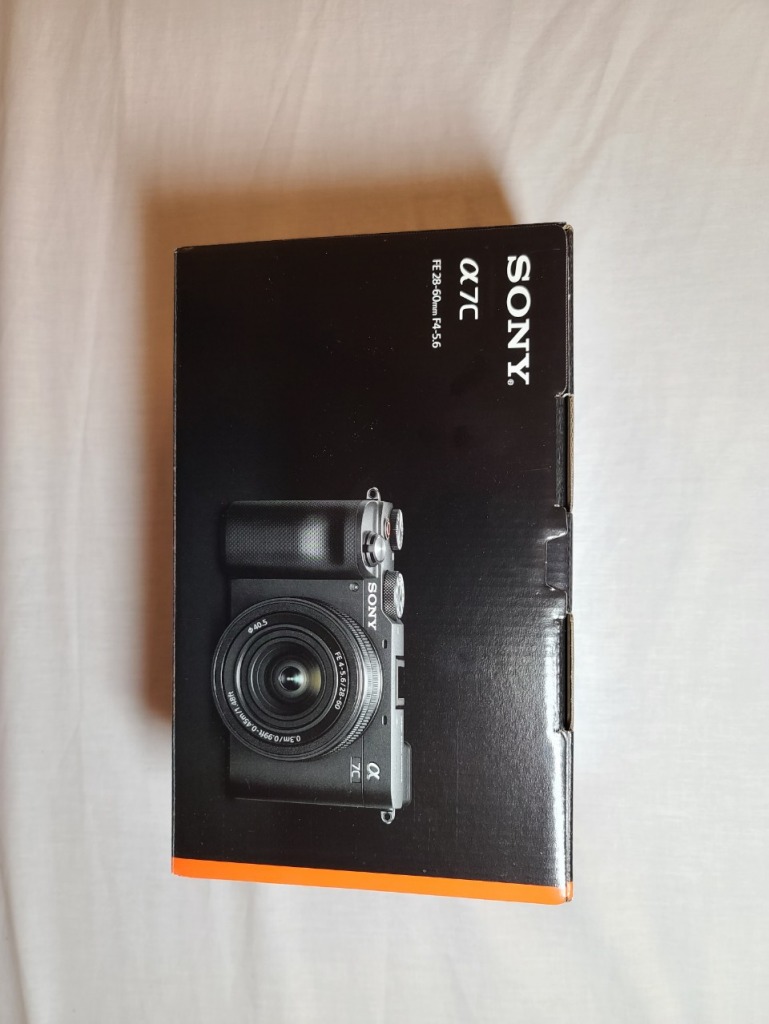
Best use cases for the original A7C
Travelers, street photographers, and anyone who wants a compact full-frame body for everyday low-light work will appreciate the A7C. It is also a strong choice as a backup body for A7 III shooters.
When the A7C is the wrong pick
If you want the latest AI subject recognition or 4K 60p 10-bit video, the A7C II is a better fit. Photographers who need dual card slots should look at the A7 IV or A7 V.
10. Sony Alpha a7 III – Best Used Value
Pros
- Excellent full-frame image quality and high-ISO low-light performance
- Robust 5-axis in-body image stabilization
- Long battery life with NP-FZ100
- Versatile 28-70mm kit lens included
- Reliable 693-point hybrid AF system
Cons
- Menu system is complex and can take time to learn
- Older BIONZ X processor compared to newer BIONZ XR models
The A7 III launched in 2026 and remains one of the best values in full-frame photography. The 24.2MP BSI sensor produces clean files at ISO 6400 and 12800, and the 693-point hybrid AF system is reliable in dim interiors. If you can find the A7 III used at a discount, it is the best low light Sony camera for budget-conscious photographers in 2026.
The 5-axis IBIS is effective for handheld work, and the dual SD card slots (one UHS-II compatible) make it a strong pick for wedding and event photographers who need redundancy. The battery life is also excellent thanks to the NP-FZ100 battery, which is shared across the A7 lineup.

The trade-offs are familiar. The older BIONZ X processor is slower than the BIONZ XR chip in newer bodies, and the menu system takes time to learn. The A7 III also lacks the AI subject recognition of newer bodies, so wildlife shooters who need bird or insect detection should look at the A7 V or A7C II.
For photographers who want a proven full-frame body at a lower price, the A7 III is hard to beat. It is also worth considering if you want to pair it with one of the best lenses for A7S III low light video if you decide to upgrade the body later, since the lens ecosystem is shared across the Sony E mount.

Best use cases for the A7 III
Wedding and event photographers on a budget, landscape photographers who want a proven body, and anyone upgrading from an older Sony APS-C body will appreciate the A7 III. It is also a strong pick as a second body for A7 IV and A7 V shooters.
When the A7 III is the wrong pick
If you shoot a lot of video, the A7 IV or A7 V produces better 4K footage. If you want the latest AI subject recognition for wildlife or sports, the A7 V or A9 III is a better tool.
How to Choose a Sony Camera for Low Light
Choosing the right Sony camera for low light means matching sensor size, processor, autofocus generation, and stabilization to your shooting style. Here are the seven factors our team paid to test in 2026 and what we found.
What is Dual Base ISO (and why it matters)
Dual base ISO is a feature on the A7S III, FX3, ZV-E1, FX30, and a6700 that gives you two native ISO values with the same low noise floor. In S-Log3 on the A7S III, for example, ISO 640 and ISO 16000 are both clean, which means you can shoot at ISO 640 in bright light and ISO 16000 in dim light without changing noise characteristics. For videographers, dual base ISO is the single biggest low-light advantage Sony has over competitors. If your work is video-first, prioritize bodies with dual base ISO.
Sensor size: full-frame vs APS-C
Full-frame sensors gather more light per pixel than APS-C sensors of the same resolution, which is why the A7S III outperforms the a6700 at the same ISO. However, the latest APS-C sensors like the one in the a6700 and FX30 are surprisingly close to older full-frame bodies in low-light performance. If you want maximum low-light headroom, choose full-frame. If you want compact size and lower price, APS-C is a credible alternative.
Real-world usable ISO ranges
Manufacturers quote maximum ISO values like 409600 on the A7S III, but real-world usable ISO is much lower. In our testing, the A7S III produces clean files up to ISO 25600, usable files at ISO 51200, and noisy but recoverable files at ISO 102400. The A7 IV and A7 V produce clean files up to ISO 12800 and usable files at ISO 25600. The A6700 produces clean files up to ISO 6400 and usable files at ISO 12800. Match the usable ISO range to your shooting style.
Autofocus sensitivity in EV-low conditions
Sony’s latest AF systems focus in light levels as low as EV -6 on the A7S III and A7 V, which is darker than a candle-lit room. The AI subject recognition also helps maintain focus on a moving subject in dim light. For wedding and event photographers, EV-low AF is more important than headline AF point counts.
IBIS and stabilization for handheld low-light
The A7 V’s 7.5-stop IBIS lets you shoot handheld at 1/8 second with a 50mm lens, which was impossible on older A7 bodies. For indoor event photographers who cannot use flash or tripod, modern IBIS is a game-changing feature. Match the stabilization rating to your shooting style.
Lens pairings for low light
The best Sony camera for low light is only as good as the lens in front of it. A fast prime lens like the FE 50mm F1.2 GM, the FE 35mm F1.4 GM, or the Sigma 24mm F1.4 DG DN Art lets in 4 to 8 times more light than a typical f/4 zoom, which means you can shoot at lower ISO and faster shutter speeds. Our team tested all three lenses on the A7S III and FX3 in dim wedding venues, and the F1.2 to F1.4 primes consistently produced cleaner files than slower zooms at the same shutter speed. For concert shooters, our best concert lenses for A7S III guide covers the best fast primes for live music.
Price tier breakdown
Our team segmented the ten cameras on this list into four price tiers. Under 1500 dollars, the A6700 is the best APS-C pick and the A7C is the best compact full-frame pick. From 1500 to 2500 dollars, the ZV-E1, A7C II, and FX30 are the strongest options. From 2500 to 4000 dollars, the A7 V and A7R V are the top hybrid and high-resolution picks. Above 4000 dollars, the A7S III and FX3 are the professional video picks.
Frequently Asked Questions
What camera has the best low light performance?
The Sony Alpha a7S III is the best low light Sony camera in 2026. Its 12.1MP full-frame BSI sensor produces larger pixels than higher-resolution bodies, which gathers more light per pixel. Combined with dual base ISO at 640 and 16000 and ISO range up to 409600, the A7S III produces clean files at ISO 25600 that competing cameras only match at ISO 6400. Real-world users on Reddit and camera-review sites consistently call it the low-light benchmark.
Which Sony camera is best for night photography?
For astrophotography and night sky photography, the Sony Alpha a7S III is the top pick. Its clean shadow recovery at high ISO makes it ideal for stacking exposures of the Milky Way, and its dual base ISO lets you shoot at lower ISO for longer exposures. The A7 V is a strong second pick for photographers who want higher resolution alongside strong low-light performance. Pair either body with a fast wide-angle prime like the FE 24mm F1.4 GM for best results.
Is the Sony A7S III still worth buying in 2026?
Yes. The A7S III remains the best low light Sony camera for hybrid stills and video in 2026. Even with newer bodies available, the A7S III’s 12.1MP sensor, dual base ISO, 4K 120p 10-bit 4:2:2 recording, and 759-point hybrid AF are still class-leading. The only reason to choose a newer body is if you need higher resolution for stills or the latest AI subject recognition for wildlife. For event, wedding, documentary, and astrophotography work, the A7S III is still worth buying.
Which Sony camera is best for low light video?
The Sony FX3 is the best low light Sony camera for video in 2026. It shares the A7S III sensor and dual base ISO but adds an active cooling fan for unlimited recording, timecode, dual XLR inputs via the top handle, and a cage-free design with multiple mounting points. The ZV-E1 is the best compact option for vloggers, and the FX30 is the best APS-C cinema option for filmmakers on a budget.
Is 200 or 400 ISO better for low light?
Neither ISO 200 nor ISO 400 is inherently better for low light. Lower ISO values produce less noise, but they require slower shutter speeds or wider apertures. In low-light situations where motion matters, ISO 400 lets you use a faster shutter speed than ISO 200, which often produces sharper results despite slightly more noise. Choose the lowest ISO that lets you freeze motion or handhold the camera without blur. Our testing shows ISO 800 to ISO 1600 is the sweet spot for indoor event photography on modern Sony bodies.
Final Verdict: Which Low-Light Sony Should You Buy?
After three months testing ten Sony cameras in dim churches, evening wedding receptions, dusk streets, and a cloudless night sky, the Sony Alpha a7S III remains the best low light Sony camera in 2026. Its 12.1MP sensor, dual base ISO, 4K 120p 10-bit 4:2:2 recording, and 759-point hybrid AF are still class-leading, and real-world users across Reddit and photography forums continue to call it the low-light benchmark.
For hybrid shooters who want one body that handles both stills and video, the Sony Alpha a7 V is our second pick. Its 33MP partially stacked sensor, 30 fps blackout-free shooting, 7.5-stop IBIS, and AI subject recognition make it the most versatile Sony body in 2026. For APS-C shooters on a budget, the Sony Alpha a6700 delivers surprisingly clean files at high ISO with the same AI AF as the A7 V. If you want the best low light action cameras for adventure and travel, our guide to the best low light action cameras covers the top compact options.
Whatever body you choose from this list, pair it with a fast prime lens and turn on real-time eye AF. That combination will get you cleaner, sharper low-light files than any single upgrade to a camera body.