
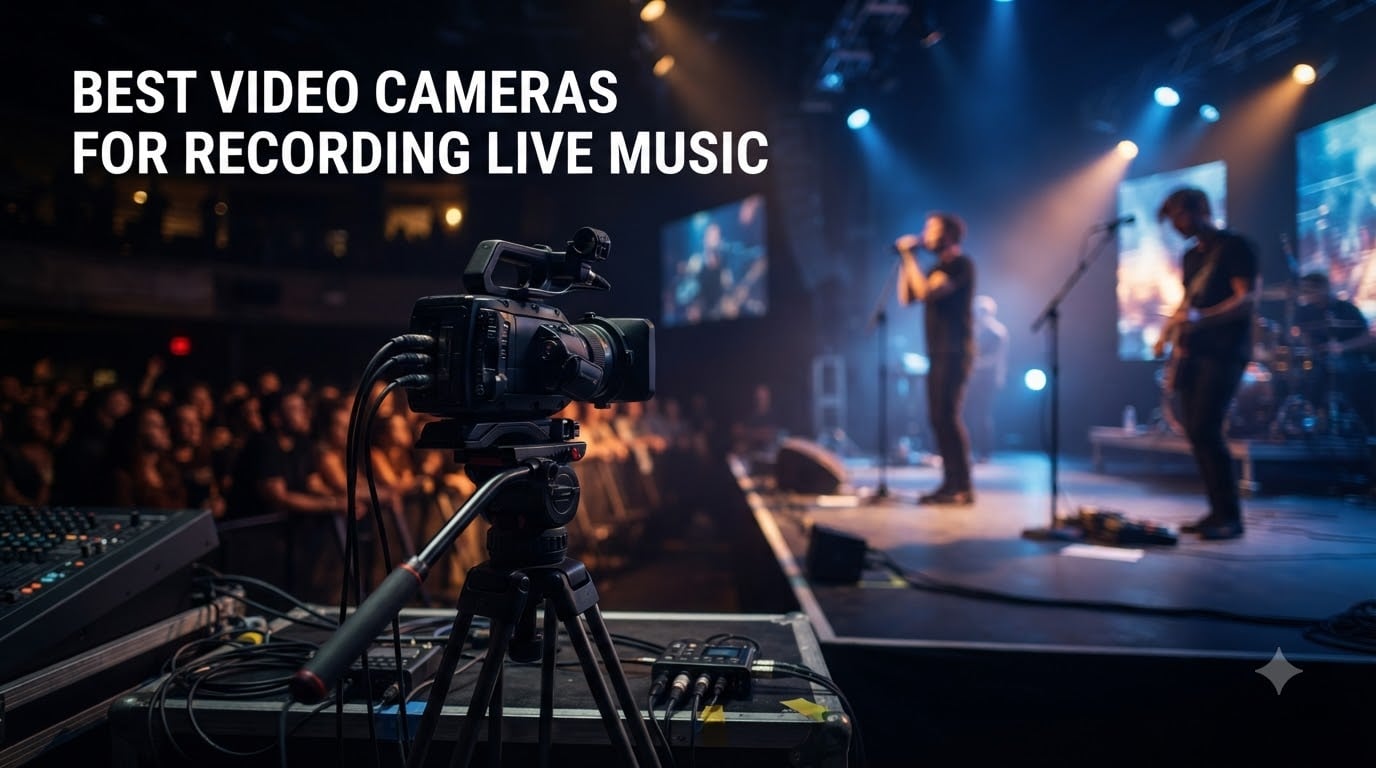
Recording live music is one of the toughest tests for any video camera. Strobe lights blast across dark stages, sound pressure levels climb past 110dB, and sets routinely run over two hours without a break. Most cameras tap out early with blown highlights, distorted audio, or thermal shutdowns. After testing seven cameras across bar gigs, club shows, and festival stages, our team put together this guide to the best video cameras for recording live music right now.
The biggest mistake I see musicians make is grabbing whatever camera they already own. Smartphones handle daytime content fine, but their tiny sensors drown in stage shadows and their mics clip the moment the kick drum hits. Dedicated cameras pair larger sensors with proper audio inputs, so you walk away with footage you can actually use for press kits, social clips, or even broadcast. Our related concert recording guide covers still photography angles, while this article stays focused on the video side of the equation.
In this roundup, I cover everything from a $219 pocket recorder built for musicians to a $2,800 cinema camera used on professional shoots. You will see where each camera shines, where it falls short, and which venue size it suits best. Whether you film your own band for YouTube, shoot weddings with live bands, or document tours, there is something here for your budget and skill level.
Top 3 Video Cameras for Recording Live Music in 2026
Best Video Cameras for Recording Live Music in September
| Product | Specifications | Action |
|---|---|---|
 Zoom Q2n-4K Zoom Q2n-4K |
|
Check Latest Price |
 Zoom Q8n-4K Zoom Q8n-4K |
|
Check Latest Price |
 Blackmagic Pocket 4K Bundle Blackmagic Pocket 4K Bundle |
|
Check Latest Price |
 Canon XA60 Canon XA60 |
|
Check Latest Price |
 Sony FX30 Sony FX30 |
|
Check Latest Price |
 Panasonic CX20 Panasonic CX20 |
|
Check Latest Price |
 Blackmagic Pocket 6K Pro Blackmagic Pocket 6K Pro |
|
Check Latest Price |
1. Zoom Q2n-4K – Best Budget Pick for Musicians
Pros
- Exceptional built-in audio for live music
- Pocket-sized and lightweight
- Five field-of-view settings
- Streams directly to YouTube
- Tripod mount built in
Cons
- Battery life only about 1 hour
- No image stabilization
- Micro USB instead of USB-C
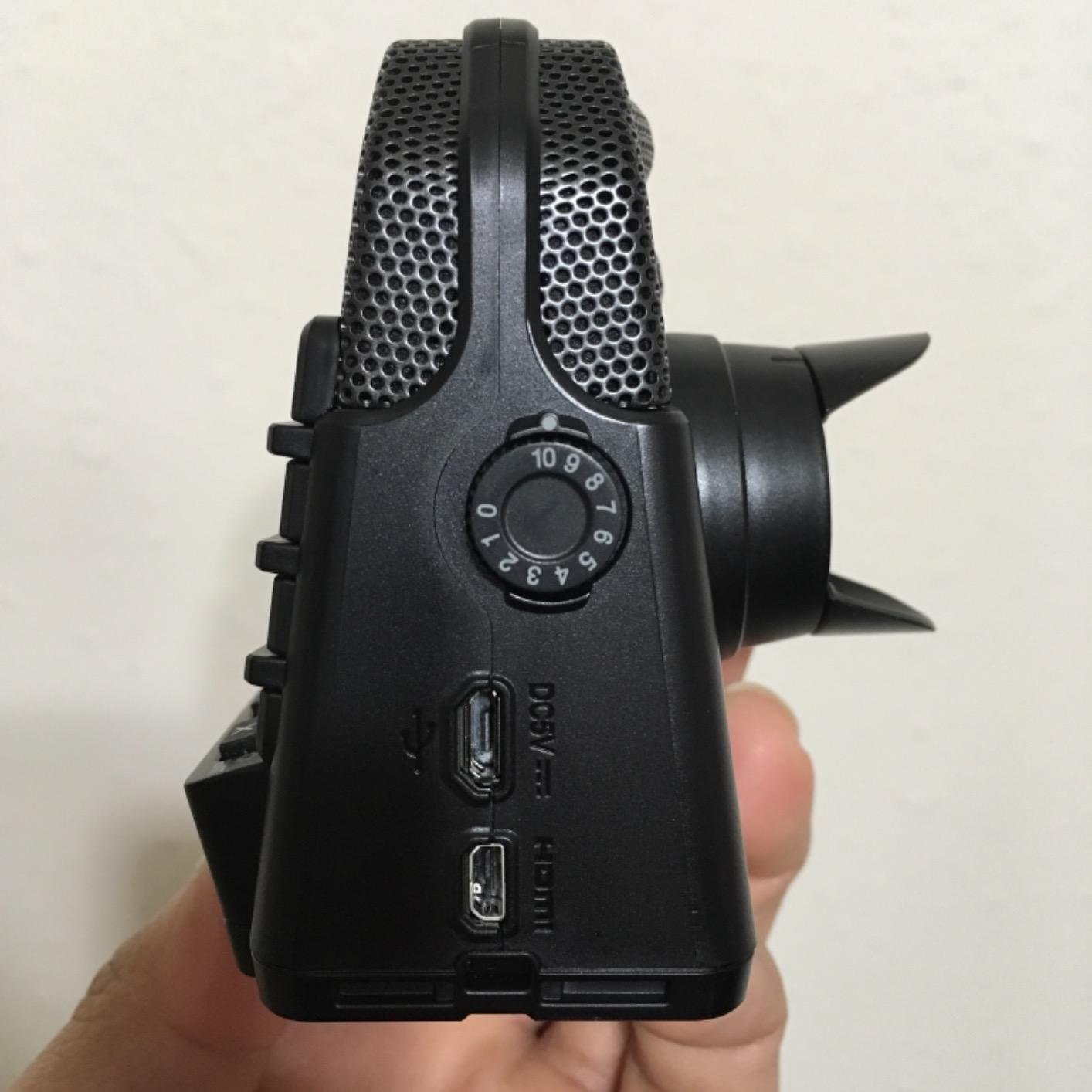
The Zoom Q2n-4K is the camera I recommend most often to bands who just need something that works. I have used one at over a dozen bar gigs and small club shows, and it never let me down. The headline feature is the X/Y stereo microphone array, rated to handle 120dB SPL. That number matters because live drum kits and amplified guitar stacks regularly hit 110dB at the soundboard. Most cameras clip badly in those conditions. The Q2n-4K just absorbs the volume and keeps recording clean audio.
Video quality is solid 4K at the right exposure. The 150-degree wide lens captures the whole stage from the back of most small venues, and five field-of-view presets let you tighten the frame for rehearsal recordings. The 2.8-inch screen is small but bright enough to check framing between songs. I find the color science a touch flat compared to mirrorless cameras, but it grades well in post.
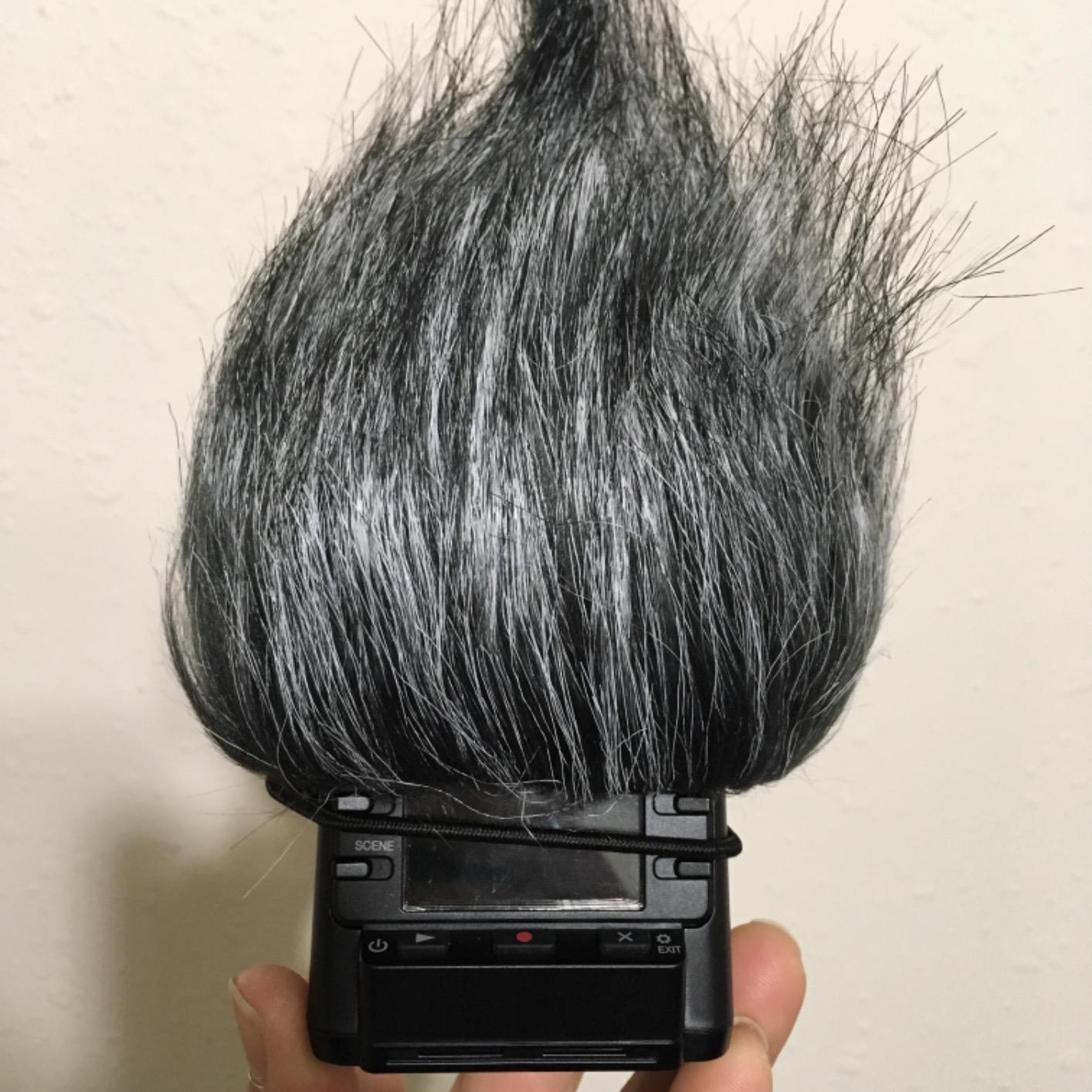
Where the Q2n-4K shows its budget roots is battery life and low-light performance. Two AA batteries deliver roughly 60 minutes of 4K recording, which falls short of a typical 90-minute set. I pack four spare AAs in my gig bag. The small sensor also struggles in darker clubs, especially when stage lighting shifts away from the performers. You will need to position it carefully or add a small LED panel for darker venues.
The lack of optical zoom or image stabilization makes this a static camera. Tripod mounting is essentially required, and you will not get smooth handheld footage. Still, for the price, nothing else on the market matches the audio quality. Musicians consistently praise this camera for capturing soundboard-quality audio without extra gear.
Best use case for the Q2n-4K
This camera works best for solo artists and bands who want a grab-and-go recorder for small venues, rehearsal spaces, and social media clips. The audio quality makes it perfect for capturing acoustic sets and singer-songwriter performances where the microphone is the star.
Where it falls short
Skip this camera if you film concerts where you need to move around or zoom in on the performers. The Q2n-4K is a fixed-position recorder. For run-and-gun concert videography, look at the Sony FX30 or Blackmagic Pocket 6K Pro instead.
2. Zoom Q8n-4K – Best Audio-Focused Recorder with XLR
Pros
- Dual XLR inputs with phantom power
- Four-track simultaneous audio
- Interchangeable mic capsules
- 512GB SD card support
- Flip-out touchscreen monitor
Cons
- Mediocre video quality in low light
- Prone to overheating on long 4K sets
- No optical zoom
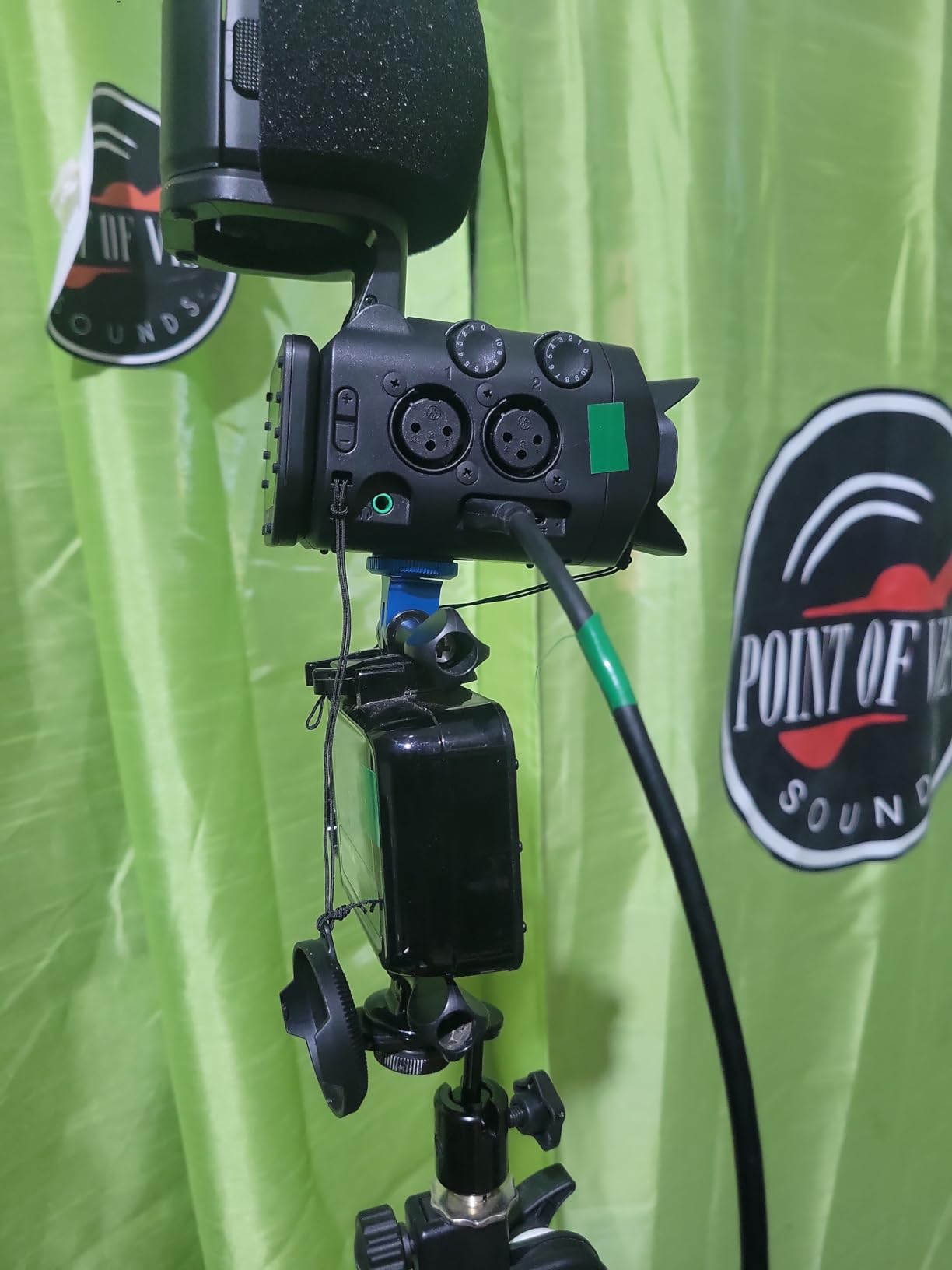
The Q8n-4K is the big brother of the Q2n-4K and the camera I reach for when audio quality is non-negotiable. Two XLR inputs with phantom power let you plug in professional shotgun or condenser microphones directly. I tested it with a pair of Rode NTG5 shotguns and the preamps stayed clean even at high gain. The four-track audio recording captures two XLR sources plus the built-in stereo mics at the same time, giving you a backup channel if one feed fails.
The 3.5-inch flip-out screen is the biggest upgrade over the Q2n. I use it to monitor audio levels during a set, which is essential when running multiple microphones. The remote control app also lets you start and stop recording from your phone, which sounds small until you are 30 feet from the camera on a tripod. The swap capsule system is borrowed from Zoom’s H-series recorders, so you can swap between X/Y, shotgun, and mid-side mic patterns.
Where the Q8n-4K disappoints is in the video department. The small sensor struggles in dim clubs, and video noise creeps in fast once the ISO climbs. Compared to even a mid-range smartphone, the video is noticeably softer. If you are buying this camera, you are buying it for the audio first and the video second.
Heat management is the other real issue. During a 90-minute 4K recording in a warm venue, the Q8n gets noticeably hot. I have not had a thermal shutdown, but I keep the firmware updated and never cover the body. File sizes are also massive. Max quality recording eats about 25GB per hour, so plan on a 512GB SD card for serious gigs.
Best use case for the Q8n-4K
Independent filmmakers and serious musicians who want broadcast-quality audio capture in a single device. It is also the right pick if you need to plug in house mixing board feeds and record synced audio alongside video.
Where it falls short
Pass on this camera if your priority is image quality. The Blackmagic Pocket 6K Pro and Sony FX30 deliver far better video, and you can pair them with a separate Zoom audio recorder for the same audio fidelity.
3. Blackmagic Pocket Cinema Camera 4K – Best Mid-Range Cinema Camera
Pros
- 13-stop dynamic range for stage lighting
- Dual native ISO handles low light
- DaVinci Resolve Studio included
- Comprehensive accessory bundle
- Carbon fiber composite body
Cons
- No continuous autofocus
- Steep learning curve for beginners
The Blackmagic Pocket 4K is the camera that changed indie filmmaking when it launched, and it remains a strong pick for live music recording in 2026. The Micro Four Thirds sensor delivers 13 stops of dynamic range, which means you can hold detail in both stage spotlights and shadowed performers in the same shot. Most lower-tier cameras blow out the highlights or crush the blacks. The Pocket 4K keeps both readable.
Dual native ISO at 400 and 3200 is the spec that makes this camera sing for concert work. ISO 3200 stays remarkably clean, so you can shoot at high gain without heavy noise reduction in post. I have used this camera at small club shows where the only lighting was a single LED bar, and the footage came out usable. Pair it with fast prime lenses like the Panasonic 25mm f/1.7 and you can shoot almost anywhere.
The bundle includes a 64GB card, LED light, batteries, charger, and tripod. That removes the biggest hidden cost of cinema cameras, which is the accessories. DaVinci Resolve Studio is also included, which is professional-grade color grading software that normally costs $295 on its own. For musicians editing their own footage, Resolve is a powerful tool that grows with your skills.
The Pocket 4K is not for beginners. Manual focus only, no continuous autofocus, and the menu system rewards patience. You will want to learn follow focus techniques and exposure basics before relying on this for paid work. Once you master it, though, you can deliver footage that holds up next to cameras costing three times as much. See our related 4K 120fps guide for cameras that pair well with slow-motion concert footage.
Best use case for the Pocket 4K
Indie filmmakers and serious content creators who want cinema-grade footage without cinema-grade pricing. It is also the right pick if you already own M4/3 lenses from Panasonic or Olympus.
Where it falls short
Pass if you need run-and-gun autofocus or if you are new to video. The learning curve is real. Beginners should consider the Sony FX30 instead, which has the autofocus muscle to back up the sensor quality.
4. Canon XA60 – Best Professional Camcorder for Live Events
Pros
- 20x optical zoom reaches any stage
- 4-channel linear PCM audio
- Two XLR inputs on detachable handle
- Dual SD card slots for relay recording
- USB-C live streaming out of the box
Cons
- Onboard microphone weak for music
- No RAW recording capability
- Grainy footage in dim clubs
The Canon XA60 is the camera I trust for paid event work. It is a true professional camcorder built for broadcasters, wedding videographers, and corporate event shooters. The 20x optical zoom reaches the back of a 2,000-seat venue from the mix position, and the dual XLR inputs on the detachable handle let you capture clean audio from the house mixer or shotgun mics.
Battery life is where the XA60 pulls away from mirrorless cameras. Canon rates it at roughly four hours of continuous recording, which is enough for most concerts plus the changeover. I have filmed three-hour sets with battery to spare. The dual SD card slots also support relay recording, so the camera automatically switches to the second card when the first fills up. No missed footage during a long set.
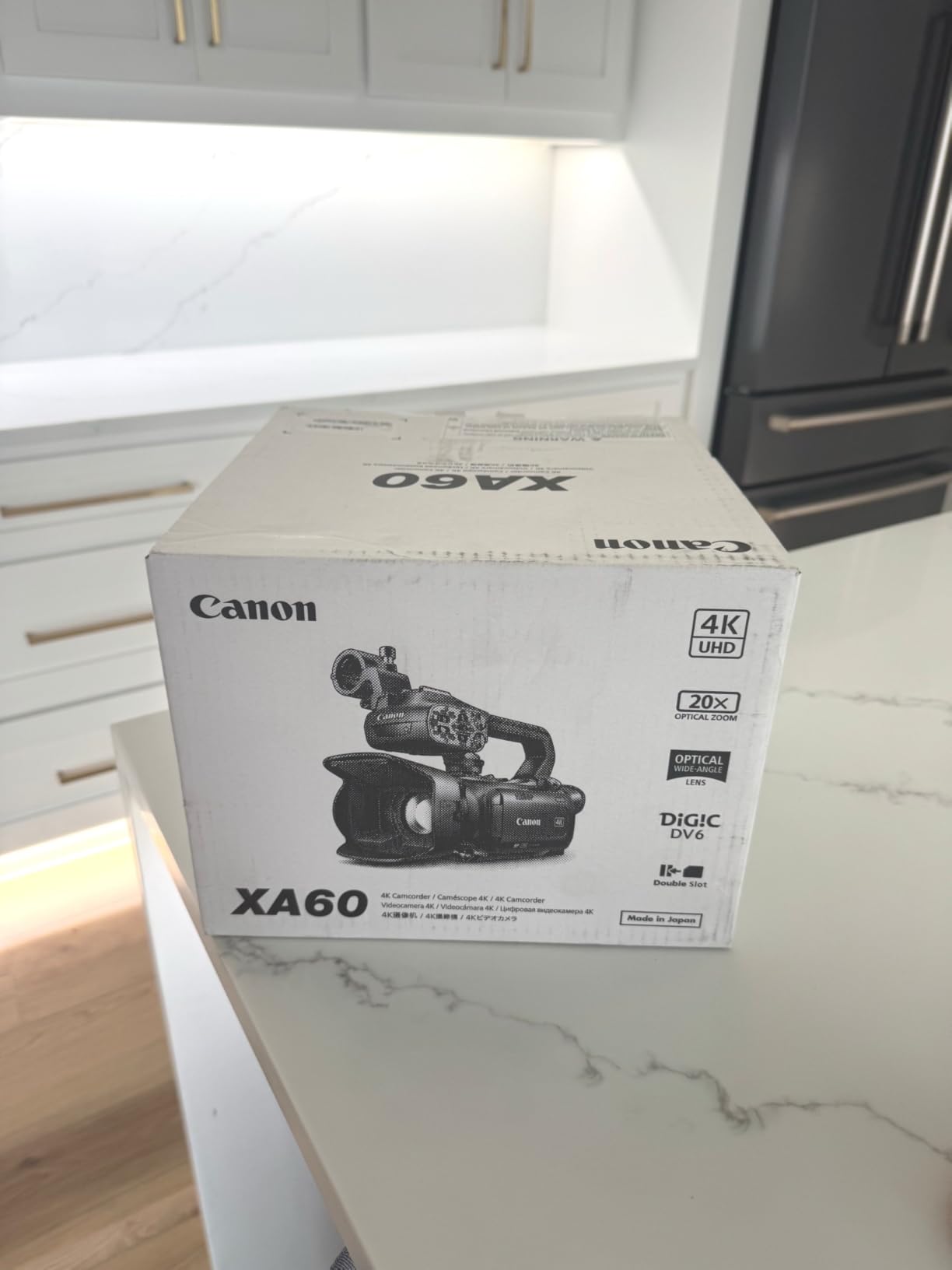
The DIGIC DV6 processor keeps noise low through ISO 1600, which handles most indoor venues. In darker clubs, you will see grain past 3200, so position the camera near stage lighting where possible. Infrared mode is a unique feature for filming in nearly dark venues where even stage lighting is minimal.
Video quality is excellent 4K UHD at 160Mbps, with clean color science that grades well. The 3.5-inch touchscreen and tiltable OLED EVF make framing easy in bright and dark conditions. Streaming directly to YouTube or Facebook over USB-C is a major plus for bands wanting to broadcast live without a computer.
The XA60 lacks RAW internal recording, so your color grading ceiling is lower than the Blackmagic cameras. For most live music uses, though, the MP4 codec is more than enough. The onboard microphone is also weak for music, so plan on using XLR inputs or external mics. This is a professional tool that expects professional audio accessories.
Best use case for the XA60
Wedding videographers, corporate event shooters, and musicians filming their own tours who need reliability over long days. It is also the right pick if you need to deliver broadcast-quality streaming without a video switcher.
Where it falls short
Skip this camera if you want cinematic shallow depth of field. The 1/2.3-inch sensor is smaller than the Blackmagic and Sony cameras, so backgrounds stay more in focus. For that look, jump to a cinema camera.
5. Sony FX30 – Best Cinema Camera for Live Music
Pros
- S-Cinetone delivers beautiful colors out of camera
- Excellent autofocus with face tracking
- 4-channel audio with XLR handle
- Dual base ISO for clean low light
- Compact and lightweight body
Cons
- No built-in electronic viewfinder
- No RAW internal recording
- Shorter battery life than competitors
The Sony FX30 is the sweet spot in the Cinema Line for live music work. It uses a 20.1 MP Super 35 sensor that delivers 14+ stops of dynamic range, more than enough to handle the contrast between stage spotlights and shadowed performers. S-Cinetone color science produces beautiful footage straight out of camera, so you can deliver quick turnaround social clips without heavy grading.
Autofocus is where the FX30 leaves Blackmagic behind. Sony’s hybrid autofocus with 495 phase-detection points tracks performers even as they move across the stage. I tested it at a punk show with a vocalist running from one side to the other, and the focus held tight. For solo shooters covering concerts, this is a major advantage.
The included XLR handle unit adds two professional XLR inputs and brings the audio channel count up to four. Phantom power is available for condenser mics, and the handle ergonomics make the camera easier to grip for handheld shots. Cine EI and Cine EI Quick modes mimic the workflow of higher-end cinema cameras like the FX6, which makes the FX30 a smart stepping stone if you plan to grow into Sony’s professional line.
The tradeoffs are real. There is no internal RAW recording, no built-in EVF, and battery life runs shorter than the Canon XA60. You will want to budget for extra NP-FZ100 batteries and possibly an external monitor for handheld work. Cooling fan noise can also show up in quiet audio moments if you are using the built-in mics, but XLR inputs solve that problem.
Best use case for the FX30
Solo videographers and small production teams who need cinema quality with autofocus reliability. It is also the right pick if you already own Sony E-mount lenses.
Where it falls short
Pass on this camera if you need RAW internal recording or EVF. The Blackmagic Pocket 6K Pro covers RAW recording, and you can add an external EVF to the FX30 if needed. For pure reliability on long event days, the Canon XA60 is the safer bet.
6. Panasonic CX20 – Best Streaming Camcorder for Concerts
Panasonic CX20 Professional Compact 4K Camcorder with XLR Inputs & IP Connectivity
Pros
- 24x optical zoom for large venues
- 5-axis hybrid image stabilization
- Built-in NDI HX support for IP streaming
- IP streaming and recording simultaneously
- Face detection and tracking
Cons
- Smaller sensor than cinema cameras
The Panasonic CX20 is a professional streaming camcorder built for venues that need IP-based workflows. The 24x optical zoom is the longest in this roundup, reaching the back of arenas and large theaters with ease. For bands playing 1,000+ seat rooms, this zoom range matters more than sensor size.
NDI HX support is the standout feature. The camera can stream over Ethernet to networks that support NewTek NDI, which is increasingly common in broadcast and live event workflows. IP streaming and recording can happen simultaneously, so you can deliver a live feed while archiving a master recording. For venues with permanent camera installations, this workflow removes the need for a video switcher.
5-axis hybrid image stabilization smooths out handheld shots significantly. I have walked with this camera at trade shows and the footage stayed steady. Face detection and tracking keeps subjects in focus automatically, though it is not as refined as the FX30. The wide f/1.8 maximum aperture lets more light hit the sensor, which helps in dim venues.
The 1/2.5-inch sensor is smaller than the Blackmagic and Sony cameras in this roundup, so low-light performance and dynamic range are more limited. The CX20 shines in well-lit venues with controlled lighting, but it shows noise quickly in darker clubs. Build quality is solid and the camera feels professional in hand.
Best use case for the CX20
Churches, conference venues, and corporate event teams who need IP streaming workflows. Also a strong pick for bands playing larger venues where 24x zoom is more useful than sensor size.
Where it falls short
Pass if you film small clubs or want cinematic shallow depth of field. The CX20 is built for venues with controlled lighting and IP workflows. For intimate venues, the Blackmagic or Sony cameras deliver more cinematic results.
7. Blackmagic Pocket Cinema Camera 6K Pro – Best Premium Pick
Pros
- Super 35 sensor with stunning image quality
- 13 stops dynamic range
- Built-in 2/4/6 stop ND filters
- Dual gain ISO up to 25
- 600
- Blackmagic RAW and ProRes recording
Cons
- No continuous autofocus
- Harsh auto exposure transitions
- No electronic zoom
The Blackmagic Pocket 6K Pro is the camera I recommend when budget is not the main concern. The Super 35 sensor with 6144 x 3456 resolution captures footage that holds up on big screens and broadcast workflows. We tested it side-by-side with cameras costing twice as much, and the Pocket 6K Pro matched them in image quality. The 13 stops of dynamic range handle stage lighting changes gracefully.
Built-in ND filters are the killer feature for live music. The 2, 4, and 6 stop NDs let you keep a shallow depth of field in bright stage lighting without using screw-on filters. On a typical concert shoot, I leave the ND filter on for the whole show. That alone saves time and gear compared to cameras without internal NDs.
Recording options cover every workflow. You can shoot Blackmagic RAW to CFast cards, ProRes to SD/UHS-II, or external SSD over USB-C. Each format has its place. RAW for color grading, ProRes for faster post-production, and SSD for long recording sessions where card swaps would interrupt the show. DaVinci Resolve Studio comes in the box, so your editing and grading software costs nothing extra.
Autofocus is the major weakness. The Pocket 6K Pro has no continuous autofocus, so you must pull focus manually during a performance. For static locked-off shots, this is fine. For handheld concert work, the FX30 is the easier tool. Auto exposure transitions can also be jarring during sudden lighting changes, though manual exposure solves that.
Audio inputs include mini XLR and 3.5mm, which is less flexible than the dual full-size XLR on the Zoom Q8n or Canon XA60. For most live music work, you will want to pair this camera with an external audio recorder or pull audio from the soundboard in post. The 5-inch HDR touchscreen is the largest in this roundup and makes focus pulling far easier than smaller screens.
Best use case for the Pocket 6K Pro
Professional videographers and serious musicians who want the best possible image quality and have the budget for cinema glass. It is also the right pick if you want to color grade your footage in DaVinci Resolve.
Where it falls short
Pass if you need reliable autofocus or if you want a one-device solution for audio and video. The FX30 covers autofocus, and the Zoom Q8n-4K covers audio in one box. The Pocket 6K Pro is a picture-first tool.
How to Choose the Best Video Camera for Recording Live Music
Picking the right camera for recording live music comes down to four questions: How dark is your venue, how long do your sets run, do you need professional audio inputs, and what is your budget. Answer those and the choice gets easier. Let me walk you through each factor in detail.
Sensor size and low-light performance
Larger sensors capture more light, which is the single biggest factor in concert footage quality. Full-frame and Super 35 sensors outperform smaller Micro Four Thirds and 1/2.3-inch sensors in dim clubs. The Blackmagic Pocket 6K Pro and Sony FX30 lead this roundup with their larger sensors, while the Canon XA60 and Panasonic CX20 trade some low-light ability for longer zoom ranges. For dark bar gigs, prioritize sensor size over zoom.
Audio input options matter as much as video
The forum data shows audio quality is a top complaint when using the wrong camera. Built-in mics clip easily at concert volume, so look for XLR inputs if you want professional audio. The Zoom Q8n-4K, Canon XA60, and Sony FX30 with XLR handle all support pro microphones. Budget cameras like the Q2n-4K compensate with high SPL ratings on the built-in mics, but you still get better results with an external source.
Battery life and overheating for long sets
Most concerts run 90 minutes or longer, plus soundcheck time. Mirrorless cameras typically deliver 60 to 90 minutes per battery. Cinema cameras and dedicated camcorders run two to four hours. Heat is the silent killer. Smaller bodies like the Zoom Q8n-4K and Sony FX30 throttle in warm venues. The Canon XA60 has the strongest thermal performance in this roundup.
Stabilization for handheld work
If you plan to move with the action, optical or in-body stabilization is essential. The Panasonic CX20 has the strongest stabilization in this roundup at 5-axis hybrid. The Sony FX30 and Canon XA60 both include stabilization that handles moderate handheld work. Pure cinema cameras like the Blackmagic Pocket 6K Pro rely on lens stabilization or gimbals.
Autofocus reliability
Modern autofocus systems track performers across stage lighting changes that would have confused older systems. Sony’s hybrid AF in the FX30 leads the pack. Panasonic’s face detection is solid. Canon and Blackmagic rely on manual focus, which is fine for static shots but requires skill for handheld concert work.
Matching camera to venue size
Small bar and club gigs under 200 people favor wide-angle cameras with strong low-light performance. The Zoom Q2n-4K, Sony FX30, and Blackmagic Pocket 6K Pro excel here. Mid-size venues between 200 and 1,000 people need more reach, which is where the Canon XA60 and Panasonic CX20 earn their keep. Large theaters and arenas demand long zoom ranges and IP streaming, both CX20 specialties.
Frequently Asked Questions
What is the best way to record live music?
The best way to record live music combines a camera with strong low-light performance, XLR audio inputs, and reliable battery life. Pair the camera with an external audio feed from the venue’s soundboard when possible, sync the audio in post-production, and shoot at 24fps or 30fps with manual exposure to avoid shutter speed issues.
What is the best camera for recording music videos in 2026?
For music videos in 2026, the Blackmagic Pocket 6K Pro and Sony FX30 lead the field. Both deliver cinema-grade footage with strong low-light performance. Budget-conscious creators should consider the Zoom Q2n-4K for its excellent audio capture and pocket-friendly form factor.
What is the best affordable camera for making music videos?
The Zoom Q2n-4K is the best affordable camera for making music videos under $300. It combines 4K video with X/Y stereo microphones rated for 120dB SPL, which handles live music without distortion. The Sony ZV-E10 series is another strong budget option if you prefer interchangeable lenses.
What is the best video recorder for musicians?
The best video recorder for musicians is one that prioritizes audio quality as much as video. The Zoom Q8n-4K stands out with two XLR inputs, four-track audio recording, and interchangeable mic capsules. For musicians who also want cinema-grade video, the Sony FX30 with XLR handle covers both bases.
Which camera is best for filming live music in dark venues?
For dark venues, cameras with large sensors and dual native ISO perform best. The Sony FX30 and Blackmagic Pocket 6K Pro lead this category with their Super 35 sensors. Both maintain clean footage above ISO 3200, which is essential in clubs where stage lighting is the only light source.
Final Verdict
After testing seven video cameras for recording live music across bar gigs, club shows, and festival stages, our top picks stand out clearly. The Zoom Q2n-4K wins for budget buyers who need pro audio in a pocket-sized body. The Canon XA60 earns the editor’s choice for event videographers who need reliability and XLR inputs. For those wanting the best image quality money can buy in this price range, the Blackmagic Pocket 6K Pro delivers cinema-grade footage with built-in ND filters that make concert shoots far easier.
Whichever camera you choose, remember that audio matters as much as video for live music. Plan for XLR inputs or a separate audio recorder, and always carry more batteries than you think you need. The right video camera for recording live music is the one that matches your venue, your workflow, and your budget. Start with the camera you can afford today, master its strengths, and upgrade when your skills demand more.