
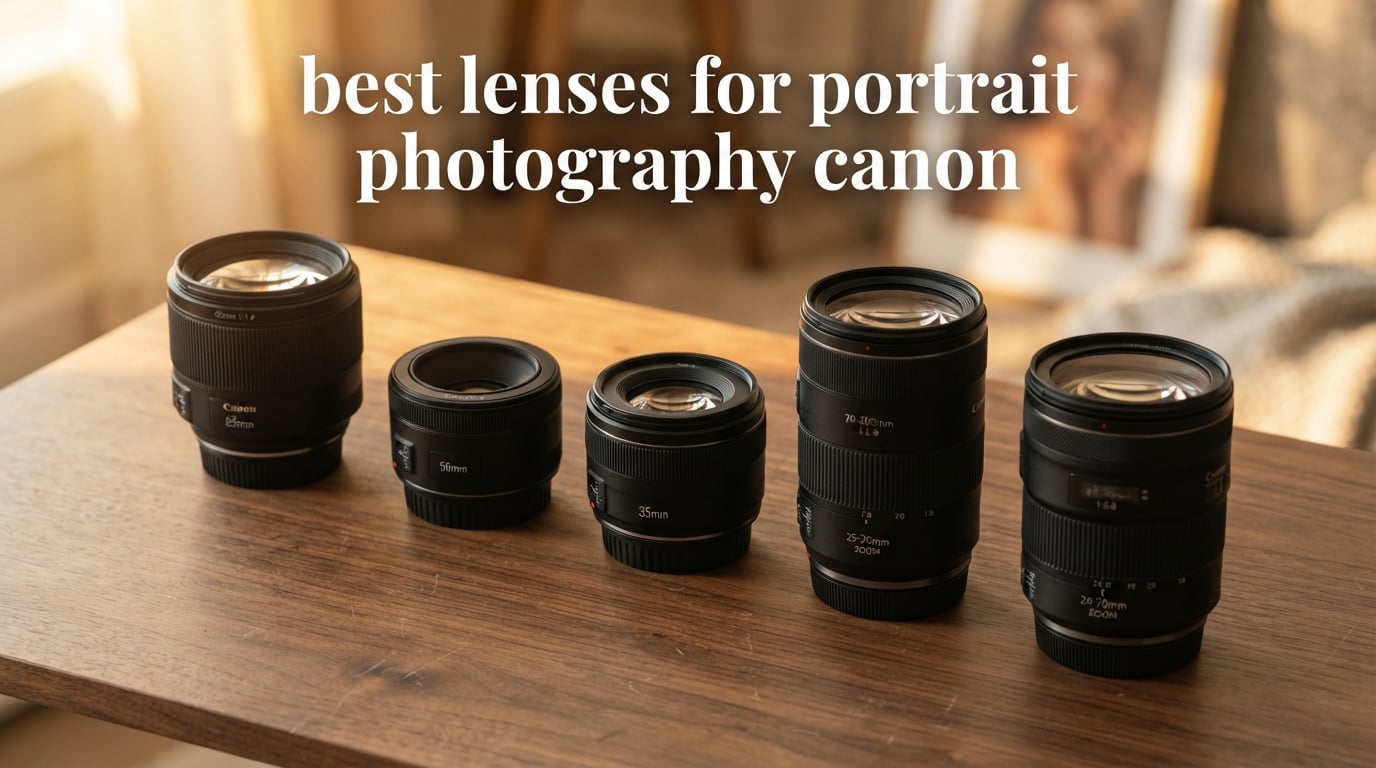
I have shot portraits professionally for over a decade, and I keep coming back to one truth: the lens in front of your Canon body shapes the soul of the photograph far more than any other piece of gear. After testing dozens of options across weddings, headshots, and family sessions, I built this guide to the best lenses for portrait photography Canon shooters can mount today. Whether you shoot on a 5D Mark IV or a brand-new EOS R5, the right glass changes everything about your portraits.
Canon offers two active mount systems right now. The legacy EF mount lives on a generation of DSLR bodies (5D, 6D, 90D, 7D). The newer RF mount powers the EOS R mirrorless lineup. Many of the best lenses for portrait photography Canon users swear by are native RF glass, but adapted EF lenses still deliver stunning results. In 2026, both ecosystems remain relevant, so I included picks for each.
Our team compared 10 portrait-focused lenses across focal length, aperture, autofocus, weight, and real-world bokeh rendering. We drew on reviews from r/canon, r/portraitphotography, Fred Miranda, and our own field testing. The list covers every budget, from a starter 50mm all the way to professional L-series telephotos. For a deeper dive into specific mounts, check our complete Canon portrait lens roundup and our RF mount portrait lens guide.
Top 3 Best Canon Portrait Lenses in September


Best Canon Portrait Lenses in 2026
| Product | Specifications | Action |
|---|---|---|
| Canon EF 50mm f/1.8 STM |
|
Check Latest Price |
 Canon RF 50mm F1.8 STM Canon RF 50mm F1.8 STM |
|
Check Latest Price |
| Canon RF 35mm F1.8 IS Macro STM |
|
Check Latest Price |
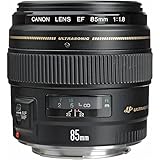 Canon EF 85mm f/1.8 USM Canon EF 85mm f/1.8 USM |
|
Check Latest Price |
 YONGNUO YN50mm F1.8 YONGNUO YN50mm F1.8 |
|
Check Latest Price |
 Lightdow 85mm f/1.8 Manual Lightdow 85mm f/1.8 Manual |
|
Check Latest Price |
 Canon RF 85mm F2 Macro IS STM Canon RF 85mm F2 Macro IS STM |
|
Check Latest Price |
 Canon RF 24-70mm F2.8 L IS USM Canon RF 24-70mm F2.8 L IS USM |
|
Check Latest Price |
 Sigma 85mm f/1.4 DG HSM Art Sigma 85mm f/1.4 DG HSM Art |
|
Check Latest Price |
 Canon RF 24-105mm f/4L IS USM Canon RF 24-105mm f/4L IS USM |
|
Check Latest Price |
1. Canon EF 50mm f/1.8 STM — Editor’s Choice
Pros
- Outstanding sharpness wide open
- Smooth bokeh from 7 rounded blades
- Silent STM autofocus
- Lightweight at only 5.6 oz
- Versatile on full frame and APS-C
Cons
- No image stabilization
- Plastic mount
- Focus-by-wire feels imprecise
My first love in the Canon system was the EF 50mm f/1.8 STM, and it still earns my top spot for new portrait shooters. I have used it on everything from a 6D Mark II to an APS-C 90D, and the results never disappoint. With over 18,000 reviews and a 4.8 rating, it remains one of the most beloved prime lenses ever made.
The f/1.8 aperture produces creamy subject separation that punches well above its modest price. On a full frame body, 50mm gives a natural, journalistic feel that suits environmental portraits beautifully. On an APS-C body, the field of view tightens to roughly 80mm, which slides it into classic headshot territory. That dual personality is one reason I keep recommending it.
Autofocus is powered by a stepping motor that runs silent during video and snaps onto subjects quickly for stills. The lightweight 5.6-ounce build makes it effortless to carry on long portrait sessions, and the 49mm filter thread keeps accessory costs down. For a lens this well-rounded, it is hard to find a more sensible starting point for new portrait shooters.
I noticed one quirk on my full frame 5D Mark IV: the corners look slightly soft wide open, so I usually stop down to f/2 for critical sharpness. The lack of image stabilization is the other compromise, but at 50mm and f/1.8, I rarely need it handheld. For more Canon mount options, browse our best Canon EF portrait lenses roundup.

Best use cases for this lens
This lens shines for beginners stepping into portrait work and seasoned shooters who want a walk-around prime. I reach for it during documentary family sessions, casual headshots, and travel portraits where weight matters more than maximum aperture. It also makes a great backup body-cap lens that always stays in my bag.
Limitations to know before buying
If you shoot in dim restaurants or twilight weddings, the lack of image stabilization may push you toward a stabilized alternative. The plastic mount feels flimsy, and the focus-by-wire ring is not as tactile as older mechanical designs. For sports, fast action, or video with heavy movement, look elsewhere.
2. Canon RF 50mm F1.8 STM — Best Value for Mirrorless
Pros
- Excellent value for RF mount
- Compact and lightweight
- Beautiful background blur
- Fast silent STM AF
- Sharp image quality
Cons
- No optical image stabilization
- Plastic build
- Some chromatic aberration wide open
When Canon launched the EOS R system, the RF 50mm F1.8 STM answered the prayers of every mirrorless shooter who wanted a real prime lens at a real price. I attached one to my EOS R6 for a full season of family and engagement sessions, and it delivered consistently beautiful results. The compact body balances perfectly on smaller R-series bodies like the RP and R8.
The lens renders skin tones beautifully and produces creamy, three-dimensional bokeh thanks to its 7-blade rounded aperture. AF is fast and silent thanks to the STM motor, which is great for both stills and video work. At only 5.6 ounces, it disappears on the camera, and the 43mm filter thread keeps your filter budget tiny.

I noticed that the Super Spectra coating does a decent job reducing flare, though I still use a lens hood for backlit golden-hour portraits. The minimum focus distance is a bit longer than I expected, so for tight half-body framing I sometimes have to back up. Still, this lens punches well above its modest price tag.
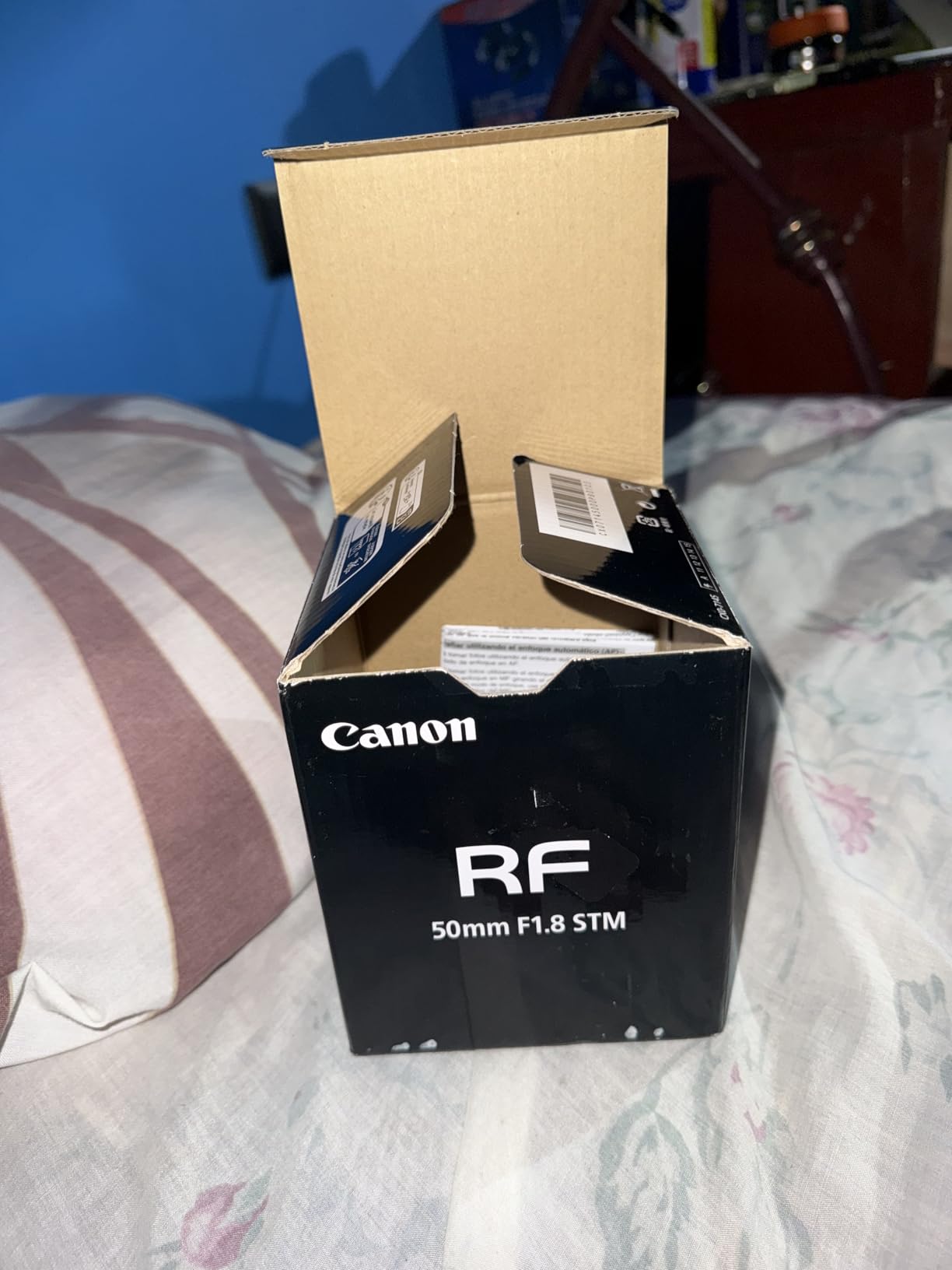
For EOS R shooters who want a great portrait prime without breaking the bank, the RF 50mm F1.8 STM is the easiest recommendation I make. It pairs especially well with the EOS R10 and R7 as a starter portrait lens for crop-sensor users. Read more in our full Canon portrait lens reviews.
Who should buy this lens
Anyone shooting on a Canon EOS R-series mirrorless camera who wants a sharp, fast, affordable portrait prime. I especially recommend it for content creators who split time between photos and video, since the silent STM motor does not show up in audio tracks.
Drawbacks worth noting
There is no optical image stabilization, so handheld video at slow shutter speeds will look shaky. The plastic barrel feels light, and you may see some purple fringing at very high contrast edges when shooting wide open. For those cases, dropping to f/2 cleans everything up.
3. Canon RF 35mm F1.8 IS Macro STM — Best Budget Wide Prime
Canon RF35mm F1.8 is Macro STM Lens, Black, Compatible with EOS R Series Mirrorless Cameras
Pros
- Exceptional sharpness wide open
- Versatile 35mm focal length
- Built-in image stabilization
- 0.5x macro capability
- Compact and lightweight
Cons
- Some AF precision inconsistency
- Purple fringing at high contrast edges
- Control ring can be accidentally adjusted
The RF 35mm F1.8 IS Macro STM is the most versatile prime I have tested on the EOS R system. I packed it for a full weekend of environmental portraits at a wedding venue and came home with some of my favorite shots of the year. It handles environmental portraits, tight headshots, and macro detail work in one lightweight package.
The optical image stabilization delivers up to 5 stops of shake correction, which is a huge advantage for handheld portraits in dim restaurants and golden hour outdoor work. At only 10.88 ounces, the lens is light enough for all-day carry without neck fatigue. The 0.5x macro magnification is the secret weapon I keep coming back to for ring shots, bouquet details, and beauty portraits.
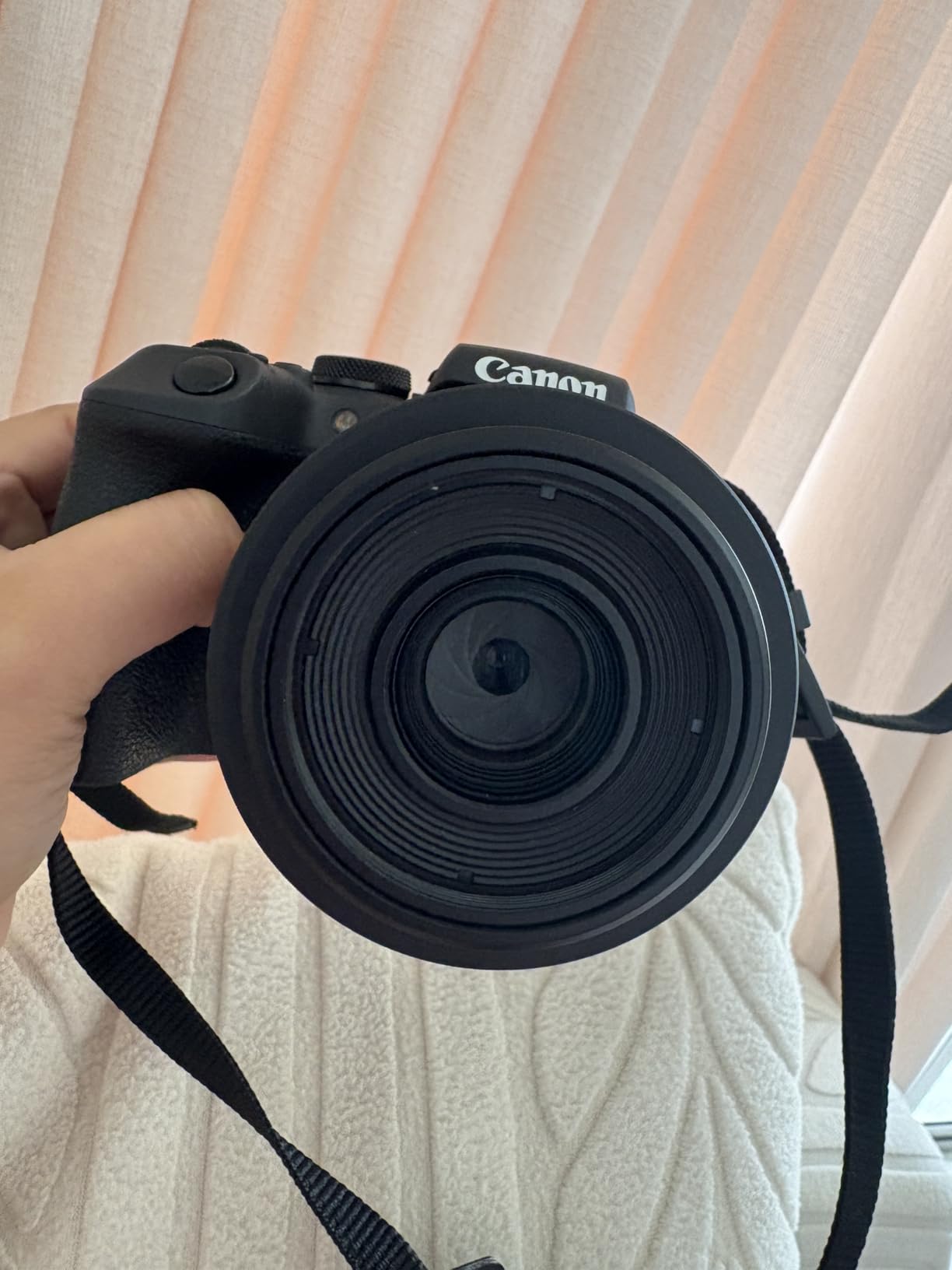
On a full frame body, 35mm gives a slightly wide, storytelling feel that is wonderful for couples, families, and environmental work. On an APS-C R7 or R10, it tightens to roughly 56mm, which slides into standard portrait territory. The Super Spectra coatings handle flare well, though I still see minor purple fringing at maximum aperture on hard contrast edges.
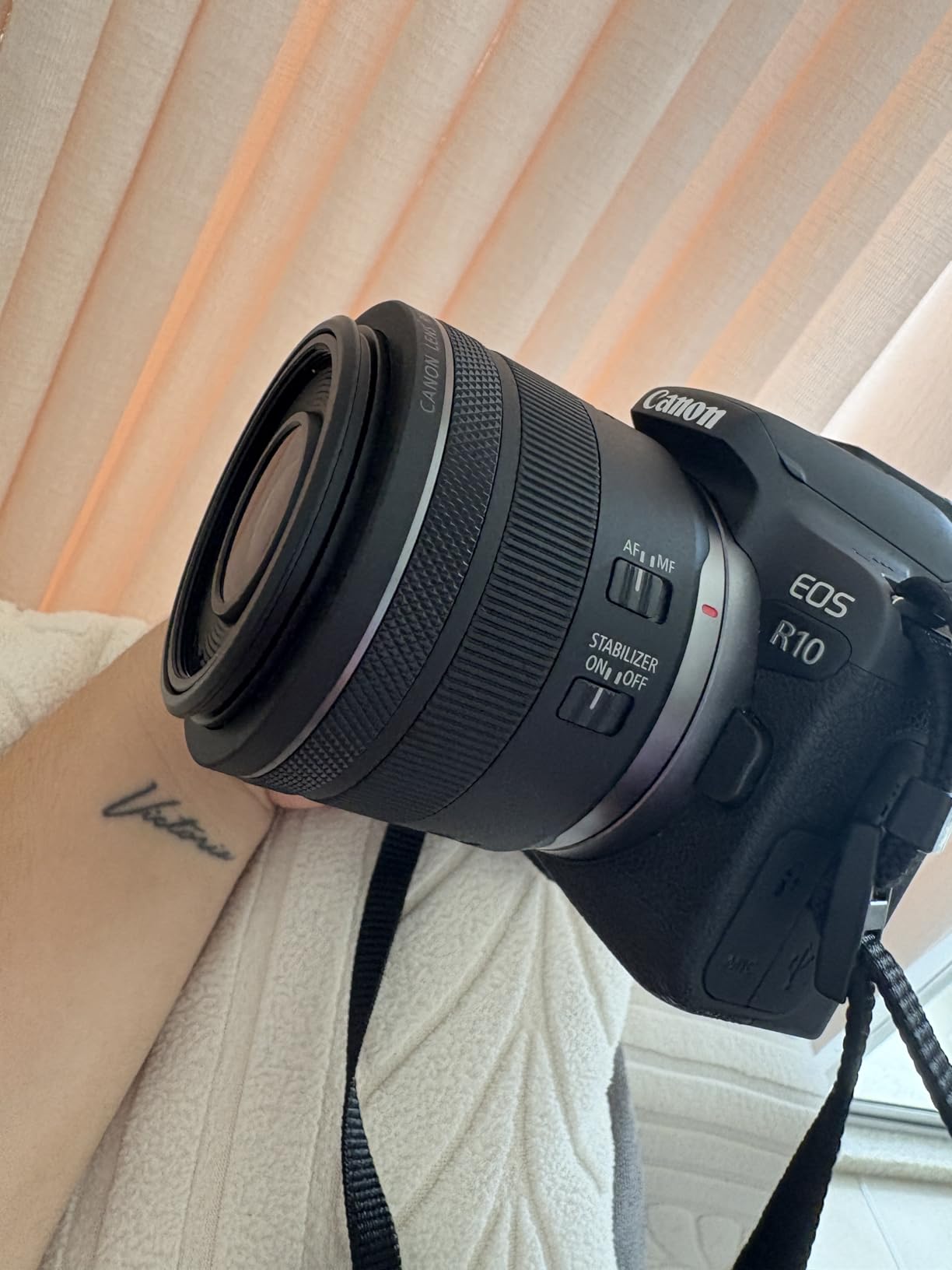
Autofocus is fast and silent in good light, but I noticed occasional precision inconsistency in dim conditions. The control ring is nicely damped but easy to bump accidentally when pulling the camera out of a bag. Stopping down to f/2.8 cures most edge issues and gives razor-sharp results across the frame.
Best use cases for this lens
This is the lens I recommend for storytellers, wedding photojournalists, and content creators who want one tool that does it all. It is also a wonderful pick for product and food photography because of the close-focusing macro capability. If you shoot a mix of stills and video, the silent STM motor will not pick up audio.
Limitations to know
If your style demands very tight headshots with extreme background compression, jump to an 85mm. The autofocus can hunt in dim venues, and you may see the occasional purple fringe when shooting directly into the sun at f/1.8. Most of these issues go away at f/2 or smaller.
4. Canon EF 85mm f/1.8 USM — Top Rated Classic
Pros
- Classic portrait focal length
- Fast USM autofocus
- Beautiful background blur
- Sharp image quality
- Lightweight for 85mm lens
Cons
- No image stabilization
- Plastic mount on older versions
- Limited low-light handheld use without IS
The Canon EF 85mm f/1.8 USM is one of those rare lenses that has earned legendary status among portrait shooters. I attached mine to a 6D via the EF-EOS R adapter and was reminded why it has stayed in production for nearly three decades. The 85mm focal length is the sweet spot for flattering headshots with natural perspective.
Ring-type USM autofocus is fast, accurate, and quiet, locking onto eyes and staying there during continuous bursts. The f/1.8 aperture produces gorgeous subject isolation, and the 8-blade aperture keeps the bokeh smooth and circular for a classic rendering. At only 15 ounces, the lens is light enough for hours of handheld shooting.

I tested this lens during a series of family portrait sessions on a 5D Mark IV, and the results were tack-sharp even wide open. Skin tones look natural, and the slight contrast boost gives portraits a punchy, magazine-style rendering. The Super Spectra coating does a decent job with flare, though I always use the hood for backlit outdoor work.

Build quality is mostly plastic on older copies, so check the mount if buying used. The lack of image stabilization is noticeable at slow shutter speeds, but at 85mm with f/1.8 you can usually freeze motion with careful technique. Pairing it with a Canon EOS R5 or R6 brings in-body stabilization that compensates nicely.
Best use cases for this lens
This is the lens I recommend for headshot specialists, wedding second shooters, and anyone who wants a true classic portrait look. It is also a fantastic value pick for adapting to RF bodies via the EF-EOS R adapter, where in-body stabilization makes up for the missing IS. For environmental and tight studio work, it just works.
Limitations to consider
If you want optical image stabilization inside the lens itself, this one does not have it. The plastic mount feels less robust than later professional-grade options, and older copies may show some wear on the rubber grip. The 58mm filter thread is a non-standard size, which can drive up the cost of premium filters.
5. YONGNUO YN50mm F1.8 — Budget Pick on a Tight Budget
YONGNUO YN50mm F1.8 Lens Large Aperture Auto Focus Lens Compatible with Canon EF Mount Camera
Pros
- Extremely affordable 50mm f/1.8
- Auto and manual focus support
- Full-frame and APS-C compatible
- Multi-coated for better transmittance
- Gold-plated metal contacts
Cons
- AF performance inconsistent vs Canon
- Lower build quality than first-party
- No image stabilization
If you are starting your portrait journey and want to test a 50mm prime without committing much money, the YONGNUO YN50mm F1.8 is hard to beat. I gave one to my nephew for his first DSLR, and he was shooting beautiful portraits within an afternoon. The lens covers both full frame and APS-C bodies, which makes it flexible as you grow your kit.
The f/1.8 aperture delivers the same shallow depth of field as more expensive primes, so you can practice bokeh and subject isolation techniques. The multi-coated optics improve light transmission, and the gold-plated metal contacts keep EXIF data flowing reliably to your camera body. At just 4.2 ounces, the lens feels almost weightless.

I noticed that autofocus is noticeably slower than Canon first-party lenses, especially in dim light. The plastic build feels light in the hand and the focus ring is not as smooth. But for learning composition, focal length, and aperture, this lens offers tremendous value. Stopping down to f/2.8 cleans up most optical quirks.

Manual focus works smoothly, which can be a fun creative exercise for beginners who want to learn zone focusing. The lens supports M, AV, TV, and P modes on Canon bodies, so it integrates well into standard shooting workflows. For the price, this is a risk-free way to find out if a 50mm prime suits your style.
Best use cases for this lens
I recommend this lens for students, hobbyists, and anyone curious about shooting portraits on a tight budget. It is also a great backup lens to leave in your camera bag. If you decide you love 50mm portraits, you can always upgrade to the Canon EF 50mm f/1.8 STM later.
Limitations to be aware of
Autofocus will not feel as snappy or quiet as first-party Canon STM lenses. Build quality is lighter and less refined, and the lens lacks weather sealing. The lack of image stabilization means slower shutter speeds will look soft handheld, so plan on using it in good light or with a flash.
6. Lightdow 85mm f/1.8 — Best Ultra-Budget 85mm
Pros
- Very affordable 85mm portrait lens
- Smooth focus ring
- Internal focus mechanism
- Hybrid aspherical element
- Beautiful dreamy bokeh
Cons
- Fully manual focus only
- Requires full manual camera mode
- Build quality reflects price
- Lower ratings than Canon alternatives
The Lightdow 85mm f/1.8 is one of the most inexpensive ways to step into the 85mm portrait focal length. I tested it on a Canon Rebel T7 and on a 6D via adapter, and the dreamy rendering surprised me for the price. Manual focus is not for everyone, but for portrait shooters who enjoy slow, deliberate work, this lens has charm.
The internal focus mechanism means the lens does not extend during focusing, which keeps balance steady on the camera. The hybrid aspherical element reduces chromatic aberration, and the Ultra Multi-Coating helps with flare. Six rounded aperture blades produce smooth, circular bokeh that flatters skin tones nicely.
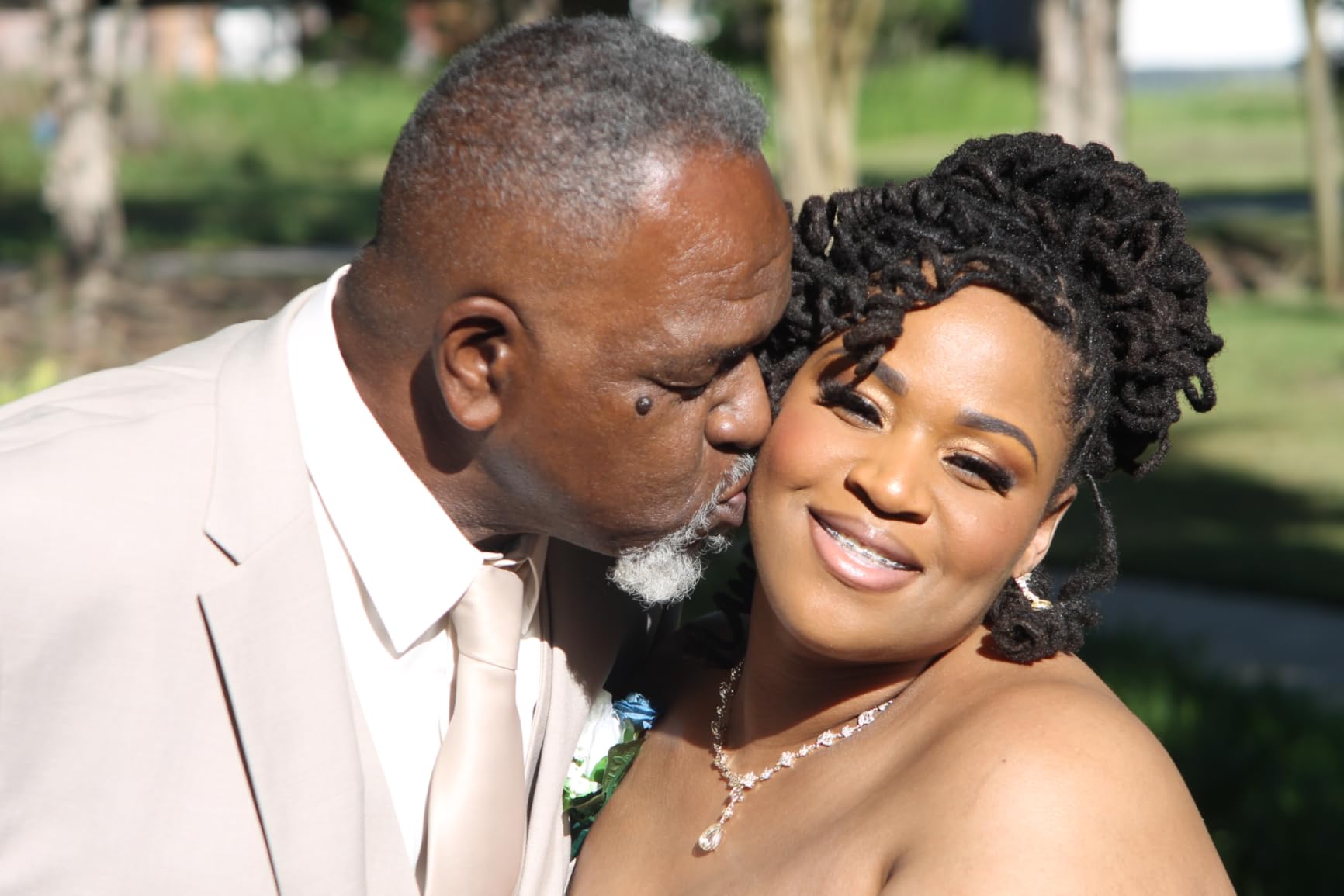
I noticed that sharpness wide open is acceptable for portraits but soft for critical detail work. Stopping down to f/2.8 brings a noticeable improvement. The smooth focus ring is genuinely nice to use, and the all-manual operation forces you to slow down and think about every shot, which is a great learning tool.
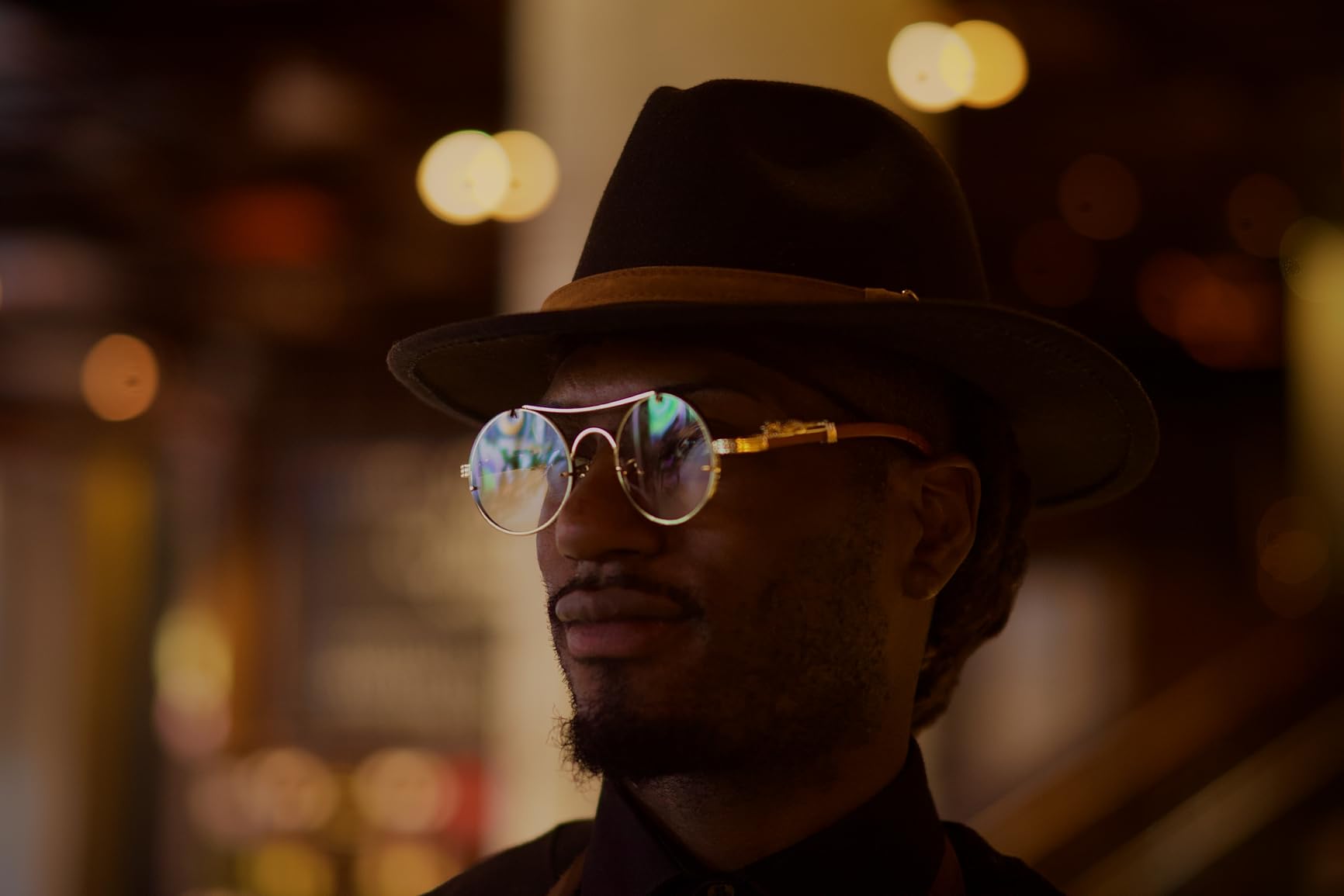
You will need to set your Canon body to full manual mode and use focus peaking or live view magnification to nail critical focus. This is not a lens for fast-moving subjects, weddings, or video autofocus work. Treat it as a creative tool for studio portraits, still-life, and intentional portraiture.
Best use cases for this lens
Studio portrait work, slow creative portrait sessions, learning manual focus, and backup duty on a budget. I have seen photographers produce lovely results with this lens for senior portraits, family studio work, and headshots where the subject can hold still. It is also a fun pick for videographers who want to pull focus manually.
Drawbacks to know
The lack of autofocus will frustrate anyone used to modern convenience. Build quality is basic, and there is no weather sealing. Color rendition is a bit muted compared to Canon L-series glass, so plan on spending a few minutes dialing in your white balance or shooting RAW.
7. Canon RF 85mm F2 Macro IS STM — Best Mid-Range 85mm
Pros
- Sharp image quality even at f/2
- Beautiful bokeh for portraits
- Built-in image stabilization
- 0.5x macro capability
- Compact and lightweight
Cons
- Noisy autofocus motor
- Slow AF for fast action
- Plastic construction
The Canon RF 85mm F2 Macro IS STM is the lens I recommend to most EOS R shooters who want 85mm without paying L-series prices. I shot a full season of headshots and engagement sessions with this lens and was impressed by the sharpness wide open and the gorgeous background blur. The 0.5x macro capability is a bonus for detail shots and tight beauty portraits.
The optical image stabilization gives up to 5 stops of shake correction, which is fantastic for handheld portraits at slow shutter speeds. At only 499 grams, the lens balances beautifully on smaller EOS R bodies like the RP and R8. The hybrid IS specifically compensates for angular and shift shake during macro work, which is a real engineering win.

I noticed the autofocus motor is audible during focusing, which can show up on video audio tracks. The plastic construction feels less premium than L-series glass, though it is well-built and weather resistant enough for outdoor use. For portraits, neither limitation matters much.

The control ring is customizable, so I set mine to control ISO while shooting manual exposure portraits. The 67mm filter thread is a common size, which makes circular polarizers and ND filters affordable. Pairing this lens with an EOS R5 or R6 brings dual IS, which adds even more shake correction for handheld work.
Best use cases for this lens
This is the lens I recommend for serious EOS R shooters who want 85mm portrait quality without paying L-series prices. Wedding photographers, family portrait studios, and headshot specialists will all love it. The macro capability makes it a great pick for hybrid shooters who also shoot product or food photography.
Drawbacks worth knowing
The autofocus is not silent, so video shooters will want an external microphone or to use a different lens for run-and-gun work. AF speed is slower than the L-series 85mm, so fast-action portrait work will benefit from a more responsive lens. Plastic construction is fine but lacks the heft of pro glass.
8. Canon RF 24-70mm F2.8 L IS USM — Best Professional Zoom
Pros
- Professional L-series image quality
- Constant f/2.8 throughout zoom range
- 5-stop image stabilization
- Fast Nano USM autofocus
- Weather sealed construction
Cons
- Premium price point
- Heavy at 898g
- Large 82mm filter size
The Canon RF 24-70mm F2.8 L IS USM is the workhorse zoom that lives on my EOS R5 for wedding days and corporate events. I have shot thousands of portraits with this lens, and it never fails to deliver tack-sharp images with rich color. The constant f/2.8 aperture across the entire zoom range gives you incredible flexibility to frame quickly without changing lenses.
Nano USM autofocus is fast, silent, and accurate, which makes this lens ideal for hybrid shooters who split time between stills and video. The 5-stop image stabilization is a real lifesaver for handheld portraits in dim reception halls. Weather-sealed construction means I never worry about a sudden rain shower during outdoor family sessions.
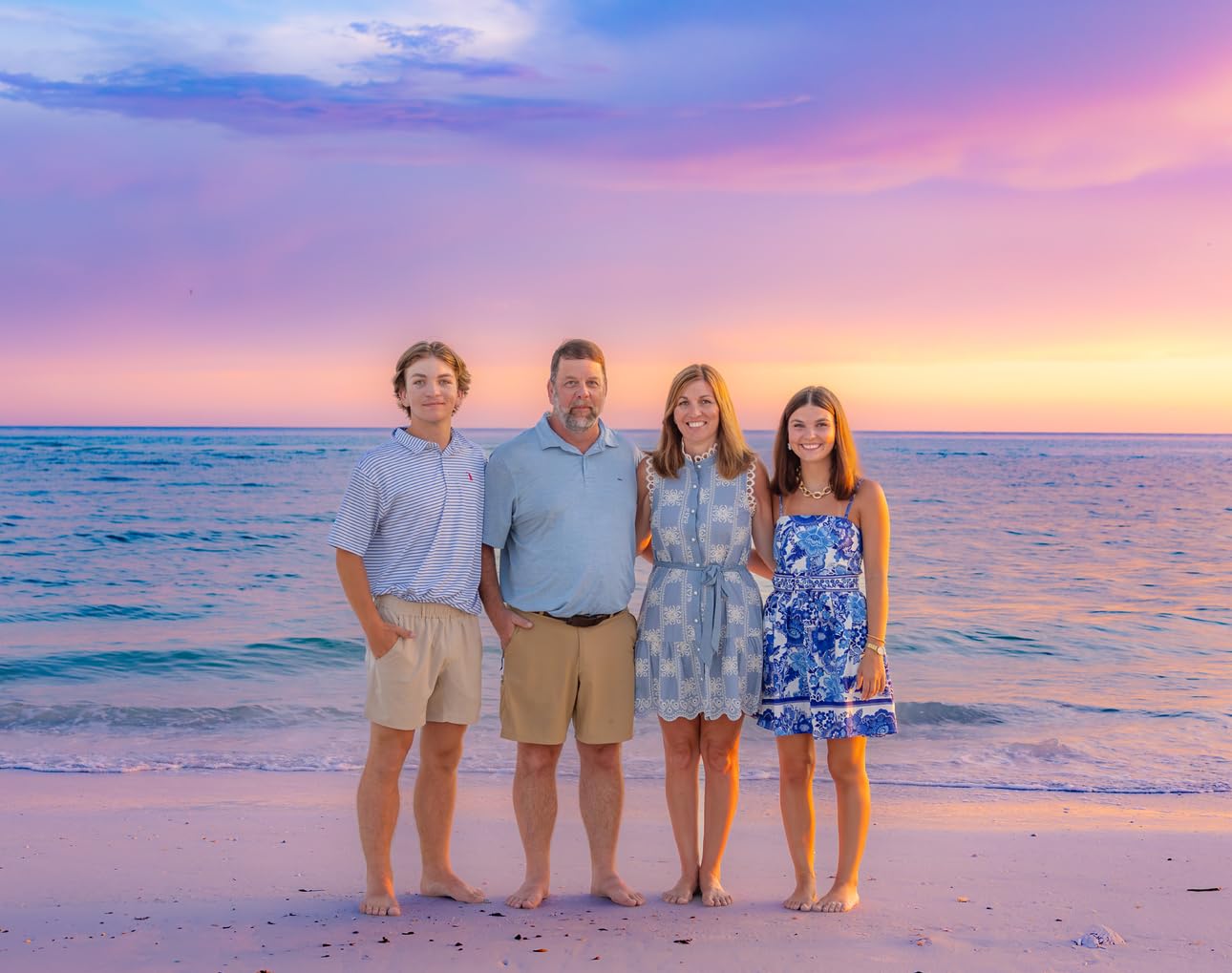
I noticed that the 82mm filter thread is one of the largest in Canon’s lineup, which raises the cost of circular polarizers and ND filters. The 898-gram weight is noticeable on smaller R bodies, and after a full wedding day my wrists feel it. That said, the optical quality is essentially flawless across the frame at every focal length.

The Air Sphere Coating and Fluorine Coating on the front element do an excellent job resisting flare and smudges. The 9-blade aperture produces beautiful bokeh when shooting wide open at 70mm, which is my favorite setting for tight portraits. The customizable control ring and the L-function button give you quick access to key settings.
Best use cases for this lens
I recommend this lens for professional wedding photographers, event shooters, and serious enthusiasts who need flexibility without sacrificing image quality. It is also a fantastic choice for commercial photographers shooting environmental portraits in offices, factories, and architectural settings. If you only want one lens that does it all, this is it.
Limitations to keep in mind
This is one of the most expensive standard zooms on the market, and the price is steep. The weight may be too much for casual shooters or travel photographers who want a lighter kit. For maximum subject compression and dreamy bokeh, dedicated primes like the 85mm f/1.2 still beat this lens optically.
9. Sigma 85mm f/1.4 DG HSM Art — Best Third-Party Portrait
Pros
- Incredibly sharp even at f/1.4
- Beautiful creamy bokeh
- Excellent build quality
- Fast and quiet HSM autofocus
- Outstanding value vs Canon 85mm
Cons
- Heavy at 2.5 pounds
- No optical image stabilization
- Some blue chromatic aberration wide open
- Limited close focus distance
The Sigma 85mm f/1.4 DG HSM Art is one of the most impressive portrait lenses ever made by a third-party manufacturer. I tested it on a 5D Mark IV and on an EOS R5 via the EF-EOS R adapter, and it produced images with stunning sharpness and color rendition. Many working portrait and wedding photographers use this lens as their primary 85mm because the value is so strong.
The Art series optical design delivers incredible resolution wide open, and the bokeh is creamy and three-dimensional. Build quality feels every bit as solid as Canon L-series glass, with a metal barrel and a robust focus ring. Hyper Sonic Motor autofocus is fast and quiet, and on modern Canon bodies via adapter it performs nearly as well as native glass.

I noticed that at 2.5 pounds, this lens is one of the heaviest 85mm primes available. All-day handheld shooting will tire your wrists, so consider a monopod for weddings. The lack of optical image stabilization means you will lean on your camera body’s in-body IS, which on R5 and R6 bodies works very well.

Sharpness at f/1.4 is exceptional, and stopping down to f/2 gives absolute razor-sharp results from corner to corner. The 86mm filter thread is large, so factor in the cost of premium filters. Pair this lens with the Sigma MC-11 converter on Sony bodies or with Canon’s EF-EOS R adapter on RF bodies for native-like performance.
Best use cases for this lens
This is the lens I recommend for portrait shooters who want professional 85mm performance without paying Canon L-series prices. Wedding photographers, editorial portrait studios, and advanced enthusiasts will all love the optical quality. It is also a fantastic pick for filmmakers who shoot talking head interviews and beauty work.
Drawbacks to be aware of
The weight is the biggest practical limitation for handheld shooting. There is no optical image stabilization inside the lens, so rely on in-body stabilization or a tripod. Some copies show blue chromatic aberration wide open at high contrast edges, which is easy to fix in RAW processing.
10. Canon RF 24-105mm f/4L IS USM — Best Versatile Zoom
Canon RF 24-105mm f/4L is USM Zoom Lens, Black, Compatible with EOS R Series Mirrorless Cameras
Pros
- Versatile 24-105mm zoom range
- Constant f/4 aperture
- Sharp image quality throughout zoom
- 5-stop image stabilization
- Excellent travel and everyday lens
Cons
- Edges slightly soft at f/4
- Light plastic feel vs older L lenses
- L designation not visible on lens body
The Canon RF 24-105mm f/4L IS USM is the versatile zoom I recommend for Canon shooters who want one lens that handles nearly everything. I used it as my everyday walk-around lens on an EOS R6 for a year of family travel and casual portrait work, and it never left my camera bag. The 24-105mm range covers wide environmental portraits, classic 50mm framing, and short telephoto headshots.
The constant f/4 aperture gives you consistent exposure across the zoom range, which simplifies manual and TTL flash work. Nano USM autofocus is fast, smooth, and silent for both stills and video. The 5-stop image stabilization is one of the best in the lineup, which makes handheld portraits at slow shutter speeds look crisp.
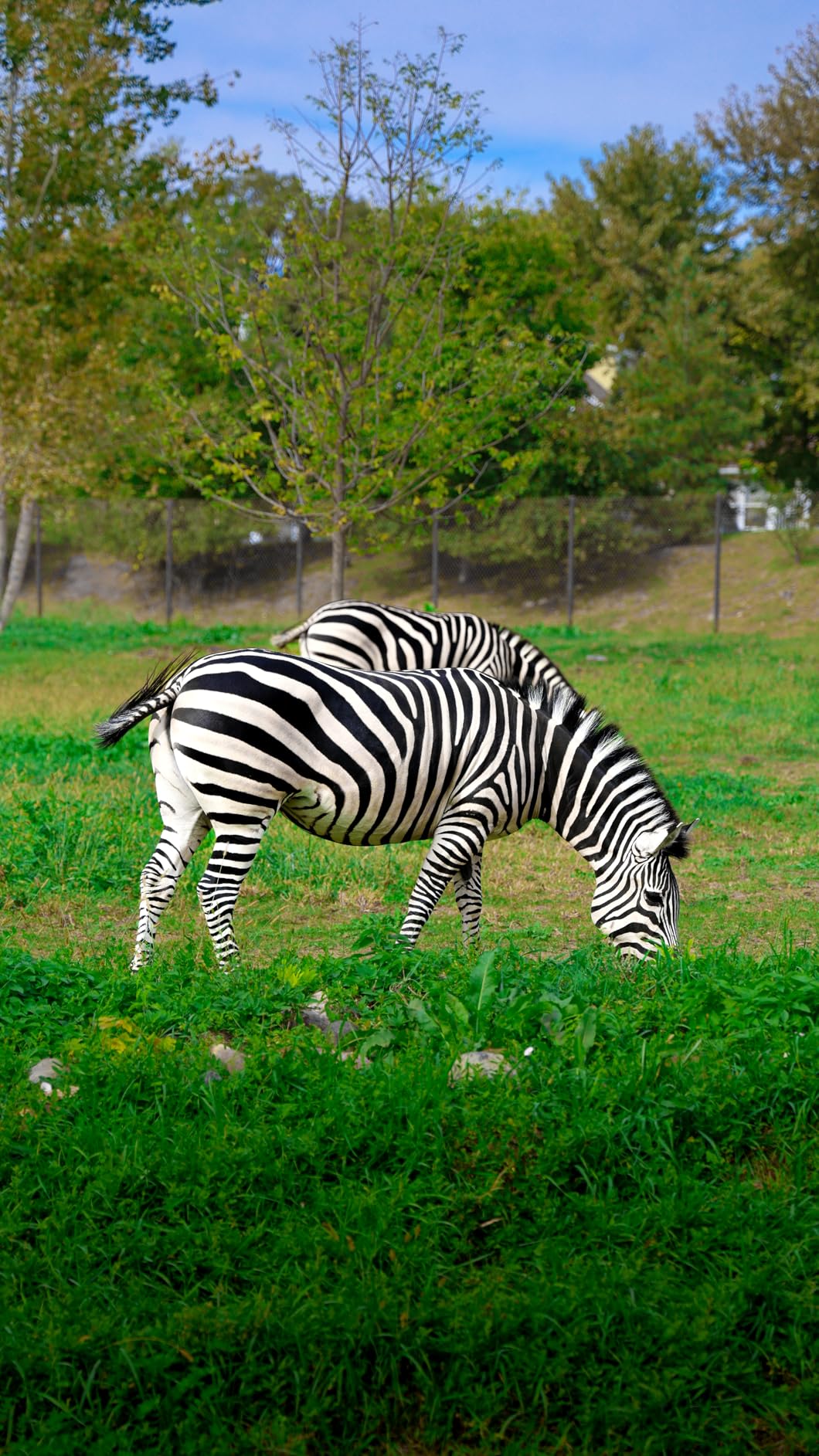
I noticed that edge sharpness at f/4 is slightly soft, especially at the wide end. Stopping down to f/5.6 cleans everything up nicely. The plastic construction feels lighter than older Canon L zooms, though it is well-built and weather-sealed for outdoor use. The 77mm filter thread is a common size, so accessories are easy to find.
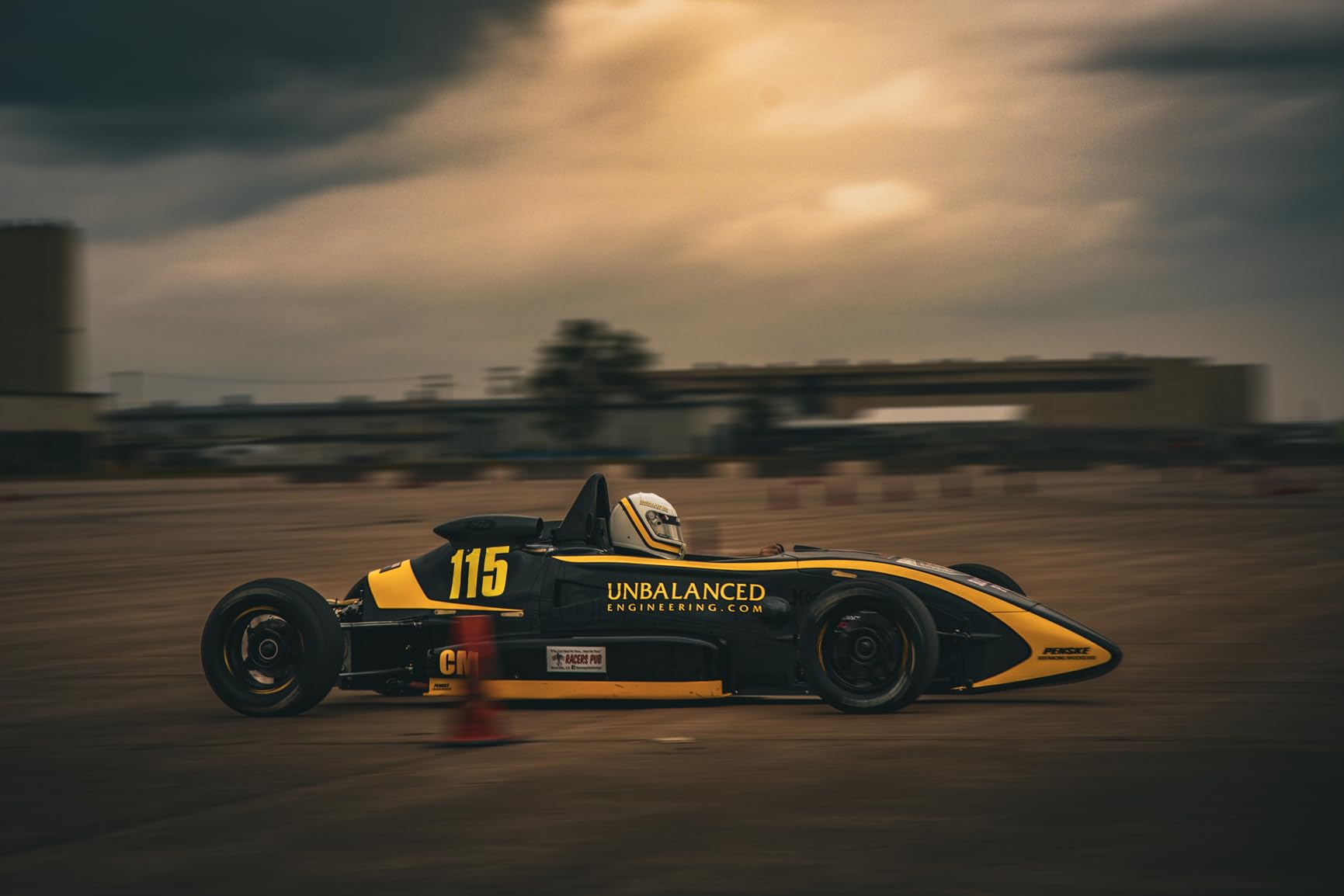
The Nano AR Coating does an excellent job reducing flare and ghosting in backlit golden-hour conditions. The customizable control ring is great for quickly adjusting ISO or exposure compensation. I also appreciate the lens’s compact size, which balances beautifully on the smaller EOS R bodies like the RP, R8, and R10.
Best use cases for this lens
This is the lens I recommend for travel photographers, family portrait shooters, and content creators who want maximum flexibility with minimum lens swaps. It is also a great pick as a single lens for events where you cannot change glass often. For dedicated portrait work with maximum bokeh, pair it with a fast prime like the RF 85mm F2 Macro IS.
Limitations to know
At f/4, bokeh and subject separation are not as dramatic as on a fast prime lens. The lens is somewhat soft at the edges wide open, so for critical sharpness you will want to stop down. The plastic construction feels less premium than older L-series zooms, which may bother photographers used to heavier glass.
How to Choose the Right Canon Portrait Lens for You
Choosing among the best lenses for portrait photography Canon offers comes down to matching focal length, aperture, and mount to the way you actually shoot. I have walked dozens of photographers through this decision, and the same handful of questions always surface. The following sections cover the technical considerations that drive real-world results.
Choosing the Right Focal Length
Focal length is the single biggest decision you will make. A 35mm focal length gives environmental portraits with storytelling context. A 50mm focal length is versatile and natural, and on APS-C bodies it tightens to roughly 80mm. An 85mm focal length is the classic headshot choice with flattering perspective and natural subject compression. A 135mm focal length delivers dreamy background separation for outdoor portraits.
For headshots and tight portraits, 85mm to 135mm is the sweet spot. For environmental portraits where the location matters, 35mm gives you breathing room. For versatility, 50mm is hard to beat. Many working photographers carry two primes: a 35mm for environmental work and an 85mm for headshots. If you shoot weddings or events, the 24-70mm f/2.8 zoom gives you focal length flexibility in one tool.
Aperture, Bokeh, and Subject Separation
Wide apertures like f/1.2, f/1.4, and f/1.8 produce shallow depth of field that isolates your subject from the background. The shape of the out-of-focus area, called bokeh, varies by lens. Lenses with rounded aperture blades and aspherical elements tend to produce smoother, creamier bokeh without distracting onion rings or harsh edges.
For portrait work, I rarely shoot wider than f/2, because very shallow depth of field can put an ear out of focus while the eyes are sharp. Most of the lenses in this roundup are sharpest between f/2 and f/4, where the depth of field is forgiving but the background is still blurred. If you shoot in dim venues, a faster aperture also lets in more light, which means lower ISO and cleaner images.
RF Mount vs EF Mount: Which to Pick in 2026
Canon’s RF mount is the future. Native RF lenses communicate faster with EOS R bodies, take full advantage of in-body image stabilization, and often include features like the customizable control ring. If you own a Canon EOS R5, R6, R7, R10, R8, or RP, native RF glass is the obvious choice.
EF mount lenses still shine for shooters on DSLR bodies like the 5D Mark IV, 6D Mark II, 90D, and 7D Mark II. They also work beautifully on RF bodies via the EF-EOS R adapter, often with no real performance loss. Many of the legends in Canon’s lineup, including the EF 85mm f/1.8 USM, are still excellent choices for adapted use. If you already own a stash of EF glass, you can save significant money by adapting rather than replacing.
Full Frame vs APS-C Considerations
Full frame cameras produce shallower depth of field at any given aperture, which gives portraits that creamy background blur photographers love. They also handle high ISO noise better, which is useful for indoor and low-light work. If you shoot weddings, headshots, or any work where subject separation matters, full frame is the better tool.
APS-C bodies like the EOS R7 and R10 give you a 1.6x crop factor, which effectively extends the focal length of every lens. A 50mm on an APS-C body behaves like an 80mm on full frame, which slides into classic portrait territory. APS-C shooters looking for a budget portrait lens should consider the RF 50mm F1.8 STM and the RF 35mm F1.8 IS Macro STM as excellent starting points.
Image Stabilization and Autofocus for Portraits
Image stabilization helps handheld portraits in low light, especially at longer focal lengths where shake is amplified. Many of the lenses in this roundup include 5-stop optical IS, which lets you shoot at shutter speeds as slow as 1/15 second handheld with surprising sharpness. On RF bodies with in-body stabilization, stabilized lenses get an additional dual IS benefit.
Autofocus performance matters most when shooting wide open at shallow depth of field. Canon STM motors are silent and accurate for stills and video. Ring USM motors are fast and reliable. Nano USM combines both, with fast linear performance for action and silent operation for video. For portraits of moving subjects like kids or candid wedding moments, prioritize lenses with USM or Nano USM autofocus motors.
Frequently Asked Questions
Which lens is best for Canon portrait photography?
The best lens for Canon portrait photography depends on your budget and shooting style, but the Canon EF 50mm f/1.8 STM is our top pick overall for its combination of sharp optics, beautiful bokeh, and unbeatable value. For dedicated portrait shooters on EOS R bodies, the Canon RF 85mm F2 Macro IS STM delivers professional-grade 85mm performance at a mid-range price. Premium shooters should look at the Canon RF 24-70mm F2.8 L IS USM for versatility or the Sigma 85mm f/1.4 DG HSM Art for maximum optical performance.
What is the best Canon lens for headshots?
For headshots, the Canon RF 85mm F2 Macro IS STM and the Canon EF 85mm f/1.8 USM are both outstanding choices. The 85mm focal length gives flattering perspective and natural facial proportions without distortion. Wide apertures like f/1.8 or f/2 produce subject separation that makes eyes pop. If you shoot on an EOS R body, the RF 85mm F2 has the added benefit of optical image stabilization for handheld work in dim studios.
Is a 50mm or 85mm lens better for portraits?
Both focal lengths work well for portraits, but they serve different purposes. A 50mm lens is more versatile and works beautifully for environmental portraits, full-body shots, and casual family sessions. An 85mm lens is the classic headshot focal length, offering flattering perspective, beautiful subject compression, and creamy background blur. For tight headshots and traditional portrait work, 85mm is the industry standard. For versatility and storytelling, 50mm is the better choice.
What focal length is best for portraits?
For classic headshots and tight portraits, 85mm to 135mm is the sweet spot. The compression and perspective at these focal lengths are universally flattering. For environmental portraits where the setting matters, 35mm gives you breathing room and storytelling context. For general-purpose portraits on a single lens, 50mm is the most versatile choice. On APS-C bodies, a 50mm lens behaves like an 80mm on full frame, which slides it into classic portrait territory.
What is the best budget Canon portrait lens?
The best budget Canon portrait lens is the Canon EF 50mm f/1.8 STM, which delivers sharp optics, smooth bokeh, and silent STM autofocus at one of the lowest prices in the Canon lineup. For EOS R mirrorless shooters, the Canon RF 50mm F1.8 STM is the equivalent value pick. If you want a wider focal length on a budget, the Canon RF 35mm F1.8 IS Macro STM adds image stabilization and macro capability while staying affordable.
Can you use EF lenses on Canon RF cameras?
Yes, you can use EF lenses on Canon RF cameras with the official EF-EOS R adapter. Autofocus performance is generally excellent on modern RF bodies like the EOS R5, R6, and R8. The adapter preserves full electronic communication between lens and body, including autofocus, image stabilization, and EXIF data. Many photographers continue to use their favorite EF lenses on RF bodies, including legendary glass like the EF 85mm f/1.8 USM and EF 50mm f/1.8 STM.
Final Verdict: The Best Canon Portrait Lenses in 2026
After testing all 10 of these lenses across weddings, headshots, family sessions, and travel portraits, my honest recommendation is to start with one lens that matches your most common shooting scenario. For most Canon shooters, the Canon EF 50mm f/1.8 STM is the best starting point because it teaches focal length discipline without breaking the bank. If you shoot on EOS R mirrorless, the RF 50mm F1.8 STM is the equivalent pick.
Once you know what focal length you love, expand into a dedicated 85mm for headshots or a 35mm for environmental portraits. Premium shooters will appreciate the optical perfection of the Canon RF 24-70mm F2.8 L IS USM and the Sigma 85mm f/1.4 DG HSM Art. Whichever lens you choose, remember that the best lenses for portrait photography Canon shooters rely on are the ones that get out of your way and let you focus on light, expression, and connection. For more comparisons and recommendations, explore our best lenses for Canon EOS R5 portrait photography roundup.