
After spending countless hours chasing golden hour light across mountain ridges and coastal cliffs, I have learned that the right lens can make or break a landscape shot. The best lenses for landscape photography give you the creative control to capture sweeping vistas, intimate forest scenes, or dramatic compression effects that draw viewers into your vision.
Most landscape photographers eventually settle into three main focal length categories: ultra-wide zooms for dramatic foregrounds, versatile mid-range zooms for general use, and telephoto lenses for isolating distant peaks. Your choice depends on your style, the locations you shoot, and whether you prioritize portability or maximum optical quality.
In this guide, I will walk you through 12 outstanding landscape photography lenses across Canon, Nikon, Sony, and third-party options. Whether you shoot full-frame or APS-C, prefer primes or zooms, or need budget-friendly alternatives, you will find options that match your needs and shooting style.
Table of Contents
- Top 3 Best Lenses For Landscape Photography
- Quick Overview: 12 Best Lenses For Landscape Photography
- 1. Sony FE 16-35mm F2.8 GM – Professional Wide-Angle Zoom
- 2. NIKKOR Z 14-30mm f/4 S – Best Value Ultra-Wide
- 3. Canon RF16mm F2.8 STM – Budget Ultra-Wide Prime
- 4. Sony FE 24mm F1.4 GM – Fast Prime for Landscapes and Astro
- 5. NIKKOR Z 14-24mm f/2.8 S – Professional Ultra-Wide
- 6. Sigma 18-35mm F1.8 Art DC HSM – APS-C Fast Zoom
- 7. Tamron 17-28mm f/2.8 Di III RXD – Lightweight Sony Wide Zoom
- 8. Tamron 20-40mm f/2.8 Di III VXD – Versatile Travel Zoom
- 9. Sigma 10-20mm f/3.5 EX DC HSM – Budget Ultra-Wide for Nikon APS-C
- 10. Canon EF-S 10-18mm f/4.5-5.6 IS STM – Budget Wide-Angle for Canon DSLR
- 11. Canon RF-S10-18mm F4.5-6.3 IS STM – Compact Mirrorless Ultra-Wide
- 12. NIKKOR Z DX 24mm f/1.7 – Affordable APS-C Prime
- How to Choose the Best Lenses for Landscape Photography In 2026?
- Frequently Asked Questions
- Final Thoughts
Top 3 Best Lenses For Landscape Photography

Sony FE 16-35mm F2.8 GM
- Constant f/2.8 aperture
- Exceptional sharpness
- 82mm filter thread
- Weather sealed

NIKKOR Z 14-30mm f/4 S
- Ultra-wide 14mm
- Lightweight design
- 82mm filter thread
- Half the price of f/2.8
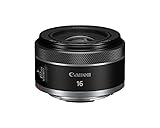
Canon RF16mm F2.8 STM
- Fast f/2.8 aperture
- Compact 5.7 oz design
- Great for travel
- Excellent value
Quick Overview: 12 Best Lenses For Landscape Photography
| Product | Specifications | Action |
|---|---|---|
| Sony FE 16-35mm F2.8 GM |
|
Check Latest Price |
| NIKKOR Z 14-30mm f/4 S |
|
Check Latest Price |
| Canon RF16mm F2.8 STM |
|
Check Latest Price |
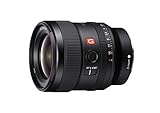 Sony FE 24mm F1.4 GM Sony FE 24mm F1.4 GM |
|
Check Latest Price |
 NIKKOR Z 14-24mm f/2.8 S NIKKOR Z 14-24mm f/2.8 S |
|
Check Latest Price |
 Sigma 18-35mm F1.8 Art Sigma 18-35mm F1.8 Art |
|
Check Latest Price |
 Tamron 17-28mm f/2.8 Di III RXD Tamron 17-28mm f/2.8 Di III RXD |
|
Check Latest Price |
 Tamron 20-40mm f/2.8 Di III VXD Tamron 20-40mm f/2.8 Di III VXD |
|
Check Latest Price |
 Sigma 10-20mm f/3.5 EX DC Sigma 10-20mm f/3.5 EX DC |
|
Check Latest Price |
 Canon EF-S 10-18mm f/4.5-5.6 IS STM Canon EF-S 10-18mm f/4.5-5.6 IS STM |
|
Check Latest Price |
 Canon RF-S10-18mm F4.5-6.3 IS STM Canon RF-S10-18mm F4.5-6.3 IS STM |
|
Check Latest Price |
 NIKKOR Z DX 24mm f/1.7 NIKKOR Z DX 24mm f/1.7 |
|
Check Latest Price |
1. Sony FE 16-35mm F2.8 GM – Professional Wide-Angle Zoom
Pros
- Exceptional sharpness across the frame
- Constant f/2.8 throughout zoom range
- G Master build quality with weather sealing
- Minimal distortion and chromatic aberration
- Beautiful bokeh for environmental portraits
Cons
- Premium price point
- Lens extends when zooming wider
- Heavy investment for hobbyists
This lens has been my go-to for serious landscape work on Sony bodies, and it easily earns its place among the best lenses for landscape photography. The image quality is simply outstanding, with sharpness that holds up even when pixel-peeping at 100% magnification. I have used it in everything from desert sandstorms to coastal rain, and the weather sealing has never let me down.
The constant f/2.8 aperture gives you flexibility for astrophotography and low-light situations. While most landscape work happens at f/8 to f/11, having that extra light-gathering capability opens up creative possibilities for nightscapes and blue hour shots. The 82mm filter thread is a major plus, allowing you to use standard circular polarizers and ND filters without expensive adapter systems.
One thing I appreciate is how well this lens handles flare and ghosting. Shooting directly into the sun produces pleasing results rather than the washed-out mess you get with lesser optics. The autofocus is fast and accurate, though for landscape work I typically use manual focus with focus peaking enabled.
Who Should Buy This Lens
Sony full-frame photographers who want professional-quality landscape images without compromise. This is the lens for you if you shoot in challenging conditions, need filter compatibility, or want one lens that handles everything from dramatic wide-angle vistas to environmental portraits.
Who Should Skip This Lens
If you are just starting out or primarily shoot during daylight hours, the premium price may be hard to justify. The f/4 alternatives offer similar sharpness at typical landscape apertures for significantly less money.
2. NIKKOR Z 14-30mm f/4 S – Best Value Ultra-Wide
Pros
- Extremely sharp across frame at all apertures
- Only 14mm zoom with 82mm filter support
- Compact retractable design
- Excellent flare resistance
- Half the price of f/2.8 version
Cons
- Significant distortion needs correction
- Not suitable for astrophotography
- Retractable mechanism takes getting used to
This lens changed my perspective on what a travel-friendly ultra-wide can be. At just over a pound, it is light enough to carry all day on mountain hikes without fatigue. The retractable design collapses down to a mere 3.5 inches, making it easy to pack in a camera bag alongside other gear.
The optical quality surprised me. Sharpness is excellent across the frame, even wide open at f/4. The 82mm filter thread is a game-changer for landscape photographers who use circular polarizers or graduated ND filters. Most ultra-wide zooms require expensive clamp-on filter systems due to bulbous front elements, but this lens accepts standard screw-on filters.
Since most landscape photography happens at f/8 to f/11 anyway, the f/4 maximum aperture is rarely a limitation. The distortion at 14mm is significant but easily corrected in post-processing. For daytime landscape work, you will not miss the extra stop of light that the f/2.8 version offers.
Who Should Buy This Lens
Nikon Z photographers who want excellent optical quality without the weight and cost of the f/2.8 version. Perfect for hikers, travelers, and anyone who values filter compatibility and portability over maximum aperture.
Who Should Skip This Lens
If astrophotography is a priority, the f/4 aperture will limit your Milky Way shots. Consider the 14-24mm f/2.8 S instead for night photography.
3. Canon RF16mm F2.8 STM – Budget Ultra-Wide Prime
Pros
- Incredible value for money
- Extremely compact pancake design
- Fast f/2.8 for low light
- Sharp image quality in center
- Perfect for travel and gimbal use
Cons
- Noticeable barrel distortion
- Strong vignetting at wide aperture
- Not weather sealed
- Lens hood not included
At just 5.7 ounces, this little prime lens has earned a permanent spot in my camera bag. The pancake design makes it disappear on the front of any Canon RF body, yet it delivers surprisingly good image quality for the price. I have used it for everything from mountain landscapes to tight interior spaces.
The f/2.8 aperture opens up creative possibilities that slower zooms cannot match. Shooting handheld at dusk or capturing the blue hour becomes practical when you have that extra light-gathering capability. The close minimum focusing distance of just over 5 inches lets you get creative with foreground elements in your compositions.
Yes, there is noticeable barrel distortion and vignetting, but these are easily corrected in Lightroom or Canon DPP. For the price, you get a lot of lens. The 43mm filter thread keeps filter costs down, and the compact size makes it ideal for travel or situations where you want to travel light.
Who Should Buy This Lens
Canon RF shooters on a budget who want an ultra-wide option without breaking the bank. Excellent for travel, vlogging, or as a lightweight backup lens for more serious landscape work.
Who Should Skip This Lens
Professional photographers who need weather sealing or corner-to-corner sharpness without correction. The distortion requires post-processing, which may not suit workflows requiring straight-out-of-camera results.
4. Sony FE 24mm F1.4 GM – Fast Prime for Landscapes and Astro
Pros
- Outstanding sharpness even wide open
- Exceptional low-light performance
- Compact and lightweight for G Master
- Minimal distortion
- Perfect for astrophotography
Cons
- Premium price point
- Fixed focal length limits versatility
- Slightly heavy for its size
This lens has become my favorite for astrophotography and low-light landscape work. The f/1.4 aperture gathers four times more light than an f/2.8 lens, which means you can capture the Milky Way with lower ISO settings and cleaner results. The coma correction is excellent, keeping stars sharp right into the corners.
Even when stopped down to typical landscape apertures, the sharpness is exceptional. I have used this lens for everything from mountain panoramas to intimate forest scenes, and it never disappoints. The 67mm filter thread is smaller than many wide-angle lenses, keeping filter costs reasonable.
The build quality feels solid without being overly heavy. At 15.7 ounces, it is light enough for all-day carry but substantial enough to feel professional. The autofocus is fast and accurate, though for landscape work I typically use manual focus with magnification.
Who Should Buy This Lens
Sony photographers who shoot astrophotography, low-light landscapes, or simply want the best possible image quality in a versatile 24mm focal length. The fast aperture opens creative possibilities that slower lenses cannot match.
Who Should Skip This Lens
If you need the flexibility of a zoom or rarely shoot in low light, the premium price may be hard to justify. A 16-35mm or 24-70mm zoom offers more versatility for general landscape work.
5. NIKKOR Z 14-24mm f/2.8 S – Professional Ultra-Wide
Pros
- Outstanding optics corner to corner
- Exceptional low-light performance
- Professional weatherproof build
- Handles flare beautifully
- Sharp at all apertures
Cons
- Premium price point
- Bulky for travel
- Expensive filter system
- Oversize cap requires alignment
This is the lens I reach for when image quality cannot be compromised. The sharpness across the entire frame is remarkable, even wide open at f/2.8. For landscape photographers who want the absolute best optical performance from their Nikon Z system, this is the ultra-wide zoom to own.
The f/2.8 aperture makes this lens suitable for astrophotography as well as daytime landscape work. I have captured stunning Milky Way images at 14mm, with stars remaining sharp into the corners. The weatherproof build has survived rain, snow, and blowing sand without any issues.
The included filter ring adapter allows you to use 112mm filters or the newer rear filter holder system. While this is an improvement over older designs that required bulky clamp-on systems, the filter costs are still significant. Plan for this additional expense if you use graduated ND or polarizer filters regularly.
Who Should Buy This Lens
Professional Nikon Z photographers who need the best possible image quality and weather sealing. Ideal for astrophotography, dramatic ultra-wide landscapes, and any situation where optical performance matters more than weight.
Who Should Skip This Lens
Hikers and travelers who prioritize weight savings. The 14-30mm f/4 S offers similar sharpness at typical landscape apertures for half the weight and price.
6. Sigma 18-35mm F1.8 Art DC HSM – APS-C Fast Zoom
Pros
- Prime-like sharpness throughout range
- Constant f/1.8 aperture is unique
- Exceptional low-light performance
- Robust build quality
- Available in multiple mounts
Cons
- Heavy for APS-C lens
- No image stabilization
- Not weather sealed
- Limited zoom range
This lens has achieved legendary status among APS-C shooters for good reason. The constant f/1.8 aperture is unmatched by any other zoom, giving you light-gathering capability that rivals prime lenses. The sharpness is so good that many photographers use it as a set of primes in one body.
On an APS-C camera, the 18-35mm range translates to roughly 27-52mm equivalent, which covers the classic landscape focal lengths. I have used this lens for everything from sweeping vistas to intimate forest details, and the image quality never disappoints.
The main trade-off is weight. At nearly 1.8 pounds, this is a substantial lens for an APS-C system. There is no image stabilization, so you will need to use proper technique or a tripod for sharp results at slower shutter speeds. For landscape work on a tripod, this is less of an issue.
Who Should Buy This Lens
APS-C photographers who want professional-level image quality and the low-light capability of a fast aperture. Excellent for landscape photographers who shoot in varied lighting conditions or need to freeze motion in foreground elements.
Who Should Skip This Lens
Travel photographers or hikers who prioritize lightweight gear. The weight and limited zoom range may feel restrictive if you need to cover a wider focal length range without changing lenses.
7. Tamron 17-28mm f/2.8 Di III RXD – Lightweight Sony Wide Zoom
Tamron 17-28mm f/2.8 Di III RXD for Sony Mirrorless Full Frame/APS-C E Mount, Black (AFA046S700)
Pros
- World's lightest f/2.8 wide zoom
- Excellent image quality
- Quiet RXD autofocus
- Moisture-resistant construction
- Same 67mm filter thread as other Tamrons
Cons
- Short zoom range
- Significant vignetting at wide apertures
- No image stabilization
- Corner softness at 17mm
At just 14.8 ounces, this Tamron proves that you do not need to carry heavy glass to get professional results. The constant f/2.8 aperture and compact size make it an excellent travel companion for Sony full-frame shooters who want to keep their kit light without sacrificing image quality.
The 17-28mm range covers the most useful ultra-wide focal lengths for landscape work. While the zoom range is limited compared to a 16-35mm, I find that 28mm is often wide enough for most landscape compositions, and the weight savings more than compensate for the shorter reach.
Image quality is very good, especially considering the compact size and reasonable price. The RXD autofocus motor is quiet and accurate, and the moisture-resistant construction has held up well in light rain and coastal conditions. The 67mm filter thread matches other Tamron lenses, making filter sharing easy.
Who Should Buy This Lens
Sony full-frame photographers who want a lightweight f/2.8 wide-angle zoom for travel and hiking. Excellent value for photographers who do not need to shoot at 16mm or 35mm regularly.
Who Should Skip This Lens
If you need the absolute widest angle or frequently shoot at 35mm, the limited zoom range may feel restrictive. Consider the Sony 16-35mm GM or Tamron 28-75mm as companions instead.
8. Tamron 20-40mm f/2.8 Di III VXD – Versatile Travel Zoom
Tamron 20-40mm f/2.8 Di III VXD Lens for Sony E-Mount Full Frame Mirrorless Cameras Black
Pros
- Very lightweight at 12.9 oz
- Weather-sealed construction
- Close focusing for foreground interest
- USB-C port for customization
- Excellent for video and vlogging
Cons
- Not parfocal for video
- Odd flare characteristics in some conditions
- 40mm may feel short for portraits
- Limited zoom range
This lens fills an interesting niche for landscape photographers who also shoot video or want an all-purpose travel lens. The 20-40mm range is unconventional but surprisingly useful, covering ultra-wide to short telephoto equivalent on a full-frame body.
The close minimum focusing distance of just 6.7 inches opens up creative possibilities for foreground interest in landscape compositions. I have used this feature to create intimate images with sharp foreground rocks or flowers against sweeping background scenery.
The weather-sealed construction gives confidence when shooting in challenging conditions. At just 12.9 ounces, it is one of the lightest f/2.8 zooms available for Sony E-mount. The USB-C port allows for firmware updates and customization, which is a nice touch for tech-savvy photographers.
Who Should Buy This Lens
Sony photographers who want a versatile, lightweight lens for travel and hybrid photo/video work. The close focusing capability makes it excellent for landscape photographers who like to include foreground elements in their compositions.
Who Should Skip This Lens
If you need the widest possible angle or frequently shoot portraits at longer focal lengths, the 20-40mm range may feel limiting. Consider pairing this with a wider or longer lens for complete coverage.
9. Sigma 10-20mm f/3.5 EX DC HSM – Budget Ultra-Wide for Nikon APS-C
Sigma 10-20mm f/3.5 EX DC HSM ELD SLD Aspherical Super Wide Angle Lens for Nikon Digital SLR Cameras
Pros
- Fixed f/3.5 throughout zoom range
- Excellent value for money
- Sharp images with good contrast
- Built-in motor for all Nikon bodies
- Includes lens hood and case
Cons
- Some corner softness wide open
- Noticeable distortion at 10mm
- No image stabilization
- May flare when shooting into sun
For Nikon DX shooters on a budget, this Sigma offers a lot of lens for the money. The fixed f/3.5 aperture is faster than many consumer zooms, and the 10-20mm range translates to 15-30mm equivalent on an APS-C body, which is perfect for dramatic landscape compositions.
The build quality feels solid, and the included lens hood and padded case are nice touches that add value. I have used this lens for everything from real estate interiors to mountain landscapes, and the results have been consistently good.
The Hyper Sonic Motor provides fast and quiet autofocus, and the built-in motor means it works with all Nikon bodies, including entry-level models without in-body focus motors. The distortion at 10mm is significant but expected for an ultra-wide, and easily corrected in post-processing.
Who Should Buy This Lens
Nikon APS-C photographers who want an affordable ultra-wide zoom for landscapes, architecture, or interiors. Excellent value for hobbyists and students who need wide-angle capability without premium pricing.
Who Should Skip This Lens
Photographers who need weather sealing, image stabilization, or the absolute sharpest corners. Consider stepping up to a newer design if optical perfection is your priority.
10. Canon EF-S 10-18mm f/4.5-5.6 IS STM – Budget Wide-Angle for Canon DSLR
Pros
- Excellent value for money
- Compact and lightweight design
- Image stabilizer for handheld work
- Smooth STM autofocus for video
- Sharp image quality for price
Cons
- Variable aperture is slow
- Plastic lens mount
- Not as wide as some competitors
- Slight barrel distortion at 10mm
This little lens punches well above its weight class for Canon APS-C DSLR shooters. At just 8.5 ounces, it is one of the lightest ultra-wide options available, making it perfect for travel and hiking. The image stabilizer is a welcome feature for handheld shooting in lower light.
The optical quality is surprisingly good for the price. I have used this lens for real estate photography, landscape work, and travel shots, and the results have been consistently sharp. The STM autofocus motor is smooth and quiet, which is great for video work as well as stills.
The variable aperture does limit you in low light, but for landscape work on a tripod, this is rarely an issue. The plastic lens mount feels less substantial than metal, but it has held up well in my experience. This is an excellent first ultra-wide lens for Canon APS-C shooters.
Who Should Buy This Lens
Canon APS-C DSLR photographers who want an affordable, lightweight ultra-wide zoom. Perfect for beginners, travel photographers, or anyone who needs wide-angle capability without a major investment.
Who Should Skip This Lens
Photographers who need a fast aperture for low-light work or astro photography. The variable f/4.5-5.6 aperture limits your options when light is scarce.
11. Canon RF-S10-18mm F4.5-6.3 IS STM – Compact Mirrorless Ultra-Wide
Pros
- Ultra-lightweight at 5.3 oz
- 4 stops of image stabilization
- Optimized for Canon R series
- Excellent for vlogging and travel
- Very compact design
Cons
- Slow variable aperture
- Not ideal for low light
- Some distortion at widest angles
- Requires technique to avoid distortion
This is currently the lightest ultra-wide zoom available for Canon’s APS-C mirrorless system. At just 5.3 ounces, it is barely noticeable on the camera, making it ideal for travel, hiking, or situations where every ounce counts.
The 4 stops of image stabilization help compensate for the slow variable aperture when shooting handheld. I have found it useful for interior shots and travel photography where tripods are not practical. The STM autofocus is smooth and quiet, working well for both stills and video.
The optical design is completely new and optimized for mirrorless cameras. The close focusing capability and compact size make it versatile for a range of subjects beyond just landscapes, including interiors, architecture, and even vlogging.
Who Should Buy This Lens
Canon R-series APS-C photographers who want the lightest possible ultra-wide zoom. Excellent for travel, hiking, vlogging, or as a compact companion to a standard zoom.
Who Should Skip This Lens
Photographers who frequently shoot in low light or need a fast aperture for creative depth-of-field control. The variable f/4.5-6.3 aperture is limiting in challenging lighting conditions.
12. NIKKOR Z DX 24mm f/1.7 – Affordable APS-C Prime
Pros
- Very lightweight and portable
- Fast f/1.7 for low light
- Excellent 35mm equivalent FOV
- Quick autofocus
- Dust and drip resistant design
Cons
- Some corner softness wide open
- Plastic construction
- No VR stabilization
- f/1.7 may not perform as expected
This little prime offers an affordable entry point into fast lenses for Nikon Z APS-C shooters. The 24mm focal length translates to 36mm equivalent on a DX body, which is a classic focal length for environmental landscapes and travel photography, making it a practical option among the best lenses for landscape photography when portability and affordability matter.
The f/1.7 aperture is reasonably fast for low-light work, though I have found it performs best when stopped down slightly. The close focusing distance of just 4.7 inches from the front element allows for creative foreground work in landscape compositions.
The build quality is solid for the price, with dust and drip resistance that provides confidence when shooting in marginal conditions. The autofocus is optimized for video as well as stills, making it a versatile option for hybrid shooters.
Who Should Buy This Lens
Nikon Z APS-C photographers who want an affordable, fast prime for general photography and landscapes. Excellent value for beginners or as a lightweight addition to a zoom-based kit.
Who Should Skip This Lens
Photographers who need corner-to-corner sharpness wide open or image stabilization for handheld work. Consider the Sigma 16mm or 30mm f/1.4 primes if optical quality is your priority.
How to Choose the Best Lenses for Landscape Photography In 2026?
Choosing the right lens for landscape photography involves understanding how focal length, aperture, and practical features affect your creative options. Here is what I have learned from years of shooting in the field.
Focal Length Guide for Landscapes
Your focal length determines how much of the scene you capture and how elements relate to each other within the frame. Here is a practical breakdown:
- Ultra-wide (14-20mm): These lenses create dramatic perspectives with emphasized foregrounds. Use them when you have interesting foreground elements like rocks, flowers, or water that you want to feature prominently. The exaggerated sense of depth makes small scenes feel vast.
- Wide-angle (20-35mm): This range offers a natural wide perspective without the extreme distortion of ultra-wides. I find 24mm to be a sweet spot for many landscape compositions, wide enough for dramatic scenes but natural enough for most subjects.
- Standard (35-70mm): These focal lengths produce images that closely match human perception. They are excellent for intimate landscapes, forest scenes, and compositions where you want to isolate specific elements without dramatic perspective effects.
- Telephoto (70mm+): Longer focal lengths compress distance and isolate distant subjects. I use telephoto lenses for mountain peaks, layered landscapes, and scenes where I want to emphasize patterns and compression rather than depth.
Aperture: f/2.8 vs f/4 for Landscape Photography
This is one of the most common questions I hear from landscape photographers. The answer depends on your shooting style and subjects:
- Choose f/2.8 if you shoot astrophotography, work in very low light, or want maximum flexibility for creative depth-of-field effects. The extra light-gathering capability makes a real difference for Milky Way photography and blue hour shots.
- Choose f/4 if you primarily shoot during daylight hours, value weight savings, or want to save money. Since most landscape work happens at f/8 to f/11 for maximum depth of field, the wider maximum aperture often goes unused. The f/4 versions are typically lighter and significantly less expensive.
Prime vs Zoom Lenses
Both have their place in landscape photography. Zooms offer versatility and convenience, allowing you to frame compositions without changing position or swapping lenses. A single 16-35mm or 24-70mm zoom can cover most landscape situations.
Primes typically offer better optical quality, faster apertures, and smaller size for their focal length. If you know exactly what focal length you need, a prime can deliver superior results. Many landscape photographers carry one versatile zoom and one fast prime for low-light situations.
Filter Compatibility Matters
If you use circular polarizers, graduated ND filters, or solid ND filters, pay attention to filter thread size and front element design. Lenses with bulbous front elements require expensive clamp-on filter systems, while those with flat front elements accept standard screw-on filters.
The 82mm filter thread has become a standard for professional wide-angle zooms, making it easy to share filters between lenses. I always check filter compatibility before buying any landscape lens.
Weight and Portability
If you hike to your locations, every ounce matters. Heavy lenses fatigue you faster and can discourage you from taking that extra shot. I have found that lighter f/4 zooms get used more often than heavy f/2.8 alternatives, simply because they are more pleasant to carry.
Consider how you will actually use the lens. A professional f/2.8 zoom sitting at home because it is too heavy does you no good. Sometimes the best lens is the one you actually have with you.
Third-Party Alternatives
Tamron and Sigma offer excellent alternatives to first-party lenses at significantly lower prices. Modern third-party lenses deliver optical quality that rivals or exceeds native options. If budget is a concern, do not overlook these alternatives.
The trade-offs are usually minor: slightly slower autofocus, different build feel, or less comprehensive weather sealing. For most landscape photographers who work from tripods, these differences are rarely significant in practice.
Frequently Asked Questions
Is 24-70 good for landscape?
Yes, the 24-70mm is an excellent lens for landscape photography and often called the ‘desert island’ lens by professionals. The 24mm end is wide enough for expansive scenes, while 70mm lets you isolate details and create compressed compositions. Many landscape photographers find the 24-70mm covers 80% of their shooting needs, making it an ideal travel and hiking companion when you want to minimize lens changes.
Is 35mm or 50mm better for landscape photography?
Both focal lengths work for landscapes, but they serve different purposes. A 35mm lens captures a wider field of view, making it better for environmental landscapes and scenes where you want to include context. A 50mm lens offers a more natural perspective that works well for intimate landscapes and isolated compositions. For general landscape work, 35mm is typically the more versatile choice, while 50mm excels at cleaner, more minimal compositions.
What mm is best for landscape?
There is no single best focal length for landscape photography because different scenes call for different perspectives. Ultra-wide lenses (14-24mm) excel at dramatic scenes with foreground interest. Standard wide-angle (24-35mm) offers a natural perspective for most scenes. Mid-range zooms (24-70mm) provide versatility for varied compositions. Telephoto lenses (70-200mm) create compression and isolate distant subjects. Most landscape photographers benefit from having options across this range.
Do I need f/2.8 for landscape photography?
Not necessarily. Most landscape photography happens at apertures between f/8 and f/11 for maximum depth of field, where the difference between f/2.8 and f/4 lenses disappears. However, f/2.8 becomes important if you shoot astrophotography, work frequently in low light, or want creative shallow depth-of-field effects. For daytime landscape work, an f/4 lens offers similar image quality at lower weight and cost.
Final Thoughts
The best lenses for landscape photography is ultimately the one that matches your creative vision and practical needs. For Sony shooters, the FE 16-35mm F2.8 GM delivers professional results with excellent filter compatibility. Nikon users get outstanding value from the NIKKOR Z 14-30mm f/4 S, which balances optical quality with portability. Canon RF photographers on a budget should seriously consider the RF16mm F2.8 STM for its combination of size, speed, and value.
Whatever lens you choose, remember that great landscape images come from understanding your gear and spending time in the field. The lenses in this guide will serve you well, but the real magic happens when you combine quality optics with good light, interesting compositions, and the patience to wait for the right moment.