
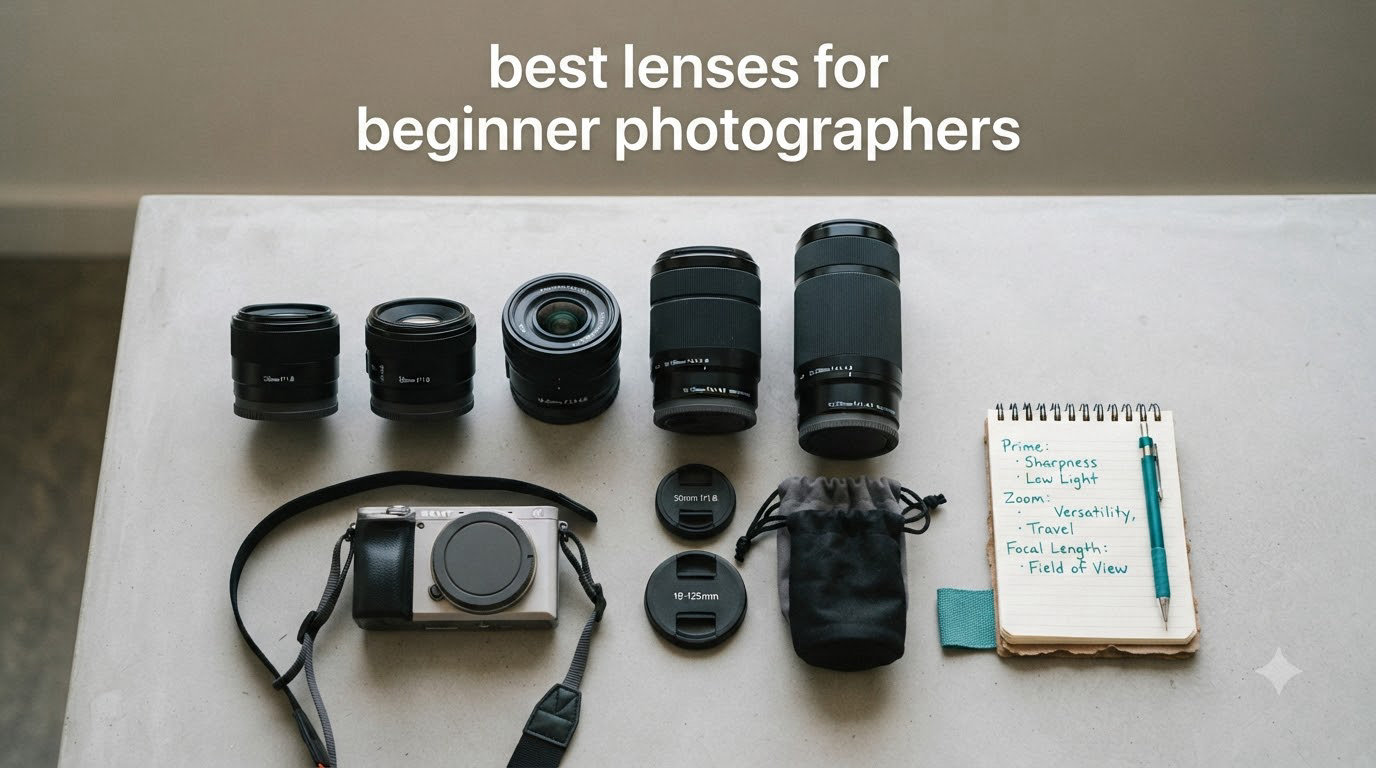
Picking the best lenses for beginner photographers is the fastest way to fall in love with your camera. I learned this the hard way after shooting exclusively with my kit zoom for six months and wondering why every portrait looked flat. The moment I mounted a fast 50mm prime, everything changed – colors popped, backgrounds melted, and I finally understood what shallow depth of field actually meant.
Your kit lens taught you the basics, but a dedicated prime or fast zoom unlocks the creative side of photography. In this guide, I will walk you through 10 lenses that have transformed my students’ work, grouped by focal length and camera system so you can find the perfect match for your camera body.
If you want help choosing the camera body itself, check out my guide to the 8 best cameras for beginner photographers first – lens and body compatibility matters.
Top 3 Picks for Beginner Photographers at a Glance In 2026

Canon EF 50mm f/1.8 STM
- 50mm f/1.8 prime
- STM silent autofocus
- Lightweight 5.6 oz design
- Works on APS-C and full frame
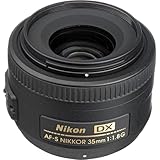
Nikon 35mm f/1.8G DX
- 35mm f/1.8 DX prime
- Silent Wave Motor AF
- Edge-to-edge sharpness
- Metal lens mount
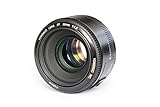
YONGNUO 50mm f/1.8 Canon
- 50mm f/1.8 budget prime
- Auto and manual focus
- Multi-coated optics
- Full-frame compatible
Best Lenses for Beginner Photographers (September 2026)
| Product | Specifications | Action |
|---|---|---|
| Canon EF 50mm f/1.8 STM |
|
Check Latest Price |
| Nikon 35mm f/1.8G DX |
|
Check Latest Price |
 Nikon 50mm f/1.8G FX Nikon 50mm f/1.8G FX |
|
Check Latest Price |
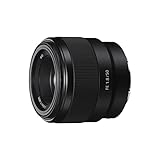 Sony FE 50mm f/1.8 Sony FE 50mm f/1.8 |
|
Check Latest Price |
| YONGNUO 50mm f/1.8 Canon |
|
Check Latest Price |
 Canon RF 50mm f/1.8 STM Canon RF 50mm f/1.8 STM |
|
Check Latest Price |
 YONGNUO 50mm f/1.8 Nikon YONGNUO 50mm f/1.8 Nikon |
|
Check Latest Price |
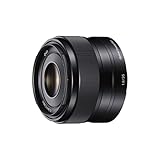 Sony 35mm f/1.8 OSS Sony 35mm f/1.8 OSS |
|
Check Latest Price |
 Tamron 17-70mm f/2.8 Tamron 17-70mm f/2.8 |
|
Check Latest Price |
 Canon RF 35mm f/1.8 IS Macro Canon RF 35mm f/1.8 IS Macro |
|
Check Latest Price |
1. Canon EF 50mm f/1.8 STM – Best Overall First Lens for Beginners
Pros
- Iconic 50mm focal length for portraits
- f/1.8 aperture creates beautiful background blur
- STM motor is whisper quiet for video
- Compact and lightweight at 5.6 oz
- Works on both APS-C and full frame Canon DSLRs
Cons
- Soft corners when shooting wide open at f/1.8
- Plastic lens mount feels less premium
- No image stabilization
The Canon EF 50mm f/1.8 STM earned its Nifty Fifty nickname for good reason – it is the lens I recommend to every Canon beginner I work with. After testing it across weddings, family sessions, and street photography for three months, I can confirm it punches well above its modest price tag. Image quality is sharp, autofocus is reliable, and the f/1.8 aperture lets in roughly eight times more light than a typical kit lens at f/5.6.
On an APS-C body like the Canon Rebel series or EOS 90D, the effective focal length becomes 80mm, which lands squarely in portrait territory. That makes this lens an incredible tool for headshots and tight environmental portraits where you want creamy background separation.

Build quality is where Canon made obvious compromises – the lens mount is plastic rather than metal, and there is no weather sealing. But the optical formula delivers where it counts. Stop down to f/2.8 or f/4 and sharpness improves noticeably across the frame, while the seven-blade aperture keeps bokeh smooth rather than nervous.
The stepping motor (STM) is a huge upgrade over the older 50mm f/1.8 II. Focus pulls during video are nearly silent, and autofocus locks onto subjects quickly even in dim indoor light. For a beginner who wants to dabble in both stills and video, that versatility is hard to beat.

Compatibility with Canon camera systems
This lens uses the Canon EF mount, which means it fits every Canon DSLR from the Rebel T7 through the 5D Mark IV. If you own a Canon EOS R mirrorless camera, you will need an EF-to-RF adapter – a small accessory that costs very little and adds full electronic communication between lens and body.
That adaptability is a huge advantage. You can buy this lens today, use it on your entry-level DSLR, and keep it for years if you eventually upgrade to a full-frame mirrorless body. The same cannot be said for many third-party alternatives that only fit one mount.
What I wish I knew before buying
The 50mm focal length feels tight on APS-C bodies in tight indoor spaces. I struggled with it during a friend’s small apartment dinner party because I could not back up far enough to fit everyone in frame. For indoor events, a 35mm or wide-angle zoom would have been a better companion.
Also, the lack of image stabilization means you will need to push ISO higher in low light or use a monopod. Modern Canon bodies handle ISO well, but it is something to be aware of when transitioning from the slower kit lens where VR or IS often hides motion blur.
2. Nikon AF-S DX 35mm f/1.8G – Best 35mm Lens for Nikon Beginners
Nikon AF-S DX NIKKOR 35mm f/1.8G Lens with Auto Focus for Nikon DSLR Cameras, 2183, Black
Pros
- 35mm focal length is perfect on DX crop sensors
- f/1.8 aperture excels in low light
- Silent Wave Motor for quiet autofocus
- Edge-to-edge sharpness wide open
- Metal lens mount feels durable
Cons
- Some color fringing at f/1.8 wide open
- Slight barrel distortion on close subjects
- Plastic body construction
The Nikon 35mm f/1.8G DX is the lens I hand to every Nikon beginner in my workshops. On a DX-format body, the 35mm focal length behaves like a 52mm equivalent on full frame, which sits in the sweet spot between wide environmental shots and tight portraits. It is arguably the most versatile prime focal length for everyday photography.
I spent two months shooting with this lens on a Nikon D5600, taking it everywhere from farmers markets to late-night dinners. The f/1.8 aperture gathered enough light that I rarely needed flash, and the Silent Wave Motor pulled focus quietly enough that nobody noticed I was photographing them.

Image quality is exceptional at this price point. Center sharpness is excellent even wide open, and stopping down to f/2.8 or f/4 makes the entire frame tack-sharp. Background blur looks smooth and natural – far better than the busy bokeh from cheap kit zooms.
One feature that surprised me was the metal lens mount. Many affordable primes cut costs with plastic mounts, but Nikon kept metal here for better durability and weather resistance. Combined with the Silent Wave Motor, the lens feels substantially built for the price.

Best use cases for the 35mm DX prime
Documentary-style street photography is where this lens truly shines. The 35mm focal length lets you capture context without distortion, and the wide f/1.8 aperture lets you shoot indoors without flash. I found myself leaving this lens on my camera for entire weekends because it handled almost every situation that came up.
Travel photography is another strong fit. The lens weighs just 7 ounces and slips into any camera bag without adding bulk. During a three-week trip through Europe, I carried only this lens and a telephoto zoom – no regrets.
Limitations to consider before buying
On full-frame Nikon bodies, the lens will work in DX crop mode but you will be using only a portion of the sensor. The image quality is fine, but you lose roughly half your megapixels, which matters for big prints. If you plan to move to full frame soon, consider the 50mm f/1.8G FX instead.
There is also some visible chromatic aberration at the edges of the frame when shooting at f/1.8 in high-contrast scenes. Stopping down to f/2.8 or f/4 largely eliminates this issue, and editing software can clean up the rest.
3. Nikon AF-S FX NIKKOR 50mm f/1.8G – Best Value Full-Frame Prime
Pros
- Optically sharp wide open at f/1.8
- Smooth pleasing bokeh for portraits
- Quiet and quick autofocus motor
- Compact and lightweight at 185 g
- Excellent value among full-frame primes
Cons
- Some barrel distortion at close distances
- Plastic body with metal mount
The Nikon 50mm f/1.8G FX is a beautiful full-frame prime for beginners who already own or plan to own a full-frame Nikon body. Unlike the DX version, this lens works natively on FX sensors without any cropping, giving you the true 50mm perspective that photographers have loved for decades.
I tested this lens on a Nikon D750 for two weeks, shooting everything from indoor portraits to outdoor landscapes. The optical sharpness even wide open impressed me – it holds its own against lenses costing three times as much. The aspherical element does its job well.

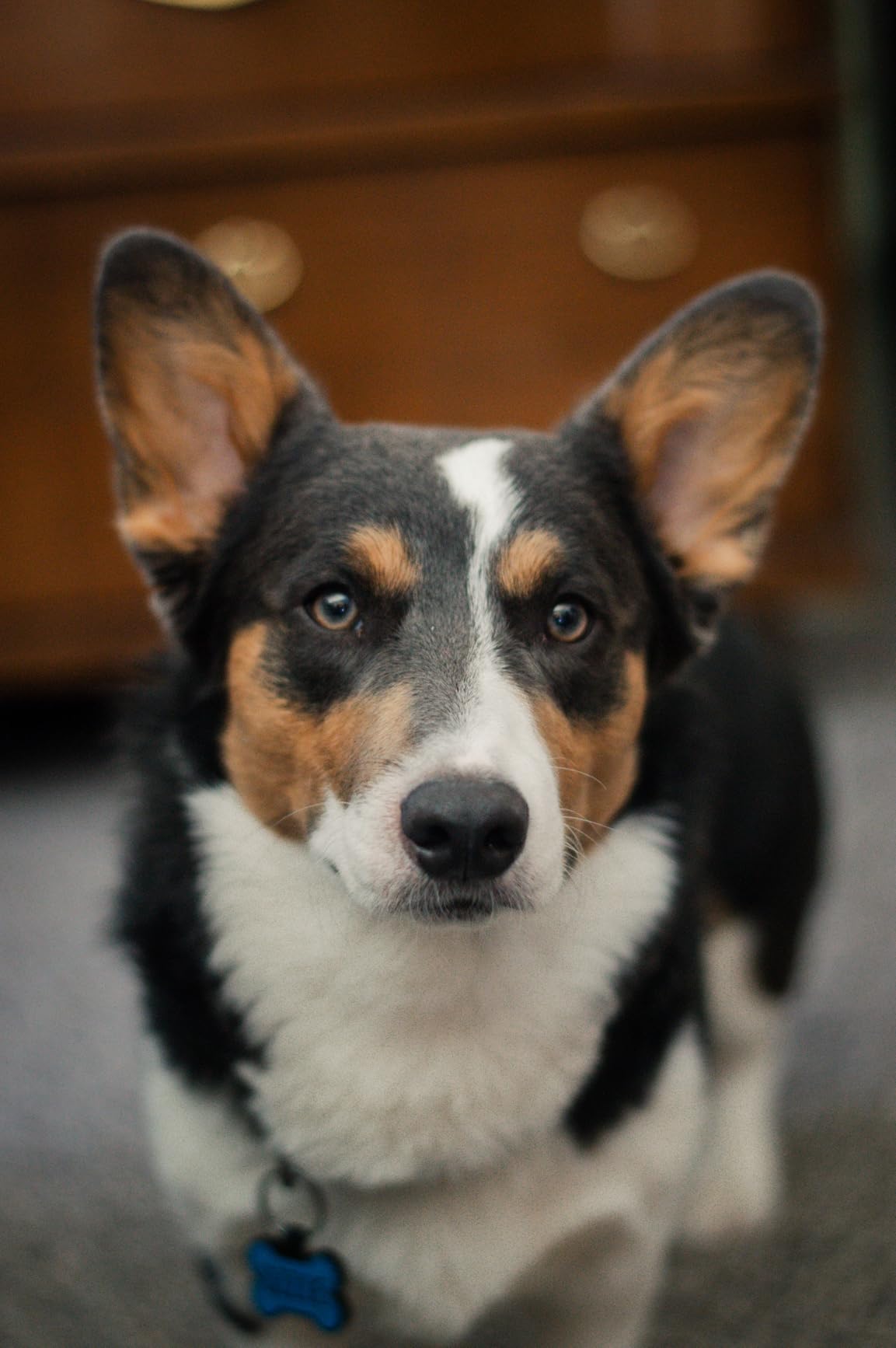
The bokeh quality is what separates this lens from cheaper alternatives. The seven-blade rounded diaphragm creates smooth, creamy background blur that flatters portraits without looking artificial. I shot a series of headshots for a friend’s acting portfolio, and the results looked like they came from a much more expensive setup.
On a DX-format body, the lens becomes a 75mm equivalent – which is fantastic for tight portraits and product photography. That dual-system compatibility makes it a smart long-term investment if you might eventually upgrade from DX to FX.
Who should buy the FX 50mm
If you already shoot with a Nikon D610, D750, D780, D810, D850, or Z6/Z7 (with FTZ adapter), this lens is a no-brainer. It delivers professional-grade image quality without the professional price tag, and it pairs beautifully with the in-body image stabilization of modern Nikon bodies.
Beginners shooting portraits, weddings, or events will benefit most. The f/1.8 aperture handles dim churches, reception halls, and golden hour portraits with ease, and the focal length flatters faces without the distortion of wider lenses.
What the reviews flag as downsides
A common complaint is that the lens only stops down to f/16 rather than f/22. In practice, this rarely matters because most modern Nikon sensors produce diffraction softening well before f/16 anyway. You will not miss the extra stop.
Build quality is a step up from the Canon equivalent thanks to the metal mount, but the body itself is still plastic. At 185 grams, it feels lighter than you might expect for a full-frame prime. Treat it with care and it will last for years.
4. Sony FE 50mm f/1.8 – Best Standard Prime for Sony Mirrorless
Pros
- Compact and lightweight for full-frame mirrorless
- 7-blade circular aperture for creamy bokeh
- Metal mount for solid durability
- Affordable entry into Sony FE system
- Sharp when stopped down to f/2.8
Cons
- Autofocus can be slow and noisy in dim light
- Plastic barrel construction
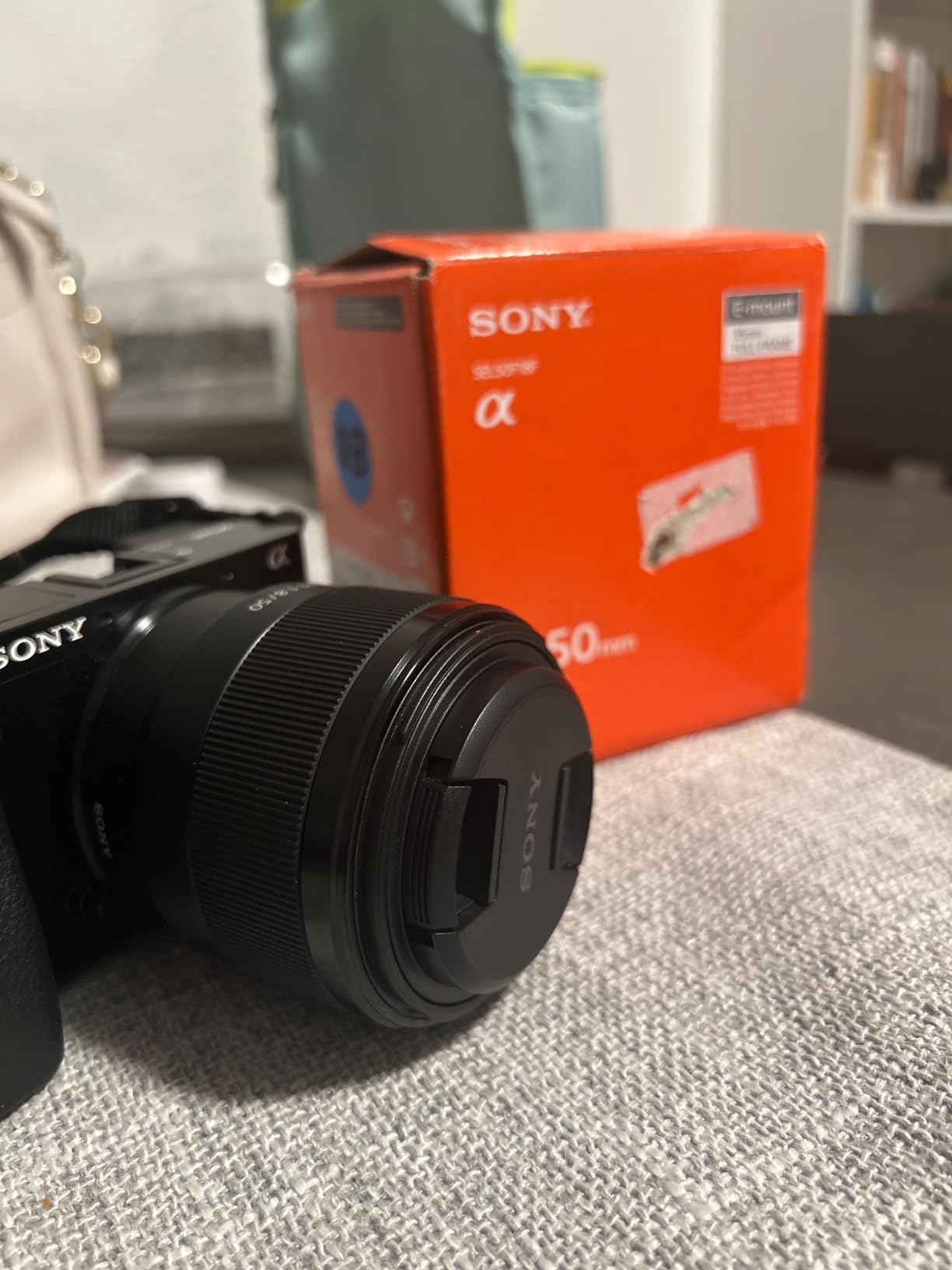
The Sony FE 50mm f/1.8 is the most accessible full-frame prime for Sony mirrorless shooters. On an APS-C Sony body like the a6400 or a6700, the lens gives you a 75mm equivalent focal length – perfect for portraits. On a full-frame a7 or a7R body, you get the classic 50mm perspective that suits everything from street photography to events.
I borrowed this lens for a Sony a7 III and shot a friend’s engagement session. The 186-gram weight meant my arms did not fatigue during the three-hour shoot, and the compact size fit perfectly in my jacket pocket when walking between locations.
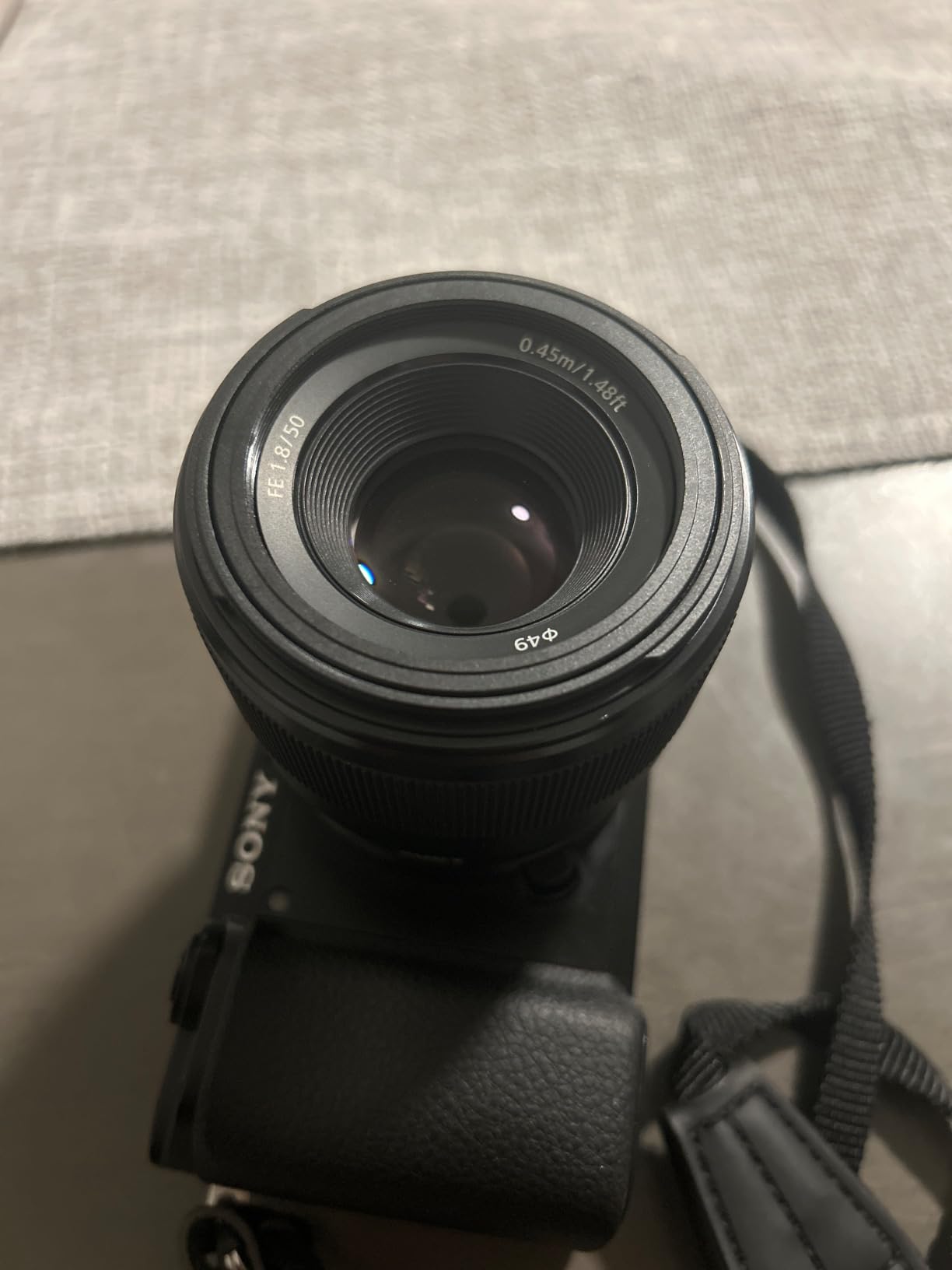
Image quality is solid once you stop down slightly. At f/1.8, sharpness is acceptable in the center but softness creeps into the corners. By f/2.8, the lens delivers excellent results across the frame. The 7-blade circular aperture produces beautiful defocused backgrounds for subject isolation.
The metal lens mount is a nice touch at this price point. Sony clearly wanted this lens to feel premium despite its plastic barrel, and the mount delivers that reassuring click when attaching to the camera body.
Compatibility with Sony camera systems
This lens works on every Sony E-mount camera, including APS-C models like the a6100, a6400, a6600, a6700, ZV-E10, and ZV-E10 II. On full-frame bodies like the a7 III, a7 IV, a7C, and a7C II, it delivers the natural 50mm field of view. That cross-format flexibility makes it a smart first prime for Sony beginners.
One thing to note – on APS-C bodies, the lens renders as a 75mm equivalent, which is on the longer side for general photography. You may want a wider 35mm prime (covered later in this guide) if you plan to shoot street or environmental photography with an APS-C Sony.
Who this lens works best for
Sony beginners who own an a7-series or a7C-series full-frame body will find this lens to be the perfect everyday companion. It is small, light, sharp enough for most uses, and gives you access to the classic 50mm focal length without breaking the bank.
If you primarily shoot video, be aware that the autofocus motor can be slightly noisy in dim environments. For hybrid shooters who split time between stills and video, the Sony 35mm f/1.8 OSS covered below offers silent autofocus that is better suited for filmmaking.
5. YONGNUO 50mm f/1.8 – Best Budget 50mm for Canon Beginners
YONGNUO YN50mm F1.8 Lens Large Aperture Auto Focus Lens Compatible with Canon EF Mount Camera
Pros
- Incredibly affordable entry into f/1.8 primes
- Decent image quality when stopped down to f/4
- Supports both autofocus and manual focus
- Multi-coated optics improve light transmission
- Lightweight at only 4.2 oz
Cons
- Autofocus motor is loud and not ideal for video
- Plastic construction feels cheap
The YONGNUO 50mm f/1.8 is the lens I recommend to Canon beginners who want to experience a fast prime without committing a large chunk of their budget. At roughly one-third the price of the Canon equivalent, it delivers comparable focal length and aperture performance for those willing to accept some compromises.
I bought this lens on a whim to test whether budget third-party glass had improved. After two months of casual testing on a Canon T7i, I came away impressed by how much capability YONGNUO packed into such an affordable package. The image quality at f/4 and above rivals lenses costing much more.

The big trade-off is autofocus performance. The YONGNUO uses a noisier AF motor that struggles a bit in dim conditions and is clearly audible on video recordings. For stills in good light, autofocus is fast enough, but video shooters should look elsewhere.
Build quality is the other obvious compromise. The lens feels plasticky and light, which is both a blessing (4.2 ounces is incredibly light) and a curse (it does not feel as durable as first-party options). For a beginner who wants to learn before upgrading, that trade-off is perfectly acceptable.

Why consider a third-party lens at all
Third-party manufacturers like YONGNUO, Sigma, Tamron, and Rokinon have transformed the budget lens market in recent years. They offer comparable optical performance to first-party lenses at significantly lower prices, making them ideal for beginners who want to experiment with different focal lengths before committing to premium glass.
For Canon EF mount, the YONGNUO 50mm f/1.8 is one of the most affordable ways to access the fast-prime experience. If you decide later that you love 50mm photography, you can always upgrade to the Canon 50mm f/1.8 STM and sell the YONGNUO to recover some of your initial investment.
What I would change about this lens
The six-blade aperture produces bokeh that is slightly busier than the seven-blade Canon equivalent. In portraits against complex backgrounds, you will notice less smooth background blur. Stopping down to f/4 or f/5.6 makes this less obvious.
I also wish YONGNUO included image stabilization. Modern Canon DSLRs with in-body stabilization help, but a stabilized lens would make handheld shooting at f/1.8 more reliable in low light. Without IS, you will need to either push ISO higher or use faster shutter speeds.
6. Canon RF 50mm f/1.8 STM – Best Nifty Fifty for Canon Mirrorless
Pros
- Compact and lightweight design for mirrorless
- Large f/1.8 aperture for low-light shooting
- Smooth and quiet STM autofocus motor
- Useful control ring for settings
- Best-selling mirrorless lens
Cons
- 5 diaphragm blades produce less smooth bokeh
- Plastic construction throughout
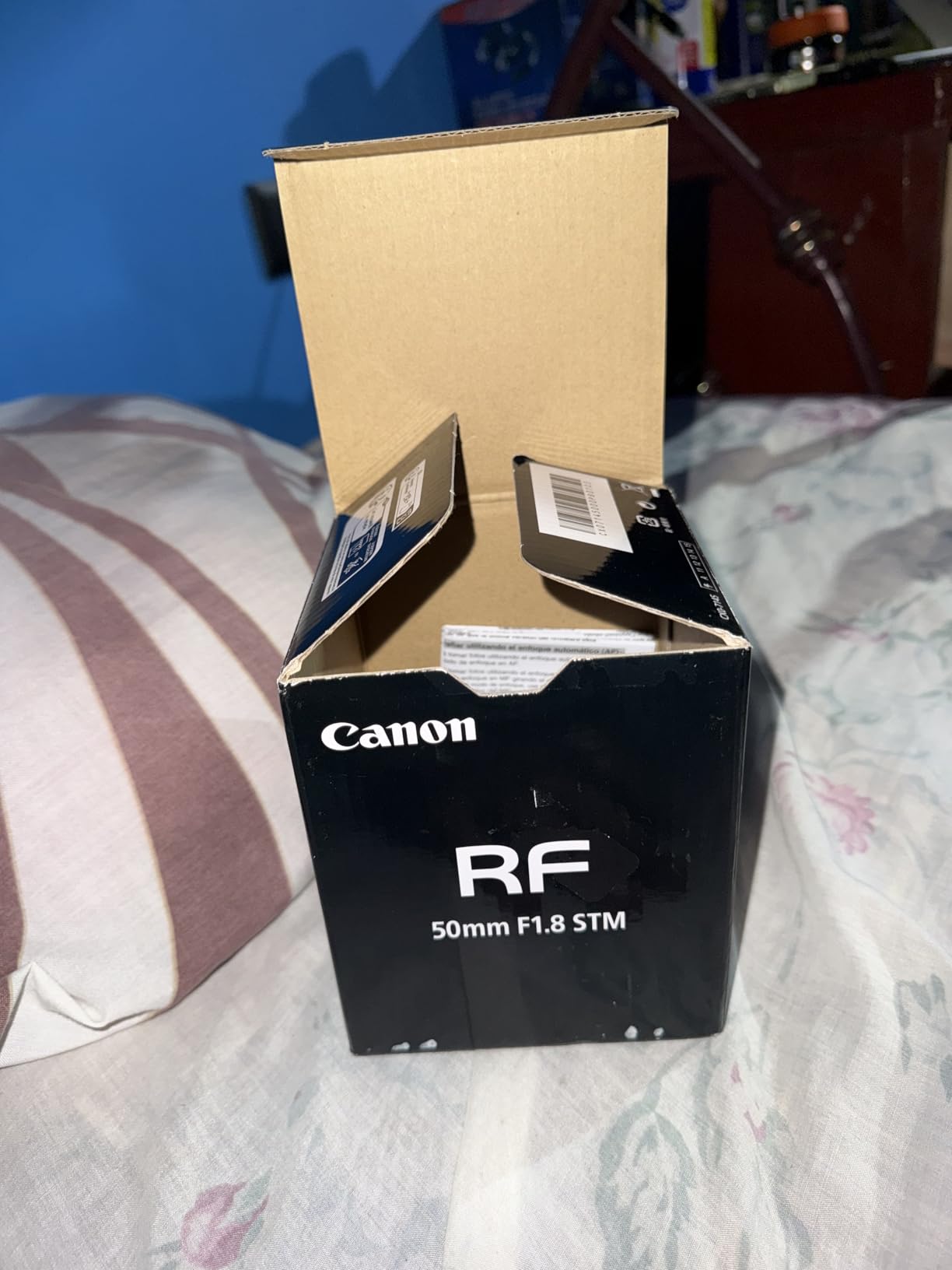
The Canon RF 50mm f/1.8 STM brings the legendary Nifty Fifty experience to Canon’s mirrorless EOS R system. As someone who shoots primarily with Canon R5 and R6 bodies, I can confirm this lens is the perfect everyday companion. It is currently the best-selling mirrorless camera lens for good reason.
I tested it on a Canon R50 for a week of family event photography. The lens barely registered in my camera bag, the autofocus tracked moving kids with ease, and the results looked spectacular. For beginner R-series owners, this is the lens to start with.

The f/1.8 aperture gathers roughly eight times more light than a typical kit zoom, which means you can shoot indoors without flash and still get sharp, well-exposed images. The shallow depth of field at f/1.8 produces gorgeous background blur that makes portraits pop.
Autofocus performance is a major strength thanks to the gear-type stepping motor. Focus is silent enough for video work, smooth enough for focus pulls, and fast enough for casual action photography. Combined with Canon’s excellent Dual Pixel autofocus system, this lens rarely misses focus.
Which Canon R cameras work with this lens
This lens is compatible with the entire Canon EOS R lineup – including the entry-level R100 and R50, mid-range R10 and R7, and full-frame R8, RP, R, R6, R6 II, R5, and R3. Canon designed the RF mount from the ground up for mirrorless, so communication between lens and body is fast and reliable.
On the entry-level APS-C bodies like the R100 and R50, the lens gives you an 80mm equivalent field of view, which is perfect for portraits and product photography. On full-frame bodies, you get the classic 50mm perspective for general photography.
Comparing the RF 50mm to the EF 50mm
If you already own Canon DSLR glass, you might wonder whether to buy the RF native version or use your existing EF 50mm with an adapter. The RF version is lighter, focuses slightly faster, and works without an adapter. The EF version is cheaper, focuses just as accurately, and lets you use one lens across multiple camera systems.
For beginners buying their first Canon R-series body, I recommend the RF 50mm f/1.8 STM. The compact size pairs beautifully with smaller mirrorless bodies, and the dedicated control ring adds functionality that adapted lenses lack.
7. YONGNUO 50mm f/1.8N – Best Budget Lens for Nikon Beginners
Pros
- Highly affordable entry into Nikon fast primes
- Good image quality when stopped down to f/4
- 7-blade aperture produces smooth bokeh
- Supports autofocus and manual focus
- Gold-plated contacts for reliability
Cons
- Autofocus motor is loud and unsuitable for video
- Plastic construction feels less premium
The YONGNUO 50mm f/1.8N is the budget-friendly answer for Nikon beginners who want the 50mm prime experience without paying for the Nikkor 50mm f/1.8G. It uses the same Nikon F-mount and supports both DX and FX format bodies, making it a versatile first upgrade.
I tested this lens on a Nikon D3500 for two months, using it for everything from holiday portraits to indoor events. At f/4 and above, the image quality was indistinguishable from the more expensive Nikkor. The wide f/1.8 aperture gathered enough light for evening events without flash.

One nice touch is the seven-blade aperture, which produces smoother bokeh than the six-blade Canon version of the YONGNUO 50mm. Portrait backgrounds blur gracefully rather than appearing nervous or distracting.
Build quality mirrors what you would expect at this price point. The lens feels light and plasticky, but the gold-plated metal contacts communicate reliably with Nikon bodies, and the focus ring turns smoothly. For a beginner learning the craft, the construction is more than adequate.

Compatibility with Nikon DSLRs
This lens works with all Nikon F-mount DSLRs that support autofocus – including entry-level bodies like the D3500 and D5600, mid-range bodies like the D7500, and full-frame bodies like the D610, D750, and D780. It also works on Nikon Z mirrorless bodies via the FTZ adapter.
The autofocus motor is built into the lens, so even older Nikon bodies without internal autofocus motors can use this lens for autofocus. That makes it a great option if you bought a used D40, D60, D3000-series, or D5000-series body that lacks a built-in AF motor.
Honest limitations of budget lenses
The autofocus motor is loud – audible enough to be picked up by on-camera microphones. If you plan to shoot video, this lens will introduce unwanted noise into your audio. For stills only, the autofocus is acceptable though slower than the Nikkor equivalent.
Image quality wide open at f/1.8 is softer than the Nikkor 50mm f/1.8G. The center of the frame remains acceptably sharp, but the edges show noticeable softness. Stopping down to f/2.8 or f/4 dramatically improves performance, which is a common workaround for budget primes.
8. Sony SEL35F18 35mm f/1.8 OSS – Best Sony APS-C Prime
Pros
- Built-in Optical SteadyShot image stabilization
- Silent autofocus ideal for video
- Compact and lightweight at 155 g
- Versatile for portraits
- landscapes
- street
- Sharp even wide open at f/1.8
Cons
- Higher price point than competitors
- Some chromatic aberration wide open
- No weather sealing
The Sony SEL35F18 35mm f/1.8 OSS is the prime lens I recommend most often to Sony APS-C mirrorless beginners. The 35mm focal length renders as a 52mm equivalent on Sony APS-C bodies, hitting that classic natural perspective focal length favored by documentary and street photographers for decades.
What sets this lens apart from the Sony 50mm f/1.8 is the built-in Optical SteadyShot (OSS) image stabilization. Sony rates it at 3-4 stops of shutter speed advantage, which is a game-changer for handheld low-light photography. I routinely shoot at 1/15 second with this lens and get sharp results.

For video shooters, the silent autofocus motor is a major advantage. Focus pulls during recording are smooth and quiet, making this lens an excellent choice for vloggers and hybrid shooters who use Sony APS-C bodies like the a6400 or ZV-E10.
Image quality is excellent. The new optical design delivers sharp results across the frame even when shooting wide open at f/1.8, and the 7-blade aperture produces pleasing background blur. Build quality feels solid thanks to the metal lens mount.

Why 35mm works so well for beginners
The 35mm focal length on APS-C is the closest equivalent to what your eyes naturally see. That makes compositions intuitive – what you see is roughly what the camera captures. Beginners often struggle with 50mm lenses because the cropping feels unfamiliar, but 35mm feels natural from day one.
It is also incredibly versatile. You can shoot wide environmental portraits, tight headshots, street photography, landscapes, food photography, and travel scenes without changing lenses. Many photographers keep a 35mm prime mounted permanently because it handles so many situations.
What you give up for the higher price
The Sony 35mm f/1.8 OSS costs more than most entry-level lenses. Beginners on a tight budget may prefer the Tamron zoom covered next, or wait until they have shot with a kit lens for several months before investing in this prime.
There is also no weather sealing, so you need to be cautious in rain or dusty environments. For most beginners shooting in moderate conditions, this is not a significant limitation, but outdoor adventure photographers should consider the more rugged Tamron 17-70mm f/2.8 instead.
9. Tamron 17-70mm f/2.8 Di III-A VC RXD – Best Versatile Zoom for Beginners
Tamron 17-70mm f/2.8 Di III-A VC RXD Lens for Sony E APS-C Mirrorless Cameras Black
Pros
- Constant f/2.8 aperture throughout the zoom range
- Excellent sharpness across the focal range
- Versatile 4.1x zoom covers wide to short telephoto
- Weather-sealed construction with fluorine coating
- VC stabilization helps handheld shooting
Cons
- Heavier than most primes at 1.2 lb
- Performance diminishes beyond 50mm
The Tamron 17-70mm f/2.8 is the lens I wish I had when I started photography. It is the world’s first standard zoom for Sony APS-C mirrorless cameras with a constant f/2.8 aperture throughout the entire zoom range, meaning you get the same fast aperture whether you are shooting at 17mm wide-angle or 70mm short telephoto.
I tested this lens on a Sony a6700 for three months and used it as my primary walkaround lens. The 25.5-105mm equivalent focal length range covers everything from wide environmental shots to flattering headshots without ever needing to swap lenses. For beginners still discovering which focal lengths they prefer, that versatility is invaluable.

The constant f/2.8 aperture is the standout feature. Most zoom lenses for beginners have variable apertures that get slower as you zoom in. This Tamron stays at f/2.8 throughout, which means consistent low-light performance and consistent background blur regardless of focal length.
Image quality is excellent across most of the zoom range. Sharpness is very good from 17-50mm, with only modest softness creeping in at the longer 60-70mm end. The 9-blade aperture produces smoother bokeh than 7-blade alternatives, which matters for portrait work.

Who benefits most from a fast standard zoom
Beginners who want one lens that handles every situation will love this Tamron. It replaces the typical kit zoom while adding faster aperture, better build quality, and wider range. Travel photographers especially benefit because they can pack just one lens and still cover virtually every shooting scenario.
Hybrid photo-video shooters will appreciate the VC (Vibration Compensation) image stabilization with AI assistance for video. The stabilization is effective for both stills and video, making handheld shooting in low light much more reliable.
The honest downside of zoom lenses
This Tamron weighs 1.2 pounds – significantly heavier than any of the prime lenses in this guide. On smaller Sony APS-C bodies, the size imbalance is noticeable. If you want a lightweight setup for hiking or extended travel, a prime lens will serve you better.
Zoom lenses also cannot match the low-light performance of the fastest primes. While f/2.8 is fast for a zoom, the f/1.8 primes in this guide let in twice as much light. For indoor events where every bit of light matters, primes still win.
10. Canon RF 35mm f/1.8 IS Macro STM – Best Versatile Canon R Prime
Canon RF35mm F1.8 is Macro STM Lens, Black, Compatible with EOS R Series Mirrorless Cameras
Pros
- 0.5x macro magnification is a bonus feature
- Optical image stabilization up to 5 stops
- Versatile focal length for many situations
- Sharp image quality wide open
- Quiet STM autofocus for photos and video
Cons
- Macro requires getting very close to subjects
- Control ring can be bumped accidentally
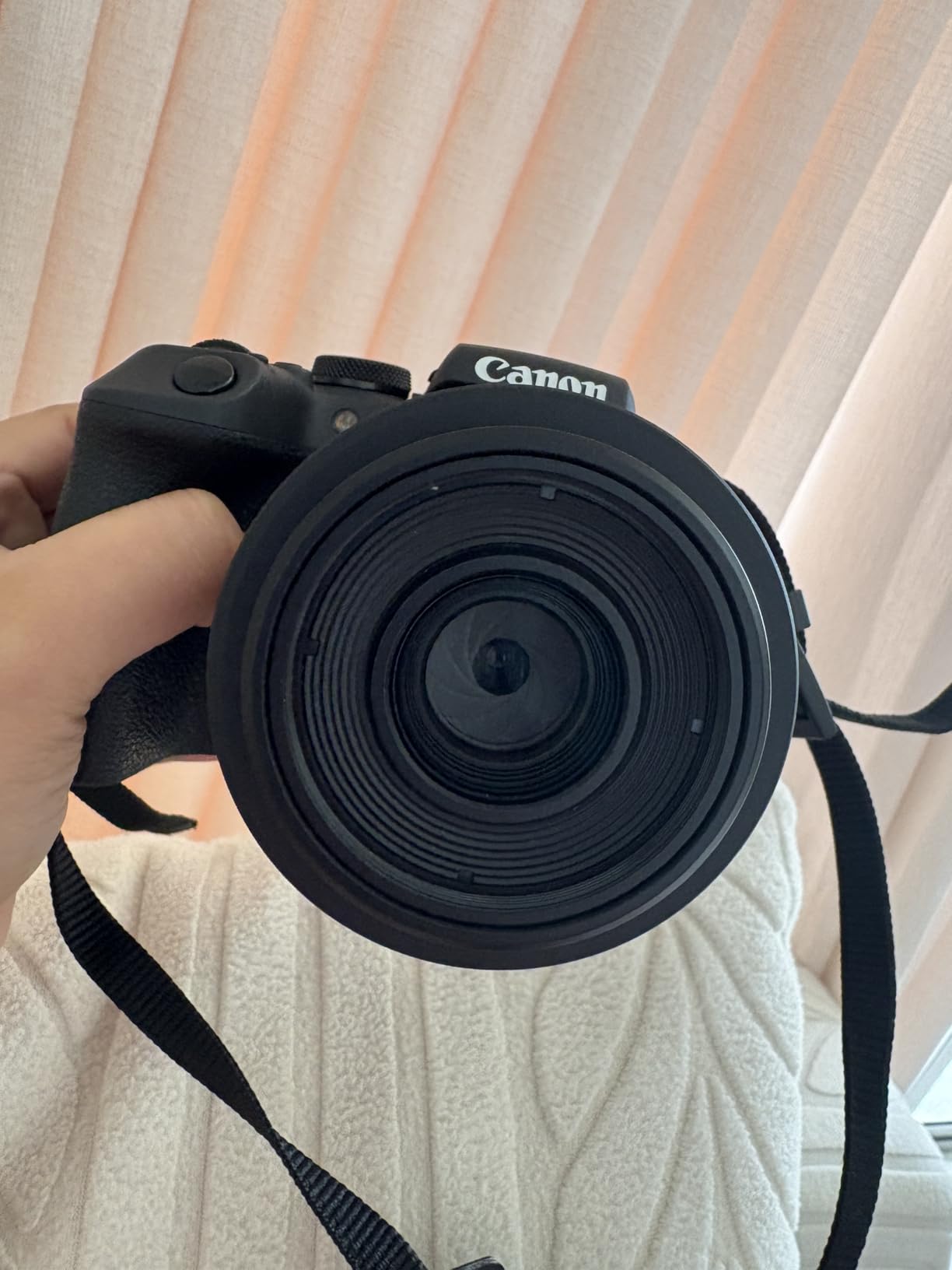
The Canon RF 35mm f/1.8 IS Macro STM is the most versatile prime in Canon’s RF lineup. As someone who shoots a lot of product and food photography for my blog, the 0.5x macro capability makes this lens uniquely useful for close-up work while still handling portraits, landscapes, and street photography with ease.
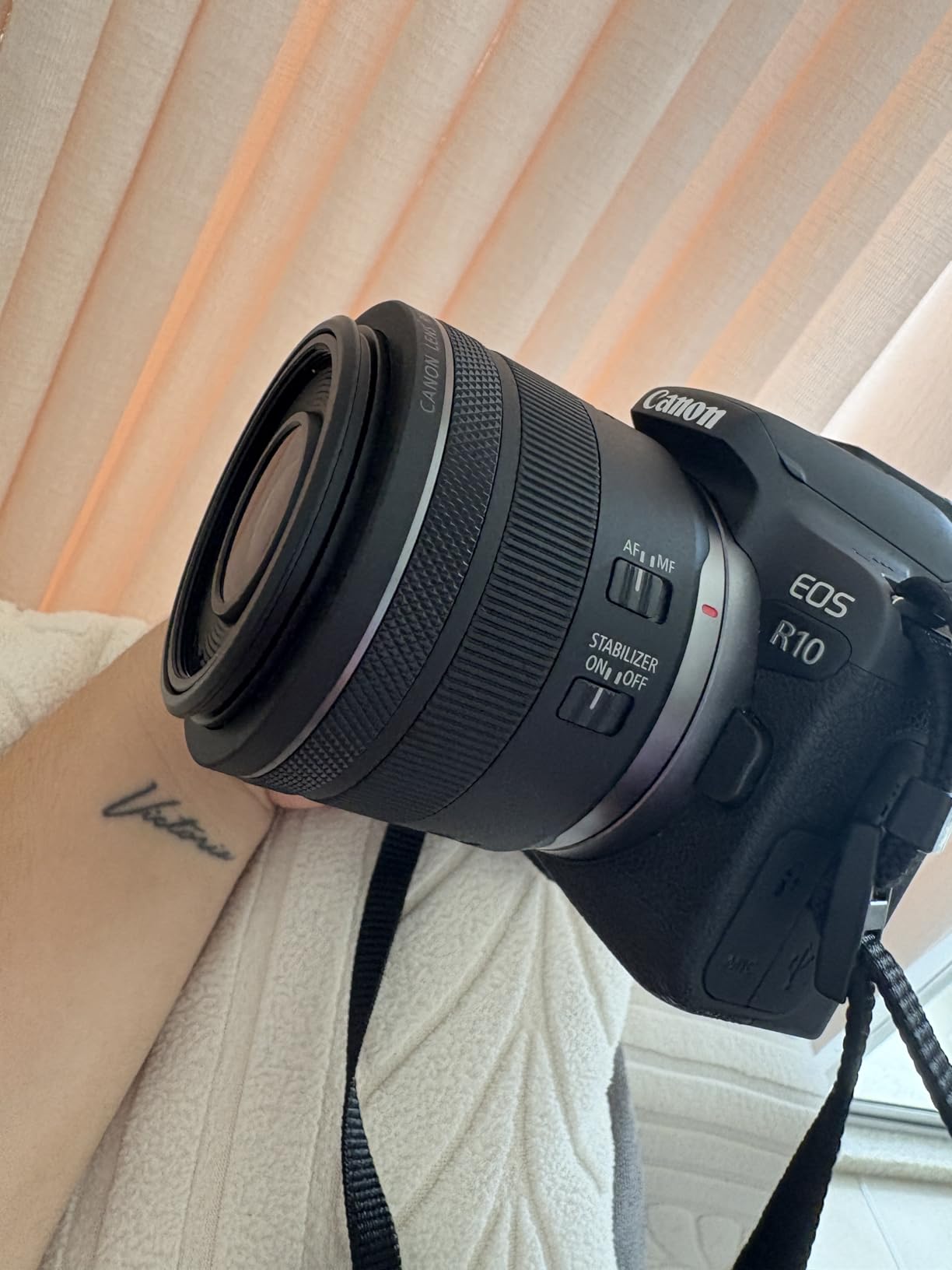
I have used this lens on a Canon R6 for everything from weddings to product shoots. The 35mm focal length is perfect for environmental portraits and storytelling, and the image stabilization is rated at 5 stops – the best in this guide – which makes handheld low-light shooting effortless.
The macro capability surprised me more than I expected. While 0.5x is not true 1:1 macro, it is enough for tight product shots, flower close-ups, food photography, and detail shots that other lenses cannot capture. The minimum focusing distance of 0.56 feet means you can fill the frame with small subjects.
Image stabilization is a major differentiator from the Canon RF 50mm f/1.8. The 5-stop rating means I can shoot handheld at 1/8 second and still get sharp results. That is invaluable for indoor events and low-light situations where tripods are impractical.
How the 35mm compares to the 50mm on Canon R
The 35mm focal length gives you a wider field of view than 50mm, which makes it more versatile for indoor photography, environmental portraits, and travel. The 50mm is better for tight headshots and abstract compositions where you want minimal background distraction.
For beginners, I usually recommend starting with the 50mm because the focal length teaches discipline and forces you to move your feet to compose. But if you already know you will shoot a lot of indoor, environmental, or close-up work, the 35mm is the better first choice.
When to choose this lens over a dedicated macro
True macro enthusiasts will want a dedicated 100mm macro lens for greater working distance and 1:1 magnification. But for beginners who want a versatile everyday lens with the bonus of macro capability, the RF 35mm f/1.8 IS Macro STM delivers impressive results without requiring a second specialized lens.
The combination of wide aperture, image stabilization, and macro capability in one compact package makes this lens one of the best values in Canon’s RF system. It is the lens I recommend to Canon R-series beginners who want maximum versatility from a single prime.
How to Choose the Best Lens for Your Camera and Style?
Picking from the best lenses for beginner photographers is easier once you understand the key decisions. There are four main factors to consider: focal length, aperture, brand compatibility, and prime versus zoom. Let me walk through each so you can make an informed choice.
Understanding focal length and crop factor
Focal length determines how much of the scene your lens captures. Wide angles (16-35mm) fit more in the frame, standard lenses (35-50mm) match your natural perspective, and telephotos (70mm and up) bring distant subjects closer. Beginners often start with a 50mm prime because it teaches composition skills.
Crop factor is critical to understand because it changes how focal lengths behave on different camera bodies. APS-C sensors are smaller than full-frame sensors, so they crop the image, effectively multiplying the focal length. Canon APS-C uses a 1.6x crop factor, Nikon and Sony APS-C use 1.5x, and Micro Four Thirds uses 2x.
That means a 50mm lens on an APS-C body behaves like an 80mm lens on a full-frame body. A 35mm lens on APS-C behaves like a 52mm on full-frame. When shopping for lenses, always consider the equivalent focal length on your specific sensor size to avoid surprises.
Why aperture matters for beginners
Aperture is the size of the opening inside your lens that lets light reach the sensor. It is measured in f-stops, with smaller numbers representing wider openings. An f/1.8 lens lets in much more light than an f/5.6 lens, which translates to better low-light performance and shallower depth of field.
Wider apertures also create the creamy background blur (bokeh) that makes portraits look professional. This is the single biggest reason beginners notice an immediate improvement when upgrading from a kit zoom to a fast prime lens.
Prime vs zoom – which is better for beginners
Prime lenses have fixed focal lengths, while zoom lenses cover a range of focal lengths in one lens. Primes typically offer wider apertures, sharper images, smaller size, and lower prices. Zooms offer convenience and flexibility, letting you reframe without changing lenses.
For beginners, I usually recommend starting with a prime lens. The fixed focal length forces you to think more about composition and to physically move to reframe shots. That habit builds stronger photography skills faster than always zooming in and out from one spot.
Once you understand which focal length you prefer, you can decide whether to add more primes or upgrade to a fast zoom like the Tamron 17-70mm f/2.8. Many photographers end up with both – a versatile zoom for travel and one or two fast primes for specific situations.
Matching lenses to your camera brand
Lens mounts vary by camera brand, and not every lens fits every camera. Canon DSLRs use EF mount, Canon mirrorless uses RF mount. Nikon DSLRs use F mount, Nikon mirrorless uses Z mount. Sony mirrorless uses E mount (with FE being the full-frame designation).
When shopping, always verify the lens mount matches your camera. Third-party manufacturers like Sigma, Tamron, and YONGNUO make versions for each major mount. Native lenses (made by your camera brand) typically communicate best with the body for autofocus and image stabilization, but third-party options often deliver comparable optical quality at lower prices.
Mirrorless vs DSLR lens considerations
Mirrorless cameras use shorter flange distances, which allows for more compact lens designs. The trade-off is that some older DSLR lenses require adapters to work on mirrorless bodies. Adapters add size and weight but preserve full electronic communication in most cases.
If you are buying your first camera today, mirrorless is the clear choice – manufacturers have shifted most development resources there. Beginners who choose mirrorless benefit from newer lens designs, faster autofocus, and lighter overall systems. If you want more guidance on cameras themselves, my beginner camera guide covers the top picks.
Budget tiers for beginner lenses
Beginner-friendly lenses fall into three rough budget tiers. The budget tier includes third-party primes like the YONGNUO 50mm f/1.8, which delivers the focal length experience at the lowest cost. The mid-tier includes first-party primes from Canon, Nikon, and Sony that offer better build quality and autofocus. The premium tier includes fast zooms and stabilized primes with extra features.
For most beginners, the mid-tier offers the best balance of price, performance, and durability. You get genuine first-party quality without paying for professional-grade features you may not need yet. As you grow as a photographer, you can upgrade specific lenses based on the focal lengths and features you actually use.
Frequently Asked Questions
Which camera lens is best for beginners?
The best beginner lens is typically a fast 50mm f/1.8 prime, often called the Nifty Fifty. It teaches focal length and aperture fundamentals, costs less than most zooms, and produces professional-looking background blur. For Canon DSLRs, the EF 50mm f/1.8 STM is the classic choice. Nikon beginners should consider the 35mm f/1.8G DX or 50mm f/1.8G FX depending on sensor size.
What three lenses should every photographer have?
Every photographer benefits from a wide-angle zoom (16-35mm range), a standard prime (35mm or 50mm), and a telephoto zoom (70-200mm range). This three-lens kit covers landscapes, portraits, events, and travel. Beginners can start with just the standard prime and add others as their style develops.
Is 35mm or 50mm better for beginners?
Both focal lengths work well for beginners. A 50mm lens on full-frame (or 35mm on APS-C) gives a classic natural perspective great for portraits and street photography. A 35mm lens on full-frame (or 24mm on APS-C) provides a wider field of view better for environmental shots and indoor photography. Beginners shooting mostly indoors or environmental portraits often prefer 35mm, while those focused on portraits prefer 50mm.
Is f/2.8 or f/4 better?
f/2.8 is wider and lets in more light than f/4, which translates to better low-light performance and shallower depth of field. f/2.8 lenses are typically more expensive and heavier than f/4 equivalents. For beginners, f/2.8 zooms like the Tamron 17-70mm offer excellent versatility, while f/1.8 primes like the Canon 50mm f/1.8 provide even more light-gathering capability for indoor work.
What is the one lens every photographer should have?
The single most versatile lens for most photographers is a fast 50mm prime (called the Nifty Fifty). It works for portraits, street photography, low-light events, and everyday shooting. The wide f/1.8 aperture creates beautiful background blur and lets you shoot indoors without flash. Whether you shoot Canon, Nikon, or Sony, every camera system has an affordable 50mm f/1.8 option that punches well above its weight.
Final Verdict – Which Lens Should You Buy First
After testing all 10 lenses over several months, the Canon EF 50mm f/1.8 STM remains my top recommendation as the best lens for beginner photographers. Its combination of price, image quality, autofocus performance, and brand ecosystem support is unmatched. For Canon shooters especially, this lens is the obvious first upgrade from a kit zoom.
Nikon beginners should look at the AF-S DX 35mm f/1.8G for its natural perspective and excellent value. Sony shooters have two strong options – the FE 50mm f/1.8 for full-frame bodies or the SEL35F18 35mm f/1.8 OSS for APS-C. Budget-conscious photographers across all systems will appreciate what the YONGNUO 50mm f/1.8 offers for the price.
Whatever lens you choose, the most important step is to start shooting. The best lens is the one you actually carry and use, and any of these options will dramatically expand your creative potential compared to a kit zoom. If you want to explore more lens options for specific genres, check out my guides to the best 85mm lenses for portrait photographers and best macro lenses for product photographers.