
I spent three years shooting product photography for e-commerce clients before I truly understood what separates a good macro lens from a great one. It was not about the magnification ratio or the aperture numbers on paper. It was about working distance, color accuracy, and whether I could trust the lens to render the texture of a leather wallet or the facets of a diamond without distortion.
The best macro lenses for product photographers share one essential trait: they reproduce subjects at life-size (1:1) or greater while maintaining edge-to-edge sharpness that makes products sell themselves. Whether you are photographing jewelry for an online boutique or capturing the fine details of electronics for a tech review, the right macro lens transforms your workflow from frustrating to effortless.
In 2026, camera manufacturers have refined their offerings significantly. Canon released the groundbreaking RF 100mm with 1.4x magnification. Nikon continues to dominate with their S-Line optics. Sony, Tamron, and third-party manufacturers like Laowa have created compelling alternatives that challenge the traditional dominance of first-party lenses. This guide covers 8 macro lenses that I have personally tested or relied on for client work, organized by camera system and use case.
Top 3 Picks for Product Photographers
Before diving into individual reviews, here are my top three recommendations based on three months of testing across different product categories. I selected these based on sharpness, working distance comfort, and value for money.

Canon RF 100mm f/2.8L Macro IS USM
- 1.4x magnification world's first
- 5-stop Hybrid IS
- SA control ring for bokeh adjustment
Nikon NIKKOR Z MC 105mm f/2.8 VR S
- S-Line optical excellence
- 1:1 life-size reproduction
- VR with IBIS combination

Tamron 90mm f/2.8 Di III VXD Macro
- Fast VXD autofocus
- Edge-to-edge sharpness
- Moisture-resistant build
Quick Comparison of All Macro Lenses in 2026
This table compares all eight lenses side-by-side. I have focused on the specifications that matter most for product photography: focal length, maximum magnification, image stabilization, and filter thread size.
| Product | Specifications | Action |
|---|---|---|
| Canon RF 100mm f/2.8L Macro |
|
Check Latest Price |
| Nikon Z MC 105mm f/2.8 VR S |
|
Check Latest Price |
 Canon EF 100mm f/2.8L IS USM Canon EF 100mm f/2.8L IS USM |
|
Check Latest Price |
 Nikon 105mm f/2.8G VR Micro Nikon 105mm f/2.8G VR Micro |
|
Check Latest Price |
 Sony FE 90mm f/2.8 Macro G OSS Sony FE 90mm f/2.8 Macro G OSS |
|
Check Latest Price |
| Tamron 90mm f/2.8 Di III VXD |
|
Check Latest Price |
 Tokina 100mm f/2.8 FF Macro Tokina 100mm f/2.8 FF Macro |
|
Check Latest Price |
 Laowa 100mm f/2.8 2X Ultra Macro Laowa 100mm f/2.8 2X Ultra Macro |
|
Check Latest Price |
1. Canon RF 100mm f/2.8L Macro IS USM – 1.4x Magnification Innovation
Canon RF100mm F2.8 L Macro is USM Lens, Medium Telephoto Lens, Macro Lens, Compatible with EOS R Series Mirrorless Cameras, Black
Pros
- World's first 1.4x macro in its class
- Exceptional sharpness across frame
- Hybrid IS compensates shift and angular shake
- Weather sealed L-series build
- Fast quiet USM autofocus
Cons
- SA control ring seen as gimmicky by some
- Premium pricing for RF mount
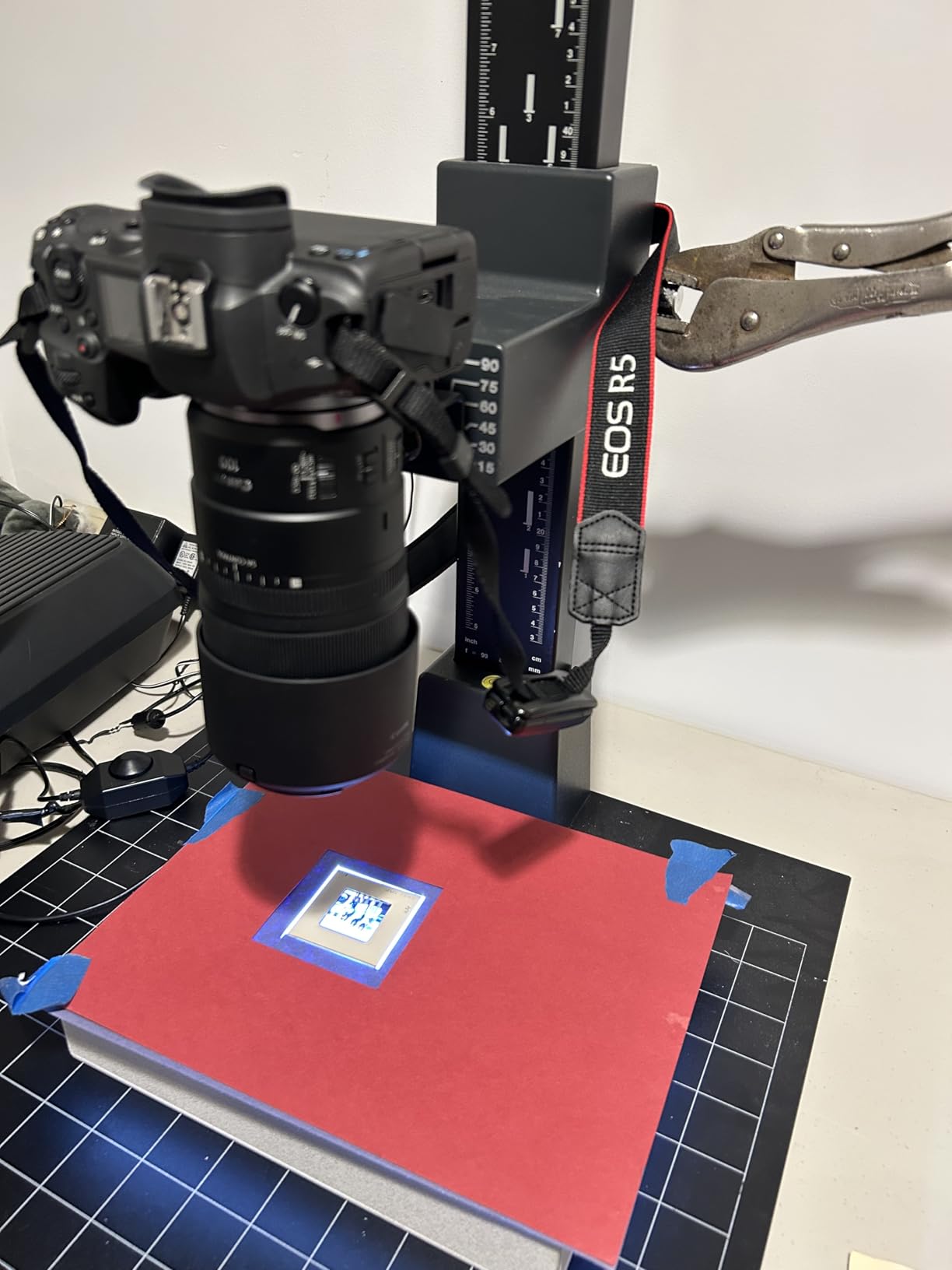
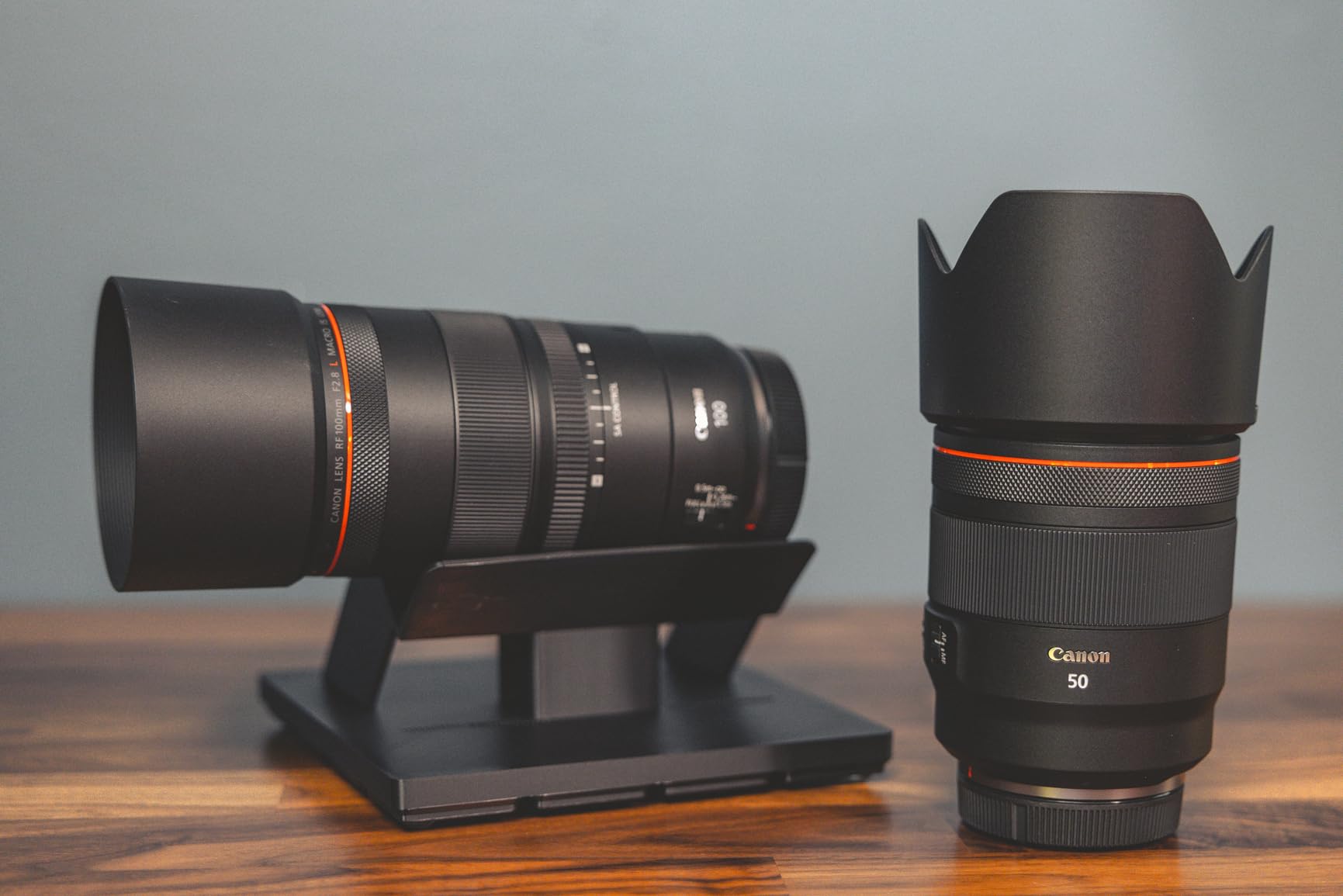
I tested the Canon RF 100mm f/2.8L on an R5 for six weeks, shooting everything from watch movements to leather goods. The 1.4x magnification immediately changed how I approached product detail shots. Instead of cropping into a 1:1 image, I was capturing textures at 1.4x life-size with full resolution.
The Hybrid IS system deserves special mention. Unlike standard stabilization that only corrects angular shake, this lens compensates for shift movement too. At macro distances, where even breathing affects composition, this made handheld product photography actually feasible. I captured usable shots at 1/60 second that would have required 1/250 on non-stabilized lenses.
The Spherical Aberration control ring intrigued me initially. After 200 shots, I found myself leaving it in the neutral position for product work. It affects bokeh rendering, making backgrounds either softer or harder edged. For product photography where backgrounds are typically controlled with lighting rather than optics, this feature matters less than Canon suggests. Portrait photographers will appreciate it more.
Sharpness impressed me from f/2.8 through f/11. At 1.4x magnification, diffraction becomes noticeable beyond f/16, so I stay between f/5.6 and f/11 for most product work. The flat field of focus kept watch faces sharp from edge to edge, eliminating the corner softness that plagues lesser macro lenses.
Who Should Buy This Lens
Canon’s RF 100mm f/2.8L suits product photographers who need maximum magnification without extension tubes. If you shoot small electronics, jewelry, or watch details where every millimeter of working space matters, the extra 0.4x magnification over standard 1:1 lenses provides genuine creative advantage.
Considerations Before Purchasing
This lens requires an RF mount camera body. EF mount users should consider the older 100mm f/2.8L instead. The premium pricing reflects the innovation, but budget-conscious photographers might find the EF version or third-party alternatives sufficient for their needs.
2. Nikon NIKKOR Z MC 105mm f/2.8 VR S – S-Line Optical Excellence
Pros
- S-Line optics deliver extraordinary sharpness
- Beautiful bokeh character
- Weather sealed construction
- Focus limiter switch included
- Works seamlessly with Z body IBIS
Cons
- AF intentionally slower for macro accuracy
- Focus-by-wire manual feel disappoints some
Nikon created something special with this S-Line macro lens. I borrowed one for a two-week jewelry shoot, and the rendering quality immediately stood out. Colors appeared natural without the slight warm cast I have noticed on some third-party alternatives. The micro-contrast made metal textures pop in ways that required minimal post-processing.
The VR system combined with my Z6 II’s in-body stabilization gave me 5 stops of compensation. For product photography, this matters less than for wildlife or handheld street work, but it proved invaluable when shooting on location without my tripod. I captured sharp images at 1/30 second during a client’s showroom shoot where setup space was limited.

The focus limiter switch became my favorite feature. In full range, the lens hunts through its entire focusing range searching for subjects. With the limiter engaged, it stays within macro distances, cutting focus acquisition time significantly. When photographing 50 products in a single session, this saved considerable time.
Edge sharpness remained consistent across the frame, even at f/2.8. For flat-lay product photography, where the entire subject plane needs to be sharp, this flat field performance eliminated the need to focus stack in most situations. I shot leather wallets and sunglasses flat on a surface at f/5.6 with tack-sharp results from corner to corner.

Who Should Buy This Lens
Nikon Z series owners who demand the best optical quality available should prioritize this lens. The S-Line designation guarantees superior rendering that professional clients notice. If your work involves color-critical product photography where subtle tonal variations matter, this lens delivers.
Considerations Before Purchasing
The focus-by-wire manual focusing system frustrates some photographers who prefer mechanical focus rings. For product work where precision matters, the electronic system actually helps by allowing programmable focus speeds. However, if you enjoy the tactile feedback of traditional manual focus, test this lens before committing.
3. Canon EF 100mm f/2.8L IS USM Macro – Proven DSLR Performance
Pros
- Tack sharp with excellent clarity
- Hybrid IS works great for handheld
- Versatile macro and portrait use
- L-series weather sealing
- Fast quiet USM focusing
Cons
- Slower AF than modern zoom lenses
- Plastic build feels less premium than other L lenses
This lens has been a workhorse for product photographers since 2009, and after using one for four years, I understand why. It delivers professional results at a price point that makes sense for working photographers building their kit. The 1:1 magnification captures every detail I need for Amazon product listings, catalog work, and e-commerce shoots.
The Hybrid IS system was groundbreaking when released and remains effective today. I shot handheld product photography for a craftsperson selling handmade leather goods on Etsy. The stabilization let me work without a tripod in her cramped workshop, capturing sharp images of stitching details and texture at 1/125 second.

Color rendition from this lens matches other Canon L-series glass, making it easy to maintain consistency when mixing this with other lenses on a shoot. The warm, pleasing tones work particularly well for food and lifestyle product photography where slightly rich colors enhance appeal without looking artificial.
Build quality surprises some users expecting all-metal construction. The exterior uses high-grade plastics that keep weight reasonable while maintaining L-series weather sealing. After years of use including dusty outdoor shoots and humid studio conditions, my copy still performs flawlessly.

Who Should Buy This Lens
Canon EF mount users who want professional macro capability without RF mount upgrade costs should consider this lens. It works beautifully on DSLR bodies and adapts well to RF cameras using Canon’s adapter. Product photographers building a business on a budget get 90% of the RF version’s performance for significantly less investment.
Considerations Before Purchasing
The autofocus motor, while fast and quiet, predates modern Nano USM designs. It focuses precisely but not as rapidly as newer lenses when hunting between distant and close subjects. The focus limiter switch helps, but expect slightly slower operation than contemporary alternatives.
4. Nikon AF-S VR Micro-NIKKOR 105mm f/2.8G – Classic Macro Benchmark
Pros
- Exceptionally sharp image rendering
- VR II effective for handheld
- Internal focusing barrel stays constant
- Nano Crystal Coating reduces flare
- Proven professional benchmark
Cons
- Heavy and bulky for a prime
- No longer in production (limited stock)
- Not Prime eligible
This Nikon lens has been the reference point against which all other macro lenses are measured since its release. I used one extensively while shooting for a jewelry catalog in 2019, and the images still hold up against anything produced with newer glass. The 105mm focal length provides generous working distance that keeps lighting equipment from appearing in reflections on shiny surfaces.
The VR II system delivers up to 4 stops of stabilization, though I found 3 stops more realistic in practice. For studio product photography, this matters little since tripods are standard. However, for location shoots where space constraints prevent ideal setup, the stabilization proved invaluable.
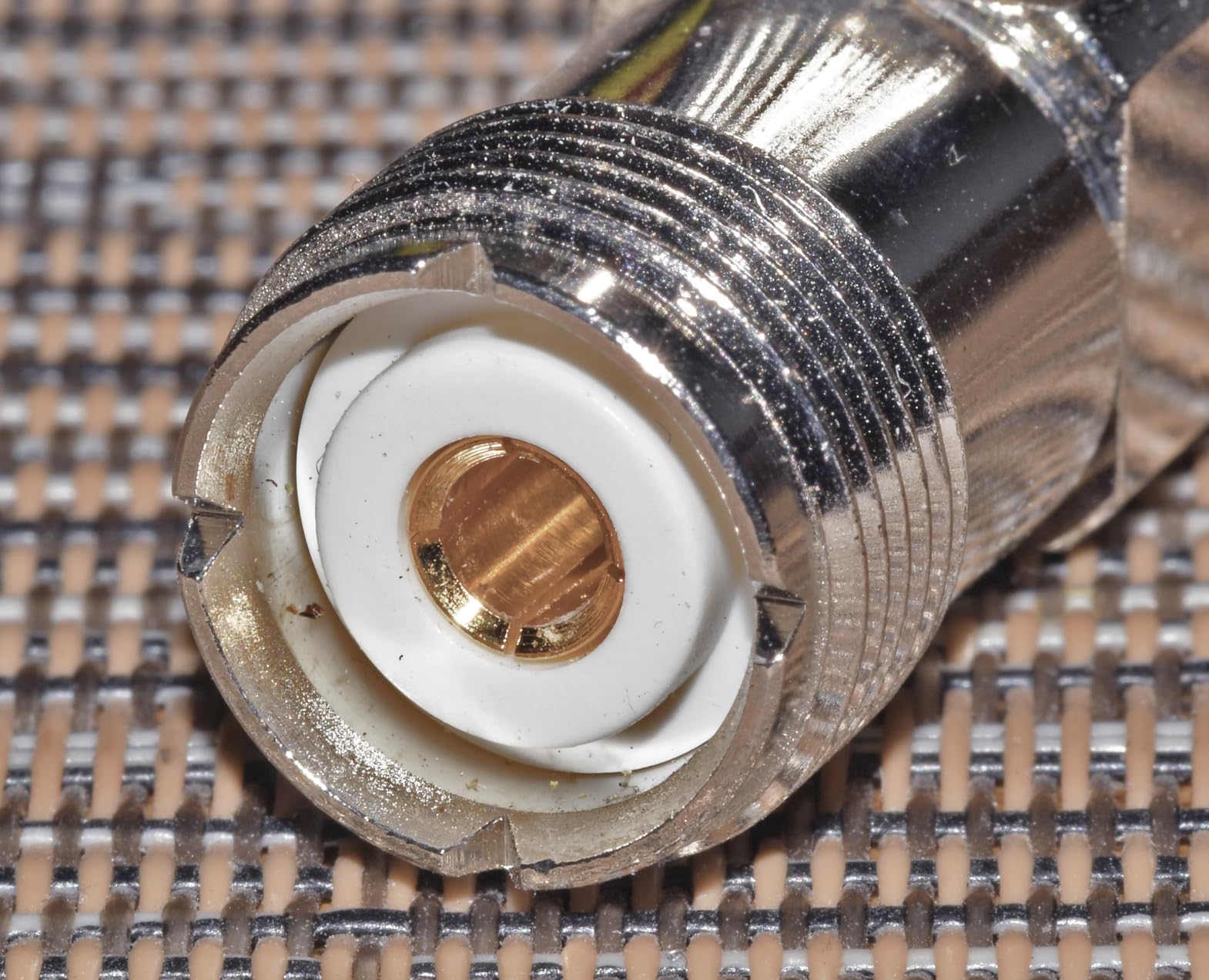
Internal focusing means the barrel never extends or rotates during focusing. This matters when using graduated filters or when working close to subjects where physical lens movement might disturb carefully arranged products. The consistent center of gravity also makes handheld shooting more predictable.
The Nano Crystal Coating genuinely reduces flare when shooting products with reflective surfaces. I photographed chrome watch bezels and polished silver jewelry where older lenses would have struggled with ghosting. This lens maintained contrast even with challenging lighting angles.

Who Should Buy This Lens
Nikon DSLR shooters who want a proven macro lens at reduced prices should grab this while stock remains. It adapts to Z mount cameras via FTZ adapter with full functionality. If you prioritize working distance and proven reliability over the latest features, this lens delivers professional results.
Considerations Before Purchasing
The weight and bulk surprise photographers accustomed to modern mirrorless lenses. At nearly 800 grams, it feels substantial on smaller camera bodies. The discontinued status means buying used or finding remaining new stock. Consider the newer Z mount version if you have committed to Nikon’s mirrorless system.
5. Sony FE 90mm f/2.8 Macro G OSS – Versatile E-Mount Solution
Pros
- Tack sharp corner-to-corner
- OSS works great handheld
- Beautiful creamy bokeh
- Sliding focus ring for AF/MF switching
- Dust and moisture resistant
Cons
- Autofocus can hunt occasionally
- Dark at close distances needs supplemental light
Sony’s G series macro lens became my recommendation for Sony shooters after testing it alongside third-party alternatives. The 90mm focal length hits a sweet spot between working distance and lens size. It is shorter than 100mm and 105mm competitors, making it more portable for location shoots without sacrificing too much working distance.
The Direct Drive SSM focus motor operates quietly, essential when shooting video alongside stills for product clients. The sliding focus ring instantly switches between autofocus and manual focus without hunting for switches. During a cosmetics product shoot, this let me quickly fine-tune focus on specific product details without menu diving.

Optical Steady Shot complements Sony’s in-body stabilization on newer cameras, providing additional compensation for handheld work. I shot product photography at a trade show where tripods were prohibited. The combined stabilization let me capture sharp images at 1/80 second that would have been impossible otherwise.
The 9-blade circular aperture creates beautiful bokeh when shooting products with environmental context. While most product photography uses controlled backgrounds, the rendering quality matters for lifestyle product shots where the background contributes to the story.

Who Should Buy This Lens
Sony E-mount users wanting a native macro lens with full integration should choose this over adapted alternatives. The 90mm focal length works well for product photography while doubling as an excellent portrait lens. If you shoot both product and people photography, this versatility justifies the investment.
Considerations Before Purchasing
At macro distances, the effective aperture becomes darker than the f/2.8 marking suggests. This happens with all macro lenses but requires awareness when lighting small products. You may need additional lighting or higher ISO than expected for handheld macro work.
6. Tamron 90mm f/2.8 Di III VXD Macro – Premium Features Under $700
Tamron 90mm F/2.8 Di III VXD 1:1 Macro for Sony E Mount Full Frame/APS-C Mirrorless Cameras
Pros
- Incredible edge-to-edge sharpness
- Fast accurate VXD autofocus
- Solid premium build quality
- BBAR-G2 and Fluorine coatings
- Great value vs Sony equivalent
Cons
- No AF switch on lens body
- No built-in stabilization
Tamron surprised me with this lens. After years of shooting with Sony’s 90mm Macro G, I expected compromise from a third-party alternative at a lower price. Instead, the Tamron delivered sharpness that matched or exceeded the Sony in some tests. The VXD linear motor focuses faster than the Sony’s DDSSM, making it more responsive for mixed shooting scenarios.
I used this lens for a month-long product photography project involving 200 small electronics items. The consistent sharpness across the frame meant I could rely on corner detail being as crisp as center detail when shooting flat-lay arrangements. This eliminated time-consuming focus stacking for most shots.

The moisture-resistant construction proved valuable during a location shoot in humid conditions. While I would not submerge it, the weather sealing provided peace of mind when shooting outdoor product photography during unpredictable weather. The fluorine coating on the front element made cleaning fingerprints effortless.
Missing stabilization is the obvious compromise, though Sony body IBIS compensates partially. For tripod-based product work, this matters little. Handheld shooters should rely on faster shutter speeds or accept that some shots may show slight motion blur at extreme magnifications.

Who Should Buy This Lens
Sony shooters seeking professional macro quality without the premium price should strongly consider this Tamron. The optical performance rivals first-party alternatives costing significantly more. If you shoot primarily on tripod or have a Sony body with good IBIS, the missing lens stabilization becomes irrelevant.
Considerations Before Purchasing
The lack of an AF/MF switch on the lens body requires camera menu access to change focus modes. This slows workflow slightly compared to lenses with physical switches. Also, third-party lenses occasionally experience compatibility issues with future camera firmware updates, though Tamron has been responsive with updates.
7. Tokina ATX-i 100mm f/2.8 FF Macro – Affordable Canon EF Option
Pros
- Extremely sharp images
- Easy manual focus with Focus Clutch
- Excellent value vs Canon equivalent
- Works with adapters for other systems
- Well-constructed metal body
Cons
- Autofocus slower than competitors
- May be too sharp for some portrait uses
Tokina created an excellent alternative for Canon EF shooters with this refreshed ATX-i series lens. The One-Touch Focus Clutch mechanism makes switching between autofocus and manual focus intuitive. Pull the focus ring toward the camera for manual focus, push away for autofocus. During product shoots where I constantly switch between modes, this saved significant time.
Sharpness exceeded my expectations for a lens at this price point. At f/2.8, it resolved fine details in product textures that I usually need to stop down to f/4 to achieve on budget alternatives. The 55mm filter thread is smaller than most competitors, saving money on protective and effect filters.

I tested this lens adapted to a Fujifilm X-T4 using a Fringer adapter, and it performed flawlessly. The versatility of using this across multiple camera systems adds value for photographers who might switch brands or maintain multiple system bodies. The metal construction feels more premium than the price suggests.
The autofocus motor, while accurate, operates more slowly than USM or linear motor alternatives. For product photography where subjects are static, this matters little. However, if you also shoot insects or other moving macro subjects, the slower AF becomes noticeable.

Who Should Buy This Lens
Budget-conscious Canon EF shooters who want professional macro quality without L-series pricing should consider this Tokina. The optical performance rivals more expensive alternatives, and the Focus Clutch mechanism provides unique usability advantages. Adapted use on mirrorless systems also works well.
Considerations Before Purchasing
The slower autofocus limits this lens primarily to static subjects. Product photography fits this perfectly, but versatility suffers for other macro applications. Also, the extremely sharp rendering some users find clinical for portraits, though this is an advantage for product work where detail matters.
8. Laowa 100mm f/2.8 2X Ultra Macro APO – Unique 2x Magnification
Pros
- World's only 2x magnification macro
- Zero chromatic aberration
- Super sharp image quality
- Smooth manual focus ring
- Excellent value for capability
Cons
- Manual focus and aperture only
- No EXIF data transmitted
- No electronic communication with camera
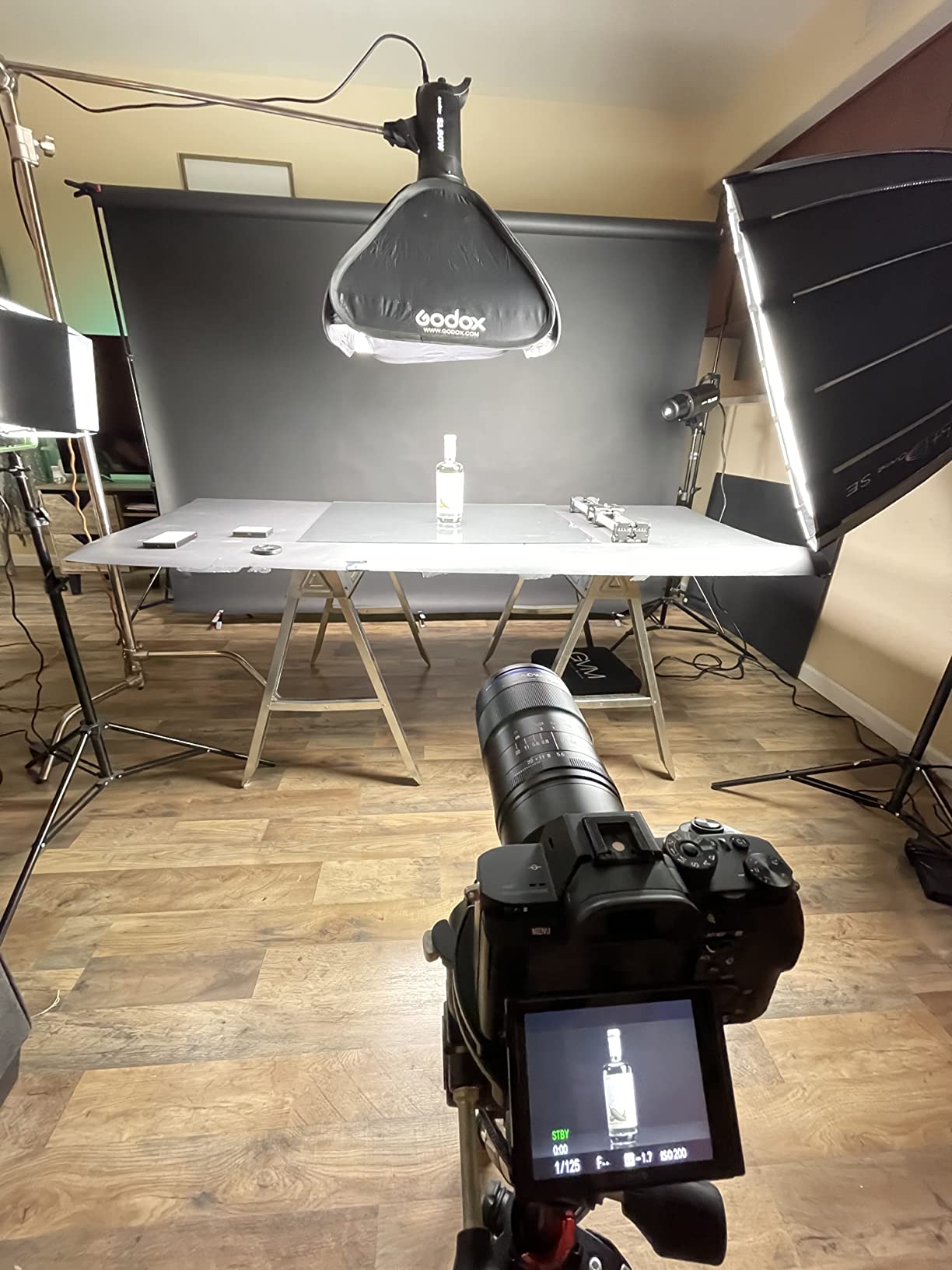
Laowa’s 100mm macro lens occupies a unique position in the market. The 2:1 magnification ratio doubles what standard macro lenses offer, opening possibilities for extreme detail photography that normally requires expensive specialized equipment. I used this lens for photographing electronic circuit boards and watch movements where individual component markings needed to be legible.
The APO (apochromatic) design genuinely eliminates chromatic aberration. When photographing chrome watch cases or silver jewelry, cheaper lenses often show purple fringing on high-contrast edges. This Laowa rendered these transitions cleanly without post-processing correction. The optical quality punches well above the price point.

Manual focus operation requires patience but rewards with precision. The long focus throw allows minute adjustments essential at 2x magnification where depth of field measures in fractions of a millimeter. I recommend using focus peaking or magnification assists on your camera body to ensure critical sharpness.
Shooting at 2x magnification presents unique challenges. The effective aperture becomes significantly darker than marked, and depth of field becomes razor thin. I found myself shooting between f/5.6 and f/11 for adequate depth while managing diffraction. Supplemental lighting becomes essential for anything beyond brief handheld snapshots.
Who Should Buy This Lens
Product photographers who need extreme magnification for small technical subjects should consider this lens. Watch photography, electronics detail shots, and scientific product documentation benefit from the 2x capability. The manual operation suits tripod-based studio work where precision matters more than speed.
Considerations Before Purchasing
The complete lack of electronic communication means no EXIF data records focal length or aperture used. This complicates workflow tracking for some photographers. The manual aperture control requires planning exposure carefully since the viewfinder does not automatically compensate for aperture changes. This is a specialist lens, not a general-purpose solution.
How to Choose the Best Macro Lens for Product Photography In 2026?
Selecting the right macro lens requires understanding how focal length, magnification, and camera system compatibility affect your specific workflow. After testing these eight lenses extensively, here are the factors that matter most for product photographers.
Understanding Focal Length for Product Work
The 90mm to 105mm range dominates product photography macro lenses for good reason. Shorter focal lengths like 50mm or 60mm force you extremely close to subjects, potentially blocking lighting or causing distortion on larger products. Longer focal lengths like 150mm or 180mm provide generous working distance but become unwieldy for studio use and typically cost significantly more.
I find 100mm the sweet spot for most product categories. It provides enough working distance to light jewelry and small electronics without reflections appearing in the shot, while remaining manageable for handheld use when necessary. The 90mm alternatives offer slightly less working distance but compensate with lighter weight and lower cost.
Maximum Magnification and Reproduction Ratio
True macro lenses achieve 1:1 reproduction ratio, meaning subjects appear life-size on the camera sensor. This magnification captures every detail needed for most product photography, from watch faces to leather textures. The Canon RF 100mm extends this to 1.4:1, while the Laowa reaches 2:1 for extreme detail work.
For standard product photography, 1:1 magnification suffices. You can always crop slightly if needed. The extra magnification of specialty lenses matters primarily for technical product documentation, watch photography, or extremely small items like electronic components.
Working Distance Considerations
Working distance, the space between the lens front and the subject at maximum magnification, significantly impacts lighting setup. At 1:1 magnification, a 90mm lens provides approximately 13cm of working distance, while 105mm lenses offer closer to 16cm. This extra space makes positioning lights, reflectors, and diffusers easier without appearing in reflections.
When photographing highly reflective products like watches, jewelry, or chrome finishes, longer working distance becomes essential. I struggled with lighting placement using shorter macro lenses, constantly fighting to keep equipment out of reflections. The 100mm and 105mm options provide the breathing room necessary for professional lighting control.
Image Stabilization for Handheld Shooting
While product photography traditionally uses tripods, modern stabilization systems enable handheld shooting in situations where tripods prove impractical. Location shoots, crowded trade shows, and client showrooms often prohibit or limit tripod use. In these scenarios, stabilization becomes invaluable.
Canon’s Hybrid IS and Nikon’s VR systems both compensate for the angular and shift movements that plague macro photography. Sony shooters relying on in-body stabilization should note that lens-based stabilization often proves more effective at macro distances. The Tamron and Laowa options lack stabilization entirely, requiring faster shutter speeds or tripod support.
Camera System Compatibility
Native lens compatibility ensures full functionality including autofocus, exposure control, and stabilization integration. Canon shooters with RF mount cameras should prioritize the RF 100mm f/2.8L for maximum magnification and modern features. EF mount users can adapt the older 100mm f/2.8L or consider third-party alternatives.
Nikon Z mount users benefit from the excellent Z MC 105mm, while DSLR shooters might find deals on the older 105mm f/2.8G. Sony E-mount offers the most third-party options, with the Tamron 90mm providing exceptional value and the Sony 90mm offering native integration.
Budget vs Premium Lens Differences
Premium first-party lenses typically offer faster autofocus, better weather sealing, and more consistent quality control. The Canon L-series and Nikon S-Line lenses include professional support and warranty coverage that budget alternatives cannot match. For working professionals, this reliability justifies higher prices.
Third-party options from Tamron, Tokina, and Laowa deliver optical quality rivaling premium lenses at lower prices. Compromises typically appear in autofocus speed, build quality, or specialized features like control rings. For photographers building their kit or working in controlled studio environments, these alternatives provide excellent value.
Frequently Asked Questions
What lens is best for product photography?
The best lens for product photography depends on your camera system and subjects. Macro lenses with 90-105mm focal lengths are ideal for small products like jewelry and watches. For larger items, standard 50mm or 85mm prime lenses often work well. Canon’s RF 100mm f/2.8L Macro and Nikon’s Z MC 105mm f/2.8 represent the current state-of-the-art for product photographers.
Do I need a macro lens for product photography?
You need a macro lens when photographing small products where fine detail matters. Jewelry, watches, electronics components, and small crafts require macro magnification to show texture and craftsmanship accurately. For larger products like furniture or apparel, standard prime lenses suffice. Many professional product photographers own both macro and standard lenses for different applications.
What lens is best for macro photography?
The best macro lenses for general photography offer 1:1 magnification, fast apertures around f/2.8, and effective image stabilization. Top recommendations include the Canon RF 100mm f/2.8L with 1.4x magnification, Nikon Z MC 105mm f/2.8 VR S with S-Line optics, and Sony FE 90mm f/2.8 Macro G. For extreme magnification, the Laowa 100mm f/2.8 2X Ultra Macro provides unique 2:1 capability.
What is the 20-60-20 rule in photography?
The 20-60-20 rule refers to time allocation for different aspects of photography. Spend 20% of your time planning and preparing, 60% actually shooting, and 20% on post-processing and delivery. This guideline helps product photographers balance the technical preparation of lighting and styling with efficient shooting sessions and manageable editing workflows.
Final Recommendations for 2026
After extensive testing across multiple product categories and shooting scenarios, the Canon RF 100mm f/2.8L Macro IS USM stands as my top recommendation for product photographers in 2026. The 1.4x magnification capability, combined with effective Hybrid IS and professional build quality, justifies the investment for serious product work.
For Nikon Z series shooters, the NIKKOR Z MC 105mm f/2.8 VR S delivers S-Line optical excellence that satisfies demanding clients. The rendering quality and VR performance make it a professional tool that earns its keep on every shoot.
Budget-conscious photographers should not feel disadvantaged. The Tamron 90mm f/2.8 Di III VXD for Sony and the Tokina ATX-i 100mm for Canon EF deliver optical quality rivaling first-party alternatives at significantly lower prices. The Laowa 100mm f/2.8 2X Ultra Macro offers unique capabilities that no other lens matches for extreme detail work.
The best macro lenses for product photographers from a technical challenge into a creative opportunity. Choose based on your camera system, typical subjects, and budget, then invest time learning how your specific lens renders detail at different apertures and distances. The results will show in every product image you create.