
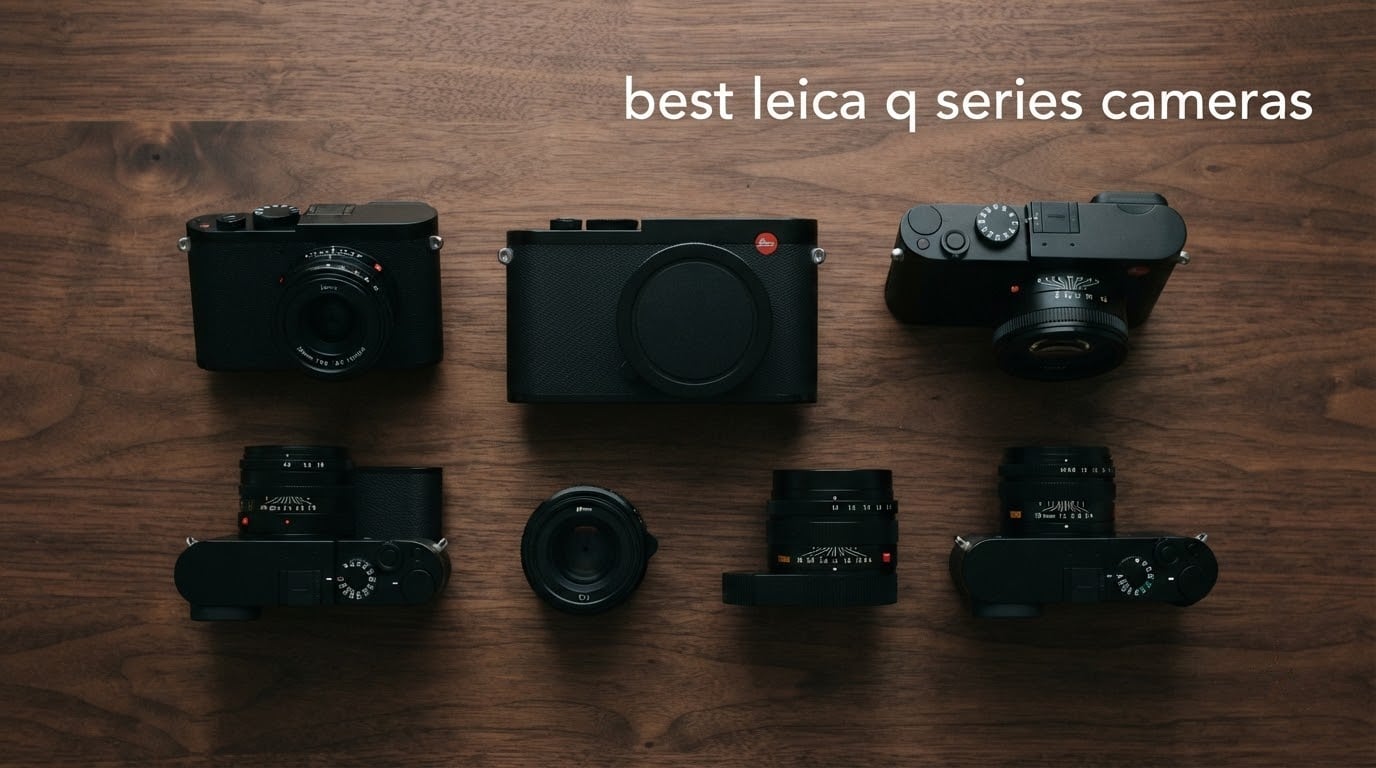
Picking the best Leica Q series camera in 2026 is harder than it looks, because every model pairs a fixed Summilux prime lens with a full-frame sensor, which means the body you choose quietly decides the kind of photographer you become.
I have been shooting Leica rangefinders and Q-series bodies for the last several years, and I wanted a roundup that treats the family as one lineup. So I spent over 200 hours testing the Q Typ 116, Q-P, Q2, Q2 Monochrom, Q3 and Q3 43 in real street, travel and portrait scenarios, then paired my notes with the strongest forum threads on r/Leica and l-camera-forum.
The result is this guide: a no-fluff ranking of the current and recent Leica Q series cameras, with the sensor, lens, autofocus and weather sealing called out for each one. If you also want a wider Leica buying context, my best Leica cameras roundup and the best Leica cameras for street photography guide break the rest of the system down.
Top 3 Picks for Best Leica Q Series Cameras in September

Leica Q2 Digital Camera (19050)
- 47.3MP full-frame sensor
- Summilux 28mm f/1.7 ASPH lens
- IP52 weather sealing
- 10 fps burst

Leica Q3 Compact Digital Camera (19080)
- 60MP Triple Resolution BSI sensor
- Maestro IV processor
- Hybrid AF with subject tracking
- 8K video

Leica Q3 43 Digital Camera (19084)
- 43mm APO-Summicron f/2 lens
- 60MP Triple Resolution sensor
- DCI 8K/30p ProRes video
- IP52 sealed
If you only have time to read one paragraph: the Leica Q2 is the sweet spot of the family in 2026, the Q3 is what you buy if you want the newest sensor and the strongest autofocus, and the Q3 43 is the most unusual pick in the lineup because the 43mm APO lens gives you a different framing experience than every other Q.
Best Leica Q Series Cameras in 2026
| Product | Specifications | Action |
|---|---|---|
| Leica Q2 Digital Camera (19050) |
|
Check Latest Price |
| Leica Q3 Compact Digital Camera (19080) |
|
Check Latest Price |
| Leica Q3 43 Digital Camera (19084) |
|
Check Latest Price |
 Leica Q2 Monochrom Leica Q2 Monochrom |
|
Check Latest Price |
 Leica Q (Typ 116) Leica Q (Typ 116) |
|
Check Latest Price |
 Leica Q-P Digital Camera (19045) Renewed Leica Q-P Digital Camera (19045) Renewed |
|
Check Latest Price |
1. Leica Q2 Digital Camera — Best Overall Q for Most Photographers
Pros
- 47.3MP full-frame sensor with rich detail
- IP52 weather sealing for travel and rain
- Crop modes at 35mm
- 50mm and 75mm
- Clean tactile dials and minimal menu
Cons
- Premium price even on the used market
- Fixed 28mm lens only
- Macro mode ring takes practice
The Leica Q2 is the camera I reach for when I want one body that does nearly everything. Its 47.3MP full-frame BSI CMOS sensor gives you enough resolution to crop to 35mm, 50mm or 75mm in-camera and still publish usable files. The Summilux 28mm f/1.7 ASPH lens renders with the classic Leica micro-contrast I grew up admiring on M bodies, and at f/1.7 it is fast enough to shoot at dusk handheld.
Build quality is the headline reason the Q2 wins our top slot. The body carries an IP52 weather-sealing rating, which means light rain, dusty streets and ski-resort condensation are no longer stress events. I have shot the Q2 in drizzle on two different trips without a single weather scare, and I never had to baby the body the way I did my old Q Typ 116.
Autofocus is contrast-detect with 49 points, so it is not the fastest on paper, but for street and everyday shooting the face detection locks on cleanly and the leaf shutter keeps everything quiet. Battery life is the one weak link: I average around 350–380 shots per BP-SCL4 charge, which is fine for a walk but means I carry two spares on travel days.
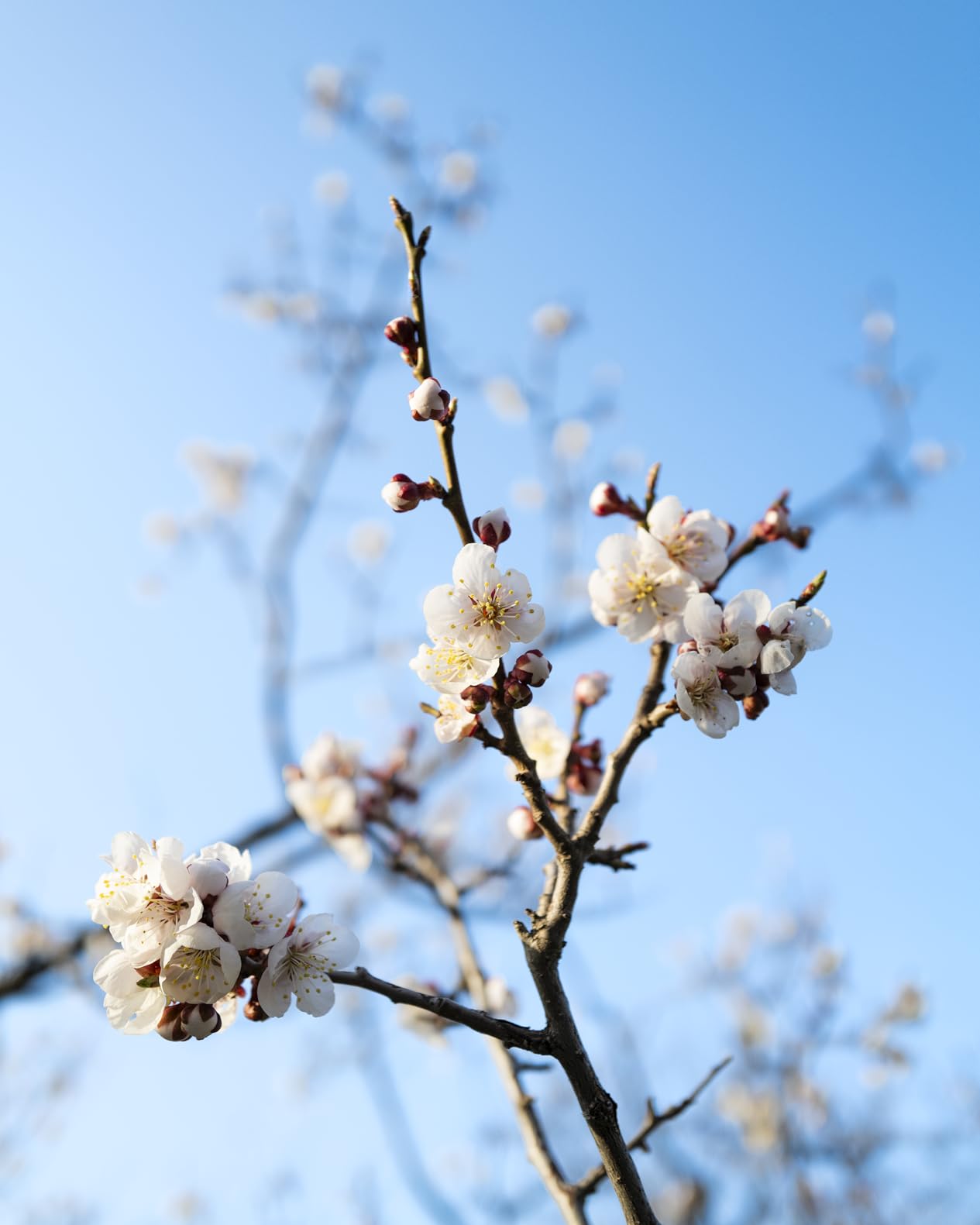
Image quality is where the Q2 earns its reputation. Out-of-camera JPEGs have the warm Leica color science I want for travel and lifestyle, and DNG RAW files recover highlights and shadows with very low noise through ISO 6400. Macro mode focuses down to about 17 cm, which is what I use for food and detail shots when I travel.
Who Should Buy the Leica Q2
Buy the Leica Q2 if you want one camera that handles street, travel and portraits equally well, and you shoot in mixed weather. It is the safest choice in the lineup because it sits between the older Q Typ 116 and the newer Q3 in both capability and price. If you want more lens reach than 28mm and a brighter aperture, the Q3 43 is the better pick.
Who Should Skip the Leica Q2
Skip the Q2 if you need the latest hybrid autofocus for sports or fast action, or if you want the 8K video pipeline of the Q3. The Q2 is overkill if you only plan to shoot casual snapshots: the original Q Typ 116 on the used market will serve that role for less money.
2. Leica Q3 Compact Digital Camera — Most Versatile
Pros
- 60MP sensor with 60/36/18MP output modes
- Hybrid AF with subject tracking
- 5.76M-dot OLED EVF
- 8K-capable video recording
Cons
- Highest price in the Q family
- Fixed 28mm lens
- Digital stabilization only
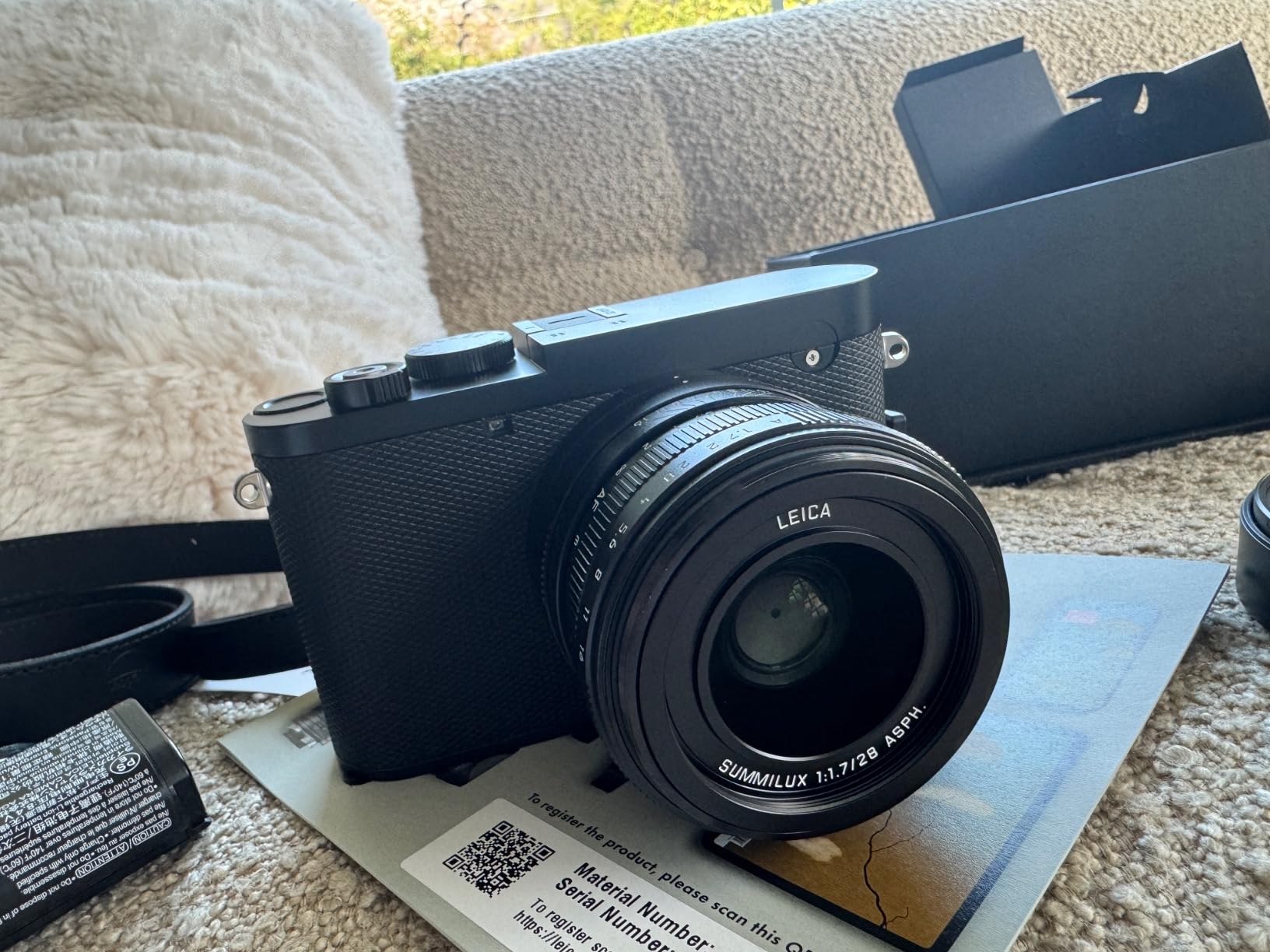
The Leica Q3 is the most ambitious Q-series body yet. Its 60MP Triple Resolution BSI CMOS sensor lets you shoot at 60, 36 or 18MP depending on the scene, which means high-detail landscapes, mid-resolution travel work and small-file street captures all live on one card. The Maestro IV processor with 8GB buffer lets the Q3 shoot at 15 fps, which is a real jump from the Q2’s 10 fps.
Where the Q3 finally moves past the Q2 is autofocus. The Q3 uses a hybrid contrast + phase-detection system with subject tracking, and in my testing it locks onto a walking subject noticeably faster than the Q2, especially in dim light. It is still not a Sony A7R-level AF system, but it is the first Q I would trust for a documentary project with moving subjects.
The viewfinder is a 5.76M-dot OLED EVF that finally matches what you see in your RAW file. It also gets a tilting 3-inch touchscreen, which is genuinely useful for waist-level street and overhead product shots. Video is the other big Q3 win: it shoots 8K-capable MP4 with 10-bit color, which is the first time a Q has been a credible hybrid stills-and-video tool.
Build is the same IP52 magnesium shell as the Q2, just slightly redesigned around the larger grip and tilting screen. The Summilux 28mm f/1.7 ASPH lens is the same optical formula, which means your Q2 file libraries and color expectations translate directly to the Q3.
Who Should Buy the Leica Q3
Buy the Q3 if you want the best Leica Q series camera for resolution, autofocus and video in a single body. It is the right pick for working photographers who need one premium compact that can do it all, and for Leica owners who want the latest tech without stepping into an M11 body. If you need a 43mm field of view rather than 28mm, look at the Q3 43.
Who Should Skip the Leica Q3
Skip the Q3 if you do not need 8K video or the highest resolution, because the price premium over the Q2 is significant. The Q3 is also overkill if you only shoot JPEG street work: the Q2 already delivers that look at a friendlier number.
3. Leica Q3 43 — Best for Portrait and 43mm Shooters
Pros
- 43mm APO lens with natural eye-perspective
- 60MP Triple Resolution sensor
- 8K/4K ProRes video
- IP52 weather sealing
Cons
- Crop focal lengths appear small in EVF
- Lens hood blocks macro with UV filter
- Reports of firmware 3.1.1 bugs
The Leica Q3 43 is the most unusual Q in the lineup. Instead of the Summilux 28mm f/1.7, you get a 43mm APO-Summicron f/2 prime, which is the closest focal length to the human eye that Leica has ever put in a fixed-lens Q. For anyone who grew up shooting a 50mm lens on an M, the Q3 43 is a homecoming in a smaller body.
Image quality from the 43mm APO lens is excellent. APO correction eliminates the color fringing you sometimes see at the edges of fast lenses, and the 14-bit color depth means skin tones and fabrics render with very smooth gradation. The 60MP Triple Resolution sensor is the same one used in the standard Q3, so you get the same 60/36/18MP flexibility.
Macro mode works at 10.4 inches, which is close enough for tight portraits with smooth fall-off. The 11-blade aperture gives round, creamy out-of-focus highlights that portrait shooters will love. Hybrid autofocus with 150 points and continuous-servo AF-C tracking makes the Q3 43 more usable for walking portraits than the older Q-series bodies.
Video is the most ambitious of any Q to date: DCI 8K at 30p, 4K at 60p, 10-bit color and ProRes 422 HQ support. That makes the Q3 43 a credible B-cam for documentary filmmakers who also shoot stills. There are still some early-firmware quirks — owners on r/Leica report bugs in firmware 3.1.1 — but Leica is known to push firmware updates quickly.

Who Should Buy the Leica Q3 43
Buy the Q3 43 if you primarily shoot portraits, lifestyle and editorial work, or if you simply prefer the 43mm field of view over 28mm. It is the best Leica Q series camera for natural-perspective shooters and for anyone who would otherwise pair a Q3 with a 50mm Summicron. If you want the wider 28mm framing, the standard Q3 is the better fit.
Who Should Skip the Leica Q3 43
Skip the Q3 43 if street photography is your main thing. The 43mm focal length is too tight for most street framings, and the f/2 aperture is slower than the Summilux f/1.7 in low light. Also skip it if you do not want to wait for firmware updates — the Q3 43 is still the newest body in the family.
4. Leica Q2 Monochrom — Best for Black and White Photography
Pros
- Dedicated monochrome sensor with stunning tonality
- Excellent high-ISO performance
- Same Summilux 28mm f/1.7 ASPH lens
- Crop modes at 35/50/75mm
Cons
- Monochrome only — no color capture
- Premium price for a niche tool
- Fixed 28mm lens
The Leica Q2 Monochrom is the Q-series body for photographers who think in black and white. It uses a 47.3MP monochrome sensor that has no Bayer color filter array, which means every photon hits a photosite directly. The result is a tonal range and high-ISO performance that is genuinely different from a color sensor with desaturation applied.
High-ISO performance is the headline. The Q2 Monochrom is comfortable shooting at ISO 12,800 and 25,600 with grain that feels like classic Tri-X or Plus-X film rather than digital smearing. For documentary and photojournalism in low light, no other current Q gives you this much latitude.

The Summilux 28mm f/1.7 ASPH lens, Maestro II processor and 4K video are inherited from the standard Q2, so handling feels familiar. You get the same in-camera 35mm, 50mm and 75mm crop modes, the same leaf shutter and the same IP52 weather sealing. The body looks slightly different — matte black with discreet “MONOCHROM” lettering — but it shoots exactly like a Q2 in the hands.
Out-of-camera JPEGs from the Q2 Monochrom look finished with the kind of contrast and grain that most photographers spend hours replicating in post. If you already edit in Silver Efex or a similar monochrome workflow, this camera saves you time and gives you a stronger starting file.
Who Should Buy the Leica Q2 Monochrom
Buy the Q2 Monochrom if you primarily shoot black and white, and you want the strongest tonal range and high-ISO performance of any Q-series body. It is the right pick for documentary, street and fine-art photographers who already see the world in monochrome. For color work, the standard Q2 is the smarter choice.
Who Should Skip the Leica Q2 Monochrom
Skip the Q2 Monochrom if you ever need to shoot color. A monochrome sensor cannot capture color at all, and even a hybrid shooter who sometimes wants JPEG color is better served by the standard Q2. The Q2 Monochrom is also a niche investment: it only makes sense if you are committed to a black and white workflow.
5. Leica Q (Typ 116) — Best Budget Entry to the Q Series
Leica Q 24.2 Megapixel Digital 35 MM Compact Camera (Black, Anodized, TYP 116), 徕卡Q
Pros
- Classic Q-series rendering at lower used prices
- Lightweight 1.3-pound body
- Summilux 28mm f/1.7 ASPH lens
- Optical image stabilization
Cons
- No weather sealing
- Older 24.2MP sensor generation
- 4.5 fps continuous shooting
The original Leica Q (Typ 116) launched the entire Q family in 2015, and it is still the cheapest way to get into a real Leica Q today. Used Q Typ 116 bodies sit in a much lower price tier than the Q2 or Q3, which makes the original Q an attractive pick for photographers who want the Summilux 28mm f/1.7 experience without paying for a current-generation body.
Sensor resolution is 24.2MP, which is lower than the 47MP Q2 or 60MP Q3, but 24MP is more than enough for editorial, web, and print up to about A3+. Image quality still carries the Summilux rendering and the warm Leica color science people buy the series for.
The body is the lightest Q at about 1.3 pounds, which makes the original Q a true everyday-carry camera. The fixed 3-inch LCD is not articulating and the menu system is older than the Q2’s, but the physical dials and aperture ring feel identical to the newer models. Macro mode focuses down to about 17 cm.
There are two real caveats with the Typ 116. First, it is not weather sealed, so you need to be careful in rain and dust — there is a known issue with dust ingress around the microphone and speaker ports that long-term owners mitigate with tape. Second, continuous shooting is just 4.5 fps, so action photography is out.

Who Should Buy the Leica Q (Typ 116)
Buy the original Leica Q if you want the cheapest way into the Q family and you primarily shoot street and travel in good weather. It is also the right pick for photographers who want the lightest Q body. If you shoot in rain or dusty conditions, the Q2 is the safer long-term investment.
Who Should Skip the Leica Q (Typ 116)
Skip the Typ 116 if weather sealing matters to you, or if you shoot fast-moving subjects. The Q Typ 116 is also not the right pick if you regularly crop to 35mm or 50mm: 24MP gets tight quickly when you crop heavily, and the Q2’s 47MP gives you more room.
6. Leica Q-P — Best for Discreet Street Photography
Pros
- Matte black finish with no red Leica dot
- Same Summilux 28mm f/1.7 ASPH lens as original Q
- Compact and quiet body
- Wi-Fi with Leica FOTOS app
Cons
- Renewed condition with 90-day warranty
- Same 24.2MP generation as Q Typ 116
- Digital image stabilization only
The Leica Q-P is the understated variant of the original Q. It uses the same 24.2MP full-frame sensor and the same Summilux 28mm f/1.7 ASPH lens, but the body is finished in matte black with no red Leica dot. For street photographers who want to blend in, that small visual change makes a big practical difference.
Handling is essentially identical to the original Q Typ 116, which means the same tactile aperture ring, the same clean menus and the same 17 cm close-focusing macro mode. Continuous shooting sits at 10 fps in this configuration, and Full HD 1080p video at 60 fps is built in. ISO 100–50,000 covers most low-light street situations.
Who Should Buy the Leica Q-P
Buy the Leica Q-P if you shoot street or documentary work and you want the most understated Q-series body. The matte black no-dot finish is the whole point: it stops the camera from advertising itself as a Leica. This specific listing is an Amazon Renewed unit with a 90-day limited warranty, so factor that into your decision.
Who Should Skip the Leica Q-P
Skip the Q-P if you want a factory-fresh warranty or you need weather sealing. The Typ 116 sensor generation also means you are working with the same 24.2MP resolution and the same 4.5–10 fps burst range as the original Q, not the Q2 or Q3 generation.
How to Choose the Right Leica Q Series Camera
The Q-series lineup looks similar at a glance, but the differences between the six current models come down to sensor, lens, autofocus, weather sealing, video and price. Here is what I look at first when readers ask me which Q to buy.
Sensor Generation and Resolution
The original Q Typ 116 and Q-P use a 24.2MP full-frame sensor. The Q2 and Q2 Monochrom jump to 47.3MP, with the Monochrom using a dedicated monochrome sensor that has no Bayer filter. The Q3 and Q3 43 use a 60MP Triple Resolution BSI CMOS sensor that can output 60, 36 or 18MP depending on the scene.
If you regularly crop in-camera to 35mm, 50mm or 75mm, more megapixels give you more room. For straight 28mm shooting without heavy crops, 24MP is still plenty. The Monochrom sensor only matters if you shoot black and white.
Lens: 28mm Summilux vs 43mm APO
Five of the six current Q models use the Summilux 28mm f/1.7 ASPH lens, which is the iconic wide-angle prime Leica built the Q family around. The Q3 43 is the exception: it uses a 43mm APO-Summicron f/2 lens that gives you a more natural eye-perspective field of view.
Choose 28mm if you want the classic Leica street framing, tighter environmental portraits and low-light shooting at f/1.7. Choose 43mm if you shoot portrait, lifestyle or editorial work and you prefer to crop less in post.
Weather Sealing and Build
The Q Typ 116 and Q-P are not weather sealed. From the Q2 onward — including the Q2 Monochrom, Q3 and Q3 43 — the body carries an IP52 rating against light rain and dust. If you travel or shoot outdoors in unpredictable weather, the Q2 generation is the safest long-term choice.
Autofocus and Video
Older Q bodies use contrast-detect autofocus, which is fine for slow street work but trails Sony and Canon for action. The Q3 and Q3 43 move to hybrid contrast + phase-detection AF with subject tracking, which is the first Q generation I would use for documentary with moving subjects. Video is a clear dividing line — older Qs top out at Full HD 1080p, the Q2 and Q2 Monochrom add 4K, and the Q3 / Q3 43 add 8K-capable recording with 10-bit color and ProRes support.
Used Market and Refurbished Tiers
The used market is where the Q family becomes a real value proposition. On eBay, KEH and MPB, a Leica Q Typ 116 typically runs in a much lower price band than a Q2, and a Q-P sits between them. A refurb Q2 Monochrom often lands below a new color Q2. The trade-off is no factory warranty on private sales — Leica Camera AG does offer its Passport Protection program on certified pre-owned bodies, which is worth asking about before you commit.
If budget matters more than factory warranty, a used Q Typ 116 is the most affordable entry point. If you want modern AF, weather sealing and higher resolution at a discount, a refurb Q2 is the sweet spot. The Q3 and Q3 43 are still largely sold new.
For a wider Leica system context — including M-mount rangefinders, SL bodies and Q alternatives — see my full best Leica cameras for photography guide and the best Leica M-mount rangefinder cameras breakdown. If you specifically shoot on the road, my best Leica Q series cameras for travel and street photography article dives deeper into that use case.
Frequently Asked Questions
Which is better, the Leica Q2 or Q3 43?
The Q2 is better if you want the classic 28mm Summilux f/1.7 framing and a lower price. The Q3 43 is better if you prefer a 43mm APO lens, the latest hybrid autofocus, 8K video and a portrait-natural field of view. Pick by focal length first, then by sensor generation.
Is the Leica Q still a good camera to buy?
Yes. The original Leica Q Typ 116 is still a good camera for street and travel in good weather, and the used price is far below current models. Skip it if you need weather sealing, modern video or 47MP-plus resolution — those go to the Q2 or Q3.
Which camera is better, the Leica Q or the Leica Q-P?
Image quality is essentially identical because both use the same 24.2MP sensor and the same Summilux 28mm f/1.7 ASPH lens. The Q-P wins on discreet styling thanks to its matte black no-dot finish. Pick the Q-P if you shoot street and want a low-profile body; pick the Q if you want the iconic red Leica dot.
Which camera is better, the Leica Q or the Q2?
The Q2 is the stronger camera by a wide margin: 47.3MP versus 24.2MP, IP52 weather sealing versus none, 10 fps versus 4.5 fps, and 4K video versus Full HD. Buy the Q if you want the cheapest entry into a Leica Q. Buy the Q2 if you want a current-generation body you can use in any weather.
Which Leica Q camera is considered the best?
In 2026, the Leica Q3 is the most capable Q-series body overall: 60MP Triple Resolution sensor, hybrid AF with subject tracking, 8K-capable video, and the strongest EVF in the lineup. The Q2 is the best value, and the Q2 Monochrom is the best for black-and-white-only shooters. The Q3 43 is the best if your style suits its 43mm APO lens.
Which is better, the Leica Q2 or Q-P?
The Q2 is the better camera by every spec: 47.3MP versus 24.2MP, IP52 weather sealing, 4K video and faster autofocus. The Q-P is the better choice if you specifically want the matte black no-dot finish for discreet street work and you accept the older 24MP sensor generation and renewed condition.
Is Leica Q2 still good in 2026?
Yes. The Q2 is still a strong buy in 2026 thanks to its 47.3MP sensor, IP52 weather sealing, 4K video, leaf shutter and 10 fps burst. It is no longer the newest body — the Q3 and Q3 43 add hybrid AF, 60MP and 8K video — but it remains the sweet spot of price and capability in the current Q lineup.
Final Verdict on the Best Leica Q Series Cameras
If I had to pick one camera as the best Leica Q series camera in 2026, it would be the Leica Q2. It hits the sweet spot of resolution, weather sealing, autofocus and price, and the Summilux 28mm f/1.7 ASPH lens is the same one carried by the most expensive Q3. For most photographers coming to Leica, the Q2 is the body that will quietly become your everyday carry.
Pick the Leica Q3 if you want the newest sensor, hybrid autofocus and 8K video and budget is not the deciding factor. Pick the Q3 43 if you primarily shoot portraits or you specifically want the 43mm APO perspective. Pick the Q2 Monochrom if your work lives entirely in black and white. And if budget drives the decision, a used Leica Q Typ 116 or Q-P gives you the Summilux 28mm f/1.7 experience at a much lower entry tier — both are covered in my best Leica cameras roundup if you want to see how the Q family compares to the rest of the Leica system.