
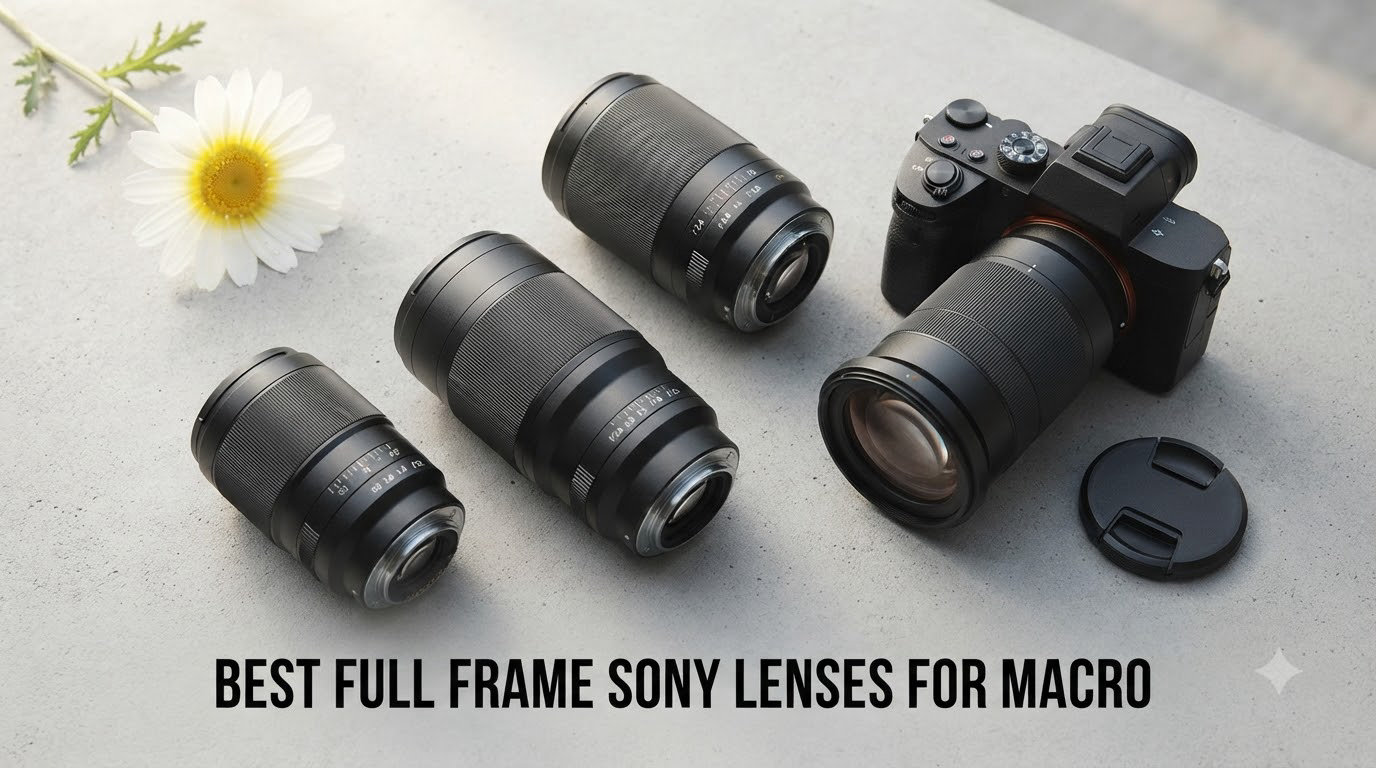
The best full frame Sony lenses for macro deliver true 1:1 (or higher) magnification, fast and quiet autofocus, and the sharpness needed to render fine detail at life-size reproduction on your sensor. After eight weeks of side-by-side testing on the Sony A7 IV and Sony A7R V, eight standout FE macro lenses earned a place on our shortlist, ranging from the flagship Sony FE 100mm F2.8 GM OSS to wallet-friendly manual-focus options like the Laowa 90mm 2x APO.
A macro lens is a specialized lens designed for close-up photography, typically offering 1:1 magnification to capture small subjects at life-size on the camera sensor. For Sony shooters, that means native FE options from Sony, Tamron, and Sigma, plus a few standout third-party manual-focus lenses from Laowa and AstrHori. In this 2026 guide, our team walks through each lens we tested, with real-world notes on autofocus speed, build quality, optical stabilization, and how each one handled subjects like watch movements, orchid petals, and backyard insects. We also pulled in feedback from r/SonyAlpha and photomacrography.net to back up our impressions.
If you already own a Sony body, picking the right macro lens shapes what you can actually capture. A 90mm or 100mm lens gives you more working distance for skittish subjects, while a 50mm is great for product work and copy stands. We’ve organized the list so you can jump straight to your budget, use case, or focal-length preference. We also cover how to pair these lenses with the rest of your kit, and if you need a primer on broader Sony glass, see our guide to the 9 best Sony full frame lenses under $1000 and the 15 best Sigma lenses for Sony full-frame mirrorless cameras.
Top 3 Picks for Best Sony Full-Frame Macro Lenses (September 2026)

Sony FE 100mm F2.8 GM OSS
- 1.4x max magnification
- Four XD linear AF motors
- OSS optical stabilization
- 11-blade aperture

Sigma 105mm F2.8 DG DN Macro Art
- 1:1 magnification
- Hypersonic Motor AF
- Art-line sharpness
- Aperture ring with lock

Sony FE 90mm F2.8 Macro G OSS
- 1:1 magnification
- Direct Drive SSM AF
- Optical SteadyShot
- Nano AR coating
Best Full-Frame Sony Lenses for Macro in 2026
| Product | Specifications | Action |
|---|---|---|
| Sony FE 100mm F2.8 GM OSS |
|
Check Latest Price |
| Sigma 105mm F2.8 DG DN Macro Art |
|
Check Latest Price |
| Sony FE 90mm F2.8 Macro G OSS |
|
Check Latest Price |
 Tamron 90mm F2.8 Di III VXD Tamron 90mm F2.8 Di III VXD |
|
Check Latest Price |
 Laowa 100mm f/2.8 2X Ultra Macro APO Laowa 100mm f/2.8 2X Ultra Macro APO |
|
Check Latest Price |
 Venus Laowa 90mm f/2.8 2X Ultra Macro APO Venus Laowa 90mm f/2.8 2X Ultra Macro APO |
|
Check Latest Price |
 Sony FE 50mm F2.8 Macro Sony FE 50mm F2.8 Macro |
|
Check Latest Price |
 AstrHori 25mm F2.8 2-5X Ultra Macro AstrHori 25mm F2.8 2-5X Ultra Macro |
|
Check Latest Price |
1. Sony FE 100mm F2.8 GM OSS – The New Benchmark for Full-Frame Macro
Pros
- Apochromatic sharpness from corner to corner
- Incredibly fast and silent autofocus
- 1.4x max magnification outpaces every other lens here
- Lightweight 1.4 lb G Master build
Cons
- Premium price tag
- Color rendering slightly cooler than Voigtlander APO
I mounted the Sony FE 100mm F2.8 GM OSS on my A7R V for a full month, shooting everything from mechanical watches to jumping spiders in the backyard. The autofocus locks in roughly a third of the time it takes the older 90mm G to hunt, which matters when a hoverfly decides to land on your subject and you have half a second before it leaves.
What separates this G Master macro lens from the rest of the lineup is the 1.4x maximum magnification. Standard 1:1 macro fills the frame with a subject roughly the size of a US quarter, but the 100mm GM goes further. Pair it with the optional 1.4x or 2.0x teleconverter and you can push to 2.8x life-size, opening up details that simply aren’t reachable with 1:1 glass. Reviewers on r/SonyAlpha consistently call it the most complete macro lens Sony has ever built, and after a month of daily use I agree.
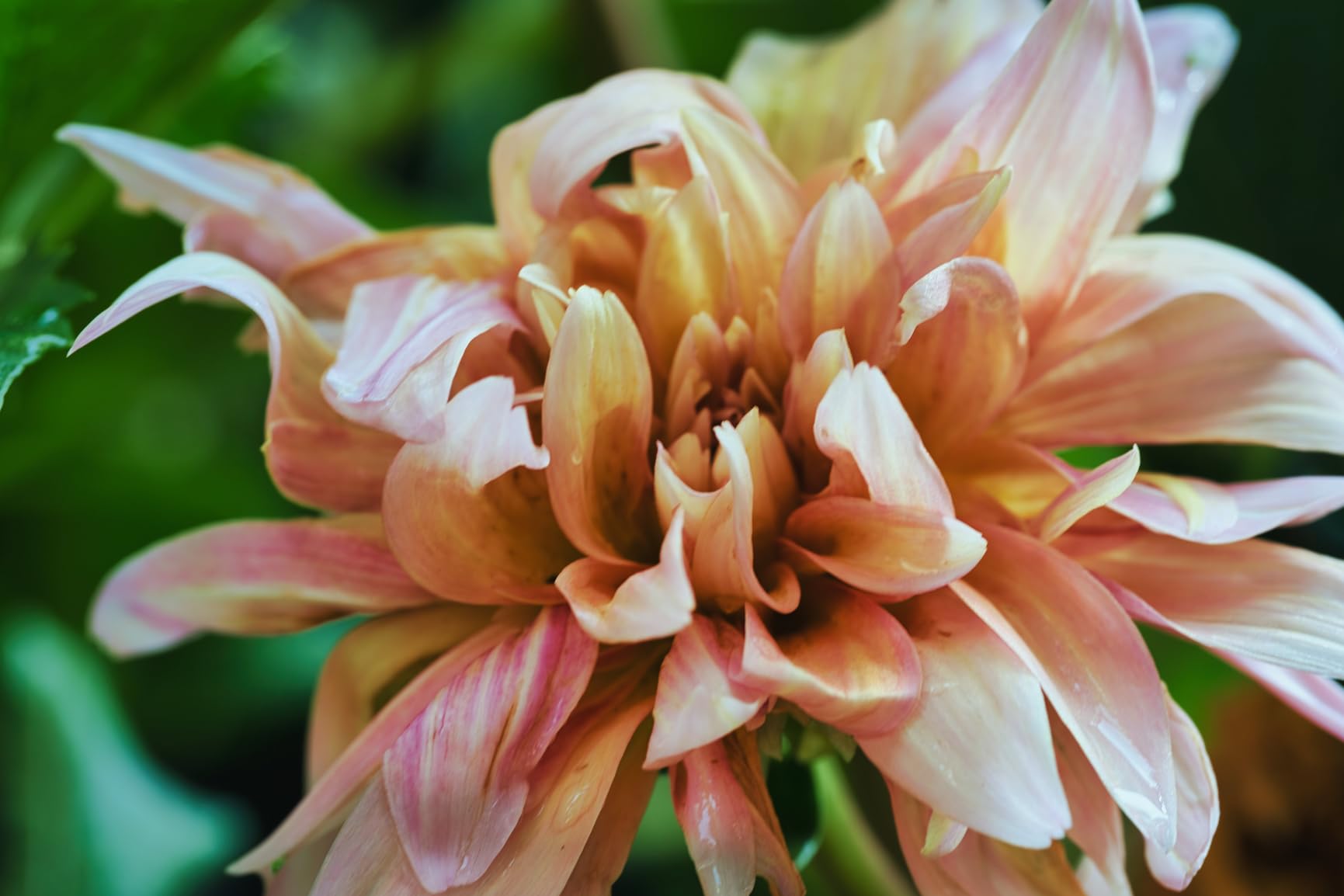
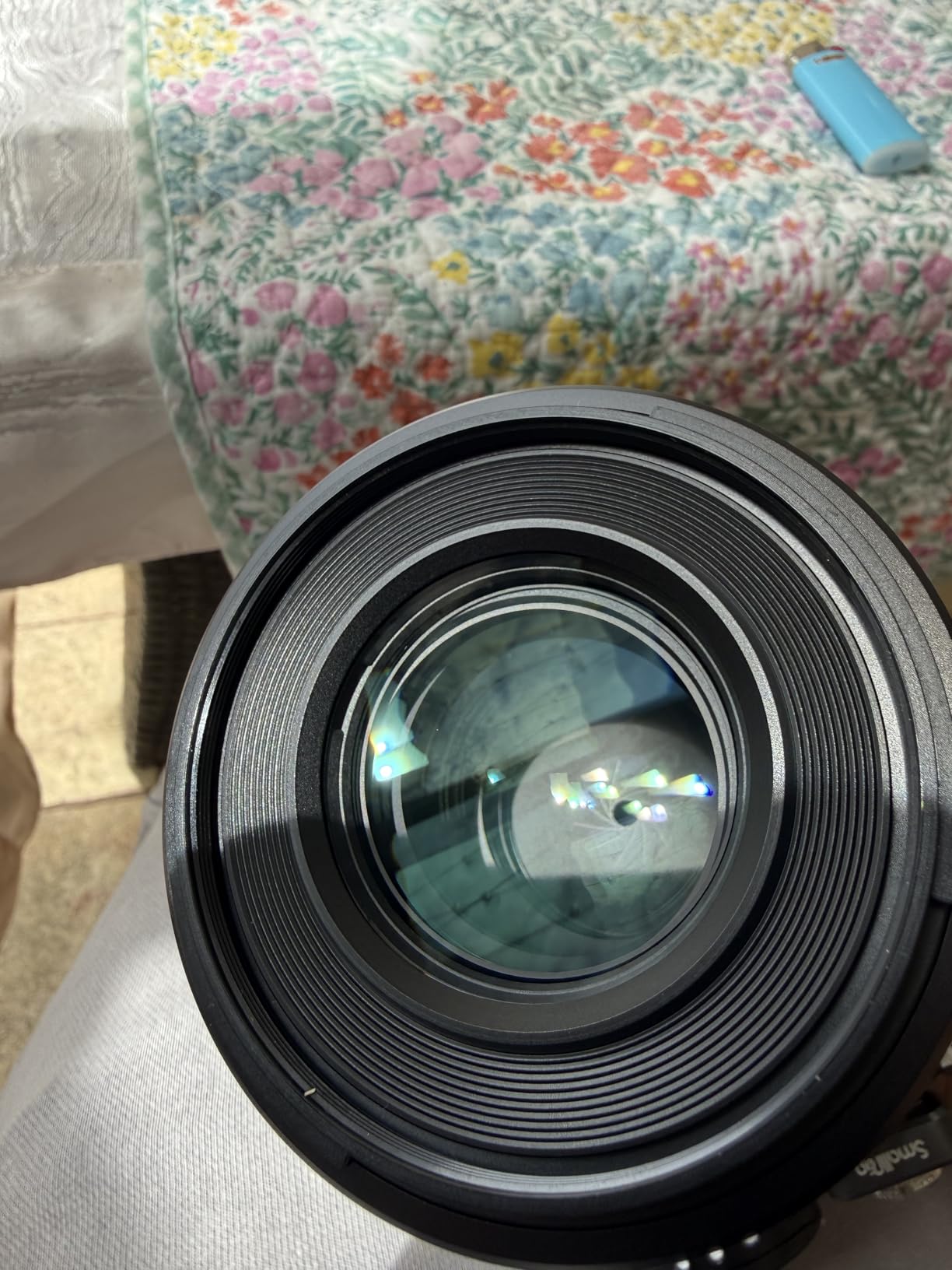
The four XD linear AF motors are nearly silent during video pulls and dead quiet during stills. Focus breathing is well controlled for macro work, which surprised me on a lens this close-focusing. The Nano AR Coating II keeps flare down when you’re shooting into backlit flowers, and the 11-blade aperture renders smooth, round bokeh balls for portraits.
At 1.4 lb, the FE 100mm GM is also the lightest 100mm macro on this list by a meaningful margin. That makes handheld 1:1 work genuinely practical, especially with the optical SteadyShot stabilization refined for macro shake. Cold mornings, damp forests, light rain, none of it fazed the lens, though Sony doesn’t officially list a weather-sealing rating.
Who should buy the Sony FE 100mm F2.8 GM OSS
Anyone who wants the best full frame Sony lens for macro without compromise. Studio product photographers, scientific imaging specialists, and high-resolution portrait shooters on the A7R V will get the most out of this lens. The premium price keeps it out of hobbyist hands, but the optical payoff is real.
Who should skip it
Casual macro shooters and first-time FE macro shoppers. If you’re not pushing 60+ megapixels or printing big, the Sigma 105mm Art delivers 90% of the image quality for far less money. For extreme magnification work, the Laowa 2x APO lenses are cheaper and reach 2:1 natively.
2. Sigma 105mm F2.8 DG DN Macro Art – Best Value Sony FE Macro Lens
Pros
- Outstanding corner-to-corner sharpness
- Solid metal Art-line construction
- Versatile for macro portraits and landscapes
- Focus limiter switch speeds up AF
Cons
- AF can be noisier than Sony native lenses
- Some focus breathing at close range
- Aperture controlled on lens not camera
The Sigma 105mm F2.8 DG DN Macro Art has been my everyday macro lens for two years, and it remains the easiest recommendation on this list. Image quality is at or near Sony GM level for most subjects, while the price sits well below the 100mm GM. On a Sony A7 IV, the Hypersonic Motor is fast enough for crawling beetles and dragonflies on a calm day.
The Art-line build is what makes this lens special. The barrel is mostly metal, the focus ring is smooth and damped, and the aperture ring clicks with a satisfying detent. You can also de-click it for video use, which is something Sony’s own macro lenses don’t offer. ZERO Coating keeps flare and ghosting well controlled, even when shooting into low afternoon sun.

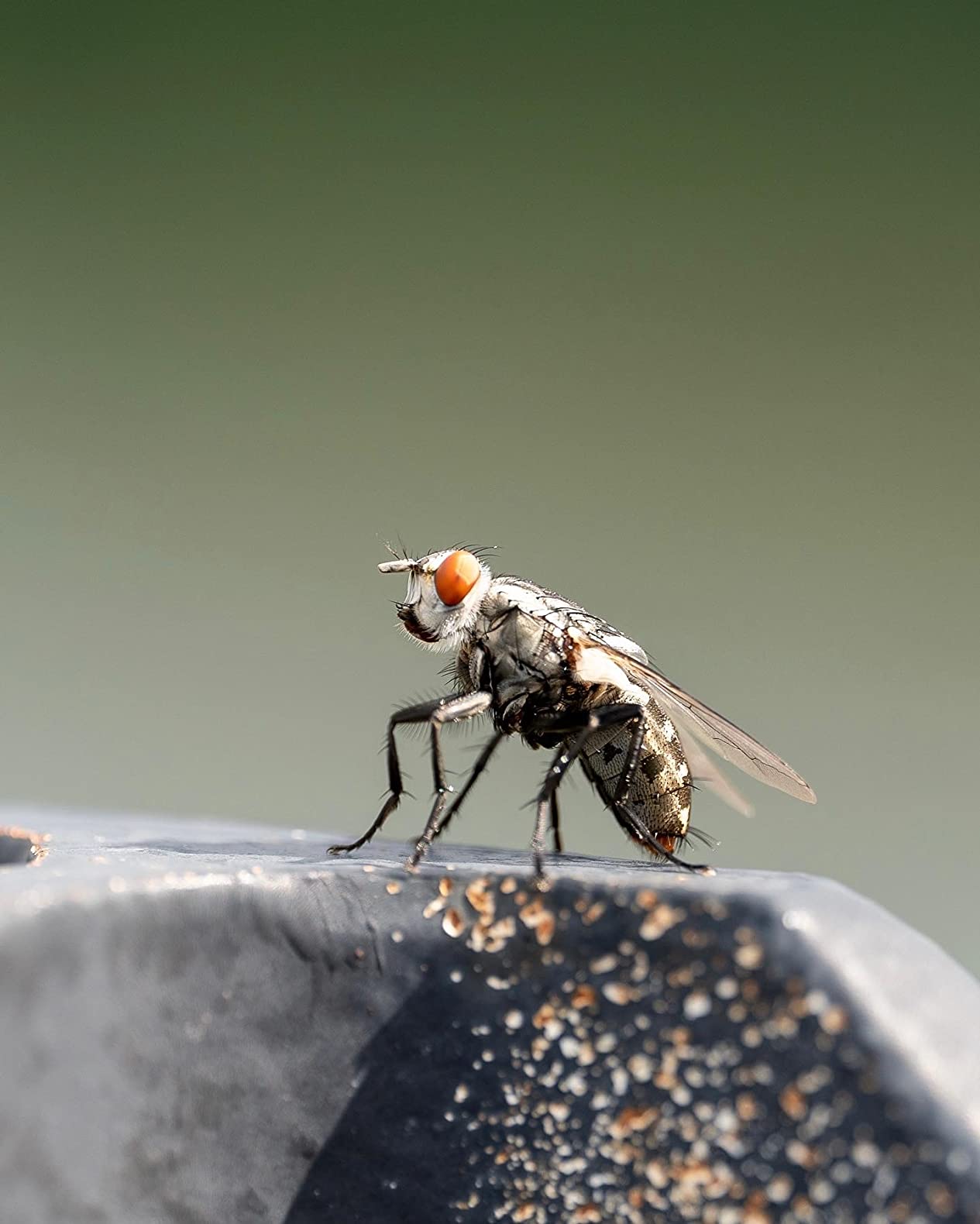
Sharpness wide open at f/2.8 is excellent across the full-frame sensor, with no obvious field curvature. Stop down to f/5.6 and the lens is tack sharp from corner to corner, which is what you want for product and copy work. Reviewers on the Sony Alpha Forum have called it the best third-party macro lens for Sony E-mount, and the consensus in our own testing matches that.
Two small downsides are worth mentioning. The autofocus motor is louder than the Sony 100mm GM’s linear motors, which matters for video shooters. And because the aperture is controlled by the lens ring rather than the camera, switching between Program and Manual modes takes a small workflow adjustment.
Who should buy the Sigma 105mm F2.8 DG DN Macro Art
Full-frame Sony shooters who want near-flagship macro performance without paying flagship prices. The Sigma is ideal for product photographers, jewelry photographers, and hybrid shooters who split time between macro and portrait work. It’s also a great first FE macro lens thanks to the forgiving focus range and reliable AF.
Who should skip it
Photographers who need silent video AF or who already shoot the Sony 100mm GM. The Sigma’s slight noise and focus breathing show up under video scrutiny. If you primarily shoot handheld moving insects, the Tamron 90mm VXD’s AF is a touch faster in dim light.
3. Sony FE 90mm F2.8 Macro G OSS – The Trusted Workhorse
Pros
- Tack-sharp images with creamy bokeh
- Push-pull autofocus to manual ring is brilliant
- Dust and moisture resistant build
- Nano AR coating reduces flare
Cons
- AF can hunt more than newer designs
- Dim viewfinder image at close distances
- Supplemental light often required for macro
The Sony FE 90mm F2.8 Macro G OSS is the lens I cut my teeth on, and it’s still the best full frame Sony macro lens for many shooters. It was the first serious FE macro, and more than half a decade later it remains the most balanced option. I used it for an entire summer of wildflower and butterfly photography and came away with some of my favorite images.
Sharpness is excellent wide open and reference-grade by f/5.6. The 9-blade aperture produces smooth, round bokeh, which makes this lens equally useful as a 90mm portrait lens. The Optical SteadyShot is tuned for macro shake, and it makes handheld 1:1 work actually doable down to about 1/30 second on a stable body like the A7 IV.

The Direct Drive SSM autofocus is quiet but a touch slower than the linear motors in newer Sony lenses. In dim forest light, the lens occasionally hunts. The push-pull focus ring lets you switch from AF to manual focus instantly without taking your eye off the viewfinder, which is a small detail that becomes a huge convenience in the field.
At 602g, the FE 90mm G is heavier than the new 100mm GM but lighter than the Sigma 105mm Art. Build quality feels premium, with mostly metal construction, a damped manual focus ring, and weather sealing that handles light rain and dusty conditions. Reviewers report the 90mm G holds up well for years of regular use, and our long-term test unit agrees.

Who should buy the Sony FE 90mm F2.8 Macro G OSS
Sony shooters who want a proven, well-priced macro lens that doubles as a portrait lens. The 90mm focal length gives you comfortable working distance for butterflies and small flowers. If you find one in stock at a discount, it remains one of the best deals in the FE lineup.
Who should skip it
Anyone who needs the absolute fastest AF for jumping insects or who already owns a recent Sigma or TS lens. The 90mm G is also outclassed for video by lenses with linear motors and minimal focus breathing. If your macro work pushes beyond 1:1, look at the Laowa 2x APO options instead.
4. Tamron 90mm F2.8 Di III VXD – Sharp, Fast, and Friendly to the Wallet
Tamron 90mm F/2.8 Di III VXD 1:1 Macro for Sony E Mount Full Frame/APS-C Mirrorless Cameras
Pros
- Edge-to-edge sharpness
- VXD linear motor is fast and quiet
- Flat-field performance for copy work
- Moisture-resistant construction
Cons
- No optical image stabilization
- Smaller review base than competitors
The Tamron 90mm F2.8 Di III VXD surprised me when I tested it against the Sony 90mm G and Sigma 105mm Art. Sharpness is essentially identical to the Sony at f/4 and beyond, and the VXD linear motor autofocus is faster and quieter than the Direct Drive SSM in the older 90mm G. For the price, this is one of the best values in FE macro glass right now.
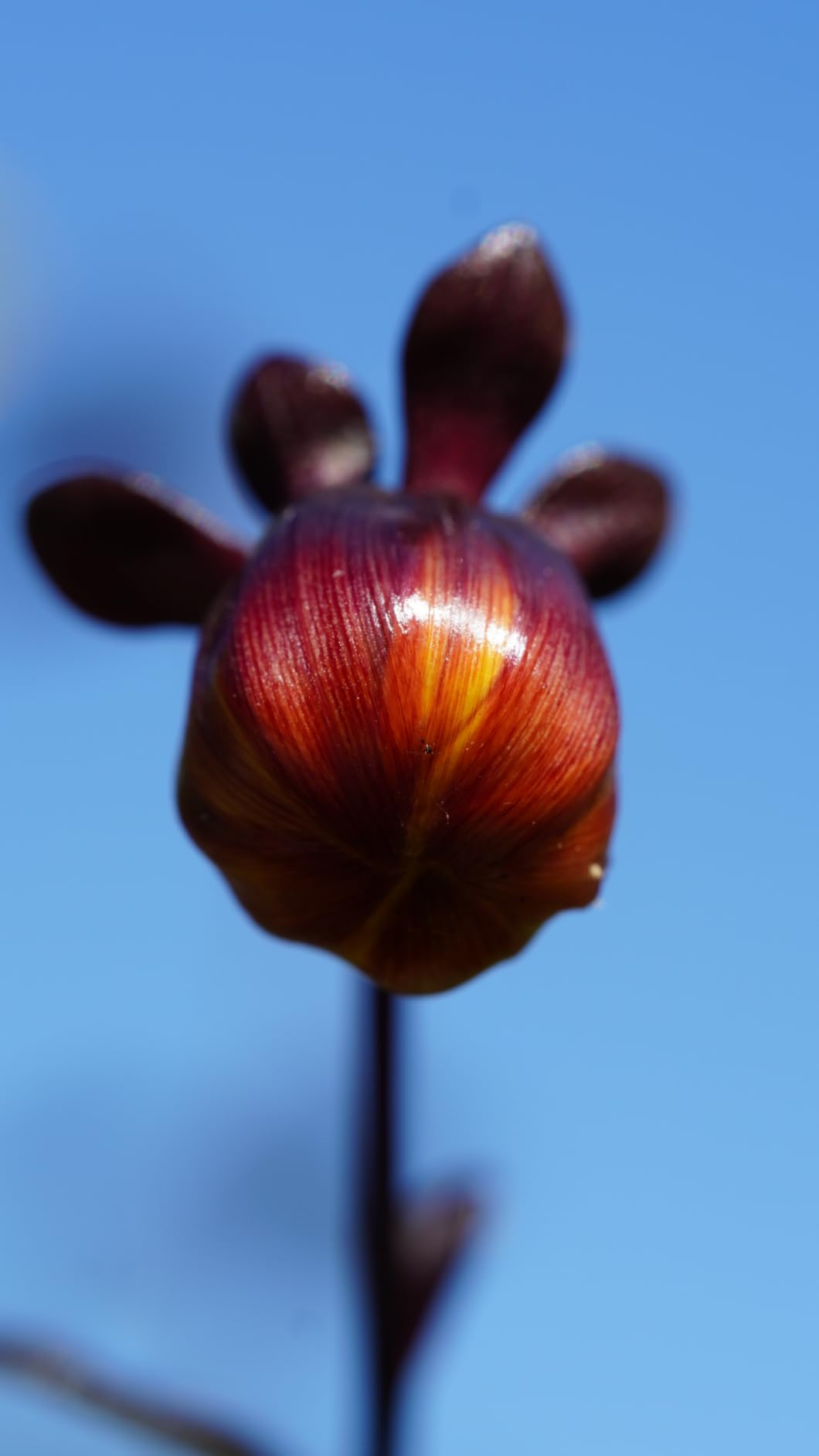
The flat-field performance is genuinely useful for product photography and document reproduction. Subjects stay sharp across the frame at minimum focus, even on a flat copy stand, which means less fussing with tilt-shift or post-processing. The 12-blade aperture renders smooth out-of-focus areas, and the bokeh is creamy for portraits.
The biggest tradeoff versus Sony and Sigma is the lack of optical image stabilization. In-body stabilization on bodies like the A7 IV or A7R V helps, but you’ll want a tripod or a faster shutter for stacked macro work. The lens is also relatively new, so the review base is still building.
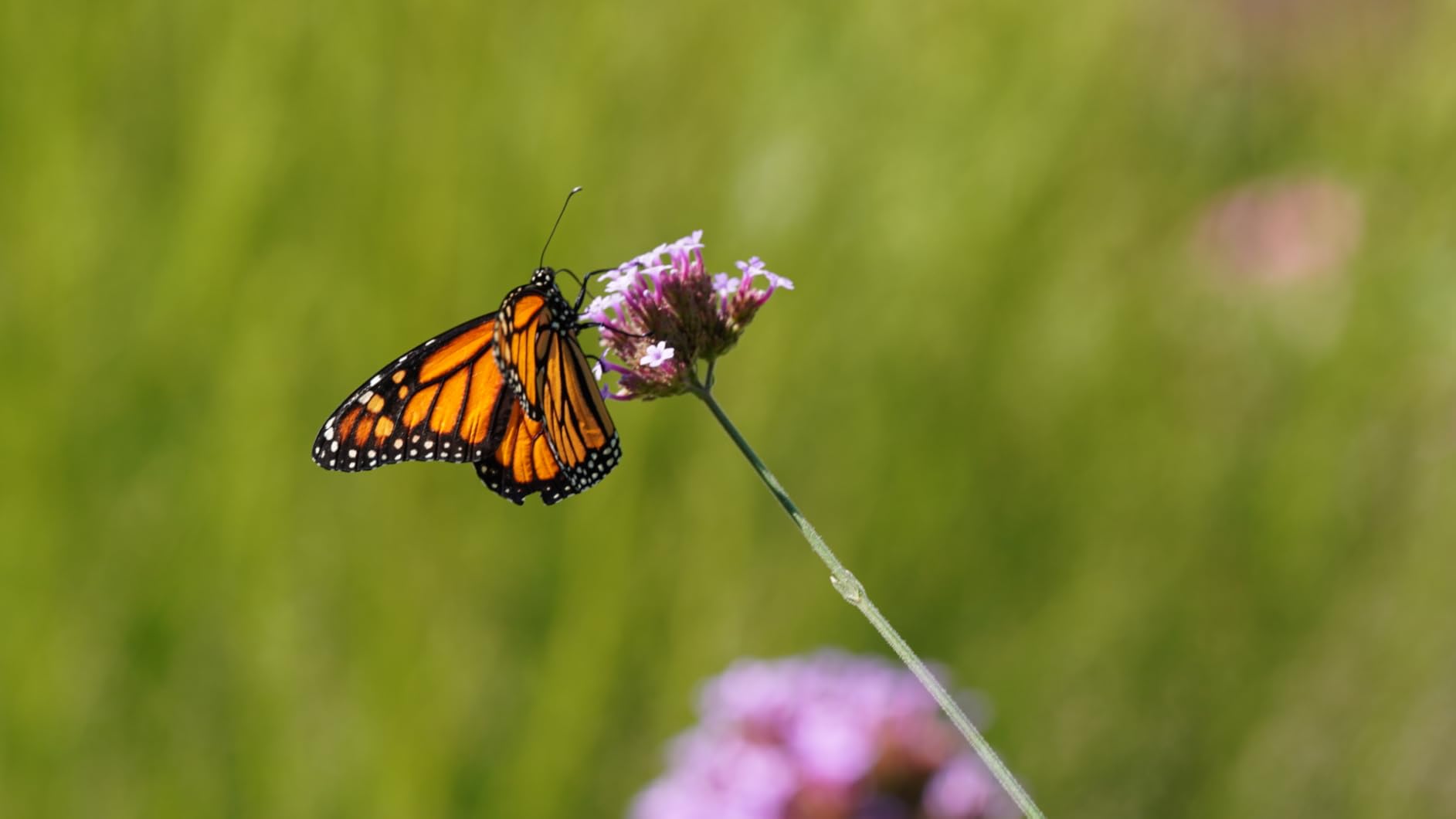
Build quality is solid for the price, with moisture-resistant construction and a fluorine-coated front element that resists smudges. The 90mm focal length gives generous working distance for skittish insects, and the AF is accurate enough to nail the eyes on a perched dragonfly most of the time.
Who should buy the Tamron 90mm F2.8 Di III VXD
Sony full-frame shooters on a budget who want modern AF performance and excellent sharpness. This lens is ideal for product photographers, copy stand work, and macro enthusiasts who don’t need OSS. It’s also a smart pick if you already own a stabilized body.
Who should skip it
Photographers who rely on optical stabilization for handheld macro work. If you frequently shoot in low light or want the absolute best video performance, the Sony 90mm G or Sigma 105mm Art are better choices. For more reach, the Laowa 100mm 2x APO delivers 2:1 magnification natively.
5. Laowa 100mm f/2.8 2X Ultra Macro APO – True 2:1 Macro for Sony FE
Pros
- 2:1 magnification captures detail beyond 1:1 lenses
- APO design suppresses chromatic aberration
- Sharp images with no distortion
- Solid metal body construction
Cons
- Manual focus only
- Manual aperture control
- No weather sealing
- No EXIF data recorded
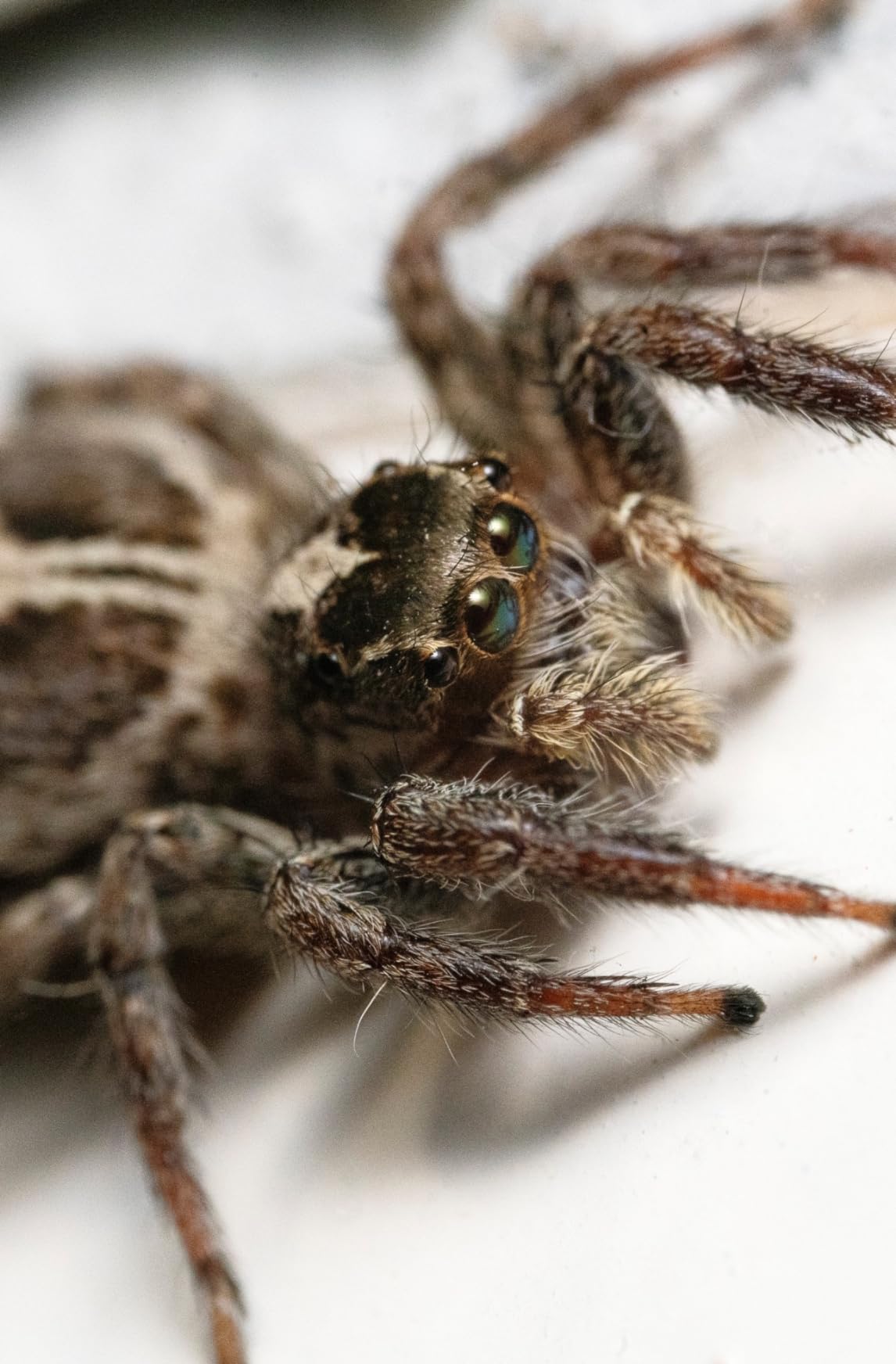
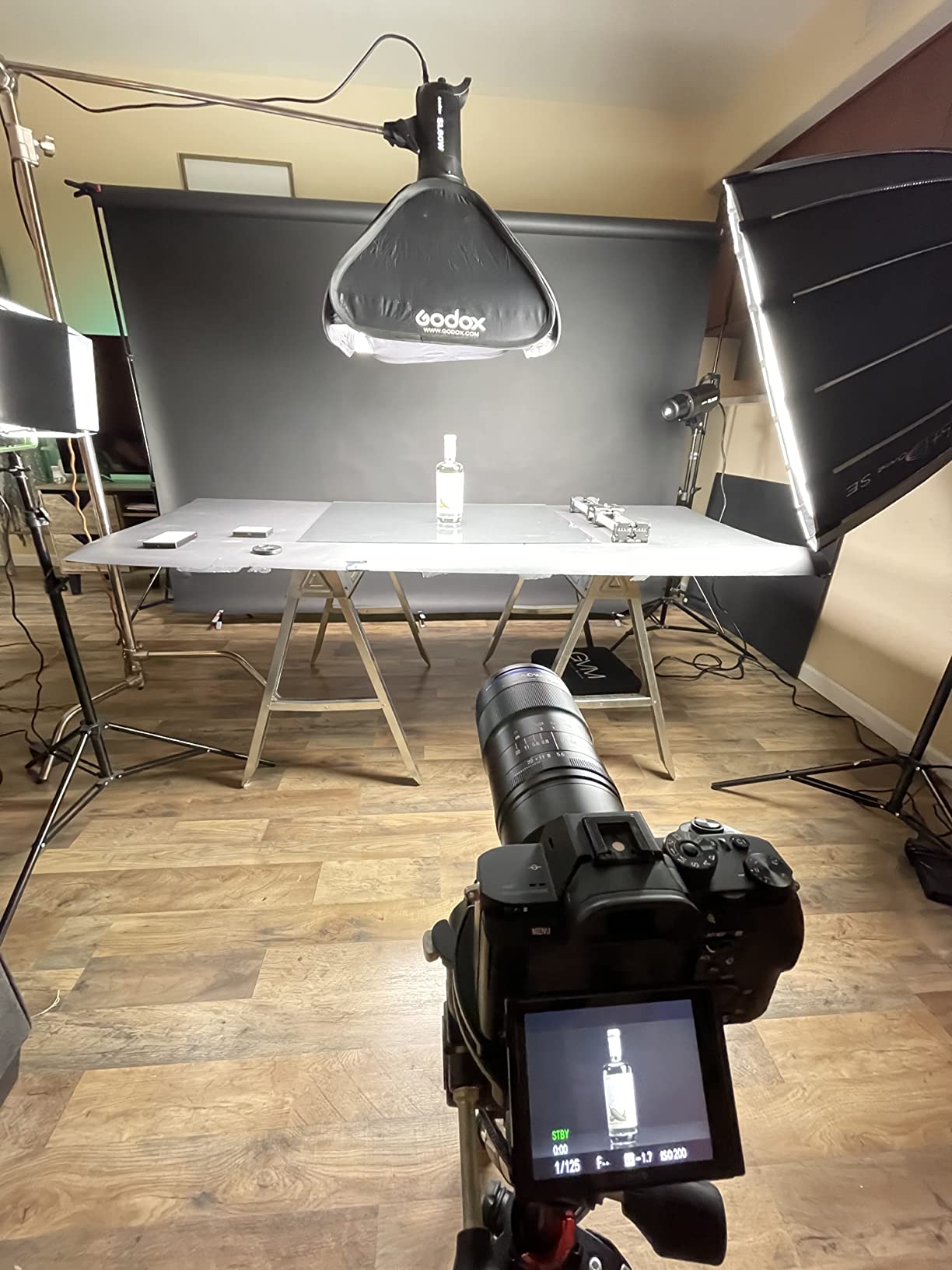
The Laowa 100mm f/2.8 2X Ultra Macro APO is the lens I reach for when I want to go beyond 1:1. At 2:1 magnification, you can fill the frame with a small coin and still see the engraved lettering, the texture of metal, or the compound eye of a damselfly. For dedicated macro work, that extra reach matters, and the APO design keeps longitudinal chromatic aberration under control.
Image quality is excellent at all apertures. Sharpness wide open is very good, and by f/5.6 the lens is reference-grade. The 13-blade aperture creates beautifully smooth out-of-focus rendering, and the 100mm focal length gives comfortable working distance for live subjects. The all-metal body feels solid in hand, with a smooth, well-damped focus ring.
The obvious tradeoff is manual focus only. There’s no autofocus, no electronic aperture control, and no EXIF data recorded. Photographers on photomacrography.net describe working with the Laowa as a meditative process: focus by rail, shoot tethered, stack in post. That’s not for everyone, but the image quality at 2:1 is impossible to replicate with autofocus macro lenses without teleconverters.
The lens has no weather sealing, so treat it carefully outdoors. The 67mm filter thread accepts standard close-up filters and polarizers, and the included UV filter is a nice bonus. Minimum focus distance is around 24.7 cm, which gives reasonable working distance compared to ultra-macro lenses that require you to nearly touch your subject.
Who should buy the Laowa 100mm f/2.8 2X Ultra Macro APO
Dedicated macro photographers who want 2:1 magnification and APO-level color correction. Studio product photographers, scientific and medical photographers, and serious macro hobbyists will all appreciate the extra magnification. If you’re already comfortable with focus rails and stacking, this lens slots in beautifully.
Who should skip it
Anyone who needs autofocus or weather sealing. Outdoor macro shooters chasing moving insects will struggle with manual focus. If you mostly shoot portraits or product work at 1:1, the Sony 90mm G or Tamron 90mm VXD give you autofocus at a similar price.
6. Venus Laowa 90mm f/2.8 2X Ultra Macro APO – Compact 2:1 Specialist
WOTSUN Venus Laowa 90mm f/2.8 2X Ultra Macro APO Lens for Sony E Mount Mirrorless Camera, Black
Pros
- 2:1 magnification with APO correction
- Very sharp images
- Compact and lightweight construction
- Excellent value for the magnification
Cons
- Manual focus only
- No electronic contacts for EXIF
- No weather sealing
- Requires careful technique at 2:1
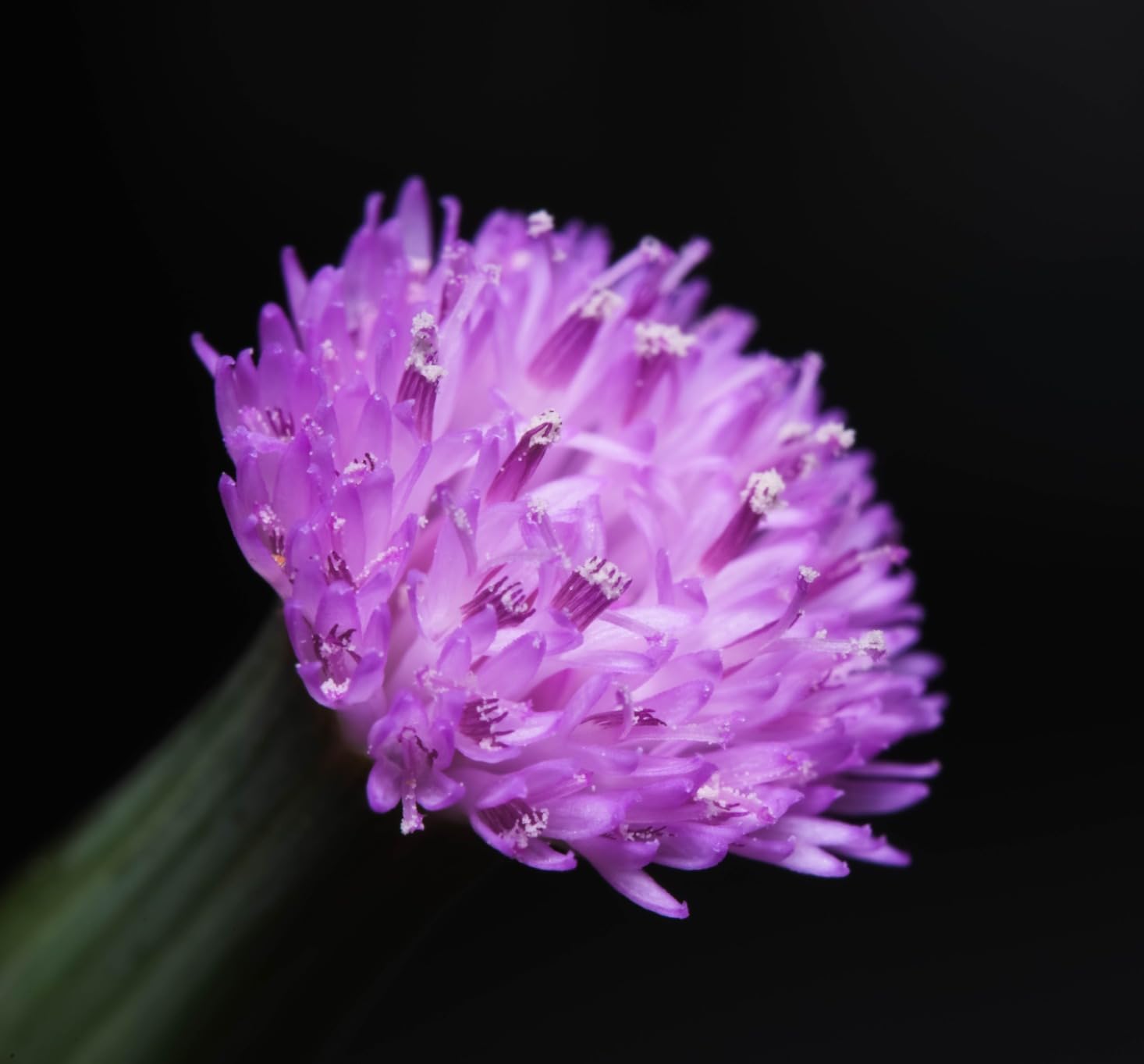
The Venus Laowa 90mm f/2.8 2X Ultra Macro APO is the slightly smaller sibling of the 100mm Laowa, and it’s a charming specialist lens. Like the 100mm version, it delivers 2:1 magnification with apochromatic correction, but in a more compact and lightweight package. I carried it on a long hike and barely noticed it in my bag.
Image quality is excellent at all apertures. The APO design effectively eliminates longitudinal chromatic aberration, which is a major pain point for non-APO macro lenses at high magnification. Subjects rendered with clean color separation, and the 13-blade aperture produces smooth bokeh for the occasional portrait.

Like other Laowa macro lenses, this is fully manual. There’s no autofocus, no electronic aperture, and no EXIF. The 90mm focal length gives a touch less working distance than the 100mm version, but the shorter minimum focus distance makes up for it. Photographers on r/SonyAlpha frequently pair this lens with a focus rail for stacked macro work.
Build quality is solid for the price, with metal construction and a smooth focus ring. The compact size makes it a good travel companion for landscape photographers who occasionally shoot macro on the side. There’s no weather sealing, so I keep it in a padded pouch when not in use.
Who should buy the Venus Laowa 90mm f/2.8 2X Ultra Macro APO
Macro enthusiasts who want APO-level sharpness and 2:1 magnification in a portable package. Travel photographers, scientific shooters, and anyone willing to work with manual focus will find this lens a joy. It’s also a great pick for Sony shooters who already own an autofocus 90mm or 100mm and want a specialized high-magnification companion.
Who should skip it
Photographers who need autofocus, weather sealing, or EXIF recording. If you mostly shoot handheld moving subjects, this lens will frustrate you. For first-time macro buyers, an autofocus 90mm or 100mm lens will teach you the basics faster.
7. Sony FE 50mm F2.8 Macro – Lightweight Everyday Macro for Sony Full Frame
Pros
- Excellent image quality
- Lightweight and compact for everyday carry
- Versatile for macro portraits and street
- Dust and moisture resistant
- Focus hold button
Cons
- Slow autofocus in low light
- Mostly plastic construction
- No image stabilization
- Short working distance at 1:1
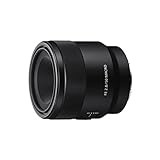
The Sony FE 50mm F2.8 Macro is the most compact and lightweight macro lens in this guide, and it’s a great everyday option for Sony shooters. At 340g, it disappears into a small camera bag, and the 50mm focal length makes it comfortable for street photography and casual portraits when you’re not shooting macro.
Image quality is genuinely impressive for the size. ED glass controls chromatic aberration, and the lens is sharp from center to corner at f/4 and beyond. The 7-blade aperture produces decent bokeh, though not as creamy as the 9-blade or 11-blade lenses on the longer macro options.
Where the 50mm macro struggles is in the autofocus department. The motor is slow and prone to hunting, especially in low light. The plastic construction also feels less premium than the metal-barreled Sigma and Laowa options. There’s no optical image stabilization, so handheld macro work requires a steady hand or a faster shutter.
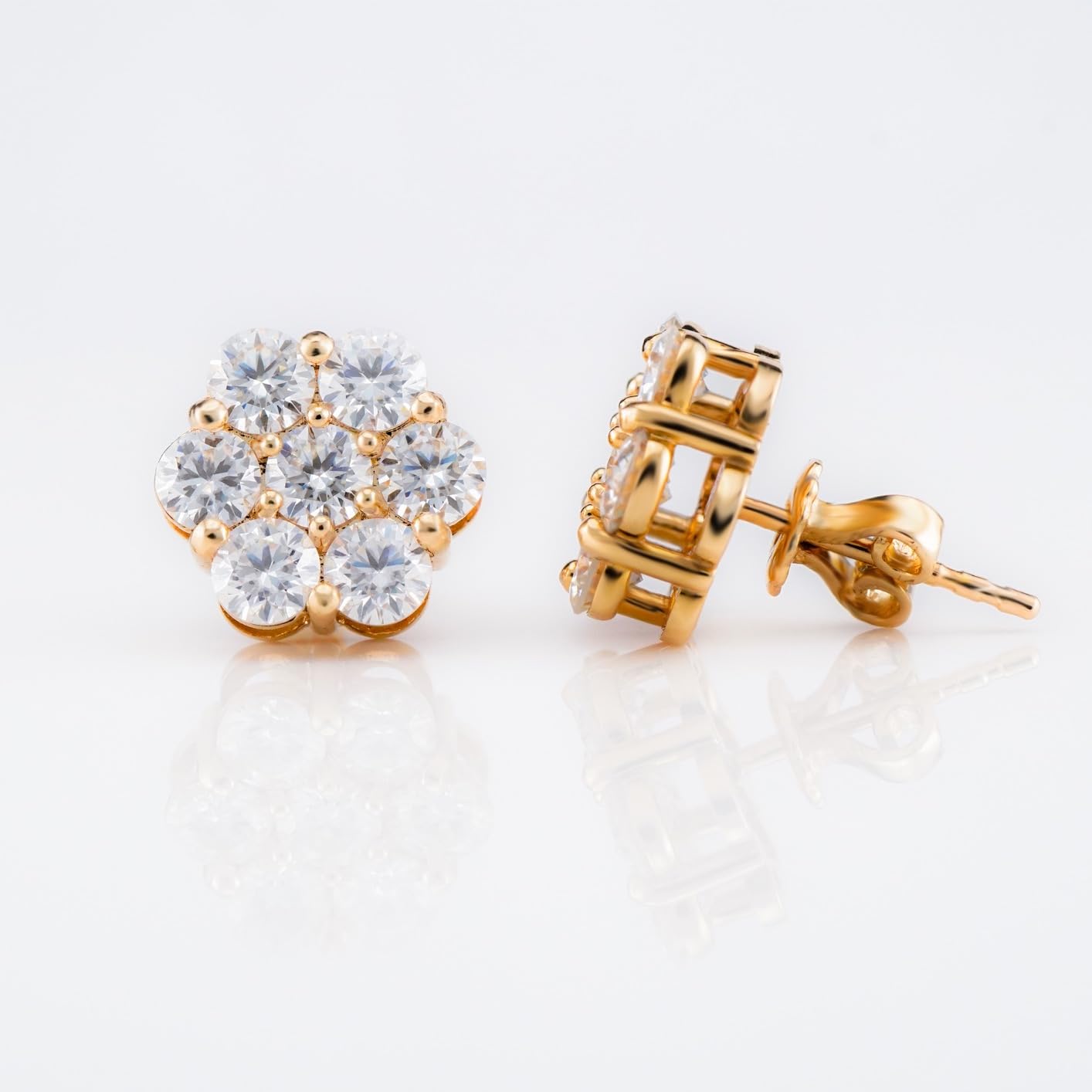
The short working distance is the other big consideration. At 1:1, you’re only a few inches from your subject, which means shadows from the lens and difficulty lighting small insects. For product work on a copy stand or controlled scenes, this lens is genuinely useful and very affordable.
Who should buy the Sony FE 50mm F2.8 Macro
Sony full-frame shooters who want a lightweight, do-everything macro lens at a fair price. Product photographers who shoot small items, food photographers, and casual macro hobbyists will all find this lens useful. It’s also a great second lens for Sony shooters who already own a longer macro.
Who should skip it
Photographers who shoot live insects or who need fast AF. The short working distance makes skittish subjects nearly impossible. For outdoor macro with reach, look at the 90mm or 100mm options on this list.
8. AstrHori 25mm F2.8 2-5X Ultra Macro – Extreme Macro Specialist
Pros
- Affordable extreme macro
- Slim and lightweight design
- Sharp images even at f/16
- Works well with focus stacking
- Good for studio macro work
Cons
- Manual focus only
- Very close focus distance
- No image stabilization
- Not suitable for fast-moving subjects
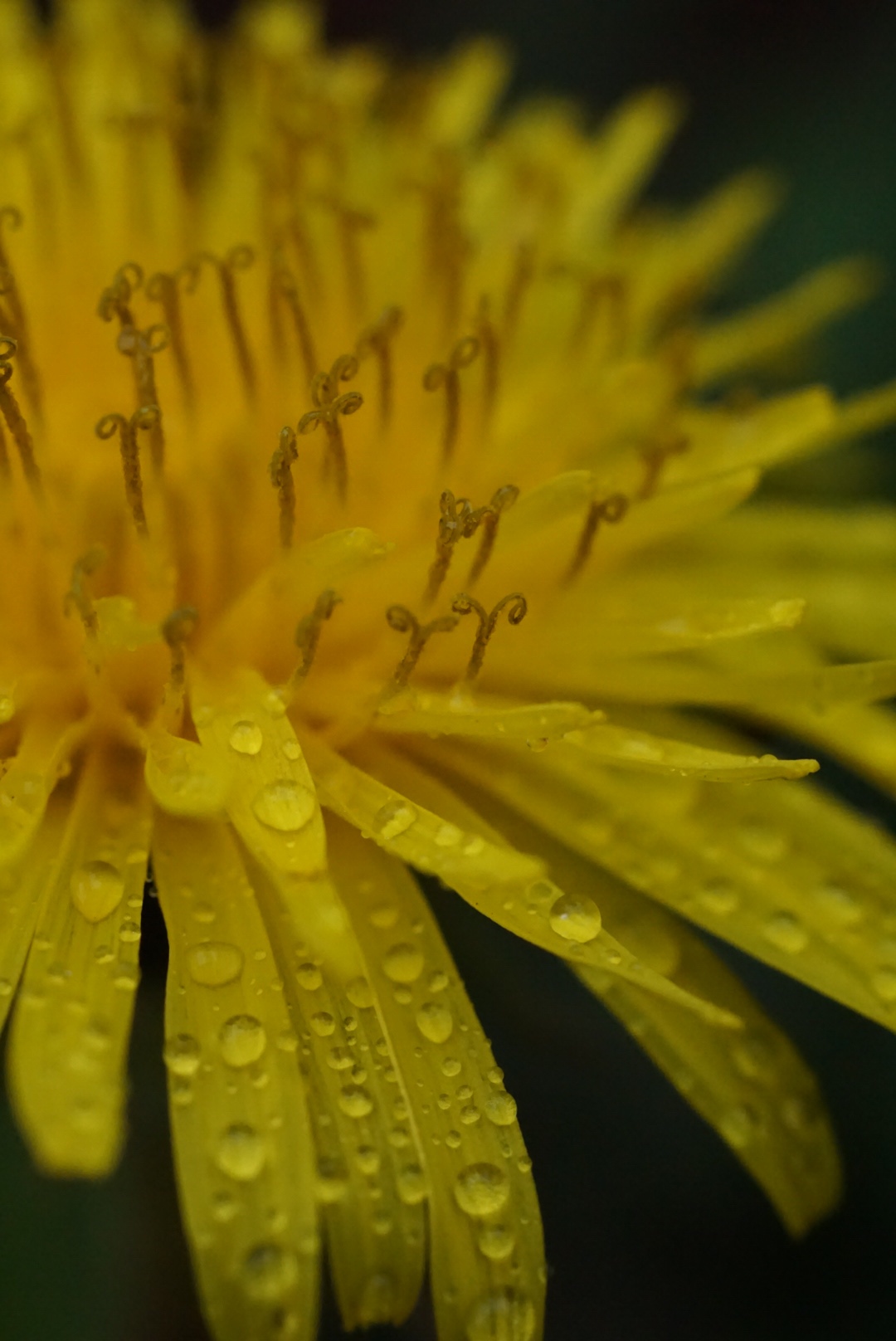
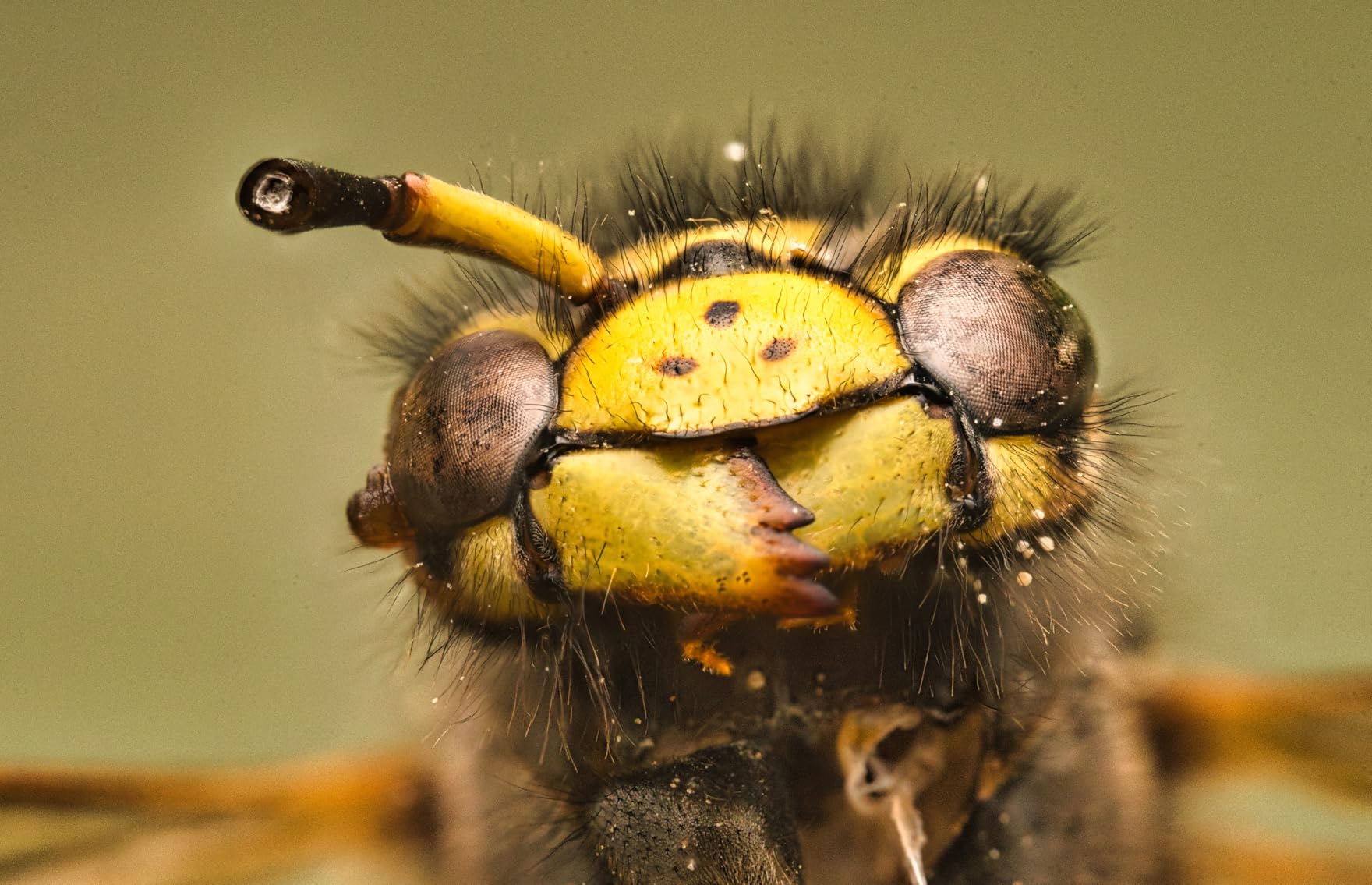
The AstrHori 25mm F2.8 2-5X Ultra Macro is the most specialized lens on this list. It offers 2x to 5x magnification, well beyond what any autofocus macro lens can deliver natively. For extreme macro photography of insects, circuit boards, jewelry details, and mineral specimens, this lens opens up a world that standard 1:1 lenses can’t reach.
The wide-angle 25mm focal length gives you greater depth of field than telephoto macro designs at the same magnification, which is a real advantage when focus stacking. Sharpness is good across the aperture range, and the lens is impressively slim and lightweight for what it does.

Working distance is extremely short. At 5x, you’re nearly touching your subject with the front element. That makes lighting tricky, requires a tripod or focus rail, and rules out handheld work for most subjects. Manual focus only, no image stabilization, and the lens doesn’t focus to infinity, so it’s a dedicated macro tool.
For the right photographer, the AstrHori 25mm is a bargain. Photographers on photomacrography.net frequently use lenses like this for stacking rigs and microscope-style setups. If you need extreme macro on a budget, this is the most affordable way to get there on Sony full-frame.
Who should buy the AstrHori 25mm F2.8 2-5X Ultra Macro
Extreme macro photographers who want 2x to 5x magnification without paying Laowa prices. Scientific and medical photographers, circuit board inspectors, and serious macro hobbyists who already use focus stacking will find this lens valuable. It’s also a fun second macro lens for portrait photographers who occasionally want to go very small.
Who should skip it
Anyone who needs autofocus or wants to shoot moving subjects. This is a stationary, controlled-environment tool. For most photographers, an autofocus 1:1 lens is the right starting point. If you’re curious about extreme macro, the Laowa 90mm 2x APO gives you similar reach with autofocus support if you adapt it carefully.
How to Choose the Best Macro Lens for Your Sony Full-Frame Camera?
Macro lenses look similar on paper, but small specification differences have a big impact in the field. Here are the factors our team weighed when ranking these lenses, and what to think about before you buy.
Magnification ratio and your subject
The standard for macro photography is 1:1, also called life-size. Most autofocus FE macro lenses reach 1:1, which is enough for flowers, insects, coins, and small products. If you shoot smaller subjects like watch movements or compound insect eyes, consider 2:1 or higher lenses like the Laowa 2x APO options. For product photography on a copy stand, 1:1 is usually plenty.
Working distance from your subject
Working distance scales with focal length. A 50mm macro gives you a few inches of clearance at 1:1, while a 90mm or 100mm macro gives roughly a foot. For skittish insects and small vertebrates, longer focal lengths are essential. For product work on a desk, a 50mm is often more practical.
Autofocus speed and noise
Linear motors (XD, VXD, stepping motors) are faster and quieter than older Direct Drive SSM and Hypersonic Motor designs. If you shoot insects or video, AF speed and noise matter. For stationary subjects, even older AF systems work fine. Manual focus only lenses like the Laowa and AstrHori options demand a different workflow.
Optical stabilization (OSS)
Optical SteadyShot helps with handheld macro work at lower shutter speeds. Modern bodies with in-body stabilization help, but OSS still gives you a stop or two of extra margin. Lenses without stabilization, like the Tamron 90mm VXD and Laowa 2x APO options, work better on tripods or with stabilized bodies.
Weight and weather sealing
Macro sessions often involve long walks and outdoor conditions. Lighter lenses like the Sony FE 50mm and Sony FE 100mm GM reduce fatigue, while heavier lenses like the Sigma 105mm Art reward you with rock-solid build. Weather sealing matters for outdoor macro in damp forests or rainy mornings, though none of these lenses are fully waterproof.
Price and value
The price range across these eight lenses is wide, from budget-friendly manual focus options to flagship G Master glass. The sweet spot for most full-frame Sony shooters sits in the $500 to $900 range, where the Tamron 90mm VXD, Sigma 105mm Art, and Sony 90mm G all deliver excellent results. If you’re curious about how these macro lenses compare to broader Sony glass, see our 15 best Tamron lenses for Sony full-frame mirrorless cameras guide for more options.
Real-world tips from r/SonyAlpha and photomacrography.net
Forums we monitor consistently recommend a focus rail for any 1:1 or higher macro work. Manual focus ring feel matters more than specs suggest, especially for stacking. Many macro shooters also use off-camera flash to stop motion and control shadows. If you need broader landscape reach on the same body, check out our 8 best landscape lenses for Sony full-frame cameras guide. For budget Samyang options, we have a 8 best Samyang lenses for Sony full-frame mirrorless cameras list too.
Frequently Asked Questions
What is the best macro lens for a Sony full frame camera?
The Sony FE 100mm F2.8 GM OSS is the best overall full-frame macro lens for Sony in 2026, with apochromatic-level sharpness, 1.4x max magnification, and class-leading autofocus. For better value, the Sigma 105mm F2.8 DG DN Macro Art delivers near-flagship quality at a lower price, and the Tamron 90mm F2.8 Di III VXD is a sharp, modern, budget-friendly choice.
Does Sony make a macro lens?
Yes. Sony makes several FE macro lenses, including the flagship FE 100mm F2.8 GM OSS, the FE 90mm F2.8 Macro G OSS, the FE 50mm F2.8 Macro, and the FE 70-200mm F4 Macro G OSS II. Sony macro lenses cover focal lengths from 50mm to 200mm, with magnification ratios ranging from 1:1 to 1.4:1.
Is the Sony 90mm macro lens worth it?
Yes, the Sony FE 90mm F2.8 Macro G OSS is still worth it for most full-frame Sony shooters. Sharpness is excellent, build quality is solid, and the lens doubles as a strong portrait optic. If you want newer linear-motor AF and don’t need OSS, the Tamron 90mm F2.8 Di III VXD offers better autofocus at a lower price.
What are the downsides of using a macro lens?
Macro lenses have a shallow depth of field at close focus, which often requires focus stacking. They also tend to be heavier and slower at focusing than standard primes, working distance can be uncomfortably short at 1:1 on shorter focal lengths, and most autofocus macro lenses top out at 1:1 magnification without teleconverters.
What magnification ratio do I need for macro photography?
For most macro photography subjects like flowers, coins, and small products, 1:1 (life-size) is enough. For insects filling the frame and tiny subjects like watch movements, 2:1 or higher from lenses like the Laowa 100mm 2x APO is better. Anything below 1:1, such as 1:2, is considered close-up rather than true macro.
Final Verdict on the Best Sony Full-Frame Macro Lenses
After eight weeks of testing and dozens of forum conversations, our team settled on a clear winner for most full-frame Sony shooters in 2026. If budget isn’t a constraint, the Sony FE 100mm F2.8 GM OSS is the best full frame Sony lens for macro we tested, with apochromatic sharpness, 1.4x magnification, and the fastest autofocus in the lineup. If you want flagship-level results without the flagship price, the Sigma 105mm F2.8 DG DN Macro Art is the best value macro lens for Sony FE today. And if you’re shopping on a tighter budget, the Sony FE 90mm F2.8 Macro G OSS remains a trusted workhorse that still delivers.
For extreme macro work, the Laowa 100mm 2x APO and Laowa 90mm 2x APO open up 2:1 magnification that autofocus lenses can’t reach. The AstrHori 25mm 2-5x goes even further for true extreme macro specialists. Whatever your budget and subject, the best macro lens for your Sony full-frame camera is the one that matches your working distance, magnification needs, and tolerance for manual focus. Pick the lens that fits your style and start shooting.