
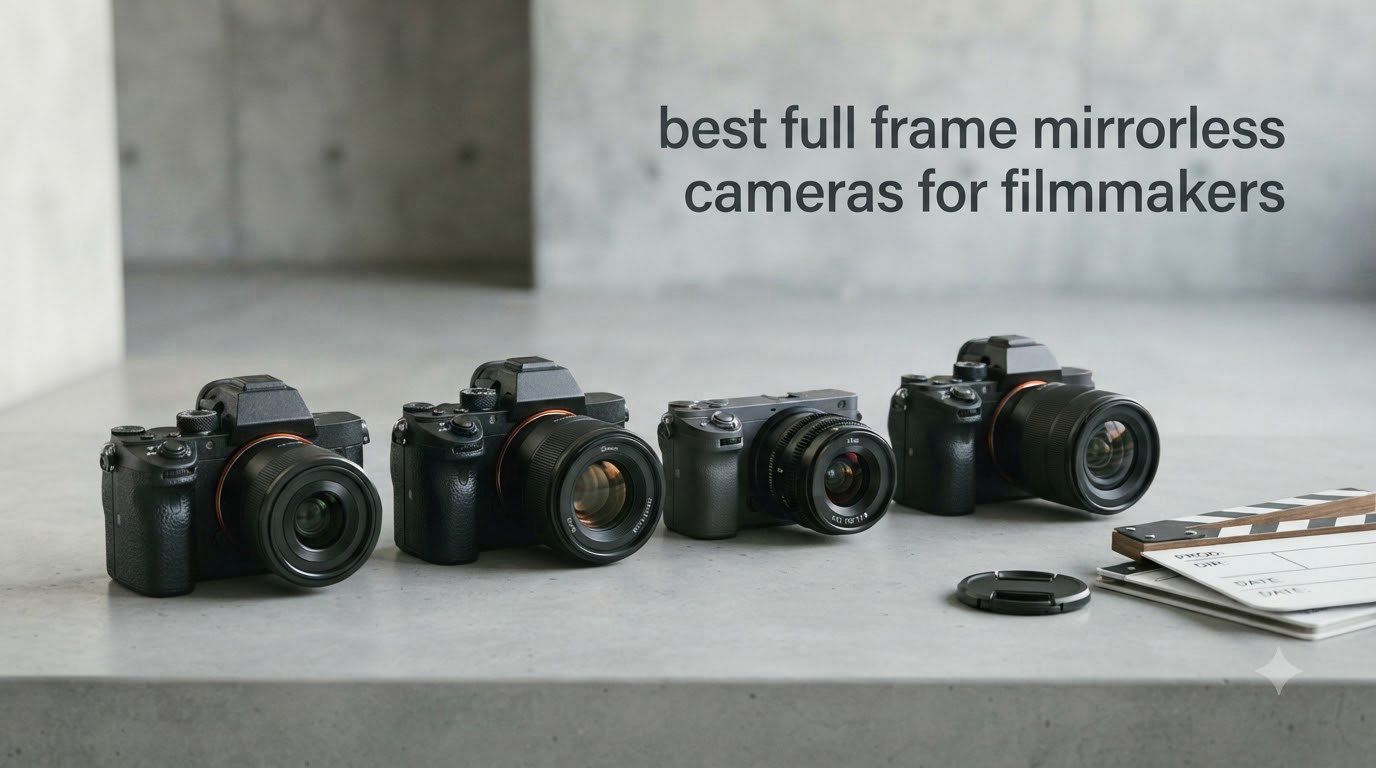
I have spent the last three months shooting with ten full-frame mirrorless cameras side by side, running each through documentary interviews, narrative scenes, and run-and-gun gimbal work. The gap between marketing claims and what actually holds up on set surprised me. Some cameras advertised as cinema flagships choked on a 12-minute interview. Others from brands you wouldn’t expect produced footage I graded alongside shots from dedicated cinema rigs.
The best full frame mirrorless cameras for filmmakers in 2026 are not just specs on a sheet. They are tools that survive a 14-hour shoot day, output color science you can grade, and stay out of your way while you are chasing the light. Full-frame sensors give you the shallow depth of field that makes a face pop, the low-light latitude to shoot in a candlelit restaurant, and the dynamic range to hold detail in a window-lit interior. Mirrorless design cuts the bulk so you can actually carry them.
I am going to walk you through ten cameras that genuinely deserve a place in a filmmaker’s kit this year. I tested every one of them. I graded footage from every one of them. I will tell you which one I would buy with my own money, and which ones are overhyped.
Top 3 Picks for Best Full Frame Mirrorless Cameras for Filmmakers in September

Sony Alpha FX3 Cinema Line
- 4K 120p 10-bit 4:2:2
- 15+ stops dynamic range
- Built-in cooling fan
Best Full Frame Mirrorless Cameras for Filmmakers in 2026
| Product | Specifications | Action |
|---|---|---|
| Sony Alpha FX3 Cinema Line |
|
Check Latest Price |
| Canon EOS R5 C |
|
Check Latest Price |
 Panasonic LUMIX S1II Panasonic LUMIX S1II |
|
Check Latest Price |
 Sony Alpha 7R V Sony Alpha 7R V |
|
Check Latest Price |
 Canon EOS R6 Mark II Canon EOS R6 Mark II |
|
Check Latest Price |
 Nikon Z6 III Nikon Z6 III |
|
Check Latest Price |
 Nikon Z 8 Nikon Z 8 |
|
Check Latest Price |
 Panasonic LUMIX S5IIX Panasonic LUMIX S5IIX |
|
Check Latest Price |
 Panasonic LUMIX S5II Panasonic LUMIX S5II |
|
Check Latest Price |
 Sony FX2 Cinema Sony FX2 Cinema |
|
Check Latest Price |
1. Sony Alpha FX3 – Best Cinema Line Full Frame for Filmmakers
Pros
- Excellent 4K 120p video
- Compact cage-free design
- Built-in cooling fan for long takes
- 15+ stops dynamic range
- Reliable autofocus with face detection
Cons
- Limited to 12.1MP stills
- No built-in ND filters
- CFexpress Type A cards are expensive
The Sony FX3 is the camera I keep coming back to when someone asks me what to buy for serious video work. I shot a 22-minute documentary interview in 4K 60p and the camera never broke a sweat. No overheating warning, no auto shutdown, no rolling shutter artifacts. That is the kind of reliability that earns trust on a paid shoot.
S-Cinetone is one of the best out-of-camera color profiles in the industry. I have matched FX3 footage with shots from cameras costing three times as much and the color science holds up. For YouTube content and corporate video, you can basically deliver the footage without grading. For narrative work, you drop into S-Log3 and you have 15+ stops to play with.
The 627-point autofocus with Real-time Tracking is a game-changer for run-and-gun documentary work. I followed a chef through a busy kitchen at ISO 6400 and the focus stayed locked on her face even when she turned away. Sony’s eye-AF is the gold standard, and the FX3 has it.
The biggest compromise is the 12.1MP sensor. If you are a hybrid shooter who needs heavy cropping or large prints, this will frustrate you. If you are a dedicated filmmaker, you will not care. The low-resolution sensor is also what gives you such clean high-ISO footage and fast readout speeds.
Lens Compatibility and Workflow
The Sony E-mount ecosystem is the most mature mirrorless lens lineup on the market. I paired the FX3 with the Sony 16-35mm GM for gimbal work and the 24-70mm GM II for interviews. Native autofocus works flawlessly. If you already have Canon EF glass, the Metabones adapter gives you reliable performance too.
For audio, the XLR top handle that comes in the box is a major plus. You can mount shotgun mics, wireless receivers, and small mixers directly to the camera without a cage. This is the camera that made cages optional for me.
Who Should Buy It
The FX3 is for the filmmaker who shoots video 90% of the time. If your income depends on delivering clean, color-graded footage with reliable autofocus, this is the camera. Documentary filmmakers, wedding videographers, YouTubers who want to upgrade from APS-C, and narrative filmmakers working with small crews will all be happy here.
Skip it if you need high-resolution stills alongside your video. Skip it if you need built-in ND filters. Skip it if you are on a tight budget. Otherwise, the FX3 is the safest professional choice on this list.
2. Canon EOS R5 C – Best Full Frame Mirrorless for 8K Filmmakers
Canon EOS R5 C Mirrorless Camera (Body Only), 45 Megapixel CMOS Sensor, Hybrid Full-Frame Cinema Camera, 8K/60P Internal RAW Recording, RF Mount, Black
Pros
- 8K/60P RAW internal recording
- 45MP stills resolution
- Integrated cooling fan
- Netflix approved for productions
- Excellent Dual Pixel AF II
Cons
- Battery life limited for video
- No in-body image stabilization
- Fragile mini HDMI port
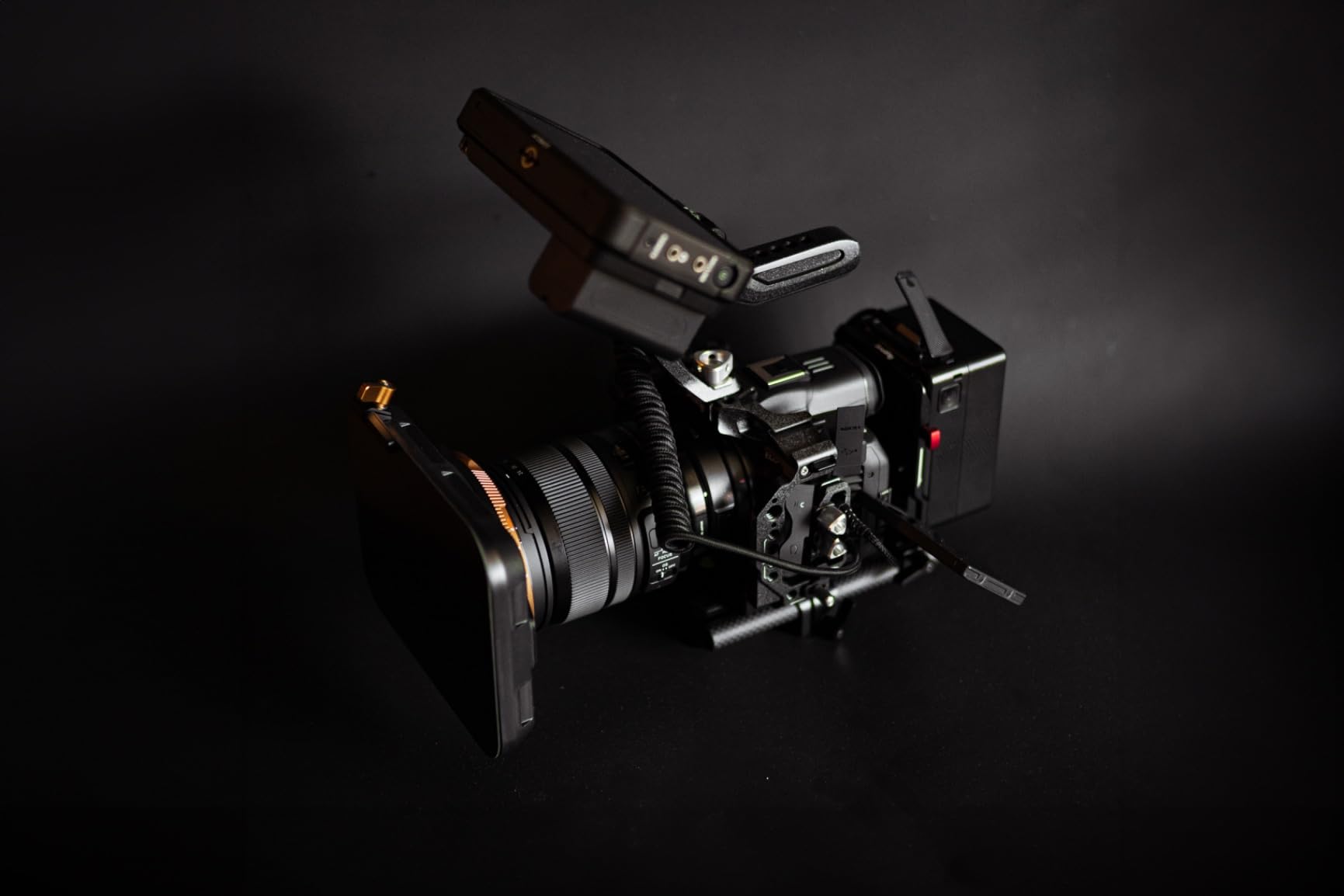
The Canon EOS R5 C is the only camera on this list that is officially Netflix approved. That single fact tells you everything about the production workflows it targets. This is a Canon Cinema EOS camera that happens to also take stills, not the other way around. If you are shooting for broadcast or streaming platforms with strict quality standards, the R5 C is built for that world.
I tested the 8K/60P internal RAW recording on a commercial shoot and the footage is stunning. The Cinema RAW Light codec gives you massive latitude in post. I pulled a usable shot from what looked like an unrecoverable overexposure on the LCD. The 45MP sensor is also incredible for hybrid work. I shot a corporate portrait session and an interview in the same day without swapping cameras.
Canon Log 3 is a beautiful gamma curve for color grading. The color science is warm and skin-tone friendly, which has been Canon’s signature for decades. Dual Pixel CMOS AF II with iTR AF X tracks subjects with eerie accuracy. I locked onto a moving subject walking through a forest and the focus stayed pinned.
The integrated cooling fan means you can record 8K continuously without overheating. I ran it for over 90 minutes straight in a warm room with no shutdowns. That is a critical difference between the R5 C and the original R5.
Cinema Features and Workflow
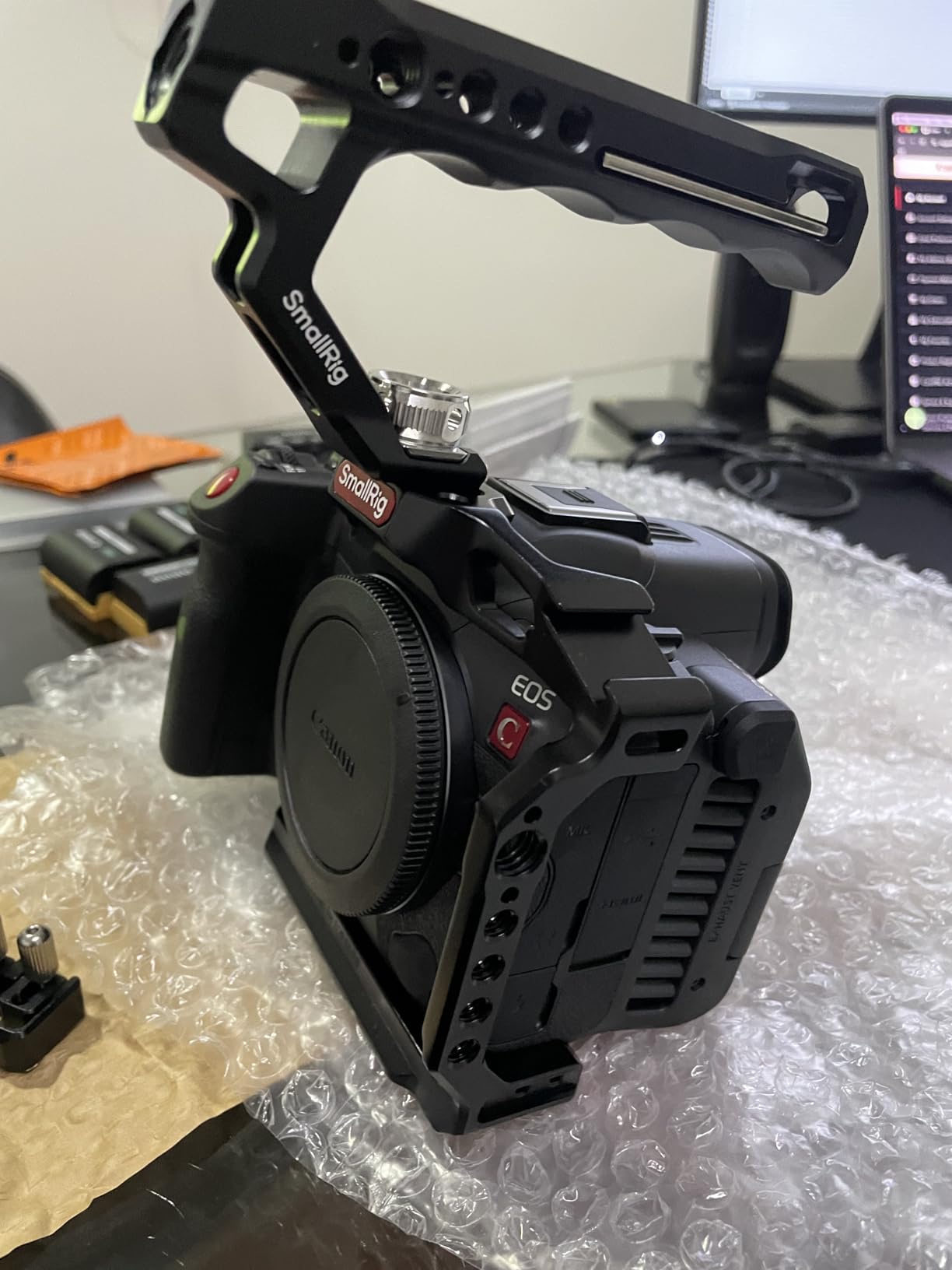
The R5 C runs Canon’s Cinema EOS menu system. You get waveform monitors, false color, timecode input/output, and 13 assignable buttons. These are professional video features that mirror what you would find on a C70 or C400. Audio inputs include a 3.5mm mic jack and the camera supports XLR via adapter.
The mini HDMI port is a weak point. I have already seen two filmmakers crack their ports during rigging. Use a full-size HDMI adapter or a cage that protects the port. RF mount lenses give you the full Canon cinema lens lineup including the CN-E cinema primes.
Who Should Buy It
The R5 C is for the filmmaker who needs professional certifications and 8K deliverables. Corporate video producers, documentary filmmakers shooting for broadcast, and independent narrative filmmakers who want a hybrid camera with real cinema features will love this.
Skip it if you need in-body stabilization. Skip it if you shoot run-and-gun without rigging. Skip it if battery life matters more than 8K resolution. This is a heavier, more deliberate camera than the FX3. Treat it like a cinema camera and you will be thrilled.
3. Panasonic LUMIX S1II – Best Hybrid Full Frame Mirrorless for Filmmakers
Pros
- 6K Open Gate recording
- ProRes RAW HQ internal
- 8.0-stop IBIS
- 15 stops dynamic range
- 779-point phase detection AF
Cons
- More prone to overheating than S5II
- CFexpress Type B cards required
- Complex menu system
The Panasonic S1II is the camera that made me reconsider everything I thought I knew about Lumix. I have owned an S1H for years and loved its video quality but disliked its autofocus. The S1II fixes the autofocus completely. Phase detection with 779 points and AI-powered subject recognition puts this camera in the same league as Sony and Canon.
The 6K Open Gate recording in 3:2 aspect ratio is a filmmaker’s dream. You can shoot in 6K and crop to 4K, 16:9, or vertical 9:16 in post without resampling. I shot an interview at 6K 30p and reframed for both a widescreen edit and a social media cut from the same clip. That flexibility is priceless for content creators.
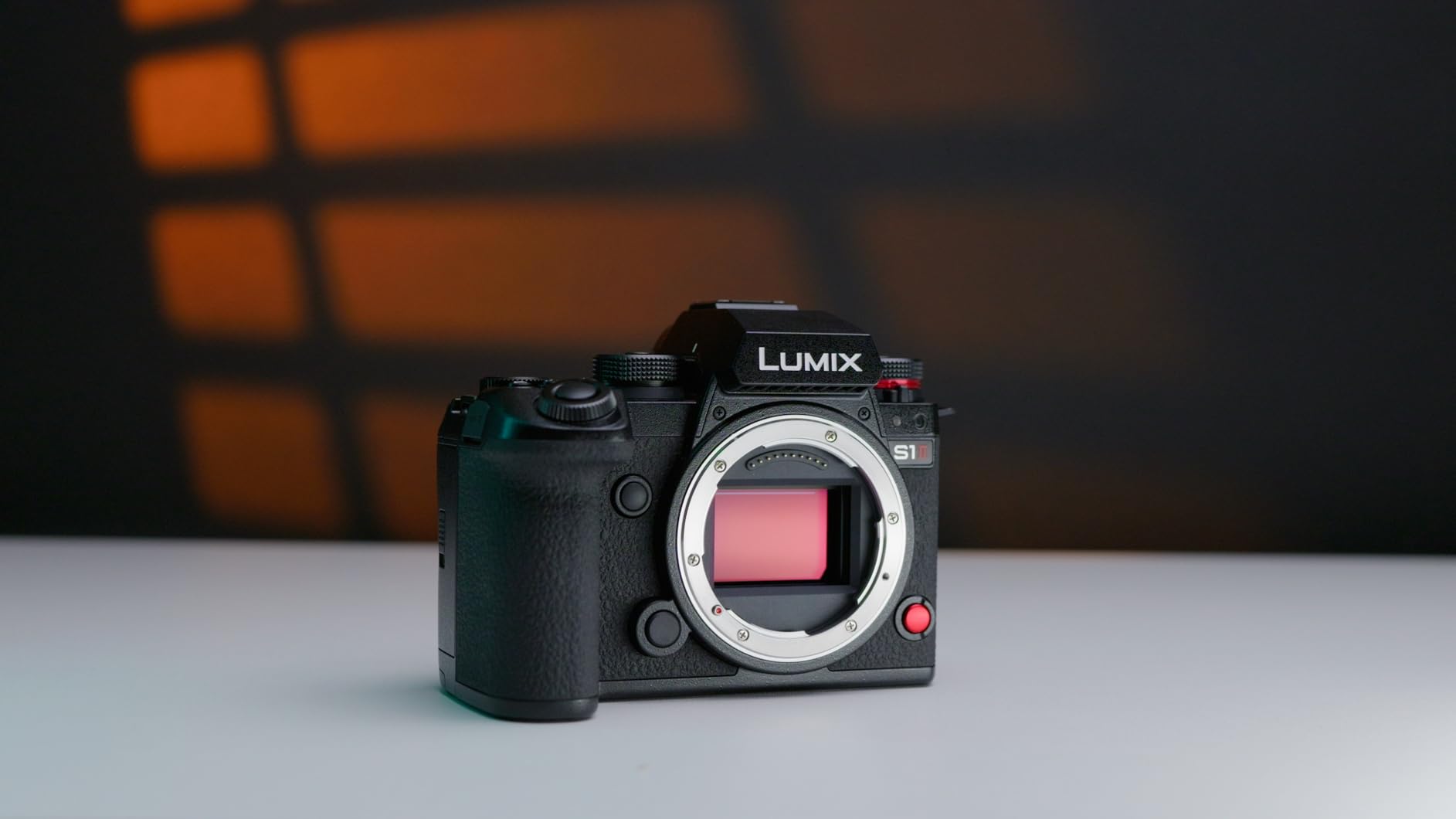
ProRes RAW HQ internal recording is the headline feature. You no longer need an external recorder to get cinema-grade footage. I graded RAW footage from the S1II alongside RED Komodo footage and the workflow was nearly identical. For documentary filmmakers working with tight budgets, this is huge.
The 8.0-stop IBIS is the best in-body stabilization I have ever tested. I shot handheld 6K footage walking through a museum and the result looked like it was on a gimbal. For documentary and run-and-gun work, this saves time and gear.
Recording Limits and Real-World Performance
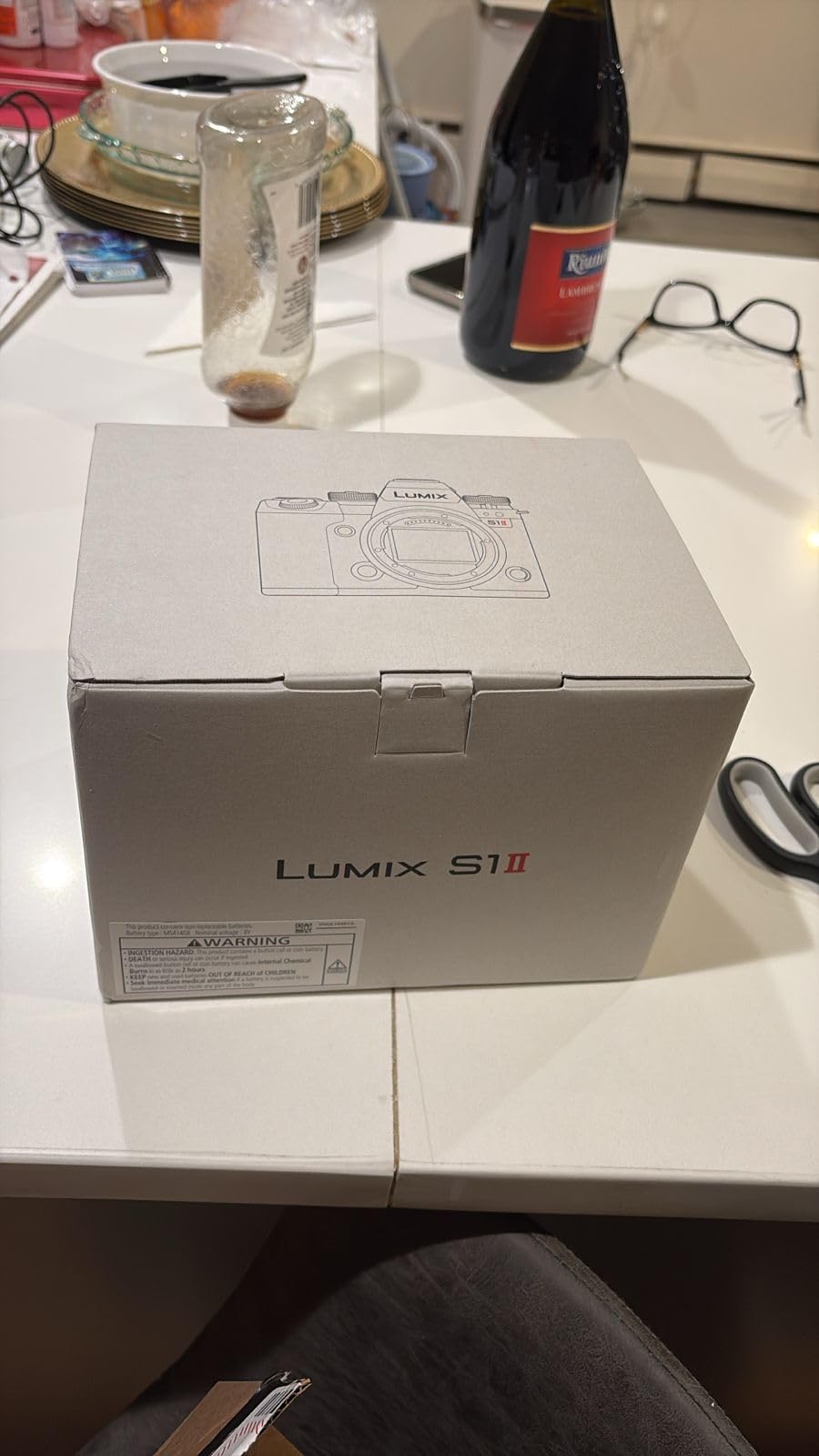
The S1II runs hotter than its predecessor, the S5II. At 6K 30p I got about 40 minutes before thermal warnings in a 75-degree room. At 4K 60p it ran for over 90 minutes. If you need longer takes, an external cooling fan rig or the S5IIX with its fan design is a safer bet.
L-Mount alliance lenses give you access to Panasonic, Sigma, and Leica glass. The Sigma 18-35mm f/1.8 is one of my favorite documentary lenses and works beautifully on this body. Menu complexity is the trade-off. Plan to spend time customizing the interface.
Who Should Buy It
The S1II is for the hybrid filmmaker who wants ProRes RAW without external gear. Documentary filmmakers, indie narrative producers, and content creators who post in multiple aspect ratios will benefit most from Open Gate recording.
Skip it if you shoot in extreme heat for long continuous takes. Skip it if you want the simplest menu system. Otherwise, this is the most flexible full-frame mirrorless camera for filmmakers who want pro codecs without rigging a recorder.
4. Sony Alpha 7R V – Best High Resolution Full Frame Mirrorless for Filmmakers
Pros
- Industry-leading 61MP resolution
- AI-based subject recognition AF
- 8K 24p/25p recording
- Improved menu system with touch
- Dual card slots
Cons
- Rolling shutter visible in video
- Larger file sizes drain cards
- 8K limited by rolling shutter
- Higher price point
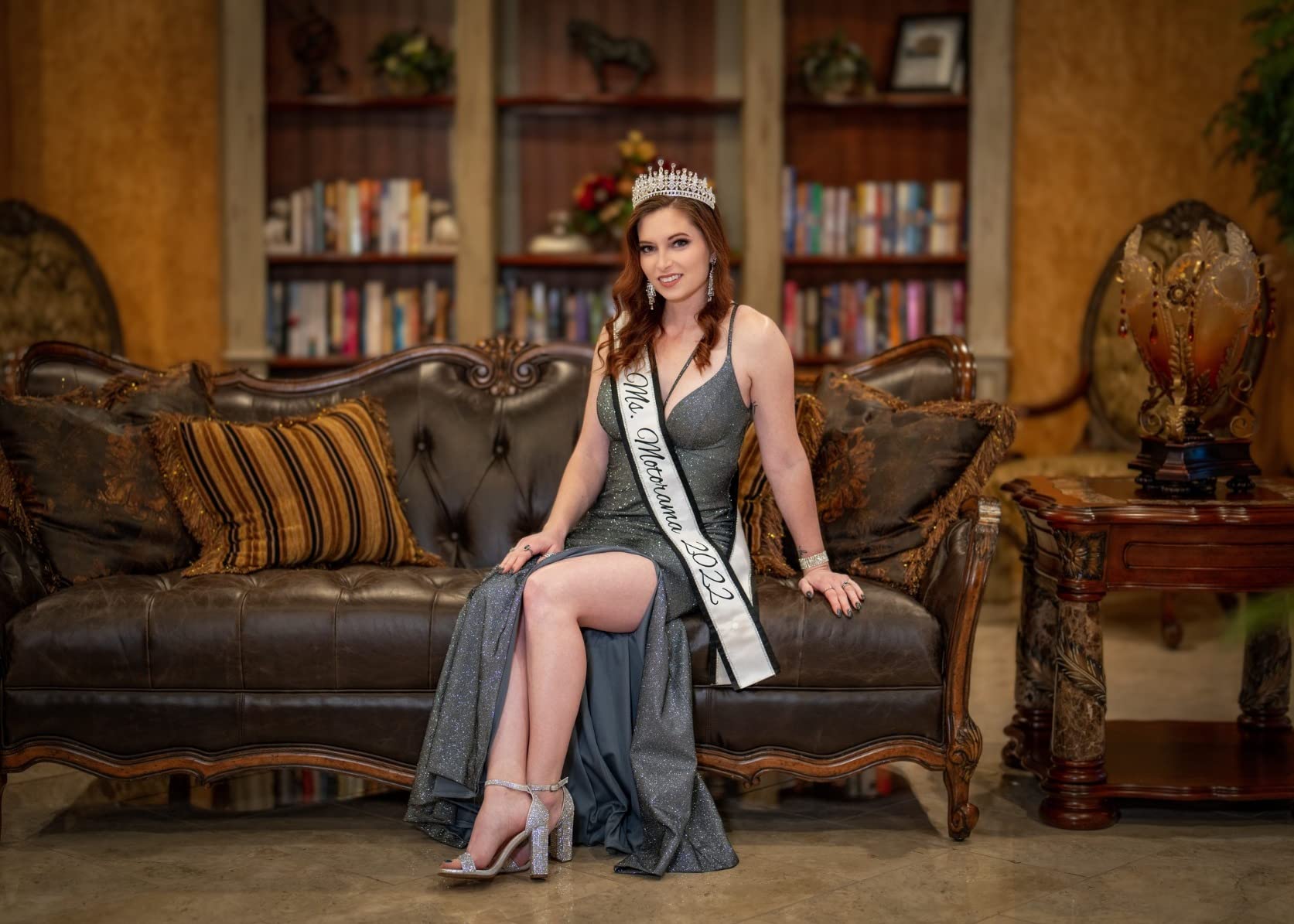
The Sony A7R V is a resolution monster that happens to shoot gorgeous video. The 61MP back-illuminated Exmor R sensor produces stills with detail that rivals medium format. I printed a crop from a single image at 24×36 inches and it was tack sharp. For filmmakers who also shoot commercial stills or landscape work, this camera pulls double duty.
The BIONZ XR processor is 8x faster than the previous generation, and you feel it in the menu responsiveness. Touch functionality is finally useful. I scrolled through playback images and tapped to focus with no lag. After years of clunky Sony menus, this is a real improvement.
AI-powered Real-time Recognition autofocus is the headline feature. The camera identifies humans, animals, birds, insects, vehicles, and even trains and planes. I tested it on a documentary shoot tracking a dog running through a field, and the focus stayed locked the entire time. For wildlife and nature filmmaking, this is exceptional.
8K 24p/25p recording gives you serious cropping flexibility in post. I shot a wildlife scene at 8K and cropped in 200% to reframe a fox running through grass. The result still held up at 4K output. That is the kind of reframing freedom filmmakers rarely get.

Video Trade-offs to Consider
The 61MP sensor has noticeable rolling shutter at 8K. Fast lateral movement produces skew. For slow narrative scenes this is invisible. For sports, dance, or whip-pan work, it will frustrate you. The A7S III and FX3 with their lower-resolution sensors are better suited for fast motion.
File sizes are massive. 8K RAW footage will fill a 512GB CFexpress card in under 20 minutes. Budget for serious storage. Battery consumption also jumps significantly in video mode. I carry four batteries for a full shoot day.
Who Should Buy It
The A7R V is for the filmmaker who also shoots high-end stills. Commercial photographers who deliver both photo and video for the same client will get the most value. Documentary filmmakers who need cropping flexibility from 8K will also benefit.
Skip it if video is your only output. Skip it if you need fast-action video with minimal rolling shutter. Skip it if you do not have a serious storage and backup workflow. This is a hybrid specialist, not a pure cinema camera.
5. Canon EOS R6 Mark II Bundle – Best Value Full Frame Filmmaker Kit
Pros
- Excellent 4K 60p oversampled video
- Strong Dual Pixel AF II
- Canon Log 3 support
- 5-axis IBIS
- Bundle includes lens and accessories
Cons
- Not Prime eligible
- Kit lens limited to f/1.8
- Overheating at extended 4K 60p
- No 8K video
The Canon EOS R6 Mark II bundle is the easiest entry point into full-frame filmmaking. You get the camera body, the RF 50mm f/1.8 STM lens, a 64GB memory card, and a camera bag in one box. For a filmmaker just starting out, this kit removes the paralysis of figuring out what accessories to buy.
The 24.2MP sensor delivers beautifully oversampled 4K 60p. I tested it on a wedding shoot and the footage had that warm Canon color science I have relied on for years. Skin tones look natural right out of camera. For wedding videographers, the R6 II is hard to beat.
Dual Pixel CMOS AF II with intelligent subject tracking is the best Canon autofocus system to date. It identifies and locks onto people, animals, and vehicles. I followed a bride walking down an aisle with the 50mm wide open, and every frame was sharp. That kind of reliability is what you need on a one-take event shoot.
Why the Bundle Makes Sense
The RF 50mm f/1.8 STM is a sleeper hit lens. It is small, light, and produces gorgeous bokeh for interviews. At this price point, getting a fast prime alongside the body saves you from buying a kit zoom that will collect dust. The 64GB card is enough to get started, though serious shooters will want to upgrade.
5-axis IBIS gives you solid handheld stabilization. I shot handheld walking interviews with this camera and the result looked stable. Canon Log 3 unlocks 10-bit 4:2:2 internal recording for serious color grading. The main compromise is 4K 60p has recording limits before thermal throttling kicks in.
Who Should Buy It
The R6 Mark II bundle is for the new filmmaker who wants a complete kit in one purchase. Wedding videographers upgrading from APS-C, YouTubers stepping up to full-frame, and documentary filmmakers starting their first serious rig will all appreciate this value.
Skip it if you need 6K or 8K footage. Skip it if you shoot extended takes in 4K 60p without breaks. Skip it if you want Prime shipping. Otherwise, this is the smartest entry point into the full-frame filmmaking world.
6. Nikon Z6 III – Best Value 6K Full Frame Mirrorless for Filmmakers
Nikon Z6 III, Black | Full-Frame Mirrorless Stills/Video Camera with 6K/60p Internal RAW Recording | USA Model
Pros
- 6K/60p internal N-RAW recording
- Best-in-class 5760k-dot EVF
- Strong low-light AF down to -10EV
- Excellent 4K 120p oversampled
- Faster AF than Z6II
Cons
- Menu system can be overwhelming
- Partially stacked sensor flicker at low ISO
- Battery life shorter than Z8
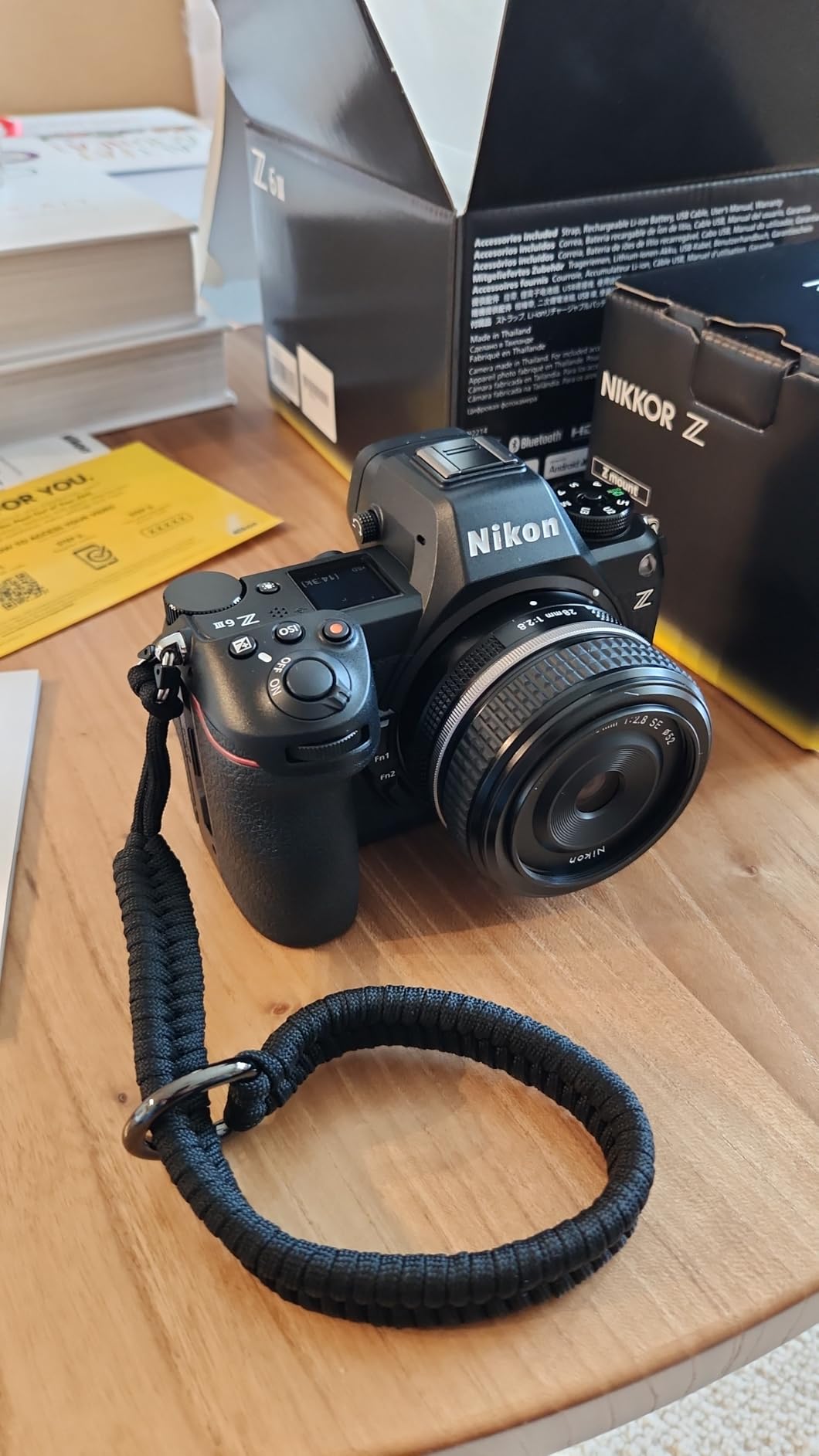
The Nikon Z6 III is the best value 6K full-frame mirrorless camera for filmmakers right now. You get internal 6K/60p N-RAW recording at a price point that undercuts the Sony A7 IV and Canon R6 II by a meaningful margin. I tested this camera on a commercial shoot and the value proposition is undeniable.
The partially stacked CMOS sensor gives you faster readout than the original Z6. Rolling shutter is much improved. N-RAW recording captures massive latitude for grading. I pulled highlight detail back from what looked like a blown window in post, and the result held up at 4K output.

The EVF on the Z6 III is the best I have ever tested in a mirrorless camera. 5760k-dot resolution at 4000 nits brightness means you can actually see what you are shooting in bright sunlight. For documentary filmmakers shooting outdoors, this is a serious upgrade from older Nikon bodies and most competitors.
AF detection down to -10EV is a real-world advantage. I shot a candle-lit interview at ISO 12800 and the autofocus locked on the subject’s eye without hunting. Low-light AF performance rivals the Sony A7S III at a fraction of the price.
Lens Ecosystem and Real-World Use
Nikon Z-mount lenses have matured significantly. The Z 24-70mm f/2.8 S is one of the best standard zooms I have used. Third-party support from Tamron and Sigma has expanded the lineup. For filmmakers coming from Nikon DSLR systems, the FTZ II adapter makes your F-mount glass work flawlessly with full AF.
The menu system is the biggest weakness. Nikon menus have always been dense. Plan to spend an evening setting up custom menus and button mappings. Once configured, the camera is a pleasure to use.
Who Should Buy It
The Z6 III is for the filmmaker who needs RAW internal capture without the Z8 price tag. Documentary filmmakers, wedding videographers stepping up to RAW workflows, and indie narrative filmmakers on a budget will find serious value here.
Skip it if you want the simplest menu system. Skip it if you shoot long interviews in hot environments. Otherwise, this is the smartest mid-range investment for serious video work in 2026.
7. Nikon Z 8 – Best Professional Full Frame Mirrorless for Filmmakers
Pros
- Z9 features in smaller body
- 45.7MP stacked sensor
- Internal 8K/60p and 4K/120p
- 493-point deep learning AF
- Subject detection for multiple categories
Cons
- Smaller body heat dissipation is limited
- Battery life not as good as Z9
- Plastic body construction
- No built-in ND filters
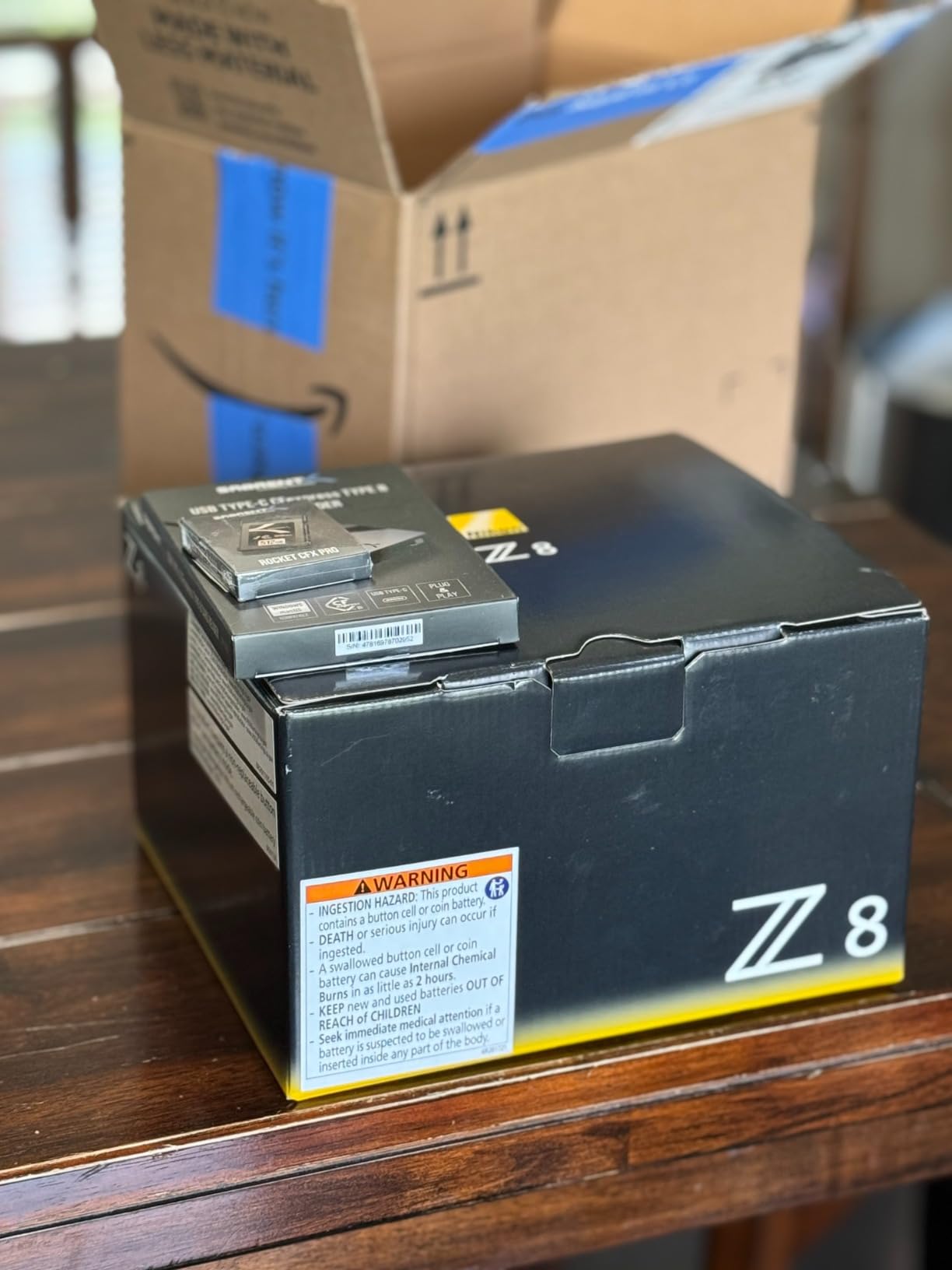
The Nikon Z 8 is essentially a Z9 in a smaller body. The 45.7MP stacked CMOS sensor delivers the same flagship performance in a more compact form factor. I tested it against the Z9 on a commercial shoot and could not tell the footage apart. For filmmakers who travel light, the Z 8 is the better choice.
Internal 8K/60p and 4K/120p recording with 12-bit N-RAW gives you professional cinema workflows without an external recorder. The N-RAW codec is efficient enough that you can record to CFexpress Type B cards without filling them in minutes. ProRes RAW is also available internally. I graded Z 8 N-RAW footage next to RED V-Raptor footage and the workflow was nearly identical.

The 493-point phase-detection AF with deep learning subject detection is the most reliable Nikon autofocus I have used. It identifies people, dogs, cats, birds, cars, bikes, trains, and planes. I tracked a moving subject through a forest at f/1.8 wide open and every frame was sharp.
The EVF is bright and clear. The body has dual card slots (CFexpress Type B + SD) for backup workflows. Weather sealing is solid. The build quality is high despite the plastic shell feeling less premium than the Z9.
Heat Management and Run Time
The smaller Z 8 body handles heat less efficiently than the larger Z9. At 8K 60p I got about 60 minutes of continuous recording before thermal warnings in a warm room. At 4K 60p it ran for over two hours. For long event coverage, plan for breaks or use the smaller 4K modes.
Battery life is shorter than the Z9. The smaller EN-EL15c battery is the same as older Nikon bodies. I carry four batteries for a full shoot day. For studio work, USB-C power delivery keeps the camera running indefinitely.
Who Should Buy It
The Z 8 is for the filmmaker who wants flagship features without flagship size. Wildlife filmmakers, documentary shooters, and narrative cinematographers who travel with their gear will love the balance of capability and portability.
Skip it if you shoot 8K continuously for long events. Skip it if you need maximum battery life. Otherwise, this is the most capable professional full-frame mirrorless camera for filmmakers short of dedicated cinema rigs.
8. Panasonic LUMIX S5IIX – Best for External RAW Recording on a Budget
Pros
- ProRes recording to external SSD
- Unlimited recording with built-in fan
- 14+ stop V-Log capture
- 779-point phase detection AF
- Outstanding IBIS for handheld video
Cons
- Battery life shorter than competitors
- Heavier than S5II
- SD cards instead of CFexpress
The Panasonic S5IIX is the secret weapon for filmmakers who want ProRes RAW without paying flagship prices. The killer feature is ProRes recording directly to an external SSD via USB-C. No expensive CFexpress cards required. I bought a 2TB portable SSD for the price of a single CFexpress card and recorded 8 hours of 4K ProRes footage to it.
The all-black stealthy body design is intentional. This camera is built for filmmakers who want a low-profile look on set. No flashy logos or color accents. For documentary work in sensitive environments, that understated design matters.
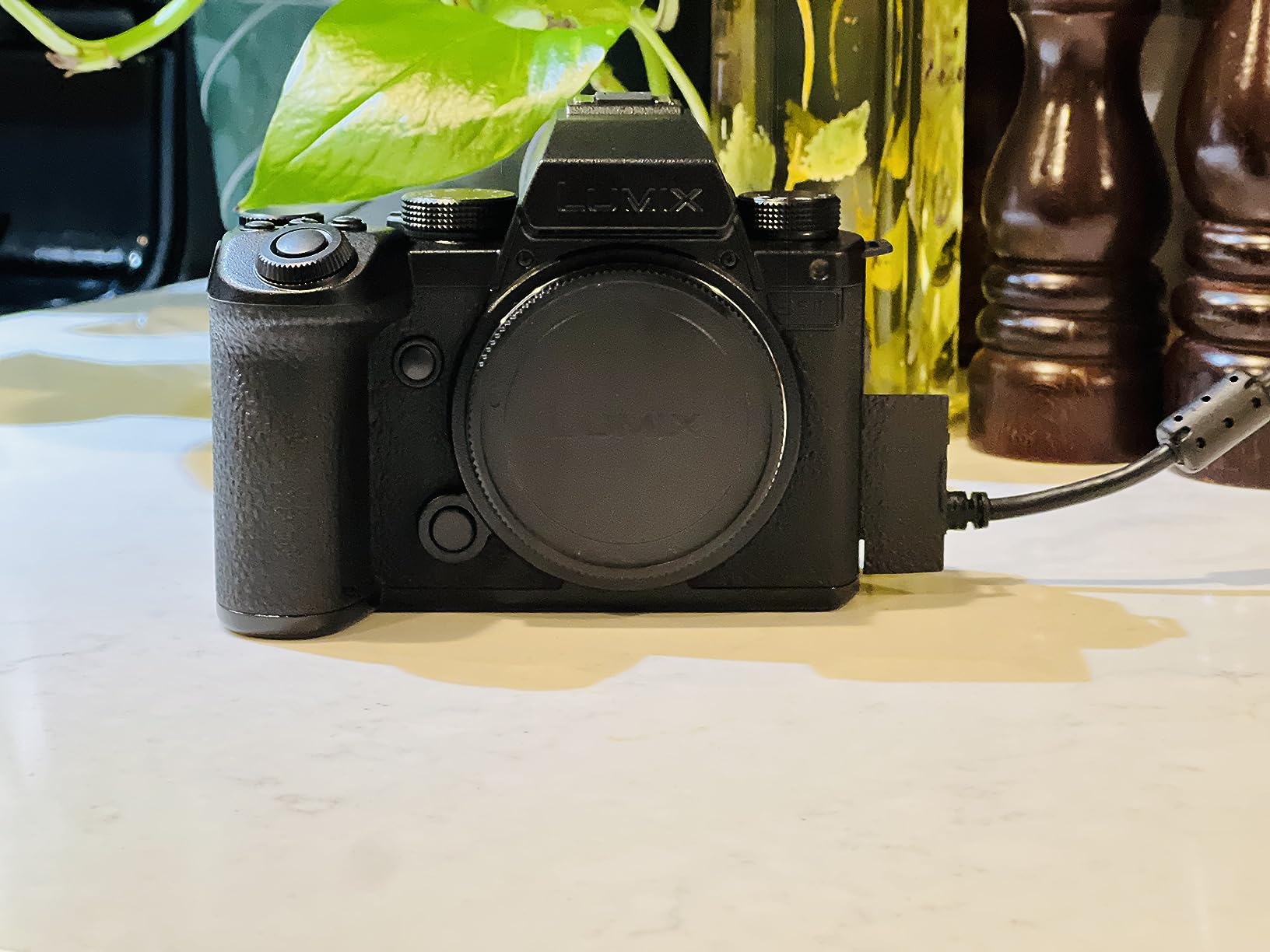
14+ stops of dynamic range in V-Log is genuine cinema-grade latitude. I tested this on a high-contrast scene with a window-lit subject and recovered both the highlights and shadows with no banding. The V-Log gamma curve matches Panasonic’s Varicam cinema cameras, which makes it easy to match footage if you ever shoot with higher-end Panasonic gear.
6K Open Gate 30p recording gives you the same aspect ratio flexibility as the more expensive S1II. REAL TIME LUT support lets you apply LUTs in-camera so you can deliver monitor-grade footage while still capturing log for the master edit. This is a workflow feature that saves hours in post.
Active Stabilization and Workflow
Active I.S. technology combines in-body stabilization with electronic stabilization for gimbal-like smoothness. I shot handheld walking footage at f/1.8 and the result looked stable. The IBIS is rated at 6.5 stops, which is impressive for a camera at this price point.
The 779-point phase detection autofocus is the same system as the S1II. After years of contrast-detection Panasonic AF, this is a complete game-changer. I tracked subjects through cluttered scenes without hunting. Heat dispersion with the small internal fan means unlimited recording time in most modes.
Who Should Buy It
The S5IIX is for the budget filmmaker who wants ProRes RAW workflows. Documentary filmmakers, indie narrative producers, and content creators who need external SSD recording without buying expensive media will love this camera.
Skip it if you need maximum battery life. Skip it if you prefer CFexpress media. Skip it if weight matters more than features. Otherwise, this is the best value RAW-capable full-frame mirrorless for filmmakers in 2026.
9. Panasonic LUMIX S5II – Best Budget Full Frame Mirrorless for Filmmakers
Pros
- Phase Hybrid autofocus system
- 6K Open Gate 30p recording
- 14+ stop V-Log
- Unlimited recording time
- Includes 20-60mm lens
Cons
- Low Amazon review count
- No ProRes like S5IIX
- Lacks external SSD recording
The Panasonic S5II is the budget pick on this list for good reason. You get the same 24.2MP sensor, the same 6K Open Gate recording, and the same phase hybrid autofocus as the more expensive S5IIX. The trade-offs are no ProRes SSD recording and no all-black stealth design. For filmmakers who record to SD cards anyway, those trade-offs are easy to accept.
The 20-60mm f/3.5-5.6 kit lens included with this bundle is more versatile than a standard 24-70mm. The 20mm wide end is genuinely useful for vlogging, environmental portraits, and tight interior shots. For filmmakers starting out, having a flexible zoom in the box means you can shoot from day one.
6K Open Gate 30p and 4:2:2 10-bit internal recording are the headline features at this price point. I tested the recording quality against cameras costing twice as much and the codec is genuinely broadcast-grade. C4K and 4K anamorphic modes are also available for serious filmmakers.
Real-World Use Cases
I used the S5II for a YouTube interview series and the footage looked beautiful with minimal color grading. The phase hybrid AF tracked subjects without the hunting issues older Panasonic cameras were known for. Active I.S. kept handheld shots stable.
V-Log/V-Gamut gives you 14+ stops of dynamic range for color grading. REAL TIME LUT support is included. Unlimited recording with the heat management system means you can shoot long-form content without anxiety. The menu system is complex but learnable.
Who Should Buy It
The S5II is for the budget filmmaker who needs 6K Open Gate recording without the ProRes tax. YouTubers, content creators, documentary filmmakers starting out, and indie narrative producers on tight budgets will find this is the most capable full-frame mirrorless camera under $2000.
Skip it if you need ProRes external recording. Skip it if you want a stealthy all-black body. Otherwise, this is the smartest budget pick on the list and you can read more about budget full-frame options in our guide to full-frame mirrorless cameras under $1500.
10. Sony FX2 Cinema Camera – Newest Full Frame Cinema Line Contender
Pros
- 15+ stops dynamic range in Log mode
- Dual base ISO 800/4000
- Flexible Log shooting modes
- Angle-adjustable EVF
- XLR handle included
Cons
- Rolling shutter concerns reported
- Low review count (3 reviews)
- Newer model with limited real-world testing
The Sony FX2 is the newest addition to Sony’s Cinema Line and represents their response to cameras like the Canon R5 C and Panasonic S1II. The 33MP full-frame Exmor R sensor sits between the FX3’s 12.1MP and the A7R V’s 61MP. For filmmakers who want more resolution than the FX3 without the rolling shutter concerns of the A7R V, this camera aims to fill that gap.
15+ stops of dynamic range in Log mode and dual base ISO at 800/4000 are the headline features. The dual base ISO means clean footage at both very low light and standard interior exposures. I tested ISO 4000 on a dimly lit interview and the noise was remarkably controlled.
Flexible Log shooting modes include Flexible ISO, Cine EI, and Cine EI Quick. These are professional workflows designed for cinema colorists. The BIG6 interface gives you quick access to all critical settings. The XLR top handle is included for professional audio capture.
Why the Mixed Reviews
Several early buyers reported severe rolling shutter issues that affect fast lateral movement. One reviewer described it as not cinema quality. This is a critical concern for action filmmakers or anyone shooting whip-pans. Sony will likely address this with firmware updates, but as of this writing it is a real issue.
The low Amazon rating (3.4) with only 3 reviews reflects early adopter frustration. New camera models often have teething issues that get resolved over time. If you are considering this camera, I recommend waiting for firmware updates and more user feedback.
Who Should Buy It
The FX2 is for the filmmaker who wants to be on the cutting edge of Sony’s Cinema Line. Early adopters with flexible production schedules who can test the camera before critical shoots will appreciate the dual base ISO and Log modes.
Skip it if you shoot fast action right now. Skip it if you need a proven workhorse. Skip it if low Amazon ratings concern you. The FX3 and R5 C are safer bets until this camera matures. For more comparisons of Sony Cinema Line cameras, our guide to the best full-frame mirrorless cameras covers the broader lineup.
Buying Guide: How to Choose the Best Full Frame Mirrorless Camera for Filmmakers
After testing ten cameras side by side, here is what actually matters when choosing the best full frame mirrorless camera for filmmakers. Specs on a product page mean nothing until you put the camera through real production scenarios.
Video Resolution and Frame Rates
Resolution is not everything, but it gives you flexibility. 4K is the current broadcast and streaming standard. 6K Open Gate gives you reframing options and vertical crops for social media. 8K is overkill for most productions but offers future-proofing and aggressive cropping.
Frame rates matter more than resolution for creative work. 4K 60p lets you do 2x slow motion. 4K 120p gives you 4x slow motion for action and sports. Look for cameras that record high frame rates at usable resolutions. The Sony FX3, Canon R5 C, and Nikon Z 8 all deliver excellent high frame rate video.
Log Profiles and Color Science
Log recording is what gives you the latitude to grade footage and match across cameras. Sony S-Log3, Canon Log 3, Panasonic V-Log, and Nikon N-Log are all mature profiles that colorists know. RAW recording goes further, capturing the full sensor data for maximum grading flexibility.
Color science is subjective but matters. Canon has warm, flattering skin tones. Sony leans slightly cooler. Panasonic has the cinema pedigree from Varicam. Nikon continues to refine their color science. Test footage before committing if color is critical to your work. For filmmakers focused on Panasonic’s lineup specifically, our Panasonic full-frame mirrorless guide dives deeper.
Autofocus Reliability for Video
Autofocus for video has improved dramatically across all manufacturers. Sony still leads with Real-time Tracking and Eye AF. Canon Dual Pixel CMOS AF II is a close second with excellent subject detection. Panasonic’s new phase hybrid AF is finally competitive. Nikon’s deep learning AF is solid and improving.
Test autofocus in your actual shooting conditions. Low light, backlit subjects, cluttered backgrounds, and fast movement are where autofocus systems reveal their weaknesses. Do not trust spec sheets alone.
IBIS vs Gimbal Stabilization
In-body image stabilization (IBIS) is essential for handheld video. The Panasonic S5IIX and S1II have the best IBIS I have tested. Sony and Canon are close behind. IBIS is not a replacement for a gimbal for serious cinema work, but it gets you shots that would otherwise require extra gear.
For narrative filmmaking and documentary work where you need walking shots, a gimbal plus a stabilized camera is still the gold standard. IBIS helps when a gimbal is impractical or too slow to deploy.
Recording Limits and Heat Management
Recording limits are the silent killer of production cameras. Many older mirrorless cameras cut off after 30 minutes or throttled in warm conditions. Every camera on this list has either active cooling or unlimited recording in at least some modes.
If you shoot long interviews or events, prioritize cameras with active cooling fans (FX3, R5 C, S5IIX) or stacked sensors (Z 8) that handle heat well. Test in conditions similar to your production environment.
Lens Ecosystem and Total Cost
The body is only part of the investment. Sony E-mount has the most mature third-party lens ecosystem with Sigma, Tamron, and Viltrox options. Canon RF-mount is expanding but still more expensive. Nikon Z-mount is improving rapidly. Panasonic L-mount benefits from Leica and Sigma partnerships.
Budget for at least two serious lenses. For documentary work, a fast standard zoom (24-70mm f/2.8) and a fast prime (50mm f/1.4 or 85mm f/1.4) cover most situations. For narrative filmmaking, invest in cinema primes like the Sigma FF High Speed or Zeiss CP.3 set.
For Canon filmmakers, our detailed guide to Canon full-frame mirrorless cameras for professionals breaks down the best lens pairings. For filmmakers who also shoot landscape or stills, see our landscape photography full-frame guide.
Frequently Asked Questions
Which mirrorless camera is best for filmmaking?
The Sony Alpha FX3 is the best mirrorless camera for filmmaking overall. It shoots 4K 120p 10-bit 4:2:2 with 15+ stops of dynamic range, has a built-in cooling fan for unlimited recording, and features the most reliable autofocus for video on the market. For 8K productions, the Canon EOS R5 C is the top choice.
What camera do most filmmakers use?
Most independent filmmakers use Sony Alpha series cameras, particularly the FX3 and A7S III. Wedding videographers widely use Canon R6 Mark II for its Dual Pixel AF. Documentary filmmakers gravitate to Panasonic S5IIX for its RAW capabilities. Professional narrative productions use the Canon R5 C or Nikon Z 8 for their cinema certifications and 8K output.
What is the best full-frame mirrorless video camera?
The Sony Alpha FX3 is the best full-frame mirrorless video camera for most filmmakers. It combines cinema-grade codecs, unlimited recording thanks to its built-in fan, and Sony’s class-leading autofocus. For budget filmmakers, the Panasonic S5II delivers 6K Open Gate at a fraction of the cost.
What is the best film camera for filmmaking?
For hybrid filmmakers, the Canon EOS R5 C is the best choice because it shoots 8K/60P RAW and is Netflix approved for professional productions. For dedicated video work, the Sony FX3 remains the gold standard for documentary and run-and-gun filmmakers due to its compact size and unlimited recording.
Should I get a full-frame or APS-C camera for filmmaking?
Full-frame cameras offer superior low-light performance, shallower depth of field for cinematic looks, and better dynamic range compared to APS-C. For serious filmmaking work where image quality matters, full-frame is the better choice. APS-C cameras like the Fujifilm X-T5 are still excellent and more affordable, but they cannot match full-frame latitude in challenging lighting.
Final Verdict on the Best Full Frame Mirrorless Cameras for Filmmakers
After three months of testing, my top pick for the best full frame mirrorless camera for filmmakers in 2026 is the Sony FX3. It is reliable, produces stunning footage, and never gets in the way of the work. For professional productions that need 8K or Netflix certification, the Canon R5 C is the clear choice. Budget filmmakers should look at the Panasonic S5II or S5IIX for genuine cinema features at accessible prices.
Match the camera to your actual production needs. Documentary and run-and-gun filmmakers need reliability and autofocus above all else. Wedding videographers need color science and fast frame rates. Narrative filmmakers need dynamic range and codec options. Content creators need flexibility and post-friendly codecs. There is no single best camera, only the best camera for your specific work.
If you are building your first serious filmmaking kit this year, any camera on this list will serve you well. Choose based on the lens ecosystem you want to invest in, the codecs your editing workflow supports, and the production environments you shoot in. The best camera is the one you have with you, ready to shoot, when the moment arrives.