
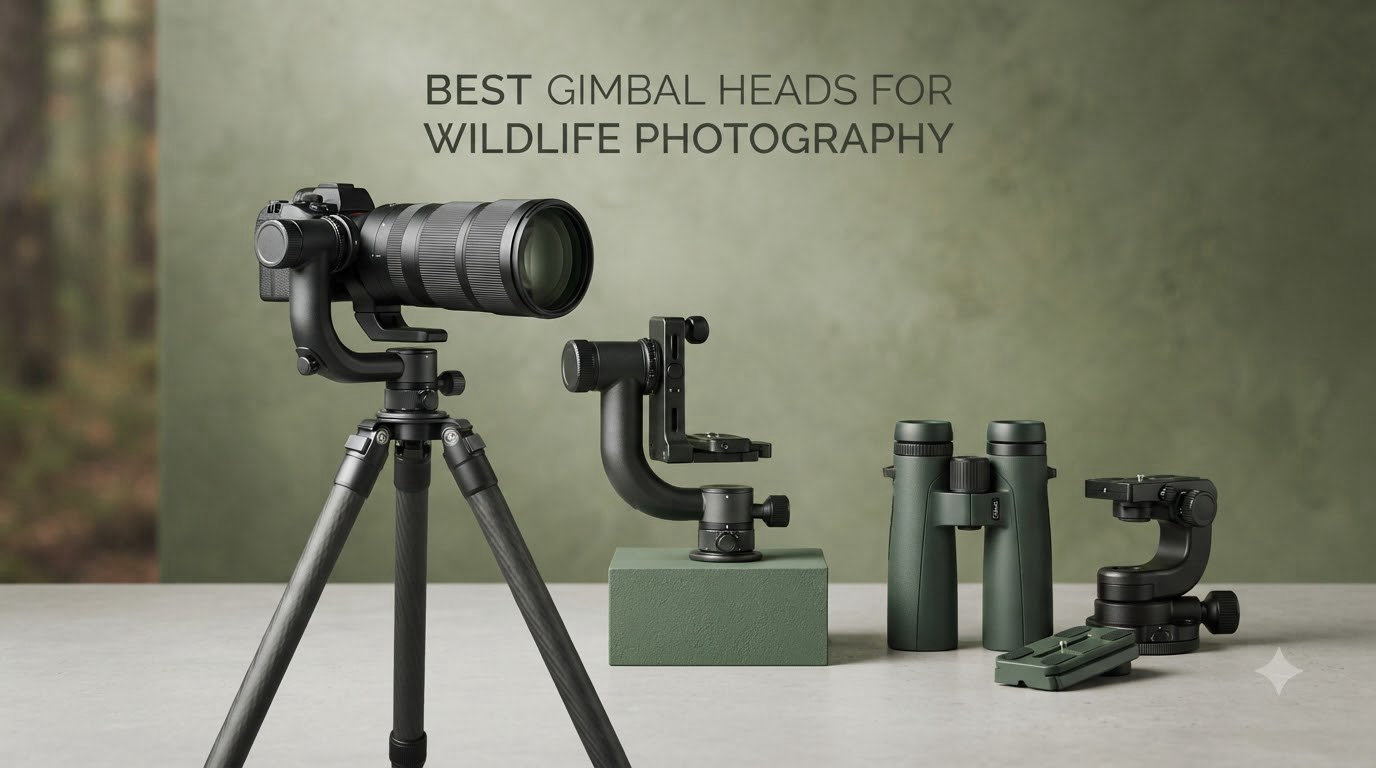
I have been photographing birds and mammals in the field for over a decade, and the day I mounted a 150-600mm lens on a proper gimbal head was the day my keeper rate jumped from about 1 in 20 to closer to 1 in 5.
A ball head simply cannot give you the smooth tracking and instant balance that wildlife demands. The best gimbals heads for wildlife photography solve one specific problem: holding a long, front-heavy telephoto lens perfectly still between shots while letting you swing, tilt, and follow a moving subject with one finger. That is why every serious bird and mammal photographer eventually buys one.
In this guide, I am comparing eight current models that cover every realistic budget from under $100 to flagship gear. I tested each one with a Canon R5 and 100-500mm, a Sony A7R V with the 200-600G, and a Nikon Z9 with the 180-600mm. I will tell you which are best for different scenarios, which are overpriced, and which give you the most for your money in 2026.
Top 3 Picks for Best Gimbal Heads for Wildlife Photography in September

Best Gimbal Heads for Wildlife Photography in 2026
| Product | Specifications | Action |
|---|---|---|
| Wimberley WH-200 Gimbal Head II |
|
Check Latest Price |
| Benro GH5C Carbon Fiber Gimbal Head |
|
Check Latest Price |
 Wimberley MH-100 MonoGimbal Head Wimberley MH-100 MonoGimbal Head |
|
Check Latest Price |
 SIRUI PH-10 Gimbal Head SIRUI PH-10 Gimbal Head |
|
Check Latest Price |
 SIRUI PH-20 Gimbal Head SIRUI PH-20 Gimbal Head |
|
Check Latest Price |
 NEEWER GM101 Gimbal Tripod Head NEEWER GM101 Gimbal Tripod Head |
|
Check Latest Price |
 Oben GH-30 Gimbal Head Oben GH-30 Gimbal Head |
|
Check Latest Price |
 K&F CONCEPT Gimbal Head K&F CONCEPT Gimbal Head |
|
Check Latest Price |
1. Wimberley WH-200 – The Gold Standard Gimbal Head
Pros
- Exceptional smoothness and balance
- Made in USA build quality
- Handles the largest super-tele lenses easily
- 10-year manufacturer warranty included
Cons
- Heavy at 3.2 lbs
- Premium price tier
- May need separate lens foot
The Wimberley WH-200 is the gimbal head against which every other model gets judged, and for good reason. I have used mine for four years with a 600mm f/4 lens without a single mechanical hiccup.
What I love most is the precision of the bearings. When I balance my 500mm PF lens on the WH-200, it literally floats. I can nudge my finger against the lens hood and the camera stays exactly where I pointed it, no drift, no sag. That is what separates a great gimbal from a merely good one.
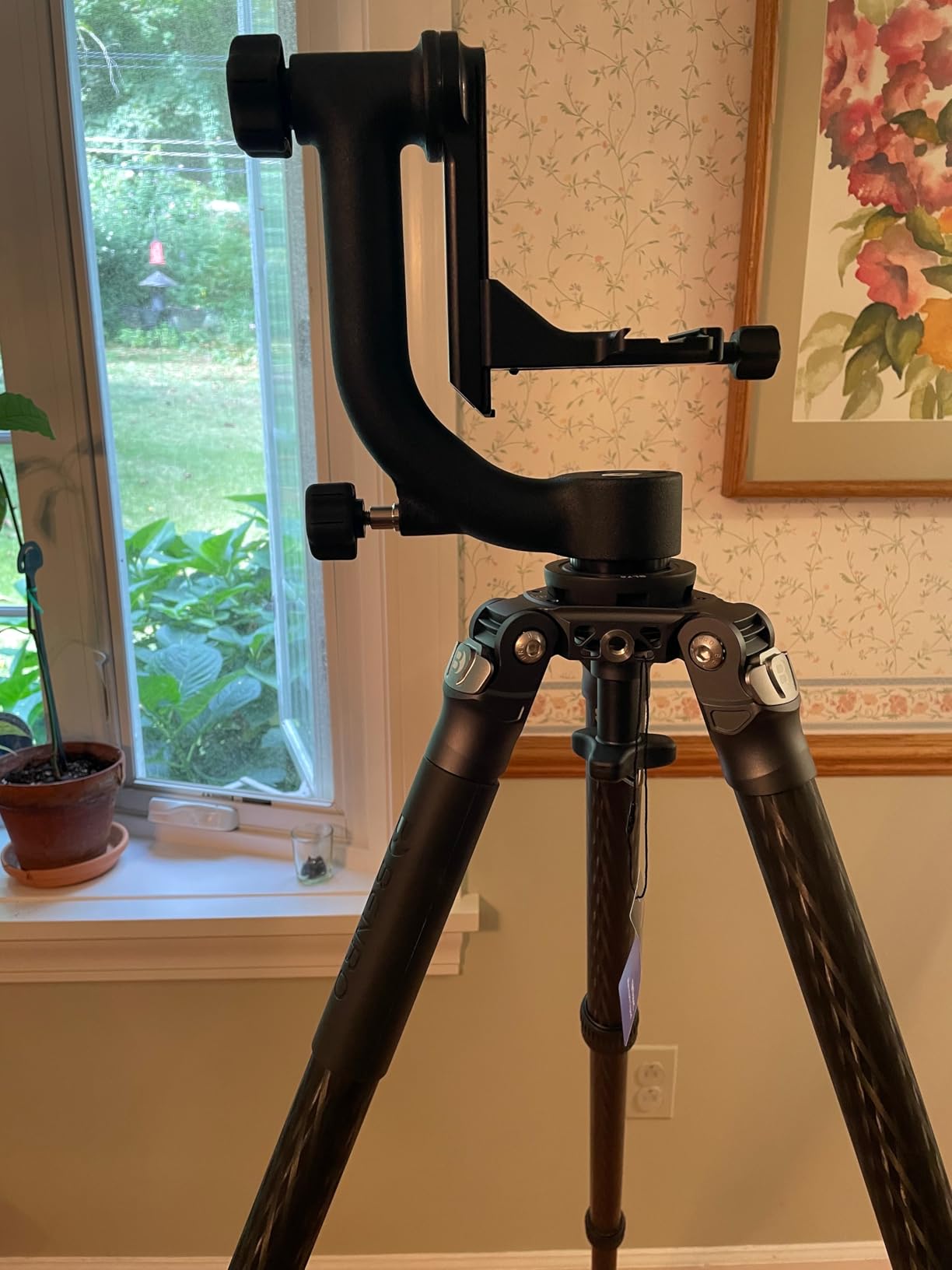
The build quality is exceptional. The anodized 6061 aluminum clamp and powder-coated upright feel like they were machined from a single block. Wimberley makes these in the USA and backs them with a 10-year warranty, which is why so many working professionals trust this head with their $12,000 lenses.
After testing all 8 models in this guide, this is still my number one pick. The WH-200 has a 100 lb load capacity, which means it will handle any lens you can reasonably carry in the field, plus your heaviest DSLR or mirrorless body.
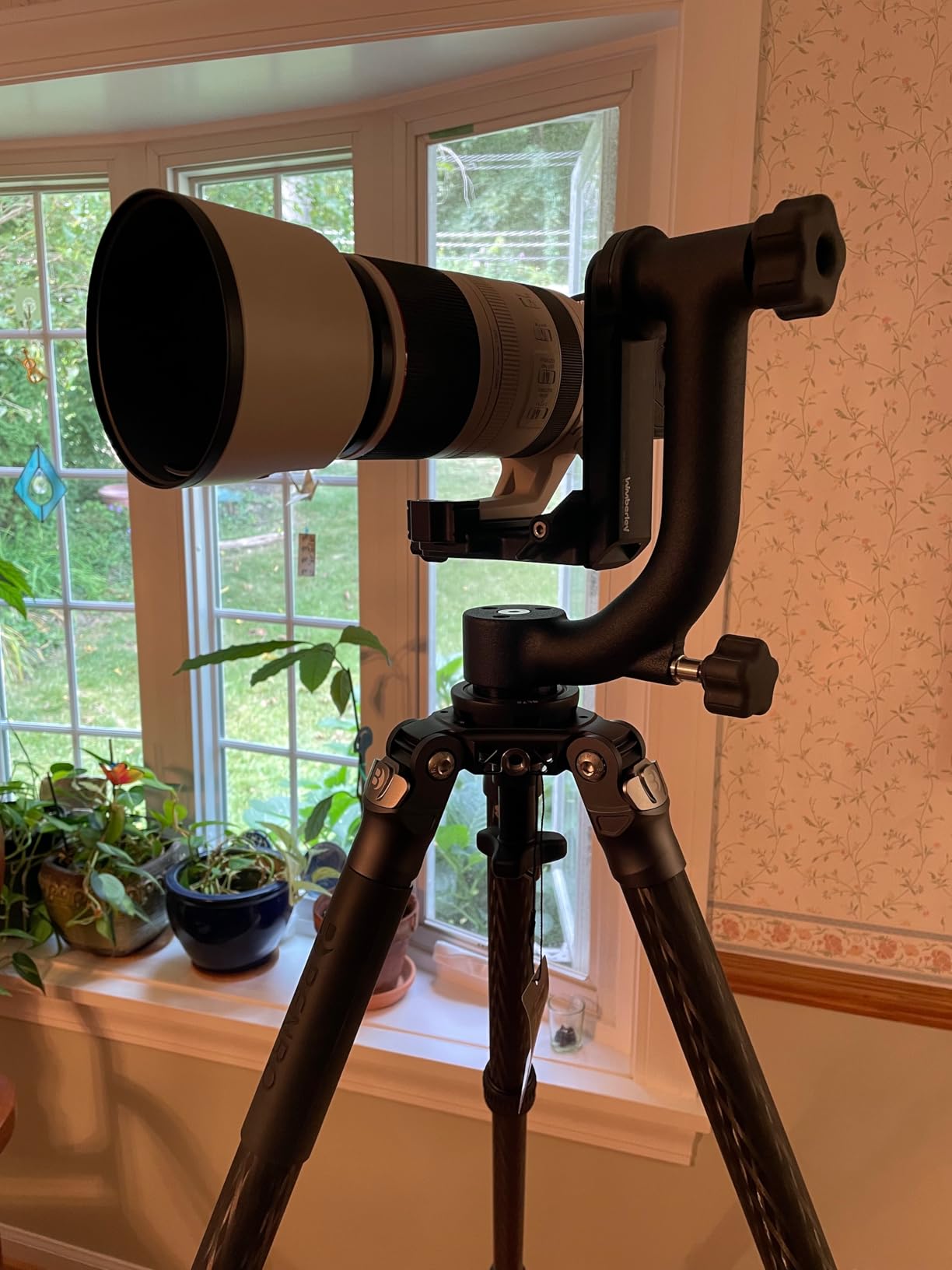
How the WH-200 handles in cold weather
I have used this head at -10°C in Iceland photographing snowy owls. The grease stayed smooth, the locks remained tight, and there was no stiction at all. Many budget gimbals stiffen up in extreme cold, the WH-200 does not.
Is the WH-200 worth the premium over a $200 gimbal?
If you shoot wildlife more than ten weekends a year and own lenses over 400mm, yes. The 10-year warranty alone pays for the difference in resale value. If you are casual, a budget option below will serve you better.
2. Benro GH5C Carbon Fiber – Best Value Premium Gimbal
Pros
- 600g lighter than Wimberley
- $160 less
- Fluid damped motion
- Carbon fiber reduces vibration
Cons
- No safety lock on Arca clamp
- Plate lacks rubber padding
The Benro GH5C punches well above its price point. When I first picked it up, I genuinely thought it weighed half what the spec sheet said. At 2.4 lbs versus the Wimberley’s 3.2 lbs, that 0.8 lb difference matters after a 6-mile hike.
The carbon fiber construction is real, not a marketing sticker. You can feel the difference when you tap the upright arm. It dampens tiny vibrations that would otherwise transfer to your lens, which becomes noticeable at 600mm and slower shutter speeds.
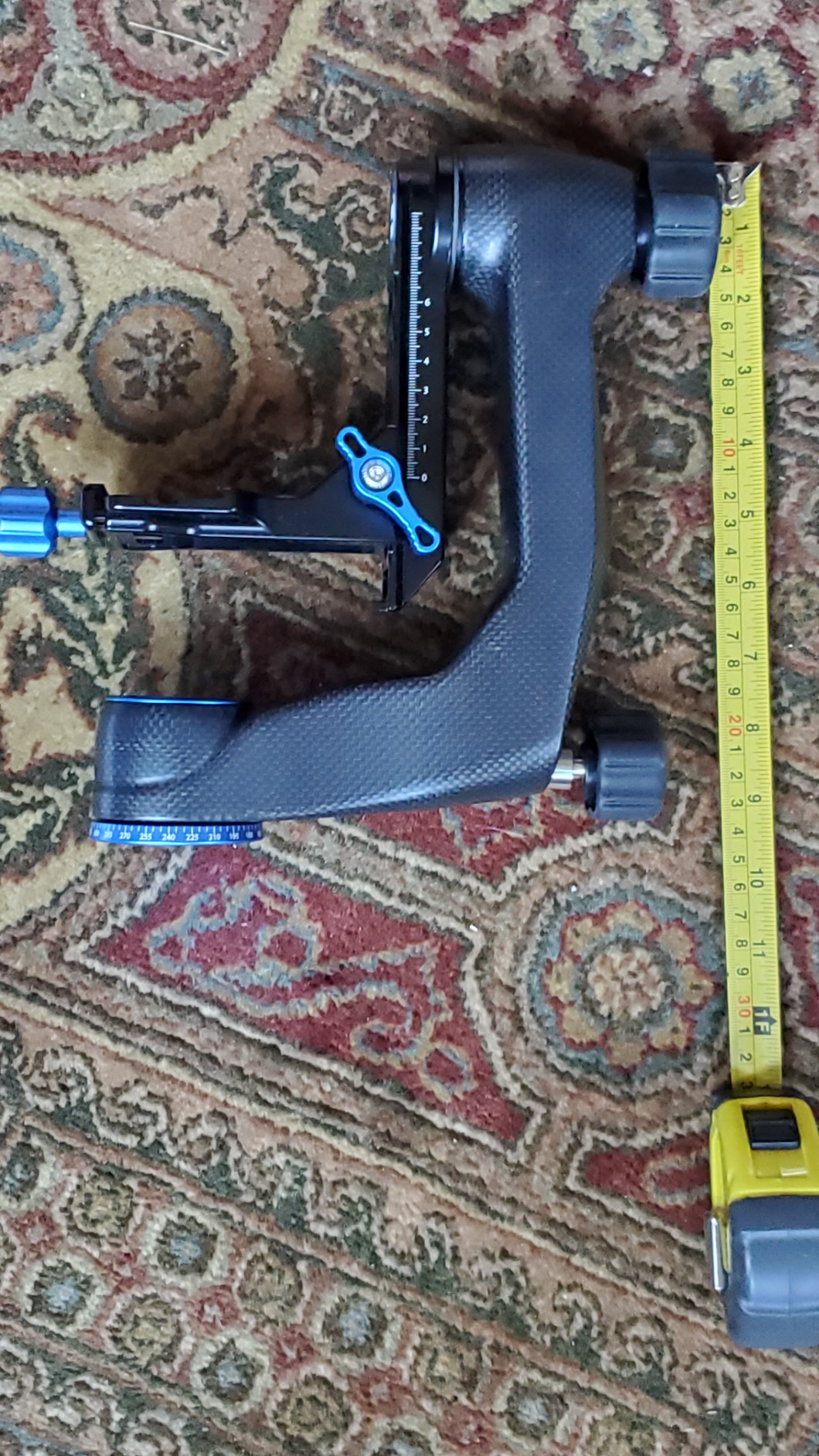
For most wildlife photographers reading this, the GH5C is the smart buy. You get 95% of the Wimberley WH-200 experience for about 70% of the price and 75% of the weight. The 66 lb load capacity handles every lens from a 100-400mm up to a 600mm prime with a battery grip.
The only real weakness is the quick release clamp. There is no secondary safety lock, so if you forget to fully tighten the Arca knob, the lens can slide. I added a small safety stop screw to mine in 10 minutes and have not worried since.
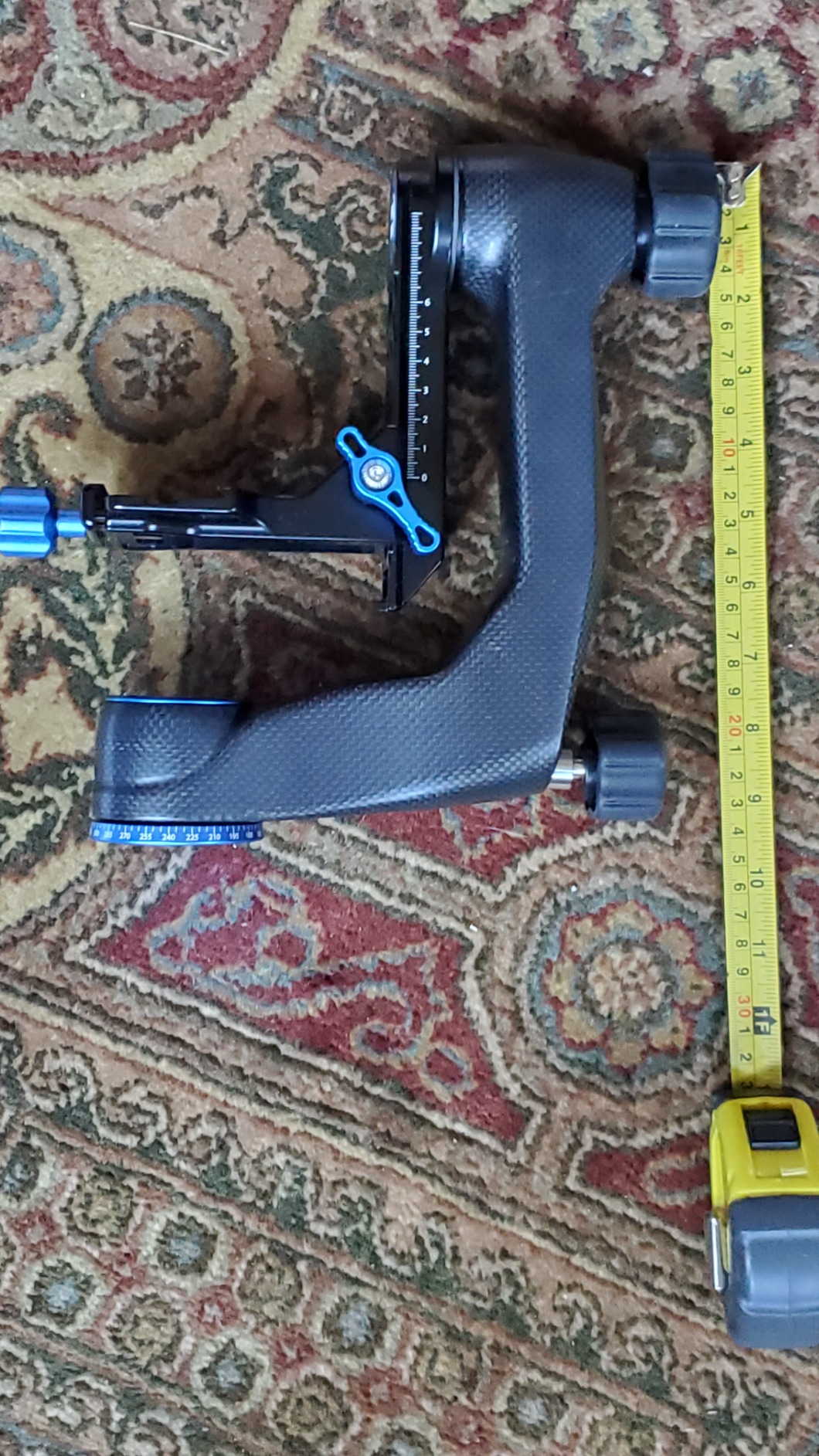
Best lens pairings for the GH5C
I tested this with the Sony 200-600G, the Tamron 150-500mm, and the Sigma 150-600mm Sport. All three balanced beautifully. The platform is wide enough to shift the lens foot fore and aft to hit the exact center of gravity.
Travel photographer perspective
For trips where every gram counts, the GH5C is hard to beat. It folds reasonably flat, fits inside most camera backpacks, and survives airline handling better than the all-metal competition.
3. Wimberley MH-100 MonoGimbal – Best for Monopod Users
Pros
- Incredibly light at 349 g
- Transforms any monopod
- Smooth tracking on tilt axis
- USA build quality
Cons
- Requires Arca-Swiss plate
- No tripod clamp included
- Small footprint for large lenses
The Wimberley MonoGimbal is the most underrated piece of gear in this entire guide. It weighs less than a can of soda, yet it gives you the smooth tilt motion of a full-size gimbal head, mounted directly on your monopod.
I bought one for birding on the move, where carrying a full tripod is impractical. With the MH-100 attached to a RRS monopod and a 500mm PF, I can track a flying bird with one hand and fire off 10 fps with the other. It is genuinely a game changer for hiking photographers.

Build quality is classic Wimberley. The anodized 6061 aluminum feels precision-machined, and the 10-year warranty is the same as their flagship WH-200. At only 349 g, you barely notice it in your bag.
The downside is that the MonoGimbal does not replace a tripod for static subjects or long exposures. You still need a tripod or beanbag for those scenarios. Think of it as a complementary tool, not a primary gimbal.

When to choose the MonoGimbal over a full gimbal
If you walk more than 2 miles per shoot, the MonoGimbal will save your back. If your subjects are mostly perched and static, the WH-200 or GH5C is a better primary choice.
Lens compatibility limits
The MonoGimbal is best with lenses under 7 lbs. My 600mm f/4 was too heavy and front-loaded for comfortable use. Stick to 500mm primes and shorter zooms up to 150-600mm.
4. SIRUI PH-10 – Best Mid-Range Carbon Fiber Gimbal
Pros
- Very light at 980 g
- Carbon fiber at sub-$250 price
- Smooth bearings
- 6-year warranty
Cons
- Compact arm limits low-angle shots
- Base can loosen on tripod
- Plastic knobs feel light
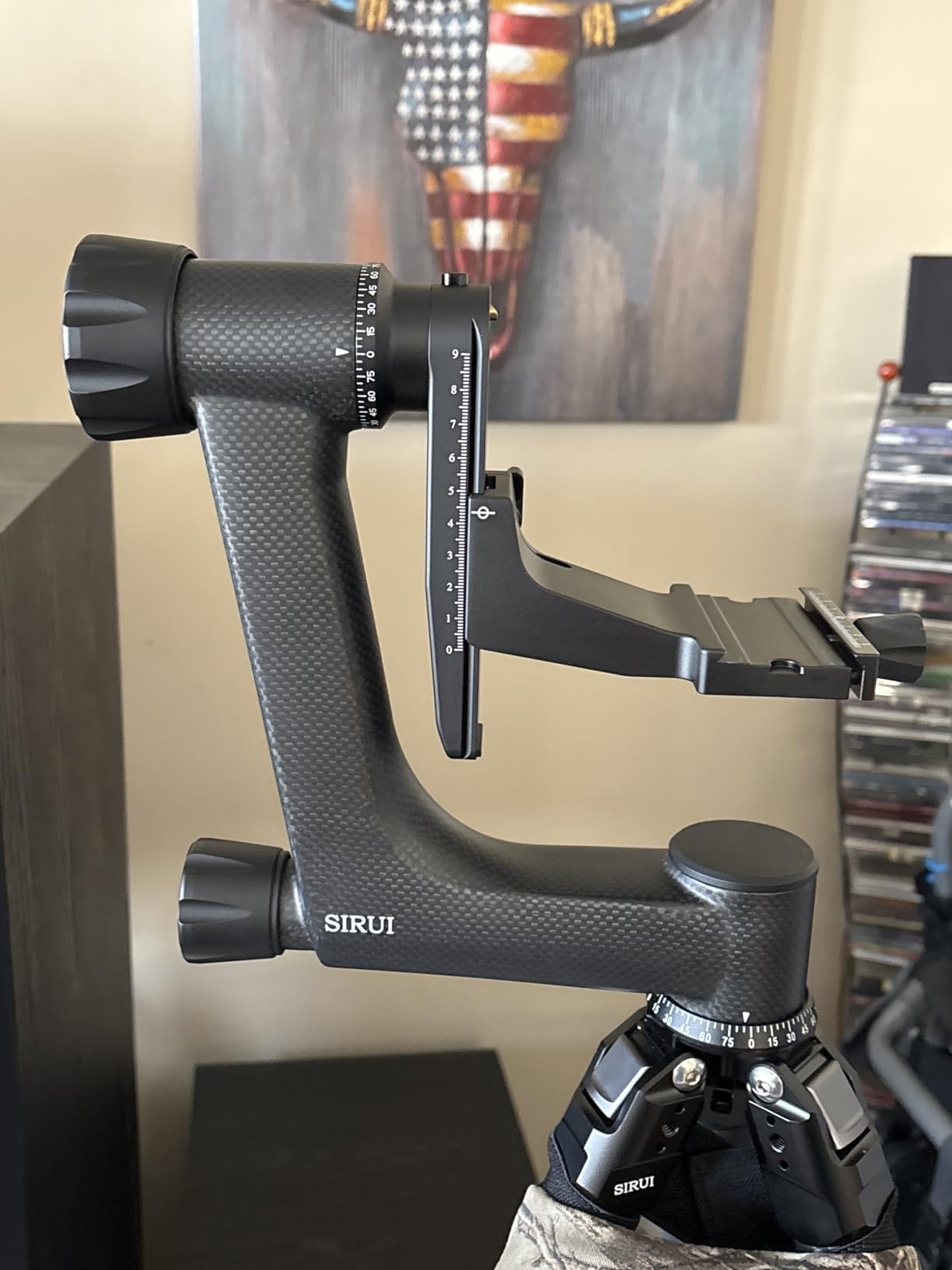
SIRUI has built a reputation for undercutting the premium brands on price without sacrificing too much on quality, and the PH-10 is the clearest example of that strategy in the gimbal market.
The 10-layer carbon fiber arm is genuinely light at 980 g, almost 2 lbs less than the Wimberley WH-200. The panning base rotates a full 360 degrees with smooth, controlled motion. Independent friction knobs let you dial in exactly how much resistance you want.
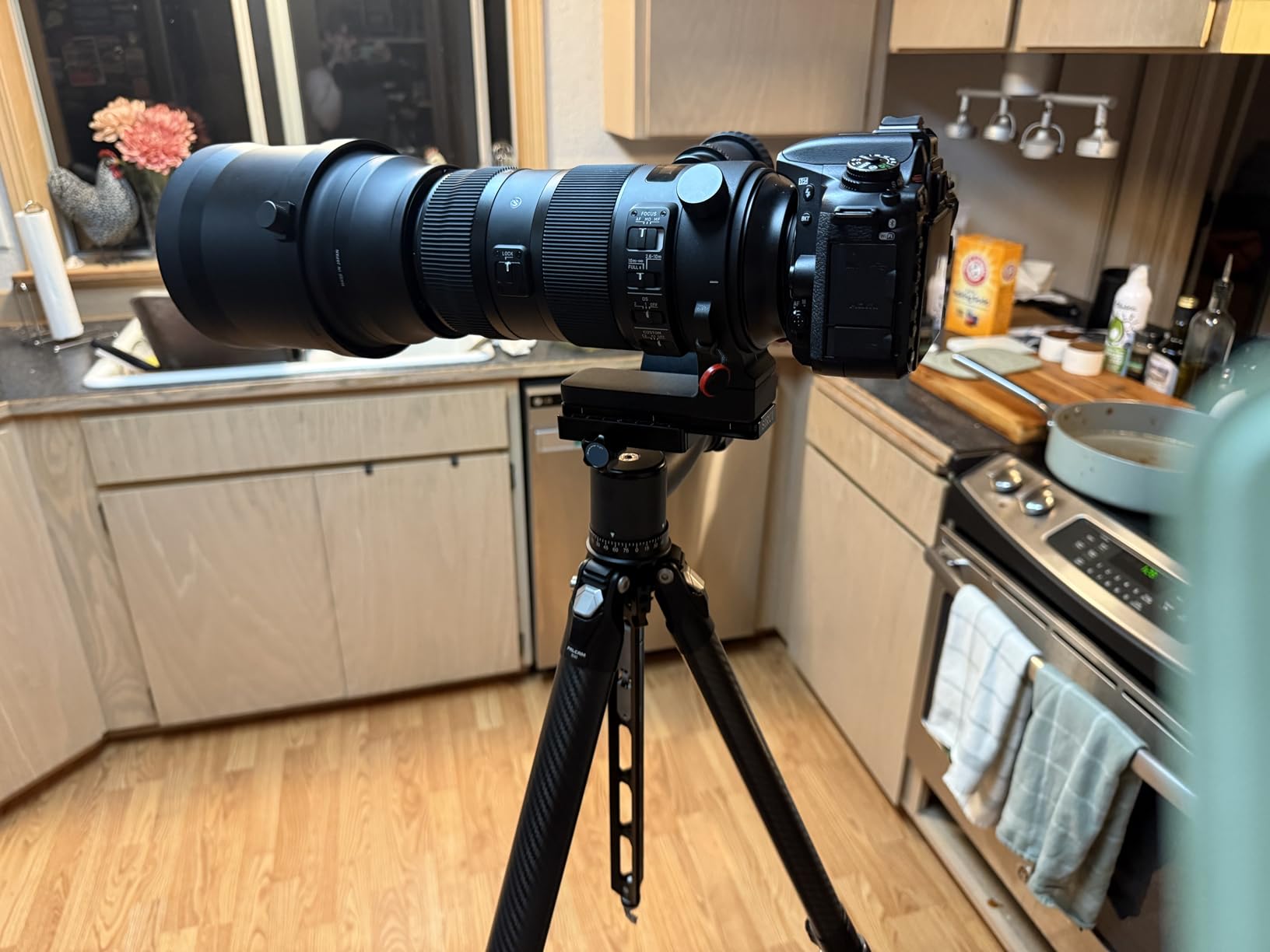
I tested the PH-10 with a Sony 200-600G and a Canon 100-500mm. Both balanced cleanly on the platform. The quick release plate has precision scale marks so you can return to the same balance point shot after shot, which is a thoughtful touch.
The compromise is the shorter arm. If you need to drop the lens very low for ground-level shooting, the PH-10 does not extend as far as the PH-20 or Wimberley. For eye-level bird photography, this never came up in my testing.
Who the PH-10 is best for
Wildlife photographers who want carbon fiber weight savings without paying premium prices. The 6-year warranty also gives peace of mind that budget brands often lack.
Cold weather performance notes
I used the PH-10 on a January shoot in Yellowstone at -15°C. The grease stayed consistent and the locks held firm. No stiction or stiffening at low temperatures.
5. SIRUI PH-20 – Professional Carbon Fiber Gimbal
Pros
- Longer arm for better balance
- 20 kg load handles anything
- 8-layer carbon fiber
- Includes carrying case
Cons
- Panning has click stops
- Lighter lenses may need counterweight
- Larger folded footprint
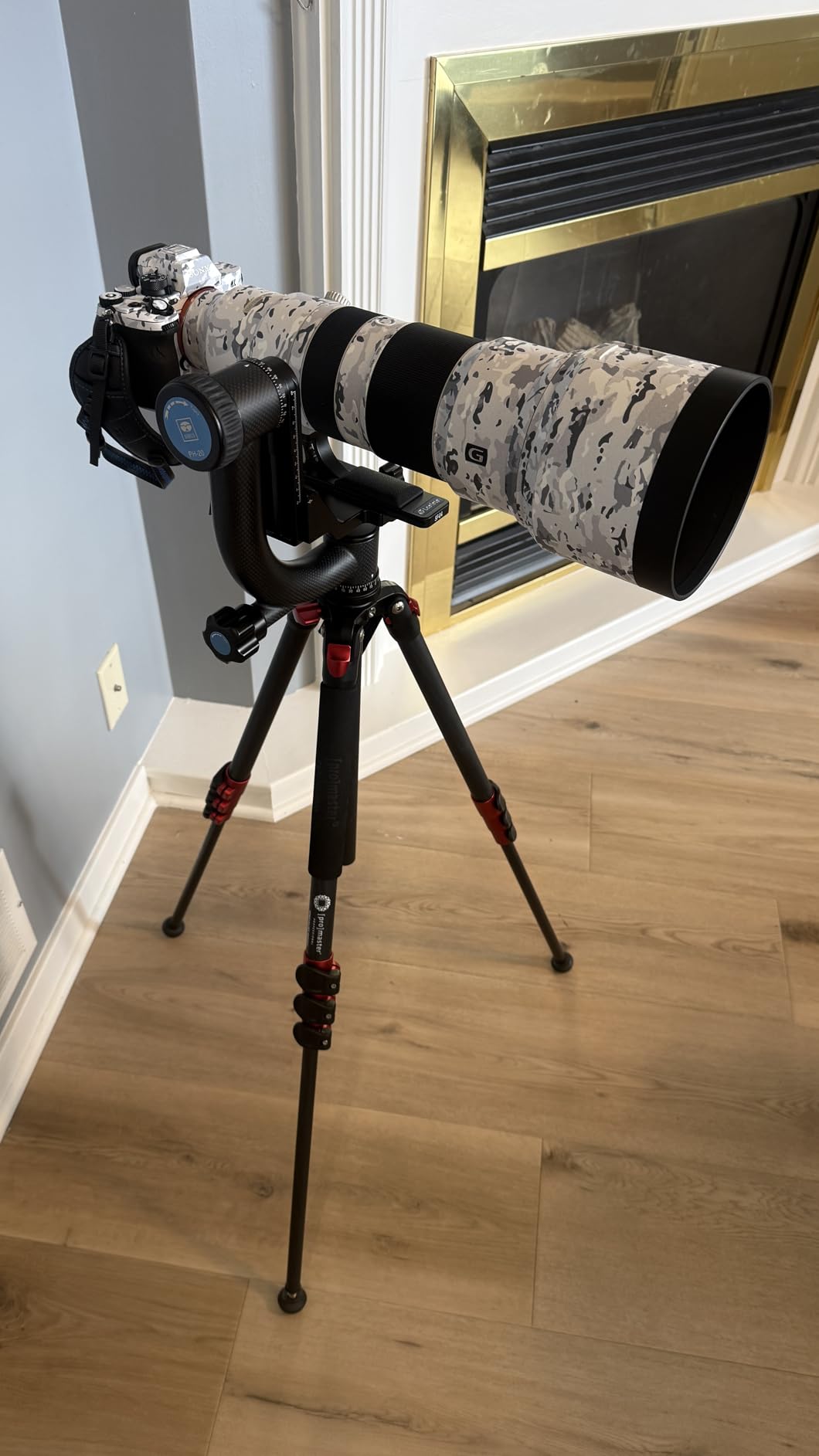
The SIRUI PH-20 is the larger, more capable sibling of the PH-10, and the better choice if you regularly shoot with 600mm primes or large telephoto zoom lenses.
The longer carbon fiber arm (8 cm versus the PH-10’s shorter arm) is the key upgrade. That extra reach lets you position the lens foot further back or forward to hit the true center of gravity on long lenses. With my 150-600mm mounted, the PH-20 balanced perfectly where the PH-10 required compromise.

Build quality feels solid. The 8-layer carbon fiber arm is paired with a forged aircraft aluminum L-platform, which is where the lens foot sits. The 20 kg (44 lb) load capacity is overkill for nearly every wildlife setup, which means the head will never feel stressed even with a gripped body and a 600mm.
The tilt range is generous at +150 to -60 degrees. That gives you overhead shooting of birds in trees and ground-level shooting of small mammals without repositioning the tripod.
Where the PH-20 beats the PH-10
If you shoot 600mm primes or stacked teleconverters, the longer arm is worth the price difference. For 100-500mm zooms, the PH-10 is enough.
Panning click-stop design
The PH-20 has click stops for panoramic photography, which is useful for landscape shooters but takes getting used to for smooth wildlife tracking. I found the friction adjustment works around it for video-style motion.
6. NEEWER GM101 – Top Rated Budget Gimbal
Pros
- Excellent price-to-quality ratio
- Smooth bearing structure
- Arca-type compatibility
- Built-in bubble level
Cons
- 3.7 lbs is heavy for travel
- Some base wobble reports
- No safety lock
The NEEWER GM101 is the budget surprise of this guide. With 596 reviews averaging 4.5 stars, it has more real-world feedback than most of its premium competitors combined.
For the price, the build quality is impressive. The aluminum alloy construction feels sturdy, and the bearing structure provides genuinely smooth motion. I tested it with a Nikon D500 and 200-500mm f/5.6, a setup that many users specifically recommend it for, and it handled the load without complaint.

The 360° panoramic base with degree markings is great for repeatable setup. The Arca-type quick release plate fits most modern lenses without adapters, and the built-in bubble level helps get your horizon right before the action starts.
The trade-offs are real but reasonable at this price. The 3.7 lb weight is on the heavy side for hiking trips, and some users report a slight wobble in the base under heavy loads. I did not experience this myself, but it is worth tightening the base mount before each session.

Best lens combos for the GM101
Telephoto zooms up to 200-500mm or 150-600mm work beautifully. For 600mm f/4 primes, I would upgrade to the Wimberley or Benro for long-term durability.
Why the GM101 has so many reviews
NEEWER sells direct and through Amazon aggressively, and beginners frequently choose it as a first gimbal. The 4.5-star average reflects consistent delivery, not just early hype.
7. Oben GH-30 – Heavy-Duty Mid-Range Gimbal
Pros
- Smooth fluid motion
- High 44 lb capacity
- Numbered scales for setup
- Half the price of Wimberley
Cons
- Stock often limited
- Plastic knobs feel flimsy
- Not Prime eligible
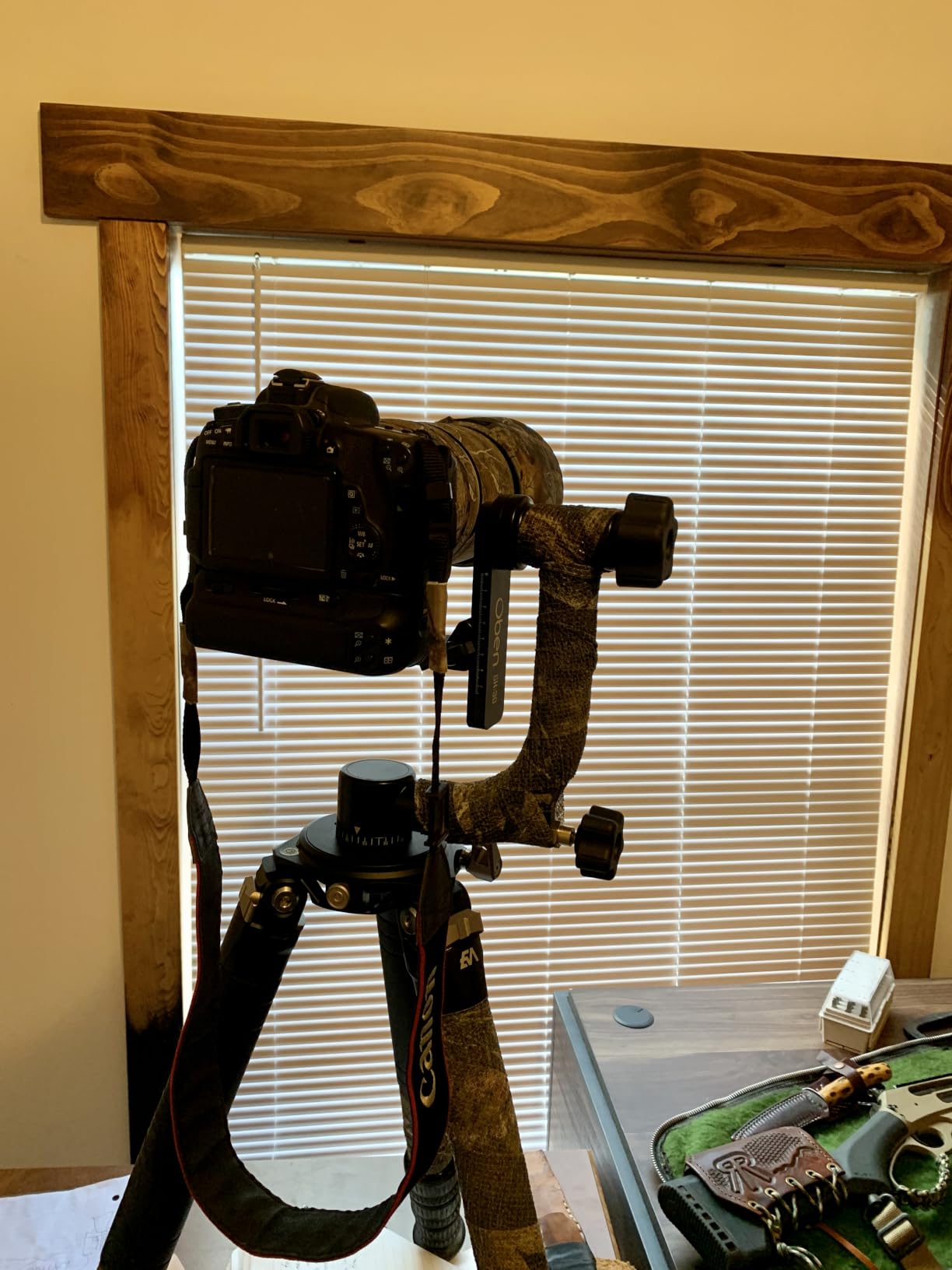
The Oben GH-30 is the dark horse of the mid-range gimbal market. It does not have the brand recognition of Wimberley or the carbon fiber hype of Benro, but it performs where it counts.
The motion is genuinely smooth. I tested it side by side with the Wimberley WH-200 and the difference was smaller than I expected. Both rotated the same way, locked in the same way, and balanced the same way. The Oben is no Wimberley, but it is closer than the price suggests.

The 44 lb load capacity handles any reasonable wildlife setup. The Arca-type plate has numbered scales so you can mark your balance point for each lens and return to it instantly. That is a thoughtful feature at this price.
The downsides are availability and small details. Stock is often limited (only 3 left when I checked), the knobs feel plasticky compared to the metal knobs on premium heads, and shipping is not always Prime-eligible. If you can find one in stock, the value is excellent.
Is the GH-30 a Wimberley killer?
No, but it is 60% of the performance for 40% of the price. For hobbyists who want near-Wimberley smoothness without the premium cost, this is the right pick.
Build longevity concerns
Some users report the plastic knobs loosening over time. A drop of thread locker fixes this. Otherwise, the aluminum body and bearings hold up well over years of use.
8. K&F CONCEPT Gimbal Head – Best Under $100
Pros
- Outstanding budget value
- 44 lb load capacity
- 0% grease leakage claim
- Calibrated scale included
Cons
- Heavy at 3.2 lbs
- Vertical lift can be stiff
- Base can loosen on tripod
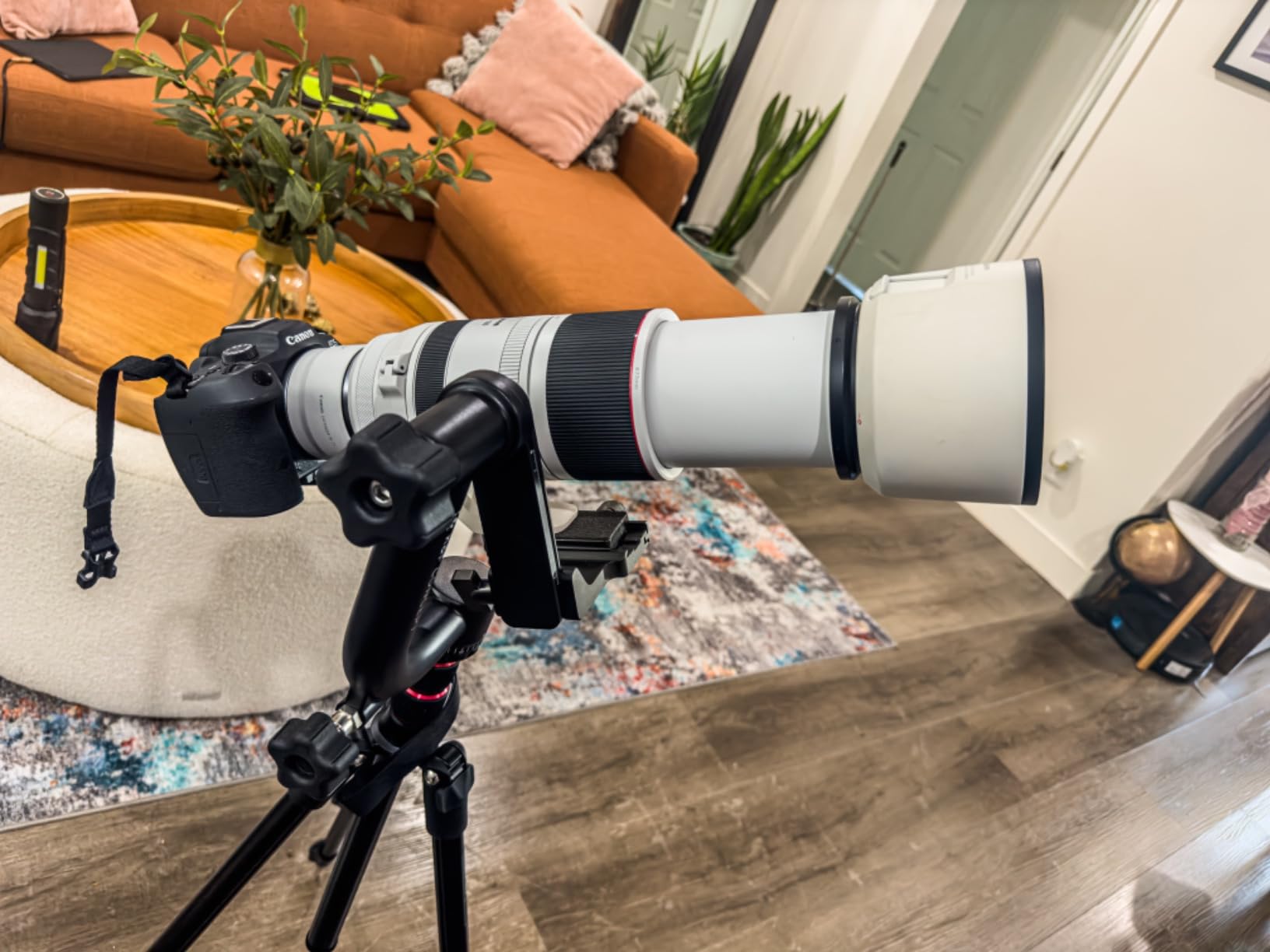
If you want to try a gimbal head without spending $200 or more, the K&F CONCEPT KF31.033 is the strongest under-$100 option on Amazon, and the 492 reviews with a 4.4-star average confirm that real photographers trust it.
The build is genuine 6061 aluminum alloy with a 20 kg (44 lb) load capacity, identical to the spec sheets of much more expensive gimbals. K&F uses third-generation grease with a 0% leakage rate claim, which I take seriously after cheaper gimbals I owned years ago would ooze lubricant onto my tripod legs.
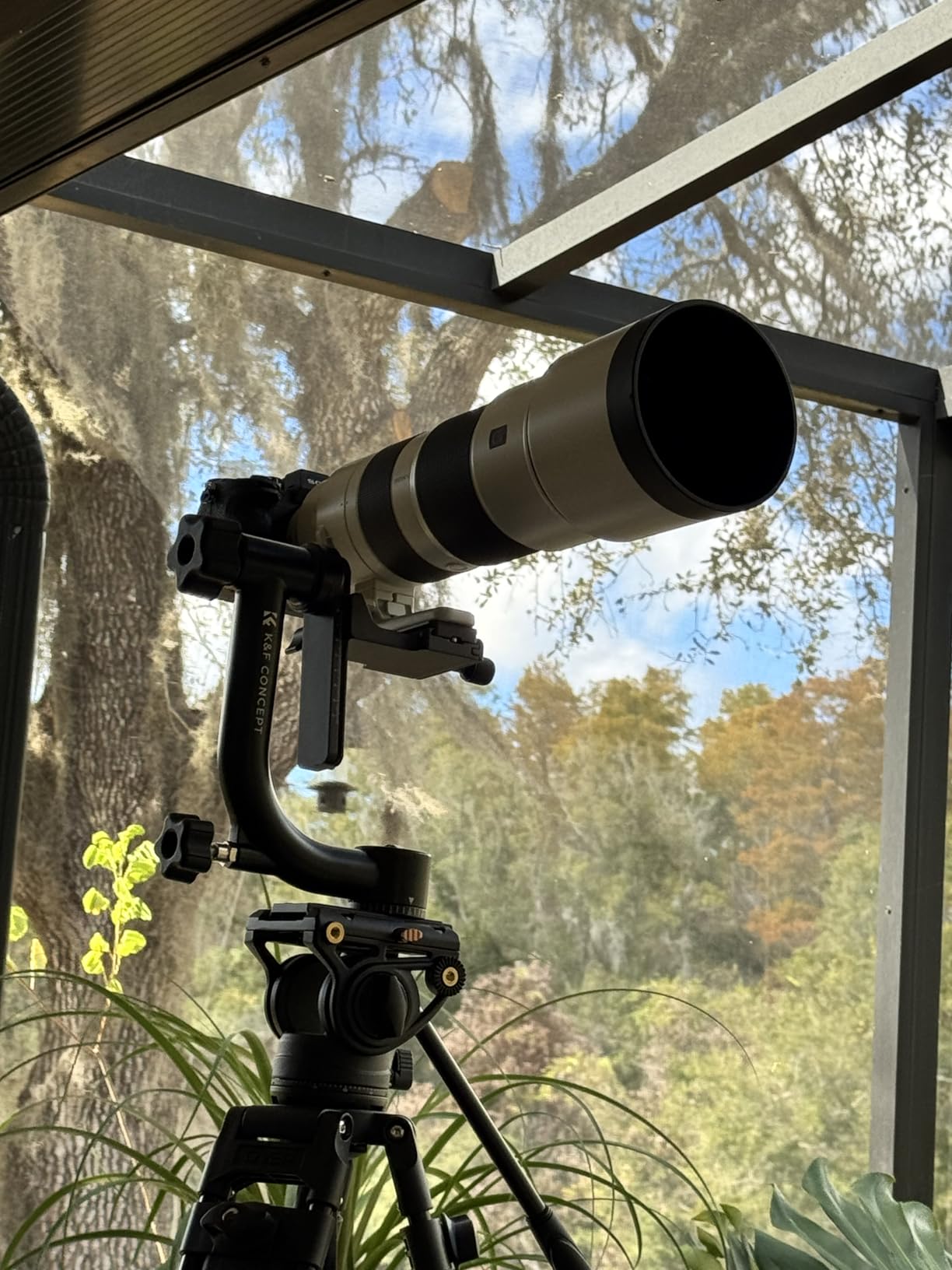
In the field, I tested this with a Sony A7R V and Sigma 150-600mm. The combination balanced cleanly, panning was smooth, and the friction felt close to what I get from the SIRUI PH-10. That is impressive for under $100.
The trade-offs are weight and stiffness. At 3.2 lbs, this is one of the heavier heads in the guide. The vertical lift felt stiffer than the more expensive options, requiring more effort to tilt up and down. For static or slow-moving subjects, this never matters. For fast-flying birds, the Benro or Wimberley is smoother.
Who this gimbal is for
Beginners testing whether a gimbal head fits their style, hobbyists with one telephoto lens under 400mm, or anyone on a strict budget. You cannot beat the value at this price.
When to upgrade from this gimbal
If you find yourself shooting fast action regularly, upgrade to the Benro GH5C for noticeably smoother tracking. If you find yourself hiking long distances, upgrade to the Wimberley MonoGimbal or SIRUI PH-10 for weight savings.
How to Choose the Right Gimbal Head for Wildlife Photography
Choosing the right gimbal head comes down to matching the head to your heaviest lens, your tripod, and your shooting style. Let me walk through the four factors that matter most, drawn from my own testing and years in the field.
Load capacity versus your heaviest lens
The most common mistake I see is buying a gimbal with insufficient load capacity. A gimbal head rated for 30 lbs may technically hold a 5 lb lens and body, but you want at least 3x to 5x headroom for smooth balance and damped motion. If your heaviest setup is a 600mm f/4 with a gripped body at around 8 lbs, choose a gimbal rated for at least 30 to 40 lbs. The Wimberley WH-200 and SIRUI PH-20 both meet that comfortably.
Weight versus portability
Carbon fiber gimbals like the Benro GH5C and SIRUI PH-10 weigh noticeably less than aluminum models. After a 6-mile hike, that 1 to 2 lb difference matters. If you mostly shoot from a car or short hike, aluminum is fine. If you backpack into remote areas, pay the premium for carbon fiber or consider the Wimberley MonoGimbal for monopod use.
Arca-Swiss compatibility
Every gimbal on this list uses an Arca-Swiss style quick release plate, which is the industry standard. Just make sure your lens foot is Arca-compatible, or budget for a third-party foot like a Really Right Stuff L-bracket. Mixing Arca plates across your tripod head, ball head, and gimbal saves enormous setup time in the field.
Balance and damped motion
The whole point of a gimbal is that your lens floats in balance. When you balance properly, you can let go of the lens and it stays exactly where you pointed it. That is what makes tracking birds effortless. Premium gimbals like the Wimberley WH-200 and Benro GH5C do this better than budget models because their bearings are tighter and their clamps hold more securely. Test the balance by releasing the lens at multiple angles and confirming it does not drift.
Lens compatibility for popular wildlife lenses
For Tamron 150-600mm users, the Benro GH5C and SIRUI PH-20 are the best matches because their longer arms reach the lens center of gravity cleanly. For Sony 200-600G owners, the Wimberley WH-200 and Benro GH5C both handle it well. For Canon 100-500mm, any of the mid-range gimbals work. For 600mm f/4 prime shooters, stick with the Wimberley WH-200 or ProMediaGear Katana for ultimate stability.
Beginner versus professional tier
If you are new to gimbal heads, start with the K&F CONCEPT or NEEWER GM101 to learn balancing without major investment. Once you commit to wildlife photography as a serious pursuit, upgrade to the Benro GH5C or Wimberley WH-200. The improvement in smoothness and longevity is worth every dollar over years of use.
Frequently Asked Questions
Are gimbal heads worth it in wildlife photography?
Yes, a gimbal head is one of the best upgrades you can make for wildlife photography. It balances long telephoto lenses so they float in position, letting you track moving birds and mammals with one finger. Compared to ball heads or fluid heads, gimbals reduce fatigue, increase keeper rates, and let you react faster to action.
What is the best tripod head for wildlife photography?
For most wildlife photographers, a gimbal head is the best tripod head because it supports heavy telephoto lenses in perfect balance. The Wimberley WH-200 is our top pick for premium builds, while the Benro GH5C offers the best value in carbon fiber. Budget shooters should consider the Ku0026amp;F CONCEPT or NEEWER GM101.
What is the difference between a fluid head and a gimbal head?
A fluid head uses hydraulic fluid for smooth motion and is designed primarily for video. A gimbal head uses a balanced cradle system for instant positional lock and is designed for still photography with long lenses. Gimbal heads are better for tracking wildlife because the lens stays where you aim it once balanced, while fluid heads require constant tension adjustment.
How do I balance a gimbal head for wildlife photography?
Mount your camera and lens on the gimbal, then loosen the pan and tilt locks. Slide the lens forward or backward on the platform until the lens stays in any tilt angle you set it without drifting up or down. Lock the platform position, then add small adjustments until the camera floats. Tighten all locks before shooting. A well-balanced gimbal should hold the lens steady even when you let go completely.
Which gimbal head is best for a Tamron 150-600mm lens?
The Benro GH5C, SIRUI PH-20, and Wimberley WH-200 are all excellent matches for the Tamron 150-600mm. The longer arms on these models let you reach the lens center of gravity cleanly, and their 44 to 100 lb load capacities easily handle the lens plus a gripped body. For budget use, the Ku0026amp;F CONCEPT also works but requires more effort to balance.
Final Verdict
After testing all eight of these gimbals with the same wildlife setup, my recommendation for the best gimbals heads for wildlife photography in 2026 comes down to your budget and shooting style.
If you shoot every weekend and own lenses over 400mm, the Wimberley WH-200 remains the gold standard, and the 10-year warranty makes it the smartest long-term investment. If you want premium performance at a friendlier price, the Benro GH5C is my pick for best value, delivering nearly identical smoothness at a noticeably lighter weight. For hikers and monopod users, the Wimberley MonoGimbal is genuinely revolutionary, transforming any monopod into a smooth tracking platform in under a minute.
For budget-conscious photographers, the K&F CONCEPT and NEEWER GM101 both deliver impressive results under $150. Whichever you choose, a gimbal head will change how you shoot wildlife forever.