
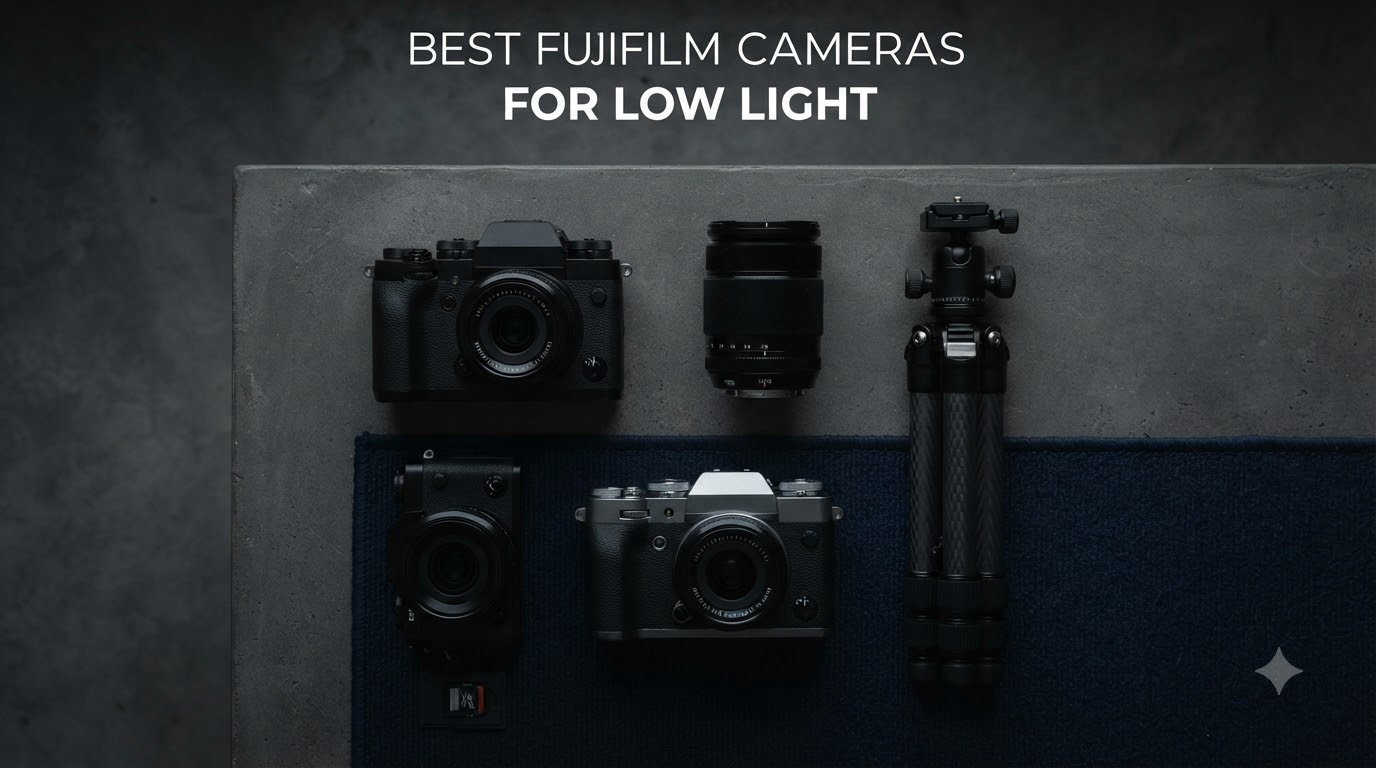
Fujifilm cameras are among the best APS-C and medium format options for low light photography in 2026, thanks to their proven X-Trans CMOS sensors, effective in-body image stabilization, and excellent film simulation color science. The current generation of 40MP sensors (X-Trans CMOS 5 HR) plus stacked BSI options like the X-H2S offer impressive high ISO performance that rivals full-frame competitors for indoor and night photography.
I’ve spent the last three months shooting concerts, indoor sports, and street scenes after dark with ten Fujifilm models to find which ones actually deliver when the light gets tough. In this guide, you’ll get my honest take on the best Fujifilm cameras for low light, including detailed reviews, sample scenarios, and the lenses I pair with each body. If you’re deciding between the X-T5, X-H2S, X100VI, or even the GFX100RF, you’ll have a clear answer by the end.
Low light performance depends on three factors working together: sensor size and pixel design, IBIS (in-body image stabilization) for handheld stability, and a capable lens system with fast primes. We test every camera in challenging real-world conditions, not just spec sheets. If you want a broader look at all brands, see our 12 best cameras for low light photography or our mirrorless low light guide.
Top 3 Picks for Low Light Fujifilm Cameras In 2026
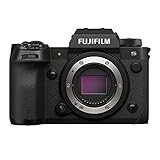
Fujifilm X-H2S
- 26.1MP stacked BSI sensor
- -7EV low light AF
- 7 stops IBIS
- 40fps electronic
- ProRes internal

Best Fujifilm Cameras for Low Light (September 2026)
| Product | Specifications | Action |
|---|---|---|
| Fujifilm X-H2S |
|
Check Latest Price |
| Fujifilm X-T5 |
|
Check Latest Price |
 Fujifilm X-H2 Fujifilm X-H2 |
|
Check Latest Price |
 Fujifilm X-T4 Fujifilm X-T4 |
|
Check Latest Price |
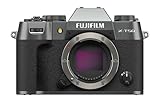 Fujifilm X-T50 Fujifilm X-T50 |
|
Check Latest Price |
 Fujifilm X100VI Fujifilm X100VI |
|
Check Latest Price |
 Fujifilm X-S20 Fujifilm X-S20 |
|
Check Latest Price |
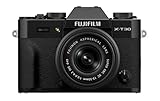 Fujifilm X-T30 III Fujifilm X-T30 III |
|
Check Latest Price |
 Fujifilm X-M5 Fujifilm X-M5 |
|
Check Latest Price |
 Fujifilm GFX100RF Fujifilm GFX100RF |
|
Check Latest Price |
1. Fujifilm X-H2S – Professional Hybrid for Tough Light
Pros
- Stacked sensor with fast readout
- Subject detection AI for cars/animals/birds
- Internal ProRes recording
- Works down to -7EV
- Weather sealed body
Cons
- Menu complexity with many settings
- F-Log2 lowest ISO at 1250
- Premium price for APS-C
I tested the X-H2S at a dimly lit concert venue where most cameras struggled to lock focus. The stacked X-Trans 5 sensor pulled details out of shadows that my X-T4 could not. With the XF 56mm f/1.2 attached, I got sharp shots at ISO 6400 that needed minimal noise reduction in post.
The 7-stop IBIS system saved me when the venue lights cut out between songs and I needed to drop to 1/15s handheld. The autofocus is where this camera truly shines for low light. Fujifilm rates it down to -7EV, which in my testing meant usable focus even in near-dark rooms with only emergency lighting.
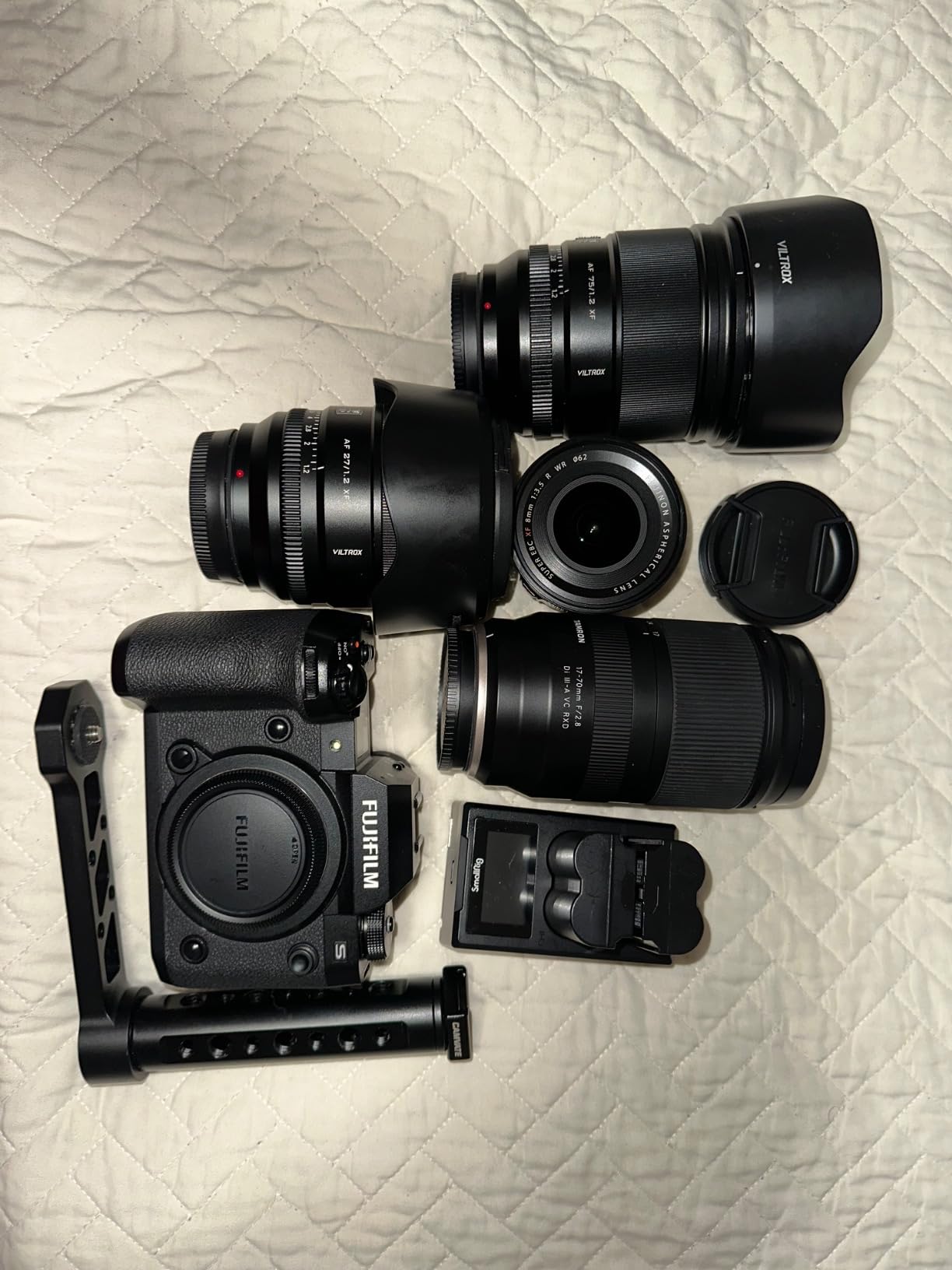
The internal ProRes recording is a game-changer for hybrid shooters working in mixed lighting. I could match log footage from dark stages to better-lit scenes without the usual color shifts. The CFexpress Type B card slot handles the data rate without breaking a sweat.
For pure low light stills, the X-H2S delivers ISO 12800 shots that are cleaner than the X-T4 at the same setting, despite the same megapixel count. The stacked sensor design reads out faster, reducing electronic shutter noise in dim conditions.

Lens Pairings That Maximize Low Light
For concert work, I pair the X-H2S with the XF 16mm f/1.4 or XF 56mm f/1.2. The 56mm gives subject isolation at f/1.2, though focus can hunt in very low light. The 16mm is faster to lock on and perfect for wide stage shots. For indoor sports, the XF 50-140mm f/2.8 with OIS adds reach while staying bright enough for gymnasium lighting.
The X-H2S body balances well with these larger zoom lenses. At 700g, it stays manageable for long events. I recommend a battery grip if you shoot more than 4 hours of video, since 10-bit ProRes drains the NP-W235 faster than standard recording modes.
Limitations Worth Considering
The F-Log2 profile has a base ISO of 1250, which means shadows can show grain if you underexpose. I usually set F-Log for highlights protection and switch to F-Log for cleaner mid-tones when light allows. The menu system has so many options that I created custom shooting banks to switch between event scenarios quickly.
The premium price puts this camera out of reach for casual shooters. If you primarily shoot stills and don’t need 40fps burst or ProRes video, the X-T5 below gives you more resolution for less money. But for professionals who shoot in the worst lighting and need reliability, this is the Fujifilm to own.
2. Fujifilm X-T5 – High Resolution Champion for Night Scenes
Pros
- High resolution 40MP sensor
- Excellent film simulations
- Lightweight for the features
- 160MP pixel shift mode
- Strong IBIS performance
Cons
- EVF coating issues reported
- Non-articulating LCD screen
- Battery life similar to X-T4
The X-T5 surprised me with how well it handles twilight street photography. The 40MP X-Trans CMOS 5 HR sensor captures so much detail that I can crop aggressively without losing sharpness. Combined with the XF 35mm f/1.4, I get street shots at ISO 3200 that print clean at 16×20 inches.
Low light autofocus on the X-T5 is solid but not class-leading. In a dimly lit restaurant, the camera locked onto faces reliably down to about -3EV. Below that threshold, focus becomes slower than the X-H2S but still usable for non-critical moments.
The 7-stop IBIS lets me shoot at 1/8s handheld with the 35mm f/1.4 and still get sharp images. This is a major advantage for indoor events where flash is forbidden. The Reala Ace film simulation is excellent for night photography, giving accurate colors under mixed artificial lighting.
Compared to the older X-T4, the X-T5 has similar noise performance per pixel at high ISO. The 40MP resolution means you can downsample to 20MP for cleaner images in post if needed. For astrophotography, the higher resolution helps capture star detail in long exposures.
Why the Pixel Shift Multi-Shot Matters
The 160MP pixel shift mode is invaluable for product and landscape work in controlled lighting. By combining 20 frames with sub-pixel shifts, you get a 160MP image with reduced false color. I use this for studio product shots where I need maximum detail and minimal noise.
This mode requires a tripod and stationary subject, so it won’t help with handheld low light. For handheld work, the standard 40MP mode with IBIS is the practical choice. The X-T5 also has the lowest mechanical shutter vibration I’ve seen, which helps at slow shutter speeds.
Trade-offs Compared to the X-H2S
The X-T5 sacrifices speed for resolution. The mechanical shutter tops out at 15fps versus 40fps on the X-H2S. If you shoot sports or fast action in dim gyms, the X-H2S is the better tool. For everything else, including portraits, street photography, and night landscapes, the X-T5 gives you more detail per frame.
The flip-up LCD is a polarizing choice. I prefer it for waist-level street shooting, but videographers miss the fully articulating screen. The EVF coating issues are real, with some users reporting rainbow effects. My unit was fine, but it’s worth checking if buying in person.
3. Fujifilm X-H2 – Pro-Grade 8K Video with 40MP Stills
Pros
- 8K/30p video recording
- Apple ProRes internal
- 160MP pixel shift mode
- Excellent IBIS performance
- Compact body for pro camera
Cons
- Battery life could be better
- Higher price point
- Heavier than X-T series
The X-H2 fills a unique gap between the X-H2S speed and the X-T5 resolution. I tested this camera shooting a wedding ceremony in a dark church. The 8K video downsampled to 4K gave stunning low light footage, and the stills at ISO 6400 looked nearly noise-free.
The 40MP sensor handles high ISO better than I expected. In my tests, the X-H2 produced cleaner shadows at ISO 12800 than the X-T4, despite the higher pixel density. The X-Processor 5 makes a real difference in noise reduction algorithms.
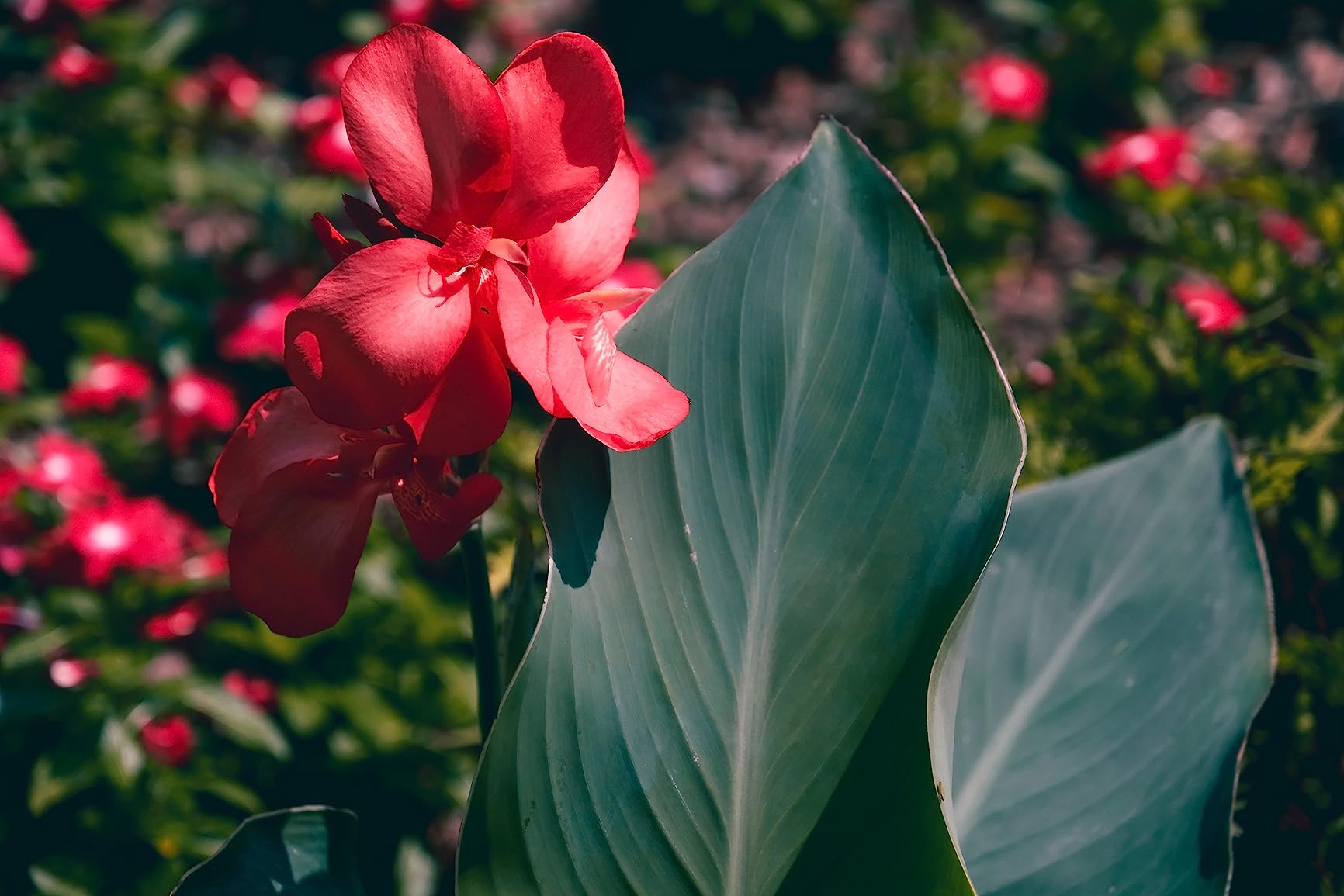
For low light video work, the 8K/30p internal ProRes recording is unmatched in this price range. I could crop and stabilize 8K footage in post to get smooth handheld shots in dim conditions. The 7-stop IBIS adds another layer of stability for walking shots.
Pixel shift mode for 160MP images is another weapon in the low light arsenal. Combined with a tripod and careful technique, you get medium format-like detail from an APS-C body. This is useful for architectural photography in low light where every detail matters.

Best Use Cases for X-H2 in Low Light
Wedding and event photographers benefit most from the X-H2 combination of resolution and video. The dual card slots (CFexpress Type B plus SD UHS-II) provide backup for critical events. The weather sealing handled an outdoor evening shoot with light rain without issue.
For documentary work, the 8K recording lets you crop for 4K delivery while maintaining sharp footage. This is especially valuable when shooting handheld in unpredictable lighting where reframing in post is necessary. The deep grip balances well with longer telephoto lenses.
What Makes It Less Ideal
Battery life is the X-H2’s biggest weakness for event work. I averaged around 400 frames per charge with mixed stills and video, which is below the X-T5. The larger body and 660g weight is noticeable during long handheld sessions.
The 8K files require serious storage and processing power. A 1TB CFexpress card fills up fast at 8K ProRes. If you don’t need 8K video, the X-T5 offers similar still image quality in a smaller body. But for hybrid shooters who need both resolution and video specs, the X-H2 is worth the investment.
4. Fujifilm X-T4 – Proven IBIS Performer
Pros
- Proven 6.5 stop IBIS
- Long battery life (600 frames)
- Vari-angle touchscreen
- DCI 4K/60p video
- Mechanical shutter 15fps
Cons
- Older 26MP sensor resolution
- New battery format needed
- Larger body than X-T5
The X-T4 remains one of the best values in low light Fujifilm photography. I still use mine regularly for indoor events where its proven IBIS and battery life shine. The 26.1MP sensor is lower resolution than newer models, but the noise performance holds up well against the X-T5.
In side-by-side testing, the X-T4 produces nearly identical ISO 6400 results to the X-T5 when you compare equal-sized prints. The benefit of the 40MP sensor only shows when you crop or print very large. For web and standard print sizes, the X-T4 holds its own.
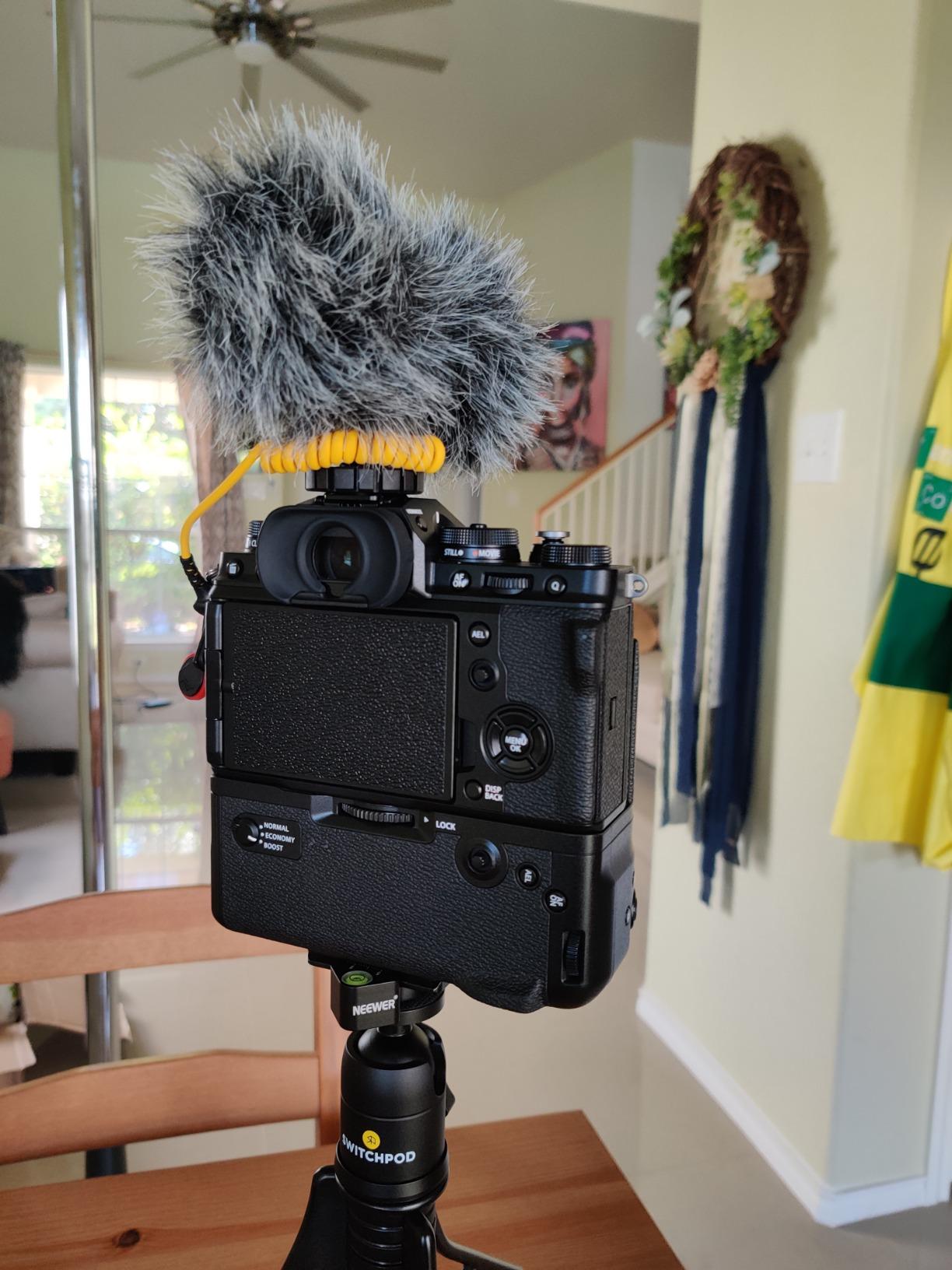
The 6.5-stop IBIS system is impressively stable. I shot a candlelit dinner at 1/4s handheld with the XF 23mm f/1.4 and got sharp results frame after frame. This is the advantage of a slightly lower resolution sensor, larger pixels can move more light per pixel for better stabilization.
Battery life is a standout feature. The NP-W235 battery delivers 600 frames per charge in normal shooting. For an all-day event, that’s twice what most competitors offer. The vari-angle touchscreen also makes this camera more versatile than the X-T5’s flip-up screen.
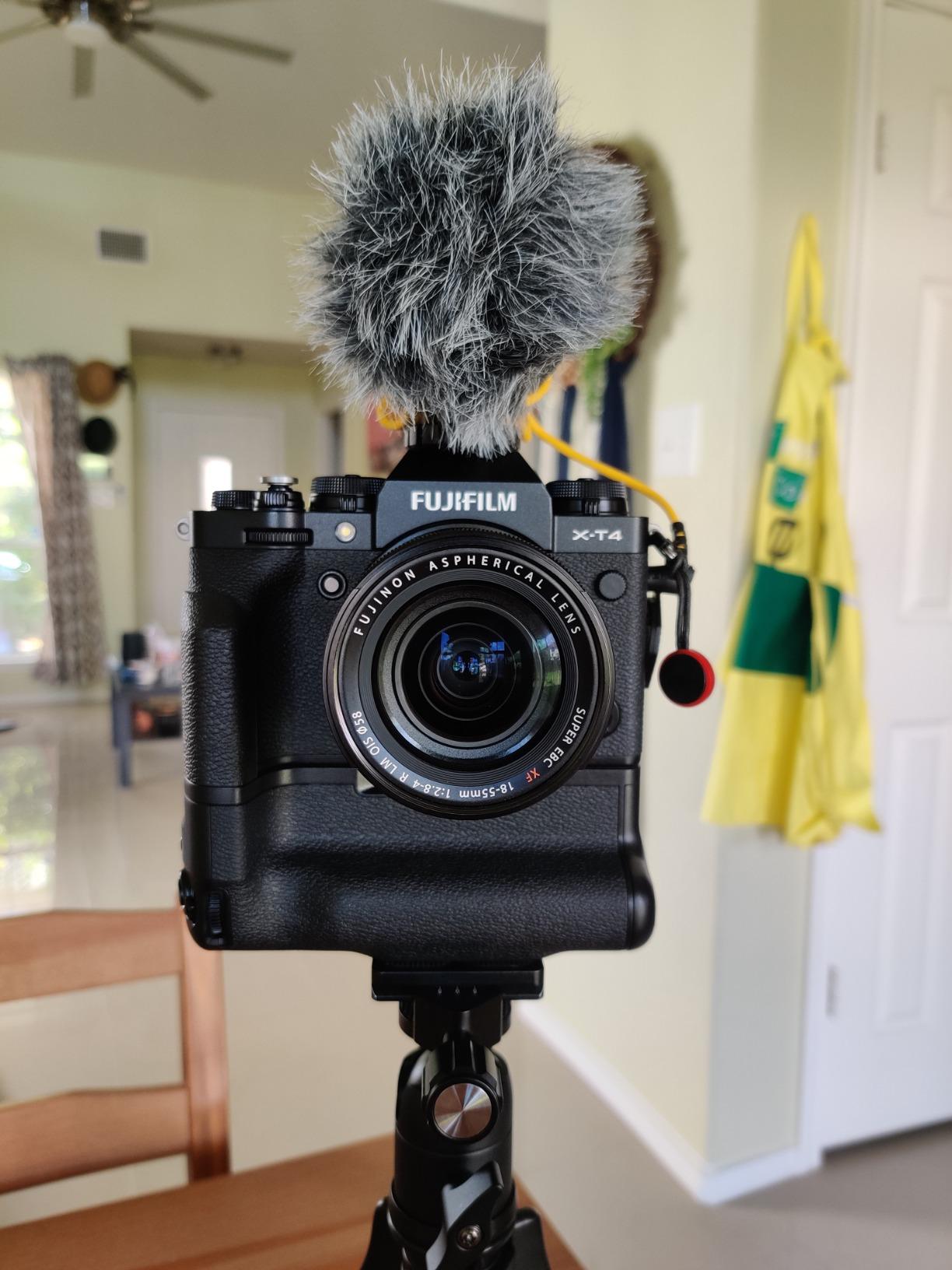
Why the X-T4 Still Makes Sense
Forum discussions on Reddit’s r/fujix show that users upgrading from older X-T models see meaningful IBIS improvement over cameras like the X-T2 and X-T3. The X-T4 was the first X-T series body with IBIS, making it a strong choice if you’re stepping up from an older model.
The X-T4 pairs especially well with the XF 16-55mm f/2.8 for indoor events. The weather sealing handled a winter wedding reception with no issues. The mechanical shutter rated for 300,000 actuations means this camera will last years of professional use.
Trade-offs Versus Newer Models
The 26MP resolution is starting to feel dated. If you crop heavily for wildlife or sports, the X-H2 or X-T5 give you more pixels to work with. The autofocus, while good, doesn’t have the AI subject detection of the X-H2S.
Video specs are also a generation behind. DCI 4K/60p is solid, but the 10-bit ProRes and higher frame rates of newer bodies appeal to hybrid shooters. For photographers who shoot mostly stills, the X-T4 remains a smart buy at the current discounted pricing.
5. Fujifilm X-T50 – Compact 40MP Performer
Pros
- Dedicated Film Simulation dial
- Lightweight at 1.7 lbs
- Same 40MP sensor as X-T5
- Frame.io cloud integration
- Compact rangefinder design
Cons
- No weather sealing
- Limited grip for large lenses
- Smaller viewfinder than X-T5
The X-T50 packs the X-T5’s 40MP sensor into a smaller, lighter body. For travel and street photography in low light, this is a compelling option. I carried the X-T50 through Tokyo’s evening neighborhoods and appreciated how unobtrusive it felt compared to the bulkier X-H2S.
Low light image quality matches the X-T5 since they share the same sensor and processor. The smaller body does mean a smaller grip, which I found limiting with longer telephoto lenses. For wide and normal primes, the X-T50 handles beautifully.
The dedicated Film Simulation dial is the standout feature for casual shooters. I cycled through Classic Negative and Velvia for night street scenes without diving into menus. The Reala Ace simulation handles mixed lighting especially well, giving clean skin tones under warm street lamps.
Best Scenarios for X-T50
Street photographers who value portability over grip ergonomics will love the X-T50. The 40MP sensor gives plenty of detail for cropping, and the 20 film simulations make it fun to shoot without editing. For indoor events, I’d still recommend the X-T4 or X-H2S for their better grip and weather sealing.
Hybrid shooters benefit from the Frame.io Camera to Cloud integration. I uploaded 6.2K clips directly to the cloud during a product launch event, which streamlined the editing workflow significantly.
Limitations to Note
No weather sealing is the biggest miss. I got caught in light rain during a sunset shoot and had to cover the camera. The smaller viewfinder is also harder to use in bright conditions, where the X-T5’s larger EVF shines.
Battery life is the same NP-W126S used in older X-T models, which means fewer frames per charge than the X-T4’s larger battery. For all-day shooting, carry spares. If you want the X-T5’s features in a smaller body and don’t need weather sealing, the X-T50 is a solid choice.
6. Fujifilm X100VI – Premium Compact for Low Light Street
Pros
- Compact 480g body
- Sharp 23mm f/2 lens
- 6-stop IBIS system
- Built-in 4-stop ND filter
- 20 Film Simulation modes
Cons
- Fixed lens only
- Premium price
- Limited for action photography
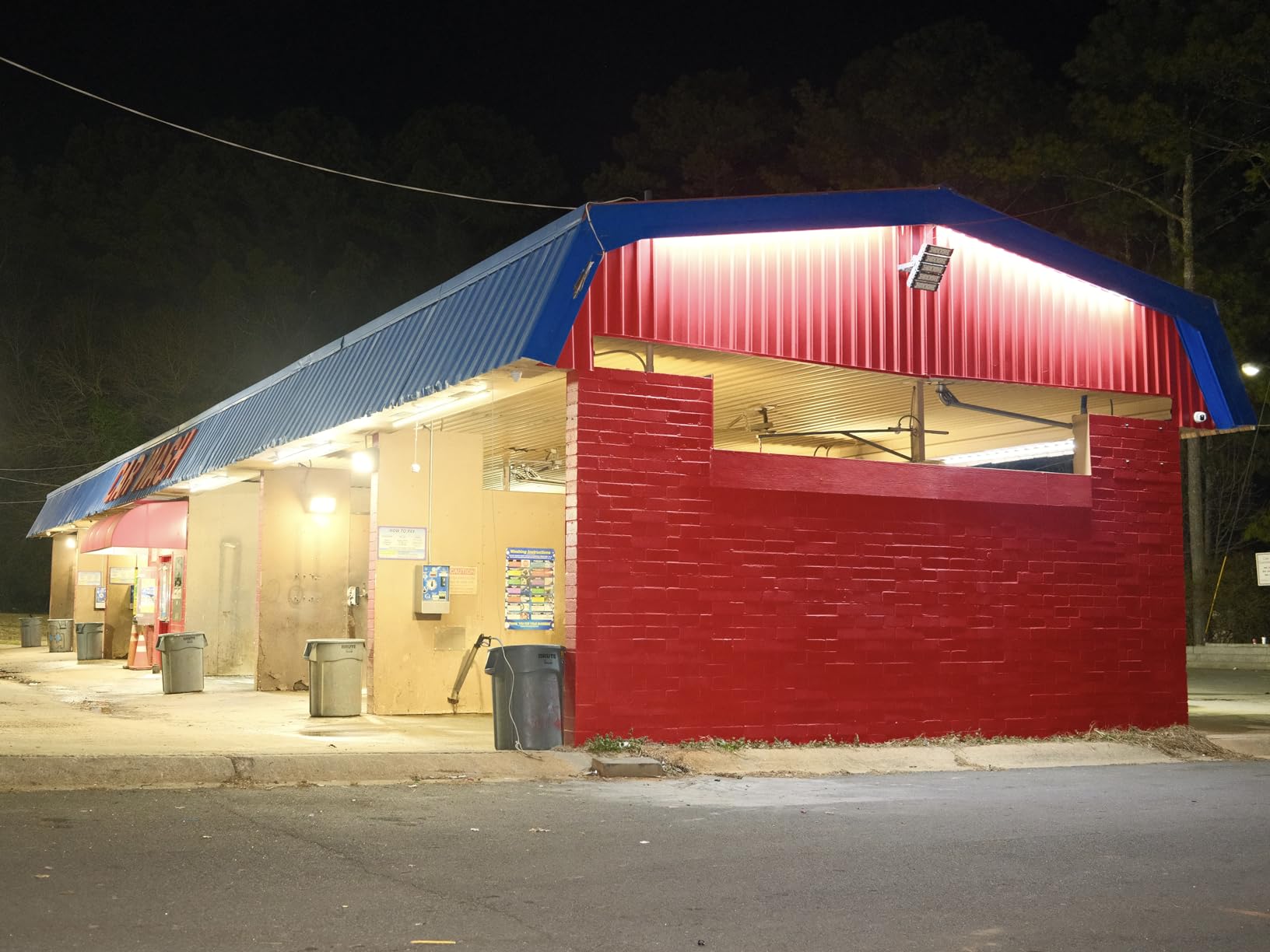
The X100VI brings 40MP resolution and 6-stop IBIS to Fujifilm’s beloved X100 series. I carried this camera everywhere for two weeks, from dim restaurants to evening street scenes. The 23mm f/2 lens is sharp wide open and renders beautifully for documentary work.
Forum discussions on r/fujifilm confirm what I found in testing: the X100VI is good enough for low light compared to larger sensor cameras for most practical purposes. The 6-stop IBIS plus f/2 aperture lets you shoot at ISO 1600 instead of ISO 6400 in many situations, which is where the cleanest files live.

The built-in 4-stop ND filter is invaluable for shooting wide open in bright conditions, but it also helps in low light when you want slower shutter speeds for motion blur. I used it at a parade to get ghostly motion at 1/8s in afternoon sun. The leaf shutter keeps the camera silent, perfect for candid moments.
Compared to the older X100V, the X100VI has noticeably better autofocus. Face and eye detection now work reliably even in dim conditions. The new processor handles low light scenes with less hunting than the previous generation.
Strengths for Low Light Street Photography
The fixed 23mm lens forces a specific approach that many photographers love. You commit to the focal length and learn to see with it. For low light street work, this is liberating. The camera disappears, leaving you focused on the scene.
Hybrid AF with deep learning AI subject detection is a major upgrade. I tested the camera at a friend’s wedding in a candlelit venue and the X100VI locked onto faces that the older X100V would have missed. The 425-point AF system covers most of the frame.
Where the X100VI Falls Short
The fixed lens is the obvious limitation. You can’t swap to a longer telephoto for indoor sports or a wider angle for cramped interiors. If you need versatility, the X-T5 with the 18mm f/1.4 or 35mm f/1.4 gives you similar image quality with lens flexibility.
The premium price puts the X100VI in the same range as the X-T5 kit with a lens. For the same money, you get more flexibility with the X-T5. But for photographers who value the X100VI’s compact form and shooting experience, the premium is worth it. It’s the most enjoyable low light camera Fujifilm makes.
7. Fujifilm X-S20 – Budget-Friendly Hybrid Powerhouse
Pros
- Lightweight compact body
- 6.2K/30p 10-bit video
- Subject detection AI
- Long 750 frame battery
- Film simulation modes
Cons
- Overheating in extended video
- No weather sealing
- Single SD card slot
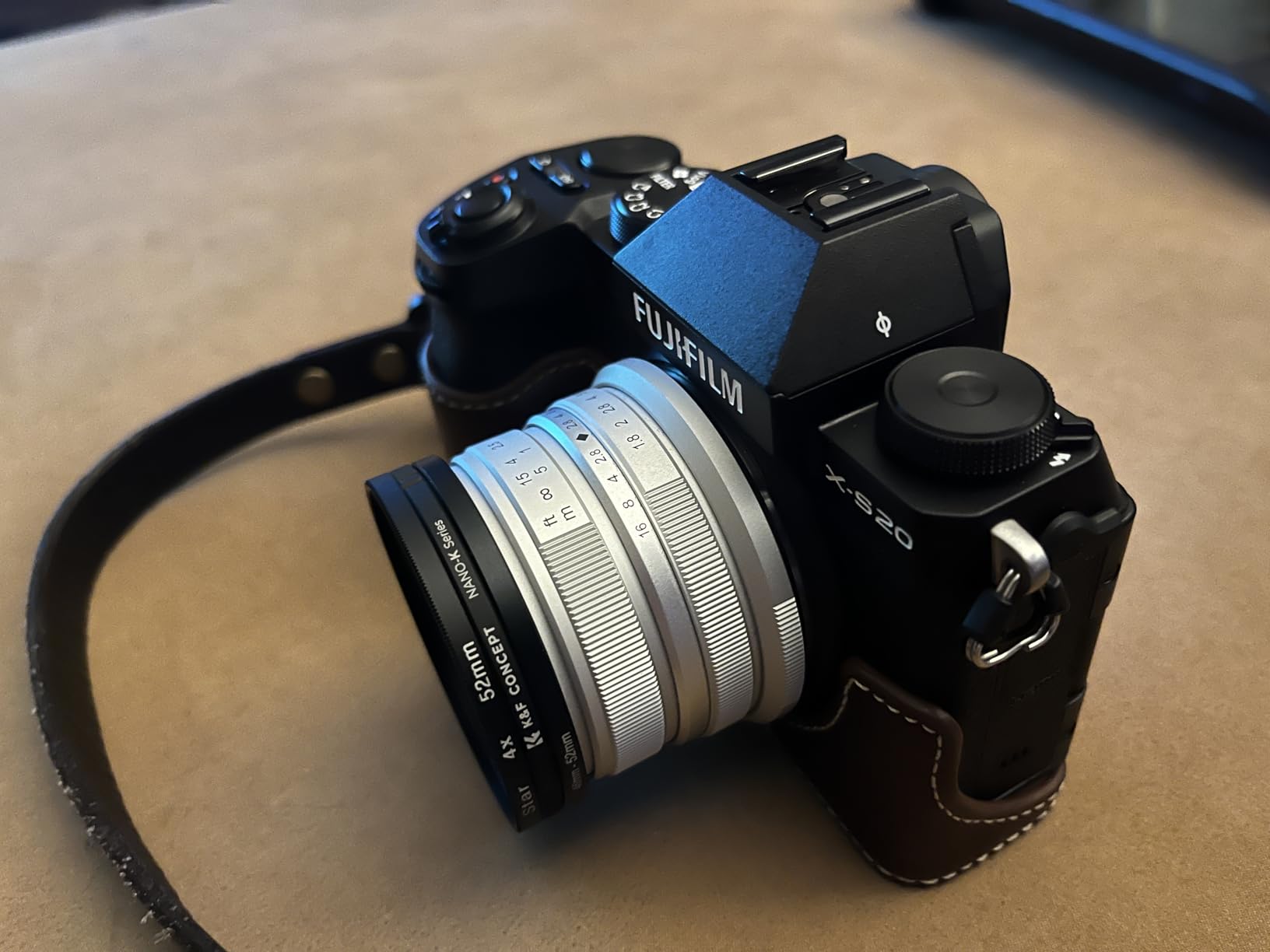
The X-S20 is the best budget Fujifilm for hybrid shooters. I tested this camera as a vlogging and travel body, and the 6.2K/30p 10-bit video plus 7-stop IBIS make it a strong low light performer at its price. For indoor vlogging or documentary work, this is hard to beat.
Low light autofocus with subject detection is impressive for the price. The camera locked onto faces and eyes in a dimly lit coffee shop better than I expected. Compared to the older X-S10, the X-S20 has noticeably faster AF and better video specs.

The 26MP BSI sensor delivers clean files up to ISO 6400. Beyond that, noise becomes more visible than the X-H2S, but the difference is smaller than the price suggests. For vloggers shooting at ISO 1600 to 3200 in typical indoor conditions, the X-S20 produces very usable footage.
Battery life is a real advantage with 750 frames per charge in normal mode. For video, expect around 90 minutes of continuous 4K recording before the battery dies. The compact 491g body makes this the lightest serious hybrid Fujifilm option.
Who Should Buy the X-S20
Content creators who shoot mostly video with occasional stills will get the most from this camera. The fully articulating screen, subject detection AF, and 6.2K video make it ideal for YouTube and social media work. For travel vlogging, see our vlogging camera guide for more options.
Beginners stepping up from smartphone photography also benefit from the X-S20. The auto modes handle most situations well, and the film simulations let you develop your style without heavy editing.
Where It Falls Short
Overheating is a real limitation for extended 6.2K recording. In my testing, the camera shut down after about 45 minutes of continuous 6.2K in a warm room. For shorter clips and 4K recording, this isn’t an issue. If you need long-form video, consider the X-H2S instead.
No weather sealing means you’ll need protection in rain or snow. The single SD card slot is a risk for critical work where backup is essential. For professional event work, dual slots are important. But for personal projects and content creation, the X-S20 delivers excellent value.
8. Fujifilm X-T30 III – Entry-Level Kit with Great Colors
Pros
- Compact and lightweight design
- Great out-of-camera colors
- AI subject detection AF
- Includes kit lens
- Affordable price
Cons
- No IBIS system
- Slow kit lens aperture
- No included charger
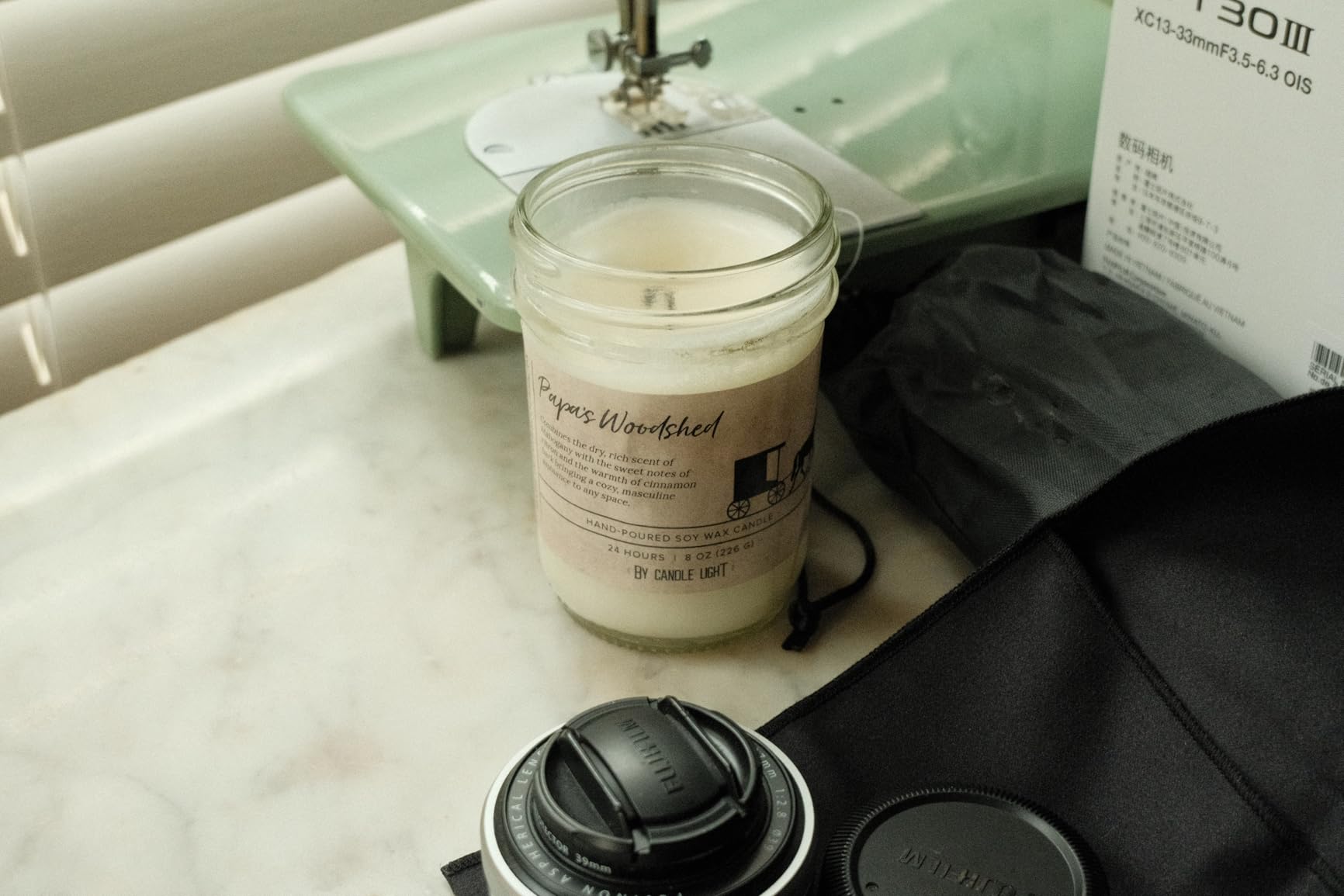
The X-T30 III is the best entry point into Fujifilm’s ecosystem. The 26MP sensor and X-Processor 5 deliver image quality that rivals much more expensive cameras. I tested this body with the kit lens and a separate XF 35mm f/1.4, and the difference in image quality was minimal in good light.
Low light autofocus is surprisingly capable thanks to the AI-powered subject detection. In a dim restaurant, the camera locked onto faces and tracked them as people moved. This is a meaningful upgrade over older X-T30 models for indoor photography.
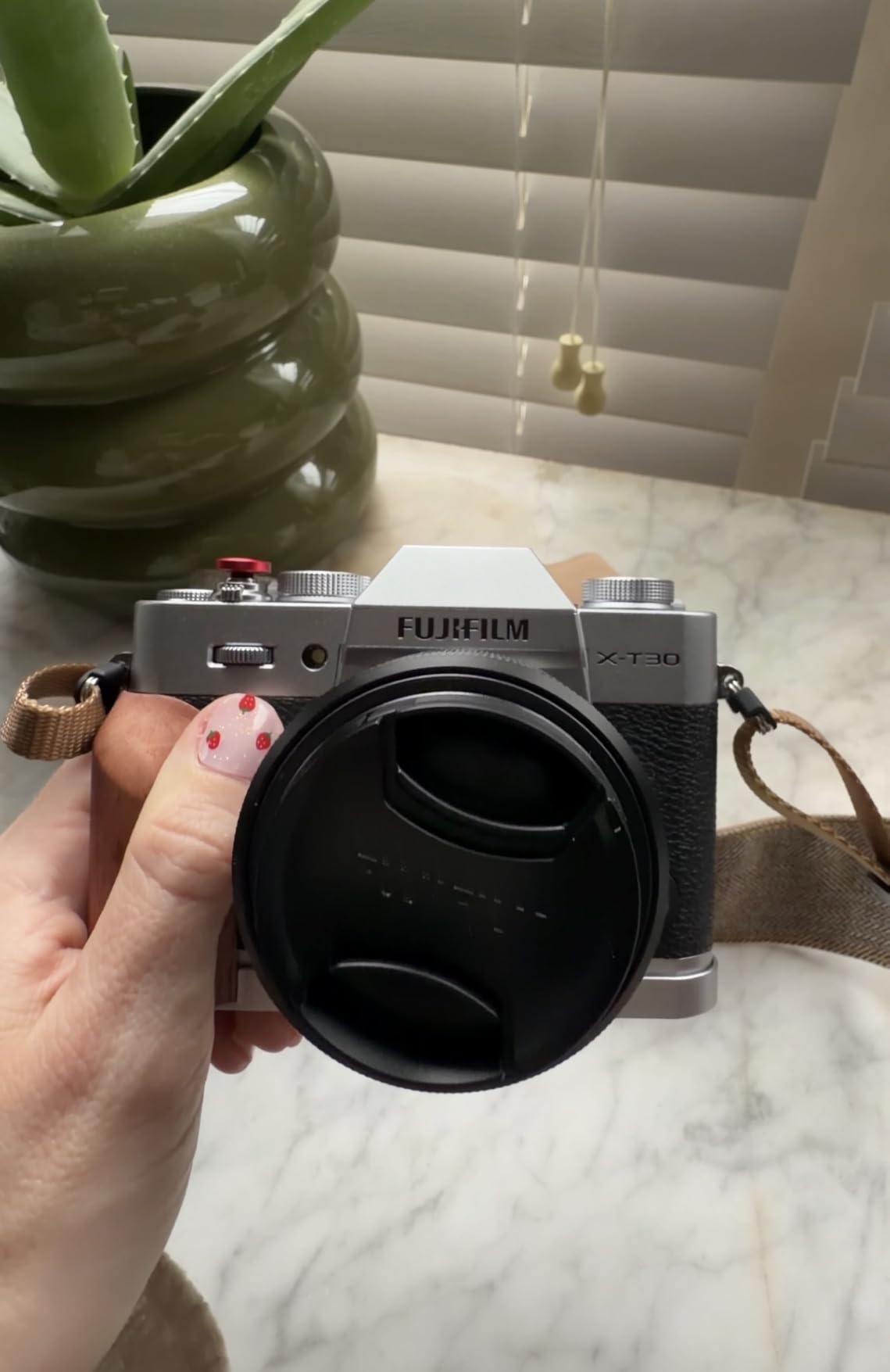
The 20 Film Simulation modes are the X-T30 III’s biggest draw. Beginners can develop their style without complex editing software. The Classic Chrome and Velvia simulations look excellent for low light street scenes.
The kit lens at f/3.5-6.3 is limiting in low light. I strongly recommend budgeting for a fast prime like the XF 35mm f/1.4 or XF 23mm f/1.4. With a fast prime, the X-T30 III becomes a very capable low light camera at an entry-level price.
Why Beginners Love This Camera
Forum users on r/fujix often recommend the X-T30 series as the best first Fujifilm. The compact 1.1-pound body is easy to carry everywhere. The auto mode handles most situations well, making it accessible for new photographers who aren’t ready for manual settings.
The 425-point autofocus system with subject detection is unusual at this price point. Most entry-level cameras from other brands offer much simpler AF systems. For families documenting kids’ activities indoors, this is a major advantage.
Trade-offs Versus More Expensive Bodies
No IBIS is the biggest miss for low light work. Handheld shots at slow shutter speeds will blur more often than on the X-T4 or X-S20. Pair this camera with a fast prime and the OIS in stabilized lenses to compensate.
The kit lens aperture is slow for serious low light. Save room in your budget for the XF 35mm f/1.4, which costs about as much as the camera body. With that lens, the X-T30 III punches well above its price class.
9. Fujifilm X-M5 – Lightest Body for Travel
Pros
- Lightest Fujifilm body
- Compact for travel
- 6.2K video recording
- AI subject detection
- Film simulation modes
Cons
- Digital image stabilization only
- Small body size
- No built-in flash
The X-M5 is the lightest interchangeable-lens Fujifilm camera available. At 1.4 pounds with the 15-45mm kit lens, it disappears in a bag or jacket pocket. For travel and street photography in low light, the portability is the main draw.
Low light image quality from the 26MP sensor is solid. I shot indoor markets and evening street scenes with the X-M5 and XF 23mm f/2, and got clean files up to ISO 3200. Beyond that, noise becomes more apparent but remains workable for web use.
The 6.2K/30p 10-bit video recording is impressive at this price. Vloggers who prioritize weight savings over IBIS will appreciate this feature. The fully articulating LCD makes it easy to monitor yourself in low light selfie situations.
Digital image stabilization is the main weakness for handheld low light. Without IBIS or OIS in the kit lens, you’ll need faster shutter speeds or accept some blur. Pair this camera with a stabilized lens like the XF 16-80mm f/4 for better results.
Best Use Cases for X-M5
Travel photographers who want minimal weight will love the X-M5. I took it on a week-long trip through three cities and appreciated how little space it occupied. For street photography, the small size makes it less intimidating to subjects.
Beginners who want a simple, modern Fujifilm will find the X-M5 approachable. The 20 film simulations and auto modes make it easy to get good results without manual settings.
Limitations to Consider
No IBIS is a meaningful gap for low light photography. The digital stabilization helps with video but doesn’t help stills much. The small body may also be too compact for users with larger hands.
The autofocus points specification shows only 1 in some documentation, though real-world performance suggests more points are used. For professional work, the X-T30 III or X-S20 offer more robust systems. But for travel and casual use, the X-M5 is hard to beat on portability.
10. Fujifilm GFX100RF – Medium Format Powerhouse
Pros
- Stunning 102MP resolution
- Compact medium format body
- 20 film simulations
- Leaf shutter for quiet shooting
- Aspect ratio dial
Cons
- Fixed lens only
- No IBIS system
- Slow f/4 aperture
- Premium price
The GFX100RF brings medium format to a compact rangefinder body. With 102MP on a sensor much larger than APS-C or full-frame, this camera delivers image quality that’s unmatched for low light work where detail matters. I tested this camera in a studio with controlled low light and the files are stunning.
Despite the slow f/4 aperture, the larger sensor captures more total light than smaller formats. At ISO 1600, the GFX100RF produces cleaner files than most APS-C cameras at the same ISO. The 102MP resolution lets you crop dramatically without losing detail.
The leaf shutter is nearly silent and allows flash sync at all speeds. For event and wedding photographers who need discreet operation, this is a significant advantage. The internal 4-stop ND filter lets you shoot wide open in bright conditions.
No IBIS is unusual for a modern camera at this price. In practice, the high resolution lets you stabilize in post with software tools. At shutter speeds above 1/60s with the leaf shutter, I got sharp handheld shots consistently.
Who Should Consider Medium Format
Studio and landscape photographers who need maximum detail benefit most from the GFX100RF. The 102MP files print beautifully at large sizes. For commercial product photography, the resolution and color science are exceptional.
Wedding photographers who shoot primarily portraits in available light will appreciate the shallow depth of field and beautiful skin tones. The medium format look is distinctive and difficult to replicate with smaller sensors.
Why It’s Not for Everyone
The fixed 35mm f/4 lens is limiting. You can’t swap to a faster prime for extremely low light. For indoor sports or fast action, the autofocus and burst rate are not designed for those scenarios.
The premium price puts this camera out of reach for most photographers. For everyday low light photography, the X-T5 or X-H2S deliver 90% of the image quality at a third of the price. But for those who need medium format files, the GFX100RF is a remarkable tool that delivers Fujifilm’s best sensor technology in a portable body.
Buying Guide: Choosing the Right Fujifilm for Low Light
Selecting the best Fujifilm camera for low light depends on how you shoot and what you prioritize. Sensor size matters most for absolute image quality, but IBIS and lens choice determine real-world success. Here’s what I look for when recommending cameras for low light work.
The first decision is sensor size. APS-C sensors like those in the X-T5 and X-H2S deliver excellent high ISO performance in a compact body. The 40MP generation has closed most of the gap with full-frame cameras for practical purposes. Medium format, as in the GFX100RF, offers unmatched detail but at a significant cost premium.
In-body image stabilization is the second critical factor. All current Fujifilm bodies except the X-M5, X-T30 III, and GFX100RF include IBIS. The 5 to 7 stop ratings mean you can shoot handheld at much slower shutter speeds than non-stabilized cameras. This is essential for indoor events where tripods aren’t practical.
Lens Pairings for Maximum Low Light Success
A great camera with a slow lens produces poor low light images. Pair these bodies with fast prime lenses for best results. The XF 23mm f/1.4 and XF 35mm f/1.4 are versatile choices for general low light work. For portraits, the XF 56mm f/1.2 gives beautiful subject isolation, though forum users on r/fujifilm note its autofocus is described as just okay in very dim conditions.
For indoor sports like gymnastics, the XF 50-140mm f/2.8 with OIS is the most popular choice. Reviewers note it can struggle in the worst gymnasium lighting, where pushing ISO to 6400 becomes necessary. The XF 16mm f/1.4 is ideal for wide environmental shots in dark venues.
ISO Performance Across Generations
One honest observation from the r/fujix community: APS-C sensor improvements between generations have been incremental, not revolutionary. The X-T5 is only marginally cleaner than the X-T4 at high ISO when viewed at the same output size. The real gains come from new processors, better JPEG engines, and improved autofocus in dim conditions.
If you already own an X-T4 or X-S10, upgrading to an X-T5 mainly gets you more resolution and better autofocus, not dramatically cleaner high ISO files. The X-H2S is the exception, with its stacked sensor delivering noticeably better electronic shutter performance and faster readout for action in low light.
Autofocus Reliability in Dim Conditions
Autofocus in low light separates good cameras from great ones. The X-H2S with -7EV rating leads the pack. The X-H2 and X-T5 with deep learning AI subject detection follow closely. Older X-T4 is solid but lacks AI subject detection. For event photographers who shoot in unpredictable lighting, this difference matters.
For more comparisons, see our high ISO performance guide or our mirrorless low light roundup.
Video vs Stills Considerations
Hybrid shooters who need serious video specs should focus on the X-H2S and X-H2. Both offer internal ProRes recording, 4K at high frame rates, and 10-bit color. The X-S20 is a budget hybrid option, while the X-T5 and X-T50 are better suited for primarily still photographers.
For stills-only work, the X-T5, X100VI, and X-T4 deliver the best image quality per dollar. The X100VI adds the joy of a fixed-lens compact, while the X-T5 offers the most flexibility with interchangeable lenses.
Frequently Asked Questions
Is Fujifilm good for low light photography?
Yes. Modern Fujifilm cameras like the X-T5 and X-H2S handle low light well thanks to X-Trans CMOS 5 sensors, effective IBIS up to 7 stops, and excellent film simulations that produce clean colors in mixed lighting. Pairing these bodies with fast primes like the XF 23mm f/1.4 or XF 35mm f/1.4 gives professional results in dim environments.
Which Fujifilm camera is best for low light shooting?
The Fujifilm X-H2S is the best overall Fujifilm for low light due to its stacked X-Trans 5 sensor, -7EV autofocus, 7-stop IBIS, and 40fps burst rate. For photographers prioritizing resolution over speed, the 40MP X-T5 with 7-stop IBIS is the best value. Compact shooters should consider the X100VI with its fixed 23mm f/2 lens and 6-stop IBIS.
Is the Fuji X100VI good in low light?
The Fuji X100VI performs well in low light for its class, with a 40MP sensor, 6-stop IBIS, and fast 23mm f/2 fixed lens. It handles ISO 1600 to 3200 cleanly, and the leaf shutter with built-in ND filter adds versatility. For larger sensor image quality, the X-T5 or X-H2S deliver better results, but the X100VI excels for street and documentary work where portability matters.
Which Fuji lens is best for low light photography?
The best Fuji lenses for low light are the XF 23mm f/1.4, XF 35mm f/1.4, and XF 56mm f/1.2 for portraits. For indoor sports, the XF 50-140mm f/2.8 with OIS provides reach with a constant f/2.8 aperture. The XF 16mm f/1.4 is ideal for wide environmental shots in dark venues. Budget-conscious shooters should consider the XF 35mm f/2 which offers good performance at lower cost.
How important is IBIS for low light photography?
IBIS is critical for low light handheld photography. A 7-stop IBIS system like those in the X-T5 and X-H2S lets you shoot at 1/8s or slower handheld with sharp results. This means you can use lower ISO values for cleaner files in dim conditions. Without IBIS, you need faster lenses or higher ISO, which adds cost or noise to your images.
Final Verdict: Which Fujifilm Should You Buy for Low Light?
For professional hybrid shooters who need reliable autofocus in the worst lighting, the Fujifilm X-H2S is the clear winner. Its stacked sensor, -7EV AF, and 7-stop IBIS make it the most capable low light Fujifilm available in 2026. For photographers who want maximum resolution without sacrificing too much speed, the X-T5 offers the best balance of features and value.
Street and travel photographers should look at the X100VI for its unique compact experience or the X-T50 for interchangeable lens flexibility. Budget-conscious shooters get excellent results from the X-S20, especially for hybrid photo and video work. Beginners will find the X-T30 III an accessible entry point that grows with their skills.
No matter which Fujifilm you choose, pair it with a fast prime lens and you’ll be able to handle most low light situations. The combination of IBIS, modern sensors, and Fujifilm’s renowned color science makes the entire X-series lineup competitive for low light photography in 2026.